

Introduction: When Extra Weight Weighs on the Mind
When we think about obesity in our furry friends, we often focus on the visible physical challenges—difficulty climbing stairs, reduced stamina during walks, or joint problems. But did you know that those extra pounds might also be silently affecting your dog’s ability to think, learn, and emotionally connect with you? The hidden behavioral costs of canine obesity extend far beyond what meets the eye, touching every aspect of your dog’s cognitive function and emotional wellbeing.
Just as obesity in humans has been linked to cognitive decline and emotional challenges, our canine companions face similar struggles when carrying excess weight. This isn’t simply about a slower waddle or reluctance to play fetch—we’re talking about fundamental changes in how your dog’s brain processes information, responds to training, and manages stress. Let us guide you through this complex but crucial topic that could transform how you understand and care for your four-legged family member.
The Science Behind Slow Minds: Understanding the Neurobiological Impact
How Obesity Changes Your Dog’s Brain Chemistry
You might notice your overweight dog seems less interested in that puzzle toy they once loved, or perhaps they’re taking longer to respond when you call their name. These aren’t just signs of laziness—they’re symptoms of genuine neurobiological changes happening inside your dog’s brain. When excess body fat accumulates, it triggers a cascade of metabolic disruptions that directly impact cognitive function.
The inflammation connection is particularly fascinating yet concerning. Chronic low-grade inflammation, which accompanies obesity, doesn’t stay confined to the body—it travels to the central nervous system, creating what scientists call neuroinflammation. This means your dog’s brain is essentially operating in a constant state of mild irritation, like trying to think clearly with a persistent headache. The result? Slower processing speeds, reduced problem-solving abilities, and difficulty maintaining focus during training sessions.
Insulin resistance in the brain presents another layer of complexity. While we often associate insulin with blood sugar regulation, your dog’s brain needs insulin too—it’s crucial for optimal cognitive performance. When obesity develops, the brain can become resistant to insulin’s effects, essentially starving neurons of the fuel they need to function properly. This metabolic disruption affects everything from memory formation to decision-making abilities.
The Neurotransmitter Imbalance
Beyond structural changes, obesity disrupts the delicate balance of neurotransmitters—those chemical messengers that regulate mood, motivation, and behavior. Serotonin levels, crucial for maintaining emotional stability and contentment, can become dysregulated. Meanwhile, dopamine pathways, which drive motivation and reward-seeking behavior, may become less responsive. This chemical imbalance helps explain why your overweight dog might seem less enthusiastic about activities they once enjoyed or appear more irritable than usual.
The gut-brain axis adds another dimension to this complex picture. Obesity often leads to gut dysbiosis—an imbalance in the intestinal microbiome—which directly influences neurotransmitter production. Since approximately 95% of serotonin originates in the gut, this disruption can have profound effects on your dog’s emotional state and behavioral responses. 🧠
Behavioral Manifestations: What You’re Actually Seeing
Reduced Attention Spans and Training Challenges
Have you noticed your dog seems to “zone out” during training sessions more frequently? This isn’t defiance—it’s a genuine cognitive struggle. Obese dogs often develop what researchers call “attentional bias,” where their focus becomes disproportionately drawn to food cues rather than training commands. Imagine trying to concentrate on a work task while someone waves your favorite dessert in front of you—that’s the mental battle your overweight dog faces constantly.
Training cue responsiveness deteriorates in measurable ways:
- Delayed response times to basic commands
- Increased need for repetition before understanding new concepts
- Difficulty maintaining focus for more than a few minutes
- Greater susceptibility to environmental distractions
These challenges stem from impaired executive function—the brain’s CEO that manages planning, impulse control, and decision-making. When this system is compromised by obesity-related changes, your dog struggles to filter out irrelevant stimuli and maintain goal-directed behavior.
The Lethargy-Frustration Cycle
Physical discomfort from excess weight creates a vicious cycle that impacts behavior profoundly. Your dog wants to engage with their environment—to play, explore, and interact—but their body won’t cooperate. This disconnect between desire and ability naturally leads to frustration, which can manifest in various ways:
Common frustration behaviors include:
- Increased vocalization or whining
- Destructive behaviors like excessive chewing
- Withdrawal from family activities
- Snapping or irritability when approached during rest
The metabolic strain of obesity also reduces energy production at the cellular level. Your dog isn’t choosing to be lazy; their mitochondria—the cellular powerhouses—are literally producing less energy. Combined with impaired cardiac function and reduced oxygen delivery to tissues, this creates genuine physical exhaustion that amplifies behavioral challenges.
Problem-Solving and Memory Deficits
Perhaps most heartbreaking for devoted owners is watching their once-clever companion struggle with tasks that used to come easily. Memory formation and retrieval become compromised when the hippocampus—the brain’s memory center—suffers from obesity-induced inflammation and metabolic dysfunction. You might notice your dog:
- Forgetting familiar routes during walks
- Taking longer to remember where their toys are hidden
- Struggling with multi-step commands they previously mastered
- Showing confusion in familiar environments
Problem-solving abilities also decline significantly. That Kong toy that used to provide 20 minutes of engagement might now be abandoned after just a few frustrated attempts. This isn’t giving up—it’s a genuine cognitive limitation that makes complex tasks feel insurmountable. 🐾
The Stress-Obesity Connection: A Two-Way Street
How Metabolic Strain Amplifies Emotional Vulnerability
The relationship between obesity and stress operates as a particularly cruel feedback loop. Excess weight triggers chronic activation of the hypothalamic-pituitary-adrenal (HPA) axis—your dog’s primary stress response system. This means cortisol, the stress hormone, remains elevated even during rest, keeping your dog in a constant state of physiological tension.
Hormonal cascades affecting behavior:
- Elevated cortisol disrupts sleep patterns and increases anxiety
- Leptin resistance impairs satiety signaling and mood regulation
- Ghrelin dysregulation intensifies food-seeking behavior and irritability
- Reduced melatonin compromises sleep quality and circadian rhythms
These hormonal imbalances don’t just affect mood—they fundamentally alter how your dog perceives and responds to their environment. A doorbell that once triggered mild interest might now provoke excessive barking or cowering. The mailman becomes not just a curiosity but a source of genuine distress.
Reduced Resilience and Coping Capacity
Imagine facing daily challenges with depleted resources—that’s your obese dog’s reality. Their reduced physical mobility combines with compromised cognitive function to create a perfect storm of vulnerability. Environmental changes that healthy-weight dogs adapt to easily become overwhelming obstacles.
Signs of reduced resilience include:
- Longer recovery times from stressful events
- Increased reactivity to routine changes
- Difficulty self-soothing after excitement
- Persistent anxiety behaviors like pacing or panting
The prefrontal cortex, responsible for emotional regulation and impulse control, shows altered activity patterns in obese subjects. This means your dog literally has less neurological capacity to manage their emotional responses, making them more prone to anxiety, fear, and reactive behaviors.
Training Adaptations: Working With, Not Against, Obesity-Related Changes
Reimagining Training for the Overweight Dog
Traditional training methods often fail with obese dogs—not because these dogs are stubborn, but because their neurological and physical limitations require a completely different approach. Let us guide you through evidence-based strategies that account for these unique challenges while building confidence and capability.
Cognitive load management becomes essential. Rather than hour-long training sessions, work in 5-10 minute bursts throughout the day. This respects your dog’s reduced stamina while preventing the cognitive fatigue that leads to frustration. Think quality over quantity—three focused minutes beat thirty minutes of diminishing returns.
Environmental modifications for success:
- Remove unnecessary distractions during training
- Use higher-value (but low-calorie) rewards to maintain motivation
- Create clear visual or auditory cues to support verbal commands
- Build in frequent rest periods to prevent physical exhaustion
The Power of Cognitive Enrichment
While physical exercise might be limited, mental stimulation becomes even more critical for obese dogs. Cognitive enrichment can actually help mitigate some obesity-related behavioral deficits by promoting neuroplasticity—the brain’s ability to form new neural connections.
Scent work emerges as particularly valuable. It requires minimal physical exertion while providing intense mental stimulation. Hide treats in cardboard boxes, create snuffle mats, or teach your dog to identify specific scents. This engages problem-solving abilities while building confidence through achievable challenges.
Puzzle feeders and interactive toys serve double duty—slowing down eating while providing mental exercise. Start with simple puzzles and gradually increase complexity as your dog’s cognitive function improves with weight loss. Remember, what seems easy to you might be genuinely challenging for a dog dealing with obesity-related cognitive changes.
Positive Reinforcement in the Context of Metabolic Challenges
Your obese dog’s altered neurotransmitter balance means they may be less responsive to traditional reward systems. Dopamine dysregulation can make previously motivating rewards feel less satisfying, requiring creative approaches to maintain engagement.
Adaptive reinforcement strategies:
- Vary reward types to prevent habituation
- Use immediate marking (clicker or verbal marker) to bridge processing delays
- Incorporate social rewards like praise and gentle touch
- Create predictable reward schedules to reduce anxiety
The key is patience and understanding. Your dog isn’t being difficult—their brain is literally working differently due to obesity-related changes. Celebrating small victories and maintaining realistic expectations prevents frustration for both you and your furry friend. 🧡
Weight. Mind. Behavior.
Inflammation clouds clarity. Chronic low-grade neuroinflammation slows processing, dulls focus, and makes training harder—your dog isn’t lazy, their brain is literally burdened.
Metabolism rewires thought. Insulin resistance and neurotransmitter imbalance disrupt memory, decision-making, and emotional stability, quietly reshaping your dog’s behavior.


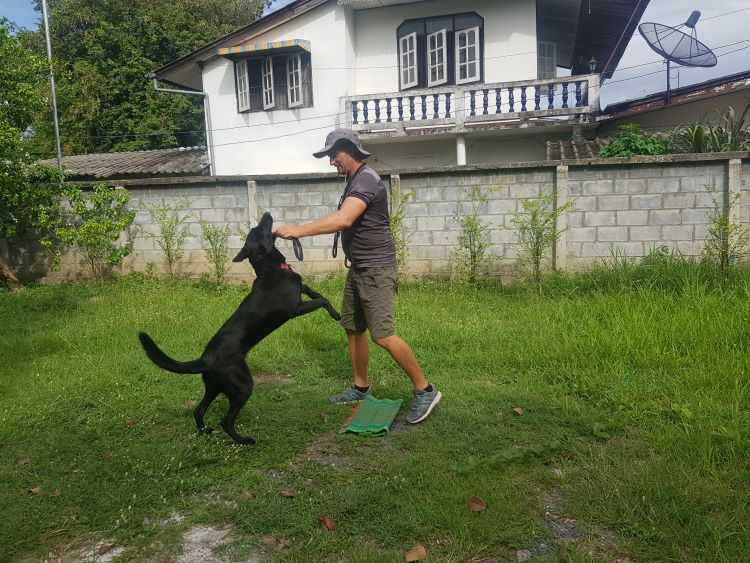
Obesity is more than size. Behind the slowed reactions and reduced play lies a cognitive cost—reminding us that weight management protects both body and mind. 🐾
The Weight Loss Journey: Cognitive Recovery and Behavioral Transformation
How Weight Loss Revitalizes the Mind
Here’s the hopeful news that should motivate every owner of an overweight dog: cognitive function can improve dramatically with weight loss. Studies show that as metabolic health improves, so does brain function. The neuroinflammation that clouds thinking begins to resolve, insulin sensitivity returns, and neurotransmitter balance starts to normalize.
Timeline of cognitive improvements:
- Weeks 1-4: Increased alertness and energy levels
- Weeks 5-8: Improved response times to commands
- Weeks 9-12: Enhanced problem-solving abilities emerge
- Months 3-6: Memory function shows significant improvement
- Months 6+: Full cognitive recovery potential realized
These changes aren’t just subjective observations—they represent measurable improvements in neural function. The hippocampus begins producing new neurons more effectively, the prefrontal cortex shows increased activity, and the fog of metabolic dysfunction lifts.
Supporting Behavioral Change Through Nutrition
The role of nutrition extends beyond simple calorie reduction. Omega-3 fatty acids support brain health and reduce inflammation, while antioxidants protect against oxidative stress that damages neurons. Your veterinarian might recommend specific therapeutic diets designed not just for weight loss but for cognitive support.
Key nutritional considerations:
- Adequate protein to preserve lean muscle and support neurotransmitter production
- Complex carbohydrates for sustained energy without blood sugar spikes
- Probiotics to support gut-brain axis health
- Careful meal timing to optimize metabolic function
Remember, crash diets can worsen behavioral problems by creating additional stress. Gradual, sustainable weight loss—typically 1-2% of body weight per week—allows the brain to adapt while maintaining emotional stability.
Monitoring Progress Beyond the Scale
While weight loss is the ultimate goal, behavioral improvements often precede visible physical changes. Keeping a behavior diary helps track subtle improvements that might otherwise go unnoticed. Document training responsiveness, play engagement, problem-solving attempts, and emotional regulation.
Behavioral markers of improvement:
- Increased toy interaction duration
- Faster command response times
- Greater exploration during walks
- Improved recovery from exciting or stressful events
- Return of playful behaviors
These behavioral changes indicate that healing is happening at the neurological level, even before significant weight loss occurs. They’re victories worth celebrating and powerful motivators to continue the journey.
Preventive Strategies: Protecting Cognitive Health from Day One
Early Life Interventions
Prevention truly is the best medicine when it comes to obesity-related cognitive decline. Puppy nutrition sets the stage for lifelong metabolic health. Overfeeding during growth periods doesn’t create “sturdy” dogs—it programs their metabolism for obesity and its associated cognitive costs.
Critical prevention windows:
- 8-16 weeks: Establish healthy feeding routines
- 4-6 months: Maintain appropriate growth curves
- 6-12 months: Transition carefully to adult feeding
- 1-2 years: Monitor closely as metabolism stabilizes
Teaching puppies to work for their food through training or puzzle feeders establishes healthy relationships with eating while providing cognitive stimulation. This dual approach supports both physical and mental development.
Creating an Enriched Environment
An environment that promotes both physical activity and mental stimulation helps prevent obesity while supporting cognitive health. This doesn’t require expensive equipment—creativity and consistency matter more than complexity.
Environmental enrichment strategies:
- Rotate toys weekly to maintain novelty
- Create treasure hunts for meals instead of bowl feeding
- Establish regular training “games” that challenge problem-solving
- Incorporate varied walking routes for sensory stimulation
- Design indoor obstacle courses for rainy days
The goal is making healthy choices the easy choices. When mental stimulation and appropriate physical activity are built into daily routines, obesity prevention becomes automatic rather than effortful.
The Human-Animal Bond: Navigating Behavioral Changes Together
Understanding Changes in Your Relationship
Obesity-related behavioral changes can strain even the strongest human-dog bonds. Your once-eager hiking companion might now reluctantly follow you to the door. The dog who learned tricks effortlessly might now stare blankly at familiar commands. These changes can feel like losing the dog you knew, but understanding their neurological basis helps maintain compassion and motivation.
Rebuilding connection strategies:
- Adjust expectations to match current capabilities
- Find new ways to engage that respect limitations
- Celebrate small improvements enthusiastically
- Maintain physical affection even during difficult moments
- Remember that your dog wants to please you but genuinely struggles
Your patience and understanding during this challenging time strengthens your bond in profound ways. Dogs who receive consistent support through obesity-related challenges often emerge with deeper trust and attachment to their humans.
Communication Adaptations
Obesity changes how your dog communicates and interprets communication. Processing delays mean they might need extra time to understand commands. Emotional dysregulation might make them more sensitive to tone of voice. Recognizing these changes allows you to adapt your communication style effectively.
Enhanced communication techniques:
- Use clear, consistent verbal cues
- Incorporate more visual signals
- Allow extra processing time before repeating commands
- Maintain calm, positive energy even when frustrated
- Read subtle stress signals that indicate overwhelm
Remember, your dog isn’t ignoring you—they’re doing their best with a brain that’s working differently than before. Meeting them where they are, rather than where you wish they were, creates space for genuine progress.
Professional Support: When to Seek Help
Veterinary Behavioral Assessment
While all obese dogs experience some cognitive and behavioral changes, certain signs warrant professional evaluation. If your dog shows sudden personality changes, extreme anxiety, or aggressive behaviors, these might indicate more serious neurological impacts requiring specialized intervention.
Red flags requiring immediate attention:
- Sudden aggression without obvious triggers
- Complete withdrawal from family interaction
- Loss of house training in adult dogs
- Disorientation in familiar environments
- Seizure-like episodes or tremors
Your veterinarian can perform comprehensive behavioral assessments that identify specific deficits and guide targeted interventions. Blood work might reveal underlying metabolic disorders exacerbating behavioral issues.
Integrative Approaches to Recovery
Modern veterinary medicine increasingly recognizes the interconnection between physical and behavioral health. Integrative treatment plans might include:
- Prescription diets optimized for weight loss and cognitive support
- Medications to address anxiety or metabolic dysfunction
- Physical therapy to improve mobility and reduce frustration
- Behavioral modification programs tailored to cognitive limitations
- Acupuncture or other complementary therapies for stress reduction
The key is viewing obesity as a complex medical condition affecting the whole dog, not simply excess weight to be lost. This comprehensive approach yields better outcomes for both physical and behavioral recovery.
Long-term Wellness: Maintaining Cognitive Health Post-Weight Loss
Preventing Relapse Through Behavioral Strategies
Successfully losing weight is just the beginning—maintaining that loss requires ongoing vigilance and support. The behavioral strategies developed during weight loss become lifelong tools for health maintenance. Your dog’s brain, having experienced obesity-related changes, might remain vulnerable to certain triggers.
Sustainable maintenance strategies:
- Continue cognitive enrichment activities indefinitely
- Maintain structured feeding routines
- Regular behavioral check-ins to catch early warning signs
- Ongoing training to keep neural pathways active
- Social engagement with other dogs when appropriate
Think of this as cognitive fitness training—just as physical exercise maintains muscle tone, mental exercise maintains cognitive function. The habits formed during recovery become the foundation for lifelong wellness.
Celebrating the Transformed Dog
As weight normalizes and cognitive function improves, you might feel like you’re meeting your dog for the first time. Personality traits suppressed by obesity-related depression emerge. Problem-solving abilities return, sometimes surpassing pre-obesity levels due to the intensive cognitive work during recovery.
These transformations deserve celebration. Your dedication to understanding and addressing the hidden behavioral costs of obesity has literally given your dog a new lease on life—not just physically, but mentally and emotionally. The journey might have been challenging, but the destination makes every effort worthwhile. 😄
Conclusion: Is Your Dog’s Weight Affecting More Than You Realized?
The hidden behavioral costs of obesity in dogs extend far beyond what any loving owner might initially imagine. From the cellular level where mitochondria struggle to produce energy, to the complex neural networks governing emotion and cognition, excess weight creates a cascade of changes that fundamentally alter who your dog is and how they experience the world.
But here’s what we want you to remember most: these changes are not permanent sentences. With understanding, patience, and appropriate intervention, dogs can recover remarkable cognitive function as they return to healthy weights. The key lies in recognizing that behavioral changes aren’t character flaws or training failures—they’re symptoms of a medical condition affecting your dog’s most complex organ: their brain.
As you move forward, whether beginning a weight loss journey or maintaining hard-won success, remember that you’re not just changing your dog’s body—you’re revitalizing their mind, restoring their emotional balance, and ultimately, giving them back their full capacity to be the companion you both deserve. The road might be long, but every step forward is a step toward cognitive recovery and behavioral wellness.
Your awareness of these hidden costs already puts you ahead. Your commitment to addressing them makes you the advocate your dog needs. Together, you’re not just fighting obesity—you’re reclaiming the bright, engaged, emotionally balanced dog waiting to emerge. And that transformation? It’s worth every moment of effort, every adjusted training session, and every patient repetition of a forgotten command. Because underneath those extra pounds lies not just a healthier body, but a clearer, happier, more connected mind. 🧡🐾
Have you noticed behavioral changes in your overweight dog? The journey to recovery begins with understanding. Consult with your veterinarian about comprehensive weight management that addresses both physical and cognitive health. Your dog’s mind—and your bond—will thank you for it.










