
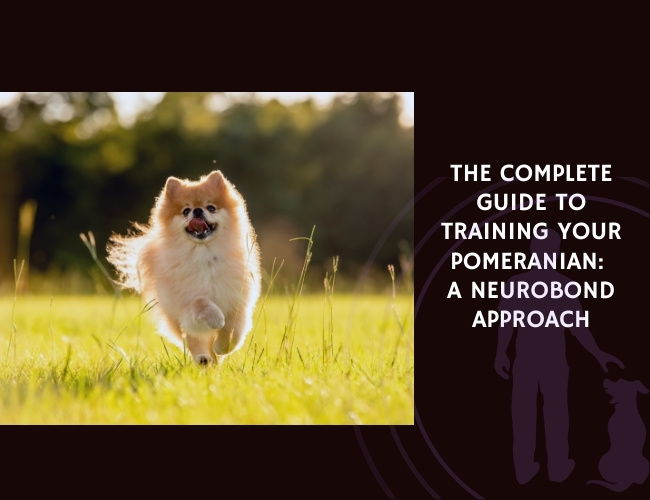
Your Pomeranian watches you with those bright, alert eyes—a descendant of Arctic sled dogs condensed into a fluffy 7-pound package. This tiny companion carries the confidence of their larger Spitz ancestors, paired with an intelligence that often surprises first-time Pom parents. Let us guide you through a training approach that honors both their fierce independence and their deep capacity for connection.
Understanding Your Pomeranian’s Learning Mind
The Cognitive Powerhouse in Miniature
Did you know your Pomeranian can learn new commands in just 5-15 repetitions? This places them among the more intelligent toy breeds, with an 85% first-command compliance rate that outperforms many larger dogs. Yet this remarkable mind comes wrapped in sensitivity and wrapped in fluff—a combination that demands we rethink traditional training approaches.
The Pomeranian learning profile reveals:
- Quick acquisition but short attention spans—they grasp concepts rapidly but need brief, engaging sessions
- Problem-solving prowess that manifests in both delightful and mischievous ways
- Emotional sensitivity that makes harsh corrections counterproductive
- Motivation-driven responses to food, play, and especially your attention
Your Pom’s brain processes information differently than larger breeds. Their amygdala shows heightened reactivity to both positive and negative stimuli, meaning experiences—good or bad—leave lasting impressions. This neurological sensitivity is why the NeuroBond approach, which prioritizes connection over control, becomes essential for this breed.
Instinctive Behaviors as Learning Pathways
Rather than suppressing your Pomeranian’s natural watchdog tendencies or their desire to be your constant shadow, the NeuroBond method channels these instincts constructively. That alert bark at every doorbell? It’s not defiance—it’s your dog fulfilling their ancestral role as sentinel, compressed into apartment-friendly size.
When we allow the dog to be himself while guiding outcomes, remarkable transformations occur. Your Pomeranian’s tendency to follow you room-to-room becomes the foundation for recall training. Their alertness to sounds becomes the basis for controlled vocalization cues. Every instinct becomes a teaching opportunity when approached with understanding rather than suppression.
Building the Foundation: The NeuroBond Connection
Creating Trust Before Training
Before any command, before any formal session, comes the bond. Your Pomeranian’s emotional architecture craves connection—they were bred for centuries to be companions, not workers. This means traditional dominance-based training fails spectacularly with this breed. Instead, we build what neuroscientists call “secure attachment patterns.”
The bonding process starts simply:
- Making eye contact and rewarding voluntary check-ins
- Sitting quietly together without demands or commands
- Hand-feeding portions of meals to establish you as the source of good things
- Gentle touch during calm moments, respecting their sensitivity
Your Pomeranian learns to look at you first when uncertain, excited, or worried. This becomes their default response—not through command, but through trust. The invisible leash forms naturally when your dog chooses proximity over exploration, connection over independence.
From Emotional Connection to Task Mastery
Once your Pomeranian seeks you out voluntarily—typically within 2-3 weeks of consistent bonding work—formal training becomes almost effortless. The dog who trusts you implicitly will offer behaviors to please you, making harsh corrections unnecessary and counterproductive.
This is where the Pomeranian’s intelligence shines. They begin predicting what you want, offering sits before meals, settling when you settle, matching your energy intuitively. The NeuroBond isn’t just feel-good philosophy—it’s neurologically sound, activating the same oxytocin pathways that bond human parents to children.
Core Training Principles for Pomeranians
Working WITH Their Temperament
Your Pomeranian’s strong-willed nature—that “big dog in a small body” attitude—isn’t a training obstacle; it’s a feature to leverage. This confidence, when properly channeled, creates a dog who problem-solves independently while maintaining connection with you.
Key temperament considerations:
- High confidence means they’ll try solutions independently—guide rather than force
- Sensitivity to correction requires positive reinforcement exclusively
- Attention-seeking nature becomes your most powerful training tool
- Quick frustration demands short sessions with high success rates
The NeuroBond approach recognizes that punishment doesn’t teach new behaviors—it only suppresses current ones. When your Pomeranian jumps for attention, standing still and waiting for four paws on the floor teaches self-regulation. The dog discovers the solution himself, making the learning permanent.
The 5-Minute Training Revolution
Pomeranians excel with multiple brief sessions rather than extended training periods. Their attention span typically maxes out at 5-10 minutes, but within that window, their focus is laser-sharp. This isn’t a limitation—it’s an opportunity for distributed practice that enhances retention.
Optimal session structure:
- 2-3 minutes of focused work
- 1-minute play or cuddle break
- 2-3 minutes of reinforcement practice
- End on success, always
This approach respects both their cognitive capabilities and their emotional needs, preventing the frustration that leads to “Small Dog Syndrome”—that constellation of behaviors that emerge when tiny dogs aren’t given proper boundaries.
Essential Skills Development
Housebreaking: The Pomeranian Challenge
Let’s address the elephant in the room: Pomeranians can be notoriously difficult to housebreak. Their small bladders require frequent opportunities, but the real challenge is their independent streak combined with their comfort-seeking nature. Cold grass? Wet pavement? Your Pom might decide the warm carpet is preferable.
The NeuroBond housebreaking protocol:
Rather than punishment for accidents, we create irresistible outdoor experiences. Your Pomeranian learns that elimination outside triggers celebration, treats, and play. Inside accidents are cleaned without comment—no eye contact, no scolding, no attention whatsoever.
The breakthrough comes when your Pom realizes that outdoor elimination is their idea. They’re not obeying a command; they’re choosing the behavior that brings reward. This subtle shift from compliance to choice transforms stubborn resisters into eager participants.
Success requires vigilance during the 8-16 week window when habits form, taking them out every 30-45 minutes initially. Yes, it’s intensive, but the investment prevents months or years of frustration. Your Pomeranian’s intelligence means they can learn this quickly when the framework supports their learning style.
Leash Walking Without the Power Struggle
Picture this: your 6-pound Pomeranian pulling you down the street, convinced they’re leading the expedition. It’s almost comical until you realize this pulling stems from excitement, not dominance—and fighting it with force creates anxiety in these sensitive souls.
The NeuroBond leash method is revolutionary in its simplicity. When your Pom pulls, you simply stop moving. No yanking, no commands—just stillness. Your dog learns through experience: pulling equals no progress, loose leash equals exploration. Within days, most Pomeranians self-regulate, checking in with you naturally.
Advanced technique: Stand on the leash with just enough slack for your Pom to sit or lie down comfortably. They’ll try pulling, jumping, maybe vocalizing. Wait. Eventually, they’ll settle—and that moment of calm choice gets rewarded lavishly. You’re not forcing the sit; you’re creating conditions where sitting becomes their solution.
Recall: Building the Invisible Leash
Your Pomeranian’s recall isn’t built through repetitive “come” commands—it’s cultivated through making yourself irresistibly interesting. These dogs bond intensely with their humans, and we leverage this attachment rather than fighting their independent streak.
Start indoors: move away from your Pom without calling them. When they follow (and they will), reward enthusiastically. Graduate to hiding games where finding you becomes the best game ever. By the time you practice recall outdoors, coming to you is already their favorite activity.
The “check-in” behavior—your Pom glancing at you periodically during walks or play—becomes the foundation. Each voluntary look gets acknowledged, sometimes with treats, sometimes with praise, always with connection. Soon, your Pomeranian maintains an invisible tether, never straying far because proximity to you is inherently rewarding.

Advanced Behavioral Management
Transforming the Pomeranian Bark
Your Pomeranian descends from dogs who alerted villages to approaching strangers. That sharp, persistent bark is genetic heritage, not behavioral failure. The NeuroBond approach doesn’t silence this communication—it refines it.
The three-bark rule: Allow three alert barks (honoring their instinct), then redirect to a “thank you” cue that transitions them to quiet observation. You’re acknowledging their warning while establishing boundaries. Most Pomeranians accept this compromise readily because their alert instinct has been validated, not punished.
For demand barking—that piercing “pay attention to me” vocalization—we use strategic ignoring combined with rewarding quiet moments. Your Pom learns that silence brings interaction while barking creates a void. This requires steel resolve initially (those barks are designed to be impossible to ignore), but consistency yields rapid results.
Conquering Separation Anxiety
Pomeranians bond so intensely that separation anxiety affects up to 40% of the breed. Their distress isn’t manipulation—neurologically, separation triggers the same pathways as physical pain in these sensitive dogs. Traditional “cry it out” methods can worsen the condition, creating lasting trauma.
The NeuroBond separation protocol builds confidence gradually:
Start with micro-separations—stepping outside for 5 seconds, returning before anxiety peaks. Your Pom learns that departures always lead to reunions. Gradually extend duration, but never push past their comfort threshold. Success is measured in calmness, not duration.
Create positive alone-time associations: special toys that only appear during departures, food puzzles that engage their problem-solving minds, even leaving a worn shirt that carries your scent. The goal isn’t to trick them into thinking you’re home—it’s to make alone time manageable, even enriching.
Socialization: Navigating Small Dog Syndrome
“Small Dog Syndrome” isn’t a character flaw—it’s learned behavior that emerges when tiny dogs aren’t given proper boundaries because they’re “too cute to correct.” Your Pomeranian’s napoleon complex often masks insecurity, not genuine aggression.
The critical socialization window (3-12 weeks) is when your Pomeranian puppy’s sociability outweighs fear. During this period, exposure to diverse experiences creates resilient adults. But socialization doesn’t end at 12 weeks—it requires ongoing maintenance throughout life.
Quality over quantity in socialization:
- Three positive interactions trump ten neutral ones
- Watch for subtle stress signals: yawning, lip licking, looking away
- Never force interactions—let your Pom approach at their pace
- Protect them from overwhelming experiences that create lasting fear
Adult Pomeranians who missed early socialization can still learn, though progress is slower. The NeuroBond method’s emphasis on trust makes rehabilitation possible—when your dog trusts you completely, they’ll face scary situations because you’re there, not because they’re forced.
Age-Specific Training Considerations
Puppy Development: Maximizing the Golden Window
Those first 16 weeks are neurological gold. Your Pomeranian puppy’s brain is literally being wired through experiences. Every positive interaction, every gentle boundary, every successful problem-solving moment creates neural pathways that last a lifetime.
The NeuroBond approach during puppyhood focuses on exploration rather than formal training. Let your puppy investigate their world while you provide safety and guidance. Commands can wait—confidence cannot. A confident puppy becomes a trainable adult; an anxious puppy becomes a reactive adult.
8-10 weeks (the ideal adoption age): Focus entirely on bonding and gentle exposure 10-14 weeks: Introduce basic concepts through play and natural consequences 14-16 weeks: Begin structured but brief training sessions 4-6 months: Solidify foundations while managing adolescent testing behaviors
Adult Learning: It’s Never Too Late
Contrary to popular belief, your adult Pomeranian’s learning capacity remains robust throughout life. The brain’s plasticity allows for new neural pathways at any age, though the speed of acquisition may slow. What changes isn’t capability—it’s motivation and physical comfort.
Adult Pomeranians often come with established behavior patterns, but the NeuroBond approach’s emphasis on relationship over obedience makes transformation possible. That 5-year-old rescue who’s never been trained? They can learn recall, leash manners, even tricks—the key is making training feel like play, not work.
Senior Pomeranians: Adapting with Grace
Your 12-year-old Pomeranian might need reading glasses if they were human, but they’re still capable of learning. Cognitive changes mean shorter sessions, more repetition, and infinite patience. Physical limitations—arthritis, vision changes, hearing loss—require creative adaptations.
The NeuroBond philosophy shines with seniors because it prioritizes connection over performance. Your elderly Pom might not master new tricks, but maintaining mental stimulation through gentle training games can slow cognitive decline. Simple activities like “find it” games with treats or gentle hand targeting keep the mind engaged without taxing the body. 🧠
Tiny. Bright. Loyal.
Intelligence meets sensitivity. Pomeranians learn quickly but imprint deeply on experiences. Connection-based methods ensure their sharp minds flourish without fear.
Instincts become pathways. Alert barking and constant shadowing aren’t flaws—they’re ancestral roles waiting to be redirected into recall, cues, and trust-building.


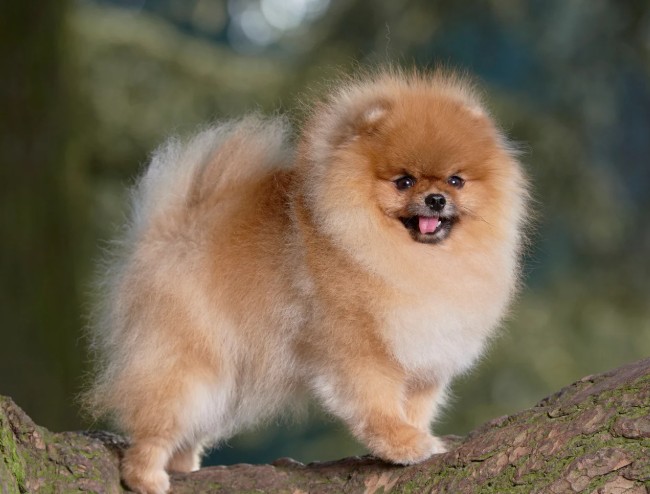
Bonding builds obedience. Secure attachment turns training effortless. Through eye contact, gentle touch, and shared calm, the invisible leash forms—making your Pom choose connection over command.
Nutrition and Training Success
The Food-Behavior Connection
Your Pomeranian’s nutrition directly impacts their trainability. Blood sugar fluctuations in these tiny dogs can cause irritability, inability to focus, and even aggression. The breed’s high metabolism means they need frequent small meals to maintain stable energy and mood.
Training-optimized nutrition includes:
- High-quality protein for sustained energy without crashes
- Complex carbohydrates for steady glucose levels
- Omega-3 fatty acids for cognitive function and emotional regulation
- Small, frequent meals (3-4 daily) to prevent hypoglycemia
The timing of training sessions matters: avoid the hour immediately after meals (sluggish) and the hour before meals (hangry). That sweet spot 2-3 hours post-meal often yields the best focus and motivation.
Treats: Your Training Currency
For Pomeranians, treats aren’t just rewards—they’re communication tools. These food-motivated learners respond best to what behaviorists call “variable ratio reinforcement.” Not every behavior gets treated, but the possibility keeps them engaged.
High-value treats (tiny pieces of chicken, cheese, or freeze-dried liver) are reserved for breakthrough moments or challenging situations. Regular training uses their normal kibble, preventing weight gain while maintaining motivation. Remember: a treat for a 6-pound Pom is proportionally like a candy bar for humans—moderation is essential.
Environmental Considerations
Creating a Learning-Friendly Space
Your Pomeranian’s small size means the world looks different from their perspective. That coffee table is head-height, those stairs are mountains, and that German Shepherd at the park is basically Godzilla. Environmental setup can make or break training success.
Optimize your space for success:
- Clear sight lines at Pom-eye level for better communication
- Designated quiet zones for decompression after training
- Safe spaces they can retreat to when overwhelmed
- Appropriate-sized equipment (tiny treats, small toys, lightweight leashes)
The NeuroBond method recognizes that environment is the third teacher (after you and experience). A chaotic environment creates a chaotic mind; a structured environment supports structured learning.
Urban vs. Suburban Training Challenges
City Pomeranians face unique challenges: elevator anxiety, sidewalk crowds, constant stimulation. The NeuroBond approach uses graduated exposure, starting with quiet side streets before tackling Times Square. Urban Poms often develop superior focus through necessity—they learn to tune out irrelevant stimuli.
Suburban Pomeranians might have yards but face different issues: barrier frustration from fences, territorial behaviors from protected property, and fewer socialization opportunities. The key is recognizing that each environment shapes behavior differently and adapting accordingly.
Health Factors Affecting Training
When Medical Issues Masquerade as Behavioral Problems
Your Pomeranian’s training resistance might not be stubbornness—it could be pain. Luxating patellas (kneecaps that slip) affect up to 25% of Pomeranians, making sitting painful. Collapsing trachea makes pulling on walks a medical issue, not a training one.
Common health issues impacting training:
- Dental disease causing irritability and reluctance to take treats
- Hypoglycemia leading to confusion and inability to focus
- Heart conditions creating exercise intolerance mistaken for laziness
- Vision problems causing apparent ignorance of visual cues
The NeuroBond philosophy always considers the whole dog. Before labeling behavior as “defiant,” we rule out medical causes. A comfortable dog is a trainable dog.
Exercise Needs and Mental Stimulation
Despite their size, Pomeranians need substantial mental stimulation—their active minds require engagement beyond physical exercise. A tired Pom isn’t always a good Pom; an overstimulated, exhausted Pomeranian becomes cranky and uncooperative.
Balance is key: 20-30 minutes of physical activity daily, supplemented with puzzle toys, training games, and scent work. Mental exercise often tires them more effectively than physical activity. A 10-minute “find it” game can be more exhausting than a 30-minute walk.
Troubleshooting Common Challenges
The Stubborn Pomeranian: Reframing Resistance
When your Pomeranian plants their feet and refuses to budge, they’re not being stubborn—they’re communicating. Maybe the pavement is too hot, maybe they’re overwhelmed, maybe they’re asserting autonomy. The NeuroBond approach asks “why” before demanding compliance.
Converting resistance to cooperation:
- Make the desired behavior their idea through environmental setup
- Offer choices: “This way or that way?” Both lead to your goal
- Use momentum: get them moving with play, then redirect to training
- Respect their communication while maintaining boundaries
Remember: your Pomeranian’s ancestors pulled sleds across frozen tundra. That determination is bred into their DNA. Channel it rather than crushing it, and you’ll have a willing partner rather than a reluctant subordinate.
Multi-Dog Households: The Pomeranian Dynamic
Pomeranians in multi-dog households often develop “Napoleon syndrome,” compensating for size with attitude. The NeuroBond approach addresses this through individual bonding time and careful resource management.
Each dog needs solo training sessions to build individual connections. Group training comes only after individual foundations are solid. Your Pomeranian shouldn’t have to compete for your attention during learning—that creates anxiety that manifests as aggression or shutdown.
Resource Guarding: A Survival Instinct
That fierce protection of food or toys isn’t aggression—it’s evolutionary survival instinct concentrated into a tiny package. Traditional confrontational approaches (alpha rolls, forced removal) escalate the behavior. The NeuroBond method uses trust to dissolve guarding.
Start by adding valuable items to your Pom’s bowl while they eat—you become the bringer of good things, not the thief. Trade toys for treats rather than taking them. Your Pomeranian learns that giving things up leads to better outcomes. This requires patience but creates lasting change without trauma. 🐾
Performance and Activities
Agility for Pomeranians: Size-Appropriate Challenges
Your Pomeranian’s athleticism might surprise you—these little dogs can jump, weave, and tunnel with remarkable agility. Modified agility work provides mental stimulation, physical exercise, and deepens your bond through teamwork.
Start with ground-level obstacles: weaving between cones, walking over different textures, navigating tunnels. The NeuroBond approach makes each obstacle a choice, not a command. Your Pom explores at their pace, building confidence with every success.
Safety considerations for tiny athletes:
- Jump heights never exceed shoulder height
- Soft landing surfaces to protect joints
- Frequent breaks to prevent exhaustion
- Temperature awareness—Poms overheat quickly
Competition isn’t the goal—connection is. The shared experience of conquering challenges together strengthens the invisible leash that keeps your Pomeranian emotionally tethered to you.
Trick Training: Engaging the Pomeranian Mind
Pomeranians excel at trick training—their intelligence combined with their desire to please creates eager performers. But the NeuroBond approach frames tricks as conversations, not performances. Each trick becomes a way to communicate and connect.
Start with natural behaviors: capturing a play bow becomes “take a bow,” their spinning excitement becomes “dance.” You’re not imposing artificial behaviors—you’re naming and refining what they already do. This approach respects their autonomy while building repertoire.
The key is keeping sessions playful. The moment trick training feels like work, Pomeranians check out. But when it feels like play? They’ll offer behaviors spontaneously, eager to engage in this special language you share.
The Senior Years: Maintaining Connection
Cognitive Changes and Continued Learning
As your Pomeranian ages, you might notice confusion, disrupted sleep patterns, or forgotten behaviors. Canine cognitive dysfunction affects many senior Poms, but continued training can slow its progression. The brain, like muscles, benefits from exercise at any age.
Adapted training for cognitive support:
- Simplify commands to single words
- Use more visual cues as hearing diminishes
- Practice known behaviors to maintain neural pathways
- Introduce gentle new challenges to stimulate plasticity
The NeuroBond philosophy especially benefits seniors because it prioritizes relationship over performance. Your elderly Pom might forget “sit,” but they never forget love. Training becomes less about commands and more about connection.
Comfort-Based Training Modifications
Arthritis, dental issues, vision loss—senior Pomeranians face physical challenges that impact training. The NeuroBond approach adapts seamlessly because it never relied on physical manipulation. Everything is choice-based, allowing your senior to participate within their comfort zone.
Replace jumping with nose touches, sitting with standing calmly, long walks with brief “sniff-aris” where exploration matters more than distance. Success is redefined: a senior who maintains engagement and trust has achieved more than a puppy learning tricks.
Building Lasting Success
Consistency Across Handlers
Your Pomeranian needs all family members using the same approach. Mixed messages create anxiety in these sensitive souls. The NeuroBond method’s emphasis on natural consequences rather than commands makes consistency easier—everyone simply responds the same way to behaviors.
Family training protocols:
- Weekly family meetings to discuss progress and challenges
- Shared treat pouches so anyone can reward good choices
- Consistent response to unwanted behaviors (ignoring, not scolding)
- Individual bonding time for each family member
Children need special guidance—Pomeranians can be overwhelmed by young energy. Teach kids to be “trees” when the Pom jumps, to use “gentle hands,” and to respect when the dog needs space. This protects both child and dog while building positive associations.
Maintaining Training Throughout Life
Training isn’t a phase—it’s a lifestyle. Your Pomeranian’s education continues throughout their entire life, evolving with their changing needs. The NeuroBond philosophy makes this natural because training is indistinguishable from daily interaction.
Every walk reinforces leash manners, every meal practices patience, every doorbell tests impulse control. You’re not drilling commands; you’re living in partnership. This approach prevents regression while deepening your connection over time.
Daily training integration:
- Morning “check-ins” during breakfast prep
- Afternoon puzzle toys while you work
- Evening trick practice as entertainment
- Bedtime settling routines
The goal isn’t perfection—it’s partnership. Your Pomeranian doesn’t need to win obedience trials. They need to be happy, confident, and connected to you.
Conclusion: Is NeuroBond Training Right for Your Pomeranian?
If you’re seeking a training method that honors your Pomeranian’s intelligence while respecting their sensitivity, the NeuroBond approach offers a scientifically grounded, emotionally intelligent path forward. This isn’t about creating a robot who follows commands—it’s about developing a partner who chooses cooperation because trust makes it natural.
Your Pomeranian’s fierce independence, sharp intelligence, and deep capacity for bonding aren’t training obstacles—they’re gifts waiting to be unwrapped through patient, connection-based methods. Every moment you invest in building this invisible leash of trust pays dividends in years of joyful companionship.
The journey won’t always be smooth. There will be setbacks, frustrations, and moments when that tiny fluff ball seems determined to rule your household with an iron paw. But when you see your Pom voluntarily checking in during a walk, settling calmly when visitors arrive, or offering behaviors just to engage with you—you’ll understand that the NeuroBond isn’t just training. It’s transformation through trust.
Your Pomeranian is waiting to show you what’s possible when instinct meets guidance, when independence meets connection, when that ancient Spitz spirit finds its perfect expression in partnership with you. The question isn’t whether your Pomeranian can learn—it’s whether you’re ready to teach through connection rather than control. The evidence suggests that for these remarkable little dogs, it’s the only way that truly works. 🧡










