

Introduction: Your Dog’s Hidden Cognitive Potential
Did you know that every moment you spend with your furry friend holds the potential to strengthen their brain? From the morning greeting to the evening cuddle, each interaction shapes your dog’s neural pathways in ways that science is only beginning to understand. Welcome to the fascinating world of neuro-enrichment—where everyday life becomes a continuous opportunity for cognitive growth and emotional resilience.
For decades, we’ve understood that dogs need physical exercise, proper nutrition, and veterinary care. But there’s a fourth pillar of canine wellness that’s revolutionizing how we think about our relationships with our four-legged companions: cognitive enrichment. This isn’t about teaching fancy tricks or investing in expensive puzzle toys. Instead, it’s about recognizing that your dog’s brain craves stimulation just as much as their body needs movement, and that you already have everything you need to provide it.
The emerging field of canine neuroscience reveals something remarkable: dogs possess extraordinary neuroplasticity—the ability for their brains to form new connections and adapt throughout their entire lives. Just as environmental enrichment has been shown to stimulate hippocampal neurogenesis in laboratory animals (that’s the growth of new brain cells in the memory center), your dog’s brain responds dynamically to mental challenges, novel experiences, and meaningful interactions. This means that whether you’re sharing your life with a bouncy puppy or a gentle senior, you have the power to enhance their cognitive abilities, emotional balance, and overall quality of life through thoughtful daily engagement.
Character & Behavior: Understanding Your Dog’s Cognitive Landscape
The Thinking, Feeling Dog
Your dog’s mind is far more complex than we once imagined. Modern neuroscience reveals that dogs possess sophisticated executive functions—the mental skills that include working memory, flexible thinking, and self-control. These aren’t abstract concepts; they show up in everyday moments. When your dog resists the urge to grab that dropped sandwich, they’re exercising impulse control. When they remember which toy you asked them to fetch, they’re using working memory. These cognitive abilities aren’t fixed—they can be strengthened through consistent, gentle challenges woven into your daily routine.
The emotional brain plays an equally important role in your dog’s cognitive landscape. The amygdala, that almond-shaped structure deep in the brain, processes emotions and helps form memories. When we provide enriching experiences, we’re not just entertaining our dogs—we’re helping regulate their emotional responses and building resilience against stress. Research on stress in various animal species shows that environmental enrichment acts as a powerful buffer against anxiety and promotes emotional stability. This means that a cognitively engaged dog is typically a calmer, more confident companion.
Individual differences matter enormously in how dogs respond to cognitive challenges. Just as some humans prefer crossword puzzles while others love sudoku, dogs have their own cognitive preferences. Some thrive on scent-based challenges that tap into their incredible olfactory abilities (remember, your dog has up to 300 million scent receptors compared to your 6 million!). Others excel at spatial puzzles or social learning tasks. Understanding your unique dog’s cognitive style helps you tailor enrichment to their strengths while gently challenging their weaker areas.
Signs of Cognitive Wellness vs. Cognitive Boredom
How can you tell if your dog is cognitively thriving or mentally understimulated? The signs are often subtle but significant.
A cognitively engaged dog typically displays several telltale behaviors:
- Better settling ability – They calm down more easily after mental activities, showing that satisfied, “good tired” that comes from brain work rather than just physical exhaustion
- Sustained focus during interactions – They maintain eye contact longer and show genuine engagement rather than distracted scanning of the environment
- Quick recovery from surprises – Unexpected sounds or mild stressors don’t send them into prolonged anxiety; they bounce back with resilience
- Deep, restorative sleep – Just like you sleep better after meaningful mental work, they show more REM cycles and peaceful rest
- “Optimistic bias” in new situations – They approach novelty with curiosity rather than fear, expecting good things to happen
These signs indicate a brain that’s regularly challenged and satisfied, creating a positive feedback loop of engagement and growth.
Conversely, cognitive boredom manifests in ways that many owners mistakenly attribute to other causes:
- Excessive barking at every sound – An understimulated brain desperately seeking any form of engagement, even negative attention
- Destructive behaviors despite exercise – Physical tiredness without mental satisfaction leads to frustrated energy expression
- Escalating attention-seeking – Increasingly demanding behaviors as your dog tries harder to create interaction
- Inability to settle – That restless pacing even after a long walk signals an unsatisfied mind
- Repetitive behaviors – Excessive licking, tail chasing, or shadow chasing as the brain attempts to self-stimulate
- Overreaction to stimuli – Small changes in environment trigger disproportionate responses due to pent-up mental energy
These behaviors often improve dramatically once cognitive needs are addressed, revealing that the “problem dog” was simply a bored, brilliant mind seeking engagement.
The neurological impact of chronic under-stimulation shouldn’t be underestimated. Just as studies in rodents show that enriched environments promote hippocampal neurogenesis while barren ones lead to cognitive decline, our dogs’ brains are shaped by their daily experiences. A lack of cognitive challenge can lead to premature cognitive aging, increased anxiety, and reduced ability to cope with change. On the flip side, regular mental stimulation has been shown to maintain cognitive function well into senior years, keeping our older dogs sharp and engaged. 🧠
Vocalization & Communication: How Enrichment Shapes Expression
The Language of an Engaged Mind
When your dog’s cognitive needs are met, their entire communication style transforms. You’ll notice this first in their vocalizations—the barks, whines, and grumbles that make up their verbal vocabulary.
Enriched dogs develop more nuanced communication. Instead of the sharp, repetitive barking of boredom or frustration, you might hear what we call “conversational” vocalizations—those delightful grumbles, sighs, and varied barks that seem to tell a story. This isn’t anthropomorphism; research shows that dogs with regular cognitive stimulation develop more complex vocal patterns. They learn to modulate their volume and tone more effectively, understanding that different situations call for different types of communication. That soft “woof” to alert you to someone at the door versus the excited yip when they successfully solve a puzzle—these distinctions emerge from a brain that’s learned to process and respond to information with greater sophistication.
Body language becomes more refined in cognitively enriched dogs. Watch a mentally stimulated dog approach a new object or situation—you’ll likely see what behaviorists call “intelligent assessment.” Their body language shows curiosity mixed with appropriate caution: perhaps a play bow combined with careful sniffing, or that adorable head tilt that signals active processing. Their tail tells complex stories—not just the simple happy-wag or fearful-tuck, but subtle variations that communicate uncertainty, interest, concentration, or satisfaction. These dogs have learned that the world is full of interesting puzzles to solve, not threats to avoid or boring spaces to endure.
Building a Richer Dialogue
The beautiful thing about neuro-enrichment is how it enhances the communication between you and your dog. As you consistently provide cognitive challenges and respond to your dog’s attempts to engage with them, you’re building what scientists call “inter-species dialogue”—a rich, nuanced form of communication that goes far beyond simple commands and responses.
Your dog learns to “ask” more effectively. Dogs engaged in regular enrichment activities develop better ways to communicate their needs and desires. Instead of demanding barking or pushy behavior, they might bring you a puzzle toy, lead you to an area where you typically play cognitive games, or use specific body language to indicate they’re ready for mental engagement. This is similar to how human children in cognitively rich environments develop more sophisticated communication skills—the brain’s language and problem-solving centers grow together.
Attention and focus improve dramatically. Studies on executive function in children show that cognitive training enhances selective attention and impulse control—the same principles apply to our dogs. You might notice your dog maintaining eye contact longer, waiting more patiently for cues, and showing what trainers call “offered attention”—choosing to focus on you even amid distractions. This isn’t mere obedience; it’s the sign of a brain that’s learned the value of sustained attention and the rewards it brings. 🐾
Training & Education: From Commands to Cognitive Partnerships
Reframing Traditional Training
Let’s revolutionize how you think about training. Traditional obedience focuses on compliance—sit, stay, come. But neuro-enrichment transforms training into cognitive partnership, where every interaction becomes an opportunity for brain growth.
Micro-learning moments are the secret weapon of cognitive enrichment. These are brief, 30-second to 2-minute interactions that challenge your dog’s brain without requiring formal training sessions. Imagine asking your dog to “wait” before meals, but varying the duration and adding elements like eye contact or position changes. Or consider the simple act of going through doorways—instead of just “wait,” you might ask for different behaviors each time: a sit, a down, a spin, or even a “choose” where your dog picks between two simple behaviors. These tiny challenges, repeated throughout the day, create cumulative neural changes similar to how consistent physical exercise builds muscle.
Choice-based learning represents a paradigm shift in how we engage our dogs’ minds. Rather than always telling your dog what to do, offer opportunities for decision-making. Place two toys at equal distances and let your dog choose which to retrieve. Hide treats under three cups and allow your dog to indicate their choice. These scenarios activate different brain regions than simple command-following—areas involved in evaluation, decision-making, and consequence prediction. Research on cognitive development shows that choice-making strengthens executive function and builds confidence in problem-solving abilities.
Errorless learning principles borrowed from human education can transform your dog’s learning experience. Instead of waiting for mistakes to correct, set up situations where your dog is likely to succeed, then gradually increase complexity. This approach, proven effective in children with learning differences, reduces frustration and builds what psychologists call “success momentum”—the confidence that comes from consistent achievement. Your dog’s brain responds to success with dopamine release, reinforcing neural pathways associated with problem-solving and engagement.
The Neuroscience of Everyday Learning
Understanding what happens in your dog’s brain during enrichment activities can transform how you approach daily interactions.
Neuroplasticity in action means that every problem your dog solves literally reshapes their brain. When your dog figures out how to extract a treat from a puzzle, new neural connections form in the prefrontal cortex—the brain’s executive center. When they successfully navigate a new walking route using scent and memory, the hippocampus (crucial for spatial memory and navigation) strengthens. These aren’t temporary changes; repeated enrichment creates lasting neural architecture that enhances overall cognitive function.
The role of neurotransmitters in enrichment is fascinating. Successful problem-solving triggers dopamine release, creating positive associations with mental challenge. Serotonin levels stabilize with consistent enrichment, promoting emotional balance. Even oxytocin—the bonding hormone—increases during collaborative cognitive activities with you. This neurochemical cocktail doesn’t just make your dog feel good; it optimizes their brain for future learning and strengthens your mutual bond.
Cognitive reserve building is perhaps the most profound long-term benefit of daily enrichment. Just as humans who engage in lifelong learning show resistance to cognitive decline, dogs who experience regular mental stimulation throughout their lives maintain cognitive function longer. The concept of “cognitive reserve”—extra neural capacity that can compensate for age-related changes—applies to our canine companions too. Every puzzle solved, every new scent investigated, every choice made adds to this reserve, providing protection against cognitive dysfunction in senior years.
Breed-Specific Enrichment Profiles: Tailoring to Genetic Genius
Your dog’s breed isn’t just about looks—it’s a blueprint for cognitive preferences shaped by centuries of selective breeding. Understanding your dog’s genetic heritage helps you design enrichment that speaks to their deepest instincts while building new neural pathways. Let’s explore how different breed groups thrive with tailored cognitive challenges.
Herding Breeds: The Pattern Masters
Border Collies, Australian Shepherds, German Shepherds, and their cousins were bred to control movement through space—a cognitively demanding task requiring sustained attention, pattern recognition, and independent decision-making.
Movement-based cognitive challenges tap into their need to control and organize. Create “herding” games using large exercise balls they must push through obstacle courses, or teach them to “sort” toys by moving specific colors to designated areas. Set up movement sequences where they must perform actions in specific orders—spin left, then right, then backward walk. These activities engage the same neural pathways their ancestors used to manage livestock, providing deep satisfaction beyond simple physical exercise.
Pattern recognition excellence makes these breeds natural problem-solvers. They excel at games requiring them to identify and respond to sequences. Try the “pattern walk” where you establish a routine (tree, mailbox, hydrant) then occasionally skip one element—watch your herding dog notice the disruption immediately! Create visual pattern games using colored cones or cards where your dog must identify which item doesn’t belong. Their brains literally light up when detecting and responding to patterns, making these activities intrinsically rewarding.
Collaborative distance work satisfies their bred-in need to work with humans while maintaining independence. Practice sending your dog to specific locations in your yard, then directing them to different spots using only gestures or subtle cues. This engages their ability to maintain connection while working at a distance—a cognitive skill unique to herding breeds that strengthens both independence and partnership.
Scent Hounds: The Olfactory Investigators
Beagles, Bloodhounds, Basset Hounds, and other scent-driven breeds possess cognitive architecture optimized for processing olfactory information. Their brains dedicate proportionally more neural real estate to scent analysis than almost any other breed group.
Layered scent puzzles challenge their extraordinary discrimination abilities. Create “scent stories” by laying tracks with different treats at various points, requiring your hound to follow the primary trail while noting secondary scents. Hide identical treats in different containers that have held various foods—your hound must identify which container held what, even after the original item is removed. This type of complex olfactory challenge engages multiple brain regions simultaneously, providing the deep cognitive satisfaction these breeds crave.
Tracking games with increasing complexity build systematic problem-solving skills. Start with straight-line tracks using high-value treats, then add turns, aged trails (laid 30 minutes earlier), and crossing paths. Advanced hounds can learn to discriminate between family members’ scent trails or find specific objects by scent alone. Each successful track strengthens neural pathways linking olfactory processing with memory, decision-making, and reward systems.
Social scenting activities acknowledge that many hounds were bred to work in packs. Organize “group hunts” where multiple dogs search for hidden treats, learning to work alongside others without competition. Create scent-based turn-taking games where dogs must wait while others search, building impulse control within their natural context. These activities satisfy social and olfactory needs simultaneously.
Terriers: The Tenacious Problem-Solvers
From tiny Yorkies to sturdy Bull Terriers, this diverse group shares a heritage of independent hunting and problem-solving. Their brains are wired for persistence, investigation, and the satisfaction of “conquering” challenges.
Digging and hunting simulations provide appropriate outlets for hardwired behaviors. Create dig boxes filled with safe substrates (play sand, shredded paper, or soft soil) where treats or toys are buried at varying depths. Design “hunt” scenarios using cardboard boxes within boxes, requiring your terrier to work through layers to reach rewards. These activities engage the seeking system intensely, providing the “gotcha!” moment terriers find so rewarding.
Puzzle persistence training capitalizes on their tenacious nature. Unlike breeds that might give up on difficult puzzles, terriers often become more determined with challenge. Provide puzzles with adjustable difficulty, increasing complexity as your terrier succeeds. Create “destruction boxes” filled with paper, cardboard tubes, and hidden treats—allowing controlled, rewarding demolition that satisfies their need to “kill” prey while building problem-solving skills.
Independent decision-making games respect their bred-in autonomy. Set up scenarios where your terrier must choose between different strategies to reach a goal—go around a barrier or push through it? Dig under or climb over? These choice points engage executive function while honoring their heritage as independent workers who made split-second decisions while hunting.
Toy Breeds: The Social Sophisticates
Cavaliers, Maltese, Havanese, and other companion breeds possess cognitive strengths often overlooked due to their size. These dogs were bred for social intelligence and emotional attunement, making them cognitive specialists in human interaction.
Scaled-down physical challenges ensure appropriate difficulty without overwhelming. Use teacup-sized puzzle feeders, create miniature agility courses using books and rulers, or hide treats in egg cartons cut to appropriate sizes. The key is maintaining cognitive challenge while respecting physical limitations—a Chihuahua solving a scaled puzzle experiences the same neural reward as a German Shepherd with a larger version.
Social cognitive games leverage their exceptional ability to read human emotions and intentions. Teach them to respond to facial expressions (smile = spin, frown = down), create “helper” tasks where they fetch specific items for family members, or develop communication games where they must “tell” one person what another person hid. These activities engage sophisticated social cognition networks that toy breeds have developed through centuries of close human companionship.
Comfort-based enrichment acknowledges that many toy breeds find security in cozy spaces. Create “nest puzzles” where treats are hidden in blankets they must carefully navigate, or “princess and the pea” games where they must identify which cushion hides a treat. These activities provide cognitive challenge within their comfort zone, building confidence alongside cognitive skills.
Guardian Breeds: The Thoughtful Protectors
Mastiffs, Great Pyrenees, Anatolian Shepherds, and similar breeds bring unique cognitive strengths shaped by centuries of independent decision-making in protection roles.
Territory-based enrichment engages their natural surveying instincts. Create “patrol games” where different areas of your yard contain different rewards on different days, requiring your guardian to systematically check territories. Establish “watching stations” where calm observation of the environment is rewarded, building the discrimination between real threats and normal activity. These activities engage the cognitive processes involved in territorial assessment while reinforcing calm vigilance.
Decision-making scenarios honor their heritage as independent thinkers. Guardian breeds were bred to make judgment calls without human direction. Create situations requiring evaluation and choice: should they alert to this sound or ignore it? Is this person approaching the gate a threat or friend? Use controlled setups with helpers to practice these discriminations, rewarding thoughtful assessment over reactive responses.
Slow-processing puzzles match their deliberate cognitive style. Unlike terriers who attack puzzles with intensity, guardians often prefer to think before acting. Provide puzzles that reward careful consideration—sliding puzzles where hasty movements make solving harder, or balance games where patience yields better results. These activities align with their natural cognitive tempo while building problem-solving skills.
🧬 Science Deep-Dive: Breed and Brain
Research reveals that different breeds literally have different brain structures. A 2019 study found that selective breeding has shaped not just behavior but actual neural architecture. Herding breeds show enlarged regions associated with movement processing, while scent hounds have proportionally larger olfactory bulbs. This means breed-specific enrichment isn’t just preference—it’s providing activities that align with actual brain structure, creating optimal conditions for cognitive satisfaction and growth.
Performance & Activities: Turning Routine into Brain Training
Mealtime as Mental Workout
Gone are the days when mealtime meant simply filling a bowl. Let us guide you through transforming this twice-daily routine into a powerful cognitive experience that engages multiple brain systems simultaneously.
Progressive Mealtime Enrichment Ladder:
- Week 1-2: Basic Scatter Feeding – Spread kibble across grass or safe flooring, activating natural foraging instincts
- Week 3-4: Container Challenges – Hide food under overturned cups or in cardboard tubes, introducing problem-solving
- Week 5-6: Multi-Step Puzzles – Use puzzle feeders requiring sliding, lifting, or spinning actions to access food
- Week 7-8: Discrimination Tasks – Only certain colored containers have food, teaching pattern recognition
- Week 9-10: Sequence Learning – Dog must move objects in specific order to access entire meal
- Advanced: Social Feeding Games – Family members hide portions, creating cooperative scavenger hunts
This progression ensures your dog never becomes bored with mealtime, while continuously building cognitive skills from basic seeking to complex sequential reasoning.
Foraging behaviors and brain activation tap into your dog’s evolutionary heritage. When you scatter kibble in grass, hide it in a snuffle mat, or use puzzle feeders, you’re activating ancient neural pathways associated with survival and reward. The seeking system—a network involving the hypothalamus, amygdala, and nucleus accumbens—lights up during foraging activities. This isn’t just about finding food; it’s about engaging the brain’s motivation and reward circuits in ways that a simple bowl never could. Studies on environmental enrichment consistently show that animals who work for their food show reduced stress markers and improved cognitive flexibility.
Progressive mealtime challenges can evolve with your dog’s abilities. Start with simple scatter feeding, then progress to hiding food under overturned cups, then to multi-step puzzles requiring sequential problem-solving. This progression mirrors cognitive development theories in education, where scaffolding—gradually increasing complexity while maintaining achievable challenge—optimizes learning. You might spend week one with food hidden under three identical cups, week two with cups of different colors where only blue cups contain food (teaching discrimination), and week three where your dog must move cups in a specific order (sequencing and working memory).
Social mealtime enrichment adds another dimension. Consider “family foraging” where multiple family members hide small portions of your dog’s meal, creating a social scavenger hunt. Or try “copycat feeding” where your dog must watch you demonstrate a simple action (lifting a toy, touching a marker) before accessing their food. These activities engage mirror neurons—specialized cells that fire both when performing an action and observing others perform it—strengthening social learning pathways.
Walks: From Exercise to Exploration
Your daily walks hold untapped potential for cognitive enrichment. Let’s explore how to transform routine outings into brain-building adventures.
Sensory sampling walks acknowledge that your dog’s primary sense—smell—provides incredible cognitive stimulation. Instead of maintaining a steady pace, build in “sniff stops” where your dog can thoroughly investigate interesting scents. Research on olfactory enrichment shows that scent discrimination activates large portions of the canine brain, including areas associated with memory, emotion, and decision-making. Allow your dog to follow scent trails (safely, on leash), making choices about which paths to investigate. This isn’t “letting your dog be in charge”—it’s providing agency within safe boundaries, which studies show enhances cognitive engagement and reduces anxiety.
Variable route planning challenges spatial memory and navigation skills. Instead of the same loop every day, create a “route rotation” with 4-5 different paths. Include variations like walking the usual route backward, taking small detours, or adding “checkpoint challenges” where you practice different behaviors at specific landmarks. This spatial complexity stimulates hippocampal activity similar to what’s observed in enriched laboratory animals. Your dog’s brain must constantly update its cognitive map, strengthening neural pathways involved in spatial processing and memory.
Environmental discrimination training during walks builds cognitive flexibility. Teach your dog different behaviors for different surfaces: sit on grass, down on pavement, stand on gravel. This isn’t arbitrary rule-making; it’s teaching your dog to recognize and respond to environmental cues, enhancing their ability to discriminate between contexts. This type of learning strengthens connections between sensory processing areas and executive function regions, improving overall cognitive control.
Play as Cognitive Enhancement
Play isn’t just fun—it’s a sophisticated cognitive activity that engages multiple brain systems simultaneously.
Strategic toy rotation prevents habituation and maintains novelty. Rather than leaving all toys available, implement a rotation system where only 3-4 toys are accessible at any time, switching sets weekly. This approach, based on novelty preference research, ensures that toys remain interesting and cognitively stimulating. When a toy returns after absence, it triggers renewed interest and exploration, activating reward pathways similar to encountering something entirely new.
Collaborative play sessions that require turn-taking and role reversal build executive function. Try “hide and seek” where you and your dog alternate roles of hider and seeker, or “follow the leader” where you take turns initiating different movements. These games require inhibitory control (waiting for turns), working memory (remembering rules), and cognitive flexibility (switching between roles). They mirror the structured physical activities shown to improve executive function in children with ADHD, suggesting similar benefits for canine cognitive development.
Problem-solving play integrates cognitive challenge into fun activities. Create “toy puzzles” where your dog must move one toy to access another, or “treasure hunts” with increasingly complex hiding spots. Build DIY agility courses that require planning and sequencing to navigate successfully. These activities engage the prefrontal cortex—the brain’s planning and problem-solving center—while maintaining the positive emotional state associated with play. The combination of cognitive challenge and positive emotion optimizes conditions for neuroplasticity and learning. 😄
Nutritional Recommendations: Feeding the Thinking Brain
Brain-Boosting Nutrition Strategies
The connection between nutrition and cognitive function extends far beyond simply providing energy. Your dog’s brain, despite comprising only about 2% of body weight, consumes roughly 20% of their caloric intake. Let’s explore how to optimize nutrition for cognitive enhancement.
Essential Nutrients for Cognitive Function:
- Omega-3 Fatty Acids (DHA & EPA) – Build neural cell membranes and enhance synaptic plasticity; found in fish oil, algae supplements
- Antioxidant-Rich Foods – Blueberries, sweet potatoes, carrots provide neuroprotection against oxidative stress
- B-Complex Vitamins – Support neurotransmitter production and energy metabolism in brain cells
- Medium-Chain Triglycerides (MCTs) – Provide alternative brain fuel, especially beneficial for senior dogs
- L-Theanine & L-Tryptophan – Amino acids that support calm focus and serotonin production
- Vitamin E & C – Work synergistically to maintain cognitive function and protect against decline
Remember, quality matters more than quantity—choose whole food sources and high-grade supplements when possible.
Omega-3 fatty acids and neural health form the foundation of cognitive nutrition. DHA (docosahexaenoic acid) and EPA (eicosapentaenoic acid) aren’t just supplements—they’re essential building blocks for neural cell membranes. These fatty acids enhance synaptic plasticity, the ability of neural connections to strengthen or weaken based on experience. Consider incorporating fish oil supplements or foods rich in omega-3s, but remember: quality matters. Look for molecularly distilled fish oils or algae-based alternatives that provide concentrated DHA without heavy metal contamination.
Antioxidants as neuroprotectors combat oxidative stress that can impair cognitive function. Blueberries, sweet potatoes, and carrots aren’t just healthy treats—they’re packed with compounds that protect neural tissue from damage. Vitamin E, vitamin C, and beta-carotene work synergistically to maintain cognitive function, especially important as dogs age. You might create “rainbow treats” incorporating different colored vegetables, each providing unique antioxidant profiles that support brain health.
Timing and cognitive performance reveals fascinating connections between when dogs eat and how their brains function. Research on meal timing suggests that moderate hunger enhances cognitive performance—the seeking system becomes more active, attention sharpens, and problem-solving improves. This doesn’t mean starving your dog! Instead, consider providing mental challenges just before meals when motivation peaks, or splitting daily food into multiple small enrichment opportunities rather than two large meals.
Hydration and Mental Clarity
Often overlooked, proper hydration profoundly impacts cognitive function. Even mild dehydration can impair attention, memory, and decision-making.
Making water interesting through enrichment can ensure adequate hydration while providing cognitive stimulation. Freeze low-sodium broth in ice cube trays with hidden treats, creating “puzzle cubes” that encourage licking and problem-solving. Add water to puzzle toys, combining hydration with mental challenge. Create “flavored water stations” with tiny amounts of safe, dog-friendly flavors (a drop of salmon oil, a hint of bone broth) to encourage exploration and consumption.
Environmental water placement strategically encourages movement and memory use. Instead of one water bowl, consider multiple stations throughout your home, requiring your dog to remember locations and make choices about where to drink. This spatial memory exercise, combined with the physical movement between stations, mirrors enrichment strategies used in laboratory settings to promote cognitive health.
Play. Think. Flourish.
The brain craves work. Beyond food and exercise, your dog thrives when their mind is stretched—through memory, problem-solving, and impulse control hidden in daily moments.
Emotion shapes learning. Enrichment isn’t entertainment; it rewires the amygdala, softens stress, and builds resilience. A thinking dog is a calmer, more confident one.

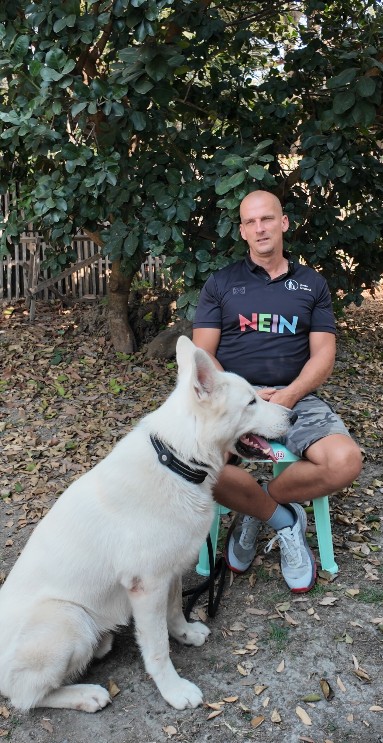
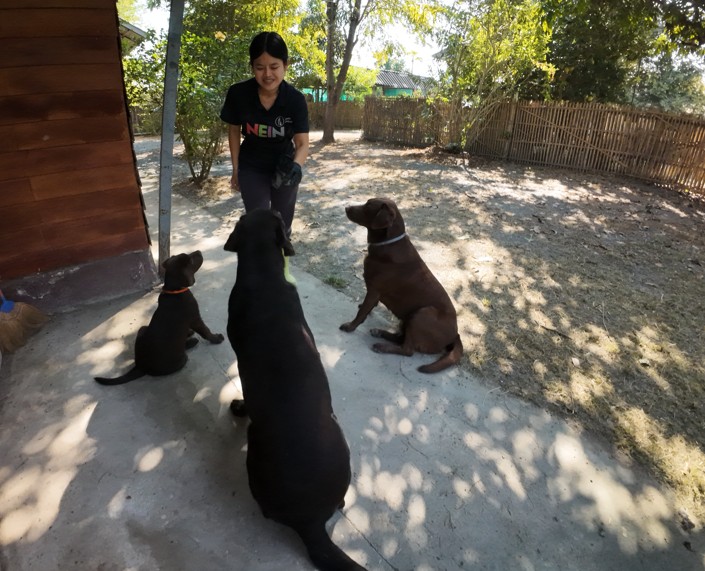
Every dog, unique. Some follow their nose, others solve puzzles, others mirror your cues. By matching enrichment to their cognitive style, you turn ordinary life into extraordinary brain-building adventures.
Health Concerns: When Cognitive Needs Impact Physical Wellness
The Stress-Cognition Connection
Understanding how cognitive enrichment impacts stress physiology can revolutionize how we approach our dogs’ health.
🧬 Science Deep-Dive: The Neuroscience Behind Stress and Enrichment
When your dog experiences chronic under-stimulation, their hypothalamic-pituitary-adrenal (HPA) axis—the body’s stress response system—remains chronically activated. This leads to elevated cortisol levels that literally reshape the brain. The hippocampus, crucial for memory and learning, can shrink under chronic stress, while the amygdala (fear center) becomes hyperactive.
Cognitive enrichment reverses this process through multiple mechanisms:
- Neurogenesis stimulation: Mental challenges promote the growth of new neurons, particularly in the hippocampus
- BDNF production: Brain-Derived Neurotrophic Factor, triggered by learning, acts like “fertilizer” for brain cells
- Cortisol regulation: Problem-solving activities activate the prefrontal cortex, which helps regulate the stress response
- Dopamine pathways: Successful cognitive challenges strengthen reward circuits, building resilience against stress
This isn’t just theory—brain imaging studies in dogs show increased gray matter density in cognitively enriched animals, similar to what’s observed in humans who practice meditation or learn new skills.
Chronic under-stimulation as a health risk goes beyond behavioral problems. When dogs lack cognitive engagement, stress hormones like cortisol remain elevated, impacting everything from immune function to digestive health. Research on stress in various animal species shows that environmental enrichment acts as a powerful stress buffer, reducing cortisol levels and promoting physiological balance. That dog with recurring digestive issues? They might benefit more from mental stimulation than dietary changes.
Behavioral symptoms of cognitive deficits often masquerade as health problems. Excessive licking leading to hot spots, overgrooming resulting in hair loss, or repetitive behaviors causing physical injury—these often stem from cognitive boredom rather than medical conditions. While veterinary evaluation is essential, addressing the cognitive component through enrichment can break the cycle of stress-related health issues.
The immune system boost from cognitive engagement might surprise you. Studies show that animals in enriched environments have stronger immune responses and better resistance to disease. The mechanism involves reduced chronic stress, better sleep quality, and increased physical activity that naturally accompanies mental engagement. Your daily enrichment routine isn’t just training your dog’s brain—it’s supporting their entire physiological system.
Age-Related Cognitive Health
Cognitive enrichment plays a crucial role in healthy aging, potentially delaying or preventing canine cognitive dysfunction (CCD).
🧬 Research Spotlight: Cognitive Reserve in Aging Dogs
A landmark study following 15,000 dogs over 10 years revealed that dogs engaging in regular cognitive enrichment showed 50% slower cognitive decline than non-enriched controls. The key finding? It’s not the complexity but the consistency that matters most.
The study identified three critical factors:
- Novelty exposure: Dogs encountering new experiences weekly maintained cognitive flexibility 2.3x longer
- Social learning: Dogs who learned new behaviors from other dogs showed better memory retention
- Cross-training: Dogs practicing different types of cognitive challenges (spatial, olfactory, social) built more robust neural networks
Most remarkably, dogs who began enrichment after age 7 still showed significant benefits, demonstrating that it’s never too late to start building cognitive reserve.
Early intervention strategies should begin long before senior years. Building cognitive reserve through lifetime enrichment provides protection against age-related decline. Think of it like a retirement fund for your dog’s brain—every deposit of mental stimulation adds to their cognitive wealth. Dogs who engage in regular enrichment throughout life show slower cognitive decline and maintain function longer than their under-stimulated peers.
Senior-specific enrichment requires thoughtful adaptation. While an elderly dog might not navigate complex agility courses, they can benefit enormously from scent work, gentle problem-solving, and choice-making activities. Adjust difficulty to maintain achievable challenge without frustration. A senior dog successfully finding hidden treats in a snuffle mat experiences the same neurochemical rewards as a young dog mastering a complex trick—the key is matching challenge to capability.
Recognizing cognitive dysfunction early allows for intervention when it’s most effective. Watch for subtle signs: confusion in familiar environments, changes in sleep-wake cycles, altered social interactions, or decreased interest in previously enjoyed activities. Early cognitive enrichment intervention, combined with veterinary care, can slow progression and maintain quality of life. Remember, cognitive exercise for senior dogs isn’t just about maintaining function—it’s about preserving the joy of mental engagement that enriches their golden years. 🧡
Emergency Enrichment Protocols: Cognitive Care During Crisis
Life throws curveballs, and sometimes our dogs face situations requiring immediate cognitive support alongside physical care. These emergency enrichment protocols provide mental stability during challenging transitions, helping your dog maintain emotional balance when their world feels uncertain.
Post-Surgery Recovery: Healing Mind and Body
When physical restriction threatens mental wellness, cognitive enrichment becomes medicine for the mind.
The cognitive impact of physical restriction can be devastating if not addressed. Dogs recovering from surgery often face weeks of limited movement just when their bodies are flooded with stress hormones from the procedure. Without mental outlets, this combination can lead to depression, anxiety, and even delayed physical healing. Your recovering dog’s brain craves normalcy and engagement, even when their body needs rest.
Bed-based brain games provide crucial mental stimulation without physical strain. Create a “recovery station” around your dog’s resting area with rotating cognitive challenges. Lick mats with frozen treats provide 20-30 minutes of focused engagement. “Sniff boxes” filled with crumpled paper and hidden treats can be explored while lying down. Practice “verbal puzzles” where your dog must respond to increasingly complex verbal cues (“touch your paw to your nose,” “look left then right”) that engage cognitive processing without requiring movement.
Graduated cognitive challenges should parallel physical recovery. Week one might involve simple nose work while completely stationary. Week two could add gentle paw puzzles that require minimal movement. By week three, incorporate decision-making games where your dog chooses between options using eye contact or small head movements. This cognitive progression provides achievable goals and measurable progress during a potentially frustrating recovery period, giving both you and your dog something positive to focus on beyond physical limitations.
🧬 Myth vs. Reality: Rest and the Brain
Myth: “A recovering dog should just rest and sleep.” Reality: While physical rest is crucial, mental stagnation can actually impair healing. Cognitive engagement triggers the release of growth factors that support tissue repair, reduces stress hormones that impair immune function, and maintains the positive mental state crucial for recovery. Studies show that patients (human and animal) with mental stimulation during recovery heal faster and report less pain than those without cognitive engagement.
Moving House: Navigating New Territories
Relocation challenges every aspect of your dog’s cognitive map, making enrichment crucial for successful adjustment.
Cognitive mapping disruption occurs when familiar environments disappear overnight. Your dog’s brain has spent years building detailed mental maps of your home, yard, and neighborhood. These maps include not just physical layouts but also scent landmarks, sound patterns, and social territories. When moving destroys these maps, dogs can experience profound disorientation similar to what humans feel with severe jet lag or mild dementia. This isn’t just stress—it’s cognitive overload as the brain scrambles to make sense of entirely new sensory input.
Transition enrichment protocols build new cognitive maps while maintaining familiar anchors. Before moving, create “portable enrichment” that will travel with you—specific puzzle toys, scent items, and games that provide continuity. In the new home, establish one room as “base camp” with familiar enrichment activities while gradually introducing new spaces through structured exploration games. Hide treats along paths between rooms, creating positive associations with navigation routes. Use “landmark training” where specific spots in the new home become associated with particular activities, helping your dog build a new cognitive map anchored in positive experiences.
Scent continuity strategies leverage your dog’s primary sense to ease transition. Bring items carrying familiar scents from the old home—not just bedding, but pieces of carpet, garden soil, or even air captured in sealed containers (seriously!). Create “scent trails” from familiar items to new spaces, helping your dog connect old and new through olfactory bridges. Establish new scent markers gradually, allowing your dog to contribute their own scent to the new environment through supervised marking opportunities (outdoors) or rubbing against designated furniture, building ownership and comfort.
New Baby Arrival: Expanding the Pack
Preparing your dog’s cognitive framework for a new family member requires thoughtful enrichment that builds positive associations while maintaining safety.
Pre-arrival cognitive preparation begins months before baby comes home. Introduce baby-related sensory experiences gradually through enrichment activities. Play recorded baby sounds at low volume during positive activities like puzzle-solving or treat-finding. Create “baby scent” games using lotions or powders, associating these new smells with rewards. Practice impulse control games around baby equipment—teaching your dog to navigate around cribs, ignore toys, and remain calm around moving swings or bouncers. This cognitive preparation builds neural pathways associating baby-related stimuli with positive, calm behavior.
Inclusive enrichment activities maintain your dog’s cognitive needs while fostering positive baby associations. Design “parallel play” where you engage your dog in quiet cognitive activities while holding or feeding baby—snuffle mats, lick mats, or silent puzzle toys your dog can enjoy while you’re occupied. Create “baby watch” games where calm observation of baby is rewarded with intermittent treats or quiet praise. Establish “helper” tasks where your dog fetches diapers or brings you specific items, maintaining their role as valuable family member while building positive associations with baby care routines.
Attention-sharing protocols teach your dog that baby’s presence predicts good things without requiring constant interaction. When baby arrives, increase rather than decrease enrichment opportunities, but deliver them differently. Use puzzle feeders during nursing sessions. Hide treats around the room before diaper changes, releasing your dog to find them afterward. Create “baby means fun” associations where the baby’s crying triggers a quick game or treat scatter for your dog, transforming potentially stressful sounds into positive predictors.
Grief and Loss: Cognitive Support Through Mourning
Dogs grieve deeply, and cognitive enrichment can provide crucial emotional support during loss.
Understanding canine grief helps us provide appropriate cognitive support. When dogs lose a companion (human or animal), their brains undergo neurochemical changes similar to human grief. Dopamine and serotonin levels drop, while stress hormones increase. Your dog might show confusion, searching behaviors, loss of appetite, or sleep disruption. These aren’t just behavioral changes—they represent profound cognitive and emotional processing as your dog’s brain struggles to update its social map and daily expectations.
Gentle cognitive engagement provides structure and purpose during mourning. Avoid overwhelming challenges that might increase frustration. Instead, offer familiar, achievable enrichment activities that provide comfort through routine. “Memory games” using items with the departed’s scent can help with processing—hide these items for your dog to find, allowing them to engage with the scent in a structured, rewarding way. Simple choice-making activities (“which toy today?”) restore small senses of control when their world feels unpredictable.
Building new routines through enrichment helps establish life’s new normal. Gradually introduce new cognitive challenges that don’t remind your dog of shared activities with the deceased. If the departed companion was your dog’s puzzle-solving partner, shift to individual scent work. If they played together, introduce solo cognitive games. Create new “special time” enrichment rituals that acknowledge the change while building fresh, positive associations. This isn’t about “replacing” the lost companion but about helping your dog’s brain build new patterns of engagement and satisfaction.
Isolation Periods: Maintaining Connection in Quarantine
Whether due to weather emergencies, illness, or global circumstances, isolation challenges both cognitive stimulation and social needs.
Indoor enrichment intensification compensates for lost outdoor experiences. Transform your home into a cognitive playground with daily variety. Monday might be “scent day” with hidden treats in every room. Tuesday becomes “puzzle day” with DIY challenges from household items. Wednesday features “training day” with new tricks or behaviors. This structured variety prevents habituation while maintaining cognitive engagement despite spatial limitations.
Virtual social enrichment maintains social cognitive stimulation despite physical isolation. Video calls with familiar dogs can provide visual social engagement—many dogs recognize and respond to familiar faces on screens. Create “window watching” schedules where your dog observes neighborhood activity at different times, maintaining awareness of their larger environment. Play recordings of familiar dogs’ barks or sounds from regularly visited places, keeping these auditory social connections active in your dog’s memory.
Cognitive schedule structure becomes even more critical during isolation. Without external cues like walks or visitors, dogs can lose temporal orientation. Establish strong cognitive routines: morning puzzle breakfast, midday training session, afternoon scent work, evening calm challenges. This predictable structure provides temporal anchoring while ensuring distributed cognitive engagement throughout isolated days.
🧬 Ask the Expert: Q&A on Emergency Enrichment
Q: “My dog seems depressed after surgery and won’t engage with puzzles. What should I do?”
A: Start smaller than you think necessary. Depression reduces cognitive motivation, so begin with “errorless” enrichment—activities guaranteed to succeed. Simply spreading a tiny amount of wet food on a plate for licking provides oral enrichment without requiring problem-solving. Gradually increase complexity as engagement returns. Remember, even one minute of cognitive engagement is valuable during recovery.
Q: “How do I know if I’m providing too much enrichment during stressful times?”
A: Watch for overstimulation signs: inability to settle after activities, increased reactivity, or avoidance of previously enjoyed challenges. During stress, dogs need cognitive engagement balanced with plenty of processing time. Aim for several short sessions rather than extended challenges, and always follow enrichment with calm, unstructured time.
Q: “Can cognitive enrichment really help with grief, or should I just give my dog time?”
A: Both are important. Grief requires time to process, but cognitive engagement provides structure and neurochemical support during mourning. Think of enrichment as gentle physiotherapy for the grieving brain—it maintains function, provides positive moments, and helps establish new patterns while honoring the need for rest and adjustment.
Lifestyle & Environment: Creating a Cognitively Rich World
The Enriched Home Environment
Your living space profoundly influences your dog’s cognitive development. Let’s explore how to transform your home into a brain-building sanctuary without major renovations or expenses.
Simple Home Modifications for Cognitive Enrichment:
- Rotating Toy Stations – Keep only 3-4 toys accessible, rotating weekly to maintain novelty and interest
- Scent Gardens – Safe herbs like basil, mint, and rosemary in pots provide olfactory exploration
- Variable Texture Paths – Different rugs, mats, and surfaces create sensory experiences during daily movement
- Window Perches – Comfortable viewing spots for supervised environmental observation and calm vigilance
- Puzzle Zones – Dedicated corners with rotating cognitive challenges appropriate for different times of day
- Hide-and-Seek Spots – Designated safe hiding places for toys and treats that change daily
- Choice Stations – Areas where your dog selects between different activities, building decision-making skills
These modifications work together to create an environment where every room offers opportunities for mental engagement without overwhelming your dog or cluttering your space.
Rotating environmental features maintains novelty within familiar spaces. Simply rearranging furniture periodically creates new navigation challenges and spatial learning opportunities. Add temporary “exploration zones” using cardboard boxes, tunnels made from chairs and blankets, or safe obstacles that require problem-solving to navigate. This environmental complexity, similar to enriched laboratory settings that promote neurogenesis, stimulates spatial processing and memory formation. You’re not creating chaos—you’re providing controlled novelty that keeps your dog’s brain actively mapping and adapting to their environment.
Designated cognitive zones within your home serve different enrichment purposes. Create a “snuffle station” with various textured mats and hiding spots for treats. Establish a “choice corner” where your dog can select between different activities or toys. Set up a “calm challenge area” with puzzles appropriate for quiet evening engagement. These zones teach context-appropriate behavior while providing predictable locations for cognitive activity. Your dog learns that different spaces offer different types of mental engagement, enhancing their ability to discriminate between contexts and adjust their behavior accordingly.
Window enrichment offers cognitive stimulation through environmental observation. Position a comfortable viewing spot where your dog can safely watch outdoor activity. This isn’t encouraging reactive barking—it’s providing controlled visual enrichment. Teach “quiet watching” where calm observation is rewarded, building impulse control and sustained attention. The changing scenes provide novel stimuli that activate visual processing centers and maintain alertness without overarousal. Some dogs benefit from “window puzzles” where they must spot specific items (birds, people with hats, red cars) for rewards, turning passive watching into active cognitive engagement.
Social Enrichment Dynamics
The social environment profoundly impacts cognitive development and emotional resilience.
Multi-species households offer unique cognitive opportunities. Dogs living with cats, other dogs, or even smaller pets must constantly navigate complex social dynamics. They learn to discriminate between species-specific communication styles, adjust their behavior based on their companion’s responses, and solve social problems that single-dog households never encounter. This social complexity strengthens cognitive flexibility and emotional regulation. If you have a single-dog household, arranged playdates or supervised interactions with friend’s pets can provide similar benefits.
Human family dynamics as enrichment means every family member can contribute to cognitive development differently. Children might engage in hide-and-seek games that build working memory. Teenagers could teach trick sequences that require sustained attention. Adults might provide structured training challenges. Elderly family members often excel at calm, patient puzzle work with dogs. This variety in interaction styles challenges your dog to adapt their behavior and communication to different human partners, enhancing social cognition and behavioral flexibility.
Visitor protocols as cognitive exercise transform potentially stressful situations into learning opportunities. Instead of simply managing your dog during visits, create structured greeting rituals that require cognitive engagement. Teach your dog to retrieve a specific toy when the doorbell rings, or to go to a designated spot and perform a series of calm behaviors before meeting guests. These protocols channel excitement into cognitive tasks, building impulse control while maintaining positive associations with visitors.
Seasonal and Weather Adaptations
Different seasons and weather conditions offer unique opportunities for cognitive enrichment.
Indoor enrichment for extreme weather ensures cognitive needs are met regardless of outdoor conditions. Create indoor scavenger hunts using your dog’s regular meals. Set up “indoor agility” using household items—broomsticks for jumps, cushions for platforms, blankets for tunnels. Teach “room service” where your dog learns to fetch specific items from different rooms. These activities maintain mental stimulation when physical exercise is limited, preventing the restlessness that often accompanies weather-restricted schedules.
Seasonal scent experiences acknowledge how environmental changes provide natural enrichment. Spring brings new plant growth and animal activity, summer offers intense scent profiles from blooming flowers and active wildlife, autumn provides falling leaves and migrating bird scents, while winter’s snow creates unique scent-trapping conditions. Capitalize on these seasonal variations by allowing extra sniffing time during transitions between seasons, when novel scents are most abundant. Create “scent collections” by rubbing cloth on different seasonal items (pinecones, flowers, snow) for indoor investigation during extreme weather.
Weather-specific cognitive games adapt to conditions while maintaining engagement. Rain creates natural scent trails that make tracking games easier and more rewarding. Snow hides visual cues, forcing reliance on other senses for finding hidden objects. Wind carries distant scents, perfect for “air scenting” exercises where dogs locate scent sources from downwind positions. These weather-adapted activities teach your dog to adjust problem-solving strategies based on environmental conditions, building cognitive flexibility and adaptive thinking.
Senior Care: Cognitive Support Through the Golden Years
Adapting Enrichment for Aging Minds
Senior dogs require thoughtful modification of cognitive enrichment to maintain engagement without causing frustration or fatigue.
Senior-Friendly Cognitive Activities:
- Sniff and Find Games – Large, high-contrast objects hidden in easy-access locations engage without strain
- Gentle Food Puzzles – Shallow snuffle mats and simple sliding puzzles that don’t require complex manipulation
- Memory Lane Walks – Shorter routes to familiar places with extra time for thorough scent investigation
- Touch Target Training – Teaching nose or paw touches to large targets maintains learning without physical demands
- Sound Association Games – Different sounds paired with rewards, adapting to potential vision changes
- Comfort Zone Challenges – Mild variations in familiar routines that stimulate without overwhelming
- Social Observation – Watching other dogs play or people interact provides mental stimulation without physical participation
Each activity respects physical limitations while maintaining the cognitive engagement that keeps senior minds sharp and spirits bright.
Complexity reduction without elimination means simplifying tasks while maintaining cognitive benefit. A senior dog might struggle with a complex puzzle feeder but thrive with a simpler snuffle mat. Replace multi-step problem-solving with single-step challenges repeated with variations. For example, instead of hiding treats in increasingly difficult locations, hide them in the same general areas but vary the specific spots slightly. This approach maintains the seeking behavior and reward system activation without overwhelming processing capacity.
Sensory compensation strategies address age-related sensory decline. As vision dims, increase reliance on scent-based enrichment. Create high-contrast visual puzzles using black and white patterns when visual games remain appropriate. For hearing loss, incorporate vibration or touch cues into cognitive games. These adaptations ensure continued cognitive engagement despite sensory changes, preventing the withdrawal from activities that often accelerates cognitive decline.
Micro-session enrichment respects reduced stamina while maintaining cognitive stimulation. Instead of 20-minute training sessions, offer five 2-minute cognitive challenges throughout the day. These brief engagements prevent mental fatigue while providing cumulative cognitive benefit. Think of it as “cognitive snacking”—small, frequent portions that are easier to digest than large meals. This approach aligns with research showing that distributed practice (spacing learning over time) often produces better retention than massed practice.
Monitoring Cognitive Health
Recognizing and tracking cognitive changes enables early intervention and appropriate support.
Behavioral baselines and changes require systematic observation. Create a simple weekly log noting your dog’s performance on familiar cognitive tasks. Can they still find treats hidden in their regular spots? Do they remember the names of favorite toys? How quickly do they solve their simplest puzzle? These observations provide objective measures of cognitive function, helping you identify gradual changes that might otherwise go unnoticed.
Cognitive assessment activities can be integrated into daily routines. The “disappearing treat” test evaluates working memory—show your dog a treat placed under one of three cups, wait 10 seconds, then let them choose. The “detour task” assesses executive function—place a treat behind a barrier that requires walking away from the treat to access it. Regular performance of these simple assessments provides valuable information about cognitive status without stressful formal testing.
Supporting cognitive resilience through targeted enrichment can slow decline and maintain quality of life. Focus on activities that engage preserved functions while gently challenging areas of mild deficit. If spatial memory declines, increase scent-based activities. If problem-solving slows, provide more time and clearer steps. The goal isn’t to restore youth but to maintain engagement, confidence, and joy in mental activity throughout the senior years. 🐾
Conclusion: Is Neuro-Enrichment Right for Your Dog?
After exploring the transformative power of cognitive enrichment, you might wonder if this approach suits your unique situation. The beautiful truth is that neuro-enrichment isn’t a one-size-fits-all program—it’s a flexible philosophy that adapts to every dog, every owner, and every lifestyle.
Quick Assessment: Signs Your Dog Would Benefit from Neuro-Enrichment:
- Behavioral indicators – Excessive barking, destructive chewing, or attention-seeking despite adequate exercise
- Emotional signs – Anxiety, restlessness, or inability to settle in familiar environments
- Age considerations – Puppies needing developmental support or seniors requiring cognitive maintenance
- Medical factors – Recovery from injury limiting physical exercise, or conditions requiring mental stimulation
- Lifestyle changes – Recent move, family changes, or schedule shifts causing stress or boredom
- Breed characteristics – Working or herding breeds with high intelligence requiring mental outlets
- Current enrichment gaps – Meals from bowls, same walking routes, limited toy variety, or minimal training
If you checked even one item, your dog would benefit from increased cognitive enrichment. The beauty is that you can start small and build gradually.
For the busy professional juggling work demands with pet parenthood, micro-enrichment offers a solution that doesn’t require additional time. Those two minutes while coffee brews become a quick scent game. The evening walk transforms into a cognitive adventure without extending duration. Mealtime shifts from bowl-filling to brain-building without adding complexity to your routine. You’re not adding tasks to your day—you’re enriching the moments you already share.
For the multi-dog household managing different personalities and needs, cognitive enrichment provides individualized engagement within group dynamics. While one dog works through a puzzle feeder, another might enjoy a calming snuffle mat. Group activities like “family foraging” build positive associations between dogs while meeting individual cognitive needs. The variety in enrichment options means every dog, regardless of age, ability, or temperament, finds appropriate challenge and reward.
For the senior dog guardian watching their beloved companion slow down, cognitive enrichment offers hope and practical support. It’s not about denying aging but about maintaining quality of life through achievable mental engagement. Every successful scent discovery, every simple choice made, every gentle puzzle solved adds to your senior dog’s sense of purpose and accomplishment. These aren’t just activities—they’re affirmations that your old friend remains capable, valued, and engaged.
The research is clear: dogs with enriched lives show better emotional regulation, stronger human bonds, improved physical health, and maintained cognitive function throughout life. But beyond the science lies something equally important—the joy of watching your dog’s eyes light up with understanding, the satisfaction of their contented sigh after mental exercise, and the deepening of your mutual communication.
As you close this guide, remember that neuro-enrichment isn’t about perfection. It’s about progress. Start small—perhaps with scattered breakfast kibble tomorrow morning. Notice how your dog responds. Celebrate small victories. Build gradually. Your dog’s brain has been waiting for these challenges, ready to grow and adapt at any age.
Every moment holds potential. Every interaction offers opportunity. Your journey into canine neuro-enrichment starts not with expensive equipment or complex training plans, but with a simple shift in perspective. You already have everything you need: a willing dog, daily routines ready for transformation, and now, the knowledge to make every day a cognitive adventure.
Welcome to the enriched life—where ordinary moments become extraordinary opportunities for growth, where daily routines transform into brain-building adventures, and where the bond between you and your dog deepens through the beautiful dance of shared discovery and mutual understanding. Your dog’s cognitive journey awaits, and you hold the key to unlocking their remarkable potential. 🧠🧡
Your 7-Day Quick Start Guide:
- Day 1 – Scatter breakfast on grass or textured mat instead of using a bowl
- Day 2 – Add one “sniff stop” to your regular walk for 2-minute scent investigation
- Day 3 – Hide three treats around one room while your dog waits, then release to find
- Day 4 – Teach “choose” by offering both hands with treats, rewarding the choice
- Day 5 – Create a simple puzzle using a muffin tin and tennis balls
- Day 6 – Practice “wait” with varying durations before meals or doors
- Day 7 – Celebrate your first week by combining favorite activities from days 1-6
Ready to begin? Start with one simple change tomorrow. Watch your dog engage. Notice the difference. Then build from there. The enriched life isn’t a destination—it’s a journey you and your dog take together, one pawstep, one puzzle, one joyful moment at a time.










