Understanding When Freedom Becomes Disconnection
Have you ever watched your dog on a long line, seemingly exploring with joy, only to realise they’ve completely tuned you out? You call their name, they don’t respond. You give a cue, they ignore it. What started as an opportunity for freedom has somehow transformed into chaos—a disconnect that leaves both you and your furry friend feeling frustrated and out of sync.
This phenomenon isn’t just about a dog being “distracted” or “stubborn.” It’s a complex interplay of neuroscience, emotional regulation, and the delicate dance of communication between you and your dog. When we give our dogs spatial freedom through long lines without providing emotional direction, we may inadvertently create what researchers call “distance without direction”—a state where autonomy becomes overwhelming rather than enriching.
Let us guide you through the fascinating science behind why this happens, how it affects your dog’s emotional wellbeing, and most importantly, how you can transform chaotic long-line walks into moments of confident, connected exploration. 🧡
Quick Recognition Guide: The Five Signs of Long-Line Chaos
Before we dive into the science, you might be wondering: “Is my dog experiencing long-line chaos, or are they just being a dog?” Here are the key indicators that distance has become disconnection:
- The Ignore Factor: Your dog completely tunes out familiar cues that they respond to reliably in other contexts
- Frantic Energy: Instead of relaxed exploration, your dog moves with urgent, driven energy—almost compulsive in their searching
- Elastic Band Effect: Your dog constantly hits the end of the line, creating continuous tension rather than using the available space thoughtfully
- Zero Check-Ins: Your dog never voluntarily looks back at you or acknowledges your presence unless physically restrained
- The Post-Walk Crash: After long-line walks, your dog seems exhausted but wired, unable to settle, rather than pleasantly tired
If you’re seeing three or more of these signs consistently, you’re likely dealing with distance without direction—and this article will help you understand why and what to do about it.
The Science Behind the Struggle: Why Distance Can Create Disconnection
The SEEKING System and Overstimulation
Your dog’s brain is wired for exploration. Neuroscientist Jaak Panksepp identified what he called the SEEKING system—a fundamental emotional circuit that drives curiosity, exploration, and the anticipation of rewards. When your dog catches an interesting scent or spots movement in the distance, this system lights up with motivation and excitement.
On a long line, your dog’s SEEKING system goes into overdrive. Suddenly, there’s so much more territory to investigate, countless scents to follow, and endless stimuli to explore. This sounds wonderful in theory, but here’s what many handlers don’t realise: without your guidance to help modulate this system, it can quickly spiral into overstimulation.
What this looks like in real life:
- Your dog frantically moves from one scent to another without truly engaging with anything
- They seem unable to settle or focus, constantly searching for the next stimulus
- Their body language shows tension rather than relaxed curiosity
- They appear almost “possessed” by their environment, as if they can’t help themselves
The SEEKING system needs balance from other emotional systems—particularly what Panksepp called the CARE system, which you represent. When you’re too far away or disengaged, your dog loses that crucial source of safety and regulation. The exploration that should feel joyful becomes anxiety-inducing instead.
Your Dog’s Nervous System on a Long Line
Stephen Porges’ Polyvagal Theory offers profound insights into why distance affects your dog’s emotional state so dramatically. This theory describes how your dog’s autonomic nervous system constantly assesses safety versus threat, operating through three distinct neural pathways.
The three states your dog moves through:
Ventral Vagal State (Social Engagement): This is the sweet spot. Your dog feels safe, connected, and calm. They’re curious but grounded, able to explore while maintaining awareness of you. Their body is loose, their breathing steady, and they regularly check in with you.
Sympathetic State (Fight or Flight): When connection cues diminish, your dog’s system may shift into mobilisation mode. They become hypervigilant, reactive, or frantic. The distance from you reads as a potential threat signal, activating stress responses.
Dorsal Vagal State (Shutdown): In extreme cases, dogs may actually freeze or shut down when overwhelmed by unstructured freedom. They seem “checked out” or unresponsive, unable to process the situation.
Through the NeuroBond approach, trust becomes the foundation of learning. But that bond relies heavily on proximity cues—eye contact, gentle vocalizations, your calm presence. When you’re twenty meters away on a long line, these safety signals become diluted or disappear entirely. Your dog’s nervous system, designed to co-regulate with yours, suddenly finds itself navigating environmental complexity alone.
Did you know? Dogs can shift between these nervous system states in seconds, depending on their perception of safety and connection with you. The long line doesn’t just create physical distance—it can create emotional distance that triggers physiological stress responses.
The Cognitive Overload Challenge
Imagine trying to concentrate on a complex task while standing in a bustling train station with announcements blaring, people rushing past, food vendors calling out, and a dozen conversations happening simultaneously. That’s similar to what your dog experiences on a long line in a stimulating environment without your guidance.
Cognitive Load Theory explains that working memory has limited capacity. For your dog, an unstructured long-line walk presents an overwhelming amount of sensory information—new scents layered upon old ones, rustling in bushes, distant sounds, other dogs or people, changing terrain underfoot, and weather sensations.
Without clear direction, your dog must:
- Process all incoming sensory data simultaneously
- Make independent decisions about what deserves attention
- Manage their own emotional responses to stimuli
- Navigate physical space while tracking environmental changes
- Attempt to respond to your cues while already mentally overwhelmed
This excessive cognitive load leads to decision fatigue. Your dog’s brain simply cannot process everything effectively. Instead of thoughtful exploration or responsive behaviour, you see erratic movement, inability to focus, or complete shutdown. The Invisible Leash reminds us that awareness, not tension, guides the path—but without your calm leadership helping to filter and prioritise information, that awareness becomes scattered and ineffective.
When Learning Breaks Down: The Training Implications
Why Your Dog “Forgets” Everything They Learned
You’ve spent months teaching your dog a reliable recall. In your garden, they’re perfect. At training class, they shine. But on a long line at the park? It’s as if they’ve never heard their name before. This isn’t defiance or forgetfulness—it’s neuroscience and learning theory in action.
The attention bandwidth problem: Dogs learn through clear associations between cues, behaviours, and consequences. This learning requires attentional focus. When your dog is far from you on a long line, their attention bandwidth is consumed by environmental exploration. Your verbal cue must compete with immediate, compelling sensory experiences—and the environment often wins.
Environmental reinforcement versus handler reinforcement: Every time your dog follows an interesting scent and discovers something rewarding (a food wrapper, a small animal’s trail, another dog’s marking spot), that behaviour is reinforced. These self-rewarding experiences happen continuously during unstructured long-line exploration. Meanwhile, your cues and rewards are distant, delayed, and less immediately satisfying than what the environment provides.
The conditioned responses you’ve carefully built begin to weaken. Not because your dog is being difficult, but because the contingencies have changed. The environment teaches more powerfully and immediately than you can from fifteen meters away.
What this means for you:
- Previously reliable cues become inconsistent or completely ignored
- Your dog develops selective hearing, responding only when nothing more interesting is available
- The training relationship shifts from partnership to independence
- Frustration builds on both ends of the leash, eroding your connection further
The Independence Trap
Here’s a pattern many handlers fall into without realising: by consistently using a long line without structure, you may inadvertently be training your dog to ignore you. Each walk where your dog explores independently while you follow behind, each time they don’t respond to your recall and nothing happens, each moment they’re rewarded by the environment without your involvement—all of these experiences teach a powerful lesson.
The lesson isn’t “I have freedom to explore while staying connected to my person.” Instead, it becomes “When I’m on this line, my person isn’t relevant. The environment is where all the good stuff happens.”
This creates what trainers call “undesirable independence”—not the confident autonomy we want our dogs to develop, but rather a disconnection from cooperative learning. Your dog begins to see walks as solo adventures that happen to have a person trailing behind, rather than shared experiences of exploration and discovery.
The Emotional Toll: Stress, Anxiety, and the Loss of the Bond
When Freedom Feels Like Abandonment
For dogs with insecure attachment patterns or those who find comfort in structure, unguided long-line walks can actually provoke anxiety. This might seem counterintuitive—isn’t freedom a good thing? But consider how it feels from your dog’s perspective.
Moments of Soul Recall reveal how memory and emotion intertwine in behaviour. If your dog has learned that you are their safe base, their guide through uncertain situations, their source of reassurance when things feel overwhelming, then suddenly being distant without direction can feel deeply unsettling. It’s not freedom—it’s being cast adrift.
Signs your dog is stressed by unstructured distance:
- Frequent looking back at you with tense body language
- Inability to settle into exploration, appearing frantic or urgent
- Stress signals like lip licking, yawning, or whale eye (showing the whites of their eyes)
- Pulling constantly at the end of the line, creating continuous tension
- Appearing “worried” while exploring, with ears back and tail held differently than during confident exploration
- Difficulty transitioning back to shorter leash or controlled walking after long-line time
Hypervigilance Versus Confident Exploration
There’s a crucial difference between a dog who explores with confidence and one who is hypervigilant. Confident exploration looks relaxed—loose body, soft breathing, the ability to investigate something thoroughly before moving on, and regular, casual check-ins with you. The dog knows you’re there as their anchor.
Hypervigilance, triggered by the loss of emotional synchrony on a long line, looks quite different. The dog’s movements become rapid and shallow, barely engaging with one stimulus before rushing to the next. Their body carries tension. They startle easily. They’re simultaneously over-focused on the environment and under-aware of their surroundings in a meaningful way—processing everything but truly understanding nothing.
This hypervigilant state isn’t healthy or enriching. It’s exhausting for your dog’s nervous system and can actually sensitise them to environmental stressors over time, making them more reactive rather than more confident. 🧠
The Breakdown of Co-Regulation
One of the most beautiful aspects of the human-dog relationship is co-regulation—the ability to mutually influence each other’s emotional states. When you’re calm, your dog can borrow that calmness. When your dog is relaxed, you feel more at ease too. This reciprocal regulation is fundamental to the NeuroBond.
But co-regulation requires proximity and awareness. It operates through subtle cues: your breathing rate, your muscle tension, the tone of your voice, the steadiness of your gaze. Your dog reads these micro-signals constantly, adjusting their own state to match yours.
On a long line without intentional connection, this co-regulation vanishes. Your dog can no longer easily read your emotional state. You become background noise rather than an active presence. When your dog encounters something that triggers uncertainty or excitement, they have no immediate way to reference you for guidance. Should they be concerned about that rustling in the bushes? Is it okay to approach that unfamiliar object? Without your calm presence as an emotional compass, they must make these assessments alone.
The result is a dog who becomes either overly cautious or recklessly independent, depending on their temperament—but either way, they’re operating outside the safe container of your shared emotional connection.
Essential Proximity Cues to Maintain Connection at Distance
Even when your dog is far away on a long line, you can maintain co-regulation through these intentional proximity cues:
- Vocal Anchoring: Use your voice regularly—not just for commands, but soft verbal markers like “good,” “yes,” or their name spoken gently to remind them you’re present
- Movement Mirroring: When your dog pauses to investigate something, you pause too; when they move, you move—this creates subconscious synchronisation
- Strategic Positioning: Place yourself where your dog can easily see you if they glance up, rather than following directly behind where you become invisible
- Breath Awareness: Maintain calm, steady breathing yourself—dogs can sense tension in your body even at distance through subtle leash cues
- Rhythmic Check-Ins: Establish a pattern of brief recalls or attention cues every 2-3 minutes, creating predictable connection points
- Environmental Narration: Occasionally comment on what you’re both experiencing (“Big tree here,” “Nice morning”), using a conversational tone that keeps the communication channel open
These micro-cues create an invisible web of connection that supports your dog’s nervous system even when physical proximity is reduced.
Environmental Factors: When the World Becomes Too Much
Sensory Complexity and Attentional Fragmentation
Not all environments affect dogs equally on a long line. The complexity and sensory density of your walking location dramatically influences whether your dog can maintain focus or becomes completely overwhelmed.
Low-complexity environments like open fields with minimal distractions allow dogs to process information more easily. There’s space for attention to be directed, fewer competing stimuli, and clearer sight lines to you.
High-complexity environments—wooded trails with wildlife activity, urban parks with multiple dogs and people, areas with heavy scent layering from various animals—create what we might call attentional fragmentation. Your dog’s focus splinters across dozens of compelling stimuli, making it nearly impossible to sustain attention on anything, including you.
Research in cognitive load shows that as environmental complexity increases, the need for external guidance (from you) increases proportionally. Yet the long line provides the opposite—more freedom precisely when your dog needs more support.
What you might observe:
- Your dog rapidly shifting from sniffing one spot to another, never truly investigating anything
- An almost frantic quality to their movements, as if they’re searching for something but don’t know what
- Complete inability to respond to cues, not out of disobedience but genuine cognitive overload
- Stress behaviours increasing despite being “free” to explore
High-Scent Areas: When Biology Overrides Training
For scent-driven breeds especially, high-scent environments present a particular challenge. The olfactory information is so compelling, so biologically relevant, that it can completely override trained responses. Your dog isn’t choosing to ignore you—their brain is genuinely captured by scent data that their evolutionary history deems critically important.
In these environments, unstructured long-line freedom essentially sets your dog up to fail. You’re asking them to maintain responsiveness while their most powerful sensory system is being overwhelmed with fascinating information. It’s like asking someone to have a conversation while experiencing the most delicious meal of their life—technically possible, but requiring enormous self-regulation that many dogs simply haven’t developed yet.
Environment Selection Guide: Choosing the Right Setting for Long-Line Success
Not all locations are created equal when it comes to long-line training. Use this guide to select environments that match your dog’s current skill level:
Beginner-Friendly Environments (Start Here):
- Open fields with minimal visual distractions and moderate scent complexity
- Quiet residential streets during off-peak hours
- Empty school fields or sports grounds on weekends
- Your own large backyard or a friend’s fenced property
- Calm beaches during non-busy times (if allowed)
Intermediate Environments (Build Up To):
- Nature trails with low to moderate foot traffic
- Suburban parks with occasional dog sightings
- Woodland areas with wildlife scent but limited visual triggers
- Open spaces near (but not in) active play areas
- Quiet urban parks early morning or late evening
Advanced Environments (Only When Ready):
- Dog parks or off-leash areas (with long line for safety)
- Busy urban trails with cyclists, joggers, and other dogs
- Wildlife-rich environments with high scent density
- Farmers’ markets or outdoor events (when specifically training)
- Any location with significant unpredictable stimuli
Red Flag Environments (Avoid Until Mastery):
- Areas with off-leash dogs who may approach
- Locations with small prey animals your dog is likely to chase
- Crowded places where your dog might feel trapped or threatened
- Anywhere you feel unsafe managing your dog at distance
- Environments where tangling hazards are significant (dense brush, lots of furniture)
Visual Stimulation and the Pull of Movement
Similarly, visually busy environments—parks with running children, areas with squirrels or birds, spaces with many other dogs—create powerful pulling forces on your dog’s attention. Movement triggers predatory sequences or social interest, activating neural pathways that are difficult to inhibit without strong foundational training and active handler support.
When you’re distant on a long line, you can’t provide the subtle body-blocking, gentle redirection, or timely reinforcement that would help your dog learn to manage these visual distractions. Instead, each exciting visual stimulus becomes another experience of your dog “practicing” moving away from you toward environmental interest.
Freedom. Distance. Disarray.
Autonomy without anchor unravels calm. The long line amplifies the SEEKING drive, but without your regulating presence, curiosity turns to compulsion—movement replaces meaning.
Connection governs regulation. When proximity cues vanish, the nervous system loses its co-regulator. A body built for shared exploration is left to self-manage chaos.
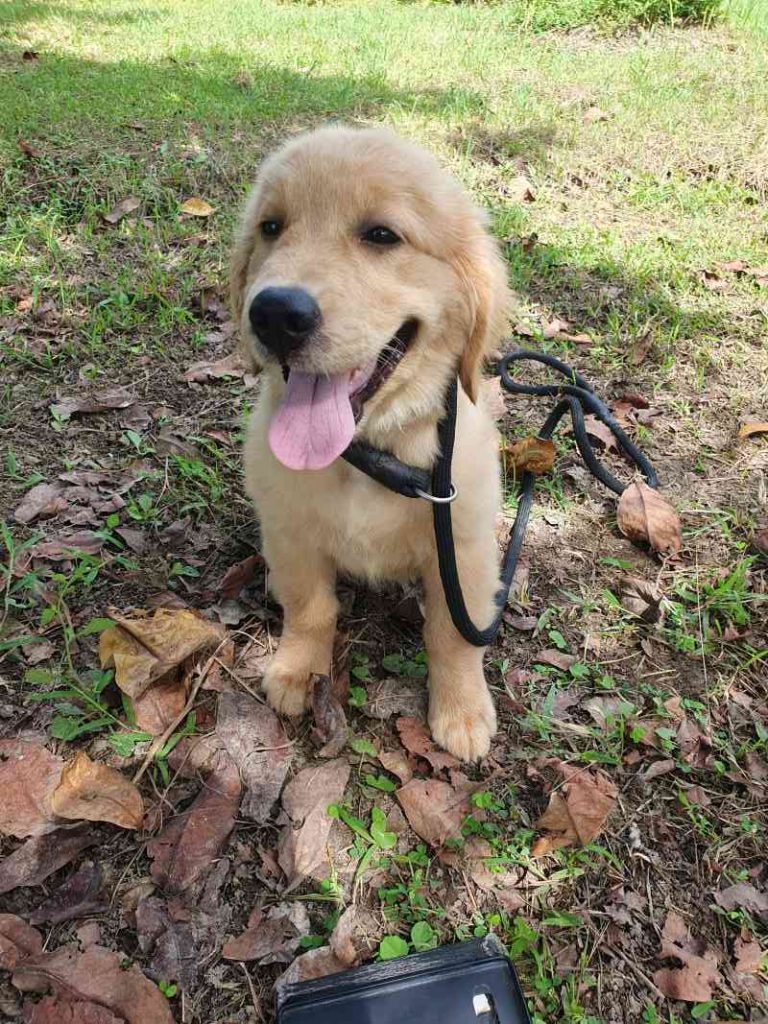
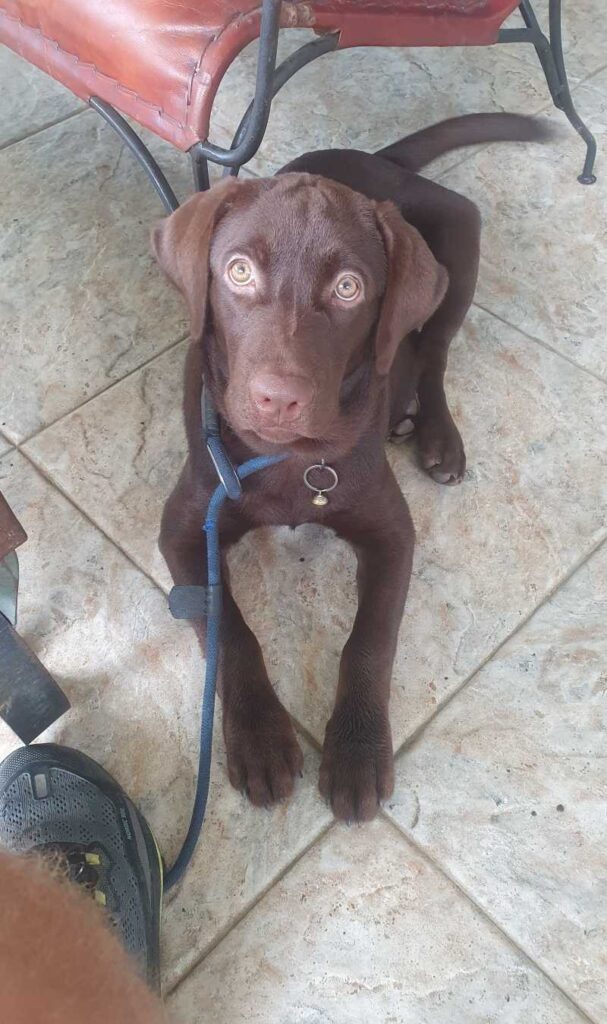
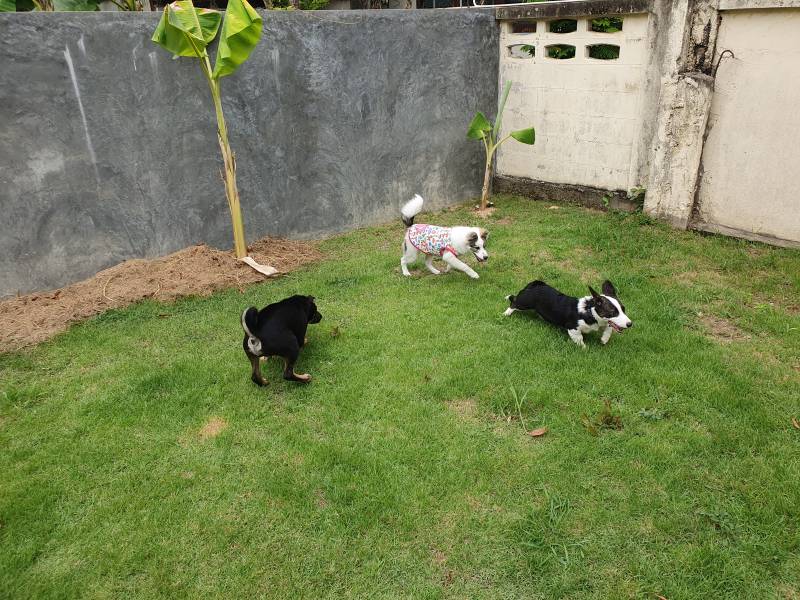
Guided freedom restores harmony. Keep communication flowing—eye contact, calm tone, responsive pauses. True freedom lives not in distance, but in direction that keeps the bond intact.
The Path Forward: From Chaos to Confident Connection
Understanding “Directed Freedom”
The solution to long-line chaos isn’t abandoning long lines altogether. Spatial freedom can be incredibly enriching for dogs when provided thoughtfully. The key is transforming “distance without direction” into what we might call “directed freedom”—intentional autonomy within the container of connection.
Directed freedom means you actively maintain the NeuroBond even at a distance. You don’t simply lengthen the leash and follow wherever your dog leads. Instead, you create a structured framework where freedom and guidance coexist.
The principles of directed freedom:
Maintain active engagement: Even when your dog is exploring at the end of the line, you remain actively present—not just physically following, but emotionally engaged. You’re reading their body language, anticipating their responses, and providing regular verbal or physical cues that remind them you’re there.
Create intentional structure: Set clear expectations for the walk. This might include designated “exploration zones” where freedom is encouraged and other moments where closer attention is required. Your dog learns that the long line doesn’t mean “do whatever you want” but rather “we’re exploring together with more space.”
Use progressive distance training: Start with short distances and brief durations, building your dog’s ability to maintain connection before extending to longer lines. This develops the neural pathways for sustaining attention and responsiveness even when environmental freedom increases.
Incorporate frequent check-ins: Regular recall practices, attention cues, and direction changes prevent your dog from falling into the pattern of continuous environmental scanning. These check-ins aren’t interruptions to their freedom—they’re the framework that makes sustained freedom possible.
Emphasise calm-state exploration: The Invisible Leash reminds us that true freedom comes from inner calm, not physical distance. Teach your dog to explore in a relaxed, grounded state rather than a frantic, overstimulated one. This builds sustainable enthusiasm rather than chaotic excitement. 🧡
🐕 Long-Line Chaos: Distance Without Direction 🌀
Understanding the 7 Phases from Freedom to Connection
Phase 1: Recognition
Identifying the Disconnect
What’s Actually Happening
When your dog hits the end of the long line and completely tunes you out, it’s not defiance—it’s neurological overwhelm. The SEEKING system in their brain has gone into overdrive without the modulation of your CARE presence. Distance has created both physical and emotional separation.
Signs to Watch For
• Frantic energy instead of relaxed exploration
• Zero voluntary check-ins with you
• Constant tension on the line
• Complete ignoring of familiar cues
• Post-walk exhaustion but inability to settle
⚠️ Critical Warning
If you’re consistently seeing 3+ signs of long-line chaos, continuing without intervention can reinforce disconnection patterns and increase stress responses. The long line may be causing more harm than enrichment at this stage.
Phase 2: Understanding the Neuroscience
What’s Happening in Your Dog’s Brain
The Three Nervous System States
Ventral Vagal (Safe & Social): Calm exploration with maintained connection
Sympathetic (Fight/Flight): Hypervigilance and frantic behavior
Dorsal Vagal (Shutdown): Frozen or completely checked out
Cognitive Load Overload
Your dog’s working memory has limited capacity. On a long line in a stimulating environment, they must simultaneously process dozens of scents, sounds, visual stimuli, navigate space, manage emotions, AND respond to your cues—all without your guidance. It’s like asking someone to solve complex math while standing in Times Square.
Through the NeuroBond approach, trust becomes the foundation of learning. But this bond requires co-regulation—the mutual influence of emotional states. At excessive distances without intentional connection, this co-regulation vanishes, leaving your dog to navigate overwhelming stimuli alone.
Phase 3: Environmental Assessment
Choosing the Right Context
Start Here: Beginner Environments
• Open fields with minimal visual distractions
• Quiet residential streets during off-peak hours
• Your own backyard or fenced property
• Empty school fields on weekends
The Complexity Factor
Not all environments are equal. High-scent areas (wildlife trails) and visually busy locations (bustling parks) amplify attentional fragmentation. Your dog’s focus splinters across dozens of compelling stimuli, making connection nearly impossible. Match environment complexity to your dog’s current skill level, not your aspirations.
Avoid Until Mastery
• Areas with off-leash dogs who may approach
• Locations with small prey animals
• Crowded places where your dog feels trapped
• Anywhere you feel unsafe managing distance
Phase 4: Building Foundation Skills
Prerequisites for Success
Essential Capacities to Develop First
Voluntary Attention: Your dog checks in without being called
Impulse Control: Ability to pause and choose rather than react
Emotional Regulation: Can return to calm without constant management
Distance Responsiveness: Cues work regardless of proximity
Start Short, Build Long
Begin with just 3-5 meters of additional line length in your backyard. Master reliability at this distance before extending further. Many handlers skip this crucial step and jump to 15-20 meter lines immediately—setting both themselves and their dogs up for frustration and failure.
The Training Timeline Reality
Expect 3-4 months of progressive work to develop reliable long-line skills. Week 1-3: Foundation on standard leash. Week 4-6: 5-meter line. Week 7-10: 10-meter line. Week 11-16+: Full long-line work. Rushing this progression creates the chaos patterns you’re trying to avoid.
Phase 5: Implementing Directed Freedom
Structure Within Autonomy
The Engagement Walk Exercise
You guide exploration rather than following wherever your dog leads. Point out interesting spots (“Let’s check that tree!”), then alternate with giving your dog choice (“Your turn—where should we go?”). This creates shared decision-making rhythm instead of independent wandering. The best discoveries happen when your dog is attuned to you.
The Invisible Leash Principle
The Invisible Leash reminds us that awareness, not tension, guides the path. Maintain connection through vocal anchoring (soft verbal markers), movement mirroring (pause when they pause), and strategic positioning (stay visible). These micro-cues create an invisible web of connection supporting your dog’s nervous system even at distance.
Rhythmic Check-In Pattern
Call your dog back every 2-3 minutes BEFORE they become completely absorbed. Timing is crucial—interrupt attention before enormous self-control is required. Make returning wonderful: enthusiastic interaction, quick game, treat, then immediate release back to exploring. This prevents the pattern where recall means fun ends.
Phase 6: Maintaining Co-Regulation
Your Emotional Presence Matters
Proximity Cues That Travel Distance
• Use calm, conversational voice to create vocal anchoring
• Match your movements to theirs (mirroring creates subconscious sync)
• Position where they can easily see you (not directly behind)
• Maintain steady breathing—your calm travels through subtle signals
• Occasionally narrate the environment together
Reading Dysregulation Early
Watch for rapid shallow exploration, body tension, increased movement speed, or complete loss of awareness. When you notice these signs beginning, don’t wait for escalation. Gently reel in the line, slow your pace, use calm voice, and help your dog return to grounded state before extending freedom again.
Soul Recall Moments
Moments of Soul Recall reveal how memory and emotion intertwine in behaviour. When your dog glances back at you during exploration, that’s not just checking location—it’s emotional referencing. Acknowledge these moments with soft praise or a smile. These micro-connections accumulate into deep trust and reliable responsiveness.
Phase 7: Troubleshooting & Adaptation
Responsive Problem-Solving
If Your Dog Constantly Pulls to Line End
The long line has become a cue that you’re irrelevant. Solution: Temporarily stop long-line use. Rebuild attention on short leash with high reward rates. When reintroducing long line, change context completely (new location, time of day). Start with much shorter lengths (3-4m) and build duration before distance.
If Post-Walk Overstimulation Persists
Your dog’s nervous system needs help down-regulating. Reduce walk duration dramatically (even 5-10 minutes of long-line time). Choose less stimulating environments. Add structured decompression routine: slow walking, sniff work at home, calm settling exercises. Some dogs need weeks of shorter sessions before extending.
When to Seek Professional Support
If your dog shows increasing anxiety, reactivity, or stress despite consistent application of these techniques, consult a qualified behavior professional. Some dogs have underlying issues that require specialized intervention. There’s no shame in seeking support—it’s responsible guardianship.
🔄 Understanding Different Dog Types on Long Lines
Anxious/Insecure Dogs
Challenge: Distance feels like abandonment
Need: Very gradual progression with frequent verbal reassurance
Timeline: 4-6 months minimum, may never enjoy extensive distance
High Drive/Reactive Dogs
Challenge: Environmental triggers overwhelm connection
Need: Extensive impulse control foundation, carefully selected environments
Timeline: 5-8 months with professional guidance recommended
Puppies (Under 6 Months)
Challenge: Lack impulse control and focus capacity
Need: Short leash work to build secure bond first
Timeline: Wait until 6-8 months before introducing long-line work
Adolescent Dogs (6-18 Months)
Challenge: Brain development makes everything intensely interesting
Need: Maintain structure despite seeming ready; frequent engagement
Timeline: Progress may temporarily regress—be patient
Senior Dogs (7+ Years)
Challenge: May prefer proximity due to reduced senses/mobility
Need: Respect comfort levels; they may not want extensive freedom
Timeline: If established skills exist, may handle beautifully
Scent-Driven Breeds
Challenge: Olfactory information can completely override training
Need: Structured scent work alongside long-line training; acknowledge biology
Timeline: 4-6 months with realistic expectations about scent pull
⚡ Quick Reference Formulas
Distance Progression Rule: Master 80% reliability at current distance before adding 5 more meters
Check-In Frequency: Every 2-3 minutes OR every 30-40 meters of exploration
Environment Complexity Match: High skills = complex environments. Low skills = simple environments. Never reverse this.
Session Duration: Start with 5-10 minutes of long-line work per session, build to 20-30 minutes over months
Dysregulation Response Time: Intervene within 5-10 seconds of noticing stress signals—waiting longer reinforces chaos patterns
🧡 The Essence of Zoeta Dogsoul
True freedom doesn’t emerge from the absence of guidance—it flourishes within the security of connection. The long line becomes not just a physical tool, but a metaphor for balanced relationship: space for autonomy paired with the steady presence of calm leadership.
Through the NeuroBond we build deep, trust-based communication that transcends physical distance. The Invisible Leash reminds us that awareness and emotional presence guide the path far more effectively than tension or control. And in those precious Soul Recall moments—when your dog glances back mid-exploration to check you’re still there—we witness how memory, emotion, and connection interweave into something profound.
Distance without direction creates chaos. Distance with connection creates confidence. That’s the essence of transforming long-line walks from struggles into celebrations of your shared journey.
© Zoeta Dogsoul – Where neuroscience meets soul in dog training
Building the Skills Your Dog Needs
Before your dog can successfully handle the freedom of a long line, certain foundational skills must be in place. These aren’t just obedience commands—they’re emotional and cognitive capacities that allow your dog to remain regulated and connected even at a distance.
Voluntary attention: Your dog needs to have developed the habit and ability to check in with you voluntarily, not just when called. This voluntary attention is the cornerstone of maintained connection. It emerges from a relationship where you’re consistently relevant, interesting, and supportive—not just a constraint on freedom.
Impulse control: The capacity to inhibit immediate responses to environmental stimuli is crucial. This doesn’t mean suppressing your dog’s natural curiosity, but rather developing the ability to pause, assess, and make choices rather than reacting automatically to every stimulus. Games like “wait,” “leave it,” and controlled exposure to distractions build this capacity.
Emotional regulation: Your dog should be comfortable with mild arousal and able to return to calm states without constant external management. If your dog can only be calm when physically controlled or in boring environments, they’re not yet ready for the stimulation of long-line freedom.
Distance responsiveness: Practice all cues at gradually increasing distances in low-distraction environments before testing them in complex settings. Your dog needs to learn that your cues are relevant and reinforced regardless of physical proximity.
Environmental neutrality: Work toward a state where environmental stimuli are interesting but not overwhelming. This often requires systematic desensitisation to various triggers and building positive associations with remaining calm around exciting things.
Practical Exercises for Rebuilding Connection
Let’s explore specific exercises you can use to transform chaotic long-line walks into opportunities for deepening your bond and your dog’s confidence.
Exercise 1: The Engagement Walk
Rather than letting your dog lead the exploration, you actively guide it. Move through the environment with intention, occasionally stopping at interesting spots and encouraging your dog to investigate them. When they engage with something you’ve indicated, provide enthusiastic praise and maybe even a treat. This teaches your dog that the best discoveries happen when they’re attuned to you, not just following their nose wherever it leads.
Alternate between directed investigation (“Let’s check out that tree!”) and giving your dog brief freedom to choose (“Okay, your turn, where should we go?”). This creates a rhythm of shared decision-making rather than independent exploration.
Exercise 2: The Recall Rehearsal
Every few minutes during your walk, call your dog back to you before they become completely absorbed in something. The timing is crucial—you want to interrupt their attention before they’re so focused that responding to you requires enormous self-control. Make coming back to you wonderful: have a brief but enthusiastic interaction, maybe a quick game, definitely a treat, then release them back to exploring.
This builds a pattern where recalling isn’t the end of fun (which creates avoidance) but rather a pleasant interruption that’s immediately followed by more freedom. Your dog learns that responding to you never means losing out.
Exercise 3: The Synchronisation Walk
Begin your walk at a closer distance, maybe only three to four meters of line out. Walk together with intention, requiring your dog to match your pace and direction. Then, give a cue that signals freedom (“Go explore!”) and allow the line to extend. After 30-60 seconds, use another cue (“With me!”) that signals a return to synchronized walking.
This exercise teaches your dog that there are distinct “modes” during walks—times for synchrony and times for independence—and that transitioning between them is normal and rewarding. It prevents the pattern of constant pulling and continuous distance.
Exercise 4: The Calm Nature Exposure
Find genuinely peaceful environments—early morning parks, quiet trails, or serene natural areas. The goal here isn’t to practice obedience but to allow your dog to experience exploration in a calm nervous system state. You maintain gentle connection through occasional soft verbal cues, slow movements, and a deeply relaxed presence yourself.
This builds your dog’s capacity to be in new environments without becoming overstimulated. Through repeated experiences of calm exploration, their nervous system learns that novelty doesn’t require hypervigilance. Your role is to be a grounding presence, not an active director—a subtle but important distinction.
Reading Your Dog’s Signals
Becoming skilled at long-line work requires learning to read your dog’s state through subtle body language, even at a distance. This attunement allows you to intervene before chaos develops or to recognise when your dog needs more support.
Signs your dog is well-regulated and ready for freedom:
- Loose, flowing movement through space
- Natural breathing rhythm (not panting unless hot)
- Soft eyes and relaxed facial muscles
- Spontaneous check-ins with you, even briefly
- Thorough investigation of objects or areas before moving on
- Tail carriage appropriate to your dog’s breed/personality—neither tucked nor rigid
- Willingness to move away from interesting things when cued
Signs your dog is becoming dysregulated:
- Rapid, shallow exploration without genuine engagement
- Increased movement speed that seems driven rather than joyful
- Body tension—stiff legs, raised hackles, tight muscles
- Complete lack of awareness of you, even when you move significantly
- Inability to “hear” familiar cues
- Repetitive behaviours like circling, frantic sniffing, or pacing
- Stress signals: lip licking, yawning, panting (when not hot), whale eye
When you notice dysregulation beginning, don’t wait for it to escalate. Gently reel in the line, slow your pace, use your calm voice, and help your dog return to a more grounded state before extending freedom again. This responsive handling prevents the rehearsal of chaotic patterns.
Common Long-Line Challenges and Quick Solutions
Here are the most frequent issues handlers face, along with immediate action steps you can take:
Challenge: “My dog immediately bolts to the end of the line and pulls constantly”
- Solution: Start with much shorter line lengths (3-4 meters) and build duration before distance. Practice “permission to explore” cues so freedom becomes earned rather than automatic. Use a “stop and settle” protocol whenever tension appears in the line.
Challenge: “My dog ignores me completely the moment we use the long line”
- Solution: The long line has become a cue that you’re irrelevant. Temporarily stop long-line use and rebuild attention games on a short leash. When you reintroduce the long line, maintain high engagement with frequent rewards for check-ins and responses. Change the context completely (new location, different time of day).
Challenge: “My dog gets so overstimulated they can’t calm down for hours afterward”
- Solution: Reduce walk duration significantly (even just 5-10 minutes of long-line time). Choose less stimulating environments. Add a structured decompression routine after walks: slow walking, sniff work at home, or calm settling exercises. Your dog’s nervous system needs help down-regulating.
Challenge: “The line gets tangled around everything—trees, legs, other dogs”
- Solution: Work on your line management skills separately from dog training. Practice hand positions and gathering techniques. Choose more open environments initially. Teach your dog a “this way” cue for navigating obstacles. Consider using a lighter, less bulky long line.
Challenge: “My dog is perfect at home but loses all training in new environments”
- Solution: This is normal generalization difficulty. You need many repetitions in varied settings at shorter distances before adding length. Create a progression: backyard mastery → quiet street → new quiet location → slightly busier location, always returning to shorter leash when environment complexity increases.
Challenge: “Other dogs approach and my dog becomes reactive/overexcited on the long line”
- Solution: Long lines create a false sense of control in situations requiring management. If your dog has reactivity issues, don’t use long lines in areas where off-leash dogs are common. Practice parallel walking with known, calm dogs first. Always have an exit strategy and be prepared to shorten your line quickly.
Challenge: “I feel anxious watching my dog so far away, which seems to make them more anxious too”
- Solution: Your instinct is correct—your anxiety travels down the line. Start with distances where YOU feel comfortable (even if it’s just 2 meters). Work on your own breathing and presence. Remember: effective leadership comes from calm confidence, not perfect control. If long lines create more stress for you than benefit for your dog, it’s okay to stick with shorter leashes.
Special Considerations: When Long Lines Need Extra Care
For Anxious or Insecure Dogs
Dogs with anxiety or insecurity often struggle more significantly with unstructured distance. For them, your proximity isn’t just nice—it’s a crucial safety signal. Increasing distance without adequate preparation can actually exacerbate anxiety rather than build confidence.
If your dog shows anxious tendencies, slow down the process dramatically. Begin with just a meter or two of additional line length, maintaining very frequent verbal connection. Build duration at short distances before increasing length. Watch for signs that your dog is checking for you more frequently or showing stress signals, which indicate they’re not yet comfortable with the current level of freedom.
Some anxious dogs may never find long-line freedom enjoyable, and that’s okay. Forcing spatial independence on a dog who finds comfort in closeness isn’t respecting their emotional needs. For these dogs, building calm confidence might look different—perhaps structured parallel walking, trick training, or other activities that build self-assurance without requiring distance.
For Highly Driven or Reactive Dogs
On the opposite end, dogs with very high prey drive, strong herding instincts, or reactivity to other dogs or people face different challenges with long lines. For them, the problem isn’t anxiety about distance from you—it’s that environmental triggers are so compelling that maintaining connection requires immense self-control.
For these dogs, long-line work must be preceded by extensive foundation training in impulse control and attention. You might use longer lines only in carefully selected environments where triggers are minimal. When triggers do appear, you need sufficient line control to prevent your dog from rehearsing reactive or predatory sequences.
Consider working with a qualified trainer who understands behaviour modification for these dogs. The long line can be a tool in desensitisation and counter-conditioning protocols, but only when used with precision and clear understanding of what you’re teaching.
Age and Life Stage Considerations
Puppies: Young puppies generally lack the impulse control and focus for long-line freedom. For them, the learning priority is developing a strong bond with you as their secure base. Short leash walks with frequent positive interactions build this foundation better than extensive spatial freedom they’re not yet ready to navigate.
Adolescents: Teenage dogs may seem ready for long-line freedom but often lack the judgment to handle it well. Environmental stimuli become intensely interesting during adolescence as dogs’ brains develop adult capacities for detecting nuance and complexity. This is often when previously reliable dogs suddenly seem to “forget” everything they learned. Maintain structure and frequent engagement during this developmental stage rather than expanding freedom prematurely.
Senior dogs: Older dogs with established calm demeanour may actually handle long lines beautifully, as they’ve developed a lifetime of co-regulation skills with you. However, monitor their physical comfort—some seniors prefer staying closer due to reduced vision, hearing, or mobility. Don’t assume long lines are beneficial just because they’re available.
Creating a Long-Line Philosophy That Works
Asking the Right Questions
Before each walk, consider asking yourself these reflective questions to guide your approach:
What is my intention for this walk? Am I providing enrichment, working on training goals, simply allowing bathroom breaks, or helping my dog decompress after a stressful day? Different intentions require different structures.
What is my dog’s current state? Are they calm and ready to engage, or already overstimulated before we begin? Starting from an elevated state makes maintaining connection much harder.
What environment are we entering? How complex and stimulating is it? Does my dog have the skills to handle this level of challenge with the freedom I’m planning to provide?
How present can I be? If I’m on my phone, stressed about something else, or physically present but mentally elsewhere, I cannot provide the emotional direction my dog needs. Distance without presence is particularly problematic.
What is my dog actually learning in this moment? With each decision to allow complete freedom or to call them back, to follow where they pull or to redirect, I’m teaching something. What patterns am I creating?
Balancing Freedom and Structure Across Your Dog’s Life
The goal isn’t perfect control or complete freedom, but rather a dynamic balance that shifts according to context. Your dog should experience:
Structured walks where you determine pace, direction, and focus—building the foundation of cooperative movement and attention.
Directed freedom walks using long lines with active engagement—teaching your dog to balance autonomy with connection.
Decompression walks in safe areas where true freedom is possible (off-leash or very long lines with minimal structure)—allowing your dog to be a dog without constant management, once they’ve developed the skills to handle this responsibly.
Relationship-building activities beyond walks—training, play, calm coexistence—that strengthen your bond regardless of distance or freedom level.
Different days and different life phases will emphasize different elements of this balance. That flexibility, guided by thoughtful observation of your dog’s needs and responses, is the art of thoughtful dog guardianship.
Progressive Training Milestones: Your Long-Line Journey Roadmap
Building reliable long-line skills takes time and systematic progression. Here’s a realistic roadmap showing what to master before moving to the next level:
Foundation Stage (Weeks 1-3):
- Reliable attention and eye contact on a standard 2-meter leash in low-distraction environments
- Calm walking without constant pulling on standard leash
- Solid recall from 3-5 meters in controlled settings (backyard, quiet room)
- Basic impulse control: sit, wait, leave-it with moderate distractions
- Your dog voluntarily checks in with you every 30-60 seconds during regular walks
Short-Line Stage (Weeks 4-6):
- Introduction of 5-meter line in familiar, quiet locations
- Dog responds to name and basic cues at 5 meters distance, 80% success rate
- Can maintain loose leash (no tension) for 50% of walk time
- Shows awareness of your position, occasionally glancing back
- Successfully navigates around simple obstacles (one tree, park bench) without tangling
Medium-Line Stage (Weeks 7-10):
- Comfortable working on 10-meter line in semi-familiar environments
- Reliable recall from 10 meters with mild distractions (birds, gentle breeze)
- Demonstrates voluntary check-ins at least every 2-3 minutes
- Can re-engage with you within 5 seconds of hearing their name
- Successfully completes direction changes when cued (left, right, this way)
- Shows appropriate arousal regulation: explores calmly rather than frantically
Long-Line Stage (Weeks 11-16):
- Working confidently on 15-20 meter line in varied environments
- Maintains responsiveness even when investigating interesting stimuli
- Voluntary check-ins continue regardless of distance
- Can be recalled away from moderately tempting distractions (distant dogs, interesting scents)
- Shows clear difference between “directed exploration” mode and “structured walking” mode
- You can shorten and lengthen the line smoothly based on environmental demands
Mastery Stage (Ongoing):
- Reliable in complex, high-distraction environments at full line length
- Demonstrates spatial awareness: adjusts path to avoid tangling, aware of your position without constant visual contact
- Seamlessly transitions between freedom and structure based on subtle cues
- Shows excellent self-regulation: can explore with enthusiasm yet calm quickly when needed
- Your communication appears almost “telepathic” to observers—minimal obvious cues needed
- The long line becomes a safety backup rather than a management tool
Remember: These timelines are guidelines, not rules. Some dogs progress faster, many need more time. Meeting each milestone with 80-90% reliability before advancing ensures lasting success.
Key Takeaways: Transforming Your Long-Line Practice
As we bring together all these insights, here are the essential principles to carry forward in your long-line journey with your dog:
Understanding the “Why” Behind the Chaos:
- Long-line chaos stems from cognitive overload, emotional dysregulation, and loss of co-regulation—not from your dog being stubborn or disobedient
- Distance without direction activates stress responses rather than providing enriching freedom
- Your dog’s nervous system requires your calm presence as an anchor, even at distance
The Science-Informed Approach:
- Respect the SEEKING system while providing modulation through your CARE presence
- Maintain ventral vagal state activation through consistent safety cues and connection
- Recognize cognitive load limits and adjust environmental complexity accordingly
- Understand that environmental reinforcement will always compete with your cues unless you’re actively relevant
Practical Implementation:
- Start shorter and slower than you think necessary—foundation skills matter more than impressive distance
- Choose environments strategically based on your dog’s current capabilities, not your aspirations
- Use directed freedom exercises that combine autonomy with structure and guidance
- Practice responsive handling: shorten the line at first signs of dysregulation
- Maintain active engagement through vocal anchoring, movement patterns, and rhythmic check-ins
The Emotional Core:
- Your presence must remain meaningful to your dog, not just physical
- Co-regulation requires intentional effort to maintain across distance
- Trust is built through consistency, not control
- Freedom feels safe only when connection remains intact
- The quality of your bond matters more than the length of your line
When to Seek Support:
- If your dog shows increasing anxiety, reactivity, or stress despite your best efforts
- When you feel consistently overwhelmed or unable to maintain calm presence
- If progress stalls completely for several weeks despite varied approaches
- When safety becomes a concern for your dog, other animals, or people
- If you’re unsure whether your dog’s behaviour reflects normal learning curves or underlying issues
The Bigger Picture:
- Long-line work is one tool among many—not every dog needs extensive long-line freedom to thrive
- Success looks different for different dogs: know yours and honor their needs
- The goal isn’t perfect performance but rather deepened connection and confident exploration
- Your relationship grows through this work, regardless of how quickly technical skills develop
- Trust the process, celebrate small wins, and stay present with your dog’s journey
Conclusion: Freedom Through Connection
The challenge of long-line chaos ultimately teaches us something profound about freedom itself. True freedom—the kind that enriches rather than overwhelms, that builds confidence rather than anxiety—doesn’t come from the absence of guidance. It emerges from the security of connection.
When we think about “distance without direction,” we might initially focus on the physical distance. But the real issue is emotional and communicative distance. A dog can be twenty meters away and still feel deeply connected to you, still reference you for guidance, still experience your presence as an anchor. Conversely, a dog can be at your side and feel completely alone if you’re disengaged and disconnected.
That balance between autonomy and connection, between exploration and awareness, between freedom and structure—that’s the essence of Zoeta Dogsoul. It recognises that our dogs need both: the space to express their natural behaviours and interests, and the security of knowing we’re there, present and available, guiding without controlling, supporting without restricting.
The solution to long-line chaos isn’t shorter leashes or more control. It’s deeper presence, clearer communication, and the patient development of the skills that allow both you and your dog to navigate spatial freedom while maintaining emotional synchrony. It’s recognising that the leash between you isn’t just a physical tether—it’s a symbol of connection that must be maintained through intention, not just equipment.
As you work with your dog on long-line skills, remember that progress isn’t always linear. Some days will feel chaotic, and that’s part of the learning process for both of you. What matters is your commitment to remaining present, to reading your dog’s needs, to adjusting your approach when something isn’t working, and to celebrating small moments of connection even in challenging circumstances.
Your dog doesn’t need perfect freedom. They need you—present, calm, engaged, and serving as their secure base from which to explore the world. When you provide that, even at a distance, the long line becomes not a source of chaos but a bridge to deeper trust and understanding.
May your walks together be adventures in connection, explorations of partnership, and celebrations of the beautiful bond you share.