You slide behind the steering wheel, your dog hops into their familiar spot, and before you’ve even pulled out of the driveway, the symphony begins. Sharp, insistent barks pierce the air—not fear, not aggression, but something else entirely. An electric energy that seems to pulse through your companion’s body, transforming the simple act of driving into an exhausting vocal performance that leaves you both drained by journey’s end.
If this sounds familiar, you’re navigating one of the most misunderstood behavioral patterns in canine companionship. Impulsive barking during car rides isn’t simply “bad behavior” or stubbornness. It’s a complex neurobiological response where motion, anticipation, and sensory overload converge to create a state of unregulated arousal that your dog struggles to control. The vehicle becomes a moving chamber of stimulation—visual, vestibular, olfactory, auditory—all happening simultaneously while your companion has absolutely no agency over direction, speed, or destination.
Understanding why this happens requires us to look beyond surface behaviors and explore the intricate dance between your dog’s nervous system, emotional processing, and learned associations. Through the lens of neuroscience, behavioral psychology, and what we might call the NeuroBond approach to emotional co-regulation, we can begin to see car barking not as defiance, but as a communication of internal overwhelm. Your dog isn’t choosing to make the journey difficult—they’re expressing what their arousal system is compelling them to feel.
In this comprehensive guide, we’ll explore the multifaceted causes of this challenging behavior, moving beyond simplistic corrections to understand the interplay of sensory stimulation, emotional anticipation, and the potential loss of predictability that leads to overactivation of arousal and reward systems in your dog’s brain. More importantly, we’ll discover evidence-based strategies that work with your dog’s neurobiology, not against it, creating a foundation for calmer, more connected travel experiences. 🧠
The Sensory Symphony: How Your Dog Experiences the Moving World
Visual Motion and the Constant Chase Response
Imagine trying to focus while the entire world rushes past you at unpredictable speeds. Every passing car becomes a moving target, every pedestrian triggers an ancient herding or prey drive, every reflection on a window creates a phantom presence that demands investigation. For your dog, looking out the car window isn’t passive observation—it’s a relentless stream of stimuli that their visual system processes as potential threats, opportunities, or mysteries requiring immediate response.
Dogs possess superior motion detection compared to humans, with eyes designed to catch even subtle movements in their peripheral vision. This evolutionary advantage, so useful for survival in natural settings, becomes a liability in the confined space of a moving vehicle. Research using eye-tracking technology during car rides reveals that dogs experiencing impulsive barking demonstrate significantly higher saccadic movement rates—their eyes darting frantically between passing objects, never quite settling, never finding visual rest.
The pattern intensifies with window access. Dogs with full visual access to passing scenery show measurably higher barking frequencies compared to those with restricted views or no window access at all. Yet this isn’t simply about blocking the stimulus—it’s about understanding that your dog’s visual system is genuinely overwhelmed by the processing demand. Each passing object triggers a micro-arousal spike, and these spikes accumulate without adequate recovery time, building toward vocal release.
Consider also the changing light conditions: sunlight streaming between buildings, shadows flickering across the interior, reflections creating ghost movements on windows. These luminous shifts activate your dog’s visual attention system repeatedly, creating what we might call “visual noise” that contributes to overall sensory confusion. For dogs already predisposed to higher arousal levels, this visual symphony becomes genuinely distressing rather than merely stimulating.
Signs Your Dog Is Experiencing Visual Overwhelm:
- Eyes tracking frantically between passing objects without settling
- Head whipping side to side following movement
- Increased barking intensity when passing high-traffic areas
- Fixation on specific types of movement (cyclists, runners, other dogs)
- Dilated pupils even in bright conditions
- Body positioning to maximize window viewing despite restraint
- Barking that escalates when visual complexity increases (city vs. highway driving)🐾
Vestibular Input: The Inner Ear’s Contribution to Arousal
Movement itself—independent of what your dog sees—creates its own arousal cascade. The vestibular system, housed in the inner ear, constantly monitors your dog’s position in space, detecting every acceleration, deceleration, turn, and vibration. During car travel, this system receives continuous, unpredictable input that your dog cannot control or anticipate.
Studies monitoring heart rate and heart rate variability during rides with varying levels of acceleration and turning reveal fascinating patterns. Dogs experiencing impulsive barking show elevated heart rates specifically during acceleration phases and sharp turns, suggesting that vestibular input contributes directly to physiological arousal. The correlation becomes even clearer when dogs are exposed to motion platforms simulating car movements in stationary settings—barking can emerge even without visual stimuli, purely from movement sensation.
This vestibular contribution may explain why some dogs begin barking before any visible trigger appears. The physical sensation of motion itself activates arousal systems, preparing the body for action without clear direction for that action. It’s an internal discomfort that doesn’t quite reach the threshold of motion sickness but creates enough unease to manifest as vocal expression.
Interoceptive awareness—your dog’s perception of internal bodily sensations—plays a crucial role here. Just as humans might feel “butterflies” during anxiety, dogs experience gut-level sensations during motion that their brains interpret as requiring response. For dogs with lower emotional regulation capacity, these somatic experiences can’t be dismissed or ignored; they demand acknowledgment through behavior, often through barking or other displacement activities like panting and pacing.
Physical Signs of Vestibular Discomfort:
- Excessive lip licking or yawning unrelated to hunger or tiredness
- Wide-eyed expression with visible sclera (whites of eyes)
- Rigid body posture, bracing against motion
- Excessive panting even in cool temperatures
- Drooling more than normal
- Restlessness, unable to settle into one position
- Whining combined with barking
- Attempts to climb onto higher surfaces or into laps
- Trembling or shaking during acceleration or turns
Olfactory Overload: The Invisible Dimension of Car Travel
While we focus on what dogs see and feel during car rides, the olfactory dimension often goes unnoticed by human drivers yet profoundly affects canine experience. With olfactory capabilities estimated at 10,000 to 100,000 times more sensitive than human noses, your dog isn’t just riding in a car—they’re swimming through an ever-changing current of scent information.
Engine exhaust, heated plastic and rubber, air conditioning systems mixing outdoor and indoor air, scent trails from previous passengers or cargo—all create what we might call olfactory confusion. When windows are opened, this intensifies exponentially. Each passing environment introduces new scent landscapes: urban pollution, suburban lawns, rural animal tracks, coastal salt air. Your dog’s nose is working constantly to process and categorize this flood of information.
Research using olfactory sensors inside vehicles during different phases of travel reveals that scent profiles change dramatically and rapidly during motion. Dogs exposed to controlled olfactory changes in stationary vehicles show measurable increases in sniffing behavior and arousal markers even without movement or visual stimulation. When dogs with a history of car barking encounter specific scents associated with previous arousing journeys—like the smell of their favorite park or a veterinary clinic—physiological markers spike in anticipation.
The challenge here is that dogs can’t “turn off” their olfactory processing. Whereas humans can close their eyes or cover their ears, your dog’s nose continuously samples the environment. This creates a baseline level of sensory engagement that, when combined with visual and vestibular input, can tip the scale from manageable stimulation to genuine overwhelm. Through the Invisible Leash framework—that invisible thread of awareness connecting handler and dog—we begin to understand that managing scent exposure is as crucial as managing visual stimulation.
Common Olfactory Triggers During Car Travel:
- Engine exhaust and heated mechanical components
- Fast food restaurants (especially drive-throughs)
- Other animals’ scent trails from previous passengers
- Farms, livestock areas, and rural animal smells
- Trash collection areas and landfills
- Dog parks or veterinary clinics (arousing associations)
- Ocean air, beach environments
- Urban pollution and industrial areas
- Air fresheners or cleaning products in the vehicle
- Handler’s stress-related scent changes (anxiety, frustration)

The Emotional Engine: Anticipation, Dopamine, and the Seeking System
When Prediction Becomes a Trigger
Your dog has learned the patterns. The jingle of car keys, the specific shoes you wear for dog park visits, the direction you turn out of the driveway—each cue builds a predictive model in their brain about what’s coming next. And here’s where neuroscience reveals something counterintuitive: the anticipation of reward can be more arousing than the reward itself.
The reward prediction error theory explains how dopamine surges occur not when your dog arrives at the exciting destination, but when they predict it’s coming. This anticipatory dopamine flood doesn’t just create excitement—it drives impulsivity, lowers behavioral thresholds, and can trigger vocal expression before any external stimulus appears. Your dog barks not because they see the park, but because their brain has calculated that the park is coming based on subtle contextual cues you might not even realize you’re providing.
Studies measuring salivary dopamine metabolite levels before, during, and after car rides to various destinations reveal striking patterns. Dogs traveling to highly anticipated positive locations show significantly elevated dopamine markers even before the car starts moving. This pre-emptive physiological preparation manifests behaviorally as restlessness, panting, and yes—impulsive barking. The vocalization serves as an outlet for the intense anticipatory energy coursing through their system.
Subtle Predictive Cues Your Dog Reads:
- The specific shoes or clothes you wear for different destinations
- Your energy level and movement speed during preparation
- Time of day patterns (Saturday morning = dog park)
- Which leash or collar you grab
- Route direction out of the driveway
- Your tone of voice when announcing departure
- Whether you grab certain bags or equipment
- Facial expressions and emotional state before leaving
- Specific phrases you use before exciting vs. mundane trips
- How quickly you walk to the car
- Whether other family members are joining the trip
Interestingly, this pattern can exist even without consistently positive destinations. If car rides sometimes lead to exciting outcomes (park, friend’s house, beach), your dog’s brain learns that every car ride carries potential for high reward. This variable reinforcement schedule—one of the most powerful learning paradigms—creates persistent anticipation that never fully extinguishes. Each ride becomes a lottery ticket of possibility, keeping arousal systems primed and ready.
The SEEKING System: When Exploration Has No Outlet
Affective neuroscience describes the SEEKING system as a fundamental emotional circuit that drives exploration, anticipation, and goal-directed behavior. When activated, this system creates feelings of eager anticipation and enthusiastic engagement with the world. It’s the neurobiological foundation of curiosity, motivation, and forward-moving energy.
During car rides, something fascinating yet problematic occurs: the SEEKING system activates powerfully, triggered by motion, novelty, and predictive cues about exciting destinations, but finds no appropriate outlet. Your dog can’t chase the passing cars, can’t investigate the interesting smells more thoroughly, can’t run toward the destination they sense is approaching. This creates what researchers call “unrestrained arousal”—the emotional system is firing, demanding action, but the physical constraints of the vehicle prevent behavioral expression.
Brain imaging studies using fMRI in dogs during simulated car rides show increased activation in areas associated with the mesolimbic dopamine pathways—the neural highways of the SEEKING system—often before any clear external trigger appears. This internal activation, seeking release without available outlet, frequently manifests as spontaneous barking. The vocalization isn’t responding to something specific; it’s expressing the general state of unfulfilled activation coursing through the system.
Through understanding this mechanism, we recognize that traditional “quiet” commands often fail because they’re asking a dog to suppress a neurobiological state, not just a chosen behavior. The SEEKING system doesn’t respond to verbal inhibition; it requires either fulfillment through appropriate outlet or systematic downregulation through nervous system co-regulation. This is where the NeuroBond approach becomes relevant—not trying to suppress the system, but guiding it toward calm through shared emotional synchrony. 🧡
Sensitization: When the Engine Sound Becomes the Trigger
Perhaps one of the most insidious aspects of chronic car-related barking is sensitization—a process where neutral cues become powerful emotional triggers through repeated association. After enough journeys where arousal escalates, the mere sound of your car engine starting, the vibration of the idle, or even the approach to your parked vehicle can trigger the full arousal cascade.
This phenomenon reflects what neuroscience calls automaticity in emotional processing. Learned stimuli can automatically trigger emotional responses without requiring conscious attention or evaluation. The sound of your engine isn’t inherently arousing—it’s a mechanical noise. But through consistent pairing with the high-arousal state your dog experiences during travel, it becomes a conditioned excitatory cue that bypasses rational processing and directly activates arousal systems.
Research comparing dogs with and without car barking histories exposed to engine sound recordings in neutral environments reveals this sensitization clearly. Dogs with extensive barking histories show immediate heart rate elevation, increased skin conductance, and often vocalization in response to engine sounds alone, while dogs without this history show minimal response. The sound has become a trigger not through innate meaning, but through learned association.
This sensitization extends beyond single cues to entire contextual patterns. The garage, your driving clothes, the specific time of day you typically travel—all can become part of a predictive web that activates your dog’s system increasingly early in the sequence. This is why some dogs begin showing arousal behaviors before the car journey even starts, pacing near the door or barking when keys are retrieved. The arousal response has expanded backward in time, triggered earlier and earlier in the behavioral chain.
Early Warning Signs of Sensitization:
- Your dog reacts to car keys jingling, even when not planning travel
- Arousal begins when you put on specific shoes or jackets
- Pacing starts when you approach the garage door
- Barking occurs in the parked vehicle before engine starts
- Your dog shows excitement or anxiety when merely seeing the car
- Arousal responses appear at earlier points in the departure sequence over time
- Engine sounds from other vehicles trigger arousal
- Your dog monitors you closely during typical departure preparation times
- Physical blocking behaviors preventing you from leaving without them
- Hypervigilance to any cues suggesting possible car travel
Breaking this pattern requires more than just managing behavior during rides. It demands systematic desensitization to the triggering cues themselves, rebuilding associations where engine sounds, car proximity, and travel preparation predict calm outcomes rather than arousal cascades. Through what we might call Soul Recall—that deep intuitive recognition of safe patterns—we can help your dog relearn what car-related cues truly mean.
The Learning Loop: How Good Intentions Reinforce the Problem
The Excitement-Release Reinforcement Cycle
Here’s a pattern that many well-intentioned dog owners inadvertently create: the car ride builds arousal (through all the mechanisms we’ve discussed), arrival at the destination brings immediate release of constraint, and that release feels intensely rewarding to your dog. From their perspective, the equation becomes clear: high arousal during the ride leads to the reward of freedom and exploration at the end.
This reinforcement pattern is particularly insidious because it doesn’t require any specific action from you as the owner. The structure of the journey itself—confinement, arousal, release—creates what behaviorists call a self-reinforcing behavior chain. Your dog learns that sustaining high energy throughout the ride predicts positive outcomes, and thus hyperarousal becomes the default state during travel rather than something to avoid.
Longitudinal studies tracking dogs across multiple car rides with varying outcomes reveal this learning pattern clearly. Dogs whose rides consistently end with immediate release into exciting environments (parks, beaches, friends’ homes) show progressively increasing arousal levels at earlier points in subsequent journeys. The brain learns to prepare earlier and with greater intensity for the predicted reward, creating an upward spiral of excitability.
Interestingly, this pattern persists even when destinations vary. If only some journeys lead to exciting outcomes, the variable reinforcement schedule actually strengthens the response rather than weakening it. Your dog can’t predict which specific ride will be “winning ticket,” so they maintain high arousal for all rides just in case. This explains why car barking often doesn’t diminish even when some trips are mundane—the possibility of excitement maintains the behavior.
Breaking this cycle requires reconceptualizing what we reinforce. Instead of excitement predicting reward, we need calm to predict reward. Instead of release immediately following arrival, we need a moment of regulated calm before freedom. These structural changes in how we manage the journey-to-destination sequence can gradually reshape what your dog’s brain learns to prepare for.
How to Break the Excitement-Release Cycle:
- Require a 30-60 second settle before opening the vehicle door upon arrival
- Practice “boring” destinations that return home immediately (breaking exciting-outcome prediction)
- Vary your post-arrival routine so release isn’t automatic and immediate
- Reward calm behavior during the journey with favorite activities at destination
- Take brief pauses during drives where nothing exciting happens
- End some journeys with calm leash walks rather than immediate off-leash freedom
- Practice vehicle entry and exit without going anywhere
- Use a specific calm cue before release that your dog must respond to
- Gradually increase the calm duration required before release over weeks
- Never release into exciting activity while your dog is in peak arousal state
Can Dogs Learn Inhibitory Control?
The question isn’t really whether dogs can learn to inhibit impulsive barking—we know they possess the neurological capacity for impulse control. The more relevant question is: can they learn to exercise that control in the specific context of car rides, where arousal systems are powerfully activated and environmental factors work against calm states?
Research on pre-ride rituals and destination variability offers encouraging insights. Dogs exposed to consistent calming routines before car travel—sniffing walks, specific settling cues, predictable sequences that signal “this will be calm”—show measurable reductions in arousal markers and barking frequency compared to control groups. The rituals don’t just burn off physical energy; they establish a neurological state that’s more conducive to regulation during the subsequent journey.
Effective Pre-Ride Calming Rituals:
- 15-20 minute slow, dog-led sniffing walk (not vigorous exercise)
- Gentle massage focusing on neck, shoulders, and hindquarters
- Calm sit-stay practice with high-value treats in the driveway
- Feeding a small meal or food puzzle 45-60 minutes before departure
- Playing calming music that’s been conditioned to relaxation at home
- Practicing known calm behaviors (settle on mat, chin rest)
- Slow, deliberate handler movements during departure preparation
- Deep breathing exercises with your dog (co-regulation begins pre-travel)
- Brief training session of familiar, easy behaviors
- Applying calming pressure wrap if your dog responds well to one
- Consistent verbal cue that always predicts calm journeys (“easy ride” said in soothing tone)
Destination variability also plays a fascinating role. When car rides lead to diverse outcomes rather than consistently exciting ones—sometimes short drives that return home, sometimes quiet walks, sometimes exciting play sessions—dogs gradually develop what we might call “outcome uncertainty.” Rather than assuming every ride means maximum excitement, they learn to wait and assess, which naturally promotes calmer baseline states during travel.
The key factor in developing inhibitory control appears to be what researchers call “effortful control”—the capacity to voluntarily regulate attention and behavior despite strong impulses. This isn’t something that emerges simply from correction or suppression; it develops through positive experiences where calm states are consistently reinforced and where arousal has appropriate outlets at appropriate times.
Training protocols focusing on impulse control in stationary settings can generalize to car environments, but the transfer isn’t automatic. A dog who demonstrates excellent “wait” behavior for meals may still struggle with car barking because the arousal context differs so dramatically. The most effective approaches seem to be those that specifically practice calm states during graduated car exposures—starting with short, low-arousal rides and systematically building tolerance and regulation capacity over time. 🐾
Physiological Markers: What Your Dog’s Body Reveals
Heart Rate, Heart Rate Variability, and the Arousal Signature
While we can observe barking, panting, and pacing, the internal physiological state driving these behaviors often remains invisible. Recent advances in wearable monitoring technology for dogs allow us to peer beneath surface behaviors and understand the arousal signatures associated with impulsive car barking.
Heart rate (HR) provides a straightforward measure of sympathetic nervous system activation—the “gas pedal” of arousal. Dogs experiencing impulsive barking show consistently elevated heart rates during car travel compared to calm travelers, often reaching levels similar to those during play or excitement. More revealing, though, is the pattern of heart rate spikes. Impulsive barkers show sharp HR elevations corresponding with specific events: starting the engine, acceleration, passing interesting visual stimuli, and approaching known destinations.
Heart rate variability (HRV)—the variation in time between heartbeats—offers even deeper insight into nervous system regulation. High HRV generally indicates good parasympathetic tone and emotional flexibility; the system can modulate between arousal and calm effectively. Low HRV suggests rigid arousal states with poor regulatory capacity. Dogs prone to car barking show significantly reduced HRV during travel, indicating their nervous systems become “locked” in arousal mode with limited capacity to shift states.
The temporal relationship between physiological markers and barking is particularly illuminating. HR elevations typically precede vocal outbursts by several seconds, suggesting the physiological arousal builds first, then finds expression through barking. This sequence confirms that barking is an output of internal state rather than a purely reactive response to external stimuli. Addressing the vocalization without addressing the underlying arousal state is like treating a symptom while ignoring the disease.
Cortisol: The Stress Hormone’s Role
Salivary cortisol measurements before and after car rides add another dimension to our understanding. While cortisol is often described simply as a “stress hormone,” its relationship to car barking appears more nuanced. Some impulsive barkers show elevated cortisol, suggesting genuine distress underlying their vocal behavior. Others, however, show cortisol levels within normal ranges despite intense barking, suggesting their arousal stems more from excitement and anticipatory activation rather than negative stress.
This distinction matters tremendously for intervention design. If your dog’s barking reflects distress (elevated cortisol, signs of fear or anxiety, physiological markers of threat response), then approaches focused on safety, predictability, and gradual desensitization are paramount. If instead their barking reflects overexcitement (normal cortisol, playful body language, anticipatory rather than fearful arousal), then strategies targeting impulse control and appropriate energy outlets become more relevant.
Research on temperament suggests that dogs with higher “negative affectivity”—a tendency toward negative emotional states—may show more pronounced cortisol responses during car travel. These individuals genuinely find the experience more distressing and require approaches that prioritize emotional safety. Dogs with lower negative affectivity but poor effortful control may show normal cortisol but still bark intensely because they lack the regulatory capacity to manage their excitement.
Recovery Time: The Measure of Regulation Capacity
Perhaps one of the most revealing physiological measures isn’t what happens during the car ride, but what happens after. How quickly does your dog return to baseline arousal levels once the journey ends? How long before their heart rate normalizes, their breathing settles, their physical tension releases?
Studies employing standardized “calmness tests” after rides reveal striking differences between impulsive barkers and calm travelers. Dogs prone to car barking require significantly longer to settle in quiet environments post-journey, show heightened reactivity to novel stimuli even after travel has ceased, and demonstrate what researchers call “emotional hangover”—persistent arousal that outlasts the triggering situation.
This delayed recovery isn’t simply about physical exhaustion; it reflects neurobiological regulation capacity. Dogs with robust parasympathetic nervous system function can shift from arousal to calm relatively quickly. Those with weaker parasympathetic tone or overactive sympathetic systems remain in elevated states much longer, sometimes hours after a short journey.
Interestingly, trip duration shows complex relationships with recovery time. Very short trips (under 10 minutes) sometimes allow insufficient time for full arousal development, resulting in quicker recovery. Moderate-length trips (20-40 minutes) often produce the most prolonged recovery times, as arousal builds significantly but doesn’t have time to habituate. Very long trips (over an hour) sometimes show paradoxical improvement, possibly because systems fatigue or habituation begins to occur, though this varies significantly between individual dogs.
Understanding your dog’s specific recovery patterns can inform journey planning and post-travel routines, helping support their return to regulated states rather than leaving them to struggle through recovery alone. 🧠
Training and Regulation: Pathways to Calmer Travel
NeuroBond Co-Regulation: Shared Calm as Communication
Traditional training approaches to car barking often focus on commands, corrections, or distraction—asking the dog to change behavior through willpower or redirected attention. The NeuroBond approach offers something fundamentally different: using the emotional connection between human and dog to shift nervous system states together, moving from individual struggle to shared regulation.
Co-regulation begins with recognizing that your emotional state during car travel directly impacts your dog’s arousal level. When you’re tense, rushed, or anxious about potential barking, your dog reads these cues through multiple channels—your breath pattern, muscle tension, vocal tone, energy quality—and their nervous system responds in kind, escalating toward defensive mobilization. Conversely, when you maintain genuine calm, breathing deeply and evenly, moving with unhurried purpose, your dog’s system receives powerful safety signals that can counteract other arousing stimuli.
Research interventions teaching handlers NeuroBond techniques—synchronized breathing, soft rhythmic touch, calm vocal cues delivered with emotional authenticity—show measurable reductions in both physiological arousal markers and barking frequency compared to control groups using traditional training methods. The mechanism likely involves what Polyvagal Theory describes as social engagement system activation. Your calm presence and attuned connection activate your dog’s ventral vagal complex, which inhibits defensive responses and promotes states of safety and connection.
Practical application involves specific practices: before entering the vehicle, spend two minutes in shared breath awareness—your slow, deep breathing creating an anchor that your dog’s system can synchronize with. During travel, maintain gentle contact (if your dog finds this calming rather than stimulating) with rhythmic, soothing touch patterns. Use your voice not for commands but for what we might call “emotional narration”—soft, melodic tones that communicate “I’m here, we’re safe, this is okay” at a nervous system level rather than a cognitive one.
The power of co-regulation lies in its fundamental recognition: your dog doesn’t need to change their state alone. You’re offering your regulated nervous system as a resource they can borrow from, creating what becomes a Invisible Leash of shared emotional experience. Over time, with consistent practice, your dog’s system learns new patterns, developing greater internal regulation capacity through repeated experiences of external support.
Pre-Travel Grounding: Setting the Stage for Success
The journey toward calm car travel doesn’t begin when you turn the key—it begins before you even approach the vehicle. Pre-travel grounding rituals serve multiple functions: they reduce baseline arousal, establish predictable sequences that signal calm expectations, and activate parasympathetic nervous system tone before sympathetic activation can dominate.
A comprehensive grounding routine might include:
Physical grounding through sniffing walks: Twenty minutes of unhurried, dog-led exploration where your companion can engage their natural scenting behaviors fully. This isn’t exercise for physical fatigue; it’s sensory satisfaction that activates calming neurochemicals and provides appropriate outlet for the SEEKING system before confinement begins. Dogs allowed pre-ride sniffing walks show significantly lower heart rates during subsequent travel and reduced barking frequency compared to those loaded directly into vehicles.
Proprioceptive input through specific touch: Gentle pressure massage along the major muscle groups, particularly the neck, shoulders, and hindquarters, activates mechanoreceptors that send calming signals to the brain. This isn’t petting—it’s deliberate, slow, rhythmic pressure that helps your dog become aware of their body in space, promoting physical and emotional grounding.
Calm cue conditioning: Establishing a specific phrase, sound, or gesture that consistently predicts calm states can become a powerful tool. This might be a particular word spoken in a specific tone, a gentle touch sequence, or a brief ritual that signals “we’re entering calm mode.” The key is absolute consistency—this cue must always be delivered when you’re genuinely calm, and must always predict calm activities rather than exciting ones.
Research monitoring cortisol and heart rate variability before and during rides preceded by grounding rituals versus those without shows clear benefits. The grounding doesn’t just reduce immediate arousal—it shifts the entire starting point from which the car journey proceeds. Rather than beginning already at elevated baseline (common when dogs are hurried into vehicles), dogs enter travel from a fundamentally calmer neurological state, leaving more “arousal room” before reaching thresholds that trigger barking.
Environmental Management: Seat Position and Sensory Control
While we can’t eliminate all sensory input during car travel, we can strategically manage it to support regulation rather than hinder it. Research systematically placing dogs in different vehicle positions reveals that environmental factors significantly influence barking frequency and emotional control capacity.
Back seat positioning with restricted window view consistently produces lower barking rates compared to front passenger positions or back seats with full visual access. The mechanism seems twofold: reduced visual stimulation (fewer passing objects in immediate view) and increased physical security (more enclosed space, less exposure to front windshield’s full visual field). However, this benefit varies by individual dog—some find restricted views more frustrating, increasing arousal through thwarted SEEKING system activation.
Crate travel deserves special consideration. For dogs conditioned to view crates as safe, secure dens, crated vehicle travel often produces the lowest arousal markers and least barking. The crate provides physical boundaries that reduce vestibular impact, eliminates visual overstimulation, and creates a portable den environment that many dogs find genuinely calming. However, for dogs with negative crate associations or those experiencing crates as confinement rather than security, this approach can backfire dramatically, increasing distress.
Window tinting or using visual barriers (mesh screens, crate covers) can help moderate visual input without complete deprivation. The goal isn’t sensory isolation—that can increase anxiety—but rather sensory modulation to levels your dog can process without overwhelm. Think of it as turning down the volume rather than muting it entirely.
Seat security also matters more than many owners realize. Dogs who slide or shift during acceleration, braking, or turns show increased arousal markers and more frequent barking. Proper safety harnesses or secured crates that prevent movement during motion reduce vestibular confusion and provide physical predictability that supports emotional regulation.
Graduated Exposure: Building Tolerance Systematically
For dogs with established car barking patterns, expecting sudden transformation is unrealistic. Their nervous systems have learned specific responses to vehicular travel, and relearning requires systematic, graduated exposure that respects their current regulation capacity while gently expanding it.
The exposure hierarchy typically follows this progression:
Phase 1 – Stationary Vehicle Association: Before any motion, rebuild positive associations with the stationary vehicle. Practice calm entry, comfortable settling, and exit without starting the engine. Feed meals in the vehicle, practice known calm behaviors, establish that the car itself predicts safety and comfort. Duration: several days to weeks, depending on history severity.
Phase 2 – Engine Running, No Motion: Progress to sitting calmly with engine running but vehicle in park. This begins addressing engine sound sensitization while maintaining zero motion challenge. Duration: multiple sessions until dog maintains calm consistently.
Phase 3 – Very Short Motion: Drive only to the end of the driveway or around the block, returning home immediately while arousal remains manageable. Success here means maintaining calm during brief motion exposure, not “tolerating” high arousal. Duration: multiple sessions at this level before progression.
Phase 4 – Varied, Low-Arousal Destinations: Gradually introduce short drives to calm locations—parking lots for brief sits, quiet neighborhoods for short walks, returning home. Avoid exciting destinations until regulation strengthens. The goal is building “car rides can mean calm outcomes” prediction.
Phase 5 – Duration Extension: Slowly increase journey length while maintaining calm destinations. Monitor arousal carefully—any session ending in sustained barking represents progression beyond current capacity and requires return to previous level.
Phase 6 – Destination Variety: Finally, reintroduce exciting destinations, but now with established regulation capacity and calm associations as foundation. Continue reinforcing that excitement comes after calm travel, not during it.
This progression isn’t linear—expect setbacks, variability, and the need to revisit earlier phases periodically. The key principle is: always work at the edge of current capacity, not beyond it. Each successful calm experience strengthens neural pathways supporting regulation; each overwhelming experience reinforces old arousal patterns. Through patience and systematic progression, you’re literally rebuilding how your dog’s brain responds to car travel. 🐾
Age-Specific Considerations: Car Behavior Across the Lifespan
Your dog’s age profoundly influences both their susceptibility to car barking and the most effective intervention approaches. Understanding developmental stages helps you set realistic expectations and choose strategies aligned with your dog’s current neurological and physical capabilities.
Puppies (8 Weeks – 6 Months): The Critical Foundation Period
Early car experiences during puppyhood create neural templates that shape lifelong patterns. This critical socialization window—roughly 3 to 14 weeks, with continued sensitivity through 6 months—represents your most powerful opportunity for prevention. What puppies experience during this period doesn’t just create memories; it establishes fundamental neurobiological responses that become the default settings for future car travel.
The puppy brain during this period shows remarkable plasticity but also heightened vulnerability. Positive, calm car experiences build robust neural pathways associating vehicles with safety and routine. Negative or overwhelming experiences can create equally robust pathways linking cars with stress or overarousal. The stakes are genuinely high, making thoughtful exposure during puppyhood one of the most valuable investments you can make.
Optimal puppy car socialization strategies:
Frequent, brief, calm exposures: Multiple short car trips weekly (even just sitting in the parked car) outperform occasional longer journeys. The repetition builds familiarity without allowing arousal to escalate beyond puppy regulation capacity. Five-minute drives to neutral destinations (not just the vet) establish that cars are simply part of normal life, neither exciting nor threatening.
Pairing with positive but non-arousing experiences: Feed meals in the stationary vehicle, practice gentle handling and calm settling, offer chew items. The goal is building positive associations without triggering excitement arousal. Avoid exclusively pairing car rides with highly stimulating destinations during this critical period—you’re teaching the puppy’s developing brain what car rides predict.
Motion desensitization before destination excitement: Introduce the sensation of motion separately from exciting outcomes. Short drives that return home, drives to quiet parking lots for brief sits, circular routes through calm neighborhoods—all teach that motion itself is unremarkable before adding the complication of anticipating exciting destinations.
Supporting parasympathetic tone: Gentle touch, soft vocals, calm handler presence during early car experiences activate the puppy’s social engagement system, helping their nervous system associate vehicle travel with safety rather than arousal. Your regulation becomes the template their developing system learns from.
Preventing motion sickness: Some puppies experience nausea during car travel due to immature vestibular systems. Untreated motion sickness can create lasting negative associations even after physical symptoms resolve. Consult your veterinarian about anti-nausea medication if your puppy shows signs of carsickness—preventing those negative associations is crucial during this sensitive period.
Puppies who experience calm, positive, frequent car exposure during this window typically develop into dogs for whom vehicle travel is entirely unremarkable—the gold standard outcome we’re aiming for. Those who experience primarily arousing, infrequent, or negative car associations often develop the patterns this article addresses. Prevention during puppyhood is exponentially easier than remediation later.
Key Indicators of Successful Puppy Car Socialization:
- Puppy enters vehicle calmly without excessive excitement
- Settles within 2-3 minutes of engine starting
- Shows relaxed body language (soft eyes, loose muscles, normal breathing)
- Can eat treats or chew items during stationary and moving vehicle time
- No signs of motion sickness (drooling, lip licking, nausea)
- Accepts various seating positions without distress
- Remains calm during acceleration, braking, and turns
- Shows curiosity about surroundings without fixation or anxiety
- Exits vehicle calmly without explosive energy release
- Generalizes calm behavior across different vehicles and drivers
Move. Flash. Bark.
Motion ignites instinct. The world rushes past faster than the mind can file it—each car, each shadow, another chase unfinished.
Arousal without outlet. The nervous system surges, eyes scan, dopamine rises; yet the body cannot act, only voice the overload.
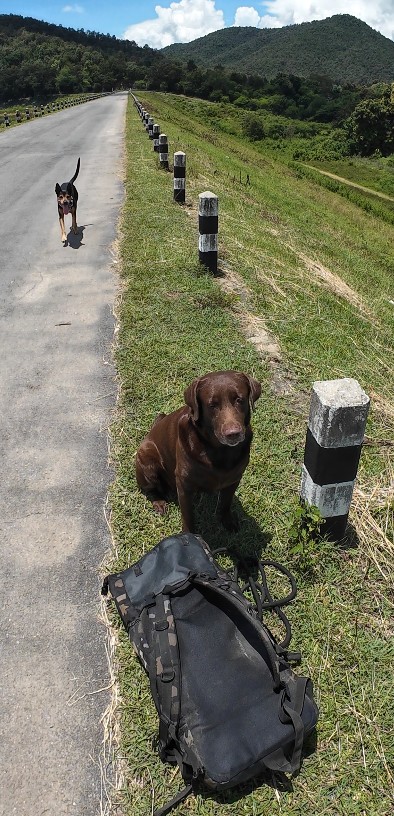

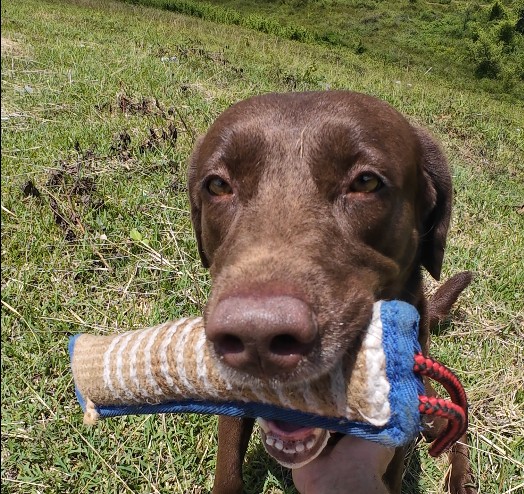
Calm through co-regulation. Dim the view, steady your breath, slow your rhythm. Let your stillness become the road your dog learns to follow.
Adolescent Dogs (6-18 Months): The Regression Challenge
Just when you thought you’d successfully socialized your puppy to calm car travel, adolescence arrives. Many owners report that previously calm young travelers suddenly develop car barking during adolescence, creating confusion and frustration. Understanding the neurobiological changes during this developmental period helps us recognize this isn’t training failure—it’s normal developmental turbulence.
Adolescence in dogs involves dramatic hormonal shifts—surges in testosterone, estrogen, and stress hormones that directly impact arousal regulation, impulse control, and emotional reactivity. The prefrontal cortex, which supports executive functions like impulse inhibition and emotional regulation, undergoes significant remodeling during this period. Essentially, your adolescent dog’s arousal systems are in overdrive while their regulatory systems are temporarily offline for renovation.
Signs of Adolescent Regression in Car Behavior:
- Previously calm young dog suddenly develops barking around 7-10 months
- Inconsistent performance (calm one day, intense barking the next)
- Increased difficulty settling even on familiar routes
- More intense reactions to previously tolerated stimuli
- Reduced response to previously effective calming cues
- Heightened excitement about anticipated destinations
- Longer recovery time after journeys
- General increase in impulsive behaviors across contexts
- Apparent “forgetting” of trained calm behaviors
- More extreme emotional responses (higher highs, lower lows)
This creates what researchers call an “imbalance in neural systems”—the emotional and reward-seeking systems mature earlier than the control systems meant to regulate them. Your adolescent dog feels excitement, anticipation, and arousal more intensely than ever while simultaneously having less capacity to manage those feelings appropriately. Car travel, already a arousal-rich context, becomes particularly challenging during this phase.
Managing adolescent car behavior regression:
Lower expectations temporarily: Your adolescent isn’t “forgetting” their training—they’re experiencing genuine neurological changes that reduce regulation capacity. Accept that you may need to return to earlier training phases, using shorter trips and more support until this developmental stage passes. Fighting against normal development creates frustration for everyone.
Increase structure and predictability: Adolescent brains benefit from external structure when internal regulation falters. Consistent pre-travel routines, predictable journey patterns, and reliable calm cues provide scaffolding that supports them through this turbulent period.
Provide appropriate outlets for explosive energy: Adolescents need substantial physical and mental exercise, but not immediately before car travel (which can increase arousal). Well-exercised adolescents generally show better regulation capacity, though timing matters—allow 30-60 minutes between vigorous exercise and car travel for arousal levels to normalize.
Avoid punishment or harsh corrections: Your adolescent dog isn’t being willfully defiant. Punishment during this sensitive developmental period can damage your relationship and create lasting negative associations. Continue using positive reinforcement and supportive co-regulation even when progress feels frustratingly slow.
Be patient with inconsistency: One day your adolescent travels calmly; the next day they bark incessantly despite identical circumstances. This variability reflects the genuine neurological instability of adolescence. Consistency in your approach matters more than consistency in their performance during this phase.
The good news: adolescence ends. Most dogs show dramatically improved regulation capacity as they mature into young adulthood (18-24 months, varying by breed). The calm travel skills you built during puppyhood aren’t lost—they’re temporarily obscured by developmental changes. Maintaining your training approach through adolescence means you emerge on the other side with an adult dog whose regulation systems can finally support the behaviors they’re capable of.
🚗 The 8-Phase Journey to Calm Car Travel 🐕
A comprehensive roadmap from impulsive barking to regulated calm during vehicular travel
Phase 1: Assessment & Understanding
Identifying your dog’s arousal pattern
📊 What’s Happening
Your dog’s barking stems from sensory overload (visual motion, vestibular input, olfactory changes), emotional anticipation (dopamine surges predicting rewards), or sensitization where car-related cues trigger automatic arousal responses. Understanding which factors dominate guides your intervention approach.
🎯 What to Observe
Document when barking begins, what triggers intensity changes, your dog’s body language, and recovery time after journeys. Note if barking seems anxious (trembling, avoidance) versus excited (playful, forward-leaning). Track patterns across multiple trips to identify consistent triggers.
✅ Action Steps
• Create a barking journal for 5-7 trips
• Record start time, duration, intensity (1-10 scale)
• Note external triggers and your emotional state
• Video record at least 2 journeys for detailed analysis
• Assess if medical factors could contribute (especially for seniors)
Phase 2: Foundation Building
Establishing calm behaviors in safe contexts
🧠 The Science
Before expecting calm in the high-arousal car context, your dog needs solid impulse control and settling skills in easier environments. Neural pathways for regulation must strengthen in low-stress contexts before generalizing to challenging ones. This phase builds the neurological foundation for later success.
🎓 Training Focus
• Practice “settle” on mat command at home (30 seconds → 5 minutes)
• Teach “watch me” for redirecting attention
• Build impulse control with wait/stay during meals and play
• Introduce calming protocol: deep breathing together, gentle touch
• Establish pre-travel ritual that predicts calm (not exciting) outcomes
• Practice entering/exiting stationary vehicle calmly (no engine running)
⏱️ Timeline
Spend 1-2 weeks building these foundation skills before progressing. Short daily sessions (5-10 minutes) work better than occasional long training. Your dog should demonstrate 80% success rate in home contexts before moving to Phase 3.
Phase 3: Stationary Vehicle Conditioning
Building positive associations with zero motion
💡 Why This Matters
Many dogs have already formed negative or over-arousing associations with the vehicle itself. This phase decouples car presence from motion and destinations, allowing your dog to experience the space as safe and boring before adding complexity. It’s essential for desensitization and counterconditioning.
🎯 Protocol Steps
• Feed meals in stationary vehicle (engine off)
• Practice known calm behaviors with rewards
• Gradually increase duration: 5 min → 30 min sessions
• Add engine running (no motion) once calm is consistent
• Use high-value chews and comfort items
• Exit before arousal builds—always end on calm note
• Practice 2-3 times daily for 3-7 days
📈 Success Criteria
Progress to Phase 4 only when your dog: enters vehicle calmly without pulling, settles within 2 minutes, maintains relaxed body language for 15+ minutes with engine running, and accepts treats/chews without frantic energy.
Phase 4: Micro-Motion Introduction
Introducing movement at the threshold of tolerance
🎢 The Challenge
Motion itself—vestibular input, visual streaming, proprioceptive changes—activates arousal systems. This phase systematically habituates your dog to movement sensations at levels they can handle, gradually building tolerance without triggering overwhelm. Think of it as arousal exposure therapy.
🚗 Graduated Exposure
• Start: Drive to end of driveway, return (30 seconds total)
• Progress: Around the block (2-3 minutes)
• Advance: Short loop through neighborhood (5 minutes)
• Use calm routes with minimal triggers
• Maintain slow speeds, gentle turns
• Return home immediately—no destinations yet
• If barking begins, you’ve progressed too fast—return to previous level
⚠️ Common Mistakes
Don’t skip straight to longer drives. Don’t add destinations during this phase. Don’t continue if your dog is barking continuously—that’s rehearsing the problem, not solving it. Each session should feel almost easy for your dog.
Phase 5: Calm Destinations
Breaking the excitement-arrival association
🔗 Breaking the Pattern
If car rides have always predicted exciting destinations, your dog’s brain has learned “car = maximum arousal preparation.” This phase reconditions that prediction by introducing boring, neutral, or calm outcomes. You’re teaching that cars don’t reliably predict excitement anymore.
🗺️ Destination Strategy
• Quiet parking lots for brief sits (5 minutes)
• Calm neighborhoods for slow leash walks
• Pet-friendly stores for calm browsing
• Drive-throughs where you get coffee (dog stays calm in vehicle)
• Friend’s driveway for brief visit then return
• Vary these options unpredictably
• Avoid: dog parks, beaches, high-arousal locations
⏸️ Arrival Protocol
Require 30-60 seconds of settle before opening door. Never release into activity while your dog is in peak arousal. Use your established calm cue, wait for compliance, then proceed. This single change powerfully reshapes what gets reinforced.
Phase 6: Duration Extension
Building stamina for longer journeys
🏃 Regulation Endurance
Just as physical endurance builds gradually, emotional regulation capacity increases progressively. A dog who maintains calm for 5 minutes may struggle at 15 minutes—not due to lack of skill but regulation fatigue. This phase systematically extends your dog’s calm capacity.
📊 Progressive Timeline
• Week 1: 5-10 minute drives
• Week 2: 10-15 minute drives
• Week 3: 15-25 minute drives
• Week 4: 25-40 minute drives
• Week 5+: 40+ minute drives
• Maintain calm destinations throughout
• If regression occurs, drop back one level
• Success = 80% calm rides at current duration before advancing
🛠️ Support Strategies
Use long-lasting chews for engagement, calming music throughout, periodic “check-in” treats for sustained calm, and your own regulated breathing to support co-regulation. Remember that your nervous system state profoundly influences theirs.
Phase 7: Variable Reinforcement
Reintroducing exciting destinations strategically
🎯 Strategic Unpredictability
Now that your dog has learned cars don’t always mean excitement, you can reintroduce fun destinations—but unpredictably. Sometimes boring, sometimes exciting, always requiring calm travel to get there. This variable schedule maintains the “wait and see” mindset rather than automatic arousal.
🗓️ Destination Ratio
• Week 1: 80% calm destinations, 20% exciting
• Week 2-3: 70% calm, 30% exciting
• Week 4+: 60% calm, 40% exciting
• Always maintain arrival protocol (settle before release)
• If excitement-based barking returns, increase calm destination ratio
• Monitor for anticipatory patterns returning
🎪 Exciting Destination Protocol
When traveling to dog parks or similar: use pre-travel grounding ritual, maintain calm energy yourself, require longer settle time on arrival (60-90 seconds minimum), and consider brief calm activity before releasing to peak excitement. You’re teaching regulated anticipation, not suppression.
Phase 8: Maintenance & Generalization
Sustaining progress and expanding contexts
🔄 Ongoing Practice
Behavior change requires maintenance. Neural pathways not regularly activated will weaken. Continue practicing calm car travel regularly, maintain pre-travel rituals, and don’t abandon protocols just because behavior has improved. The structure you’ve built supports the calm you’re seeing.
🌍 Generalization Challenges
• Test calm behavior in different vehicles
• Practice with different drivers
• Travel at varying times of day
• Navigate new routes and environments
• Include passengers (other people/dogs)
• Handle unexpected delays or traffic
• Manage holiday travel stress
📉 Managing Setbacks
Temporary regression is normal during life changes, stress periods, or adolescence. When setbacks occur: acknowledge without panic, return to earlier training phases temporarily, analyze what changed in your dog’s life, increase support (co-regulation, grounding rituals), and gradually rebuild. Progress isn’t perfectly linear.
🔄 Understanding Different Arousal Patterns
🎉 Excitement-Based Barkers
Profile: Playful body language, forward-leaning, tail wagging, normal cortisol levels. Barking reflects overexcitement, not fear.
Focus: Impulse control training, calm destinations, pre-travel energy outlets, teaching regulated anticipation.
😰 Anxiety-Based Barkers
Profile: Trembling, avoidance, tucked tail, elevated cortisol, stress signals. Barking communicates genuine distress.
Focus: Systematic desensitization, safety building, co-regulation, addressing any pain/medical factors, possibly medication support.
🐕 Herding Breed Triggers
Challenge: Motion sensitivity, visual tracking, frustrated herding drive. Passing objects trigger instinctual responses.
Strategy: Visual barriers, pre-travel herding outlets, alternative focus behaviors, positioning away from forward view.
👴 Senior Dog Considerations
Factors: Cognitive decline, arthritis pain, sensory loss (vision/hearing), reduced regulation capacity.
Adaptations: Shorter sessions, orthopedic comfort, medical assessment, lower success criteria, possibly limit non-essential travel.
🔁 Multi-Dog Dynamics
Challenge: Emotional contagion spreads arousal through groups. One dog’s barking triggers others.
Management: Train individually first, use calm dogs as co-regulators, strategic separation, prevent competitive escalation.
🌱 Puppy Prevention
Opportunity: Critical 8-16 week socialization window. Neural templates form for lifelong patterns.
Protocol: Frequent brief calm exposures, varied boring destinations, prevent motion sickness, pair with positives not excitement.
⚡ Quick Reference: The 80/20 Rule for Car Training
80% of progress comes from 20% of actions:
• Pre-travel grounding ritual (20-min sniffing walk + calm cues)
• Require settle before door opens (30-60 sec minimum at arrival)
• Your regulated nervous system (calm breathing, relaxed energy)
• Appropriate duration for current capacity (never push beyond 80% success rate)
• Breaking excitement-destination prediction (60%+ boring outcomes)
Master these five elements and you’ll see more improvement than from complex protocols. The foundation is co-regulation through the NeuroBond you share with your dog.
🧡 The Journey of Shared Regulation
Transforming impulsive car barking isn’t about controlling your dog—it’s about co-creating calm together. Through the NeuroBond approach, your regulated nervous system becomes the anchor your dog can borrow from when their own regulation capacity falters. The Invisible Leash of awareness connects you, guiding not through tension but through shared energy and emotional synchrony. Each calm journey becomes a moment of Soul Recall—your dog’s system remembering what safety and connection feel like, building neural pathways that make regulation easier next time.
This eight-phase journey honors both the science of arousal regulation and the soul of your relationship. You’re not just training quieter car rides; you’re teaching your dog that they can trust their nervous system to settle, that motion doesn’t equal chaos, and that you’re a reliable source of calm in overwhelming moments.
The road to calm travel may be longer than you initially hoped, but every mindful breath you share, every patient return to earlier phases during setbacks, every celebration of small wins—these moments strengthen the bond that makes all training possible. That’s the essence of Zoeta Dogsoul: where neuroscience meets soul in the sacred work of understanding and guiding our companions.
© Zoeta Dogsoul – Where neuroscience meets soul in dog training
Adult Dogs (1-7 Years): Addressing Established Patterns
Adult dogs presenting with car barking typically fall into two categories: those who’ve shown this pattern since puppyhood/adolescence, and those who’ve developed it more recently in adulthood. The intervention approach differs somewhat between these groups.
Long-standing patterns (present since youth) represent deeply entrenched neural pathways built through thousands of repetitions. The arousal response to car travel has become automatic, requiring minimal trigger to activate. These dogs need comprehensive desensitization and counterconditioning protocols, essentially retraining their nervous system’s response from the ground up. The process requires significant time investment—typically 3-6 months of consistent work—but adult neuroplasticity absolutely supports this relearning. Adult brains are less plastic than puppy brains, meaning change requires more repetitions, but the capacity for change remains throughout life.
Recently developed patterns in previously calm adult travelers often signal underlying factors that warrant investigation. Has something changed in the dog’s life—a move to a new home, household composition changes, increased general stress levels? Is there a medical factor—developing pain conditions, cognitive changes, sensory decline? Recent-onset car barking in adults sometimes represents a symptom of broader issues rather than an isolated behavioral challenge. Addressing root causes becomes as important as managing the behavior itself.
Breed maturity variations: Different breeds reach behavioral maturity at different ages. Giant breeds often don’t fully mature until 2-3 years old, while some small breeds reach maturity by 18 months. A dog’s response to training interventions often improves dramatically once they reach breed-specific maturity. A two-year-old Great Dane may still be showing adolescent behavioral patterns, while a two-year-old Papillon is fully adult. Setting expectations based on your individual dog’s breed and developmental trajectory prevents frustration.
The advantage of working with adults: While adult patterns require more repetitions to change, adult dogs offer the advantage of fully developed attention spans, stronger handler focus, and more stable baseline temperaments. Once you engage an adult dog’s learning capacity, progress can actually be quite systematic and predictable. They’re no longer fighting against developmental neurological changes, meaning improvements are more likely to stick.
Senior Dogs (7+ Years): Changing Capacities and Comfort Needs
Senior dogs developing new car barking patterns or showing increased intensity in long-standing patterns deserve particularly careful assessment. Age-related changes in cognition, sensory processing, and physical comfort can transform previously manageable car travel into genuinely distressing experiences.
Cognitive decline impacts: Canine cognitive dysfunction syndrome (similar to dementia in humans) affects an estimated 14-35% of dogs over age 8, with prevalence increasing with age. Early cognitive changes often manifest as reduced capacity for emotional regulation, increased anxiety in previously comfortable situations, and confusion about familiar routines. A senior dog who begins barking during car travel may be experiencing genuine disorientation or anxiety related to cognitive changes rather than behavioral regression.
Signs that cognitive decline might be contributing include: barking that seems more anxious than excited, increased vocalization in other contexts (at night, when alone), apparent confusion about familiar destinations, longer recovery times after travel, or general increase in anxious behaviors. If you suspect cognitive changes, veterinary assessment becomes essential—some interventions can slow progression and improve quality of life.
Red Flags Suggesting Medical Issues in Senior Dogs:
- Sudden onset of car anxiety in previously calm senior travelers
- Vocalization accompanied by obvious physical discomfort (whining, yelping)
- Reluctance to jump into or out of vehicle
- Stiffness or limping after car rides
- Disorientation upon arrival at familiar destinations
- Increased panting unrelated to temperature
- Changes in bathroom habits associated with travel stress
- Excessive drooling suggesting nausea or pain
- Head tilting, loss of balance, or coordination difficulties
- Apparent vision problems (bumping into things, hesitating at thresholds)
- Hearing loss affecting their ability to respond to calming cues
- Cognitive signs (pacing, confusion, nighttime wakefulness)
- Weight loss or gain affecting comfortable positioning
- Pressure sores or skin issues where body contacts surfaces
Physical pain and discomfort: Arthritis, hip dysplasia, spinal issues, and other age-related pain conditions can make car positioning that was previously comfortable now genuinely painful. The vibration of the vehicle, the effort of maintaining balance during motion, or the specific posture required by their usual car position may now cause significant discomfort. Pain-related distress often manifests as vocalization.
Watch for signs including: reluctance to jump into the vehicle, shifting position frequently during travel, muscle tension or rigidity, panting unrelated to temperature, whining combined with barking, or obvious relief upon exiting the vehicle. A veterinary examination including pain assessment should precede or accompany behavioral intervention for senior dogs with changing car behavior.
Sensory decline compensations: Vision and hearing loss are common in senior dogs. A dog with declining vision may find the visual confusion of car travel more overwhelming rather than less—they’re working harder to process unclear visual input, increasing cognitive load and stress. Similarly, dogs with hearing loss may startle more easily or feel more anxious because they’ve lost the ability to monitor their environment auditorily.
For vision-impaired seniors, reducing visual access (crate with cover, visual barriers) often helps rather than hinders, eliminating confusing partial information. For hearing-impaired dogs, maintaining physical contact during travel provides reassurance that substitutes for vocal calming.
Adapting interventions for seniors: Senior dogs require modified approaches respecting their changing capacities:
Shorter training sessions with longer rest periods: Senior brains fatigue more quickly. Multiple brief exposures with adequate recovery time work better than longer sessions.
Prioritizing physical comfort: Orthopedic bedding, supportive positioning, temperature control, and minimizing vibration impact become crucial. Sometimes improved physical comfort resolves vocalization without behavioral intervention.
Lower criteria for success: A senior dog managing 15-minute calm car rides may represent complete success, even if they previously traveled calmly for hours. Adjusting expectations to honor aging bodies and minds shows respect for their changing needs.
Medical support when appropriate: Some senior dogs benefit from mild anti-anxiety medication or pain management that makes car travel comfortable enough that behavioral intervention can succeed. Veterinary partnership becomes increasingly important in senior years.
Accepting limitations: Sometimes the kindest choice is minimizing car travel for seniors who genuinely find it distressing despite intervention efforts. Quality of life trumps convenience. If travel causes genuine suffering, limiting journeys to essential trips (veterinary care) and finding alternatives for non-essential transport honors your senior companion’s dignity. 🧡
Multi-Dog Household Dynamics: Managing Group Travel
Traveling with multiple dogs introduces complexity that single-dog protocols don’t address. Dogs profoundly influence each other’s arousal states through a phenomenon called emotional contagion—the transfer of arousal and emotion between individuals through observation and shared experience. Understanding and managing these inter-dog dynamics becomes essential for successful multi-dog car travel.
Emotional Contagion: How Arousal Transfers Between Dogs
When one dog in your vehicle begins barking, others often join—not necessarily because they’re independently aroused by external stimuli, but because arousal itself is contagious within the group. Research on canine emotional contagion reveals that dogs are remarkably attuned to each other’s emotional states, with arousal spreading rapidly through groups via multiple channels: vocalizations, body language, pheromonal signals, and energy shifts.
The neurobiological mechanism involves mirror neuron systems and limbic resonance—brain circuits that automatically activate in response to observing another’s emotional state. When one dog’s arousal escalates, the other dogs’ nervous systems respond sympathetically, their own arousal rising in concert even without independent triggers. This creates feedback loops where each dog’s vocalization elevates the group’s collective arousal, which triggers more vocalization, further escalating the system.
This contagion isn’t random—it follows predictable patterns based on relationships, pack hierarchy, and individual temperament. Dogs with close bonds show stronger emotional contagion effects. Younger or more anxious dogs more readily “catch” arousal from others. And once the contagion cycle begins, it becomes self-perpetuating until external intervention breaks the pattern or the triggering situation ends.
Signs of Emotional Contagion in Multi-Dog Groups:
- One dog’s barking immediately triggers others to join
- Arousal level increases progressively through the group
- Dogs orient toward each other during arousal episodes
- Calmer dogs become more aroused when traveling with excitable dogs
- Group arousal exceeds individual arousal when dogs travel separately
- Dogs who are calm alone bark when traveling with the group
- Body language synchronization (all dogs showing similar tension patterns)
- Escalating vocal intensity as dogs “feed off” each other
- Difficulty interrupting the cascade once it begins
- Group settles only after the initial trigger dog calms
Managing Dogs at Different Regulation Levels Simultaneously
The challenge intensifies when your dogs have different baseline regulation capacities. Perhaps one dog travels calmly while another barks persistently. Or one shows excitement-based barking while another displays anxiety-based vocalization. Managing these differing needs simultaneously requires strategic thinking about positioning, intervention timing, and realistic expectations.
Assessment first: Before attempting group car travel solutions, assess each dog individually. Which dog triggers the contagion cascade—who barks first, whose arousal seems to drive group escalation? Which dogs are followers—who remain quiet until others start vocalizing? Which dogs show genuine anxiety versus excitement? Understanding these individual patterns within the group dynamic reveals leverage points for intervention.
Graduated reintegration approach: If group car travel has become chaotic, temporarily separating dogs for individual training often proves more effective than attempting to manage the entire group simultaneously. Work with each dog individually to establish basic calm car behavior, then gradually reintroduce them to traveling together, starting with the calmest pairs and working up to full group travel.
Strategic management of the “trigger” dog: Often one dog initiates the arousal cascade while others follow. Focusing intensive intervention on the triggering dog can dramatically improve group dynamics. If you can establish calm behavior in the dog who typically starts the barking, the followers often remain quiet automatically.
Strategic Separation Versus Together Placement
The question of whether to separate dogs within the vehicle or allow them to travel together involves trade-offs worth understanding. Neither approach is universally superior—the answer depends on your specific dogs’ dynamics.
Benefits of separation: Physical barriers preventing dogs from seeing and directly interacting with each other can reduce emotional contagion transmission. A dog barking in the rear cargo area may be less likely to trigger barking in a dog secured in the back seat if visual and physical contact is blocked. Separation also allows you to create different environmental conditions for different dogs—one might benefit from restricted window view while another does better with visual access.
Drawbacks of separation: Some dogs experience separation anxiety when unable to access their bonded companion, even briefly during car travel. The stress of separation can actually increase vocalization rather than reduce it. Additionally, separation prevents you from leveraging calmer dogs as co-regulators for more anxious ones.
Benefits of together placement: Dogs with strong positive bonds often co-regulate each other when traveling together. A calm, confident dog positioned next to an anxious one sometimes provides reassurance that you cannot replicate. The anxious dog borrows the calm dog’s nervous system regulation, using proximity to their secure companion as an anchor during the challenging experience.
Drawbacks of together placement: Without barriers, arousal contagion spreads most rapidly. Additionally, some dogs become competitive or excitatory when in close proximity during high-arousal contexts, actually escalating each other rather than providing calming influence.
Testing systematically: The only way to determine what works for your specific group is systematic testing. Document baseline behavior with your current setup, then test alternatives (separated vs. together, different pairings if you have more than two dogs, varied positioning) and measure results. Video recording helps you see patterns you might miss while focusing on driving.

Using Calm Dogs as Co-Regulators
One of the most effective tools in multi-dog household car management is strategically leveraging naturally calm travelers to support dogs who struggle. This isn’t about expecting one dog to “train” another, but rather about creating opportunities for nervous system co-regulation through proximity and social bonding.
Selecting appropriate calm dog co-regulators: Not every calm traveler makes an effective co-regulator. The most helpful calm dogs show: genuine unflappability (they remain calm even when other dogs are barking around them), secure attachment to the struggling dog (bonded relationships work better than neutral relationships), and social attunement (they seem aware of and responsive to other dogs’ emotional states).
Qualities of Effective Co-Regulator Dogs:
- Naturally calm temperament across multiple contexts
- Maintains composure even when other dogs are highly aroused
- Has secure, positive relationship with the struggling dog
- Shows social awareness and responsiveness to other dogs’ states
- Doesn’t become defensive or reactive when barking occurs nearby
- Age and maturity (typically adult dogs work better than adolescents)
- Consistently calm in vehicles regardless of companions
- Comfortable with physical proximity without becoming excitatory
- No resource guarding or competitive tendencies in confined spaces
- Demonstrates “grounding” presence that other dogs seem drawn to
Creating co-regulation opportunities: Position the struggling dog adjacent to the calm dog where they can have physical contact if they choose it. Some anxious dogs benefit from actually leaning against or touching their calm companion; others prefer proximity without direct contact. Allow the struggling dog to determine the contact level that helps them most.
Recognizing successful co-regulation: When working well, you’ll observe the anxious dog orient toward the calm dog during moments of stress, sometimes making physical contact, and showing reduced arousal markers (less panting, lower vocalization, more settling) when the calm dog is present versus absent. The calm dog essentially becomes a portable secure base, offering mobile reassurance during the challenging journey.
Avoiding over-reliance: While using calm dogs as co-regulators can be tremendously helpful, the goal remains developing the anxious dog’s own internal regulation capacity. Don’t become so dependent on the calm dog’s presence that the anxious dog never learns to manage car travel independently. Occasionally practice with the anxious dog alone (using appropriate graduated exposure protocols) to build their autonomous regulation skills. 🐾
Preventing Competitive Arousal Escalation
In some multi-dog households, car barking reflects not anxiety or excitement about the journey itself, but competitive social dynamics between dogs. This manifests differently than simple emotional contagion—dogs seem to be vocally competing, with each trying to out-bark the other in intensity and duration. Understanding and addressing these competitive dynamics requires different approaches than managing anxiety or excitement-based barking.
Identifying competitive patterns: Competitive car barking typically includes dogs orienting toward each other while barking (rather than toward windows or forward), rapid back-and-forth vocal exchanges (dog A barks, dog B immediately responds, dog A counters, etc.), body language suggesting arousal directed at each other rather than external stimuli, and escalating intensity that seems to feed off the competition itself.
Addressing underlying relationship dynamics: Competitive car barking often reflects broader relationship tensions between dogs. If your dogs compete for resources, space, or attention in home contexts, those tensions likely intensify in the confined car environment. Addressing these foundational relationship issues through structured resource management, clear household protocols, and potentially professional behavior support may be necessary for car behavior to improve.
Physical separation as management: When competitive dynamics drive barking, physical separation becomes essential rather than optional. These dogs aren’t co-regulating—they’re actively escalating each other. Barriers preventing visual and physical contact break the competitive feedback loop, allowing each dog to settle into their own emotional state rather than competing with their companion.
Individual attention and confidence building: Dogs engaging in competitive barking often lack confidence in their individual value and security. Structured individual time with each dog—training, walks, calm companionship—builds secure attachment to you independent of the other dog. This security often reduces competitive behaviors across contexts, including car travel.
Practical Emergency Management: When You Need Help NOW
All the systematic desensitization protocols and gradual exposure plans in the world don’t help when you’re mid-journey with a dog barking intensely and you need immediate solutions. This section provides concrete crisis management strategies for moments when you need your dog to stop barking right now, not three months from now after completing a training protocol.
Immediate Intervention Steps: What to Do RIGHT NOW
You’re driving, your dog is barking persistently, and you need this to stop. Here’s your action sequence:
Step 1 – Safety assessment (5 seconds): Can you safely continue driving while managing this situation? If your dog’s behavior creates genuine safety risks (attempting to exit the vehicle, interfering with your driving, showing signs of true distress like attempting to vomit), proceed directly to Step 2. If the situation is manageable though unpleasant, continue to Step 3.
Step 2 – Safe pull-over protocol: If you need to pull over, do so only when genuinely safe to do so. Don’t make reckless driving decisions trying to stop barking—it’s not worth an accident. Use turn signals, find a proper pull-off location (parking lot, wide shoulder, side street), and fully stop the vehicle before turning your attention to your dog.
Step 3 – Interrupt the arousal pattern: The goal is breaking the self-perpetuating arousal cycle, not punishing your dog. Effective pattern interrupts include:
- Sudden silence from you: If you’ve been talking/commanding, stop completely. Sometimes our vocal attempts to calm or correct actually feed arousal.
- Brief attention redirect: Use a novel sound (gentle whistle, kiss sound, unusual noise) to momentarily capture attention—not shouting or harsh sounds.
- Environmental change: If safe to do so while driving, crack a window (new scent input), adjust temperature, or turn on/off music.
- Tactile cue: If your dog is within reach and finds touch calming (not all do), a gentle steady hand on their body can interrupt the pattern.
Step 4 – Offer an alternative behavior: Once you’ve interrupted the arousal pattern, immediately give your dog something else to do with their mouth and attention:
- Long-lasting chew item (if safe and appropriate)
- Food puzzle toy
- Frozen treat (prepared in advance for emergency use)
- Sniff mat or similar enrichment item
The alternative behavior must be incompatible with barking—you can’t chew and bark simultaneously. This isn’t bribery; it’s giving their arousal an acceptable outlet and redirecting their nervous system toward calming activity.
Step 5 – Modify driving if possible: If you have route flexibility, consider:
- Taking quieter streets with less visual stimulation
- Driving slightly slower (less vestibular intensity)
- Avoiding known trigger zones if you’ve identified them
- Extending the journey with a brief calm stop before continuing
Step 6 – Your breathing and energy: Remember that your dog reads your emotional state. If you’re tense, frustrated, and stressed, you’re feeding their arousal. Deliberately slow your breathing, relax your shoulders, soften your energy. Sometimes this alone reduces their barking intensity—your calm becomes their calm through the NeuroBond of your connection.
What NOT to do: These common responses typically worsen the situation:
- Yelling or shouting: Adds your arousal to theirs, escalating the system
- Physical punishment: Creates fear or defensive responses, damages trust, doesn’t address underlying arousal
- Continuous verbal commands: Usually ignored during high arousal and often feeds the energy you’re trying to reduce
- Aggressive driving changes: Sudden acceleration, harsh braking, or aggressive steering adds vestibular chaos
- Giving up on safety: Never compromise genuine safety trying to manage barking
Emergency Intervention Toolkit (Keep Accessible in Vehicle):
- High-value long-lasting chews (bully sticks, frozen Kong)
- Novel squeaky toys that redirect attention
- Favorite calming treats in easy-access container
- Sniff mat or puzzle toy for engagement
- Calming music playlist pre-loaded
- Familiar blanket or item with home scent
- Pressure wrap (if your dog responds to one)
- Water and collapsible bowl
- Small portable fan for temperature regulation
- Calming essential oil on bandana (if conditioned)
- Backup leash and collar for emergency stops
- Contact info for emergency veterinary care
Safe Pull-Over Protocols for Extreme Cases
Some situations genuinely require stopping the vehicle and fully addressing your dog’s state before continuing. Recognize these scenarios and respond appropriately:
When to pull over immediately:
- Your dog shows signs of genuine panic (attempting to exit moving vehicle, eliminating in fear, persistent escape behavior)
- Your dog’s behavior interferes with your ability to drive safely
- Your dog appears ill (excessive drooling suggesting nausea, attempts to vomit, obvious physical distress)
- Your own stress level compromises your driving safety
Effective pull-over protocol:
- Find genuinely safe location—parking lots trump shoulders, side streets trump highways
- Put vehicle fully in park, engage parking brake
- Don’t immediately exit or release your dog—give them a moment to begin calming on their own
- Use soft voice and calm energy to begin co-regulation
- If appropriate, exit and open your dog’s door, allowing fresh air and new sensory input without immediately demanding they exit
- Allow 5-10 minutes of stationary calm time before deciding whether to continue journey
- If continuing, use all the immediate intervention steps outlined above
- If aborting, proceed home and reschedule the trip with better preparation
Quick Calming Techniques That Work Mid-Journey
These techniques require some advance preparation but can be deployed while driving when barking begins:
The “find it” scatter game: Pre-prepare small training treats in an accessible container. When barking begins, toss 2-3 treats into your dog’s area (if safely reachable or if someone else is in the vehicle). This engages their nose, creates sniffing/foraging behavior, and redirects attention. Repeat intermittently, not continuously—you’re creating moments of calm behavior to reinforce, not trying to constantly bribe silence.
Calming music transition: If you’ve previously conditioned calming music (music consistently paired with relaxation in other contexts), switching to this familiar audio cue can trigger associated calm states. Species-specific calming music designed for dogs shows measurable arousal reduction in some studies, though individual dogs vary in response.
The consent-based touch: If a passenger is present, they can offer steady, firm (not forceful) touch on the dog’s chest or shoulders—but only if the dog leans into the touch rather than pulling away. This pressure activates calming mechanoreceptors, but it must be genuinely welcomed by the dog to be helpful rather than stressful.
Scent cues: Pre-established olfactory cues can trigger calm states. If you’ve practiced with calming essential oils (lavender, chamomile) or pheromone sprays in calm contexts at home, having these scents in the vehicle can provide familiar calming signals. Apply to bandana or bedding, not directly to dog.
The strategic view block: If your dog is barking at passing stimuli and you have a helper, they can temporarily block the window view with a blanket, jacket, or their body. This removes the triggering visual input, often resulting in immediate quiet. Gradually lower the barrier to see if calm persists once established.
When to Abort a Trip Versus Continue
One of the most difficult decisions during challenging car travel is whether to push through and complete the journey or abort and return home. Here’s a framework for making this decision:
Continue if:
- Your dog’s arousal seems manageable and not escalating
- You can implement calming interventions that show at least some effectiveness
- The destination is essential (veterinary care, unavoidable commitment)
- Completing the journey represents important training progress
- Your dog shows any moments of calm, even brief ones
Abort if:
- Your dog’s distress is clearly escalating despite interventions
- Signs of genuine panic or physical illness appear
- Your own stress compromises driving safety
- The destination is non-essential and can be rescheduled
- Continuing would mean pushing significantly beyond your dog’s current capacity, likely causing setback rather than progress
The training perspective: From a behavior modification standpoint, aborting a journey that’s become overwhelming is often the wise choice. Pushing through when your dog is beyond their regulation capacity creates another rehearsal of the overwhelming experience, strengthening the very neural patterns you’re trying to change. Better to abort, regroup, and approach again with better preparation than to create another traumatic experience that sets training back.
Managing Barking During Unavoidable Urgent Travel
Sometimes you have no choice but to transport a dog who barks in cars—emergency veterinary care being the most common scenario. Your dog is sick or injured, they need care now, and there’s no time for systematic desensitization. Here’s how to manage these genuinely necessary journeys:
Pre-departure preparation (if even minimal time allows):
- Call ahead to veterinary clinic so they’re prepared for your arrival
- Enlist a helper if possible—one person drives while another focuses on the dog
- Gather any calming tools you have (familiar bedding, calming music, treats if dog can safely consume them)
- Choose the calmest time of day for travel if you have any scheduling flexibility
During transport:
- Accept that barking will happen and focus on safety, not perfect calm
- Use your calm presence as much as possible, but don’t add stress by demanding quiet
- If a helper is present, they focus entirely on the dog while driver focuses entirely on safe driving
- Keep the trip as short and direct as possible
- Consider whether sedation would be appropriate (veterinary guidance needed—never sedate a sick dog without professional direction)
Post-crisis recovery: After emergency travel, give your dog extended time to recover emotionally. Don’t plan non-essential car trips for at least 1-2 weeks after a stressful emergency journey. If possible, do some positive car exposure (stationary vehicle with treats, very brief calm drives) to help rebuild positive associations that the emergency experience may have damaged. 🧠
Equipment Recommendations & Safety: Tools for Success
Having the right equipment transforms car travel from a struggle into a manageable experience. While equipment alone won’t solve impulsive barking, the wrong equipment can make the problem significantly worse, and the right equipment supports your training efforts by addressing physical comfort, safety, and sensory management.
Harnesses and Restraint Systems: Reducing Vestibular Impact
How your dog is physically secured in the vehicle significantly affects their arousal level, comfort, and safety. Not all restraint systems are created equal.
Crash-tested safety harnesses: These harnesses distribute force across the dog’s body in the event of sudden stops or accidents, but they offer an additional benefit for arousal management—they limit excessive movement. Dogs who can move freely during vehicle motion often experience more vestibular confusion and arousal. A properly fitted safety harness keeps your dog’s body relatively stable, reducing the vestibular input intensity.
Look for harnesses that have passed Center for Pet Safety crash testing or similar independent safety evaluation. Brands like Sleepypod, Kurgo, and Ruffwear produce models with proven safety records. The harness should fit snugly without restricting breathing or circulation, with attachment points that keep your dog in a secure position without allowing them to be thrown around during normal driving maneuvers.
Essential Features in Crash-Tested Harnesses:
- Independently verified crash test certification (CPS or equivalent)
- Five-point or multi-point attachment design
- Padded chest and back straps for comfort and force distribution
- Heavy-duty webbing (1-2 inch width depending on dog size)
- Reinforced stitching at stress points
- Steel or aluminum hardware (not plastic buckles)
- Adjustability across chest, girth, and shoulder points
- Tether attachment on back (not front clip for vehicle restraint)
- Proper weight range match for your dog
- No pressure on throat or neck
- Allows sitting, lying down, and turning in limited space
- Easy to get on and off for regular use
Proper fitting matters: An ill-fitting harness creates pressure points, restricts movement uncomfortably, or fails to provide adequate security—all of which can increase arousal and vocalization. Invest time in proper fitting, consulting manufacturer guidelines and potentially working with a professional if needed. Your dog should be able to sit, lie down, and turn around in a limited area but shouldn’t be able to access the driver or move freely throughout the vehicle.
Avoiding collar-based restraint: Never restrain a dog by collar during vehicle travel. In sudden stops, collar restraint creates dangerous pressure on the trachea and neck. Additionally, the insecurity of collar restraint (dogs feel more unstable) can increase anxiety and arousal. Always use body harnesses designed for vehicle restraint.
Positioning that reduces movement: Attaching the harness to the vehicle’s seatbelt system in a way that keeps your dog centered on the seat (rather than able to lean far forward or to the sides) minimizes vestibular input during turns and stops. Some dogs show notably calmer behavior when their movement range is appropriately limited, finding the boundaries containing rather than restricting.
Crates and Barriers: Creating Secure Den Environments
For many dogs, properly implemented crate travel represents the single most effective tool for reducing car barking. The crate provides multiple benefits: physical security, reduced visual stimulation, familiar den environment, and protection during vehicle motion.
Selecting appropriate crates for vehicle use:
Crash-tested hard-sided crates: Brands like Gunner Kennels, Dakota 283, and Impact collapsible crates have passed rigorous crash testing, providing genuine safety while offering the containment benefits that reduce barking. These crates withstand significant impact forces, preventing your dog from becoming a projectile while maintaining crate integrity.
Size matters: Your dog should be able to stand, turn around, and lie down comfortably but shouldn’t have excessive room. Too much space reduces the den-like security that makes crates calming, and allows movement during motion that increases vestibular input. The crate should feel cozy, not cramped.
Proper securing: The crate itself must be secured within the vehicle to prevent shifting during driving. Unsecured crates sliding or tipping during turns create frightening experiences that increase rather than reduce arousal. Use straps, bungee cords, or vehicle-specific crate mounting systems to ensure the crate stays firmly in place.
Making crates calming rather than stressful:
Not every dog finds crates calming. For crate travel to reduce rather than increase arousal, your dog must already have positive associations with the crate from home use. If your dog fears crates or has negative associations, implementing crate travel without first building positive crate conditioning at home will likely make car barking worse, not better.
Creating a Calming Crate Environment for Travel:
- Line bottom with orthopedic padding or familiar bedding
- Include an unwashed item with your scent and theirs
- Use breathable cover to reduce visual stimulation (partial or full)
- Ensure adequate ventilation even with covering
- Position crate away from direct sunlight and heat sources
- Secure firmly to prevent shifting during motion
- Provide access to water for longer trips (spill-proof bowl)
- Consider small portable fan for air circulation in warm weather
- Add frozen Kong or long-lasting chew for engagement
- Play pre-conditioned calming music near (not inside) crate
- Maintain comfortable temperature (60-70°F ideal)
- Keep crate interior uncluttered (minimal items to reduce overstimulation)
- Use pheromone spray on bedding if your dog responds to it
- Ensure size allows comfortable position changes without excess space
Calming features to incorporate:
- Crate covers: Reducing visual input by covering part or all of the crate often significantly reduces barking. Some dogs do better with complete visual darkness; others prefer partial covering that allows some light but blocks direct view of passing stimuli. Experiment to find what works for your individual dog.
- Familiar bedding: Include bedding that smells like home—unwashed (your scent and their scent present) works better than fresh-laundered. The familiar olfactory input provides comfort.
- Proper ventilation: Especially important if using covers. Ensure adequate airflow to prevent overheating and allow fresh air circulation.
- Calming music or white noise: Some owners find that having a small speaker near (not inside) the crate playing calming audio helps mask external sounds that might trigger barking.
Barriers for dogs who don’t travel in crates:
If crating isn’t appropriate for your dog, barriers separating the cargo area from passengers can provide some of the same benefits. Barriers reduce a dog’s ability to surge forward during stops (physical security), limit visual access to front windshield stimuli, and create a defined space that many dogs find containing. Heavy-duty metal barriers or custom vehicle barriers work best; flimsy fabric barriers often prove inadequate.
Calming Aids: Pressure Wraps, Music, and Environmental Tools
Beyond restraint systems, various tools can help reduce arousal during car travel. These work best as components of comprehensive approaches rather than standalone solutions.
Pressure wraps and anxiety vests:
The Thundershirt and similar pressure wrap garments apply constant, gentle pressure to your dog’s torso, activating calming receptors and providing proprioceptive input that can reduce anxiety. Research on pressure wraps shows mixed results—some dogs respond dramatically well; others show no benefit. The individual variation is significant.
If trying a pressure wrap, introduce it in calm contexts first (not during your dog’s first time wearing it in a car). Practice having your dog wear it during relaxed home time so they build positive associations before using it during travel. For dogs who do respond to pressure wraps, the reduction in arousal can be quite notable.
Music and auditory environment:
Species-specific calming music designed with canine hearing in mind (simplified arrangements, specific frequency ranges, steady tempos matching resting heart rates) shows measurable arousal reduction in some research contexts. Options like Through a Dog’s Ear, iCalmPet, or RelaxMyDog playlists on streaming services provide these specialized compositions.
Characteristics of Appropriate Calming Music for Dogs:
- Tempo between 50-60 beats per minute (resting heart rate range)
- Simple, repetitive arrangements without sudden changes
- Predominantly classical or instrumental (no vocals)
- Limited use of percussion or dramatic crescendos
- Frequency range optimized for canine hearing (67-45,000 Hz)
- Consistent volume without dynamic swings
- Nature sounds (rainfall, gentle waves) if your dog responds well
- Piano, harp, or string instruments as primary focus
- Minimal bass frequencies that might be alerting
- Duration sufficient for journey length
- Pre-conditioned at home during calm activities before car use
- Volume low enough to be background, not foreground attention
Classical music, particularly slower tempo instrumental pieces, also shows calming effects for some dogs. Avoid music with sudden changes, dramatic crescendos, or vocals that might be alerting rather than calming.
The key principle: whatever music or sounds you use should be consistently paired with calm activities in multiple contexts so your dog learns to associate those sounds with relaxation. Simply playing calming music during arousing car rides without building positive associations elsewhere first may provide minimal benefit.
Visual barriers and window films:
If full crating isn’t appropriate but your dog’s barking is clearly triggered by visual stimuli, strategic visual management helps:
- Window tinting: Professional window tinting (ensuring legal limits for your area) reduces visual clarity of passing objects while still allowing light.
- Static cling window films: Frosted or translucent films applied to rear windows allow light but blur details, reducing visual trigger intensity.
- Car shades: Designed for blocking sun for human children, these can also reduce a dog’s ability to fixate on passing stimuli.
- Strategic seat positioning with barriers: Positioning your dog so they face sideways or rearward rather than forward reduces forward-view stimulus exposure.
The goal isn’t complete sensory deprivation (which can increase anxiety) but rather reducing stimulation to levels your dog can process without becoming overwhelmed.
What NOT to Use: Safety Considerations
Some commonly used approaches or products actually increase risk or worsen behavior:
Safety Items and Approaches to AVOID:
- Shock collars or remote training collars for barking suppression
- Citronella or spray bark collars in confined vehicle spaces
- Unrestrained travel of any kind (illegal in many jurisdictions)
- Restraint by collar only (trachea injury risk)
- Harnesses without crash testing or safety certification
- Thin or weak tethers that won’t withstand impact forces
- Front seat positioning (airbag deployment danger)
- Allowing dogs to ride with head out window (eye injury, ejection risk)
- Leaving dogs unattended in parked vehicles (temperature danger)
- Barriers or crates not properly secured to vehicle structure
- Plastic crates not rated for impact protection
- Medications or sedatives without veterinary supervision
- Feeding full meals immediately before travel
- Smoking in vehicle with dog present
- Allowing dogs in truck beds (even with restraint)
- Using bungee-style tethers that allow excessive movement
Avoid:
- Shock collars or citronella collars for barking: These punish vocalization without addressing underlying arousal and can create fear associations with car travel, worsening anxiety.
- Allowing unrestrained travel: Unrestrained dogs become projectiles during accidents, endangering themselves, passengers, and your ability to maintain vehicle control. This isn’t just about barking—it’s life-threatening.
- Restraint systems without safety testing: Many harnesses and barriers marketed as “safety” equipment haven’t undergone any actual crash testing and may fail during impacts.
- Front seat travel for most dogs: Unless you have a large vehicle with significantly separated front passenger space, front seat positioning typically increases arousal due to maximum forward-view access and proximity to the driver’s movements.
- Feeding immediately before travel: Can increase motion sickness risk. If using food as training rewards during travel, use tiny pieces and wait at least 2 hours after meals before driving.
- Sedatives without veterinary guidance: Over-the-counter sedatives or those prescribed for humans can be dangerous for dogs. Never sedate your dog without specific veterinary direction, proper dosing, and understanding of side effects.
The safety-behavior connection: Remember that equipment serving safety functions simultaneously supports behavior modification. A dog who feels physically secure (proper harness or crate) and isn’t being thrown around during normal driving shows lower baseline arousal than one who must constantly brace themselves against vehicle motion. Safety equipment isn’t optional—it’s foundational to both protecting your dog and creating conditions where calm behavior becomes possible. 🐾
Understanding Individual Differences: Why Some Dogs Struggle More
Temperament’s Role in Car Behavior
Not all dogs respond identically to car travel challenges, and understanding these individual differences helps us design more effective, personalized interventions. Research on temperament—those stable individual differences in emotional reactivity and self-regulation—reveals that certain temperamental profiles predict greater likelihood of car-related arousal challenges.
Dogs high in what researchers call “negative affectivity” tend to experience negative emotions more intensely and frequently. These individuals may genuinely find car travel more distressing, experiencing sensory input as more overwhelming and predictive cues as more threatening. They show higher baseline cortisol, more pronounced stress responses to novelty, and greater difficulty recovering from arousal events. For these dogs, car barking often includes elements of anxiety and distress, not just excitement.
Conversely, dogs low in “effortful control”—the capacity to regulate attention and inhibit impulses voluntarily—may enjoy car travel but lack the regulatory capacity to manage their excitement. These dogs show normal or even low cortisol levels during travel, display playful rather than fearful body language, and seem to genuinely enjoy the journey. Their barking stems from exuberance rather than distress, but it’s no less challenging for owners to manage.
Some dogs present with both profiles—high negative affectivity combined with low effortful control—creating a particularly challenging combination where car travel triggers intense negative emotions that the dog has minimal capacity to regulate. These individuals require the most careful, systematic intervention approaches, prioritizing both emotional safety and gradual regulation skill development.
Understanding your dog’s specific temperamental profile helps you interpret their barking accurately. Is this fear, excitement, frustration, or some combination? The answer shapes whether you prioritize safety-building, impulse control training, enrichment outlets, or comprehensive approaches addressing multiple factors simultaneously.
Identifying Your Dog’s Temperamental Profile:
High Negative Affectivity Indicators:
- Startle easily in multiple contexts
- Show prolonged stress responses to mild triggers
- Take longer to recover from scary experiences
- Display anxious body language frequently (tucked tail, lowered body)
- Elevated cortisol or stress markers
- Avoid novel situations when possible
- Vocalize from distress rather than excitement
Low Effortful Control Indicators:
- Difficulty waiting for desired items or activities
- Impulsive greeting behaviors
- Struggles with “stay” or “wait” commands
- Easily distracted from tasks
- High energy that’s hard to redirect
- Playful, exuberant body language during barking
- Normal or low stress markers despite intense behavior
Combined Profile (Most Challenging):
- Both anxious and impulsive simultaneously
- Intense emotional reactions with poor self-regulation
- Difficulty both approaching and avoiding situations
- Conflicted body language
- Requires most comprehensive intervention approach
Breed Tendencies and Herding Drive
While temperament varies within breeds, certain breed characteristics predict predisposition to car-related arousal challenges. Herding breeds—Border Collies, Australian Shepherds, German Shepherds, Corgis—frequently show intense responses to motion stimuli due to generations of selective breeding for movement sensitivity and rapid response to visual cues.
For herding dogs, passing cars, cyclists, or pedestrians aren’t neutral stimuli—they trigger deeply ingrained drive systems designed to track, control, and respond to movement. The frustration of perceiving movement they cannot act upon can generate significant arousal and vocal expression. These dogs often benefit particularly from approaches that provide appropriate outlets for herding/chasing drive before and after travel, reducing the pressure on this system during the confined journey.
Breeds selected for vigilance and territorial awareness—guardian breeds, protective breeds, some terriers—may show car barking rooted more in monitoring and alert behaviors. They’re tracking potential threats, announcing presence of stimulus targets, engaging in patterns historically reinforced by human selection. For these dogs, understanding that barking serves a perceived protective function helps owners provide reassurance that the handler is aware, monitoring, and in control, reducing the dog’s felt need to maintain alert vigilance.
Retrievers and hunting breeds sometimes show car barking linked to anticipation of outdoor activity and work. Their arousal may spike specifically when heading toward known hunting grounds, water access, or field environments, reflecting intense enthusiasm for what’s predicted. These dogs often benefit from calm activities upon arrival rather than immediate release into exciting work, helping them learn to regulate anticipation rather than expressing it continuously during travel.
Breed-Specific Intervention Focuses:
Herding Breeds (Border Collies, Aussies, Corgis):
- Provide pre-travel herding/chase outlets (flirt pole, fetch)
- Use visual barriers to reduce motion tracking
- Practice impulse control with movement distractions
- Teach alternative focus behaviors during travel
- Allow post-travel structured activity rather than free play
Guardian/Protective Breeds (Rottweilers, Dobermans, Mastiffs):
- Build confidence that handler is monitoring threats
- Practice “thank you” cue acknowledging alerts then releasing vigilance
- Position where they can’t see forward (reduces territorial scanning)
- Create clear “off duty” signals during travel
- Reinforce relaxed vigilance rather than intense monitoring
Hunting/Sporting Breeds (Labs, Spaniels, Pointers):
- Manage anticipation of field work destinations
- Practice calm before exciting activities
- Vary destinations to reduce predictive excitement
- Use scent work before/after travel to satisfy drive
- Teach “working mode” vs “resting mode” discrimination
Terriers (Cairns, Jack Russells, Yorkies):
- Channel high arousal into appropriate outlets
- Practice sustained calm behaviors at home first
- Use containment that feels secure not restrictive
- Provide sufficient mental stimulation before travel
- Accept higher baseline energy while working on regulation
Toy Breeds (Chihuahuas, Pomeranians, Maltese):
- Address anxiety components (often higher than larger dogs)
- Ensure physical comfort (proper positioning, temperature)
- Don’t dismiss barking as “small dog syndrome”
- Provide secure enclosed spaces that feel protective
- Build confidence through gradual exposure
Life History and Previous Experience
A dog’s previous experiences with car travel profoundly shape current responses, sometimes in ways that aren’t immediately obvious. Dogs who experienced car sickness as puppies may develop conditioned anxiety around vehicle travel even after physical symptoms resolve. The engine sound, motion sensation, or confined space became associated with nausea and distress, creating lasting negative associations that manifest as vocal anxiety.
Similarly, dogs whose early car experiences consistently led to highly exciting destinations may have learned powerful excitatory associations that now feel almost irresistible to override. If every puppy car ride meant going to play with other dogs, the entire car travel context became predictive of peak excitement, establishing neural patterns difficult to reshape without systematic counter-conditioning.
Rescue dogs with unknown histories sometimes show car anxiety rooted in unknowable previous experiences—perhaps they were transported to shelters in stressful conditions, experienced abandonment associated with car rides, or simply lack sufficient positive car exposure during critical developmental periods. These dogs often require particularly patient, systematic desensitization approaches that assume nothing and rebuild all associations from foundation level.
Recent life changes can also impact car behavior dramatically. Dogs who previously traveled calmly may develop car barking after moves to new locations, changes in household composition, or alterations in routine that increased overall stress levels. The car journey itself hasn’t changed, but the dog’s baseline arousal state or sense of security has shifted, reducing their regulation capacity for travel challenges. Through what we might call Soul Recall—that deep, intuitive recognition of emotional patterns—we can recognize when car behavior reflects broader life stress rather than isolated travel issues.
The Path Forward: Integration and Practice
Creating Your Personalized Protocol
Given the complexity of factors contributing to impulsive car barking, effective intervention requires personalized protocols addressing your specific dog’s primary arousal drivers, temperamental characteristics, and learning history. While no single approach works universally, most successful protocols integrate elements across several domains:
Assessment Phase: Begin by carefully observing and documenting your dog’s specific patterns. When does barking start—before motion, during acceleration, at specific landmarks, approaching destinations? What body language accompanies the vocalization—excitement, anxiety, frustration, a mix? What external factors correlate with worse or better days—weather, time of day, prior activities, recent stress events? This observational phase provides the map for designing targeted interventions.
Foundation Building: Before attempting to modify car behavior directly, ensure your dog has solid foundational skills in other contexts—responding to calm cues in the home, demonstrating basic impulse control during meals or play, showing capacity to settle after arousal in familiar environments. These are the building blocks that transfer to vehicular challenges. If these foundations are shaky elsewhere, expecting them to emerge in the high-arousal car context is unrealistic.
Environmental Optimization: Make immediate changes to the vehicle environment that support regulation rather than challenge it. This might include seat position adjustment, visual access modification, proper safety restraint, temperature control, or familiar scent items (bedding from home). These changes don’t solve the problem alone, but they reduce the difficulty level, making subsequent training more feasible.
Systematic Desensitization and Counterconditioning: Implement the graduated exposure protocol described earlier, working patiently at your dog’s pace rather than rushing toward “normal” car travel. Each phase should feel almost easy for your dog—if it’s a struggle, you’ve progressed too quickly. Remember that improvement isn’t linear; temporary setbacks are normal and expected.
Co-Regulation Practice: Integrate NeuroBond approaches throughout all phases. Your calm, attuned presence becomes the scaffolding supporting your dog’s developing regulation capacity. This isn’t something you add to training—it’s the foundation all training builds upon.
Regular Reassessment: Every few weeks, explicitly review progress, noting improvements (shorter time to calm, reduced barking intensity, quicker recovery post-travel) and persistent challenges. Adjust protocols based on what the data reveals rather than adhering rigidly to original plans. Flexibility and responsiveness to your individual dog’s journey is essential. 🧡
Measuring Progress Beyond Silence
The ultimate goal isn’t simply “no barking”—it’s regulated arousal states that happen to not require vocal expression. This distinction matters because measuring success only by silence can miss important progress indicators or rush progression inappropriately.
More meaningful progress markers include:
Physiological regulation: Lower heart rates during travel, improved heart rate variability, quicker return to baseline after journeys. These indicators reveal nervous system changes underlying behavioral improvement.
Arousal delay: Even if barking still occurs, does it start later in the journey? This suggests building tolerance and regulation capacity even before complete extinction of vocalization.
Reduced intensity: Are barking episodes shorter, less intense, more easily interrupted by gentle cues? This demonstrates developing behavioral flexibility and responsiveness even within arousal episodes.
Improved recovery: Does your dog settle more quickly after rides, show less carryover stress to other activities, return to normal behaviors faster? Recovery capacity often improves before in-journey behavior fully resolves.
Increased context discrimination: Does your dog maintain calm more consistently for certain types of rides (short vs. long, calm vs. exciting destinations, different times of day)? This shows learning and developing predictive capacity that supports differential responding.
Handler confidence and calm: Are you feeling more confident, less stressed, more able to maintain your own regulation during challenging moments? Your internal state profoundly impacts the system, so improvements here represent genuine progress even if dog behavior hasn’t fully transformed yet.
Celebrate these incremental improvements. They represent real neurobiological changes in how your dog’s system processes and responds to car travel. The final absence of barking is simply the last domino to fall in a long chain of internal regulation development.
The Science of Lasting Change: Neuroplasticity and Patience
How Nervous Systems Relearn
The encouraging news underlying all these intervention strategies is that mammalian brains possess neuroplasticity—the capacity to form new neural connections and modify existing ones throughout life. Your dog’s car-barking pattern isn’t permanently hardwired; it’s a learned response pattern that can be unlearned and replaced with new patterns through systematic experience.
However, neuroplasticity operates according to specific principles that demand our patience and respect. Neural pathways strengthen through repeated activation—the “neurons that fire together wire together” principle. Your dog’s current barking pattern became entrenched through countless repetitions where arousal during car rides led to vocal expression. Creating new pathways requires similarly repeated experiences where alternative responses occur.
This means expecting transformation after a few positive car rides is neurobiologically unrealistic. Lasting change requires dozens, often hundreds, of repetitions where the new pattern (calm regulation during car travel) activates sufficiently to build competing neural pathways stronger than the old pattern. Each calm journey strengthens regulation circuits; each overwhelming journey reinforces old arousal circuits. The cumulative balance of experiences determines the outcome.
Critical factors for successful neuroplastic change include:
Consistency: Regular practice matters more than intensity or duration. Brief daily exposures outperform occasional long sessions because neuroplasticity requires repeated activation over time, not single intense experiences.
Emotional valence: Experiences accompanied by positive or neutral emotions create stronger adaptive learning than those accompanied by stress or fear. This is why calm, successful exposures matter more than simply “getting through” challenging rides.
Recovery periods: The brain consolidates new learning during rest, particularly during sleep. After training sessions, allowing adequate recovery time before the next exposure supports the neuroplastic processes underlying lasting change.
Developmental timing: While neuroplasticity persists throughout life, younger nervous systems relearn more rapidly than older ones. This doesn’t mean adult dogs can’t change—they absolutely can—but it may require more repetitions and greater patience. Conversely, early positive experiences with car travel in puppyhood create foundational neural patterns that resist later disruption, highlighting the value of prevention.
When Professional Support Becomes Essential
While many dogs respond well to systematic owner-implemented protocols, some situations benefit significantly from professional behavior support. Consider seeking qualified professional guidance when:
Safety concerns emerge: If your dog’s barking includes aggressive displays, attempts to exit the moving vehicle, or behaviors creating genuine safety risks for driver or passengers, professional assessment and intervention becomes urgent.
Progress plateaus or reverses: If weeks of systematic effort show no improvement or if behavior worsens despite appropriate protocol implementation, a professional can identify factors you might be missing and adjust approaches accordingly.
Underlying anxiety dominates: When car barking clearly reflects significant anxiety rather than excitement—accompanied by trembling, excessive drooling, escape attempts, elimination, or prolonged recovery times—you may be dealing with a more complex anxiety disorder requiring professional behavioral or even veterinary behavioral intervention.
Your stress undermines progress: If your own anxiety about the behavior is so significant that maintaining calm during training becomes impossible, a professional can provide support, structure, and sometimes alternative solutions (like temporary training a friend to drive during behavior modification) that reduce pressure on the system.
Medical factors require investigation: Persistent car-related distress sometimes reflects undiagnosed medical issues—vestibular disorders, vision problems, hearing sensitivities, or chronic pain conditions worsened by travel positioning. A veterinary behaviorist can help differentiate medical from purely behavioral factors and coordinate appropriate care.
Seeking professional support isn’t failure—it’s recognizing that some challenges exceed the scope of self-help approaches and deserve expert assessment. Through the Zoeta Dogsoul philosophy, we understand that asking for help demonstrates wisdom, not weakness, and prioritizes your dog’s wellbeing over ego. 🐾
Conclusion: The Journey Toward Shared Calm
Impulsive barking during car rides represents far more than a simple behavior problem—it’s a window into your dog’s internal experience of arousal, anticipation, and regulation challenges. Through understanding the intricate interplay of sensory stimulation, neurobiological activation, learned associations, and individual temperamental differences, we move beyond frustration toward compassion and effective intervention.
The path forward isn’t about forcing silence or suppressing natural responses. It’s about supporting your dog’s developing capacity to regulate their own arousal systems, building associations where car travel predicts manageable stimulation rather than overwhelming intensity, and offering your own regulated nervous system as a resource they can draw upon during challenging moments. Through systematic environmental management, graduated exposure, and the co-regulation approaches central to the NeuroBond framework, you’re literally helping your dog’s brain rewire itself toward calmer responses.
This journey requires patience—sometimes significant patience. Nervous systems don’t transform overnight, and patterns established over months or years of rehearsal require comparable time to reshape. But the investment yields more than just quieter car rides. You’re teaching your dog fundamental emotional regulation skills that generalize beyond vehicle travel, strengthening the bond between you through shared experiences of overcoming challenges together, and demonstrating through your own calm persistence what the Invisible Leash of true connection looks like in practice.
Remember that every dog’s starting point differs, every progression follows unique timelines, and every small improvement represents genuine neurobiological change deserving celebration. Whether your dog currently barks from the moment the engine starts until arrival at every destination, or only struggles with specific types of journeys, the principles remain consistent: understand the why, work with the nervous system rather than against it, celebrate incremental progress, and never underestimate the power of your shared emotional connection.
The road toward calm travel may be longer than you initially hoped, but every step forward—every moment of shared breath, every successful calm journey, every improved recovery time—brings you closer to a relationship where car travel supports rather than strains the bond you share. That balance between scientific understanding and emotional connection, between patient intervention and celebration of progress, between accepting where you are and moving toward where you hope to be—that’s the essence of Zoeta Dogsoul. 🧡
Your dog isn’t choosing to make travel difficult. They’re communicating what their arousal systems are compelling them to feel. By listening to that communication, responding with informed compassion rather than frustration, and systematically supporting their journey toward regulation, you’re offering one of the greatest gifts possible: the gift of understanding, the gift of patient guidance, and the gift of emotional co-regulation that transforms challenge into opportunity for deeper connection.