
Quick Facts about the Siberian Husky
- Origin: Russia (Siberia)
- Weight: 20–27 kg (male), 16–23 kg (female)
- Life expectancy: 12–14 years
- Coat Colour: Black, white, grey, red, sable, agouti, piebald (often with facial masks)
- Breed Group: Working
The Siberian Husky is a striking, medium-sized working dog known for its endurance, independence, and wolf-like appearance. With its piercing eyes and thick coat, this breed is built for speed, stamina, and arctic resilience.
Siberian Husky History
The Siberian Husky was originally bred by the Chukchi people of northeastern Siberia as a sled dog capable of travelling long distances across frozen terrain with minimal food. These dogs were essential for survival, helping transport goods and people through harsh conditions.
The breed came to Alaska in the early 1900s for sled-dog racing and quickly gained fame—especially after the 1925 serum run to Nome. Recognised by the AKC in 1930, the Siberian Husky remains a favourite for sledding, mushing, and active companionship.
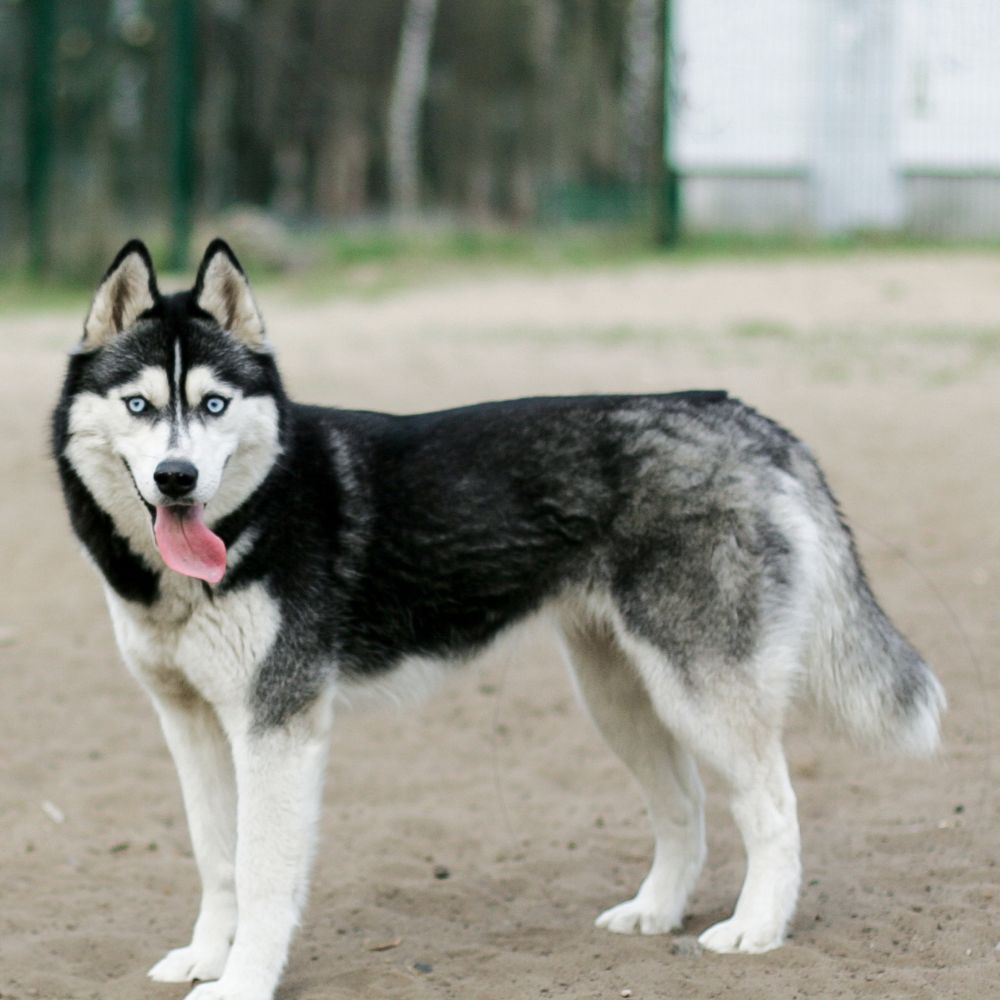
Siberian Husky Temperament
Independent, energetic, and free-spirited, the Husky is both intelligent and stubborn. It enjoys being part of a pack—whether human or canine—and often thrives in multi-dog households.
While not a typical guard dog, it is alert and curious. It rarely shows aggression but is known to test boundaries. The breed can be challenging for novice owners due to its escape tendencies and selective obedience.
Note: Huskies are not off-leash dogs unless in secure areas—they are prone to wander and run far. Consistency, patience, and physical outlets are essential.
Health and wellness
Huskies require high levels of physical activity: running, hiking, or pulling weight (e.g., canicross or skijoring) suits them best. Under-exercised Huskies may become destructive or vocal.
Their thick double coat sheds heavily twice a year and needs regular brushing. They are remarkably clean and typically free of odours.
Significant problems:
Hip dysplasia, progressive retinal atrophy (PRA)
Zinc-responsive dermatosis
Corneal dystrophy
Life expectancy: 12–14 years
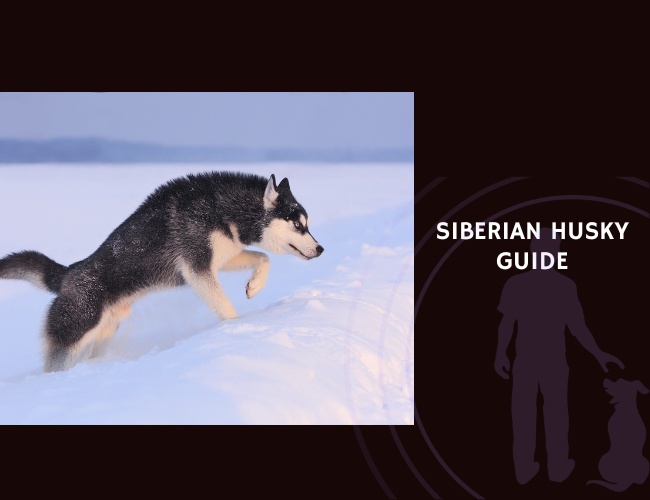
The Complete Guide to Siberian Husky
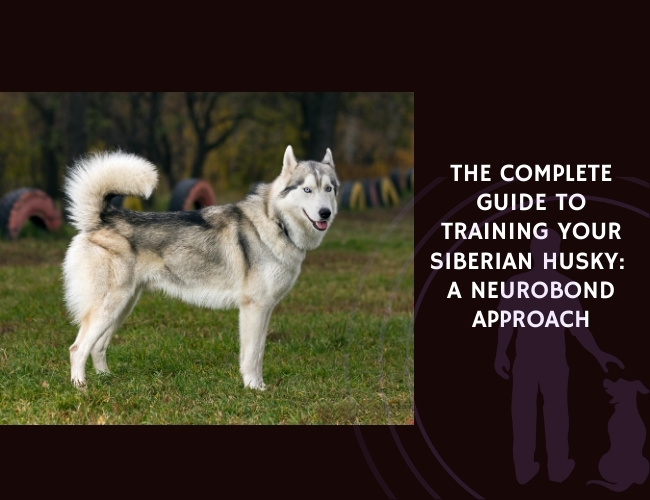
The Complete Guide to Training Your Siberian Husky: A NeuroBond Approach
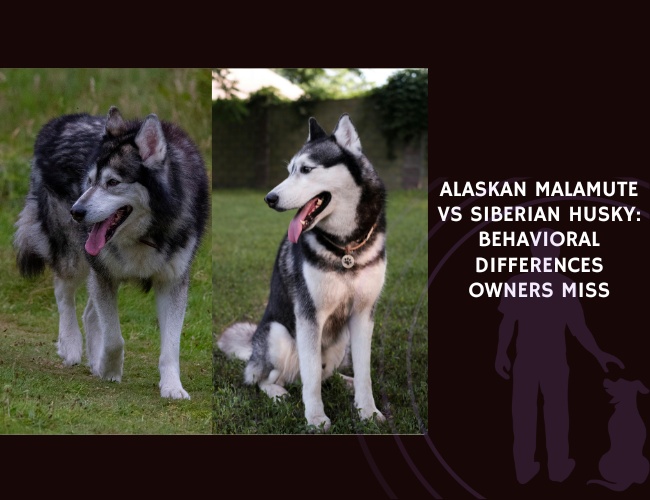
Alaskan Malamute vs Siberian Husky: The Behavioral Differences Owners Miss
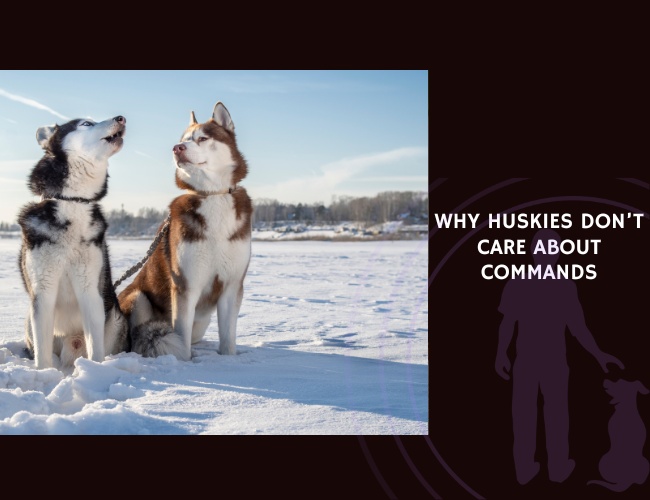
Why Huskies Don’t Care About Commands: Understanding the Independent Mind of the Arctic Runner
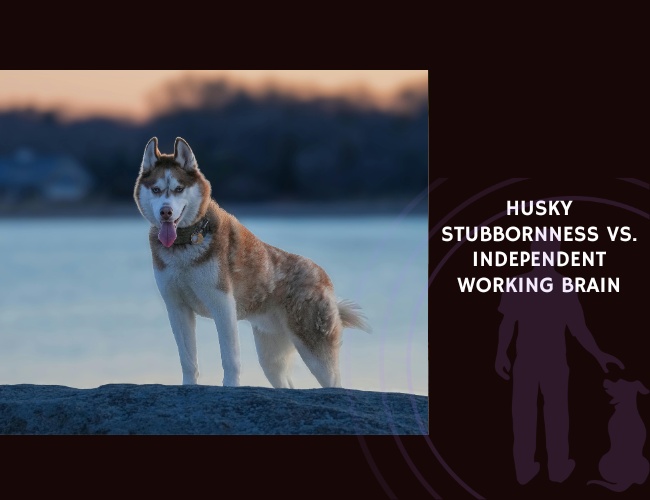
Husky Stubbornness vs. Independent Working Brain: Understanding Your Siberian’s Unique Intelligence
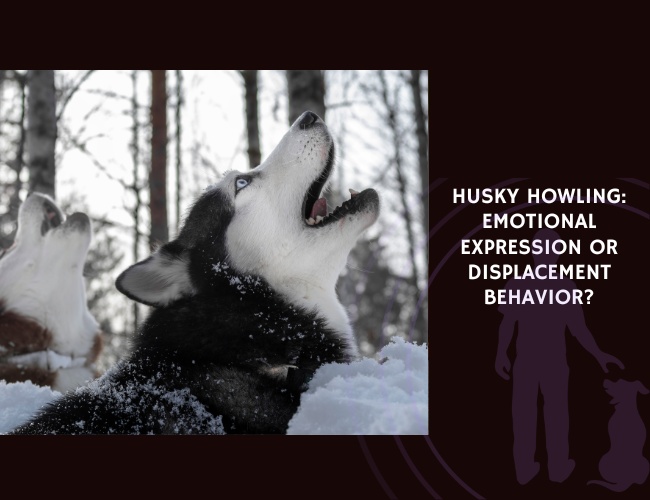
Husky Howling: Emotional Expression or Displacement Behavior?
Husky Wanderlust: Why Fences Don’t Matter
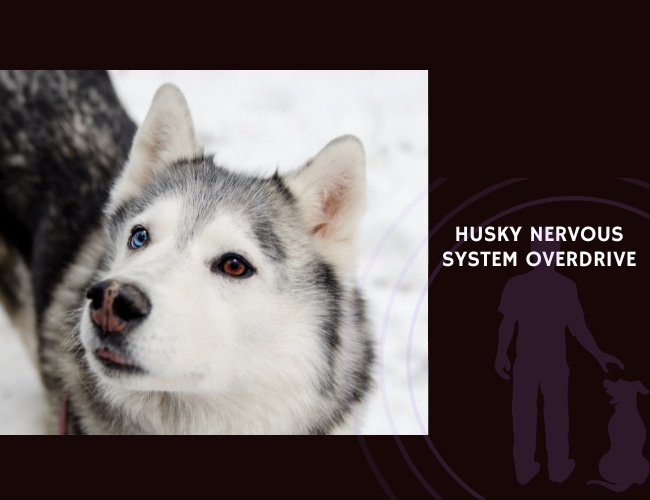
When Your Husky Can’t Stop: Understanding Nervous System Overdrive in the Modern World
🔍 Looking to go deeper into dog training?
Use these categories to explore targeted guides and articles on canine behavior, nutrition, obedience, entertainment, and more.










