Quick Facts about Rescue Dogs
- Origin: Various (mixed or unknown background)
- Weight: Highly variable – depends on breed and mix
- Life expectancy: 8–16 years (based on breed, history, and health)
- Coat Colour: Any colour or pattern
- Breed Group: Mixed or unidentified
Rescue dogs are stories in motion—shaped by interruption, survival, and adaptation. Beneath the surface of mixed traits and unknown histories lies a nervous system that has learned to stay alert, flexible, and self-protective. These dogs are not defined by weakness, but by experience, carrying an emotional depth that demands patience, clarity, and genuine presence from the human side of the bond.
Rescue Dogs History
Unlike standardized breeds, rescue dogs emerge from diverse backgrounds: shelters, streets, neglect situations, failed placements, or disrupted households. Their “history” is not genetic lineage but lived reality—often marked by instability, inconsistent caregiving, or prolonged stress.
Modern rescue systems have grown rapidly alongside urbanisation and shifting human lifestyles. While many rescue dogs adapt remarkably well, their behavioural patterns are frequently shaped by early uncertainty rather than inherited purpose, making their individual history a critical factor in understanding behaviour.

Rescue Dogs Temperament
Rescue dogs display a wide emotional range, influenced more by learning history and nervous system adaptation than by breed traits. Many are highly observant, emotionally sensitive, and prone to hypervigilance—constantly scanning their environment for cues of safety or threat.
Bonding can be profound but uneven at first. Some dogs attach quickly, others test reliability over time. Predictability, calm routines, and clear emotional signals are essential for building trust and reducing defensive behaviours.
Note: Rescue dogs often reflect the emotional regulation of their human environment. Inconsistent signals, anxious handling, or pressure to “perform” can reinforce insecurity rather than resolve it.
Health and wellness
Rescue dogs may arrive with unknown medical histories, missed preventative care, or stress-related health burdens. Comprehensive veterinary assessment and gradual lifestyle stabilisation are key to long-term wellbeing.
Significant problems:
Chronic stress-related gastrointestinal issues
Orthopaedic problems from untreated injuries
Dental disease due to neglect
Skin conditions linked to poor nutrition or parasites
Anxiety-related disorders affecting overall health
Life expectancy: 8–15 years
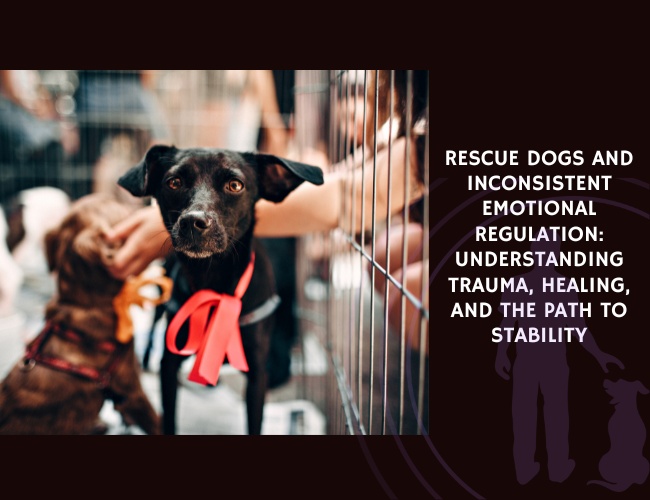
Rescue Dogs and Inconsistent Emotional Regulation: Understanding Trauma, Healing, and the Path to Stability
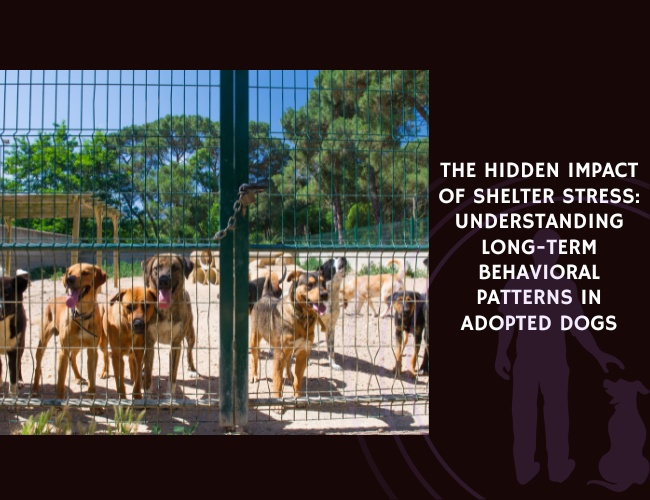
The Hidden Impact of Shelter Stress: Understanding Long-Term Behavioral Patterns in Adopted Dogs
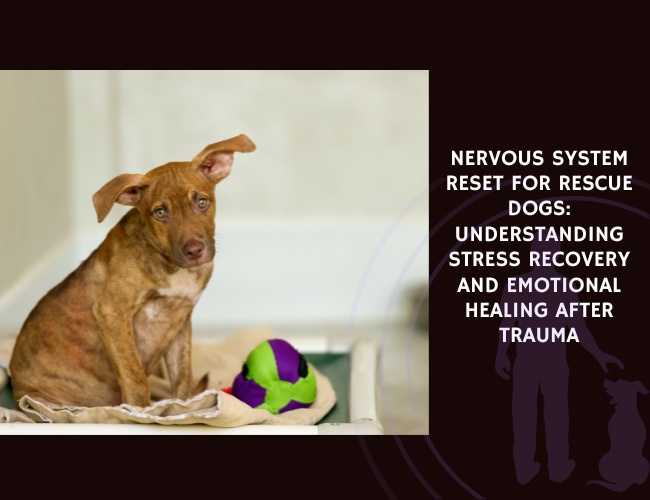
Nervous System Reset for Rescue Dogs: Understanding Stress Recovery and Emotional Healing After Trauma
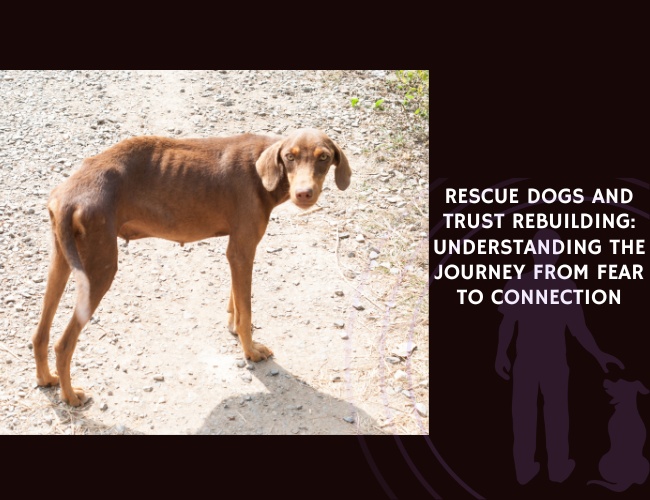
Rescue Dogs and Trust Rebuilding: Understanding the Journey from Fear to Connection

Why Rescue Dogs Ignore Commands: Understanding the Hidden Intelligence Behind Non-Compliance
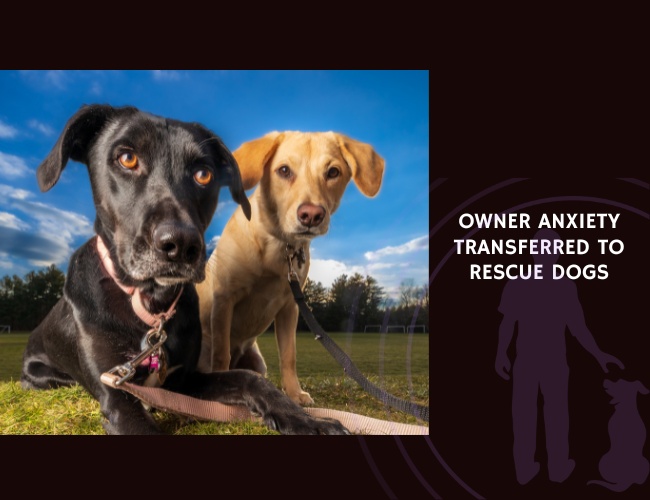
Owner Anxiety Transferred to Rescue Dogs — Understanding Emotional Contagion, Predictive Uncertainty, and Learned Vigilance
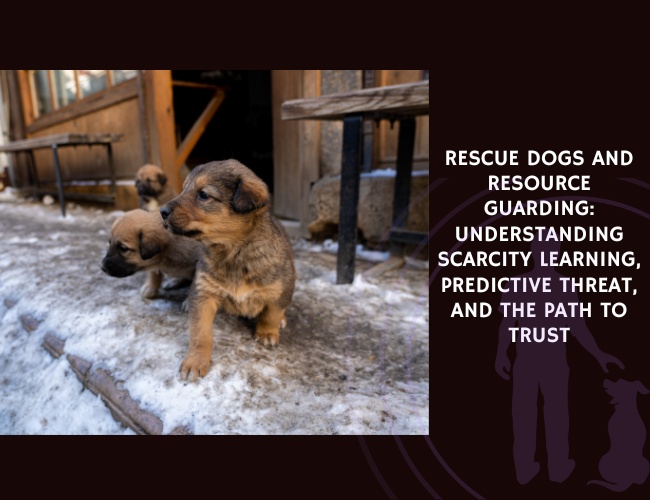
Rescue Dogs and Resource Guarding: Understanding Scarcity Learning, Predictive Threat, and the Path to Trust
🔍 Looking to go deeper into dog training?
Use these categories to explore targeted guides and articles on canine behavior, nutrition, obedience, entertainment, and more.