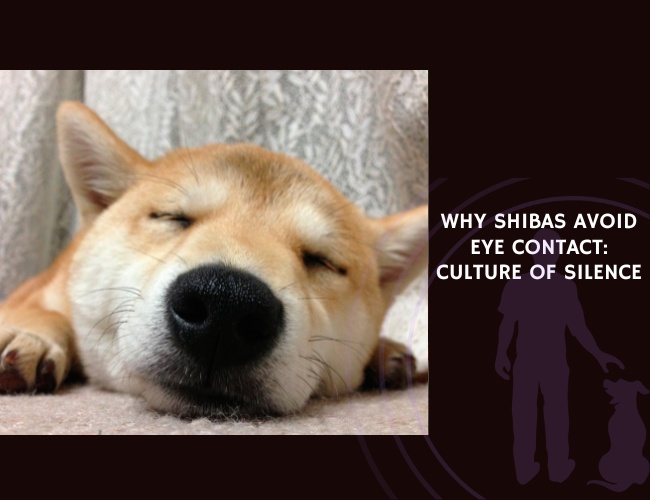
When you first bring a Shiba Inu into your life, you might notice something unexpected. While other dogs gaze adoringly at their owners, your Shiba seems to look everywhere except directly at you. This isn’t rudeness or disinterest. What you’re witnessing is one of the most fascinating aspects of primitive breed communication—a sophisticated language that speaks through silence, subtle movement, and respect for personal boundaries.
Let us guide you through the cultural and evolutionary reasons why Shibas communicate differently, and why this distinctive trait makes them such remarkable companions when we understand their perspective.
The Ancient Hunter’s Heritage: Where It All Began
Your Shiba Inu carries within them thousands of years of genetic memory from Japan’s mountainous terrain. Their name literally translates to “brushwood dog,” reflecting their original purpose as independent hunters navigating dense undergrowth in search of small game. This heritage didn’t just shape their physical form—it fundamentally crafted how they communicate with the world around them.
Independent Decision-Making as Survival
In those mountain forests, Shibas couldn’t wait for human direction. They needed to make split-second choices about pursuit, retreat, and strategy. This hunting role required several distinctive traits:
- Autonomous decision-making without constant human direction
- Silent stalking to avoid alerting prey
- Spatial awareness in complex terrain
- Energy conservation through minimal unnecessary signaling
Unlike European breeds developed for constant human collaboration, Shibas evolved to think independently and communicate subtly.
Research comparing ancient Japanese breeds to modern European breeds reveals something remarkable. Japanese dog breeds followed and sought contact with their owners much less frequently than their European counterparts, and their gaze duration was notably shorter. This isn’t a deficit—it’s a different communication philosophy entirely.
The Wild Canid Connection 🧠
Comparative studies of dingoes and domestic dogs provide crucial insights here. Dingoes living as companion animals exhibited several distinctive characteristics:
- Significantly less trainability than both ancient and modern dogs
- Greater stranger-directed fear and non-social fear than modern dogs
- Tendency toward compulsive staring behaviors that reflect natural rather than artificial selection
Shibas, genetically closer to these wild canids, retain communication patterns that prioritize indirect assessment over direct confrontation.
This means your Shiba isn’t being stubborn when they glance away. They’re using an ancient, sophisticated system of indirect evaluation that served their ancestors well for millennia.
The Language of Indirect Communication
Reading the Subtle Signs
While Western training culture emphasizes eye contact as the gold standard of attention, Shibas speak through an entirely different vocabulary. You might notice your Shiba communicating through:
- Body orientation rather than facial engagement
- Ear position and subtle head turns
- Tail carriage and micro-movements
- Proximity regulation through approach and withdrawal patterns
- Energy shifts in posture and muscle tension
These nonverbal cues constitute a complete communication system that many training approaches overlook due to what researchers call “gaze bias”—the cultural assumption that eye contact equals engagement. When you understand this, you begin to see that your Shiba is constantly talking to you, just not with their eyes.
The Cat-Like Demeanor Explained
You’ve probably heard Shibas described as “cat-like,” and there’s truth to this comparison. This independence manifests in several distinctive ways:
- Selective attention allocation rather than constant monitoring of human cues
- Autonomous decision-making about when to engage
- Preference for parallel presence over face-to-face interaction
This communication style served them brilliantly in their original hunting context, where split-second independent decisions meant the difference between success and failure.
Think of it this way: your Shiba is choosing when to connect with you, making each moment of engagement more meaningful because it’s voluntary rather than compulsive.
Eye Contact as Cultural Politeness
The Japanese Communication Parallel
Here’s where the story becomes truly fascinating. Research on eye contact perception reveals that Japanese participants interpreted neutral expressions as more emotional than Finnish participants, suggesting that Japanese cultural norms involve suppressing or neutralizing facial expressions to maintain social relationships in collectivist society. The Japanese tendency not to hold eye contact with others may be a way of avoiding high arousal and reciprocal emotional interactions.
Your Shiba carries this cultural communication legacy in their genes. Within their ethological framework, avoiding prolonged eye contact functions as respectful acknowledgment rather than disengagement.
The Politeness Framework
This “politeness” operates through several mechanisms:
- Conflict prevention: Direct staring signals confrontation in canine communication, so avoiding it prevents conflict
- Autonomy preservation: Gaze aversion maintains individual agency
- Emotional regulation: Limiting visual intensity prevents arousal escalation
- Social lubrication: Indirect gaze facilitates coexistence without constant negotiation
When your Shiba looks away, they’re not rejecting you. They’re showing you respect in the most culturally appropriate way they know.
Distinguishing Neutral from Fearful
Understanding the Critical Difference
This distinction is crucial for every Shiba owner to grasp. When approaching fearful dogs, direct eye contact is perceived as threatening, triggering anxiety and fear responses. However, Shiba behavior differs fundamentally from fear-based avoidance.
A fearful dog exhibits:
- Avoidance of eye contact coupled with body withdrawal
- Stress signals like panting, trembling, and tucked tail
- Refusal of treats and interaction
- Clear desire for escape
Your Shiba in a neutral state, by contrast, offers:
- Brief glances without body tension
- Calm proximity without sustained gaze
- Selective engagement on their terms
- Comfortable parallel presence
The distinction matters enormously: fear-based avoidance seeks distance; Shiba-style avoidance maintains comfortable proximity while preserving autonomy. One is about escaping danger; the other is about maintaining dignified boundaries.
The Soft Glance Pattern
Studies measuring eye-gaze behavior in Japanese breeds documented something revealing. Dogs oriented their nose toward participants’ faces and lifted eyelids and eyebrows to see faces, but these moments were brief and voluntary rather than sustained. This is your Shiba’s signature move—the quick check-in that says “I see you, I’m aware, and I’m comfortable here with you.”
These soft glances serve multiple purposes:
- Gather information without committing to interaction
- Signal awareness without inviting demands
- Maintain emotional safety by controlling engagement intensity
- Preserve decision-making autonomy about next steps
Through the NeuroBond approach, we recognize these moments as genuine connection points, not rejection.
When Humans Misunderstand
The Western Training Paradigm Clash
Western dog training culture heavily emphasizes eye contact as the foundation of:
- Attention and focus
- Obedience and compliance
- Bond strength and attachment
- Training readiness
This creates immediate conflict with Shiba communication norms. Training approaches that rely heavily on gaze cues often fail or stress Shibas because they violate boundary preferences by demanding sustained visual engagement, create pressure that triggers withdrawal rather than connection, misinterpret autonomy as defiance or lack of bond, and overlook alternative connection indicators like proximity and orientation.
The Interpretation Gap 😄
This gap creates significant misunderstandings. Humans frequently misread Shiba gaze-aversion as withdrawal or disinterest, when it actually represents comfortable parallel presence. What looks like anxiety or fear is often neutral boundary maintenance. Perceived defiance or stubbornness is autonomous decision-making. An apparent lack of bond is simply alternative connection expression. And training failure is usually just communication style mismatch.
When you apply inappropriate pressure for eye contact, you create training frustration and relationship strain. The solution isn’t more pressure—it’s understanding that your Shiba shows love differently.
Silent. Subtle. Sovereign.
Distance protects clarity.
A Shiba’s avoidance of eye contact isn’t withdrawal—it’s their ancient way of assessing safely, reading intention without confrontation.
Silence carries meaning.
Where other breeds seek gaze, Shibas communicate through micro-movements, posture shifts, and careful orientation that reveal far more than their eyes ever would.
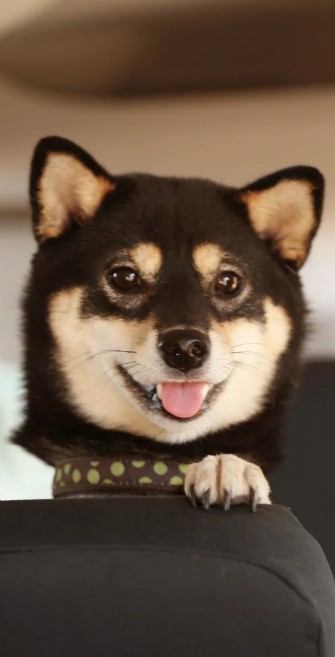
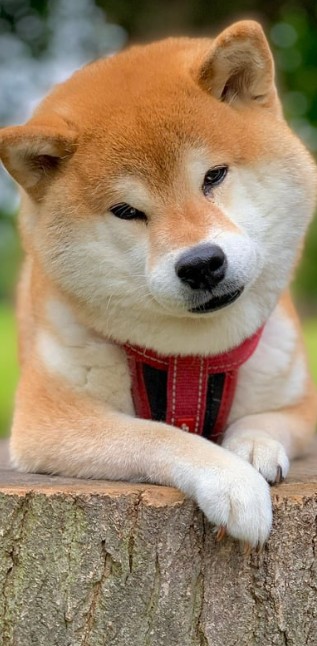
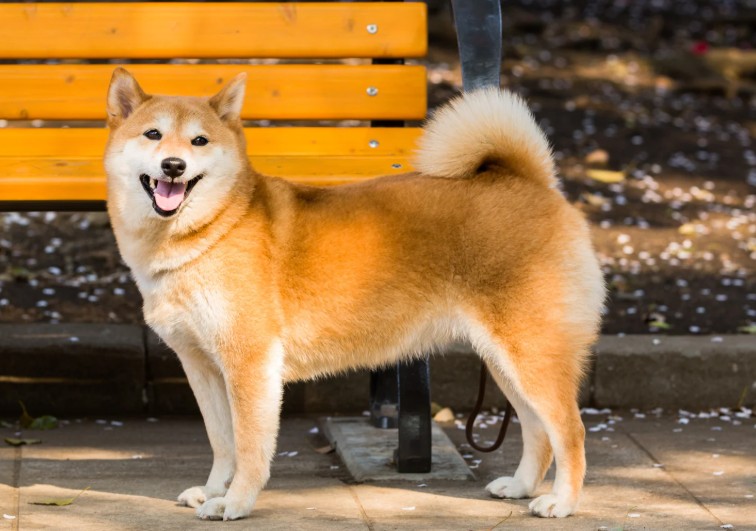
Trust reshapes attention.
When the relationship becomes predictable and safe, gaze emerges on their terms—quiet, chosen, and infinitely more honest than forced connection.
Boundaries, Space, and Visual Respect
Eye Contact as Proximity Regulator
Research demonstrates that eye contact functions as a mechanism to regulate comfortable emotional space. In the canine social system, direct gaze serves multiple distance-management functions:
- Threat assessment: Prolonged staring signals potential confrontation
- Intimacy regulation: Sustained gaze implies close relationship
- Pressure modulation: Visual intensity correlates with social demand
- Boundary enforcement: Gaze aversion maintains personal space
For Shibas, who value autonomy and independence above almost everything else, gaze aversion becomes a primary tool for maintaining comfortable interpersonal distance even in close physical proximity.
The Respect-Based Distance Framework
Shiba communication operates on a respect-based distance management system where several principles hold true. Physical proximity doesn’t equal emotional intimacy. Parallel presence is valued over face-to-face engagement. Spatial respect matters more than constant interaction. And voluntary approach trumps demanded attention every time.
Training guidance emphasizes that guardians should define personal space and recognize that “distance can equal respect” in canine communication. The Invisible Leash reminds us that awareness, not tension, guides the path between human and dog. 🧡
Environmental Pressure and Gaze Changes
When Tight Spaces Increase Aversion
You might notice your Shiba increasing gaze aversion when environmental conditions create pressure. High-pressure contexts include:
- Confined spaces with limited escape routes
- Presence of unfamiliar people or dogs
- Unpredictable human movement
- Forced interaction scenarios
- Training environments with high demands
Research on ancient Japanese breeds tested under deliberately stressful conditions—two strangers present, instructed inhibition of interactions—found that these conditions were potentially stressful to both dogs and owners and may have increased reassurance-seeking behaviors. Your Shiba’s increased gaze aversion in these situations isn’t fear—it’s a coping mechanism for managing overwhelming sensory and social input.
Intrusive Behavior Detection
Shibas demonstrate remarkable sensitivity to intrusive human behavior, responding with increased gaze aversion when humans:
- Lean over them or invade personal space
- Make sudden or unpredictable movements
- Use loud voices or excessive verbal cues
- Demand immediate compliance
- Force physical contact through hugging or restraining
Guidance for Shiba owners explicitly warns: “Don’t overdo affection” as most Shibas aren’t fans of constant physical contact, and too much attention may stress them out. When your Shiba looks away during these moments, they’re communicating clearly: “I need more space right now.”
Oxytocin, Trust, and the Gaze Loop
The Trust Hormone Connection
Research reveals something beautiful about the relationship between trust and eye contact. Studies show that oxytocin—often called the “trust hormone”—plays a crucial role in gaze behavior. When oxytocin levels increase in trusted relationships, dogs showed increased eye-gaze behavior toward owners, demonstrating that gaze patterns respond to trust development.
This creates what researchers call the “positive loop.” Eye contact triggers oxytocin release in both human and dog, which then reinforces mutual gaze behavior, strengthening attachment and trust, which further increases oxytocin, creating more comfortable eye contact opportunities. For Shibas, this loop operates differently—it’s slower, more selective, and requires a foundation of trust before it activates.
The Shiba-Specific Trust Timeline
Unlike breeds developed for immediate human bonding, Shibas follow their own timeline. You might notice trust development progressing through distinct phases. During the evaluation period in early weeks or months, your Shiba observes from distance, offers brief glances only, maintains physical boundaries, and tests environmental predictability. This isn’t coldness—it’s intelligent assessment.
In the comfort establishment phase that follows, proximity increases gradually, glance duration extends slightly, voluntary approach begins, and trust markers emerge through body language. Moments of Soul Recall reveal how memory and emotion intertwine in behavior, as your Shiba begins associating your presence with safety and positive experiences.
Finally, during selective bonding that develops over months to years, meaningful eye contact emerges, engagement becomes voluntary and frequent, training cooperation increases, and reciprocal gaze reflects genuine trust. This timeline can’t be rushed. Attempting to force faster progression through demanding eye contact typically reverses progress rather than accelerating it.
Sensory Processing and Visual Intensity
The Hypersensitive Nervous System
Many Shibas exhibit what veterinary behaviorists recognize as heightened sensory sensitivity. This manifests through:
- Acute environmental awareness
- Strong startle responses to sudden stimuli
- Sensitivity to direct gaze intensity
- Quick arousal to moderate triggers
- Longer recovery times from overstimulation
Direct, sustained eye contact represents high-intensity sensory input that triggers arousal escalation in sensitive nervous systems. For your Shiba, maintaining visual comfort through gaze aversion is active sensory threshold management, not passive withdrawal.
Environmental Unpredictability and Visual Comfort
Research demonstrates that predictability significantly influences gaze comfort. When environments feel unpredictable through:
- Inconsistent human behavior
- Variable routines
- Unexpected visitors
- Chaotic household dynamics
- Frequent changes in living space
Shibas increase gaze aversion as protective mechanism. Creating predictability through consistent daily routines, calm household atmosphere, reliable human behavior patterns, designated safe spaces, and gradual introduction to changes reduces need for constant sensory vigilance, making comfortable eye contact more accessible.
The Stranger Gaze Effect
Studies reveal that ancient Japanese breeds show significantly less gazing toward strangers than familiar people, with markedly increased stress indicators during stranger interaction, heightened environmental scanning during unfamiliar encounters, and preference for indirect assessment over direct gaze. This doesn’t indicate poor socialization—it reflects appropriate caution and sensory boundary management.
When your Shiba avoids eye contact with strangers but offers you occasional glances, they’re showing you something important: you’re in their trusted circle.
The NeuroBond Approach: Respecting the Culture of Silence
Parallel Positioning Over Face-to-Face Demands
Through the NeuroBond approach, we recognize that forcing face-to-face interaction with gaze-sensitive breeds creates immediate conflict. Traditional training positions—direct frontal approach, leaning over the dog, sustained eye contact demands—trigger discomfort and withdrawal in Shibas. Instead, parallel positioning creates comfortable proximity that respects their communication preferences.
This means:
- Sitting beside your Shiba rather than facing them directly
- Allowing them to observe you peripherally
- Creating shared experiences without forced interaction
- Building connection through parallel activities
- Reducing visual pressure while maintaining presence
You’ll notice your Shiba relaxes more quickly when you respect their spatial preferences this way.
Silence as Communication
Shibas respect clear leadership—not loud voices. Verbal cues demand auditory processing, often come with expectations for response, create pressure for acknowledgment, and increase overall sensory load. Silence, by contrast, allows autonomy by reducing demand for engagement, permitting self-directed attention, decreasing arousal triggers, and facilitating comfortable coexistence.
This means using minimal verbal cues more effectively than constant talking, offering consistent, quiet commands rather than repeated instructions, understanding silence as communication rather than absence of connection, and prioritizing action over words in establishing leadership.
Gentle Pacing and Sensory Modulation
The NeuroBond approach incorporates gentle pacing to reduce gaze-related pressure. Slow movements reduce threat perception, increase predictability, lower arousal triggers, and facilitate comfortable proximity. Gradual approach allows adjustment time, respects processing speed, avoids overwhelming sensory input, and builds trust incrementally.
Incorporating pauses provides regulation opportunities, allows voluntary engagement, reduces cumulative pressure, and respects autonomy needs. When you slow down and create space, you give your Shiba room to choose connection.
Trust Before Training: The Foundation Framework
Building the Relationship First
The NeuroBond model proposes that a trust-before-training framework creates an environment where Shibas exchange subtle, reciprocal glances without stress. This framework unfolds in three distinct phases, each essential to the process.
During Phase 1: Trust Building, you:
- Focus on comfortable coexistence
- Respect boundary preferences
- Allow voluntary approach
- Minimize demands and pressure
- Establish predictable patterns
This phase might last weeks or months—and that’s perfectly appropriate. Rushing creates resistance. Patience creates partnership.
In Phase 2: Connection Development, you:
- Recognize alternative engagement indicators
- Reward voluntary proximity
- Accept brief glances as connection
- Avoid forcing eye contact
- Build positive associations
You’ll notice your Shiba beginning to seek your presence, offering more frequent check-ins, and relaxing in your company.
Finally, during Phase 3: Training Introduction, you:
- Incorporate established trust
- Use Shiba-appropriate methods
- Respect communication style
- Maintain low-pressure environment
- Celebrate selective compliance
Training becomes collaboration rather than domination because the foundation of trust already exists.
When Voluntary Eye Contact Emerges
When trust foundation exists and pressure remains low, Shibas naturally begin offering reciprocal glances. These voluntary eye contact moments have distinct characteristics:
- Brief duration, lasting just one to three seconds
- Soft, relaxed eye expression
- Accompanied by calm body language
- Initiated by your Shiba, not demanded
- Occurs in comfortable contexts
- Feels like mutual acknowledgment rather than compliance
The progression pattern unfolds beautifully over time. Frequency increases gradually, duration extends slightly, contexts expand to include training situations, eye contact becomes a communication tool, and it maintains its brief, meaningful quality rather than becoming prolonged or intense.
Research on ancient Japanese breeds confirms this pattern. After oxytocin treatment, dogs showed increased eye-gaze behavior toward owners, demonstrating that gaze patterns respond to trust development. You can’t demand this response—you can only create conditions where it emerges naturally.
Reframing Avoidance as Sophistication
The Paradigm Shift You Need
This comprehensive understanding reveals that Shiba eye-contact “avoidance” represents sophisticated communication style rather than behavioral deficit. What looks like avoidance is actually boundary-aware communication, autonomy-preserving interaction, arousal-regulating behavior, trust-dependent engagement, and culturally-appropriate signaling.
What might appear as fear is actually neutral acknowledgment, respectful distance maintenance, sensory threshold management, predictability-dependent comfort, and selective social engagement. This reframing has profound implications for training methodology, relationship expectations, behavioral interpretation, breed-appropriate care, and cross-species understanding.
When you stop viewing your Shiba’s communication style as a problem to fix and start seeing it as a language to learn, everything changes.
Practical Applications for Shiba Guardians
Immediate Changes You Can Make
If you’re raising or training a Shiba, several immediate recommendations will transform your relationship:
- Abandon eye-contact demands in early training completely
- Recognize alternative connection indicators like proximity, orientation, and following behavior
- Respect gaze-aversion signals as boundary communication
- Reduce verbal interference and sensory pressure in your interactions
- Maintain predictable, calm presence
- Allow voluntary approach and engagement
- Celebrate brief glances as meaningful connection
- Never force or punish gaze aversion
Training Modifications That Work
Replace “watch me” commands with proximity-based attention exercises. Use orientation cues instead of eye contact requirements. Reward voluntary glances without demanding duration. Incorporate parallel positioning in training setups. Reduce overall sensory intensity in training environments. Build trust before introducing demands. And respect selective compliance as intelligence rather than punishing it as stubbornness.
You’ll discover that when you work with your Shiba’s communication style rather than against it, training becomes easier and more effective. The Invisible Leash reminds us that awareness, not tension, guides the path—and this applies to visual connection as much as physical guidance.
For Professionals: Assessment and Intervention
Distinguishing Normal from Pathological
Veterinary and behavioral professionals working with Shibas must distinguish neutral gaze-aversion from fear-based avoidance, recognize breed-specific communication norms, avoid pathologizing normal Shiba behavior, consider cultural communication context, assess alternative connection indicators, and evaluate trust development patterns.
Many Shibas are misdiagnosed with anxiety disorders or bonding deficits simply because they communicate differently than Labrador Retrievers or Golden Retrievers. Breed-appropriate assessment requires understanding these distinctive patterns.
Intervention Strategies
Effective intervention begins with educating owners about Shiba communication style, modifying training recommendations to respect breed characteristics, reducing environmental pressure and sensory overload, supporting trust-building before compliance demands, teaching alternative connection recognition, and avoiding interventions that force eye contact.
When behavioral challenges arise, solutions must align with Shiba communication norms rather than forcing these dogs into frameworks designed for breeds with entirely different evolutionary histories.
The Bigger Picture: What Shibas Teach Us
Cross-Species Understanding
Your Shiba’s distinctive communication style offers profound lessons about cross-species relationships. They remind us that love and connection don’t require constant eye contact, that autonomy and attachment can coexist beautifully, that respect for boundaries strengthens rather than weakens relationships, that communication takes many forms beyond our cultural defaults, and that patience yields deeper connection than pressure ever could.
Beyond Training: Partnership
When you release the expectation that your Shiba should gaze adoringly at you like other breeds might, you open space for authentic relationship. You begin noticing the subtle ways they show affection—the quiet proximity, the soft glance when you enter the room, the choice to sit near you without demanding interaction, the gradual relaxation in your presence.
That balance between science and soul, between respecting their nature while building connection—that’s the essence of Zoeta Dogsoul. It’s recognizing that your Shiba isn’t avoiding you when they look away. They’re honoring the ancient communication system that makes them who they are, and inviting you to learn their language rather than forcing them to speak only yours. 🧡
Creating the Stress-Free Connection
What Success Looks Like
The ultimate goal isn’t training your Shiba to hold eye contact on command. It’s creating an environment where eye contact emerges naturally as expression of trust rather than compliance with demands. This requires abandoning Western gaze expectations, respecting Shiba communication norms, recognizing alternative connection indicators, maintaining low-pressure presence, celebrating brief, voluntary glances, and never forcing or demanding eye contact.
When these conditions exist, Shibas offer meaningful eye contact freely—not as trained behavior, but as authentic communication within trusted relationship. Those moments, brief and voluntary, carry more significance than any forced stare ever could.
The Journey Forward
Understanding why Shibas avoid eye contact transforms how you approach every interaction. You learn to read the subtle ear flick that says “I’m listening,” the body orientation that shows engagement, the quiet choice to be near you that demonstrates trust. You discover that connection doesn’t require constant visual attention—it requires mutual respect, patient presence, and willingness to meet your dog where they are.
Your Shiba has been speaking to you all along, using a sophisticated communication system refined over thousands of years. They’re not avoiding eye contact because something is wrong with them or with your relationship. They’re honoring their heritage, maintaining their dignity, and inviting you into a different kind of partnership—one built on respect, autonomy, and voluntary connection.
When you learn to speak their language, you’ll find that the moments they do choose to meet your eyes become precious gifts rather than expected obligations. And in those brief, soft glances, you’ll see everything you need to know: trust, acknowledgment, and a quiet kind of love that doesn’t need to shout to be profound.
That’s the culture of silence. That’s your Shiba. And once you understand it, you wouldn’t want them any other way.