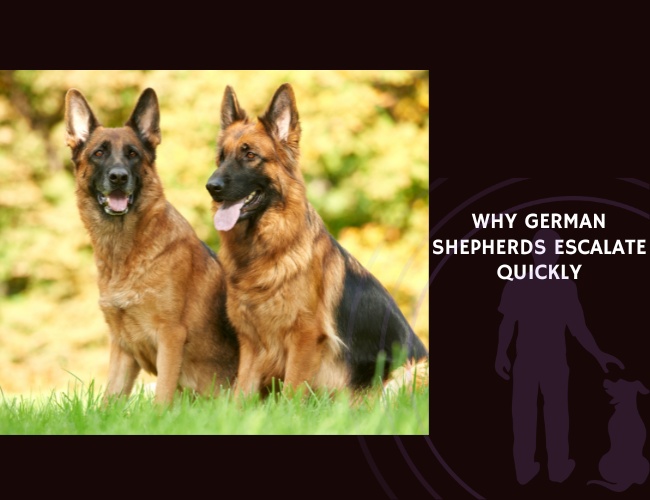
If you share your life with a German Shepherd, you might have noticed something that sets them apart from other breeds: the speed at which they can go from calm to explosive. One moment, your loyal companion walks peacefully beside you. The next, a stranger approaches, and your dog erupts with an intensity that catches everyone off guard. You might wonder if your dog is aggressive, fearful, or simply out of control. The truth is far more nuanced and deeply rooted in the very qualities that make German Shepherds exceptional working dogs.
Let us guide you through the fascinating neurological and behavioral architecture that drives rapid escalation in German Shepherds. Understanding these mechanisms will transform how you see your dog’s behavior—not as a problem to suppress, but as a sophisticated system designed for protection work that needs appropriate guidance in the modern world. Through the NeuroBond approach, you’ll learn to recognize the difference between duty-driven vigilance and genuine fear, and discover how calm leadership can expand your dog’s decision-making window.
The Architecture of Rapid Decision-Making
Historical Selection Pressures
German Shepherds weren’t created by accident. They emerged from systematic breeding programs designed to produce dogs capable of herding, protection, and police work. These selection pressures shaped not just their physical capabilities, but their entire cognitive architecture. Your German Shepherd carries the genetic inheritance of dogs who were required to:
- Make split-second threat decisions: Protection work demanded early threat detection and decisive intervention without waiting for handler commands.
- Control livestock with precision: Herding required rapid movement correction and firm boundary enforcement to manage large groups of animals.
- Work independently under pressure: Service roles necessitated autonomous decision-making when handlers couldn’t provide immediate direction.
- Prioritize prevention over recovery: The cognitive bias toward “act early, not late” prevented situations from deteriorating beyond control.
- Maintain high-stakes accuracy: Low tolerance for missed threats meant false positives were preferable to false negatives.
This breeding created a nervous system optimized for what we call “compressed evaluation windows.” Where other breeds might observe a situation for several seconds before responding, German Shepherds operate on the principle of “act early, not late.” In their original working contexts—protecting flocks from predators, guarding property, or assisting police officers—this rapid response system was essential. Missing a genuine threat could mean catastrophic consequences, so the breed developed a strong bias toward prevention over recovery.
You’re not dealing with a broken dog when you see rapid escalation. You’re witnessing a precisely tuned system doing exactly what it was designed to do, just in an environment that no longer requires such immediate responses 🧠
Neurological Bias Toward Early Action
Recent understanding of canine neuroscience helps us appreciate what’s happening inside your German Shepherd’s brain during those rapid escalation moments. The amygdala—the brain’s threat detection center—appears to activate faster in German Shepherds when processing ambiguous stimuli. At the same time, the prefrontal cortex, which normally provides inhibition and impulse control, shows reduced activity during high-vigilance states.
This creates a neurological environment where decision-making happens at remarkable speed. Your dog’s brain integrates sensory information from multiple sources—visual cues, sounds, scents, and even subtle changes in your body language—and processes threat assessments in milliseconds. The evaluation-to-action latency (the time between perceiving something and responding to it) is significantly shortened compared to many other breeds.
Think of it this way: while other dogs have a longer decision-making corridor with multiple checkpoints, German Shepherds have a shorter, more direct pathway from perception to action. This isn’t impulsivity—it’s efficiency designed for high-stakes situations where hesitation could be dangerous.
The Burden of Constant Vigilance
Sustained Environmental Monitoring
German Shepherds don’t just occasionally scan their environment—they continuously monitor it. Neuroscientist Jaak Panksepp identified what he called the SEEKING system, a fundamental emotional circuit that drives exploration and environmental monitoring. In German Shepherds, this system appears to operate at a higher baseline activation than in many other breeds.
What does this mean for your daily life together? Your dog isn’t relaxing when they appear calm. They’re actively scanning for changes, incongruencies, and potential threats. Watch your German Shepherd during supposedly quiet moments and you’ll notice:
- Independent ear rotation: Each ear tracks different sounds, processing audio information you haven’t consciously registered.
- Systematic visual scanning: Eyes shift focus regularly, monitoring movement patterns and spatial changes across their field of view.
- Breathing adjustments: Respiratory patterns alter as they process different scents carried on air currents.
- Postural micro-adjustments: Subtle weight shifts and muscle tension changes reflect ongoing threat assessment.
- Reduced habituation: Unlike breeds that tune out repeated neutral stimuli, German Shepherds continue processing them.
This continuous vigilance creates an elevated arousal baseline. Your dog’s cortisol levels may be higher than other breeds simply from the metabolic cost of sustained attention. Their sympathetic nervous system—responsible for fight-or-flight responses—remains primed for activation. This means they’re constantly closer to their action threshold than dogs who can genuinely disengage from environmental monitoring.
When Ambiguity Becomes Intolerable
Here’s where things get interesting, and challenging. Continuous environmental scanning creates cognitive load—mental fatigue from processing unresolved information. When your German Shepherd notices something ambiguous (a person approaching with unusual gait, an unfamiliar sound pattern, or even your own uncertain body language), they face a dilemma: wait for more information or resolve the ambiguity through action.
Unlike breeds content to “wait and see,” German Shepherds have reduced tolerance for uncertainty. Prolonged ambiguity triggers intervention because the mental cost of sustained, unresolved monitoring becomes too high. You might see this as your dog suddenly escalating at someone who has been visible for several minutes. To you, it seems random. To your dog, they’ve reached their threshold for processing this unresolved stimulus 🧡
Through the Invisible Leash philosophy, we recognize that awareness rather than tension guides effective responses. When handlers learn to provide clear environmental assessments—”I see it, I’ve evaluated it, no action needed”—they reduce the cognitive load on their dogs and extend those critical decision-making windows.
Threat Compression: Why Warnings Disappear
The Abbreviated Warning Ladder
Most people familiar with dog behavior know about the warning ladder—the sequence of escalating signals dogs typically display before biting. The classic progression goes: freeze, hard stare, lip curl, growl, air snap, then bite. This gradual escalation gives both parties opportunities to de-escalate at multiple points.
German Shepherds often skip most of these steps entirely. You might see a freeze—a moment where your dog goes completely still—followed immediately by an explosive display that looks and sounds terrifying. This rapid escalation often serves a specific function: distance creation. The intensity of the display isn’t proportional to aggressive intent; it’s proportional to the dog’s assessment of how much distance they need to create.
This is fundamentally different from predatory aggression or fear-based reactions. Your German Shepherd isn’t trying to harm the stimulus in most cases. They’re trying to make it retreat—fast. The explosive display functions as “perimeter defense,” establishing a safety zone around you, themselves, or their defined territory. When understood this way, rapid escalation looks less like aggression and more like efficient boundary enforcement.
Environmental Constraints That Force Binary Choices
Modern life creates conditions that make gradual escalation nearly impossible for German Shepherds. The leash removes your dog’s primary tool for creating distance: movement. In natural contexts, dogs have multiple options when facing something concerning—they can retreat, circle, reposition, or gradually increase distance while maintaining visual contact.
On leash, especially in urban environments, these options disappear. Your dog faces a binary choice: tolerate close proximity or escalate dramatically. There’s no middle ground. Spatial confinement in cities compounds this problem—narrow sidewalks, crowded parks, forced proximity in veterinary waiting rooms. Every situation compresses the natural distance buffers that would allow for gradual escalation.
You’re not seeing your dog’s true behavioral repertoire when they’re on leash in confined spaces. You’re seeing them adapt to severely restricted options, often defaulting to the most effective distance-creation strategy available: explosive displays that make stimuli retreat.
Duty vs. Fear: Understanding True Motivation
Responsibility-Driven Intervention
This distinction changes everything about how you respond to your German Shepherd’s escalation. Many behaviors labeled as “fear-based aggression” are actually duty-driven interventions. Your dog isn’t necessarily afraid of the approaching person, dog, or stimulus. They perceive a responsibility to manage the situation because you haven’t provided clear direction.
How can you tell the difference? Look for these indicators:
Duty-Driven Escalation:
- Occurs primarily when you appear passive, uncertain, or unaware of the approaching stimulus.
- Dog targets approach vectors toward you rather than fixating on the stimulus itself.
- Escalation ceases immediately when you provide calm, clear spatial leadership.
- Dog remains oriented toward you, checking in for guidance throughout the interaction.
- Body language shows protective positioning rather than defensive withdrawal.
Fear-Based Escalation:
- Occurs regardless of your state of awareness, confidence, or positioning.
- Dog fixates directly on the stimulus with hard stares and rigid body posture.
- Escalation continues despite your intervention and attempts at redirection.
- Dog shows displacement behaviors like lip licking, yawning, whale eye, or avoidance signals.
- Body language indicates desire to increase distance through retreat or defensive aggression.
Understanding this distinction through the lens of Soul Recall—recognizing how emotional memory and responsibility intertwine in behavior—allows you to respond appropriately. Duty-driven escalation needs leadership and role clarification. Fear-based escalation needs distance, counter-conditioning, and confidence building.
The Leadership Vacuum Hypothesis
German Shepherds escalate rapidly when they perceive what we call a “leadership vacuum”—situations where nobody has claimed responsibility for threat assessment and management. This doesn’t mean you need to dominate your dog or assert “alpha” status. It means providing clear, consistent communication about who handles what in different situations.
Watch what happens when you provide spatial leadership. You step forward calmly, positioning yourself between your dog and the approaching stimulus. Your body language communicates confidence and awareness. You give your dog a clear alternative behavior (sit, watch me, or move with me). In duty-driven cases, escalation stops almost immediately. Your dog hasn’t suddenly overcome fear—they’ve received the information they needed: you’ve assessed the situation and taken responsibility for managing it 🐾
This is where many training approaches fail. They focus on suppressing the escalation behavior without addressing the underlying perception of responsibility. Your German Shepherd needs to know that vigilance is appreciated but intervention is your job. When this role division becomes clear, rapid escalation often reduces dramatically without any formal behavior modification protocols.
Cognitive Speed and the Intelligence Paradox
Enhanced Processing Speed
German Shepherds demonstrate remarkable cognitive abilities that actually contribute to escalation patterns. They excel at rapid pattern recognition, detecting environmental changes faster than most breeds. Their threat assessment operates at compressed timescales, and their social cognition—ability to read body language and intent—processes information at high speed.
You might think intelligence would reduce reactivity. In practice, the opposite often occurs. Your German Shepherd notices micro-signals that humans and other dogs completely miss. They detect subtle body language changes, timing inconsistencies in daily routines, and micro-expressions that flash across faces for milliseconds. This extraordinary perceptual ability means they’re constantly processing more information than other breeds.
When Sensitivity Becomes Overwhelm
High intelligence combined with exceptional sensory sensitivity creates unique challenges. Your German Shepherd detects inconsistencies between your verbal commands and body language that would pass unnoticed by less perceptive dogs. When you say “it’s fine” but your muscles tense, heart rate increases, and breathing changes, your dog processes the discrepancy. This cognitive dissonance—receiving contradictory information—increases arousal and confusion.
Inconsistent rules and unpredictable handler behavior have magnified effects on German Shepherds. A Border Collie might adapt to variable household rules with relative ease. A German Shepherd finds the inconsistency cognitively disturbing, leading to increased vigilance as they attempt to predict patterns that don’t exist. The mental energy spent trying to resolve these inconsistencies reduces their capacity for emotional regulation when genuine challenges arise.
Think of your dog’s cognitive capacity as a bandwidth allocation. When significant resources go toward decoding inconsistent signals from you, there’s less available for managing arousal when encountering triggers in the environment. Clear, consistent communication isn’t just good training—it’s essential cognitive support for breeds with high processing speed and low error tolerance.
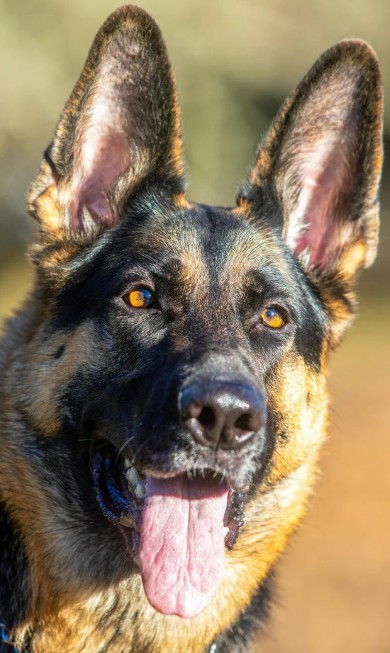
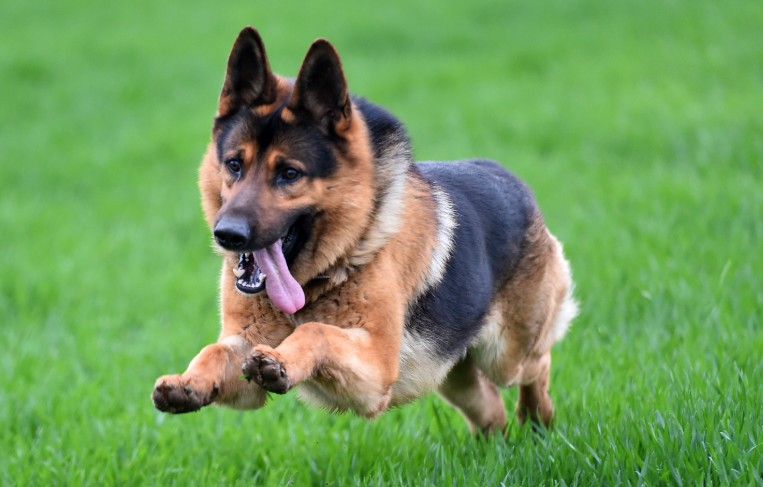
Alert. Compressed. Reactive.
Threat Windows Shrink
German Shepherds are bred for early intervention. Their nervous system favors fast action over prolonged evaluation.
Vigilance Becomes Duty
Hyper-awareness triggers rapid escalation when ambiguity appears. This is prevention bias, not emotional instability.
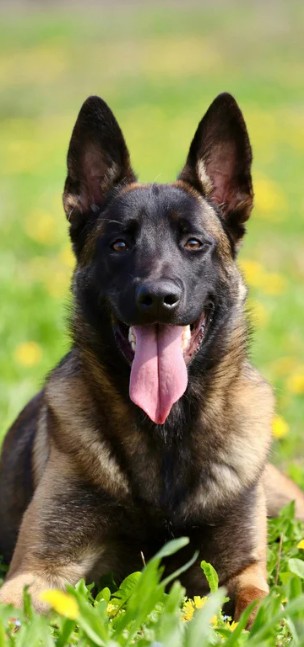
Leadership Expands Space
Clear guidance slows the decision corridor. When responsibility shifts to you, reactivity dissolves into controlled presence.
Arousal Stacking: The Hidden Accumulation
The Cumulative Stress Model
“It came out of nowhere.” You’ve probably said or thought this after your German Shepherd exploded at something that seemed minor. The reality is that behavioral eruptions rarely occur from a single trigger. They result from arousal stacking—the cumulative effect of multiple stressors that individually wouldn’t breach your dog’s threshold but together push them over the edge.
Think of arousal like a bucket filling with water. Each stressor adds volume: poor sleep quality, inadequate exercise, noise pollution from traffic, visual overstimulation from crowds, olfactory overload from urban environments, spatial crowding, even digestive discomfort from food sensitivities. Your dog walks through the day with their arousal bucket gradually filling. The final trigger—perhaps a friendly dog approaching—isn’t the cause of the explosion. It’s simply the last drop that makes the bucket overflow.
🐕 Understanding German Shepherd Rapid Escalation 🧠
From Compressed Decision Windows to Controlled Readiness: A Journey Through Breed-Specific Behavior
Phase 1: Recognition
Identifying the True Nature of Escalation
Understanding the Architecture
German Shepherds possess a nervous system designed for rapid threat assessment. Their compressed evaluation windows aren’t a flaw—they’re precision-engineered features from generations of breeding for protection work. What appears as aggression is often duty-driven vigilance seeking leadership.
What You’ll Notice
• Freeze followed immediately by explosive display
• Dog checks back with you during escalation
• Rapid de-escalation when you provide clear direction
• Heightened vigilance in ambiguous situations
Phase 2: Assessment
Distinguishing Duty from Fear
Duty-Driven Escalation Signs
Your dog escalates when you appear uncertain, targets approach vectors toward you rather than fixating on the stimulus, and immediately calms when you provide spatial leadership. They’re not afraid—they’re fulfilling perceived responsibility for threat management.
Fear-Based Escalation Signs
Escalation occurs regardless of your confidence, dog fixates directly on stimulus, continues despite your intervention, and shows displacement behaviors like lip licking or yawning. This requires different intervention strategies focused on distance and confidence building.
Assessment Protocol
• Observe when escalation occurs (handler state?)
• Notice where dog’s attention goes (you or stimulus?)
• Test leadership response (does calm direction stop it?)
• Check for displacement behaviors
Phase 3: Arousal Mapping
Understanding the Stacking Effect
The Cumulative Load Theory
Reactions rarely come from single triggers. Environmental noise, poor sleep, spatial crowding, handler tension, and routine disruptions accumulate like water in a bucket. The final trigger isn’t the cause—it’s the last drop that makes the bucket overflow.
Common Stacking Factors
• Environmental: traffic noise, crowds, construction, weather changes
• Physiological: poor sleep, inadequate exercise, pain, digestive issues
• Social: handler anxiety, inconsistent rules, unpredictable schedules
• Cognitive: unresolved monitoring, ambiguous situations
Mapping Practice
After any escalation episode, map the previous 24-48 hours. Document sleep quality, exercise level, environmental changes, household stress, and routine variations. Patterns will emerge showing what accumulates before reactions.
Phase 4: Handler Development
Cultivating Calm Authority
The Tension Transfer Reality
Your German Shepherd detects your heart rate changes, muscle tension through the leash, breathing shifts, micro-expressions, and stress pheromones. Your anticipatory anxiety confirms their threat assessment. Through the Invisible Leash principle, awareness without tension guides most effectively.
Building Emotional Neutrality
• Practice diaphragmatic breathing before walks
• Develop spatial leadership through decisive navigation
• Maintain consistent body language across contexts
• Acknowledge triggers mentally without reactive tension
• Build your own stress tolerance capacity
The Leadership Message
Your dog doesn’t need a handler who never feels concern. They need one whose concern doesn’t translate into reactive tension. When you can see a trigger, assess it calmly, and communicate “I’ve got this” or “no action needed,” you expand their decision-making window dramatically.
Phase 5: Environmental Management
Creating Space for Success
Distance as Primary Tool
German Shepherds need adequate distance buffers to process stimuli without immediate escalation. Urban environments compress natural spacing, forcing binary responses. Creating distance isn’t avoidance—it’s providing the geography for gradual escalation and measured responses.
Strategic Environmental Choices
• Choose quieter walking routes with wider sidewalks
• Visit parks during off-peak hours for space
• Create predictable routines that reduce monitoring
• Design resting spaces with visual security
• Control variables you can influence in home environment
Avoid These Constraints
Forced proximity without choice removes self-regulation ability. Narrow spaces with no escape routes trigger defensive responses. Constant exposure without decompression time depletes regulation capacity. Flooding during adolescence can lock in escalation patterns.
Phase 6: Skill Building
Teaching Alternative Responses
Foundation Behaviors
• Stationing: ability to remain calmly alert in designated space
• Distance-creation cues: “back up,” “this way,” targeting
• Directional movement: fluid repositioning with handler
• Active waiting: calm vigilance without intervention
• Impulse control through predictable structure
Working With Natural Drives
Train behaviors that align with your dog’s protective instincts rather than suppressing them. Distance-creation cues work with their natural impulse to create space. Stationing channels vigilance into controlled monitoring. The goal isn’t elimination of watchfulness—it’s transformation into cooperative vigilance.
Practice Protocols
Start in low-stakes environments where success is guaranteed. Gradually increase difficulty as behaviors strengthen. Reward deference to your assessment with calm acknowledgment. Build neural pathways for measured responses during formative periods, especially adolescence.
Phase 7: Adolescent Navigation
Managing the Critical Window (6-18 Months)
Developmental Vulnerability
Adolescence brings incomplete prefrontal cortex development, increased drive and independence, heightened reactivity to novelty, and reduced impulse control. Neural pathways are being strengthened or pruned based on which behaviors prove effective. This period determines default response patterns.
Critical Period Management
• Maintain absolutely consistent boundaries
• Introduce new experiences gradually with processing time
• Provide decompression after stimulating experiences
• Practice calm responses to low-level triggers
• Establish clear handler leadership immediately
Red Flags Requiring Intervention
Escalation frequency increasing, recovery time lengthening, generalization to new triggers, inability to interrupt escalation, displacement behaviors indicating chronic stress. Seek professional guidance familiar with protection breed behavior and NeuroBond principles.
Phase 8: Transformation
From Reactivity to Readiness
The NeuroBond Shift
Through calm authority, environmental clarity, and predictable leadership, rapid escalation transforms into controlled readiness. Reactive force becomes cooperative vigilance. Duty-driven intervention shifts to deferred assessment. Your dog maintains protective awareness while trusting your evaluation of which situations require action.
Indicators of Success
• Dog checks in with you before escalating
• Longer pause between perception and action
• Responsive to redirection during arousal
• Can maintain vigilance without intervention
• Trusts your threat assessment consistently
The Goal
Not a placid dog disconnected from protective heritage, but a vigilant guardian who defers to your assessment. They remain aware, ready, and protective—but escalation happens through partnership and clear communication rather than autonomous duty-driven responses.
🔄 Understanding Different Escalation Types
Duty-Driven Escalation
Trigger: Handler uncertainty
Focus: Approach vectors toward you
Response: Immediate calm with leadership
Solution: Clear role division
Fear-Based Escalation
Trigger: Stimulus presence regardless of handler
Focus: Direct fixation on threat
Response: Continues despite intervention
Solution: Distance & counter-conditioning
Frustration-Based Escalation
Trigger: Barriers (leash, fence, window)
Focus: Stimulus beyond barrier
Response: Reduces with distance
Solution: Alternative distance-creation behaviors
Arousal-Stacked Escalation
Trigger: Cumulative stressors
Focus: Appears random or “out of nowhere”
Response: Final straw effect
Solution: Map & reduce cumulative load
Adolescent Escalation
Trigger: Developmental changes (6-18 months)
Focus: Handler emotion & environmental novelty
Response: Reduced impulse control
Solution: Consistent boundaries & decompression
Handler-Amplified Escalation
Trigger: Handler tension & anxiety
Focus: Mirrors handler arousal
Response: Feedback loop intensification
Solution: Handler emotional regulation
⚡ Quick Reference: Decision Window Expansion Formula
Compressed Window: Ambiguity + Handler Uncertainty + Arousal Stack = Rapid Escalation
Expanded Window: Clear Assessment + Calm Leadership + Distance Buffer + Reduced Load = Controlled Readiness
The Transformation: When you provide clarity, your German Shepherd’s protective instinct remains intact, but the timeline between perception and action extends—creating space for partnership rather than autonomous intervention.
🧡 The Zoeta Dogsoul Perspective
German Shepherd rapid escalation reveals the beautiful complexity of breed-specific cognition. Through NeuroBond, we recognize that what appears as reactivity is often duty-driven vigilance seeking partnership. The Invisible Leash teaches us that awareness without tension guides most powerfully—your calm presence expands your dog’s decision window more effectively than any suppression technique. Soul Recall reminds us that emotional memory and responsibility intertwine in behavior, and transformation happens when we honor protective instincts while providing clear frameworks. This isn’t about eliminating vigilance—it’s about channeling exceptional awareness into cooperative readiness through calm authority, environmental clarity, and mutual trust. Your German Shepherd’s compressed decision architecture becomes controlled partnership when you provide the leadership they’re seeking.
© Zoeta Dogsoul – Where neuroscience meets soul in dog training
Mapping the Invisible Accumulation
Understanding arousal stacking transforms how you assess and prevent escalation episodes. When your German Shepherd has a significant reaction, resist the temptation to focus exclusively on the immediate trigger. Instead, map the 24-48 hours before the incident. What accumulated? How much sleep did they get? What was the household energy like? Did their exercise routine change? Were there construction sounds, visitor schedules, or other environmental variations?
Environmental Stressors:
- Noise pollution: Traffic, construction, sirens that humans habituate to but dogs continue processing.
- Visual overstimulation: Crowds, rapid movement, flashing lights or screens in the environment.
- Olfactory overload: Concentration of scents in urban areas, new cleaning products, or visiting animals.
- Spatial crowding: Tight spaces with forced proximity, narrow sidewalks, or crowded waiting rooms.
- Weather changes: Barometric pressure shifts, storms, or extreme temperature variations.
Physiological Stressors:
- Poor sleep quality: Disrupted rest from household activity or environmental noise.
- Inadequate exercise: Insufficient physical and mental stimulation for breed energy levels.
- Nutritional imbalances: Food sensitivities, irregular feeding times, or inadequate nutrition.
- Pain or discomfort: Injuries, developing hip dysplasia, digestive issues, or dental problems.
- Hormonal fluctuations: Heat cycles, intact dog proximity, or developmental changes.
Social Stressors:
- Handler tension and anxiety: Your emotional state transmitting directly through multiple channels.
- Inconsistent household rules: Variable boundaries creating low-level chronic confusion.
- Unpredictable schedules: Lack of routine preventing anticipatory preparation and genuine relaxation.
- Lack of clear structure: Perpetual monitoring state without defined rest periods or clear expectations.
- Visitor disruptions: Changes in household composition or unfamiliar people entering the dog’s space.
Social stressors often fly under the radar but significantly impact German Shepherds’ arousal levels, creating cumulative load that reduces their capacity to handle even minor triggers 😊
The Adolescent Escalation Window
Developmental Vulnerability Period
If you’re navigating adolescence with your German Shepherd (typically 6-18 months), you’ve entered what many handlers consider the most challenging phase of development. Adolescence brings dramatic changes: increased drive and independence, incomplete prefrontal cortex development (the brain’s impulse control center), heightened reactivity to novelty, and significantly reduced impulse control.
These neurological changes aren’t just frustrating—they create genuine vulnerability to escalation patterns becoming locked in as default responses. During adolescence, your German Shepherd’s brain is undergoing massive reorganization. Neural pathways are being strengthened or pruned based on which behaviors prove most effective. If rapid escalation successfully creates distance or resolves ambiguity during this period, those neural pathways become the preferred routes for future situations.
Adolescent-Specific Escalation Patterns
Noise Reactivity:
- Increased startle response to sounds that previously went unnoticed.
- Prolonged recovery from auditory stimuli, taking longer to return to baseline.
- Generalization to similar sounds, creating broader trigger categories.
- Hypervigilance following unexpected noises, scanning for additional threats.
Leash Reactivity:
- Frustration-based barrier aggression toward other dogs or people.
- Reduced tolerance for physical restraint and spatial restriction.
- Explosive displays that emerge seemingly overnight toward stimuli they previously tolerated.
- Lunging and vocalization patterns that intensify with repeated exposure.
Handler Fixation:
- Increased monitoring of your emotional state with heightened sensitivity.
- Rapid escalation when you display ambiguous or fearful body language.
- Protective positioning that becomes more pronounced and difficult to interrupt.
- Reduced ability to redirect attention away from perceived handler vulnerability.
These patterns emerge because your dog’s incomplete prefrontal development reduces their ability to inhibit protective responses even when they detect that you’re managing the situation.
Critical Management Errors
Certain approaches during adolescence can lock in escalation patterns that become increasingly difficult to modify later:
- Flooding: Excessive exposure without adequate recovery time overwhelms the developing nervous system and creates learned helplessness.
- Inconsistent boundaries: Variable rules during this critical period create confusion precisely when your dog needs clarity most.
- Emotional correction: Responding to escalation with anger, panic, or frustration teaches your dog that situations triggering their vigilance also trigger yours.
- Isolation: Reducing socialization during fear periods out of concern about reactions prevents learning that most stimuli don’t require action.
- Forced proximity: Pushing through your dog’s discomfort without providing choice removes their ability to self-regulate distance.
- Punishment-based training: Suppressing protective behavior without addressing underlying motivation creates internal conflict and anxiety.
- Inconsistent exercise: Variable physical and mental stimulation patterns that prevent predictable arousal management.

Human Behavior as Escalation Multiplier
Handler Tension Transfer
Your emotional state isn’t separate from your German Shepherd’s behavior—it’s a direct contributor. GSDs attune to human emotional states with extraordinary precision. They detect indicators that operate completely below human conscious awareness:
- Audible heart rate changes: Your increased heart rate becomes detectable to your dog’s sensitive hearing, signaling arousal before you’re consciously aware of it.
- Leash tension transmission: Muscle tension travels through the leash as micro-adjustments in grip, pressure, and movement patterns.
- Breathing pattern shifts: Changes from diaphragmatic to chest breathing signal stress activation to dogs monitoring your respiratory rhythm.
- Micro-expressions: Facial expressions that flash for milliseconds convey emotional states you might not verbally acknowledge.
- Pheromone alterations: Stress hormones in sweat create detectable scent changes that communicate your nervous system state.
This creates a feedback loop. You see a potential trigger (another dog, an approaching person). Your arousal increases slightly—maybe you’re just preparing to intervene if needed. Your dog detects these changes and interprets them as confirmation that the stimulus requires attention. Their arousal increases. You feel their tension through the leash, which increases your concern. The escalation pathway looks like this: handler anticipation triggers subtle physiological changes, the dog detects these signals and increases vigilance, handler feels dog’s tension and becomes more concerned, tension amplifies through the leash and both nervous systems, the dog interprets handler arousal as threat confirmation and escalates.
The Power of Calm Authority
Understanding handler tension transfer reveals the most powerful intervention tool available: your own emotional regulation. When you cultivate genuine emotional neutrality—not suppression of emotion, but actual calm confidence—you transform your dog’s information environment. Through the Invisible Leash principle, you learn that awareness without tension guides most effectively.
Practicing calm authority means developing specific skills:
- Breathing techniques: Maintaining parasympathetic activation (rest and digest) rather than sympathetic (fight or flight) through diaphragmatic breathing.
- Body language mastery: Communicating confidence and spatial awareness without rigidity, tension, or over-correction.
- Acknowledgment without reaction: The ability to notice stimuli without reactive arousal or anticipatory tension.
- Consistent responses: Maintaining the same calm demeanor regardless of your internal stress level or trigger intensity.
- Spatial leadership: Moving decisively through environments, providing clear navigation cues through your positioning and direction.
- Emotional transparency: Allowing your dog to read your actual state rather than incongruent signals between words and physiology.
Your German Shepherd doesn’t need a handler who never feels concern. They need a handler whose concern doesn’t translate into reactive tension. When you can see a potential trigger, acknowledge it mentally, assess it calmly, and either provide direction or communicate “no action needed,” you expand your dog’s decision-making window and reduce escalation frequency dramatically.
Comprehensive Theoretical Framework
Understanding the Neurobiology
Several complementary theoretical models help explain German Shepherd escalation patterns. Polyvagal theory, developed by Stephen Porges, describes how the autonomic nervous system regulates states through the ventral vagal pathway (social engagement), sympathetic activation (mobilization), and dorsal vagal pathway (immobilization). German Shepherds appear to move rapidly from ventral vagal social engagement directly to sympathetic mobilization, bypassing intermediate states that other breeds navigate more gradually.
The chronic activation of Panksepp’s SEEKING system drives continuous environmental scanning and increases baseline arousal. When the FEAR system activates in response to ambiguous or novel stimuli, it primes defensive responses and lowers the threshold for action. When FEAR combines with frustration (from leash restriction, proximity constraints, or unclear handler direction), the RAGE system gets recruited, producing explosive distance-creating displays that function as perimeter defense rather than genuine aggression.
NeuroBond Model Application
The NeuroBond framework offers a practical synthesis of these neurological insights. The core principle recognizes that calm authority combined with environmental clarity and predictable leadership expands decision windows.
Transformation occurs from:
- Rapid escalation → Controlled readiness
- Reactive force → Cooperative vigilance
- Duty-driven intervention → Deferred assessment
- Compressed decision windows → Extended evaluation periods
- Binary responses → Graduated behavioral options
This transformation requires specific handler contributions:
- Clear threat assessment: “I’ve evaluated this situation; no action needed.”
- Spatial leadership: “Follow my navigation; I’m positioning us appropriately.”
- Predictable structure: “This is how we handle encounters like this.”
- Emotional neutrality: “The situation is under my control.”
- Consistent communication: “These cues always mean the same thing.”
The result isn’t suppression of your dog’s protective readiness. Instead, your German Shepherd maintains vigilance without feeling personally responsible for immediate intervention. This distinction extends decision-making windows and reduces both escalation frequency and intensity. Your dog learns to trust your assessment, allowing them to remain aware without reactive intervention.
Clinical Implications and Practical Recommendations
Assessment Protocol
Effective intervention requires accurate assessment of escalation type. Duty-driven escalation ceases when you provide handler leadership, with your dog remaining oriented toward you for guidance rather than fixated on the stimulus. Fear-based escalation continues despite your intervention, with your dog fixated on the stimulus and showing displacement behaviors like lip licking, yawning, or avoidance.
Frustration-based escalation occurs primarily at barriers (leashes, fences, windows), reducing when distance increases. Arousal-stacked escalation appears to come “out of nowhere” but actually follows cumulative stressors when you map the preceding 24-48 hours. Each type requires different intervention strategies.
Intervention Strategies by Type
For Duty-Driven Escalation:
- Establish clear role division through consistent leadership that defines who handles environmental threats.
- Provide spatial leadership by positioning yourself between your dog and triggers when appropriate.
- Reward deference to your assessment with calm acknowledgment and clear alternative behaviors.
- Practice “I’ve got this” protocols in low-stakes situations so the framework exists when genuine triggers appear.
- Use body blocking and directional cues to communicate that you’re managing the approach.
For Fear-Based Escalation:
- Increase distance from triggers as your primary intervention, creating sub-threshold exposure opportunities.
- Practice counter-conditioning at distances where your dog can remain calm and responsive.
- Build confidence through predictable success experiences with gradually increasing difficulty.
- Avoid flooding or forced proximity, which can deepen fear responses and create learned helplessness.
- Consider working with a qualified professional for systematic desensitization protocols.
For Frustration-Based Escalation:
- Teach alternative distance-creation behaviors like “back up,” “this way,” or targeting exercises.
- Provide choice and control opportunities, allowing your dog to move away from uncomfortable situations.
- Practice calm waiting at barriers with high-value reinforcement for settled behavior.
- Reduce leash tension by using longer lines in safe areas to minimize the restriction component.
- Build impulse control through structured games and exercises that teach delayed gratification.
For Arousal-Stacked Escalation:
- Map and systematically reduce cumulative stressors in your dog’s daily environment.
- Increase decompression time with genuinely relaxing activities like sniffing walks or calm parallel play.
- Improve sleep quality through predictable rest schedules and comfortable sleeping environments.
- Ensure adequate exercise that includes mental components, not just physical exhaustion.
- Create predictable daily structure so your dog can anticipate rather than constantly monitor.
Prevention Framework
Environmental Management:
- Provide adequate space and distance buffers, especially during adolescence or when introducing new environments.
- Reduce forced proximity situations by choosing quieter walking routes and off-peak park times.
- Create predictable routines so your dog’s SEEKING system can relax knowing what comes next.
- Minimize cumulative stressors by controlling variables you can influence in the home environment.
- Design resting spaces that offer visual security and reduced stimulation for genuine decompression.
Handler Development:
- Cultivate emotional neutrality through mindfulness practices, breathwork, and physiological awareness.
- Develop clear spatial leadership by learning to navigate environments decisively and confidently.
- Practice consistent body language so your communication remains clear across different contexts.
- Build calm authority presence—not dominance, but quiet confidence that situations are under your assessment.
- Increase your own stress tolerance and emotional regulation capacity through deliberate practice.
Dog Skill Building:
- Teach stationing and active waiting—the ability to remain calmly alert in a designated space.
- Train distance-creation cues that work with your dog’s natural impulses rather than against them.
- Practice directional movement so your dog can fluidly reposition with you during environmental navigation.
- Develop impulse control through predictable structure rather than constant correction.
- Build foundation behaviors that transfer across contexts, creating reliable communication frameworks.
Adolescent-Specific Protocols
Critical Period Management (6-18 months):
- Maintain consistent boundaries even when other aspects of life feel chaotic or challenging.
- Avoid flooding with novel stimuli—introduce new experiences gradually with adequate processing time.
- Provide decompression after stimulating experiences before expecting regulation or training.
- Practice calm responses to low-level triggers so neural pathways for measured responses strengthen.
- Establish clear handler leadership before adolescence if possible, or prioritize it immediately if you’re already in this window.
- Monitor arousal levels daily and adjust activities to prevent chronic elevated states.
Red Flags Requiring Professional Intervention:
- Escalation frequency increasing despite your consistent management efforts.
- Recovery time lengthening after reactive episodes, indicating reduced resilience.
- Generalization to new triggers that previously weren’t concerning or relevant.
- Your inability to interrupt escalation once it starts, losing communication access.
- Dog showing displacement behaviors indicating chronic stress (excessive licking, yawning, pacing).
- Escalation intensity increasing beyond barking to lunging, snapping, or sustained aggression.
- Changes in household dynamics or living situations that significantly alter the dog’s environment.
If you notice these patterns, seek guidance from a qualified professional familiar with protection breed behavior, ideally someone who understands the NeuroBond framework or similar approaches that work with rather than against breed-specific drives.
Is This Life Right for Your German Shepherd?
Environmental Considerations
German Shepherds flourish in environments that support their natural behavioral architecture rather than constantly challenging it.
Ideal Situations:
- Adequate space for distance regulation and natural movement patterns.
- Predictable routines that reduce monitoring demands and allow genuine relaxation.
- Clear role structures where humans handle threat assessment and environmental management.
- Opportunities for genuine decompression in safe spaces without continuous stimulation.
- Handlers committed to emotional neutrality and calm leadership development.
- Access to appropriate mental and physical outlets that satisfy working breed drives.
Challenging Environments:
- Densely urban settings with constant forced proximity and minimal personal space.
- Households with inconsistent schedules or variable rules across different family members.
- Situations requiring extended periods of close confinement without decompression opportunities.
- Handlers struggling with anxiety or reactive emotional patterns that transmit through multiple channels.
- Contexts where the dog’s protective instincts are constantly triggered without outlet or structure.
- Living situations with high human or animal traffic through the dog’s designated safe spaces.
This doesn’t mean German Shepherds can’t thrive in cities or that anxious people can’t have them. It means these situations require significantly more conscious management, skill development, and awareness of how environment and handler state impact the dog’s ability to regulate.
The Partnership Commitment
Living successfully with a German Shepherd requires understanding that you’re not just adding a pet—you’re entering a partnership with a working-bred animal whose nervous system expects clarity, structure, and leadership. This breed will mirror your emotional patterns, amplify your inconsistencies, and challenge your ability to remain calm under pressure. They’re not suitable for someone wanting a companion who adapts effortlessly to chaos or tolerates ambiguity with ease.
For handlers willing to develop their own awareness and leadership skills, German Shepherds offer extraordinary devotion, remarkable intelligence, and the profound satisfaction of working in true partnership with an animal bred for cooperation. The rapid escalation that initially seems problematic becomes a feature you learn to navigate, channeling their protective instincts through clear communication rather than suppression.
Transforming Vigilance Into Partnership
German Shepherd rapid escalation isn’t a defect requiring elimination—it’s a sophisticated system requiring appropriate direction. When you understand the neurological architecture driving compressed decision windows, recognize the difference between duty-driven and fear-based responses, account for arousal stacking, and develop your own capacity for calm spatial leadership, escalation often reduces organically.
Key Takeaways for Living with German Shepherds:
- Rapid escalation is a feature designed for protection work, not a behavioral flaw requiring elimination.
- Most escalation is duty-driven rather than fear-based, responding immediately to calm leadership.
- Arousal stacking from cumulative stressors causes seemingly random explosive reactions.
- Handler emotional state directly influences dog behavior through multiple detectable channels.
- Environmental mismatch between breed design and modern contexts creates regulation challenges.
- Clear role division (“I handle threats; you stay ready”) prevents intervention responsibility.
- Adolescence represents a critical window where escalation patterns can lock in or be redirected.
- Intelligence and sensitivity increase rather than decrease escalation risk without appropriate guidance.
The goal isn’t to create a placid dog disconnected from their protective heritage. It’s to transform rapid escalation into controlled readiness, reactive force into cooperative vigilance, and duty-driven intervention into confident deference to your assessment. This transformation happens through partnership—your German Shepherd maintains their exceptional awareness while trusting your evaluation of which situations require action.
That balance between science and soul, between honoring breed-specific drives and providing modern guidance, between allowing vigilance and preventing reactivity—that’s the essence of Zoeta Dogsoul. Your German Shepherd’s rapid escalation becomes not a problem to fix but a language to understand, a system to guide, and a testament to the remarkable cognitive architecture bred into these exceptional dogs. Through clear leadership, emotional neutrality, and respect for their protective nature, you expand their decision-making window and create the space for them to be both vigilant guardian and calm companion 🧡