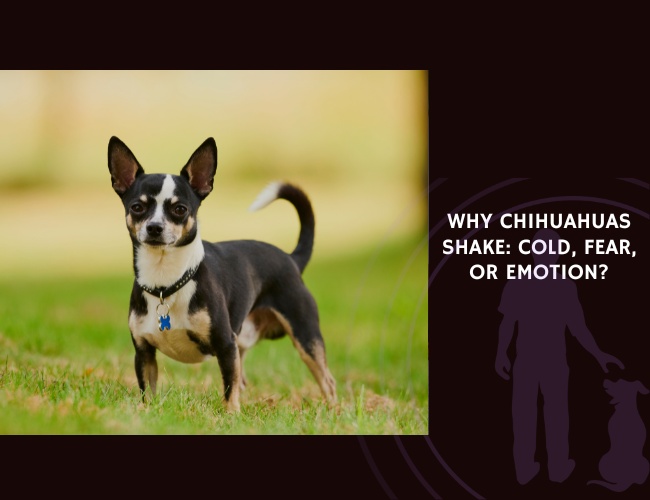
Understanding Thermoregulation, Micro-Dog Vulnerability, and Arousal-Based Trembling
If you’ve ever watched your tiny Chihuahua tremble and wondered whether something was wrong, you’re certainly not alone. That distinctive shake—sometimes gentle, sometimes intense—is one of the most recognizable behaviors of this beloved miniature breed. But what does it actually mean? Is your little companion cold, frightened, overwhelmed with joy, or perhaps trying to tell you something else entirely?
The truth is wonderfully complex. Chihuahua shaking represents a multifaceted communication system that weaves together physiology, emotion, environment, and the profound bond between you and your furry friend. Understanding why your Chihuahua trembles opens the door to deeper empathy, more effective care, and a relationship built on genuine understanding rather than misinterpretation.
In this comprehensive guide, we’ll explore the science behind those shivers, help you distinguish between different types of trembling, and offer insights into how your own behavior shapes your Chihuahua’s emotional world. Whether your tiny companion shakes from the chill of a cool morning, the thrill of your homecoming, or the uncertainty of an unfamiliar situation, you’ll learn to read these signals with confidence and respond in ways that truly support their wellbeing. 🧡
Miniature Physiology and Thermoregulation
The Science of Staying Warm in a Tiny Body
Your Chihuahua’s body faces a thermal challenge that larger breeds simply don’t experience. To understand why, we need to explore a fundamental principle of physics: the surface-area-to-volume ratio. In smaller bodies, this ratio is significantly higher, meaning a greater proportion of your Chihuahua’s body is exposed directly to the environment. Think of it like comparing a small ice cube to a large block of ice—the small cube melts much faster because more of its surface interacts with the surrounding air.
This anatomical reality means your Chihuahua loses body heat through multiple pathways at a rate that would astonish owners of larger breeds:
- Convection — warm air rises away from their body surface, constantly replaced by cooler air
- Conduction — direct heat transfer to cold surfaces they contact, like tile floors or outdoor ground
- Radiation — heat energy radiating outward from their small body into the surrounding environment
- Evaporation — moisture loss from breathing and any dampness on their coat carries heat away
Their reduced body mass provides less tissue to generate and store heat, creating a perpetual thermoregulatory challenge. What feels like a pleasant room temperature to you—or even to a Labrador lounging nearby—might be genuinely chilly for your miniature companion.
When ambient temperatures drop below their comfort zone, your Chihuahua’s body activates its primary heat-generation mechanism: shivering. These involuntary muscle contractions produce warmth, but they also represent significant energy expenditure. Your Chihuahua isn’t being dramatic—they’re working hard just to maintain their core body temperature.
Contributing Factors to Thermal Sensitivity
Several physiological characteristics compound this thermal vulnerability. Body fat percentage plays a crucial role, as fat serves as natural insulation. Chihuahuas typically carry less body fat than many other breeds, reducing their thermal buffer against environmental cold. Without this protective layer, heat escapes more readily through their skin.
Coat thickness varies considerably among Chihuahuas, but many possess short, single-layer coats that offer minimal insulation. Unlike breeds with dense double coats that trap warm air close to the skin, your smooth-coated Chihuahua lacks this built-in thermal protection. Even long-coated Chihuahuas rarely develop the dense undercoat that provides serious cold protection.
Metabolic rate presents an interesting paradox. Small dogs generally have higher basal metabolic rates per unit of body mass, which does generate heat. However, this increased metabolic activity simply cannot compensate for the rapid heat loss created by their body proportions and limited insulation. Their metabolism works constantly to address this thermal disadvantage, explaining why Chihuahuas often seem to have such voracious appetites relative to their size.
Understanding these biological realities transforms how you view your Chihuahua’s cold-weather trembling. This isn’t a behavioral quirk or an attempt to manipulate you into providing extra blankets—it’s a genuine physiological response to environmental conditions that challenge their small bodies. Appropriate clothing, warm bedding, and mindful temperature management become acts of genuine care rather than mere indulgence. 🐾
Fear, Anticipation, and Stress Tremors
Recognizing Fear-Based Arousal
Beyond thermoregulation, shaking in Chihuahuas frequently signals fear-based arousal—a stress response that activates their entire nervous system. Learning to recognize when trembling reflects genuine distress allows you to respond appropriately and help your companion feel safe.
Common fear triggers for Chihuahuas include:
- Strangers — unfamiliar people, especially those who approach quickly, make sudden movements, or loom over them
- Loud noises — thunder, fireworks, vacuum cleaners, construction sounds, and unexpected household noises
- Unfamiliar environments — new places with novel sights, sounds, and smells that overwhelm processing capacity
- Perceived physical threats — large dogs approaching, children running toward them, startling shadows or movements
- Confinement without escape — situations where retreat feels impossible, intensifying the stress response
From your Chihuahua’s ground-level perspective, a rapidly approaching human represents an enormous, potentially threatening presence. Their trembling in these moments communicates genuine uncertainty about their safety. Your Chihuahua’s acute hearing may make sounds even more jarring than you realize, and their small size leaves them feeling powerless against overwhelming stimulation.
The Nature of Anticipatory Anxiety
Interestingly, shaking can emerge not just from active fear but from the anticipation of fear. Your Chihuahua might start trembling when you pick up the leash, not because the leash itself frightens them, but because they anticipate encountering triggers during the walk.
Common anticipatory triggers include:
- Picking up the leash before walks where triggers are expected
- Hearing a specific car engine associated with an unwanted visitor
- Preparation sounds for veterinary visits (carrier appearing, keys jingling)
- Time of day when stressful events typically occur
- Your own body language when you’re preparing for something they find challenging
This anticipatory response represents sophisticated emotional processing. Your Chihuahua isn’t simply reacting to immediate stimuli—they’re predicting future experiences and responding emotionally to those predictions. This capacity for anticipation, while demonstrating impressive cognitive ability, can also create prolonged stress states when your dog spends significant time anticipating negative experiences.
Limited Escape and Sensory Overwhelm
Your Chihuahua’s small stature profoundly shapes their perception of escape options. When they feel trapped—whether physically cornered or simply surrounded by larger beings—their stress response intensifies dramatically. The trembling you observe in these moments communicates a desperate desire for safety and an inability to achieve it through their own efforts.
Sensory overwhelm compounds this vulnerability. Crowded spaces, busy streets, multiple conversations happening simultaneously, various competing smells—each additional sensory input demands processing capacity. Your Chihuahua’s nervous system, already operating at heightened vigilance due to their physical vulnerability, quickly becomes saturated. The resulting trembling reflects a system operating beyond its comfortable capacity. This sensitivity to environmental stressors, particularly during developmental periods, can shape lasting patterns of emotional response.
Excitement and Emotional Overflow
When Joy Becomes Too Big to Contain
Here’s something that surprises many Chihuahua owners: trembling doesn’t always signal distress. Positive arousal—intense excitement, joy, and anticipation of wonderful things—can produce trembling that looks remarkably similar to fear-based shaking. Understanding this distinction prevents misinterpretation and allows you to celebrate your dog’s happiness rather than worry unnecessarily.
Common excitement triggers that produce trembling include:
- Food anticipation — sight of their bowl, sound of a treat bag, smell of something delicious
- Reunion joy — your return home after any absence, whether eight hours or eight minutes
- Play excitement — prospect of a favorite game, beloved toy, or welcome playmate
- Adventure anticipation — car rides they love, walks to favorite locations, visits to adored people
- Attention from favorites — greeting by specific humans they’re particularly bonded with
Each of these can activate such intense positive arousal that your Chihuahua’s body simply can’t contain the emotion quietly. They vibrate with anticipation. This trembling typically accompanies other positive body language: a wildly wagging tail, soft eyes, relaxed ears, and an overall posture of delighted approach.
Emotional Spikes and Regulation Thresholds
Your Chihuahua appears to experience emotional spikes that genuinely overwhelm their physiological regulation systems. Their small nervous systems may be more prone to rapid, intense activation in response to stimuli—both positive and negative.
The physiological cascade during emotional overflow:
- Rapid heart rate acceleration
- Adrenaline and cortisol release
- Heightened neural firing throughout the nervous system
- Increased muscle tension and activation
- Elevated respiratory rate
- Pupil dilation and sensory heightening
- Blood flow redistribution to major muscle groups
When emotion reaches high intensity, their bodies struggle to contain this cascade. Involuntary muscle tremors emerge as an overflow mechanism, a physical expression of emotion that’s simply too big to stay inside.
This suggests that Chihuahuas may have lower thresholds for emotional regulation compared to larger breeds. Where a Golden Retriever might express excitement through energetic behavior without trembling, your Chihuahua’s smaller system becomes so activated that trembling becomes inevitable.
Avoiding Misinterpretation
The similarity between excitement trembling and fear trembling creates significant potential for misinterpretation. Seeing your Chihuahua shake vigorously when you return home, you might assume they’re anxious or distressed, when they’re actually expressing overwhelming joy. This misreading can lead to inappropriate responses—excessive soothing, concerned hovering, or attempts to calm a dog who doesn’t need calming.
Differentiating requires careful attention to accompanying body language and context.
Fear trembling typically presents with:
- Tense, rigid body posture
- Tucked tail (often tight against belly)
- Flattened ears pressed back against head
- Whale eye (whites of eyes visible)
- Attempts to retreat, hide, or escape
- Appeasement behaviors (lip licking, yawning, looking away)
- Movement away from the stimulus
Excitement trembling typically presents with:
- Loose, wiggly body posture
- Wagging tail (often whole-body involvement)
- Relaxed or forward-facing ears
- Soft, bright eyes with relaxed expression
- Forward approach toward the stimulus
- Bouncing, dancing movements
- Open, relaxed mouth (sometimes appearing to “smile”)
Context provides additional clues. Is your Chihuahua trembling while approaching something they typically enjoy? That’s likely excitement. Are they trembling while attempting to create distance from something? That’s more likely fear. Reading the whole picture—body language, context, and behavioral intent—allows accurate interpretation. 😄
Pain and Medical Considerations
Health Conditions That Cause Trembling
Before attributing your Chihuahua’s trembling entirely to emotional or thermal causes, it’s essential to consider potential medical contributors. Several health conditions common in this breed can manifest through trembling, making veterinary evaluation important for any unexplained or changing tremor patterns.
Medical conditions commonly causing trembling in Chihuahuas:
- Hypoglycemia — low blood sugar causing weakness, lethargy, disorientation, and tremors; particularly risky in puppies, seniors, or dogs who miss meals
- Dental pain — periodontal disease, tooth decay, or abscesses creating chronic discomfort; watch for trembling during eating or when mouth area is touched
- Patella luxation — kneecap slipping out of position causing pain and instability; often accompanied by skipping steps or reluctance to jump
- Tracheal collapse — weakened windpipe causing coughing, gagging, respiratory distress; the characteristic “honking” cough often accompanies trembling
- Generalized pain — arthritis, injury, or internal discomfort from various sources
- Neurological disorders — conditions affecting the nervous system directly
- Kidney disease — metabolic imbalances affecting overall system function
- Toxin exposure — ingestion of harmful substances
- Medication reactions — side effects from prescribed or accidental medication exposure
Any sudden change in trembling patterns, trembling that seems unconnected to obvious environmental triggers, or trembling accompanied by other symptoms deserves professional assessment.
Pain Flares and Misidentification
Sudden, intense bursts of trembling can signal acute pain flares rather than behavioral responses to external stimuli.
Signs that trembling may indicate a pain flare:
- Sudden onset without obvious environmental trigger
- Trembling that follows specific movement or position change
- Vocalization (yelp, whimper) accompanying the trembling
- Reluctance to repeat the movement that preceded trembling
- Guarding or protecting a specific body area
- Change in posture immediately before trembling began
- Trembling that doesn’t respond to environmental changes
A Chihuahua with arthritis might experience a sudden jolt of pain when moving in a certain way, producing immediate trembling. A dog with patella luxation might tremble intensely when the kneecap slips. These episodes can easily be misattributed to behavioral causes—you might think your dog is reacting fearfully to a sound when they’re actually experiencing physical discomfort.
This misidentification matters because it shapes your response. If you believe the trembling is fear-based, you might focus on environmental modifications and reassurance. If the actual cause is pain, your dog needs medical attention, pain management, and possibly treatment for the underlying condition.

How Chronic Pain Lowers Coping Thresholds
Chronic pain or persistent discomfort significantly affects your Chihuahua’s overall stress threshold. A dog experiencing constant low-grade pain exists in a heightened state of physiological arousal. Their nervous system remains activated, their resources depleted by ongoing pain management. This elevated baseline means that even minor additional stressors—a slightly cool room, a moderately loud noise, a mild emotional trigger—can push them past their coping capacity, resulting in trembling.
Think of it like a glass that’s already three-quarters full. A dog without chronic pain has significant capacity to absorb additional stress before overflowing. A dog with chronic pain starts with far less buffer, making overflow—expressed as trembling—much more easily triggered. Addressing underlying pain conditions often produces dramatic improvements in overall trembling frequency, even in situations that seem emotionally rather than physically triggered.
Stress Accumulation and Sensory Overload
Understanding Micro-Dog Vulnerability
Your Chihuahua experiences the world from a fundamentally different perspective than larger dogs—and certainly different from your own human viewpoint. From their ground-level position, surrounded by beings many times their size, the world presents as larger, louder, faster, and more potentially threatening. This perspective shapes their vulnerability to sensory overwhelm.
Sources of sensory overwhelm for Chihuahuas:
- Rapid movement — people walking briskly, children running, other dogs bounding toward them; each represents mass that must be assessed for threat
- Auditory intensity — traffic, household appliances, conversations at normal volume; their acute hearing makes these sounds louder than you perceive
- Visual scale — being surrounded by beings three to four times their height creates constant awareness of size differential
- Spatial crowding — multiple people or animals in close proximity, limiting perceived escape routes
- Novel sensory input — new environments presenting unfamiliar combinations of sights, sounds, and smells simultaneously
Their small size means they cannot easily deflect, redirect, or withstand impact, making rapid movement inherently more concerning. What functions as pleasant background noise for you might create significant auditory stress for your tiny companion. The sense of being overwhelmed and lacking control triggers protective stress responses.
Trigger Stacking and Heightened Vigilance
Trigger stacking refers to the accumulation of multiple stressors over time, where each individual stressor adds to overall arousal levels. A single mild stressor might be easily managed, but multiple stressors occurring in sequence—or simultaneously—can quickly exceed coping capacity.
Your Chihuahua’s potentially heightened baseline vigilance means they begin each day with their stress glass already partially filled. Their nervous system maintains alert status as a protective strategy, constantly scanning for potential threats. This vigilance, while adaptive for survival, means they reach their coping limit faster than larger, less vigilant breeds.
Example of trigger stacking in action:
- Morning: Garbage truck rumbles past (minor stressor, partially fills the stress glass)
- Mid-morning: Mail carrier approaches the door (another addition to arousal level)
- Noon: Child visits and moves unpredictably through the house (glass filling further)
- Afternoon: Doorbell rings unexpectedly (final trigger that overflows capacity)
Each event, individually manageable, accumulates to produce trembling. A larger, less vigilant dog might process these events individually without reaching visible stress response. Your Chihuahua, starting from higher baseline arousal and with lower coping thresholds, reaches overflow much sooner.
The Paradox of Vertical Positions
Being held high up, while often intended as protective and comforting, can paradoxically increase your Chihuahua’s stress and provoke trembling. From an elevated position in your arms, your dog loses connection to their natural ground-level perspective. They cannot easily escape, hide, or assess threats on their own terms. Control over their movement and position transfers entirely to you.
This lack of autonomy, combined with the wider sensory view from height, can create significant unsettlement. Your Chihuahua might see more potential threats from this vantage point while simultaneously feeling unable to respond to any of them. The resulting helplessness triggers protective trembling as their body responds to perceived vulnerability.
Understanding this paradox helps you make thoughtful choices about when and how to hold your Chihuahua. Sometimes elevation provides genuine comfort, particularly when ground-level threats exist. Other times, allowing them to remain on the ground—or providing a secure, enclosed space—better supports their sense of safety and control. 🧡
Tiny. Tense. Telling.
Shivering protects survival.
Your Chihuahua’s trembling isn’t theatrics—it’s a natural response to intense heat loss, where a miniature body works overtime to maintain warmth in a world scaled for larger creatures.
Emotion amplifies arousal.
Fear, excitement, or uncertainty can trigger the same rapid muscle contractions, turning internal tension into visible trembling that reveals their heightened sensitivity.

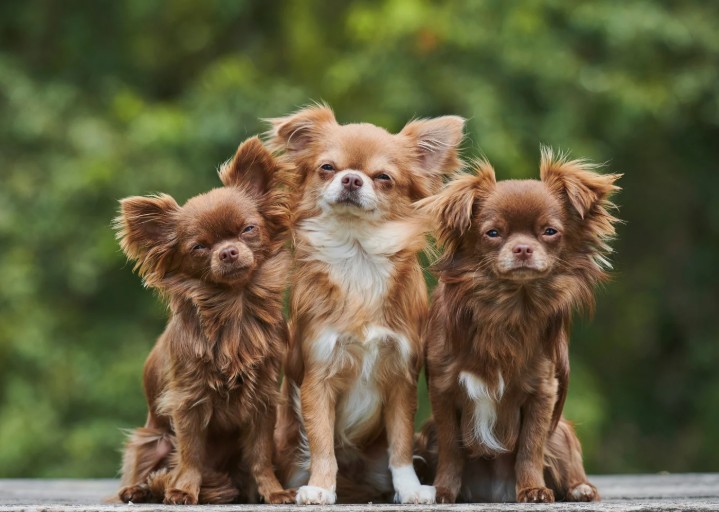
Your presence changes regulation.
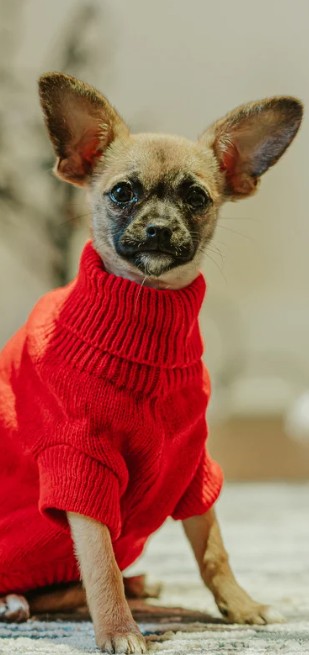
When you offer warmth, predictability, and calm energy, their nervous system steadies, and those tiny shakes shift from distress signals into moments of grounded security.
Recovery and Decompression
Understanding Cortisol Clearance Time
When your Chihuahua experiences stress-induced trembling, their body doesn’t simply return to baseline the moment the stressor disappears. The physiological cascade triggered by fear, overwhelm, or anxiety involves hormonal changes—particularly the release of cortisol and adrenaline—that require significant time to clear from their system. Understanding this recovery timeline transforms how you structure your Chihuahua’s experiences and explains why some days seem harder than others.
Cortisol, often called the stress hormone, serves important functions during acute stress but creates problems when it remains elevated. In dogs, cortisol levels can take anywhere from 40 minutes to several hours to return to baseline after a stressful event, depending on the intensity and duration of the stressor. For Chihuahuas, with their heightened sensitivity and lower regulation thresholds, this clearance process may sit at the longer end of that range.
During this recovery period, your Chihuahua remains in a sensitized state. Their nervous system hasn’t fully reset, their threshold for additional stress remains lowered, and they’re more likely to respond to minor triggers with trembling or other stress behaviors. What might normally be a manageable stimulus becomes overwhelming when encountered before full recovery has occurred.
🐕 Why Chihuahuas Shake: A Complete Guide 🐕
Understanding Thermoregulation, Fear Response & Emotional Communication in Your Tiny Companion
Phase 1: Thermoregulation
The Physics of Staying Warm🧠 The Science
Chihuahuas have a high surface-area-to-volume ratio, causing rapid heat loss. Their small body mass and often sparse coats provide minimal insulation, making shivering a necessary heat-generation mechanism at temperatures larger breeds find comfortable.
📋 Heat Loss Pathways
• Convection — warm air rises away from body surface
• Conduction — direct heat transfer to cold surfaces
• Radiation — heat energy radiating outward
• Evaporation — moisture loss carries heat away
✅ Your Response
Provide warm bedding, well-fitted sweaters, and maintain comfortable indoor temperatures. Remember: your comfort zone differs from theirs—what feels pleasant to you may be chilly for your Chihuahua.
Phase 2: Fear-Based Trembling
Recognizing Stress Responses🧠 Common Fear Triggers
• Strangers — especially those who approach quickly or loom over
• Loud noises — thunder, fireworks, vacuum cleaners
• Unfamiliar environments — novel sights, sounds, smells
• Perceived threats — large dogs, running children
👀 Fear Body Language
• Tense, rigid body posture
• Tucked tail (tight against belly)
• Flattened ears pressed back
• Whale eye (whites visible)
• Attempts to retreat, hide, or escape
✅ Your Response
Increase distance from triggers, provide calm presence, allow retreat to safe spaces. Avoid flooding or forced exposure—your steady, regulated presence is their anchor.
Phase 3: Excitement Trembling
When Joy Overflows🧠 The Science
Chihuahuas have lower emotional regulation thresholds than larger breeds. Positive arousal can overwhelm their small nervous systems, causing involuntary tremors as an overflow mechanism—emotion that’s simply too big to stay inside.
🐾 Excitement Body Language
• Loose, wiggly body posture
• Wagging tail (often whole-body)
• Relaxed or forward-facing ears
• Soft, bright eyes
• Forward approach toward stimulus
⚠️ Common Misinterpretation
Don’t mistake excitement for fear! A Chihuahua trembling at your return may be expressing overwhelming joy, not anxiety. Excessive soothing can confuse the emotional signal.
Phase 4: Medical Causes
When Trembling Signals Health Issues⚠️ Breed-Specific Health Concerns
• Hypoglycemia — low blood sugar, especially in puppies/seniors
• Dental pain — periodontal disease, tooth decay
• Patella luxation — kneecap slipping out of position
• Tracheal collapse — weakened windpipe causing respiratory distress
🔍 Pain Flare Indicators
• Sudden onset without environmental trigger
• Trembling following specific movements
• Vocalization accompanying the trembling
• Guarding specific body areas
• Doesn’t respond to environmental changes
✅ When to See a Vet
Seek veterinary evaluation for sudden changes in trembling patterns, trembling unconnected to obvious triggers, or trembling with other symptoms like lethargy or appetite changes.
Phase 5: Trigger Stacking
Understanding Cumulative Stress🧠 The Stress Glass Concept
Chihuahuas begin each day with their “stress glass” already partially filled due to heightened baseline vigilance. Each stressor adds to the level until it overflows into trembling—even from seemingly minor triggers.
📋 Example Trigger Stack
1. Morning: Garbage truck rumbles past
2. Mid-morning: Mail carrier approaches
3. Noon: Child visits, moves unpredictably
4. Afternoon: Doorbell rings → OVERFLOW
✅ Prevention Strategy
Avoid stacking multiple challenging experiences in a single day. Buffer stressful events with recovery time and maintain predictable, calm routines.
Phase 6: Recovery & Decompression
Cortisol Clearance Time🧠 The Science
Cortisol levels take 40 minutes to several hours to return to baseline after stress. During this period, your Chihuahua remains sensitized—minor triggers can cause disproportionate responses.
✅ Effective Decompression
• Quiet, low-stimulation environments
• Gentle sniffing walks at their pace
• Licking activities (lick mats)
• Safe chewing opportunities
• Your calm, quiet companionship
• Protected rest without interruption
👀 Signs of Incomplete Recovery
Increased startle responses, unusual clinginess, restlessness, appetite changes, or trembling at lower-intensity triggers than usual.
Phase 7: Human Influence
How Your Responses Shape Behavior⚠️ Responses That Reinforce Trembling
• Immediately picking up your Chihuahua
• Excessive verbal soothing
• Offering treats to distract
• Removing them from every situation
• Expressing your own anxiety
🧠 Your Emotional State Matters
Dogs read human emotions through posture, movement, voice tone, breathing, and even biochemistry. Your calm, regulated presence provides a template they synchronize with.
✅ Balanced Response
Calibrate your response to match the situation. Offer steady, calm presence rather than rushing to rescue at every tremor. Allow opportunities for building independent coping skills.
Phase 8: The 10-Second Assessment
Reading Trembling in Real Time🧠 Quick Assessment Framework
Seconds 1-3: Environmental Scan — Temperature? Recent events? Context?
Seconds 4-7: Body Language — Posture? Tail? Ears? Eyes?
Seconds 8-10: Behavioral Intent — Approaching? Retreating? Frozen?
📋 Key Questions
• What’s the temperature?
• What just happened?
• What’s my emotional state?
• When did they last eat?
• Have there been other stressors today?
✅ Respond Appropriately
Cold → Provide warmth. Fear → Create distance, calm presence. Excitement → Proceed with activity. Pain suspected → Veterinary evaluation.
📊 Trembling Types at a Glance
🌡️ Cold-Induced
Context: Below 65-70°F, drafty areas, wet coat
Body: Otherwise relaxed, normal posture
Behavior: Seeking warmth, burrowing
Response: Provide warmth immediately
😰 Fear-Based
Context: Strangers, noises, unfamiliar places
Body: Tense, tucked tail, flat ears
Behavior: Retreating, hiding, freezing
Response: Distance from trigger, calm presence
🎉 Excitement
Context: Your return, mealtime, play
Body: Loose, wiggly, wagging tail
Behavior: Approaching, bouncing, dancing
Response: No intervention needed
🏥 Pain-Related
Context: No obvious trigger, after movement
Body: Hunched, guarding, reluctant to move
Behavior: Sudden onset, position-related
Response: Veterinary evaluation
😟 Anticipatory
Context: Before known stressors occur
Body: Tense, vigilant, watchful
Behavior: Pacing, unable to settle
Response: Reduce predictability of stressors
📚 Learned/Reinforced
Context: When wanting attention/comfort
Body: May appear exaggerated
Behavior: Directed at you, seeking response
Response: Examine reinforcement patterns
⚡ Quick Reference Rules
The Temperature Rule: Below 65°F = likely cold-induced trembling
The Direction Rule: Moving toward = excitement | Moving away = fear
The Context Rule: Positive event anticipated = excitement | Negative event anticipated = fear
The Recovery Rule: Cortisol needs 40+ minutes to clear—avoid stacking stressors
The Medical Rule: No obvious trigger + sudden onset = consider pain
🧡 The Zoeta Dogsoul Perspective
Your trembling Chihuahua isn’t broken, dramatic, or manipulative—they’re communicating in the language available to them. Through the NeuroBond approach, we understand that emotional stability transfers through calm, predictable human presence. Your regulated state becomes their template for regulation.
The Invisible Leash reminds us that connection, not control, guides the path. Maintain availability while allowing your Chihuahua to develop their own coping capacity. And in moments of Soul Recall, watch how their history of secure connection with you helps regulate their present emotional state.
That balance between science and soul—understanding physiology while honoring emotion—that’s how we build confident, resilient companions.
© Zoeta Dogsoul – Where neuroscience meets soul in dog training
Why Back-to-Back Stressors Are Particularly Problematic
This cortisol clearance reality explains why back-to-back stressors create disproportionate impact for Chihuahuas. When a second stressor arrives before the first has been fully processed, your dog faces it with depleted resources and elevated baseline arousal. The cumulative effect isn’t additive—it’s multiplicative.
Consider a typical scenario: your Chihuahua trembles during a morning veterinary visit, then encounters a loud delivery truck on the walk home, then meets an unfamiliar guest who arrives that afternoon. Each event individually might be manageable. But stacked together without adequate recovery time, each subsequent stressor hits a system that hasn’t recovered from the previous one. By the time the guest arrives, your Chihuahua may respond with intense trembling to what would normally be a minor social challenge.
This pattern helps explain why some days your Chihuahua seems particularly reactive or why trembling appears “out of nowhere” in response to seemingly minor triggers. The visible trigger may be minor, but it’s landing on a system already taxed by earlier, perhaps unnoticed, stressors. The trembling you observe reflects cumulative load, not just immediate cause.
Supporting the Recovery Process
Knowing that recovery takes time allows you to actively support your Chihuahua’s decompression after stressful experiences. The goal is creating conditions that facilitate cortisol clearance rather than adding additional arousal during the recovery window.
Effective decompression strategies:
- Quiet environments — calm, familiar spaces without additional demands or stimulation
- Gentle sniffing walks — slow, meandering explorations where your Chihuahua sets the pace and investigates scents at will
- Licking activities — lick mats with a small amount of appropriate food engage calming neural pathways
- Safe chewing — appropriate chews activate the parasympathetic nervous system
- Calm companionship — your quiet presence nearby, speaking in soft tones, maintaining relaxed body language
- Protected rest — access to comfortable, secure sleeping spaces without interruption
- Reduced scheduling — skipping non-essential activities to allow system recovery
Your own calm presence matters enormously during recovery periods. Your regulated state provides a template for co-regulation, helping your Chihuahua’s system settle more quickly than it would in isolation.
Planning Around Recovery Needs
Understanding cortisol clearance time enables proactive planning that protects your Chihuahua from cumulative stress overload. When you know a potentially stressful event is coming—a veterinary appointment, travel, visitors, or any known trigger—you can buffer that event with low-demand time on either side.
Schedule stressful activities with recovery time built in. If possible, avoid stacking multiple challenging experiences in a single day or even consecutive days. When stacking is unavoidable, recognize that your Chihuahua may need extra support and lower your expectations for their coping capacity.
Signs your Chihuahua hasn’t fully recovered from previous stress:
- Increased startle responses to minor stimuli
- Trembling at lower-intensity triggers than usual
- Unusual clinginess or following you more closely
- Restlessness and inability to settle
- Changes in appetite (decreased interest in food)
- Sleep disturbances or unusual sleep patterns
- Heightened vigilance and scanning behavior
- Quicker escalation to full stress response
These signals suggest their system remains activated and needs additional recovery time before facing new challenges.
This understanding shifts perspective from viewing your Chihuahua’s stress responses as character flaws or behavioral problems to recognizing them as predictable physiological processes that can be managed through thoughtful environmental design. You become an active partner in their regulation rather than a confused observer of their distress. 🐾

Human Influence and Reinforcement Patterns
How Well-Intentioned Responses Shape Behavior
Your responses to your Chihuahua’s trembling, however well-intentioned, powerfully shape whether and how often that trembling occurs. Understanding reinforcement patterns allows you to respond in ways that support genuine wellbeing rather than inadvertently maintaining or increasing trembling behavior.
When your Chihuahua trembles and you immediately respond with soothing, picking up, and petting, you create an association: trembling produces desired outcomes. From your dog’s perspective, the sequence teaches that shaking brings attention, comfort, physical closeness, or removal from unpleasant situations.
Common human responses that can reinforce trembling:
- Immediately picking up your Chihuahua
- Excessive verbal soothing (“Oh poor baby, it’s okay!”)
- Offering treats to distract from the trembling
- Removing them from any situation where they tremble
- Petting and cuddling in response to shaking
- Expressing concern or anxiety yourself (which they perceive)
- Canceling activities because of trembling
Even if the initial trembling was purely involuntary—a response to cold or genuine fear—this reinforcement can transform it into a learned communication tool. Your Chihuahua may begin using trembling strategically, shaking to solicit attention when they want it, to request being picked up, or to signal that they’d like to leave a situation. This isn’t manipulation in any conscious, calculating sense—it’s simply learned behavior, the natural result of consistent reinforcement.
The Impact of Anthropomorphic Labeling
How you frame your Chihuahua’s trembling affects how you respond—and thus how the behavior develops over time. Labeling trembling as “cute” or “pitiful” often leads to responses that reinforce and strengthen the behavior. If you find the trembling endearing and respond with extra cuddles, treats, or verbal reassurance, your dog learns that this behavior reliably produces positive outcomes.
This creates a feedback loop: trembling brings rewards, rewards encourage trembling, increased trembling brings more rewards. Your Chihuahua may consciously or unconsciously increase trembling frequency and intensity to maintain access to these desired responses. Over time, what began as an involuntary physiological response becomes an established behavioral pattern.
Reframing trembling as communication rather than cuteness allows more helpful responses. Your Chihuahua is telling you something about their internal state—they might be cold, frightened, excited, or in pain. The appropriate response depends on what they’re actually communicating, not on how adorable the trembling appears.
Breaking the Hyper-Attentive Care Cycle
Hyper-attentive care—constant vigilance over your Chihuahua’s emotional state with immediate intervention at any sign of distress—can inadvertently maintain emotional trembling. When any slight tremor immediately summons human assistance, your dog may develop dependency on this external regulation. They learn that trembling brings help, reducing motivation to develop independent coping skills.
This pattern prevents your Chihuahua from building resilience and self-soothing capacity. They become increasingly reliant on you to manage their emotional states, and their tolerance for even mild discomfort decreases. Trembling becomes not just a response to distress but a primary mode of interaction and emotional expression.
Breaking this cycle requires allowing your Chihuahua opportunities to experience mild discomfort and discover their own capacity to cope. This doesn’t mean ignoring genuine distress or withholding comfort during truly frightening experiences. Rather, it means calibrating your responses to match the intensity of the situation—offering steady, calm presence rather than rushing to rescue at the first sign of a tremor.
Attachment, Protection, and Safety Signals
The Role of Secure Attachment
Highly attached Chihuahuas, particularly those with insecure attachment patterns, show increased trembling in situations that challenge their perceived security. The strength and style of attachment between you and your Chihuahua profoundly influences their baseline anxiety levels and their responses to potentially stressful situations.
Attachment-related trembling triggers:
- Separation — even brief absences can activate separation anxiety in insecurely attached dogs
- Divided attention — when you’re engaged with work, another person, or another pet
- Your emotional state changes — stress, anger, sadness, or anxiety that they perceive but don’t understand
- Inconsistent availability — unpredictable patterns of presence and attention
- Physical distance — being in a different room or out of sight
- Changes in routine — disruptions to expected patterns of interaction
Dogs with insecure attachment may experience your absence as genuinely threatening, activating separation anxiety that manifests through trembling, vocalizing, and other distress behaviors. Without understanding the cause of your mood changes, they may tremble from uncertainty about what your emotional state means for them, reflecting absence of clear safety signals.
The Cost of Over-Protection
Chihuahuas whose humans consistently manage challenging situations for them may tremble when suddenly required to operate independently. If you always carry your Chihuahua past other dogs, they may tremble intensely when placed on the ground and expected to walk past another dog themselves. They haven’t developed the skills or confidence to navigate such situations because they’ve never needed to.
Consequences of chronic over-protection:
- Reduced confidence in independent navigation
- Heightened anxiety when protection is unavailable
- Smaller “comfort zone” requiring more intervention
- Dependency on human buffering for routine situations
- Increased trembling when facing normal challenges alone
- Limited development of self-soothing capabilities
- Generalized fearfulness beyond original triggers
This over-protection, while arising from genuine love and desire to prevent distress, ultimately increases your Chihuahua’s vulnerability. By buffering them from all challenges, you prevent them from building coping capacity. Their world shrinks to what you can protect them from, and anything outside that protection feels overwhelming.
The Invisible Leash approach offers a different path—maintaining connection and availability while allowing your Chihuahua to navigate appropriate challenges. You remain their secure base, ready to help when genuinely needed, while giving them opportunities to discover their own capabilities.
Boundary Confusion and Canine Identity
When Chihuahuas are treated more like human infants than dogs, boundary confusion develops that increases low-confidence trembling. Dogs need clear canine boundaries, expectations, and opportunities to engage in species-typical behaviors. Without these, they lack the internal resources to navigate situations where self-assertion or independent action would normally occur.
A dog who has been infantilized—carried everywhere, protected from all challenges, never expected to walk on their own feet or cope with mild stress—lacks the self-efficacy that dogs naturally develop through appropriate challenges. They become overly reliant on human direction and tremble when that direction is absent, unclear, or insufficient for the situation at hand.
Species-typical behaviors that build Chihuahua confidence:
- Walking on their own feet (at their own pace)
- Sniffing and exploring their environment
- Making choices about direction and investigation
- Experiencing and overcoming minor frustrations
- Navigating small obstacles independently
- Meeting appropriate social challenges with support available
- Problem-solving for treats or toys
- Establishing their own resting spots
Allowing your Chihuahua to be a dog—to walk, sniff, explore, make choices, experience minor frustrations, and build skills—supports their confidence and reduces trembling rooted in low self-efficacy. This doesn’t mean abandoning them to overwhelming challenges, but rather providing graduated exposure to manageable situations where they can succeed and grow.
The NeuroBond Perspective: Shaking as Communication
Understanding Emotional State Transmission
The NeuroBond framework emphasizes the profound impact of your bond with your Chihuahua on their emotional and physiological regulation. From this perspective, shaking serves as direct communication of internal state—often reflecting dysregulation within their arousal systems that seeks correction through connection with you.
Your own emotional state powerfully influences your Chihuahua’s regulation capacity. Dogs read human emotions with remarkable accuracy, and your internal state transmits through multiple channels:
- Posture — tension or relaxation in your body that they observe and mirror
- Movement patterns — jerky, rushed movements versus calm, fluid motion
- Voice tone — pitch, speed, and tension in your speech
- Breathing rhythm — rapid, shallow breathing versus slow, deep breaths
- Biochemistry — stress hormones you release that they can detect
- Facial expression — micro-expressions they read with surprising accuracy
- Touch quality — tense, gripping holds versus relaxed, supportive contact
A calm, emotionally regulated human presence provides a template for regulation that your Chihuahua can synchronize with.
Emotional clarity from you creates predictable, stable environmental conditions. When you consistently exhibit calm, confident behavior, this functions as a powerful safety signal for your Chihuahua. Your regulated state helps downregulate their fear response, reducing the need for trembling as distress expression. Conversely, if you’re anxious, reactive, or emotionally inconsistent, your dog may experience heightened baseline anxiety as they attempt to track and predict your unpredictable states.
Structured Proximity as Stabilization
Structured proximity offers a middle path between over-protection and abandonment—providing consistent, predictable, reassuring presence without preventing your Chihuahua from developing independent coping capacity.
Elements of structured proximity:
- Being physically present without hovering anxiously
- Responding to genuine distress while allowing mild discomfort
- Providing a secure base they can return to when needed
- Allowing exploration within safe parameters
- Offering guidance without taking over completely
- Maintaining calm presence during challenging moments
- Supporting without rescuing at every tremor
This approach means being available for comfort and guidance when genuinely needed while allowing appropriate opportunities for independent exploration and problem-solving.
Through structured proximity, you foster secure attachment where your Chihuahua feels safe and supported yet also possesses confidence in their own abilities. This security reduces the likelihood of extreme arousal spikes that manifest as trembling. Your dog learns they can rely on you when truly needed while also developing faith in their capacity to navigate their environment.
Soul Recall moments emerge naturally in this framework—those instances when emotional memory and current experience intertwine, when your Chihuahua draws on their history of secure connection with you to regulate their present emotional state. These moments represent the deep relational bonding that transforms a dog-human relationship from mere companionship into genuine partnership.
The Impact of Predictable Human Behavior
Predictable human posture, movement, and interaction patterns significantly reduce sensory overwhelm and tremor frequency in Chihuahuas. Erratic movements, sudden loud voices, and inconsistent responses create environmental unpredictability that a sensitive Chihuahua must constantly monitor and assess. This vigilance exhausts their coping resources and maintains elevated arousal.
Elements of predictable, calming human behavior:
- Calm, fluid movements rather than sudden, jerky motion
- Steady voice tone and moderate volume
- Consistent daily routines and schedules
- Predictable responses to their behaviors
- Gradual transitions between activities
- Warning signals before necessary changes (picking up, moving locations)
- Reliable patterns of availability and attention
A human who moves calmly, speaks in steady tones, and maintains consistent routines creates stability that allows your Chihuahua’s nervous system to relax. This predictability reduces the constant vigilance required to track potential threats, freeing resources for regulation rather than monitoring. The resulting lowered baseline arousal means your Chihuahua reaches their trembling threshold less frequently.
This doesn’t mean you must never move quickly or speak loudly. Rather, it means cultivating general patterns of calm, predictable interaction while ensuring that inevitable variations don’t signal threat. Your Chihuahua learns to trust that your raised voice during a phone call doesn’t threaten them, that your quick movement toward the door doesn’t mean danger—because your overall pattern communicates safety.
Integrating Theoretical Understanding
Multiple Lenses for Complex Behavior
Understanding Chihuahua trembling fully requires integrating insights from multiple theoretical frameworks, each illuminating different aspects of this multifaceted behavior.
Theoretical frameworks for understanding trembling:
- Affective neuroscience — trembling reflects activation of primary emotional systems (FEAR, PANIC/GRIEF, SEEKING)
- Micro-dog physiology — thermoregulatory fragility due to size, surface area, and coat characteristics
- Stress and coping models — tremors emerge when cumulative stress exceeds coping capacity
- Pain and medical frameworks — subclinical discomfort lowers thresholds and directly causes trembling
- Learning theory — human reinforcement shapes trembling as functional communication
- Attachment theory — security of bond influences baseline anxiety and stress responses
- NeuroBond model — emotional stability transfers through calm, predictable human presence
Affective neuroscience reveals how trembling aligns with primary emotional systems. Fear-based shaking reflects activation of the FEAR system—the ancient neural circuitry that generates defensive responses to perceived threats. Separation-related or distress-induced trembling connects to the PANIC/GRIEF system, which governs responses to social separation and loss. Even positive arousal engages the SEEKING system so intensely that tremors emerge when the emotional spike exceeds the miniature breed’s lower regulation thresholds. Chihuahuas may have more easily triggered or less modulated emotional systems, leading to faster transitions into tremor-producing states.
Micro-dog physiology directly addresses thermoregulatory fragility. Small body size, high surface-area-to-volume ratio, and often sparse coats make tremoring a natural—albeit energy-intensive—heat-generating behavior. This biological reality underlies a significant portion of cold-induced shaking and must be factored into any complete understanding.
Stress and coping models explain how tremors emerge when cumulative stress exceeds individual coping capacity. For Chihuahuas, inherent vulnerabilities—sensory sensitivity, physical smallness, medical predispositions—mean they reach coping thresholds much more quickly than larger, more robust breeds. Trigger stacking becomes particularly relevant, illustrating how multiple minor stressors rapidly accumulate to produce trembling responses.
Pain and medical frameworks highlight the importance of ruling out underlying health issues. Subclinical discomfort or chronic pain, often subtle in toy breeds, can significantly lower overall stress thresholds and directly cause trembling that might otherwise be misattributed to behavioral causes.
Learning theory explains how human reinforcement shapes and maintains trembling as functional communication. If shaking consistently produces desired outcomes—attention, comfort, situation removal—the behavior becomes learned and integrated into your Chihuahua’s behavioral repertoire regardless of its original cause.
The Holistic View
The essence of Zoeta Dogsoul lies in integrating these perspectives into holistic understanding. Trembling in your Chihuahua rarely has a single cause—it emerges from the intersection of physiology, emotion, environment, health, learning history, and relationship dynamics. Effective response requires reading the whole picture rather than applying simplistic explanations.
Questions to ask when your Chihuahua trembles:
- What’s the ambient temperature? Could they be cold?
- What just happened in the environment? Any triggers?
- What’s my own emotional state right now?
- When did they last eat? Could blood sugar be low?
- Have they experienced other stressors today? (trigger stacking)
- Are there signs of physical discomfort? Pain indicators?
- What has trembling typically produced in the past? (reinforcement history)
- How have I been responding to trembling lately?
- Is this trembling pattern new or changed recently?
- What’s their overall body language telling me?
The answers inform appropriate response. Sometimes your Chihuahua needs warmth. Sometimes they need calm presence. Sometimes they need space to work through mild discomfort. Sometimes they need veterinary attention. Sometimes they need you to stop inadvertently reinforcing behavior that doesn’t serve them.
This multifaceted understanding transforms your relationship with your Chihuahua from one of confused reaction to one of informed, empathetic partnership. You become fluent in their communication, able to distinguish between different types of trembling and respond in ways that genuinely address their needs. 🐾
Practical Differentiation Guide
The First Ten Seconds: Reading Trembling in Real Time
All the theoretical understanding in the world means little if you can’t apply it in the moment when your Chihuahua starts shaking. This quick-reference guide helps you rapidly assess what’s happening and respond appropriately. Within the first ten seconds of noticing trembling, you can gather enough information to make an informed interpretation.
The 10-Second Assessment Framework:
- Seconds 1-3: Environmental Scan — Temperature? Recent events? Positive or negative context?
- Seconds 4-7: Body Language Check — Posture? Tail? Ears? Eyes? Mouth? Movement direction?
- Seconds 8-10: Behavioral Intent — Approaching? Retreating? Seeking you? Frozen?
Step One: Environmental Scan (2-3 seconds) Before focusing on your dog, quickly assess the environment. Is it cold? Has something just happened—a noise, arrival of a person or animal, change in the situation? Is this a context associated with positive experiences (mealtime, your return home, preparation for a favorite activity) or potentially threatening ones (unfamiliar location, presence of strangers, proximity to known fear triggers)?
Step Two: Body Language Assessment (3-4 seconds) Now observe your Chihuahua’s overall body posture and expression. Are they loose and wiggly or tight and tense? Is their tail wagging or tucked? Are their ears relaxed and natural or flattened against their head? Are their eyes soft or showing whale eye (whites visible)? Is their mouth relaxed or tightly closed? Are they approaching something or attempting to retreat?
Step Three: Behavioral Intent (2-3 seconds) What is your Chihuahua trying to do? Moving toward something suggests positive arousal or curiosity. Moving away, hiding, or seeking escape indicates fear or overwhelm. Seeking you specifically might signal either excitement at reunion or desire for protection. Standing frozen without clear directional intent often indicates uncertainty or conflict.
Quick Reference: Trembling Type Indicators
Cold-Induced Trembling
- Environmental context: Temperature below 65-70°F, drafty areas, wet coat, after swimming or bathing, early morning or evening
- Body language: May appear otherwise relaxed, normal ear and tail position, no particular directional movement
- Behavioral cues: Seeking warm spots, curling into tight ball, burrowing into blankets, pressing against warm surfaces or your body
- Timing pattern: Continuous while cold persists, stops when warmed
- Response needed: Provide warmth—blanket, sweater, warmer location, body heat
Fear-Based Trembling
- Environmental context: Presence of strangers, loud or sudden noises, unfamiliar environments, proximity to known triggers (large dogs, specific people, certain locations)
- Body language: Tense posture, tucked tail, flattened ears, whale eye, lowered body, possibly lip licking or yawning (appeasement signals)
- Behavioral cues: Attempting to retreat, hide, or escape; seeking shelter behind furniture or under objects; moving toward you for protection; freezing in place
- Timing pattern: Begins with trigger onset, may persist after trigger removal during cortisol clearance
- Response needed: Increase distance from trigger, provide calm presence, allow retreat to safe space, avoid flooding or forced exposure
Excitement Trembling
- Environmental context: Anticipated positive events—your return home, mealtime preparation, leash coming out for enjoyable walk, arrival of favorite people, toy presentation
- Body language: Loose, wiggly posture; wagging tail (often whole-body wag); relaxed or forward ears; soft, bright eyes; open, relaxed mouth possibly with “smile”
- Behavioral cues: Approaching the exciting stimulus, bouncing or dancing movements, play bows, vocalizations like happy whining or barking
- Timing pattern: Peaks during anticipation, often decreases once the positive event actually begins
- Response needed: No intervention necessary; proceed with the positive activity; avoid excessive soothing which may confuse the emotional signal
Pain-Related Trembling
- Environmental context: No obvious environmental trigger; may occur during or after specific movements; may accompany eating (dental pain) or weight-bearing (orthopedic issues)
- Body language: May show pain indicators—hunched posture, reluctance to move, guarding specific body areas, unusual stillness or restlessness
- Behavioral cues: Sudden onset without clear trigger, trembling that correlates with movement or position, changes in appetite or activity level, reluctance to be touched in certain areas
- Timing pattern: May be episodic (pain flares) or persistent (chronic discomfort); doesn’t correlate clearly with environmental triggers
- Response needed: Veterinary evaluation; avoid forcing movement or activity; provide comfortable resting options; monitor for additional symptoms
Anxiety/Anticipatory Trembling
- Environmental context: Situations that precede known stressors—leash appearance before walks with triggers, car approaching that signals unwanted visitor, preparation for veterinary visit
- Body language: Tense but not in full fear response; vigilant, watchful posture; ears mobile and tracking; may show conflict signals (approach-avoidance)
- Behavioral cues: Pacing, inability to settle, watching specific stimuli intensely, following you more closely than usual
- Timing pattern: Begins before the actual stressor arrives; may intensify as anticipated event approaches
- Response needed: When possible, reduce predictability of stressful events; provide calm presence; consider whether anticipated stressor can be modified or managed differently
Context Patterns That Aid Interpretation
Certain contexts provide strong clues about trembling type even before detailed observation:
Time-based patterns:
- Early morning or late evening trembling → likely thermoregulatory
- Seasonal increase during cold months → temperature-related
- Correlation with specific daily events (mail delivery, school bus) → learned anticipation
- Consistent timing regardless of temperature or events → consider medical causes
Location-based patterns:
- Veterinary office, groomer, specific parks → learned environmental associations
- Drafty rooms or cold floors only → temperature-related
- Near certain neighbor houses or properties → social/territorial triggers
- New environments generally → overwhelm and novelty stress
Social patterns:
- Specific people trigger trembling → learned associations with those individuals
- Large dogs or unfamiliar animals → fear response
- Children or active people → movement-related stress
- Favorite people → possibly excitement rather than fear
Activity patterns:
- During or after jumping, stairs, quick turns → possible orthopedic involvement
- During or after eating → dental pain consideration
- After specific movements → pain flare possibility
- During weight-bearing on specific leg → patella or joint issues
When Multiple Factors Combine
Real situations often involve multiple contributing factors simultaneously. Your Chihuahua might be somewhat cold AND somewhat anxious, or excited AND experiencing mild discomfort. In these cases:
- Address the most pressing or easily resolved factor first (warmth for cold, distance for fear)
- Observe whether trembling decreases with that intervention
- If significant trembling persists, consider secondary factors
- When pain involvement seems possible alongside emotional factors, prioritize veterinary consultation
The goal isn’t perfect categorization but rather informed response. Even an approximate read of the situation allows more appropriate response than treating all trembling identically. With practice, you’ll develop rapid pattern recognition specific to your individual Chihuahua—learning their particular tells and tendencies that may not match general descriptions exactly. 🧠
Practical Guidance for Daily Life
Creating Thermal Comfort
For cold-induced trembling, practical solutions make meaningful differences.
Thermal comfort strategies:
- Warm bedding — heated pads designed for pets, self-warming beds, or plenty of soft blankets for burrowing
- Appropriate clothing — well-fitted sweaters or coats that don’t restrict movement
- Temperature awareness — recognizing your comfort zone differs from theirs
- Warm resting spots — sunny windows, near (not on) heating vents, elevated beds away from cold floors
- Post-bath care — thorough drying and warming after any water exposure
- Seasonal adjustments — increased warmth provisions during cooler months
- Activity consideration — recognizing inactive dogs chill faster than active ones
Maintain comfortable indoor temperatures, recognizing that your comfort zone may differ from your Chihuahua’s. A room that feels pleasant to you might be chilly for them, particularly if they’re inactive. Watch for cold-induced trembling as a signal to adjust environmental temperature or provide additional warmth sources.
Building Emotional Resilience
For emotional trembling, focus on building your Chihuahua’s confidence and coping capacity.
Resilience-building strategies:
- Graduated exposure — introducing mild stressors at intensities they can successfully navigate
- Confidence-building successes — creating opportunities for small wins
- Calm modeling — demonstrating regulated emotional states for them to mirror
- Steady presence — offering support without anxious hovering
- Appropriate challenge — allowing them to work through manageable difficulties
- Reinforcement awareness — ensuring your responses match the situation
- Independence opportunities — letting them navigate appropriate situations themselves
- Recovery respect — allowing adequate decompression time between challenges
Model calm, confident behavior. Your emotional state transmits to your Chihuahua, so cultivating your own regulation supports theirs. When they experience stress, offer steady presence rather than anxious hovering. Let them work through manageable challenges while remaining available for support when genuinely needed.
Examine your reinforcement patterns. Notice what typically follows your Chihuahua’s trembling and consider whether those responses might be maintaining the behavior. This doesn’t mean withholding comfort from a genuinely distressed dog, but rather ensuring your responses match the situation rather than automatically reinforcing all trembling equally.
Recognizing Medical Concerns
Monitor for trembling patterns that suggest medical involvement: sudden changes in frequency or intensity, trembling that seems unconnected to obvious environmental triggers, trembling accompanied by other symptoms like lethargy, appetite changes, or behavioral differences. Trust your sense that something seems different—you know your Chihuahua, and your observations matter.
Breed-specific veterinary priorities:
- Dental health — regular professional cleanings and home care; this breed is highly prone to dental disease
- Patellar evaluation — periodic assessment for luxating patella, common in small breeds
- Tracheal assessment — monitoring for signs of tracheal weakness or collapse
- Blood glucose monitoring — particularly important for puppies, seniors, and dogs with irregular eating
- Weight management — maintaining healthy weight to reduce joint stress
- Cardiac evaluation — small breeds can be prone to heart conditions
- General pain assessment — identifying subtle chronic discomfort that may lower coping thresholds
Address chronic pain or discomfort, recognizing that pain management often improves trembling that initially seemed purely behavioral.
Distinguishing Excitement from Fear
Practice reading the whole picture when your Chihuahua trembles.
Body language elements to observe:
- Overall posture — loose and wiggly versus tight and tense
- Tail position — wagging versus tucked versus stiff
- Ear set — relaxed and natural versus flattened or pinned back
- Eye expression — soft and bright versus hard or showing whites
- Mouth — relaxed and open versus tightly closed
- Movement direction — approaching versus retreating
- Weight distribution — forward-leaning versus shrinking back
- Vocalization quality — happy sounds versus distress sounds
Is your dog moving toward something or away? Do they appear loose and wiggly or tight and tense? Does the context suggest positive anticipation or perceived threat?
This discriminative skill develops with attention and practice. Over time, you’ll read your Chihuahua’s trembling with increasing accuracy, responding appropriately to their actual emotional state rather than assuming all trembling means the same thing.
Living Well Together
Understanding why your Chihuahua shakes opens pathways to deeper connection and more effective care. This tiny companion, with their unique physiology and emotional sensitivity, communicates constantly through their body. Learning to read their trembling as the nuanced message it is—rather than a simple, singular signal—honors the complexity of their experience.
Key insights for living well with your trembling Chihuahua:
- Trembling has multiple causes — temperature, fear, excitement, pain, and learned behavior can all produce similar-looking shaking
- Context matters enormously — the same trembling can mean different things in different situations
- Your responses shape behavior — how you react to trembling influences whether and how often it occurs
- Recovery takes time — cortisol clearance means stressors have lasting effects beyond the immediate moment
- Prevention beats intervention — thoughtful environmental design reduces trembling triggers
- Medical causes deserve attention — unexplained or changed trembling patterns warrant veterinary evaluation
- Balance protects confidence — neither over-protection nor abandonment serves your Chihuahua’s development
- Your calm is contagious — your emotional regulation directly supports theirs
Your Chihuahua navigates a world built for larger beings, facing thermal challenges that bigger dogs never encounter, and processing emotions through a system that tips toward overwhelm more quickly than you might expect. They depend on you not just for physical care but for emotional co-regulation, taking cues from your state to calibrate their own.
The relationship you build with your Chihuahua can support their stability or inadvertently maintain their anxiety. Through understanding, you gain power to create conditions that foster confidence, resilience, and genuine wellbeing. Your calm presence becomes their anchor. Your predictable behavior becomes their safety. Your balanced responses—neither over-protecting nor abandoning them to challenges they can’t handle—support their development as capable, confident companions.
That balance between science and soul, between understanding physiology and honoring emotion—that’s the essence of Zoeta Dogsoul. Your trembling Chihuahua isn’t broken, dramatic, or manipulative. They’re communicating in the language available to them, trusting you to understand and respond. With the knowledge you’ve gained, you’re equipped to be the partner they need. 🧡