
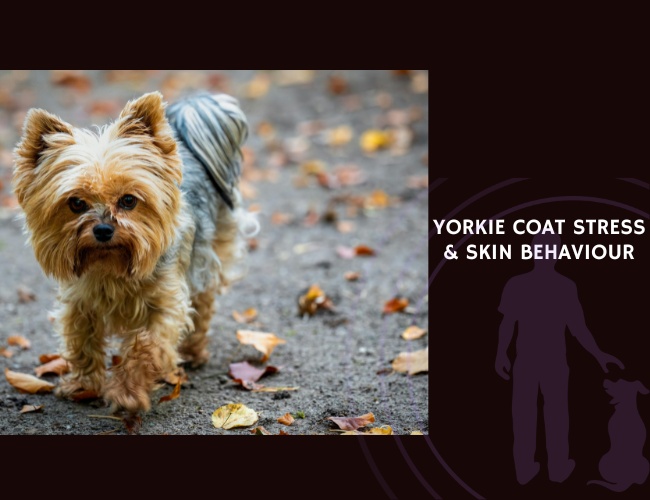
Have you ever noticed your Yorkshire Terrier’s silky coat losing its luster during particularly stressful times? Perhaps you’ve watched them scratch more frequently when visitors arrive, or noticed their once-gleaming fur becoming dull after a move to a new home. What if these changes weren’t merely coincidental, but rather a profound conversation happening between your Yorkie’s emotional world and their physical body?
The Yorkshire Terrier, with their distinctive flowing coat and spirited personality, carries a remarkable vulnerability that often goes unnoticed. Beneath that signature silky exterior lies an intricate connection between emotional state and physical health—a relationship so profound that what appears as a simple skin condition may actually be your dog’s body expressing what their heart cannot say in words.
Traditional approaches often separate skin issues from behavioral concerns, treating itchy skin with creams while addressing anxiety with training protocols. Yet emerging understanding reveals something far more complex: a bidirectional conversation between your Yorkie’s nervous system and their skin, where emotional tension doesn’t just affect behavior—it literally transforms the physical landscape of their coat and dermal health.
This is where science meets soul, where the NeuroBond approach helps us recognize that healing the skin may require healing the heart first. 🧡
Common Stress Triggers That Impact Yorkie Coat Health:
- Separation anxiety or extended time alone
- Changes in household routine or family schedule
- Moving to a new home or renovations
- Addition or loss of family members (human or animal)
- Inconsistent handling or grooming approaches
- Excessive noise or chaotic environments
- Lack of predictable daily structure
- Owner anxiety or household tension
- Inadequate mental stimulation or enrichment
- Medical procedures or veterinary visits
The Hidden Architecture: How Emotion Becomes Physical
The Skin-Brain Connection You Need to Understand
Your Yorkie’s skin isn’t simply a protective covering—it’s a living, responsive organ intimately connected to their emotional state through what scientists call the psychodermatological axis. When your dog experiences chronic stress, whether from separation anxiety, environmental changes, or ongoing household tension, their body initiates a cascade of responses that directly impact their coat quality and skin health.
Here’s what happens beneath that beautiful fur:
The Stress Hormone Cascade When your Yorkie encounters stress, their hypothalamic-pituitary-adrenal (HPA) axis activates, releasing cortisol—the primary stress hormone. In acute situations, this response is protective. But when stress becomes chronic, cortisol doesn’t simply return to baseline. Instead, it remains elevated, creating a persistent inflammatory state that fundamentally alters skin barrier integrity.
Think of your Yorkie’s skin barrier like a brick wall. Each “brick” represents a skin cell, held together by lipid “mortar.” Chronic cortisol elevation weakens this mortar, making the barrier more permeable to irritants, allergens, and moisture loss. The result? A coat that feels different to the touch—perhaps coarser, drier, or more brittle than the silky texture you remember.
The Inflammatory Response Elevated cortisol triggers the release of inflammatory cytokines—particularly IL-6 and TNF-α—chemical messengers that create a state of low-grade inflammation throughout the body. In your Yorkie’s skin, this inflammation manifests as:
- Increased sensitivity to touch
- Redness or subtle warmth in certain areas
- Changes in sebaceous gland activity, leading to either overly dry or unusually oily coat patches
- Disruption of normal hair growth cycles, resulting in dullness or increased shedding
The Vagal Brake: Why Calmness Matters More Than You Think
Stephen Porges’ Polyvagal Theory offers a profound insight into why some Yorkies seem perpetually on edge, their coats reflecting an internal state of hypervigilance. Your dog’s vagus nerve acts like a biological brake system, toggling between states of safety and threat.
When your Yorkie exists in a chronic state of sympathetic dominance—fight-or-flight mode—their body diverts resources away from non-essential processes like skin repair and coat maintenance. The parasympathetic system, responsible for rest, digestion, and tissue restoration, remains underactivated. This creates a vicious cycle: stress damages the skin, damaged skin creates more sensory irritation, which increases stress, which further damages the skin.
The Invisible Leash reminds us that your emotional state directly influences this vagal regulation in your dog. When you’re calm and grounded, your Yorkie’s nervous system receives safety signals that allow their body to shift into restoration mode. 🐾
Signs Your Yorkie Is Experiencing Chronic Stress:
- Excessive paw licking or flank grooming
- Frequent scratching without visible irritation
- Panting when temperature doesn’t warrant it
- Yawning or lip-licking in calm situations
- Avoidance behaviors during handling
- Difficulty settling or restlessness
- Changes in sleep patterns
- Decreased appetite or stress-related eating
- Heightened startle response
- Seeking constant proximity or unusual withdrawal
The Yorkie Difference: Why This Breed Is Uniquely Vulnerable
Coat Architecture and Dermal Sensitivity
Yorkshire Terriers possess a single-layer coat structure fundamentally different from breeds with dense, double-layered fur. This fine, silky hair lacks the protective undercoat that insulates and shields other breeds from environmental and emotional stressors.
What makes this significant? Several key vulnerabilities emerge:
Thinner Dermal Layer The Yorkshire Terrier’s dermis—the layer of skin beneath the visible surface—is notably thinner than many other breeds. This reduced thickness means less buffering between external stimuli and the nerve endings that register sensation. Your Yorkie literally feels more through their skin, making them exquisitely sensitive to touch, temperature changes, and the chemical shifts that accompany emotional stress.
Hair Follicle Characteristics Yorkie hair grows continuously, more similar to human hair than typical canine fur. This ongoing growth cycle makes their coat particularly responsive to systemic changes in the body. When stress hormones circulate, they directly impact the hair follicle’s ability to produce strong, healthy hair shafts. You might notice:
- Loss of the characteristic glossy sheen
- Increased breakage at the ends
- Changes in hair texture from silky to slightly coarse
- Slower growth rates during particularly stressful periods
Sebaceous Gland Sensitivity The sebaceous glands responsible for coating each hair shaft with protective oils respond dramatically to neuroendocrine changes. Chronic stress can either suppress sebum production, leading to dry, brittle hair, or trigger overproduction, resulting in an oily coat with an uncharacteristic odor.
Why Yorkies Are More Vulnerable Than Other Breeds:
- Single-layer coat lacks protective undercoat insulation
- Thinner dermal layer provides less buffering from stressors
- Continuously growing hair (like human hair) responds quickly to hormonal changes
- Smaller body size means proportionally higher stress hormone concentration
- Bred for close companionship, creating intense emotional bonds (and vulnerability to separation)
- Fine coat texture shows stress-related changes more visibly
- Sensitive skin prone to barrier disruption
- Higher metabolic rate increases nutritional demands during stress
The Behavioral Manifestation: Reading Your Yorkie’s Stress Signals
Before your Yorkie’s coat shows visible changes, their behavior often tells the story first. Understanding these signals requires looking beyond surface-level symptoms to recognize displacement behaviors—actions your dog performs to self-soothe when experiencing internal emotional turmoil.
Excessive Self-Grooming You might observe your Yorkie licking their paws, flanks, or base of tail repeatedly, sometimes to the point of causing hot spots or hair loss. While veterinarians often investigate allergies first, this behavior frequently represents an emotional outlet rather than a purely physical response to allergens.
Jaak Panksepp’s work in affective neuroscience reveals that when primary emotional systems like FEAR or PANIC become activated without resolution, mammals engage in displacement activities to restore a sense of sensory control. That rhythmic licking provides proprioceptive input—physical sensation—that temporarily calms an overwhelmed nervous system.
Scratch Patterns That Tell a Story Not all scratching is created equal. Watch carefully where and when your Yorkie scratches:
- Scratching that intensifies during moments of household tension
- Focused attention on specific body areas during anticipatory stress (before you leave, during meal preparation)
- Scratch-lick-scratch sequences that seem ritualistic rather than responsive to a specific itch
These patterns often indicate a psychological component that topical treatments alone cannot address. The skin becomes inflamed partly because chronic scratching damages the barrier, but also because the underlying stress response creates inflammation from within.
Tactile Hypersensitivity Some Yorkies develop an aversion to touch in areas where they once welcomed grooming. This shift represents more than simple discomfort—it signals that their nervous system has moved into a state of hypervigilance where normal sensory input feels threatening. The sympathetic dominance we discussed earlier creates this sensory defensiveness, making what should be pleasurable contact feel irritating or even painful.
Visual Comparison Guide: Reading Your Yorkie’s Coat Story
Understanding what you’re seeing when you look at your Yorkie’s coat helps you distinguish between normal variation, stress-related changes, and conditions requiring immediate veterinary attention. This guide provides concrete reference points for assessment.
What a Healthy Yorkie Coat Looks and Feels Like
Before you can recognize decline, you need to know what optimal looks like. A healthy Yorkshire Terrier coat demonstrates specific characteristics that reflect both genetic heritage and overall wellness:
Visual Characteristics
- Luster and Shine: The coat catches light beautifully, creating a silky sheen that flows with movement. This reflectivity comes from intact hair cuticles coated with appropriate sebum levels.
- Color Vibrancy: Whether your Yorkie displays traditional blue-and-tan or one of the accepted color variations, pigmentation should appear rich and even. Healthy hair holds color saturation from root to tip.
- Consistent Texture: Throughout the body, hair feels uniformly silky to the touch. While some textural variation exists between body regions, dramatic differences signal concern.
- Smooth Hair Shafts: When you run individual hairs between your fingers, they feel smooth without roughness, splitting, or breakage points.
Tactile Characteristics
- Silkiness: The defining feature—hair should glide through your fingers with minimal resistance, similar to fine human hair or silk fabric.
- Appropriate Oil Balance: Slightly oily to the touch without feeling greasy. Too dry indicates sebaceous dysfunction; overly oily suggests hormonal imbalance or stress response.
- Resilience: Hair springs back gently when compressed rather than remaining matted or breaking easily.
- Even Density: Consistent hair coverage across the body without thin patches or bare spots.
Behavioral Comfort Your Yorkie’s response to touching their coat provides insight into skin health beneath:
- They lean into or remain relaxed during gentle stroking
- No flinching, skin twitching, or attempts to escape
- Tail remains in neutral or happy position during grooming
- Eyes soft, body loose when you work through their coat
Stress-Related Changes: A Progression Guide
Stress-induced coat changes typically unfold gradually, following a predictable pattern. Understanding this progression helps you intervene earlier rather than waiting for severe symptoms.
Stage One: Subtle Shifts (Days to 2 Weeks) These early changes are easy to miss if you’re not specifically looking:
- Slight Dullness: The coat loses some reflectivity, catching light less dramatically than usual. You might only notice in certain lighting conditions.
- Texture Change: Hair feels slightly less silky, with a hint of coarseness when you run your hands along their body.
- Behavioral Precursors: Increased licking of paws or flanks, more frequent scratching than usual, subtle body tension during handling.
- Sebum Shift: Either slightly drier (requires more frequent conditioning) or slightly oilier (coat feels heavy or develops odor faster between baths).
At this stage, the changes remain reversible with stress reduction alone. No permanent damage has occurred.
Stage Two: Obvious Decline (2 Weeks to 2 Months) Continued stress pushes changes into visibility:
- Marked Dullness: The characteristic Yorkie shine disappears. The coat looks flat under lighting that previously highlighted its beauty.
- Texture Coarseness: Hair feels noticeably different—rougher, more cotton-like than silky. Individual strands may feel slightly thickened or inconsistent along their length.
- Color Fading: Pigmentation loses intensity. Blue tones may appear grayish; tan areas become washed out or develop uneven coloring.
- Increased Shedding: While Yorkies don’t shed like double-coated breeds, you notice more hair in your brush, on their bedding, or in your hands after stroking them.
- Behavioral Escalation: Self-grooming becomes frequent and focused. Hot spots may develop. Scratching occurs daily, sometimes intensifying at specific times (before your departure, during meals, during household activity).
- Tactile Defensiveness: Your Yorkie shows subtle avoidance of grooming or specific body areas. They may tolerate but not enjoy what once brought pleasure.
At this stage, intervention becomes essential. Stress reduction alone may not suffice—you likely need comprehensive support including nutritional optimization, environmental management, and possibly veterinary consultation.
Stage Three: Significant Compromise (2+ Months) Chronic, unaddressed stress creates substantial changes:
- Severe Dullness with Structural Damage: The coat not only lacks shine but shows visible breakage, split ends, and uneven length from stress-induced hair cycle disruption.
- Dramatic Texture Change: Hair feels coarse, brittle, or conversely limp and lifeless. The silky quality seems entirely lost.
- Patchy Appearance: Thinning areas become visible, particularly on flanks, tail base, or limbs from either stress-related hair cycle arrest or mechanical damage from excessive licking/scratching.
- Skin Visibility: In severe cases, you can see skin through the coat—pink or inflamed areas indicating both hair loss and dermal inflammation.
- Secondary Infections: The compromised barrier allows opportunistic organisms to flourish. You might observe crusty lesions, oozing areas, or intensified odor beyond normal “dog smell.”
- Profound Behavioral Changes: Self-directed behaviors become compulsive. Your Yorkie may groom to the point of creating wounds, or show extreme reactions to grooming attempts.
- Systemic Signs: The stress affecting their skin likely manifests elsewhere—digestive issues, sleep disturbances, heightened reactivity, or social withdrawal.
At this stage, veterinary intervention is essential alongside comprehensive stress management. Recovery requires months of consistent support and realistic expectations about potential permanent changes if hair follicles have sustained significant damage.
When to Worry: Red Flag Visual Checklist
Some changes require immediate professional evaluation rather than home management. Contact your veterinarian within 24-48 hours if you observe:
Urgent Dermatological Signs
- Sudden, severe hair loss creating bald patches within days rather than gradual thinning
- Lesions that ooze, crust, or smell foul indicating active infection requiring treatment
- Intense redness or swelling particularly if warm to the touch or if your Yorkie seems painful when the area is examined
- Color changes in the skin itself such as darkening (hyperpigmentation), yellowing, or purple discoloration
- Nodules or masses any bumps, lumps, or raised areas that weren’t present previously
- Bleeding or weeping from any skin area, especially if your Yorkie won’t stop licking or scratching despite attempts to redirect
Behavioral Red Flags Accompanying Coat Changes
- Obsessive self-mutilation that creates wounds or continues despite obvious pain
- Extreme reactions to touch including aggressive responses when previously tolerant
- Systemic lethargy where coat decline accompanies decreased appetite, reduced activity, or withdrawal from normal activities
- Signs of pain such as vocalization when touching certain areas, abnormal posture, or reluctance to move
Combination Patterns Suggesting Medical Emergency When coat/skin changes occur WITH any of these, seek immediate care:
- Difficulty breathing or changes in breathing pattern
- Seizures or neurological symptoms
- Collapse or inability to stand
- Severe vomiting or diarrhea
- Refusal to eat or drink for more than 24 hours
- Signs of pain that seem out of proportion to visible lesions
Trust your instincts. You know your Yorkie’s baseline. When something feels wrong beyond typical stress-related changes, professional evaluation provides peace of mind even if the issue proves minor. 🐾
Age-Specific Considerations: How Life Stage Shapes the Stress-Skin Connection
Your Yorkie’s vulnerability to stress-related skin changes shifts dramatically across their lifespan. Understanding these age-specific patterns helps you provide targeted support during each phase.
Puppies: Early Life Stress and Coat Development (Birth to 12 Months)
The foundation for your Yorkie’s lifelong stress resilience—and their coat quality—establishes during puppyhood. Early experiences literally shape neural pathways and physiological stress responses.
Critical Developmental Windows Between 3-12 weeks, your Yorkie puppy’s brain undergoes rapid development. Experiences during this period disproportionately influence their future stress sensitivity. Puppies who encounter appropriate socialization—gentle exposure to varied people, environments, and experiences—develop robust stress regulation systems. Conversely, those who experience trauma, inadequate maternal care, or excessive stress during this window may show heightened cortisol reactivity throughout life.
This manifests in their coat earlier than many realize. Puppies from stressful early environments sometimes show:
- Delayed coat maturation (retaining puppy coat texture longer than expected)
- Uneven color development as adult pigmentation emerges
- Earlier onset of stress-related behaviors including excessive self-grooming
Weaning and Transition Stress The separation from mother and littermates represents the first major stressor most puppies face. During the initial weeks in their new home, even well-adjusted puppies experience elevated cortisol. You might notice:
- Temporary dullness in coat appearance
- Increased shedding of puppy coat (this combines normal development with stress response)
- Digestive upset that affects nutrient absorption and indirectly impacts coat health
Building Resilience Early The good news: puppy brains show remarkable plasticity. Interventions during this phase create lasting positive impact:
- Consistent, calm handling from day one builds trust and teaches the nervous system that touch means safety
- Predictable routines around feeding, sleeping, and play reduce ambient stress levels
- Appropriate socialization to diverse but non-threatening stimuli strengthens stress tolerance
- High-quality nutrition specifically formulated for growth supports both neurological development and coat quality
- Positive grooming experiences establish lifelong associations between touch and pleasure rather than anxiety
What Normal Looks Like Puppy coat differs dramatically from adult coat. Yorkshire Terrier puppies are born nearly black, gradually developing their characteristic blue-and-tan coloration as they mature. This transition occurs over 1-3 years, with significant variation between individuals.
During this period, coat texture also evolves from soft puppy fluff toward adult silkiness. Some textural inconsistency is normal—what’s not normal is a puppy showing signs of stress-induced changes like the patches of thinning, excessive scratching, or behavioral defensiveness during handling.

Young Adults: Peak Stress Sensitivity (1 to 5 Years)
This life stage represents both peak physical health and, paradoxically, maximum vulnerability to stress-related skin issues. Why? Your Yorkie has matured neurologically and physically, but they’re navigating the most dynamic period of life—establishing their place in your household, potentially experiencing reproductive hormones if not neutered, and encountering the full range of environmental stressors.
The Adolescent Transition (12-18 Months) Just when you thought your puppy was settling, adolescence arrives. Hormonal shifts affect both behavior and skin physiology:
- Testosterone or estrogen influences sebaceous gland activity, sometimes creating temporary oiliness or changes in coat odor
- Increased independence-seeking may manifest as resistance during grooming, creating conflict that elevates stress
- Heightened reactivity to environmental triggers makes this age particularly vulnerable to stress-related displacement behaviors
Many owners report this as the age when coat problems first emerge, even in dogs who previously showed no issues.
Prime Stress Reactivity Between ages 2-4, your Yorkie experiences peak stress sensitivity for several reasons:
- Full adult coat development means changes become maximally visible
- Established patterns of stress response solidify, whether healthy or dysfunctional
- Life changes often occur during owner’s young adult years (moves, job changes, relationship shifts, children) that disrupt household equilibrium
This is the age when seemingly minor stressors—a new work schedule, renovation noise, a vacation absence—can trigger visible coat decline.
Intervention Priorities The silver lining: young adult Yorkies also show the strongest response to intervention. Their bodies possess maximum healing capacity, and behavioral patterns remain modifiable with consistent effort.
Focus on:
- Establishing lifelong stress management protocols that become non-negotiable routines
- Addressing anxiety early before it becomes entrenched and produces chronic physiological changes
- Optimal nutrition to support the high metabolic demands of young adulthood
- Regular monitoring to catch stress-related changes in their earliest stages
Reproductive Considerations Intact dogs experience additional stress-related vulnerabilities:
- Females in heat show hormonal fluctuations affecting sebum production and coat texture
- Pregnancy and lactation create enormous nutritional demands that can compromise coat quality if not properly supported
- Males around intact females experience testosterone surges that may increase reactivity and stress behaviors
- Pseudopregnancy can trigger behavioral and physiological changes including self-directed behaviors
While reproductive status represents a personal decision, understanding its impact on stress-skin dynamics informs your management approach.
Seniors: How Aging Affects Stress Resilience and Skin Recovery (7+ Years)
As your Yorkie enters their senior years, the stress-skin connection shifts again. Age brings both vulnerability and, often, a settled emotional equilibrium that provides protection.
Physiological Changes Affecting Stress Response Aging alters every system involved in the stress-skin axis:
- HPA Axis Dysfunction: Older dogs may show either blunted cortisol responses (underreacting to stress) or prolonged elevation (slower return to baseline). Both patterns impact skin health.
- Immune Senescence: The aging immune system becomes less efficient, making skin more susceptible to infections when stressed and slower to heal.
- Reduced Cellular Turnover: Skin cells regenerate more slowly, meaning damage from stress takes longer to repair.
- Decreased Sebaceous Function: Older Yorkies often produce less sebum naturally, making their skin and coat drier and more vulnerable to stress-related moisture loss.
Coat Changes: Normal vs. Stress-Related Some coat decline is simply aging:
- Gradual thinning particularly on the flanks and underbelly
- Color changes including graying, especially around the muzzle and eyes
- Slight texture coarseness as hair shafts become finer and more fragile
- Slower growth rate making the coat appear less full
Distinguishing normal aging from stress-related changes requires attention to timing and pattern. Sudden decline, asymmetric patterns, or changes coinciding with life stressors suggest emotional rather than purely age-related causes.
Common Senior Stressors Older Yorkies face unique challenges:
- Sensory decline (vision, hearing loss) creates anxiety about their environment
- Mobility limitations from arthritis or weakness frustrate dogs who remember their younger capabilities
- Cognitive changes including canine cognitive dysfunction, create confusion and anxiety
- Medical interventions like frequent veterinary visits or medication routines become stressors themselves
- Changes in household dynamics as owners age, children leave home, or new family members arrive
The Settled Senior Advantage Here’s the paradox: while senior physiology shows increased vulnerability, senior psychology often shows increased resilience. Many older Yorkies develop emotional equilibrium that protects against stress-related skin issues:
- Established routines provide security and predictability
- Deepened bonds with their people create baseline sense of safety
- Reduced reactivity to novel stimuli that once triggered anxiety
- Acceptance of previously stressful situations like grooming or veterinary visits
For seniors, the emotional component of stress management often matters more than elaborate interventions. Simply maintaining their established routines and honoring their need for gentle, predictable interactions provides powerful protection.
Intervention Modifications for Seniors Supporting your senior Yorkie’s coat health requires adjusting your approach:
- Gentler handling accommodating arthritis, sensitivity, and fragility
- Modified grooming schedules balancing coat maintenance needs against reduced tolerance for lengthy sessions
- Enhanced nutritional support including higher omega-3 levels, joint supplements, and digestive support
- Pain management because unaddressed pain creates chronic stress affecting skin health
- Environmental accommodations like ramps, orthopedic bedding, and reduced household chaos
Realistic Expectations Senior coat will never match young adult perfection. The goal shifts from optimal to comfortable—maintaining adequate coat coverage, preventing painful matting, managing any skin conditions, and ensuring your Yorkie feels good in their body. That shift in expectation itself reduces stress for both of you.
The Soul Recall moments become even more precious in these years. Your senior Yorkie has taught you their language; you’ve learned their needs. That deep mutual understanding creates the very safety their aging body requires to maintain whatever coat quality their physiology still allows. 🧡
Delicate. Reflective. Intertwined.
Emotion shapes the surface.
Your Yorkie’s coat mirrors their nervous system—stress chemistry alters skin barrier function, changing texture, sheen, and sensitivity long before symptoms become visible.
The body tells the truth.
Elevated cortisol and inflammatory messengers transform soft silk into dryness and fragility, revealing the invisible weight of emotional strain carried through the HPA axis.

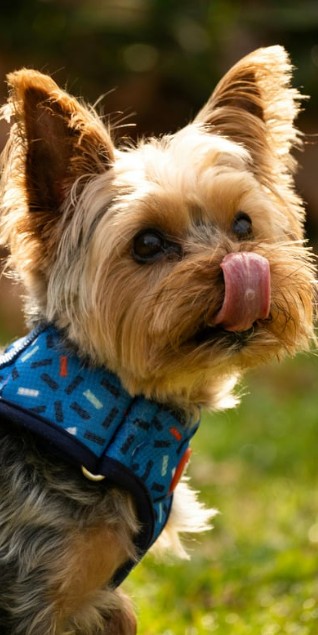
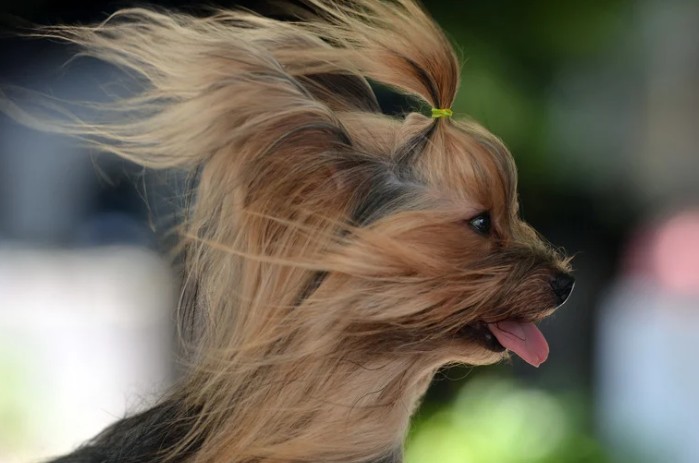
Calm restores glow.
When safety replaces tension and connection steadies the vagal rhythm, the skin begins to heal, proving that a peaceful heart grows the most radiant coat.
Quick-Start Action Plan: Your First Steps Toward Healing
You understand the science now. You recognize the connection between your Yorkie’s emotional state and their coat. But perhaps you feel overwhelmed by the comprehensive information, unsure where to begin. This section provides a concrete, sequential protocol for the first three months of intervention.
Your First 7 Days: Immediate Steps
The first week focuses on assessment, safety, and stopping any actively harmful practices. You’re gathering information and creating foundation without overwhelming yourself or your dog.
Day 1-2: Document Baseline Before changing anything, capture current state:
- Photograph your Yorkie’s coat from multiple angles in consistent lighting. These images become your reference point for measuring progress.
- Video a typical grooming session to observe your dog’s body language and your own handling style objectively.
- Journal current scratching frequency by counting instances over a full day. Note when scratching occurs—morning, evening, during activity, at rest.
- Assess coat quality using the visual guide provided earlier. Where does your Yorkie fall in the progression?
- Identify obvious stressors in your household. List them without judgment: schedule changes, family tension, environmental irritants, anything that might contribute.
Day 3-4: Create Immediate Safety Make quick environmental improvements:
- Establish one safe space where your Yorkie can retreat undisturbed. This might be a crate with comfortable bedding, a quiet room, or a specific bed away from traffic.
- Remove obvious irritants: harsh cleaning products, scented candles, anything with strong odors that might affect sensitive skin.
- Assess bedding: Is it clean? Made from natural fibers? Washed in gentle, fragrance-free detergent? Replace if questionable.
- Check humidity levels: If below 40%, add a humidifier to main living spaces.
Day 5-7: Nutritional Foundation Begin supporting from within:
- Start omega-3 supplementation: High-quality fish oil at appropriate dosing (20-40mg EPA+DHA per pound body weight daily). Mix into food or give directly.
- Evaluate current food quality: Read ingredient labels. Is protein the first ingredient? Are fillers minimal? Begin researching higher quality options if current food seems inadequate (but don’t change yet—food transitions require careful planning).
- Ensure fresh water access: Multiple clean water bowls throughout your home encourage adequate hydration supporting skin barrier function.
Day 7: Establish Baseline Routine Create the predictability that allows your Yorkie’s nervous system to relax:
- Set specific times for feeding, walking, play, and quiet rest. Write them down.
- Commit to consistency: Every family member follows the same schedule as much as possible.
- Include dedicated calm time: At least 15 minutes daily where you and your Yorkie simply exist together quietly—reading while they rest nearby, gentle stroking if welcome, shared presence without demands.
🐾 Understanding Your Yorkie’s Coat-Stress Connection 💜
A Journey Through the 8 Phases of Stress-Related Skin Health
Phase 1: Recognition
Identifying the Early Warning Signs
What’s Happening Beneath the Fur
Your Yorkie’s silky coat acts as a visible barometer of their emotional state. When stress becomes chronic, the hypothalamic-pituitary-adrenal (HPA) axis releases cortisol continuously, weakening the skin barrier like mortar dissolving between bricks. This creates the first subtle changes you might notice.
Earliest Visual Signs (Days 1-14)
• Slight loss of coat reflectivity in certain lighting
• Texture feels subtly less silky to your touch
• Minor increase in paw licking or scratching frequency
• Coat requires more frequent conditioning than usual
Immediate Action Steps
Document baseline with photos in consistent lighting. Begin journaling scratching frequency and timing. Identify obvious household stressors without judgment. These early interventions set your foundation for healing.
Phase 2: Understanding the Science
The Skin-Brain Axis Explained
The Psychodermatological Connection
Emotional stress doesn’t just affect behavior—it triggers inflammatory cytokines (IL-6, TNF-α) that create systemic inflammation. Your Yorkie’s single-layer coat and thin dermis make them uniquely vulnerable to these neuroendocrine shifts, showing changes faster than double-coated breeds.
The Vicious Cycle Pattern
Stress damages skin → Damaged skin creates irritation → Irritation increases scratching → Scratching worsens damage → Damage elevates stress. Understanding this cycle through the NeuroBond framework reveals why treating symptoms alone rarely succeeds.
Breaking the Pattern
Your calm state directly influences your Yorkie’s vagal regulation. When you ground yourself, your dog receives safety signals allowing their nervous system to shift into restoration mode—where healing actually occurs.
Phase 3: Comprehensive Assessment
Determining Your Starting Point
Visual Coat Evaluation
Compare your Yorkie’s coat to healthy baseline: Does it catch light beautifully? Does color appear vibrant and even? Does texture feel uniformly silky? Rate current state on the three-stage progression (subtle shifts, obvious decline, or significant compromise).
Behavioral Stress Indicators
• Excessive paw licking or flank grooming
• Scratching intensity during household tension
• Tactile defensiveness during handling
• Panting without temperature justification
• Changes in sleep patterns or appetite
When Veterinary Evaluation Is Essential
Sudden severe hair loss, lesions that ooze or crust, intense scratching creating wounds, secondary infections with odor, or systemic symptoms like lethargy require professional diagnosis to rule out primary dermatological conditions.
Phase 4: Immediate Intervention
Your First 7 Days of Action
Environmental Safety Protocol
Create one safe retreat space for your Yorkie. Remove harsh cleaners, scented candles, and fragranced laundry products. Check humidity levels (optimal: 40-60%) and add humidifier if needed. Replace bedding if questionable quality.
Nutritional Foundation
Begin omega-3 supplementation (20-40mg EPA+DHA per pound daily). Ensure fresh water access throughout home. Evaluate current food quality—protein should be first ingredient. Don’t change diet yet; planning comes later.
Routine Establishment
Set specific times for feeding, walking, play, and quiet rest. Write them down. Include 15 minutes daily of calm presence—simply existing together quietly without demands. This predictability allows nervous system downregulation.
Phase 5: Building Foundation
Weeks 2-4 Comprehensive Support
Grooming Transformation
Shift from task to therapeutic connection. Reduce frequency temporarily if your Yorkie shows stress. Use softer tools, shorter sessions (5-10 minutes), and never force. Begin with less sensitive body areas. Your calm state matters more than perfect coat maintenance.
Stress Reduction Protocols
Add L-theanine or alpha-casozepine supplement (allow 4-6 weeks for assessment). Create predictable pre-departure rituals. Lower household chaos—TV volume, sudden noises, general atmosphere. Practice co-regulation during dedicated calm time.
Nutritional Optimization
If diet change seems necessary, research quality options featuring whole meat proteins with minimal fillers. Plan 7-10 day transition mixing old/new gradually. Monitor for digestive upset. Photograph weekly to track progress.
Phase 6: Fine-Tuning & Monitoring
Months 2-3 Advanced Adjustments
Progress Evaluation Checkpoint
Compare current photos to baseline. Is coat quality improving, even subtly? Does your Yorkie show decreased self-directed behaviors? Review your consistency—if minimal improvement after 6 weeks, consider professional consultation. Often consistency matters more than adding interventions.
Advanced Support Layers
Add second targeted supplement if first helped but plateaued. Explore topical support like coconut oil for dry areas. Enhance enrichment with scent work or puzzle feeders. Deepen co-regulation practice through gentle massage techniques.
Navigating Setbacks
Expect fluctuations—stressful events temporarily increase symptoms without indicating failure. Maintain interventions through difficulty rather than escalating. Evaluate new stressors in your own life affecting household atmosphere. Practice self-compassion; commitment matters more than perfection.
Phase 7: Sustained Healing
Months 4-6 Consolidating Progress
Visible Transformation Markers
At this stage, improvement becomes obvious: coat shows consistent luster, color vibrancy returns, texture approaches breed standard. Your Yorkie demonstrates better stress recovery—hours rather than days. Grooming shifts from tolerance to genuine bonding opportunity.
Integration Practices
Identify which interventions feel sustainable long-term versus burdensome. Build support systems—connect with other Yorkie owners, find sensitive-dog groomer, establish integrative veterinarian relationship. Develop stress anticipation skills to intervene proactively.
Soul Recall Moments
Notice those instances of deep connection where your Yorkie’s nervous system synchronizes with your calm presence. These aren’t just sweet moments—they’re measurable physiological states where healing accelerates. Cultivate them intentionally.
Phase 8: Long-Term Mastery
Months 6-12+ Living the Solution
Complete Healing Indicators
Coat approaches optimal texture and appearance for your Yorkie’s age. Minimal self-directed behaviors during daily life. Healthy skin barrier resists minor irritants. Most importantly—your Yorkie moves through previously stressful situations with notable resilience and confidence.
The Invisible Leash Realized
Guidance through awareness rather than force becomes your lived reality. You recognize early stress signals instinctively. Your own stress management skills serve both of you. The skills developed extend beyond coat care into every aspect of your relationship.
Lifelong Practice
This isn’t about reaching perfection and stopping. Life presents new challenges—aging, household changes, health shifts. The difference is you now possess tools, awareness, and experiential knowledge to navigate these with grace rather than crisis.
📊 Understanding Age-Specific Vulnerabilities
🐶 Puppies (0-12 Months)
Vulnerability: Critical developmental windows shape lifelong stress response. Early trauma creates heightened cortisol reactivity.
Focus: Building resilience through consistent handling, predictable routines, positive socialization. Foundation established now affects entire lifespan.
💪 Young Adults (1-5 Years)
Vulnerability: Peak stress sensitivity due to hormonal changes, life transitions, establishing patterns. Maximum coat visibility of stress.
Focus: Establishing lifelong protocols before patterns entrench. Strongest response to intervention—optimal healing capacity.
👴 Seniors (7+ Years)
Vulnerability: Slower healing, immune senescence, reduced cellular turnover. But often possess emotional equilibrium that protects.
Focus: Gentle interventions, realistic expectations, honoring settled psychology. Goal shifts from optimal to comfortable.
⚡ Acute vs. Chronic Stress
Acute: Brief cortisol elevation, temporary coat changes, rapid recovery with stress removal.
Chronic: Persistent HPA activation, progressive coat deterioration, requires comprehensive intervention beyond stressor removal.
🏠 Single vs. Multi-Dog Homes
Single Dog: Higher vulnerability to separation stress, intense owner-bond dependency.
Multi-Dog: Social stress between dogs possible, but also co-regulation opportunities. Calm dogs can model relaxation.
🌤️ Environmental Exposure
High Control (Indoor): Easier to manage humidity, temperature, chemical exposures. Optimize environment effectively.
Variable Exposure: Outdoor elements, allergens, temperature extremes require more vigilant coat protection and monitoring.
⚡ Quick Reference Formulas
Omega-3 Dosing: 20-40mg EPA+DHA per pound body weight daily
Optimal Humidity: 40-60% for skin barrier health
Grooming Sessions: 5-10 minutes multiple times weekly > one long session
Supplement Trial Period: 4-6 weeks before adding another
Progress Photos: Weekly, same time/lighting for accurate comparison
Early Improvement Timeline: 2-4 weeks for subtle changes
Significant Healing Timeline: 6-12 months for complete resolution
Scratch Frequency Reduction: 30-50% decrease = meaningful progress
🧡 The Heart of Healing: Where Science Meets Soul
Your Yorkie’s coat tells a story that science can measure but only heart can truly heal. The NeuroBond approach recognizes that addressing cortisol levels and inflammatory markers matters—but so does the quality of presence you bring to each moment with your dog. When grooming becomes co-regulation rather than task, when the Invisible Leash guides through calm awareness rather than tension, when Soul Recall moments create synchrony between two nervous systems—that’s where transformation lives. This isn’t about perfect implementation of protocols; it’s about showing up with both knowledge and compassion, understanding the neuroscience while honoring the emotional reality. Your Yorkie heals not in isolation but in relationship with you. Every time you choose calm over reactivity, every moment you attune to their needs, every breath you take to ground yourself—these become the medicine that supplements and routines can only support, never replace. The journey from stressed skin to radiant coat mirrors a deeper journey: from managing symptoms to creating safety, from controlling behavior to building trust, from doing to being. That balance—that’s the essence of Zoeta Dogsoul.
© Zoeta Dogsoul – Where neuroscience meets soul in dog training
Week 2-4: Building Foundation
The second through fourth weeks layer in deeper interventions while maintaining what you established in week one.
Grooming Transformation (Week 2) Shift grooming from task to therapeutic connection:
- Reduce frequency temporarily if your Yorkie shows stress during grooming. Better to maintain minimum coat care in a positive state than force comprehensive grooming that elevates cortisol.
- Shorten sessions: Multiple 5-10 minute sessions throughout the week rather than one lengthy ordeal.
- Start with body mapping: Before brushing, spend a few minutes gently touching each body area while monitoring your dog’s response. Note any areas showing defensive reactions.
- Use softer tools: If your current brush causes discomfort, switch to a gentler option temporarily.
- Never force: If your Yorkie resists, stop. Forcing teaches them that their communication doesn’t matter and increases future resistance.
Stress Reduction Protocols (Week 2-3) Implement specific calming practices:
- Add one calming supplement: L-theanine or alpha-casozepine following package directions. Give 4-6 weeks before assessing effectiveness.
- Create predictable pre-departure rituals: If separation anxiety contributes to stress, establish a calm, consistent routine before you leave rather than emotional goodbyes that elevate arousal.
- Reduce household chaos: Lower TV volume, minimize sudden loud noises, create calmer overall environment.
- Practice co-regulation: During the dedicated calm time, focus on your own breathing and bodily relaxation. Your nervous system state influences your Yorkie’s.
Nutritional Optimization (Week 3-4) If diet change seems necessary:
- Research quality options: Look for whole meat proteins, minimal fillers, appropriate fat content, foods specifically supporting skin health.
- Plan the transition: Diet changes require 7-10 days of gradual mixing to prevent digestive upset.
- Begin transition slowly: 75% old food, 25% new food for 2-3 days, then 50/50, then 25/75, finally 100% new.
- Monitor response: Watch for any digestive issues or behavior changes during transition.
Monitoring and Adjustment (Throughout Weeks 2-4)
- Weekly coat assessment: Brief evaluation noting any changes from baseline
- Track scratching frequency: Are you seeing reduction?
- Journal stress events: Note your Yorkie’s response and how quickly they recover
- Photograph weekly: Same lighting, same angles for comparison
Month 2-3: Fine-Tuning and Monitoring
By months two and three, initial interventions have become routine. Now you refine based on response and address remaining issues.
Evaluating Progress (Week 5-6) Take stock of what’s working:
- Compare current photos to baseline: Is coat quality improving? Even subtle changes matter.
- Assess behavioral shifts: Does your Yorkie show decreased self-directed behaviors? Better tolerance during handling?
- Review your consistency: Have you maintained the routines and interventions? If not, recommit rather than adding more.
- Consider professional consultation: If you’re seeing minimal improvement after 6 weeks of consistent effort, veterinary or behavioral specialist input may be needed.
Advanced Interventions (Week 7-10) Layer in additional support if needed:
- Add second targeted supplement: If the first supplement helped but improvement plateaued, consider adding complementary support (e.g., if using L-theanine, add adaptogenic herbs).
- Explore topical support: Coconut oil or specialized skin conditioning treatments applied to dry areas.
- Enhance enrichment: Add scent work, puzzle feeders, or other mentally stimulating activities that promote calm focus rather than arousal.
- Deepen co-regulation practice: Extend calm time sessions, explore gentle massage techniques, consider learning more about canine calming signals.
Addressing Setbacks (Throughout Month 2-3) Progress rarely follows a straight line:
- Expect fluctuations: Stressful events will temporarily increase symptoms. This doesn’t indicate failure.
- Maintain interventions through setbacks: The temptation is to add more when you see decline. Often, consistency through difficulty matters more than escalation.
- Evaluate new stressors: Did household dynamics shift? Has your own stress increased? Often external factors explain temporary regression.
- Practice self-compassion: You’re learning a new approach. Perfection isn’t required—commitment is.
Long-Term Integration Planning (Week 11-12) Begin thinking beyond crisis management:
- Identify sustainable practices: Which interventions can you maintain indefinitely? Which feel burdensome?
- Build support systems: Connect with other Yorkie owners, find a groomer who understands sensitive dogs, establish relationship with a veterinarian who values integrative approaches.
- Develop stress anticipation: Learn to recognize early warning signs so you can increase support proactively during predictably stressful periods.
- Celebrate progress: Acknowledge the changes you’re seeing, however subtle. Healing happens gradually.
By the end of month three, you’ll have established new patterns, gained insight into your Yorkie’s unique stress responses, and developed skills that serve you both for years to come. The Invisible Leash that guides through awareness rather than force becomes not just a concept but your daily reality. 🐾
The Nutritional Foundation: Building Resilience From Within
Why Standard Diets May Fall Short
Your Yorkie’s emotional and dermal health depends significantly on nutritional building blocks that support both neurological function and skin barrier integrity. Many commercial diets, while meeting basic nutritional requirements, may not provide optimal levels of specific nutrients crucial for stress resilience and skin health.
Omega-3 Fatty Acids: The Anti-Inflammatory Foundation EPA and DHA, the long-chain omega-3 fatty acids found in fish oil, serve dual roles in supporting your Yorkie’s well-being. In the brain, they promote serotonin receptor sensitivity, helping regulate mood and stress response. In the skin, they act as potent anti-inflammatory agents, directly counteracting the cytokine cascade triggered by chronic stress.
Consider supplementation with high-quality fish oil, particularly if your Yorkie shows signs of stress-related skin changes. Dosing typically ranges from 20-40mg of combined EPA/DHA per pound of body weight daily, though consultation with your veterinarian ensures appropriate amounts for your specific dog.
Zinc: The Barrier Guardian Zinc plays an essential role in maintaining skin barrier integrity and supporting immune function. Deficiency manifests as poor coat quality, slow wound healing, and increased susceptibility to skin infections—symptoms that overlap significantly with stress-induced skin changes.
Yorkshire Terriers, particularly those on grain-free diets, may experience relative zinc deficiency. Signs include crusting around the eyes, nose, and paw pads, along with generalized coat dullness. Zinc methionine or zinc picolinate offer superior bioavailability compared to zinc oxide.
B-Complex Vitamins: Neurological Support The B-vitamin family, particularly B6, B12, and folate, serves as cofactors in neurotransmitter synthesis. These nutrients directly support your Yorkie’s ability to manufacture serotonin and regulate the stress response. Deficiency can manifest as both behavioral changes (increased anxiety, irritability) and dermatological issues (poor coat quality, skin inflammation).
Essential Nutrients for Stress Resilience and Skin Health:
- Omega-3 Fatty Acids (EPA/DHA): Anti-inflammatory, supports brain and skin health (20-40mg per lb daily)
- Zinc: Barrier integrity, immune function, wound healing (methionine or picolinate forms best)
- B-Complex Vitamins: Neurotransmitter synthesis, stress regulation (B6, B12, folate)
- Vitamin E: Antioxidant protection, skin barrier support
- Biotin: Hair and skin health, coat quality
- Quality Protein: Amino acids for hair growth, neurotransmitter production (tryptophan for serotonin)
- Vitamin A: Skin cell turnover, sebaceous gland function
- Selenium: Antioxidant, thyroid support (affects coat quality)
- Essential Fatty Acids (Omega-6): Balanced with omega-3s for optimal skin function
Protein Quality: The Foundation of Everything
Your Yorkie’s emotional and dermal health depends significantly on nutritional building blocks that support both neurological function and skin barrier integrity. Many commercial diets, while meeting basic nutritional requirements, may not provide optimal levels of specific nutrients crucial for stress resilience and skin health.
Omega-3 Fatty Acids: The Anti-Inflammatory Foundation EPA and DHA, the long-chain omega-3 fatty acids found in fish oil, serve dual roles in supporting your Yorkie’s well-being. In the brain, they promote serotonin receptor sensitivity, helping regulate mood and stress response. In the skin, they act as potent anti-inflammatory agents, directly counteracting the cytokine cascade triggered by chronic stress.
Consider supplementation with high-quality fish oil, particularly if your Yorkie shows signs of stress-related skin changes. Dosing typically ranges from 20-40mg of combined EPA/DHA per pound of body weight daily, though consultation with your veterinarian ensures appropriate amounts for your specific dog.
Zinc: The Barrier Guardian Zinc plays an essential role in maintaining skin barrier integrity and supporting immune function. Deficiency manifests as poor coat quality, slow wound healing, and increased susceptibility to skin infections—symptoms that overlap significantly with stress-induced skin changes.
Yorkshire Terriers, particularly those on grain-free diets, may experience relative zinc deficiency. Signs include crusting around the eyes, nose, and paw pads, along with generalized coat dullness. Zinc methionine or zinc picolinate offer superior bioavailability compared to zinc oxide.
B-Complex Vitamins: Neurological Support The B-vitamin family, particularly B6, B12, and folate, serves as cofactors in neurotransmitter synthesis. These nutrients directly support your Yorkie’s ability to manufacture serotonin and regulate the stress response. Deficiency can manifest as both behavioral changes (increased anxiety, irritability) and dermatological issues (poor coat quality, skin inflammation).
Protein Quality: The Foundation of Everything Every hair shaft, every skin cell, every neurotransmitter requires amino acids—the building blocks from dietary protein. But not all protein sources provide equal nutritional value. Your Yorkie needs high-quality, bioavailable protein sources that supply essential amino acids in optimal ratios.
Look for diets featuring whole meat sources as primary ingredients, with particular attention to tryptophan content—the amino acid precursor to serotonin. This neurotransmitter influences both mood regulation and pain perception, making it doubly important for Yorkies showing signs of stress-related skin sensitivity.
Environmental Factors: The Invisible Stressors
Household Dynamics and Emotional Contagion
Here’s a truth that many dog owners resist: your Yorkie is exquisitely attuned to your emotional state, and your stress becomes their stress through a process called emotional contagion. Research demonstrates that dogs’ cortisol levels correlate with their owners’ cortisol levels, particularly in breeds selected for close human partnership.
When you experience chronic anxiety or household tension, your Yorkie’s HPA axis responds as though the threat were their own. This isn’t anthropomorphizing—it’s neurobiology. The result manifests not just in behavior, but in measurable physiological changes including inflammatory markers, heart rate variability, and yes, skin and coat quality.
Through the NeuroBond approach, recognizing this connection empowers you to address your dog’s stress symptoms at their source: the emotional atmosphere within your home. Creating calm doesn’t mean eliminating all stress—it means establishing predictable routines, clear communication, and moments of genuine connection that allow your Yorkie’s nervous system to downregulate.
Temperature and Humidity: The Physical Environment Yorkshire Terriers’ fine coat and thin skin make them particularly vulnerable to environmental extremes. Low humidity environments, common in heated homes during winter or air-conditioned spaces during summer, directly impact skin barrier function by increasing transepidermal water loss.
Optimal humidity ranges between 40-60%. Below this, your Yorkie’s skin becomes dehydrated more rapidly, exacerbating any stress-related barrier compromise. Consider using a humidifier in spaces where your dog spends significant time, particularly during sleeping hours when restorative processes occur.
Chemical Exposures: The Hidden Irritants
Even seemingly harmless household products can trigger or worsen dermatological responses in sensitive Yorkies:
Hidden Environmental Irritants to Eliminate:
- Harsh floor cleaners leaving residue on surfaces where your dog lies
- Scented candles or plug-in air fresheners creating respiratory irritation
- Fabric softeners and fragranced laundry detergents on bedding
- Household sprays (glass cleaners, disinfectants) with strong chemical odors
- Lawn treatments or pesticides tracked inside on shoes
- Essential oil diffusers (many oils are toxic or irritating to dogs)
- Cigarette or vaping smoke residue
- Strong cooking odors or burnt food particles in air
- New carpet off-gassing or cleaning chemicals
- Perfumes, colognes, or heavily scented personal care products
The cumulative burden of these exposures, while individually minor, can push a stressed Yorkie’s already compromised skin barrier toward a state of chronic inflammation and reactivity.
The Grooming Paradox: When Care Becomes Stress
Understanding Tactile Sensitivity in Stressed Dogs
For many Yorkshire Terrier owners, grooming represents an essential aspect of breed maintenance. That flowing coat requires regular brushing, occasional trimming, and consistent care. Yet for a Yorkie experiencing chronic stress, grooming sessions themselves may become significant stressors that perpetuate the very skin issues you’re trying to prevent.
Remember our discussion of tactile hypersensitivity? When your dog exists in sympathetic dominance, their sensory threshold lowers dramatically. The brush that once felt pleasant now registers as irritating or even painful. They may:
Signs Your Yorkie Finds Grooming Stressful:
- Snapping, growling, or showing teeth during brushing
- Trying to escape or hide when grooming tools appear
- Body tension, trembling, or frozen posture during handling
- Excessive panting or drooling during grooming sessions
- Whale eye (showing whites of eyes) or dilated pupils
- Attempts to bite or grab the brush/comb
- Increased scratching or licking immediately after grooming
- Avoidance of you for hours after grooming sessions
- Anticipatory anxiety visible when you move toward grooming area
- Stress behaviors (yawning, lip-licking, pacing) before grooming begins
They may:
- Snap or show avoidance behaviors during grooming
- Develop specific sensitivities to certain tools or techniques
- Show increased anxiety in the hours before anticipated grooming
- Experience elevated cortisol that persists long after grooming ends
This creates a painful dilemma: the coat requires care, but the care itself perpetuates stress.
Mindful Grooming: A Therapeutic Approach
The solution lies not in eliminating grooming, but in transforming it from a task into an opportunity for co-regulation. Soul Recall moments—those instances of deep connection where your Yorkie’s nervous system synchronizes with your calm presence—can occur during grooming when approached with intention.
Before You Begin
- Establish your own calm state first. Take several slow breaths, release tension from your shoulders and jaw
- Create a peaceful environment: soft lighting, minimal background noise
- Have all tools prepared so the session flows without interruption
- Choose a time when neither you nor your dog feels rushed or stressed
During Grooming
- Begin with areas your Yorkie finds least sensitive, gradually building positive association
- Use slow, deliberate strokes that follow the direction of hair growth
- Pause frequently to assess your dog’s state—watch for tension in their body, changes in breathing, or attempts to move away
- Offer genuine praise for stillness, not as reward-based training but as acknowledgment of their trust
- Consider shorter, more frequent sessions rather than prolonged grooming marathons
Tool Selection Matters
- Softer brushes for dogs showing tactile sensitivity
- Metal combs only when necessary, never forcing through tangles
- Detangling sprays to minimize pulling
- Consider professional grooming for complex cuts, reserving home care for maintenance and bonding
Calming Grooming Tools and Products to Consider:
- Soft Slicker Brushes: Gentler pins that don’t scratch sensitive skin
- Silicone-Tipped Brushes: Massage while grooming, promoting relaxation
- Detangling Sprays: Natural, fragrance-free options with conditioning properties
- Grooming Gloves: For initial touch desensitization before brush introduction
- Curved or Ergonomic Handles: Reduce hand tension that dogs sense
- Anti-Static Sprays: Minimize static that creates uncomfortable sensation
- Coconut Oil or Leave-In Conditioners: For gentle, finger-based grooming
- Calming Music: Species-specific frequencies designed for canine relaxation
- Elevated Grooming Surface: Reduces owner bending (tension) while providing dog security
- Non-Slip Mat: Gives your Yorkie stable footing, reducing anxiety
The Nervous System Response When grooming becomes a co-regulatory experience rather than a stressor, measurable physiological changes occur. Heart rate variability increases, indicating parasympathetic activation. Cortisol levels stabilize rather than spike. Most importantly, the skin itself responds—sebaceous glands normalize their activity, inflammation decreases, and the coat’s natural luster gradually returns.
Diagnostic Differentiation: Stress vs. Primary Dermatological Disease
When to Seek Veterinary Evaluation
While this article emphasizes the stress-skin connection, responsible pet care requires ruling out primary dermatological conditions that may present with similar symptoms. Your Yorkie may need professional evaluation if you observe:
Red Flag Symptoms
- Sudden onset of severe skin changes without corresponding life stressors
- Lesions that appear crusty, oozing, or infected
- Significant hair loss creating bald patches
- Intense scratching that creates wounds or hot spots
- Secondary infections evident through odor, discharge, or swelling
- Systemic symptoms including lethargy, appetite changes, or fever
These signs may indicate conditions such as:
Primary Dermatological Conditions to Rule Out:
- Malassezia Dermatitis: Yeast overgrowth causing greasy, odorous skin with redness
- Bacterial Pyoderma: Skin infection with pustules, crusts, or circular lesions
- Demodex Mange: Mite infestation causing patchy hair loss and skin thickening
- Sarcoptic Mange: Intensely itchy mite infestation, often affecting ear margins
- Contact Dermatitis: Allergic reaction to environmental substances
- Atopic Dermatitis: Environmental allergies causing chronic itching
- Food Allergies: Protein sensitivities manifesting as skin inflammation
- Hypothyroidism: Thyroid deficiency affecting coat quality and skin health
- Cushing’s Disease: Excess cortisol from endocrine disorder (different from stress-induced)
- Sebaceous Adenitis: Autoimmune inflammation of sebaceous glands
- Color Dilution Alopecia: Genetic condition in certain coat colors
- Pattern Baldness: Breed-specific hair loss patterns
The Diagnostic Process
A thorough veterinary workup typically includes:
Physical Examination Your veterinarian will assess overall coat condition, examine skin closely for lesions, check for parasites, and evaluate your Yorkie’s body condition and general health.
Skin Cytology Simple, non-invasive technique where your vet collects samples via tape strips or swabs to examine under microscope for yeast, bacteria, or inflammatory cells.
Skin Scraping If parasites are suspected, superficial or deep skin scrapings help identify mites.
Allergy Testing When appropriate, intradermal or serum allergy testing may identify specific environmental or food allergens driving inflammation.
Endocrine Screening Thyroid dysfunction and Cushing’s disease both impact coat quality and skin health. Blood tests evaluate these systems.
Elimination Diet Trial The gold standard for identifying food allergies involves feeding a novel protein and carbohydrate source for 8-12 weeks while monitoring symptoms.
The Integrated Diagnosis
Here’s where holistic understanding becomes crucial: even when diagnostic testing reveals a primary dermatological condition, stress may still play a significant role in severity and response to treatment. A Yorkie with mild food allergies may show minimal symptoms when emotionally balanced but develop severe reactions when stressed. A dog carrying Malassezia organisms without issue may develop clinical infection when their immune system becomes compromised by chronic cortisol elevation.
The most effective treatment protocols address both the identified dermatological condition AND the emotional component that influences healing capacity.
Therapeutic Interventions: A Multi-Modal Approach
Pharmaceutical Considerations
When stress-related skin issues become severe, appropriate medication can provide relief while you address underlying emotional factors:
Anti-Anxiety Medications Selective serotonin reuptake inhibitors (SSRIs) like fluoxetine or sertraline may benefit Yorkies with diagnosed anxiety disorders. These medications increase serotonin availability in the brain, improving mood regulation and often reducing stress-driven behaviors including excessive grooming.
Treatment typically requires 4-6 weeks before noticeable improvement and should always combine with behavioral modification, not replace it.
Anti-Inflammatory Therapies When skin inflammation becomes pronounced, judicious use of anti-inflammatory medications under veterinary guidance may break the itch-scratch cycle while you address root causes:
- Apoquel (oclacitinib) targets specific inflammatory pathways without broad immunosuppression
- Cytopoint (lokivetmab) provides targeted anti-itch relief via monoclonal antibody injection
- Short-term corticosteroids may occasionally be warranted for severe flares, though long-term use contradicts our goal of supporting natural healing
Topical Therapies Medicated shampoos containing chlorhexidine, miconazole, or colloidal oatmeal can soothe inflamed skin while reducing bacterial or yeast overgrowth. Frequency matters—overwashing strips natural oils, underwashing allows pathogen proliferation. Your veterinarian can recommend appropriate intervals.
Behavioral Modification and Environmental Management
Addressing the stress component requires systematic intervention across multiple domains:
Establishing Predictable Routines Dogs find security in consistency. Maintain regular schedules for:
- Feeding times
- Walking routines
- Play sessions
- Quiet rest periods
- Grooming maintenance
This predictability allows your Yorkie’s nervous system to anticipate what comes next rather than existing in constant vigilance.
Enrichment That Reduces Rather Than Increases Arousal Carefully selected mental stimulation helps channel your Yorkie’s intelligent, alert nature into satisfying activities that promote calmness:
Calming Enrichment Activities for Yorkies:
- Scent Work: Hide treats for methodical searching that engages their nose
- Snuffle Mats: Foraging activities that provide mental satisfaction without arousal
- Slow-Feeder Bowls or Puzzles: Extend meals while promoting problem-solving
- Gentle Tug with Clear Rules: Brief sessions with defined start/end points
- “Find It” Games: Low-intensity treasure hunts using treats or favorite toys
- Lick Mats with Frozen Treats: Calming, repetitive licking behavior
- Training Session (5-10 min): Positive reinforcement building confidence and focus
- Calm Walks at Dog’s Pace: Sniffing-focused walks without pulling or rushing
- Gentle Fetch with Sit-Stays: Teaching impulse control between throws
- Interactive Toys That Dispense Slowly: Mentally engaging without frustration
- Calming Music or White Noise: Background sounds promoting relaxation
- Window Watching from Safe Perch: Mental stimulation without physical arousal
Avoid activities that amp up excitement levels: rough play, chaotic fetch sessions, or interactions with highly aroused dogs can perpetuate sympathetic dominance.
Safe Spaces and Autonomy Your Yorkie needs refuge—places where they can retreat when overwhelmed, knowing they won’t be disturbed. This might be:
- A crate with comfortable bedding and a cover creating den-like security
- A specific room where children know not to enter during quiet time
- An elevated bed away from household traffic patterns
Respecting your dog’s need for solitude when they seek it communicates safety and reduces overall stress burden.
Calming Supplements and Nutraceuticals Several evidence-based supplements support stress resilience:
Evidence-Based Calming Supplements for Yorkies:
- L-Theanine (100-200mg daily): Promotes alpha brain waves, relaxed alertness without sedation
- Alpha-Casozepine (Zylkene, 15-30mg daily): Milk protein derivative with anxiolytic effects
- Colostrum Calming Complex: Similar mechanism to alpha-casozepine
- Adaptogenic Herbs: Ashwagandha, rhodiola, or holy basil supporting stress response
- CBD Oil (1-2mg per lb twice daily): Anxiety relief; quality varies dramatically between brands
- Melatonin (1-3mg before bed): Sleep support, particularly for stress-related insomnia
- Chamomile: Gentle calming herb, can be given as tea or supplement
- Valerian Root: Stronger sedative effect for acute stress situations
- Passionflower: GABA support promoting relaxation
- Magnesium (Glycinate or Threonate forms): Nervous system support, muscle relaxation
- Probiotics with Psychobiotic Strains: Gut-brain axis support affecting mood
Note: Introduce one supplement at a time, allowing 4-6 weeks for full assessment before adding another. Consult your veterinarian regarding appropriate dosing and interactions.
The Human Component: Addressing Your Own State
Perhaps the most powerful intervention available requires no prescription or purchase: cultivating your own emotional regulation. Your Yorkie mirrors your nervous system state through mechanisms we now understand at a biological level.
This doesn’t mean achieving perfect calm—an unrealistic and unnecessary goal. It means:
- Developing awareness of your own stress patterns and triggers
- Implementing practices that genuinely support your nervous system: meditation, breath work, time in nature, adequate sleep
- Seeking support when life circumstances overwhelm your capacity
- Recognizing that your dog’s healing may require your healing
That balance between science and soul—that’s the essence of Zoeta Dogsoul. When you address your own dysregulation, you provide your Yorkie the most powerful medicine available: a nervous system that signals safety. 🧡
Long-Term Management: Creating Sustainable Wellness
Monitoring and Adjustment
Stress-related skin conditions rarely resolve overnight. Expect a journey measured in months rather than weeks, with improvement occurring gradually:
Tracking Progress Maintain a simple journal noting:
- Coat quality on a scale you define
- Scratching or grooming frequency
- Stress events and corresponding skin responses
- Interventions implemented and timing
- Photographs taken in consistent lighting for visual comparison
This documentation helps identify patterns you might otherwise miss and demonstrates progress that can feel invisible day-to-day.
Seasonal Considerations Many Yorkies show cyclical patterns in skin health:
- Spring and fall may bring environmental allergen increases
- Winter’s dry air challenges barrier function
- Summer heat and humidity affect sebaceous activity
Anticipate these patterns and adjust management proactively rather than reactively.
Life Transitions Major changes—moving homes, family additions, schedule shifts—will test your Yorkie’s resilience. During these periods:
- Increase supportive interventions temporarily
- Maintain familiar routines wherever possible
- Provide extra co-regulation opportunities
- Accept that some regression is normal and doesn’t indicate failure
The Role of Professional Support
Building your support team enhances outcomes significantly:
Building Your Professional Support Team:
- Primary Veterinarian: Your first line for health assessments and baseline care
- Veterinary Dermatologist (Board-Certified): Advanced diagnostics, complex cases, specialized treatment protocols
- Certified Veterinary Behaviorist (DACVB): Medical degree plus behavioral specialization for anxiety disorders
- Certified Professional Dog Trainer (CPDT-KA): Positive reinforcement specialist for behavior modification
- Professional Groomer with Sensitive Dog Experience: Understanding emotional needs during grooming
- Holistic/Integrative Veterinarian: Combining conventional and complementary modalities (acupuncture, herbs, TCVM)
- Veterinary Nutritionist (DACVN): Specialized dietary planning for complex health needs
- Canine Massage Therapist (Certified): Stress reduction through therapeutic touch
- Animal Chiropractor: For musculoskeletal issues that may contribute to stress
- Fear Free Certified Professionals: Trained in low-stress handling across all roles
When selecting professionals, prioritize those familiar with stress-related dermatological issues and committed to holistic approaches rather than symptom-only treatment.
Understanding the Timeline: What to Expect
Short-Term Changes (2-4 Weeks)
When you implement comprehensive interventions addressing nutrition, environment, and emotional regulation, initial signs of improvement typically emerge within the first month:
Early Signs of Improvement to Watch For (2-4 Weeks):
- Slight reduction in daily scratching frequency
- Your Yorkie seeking touch rather than avoiding it in previously sensitive areas
- Subtle improvement in coat texture—less coarse, slightly more silky
- Decreased reactivity to minor household stressors
- Better settling during rest periods, less restlessness
- Reduced stress signals during grooming sessions
- Improved appetite or more relaxed eating posture
- Slightly better sleep quality (less waking, deeper rest)
- More engagement during play or training
- Reduced self-directed grooming behaviors (paw licking, flank attention)
- Coat feeling slightly less dry or oily—moving toward balance
- Slight reduction in scratching frequency
- Your Yorkie seeking rather than avoiding touch in previously sensitive areas
- Subtle improvement in coat texture when you run your fingers through their fur
- Decreased reactivity to minor stressors
These changes feel modest but represent significant nervous system shifts—your dog beginning to experience more parasympathetic activation and less chronic sympathetic dominance.
Medium-Term Changes (2-3 Months)
As interventions continue and your Yorkie’s body accumulates positive experiences signaling safety:
Medium-Term Progress Indicators (2-3 Months):
- Visible improvement in coat luster—catching light more beautifully
- Coat color appearing more vibrant and even
- Reduction in inflammatory skin responses to previously triggering stressors
- Better tolerance and even enjoyment during grooming sessions
- More stable baseline emotional state throughout the day
- Faster recovery time after inevitable stressful events (hours vs. days)
- Decreased reliance on displacement behaviors (less excessive licking)
- Reduced shedding returning to normal Yorkie levels
- Improved skin texture—less dryness or flakiness
- Better coat resilience—less breakage, fewer split ends
- Your Yorkie showing more confidence in new situations
- Sleeping more soundly through the night
- Visible improvement in coat luster and sheen
- Reduction in inflammatory responses to stressors that previously triggered scratching
- Better tolerance during grooming sessions
- More stable baseline state with faster recovery after inevitable stress events
- Decreased reliance on displacement behaviors
Long-Term Integration (6-12 Months)
Full resolution of chronic stress-related skin conditions requires sustained commitment, but the rewards extend far beyond coat quality:
Long-Term Healing Markers (6-12 Months):
- Coat approaching breed-standard texture and appearance for your Yorkie’s age
- Consistently beautiful sheen and silkiness in optimal lighting
- Even color distribution with rich pigmentation
- Your Yorkie navigating previously stressful situations with notable resilience
- Grooming sessions becoming bonding time rather than tolerance exercises
- Minimal to no self-directed stress behaviors during daily life
- Healthy skin barrier evidenced by resistance to minor irritants
- Normal sebaceous gland function—appropriate oil balance
- Deepened trust between you and your dog visible in daily interactions
- Your own stress management skills become second nature
- Established sustainable routines that support ongoing wellness
- Confidence in recognizing and addressing early stress signals
- Skills and awareness serving both of you across your Yorkie’s lifetime
- Restored coat approaching breed-standard texture and appearance
- Your Yorkie moving through previously stressful situations with resilience
- Deepened bond between you and your dog built on trust and co-regulation
- Skills and awareness that serve you both across your Yorkie’s lifetime
The Invisible Leash becomes not a metaphor but a lived reality—guidance through awareness and connection rather than force or tension. 🐾
Conclusion: Healing Happens in Relationship
Your Yorkshire Terrier’s coat tells a story—not just of genetics and grooming technique, but of their internal emotional landscape and the relationship that holds them. When that silky fur loses its luster, when scratching becomes compulsive, when skin reacts to touch that should comfort, your dog’s body is speaking a language that requires listening with both scientific understanding and emotional attunement.
The research is clear: chronic stress fundamentally alters skin barrier integrity, sebaceous function, inflammatory responses, and coat quality through measurable neuroendocrine mechanisms. But knowing the biology means nothing without applying it with heart. Your Yorkie doesn’t heal in isolation—they heal in relationship with you.
Every time you choose calm over reactivity, every mindful grooming session that becomes co-regulation rather than task, every moment you attune to their needs rather than pushing through their resistance—these are the interventions that matter most. The supplements help, the medications serve their purpose, the environmental modifications create support. But the foundation of healing exists in the space between you and your dog, in those Soul Recall moments where two nervous systems synchronize and safety becomes something felt rather than thought.
This is not about perfection. You will have stressful days. Your Yorkie will have setbacks. Life will present challenges that temporarily overwhelm your best interventions. That’s not failure—that’s being alive. What matters is the overall trajectory, the commitment to seeing your dog’s physical symptoms as messages worthy of comprehensive response, and the willingness to examine your own state as part of the equation.
Your Yorkie’s coat will tell you when healing happens. You’ll see it in returning luster, in decreased scratching, in the way they lean into your touch rather than tolerating it. But you’ll feel it in something deeper—in the quality of presence between you, in moments of genuine connection that require no words, in a relationship built on trust that allows both of you to move through the world with less fear and more joy.
That balance between understanding the neuroscience and honoring the emotional reality, between addressing symptoms and healing causes, between doing and being—that’s where true wellness lives. And that’s the essence of Zoeta Dogsoul. 🧡
Key Takeaways for Your Journey:
- Your Yorkie’s coat reflects their emotional state through measurable physiological pathways
- Stress-related skin changes follow a predictable progression—early intervention matters
- The breed’s single-layer coat and thin skin create unique vulnerability requiring specialized care
- Nutrition, environment, and your own emotional state profoundly impact your dog’s healing
- Grooming can be therapeutic or traumatic depending on approach and timing
- Professional diagnosis rules out primary conditions, but stress often plays a role regardless
- Age affects vulnerability—puppies need foundation building, adults need active management, seniors need compassionate adaptation
- Healing requires months of consistent effort, not quick fixes
- Progress isn’t linear—setbacks are normal and don’t indicate failure
- The relationship between you and your Yorkie is the most powerful intervention available
- Small, sustainable changes create more lasting impact than dramatic overhauls
- Your dog’s body speaks a language worth learning—listen with both science and soul
When your Yorkie’s skin speaks, listen with both your mind and your heart. The answer often lies not in what you add, but in what safety you create—for them, and for yourself.










