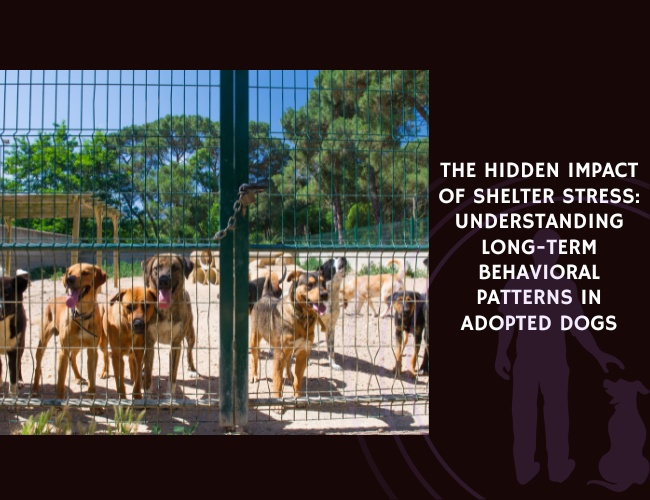
When you bring home a dog from a shelter, you might expect an immediate transformation. Perhaps you envision grateful tail wags, instant bonding, and seamless integration into your family routine. Yet many adopters find themselves puzzled when their seemingly calm shelter dog becomes reactive, withdrawn, or hyperactive within weeks of adoption. You might wonder if you made the wrong choice, or if the shelter misrepresented your new companion’s temperament.
The truth is far more nuanced and scientifically fascinating. Shelter environments, despite the best intentions of dedicated staff, create profound physiological and psychological changes in dogs. These changes don’t simply disappear the moment a dog crosses your threshold into freedom. Understanding the neurobiological impact of shelter stress transforms how we interpret post-adoption behavior and fundamentally reshapes effective integration strategies.
Let us guide you through the science of shelter-induced stress, the lasting behavioral patterns it creates, and—most importantly—exactly what you can do to support genuine recovery in your adopted companion.
The Shelter Environment: A Perfect Storm of Chronic Stress
Understanding Environmental Stressors
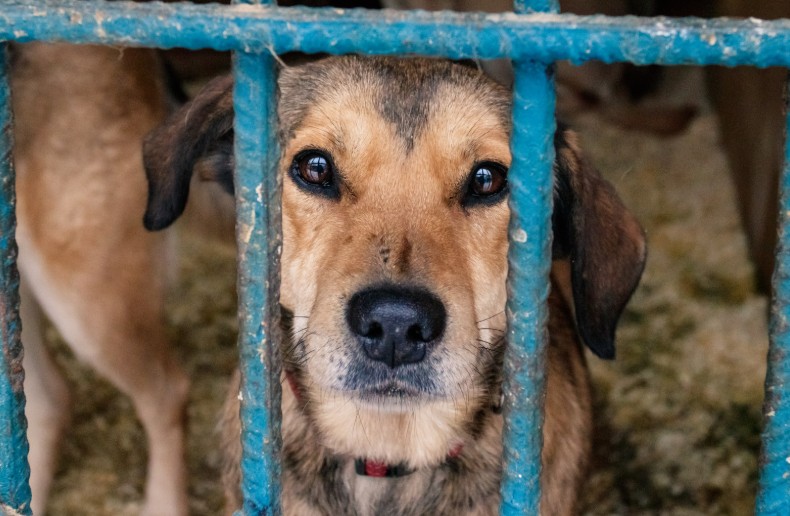
Imagine living in a space where noise erupts unpredictably throughout the day and night. Where strangers appear without pattern or warning. Where your movement is confined to a small area, and every aspect of your routine is controlled by forces beyond your influence. For shelter dogs, this isn’t imagination—it’s daily reality.
The shelter environment presents multiple concurrent stressors that fundamentally alter how a dog’s nervous system functions. Research on stress physiology demonstrates that unpredictable environmental challenges significantly impact recovery capacity. When stressors are random rather than predictable, the body’s stress response systems remain chronically activated, unable to return to baseline calm.
In shelter contexts, this manifests through several key pressures:
Primary Environmental Stressors:
- Constant barking creating sustained auditory overload with sound levels harmful to human workers in industrial settings
- Visual stimulation from seeing other dogs, strangers, and activity without respite
- Unpredictable human traffic and irregular schedules preventing routine formation
- Inability to escape or control exposures keeping stress hormones elevated continuously
- Fluorescent lighting and lack of natural day-night cycles disrupting circadian rhythms
- Chemical smells from cleaning products and other dogs creating olfactory overwhelm
Confinement adds another layer of physiological pressure. Research indicates that organisms develop specific adaptations to environmental stress, with resilience strategies varying based on exposure intensity and duration. Dogs in shelters experience restriction of movement and complete loss of agency over their environment. They cannot choose when to rest, play, eliminate, or seek solitude. This lack of control creates conditions remarkably similar to what psychologists call “learned helplessness”—a state where even when opportunities for choice later appear, the capacity to exercise agency has been fundamentally impaired.
The Dose-Response Relationship: Time Matters
Not all shelter experiences create equal impact. Evidence from long-term stress studies suggests cumulative effects over time, with duration and developmental timing both playing critical roles. A dog spending three days in a shelter faces different neurobiological consequences than one enduring three months or three years of confinement.
For younger dogs, the stakes are even higher. Puppies in shelters during critical developmental periods may experience more profound long-term effects, as their stress response systems are still forming. These early exposures shape neural pathways that influence how the dog will respond to challenges throughout life. Research on early adverse experience shows that timing matters enormously—what happens during sensitive developmental windows creates lasting changes in emotional reactivity and behavioral flexibility.
This creates several important implications you should understand:
Critical Timing and Duration Factors:
- Early exposure during puppyhood (under 6 months) produces more profound long-term effects than similar exposure in adult dogs
- Duration thresholds exist where behavioral adaptation shifts from temporary coping to more permanent pattern
- Critical periods during development (3-14 weeks, adolescence) represent particular vulnerability where shelter stress shapes lifelong response tendencies
- Older dogs (7+ years) show reduced neuroplasticity making recovery slower but still possible
- Multiple shelter stays create compounding trauma beyond single shelter experiences
Not All Shelters Are Equal: Understanding Different Stress Profiles
How Shelter Type Shapes Long-Term Impact
Before diving deeper into neurobiological mechanisms, you need to understand that shelter experiences vary dramatically. The type of shelter environment, length of stay, and your dog’s pre-shelter history all create distinct stress profiles that influence recovery needs.
High-kill versus no-kill facilities create different psychological pressures:
High-Kill Shelter Characteristics:
- Severe resource constraints with shorter timelines creating urgency
- Higher stress levels among staff that dogs detect and mirror
- Time pressure and euthanasia awareness creating environmental tension
- Faster turnover reducing opportunities for attachment or routine
No-Kill Shelter Characteristics:
- Elimination of euthanasia pressure providing time security
- Potential for years-long confinement creating institutionalization
- Chronic long-term stress rather than acute crisis stress
- Risk of “kennel fatigue” where dogs give up hope of adoption
Urban shelters typically feature constant sensory overload:
Urban Shelter Stress Factors:
- Traffic noise creating constant background activation
- Dense dog populations with limited space per animal
- Frequent intake and adoptions creating turnover stress
- More visitor traffic and potential adopter interactions
- Higher staff turnover affecting relationship consistency
Rural Shelter Considerations:
- Quieter environments reducing auditory stress
- Often fewer resources and less consistent staffing
- Potentially longer stays due to lower adoption traffic
- More outdoor access in some facilities
- Less exposure to urban stimuli that might be relevant post-adoption
Kennel design profoundly affects stress levels. Traditional concrete runs with metal gates create harsh acoustics where every bark echoes and amplifies. Visual barriers between kennels reduce social stress but limit enrichment opportunities. Open-concept housing with visual social contact may reduce isolation stress while increasing stimulation stress. Your dog’s specific shelter configuration shaped their particular adaptation patterns.
Length of Stay: Different Timelines, Different Impacts
A dog who spent two weeks in a shelter faces fundamentally different recovery needs than one who endured two years. Understanding these categories helps you calibrate expectations and interventions.
Short-stay dogs (under 4 weeks) may experience acute stress but limited chronic dysregulation. Their nervous systems didn’t have time to deeply encode shelter-specific patterns. Recovery often happens relatively quickly—within 2-4 months—though honeymoon period dynamics still apply. These dogs may seem “easier” but still require proper decompression protocols.
Medium-stay dogs (1-6 months) represent the majority of shelter adoptions. They experienced sufficient duration for neurobiological changes while maintaining some behavioral flexibility. Recovery typically requires 4-8 months of consistent support. You’ll see more pronounced rebound effects and need more patience as shelter-learned patterns surface and reorganize.
Long-stay dogs (6 months to 2+ years) developed deep institutionalization. Their entire stress response system calibrated to shelter life. These dogs require 8-16 months minimum for meaningful integration, often showing the most dramatic behavioral shifts post-adoption. What you see in the shelter may bear little resemblance to authentic personality—years of suppression mask who they truly are.
Pre-Shelter History: Context Matters
Your dog’s journey before arriving at the shelter significantly impacts their recovery trajectory:
Stray Capture Background:
- Trauma from being chased, trapped, or handled roughly during intake
- Weeks or months of street survival developing hypervigilance
- Resource guarding from competition for food and shelter
- Potential human avoidance from negative street interactions
- Layered stress responses combining street trauma with shelter confinement
Owner Surrender Background:
- Abandonment trauma and attachment disruption
- Profound confusion about why their world ended
- Possible grief and depression in early shelter days
- Previous stable home life making shelter particularly jarring
- Fear of another abandonment creating intense separation anxiety post-adoption
Abuse and Neglect Background:
- Pre-existing PTSD and fear conditioning before shelter arrival
- Complex trauma responses that shelter compounds rather than causes
- Shelter may feel safer than previous environment creating complicated dynamics
- Longest recovery timelines requiring most specialized support
- Potential for specific triggers related to abuse history
Neurobiological Impact: How Stress Rewires the Brain
HPA-Axis Dysregulation and the Chronic Stress Response
Your dog’s stress response system—the hypothalamic-pituitary-adrenal (HPA) axis—evolved to handle acute threats. A predator appears, cortisol and adrenaline surge, the dog fights or flees, and then the system returns to baseline. This works beautifully for occasional stressors. But shelters create something entirely different: chronic, inescapable activation.
Research on HPA-axis stress reactivity reveals critical insights. Studies demonstrate that chronic stress creates prolonged activation of the axis with impaired recovery to new stressors. This means shelter dogs don’t just experience stress while confined—their entire stress response system becomes fundamentally altered. When they encounter new challenges after adoption, they respond with exaggerated intensity and struggle to return to calm.
Workplace stress research offers a fascinating parallel. Different types of chronic stress create differential associations with how organisms respond to acutely stressful events. For shelter dogs, this means months of chronic environmental pressure fundamentally reshape how they’ll react to the relatively minor stressors of home life—a doorbell, a dropped pan, an unexpected visitor.
You might notice this manifests as seemingly disproportionate reactions to small triggers:
Signs of HPA-Axis Dysregulation:
- Overreaction to minor stressors like dropped objects or doorbells
- Prolonged recovery time after stressful events (30+ minutes to return to baseline)
- Inability to relax even in calm environments
- Startle responses to normal household sounds
- Elevated baseline tension visible in body posture
- Difficulty transitioning between activities or states
- Cortisol-driven behaviors appearing at predictable times (often evenings)
Through the NeuroBond approach, we recognize that these responses reflect altered physiological baselines, not personality flaws or training deficits.
Fear System Sensitization and Hypervigilance
Evidence suggests repeated stress exposure creates lasting changes in threat reactivity. Research demonstrates that chronic stress increases emotional reactivity in the amygdala—the brain’s threat detection center—with heightened activity to negative stimuli. For shelter dogs, this neurobiological change produces several observable patterns:
Hypervigilance Manifestations:
- Heightened threat detection systems scanning constantly for danger
- Reduced threshold for fear responses to neutral stimuli
- Impaired discrimination between actual and perceived threats
- Constant monitoring of environment even during rest
- Difficulty focusing on positive experiences due to threat scanning
- Reactivity to stimuli that didn’t trigger responses pre-shelter
- Context-dependent expression where certain environments trigger more intense vigilance
Studies on early adverse experience demonstrate that behavioral differences from stress exposure are context-dependent. This is crucial for you to understand. Your dog’s hypervigilance may manifest differently across environments. They might seem relatively calm in certain settings while becoming intensely reactive in others, not because they’re being difficult, but because specific contexts trigger their altered threat detection systems.
Cognitive Flexibility: When Learning Becomes Difficult
Chronic stress fundamentally alters learning capacity and behavioral flexibility. Research shows that sustained stress exposure produces persistent impairment in cognitive flexibility and decision-making. For shelter dogs, this manifests in ways that profoundly affect training and integration:
Cognitive Flexibility Challenges:
- Difficulty adapting to new routines or schedule changes
- Rigid behavioral patterns developed as survival strategies
- Impaired reversal learning when shelter-learned behaviors become inappropriate
- Slower response to training compared to non-traumatized dogs
- Preference for known patterns even when maladaptive
- Struggle with generalization of learned behaviors to new contexts
- Reduced problem-solving capacity under stress
Rigid behavioral patterns developed as survival strategies resist modification. This doesn’t reflect stubbornness or lack of intelligence. The dog’s brain literally became less flexible in response to prolonged stress exposure. What appears as resistance to training is actually neurobiological rigidity—the nervous system preferring known patterns even when they’re no longer adaptive.
Impaired reversal learning creates particular challenges when shelter-learned behaviors become inappropriate in home contexts. The dog must not only learn new responses but actively unlearn deeply encoded patterns while their cognitive flexibility is compromised. This requires patience and specific approaches that support neuroplasticity rather than demanding immediate behavioral change. 🐾
Emotional Regulation: The Fear-Seeking Balance
When Fear Suppresses Natural Drive
Shelter environments create chronic activation of what neuroscience researchers call FEAR systems—the brain networks evolved to detect and respond to threats. This chronic activation has a suppressing effect on SEEKING systems—the neural networks driving exploration, play, and appetitive behaviors.
Research on habit formation and stress shows that repeated stress exposures fundamentally affect cognitive flexibility and motivated behavior. For shelter dogs, sustained fear activation prevents normal exploratory and appetitive behaviors from emerging. This creates a profound imbalance in emotional functioning.
You might observe your adopted dog showing limited interest in toys, food, or exploration during early weeks at home. This doesn’t necessarily indicate low drive or a calm temperament. Often, it reflects suppressed SEEKING systems that require time and environmental safety to reactivate. The dog possesses these motivations, but chronic fear activation keeps them buried beneath threat-focused attention.
Emotional Shutdown Versus Hyperreactivity
Stress responses manifest through two seemingly opposite patterns, both representing adaptive strategies to overwhelming pressure. Some dogs develop suppression and withdrawal—learned inhibition as a coping strategy. Others show exaggerated reactivity—sensitized emotional responses to relatively minor triggers.
Research on emotional regulation and stress demonstrates that the specific strategy adopted depends on individual temperament, particular shelter conditions, and duration and intensity of exposure. Neither response is inherently better or worse. Both represent the nervous system’s attempt to maintain functioning under impossible conditions.
Emotional Shutdown Indicators:
- Appearing calm or “bomb-proof” in shelters but actually dissociated
- Limited facial expressions or emotional range
- Minimal vocalizations even in situations that would normally elicit sound
- Slow, careful movements suggesting internal suppression
- Reduced eating, playing, or social engagement
- “Checking out” mentally during stressful moments
- Difficulty initiating behavior or showing preferences
Hyperreactivity Indicators:
- Rapid emotional escalation from calm to intense arousal
- Exaggerated responses to minor triggers
- Cycling between emotional extremes (desperate seeking then withdrawal)
- Intense vocalizations (whining, barking, howling)
- Pacing, spinning, or other displacement behaviors
- Difficulty settling or achieving rest
- Reactive responses that seem disproportionate to triggers
Dogs showing emotional shutdown may appear calm, compliant, and easy-going in shelters. You might select them precisely because they seem well-adjusted. Then weeks after adoption, entirely different behavioral patterns emerge—not because the dog deceived you, but because suppression strategies that worked for survival in confinement become unnecessary and unsustainable in a safe environment.
Conversely, dogs showing hyperreactivity may cycle through intense emotional states—seeking contact desperately, then withdrawing, then erupting in seemingly disproportionate responses to small triggers. This reflects disorganized emotional regulation where the nervous system oscillates between fear and seeking without achieving stable equilibrium.
Moments of Soul Recall reveal how memory and emotion intertwine in behavior. Your dog isn’t deliberately difficult—they’re navigating profound dysregulation created by experiences beyond their control. 💙
Learning, Agency, and Behavioral Suppression
The Learned Helplessness Phenomenon
The lack of control over environment and outcomes in shelters creates ideal conditions for learned helplessness. Research on stress and physiological function shows that maintaining cellular homeostasis requires precise matching of energetic demand and supply. When dogs cannot influence their environment, this essential matching becomes impossible.
Consider what this means for your adopted companion. In the shelter, nothing they did changed their circumstances. Vocalizing didn’t bring comfort. Attempting to play didn’t result in engagement. Showing stress didn’t reduce confinement. Over weeks and months, the dog’s nervous system learned a devastating lesson: initiative is futile.
This manifests post-adoption in several ways you might misinterpret:
Learned Helplessness Indicators:
- Reduced initiative and exploratory behavior appearing as calmness
- Passive coping strategies persisting even when active engagement would be rewarded
- Motivational deficits that look like laziness or low drive
- Waiting for direction rather than making choices independently
- Lack of play initiation or interest in novel experiences
- Accepting discomfort without attempting to change circumstances
- “Shut down” appearance during training or new situations
Understanding this transforms training approaches. Demanding compliance from a dog experiencing learned helplessness adds pressure to an already compromised system. What these dogs need isn’t obedience training—it’s agency restoration.
The Masked Drive Phenomenon: Suppression Versus Absence
Shelter conditions often require behavioral suppression for survival. Research on coping strategies shows that organisms develop specific adaptations in response to chronic challenges. Shelter dogs may suppress natural behaviors—play, exploration, vocalization—as strategies to reduce stress exposure in overwhelming environments.
This creates what we call the masked drive phenomenon. The behaviors aren’t absent—they’re suppressed. The dog possesses normal play drive, social motivation, and exploratory interest, but learned that expressing these in the shelter environment produced overwhelm or no reward. So they learned to inhibit expression.
You might experience this as a post-adoption rebound effect. The dog who seemed calm and easy in the shelter becomes hyperactive or reactive weeks after adoption. This wasn’t deception. The behavior was suppressed by environmental pressure, not absent. When those constraints are removed in a safer environment, the suppressed drives emerge—sometimes explosively, sometimes gradually, but almost always more intensely than expected.
This explains many puzzling adoption experiences. The dog appeared perfect at the shelter because survival required behavioral suppression. Now in your home, real personality and drive emerge as the nervous system slowly recognizes safety and releases long-held inhibitions. Through the Invisible Leash philosophy, we understand that authentic behavior requires emotional freedom, not just physical freedom. 🧡

Social Experience and Attachment Formation
The Quality of Human Contact in Shelters
Research on social contact in shelter dogs indicates that quality and consistency of human interaction significantly impacts behavioral outcomes. Unfortunately, shelters—despite staff dedication—typically provide brief, task-focused interactions with multiple different handlers and limited opportunity for secure attachment formation.
Consider this from your dog’s perspective. In the shelter, human interactions were often rushed and purposeful—feeding, cleaning, brief handling for medical care or potential adopter meetings. Dozens or hundreds of different people passed through, but no consistent relationship developed. This creates fundamental challenges for attachment readiness.
Studies on adoption transitions show that building trust and learning behavioral comfort limits in different environments is essential. Yet shelter dogs enter adoption without having experienced the secure, consistent relationship that would prepare them for bonding. They must simultaneously adjust to entirely new environments while forming their first genuine attachment—an enormous dual challenge.
Attachment Pattern Development
This inconsistent social experience shapes specific attachment patterns you may observe:
Attachment Pattern Types:
Ambivalent Attachment:
- Seeking contact but inability to settle during interaction
- Cycling between approach and avoidance behaviors
- Anxiety about proximity while simultaneously seeking it
- Difficulty trusting that connection will remain consistent
Avoidant Attachment:
- Learned independence as protection from disappointment
- Appearing aloof or uninterested in closeness
- Self-soothing without seeking human comfort
- Minimal reaction to separation or reunion
Disorganized Attachment:
- Conflicting approach-avoidance behaviors occurring simultaneously
- Dog wants connection but fears it equally
- Unpredictable responses to social interaction
- Most challenging pattern requiring longest recovery timeline
Research indicates early experiences shape attachment capacity profoundly. The finding that adopters often have unrealistic expectations about bonding timelines highlights the mismatch between shelter-conditioned attachment patterns and adopter assumptions. You might expect your dog to bond within days or weeks. The reality requires months of consistent, patient relationship building as your dog’s nervous system slowly learns that this time, attachment is safe. 😊
The Post-Adoption Transition: Environmental Contrast
Understanding Abrupt Context Change
The transition from shelter to home represents a massive environmental shift. Research on physiological adaptation shows organisms require significant time to adjust to new environmental conditions. For your dog, this includes adjusting to a novel sensory environment—quiet versus noisy, space versus confinement. They face changed social structure—consistent versus rotating caregivers. New behavioral expectations emerge—freedom versus restriction.
Every aspect of their experienced reality shifts simultaneously. Imagine being transported to an entirely different culture where social rules, environmental conditions, and daily patterns bear no resemblance to what you knew. This captures something of what your adopted dog experiences.
The Stress-Release Phenomenon
Many behaviors labeled as “problems” post-adoption actually represent stress release rather than inherent issues. Research on stress recovery indicates that physiological responses to new stressors are profoundly influenced by prior chronic stress exposure. This creates several important patterns you should understand.
Initial calm may reflect continued suppression, not genuine adjustment. Your dog may seem perfect for the first week or two—then behaviors emerge that surprise and concern you. This pattern is so common it has a name: the honeymoon period. During this time, your dog is still operating in survival mode, suppressing natural responses while assessing the new environment.
Emerging behaviors two to three weeks post-adoption represent authentic expression. The dog who seemed calm becomes reactive. The seemingly independent dog becomes velcro-attached. The quiet dog discovers their voice. These aren’t new behaviors—they’re suppressed patterns finally surfacing as the nervous system begins recognizing relative safety.
Understanding this transforms interpretation. The honeymoon period reflects transition time, not deception. Your dog wasn’t lying about their temperament in the shelter. They were surviving. Now they’re beginning to express who they actually are—which requires your patience and understanding rather than judgment or disappointment. 🐾
Reading Your Dog: Physiological Markers to Monitor
Understanding Stress Signals: Your Dog’s Body Speaks
Your dog’s nervous system communicates its state constantly through physiological signals. Learning to read these markers helps you assess recovery progress and adjust support appropriately. These signals exist on a continuum from subtle early warnings to obvious distress.
Subtle stress signals appear before obvious behavioral problems:
Early Warning Stress Signals:
- Lip licking when no food is present indicating internal discomfort
- Yawning outside of tired contexts signaling stress rather than fatigue
- Whale eye (seeing whites of eyes) revealing monitoring behavior and tension
- Head turns away from stimuli showing avoidance and discomfort
- Nose licking, especially rapid repeated licking indicating rising stress
- Brief freezing or stillness when observing environment
- Slow blinking as calming signal or processing overwhelm
- Ears pinned back or rotating to track sounds
- Raised paw or weight shifted backwards preparing for movement
Body tension manifests in specific ways:
Physical Tension Indicators:
- Tense, closed mouth with tight lips versus relaxed, slightly open mouth
- Stiff, frozen posture with weight shifted backwards signaling flight preparation
- Slow, careful movements indicating management of internal arousal
- Piloerection (raised hackles) showing autonomic nervous system activation
- Muscle rigidity visible along back, neck, or legs
- Tucked tail or tail held low and tight against body
- Shallow breathing from chest rather than deep belly breathing
- Tense facial muscles creating “worried” expression
Displacement behaviors reveal internal conflict:
Common Displacement Behaviors:
- Scratching when not itchy releasing physical tension
- Sniffing the ground suddenly during interactions avoiding social pressure
- Shaking off as if wet when dry discharging accumulated stress
- Sudden grooming or licking during neutral moments
- Stretching or play bows in non-play contexts
- Circling before lying down taking excessive time to settle
- Lip smacking or teeth chattering processing uncertainty
Heart Rate Variability: The Window Into Regulation
Heart rate variability—the variation in time intervals between heartbeats—provides crucial information about nervous system state. You don’t need medical equipment to observe indicators of this.
Relaxed breathing appears slow, deep, and regular:
Parasympathetic Breathing Signs:
- Roughly 10-30 breaths per minute for resting dog (varying by size)
- Belly moving more than chest indicating diaphragmatic breathing
- Minimal breath holds or irregular rhythm
- Quality of softness and ease to breathing pattern
- Able to take full, deep breaths while resting
- Breathing rate consistent rather than fluctuating
- No panting when temperature is comfortable
- Natural pauses between breaths without tension
Stress breathing shows distinct patterns:
Sympathetic Activation Breathing:
- Rapid, shallow breathing from chest rather than belly
- Panting when not hot or recently exercised signaling arousal
- Breath holding or irregular rhythm revealing dysregulation
- Inability to take full, deep breath even while lying down
- Breathing rate above 40 breaths per minute at rest
- Mouth breathing with tongue extended in non-heat situations
- Audible breathing or wheezing from tension
- Chest rising and falling noticeably versus subtle belly movement
During recovery, you’ll notice gradual shifts. Early weeks might show your dog rarely achieving truly relaxed breathing except during deep sleep. As nervous system healing progresses, you’ll see increasing moments of soft, slow breathing while awake and resting. This is genuine progress—it means parasympathetic capacity is returning.
Sleep Quality as Recovery Metric
Sleep provides perhaps the clearest window into nervous system healing. Dogs cannot fake deep parasympathetic rest—their physiology either achieves it or doesn’t.
Hypervigilant sleep patterns reveal continued dysregulation:
Dysregulated Sleep Indicators:
- Sleeping lightly and waking frequently at small sounds
- Never entering deep REM sleep with twitching or running movements
- Maintaining muscle tension even while sleeping
- Choosing locations monitoring doors or activity rather than comfort
- Eyes partially open during rest (“vigilant rest”)
- Startle response to normal household sounds while sleeping
- Inability to sleep through the night without waking
- Changing sleep locations frequently unable to settle
- Sleeping only during daytime when household is active
Healing sleep shows different qualities:
Recovery Sleep Indicators:
- Longer stretches of undisturbed rest (2+ hours continuous)
- Entering REM sleep with eye movement under closed lids
- Whisker twitching, soft running movements, or quiet vocalizations during dreams
- Body tension releasing completely during deep sleep
- “Upside-down dog” sleeping position with belly exposed
- Sleeping in seemingly uncomfortable positions due to true relaxation
- Choosing sleep locations based on comfort rather than tactical advantage
- Sleeping deeply enough to not wake when you move nearby
- Consistent sleep schedule developing naturally
Location choices also shift. Initially, your dog might only sleep in positions monitoring exits or compressed into corners. As recovery progresses, they’ll sleep in more open locations, eventually choosing spots purely for comfort rather than tactical advantage. They might sleep deeply enough that you can move near them without immediate waking—a profound sign of developing security.
Progress Tracking Framework: Measuring Real Recovery
Recovery isn’t linear, but tracking specific indicators helps you recognize genuine progress even during difficult weeks. Create a simple weekly assessment focusing on these domains:
Weekly Progress Tracking Metrics:
Baseline Arousal (1-10 scale):
- How activated does your dog seem during neutral, non-stressful times?
- Early weeks might average 7-8
- Progress shows gradual decrease to 4-5 after months
Recovery Speed from Stressors:
- How long until they return to baseline after stress?
- Initially might take 30-60 minutes
- Progress shows decrease to 5-10 minutes
Sleep Quality:
- Hours of genuine deep sleep achieved daily
- Initially only 2-3 hours despite 12+ hours lying down
- Progress shows increasing deep sleep duration
Behavioral Flexibility:
- How easily can your dog adjust to small routine changes?
- Initially any deviation triggers stress
- Progress shows increasing capacity for unpredictability
Social Engagement Moments:
- How many brief moments of genuine relaxed social interaction occur daily?
- Initially completely absent or extremely brief
- Progress shows increasing frequency and duration
Tracking these weekly helps you see patterns that daily observation might miss. You’ll notice that difficult weeks still show overall upward trajectory when viewed across months. 🧠
Concrete Support: Preparing Your Home and First Two Weeks
Environmental Setup Before Arrival
Proper home preparation dramatically affects your dog’s initial nervous system response:
Pre-Arrival Environmental Setup:
Quiet Decompression Zone:
- Choose room or area with minimal traffic and noise
- Provide comfortable bed and water in this sanctuary
- Cover windows if exposing dog to street activity
- Keep space simple and calm initially
- Ensure this area is accessible during crisis moments
Initial Access Restriction:
- Limit to one or two rooms plus decompression zone
- Use baby gates or exercise pens for clear boundaries
- Avoid closed doors that might trigger confinement panic
- Plan gradual expansion over weeks as comfort builds
Predictability Structures:
- Establish consistent locations for food and water
- Define specific routes for moving through home
- Remove or secure potential stressors and valuable items
- Cover or remove mirrors if dog shows reactivity to reflection
- Secure anything that could fall or make sudden noise
Safety Preparations:
- Prepare family members with behavior expectations
- Create protocol sheets for consistency
- Establish quiet zones where dog can retreat
- Remove toxic plants or hazardous items
- Check that yard is fully secure before arrival
Day-by-Day First Week Protocol
Day 1: Arrival and initial decompression. Your goal is simply getting your dog into your home with minimum stress:
Day 1 Critical Steps:
- Keep transition calm and brief avoiding excitement
- Take dog directly to designated bathroom area upon arrival
- Allow 10-15 minutes to sniff and eliminate with no pressure
- Guide directly to decompression zone after bathroom break
- Show water and bed location then leave them alone
- Sit quietly nearby if they seem distressed by complete solitude
- Avoid interaction, petting, or attempts to comfort
- Interrupt solitude only for calm bathroom breaks every 2-3 hours
- Offer one simple meal expecting little to no consumption
- Provide food for 15 minutes then remove without comment
- Accept that they may not eat for 24-48 hours
- Resist urge to comfort, reassure, or bond throughout day
- Recognize calm, boring presence is what they need most
Days 2-3: Establishing baseline routine. These days focus on creating predictable patterns:
Days 2-3 Routine Building:
- Wake at same time daily establishing consistency
- Bathroom breaks at consistent intervals (every 3-4 hours)
- Meals at identical times each day
- Keep all interactions minimal and functional
- Sit quietly in dog’s space 2-3 times daily for 10-15 minutes
- Bring book or calm activity avoiding direct interaction
- Allow dog to initiate contact if they choose
- Offer slow, calm petting only if dog presses into you
- Stop immediately if dog shows any stress signals
- Watch constantly for whale eye, lip licking, yawning, or tension
- If stress signals appear, increase distance or shorten duration
- Goal is finding interaction level that doesn’t trigger stress
- Focus on being present and predictable rather than bonding
Days 4-7: Very gradual expansion. By day 4 or 5, you might begin expanding access:
Days 4-7 Gradual Expansion:
- Assess if dog shows relatively calm baseline arousal in initial space
- Expand to one additional room only if calm is established
- Open door and allow exploration at dog’s own pace
- Never guide, encourage, or force exploration
- Introduce extremely simple, low-pressure enrichment
- Frozen Kong with wet food for slow feeding
- Scatter feeding (tossing kibble in grass or around space)
- Avoid toys requiring your engagement initially
- Watch for any signs of over-arousal from enrichment
- Continue all previous routine elements consistently
- Look for small progress signs by end of week one:
- Taking full breath and releasing it
- Lying down with reduced muscle tension
- Brief moments of environmental interest
- Accepting food with less hesitation
- Recognize tiny indicators matter more than dramatic shifts
The Two-Week Decompression Checklist
Use this as your guide for the critical first 14 days:
First Two Weeks: Non-Negotiable Boundaries:
Social Restrictions:
- No visitors to your home for first two weeks
- No walks in stimulating environments for 7-14 days
- No dog parks, pet stores, or public outings for 4-6 weeks minimum
- Use yard or very quiet outdoor spaces only for bathroom breaks
- Minimize all novel social interactions
Handling Limitations:
- Minimal handling for two weeks
- No forced grooming, nail trims, or baths unless medically necessary
- Touch initiated by dog only, kept brief and calm
- Discuss sedation with vet if medical care needed
- Avoid restraint or forced interaction
Training Moratorium:
- No training demands for 2-4 weeks
- No basic obedience work during initial period
- Only “training” is classical conditioning (building positive associations)
- Focus on regulation rather than behavior modification
- Wait for nervous system stability before cognitive demands
Routine Requirements:
- Maintain strict household routine for 14 days
- Same wake time, bathroom schedule, meal times daily
- Predictability is medicine for dysregulated nervous systems
- Even small variations (sleeping in on weekends) create stress spikes
- Everyone in household must maintain consistency
Sample Daily Routine Supporting Regulation
This schedule supports nervous system downregulation through predictable structure and parasympathetic activation.
7:00 AM: Bathroom break. Guide dog to designated area, give 10-15 minutes. Calm presence, no excitement or chatter.
7:30 AM: Breakfast. Provide meal and leave dog alone to eat. Remove bowl after 15 minutes whether eaten or not. For dogs too stressed to eat from bowls, scatter feed in their quiet space.
8:00 AM – 10:00 AM: Rest time. Dog stays in quiet space while you go about morning activities. Minimal interaction. This teaches that your presence in the home doesn’t always mean engagement or demands.
10:00 AM: Bathroom break. Same calm pattern.
10:30 AM: Brief quiet time together. Sit in dog’s space reading, working on laptop, or meditating. 15-20 minutes of parallel presence. Don’t initiate interaction but calmly accept if dog approaches.
11:00 AM – 1:00 PM: Rest time in quiet space.
1:00 PM: Bathroom break and optional brief sniff walk if your dog shows readiness. This means 5-10 minutes in low-stimulation area (your yard or quiet street) with dog setting the pace. Focus is sniffing and slow movement, not distance or exercise.
1:30 PM: Lunch meal or mid-day enrichment. Frozen Kong, snuffle mat, or scatter feeding provides gentle mental engagement.
2:00 PM – 5:00 PM: Rest time. Afternoon quiet is essential—nervous systems repair during rest.
5:00 PM: Bathroom break.
5:30 PM: Dinner meal. Same calm pattern as breakfast.
6:00 PM: Optional brief quiet time together. 15-20 minutes of calm parallel presence.
6:30 PM – 9:30 PM: Evening rest time. This is often when dogs show increased stress—nervous systems tend to be more activated in evenings. Extra quiet and calm is essential.
9:30 PM: Final bathroom break before overnight.
10:00 PM: Bedtime. Dog settles in their sleeping location (initially might need to be in decompression zone, gradually might move to sleeping near you as comfort builds).
This routine provides structure, regular elimination opportunities, multiple rest periods, and intentional parasympathetic activation through slow feeding and sniffing. Adjust timing to your schedule, but maintain consistency once established. 💙
Wounded. Adaptive. Recovering.
Early Survival Imprints Disrupted early development shapes emotional regulation systems calibrating the nervous system for uncertainty vigilance and rapid defensive shifts rather than safety and ease.
Sensitized Stress Systems Prolonged unpredictability lowers activation thresholds keeping the dog in a state of constant readiness where small triggers produce outsized emotional responses and slow recovery.


Alignment Builds Safety Through consistent structure relational presence and NeuroBond based regulation competing survival responses can settle allowing emotional stability trust and resilience to emerge over time.
Intervention Techniques: Building Regulation Capacity
Parasympathetic Activation Exercises
Your dog’s nervous system needs specific support to shift from chronic sympathetic activation to parasympathetic states:
Parasympathetic Activation Techniques:
Slow Feeding Protocols:
- Freeze wet food in Kongs for gradual consumption
- Scatter kibble in grass forcing slower, searching consumption
- Use snuffle mats hiding food in fabric folds
- Avoid bowl feeding which triggers gulping and arousal
- Transform meals into 15-20 minute regulation exercises
Sniff Walks:
- Let dog set pace (often barely moving for 15 minutes)
- Allow choosing where to sniff and how long
- Prioritize olfactory engagement over distance
- Dog chooses when to move to new location
- You’re silent companion providing leash safety only
- Sniffing activates calm focus and reduces arousal
Calm Stroking Patterns:
- Slow, rhythmic strokes along body in direction of fur
- Not petting for your enjoyment—intentional nervous system support
- Immediately cease if dog shows any stress signal
- Some dogs need months before regulating touch is possible
- Two-finger touches less overwhelming than full palm initially
Parallel Presence:
- Sit near dog doing calm activities (reading, quiet work)
- Your regulated nervous system influences theirs through proximity
- Say nothing, demand nothing, expect nothing
- Simply exist together calmly
Human Breathing Exercises:
- Practice 4-7-8 breathing (inhale 4, hold 7, exhale 8)
- Your slow breathing creates environmental calm
- Dogs attune to human breathing patterns
- You’re regulating yourself, which creates safety for dog
🏠 The Shelter Dog Recovery Journey
Understanding the neurobiological path from trauma to trust in 8 critical phases
Phase 1: Recognition
Understanding What Your Dog Experienced
The Neurobiology of Shelter Stress
Shelter environments create chronic HPA-axis activation, amygdala sensitization, and cognitive flexibility impairment. Your dog’s nervous system adapted to constant unpredictability through hypervigilance or shutdown. These aren’t personality traits—they’re survival adaptations that require months to reorganize.
What This Means for You
• The “calm” shelter dog may be emotionally shut down, not relaxed
• Behaviors emerging 2-3 weeks post-adoption are authentic expression, not deception
• Recovery timelines span 6-16 months depending on shelter duration
• Your dog’s responses reflect altered physiology, not poor training
Phase 2: Environmental Preparation
Creating a Recovery Space Before Arrival
Essential Setup Actions
• Establish quiet decompression zone with covered windows and white noise
• Restrict initial access to 1-2 rooms plus sanctuary space
• Remove mirrors, secure unstable items, create predictable pathways
• Prepare family members: no visitors, minimal interaction for 2 weeks
The Science Behind Less Is More
Dysregulated nervous systems cannot process large, novel environments. Restricting space paradoxically reduces stress by allowing mental mapping and predictability. Gradual expansion over weeks supports neuroplasticity rather than overwhelming fragile regulation capacity.
⚠️ Critical Warning
Do not give your dog “freedom” to explore the entire house immediately. This common mistake triggers overwhelm that can set recovery back weeks. Counter-intuitively, limitation creates safety.
Phase 3: The Critical First 48 Hours
Decompression Over Connection
Day 1: Arrival Protocol
Direct to bathroom area (10-15 min), then straight to decompression zone. Show water and bed, then leave alone. Resist all urges to comfort, bond, or interact. Your dog needs quiet existence, not stimulation. Expect little to no eating for 24-48 hours—this is normal stress response.
Day 2: Establishing Routine
• Bathroom breaks every 3-4 hours at exact same times
• Meals offered then removed after 15 minutes without comment
• Begin sitting quietly in dog’s space 2-3 times daily for 10-15 minutes
• No petting unless dog initiates—you’re establishing calm presence
Why Boring Is Beautiful
Your dog’s cortisol levels are peaking. Every interaction—even loving ones—adds stimulation their nervous system cannot process. Boring, predictable presence allows parasympathetic activation. Think of yourself as ambient furniture that occasionally provides food and bathroom access.
Phase 4: The Honeymoon Period
Weeks 1-4: Suppression Before Expression
What You’ll Observe
Week 1: Shutdown or hypervigilance—eating minimally, sleeping lightly, avoiding interaction. Week 2: First cracks in suppression—brief interest in environment, accepting treats more readily. Week 3: Authentic behaviors emerging—reactivity, clinginess, or vocalization appearing “suddenly.” Week 4: The real dog is surfacing.
The Stress-Release Phenomenon
Many “problems” arising week 2-4 aren’t new behaviors—they’re suppressed patterns finally surfacing. The calm dog becomes reactive, the independent dog becomes clingy. This is authentic expression, not bait-and-switch. Through the NeuroBond approach, we recognize this emergence as progress toward genuine self-expression.
Your Response Protocol
• Maintain rigid routine despite behavioral changes
• Increase decompression time when arousal rises
• Introduce sniff walks (5-10 min) in low-stimulus areas by week 3-4
• Still no training demands—only classical conditioning and relationship building
Phase 5: Peak Turbulence
Months 2-3: When Recovery Looks Like Regression
The Most Challenging Period
This is when most returns to shelter occur. Your dog is past suppression but hasn’t developed regulatory capacity. Separation anxiety peaks, reactivity intensifies, resource guarding emerges. You’re seeing authentic trauma responses without the coping skills that will eventually develop. This is normal, expected, and temporary.
Neurobiological Reality
Your dog’s amygdala is hypersensitive, HPA-axis dysregulated, and cognitive flexibility impaired. They’re operating with threat detection calibrated for shelter survival. Behavioral challenges aren’t defiance—they’re nervous system dysregulation requiring patient support, not correction.
Building Regulation Capacity
• Implement parasympathetic activation exercises: slow feeding, sniff walks, calm stroking
• Provide agency-building activities: choice in feeding location, route selection
• Emergency regulation toolkit ready: safe zone access, stimulation reduction
• Focus on nervous system support, not behavioral suppression
Progress Indicators to Track
Look for subtle shifts: moments of genuine deep sleep increasing, baseline arousal lowering slightly, recovery from stressors speeding up from 60 minutes to 30 minutes. These micro-improvements matter more than “perfect” behavior.
Phase 6: The Turning Point
Months 4-6: When Recovery Becomes Visible
Emerging Capacities
Baseline arousal noticeably lowers—you see periods of genuine calm that were absent earlier. Behavioral flexibility emerges: your dog adapts to minor routine changes, recovers faster from triggers, learns new behaviors more readily. Self-regulatory behaviors appear: shaking off stress, choosing calming activities independently.
Attachment Deepens
Your dog increasingly chooses proximity to you, shows comfort-seeking during stress, demonstrates happiness at reunions. The bond shifts from anxious or ambivalent toward secure attachment. Through Soul Recall, you’re witnessing emotional memory reorganizing toward trust rather than fear.
Gradual World Expansion
• Brief, low-key visits from calm friends (15-20 min)
• Short outings to quiet locations during off-peak hours
• Gentle introduction to car rides without destination pressure
• Continue supporting—your dog is improving but remains in active recovery
Phase 7: True Integration
Months 7-12: From Surviving to Thriving
Meaningful Transformation
Behavioral flexibility becomes robust—your dog handles routine variations, minor stressors, and challenges without major dysregulation. Authentic personality fully emerges: real temperament, play style, social preferences, energy level. Problem behaviors show substantial reduction in frequency, intensity, and duration.
Independent Coping Skills
Your dog shows increasing ability to self-regulate, make choices supporting their comfort, manage mild stress without your intervention. This genuine capacity building differs from suppression or dependence on your constant management. Recovery from occasional setbacks happens in hours instead of days.
The Partnership Deepens
By month 12, many adopters report their dog feels “normal”—integrated into household rhythms with manageable quirks rather than overwhelming challenges. The bond developed through this year often exceeds what forms with “easy” dogs. You supported profound healing, and your dog learned to trust despite their history.
Phase 8: Lifelong Considerations
Beyond Year One: Maintaining Progress
Triggers May Persist
Some dogs maintain specific sensitivities years post-adoption. Certain sounds, situations, or handling may always produce stronger responses than in non-traumatized dogs. This doesn’t mean recovery failed—it means respecting your dog’s neurobiological history while celebrating how far they’ve come.
Regression During Stress
Major life changes (moves, new family members, illness) may temporarily resurface old patterns. This is normal stress response, not permanent setback. Return to decompression protocols, increase predictability, reduce demands. Recovery happens faster with each cycle.
Celebrating the Journey
Your dog moved from chronic dysregulation to genuine capacity for joy, rest, and connection. They learned that safety exists, relationships endure, and trust is possible. You provided the patience and understanding that created space for this profound transformation. This is the essence of the Invisible Leash—guidance through emotional clarity rather than control.
📊 Recovery Timeline by Shelter Duration
Short Stay (Under 4 Weeks)
• Recovery: 2-4 months
• Challenge: Acute stress without deep institutionalization
• Focus: Preventing suppression patterns from solidifying
• Outlook: Faster integration with proper decompression
Medium Stay (1-6 Months)
• Recovery: 4-8 months
• Challenge: Neurobiological changes with some flexibility remaining
• Focus: Supporting nervous system reorganization
• Outlook: Most common adoption scenario requiring patient support
Long Stay (6+ Months)
• Recovery: 8-16 months
• Challenge: Deep institutionalization and rigid patterns
• Focus: Rebuilding agency and cognitive flexibility
• Outlook: Most dramatic transformation when given proper time
Puppy in Shelter
• Recovery: 6-12 months
• Challenge: Critical period exposure shaping lifelong patterns
• Focus: Socialization within regulation capacity
• Outlook: Higher neuroplasticity but deeper imprinting
Senior Dog Adoption
• Recovery: 8-14 months
• Challenge: Reduced neuroplasticity plus age-related changes
• Focus: Gentle, patient approach respecting limitations
• Outlook: Profound gratitude often accelerates bonding
Multiple Shelter Stays
• Recovery: 10-18 months
• Challenge: Compounding trauma and attachment injuries
• Focus: Building first secure attachment relationship
• Outlook: Requires specialized support but transformation possible
⚡ Quick Recovery Formula
First 2 Weeks: Decompression only → Zero training demands
Weeks 3-8: Relationship building → Classical conditioning, no obedience
Months 3-6: Regulation capacity → Parasympathetic activation exercises
Months 6-12: Behavioral flexibility → Gradual world expansion
Timeline Rule: Add 2 months recovery time for each month in shelter
Success Metric: Deep sleep hours increasing > “perfect” behavior
🧡 The Zoeta Dogsoul Philosophy
Shelter recovery embodies the essence of our three core principles. Through NeuroBond, we recognize that authentic connection requires meeting your dog’s nervous system where it currently functions—not demanding it operate at capacity it hasn’t yet developed. The Invisible Leash reminds us that true guidance flows through emotional clarity and calm presence, not through control or correction of dysregulated behaviors. And Soul Recall acknowledges that your dog’s emotional memory is reorganizing from survival to safety—a profound transformation that honors both their history and their healing.
This journey from shelter trauma to home integration isn’t about training obedience—it’s about supporting neurobiological recovery so that behavioral flexibility can emerge naturally. Your patience creates the space where regulation capacity can develop. Your consistency provides the predictability that allows reorganization of patterns formed under impossible circumstances. Your understanding transforms what could be judgment into compassion.
That balance between neuroscience and soul, between understanding HPA-axis dysregulation and honoring the emotional journey—this is where lasting transformation happens. This is the essence of Zoeta Dogsoul.
© Zoeta Dogsoul – Where neuroscience meets soul in dog training
Agency-Building Activities: Restoring Choice
Learned helplessness requires specific intervention—experiences where your dog’s choices produce predictable outcomes:
Agency-Building Activity Options:
Choice-Based Feeding:
- Place three identical food bowls in different locations
- Let dog choose which to eat from
- Food identical, locations safe—only variable is their choice
- Teaches choices produce outcomes
Two-Option Enrichment:
- Offer frozen Kong and snuffle mat simultaneously
- Let dog choose which to engage with, or neither
- Don’t guide or encourage selection
- Remove unchosen option after a moment
- Their selection mattered and produced outcome
Route Choice During Bathroom:
- Pause at door before exit
- Let dog indicate preferred direction
- Follow their lead rather than predetermined route
- Choice affects what happens
Rest Location Options:
- Provide 2-3 comfortable resting spots in different areas
- Let dog choose where to settle
- Don’t call them or guide to specific bed
- Their choice of rest location is valid and respected
Greeting Choice Protocol:
- When entering room, don’t immediately approach dog
- Give choice to approach you or not
- If they approach, offer calm attention
- If they don’t, respect that choice
- Dog controls pace of social engagement
Activity Timing Choice:
- Present leash and wait for dog’s interest signal
- Offer treat pouch and see if dog shows engagement
- Let dog indicate readiness rather than imposing timing
Predictability Structures: Building Safety Through Consistency
Predictability allows nervous systems to stop constant vigilance and conserve energy for healing. These structures create environmental reliability.
Specific routine markers signal what comes next: Use a particular word or sound before each activity. “Outside” always precedes bathroom breaks. “Breakfast” always precedes meals. “Quiet time” precedes periods when you’ll be in another room. These markers help your dog predict and prepare rather than being constantly surprised.
Consistent handling protocols reduce anxiety: If you must handle your dog (for medical care, grooming, etc.), develop an exact sequence you follow every time. Perhaps you always approach from the side, touch the shoulder first, then slowly move to the area needing attention. Consistency makes the experience predictable even if uncomfortable.
Location-specific activities create mental maps: Feed always in the same spot. Water always in the same location. Bathroom breaks always exit through the same door. This allows your dog to develop reliable expectations about what happens where.
Time-based predictability supports regulation: Dogs don’t read clocks, but they’re remarkably attuned to time patterns. If meals happen at roughly the same times daily (within a 30-minute window), your dog’s physiology can prepare—digestive system activating, stress hormones lowering. This is why maintaining schedule on weekends matters so much initially.
Transition warnings reduce startle: Before changing activities, give a 2-minute warning. “Almost outside time” spoken calmly alerts your dog to coming transition. Then follow through within 1-3 minutes. This prevents abrupt changes that spike arousal.

Emergency Regulation Tools: When Dysregulation Happens
Despite best efforts, your dog will experience dysregulated moments. Having tools ready prevents these from becoming traumatic:
Emergency Regulation Toolkit:
Immediate Environmental Response:
- Guide calmly to pre-established safe zone
- Close curtains blocking external stimuli
- Turn off music, TV, or bright lights
- Minimize your own movement and sound
- Remove all arousing stimuli immediately
Distance and Silence Protocol:
- Resist urge to comfort or reassure verbally
- Position where dog can see you if they choose
- Don’t approach or speak during acute distress
- Give nervous system space to process
- Aroused systems cannot handle social demands
Food-Based Interruption:
- Offer long-lasting chew if dog can engage with food
- Bully stick, frozen marrow bone, or similar
- Chewing activates parasympathetic system
- Don’t force if dog too activated to eat
- This works for moderate arousal, not panic
Panic Prevention:
- Watch for escalation signs (hyperventilation, dilated pupils, unresponsive)
- Scatter high-value food pieces on ground near dog
- Can interrupt escalation loop in some cases
- If ineffective within 30 seconds, consult vet about medication
- Some dogs need pharmaceutical support preventing trauma
Recovery Time Requirements:
- Allow hours (not minutes) for full baseline return
- Keep environment calm for rest of day
- Minimize demands after dysregulation episode
- Think of it like recovering from panic attack
- System remains vulnerable for extended period
Documentation Practice:
- Note what preceded dysregulation (if identifiable trigger)
- Record duration of episode
- Track what interventions helped or didn’t
- Build pattern recognition over time
- Identify potential environmental adjustments
Specific Behavior Problem Deep-Dives
Sleep Disturbances: When Rest Eludes Your Dog
Sleep disturbances represent one of the clearest indicators of ongoing nervous system dysregulation:
Sleep Disturbance Categories:
Night Waking Patterns:
- Startling awake at small sounds revealing hypervigilance
- Nervous system never convinced of safety during sleep
- Treatment: white noise machines, covered crate, weighted blanket
- Environmental security improvements essential
Inability to Settle:
- Circling, repositioning, getting up and down repeatedly
- Internal arousal preventing settling despite physical tiredness
- Support: vigorous mental exercise before bed, temperature optimization
- Potentially calming supplements (l-theanine) under vet guidance
Hypervigilance During Rest:
- Eyes opening frequently, ears tracking sounds
- Body remaining tense when lying down
- “Resting” without recovering
- Requires: positioning with view of entrances, possibly crate with cover
- Gradual confidence building that environment is safe
Early Morning Waking (4-5 AM):
- Often cortisol pattern related—stress hormones rise early
- Larger evening meal, vigorous sniff walk before bed may help
- Dark, cool sleeping environment
- If persisting beyond 2-3 months, discuss melatonin with vet
Nightmares and Distressed Sleep Vocalizing:
- Processing trauma during REM sleep
- Actually sign of healing—achieving deep sleep to dream
- Don’t wake unless genuine distress
- Brain doing essential processing work
Food-Related Behaviors: When Eating Is Complicated
Food behaviors often mystify adopters because eating seems straightforward. For shelter dogs, food became associated with stress, competition, and scarcity:
Food-Related Behavior Patterns:
Speed Eating to Vomiting:
- Reflects competition anxiety and scarcity mindset
- Eating quickly was adaptive in shelter
- Support: slow-feeding devices, very small frequent portions
- Ensure dog eats in complete isolation
Food Hiding/Caching:
- Taking food to hide rather than eating
- Indicates resource insecurity and mistrust
- Never punish or prevent this behavior
- Demonstrate reliability through consistent feeding schedule
- May continue occasionally for months/years—normal variation
Meal Refusal Despite Availability:
- Sniffing food then walking away, returning hours later
- Stress suppression of appetite plus difficulty state-transitioning
- When hypervigilant, eating feels unsafe
- Offer in safest location, remove after 15-20 minutes without coaxing
- Healthy dogs won’t starve with food offered twice daily
- If persisting beyond one week, rule out medical issues
Strange Eating Patterns:
- Only eating at night, only when alone, only specific textures
- Dog cannot relax enough under certain conditions
- Build positive associations with eating in your presence
- Ensure eating areas very quiet and protected
- Respect need to eat in safe conditions initially
Possessive Aggression Around Food:
- Resource insecurity and previous competition
- Never reach toward dog while eating
- Never take bowls with food remaining
- Drop additions from distance
- Teach human hands near food mean good things
- Requires professional guidance if aggression intense
House Training Regression: Neurobiological, Not Behavioral
House training regression frustrates adopters who see it as willful. Understanding neurobiological mechanisms transforms this:
House Training Regression Categories:
Stress Incontinence:
- Involuntary urine releases during arousal moments
- Greetings, startle responses, mildly stressful situations
- Sympathetic nervous system overwhelming bladder control
- Not chosen behavior—physiological response
- Support: reduce greeting arousal, avoid stress triggers
- Most dogs outgrow as regulation improves
Anxiety-Based Marking:
- Indoor marking reflecting territorial insecurity
- Not dominance—anxiety and insecurity
- Dog doesn’t feel space is securely theirs yet
- Clean thoroughly with enzymatic cleaner
- Restrict access initially (smaller space easier to claim)
- Ensure extensive outdoor marking opportunities
- Decreases as security develops
Forgotten Previous Training:
- Chronic stress impairing cognitive flexibility and memory
- Dog may have been trained before shelter
- Months of stress degraded learned behaviors
- Not starting completely over but reinforcing compromised learning
- Return to basics: frequent outdoor trips, extensive praise
- Patience as relearning occurs
Submissive Urination:
- During greetings or interactions displaying appeasement
- Profound insecurity and fear requiring status communication
- Punishment makes worse
- Support: reduce greeting intensity, approach from side
- Crouch reducing height differential
- Build confidence that interactions don’t require appeasement
Medical Contributors:
- Urinary tract infections, bladder inflammation
- Hormone-related incontinence, GI issues
- Anxiety-induced bladder/bowel conditions
- If persisting beyond 4-6 weeks despite behavioral protocols
- Veterinary examination essential
Touch Sensitivity: When Handling Hurts
Touch sensitivity and handling defensiveness often surprise adopters. You reach to pet your dog, and they flinch, freeze, or even snap. This doesn’t mean your dog is aggressive—it means touch became associated with stress or pain.
Shelter-induced handling defensiveness develops from necessary but stressful handling: restraint for medical care, rough handling during intake or transport, lack of gentle positive touch. Your dog learned that human hands approaching often meant something uncomfortable or overwhelming. They developed reflexive defensive responses that persist even when your intentions are purely affectionate.
Body regions matter: Many shelter dogs tolerate hand contact on shoulders or chest but react defensively to touches near head, paws, tail, or rear. This reflects both shelter experiences and vulnerability—a dog’s head and rear are sensitive areas that require enormous trust to allow handling.
Start with parallel presence without touch. Sit near your dog without reaching for them. Let them observe that your proximity doesn’t automatically mean handling demands. When they show relaxation in your presence, you might offer one slow hand movement toward them, then withdraw before touching. You’re teaching that hand movement doesn’t always culminate in contact.
Let your dog initiate contact first. When they approach and lean into you, offer very brief, slow contact on their shoulder or chest. Two seconds, then stop. If they press back for more, another brief touch. Never escalate to longer duration or more vulnerable areas until your dog shows they’re seeking that contact.
Use two-finger touches initially rather than full hand contact. This reduces the perceived threat—a couple fingers feels less overwhelming than a whole palm approaching. Very gradually build up to fuller hand contact as your dog shows comfort.
Pair handling with high-value rewards, but only when your dog is already calm. Don’t try to counter-condition handling during stress—this can make worse. In calm moments, brief shoulder touch followed immediately by special treat. Very slowly build duration and eventually expand to other body areas.
Some dogs need months before accepting handling beyond functional necessity. Respect this timeline. Forced handling creates trauma, not trust. Your dog will indicate readiness by seeking contact, leaning into touch, and showing relaxed body language during handling. 😊
Nighttime Anxiety: When Evenings Escalate Stress
Many adopters notice their dogs show increased stress during evening hours—pacing, whining, inability to settle, or regressing to behaviors they’d improved on during daytime. This pattern isn’t random; it reflects neurobiological rhythms and environmental changes.
Cortisol patterns create evening vulnerability. Stress hormone levels naturally fluctuate across the day. For dysregulated dogs, cortisol often rises in late afternoon and evening rather than following healthy patterns. This makes evenings physiologically more stressful even without external triggers.
Environmental changes at evening amplify this. As daytime activity ends, the house changes: lighting shifts, sounds change, family members return from work or school creating energy spikes, evening routines differ from daytime patterns. For a dog still building environmental predictability, these shifts create uncertainty.
Fatigue reduces regulatory capacity. After managing arousal all day, your dog’s nervous system is depleted by evening. They have less capacity to cope with stimuli that they managed adequately in morning hours. This isn’t weakness—it’s normal physiology. Humans show the same pattern.
Support nighttime regulation through specific protocols: Reduce environmental stimulation starting 2-3 hours before bedtime. Dim lights, lower sound, minimize activity. Create a pre-bed routine that never varies: calm sniff walk, final meal or chew, bathroom break, settling in sleeping area. This predictable wind-down helps your dog’s nervous system prepare for overnight rest.
Provide evening enrichment that promotes calm rather than arousal. A frozen Kong, bully stick, or lick mat gives evening activity that activates parasympathetic systems rather than driving arousal. Some dogs benefit from classical music or white noise masking evening household sounds.
If your dog shows persistent evening anxiety beyond 3-4 months, discuss with your vet whether calming supplements or medication might support this vulnerable period. Trazodone, gabapentin, or other options can help dogs bridge evenings while building regulatory capacity. This isn’t giving up—it’s providing medical support for physiological vulnerability. 🧠

Multi-Dog Household Considerations
How Resident Dogs Respond to Shelter-Traumatized Newcomers
Bringing a shelter dog into a home with resident dogs adds complexity. Your existing dogs are also affected by the newcomer’s dysregulation, and their responses range from helpful to problematic.
Stable, well-regulated resident dogs sometimes serve as wonderful models. They demonstrate that the environment is safe through their own calm behavior. The newcomer observes that the resident dog sleeps deeply, approaches humans confidently, and handles household activities calmly. This social learning can accelerate the shelter dog’s recovery—they’re learning from a trusted conspecific that this environment is genuinely safe.
However, some resident dogs become activated by the newcomer’s stress. Dogs are remarkably attuned to each other’s arousal states. A hypervigilant shelter dog constantly scanning for threats can trigger vigilance in resident dogs who previously felt secure. You might notice your resident dog who never barked at mail delivery suddenly joining the shelter dog’s reactivity. This is stress contagion, not personality change.
Tolerant resident dogs may allow violations of normal canine social boundaries initially but eventually become reactive if the shelter dog doesn’t learn appropriate interaction. A dog in survival mode might resource guard inappropriately, approach too directly, or fail to read calming signals. Your resident dog might tolerate this initially out of social generosity but will eventually correct these violations—potentially creating conflicts.
Some resident dogs show profound stress from the newcomer’s presence. They might decrease eating, show changes in elimination habits, become clingy with humans, or show increased overall anxiety. This indicates the new dog’s presence is overwhelming rather than neutral. These households require professional support to navigate integration without traumatizing resident dogs.
When to Integrate Versus When to Separate
The common advice to “let them work it out” is dangerous with shelter dogs. Integration requires careful management based on both dogs’ capacity.
Initial separation for 2-4 weeks allows the shelter dog to begin regulating before adding social complexity. Use baby gates or exercise pens to create visual but not physical access. The dogs can see and smell each other but cannot interact. This reduces pressure on both dogs—the shelter dog isn’t managing social demands while dysregulated, and the resident dog isn’t dealing with a boundary-violating newcomer.
Parallel presence activities build positive associations before direct interaction. Feed dogs on opposite sides of a gate, do parallel sniff walks with 10-15 feet distance, practice calm settling in the same room but separated by barriers. You’re creating positive experiences in each other’s presence without requiring direct social negotiation.
Brief supervised interactions begin only when the shelter dog shows reduced baseline arousal and some regulatory capacity. These sessions should be very short (2-5 minutes), in neutral spaces, and immediately interrupted at the first stress signal from either dog. One successful calm interaction is worth more than ten stressful forced exposures.
Watch for these red flags requiring professional intervention:
Multi-Dog Integration Warning Signs:
Stress Indicators in Either Dog:
- Significant stress signs even through barriers (gates, separate rooms)
- Any displays of aggression beyond normal corrections
- Shelter dog fixating on or stalking resident dog
- Resident dog showing persistent anxiety or behavioral changes
- Your inability to interrupt interactions before escalation
Resident Dog Impact:
- Decreased appetite lasting more than 2-3 days
- Changes in elimination habits (accidents, marking)
- Increased clinginess or anxiety with humans
- Destructive behavior when previously well-behaved
- Social withdrawal or hiding
- Sleep disturbances or restlessness
Integration Complications:
- Repeated escalations despite management
- Either dog unable to relax in other’s presence
- Constant vigilance from either dog
- Incompatible play styles creating tension
- Resource competition that doesn’t improve
Long-Term Management Needs:
- Some dogs require months of parallel but separated living
- A few require permanent management (coexist but never direct access)
- This isn’t failure—it’s appropriate management
- Professional assessment helps determine viability
Using Stable Dogs as Co-Regulators
When integration is successful, stable resident dogs can powerfully support recovery:
Co-Regulation Benefits and Methods:
Modeling Calm Responses:
- Doorbell rings, resident dog glances up then naps
- Shelter dog observes stimulus doesn’t require defense
- Over many repetitions, helps recalibrate threat assessment
- Social learning from trusted conspecific
Physical Proximity Regulation:
- Presence of calm conspecifics can lower stress hormones
- Research shows parasympathetic activation support
- When shelter dog chooses to settle near resident dog
- Unconsciously seeking co-regulation effect
- Must be dog’s choice, not forced proximity
Play as Regulatory Function:
- Genuine play requires moderate arousal (not hypervigilance/shutdown)
- Interest in play signals improving regulation
- Ensure play spaces safe, interrupt if arousal too high
- Let dogs set own pace and duration
- Sign of developing capacity when it emerges
Important Boundaries:
- Forced interaction prevents these benefits
- Shelter dog must choose proximity and engagement
- Forced cohabitation increases stress
- Co-regulation develops only through voluntary connection
Preventing Stress Contagion
Stress spreads between dogs living together. Protecting your resident dog while supporting your shelter dog requires active management:
Stress Contagion Prevention Strategies:
Maintain Resident Dog Routines:
- Feeding times unchanged despite new dog
- Walk schedules continuing exactly as before
- Play sessions and special activities preserved
- Predictability supports their security during household changes
Separate Resource Provision:
- Each dog has own food bowls, water bowls
- Separate sleeping areas preventing competition
- Ideally separate spaces to retreat
- Resource abundance prevents conflicts
- Reduces both dogs’ stress levels
Individual Attention Time:
- Resident dog gets one-on-one time away from shelter dog
- Prevents resentment and maintains relationship
- Shelter dog benefits from individual relationship building
- Not always being part of pair reduces pressure
Monitor Resident Dog Stress Signals:
- Decreased appetite beyond 2-3 days
- Elimination changes or house training regression
- Increased clinginess with humans
- Destructive behavior when previously well-behaved
- Social withdrawal or hiding more than usual
- Any patterns persisting beyond 2-3 weeks indicate situation affecting them negatively
Timing Considerations:
- Bringing severely traumatized dog when resident is elderly/ill
- May not be fair to resident dog
- Sometimes most compassionate choice is waiting
- Until household can support both dogs adequately
Red Flags Versus Normal Recovery
When Behaviors Indicate Deeper Trauma Requiring Professional Intervention
Learning to distinguish between expected difficult recovery and concerning patterns requiring specialist help:
When Professional Intervention Is Essential:
Aggression Escalation:
- Aggressive displays increasing in frequency over time
- Intensity of reactions growing rather than decreasing
- Generalization to more contexts rather than fewer
- Normal recovery shows gradual decrease even if slowly
- Escalation indicates need for immediate professional assessment
Self-Injurious Behaviors:
- Excessive licking creating wounds or hot spots
- Tail chasing to the point of injury
- Other compulsive behaviors causing harm
- Signals severe dysregulation beyond environmental management
- Requires veterinary behavioral intervention, often medication
Complete Inability to Settle:
- Never achieving relaxed rest after 6-8 weeks
- Despite appropriate environmental support and protocols
- Suggests dysregulation beyond what management alone can address
- Medical support may be necessary to break arousal cycle
Extreme Fear Without Improvement:
- Complete shutdown, inability to eat or eliminate
- Terror at normal household activities
- Persisting beyond 4-6 weeks unresponsive to gradual exposure
- Indicates trauma requiring specialized treatment
Sudden Behavioral Deterioration:
- After initial improvement, sudden worsening
- May indicate medical issues rather than purely behavioral
- Pain, neurological conditions, health problems
- Veterinary examination should rule out medical contributors
Redirected Aggression:
- Dog aroused by one trigger but attacks unrelated target
- Severely compromised impulse control
- During stress responses toward you or household members
- Requires professional intervention immediately for safety
Differentiating Medical Versus Behavioral Issues
Many behaviors attributed to shelter trauma actually have medical components:
Medical Versus Behavioral Issue Indicators:
House Training Problems:
- May reflect: UTIs, bladder inflammation, hormone incontinence, GI disease
- If continuing despite behavioral protocols
- Requires: urinalysis, examination, potentially ultrasound
Food Refusal or Strange Eating:
- May indicate: dental pain, GI disease, nausea
- Dog repeatedly approaching food but not eating
- Only eating soft foods
- Requires: veterinary exam including dental assessment
Touch Sensitivity and Handling Reactivity:
- May stem from: undiagnosed pain, arthritis, soft tissue injuries
- Avoiding touch to specific body areas
- Requires: veterinary exam including palpation, potentially imaging
Sleep Disturbances:
- May reflect: sleep disorders, pain preventing comfortable rest, neurological issues
- Persistent despite environmental changes
- Requires: veterinary assessment, possibly specialist referral
Senior Dog Behavioral Changes:
- May indicate: canine cognitive dysfunction rather than shelter trauma
- Patterns: disorientation, altered sleep-wake, house training problems
- Changed social interaction
- Requires: veterinary diagnosis and specific management
Sudden Behavioral Changes:
- Always warrant medical evaluation
- Previously friendly becoming aggressive
- Settling dog becoming suddenly hyperactive
- New repetitive behaviors emerging
- Can indicate medical issues requiring immediate assessment
Warning Signs Your Current Approach Isn’t Working
Honest assessment of progress helps you recognize when adjustments or professional support are needed:
Warning Signs Requiring Approach Changes:
Baseline Arousal Stagnation:
- No improvement in general stress levels after 3 months
- Should see subtle shifts toward lower arousal
- Completely static levels indicate protocols aren’t creating change
- Need for reassessment of environment and interventions
Decreasing Behavioral Flexibility:
- Dog becoming more rigid, more reactive, more withdrawn
- Despite consistent appropriate efforts
- Indicates approach may be adding pressure
- Rather than building capacity
Unsustainable Personal Stress:
- Developing anxiety, depression from management demands
- Relationship problems due to dog stress
- Health issues from sustained caregiving burden
- Situation exceeds appropriate personal bounds
- Professional intervention needed for your wellbeing
Safety Concerns:
- Fear for yourself, family, visitors, or other pets
- Any situation creating safety fear
- Management alone rarely resolves serious safety issues
- Requires immediate professional assessment
Increasing Learned Helplessness:
- Dog becoming more passive, less engaged
- More withdrawn despite support
- Suggests approach too demanding
- Or dog’s capacity too compromised for current protocols
- Requires expectation reassessment, possibly medical support
Lack of Progress Across All Domains:
- No improvement in sleep, arousal, flexibility, or attachment
- After 3-4 months appropriate support
- Indicates need for professional evaluation
- Possible medical or severe trauma components
When Medication Might Be Beneficial
Medication isn’t failure—it’s providing medical support for physiological dysregulation:
Medication Consideration Scenarios:
Environmental Management Insufficient:
- After 6-8 weeks appropriate support
- Arousal remains too high for engagement with recovery work
- Dog too activated to eat, rest, or respond to gentle intervention
- Medication provides regulation necessary for behavioral work effectiveness
Bridging Vulnerable Periods:
- Calming medication for evening anxiety
- Support during unavoidable stressful situations (vet visits, disruptions)
- Prevents trauma while building regulatory skills
- Eventually medication becomes unnecessary as capacity develops
Severe Anxiety Unresponsive to Behavior Work:
- Generalized anxiety, panic disorder, severe phobias
- Often reflects neurobiological dysregulation
- Requires medical treatment alongside behavioral support
- Not just environmental or behavioral issue
Medication Types and Purposes:
Short-Term Crisis Medication:
- Benzodiazepines for acute situations
- Address immediate crisis, not long-term regulation
- Used sparingly for specific high-stress events
Long-Term Regulation Support:
- SSRIs (fluoxetine, sertraline)
- Tricyclic antidepressants (clomipramine)
- Support nervous system regulation over months
- Enable engagement with behavioral interventions
Critical Understanding:
- Medication alone doesn’t resolve trauma
- Reduces symptoms enough for engagement with environmental/behavioral work
- Medication + behavioral intervention = lasting change
- Medication without behavioral work = temporary symptom suppression
Week-by-Week Recovery Roadmap
Month 1: What to Expect
The first month post-adoption represents initial survival and assessment:
Month 1 Week-by-Week Guide:
Week 1: Suppression and Hypervigilance
- Shut down appearance—minimal eating, avoiding interaction
- Light or absent sleep, constant tension
- Frantic pacing or complete stillness (both are stress responses)
- Your only goal: providing safety and predictability
- Expect almost nothing in bonding, training, or “normal” behavior
- This isn’t personality—it’s nervous system overwhelm
Week 2: Honeymoon Cracks Beginning
- First glimpses of authentic behavior emerging
- Dog’s nervous system recognizing not immediate return to shelter
- Some relaxation or increased reactivity as suppression lifts
- Small shifts meaningful: taking treats, exploring slightly, play interest
- Overall presentation remains stressed
Week 3: Authentic Patterns Surfacing
- Often when adopters become concerned
- “Perfect” dog showing reactivity, separation distress, resource guarding
- Normal and expected—dog feeling secure enough to express actual state
- Rather than maintaining survival suppression
- Resist urge to suppress through training or correction
- Behaviors are information about internal world
Week 4: Baseline Understanding Developing
- Clarity on whether dog tends toward shutdown or hyperreactivity
- Identifying what triggers produce strongest responses
- Sleep and appetite trending patterns emerging
- Understanding what small interventions help
- Still in acute phase—recovery hasn’t really begun
- Simply stabilizing and learning
Your emotional experience during month one often involves doubt, overwhelm, and wondering if you made the right choice. This is normal. The dog you’re living with bears little resemblance to who they’ll become with recovery. Trust the process rather than current presentation.
Months 2-3: The Turbulence
These months are often the most challenging for adopters:
Months 2-3: Peak Turbulence Indicators:
Rebound Effects Peaking:
- Suppressed drives emerging forcefully
- “Calm” dog becoming hyperactive
- Independent dog becoming velcro-attached
- Quiet dog vocalizing constantly
- Not new problems—previously invisible patterns expressing
- Nervous system releasing months/years of suppression
Authentic Personality Surfacing:
- Real energy level, social needs, play style emerging
- May differ dramatically from shelter presentation
- Can be disorienting if doesn’t match expectations
- Shelter dog was adaptation to impossible circumstances
- This emerging dog is who they actually are
Behavioral Challenge Intensification:
- Separation anxiety, reactivity, resource guarding may seem worse
- Whatever struggles exist may intensify before improving
- Doesn’t mean failure or regression occurring
- Means dog feels safe enough to fully express dysregulation
- Rather than suppressing it
First System Recovery—Sleep:
- Typically first meaningful improvement area
- Deeper sleep, longer rest periods emerging
- More relaxed body posture during rest
- Significant indicator of parasympathetic capacity returning
Social Bond Formation Beginning:
- Brief genuine connection moments appearing
- Soft look, choosing to settle near you
- Accepting comfort during stress
- Small but profound—attachment beginning despite challenges
Your focus during months 2-3 shifts from basic survival support to building regulatory capacity through the intervention techniques discussed earlier. You’re still providing extensive environmental management, but you’re also starting to actively support nervous system healing through specific exercises and experiences.
Expect this period to be emotionally exhausting. You’re managing significant behavioral challenges while beginning to bond with your dog. Many adopters question their decision during this phase. This is normal. If you can persist through this turbulence with patience and appropriate support, the turning point often comes around month 4.
Months 4-6: Stabilization Beginning
These months represent a crucial turning point where early recovery signs become more consistent patterns.
Baseline arousal begins lowering noticeably. Your dog might show periods of genuine calm that were completely absent earlier. They’re not calm constantly, and triggers still produce strong responses, but you’re seeing increasing moments of regulation. Parasympathetic capacity is building.
Behavioral flexibility starts emerging. Your dog shows small signs of adapting to variations in routine, recovering faster from stressors, or learning new behaviors more readily than they could in earlier months. Their nervous system is regaining plasticity that chronic stress had impaired.
First signs of genuine emotional regulation appear. Your dog might show brief moments of self-soothing—shaking off stress, moving away from triggers independently, choosing calming activities. These self-regulatory behaviors indicate developing capacity to manage their own arousal rather than being completely overwhelmed.
Sleep quality continues improving. By month 6, many dogs are achieving several hours of deep, restorative sleep daily. You might see “upside down dog” sleeping positions indicating profound relaxation and trust.
Attachment deepens. Your dog increasingly chooses proximity to you, shows comfort-seeking during stress, and demonstrates happiness at your return after separations. The bond is becoming secure rather than anxious or ambivalent.
Problem behaviors begin showing subtle improvement. Reactivity episodes might be slightly less intense or recovery slightly faster. Separation anxiety might show small reductions in duration or intensity. Resource guarding might occur in fewer contexts. The improvements are gradual and inconsistent, but the overall trajectory shifts toward improvement.
Your role during months 4-6 involves maintaining all the environmental support and intervention protocols while also beginning to very gradually expand your dog’s world. This might mean short, low-key visits from calm friends, very brief outings to quiet locations, or gentle introduction to activities like sniff walks in low-stimulation environments.
This is not the time to declare victory and remove support structures. Many adopters see improvement and assume their dog is “better,” returning to normal expectations. This premature pressure often creates setbacks. Your dog is improving but remains fragile and in active recovery. Continued support is essential.
Months 7-12: Integration Deepening
The second half of the first year represents meaningful integration and development of genuine regulatory capacity.
Behavioral flexibility becomes more robust. Your dog can handle routine variations, minor stressors, and small challenges without major dysregulation. They’re learning to adapt rather than maintaining rigid survival patterns.
Authentic personality fully emerges. By month 12, you’re living with your dog’s real temperament, play style, social preferences, and energy level. This may still differ from early months as various suppression patterns have lifted and regulatory capacity has developed.
Problem behaviors show meaningful reduction. Whatever your dog’s particular challenges were, you should see substantial improvement by month 12. This doesn’t mean perfection—triggers may still exist, and stress can still produce responses—but frequency, intensity, and duration of problem behaviors typically decrease significantly.
Recovery from setbacks becomes faster. When stress produces behavioral regression—which still happens occasionally—your dog returns to baseline much more quickly. What might have taken days or weeks to recover from in early months might resolve in hours by month 12.
Independent coping skills develop. Your dog shows increasing ability to self-regulate, make choices that support their own comfort, and manage mild stress without your intervention. This indicates genuine capacity building rather than dependence on your management.
Your relationship deepens into genuine partnership. The bond that’s developed through this challenging year often exceeds in depth what develops with “easy” dogs. You’ve supported your dog through profound healing, and they’ve learned to trust despite their history. This creates powerful attachment.
By month 12, many adopters report their dog feels like a “normal” member of the household. Challenges may remain, particularly around specific triggers or in especially stressful situations, but daily life has settled into manageable patterns. Your dog has moved from surviving to thriving.
Important caveat: These timelines represent typical patterns with appropriate support. Dogs with longer shelter stays, earlier trauma, or insufficient post-adoption support may require 18-24 months for comparable progress. Dogs with shorter shelter stays or strong pre-shelter foundations might show faster recovery. Use these as general guides, not rigid expectations. 😊
Family Alignment: Getting Everyone on the Same Page
Building Household Consensus
Shelter dog integration affects every household member. Misalignment in approach creates confusion for your dog and conflict among family members.
Before adoption, have explicit conversations about expectations and commitments. Discuss the realistic timeline—6-12 months minimum. Address the likelihood of behavioral challenges. Consider whether all household members have the patience and understanding required. If one adult is enthusiastic while another is reluctant, that misalignment will create problems.
Establish clear role division for primary care responsibilities. Who handles morning bathroom breaks? Who manages evening routine? Who responds to middle-of-night needs? When everyone shares responsibility vaguely, nothing gets done consistently. Your dog needs predictability, which requires specific people doing specific tasks at specific times.
Create family protocols for handling behavioral challenges. When your dog shows reactivity, separation distress, or resource guarding, every household member needs to respond identically. Document your protocols: “When dog guards resources, everyone calmly leaves the area without taking items.” Consistency across all family members prevents confusion and supports your dog’s learning.
Schedule weekly family check-ins about progress and challenges. This creates space to discuss what’s working, what isn’t, and what adjustments might help. It also allows each person to express their experience—perhaps one family member is struggling more than others and needs additional support or respite.
Explaining to Children Why Different Handling Is Needed
Children’s natural exuberance and desire to play with the new dog often conflicts with what shelter dogs need. Age-appropriate education prevents both frustration and safety issues.
For young children (5-8 years): Use simple, concrete rules. “Luna needs quiet time right now. We sit near her gently but don’t touch until she comes to us.” Explain that Luna is learning to feel safe and loud noises or sudden movements scare her. Compare it to feeling nervous on the first day of school—you need time to feel comfortable before making friends.
For older children (9-12 years): Provide more detailed explanation about stress and nervous system regulation. “Max lived in a loud, scary place for months. His body learned to always be worried. We’re helping him learn he’s safe now, but it takes a long time. That’s why we’re being very calm and quiet around him.” Involve them in reading stress signals—teaching them to recognize when Max is uncomfortable helps them feel included while learning important skills.
For teenagers: Offer the full scientific explanation. Discuss HPA-axis dysregulation, learned helplessness, and attachment challenges. Teenagers can understand complex concepts and often become powerful advocates for appropriate handling when they understand the neurobiology. Involve them in implementing protocols and tracking progress.
For all ages, emphasize what they CAN do rather than only restrictions. “You can’t pet Bella right now, but you can sit quietly nearby and read to her. She likes hearing your calm voice.” This prevents children feeling rejected by the dog while still protecting appropriate boundaries.
Address the timeline directly: “Our new dog might not play with you for many weeks or months. This isn’t because they don’t like you. Their body is still learning to feel safe. When they’re ready, they’ll show us.” This prevents children’s disappointment and personalization of the dog’s need for space.
Managing Visitors and Social Pressure
Well-meaning friends and family often create enormous pressure during your dog’s integration. Managing social expectations protects your dog’s recovery.
Establish clear boundaries before adoption. Inform friends and family that you won’t have visitors for the first 4-6 weeks. Explain briefly why—your dog needs time to adjust without additional stimulation. Don’t apologize or justify extensively. Simply state the boundary.
When visitors are eventually permitted, provide specific protocols. “Sarah, when you arrive, please ignore Duke completely. Don’t talk to him, look at him, or approach him. Let him observe you from a distance. If he chooses to approach you after 15-20 minutes, you can offer these treats, but don’t reach toward him.” Most people appreciate clear instructions rather than vague “be calm” suggestions.
Prepare your home for visitor management. Have a quiet room where your dog can be calmly separated during visits if needed. This isn’t punishment—it’s providing the option of retreat from overwhelming social demands. Some dogs benefit from being present but behind a baby gate where they can observe without interaction pressure.
Handle criticism about your approach directly. When someone says “you’re babying that dog” or “they need to just get used to things,” you might respond: “We’re following veterinary behavioral protocols for trauma recovery. The timeline feels long, but it’s what the science supports.” You don’t need to convince skeptics, just maintain your boundaries.
Address gift-giving thoughtfully. People often want to bring toys or treats for your new dog. Politely decline or redirect: “Thank you for thinking of us! Rather than dog gifts right now, we’d love help with [other household need]. Our dog is overwhelmed by new stimuli, so we’re keeping things very simple.” This prevents well-meaning gifts from creating stress.
Your social life will be constrained during your dog’s first months. Accept this rather than fighting it. Attempting to maintain your previous social patterns while integrating a traumatized dog typically fails—you end up exhausted, your dog doesn’t get needed support, and neither goal is met. Temporary social reduction enables faster recovery, which ultimately restores your freedom sooner.
When Others Criticize Your “Permissive” Approach
Traditional dog training culture emphasizes control and obedience. Your regulation-first, agency-building approach will draw criticism.
Understand the underlying framework difference. Critics operate from a model where behavioral control creates good dogs. You’re operating from a trauma-informed model where nervous system regulation enables behavioral change. These are fundamentally different paradigms, and arguing details rarely helps. Instead, acknowledge different approaches: “I appreciate you’re coming from traditional training perspective. We’re using trauma-recovery protocols. Different approaches for different situations.”
Recognize that criticism often reflects lack of knowledge about shelter trauma and neurobiology. Most people—even experienced dog owners—don’t understand chronic stress effects, learned helplessness, or attachment challenges. Brief education sometimes helps: “Research shows shelter dogs have neurobiological changes from chronic stress. Standard training can actually worsen their condition. We’re following protocols designed for trauma recovery.”
Set boundaries around unsolicited advice. “Thank you for wanting to help. We’re working with professionals who specialize in shelter dog integration and following their guidance.” This is polite but firm. Repeat as needed without additional explanation or justification.
Protect your dog from others’ “helpful” interventions. If someone insists on practicing “dominance” techniques, removing your dog from the situation isn’t rude—it’s protective advocacy. Your dog’s wellbeing exceeds social niceties.
Find supportive community. Connect with other shelter dog adopters, trauma-informed trainers, or online communities that understand this work. When you’re receiving criticism from traditional trainers or well-meaning but uninformed friends, having support from people who understand makes enormous difference.
Remember that results speak louder than explanations. Six months from now when your dog shows meaningful progress through regulation-first approaches, critics often quietly acknowledge effectiveness. You don’t need to convince anyone—you need to support your dog’s recovery. Your dog’s wellbeing is not a debate topic. 💙
Final Thoughts: Integration as Journey
Your adopted dog’s behavioral patterns reflect their history, their neurobiology, and their current capacity—not their destiny. The dog showing reactivity, hyperactivity, or withdrawal three weeks post-adoption is in the early stages of a long healing process. What you see now is not who they’ll become with time, patience, and appropriate support.
Shelter stress creates real, measurable neurobiological changes. These changes produce observable behavioral patterns that can be puzzling, frustrating, or concerning. But understanding the mechanisms underlying these behaviors transforms your relationship with them. You’re not dealing with a defective dog or a bad adoption match—you’re supporting nervous system recovery from chronic trauma.
This requires different thinking than traditional dog training. Obedience takes a back seat to regulation. Exposure yields to safety. Demanding compliance gives way to rebuilding agency. The timeline extends from weeks to months. Success is measured in subtle shifts in nervous system capacity rather than perfect behavioral performance.
Through this journey, both you and your dog are changed. Your dog slowly discovers that the world can be safe, that relationships can be secure, that their behaviors can influence outcomes, and that they can finally rest. You discover depths of patience you didn’t know you possessed, learn to read subtle communication you previously missed, and develop understanding of behavior as communication rather than compliance problem.
This is the essence of the NeuroBond approach—recognizing that authentic connection requires meeting your dog where they are, supporting their nervous system in reorganizing toward regulation, and building relationship as the foundation for everything else. The Invisible Leash reminds us that true guidance flows through emotional clarity rather than physical control. When your dog’s nervous system finds safety and regulation, behavioral flexibility emerges naturally.
The journey from shelter to integrated family member is longer and more complex than most imagine. It’s also more rewarding, more transformative, and more meaningful than simpler paths might provide. Your patience creates healing. Your understanding provides safety. Your consistency offers the predictability that allows reorganization of patterns formed under impossible circumstances.
Welcome to the journey. It won’t always be easy. But for those who persist with knowledge, compassion, and realistic expectations, the destination—a dog who has truly come home, finally able to rest and trust—is worth every challenging step along the way.
That balance between science and soul, between understanding neurobiology and honoring the emotional journey—that’s what creates lasting transformation. That’s the essence of Zoeta Dogsoul.