
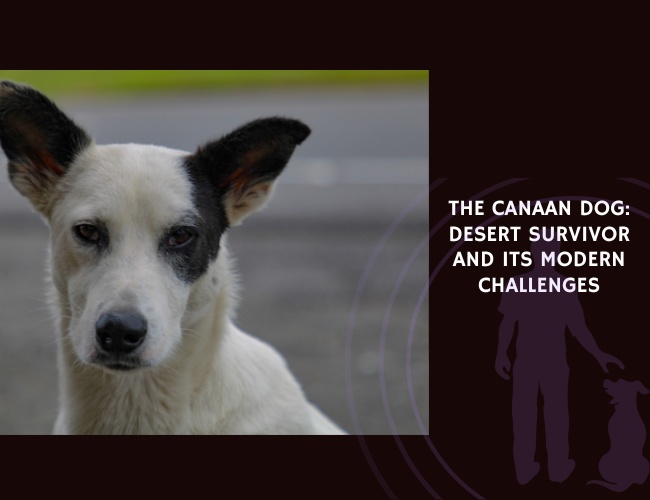
When you first meet a Canaan Dog, you might notice something different from other breeds. There’s a quality in their gaze—watchful, intelligent, assessing. This isn’t aloofness or unfriendliness. It’s something far more ancient: the survival intelligence of a dog that has spent thousands of years living on the edge between wilderness and civilization, making its own decisions about safety, territory, and trust.
The Canaan Dog carries within its DNA a remarkable story of adaptation. As one of the world’s oldest and most naturally selected breeds, these dogs evolved as semi-feral pariahs in the Middle Eastern desert, scavenging near human settlements while maintaining their independence. This heritage shaped every aspect of who they are today—from how they assess strangers to how they navigate urban environments. Understanding this background isn’t just interesting history; it’s essential for anyone hoping to build a meaningful relationship with a Canaan Dog.
If you’re drawn to this breed, you’re likely someone who appreciates intelligence, authenticity, and a dog that thinks for itself. But let us guide you through what this really means in daily life, and how modern living presents unique challenges for a breed built for desert survival.
From Ancient Desert to Modern Recognition
Rediscovery of a Living Fossil
The Canaan Dog’s modern story begins in the 1930s with Dr. Rudolphina Menzel, an Austrian cynologist who immigrated to British Mandate Palestine. Tasked with developing dogs for guard and service work, Dr. Menzel recognized something extraordinary in the semi-feral pariah dogs roaming the Negev Desert and surrounding regions. These weren’t just strays—they were descendants of ancient Levantine dogs that had been depicted in archaeological sites dating back thousands of years.
Rather than importing European breeds, Dr. Menzel began a selective breeding program using these naturally surviving dogs. She understood that their independence, environmental awareness, and survival instincts weren’t flaws but rather highly refined adaptations. These dogs had been naturally selected by one of the harshest environments on Earth, creating a breed with exceptional genetic health and behavioral authenticity.
What makes this remarkable is that while most modern breeds were created through human-directed selection over centuries, Canaan Dogs were shaped primarily by natural selection. They survived not because humans protected them, but because they possessed the intelligence and adaptability to thrive on the margins of civilization.
Recognition and Rarity
The Israel Kennel Club recognized the Canaan Dog in 1953, establishing it as Israel’s national breed. International recognition followed gradually: the Fédération Cynologique Internationale (FCI) accepted the breed in 1966, and the American Kennel Club granted full recognition in 1997, classifying them in the Herding Group.
Despite this official recognition, Canaan Dogs remain remarkably rare worldwide. You might go years without encountering another Canaan owner in your area. This rarity serves the breed in some ways—it has protected them from commercial breeding operations that often compromise breed health and temperament. However, it also means fewer resources, less specialized veterinary knowledge, and limited training professionals who truly understand primitive breed psychology.
Current population estimates:
- Approximately 1,600 Canaan Dogs exist in the United States
- Several hundred more in Israel and Europe
- Considered one of the rarest AKC-recognized breeds
- Not yet affected by extreme breeding for appearance
- Gene pool remains relatively diverse compared to many breeds
Why This History Matters to You
Understanding that your Canaan Dog is essentially a domesticated wild dog—not a manufactured breed—changes everything about how you approach their care. These aren’t dogs whose instincts have been softened by hundreds of generations of living room breeding. A Canaan Dog born today carries survival programming nearly identical to one born a thousand years ago.
This means when your dog exhibits behaviors that seem “difficult”—the wariness of strangers, the territorial monitoring, the independent decision-making—you’re not dealing with a poorly socialized individual or a stubborn animal. You’re witnessing the authentic expression of a survivor’s intelligence, refined over millennia.
Behavioral adaptations carried from desert origins:
- Risk assessment before engagement with novel situations
- Distance-based safety evaluation rather than confrontation
- Resource awareness and protective instincts
- Independent decision-making without waiting for handler cues
- Selective social bonding with trusted individuals
- Heightened environmental monitoring and vigilance
Dr. Menzel herself noted that Canaan Dogs retain their primitive nature even after generations of selective breeding. This isn’t a bug; it’s a feature. The challenge and the privilege of living with a Canaan Dog is honoring this ancient heritage while helping them navigate a world utterly different from the one that shaped them. 🐾
Physical Characteristics & Grooming: The Desert Adaptation
Understanding the Canaan Build
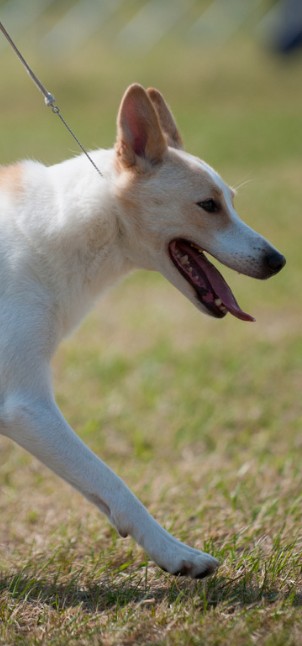
Your Canaan Dog’s physical form tells the story of desert survival. Everything about their structure reflects efficiency, endurance, and environmental adaptation. These are medium-sized dogs built for covering ground, monitoring territory, and surviving in extreme conditions.
Size and proportions:
- Height: 19-24 inches at the shoulder (males typically larger)
- Weight: 35-55 pounds (females 35-45 lbs, males 45-55 lbs)
- Build: Square to slightly rectangular, athletic but not bulky
- Movement: Efficient, ground-covering trot with excellent endurance
- Overall impression: Alert, balanced, capable
The Canaan Dog’s medium size represents a survival sweet spot—large enough to be effective guardians and cover significant territory, yet small enough to maintain energy efficiency in a resource-scarce environment. You’ll notice your Canaan moves with purpose and economy, rarely wasting energy on unnecessary activity.
The Double-Coat System
One of the most practical advantages of Canaan Dogs is their remarkable coat. Developed to protect against both scorching desert heat and cold desert nights, the double coat is a marvel of natural engineering.
Coat characteristics:
- Outer coat: Straight, harsh-textured guard hairs that repel dirt and water
- Undercoat: Soft, dense insulation that varies in thickness seasonally
- Length: Short to medium (slightly longer on neck, back of legs, and tail)
- Colors: Most commonly cream to red-brown; also black, white, or combinations with symmetrical markings
- Texture: Self-cleaning to a remarkable degree
Did you know that Canaan Dog coats actually resist accumulating dirt? The harsh guard hairs and the coat’s natural oils mean that mud and debris often fall off as they dry, reducing the need for frequent bathing. This is a desert adaptation—water was scarce, and the coat needed to maintain its protective properties without regular washing.
Seasonal Shedding Patterns
Here’s what you need to know about living with a Canaan coat: seasonal shedding can be dramatic. Your Canaan will “blow” their undercoat typically twice per year, usually during spring and fall transitions. During these periods, you might wonder if your dog is trying to create a second dog entirely from shed fur.
Shedding management:
- Daily brushing during heavy shed periods (2-4 weeks twice yearly)
- Weekly brushing during maintenance periods
- Use an undercoat rake or slicker brush to remove loose fur efficiently
- Expect moderate, continuous shedding between major blows
- Indoor climate control can sometimes disrupt natural shedding cycles
The positive side? Outside of these heavy shed periods, Canaan Dogs are relatively low-maintenance. Their coats don’t mat easily, they don’t develop the “doggy odor” common in many breeds, and they’re remarkably clean in their habits.
Minimal Grooming Requirements
If you’re looking for a low-maintenance breed in terms of grooming, you’ve found one. Canaan Dogs require no professional grooming, no trimming, no elaborate coat maintenance routines.
Basic grooming routine:
- Brushing: Weekly during normal periods, daily during seasonal sheds
- Bathing: Only when actually dirty (typically 2-4 times yearly)
- Nail trimming: Every 3-4 weeks or as needed
- Ear cleaning: Monthly inspection and cleaning if needed
- Dental care: Regular brushing or dental chews to prevent tartar
Never do these things to a Canaan coat:
- Shave or clip the coat (destroys the insulation and protection system)
- Over-bathe (strips natural oils that protect skin and coat)
- Use conditioning sprays or products (unnecessary and can interfere with self-cleaning properties)
The Canaan Dog’s coat is designed to function without human intervention. When you respect this and provide only minimal maintenance, the coat remains healthy, functional, and beautiful.
Physical Health Indicators
Your Canaan’s physical appearance tells you about their overall health. A healthy Canaan should have bright, alert eyes, clean ears, a coat with natural shine (not dull or excessively oily), and move with fluid, confident strides.
Signs of good physical condition:
- Clear, bright eyes without excessive discharge
- Alert, upright ear carriage (Canaans have naturally erect ears)
- Coat with healthy sheen and no bald patches
- Lean, athletic build with visible waist and tuck-up
- Confident, efficient movement without limping or stiffness
Watch for these physical concerns:
- Dull or brittle coat (possible nutritional or health issues)
- Excessive scratching or skin irritation
- Changes in ear position or chronic ear infections (unusual in this breed)
- Weight gain or loss affecting their natural athletic build
- Movement changes suggesting discomfort
One advantage of the Canaan Dog’s natural development is that they typically have excellent structural soundness. Hip dysplasia and other orthopedic issues, while not completely absent, occur at much lower rates than in many breeds. Their physical form hasn’t been exaggerated for appearance, which means they can move and function as nature intended.
Next, we’ll explore the behavioral characteristics that make this breed so unique and sometimes challenging in modern settings. 🧡
Character & Behavior: Understanding the Survivor Mind
The Intelligence of Suspicion
Your Canaan Dog’s cautious nature isn’t a flaw to be fixed—it’s sophisticated intelligence at work. When your dog pauses at the threshold of a new environment, scanning before entering, they’re engaging in what ethologists call risk assessment behavior. This “verify-before-trust” pattern is deeply genetic, a survival strategy that kept their ancestors alive in unpredictable desert conditions.
The key distinction you need to understand is this: a stable Canaan Dog exhibiting natural caution looks very different from an anxious dog experiencing hypervigilance. A stable Canaan will observe a novel stimulus, assess whether it poses a threat, react appropriately if needed, and then return to a calm baseline. Their body language remains relatively loose, their breathing steady, and they can redirect their attention when the perceived threat proves benign.
Stable Canaan vs. Anxious Canaan:
Stable cautious behavior:
- Brief assessment period with relaxed body
- Ability to disengage after evaluation
- Returns to baseline within minutes
- Maintains soft eye contact and loose posture
- Can be redirected to other activities
Anxiety-based hypervigilance:
- Prolonged rigid body posture
- Shallow panting and dilated pupils
- Inability to settle after stimulus passes
- Remains hyper-alert for extended periods
- Difficulty redirecting attention
An anxious Canaan, however, remains locked in alert mode. This distinction matters tremendously because one is working as nature intended, while the other needs your help to find emotional balance.
Selective Bonding: The Trusted Circle
Did you know that Canaan Dogs often form what behaviorists call “asymmetric social bonds”? This means your Canaan might be deeply devoted to you and your immediate family while remaining neutral or even guarded toward extended relatives, friends, or strangers. This isn’t personal rejection—it’s ancient social programming.
In their desert origins, Canaan Dogs relied on tight-knit groups for survival. Outsiders represented potential threats to resources, territory, or safety. Your dog carries this legacy, which means trust isn’t given freely—it’s earned through consistency, predictability, and respect for their autonomy.
Building trust with your Canaan requires:
- Handler consistency in routines, commands, and emotional state
- Emotional neutrality rather than excessive excitement or anxiety
- Predictable daily patterns that create a sense of safety
- Respect for their pace of connection—no forced affection
- Clear communication about expectations and boundaries
When you try to rush bonding through pushy socialization or forced interactions, you risk activating their suspicion circuits even more strongly. Through the NeuroBond approach, trust becomes the foundation of learning, not a prerequisite that must be forced. 🧡
Common trust-building mistakes to avoid:
- Forcing physical affection before the dog initiates contact
- Overwhelming with enthusiastic greetings or high energy
- Inconsistent rules or unpredictable household routines
- Pushy socialization with unfamiliar people or dogs
- Punishing cautious behavior or assessment hesitation
- Expecting immediate friendliness with all visitors
Reading Canaan Body Language
Your Canaan Dog communicates constantly, but their signals can be subtler than more expressive breeds. Learning to read these signs prevents misunderstandings and strengthens your connection.
Watch for these calm, confident signals:
- Soft eye contact with relaxed facial muscles
- Loose, flowing movement patterns
- Tail carried naturally, neither tucked nor rigidly raised
- Willingness to disengage from stimuli after assessment
- Regular check-ins with you during activities
Recognize early stress indicators:
- Prolonged staring or scanning behavior
- Body weight shifted backward or ready to retreat
- Lip licking, yawning, or excessive sniffing when not food-related
- Tail tension or rigid positioning
- Refusal to move forward or sudden avoidance behaviors
The challenge with Canaan Dogs is that they’re remarkably stoic. They may mask discomfort until their threshold is significantly exceeded, at which point their reaction can seem sudden to the untrained eye. Learning to read these early whispers of stress helps you intervene before your dog feels compelled to use stronger communication.
Stress escalation ladder in Canaan Dogs:
Level 1 – Subtle discomfort:
- Brief lip licking or nose licking
- Slight body tension with weight shift backward
- Brief averting of gaze or squinting
Level 2 – Moderate stress:
- Repeated yawning or sniffing ground
- Whale eye (showing whites of eyes)
- Low tail carriage or tucked tail
- Seeking distance or moving behind handler
Level 3 – High stress:
- Rigid freezing or complete stillness
- Prolonged staring or hard eye contact
- Raised hackles along spine
- Warning growl or lip curl
Level 4 – Threshold exceeded:
- Snapping or defensive bite
- Explosive barking or lunging
- Attempt to flee if possible
- Complete shutdown or learned helplessness
Next, we’ll explore how this desert survivor communicates with you and responds to the world around them.
Vocalization & Communication: The Language of Watchfulness
Alert Barking and Territory Communication
Your Canaan Dog’s vocalization patterns tell a story about their internal state and perceived environment. Unlike breeds selected for constant human companionship, Canaans bark with purpose—usually related to territory monitoring and threat assessment.
Alert barking in Canaan Dogs typically sounds different from fear-based or demand barking. It’s often deeper, more controlled, and occurs in response to specific environmental triggers: someone approaching the door, unfamiliar sounds near the perimeter, or movement detected from windows or balconies. This is your dog doing what thousands of years of evolution programmed them to do: sentinel work.
Types of Canaan Dog vocalizations and their meanings:
Alert bark:
- Deep, controlled, repetitive barking
- Directed toward specific stimuli
- Stops when threat passes or handler acknowledges
- Purpose: Territory defense and information sharing
Alarm bark:
- Sharper, more urgent, higher pitched
- Rapid succession with body tension
- Indicates perceived immediate threat
- Purpose: Warning and calling for backup
Frustration bark:
- Variable pitch with whining components
- Often accompanied by pacing or fixation
- Occurs when barrier prevents access
- Purpose: Expression of conflicted arousal
Demand bark:
- Single or paired barks directed at handler
- Usually softer and more modulated
- Seeking attention or specific resource
- Purpose: Communication of wants or needs
The challenge in modern homes, particularly apartments, is that your Canaan may conceptualize territory very broadly. They don’t just guard your immediate living space—they monitor shared hallways, the sounds from neighboring units, foot traffic outside windows, and even the elevator arriving at your floor. Each of these represents a potential breach of their perceived perimeter.
Managing territorial alerting:
- Establish “watch times” where monitoring is permitted and rewarded
- Create distance from trigger zones during high-stress periods
- Use window films or barriers to reduce visual triggers
- Teach a reliable “enough” or “thank you” cue to acknowledge their alert
- Provide alternative monitoring positions that feel secure but aren’t overstimulating
When you acknowledge your Canaan’s alerts rather than punishing them, you’re working with their natural instincts. This validation often reduces excessive barking more effectively than suppression attempts, because your dog understands you’ve received their information and are handling the situation.
Quiet Communication: What Silence Means
Interestingly, many Canaan Dogs use silence as communication. A dog who becomes very still, stops eating, or withdraws to a corner isn’t necessarily “fine”—they may be using distance and stillness as coping mechanisms for overwhelming environments.
This pattern can lead to what researchers call learned helplessness, where a dog appears calm but has actually shut down, suppressing natural behaviors because they feel no control over their environment. You might notice this if your Canaan seems unusually “good” in stressful situations—not engaging, not alerting, simply enduring.
Signs your Canaan may be withdrawing rather than relaxing:
- Reduced interaction with family members
- Loss of interest in previously enjoyed activities
- Eating or drinking in isolation
- Avoiding eye contact or physical proximity
- Increased sleeping or hiding behaviors
Understanding this distinction helps you recognize when your dog needs environmental changes, not just behavioral training. Next, we’ll explore how to work with rather than against this independent intelligence.
Training & Education: Honoring Autonomy While Building Partnership
Why Traditional Obedience Often Fails
If you’ve tried conventional, repetition-heavy obedience training with your Canaan Dog, you may have noticed something frustrating: they seem to understand what you want, but they don’t always comply. Before you label this as stubbornness, let us guide you toward a more accurate understanding.
Canaan Dogs possess what cognitive ethologists call “self-governing survival cognition.” Their intelligence evolved to solve dynamic, real-world problems in environments where mistakes had serious consequences. They needed to evaluate situations independently, make quick decisions about safety and resources, and adapt strategies based on outcomes. Rote compliance simply wasn’t part of their survival toolkit.
Why repetition-based training frustrates Canaan Dogs:
- They quickly understand the pattern and become bored
- Lack of functional purpose reduces motivation
- Repetitive drills feel meaningless without context
- Their intelligence demands variable, challenging tasks
- They resist performing “circus tricks” for treats alone
- Mechanical compliance contradicts their survival programming
This means your Canaan is more motivated by contextual meaning than by mechanical repetition. They want to understand why a behavior matters. When you ask for a sit-stay at the door, they’re more engaged if they understand this creates safety and order than if they’re simply performing for a treat. This doesn’t mean food rewards don’t work—they absolutely can—but they’re most effective when paired with functional context.
Autonomy-Supportive Training Principles
The most successful training approaches for Canaan Dogs incorporate choice, clear boundaries, and functional tasks. This aligns with what researchers in Self-Determination Theory have discovered about motivation: individuals thrive when their psychological needs for autonomy, competence, and relatedness are met.
Key principles for training your Canaan:
- Offer choices within boundaries rather than single-option commands
- Make the purpose of behaviors clear and relevant to real situations
- Keep sessions short and varied to prevent boredom
- Reward thoughtful compliance, not just fast responses
- Build trust before expecting vulnerability (like recalls in open spaces)
- Use environmental management to prevent unwanted behaviors
For example, instead of drilling a recall hundreds of times in a secure yard, you might start by creating situations where coming to you is the obvious best choice: you have access to something they want, you’re moving away from something they find concerning, or you represent safety in a mildly novel environment. The Invisible Leash reminds us that awareness, not tension, guides the path.
Rewards that resonate with Canaan Dogs:
- Access to monitoring positions or elevated viewing areas
- Permission to investigate novel environments
- Functional tasks that provide purpose
- Food rewards paired with meaningful context
- Play that mimics natural behaviors (chase, search)
- Praise coupled with genuine partnership moments
- Freedom to make choices within safe boundaries
Problem-Solving vs. Commands
Your Canaan Dog will often astound you with their problem-solving abilities. They can figure out complex latches, understand spatial relationships, and predict sequences of events based on minimal cues. Channel this intelligence by creating opportunities for cognitive engagement.
Enrichment activities that honor Canaan intelligence:
- Scent work and detection games
- Puzzle feeders with escalating difficulty
- Hide-and-seek with family members or objects
- Structured environmental exploration (urban hikes with purpose)
- Learning functional tasks (carrying items, opening specific doors)
When training feels like collaborative problem-solving rather than obedience drilling, your Canaan’s engagement transforms. You might notice increased eye contact, faster learning, and most importantly, a dog who offers behaviors because they value the partnership, not just the payoff. 🐾
Performance & Activities: Channeling Desert Energy
The Need for Purpose
One of the most common behavioral challenges in pet Canaan Dogs stems from what we might call “self-assigned work.” Without structured activities that satisfy their need for purpose, your Canaan may decide to create their own job description: perimeter patrol, door guarding, neighborhood surveillance, or resource management.
Common self-assigned jobs that become problematic:
- 24/7 window watching and alerting to every passerby
- Door guarding with intense reactions to arrivals
- Patrolling routes throughout the home every 30 minutes
- Resource guarding of family members, spaces, or objects
- Neighborhood surveillance from balconies or yards
- Monitoring and controlling household movements
- Managing interactions between family members and visitors
While these activities reflect their natural talents, they often become problematic in domestic settings. A dog patrolling your apartment 24/7 isn’t relaxed or happy—they’re in a chronic state of low-level vigilance that accumulates stress over time.
The solution isn’t to suppress these drives but to redirect them into structured, time-limited activities that satisfy the need without overwhelming your dog or your household.
Purposeful activities for Canaan Dogs:
- Barn hunt or nosework classes that utilize their detection abilities
- Structured walking routes with specific monitoring stations
- Treibball or herding activities that channel territorial awareness
- Obedience or rally work framed as functional tasks
- Agility with an emphasis on handler communication
Notice how each of these activities provides mental challenge, physical outlet, and clear structure. Your Canaan knows when the work begins and ends, which allows them to truly rest during downtime.
Exercise Needs: Quality Over Quantity
Here’s something that surprises many Canaan owners: this breed doesn’t necessarily need hours of intense exercise. What they need is the right kind of mental and physical stimulation. A Canaan Dog who has spent 20 minutes on focused, cognitively demanding scent work may be more satisfied than one who has run aimlessly for an hour.
That said, Canaans do have significant stamina and were built for covering ground in search of resources. They appreciate longer adventures several times per week—hiking, secure off-leash running in appropriate areas, or extended exploration walks where they can engage their senses.
Exercise guidelines:
- Daily: 30-45 minutes of structured mental/physical activity
- Weekly: 1-2 longer adventures (1-2 hours) with varied terrain
- Regular: Scent work, problem-solving, or training sessions
- Avoid: Repetitive fetch or meaningless running that creates arousal without satisfaction
The key is ending activities before your dog becomes overstimulated. A tired Canaan is wonderful; an overwrought, overstimulated Canaan becomes reactive and hypervigilant.
Next, we’ll explore how nutrition supports the unique physiology of this desert-adapted breed.
Ancient. Watchful. Independent.
Survival Shapes Behaviour
Canaan Dogs assess before engaging because survival once depended on correct judgement. Their caution reflects intelligence, not distrust.
Desert Built Autonomy
Natural selection favoured dogs who thought for themselves on the margins of human life. This created independence that resists forced compliance.
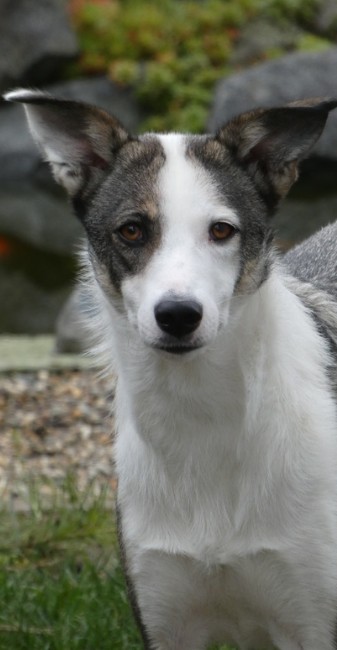
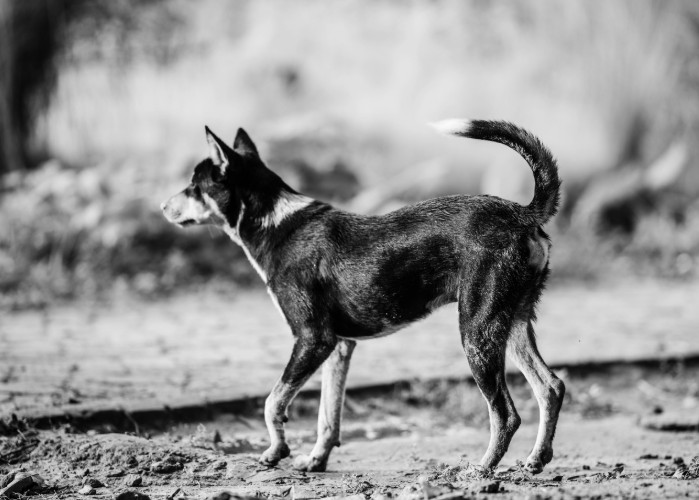
Modern Life Conflicts
Urban density challenges instincts built for open space and self-governance. When respected, their authenticity becomes partnership rather than friction.
Nutritional Recommendations: Fueling the Survivor
Desert Adaptation and Metabolic Efficiency
Did you know that Canaan Dogs evolved in an environment where food sources were unpredictable and often scarce? This history shaped their metabolism in ways that remain relevant today. Canaans tend to be metabolically efficient, meaning they extract maximum nutrition from food and may maintain healthy weight on less food than you’d expect for their size.
This efficiency is an advantage in many ways—lower food costs, less waste production—but it also means you need to be thoughtful about portion control and food quality. A Canaan Dog can easily become overweight on portions appropriate for more metabolically demanding breeds.
Nutritional considerations for Canaan Dogs:
- Moderate protein from high-quality sources (25-30% for adults)
- Moderate fat content (12-16% for typical activity levels)
- Emphasis on nutrient density rather than volume
- Limited fillers and unnecessary carbohydrates
- Fresh water available at all times, especially in warm weather
Many Canaan owners find success with feeding protocols that mimic the feast-and-famine pattern of their ancestors: slightly smaller daily meals with occasional fasting days and periodic larger meals. Always consult with your veterinarian before implementing fasting protocols, particularly with younger dogs or those with health conditions.
Appropriate food types for Canaan Dogs:
Commercial options:
- High-quality dry kibble (grain-free or limited grain)
- Premium canned food mixed with kibble
- Freeze-dried raw mixed with conventional food
- Fresh-cooked commercial diets
Alternative approaches:
- Balanced raw food diet (with veterinary guidance)
- Home-cooked meals with proper supplementation
- Combination feeding (kibble plus fresh additions)
Feeding schedule options:
- Two meals daily (most common)
- Three smaller meals (for puppies or active adults)
- Once daily with higher volume (for some adults)
- Time-restricted feeding mimicking natural patterns
Reading Your Dog’s Body Condition
Because Canaans have a natural, athletic build, assessing body condition requires attention. You should be able to feel their ribs with gentle pressure but not see them prominently. There should be a visible waist when viewed from above and a tucked-up abdomen when viewed from the side.
Signs of optimal weight:
- Ribs palpable with slight pressure, not visible at rest
- Clear waist definition when viewed from above
- Tuck-up visible from side profile
- Easy, efficient movement without labored breathing
- Healthy coat quality and energy levels
Warning signs of weight issues:
- Ribs difficult to feel or prominently visible
- Loss of waist definition or exaggerated waist
- Pendulous abdomen or no tuck-up
- Reduced activity tolerance or reluctance to exercise
- Changes in coat quality or skin conditions
Remember that Canaan Dogs have a double coat that can mask body condition changes, so hands-on assessment is more reliable than visual evaluation alone. 🧠

Health Concerns: Genetic Resilience and Modern Challenges
The Advantage of Natural Selection
One of the Canaan Dog’s greatest strengths is their genetic health. Unlike many breeds shaped by intensive selection for specific traits, Canaans remained under natural selection pressure for thousands of years. This means nature eliminated individuals with significant health issues before they could reproduce, resulting in a remarkably hardy breed.
That said, no breed is completely free from health concerns, and the transition from semi-feral desert survivor to modern pet has introduced new challenges.
Health advantages of Canaan Dogs:
- Generally robust immune systems
- Lower incidence of common breed-specific diseases
- Strong structural soundness with few orthopedic issues
- Longevity often reaching 12-15 years
- Resilient digestive systems
Health considerations to monitor:
- Hip dysplasia (relatively rare but present in some lines)
- Progressive retinal atrophy (PRA) in some genetic lines
- Hypothyroidism (occasionally seen in older dogs)
- Dental health (can be affected by dietary changes from ancestral diet)
- Stress-related conditions from urban living
The Impact of Chronic Stress
Here’s something many veterinarians and behaviorists are beginning to recognize: chronic stress significantly impacts physical health. A Canaan Dog living in constant hypervigilance—monitoring threats, unable to relax, experiencing frequent cortisol spikes—faces real health consequences over time.
Stress-related health issues in chronically vigilant Canaans:
Digestive impacts:
- Irritable bowel syndrome or chronic loose stools
- Reduced appetite or eating problems
- Gastric upset during high-stress periods
- Food sensitivities that worsen under stress
Immune system effects:
- Increased susceptibility to infections
- Slower wound healing
- Higher incidence of skin issues
- Allergies that intensify during stress
Behavioral health consequences:
- Development of anxiety disorders
- Increased reactivity and lower thresholds
- Compulsive behaviors (excessive licking, pacing)
- Cognitive decline accelerated by chronic stress
Physical manifestations:
- Premature aging indicators
- Muscle tension leading to mobility issues
- Poor coat quality and excessive shedding
- Weight fluctuations despite consistent diet
Stress-related health issues in Canaan Dogs may include digestive problems, skin conditions, immune system suppression, and accelerated aging. This is why environmental management and behavioral support aren’t optional extras—they’re essential components of preventive health care.
Creating stress-resilient health:
- Predictable routines that provide security
- Adequate rest in quiet, safe spaces
- Regular exercise that provides satisfaction without overstimulation
- Positive social experiences that respect their bonding style
- Proactive veterinary care with stress-free handling protocols
When you provide an environment where your Canaan Dog can truly rest, you’re not just improving their behavior—you’re potentially adding years to their life.
Lifestyle & Environment: The Modern Desert Edge
Urban Overload and Trigger Density
If you’re considering a Canaan Dog in an urban environment, you need to understand a fundamental challenge: cities present a constant barrage of micro-triggers that overwhelm a breed wired for open spaces and sparse encounters. Every dog on leash, every scooter passing too close, every unexpected noise or stranger represents a potential threat that must be assessed.
Specific urban triggers that stress Canaan Dogs:
Visual triggers:
- Dogs visible through windows or on approaching walks
- Crowds of people moving unpredictably
- Fast-moving vehicles, bicycles, and scooters
- People wearing unusual clothing or carrying objects
- Reflections and shadows creating movement illusions
Auditory triggers:
- Sirens, car alarms, and emergency vehicles
- Neighbor conversations through shared walls
- Elevator mechanical sounds and door opening
- Garbage trucks and street cleaning equipment
- Construction noise and unpredictable banging
Proximity triggers:
- Forced close encounters in elevators or hallways
- Leashed dog meetings with no escape route
- Strangers passing within personal space bubble
- Children running or moving erratically nearby
- Delivery people approaching the door frequently
Unlike companion breeds that have been selected for generations to tolerate or even enjoy urban stimulation, Canaans accumulate stress from these encounters. They may not show it immediately—remember their stoic nature—but the impact is cumulative. Eventually, you might notice sudden reactivity, avoidance behaviors, or what appears to be unprovoked snapping.
Urban environmental stressors:
- High foot traffic and proximity to strangers
- Frequent dog encounters on leash with limited space
- Chronic noise levels and unpredictable sounds
- Restricted territory with unclear boundaries
- Limited opportunity for distance-based safety
This doesn’t mean Canaan Dogs can’t live in cities, but it means you need to be proactive about stress management and environmental modifications.
Creating Modern Boundaries
Your Canaan Dog understands territory instinctively, but modern living arrangements often present confusing boundary situations. Shared walls with neighbors, common hallways, visible but inaccessible spaces—these challenge your dog’s ability to define “inside” versus “outside” their domain.
Territorial management strategies:
- Use visual barriers to reduce window-based monitoring
- Create designated “watch stations” where alerting is acceptable
- Establish clear routines around door management and arrivals
- Provide secure resting areas away from perimeter zones
- Use white noise or calming music to buffer outside sounds
When you help your Canaan understand where their responsibility begins and ends, you reduce their perceived duty to monitor everything constantly. This allows for genuine relaxation rather than constant low-level vigilance.
The Apartment Challenge
Apartment living with a Canaan Dog requires particular attention to several factors. Shared walls mean your dog hears and smells neighbors constantly. Limited space restricts their ability to create distance from triggers. Elevators, hallways, and lobbies become unavoidable close-encounter zones.
Making apartment life work:
- Choose units with minimal shared walls when possible
- Establish exit and entry routines that buffer transitions
- Use mental enrichment to compensate for limited physical space
- Create varied walking routes to provide novelty and interest
- Consider professional behaviorist consultation for threshold management
Apartment modifications that reduce stress:
Sound management:
- White noise machines near shared walls
- Strategic furniture placement to buffer noise
- Rugs and soft furnishings to absorb sound
- Quiet hours coordination with neighbors when possible
Visual barriers:
- Window films to reduce outside visibility
- Curtains or blinds for controlled viewing access
- Furniture arrangement that blocks direct window access
- Designated watch stations away from high-trigger zones
Space optimization:
- Safe zones in quiet corners away from entry points
- Elevated resting areas that provide security
- Crate or den areas for voluntary retreat
- Activity zones separate from rest zones
Routine structures:
- Consistent exit and entry protocols
- Predictable greeting management for visitors
- Scheduled watch times vs. rest times
- Buffer activities after high-stimulation outings
Some Canaans adapt beautifully to apartment life when their needs are met thoughtfully. Others struggle despite best efforts. Moments of Soul Recall reveal how memory and emotion intertwine in behaviour—your dog’s early experiences with space and territory may significantly influence their apartment adaptability.
Suburban and Rural Advantages
Canaan Dogs often thrive in suburban or rural settings where they can access more space, experience lower trigger density, and engage in purposeful activities. If you have property, your Canaan might enjoy supervised perimeter patrol, watching over animals, or monitoring specific areas on schedule.
However, even in ideal physical environments, these dogs need appropriate social boundaries and environmental management. A Canaan with access to too much territory may become chronically vigilant, unable to relax because there’s always something to monitor.
Optimizing suburban/rural living:
- Define clear property boundaries your dog understands
- Provide secure fencing that prevents self-directed patrol expansion
- Create scheduled monitoring times rather than 24/7 vigilance
- Ensure adequate socialization despite lower encounter frequency
- Balance freedom with structure to prevent stress accumulation
Next, we’ll explore how socialization differs significantly for this breed compared to conventional approaches. 🐾
Socialization: Exposure vs. Observation
Rethinking Puppy Socialization
If you’ve researched puppy socialization, you’ve probably encountered the standard advice: expose your puppy to as many people, places, and experiences as possible during their critical socialization window (roughly 3-16 weeks). While this approach has merit for many breeds, it can be counterproductive for Canaan Dogs.
Canaan puppies benefit from controlled observation and gradual approach rather than high-volume exposure. When you flood a naturally cautious breed with intense, varied experiences, you risk overwhelming their assessment capabilities and reinforcing the idea that novel situations are threatening.
Effective socialization for Canaan puppies:
- Prioritize observation from safe distances over direct interaction
- Allow the puppy to set the pace of approach
- Focus on neutral experiences rather than only positive ones
- Build confidence through successful predictions and assessments
- Avoid forcing interaction when the puppy signals discomfort
Think of socialization as building your puppy’s ability to assess and recover from novelty, not as creating an extroverted dog who loves everyone. A well-socialized Canaan is one who can encounter new situations, gather information, respond appropriately, and return to baseline—not one who enthusiastically greets strangers.
Age-appropriate socialization timeline for Canaan puppies:
8-12 weeks (Foundation phase):
- Observation sessions in quiet outdoor locations
- Brief visits to low-traffic areas during quiet times
- Exposure to household sounds at low volumes
- Meeting 1-2 calm, trusted individuals weekly
- Positive vet visits with minimal handling stress
12-16 weeks (Gradual expansion):
- Increased environmental variety from safe distances
- Controlled encounters with stable, calm adult dogs
- Brief car rides to different observation locations
- Exposure to various surfaces and textures
- Short, positive training sessions building confidence
4-6 months (Confidence building):
- Longer observation outings in more varied settings
- Choice-based approaches to novel situations
- Introduction to purposeful activities (scent work)
- Continued exposure with retreat options always available
- Building handler trust through consistent responses
Signs of successful vs. problematic socialization:
Healthy socialization progress:
- Puppy assesses, then chooses to engage or disengage
- Quick recovery to relaxed state after novel exposure
- Willing to investigate new things with handler support
- Shows curiosity balanced with caution
- Can sleep and rest in semi-public environments
Warning signs of over-exposure:
- Persistent fearful responses to normal stimuli
- Inability to settle even in familiar environments
- Increased avoidance behaviors over time
- Regression in previously comfortable situations
- Defensive responses appearing or intensifying
Adult Socialization and Trust Building
If you’re working with an adult Canaan who has limited socialization history or has developed suspicion-based behaviors, the path forward requires patience and respect for their natural caution. You cannot force trust or affection—you can only create conditions where trust might develop.
Building social tolerance in adult Canaans:
- Start with distance observation of triggers (people, dogs, environments)
- Gradually reduce distance as your dog shows comfort signals
- Never push past your dog’s threshold—retreat when needed
- Pair novel experiences with neutral or positive outcomes
- Celebrate small successes: a soft glance, a relaxed posture, choosing to approach
Some adult Canaans will expand their trusted circle significantly with patient work. Others may remain selective, and that’s okay. The goal isn’t to change who your dog is fundamentally—it’s to reduce stress and increase their ability to navigate the world confidently.
Behavioral Challenges: When Desert Programming Meets Modern Life
Stranger Wariness and Door Guarding
Let’s address one of the most common challenges Canaan owners face: your dog’s behavior toward visitors. You might notice intense alerting when someone approaches your home, blocking doorways, positioning between you and guests, or refusing to settle when strangers are present.
This isn’t aggression in the clinical sense—it’s territorial vigilance and protection of resources (including you). From your Canaan’s perspective, they’re doing exactly what they’re supposed to do: monitoring potential threats and maintaining safe boundaries.
Managing visitor protocols:
- Establish predictable arrival routines your dog can anticipate
- Create a designated space where your dog can observe initially
- Allow your dog to approach visitors rather than forcing interaction
- Teach visitors appropriate greeting behaviors (ignore the dog initially)
- Reward calm observation and voluntary approach
- Accept that some Canaans will remain neutral rather than friendly
The key is managing your own expectations. Your Canaan may never enthusiastically greet houseguests, and that’s perfectly normal for this breed. Focus on achieving calm tolerance rather than enthusiastic friendliness.
Step-by-step visitor greeting protocol:
Before arrival:
- Inform guests about your dog’s need for space
- Provide your dog with enrichment activity 30 minutes before
- Set up observation area away from front door
- Have high-value treats or activities ready
During arrival:
- Keep your dog in observation area initially (behind baby gate or in separate room)
- Allow dog to see/hear visitor without interaction
- Let guests settle for 5-10 minutes before allowing dog access
- Keep leash on dog for management without tension
Initial interaction:
- Instruct guests to ignore dog completely
- Allow dog to approach on their own terms
- Reward dog for calm observation from distance
- No forced greetings, petting, or eye contact from visitors
Building tolerance:
- Let dog retreat whenever they choose
- Reward any voluntary approach, even brief
- Allow dog to sniff guests’ hands if they initiate
- Keep interactions brief (under 30 seconds initially)
Throughout visit:
- Provide safe retreat space dog can access anytime
- Reward calm behavior near visitors
- Don’t force proximity or interaction
- Allow dog to “check in” on visitors from their comfortable distance
Leash Reactivity and Space Needs
Leash reactivity in Canaan Dogs often stems from compressed social distance and limited escape options rather than aggression. When you’re walking your dog on leash and encounter another dog, your Canaan cannot use their preferred strategy—distance assessment and controlled approach. They’re forced into proximity with insufficient information and no retreat option.
This frustration can manifest as barking, lunging, or intense alert postures that appear aggressive but actually reflect stress and conflict avoidance attempts.
Addressing leash reactivity:
- Practice distance-based encounters where your dog can observe calmly
- Teach pattern interrupts before your dog reaches threshold
- Use environmental management to avoid forced close encounters
- Consider walking times and routes that minimize trigger density
- Work with a qualified behaviorist for severe cases
Detailed leash reactivity management plan:
Assessment phase:
- Identify your dog’s threshold distance for various triggers
- Note which stimuli create strongest reactions
- Track time of day when reactions are worst
- Document successful vs. unsuccessful encounters
Creating distance:
- Use wide sidewalks or walk in street when legal
- Practice U-turns before reaching threshold
- Choose routes with visibility to spot triggers early
- Walk during low-traffic times initially
Training foundational skills:
- Teach reliable attention/check-in cue
- Practice engagement games during calm walks
- Reward voluntary disengagement from triggers
- Build “find it” or scatter feeding as pattern interrupt
Gradual exposure protocol:
- Start at distance where dog notices but doesn’t react
- Reward calm observation and attention to you
- Gradually decrease distance over weeks/months
- Never push past threshold—retreat if needed
Management tools:
- Consider front-clip harness for better control
- Use longer leash for more freedom and less tension
- Muzzle train for safety in unpredictable situations
- Bring high-value treats for emergency redirection
Through the NeuroBond approach, trust becomes the foundation of learning—your dog learns that you’ll protect their space needs and won’t force uncomfortable situations. This builds confidence and reduces the intensity of reactive responses.
Resource Guarding and Control
Some Canaan Dogs develop resource guarding behaviors, protecting food, toys, spaces, or even family members from perceived threats. This behavior makes evolutionary sense for a desert scavenger where resources were scarce and competition was real.
In modern homes, this becomes problematic. However, punishment-based approaches typically worsen guarding by confirming the dog’s fear that someone approaching resources creates danger.
Managing resource guarding:
- Never punish or force confrontation around guarded items
- Practice voluntary trades with high-value rewards
- Approach guarded items by adding value rather than taking away
- Work on building overall confidence and security
- Consult with a qualified positive reinforcement trainer for serious cases
Resource guarding prevention for puppies:
Food bowl exercises:
- Approach bowl and drop high-value treats while puppy eats
- Practice “trading up” with toys or chews
- Hand-feed portions of meals to build positive associations
- Never take food away without offering something better
Space management:
- Provide secure resting areas no one disturbs
- Teach family members to respect dog’s safe zones
- Avoid hovering or looming over resting dog
- Create positive associations with people approaching rest areas
Object handling:
- Trade for toys rather than forcibly removing
- Teach “drop it” and “leave it” with high-value rewards
- Practice handling valued objects with positive outcomes
- Avoid creating competition over resources
Working with existing guarding behaviors:
Level 1 – Mild guarding (stiffening, freezing):
- Stop approaching and toss treats from distance
- Practice approach-retreat with treats
- Build trust that approach predicts good outcomes
- Never push past warning signals
Level 2 – Moderate guarding (growling, showing teeth):
- Increase distance and use higher-value treats
- Work with professional trainer on systematic desensitization
- Manage environment to prevent rehearsal
- Consider muzzle training for safety during training
Level 3 – Severe guarding (snapping, biting):
- Immediate professional help required
- Complete environmental management to prevent situations
- May require medication support during behavior modification
- Safety protocols for all family members
Many Canaans can learn that humans approaching resources predicts good outcomes rather than loss, but this requires patient, consistent work that respects their need for control and security. 🧡
The NeuroBond Framework: Supporting Your Desert Survivor
Creating the Modern Desert Edge
What does a Canaan Dog need to thrive in contemporary life? They need what we might call a “modern desert edge”—an environment that honors their survival intelligence while providing the structure, safety, and purpose that urban and suburban life requires.
The NeuroBond framework offers exactly this: calm pacing that respects their need for assessment time, spatial clarity that defines boundaries and responsibilities, predictable transitions that reduce uncertainty, and emotional neutrality from handlers that lowers suspicion circuits.
Core principles for Canaan caregivers:
- Provide structure without rigidity, allowing for autonomous choices
- Maintain emotional consistency, avoiding anxiety or excessive excitement
- Create clear boundaries so your dog knows what they’re responsible for
- Offer purposeful activities rather than random stimulation
- Respect distance as a primary safety strategy
When you frame your relationship through these principles, something remarkable happens: your Canaan Dog can relax. They don’t need to constantly evaluate threats or maintain vigilance because they trust your judgment and leadership.
Structured Observation Opportunities
One of the most effective tools for Canaan caregivers is creating structured observation opportunities—scheduled times and places where your dog can engage in monitoring behaviors in controlled, time-limited ways.
This might look like a designated morning watch time at a specific window, a particular point on your walk where scanning is encouraged, or predictable greeting protocols where your dog can observe before engaging.
Benefits of structured observation:
- Satisfies monitoring instincts without chronic vigilance
- Teaches your dog when responsibility begins and ends
- Reduces unsanctioned alerting at random times
- Builds confidence through predictable patterns
- Creates genuine rest periods where relaxation is possible
By giving your Canaan defined opportunities to do what they’re built to do, you reduce the pressure they feel to monitor everything constantly. This is the essence of Zoeta Dogsoul—honoring your dog’s nature while shaping it for harmonious modern living.
Implementing structured observation sessions:
Morning watch routine:
- Designated time: 7:00-7:15 AM at specific window
- Your role: Present but calm, acknowledging alerts appropriately
- Ending cue: “All clear” or “That’s enough” followed by transition activity
- Reward: Brief training session or breakfast following watch time
Walk monitoring stations:
- Identify 2-3 elevated spots on regular route
- Allow 2-3 minutes of observation at each station
- Practice “let’s go” cue to end observation period
- Rotate stations to prevent fixation on single locations
Evening perimeter check:
- Brief walk around property or building perimeter
- Allow dog to investigate and scent mark
- Time-limited (10-15 minutes maximum)
- Ends with clear transition to indoor settling
Rules for successful structured observation:
- Always time-limited with clear beginning and end
- Handler present and engaged, not passive
- Followed by calming activity or rest period
- Never allow escalation into anxious vigilance
- Consistent schedule so dog can anticipate
Predictable Safe Zones
Your Canaan needs places where they can truly disengage from vigilance. These safe zones should be away from windows, doors, and high-traffic areas. They should be quiet, comfortable, and associated only with rest—not with work, training, or social interaction.
Creating effective safe zones:
- Choose locations with natural visual barriers from entry points
- Use comfortable bedding that’s specific to this space
- Keep these areas quiet with minimal stimulation
- Never disturb your dog when they’ve chosen this space
- Practice calm settling in these zones during low-stress times
Optimal safe zone locations:
Best locations:
- Bedroom corners away from windows
- Under stairways or desks creating den-like space
- Quiet room separate from main traffic areas
- Areas with solid walls on two or three sides
- Spots with muted lighting and sound dampening
Locations to avoid:
- Near front doors or main entry points
- Directly under windows with outside visibility
- High-traffic hallways or kitchen areas
- Open spaces without visual boundaries
- Areas with frequent unpredictable activity
Safe zone setup elements:
- Comfortable, elevated bed or crate with open door
- Familiar blanket or item with your scent
- White noise machine or calming music if needed
- Baby gate option to create visual barrier without isolation
- No toys or high-stimulation items
Teaching safe zone use:
- Lead dog to zone during calm moments
- Reward settling behavior with calm praise
- Practice duration gradually (5 minutes to 30+ minutes)
- Never use zone for punishment or time-outs
- Allow dog to choose zone voluntarily whenever needed
- Protect zone from children, visitors, or other pets
When your Canaan learns that specific spaces are completely safe and require no monitoring, you’ll notice deeper rest, reduced startle responses, and improved overall stress resilience.
Senior Care: Honoring the Aging Survivor
The Veteran Canaan
As your Canaan Dog enters their senior years (typically around 8-10 years old), you might notice changes in their approach to the world. Some become more selective about social interactions, preferring the company of trusted family members to any newcomers. Others seem to relax, as if a lifetime of vigilance has finally earned them the right to rest.
Senior Canaans deserve special consideration because their survival instincts may intensify as physical capabilities decline. A dog who feels less physically capable of defending territory or fleeing threats may become more reactive or withdrawn.
Supporting your senior Canaan:
- Reduce environmental stress and trigger density
- Maintain predictable routines with gentle modifications for physical changes
- Provide easily accessible rest areas with orthopedic support
- Monitor for pain that might increase reactivity
- Adjust exercise to maintain fitness without causing strain
Age-related modifications for senior Canaans:
Physical environment adjustments:
- Ramps or steps for accessing vehicles or furniture
- Non-slip flooring in key areas
- Lowered food and water bowls for easier access
- Orthopedic beds in multiple locations
- Night lights for vision-impaired seniors
- Heating pads or warm bedding for arthritic comfort
Exercise modifications:
- Shorter, more frequent walks instead of long outings
- Swimming or hydrotherapy for low-impact fitness
- Gentle stretching exercises with veterinary guidance
- Avoid stairs and jumping when possible
- Mental enrichment to compensate for reduced physical activity
Behavioral management changes:
- Increased patience with slower response times
- More predictable routines as cognitive flexibility decreases
- Reduced social demands and visitor interactions
- Earlier intervention before stress accumulates
- Gentler handling during grooming and veterinary care
Common senior health considerations:
- Arthritis and mobility challenges affecting confidence
- Sensory decline (hearing, vision) increasing startle responses
- Cognitive changes affecting stress tolerance
- Decreased stress resilience requiring environmental management
- Potential for pain-related behavior changes
The goal is allowing your aging Canaan to maintain their dignity and sense of security while adapting care to their changing needs. Many senior Canaans become wonderfully mellow companions, still watchful but less driven to respond to every trigger.
Quality of Life Assessments
As your Canaan ages, regularly assess their quality of life. Are they still engaging in activities they enjoy? Can they rest comfortably? Do they maintain interest in food and social connection? Are they free from unmanaged pain?
These questions matter because Canaans are stoic—they may mask discomfort until it becomes severe. Your job as their caregiver is to notice subtle changes: reluctance to move, decreased social engagement, changes in appetite or elimination patterns, increased irritability, or withdrawal.
Quality of life assessment framework:
Physical comfort (Rate 1-5 for each):
- Pain management: Is your dog comfortable most of the time?
- Breathing: Can your dog breathe easily without distress?
- Mobility: Can your dog stand, walk, and move to important locations?
- Appetite: Is your dog eating regularly with interest?
- Hydration: Is your dog drinking adequate water?
Emotional wellbeing:
- Interest: Does your dog show curiosity about their environment?
- Social connection: Does your dog seek interaction with family?
- Enjoyment: Does your dog still engage in favorite activities?
- Anxiety/fear: Is your dog free from chronic distress?
- Dignity: Can your dog eliminate appropriately and maintain cleanliness?
Warning signs requiring veterinary consultation:
- Refusal to eat for more than 24 hours
- Difficulty breathing or labored respiration
- Inability to stand or walk unassisted
- Incontinence that distresses the dog
- Persistent vocalizations indicating pain
- Complete social withdrawal or hiding
- More bad days than good days over 2-week period
Supporting end-of-life quality:
- Hospice care options with veterinary guidance
- In-home euthanasia for peaceful passing
- Focus on comfort and dignity in final days
- Allow trusted family members to be present
- Honor your dog’s lifetime of companionship
Working closely with your veterinarian ensures your senior Canaan receives appropriate pain management, disease monitoring, and quality of life support. The goal is not just longevity but comfortable, purposeful living throughout their years. 🐾
Is the Canaan Dog Right for You?
The Ideal Canaan Guardian
Let’s be honest about who thrives with Canaan Dogs. These remarkable animals need caregivers who understand and respect their independent nature, who can provide structure without rigidity, and who appreciate intelligence that questions rather than automatically complies.
You might be well-suited for a Canaan Dog if you:
- Appreciate thoughtful, autonomous intelligence over eager-to-please compliance
- Can provide consistent, calm leadership without becoming authoritarian
- Have space and lifestyle for purposeful activities
- Are willing to invest in understanding breed-specific communication
- Can respect their selective bonding and natural caution
- Live in an environment with manageable trigger density
- Value authenticity over performance in your relationship
You might struggle with a Canaan Dog if you:
- Expect enthusiastic friendliness toward all people and dogs
- Want a dog who loves dog parks and crowded social environments
- Prefer repetition-based obedience training
- Live in extremely urban, high-density settings without stress management resources
- Have limited time for mental stimulation and purposeful activities
- Expect your dog to welcome all visitors warmly
- Are uncomfortable with a dog who evaluates situations independently
Questions to Ask Yourself
Before committing to a Canaan Dog, honestly assess these questions:
- Can you provide daily mental stimulation through purposeful activities?
- Do you have appropriate space where your dog can monitor territory without becoming overwhelmed?
- Are you comfortable with a dog who may never be enthusiastically social with strangers?
- Can you maintain consistent routines and emotional neutrality?
- Will you respect your dog’s assessment behaviors rather than trying to suppress them?
- Are you prepared for potential territorial management challenges?
- Can you provide socialization that emphasizes observation and choice rather than forced interaction?
Your answers to these questions matter because Canaan Dogs deserve caregivers who understand them, not those who wish they were different.
Lifestyle compatibility assessment:
Ideal households:
- Active individuals or families with outdoor access
- Experienced dog owners comfortable with independent breeds
- Suburban or rural properties with defined boundaries
- Households with consistent schedules and routines
- Families who value thoughtful, calm companionship
- Owners interested in dog sports or purposeful activities
Challenging situations:
- First-time dog owners without extensive research
- Extremely urban high-rise apartment dwellers
- Households with constant visitor traffic
- Families with very young children (under 6 years)
- Owners expecting “easy” social companion dogs
- People wanting off-leash park dogs who greet everyone
Household considerations:
With children:
- Best with children 8+ who understand boundaries
- Requires teaching children to respect dog’s space
- Supervision essential during all interactions
- Dog needs retreat space away from kid activity
- May bond strongly with older, calmer children
With other pets:
- Can coexist well with dogs they know from puppyhood
- May show same-sex aggression with unfamiliar dogs
- Generally good with cats raised together
- High prey drive toward small animals outside family
- Requires careful, slow introductions to new pets
Work schedules:
- Can handle moderate alone time (4-6 hours) once mature
- Needs mental stimulation before and after work
- Benefits from midday walker or enrichment
- May develop heightened vigilance if understimulated
- Thrives with flexible schedules allowing interaction
The Rewards of Understanding
When you meet a Canaan Dog’s needs authentically, something beautiful emerges. You gain a partner who trusts deeply because that trust was earned, not given freely. You develop a relationship based on mutual respect rather than one-sided compliance. You learn to see the world through ancient eyes—assessing, evaluating, appreciating the intelligence that comes from thousands of years of self-reliance.
Common misconceptions about Canaan Dogs:
Myth: “They’re just stubborn dogs who need firm training” Reality: Their intelligence requires contextual understanding, not dominance
Myth: “They’ll warm up to strangers eventually with enough exposure” Reality: Selective bonding is genetic, not a socialization failure
Myth: “They need constant exercise to be calm” Reality: They need mental stimulation and purpose more than physical exhaustion
Myth: “They’re aggressive because they’re primitive” Reality: Cautious assessment is intelligence, not aggression
Myth: “Any dog can adapt to any environment with training” Reality: Some environments fundamentally conflict with breed needs
Myth: “They should be friendly like other dogs” Reality: Comparing them to companion breeds creates unfair expectations
These dogs teach patience, respect for autonomy, and the value of authentic connection over superficial friendliness. They remind us that relationship doesn’t require constant enthusiasm—sometimes it looks like a calm dog settling near you, having assessed that this moment is safe, this person is trusted, this space is secure.
Your first 30-90 days with a Canaan Dog:
Days 1-7 (Decompression):
- Allow dog to observe and settle without pressure
- Establish basic feeding and bathroom routines
- Limit visitors and overwhelming experiences
- Focus on creating safe spaces dog can retreat to
- Begin identifying stress signals and comfort zones
Days 8-21 (Foundation building):
- Start gentle, short training sessions (5-10 minutes)
- Introduce household boundaries calmly and consistently
- Begin structured observation opportunities
- Practice basic handling (touching, grooming) gradually
- Start predictable daily schedule
Days 22-60 (Expanding world):
- Gradually introduce new environments from distance
- Begin purposeful activities (scent work, training)
- Establish exercise routines appropriate to energy level
- Continue socialization through controlled observation
- Build trust through consistent, calm leadership
Days 61-90 (Partnership developing):
- Increase complexity of training and activities
- Fine-tune household management systems
- Address any developing behavioral concerns early
- Deepen bond through shared purposeful work
- Evaluate what’s working and adjust as needed
Red flags requiring professional help:
- Aggression toward family members
- Inability to settle or rest for extended periods
- Complete shutdown or learned helplessness
- Resource guarding escalating despite management
- Fear responses intensifying rather than improving
That balance between science and soul, between honoring ancient instincts and creating modern harmony—that’s the essence of Zoeta Dogsoul. When you choose a Canaan Dog, you’re choosing to honor a remarkable survivor while helping them navigate a world very different from the desert edge that shaped them.
Your Canaan Dog will never be like other breeds, and that’s precisely their gift. They offer something rare: authentic connection with a creature that chooses partnership rather than defaulting to it. If you’re ready for that journey—complete with challenges, learning curves, and profound rewards—the Canaan Dog might be exactly the companion you’re seeking. 🧡










