
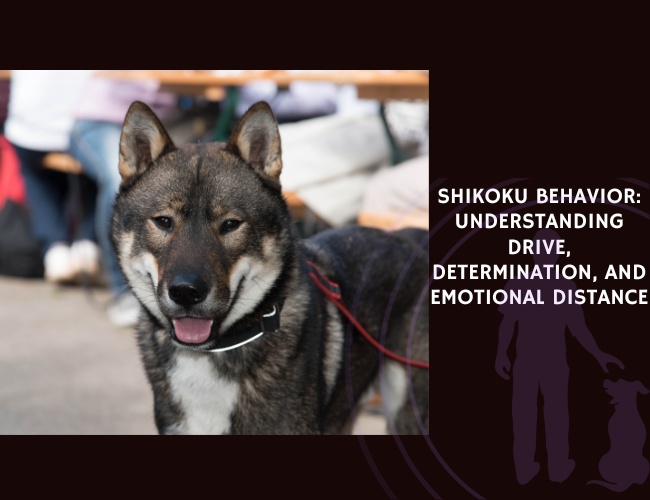
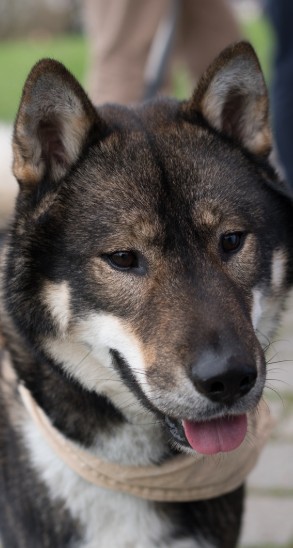
When you first meet a Shikoku, you might notice something different in their gaze. There’s an intensity there, a quiet assessment that feels ancient and deliberate. This isn’t the eager-to-please bounce of a Labrador or the demonstrative affection of a Golden Retriever. The Shikoku dog carries within them the concentrated focus of a mountain hunter, the emotional reserve of a working partner who conserves energy for what truly matters, and a determination that can feel both impressive and challenging in modern life.
Understanding Shikoku behavior means stepping into a different framework entirely. These dogs weren’t shaped by centuries of companionship selection or bred to interrupt their drive for human convenience. They evolved in the isolated mountain ranges of Shikoku Island, where survival meant thinking independently, moving purposefully, and bonding selectively. Let us guide you through the fascinating behavioral architecture of this primitive breed, exploring how their hunting heritage, emotional patterns, and unique cognitive profile shape every interaction you’ll have with them.
The Primitive Hunter: Origins That Shape Every Behavior
The story of Shikoku behavior begins in the mist-covered mountains of Kochi Prefecture, where geographical isolation preserved not just genetic purity but functional specialization. You see, the Shikoku dog—sometimes called Kochi-ken—wasn’t just bred for hunting. They were refined across five distinct strains, each adapted to specific terrain and hunting conditions that demanded different cognitive and physical skills.
Five Regional Strains: Understanding Genetic Diversity
The Shikoku breed developed through five distinct regional strains, each shaped by the specific demands of their mountain territory: Tokushima (also called Iya), Kochi-Aki, Hata Uwahara, Honkawa, and Ehime-ken Shuso-gun. These weren’t just geographic labels—each strain reflected subtle differences in temperament, hunting style, and physical capability based on local terrain and prey patterns.
Why does this matter to you as an owner? Because the genetic diversity within the Shikoku breed means your individual dog may show variations in drive intensity, social tolerance, or sensory sensitivity. A Shikoku from lines emphasizing steep mountain work might show higher independence and environmental vigilance, while lines developed in more moderate terrain might display slightly softer temperaments. Understanding that behavioral variation exists within breed standards helps you appreciate your dog’s unique expression of Shikoku traits rather than expecting every individual to match a single template.
What makes this history matter to you? Because every time your Shikoku locks onto a squirrel in the park, every moment they seem to “ignore” your recall when something interesting catches their attention, they’re expressing adaptations that kept their ancestors alive in unforgiving mountain terrain.
The Hunting Methodology That Built a Mind
The Shikoku’s primary hunting technique was called “Hoeru-dome”—barking to detain rather than biting to detain. This might sound like a small distinction, but it fundamentally shaped their cognitive development. Your Shikoku’s ancestors needed to:
- Track wild boar across shifting mountain terrain
- Maintain sustained focus over extended periods (hours, not minutes)
- Make independent decisions about pursuit strategies
- Balance aggression with self-preservation
- Work without constant handler input or guidance
This created dogs with:
- High prey drive without reckless impulsivity
- Trail persistence across complex scent landscapes
- Environmental problem-solving over handler dependence
- Controlled arousal that could be sustained for hours
- Decision-making confidence in challenging situations
When your Shikoku seems to tune you out during a walk, they’re not being stubborn—they’re processing their environment with the same intensity their ancestors used to track prey across mountainous terrain.
A Different Kind of Intelligence
The Shikoku’s hunting heritage creates what researchers call a “directional problem-solving bias” that’s fundamentally different from obedience-oriented breeds. Where retrievers were selected to interrupt their drive and return to handlers, Shikokus were selected to maintain drive despite environmental challenges. This manifests as:
- Goal fixation: Once a target is identified, disengagement requires significant cognitive effort
- Environmental scanning: Constant evaluation of movement patterns, scent trails, and sound signatures
- Independent decision-making: Preference for self-directed solutions over handler guidance
- Persistence over compliance: Determination to complete self-initiated tasks
- Reduced handler-seeking: Less likely to look to you for help when facing obstacles
Research on frustration in dogs confirms that primitive breeds like the Shikoku demonstrate increased persistence and reduced handler-seeking compared to cooperative working breeds. Your Shikoku isn’t ignoring you—they’re solving problems the way their genetics program them to solve problems.
Sensory Superpowers and the Detail They Notice
The mountainous, forested terrain of Shikoku Island created selection pressure for exceptional sensory acuity. Your Shikoku isn’t just smelling things—they’re building complex olfactory maps of their territory. They’re not just hearing sounds—they’re identifying acoustic patterns that signal threats or opportunities. Research confirms that dogs rely heavily on olfaction and audition as primary exploratory modalities, capable of discriminating vehicle approach patterns hundreds of meters away and detecting differences between water smells and rotting wood.
For your Shikoku, this translates to:
- Micro-movement detection: Noticing subtle environmental changes you completely miss
- Scent mapping: Building three-dimensional olfactory landscapes of territory
- Acoustic pattern recognition: Identifying threats through sound signatures alone
- Multi-sensory integration: Combining smell, sound, and touch for comprehensive environmental assessment
- Peripheral awareness: Processing information at the edges of their sensory range
This is why your Shikoku might suddenly freeze on a walk—they’ve detected something in their sensory landscape that your human senses can’t register. What looks like distraction is actually intense environmental processing.
Determination or Obsession: Understanding the Spectrum
One of the most misunderstood aspects of Shikoku behavior is the line between healthy determination and problematic fixation. You might wonder: Is my dog’s intense focus on that jogger normal drive, or is it becoming reactivity? The answer lies in understanding how adaptive persistence can shift into emotional rigidity under specific conditions.
When Healthy Instinct Becomes Stress-Based Fixation
Determination in Shikokus reflects adaptive persistence—the ability to maintain focus on biologically relevant goals despite obstacles. This becomes emotional rigidity when:
- Environmental pressure exceeds processing capacity: Too much sensory input, too quickly
- Blocked drive creates internal tension: Repeated prevention of goal-directed behavior
- Lack of decompression prevents cortisol reduction: Insufficient recovery time between stressors
- Inconsistent handling creates unpredictability: Rules that change without pattern
Research on canine frustration demonstrates that dogs show stable frustration traits and that breed type strongly influences frustration responses. Cooperative working breeds show more human-directed coping—they look to you for help. Primitive breeds like the Shikoku may escalate internally when goals are blocked, building pressure without necessarily showing you what’s happening until they hit a threshold.
The Quiet Escalation Pattern You Need to Recognize
Here’s what makes Shikokus particularly challenging: they’re prone to quiet escalation. They build internal tension without overt warning signs until a threshold is crossed. Most dog owners are taught to watch for growling, barking, or obvious displacement behaviors like yawning or lip licking. Shikokus often bypass these entirely, appearing “fine” until suddenly they’re not.
Early Stage (Subtle Tension):
- Body stiffening
- Reduced blinking
- Ear position changes
- Increased scanning behavior
Middle Stage (Internal Processing):
- Whale eye (visible sclera)
- Lip tension
- Weight shifting backward
- Decreased responsiveness to handler
Late Stage (Pre-Threshold):
- Complete body rigidity
- Fixed staring
- Shallow breathing
- Sudden stillness
Threshold Breach:
- Explosive reactivity OR
- Complete shutdown/dissociation
This pattern differs dramatically from breeds that vocalize early or show obvious stress signals. Your awareness of micro-signals becomes absolutely critical with a Shikoku. 🧠
Reading the Micro-Signals: What Most Handlers Miss
The difference between catching a Shikoku before threshold breach and dealing with explosive reactivity often comes down to noticing micro-tension indicators that happen in fractions of a second. These subtle signals give you a brief intervention window before your dog’s nervous system commits to a stress response.
Key Micro-Signals to Watch:
- Brow furrowing: Slight wrinkle appearing above the eyes indicating cognitive threat processing
- Lip tightening: Mouth corners pulling back slightly (different from obvious lip curl)
- Pupil dilation: Eyes appearing suddenly darker as sympathetic nervous system activates
- Breath holding: Pauses between breaths or noticeably reduced chest movement
- Paw lifting: Preparing for movement—either approach or retreat
These postural and respiratory changes happen before the obvious escalation stages. When you see brow furrowing combined with pupil dilation and a slight paw lift, your Shikoku is actively evaluating whether the current situation requires action. This is your moment to intervene—creating distance, redirecting attention, or simply allowing your dog to process without additional pressure.
The handlers who succeed with Shikokus are those who learn to read these whisper-quiet signals. You’re not looking for dramatic stress indicators; you’re watching for the micro-adjustments that precede them. When you can recognize tension at the brow-furrow stage rather than waiting for body rigidity, you prevent your dog from practicing the full escalation sequence. Over time, this builds confidence in your Shikoku that you’ll advocate for them before situations become overwhelming.
How Pressure Destroys Disengagement Capacity
Physical or emotional pressure dramatically reduces a Shikoku’s ability to disengage from fixation. Research on trigger stacking shows that multiple stressors within short timeframes overwhelm coping capacity, with effects lasting days or longer in sensitive dogs. For your Shikoku, pressure manifests through leash tension creating frustration when movement is blocked, social crowding reducing escape options and increasing vigilance, handler anxiety transmitting through body language and scent, and environmental unpredictability preventing pattern recognition.
Decompression requirements are higher for Shikokus than most breeds. They need quiet spaces for cortisol reduction, predictable routines for cognitive rest, structured exploration for drive satisfaction, and low-pressure social interactions. If your Shikoku seems increasingly reactive or withdrawn, ask yourself: When did they last have true decompression time?
Understanding Specific Frustration Triggers
Knowing what specifically triggers frustration in Shikokus helps you prevent problems before they develop. Research on canine frustration identifies distinct trigger categories, and Shikokus show particular sensitivity to certain patterns that other breeds might tolerate more easily.
Restraint Frustration:
- Leash tension when prey drive activates (wanting to pursue that squirrel)
- Barrier frustration from fences or windows blocking access to targets
- Physical holding that prevents self-directed movement
- Being confined while arousal is high
Restraint frustration emerges when your Shikoku’s movement is blocked while their drive is activated. The key here is that restraint becomes frustrating specifically when it blocks goal-directed behavior—being on leash during a calm walk creates far less frustration than being on leash when every instinct screams to chase.
Social Pressure:
- Forced greetings with unfamiliar dogs or people
- Crowding that reduces personal space below tolerance threshold
- Attention demands exceeding social tolerance
- Repeated touch or interaction when the dog shows avoidance
Social pressure triggers frustration through forced interaction against the Shikoku’s preferences. Remember that for Shikokus, social interaction itself can be effortful and draining—what looks like friendliness to you might feel like overwhelming pressure to your dog.
Blocked Movement:
- Interrupted tracking when following scent trails
- Prevented exploration of novel environments
- Confined spaces limiting natural ranging behavior
- Constant redirection away from interesting stimuli
Blocked movement creates frustration when your Shikoku’s natural ranging behavior is constantly interrupted. Urban environments create chronic low-level frustration through constant movement restriction.
Inconsistent Human Behavior:
- Unpredictable handler responses to the same behavior
- Mixed signals (verbal vs. body language contradictions)
- Timing errors in cue delivery or reinforcement
- Rules that change without discernible pattern
Inconsistent human behavior generates perhaps the most insidious frustration because it prevents pattern recognition and predictability. When you provide unpredictable handler responses—permissive one day, corrective the next—your Shikoku can’t learn reliable rules.
Managing these triggers requires awareness rather than elimination. You can’t remove all restraint or social pressure from your Shikoku’s life, but you can recognize when frustration is building and provide appropriate outlets before it accumulates into reactivity.
Emotional Distance: Adaptive Strategy or Insecurity?
One of the most frequently asked questions about Shikokus is whether their emotional reserve is “normal” or something to worry about. You might feel confused when your Shikoku doesn’t seek affection like other dogs, doesn’t greet strangers with enthusiasm, or seems content maintaining physical distance even from family members. Let’s explore what’s actually happening.
The Genetic Foundation of Selective Attachment
The Shikoku’s emotional reserve appears to be genetically encoded rather than purely learned. Historical breeding in Japan prioritized:
- Calm, steady temperament for sustained hunting
- Non-clingy behavior for independent work
- Selective bonding with primary handlers
- Neutral response to strangers
- Energy conservation during long missions
This contrasts sharply with companion breeds selected for indiscriminate friendliness and attention-seeking behavior. The Shikoku’s introverted social profile reflects adaptive traits for:
- Energy conservation during long hunts
- Reduced social conflict in working groups
- Handler focus without distraction
- Threat discrimination between familiar and unfamiliar individuals
- Efficient allocation of emotional resources
When your Shikoku doesn’t rush to greet every visitor, they’re not being rude—they’re expressing a deeply encoded preference for selective social engagement.
Cultural Context and Breeding Preferences
Japanese dog culture historically valued emotional restraint and dignified composure. The systematic elimination of dogs during the Meiji era (1878) for “noxious” behavior and rabies concerns created selection pressure for dogs that were:
- Controllable without excessive vocalization
- Predictable in social contexts
- Reserved rather than exuberant
- Dignified in public spaces
This cultural context shaped how Shikokus express emotion:
- Affection: Shown through proximity rather than physical contact
- Trust: Demonstrated through relaxed body language rather than enthusiasm
- Bonding: Expressed through parallel activity rather than interaction-seeking
- Connection: Communicated through soft eye contact and calm presence
Your Shikoku lying in the same room as you, even across the space, is their way of saying “I trust you enough to relax in your presence.” That’s profound connection in their language. 🧡
Distinguishing Healthy Reserve from Stress-Based Withdrawal
The critical question: Does emotional distance protect your Shikoku from overstimulation, or does it mask insecurity? The answer requires nuanced observation.
Evidence for Protective Function:
- Shikokus in predictable, low-pressure environments maintain reserve without stress signals
- They show selective relaxation with trusted individuals while remaining neutral with others
- Decompression behaviors (resting, chewing, exploring) occur readily when safe
- Body language remains soft even while maintaining distance
Evidence for Insecurity Masking:
- Some Shikokus show flattened affect after forced socialization
- Trigger stacking creates withdrawal that resembles natural reserve
- Inconsistent handling increases distance as a coping mechanism
- Body language shows tension even during supposedly calm moments
The key distinction lies in body language quality:
- Healthy reserve: Soft eyes, loose body posture, environmental engagement, calm breathing
- Stress-based withdrawal: Hard stare, muscle tension, constant scanning, reduced responsiveness
Emotional distance in the Shikoku is primarily adaptive but can become stress-amplified when environmental demands exceed the dog’s processing capacity. Your job isn’t to eliminate their natural reserve—it’s to ensure that reserve remains soft and healthy rather than hardening into protective withdrawal.
Selective Bonding: The Depth of Shikoku Attachment
If you’ve chosen a Shikoku, you need to understand that your relationship will look different from what popular dog culture portrays. The Shikoku’s bonding pattern isn’t less—it’s deeper but narrower. They demonstrate profound selective bonding, often forming deep attachments to one or two individuals while remaining politely neutral toward others.
The Evolutionary Logic of One-Person Attachment
This pattern reflects both evolutionary logic and neurobiological reality.
Evolutionary Logic:
- Hunters worked with consistent handlers over years
- Predictable partnerships enhanced hunting efficiency
- Selective trust reduced energy expenditure on unnecessary social processing
- Deep bonds with few individuals supported long-term cooperation
Neurobiological Basis:
- Oxytocin release (bonding hormone) is context-dependent in dogs
- Primitive breeds show lower baseline oxytocin but stronger spikes with trusted individuals
- CARE system activation (Panksepp’s affective neuroscience) is selective rather than generalized
- Emotional investment follows a scarcity model rather than abundance model
Owner reports confirm this pattern, with Shikokus requiring extended time—months to years—to accept new household members. They show initial neutral observation before gradual trust development. If you’re bringing a Shikoku into a family, understand that they won’t bond with everyone equally or quickly. This isn’t a failure of socialization; it’s their nature.
Predictability: The Foundation of Trust
Predictability is the cornerstone of Shikoku trust. Research on relationship-based training emphasizes that dogs benefit from conversational dynamics where both parties communicate and listen.
Routine Consistency:
- Fixed feeding times reduce anxiety
- Predictable walk routes allow environmental mastery
- Consistent sleep locations provide safe decompression zones
- Regular daily sequences create rhythm your dog can anticipate
Emotional Consistency:
- Handler affect stability allows your Shikoku to predict your responses
- Reliable communication patterns create clear expectations
- Predictable boundaries reduce decision-making stress
- Calm baseline lets your dog relax rather than monitor your state
Behavioral Predictability:
- Consistent reinforcement schedules for specific behaviors
- Reliable consequences that don’t change day-to-day
- Stable handling techniques across situations
- Clear rules that apply consistently
When you’re inconsistent—switching between permissive and strict, reacting emotionally one day and ignoring the same behavior the next—you’re not just confusing your Shikoku. You’re actively eroding their trust in you as a reliable source of information about their world.
Consent-Based Interaction and Autonomy
Shikoku bonding deepens through respect for autonomy. Through the NeuroBond approach, trust becomes the foundation of learning when handlers practice:
Choice-Based Contact:
- Dogs initiate affection rather than humans demanding it
- Physical contact happens on the dog’s timeline
- Withdrawal signals are immediately respected
- Proximity doesn’t require interaction
Non-Coercive Handling:
- Respecting refusal signals during grooming or medical care
- Allowing dogs to opt out of activities when possible
- Using cooperative care techniques for necessary procedures
- Building handling tolerance gradually through positive association
Parallel Presence:
- Simply being near each other without interaction demands
- Shared space that doesn’t require engagement
- Allowing dogs to choose their distance
- Valuing proximity as connection even without touch
Consent-based training includes allowing dogs to opt out of activities, respecting avoidance signals during handling, and providing choices within structured boundaries. This approach might feel counterintuitive if you’re used to more biddable breeds, but for Shikokus, forced interaction actively damages trust while respected autonomy builds it.
The Extended Trust Timeline: What to Actually Expect
One of the most valuable pieces of information new Shikoku owners need is realistic bonding timelines. If you’re expecting your Shikoku to bond like a Labrador or Golden Retriever—enthusiastic attachment within weeks—you’ll feel frustrated and worry something is wrong. Understanding the actual timeline prevents unnecessary anxiety and helps you recognize progress when it happens.
Initial Weeks (Observation Phase):
- Constant watching and pattern learning
- Evaluating your predictability
- Determining whether you represent safety
- Minimal emotional expression or engagement
1-3 Months (Tentative Approach):
- Choosing to be in same room
- Following between spaces
- Brief moments of soliciting attention before moving away
- First signs of relaxation in your presence
3-6 Months (Selective Relaxation):
- Beginning to truly relax near you
- Deep sleep in your presence
- First play-bowing or toy presentation
- Showing preferences for specific activities with you
6-12 Months (Deep Bond Formation):
- Clear preference for primary handler
- Genuine emotional responsiveness to your state
- Trust behaviors (belly exposure, physical contact initiation)
- Seeking you out for comfort or connection
1-2 Years (Secondary Member Acceptance):
- Gradual incorporation of family members into trusted circle
- Extended evaluation before accepting new people
- Permanent “neutral acquaintance” status for those who push interaction
This timeline reflects cognitive caution rather than fearfulness or social deficiency. Your Shikoku is evaluating trustworthiness through extended observation before committing emotional resources—an adaptive strategy that served their ancestors well and continues to define the breed today. When you understand this timeline, those first few months stop feeling like failure and start feeling like the natural unfolding of a relationship built on genuine trust rather than indiscriminate friendliness. 🐾
Focused. Driven. Distant.
Instinct Guides Action
The Shikoku’s behaviour flows from ancient hunting purpose rather than modern social expectation. Their assessments are deliberate, not aloof.
Mountains Molded Independence
Isolation and demanding terrain shaped dogs who think for themselves and commit fully to chosen paths. This creates determination that resists easy redirection.
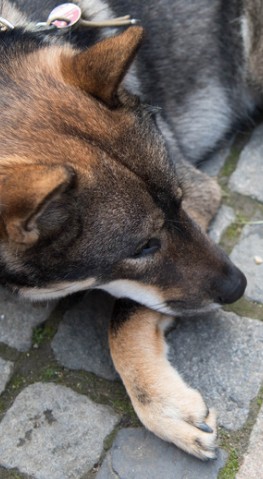
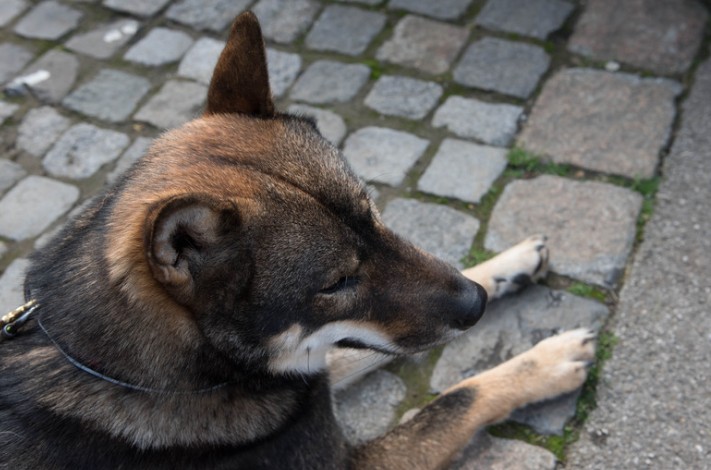
Bonding Requires Respect
Their emotional distance reflects selective loyalty, not lack of affection. When trust is earned, their commitment is deep, steady, and purposeful.
Drive Satisfaction: Meeting Their Hunting Heritage
Your Shikoku’s hunting heritage isn’t just history—it’s active neurology demanding expression. Without structured outlets for drive, you’ll see displacement into problematic behaviors. Drive satisfaction becomes essential management, not optional enrichment.
🐺 Understanding Shikoku Behavior: The Complete Journey
From Ancient Mountain Hunter to Modern Companion: A Phase-by-Phase Guide to Drive, Determination, and Emotional Distance
Phase 1: Primitive Hunter Origins
Understanding the Ancestral Blueprint
🧬 Genetic Heritage
Five regional strains (Tokushima, Kochi-Aki, Hata Uwahara, Honkawa, Ehime-ken) shaped by mountain terrain and wild boar hunting. Each strain developed unique temperament variations based on local demands. Your individual Shikoku expresses this genetic diversity through drive intensity, social tolerance, and sensory sensitivity patterns.
🎯 What This Means for You
Every “distraction” your Shikoku shows on walks is actually intense environmental processing inherited from hunting ancestors. That squirrel fixation? Goal-directed persistence that kept them alive in mountain wilderness. Understanding this transforms frustration into appreciation for their remarkable cognitive architecture.
✅ Key Recognition Point
• High prey drive without recklessness
• Environmental problem-solving over handler dependence
• Trail persistence across complex sensory landscapes
• Controlled arousal sustainable for hours
Phase 2: Exceptional Sensory Acuity
The World Through Shikoku Senses
🔬 Sensory Capabilities
Micro-movement detection notices leaf shifts indicating prey. Olfactory mapping builds three-dimensional scent landscapes. Acoustic pattern recognition identifies threats through sound alone. Multi-sensory integration combines smell, sound, and touch for comprehensive environmental assessment.
⚠️ Urban Challenge
Cities create sensory overload: acoustic pollution from traffic, visual complexity from crowds, olfactory chaos from overlapping scents. What looks like “reactivity” is often cognitive overload from processing environmental information at resolution humans can’t perceive. Your Shikoku isn’t being difficult—they’re genuinely overwhelmed.
🛡️ Management Strategy
Provide decompression periods after high-stimulation exposure (24-72 hours for cortisol normalization). Choose quiet morning walks before city awakens. Create sensory-reduced zones at home with minimal traffic and predictable routines.
Phase 3: Emotional Reserve & Trust Building
The Extended Timeline of Shikoku Bonding
📅 Realistic Timeline
Initial weeks: Observation phase, gathering data before emotional investment. 1-3 months: Tentative approach, proximity-seeking. 3-6 months: Selective relaxation, first play initiation. 6-12 months: Deep bond with primary handler crystallizes. 1-2 years: Acceptance of secondary household members.
💭 Reframe Your Expectations
Your Shikoku lying across the room from you represents profound trust in their language. Affection shows through proximity rather than physical contact. Bonding expresses through parallel activity rather than interaction-seeking. This isn’t deficiency—it’s adaptive reserve as energy conservation.
🚫 Critical Warning
Forced interaction actively damages trust. When your Shikoku shows avoidance, respect it immediately. Pushing for affection or allowing strangers to force interaction creates flattened affect, generalized anxiety, and permanent handler distrust. The dog who could have become a calm observer becomes an anxious reactor.
Phase 4: Reading the Silent Language
Catching Tension Before Threshold Breach
🔍 Micro-Signals to Watch
• Brow furrowing: Cognitive threat processing beginning
• Pupil dilation: Sympathetic nervous system activation
• Lip tightening: Mouth corners pulling back slightly
• Breath holding: Pauses between breaths
• Paw lifting: Preparing for approach or retreat
⏱️ Intervention Window
When you see brow furrow + pupil dilation + paw lift, your Shikoku is actively evaluating threat level. This is your brief moment to intervene—create distance, redirect attention, or simply allow processing without pressure. Catch them at this stage and you prevent the full escalation sequence from activating.
🎯 Success Pattern
Handlers who succeed with Shikokus learn to read whisper-quiet signals. You’re watching for micro-adjustments that precede obvious stress indicators. When you can recognize tension at brow-furrow stage rather than waiting for body rigidity, you build your Shikoku’s confidence that you’ll advocate before situations overwhelm them.
Phase 5: Understanding Frustration Sources
Prevention Through Recognition
🔗 Four Core Triggers
Restraint frustration: Leash tension when prey drive activates. Social pressure: Forced greetings exceeding tolerance. Blocked movement: Interrupted tracking and exploration. Inconsistent behavior: Unpredictable handler responses preventing pattern recognition.
🧠 Why It Matters
Restraint becomes frustrating specifically when it blocks goal-directed behavior. Being on leash during calm walk creates minimal frustration; being on leash when every instinct screams to chase builds internal pressure. Urban environments create chronic low-level frustration through constant movement restriction and interrupted exploration.
💡 Strategic Outlets
Structured scent work satisfies hunting instincts safely. Nose work training, tracking exercises, and hide-and-seek games provide neurological satisfaction that prevents your Shikoku from finding inappropriate outlets. Environmental exploration in scent-rich areas (forests, fields) engages primary sensory modality effectively.
Phase 6: Partnership Over Obedience
The Invisible Leash Approach
⏱️ Timing Precision
Shikokus require reinforcement within 0.5 seconds of desired behavior—not one second, not two seconds, but half a second. This precision reflects their pattern recognition bias. When you mark behavior even one second late, they associate your marker with their current action, not what you intended to reinforce.
🗣️ Low-Verbal Communication
Excessive verbalization becomes auditory noise they tune out. Spatial positioning provides clearer information: your body location guides behavior, movement patterns create direction, proximity management establishes boundaries. The Invisible Leash means awareness, not tension, guides the path.
🤝 Relationship Framework
Choice-based interaction where your Shikoku initiates contact. Predictable responses where your behavior stays consistent. Consent-based handling respecting refusal signals. Through the NeuroBond approach, trust becomes the foundation of learning—not compliance through pressure.
Phase 7: Redefining “Well-Socialized”
Polite Distance Over Universal Friendliness
✅ Polite Avoidance (Healthy)
Calm body language while creating distance. Environmental engagement continues (sniffing, looking around). Natural handler check-ins occur. Rapid recovery once space achieved. This is good social skills, not fear—your Shikoku is appropriately self-regulating.
❌ Fear-Based Reactivity (Concerning)
Tense body with hard stare and muscle rigidity. Environmental scanning replaces normal engagement. Complete handler disconnection or frantic seeking. Prolonged arousal lasting minutes or hours after trigger removal. This requires counter-conditioning, not more exposure.
🛡️ Your Role: Advocate
When well-meaning strangers want to pet your dog and your Shikoku shows hesitation, advocate firmly: “They’re not comfortable with that right now.” Protecting your dog’s boundaries doesn’t create fear—it creates confidence that you’ll never force them past their threshold. This advocacy builds trust that allows gradual comfort zone expansion.
Phase 8: Practical Daily Structure
Making Theory Concrete Through Routine
🌅 Morning Foundation
Decompression walk before world awakens (30-45 minutes slow exploration). This isn’t exercise—it’s sensory exploration where your Shikoku sets pace, sniffs extensively, processes environment without pressure. Choose routes with minimal traffic. Follow with structured scent work (15-20 minutes) satisfying hunting instincts in controlled format.
☀️ Midday Recovery
Protected rest time in quiet space (2-3 hours minimum). This is crucial decompression where your Shikoku processes morning activities and reduces cortisol. Create den-like area with minimal traffic. No interaction demands during this period. Many Shikokus sleep deeply if they feel genuinely safe.
🌙 Evening Connection
Parallel presence during your activities builds relationship without pressure. Your Shikoku remains in same space while you cook, watch TV, or work. No forced interaction—they might lie nearby, occasionally approach for brief contact, or simply exist in same room. This is Soul Recall in action: building connection through shared space rather than demanding engagement.
🔄 Shikoku vs. Other Breeds: Understanding the Differences
Social Style
Shikoku: Selective bonding, 1-2 year timeline, polite distance preferred, energy-conserving reserve
Golden Retriever: Indiscriminate friendliness, immediate bonding, active seeking of interaction, attention-driven enthusiasm
Training Response
Shikoku: Partnership over obedience, 0.5-second timing required, spatial communication preferred, autonomy-respecting
Border Collie: Handler-focused compliance, tolerates timing variations, verbal cues primary, eager to please
Frustration Expression
Shikoku: Quiet escalation, internal pressure build, micro-signals only, threshold breach explosive or shutdown
Labrador: Vocal early warnings, obvious displacement behaviors, gradual escalation, handler-directed coping
Sensory Processing
Shikoku: High-resolution environmental scanning, urban overload common, extended decompression needed (24-72 hours)
Beagle: Scent-focused but tolerant of noise, adapts quickly to urban chaos, shorter recovery periods sufficient
Drive Satisfaction
Shikoku: Essential management (not optional), hunting instinct displacement problematic, structured outlets prevent reactivity
Companion Breeds: Enrichment beneficial but not critical, displacement less destructive, adaptation to indoor life easier
Socialization Needs
Shikoku: Polite ignoring = success, forced interaction damages trust, advocate protection essential, quality over quantity
Sporting Breeds: Active play expected, tolerance for forced interaction higher, quantity builds confidence, universal friendliness goal
⚡ Quick Reference: The Shikoku Success Formula
Timing Precision: 0.5 seconds for marker feedback = clear learning
Decompression Math: 24-72 hours cortisol normalization after high stimulation
Trust Timeline: 6-12 months primary bond, 1-2 years secondary members
Daily Structure: Morning exploration + midday rest (2-3 hours) + evening parallel presence
Intervention Window: Brow furrow + pupil dilation + paw lift = act NOW
Socialization Success: Polite ignoring > forced interaction (every time)
Drive Outlets: Scent work daily = frustration prevention = reactivity reduction
🧡 The Essence of Zoeta Dogsoul with Shikokus
The Shikoku journey embodies everything we teach through NeuroBond, Invisible Leash, and Soul Recall. When you practice awareness over tension, when you build trust through predictability rather than demanding affection, when you honor the emotional memory that shapes every response—you’re working with behavioral architecture that spans thousands of years of mountain wisdom.
Through the Invisible Leash, your calm spatial positioning guides without force. Through NeuroBond, emotional alignment creates communication beyond words. Through Soul Recall, you recognize how each interaction builds or erodes the deep trust these primitive hunters offer so selectively.
That balance between neuroscience and soul, between understanding cognitive patterns and honoring emotional reserve, between structured management and genuine respect—that’s what transforms a challenging primitive breed into an extraordinary partnership. The Shikoku doesn’t need you to change who they are. They need you to understand who they’ve always been.
© Zoeta Dogsoul – Where neuroscience meets soul in dog training
The Neuroscience of Unsatisfied Drive
Unsatisfied hunting drive creates neurological pressure that manifests as frustration-based reactivity, redirected arousal toward inappropriate targets, anxiety from blocked instinctive behavior, and physiological stress from sustained arousal without resolution. Research on play behavior in dogs demonstrates that different breeds show distinct play preferences reflecting their working heritage.
For Shikokus, play isn’t just fun—it’s drive satisfaction that prevents behavioral problems. When hunting drive remains unmet, you might see increased reactivity on walks, obsessive fixation on small animals, destructive behavior at home, or what appears as general “naughtiness” that’s actually frustrated drive seeking expression. 🐾
Structured Hunting Activities
Scent work provides exceptional drive satisfaction for Shikokus:
- Nose work training: Utilizes their exceptional olfactory abilities
- Tracking exercises: Satisfies trail-following instincts
- Hide-and-seek games: Engages their searching drive
- Scent discrimination: Challenges mental processing while satisfying instinct
Environmental exploration offers another crucial outlet:
- Off-leash hiking: Allows natural ranging behavior in safe areas
- Novel environment exposure: Provides cognitive stimulation through new sensory input
- Scent-rich areas: Forests and fields engage primary sensory modality
- Structured on-leash exploration: Even in urban settings, letting your Shikoku lead provides drive outlet
Flirt pole work and controlled chase activities offer safe prey-drive outlet when properly managed. The key is controlled arousal—building drive, satisfying it through the activity, and then teaching your Shikoku to shift back to calm. This teaches drive regulation rather than just building more arousal.
Mental Stimulation and Problem-Solving
Cognitive challenge is as important as physical exercise for Shikokus. Puzzle toys and food-dispensing games engage problem-solving abilities, training sessions that require decision-making respect their intelligence, and novel challenges prevent boredom and routine-based anxiety.
The Invisible Leash reminds us that awareness, not tension, guides the path. When you structure activities that engage your Shikoku’s natural drives, you’re not just preventing problems—you’re building a partnership where their hunting heritage becomes an asset rather than a liability.
Training Approaches: What Works and What Fails
Traditional obedience training often fails spectacularly with Shikokus. Not because they can’t learn, but because the entire framework contradicts their cognitive architecture. Understanding what actually works requires abandoning assumptions about what “good training” looks like.
Why Traditional Methods Create Resistance
Obedience-oriented training assumes handler dependence and compliance as default. For Shikokus, this creates cognitive dissonance:
- Repetitive drill work: Contradicts their problem-solving preference
- Heavy verbal commands: Overwhelms their processing capacity
- Correction-based approaches: Triggers defensive responses
- Forced compliance: Undermines their autonomy drive
- Handler-centric focus: Ignores their environmental orientation
Research on training methods demonstrates that relationship-based approaches produce better outcomes for independent breeds, while punishment-based methods increase stress and reduce handler-directed behavior. Your Shikoku doesn’t need more pressure to comply—they need reasons to choose cooperation.
Relationship-Based Training Framework
Relationship-based training emphasizes conversational dynamics where both parties communicate and listen. This approach reduces emotional distance through choice-based interaction where your Shikoku initiates contact, predictable responses where your behavior remains consistent, and trust accumulation through gradual bond formation via reliability.
It respects autonomy through self-directed exploration, decision-making opportunities within boundaries, and consent-based handling that honors refusal signals. This supports natural behavior through drive satisfaction, sensory engagement utilizing olfaction and audition, and cognitive challenges providing problem-solving opportunities.
For Shikokus, training becomes partnership rather than obedience. You’re not commanding compliance; you’re building a shared language where your Shikoku chooses to work with you because the relationship makes it worthwhile.
Low-Verbal, High-Spatial Communication
Shikokus respond far better to spatial communication than verbal commands. Excessive verbalization becomes auditory noise they learn to tune out, while spatial positioning provides clear, consistent information.
Spatial Communication Elements:
- Body positioning: Using handler location to guide behavior
- Movement patterns: Predictable walking rhythms and directional cues
- Proximity management: Creating natural boundaries through your position
- Pressure and release: Spatial approach and retreat to shape behavior
Benefits of Minimal Verbal Cueing:
- Reduces auditory overstimulation
- Creates clearer signal-to-noise ratio
- Allows your Shikoku to focus on environmental information
- Prevents cue poisoning from repetition
- Respects their sensory preferences
Environmental Management Advantages:
- Strategic positioning prevents problems before they require correction
- Distance management from triggers maintains sub-threshold arousal
- Structured exposure builds confidence without flooding
This is the essence of what Zoeta Dogsoul describes as calm leadership—guidance that doesn’t demand constant input but provides clear structure through your presence and positioning.
Timing, Consistency, and Clear Consequences
Shikokus need immediate feedback to connect behavior with consequence. Delayed corrections are processed as unpredictable punishment rather than information. Immediate marking (within 1-2 seconds) creates clear behavior-consequence connections, consistent consequences build predictable patterns, and reliable reinforcement schedules strengthen chosen behaviors.
Variable reinforcement for established behaviors maintains engagement without creating expectation, while new behaviors require high-rate reinforcement to establish patterns. The key is that your Shikoku can predict what their choices produce—not that they blindly obey commands.
The Critical Importance of Handler Timing
Here’s a truth that might surprise you: when your Shikoku seems to “not listen” or “be stubborn,” the problem is often handler timing rather than the dog’s compliance. Shikokus demonstrate exceptional sensitivity to timing precision, with small errors carrying disproportionate weight compared to more forgiving breeds.
Timing Precision Requirements:
- Marker timing: Within 0.5 seconds of desired behavior (not one second, not two)
- Cue delivery: Consistent timing relative to behavior sequences
- Release timing: Clear signals when behavior ends
- Consequence timing: Immediate connection between action and outcome
Consequences of Poor Timing:
- Confusion: Unclear behavior-consequence relationships
- Frustration: Inability to predict reinforcement patterns
- Disengagement: Reduced motivation to offer behaviors
- Pattern breakdown: Failed learning despite repetition
Handler Hesitation Effects:
- Confidence erosion: Dog perceives your uncertainty
- Leadership vacuum: Dog assumes decision-making role
- Anxiety increase: Unpredictability creates chronic stress
- Trust damage: Inconsistency undermines reliability
This sensitivity reflects the Shikoku’s cognitive bias toward pattern recognition and environmental predictability. Inconsistent handler behavior creates the same stress response as unpredictable environmental threats. Improving your timing often matters more than any other training modification.
Socialization: Respecting Primitive Social Logic
Socialization for Shikokus isn’t about creating a dog who loves everyone. It’s about creating a dog who can navigate social situations without stress while maintaining their natural reserve. This requires completely reframing what “well-socialized” means.
The Myth of Universal Friendliness
Modern dog culture often defines socialization as creating dogs who enthusiastically greet every person and dog they encounter. For Shikokus, this is neither achievable nor desirable. Primitive social logic emphasizes space respect and consent-based interaction, with low intrusion tolerance and preference for polite distance.
Forced interaction with strangers creates stress rather than positive associations, overwhelming them with excessive social demands triggers defensive responses, and expecting extroverted behavior contradicts their genetic programming. Your goal should be a Shikoku who can calmly exist in social environments—not one who actively seeks interaction.
Gradual Exposure and Choice-Based Socialization
Effective socialization for Shikokus requires:
Exposure Principles:
- Sub-threshold exposure: Social stimuli remain below arousal threshold
- Gradual habituation: Repeated low-intensity exposure over time
- Choice-based approach: Your Shikoku controls interaction pace
- Escape options: Always providing retreat routes
Critical Practices:
- Respect withdrawal signals: When your Shikoku indicates they’ve had enough, honor that immediately
- Positive association building: Link social situations with pleasant outcomes without forced contact
- Advocate protection: Prevent well-meaning strangers from overwhelming your dog
- Distance maintenance: Allow observation without participation
Owner experiences confirm that Shikokus who are protected during socialization—allowed to observe without forced interaction—develop calmer responses than those subjected to “flooding” approaches where they’re overwhelmed with social stimuli.

Polite Avoidance vs. Fear-Based Reactivity: A Critical Distinction
One of the most important skills you’ll develop with a Shikoku is distinguishing between polite avoidance and fear-based reactivity. This distinction determines whether you respect your dog’s boundaries or push them into situations that damage trust and potentially create reactivity.
Polite Avoidance (Adaptive & Healthy):
- Body language: Calm, soft eyes, loose muscles even while creating distance
- Environmental engagement: Continues sniffing, looking around, processing other information
- Handler connection: Natural check-ins for information or reassurance
- Recovery speed: Rapid return to baseline once space is achieved
- Stress signals: Minimal or absent
Fear-Based Reactivity (Maladaptive & Concerning):
- Body language: Tense, hard stare, muscle rigidity, whale eye, weight shifted backward
- Environmental engagement: Stops processing anything except the perceived threat
- Handler connection: Complete disconnection OR frantic seeking/hiding
- Recovery speed: Prolonged arousal lasting minutes or hours after trigger removal
- Stress signals: Multiple, escalating, persistent
Why does this distinction matter so profoundly? Because polite avoidance requires respect and space, while fear-based reactivity requires counter-conditioning and behavior modification. When you force a dog showing polite avoidance into closer proximity, you’re teaching them that their communication doesn’t work and they need to escalate to more dramatic behaviors. Over time, polite avoidance becomes fear-based reactivity because subtle signals were ignored.
Conversely, respecting polite avoidance validates your Shikoku’s communication, builds trust in your advocacy, and allows them to navigate social situations with confidence. They learn that showing you discomfort results in you creating the space they need, which paradoxically helps them tolerate closer proximity over time because they trust you’ll intervene if needed.
Dog-Dog Interaction and Social Selectivity
Shikokus typically show selective friendliness with dogs, preferring familiar individuals over novelty. Same-sex aggression tendencies (especially in males) reflect primitive pack dynamics, while opposite-sex pairings often work better. Space-sharing rather than active play creates comfortable social dynamic for many Shikokus.
Small dog interaction requires careful management due to size difference and prey drive. Polite ignoring represents successful dog-dog interaction for Shikokus—they don’t need to play with every dog they meet. Structured parallel walks build tolerance without forced interaction, allowing dogs to exist in proximity without direct engagement.
The Hidden Damage of Forced Socialization
Understanding the long-term consequences of forced socialization might be the most important information for preventing behavioral problems in Shikokus. Many reactivity issues, anxiety disorders, and trust problems don’t stem from insufficient socialization—they develop precisely because of forced socialization that violated the dog’s boundaries repeatedly.
Immediate Effects:
- Flattened affect: Emotional shutdown to cope with overwhelming pressure
- Increased vigilance: Hyperawareness and constant scanning for threats
- Handler distrust: Loss of confidence in your protective judgment
- Stress accumulation: Building cortisol without recovery opportunity
Long-Term Consequences:
- Generalized anxiety: Anticipating forced interaction in any social setting
- Reactivity development: Escalating to dramatic displays when subtle signals fail
- Relationship damage: Erosion of trust in your judgment and protection
- Permanent wariness: Inability to relax in public spaces
- Threshold lowering: Decreasing tolerance over time rather than increasing
This creates a tragic irony: handlers who force socialization because they want a “friendly, well-adjusted dog” often create the exact opposite—an anxious, reactive dog who has learned that social situations are unpredictable and potentially threatening.
Prevention Through Advocacy:
- When they show avoidance, intervene immediately to create space
- When strangers want to pet your dog and your Shikoku shows hesitation, advocate firmly
- When other dog owners insist their dog is friendly, protect your Shikoku’s space
- Prioritize your dog’s communication over social convention
This advocacy doesn’t create a fearful dog—it creates a confident dog who trusts you to read situations accurately and prioritize their needs. 🧡
Environmental Management: Compensating for Modern Mismatch
The harsh reality is that modern environments weren’t designed for Shikokus. Urban and suburban settings create sensory overload, blocked drive, and chronic low-level stress that can push these dogs toward reactivity or withdrawal. Understanding environmental mismatch helps you compensate effectively.
Urban Sensory Overload
Cities assault Shikoku sensory systems across multiple channels:
Acoustic Pollution:
- Traffic noise (cars, motorcycles, sirens)
- Construction sounds (jackhammers, beeping, machinery)
- Human activity (crowds, shouting, music)
- Sudden loud noises that trigger startle responses
Visual Overstimulation:
- Movement in all directions overwhelming tracking systems
- Crowds with unpredictable approach vectors
- Reflections, lights, and rapid environmental changes
- Inability to focus on single visual elements
Olfactory Complexity:
- Overwhelming scent mixtures preventing clear mapping
- Artificial odors from cars, industry, food
- Layered scent trails from hundreds of dogs and humans
- No clear scent boundaries or territories
Tactile & Environmental Factors:
- Hard surfaces creating joint stress and temperature extremes
- Restricted movement space preventing natural ranging
- Forced proximity to triggers without escape options
Research on urban dog stress demonstrates elevated cortisol levels in high-stimulation environments, with sensory-sensitive breeds showing stronger responses. Your Shikoku isn’t being “difficult” in urban settings—they’re genuinely overwhelmed by sensory input you barely register.
Decompression as Essential Management
Decompression isn’t optional for Shikokus living in challenging environments—it’s essential. The neuroscience of stress recovery requires:
Physiological Recovery Needs:
- Cortisol reduction: 24-72 hours for stress hormone levels to normalize
- Nervous system reset: Parasympathetic activation through genuine rest
- Sensory recovery: Reduced input allows processing of accumulated information
- Sleep quality: Deep, uninterrupted rest cycles for neural consolidation
Behavioral Indicators of Insufficient Decompression:
- Increased reactivity with lower arousal thresholds
- Reduced responsiveness and difficulty engaging with handler
- Flattened affect showing emotional withdrawal
- Sleep disturbance (restless or excessive sleeping)
- Difficulty settling even in familiar environments
Effective Decompression Strategies:
- Quiet spaces: Low-stimulation environments specifically for rest
- Predictable routines: Consistent daily patterns your dog can anticipate
- Chew activities: Calming through oral engagement (bully sticks, Kongs)
- Parallel presence: Handler nearby without interaction demands
- Protected rest time: Minimum 2-3 hours of uninterrupted downtime daily
Simply being in a room together while your Shikoku decompresses builds connection without pressure. This is relationship-building that respects their need for emotional space.
Structured Exposure and Calm Leadership
Compensating for environmental mismatch requires structured exposure with gradual introduction to urban stimuli, sub-threshold training maintaining arousal below reactivity threshold, choice-based approach allowing your Shikoku to set pace, and escape options always providing retreat routes.
Predictable routines reduce anticipatory anxiety through consistent walk times, fixed routes allowing environmental mastery, and reliable decompression with scheduled quiet periods. Calm leadership provides emotional neutrality where your composure transmits safety, spatial management creating proactive distance from triggers, clear communication through consistent cues and boundaries, and advocacy protecting your dog from forced interactions.
A Practical Daily Schedule: Making Theory Concrete
Abstract concepts about decompression, drive satisfaction, and predictable routines become much clearer when you see what they actually look like in daily practice. Here’s a sample schedule that balances a Shikoku’s needs—adapt timing to your lifestyle while maintaining the essential elements.
Morning (6:30-7:30 AM): Begin with a decompression walk in a quiet area before the world wakes up. This isn’t exercise—it’s sensory exploration. Let your Shikoku set the pace, sniff extensively, and process their environment without pressure. Choose routes with minimal dog/human traffic. Duration: 30-45 minutes of slow, exploratory movement. Your Shikoku should look relaxed, engaged with the environment, occasionally checking in with you but primarily focused on scent work.
Mid-Morning (9:00-9:30 AM): After breakfast and a rest period, engage in structured scent work or puzzle activities. Hide treats around your home or yard, use a snuffle mat, or practice basic nose work games. This satisfies hunting instincts in a controlled format and provides cognitive work that’s surprisingly tiring. Keep sessions short—15-20 minutes—ending before your Shikoku shows frustration or disengagement.
Midday (12:00-2:00 PM): Protected rest time in a quiet space. This is crucial decompression where your Shikoku processes morning activities and reduces cortisol. Create a den-like area—crate with cover, quiet bedroom, or corner with minimal traffic. No interaction demands during this period. Many Shikokus sleep deeply during midday rest if they feel genuinely safe.
Afternoon (4:00-5:00 PM): Second walk, potentially with more activity if your Shikoku shows drive. This might include some structured training (recall practice, leash skills), controlled socialization at distance from triggers, or environmental exposure work. Still maintain awareness of stimulation levels—if your dog shows tension, reduce intensity rather than pushing through.
Evening (6:30-7:30 PM): Parallel presence time during your evening activities. Your Shikoku remains in the same space while you cook dinner, watch television, or work on projects. No forced interaction—they might lie nearby, occasionally approach for brief contact, or simply exist in the same room. This builds relationship through proximity without pressure. Some Shikokus enjoy a long-lasting chew (bully stick, frozen Kong) during this time.
Before Bed (9:00-9:30 PM): Brief final walk for elimination, kept calm and short. Then transition to sleeping arrangement with clear boundary—your Shikoku should know this signals end of activity and beginning of rest period.
What makes this schedule work isn’t the specific timing—it’s the pattern of activity, cognitive work, decompression, and low-pressure connection distributed throughout the day. Notice how it includes two walks (morning exploration and afternoon activity), structured drive satisfaction (scent work), significant decompression time (midday rest), and relationship-building without demands (parallel presence).
Consistency matters more than perfection. If your schedule must vary, maintain the sequence—morning decompression walk, cognitive work, rest, afternoon activity, evening parallel time—even if timing shifts. Your Shikoku’s nervous system regulates more effectively when the pattern remains predictable, allowing them to anticipate what comes next and allocate energy accordingly. 🐾
Moments of Soul Recall reveal how memory and emotion intertwine in behavior—when your Shikoku encounters a trigger that previously overwhelmed them, they’re not just reacting to the present moment. They’re processing accumulated emotional memory that requires patient, consistent work to reprogram.
The NeuroBond Framework Applied to Shikokus
The NeuroBond Method describes emotional alignment shaping communication and behavior in both dogs and humans. For Shikokus, whose entire behavioral architecture emphasizes emotional attunement, independent decision-making, and selective bonding, this framework provides exceptional practical application.
Invisible Leash Principles in Practice
The Invisible Leash concept explains trust-based guidance and non-verbal attunement. For Shikokus, these principles align perfectly with their need for calm, strong leadership.
Quiet Movement:
- Minimal verbal input reducing auditory stimulation
- Predictable pacing with consistent walking rhythms
- Spatial awareness where your positioning guides behavior
- Silence as communication rather than constant commands
Spatial Consistency:
- Reliable boundaries with clear expectations for space use
- Predictable patterns through consistent movement sequences
- Distance respect honoring your Shikoku’s proximity preferences
- Body positioning that creates natural flow and direction
Emotional Neutrality:
- Calm affect transmitting safety to your dog
- Reduced reactivity where you don’t amplify arousal
- Stable presence maintaining consistent emotional baseline
- Breathing and composure that regulate the shared nervous system
When you practice Invisible Leash principles, you’re not training obedience—you’re building a communication system that respects your Shikoku’s sensory sensitivities and cognitive preferences.
Relationship-Based Training and Autonomy
Relationship-based training emphasizes conversational dynamics where both parties communicate and listen.
How This Reduces Emotional Distance:
- Choice-based interaction where your Shikoku initiates contact
- Predictable responses where your behavior remains consistent
- Trust accumulation through gradual bond formation via reliability
- Respect shown through action, not just words
How This Respects Autonomy:
- Self-directed exploration allowing environmental investigation
- Decision-making opportunities providing choices within boundaries
- Consent-based handling respecting refusal signals
- Agency in determining pace and intensity of engagement
How This Supports Natural Behavior:
- Drive satisfaction with structured outlets for hunting instincts
- Sensory engagement utilizing olfaction and audition
- Cognitive challenges providing problem-solving opportunities
- Species-appropriate activities that fulfill biological needs
For your Shikoku, this means training sessions become collaborative problem-solving rather than command drills. You present challenges, they choose solutions, and you reinforce choices that work for both of you. This builds partnership without demanding compliance that contradicts their nature.
Predictable Pacing and Low-Pressure Engagement
The NeuroBond framework’s emphasis on predictability and low-pressure engagement directly addresses Shikoku needs. Predictable pacing includes consistent daily routines reducing anticipatory anxiety, reliable training sequences creating clear behavior-consequence relationships, and scheduled decompression with regular rest periods.
Low-pressure engagement means no forced affection, allowing your Shikoku to regulate proximity, parallel activity sharing space without interaction demands, and quiet presence where you’re available without pressure. Trust without demanding affection develops through proximity as bonding where physical nearness doesn’t require contact, parallel exploration through shared environmental investigation, and selective interaction remaining dog-initiated.
This approach allows Shikokus to soften internally and express determination without spiraling into reactivity or withdrawal. That balance between science and soul—that’s the essence of Zoeta Dogsoul when applied to primitive breeds like the Shikoku.
Synthesis: The Complete Shikoku Behavioral Architecture
After exploring the Shikoku’s cognitive profile, emotional patterns, and management needs, certain truths become clear. This breed represents a unique behavioral architecture that demands understanding rather than forcing into frameworks designed for more biddable breeds.
Core Behavioral Profile
The Shikoku represents a unique behavioral architecture characterized by three integrated profiles:
Cognitive Profile:
- Goal-directed persistence (determination over compliance)
- Environmental problem-solving (self-directed solutions)
- Pattern recognition bias (predictability-seeking)
- High sensory acuity (exceptional olfactory and auditory processing)
- Independent decision-making (reduced handler-dependence)
Emotional Profile:
- Selective attachment (deep bonds with few individuals)
- Adaptive reserve (emotional distance as energy conservation)
- Controlled arousal (sustained drive without impulsivity)
- Quiet escalation (internal tension accumulation)
- Trust through predictability (reliability over enthusiasm)
Social Profile:
- Primitive social logic (space respect and consent-based interaction)
- Low intrusion tolerance (preference for polite distance)
- Selective trust (extended evaluation periods)
- Handler focus (primary bond over generalized friendliness)
- Energy-efficient socializing (quality over quantity)
Training and Management Implications
Optimal Training Approach:
- Relationship-based conversational dynamics (not obedience drills)
- Low-verbal spatial communication (not verbal commands)
- Choice-based autonomy within boundaries (not forced compliance)
- Drive-satisfying structured outlets (not suppression of instincts)
- Timing precision within 0.5 seconds (not delayed feedback)
Environmental Management Requirements:
- Decompression priority (regular low-stimulation periods)
- Predictable routines (consistent daily patterns)
- Sensory consideration (awareness of acoustic and olfactory load)
- Escape options (always providing retreat routes)
- Urban adaptation strategies (compensating for environmental mismatch)
Social Management Essentials:
- Distance respect (honoring avoidance signals immediately)
- Gradual socialization (extended timelines for trust development)
- Advocate protection (preventing forced interactions)
- Selective exposure (quality over quantity in social encounters)
- Polite ignoring as success (not every dog needs to interact)
Reframing “Problem” Behaviors
Understanding Shikoku behavior requires reframing perceived problems as adaptive traits:
“Aloofness” → Selective Bonding:
- Not antisocial → Energy-conserving
- Not fearful → Evaluative and discerning
- Not deficient → Adaptively selective
- Not cold → Deeply loyal to chosen few
“Stubbornness” → Instinct-Driven Determination:
- Not disobedient → Goal-focused
- Not defiant → Self-directed problem-solver
- Not trainable failure → Cognitive difference requiring different approach
- Not unmotivated → Motivated by different factors than biddable breeds
“Reactivity” → Environmental Threat Assessment:
- Not aggression → Distance-increasing communication
- Not fear → Boundary-setting and space protection
- Not pathology → Primitive social logic
- Not poor socialization → Appropriate response to intrusion
“Ignoring Commands” → Sensory Processing Priority:
- Not disrespectful → Environmental information processing
- Not stupid → Highly intelligent but differently motivated
- Not untrained → Trained for independence, not obedience
When you understand these distinctions, your entire relationship with your Shikoku shifts. You stop fighting their nature and start working with the remarkable behavioral architecture they represent. 😊
Is the Shikoku Right for You?
If you’ve read this far, you’re likely already captivated by the Shikoku or deeply committed to understanding the one you share your life with. But let’s be honest about what living with this breed actually requires.
The Reality of Shikoku Ownership
Shikokus are not for everyone. They require handlers who possess specific qualities and can provide particular resources:
Handler Requirements:
- Appreciate emotional reserve without taking it personally
- Provide consistent leadership without rigid control
- Respect autonomy while maintaining clear structure
- Advocate firmly for your dog’s boundaries in social situations
- Accept that your Shikoku won’t be universally friendly
- Invest months or years in trust-building (not weeks)
- Maintain precise timing and consistent communication
- Read subtle body language and micro-signals
Lifestyle Requirements:
- Access to areas for safe drive satisfaction and decompression
- Ability to maintain predictable daily routines
- Time for structured activities (scent work, exploration)
- Commitment to ongoing education about primitive breeds
- Willingness to prioritize your dog’s needs over social convenience
Urban apartment living without decompression opportunities creates chronic stress for these dogs. They need space, structured outlets, and handlers who understand their unique needs.
The Rewards of Understanding
But when you get it right—when you build that selective bond with a Shikoku—you’ll experience something remarkable:
What You’ll Gain:
- A partner who reads your emotional state with uncanny accuracy
- Independent decisions you can genuinely trust
- Loyalty that runs deeper than demonstrative affection
- Quiet presence that represents profound trust
- Dignified composure and controlled intensity
- Extraordinary sensory perception and problem-solving intelligence
- Determination that becomes an asset when properly channeled
- A relationship that teaches you as much as you teach them
What You’ll Learn:
- To respect boundaries and read subtle communication
- That connection doesn’t always look like popular culture portrays
- The value of patience and extended trust timelines
- How to advocate effectively for your dog’s needs
- The difference between compliance and genuine partnership
- To appreciate reserve as strength, not deficiency
The Shikoku bond isn’t less than other breeds—it’s deeper but narrower, more intentional, built on genuine trust rather than indiscriminate friendliness. When your Shikoku chooses to relax in your presence, initiates contact, or looks to you in uncertain moments, you’re experiencing a level of selective trust that takes months or years to earn but lasts a lifetime.
Moving Forward
Whether you’re considering a Shikoku or already living with one, remember that these dogs ask you to meet them where they are rather than demanding they conform to expectations shaped by different breeds. They require education, patience, environmental management, and genuine respect for their nature.
They reward that understanding with a depth of partnership that transforms how you think about the human-canine relationship. In many ways, Shikokus teach us more than we teach them—about respecting boundaries, reading subtle communication, and recognizing that connection doesn’t always look like what popular culture portrays.
That journey of mutual understanding, that building of trust through consistent respect for who they actually are—that’s what makes sharing your life with a Shikoku extraordinary. These remarkable dogs carry within them the concentrated wisdom of mountain hunters, the emotional intelligence of selective bonding, and the cognitive sophistication of independent decision-makers. Understanding them means stepping outside conventional frameworks and learning to see the world through their ancient, intensely focused eyes. 🧡










