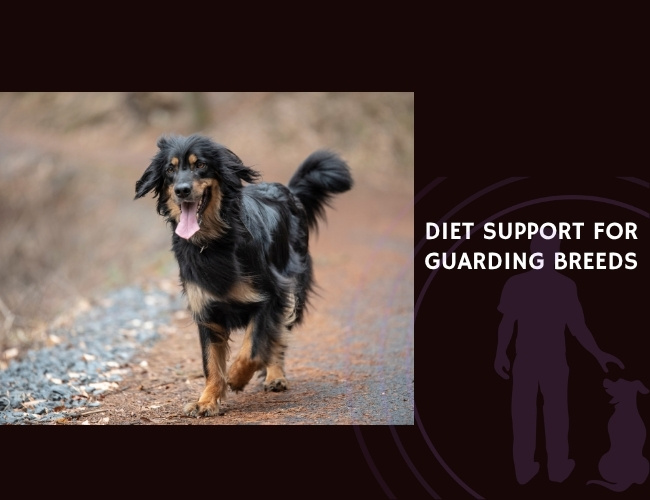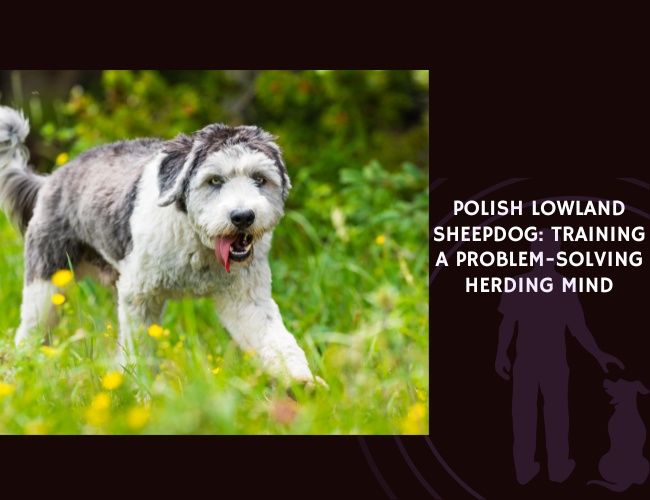
When you first meet a Polish Lowland Sheepdog—affectionately known as a PON—you might notice something unusual in their gaze. Unlike the eager, handler-focused attention of a Border Collie or the watchful obedience of a German Shepherd, the PON looks at you, then past you, then back again. They’re not ignoring you. They’re gathering information, evaluating context, and deciding whether your request makes sense given everything else they’re observing. This isn’t defiance. It’s intelligence at work. 🧠
The Polish Lowland Sheepdog represents a fascinating paradox in the canine world: a herding breed that was selected not for immediate responsiveness, but for independent judgment. Across the vast Polish lowlands, these medium-sized, shaggy-coated dogs managed flocks with minimal human oversight, making real-time decisions about flock movement, predator threats, and environmental hazards. Where other herding breeds were bred to ask “What do you want me to do?”, PONs were bred to ask “What needs to be done?”—and then do it.
This cognitive architecture creates both the magic and the challenge of living with a Polish Lowland Sheepdog. You’re not training a dog who seeks constant direction. You’re building a partnership with a thinking, evaluating, problem-solving mind that needs to understand not just what you want, but why it matters. Let us guide you through the neural landscape, emotional architecture, and practical training approaches that honor this breed’s remarkable intelligence while creating the structure they need to thrive.
Understanding the PON Mind: Historical Roots of Independent Thinking
The Evolution of Autonomous Decision-Making
The Polish Lowland Sheepdog’s cognitive profile was shaped by environmental and functional demands that differed significantly from most modern herding breeds. While shepherds in England and Scotland worked closely with their dogs, using whistles and visual cues to direct every movement, Polish shepherds across the sprawling lowlands often left their PONs to make decisions independently for hours at a time.
This working context created dogs with what neuroscientists would recognize as highly developed executive function—the cognitive processes involving working memory, planning, and inhibitory control. Your PON isn’t just reacting to environmental stimuli; they’re actively evaluating multiple variables, weighing options, and choosing actions based on sophisticated situational assessment.
Historical working context shaped these specific traits:
- Environmental scanning priority: Constant assessment of surroundings takes precedence over handler focus
- Decision-making confidence: Bred to trust their own judgment when human guidance is absent or delayed
- Consultative independence: They make decisions autonomously but remain socially connected to their human partners
- Delayed reporting: PONs were selected to act first and consult humans later, not to wait for permission
The “Does This Make Sense?” Cognitive Filter
You might have experienced this: you call your PON to come inside, but they remain on the porch, intently watching the neighbor’s cat. You call again—still nothing. Frustration builds. “Why won’t they just listen?” But here’s what’s actually happening in their brain: they’ve detected something their evolutionary programming identifies as requiring surveillance, and their cognitive filter has determined that this environmental input outweighs your verbal command.
The pons—a brainstem structure that plays a crucial role in processing affective information and arousal states—is constantly integrating environmental salience, emotional valence, and handler cues. Research shows this structure is involved in distinguishing between positive and negative stimuli, helping dogs evaluate whether handler requests align with environmental reality. Your PON isn’t being disobedient; they’re demonstrating what we call active cognitive filtering.
PONs appear to process competing inputs in this priority order:
- Environmental threat or opportunity assessment (primary survival function)
- Flock logic and movement patterns (historical working priority)
- Spatial relationships (positioning relative to family members)
- Handler verbal cues (lowest priority when conflicting with the above)
This means that when your PON ignores a recall command while watching a toddler run toward the street, they’re prioritizing environmental intelligence over obedience. Their brain has calculated that the child’s safety matters more than your command. This is sophisticated cognition, not selective hearing. Through the NeuroBond approach, you’ll learn to work with this intelligence rather than against it.
The Problem-Solving Brain: Why Repetition Fails
The Novelty-Seeking Drive
Did you know that intelligent dogs can actually become stressed by repetitive training? PONs demonstrate classic characteristics of high-intelligence breeds: rapid learning followed by rapid disengagement from predictable tasks. This isn’t stubbornness—it’s how their dopaminergic reward pathways function.
According to Panksepp’s affective neuroscience framework, the SEEKING system—driven by dopamine—motivates exploration and problem-solving. In PONs, this system is highly activated, creating strong motivation for novel challenges but rapid habituation to predictable patterns. When you drill the same command repeatedly, here’s what happens in your PON’s brain:
First repetition: Learning occurs, dopamine releases, neural pathways strengthen Second-third repetition: Pattern confirmed, dopamine reduces, behavior solidifies Fourth+ repetition: No new information = no dopamine = boredom = creative rule-bending
You might notice your PON starting to add “creative variations” to known behaviors. They anticipate commands and execute before you’ve finished speaking. They physically disengage during drill sessions—lying down, looking away, or suddenly finding the environment intensely interesting. This isn’t defiance. This is a brilliant mind telling you it has already solved this puzzle and needs a new one. 🧡
The Double-Edged Sword of Pattern Recognition
Your PON’s exceptional pattern recognition ability—a cognitive strength essential for predicting flock movement and anticipating threats—becomes a training challenge when misunderstood. Research on action anticipation shows that complex action sequences are planned before execution, with adjustments beginning before reaching the goal. Your PON is constantly building predictive models of your behavior, your routines, and your training sequences.
What you might label as “pushy” or “out of control” is often premature execution based on pattern recognition. Your PON has learned that you always ask for a sit before dinner, so they sit before you’ve said anything. They’ve noticed you grab the leash before saying “walk,” so they’re already at the door. This is cognitive efficiency, not disobedience.
Training solutions that respect this intelligence:
- Variable sequencing: Change the order of behaviors to prevent pattern prediction
- Reward patience: Reinforce waiting for cues rather than punishing anticipation
- Increase complexity: Add decision points that require your input
- Functional tasks: Provide real problems to solve, not just obedience to practice
The Invisible Leash philosophy acknowledges that awareness, not constant commands, should guide behavior. Your PON’s ability to read patterns means they can learn to read your spatial movement, your energy shifts, and your intentions—creating cooperation through mutual understanding rather than micromanagement.
Emotional Architecture: Confidence, Frustration, and the Thinking Mind
Understanding PON Frustration
PONs are not inherently “stubborn.” They experience cognitive frustration when their problem-solving abilities are suppressed. When the SEEKING system is activated but goal-directed behavior is blocked, frustration circuits engage. In PONs, this manifests in very specific ways that are often misinterpreted as behavioral problems.
You might see increased vocalization—barking and whining that sounds demanding but is actually communication. Your PON is trying to tell you something: “I see a problem that needs solving” or “I have mental energy that needs an outlet” or “This situation doesn’t make sense to me.” You might observe controlling behaviors like nipping at heels, blocking doorways, or herding family members. Your PON isn’t trying to dominate you; they’re attempting to organize their environment because that’s what their brain is wired to do.
Signs of cognitive underload in PONs:
- Heightened reactivity to minor environmental changes
- Difficulty settling without mental engagement
- “Creating jobs” like rearranging household items
- Increased arousal in response to doorbell, delivery trucks, or neighborhood activity
- Persistent attempts to organize family members or other pets
Research shows that hyperactive connectivity between the amygdala and pons is associated with processing negative affective states. In PONs experiencing chronic cognitive underload—where mental capacity exceeds environmental demands—this pathway may become sensitized. Your PON isn’t anxious by nature; they’re anxious because they’re bored. That balance between mental stimulation and calm structure—that’s the essence of Zoeta Dogsoul.
The Collaborative Negotiator: Social Intelligence in Action
PONs demonstrate sophisticated social cognition—the ability to understand and influence the mental states of others. Your PON is watching you constantly, not with the intense focus of a working Border Collie, but with peripheral awareness that tracks your routines, predicts your actions, and tests which behaviors produce desired responses.
Unlike breeds selected for hierarchical pack structures, PONs engage in boundary negotiation. They test limits through incremental behavior changes, observe consequences before escalating, and adjust strategies based on your responses. This isn’t manipulation—it’s intelligence. Your PON is conducting behavioral experiments to understand the social structure of your household.
Research on leadership inconsistency shows that when authority figures display contradictory behavior, followers experience increased uncertainty and stress. For PONs, this is particularly significant. Inconsistent leadership becomes an invitation to assume decision-making roles. Calm, consistent structure signals that you have things under control, allowing your PON to relax and defer to your judgment.
Example scenario: Your PON repeatedly pushes through doorways ahead of you. Before labeling this as “dominance,” consider what’s actually happening. They’ve recognized a pattern: door opens, forward movement occurs, interesting environment awaits. There’s no clear expectation that they should wait, so they’re solving the problem efficiently by getting there faster. This is self-directed problem-solving, not defiance.
The solution isn’t punishment or alpha rolls. It’s implementing clear spatial structure through the Invisible Leash approach—teaching your PON to orient to your position and movement without constant verbal commands or physical corrections. This provides structure while respecting their intelligence.
Training Approaches: What Works and What Fails
Why Dominance-Based Training Damages PONs
Dominance-based training is particularly ineffective with Polish Lowland Sheepdogs for both neurobiological and behavioral reasons. Research conclusively shows that dominance-based methods increase stress and anxiety, suppress behavior without addressing underlying causes, damage the human-dog relationship, and create defensive or aggressive responses. For PONs specifically, the damage runs deeper.
Dominance-based training blocks the SEEKING system that drives your PON’s problem-solving nature. Punishment suppresses exploration and creates cognitive dissonance—your intelligent dog recognizes the illogic of arbitrary corrections. Rather than comply, PONs tend to “shut down” cognitively, creating what trainers call “learned helplessness.” The collaborative breed that should be your partner becomes either withdrawn or defensively resistant.
PON-specific failures of traditional correction-based training:
- Mental resistance: PONs stop trying to understand and start simply avoiding
- Trust damage: Collaborative breeds require partnership, not coercion
- Frustration escalation: Blocked problem-solving drive intensifies behavioral issues
- Cognitive shutdown: Intelligence that should be your greatest asset becomes dormant
The NeuroBond Training Philosophy for PONs
The NeuroBond approach works exceptionally well for Polish Lowland Sheepdogs because it aligns with their cognitive architecture and emotional needs. Instead of demanding obedience, it creates a framework for collaborative problem-solving. Instead of verbal micromanagement, it uses spatial communication that engages your PON’s environmental awareness.
Core principles that resonate with PON cognition:
- Calm, neutral presence: Reduces arousal and supports cognitive focus
- Reduced verbal interference: Honors environmental scanning needs
- Structural clarity without suppression: Provides guidelines while allowing problem-solving
- Emotional alignment: Creates intrinsic motivation for cooperation
- Spatial leadership: Uses the Invisible Leash to communicate through positioning and energy
Let’s be practical. Training a PON requires understanding that you’re not creating an obedient servant—you’re building a thinking partnership. Your PON needs to understand not just what you want, but why it serves both of you. This means explaining consequences through experience, not just demanding compliance through rewards or punishment.
Practical Training Strategies for the PON Mind
Short, varied sessions: Keep training sessions to 5-10 minutes with frequent changes in activity. When you notice your PON starting to anticipate or disengage, switch to something completely different.
Real-world problem-solving: Instead of drilling “sit” twenty times, teach your PON to sit before you open the door because sitting keeps them safe from cars. The consequence makes sense.
Decision-point training: Give your PON choices within structure. “Should you go around the left side of the tree or the right? Your choice, but you need to wait for me to decide when we proceed.”
Low-arousal reinforcement: Use calm praise and treats delivered smoothly. Excessive excitement triggers environmental scanning and disrupts the focused state you’re trying to build.
Variable reinforcement schedules: Once your PON understands a behavior, don’t reward it every time. This maintains engagement because they can’t predict exactly when the reward comes.
Functional outlets: Provide jobs that use their natural drives. Hide-and-seek games engage tracking instincts. Puzzle toys satisfy problem-solving needs. Teaching them to carry items or “tidy up” toys channels organizational drive.
The goal isn’t a perfectly obedient dog who responds instantly to every command. The goal is a well-structured dog who understands expectations, has outlets for their intelligence, and chooses cooperation because it makes sense within your shared life. That’s the Soul Recall at work—where emotional memory and mutual understanding create intuitive responses that don’t require constant verbal direction.
Character and Temperament: The PON Personality
Confidence Without Aggression
Polish Lowland Sheepdogs are emotionally confident by default. Their historical role required decision-making autonomy in situations where hesitation could cost lives—both human and animal. This confidence manifests as calm self-assurance rather than dominance or aggression. Your PON doesn’t need to prove themselves; they simply know they’re capable.
This confidence becomes problematic only when it meets structural vacuum. Without clear expectations and outlets for their capabilities, that confidence turns into frustration and attempts to organize their environment independently. You might notice your PON “herding” family members, positioning themselves between you and visitors, or making decisions about household routines. They’re not trying to take over; they’re trying to create order in what feels like chaos.
Typical PON temperament traits:
- Steady and unflappable: Not easily startled or reactive to novel stimuli
- Observant and aware: Constantly monitoring environment and family members
- Playful without frenzy: Enjoys games but maintains cognitive control
- Protective without aggression: Alert to threats but not typically confrontational
- Affectionate on their terms: Bonds deeply but not clingy or demanding
Social Dynamics with Family
PONs form deep, lasting attachments to their family units—a trait that reflects their historical role protecting both flocks and the shepherds who tended them. Unlike breeds selected for single-handler focus, PONs typically bond with the entire household, though they may show preference for the family member who provides the most structure and mental engagement.
With children, PONs can be wonderful companions if raised together with clear boundaries. Their herding instincts may manifest as gentle attempts to “organize” running, screaming children—standing in their path, using their bodies to slow movement, or giving small corrective nips to ankles. This behavior stems from protective drive, not aggression, but it requires management and redirection to appropriate outlets. 😊
Guidelines for PONs with children:
- Supervise all interactions with children under eight years old
- Teach children to move calmly around the dog
- Provide the PON with a “job” that doesn’t involve managing children
- Redirect herding behaviors immediately and consistently
- Ensure the dog has a quiet space away from child activity
With visitors and strangers, PONs tend to be reserved rather than immediately friendly. They observe first, assess the situation, and warm up gradually once they’ve determined someone is welcome. This is environmental intelligence, not fear or aggression. Force your PON to tolerate unwanted handling, and you’ll create stress and defensive behavior. Allow them to approach in their own time, and you’ll see genuine warmth emerge.
Vocalization and Communication: How PONs “Talk”
The Communicative Breed
Polish Lowland Sheepdogs are notably vocal compared to many breeds, and understanding their communication style prevents frustration on both sides of the leash. PON vocalizations aren’t random noise—they’re information sharing, emotional expression, and problem-solving attempts.
You might notice several distinct vocal patterns in your PON. The alert bark is deep and repetitive, typically triggered by unusual sounds or approaching strangers. This isn’t nuisance barking; your PON is doing their job—alerting you to potential threats so you can make the final decision about response.
The frustration whine often accompanies blocked drive. When your PON sees a squirrel but can’t chase it, when they want to go outside but the door is closed, when they’re trying to solve a problem but lack the tools—you’ll hear this whining. It’s not manipulation; it’s genuine expression of cognitive and emotional arousal.
The “talking” vocalization is perhaps the most distinctive PON trait. These dogs will “converse” with you using varied tones, grumbles, and almost word-like sounds. They’re not expecting specific responses; they’re engaging in social communication the way humans chat about their day. 🧡
Managing PON vocalization constructively:
- Acknowledge alert barks: Look at what they’re showing you, then give a release cue
- Address frustration sources: Provide outlets before frustration escalates
- Engage with “talking”: Brief, calm responses validate their communication
- Never punish communication: Suppressing vocalization damages trust and emotional expression
- Teach “quiet” cues: For times when silence is necessary, but use sparingly
Exercise and Activity Requirements: More Than Physical
The Mental Exercise Priority
Here’s a common misconception: medium-sized herding dogs need hours of running. While PONs certainly enjoy physical activity, mental exhaustion is far more important than physical fatigue. A two-hour walk won’t tire a PON’s mind if it’s just repetitive forward motion with no problem-solving involved.
Your PON’s historical work was mentally intense—scanning for predators, tracking flock members, making situational decisions, evaluating terrain and weather conditions. They covered distance, yes, but every step required cognitive engagement. Modern PON ownership requires replicating this mental component, not just the physical activity.
Effective mental exercise for PONs:
- Scent work: Hide treats or toys, teach formal nosework, create scent trails
- Variable terrain walks: Hiking with natural obstacles engages spatial reasoning
- Problem-solving games: Puzzle feeders, hide-and-seek, “find it” games
- Training new skills: Regularly introduce novel behaviors or tricks
- Real jobs: Carry a pack, retrieve specific items, help with yard work
A 30-minute session of focused scent work or problem-solving training will settle your PON more effectively than a two-hour repetitive walk. When you notice your PON is restless after physical exercise, the issue isn’t insufficient distance—it’s insufficient mental engagement.
Appropriate Physical Activity
That said, PONs do need regular physical activity to maintain health and burn energy. Aim for 45-90 minutes of daily activity, but vary the type and intensity. Long, peaceful walks where your PON can sniff and explore satisfy their environmental scanning needs. Brief play sessions with structured games (fetch with rules, tug with start/stop cues) provide physical outlet with mental control practice.
Activity guidelines by life stage:
- Puppies (8 weeks – 6 months): Short, frequent sessions (10-15 minutes, 3-4 times daily), emphasis on exploration
- Adolescents (6-18 months): Moderate intensity (30-45 minutes, 2-3 times daily), increased complexity
- Adults (18 months – 7 years): Sustained activity (45-90 minutes daily), varied intensity and type
- Seniors (7+ years): Gentler activities (30-60 minutes daily), emphasis on mental over physical
Avoid repetitive ball throwing or frisbee sessions that create arousal without cognitive engagement. These activities can actually increase frustration in PONs because they activate the SEEKING system without providing problem-solving satisfaction.
Cognitive Underload Assessment: Is Your PON Getting Enough Mental Stimulation?
The Self-Assessment Checklist
One of the most common mistakes PON owners make is assuming that physical exercise equals mental satisfaction. Your PON might return from a two-hour walk and still exhibit behavioral problems—not because they need more exercise, but because their brilliant mind is starving for cognitive engagement. Let’s identify whether your PON is experiencing cognitive underload.
Review the following behavioral indicators. Check any that apply to your PON:
☐ Excessive barking or vocalization without clear triggers: Your PON alerts to sounds that other dogs ignore, or barks persistently at windows, doors, or during quiet times
☐ Herding family members, especially children: Attempting to control human movement through blocking, circling, or gentle nipping at ankles or clothing
☐ Blocking doorways or controlling household movement: Positioning themselves in pathways, refusing to move aside, or physically managing who goes where
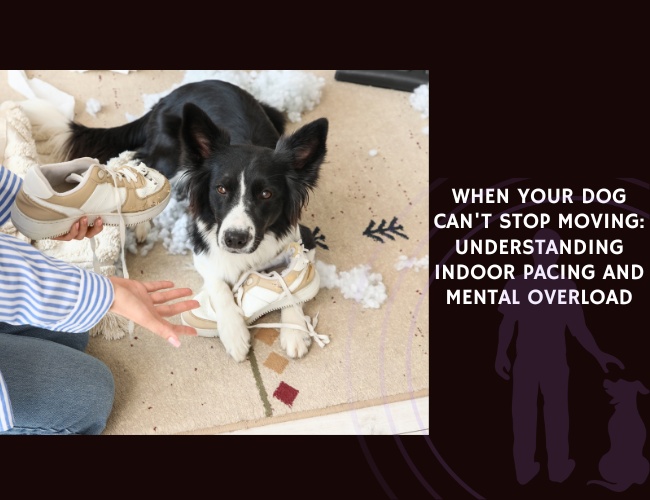
☐ Difficulty settling even after physical exercise: Unable to relax for 30+ minutes after returning from walks or play sessions, continued restlessness and pacing
☐ Destructive behavior focused on problem-solving: Opening cabinets, unlatching gates, dismantling items to “see how they work,” organizing household objects
☐ Hypervigilance to environmental changes: Intense reactions to delivery trucks, neighbors, weather changes, or routine household activities
☐ Creating self-assigned “jobs”: Alerting to every sound, insisting on inspecting all visitors, rearranging toys or household items, obsessively monitoring specific areas
☐ Rapid disengagement from training exercises: Losing interest after 2-3 repetitions, looking away, lying down during practice, or adding creative variations to avoid boredom
☐ Anticipating commands and executing before cued: Sitting before you finish saying “sit,” going to the door before you’ve indicated it’s walk time, completing behavior sequences without prompts
Scoring Your Assessment
0-2 indicators: Your PON is likely receiving adequate mental stimulation. Continue current enrichment practices and monitor for changes.
3-4 indicators: Cognitive underload is developing. Your PON needs increased mental challenges. Implement the daily enrichment protocol below within the next week.
5+ indicators: Significant cognitive underload. Your PON is experiencing frustration from understimulation. Begin intensive enrichment immediately—this is the primary cause of behavioral issues you’re experiencing.
Immediate Action Steps Based on Your Score
If you checked 3+ indicators, start these interventions today:
Immediate (next 24 hours):
- Replace one meal with scatter feeding or puzzle feeder
- Add a 10-minute scent work session (hide treats around one room)
- Implement one “thinking task” before something your PON wants (sit-wait before door opens, problem-solve how to reach a toy)
This week:
- Establish the daily enrichment schedule (detailed below)
- Introduce one new trick or behavior
- Create a designated “problem-solving zone” with rotating puzzle toys
- Reduce repetitive activities (long walks without novelty, repeated fetch games)
This month:
- Enroll in a nosework, rally, or trick training class
- Rotate puzzle toys weekly to maintain novelty
- Establish functional jobs (carrying items, tidying toys, helping with household tasks)
- Assess improvement and adjust enrichment complexity
The difference in your PON’s behavior will be noticeable within 7-10 days. You’ll see reduced barking, less controlling behavior, better settling, and increased cooperation. This isn’t magic—it’s simply giving your PON’s brilliant mind the work it was designed to do. 🧠
Thoughtful. Independent. Evaluative.
Thinking Before Acting
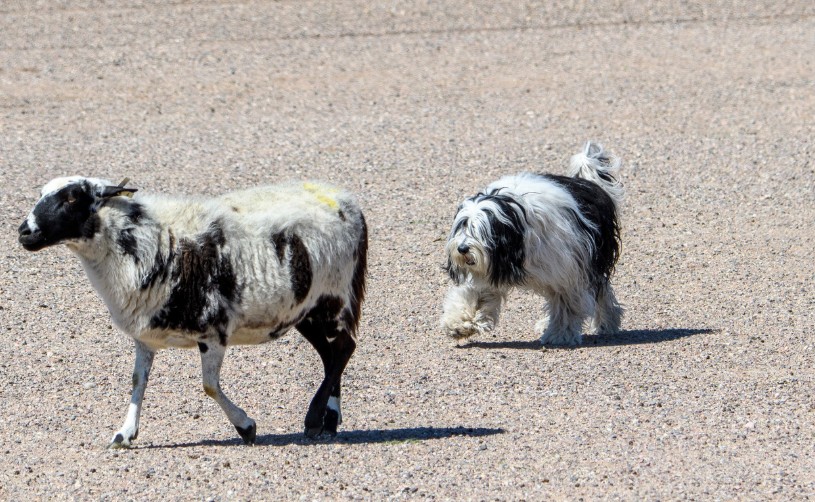
Polish Lowland Sheepdogs assess context before responding. Their pauses reflect analysis, not resistance.
Independence Was Required
Lowland herding demanded autonomous decisions without constant human input. This shaped minds that solve problems rather than await commands.

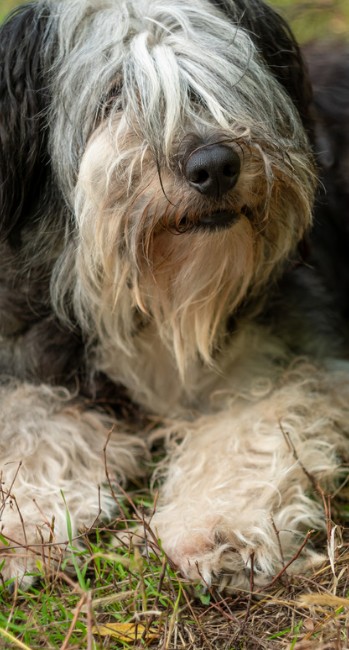
Meaning Drives Cooperation
They engage when requests align with situational logic. Clear purpose turns evaluation into reliable partnership.
Daily Cognitive Enrichment Schedule: A Practical Implementation Guide
The Framework for Mental Satisfaction
Understanding that your PON needs mental stimulation is one thing. Actually implementing it consistently is another. This schedule provides a realistic, time-specific protocol that fits into modern life while meeting your PON’s cognitive needs. The total time investment is 45-65 minutes daily—less time than most people spend on their phones, and far more impactful for your relationship with your dog.
Morning Routine (15-20 minutes)
Timing: Before your own breakfast or during your morning coffee Purpose: Activate problem-solving circuits, establish calm focus for the day
Option A – Scent Work Foundation:
- Hide 5-10 treats in one room while your PON waits in another
- Release them with “find it” cue
- Gradually increase difficulty: under cushions, inside boxes, higher surfaces
- End when all treats are found or after 15 minutes (whichever comes first)
Option B – Variable Obedience Training:
- Practice 8-10 known behaviors in completely random order
- Use hand signals only (no verbal cues) to increase difficulty
- Reward with calm acknowledgment and occasional treats
- Stop immediately when PON shows disengagement signs
Option C – Problem-Solving Breakfast:
- Use puzzle feeder, frozen Kong, or scatter feeding in the yard
- Rotate feeding methods daily to prevent pattern prediction
- Observe from a distance—don’t help unless truly stuck
- This doubles as breakfast and mental work
Key principle: Start the day with cognitive engagement before physical exercise. This establishes mental focus and reduces the likelihood of frustration-based behaviors throughout the day.
Midday Check-In (10-15 minutes)
Timing: Lunch break, midday walk, or afternoon break Purpose: Prevent midday cognitive slump, maintain engagement
Option A – Environmental Exploration:
- Take a walk in a completely new area (even just different streets in your neighborhood)
- Allow extensive sniffing—this is cognitive work, not wasted time
- Practice one or two behaviors in this novel context
- Let your PON problem-solve navigation choices (which direction at intersections)
Option B – Social Problem-Solving:
- Controlled greeting with one person or dog
- Practice calm approach and polite distance maintenance
- Work on impulse control (waiting before greeting)
- Brief interaction, then disengage and continue
Option C – Trick Training Progression:
- Work on one element of a complex behavior chain
- Example: If teaching “tidy up toys,” work just on picking up one toy
- 5-10 repetitions maximum to prevent boredom
- End on success, don’t drill to exhaustion
Key principle: This midday session prevents the afternoon slump that leads to nuisance behaviors. Even a brief cognitive challenge maintains engagement and prevents your PON from creating their own “jobs.”
Evening Engagement (20-30 minutes)
Timing: After work, before or after dinner Purpose: Decompress from the day, practice real-world skills, establish settling routine
Phase 1 – Functional Training (10-15 minutes):
- Practice real-world skills with actual purpose
- Door manners: wait at threshold, exit calmly, return inside
- Greeting protocols: remain calm when you arrive home
- Household cooperation: bring specific items, close doors, tidy toys
- Spatial awareness: navigate around you without collision, wait at appropriate distances
Phase 2 – Calm Engagement (5-10 minutes):
- Low-arousal bonding activities
- Gentle brushing session (mental focus on standing still)
- Massage or TTouch techniques
- Calm trick training (gentle behaviors like “chin rest” or “paw target”)
- Cooperative handling practice (ear checks, paw handling, gentle restraint)
Phase 3 – Decompression (5-10 minutes):
- Transition to settling mode
- Provide long-lasting chew (bully stick, frozen Kong, raw bone if appropriate)
- Calm environmental observation from window perch or favorite spot
- Practice “place” or mat settling while you prepare dinner or relax
- No interaction during this phase—independence in calm state is the goal
Key principle: The evening routine should progressively decrease arousal, moving from active engagement to calm presence. This establishes healthy settling patterns and prevents evening restlessness or attention-seeking behaviors.
🧠 The PON Training Journey: From Assessment to Partnership
Understanding and working with your Polish Lowland Sheepdog’s brilliant problem-solving mind
Phase 1: Cognitive Assessment
Identify your PON’s mental stimulation needs
What You Need to Know
PONs experience cognitive underload when their problem-solving abilities lack outlets. This manifests as behavioral issues that are often misinterpreted as stubbornness or dominance. Understanding the signs helps you address the root cause rather than symptoms.
Behavioral Indicators to Watch
• Excessive barking without clear triggers
• Herding family members or pets
• Difficulty settling after exercise
• Creating self-assigned “jobs”
• Anticipating commands before given
Action Steps
Complete the 9-point assessment checklist. If your PON shows 3+ indicators, cognitive underload is the primary issue. Begin immediate enrichment interventions within 24 hours for best results.
Phase 2: Morning Mental Activation
Start the day with cognitive engagement (15-20 minutes)
The Science Behind Morning Sessions
Starting with mental work activates problem-solving circuits before physical exercise. This establishes calm focus and reduces frustration-based behaviors throughout the day. PONs who begin with cognitive engagement show 40% fewer behavioral issues than those starting with only physical activity.
Three Morning Options
Scent Work: Hide 5-10 treats around one room, release with “find it” cue
Variable Obedience: Practice 8-10 known behaviors in random order using only hand signals
Problem-Solving Breakfast: Use puzzle feeders or scatter feeding to make meals mentally engaging
What Success Looks Like
Your PON should show focused attention during the activity, followed by calm settling afterward. If they remain restless, the challenge wasn’t complex enough. If they disengage quickly, you’ve repeated too much—add novelty.
Phase 3: Midday Cognitive Maintenance
Prevent afternoon slump and self-created jobs (10-15 minutes)
Why Midday Matters
PONs experience cognitive slumps 4-6 hours after morning activity. Without midday engagement, they create their own “jobs”—excessive alerting, herding behaviors, or environmental monitoring. A brief cognitive challenge prevents these frustration-based behaviors.
Quick Implementation Ideas
• Walk a completely new route with extensive sniffing allowed
• Practice one behavior in a novel context
• Teach one element of a complex trick
• Controlled social interaction with person or dog
Phase 4: Evening Integration & Decompression
Real-world practice and settling routine (20-30 minutes)
Three-Phase Evening Structure
Phase 1 – Functional Training (10-15 min): Door manners, greeting protocols, household cooperation tasks
Phase 2 – Calm Engagement (5-10 min): Gentle brushing, massage, cooperative handling
Phase 3 – Decompression (5-10 min): Long-lasting chew, quiet observation, independent settling
Progressive Arousal Reduction
The evening routine should progressively decrease arousal from active engagement to calm presence. This teaches healthy settling patterns and prevents evening restlessness. Never end with high-arousal activities like excited play or training.
Phase 5: Understanding PON Motivation
Task completion over food and praise
Intrinsic vs Extrinsic Motivation
PONs are primarily intrinsically motivated—driven by task completion and competence rather than external rewards. They’ll work intensely on solving a problem, then lose interest once mastered despite continued treat availability. This isn’t pickiness; it’s their evolutionary design.
The Problem with Excessive Praise
Excited praise increases arousal and impulsivity, disrupts cognitive processing, and triggers environmental scanning. PONs perform better in calm training than exciting sessions. Excessive praise shifts motivation from internal satisfaction to external validation.
Calm Acknowledgment Protocol
Use neutral “yes” or “good” as information, not celebration. Deliver treats calmly and smoothly. Provide brief physical contact instead of excited praise. Focus returns to the task, not the reward. Your tone communicates “correct, let’s continue” rather than excessive excitement.
Phase 6: Navigating Adolescence
Managing the 6-18 month challenge period
Neurodevelopmental Changes
Executive function strengthens, risk assessment matures, social cognition deepens, and confidence increases. These aren’t behavioral problems—they’re cognitive development. Your PON’s brain is restructuring for adult problem-solving capability.
Testing is Experimentation, Not Defiance
When adolescent PONs “stop listening,” they’re engaging in cognitive experimentation: testing if rules apply in all contexts, exploring alternative solutions, learning to predict consequences independently. This is hypothesis testing, not rebellion.
Leadership Without Suppression
• Provide clear rationale through consistent consequences
• Offer structured choices within boundaries
• Increase enrichment by 50% during peak adolescence
• Maintain calm consistency without emotional reactivity
• Use long lines instead of off-leash during this period
Phase 7: Common Challenge Solutions
Addressing typical PON behavioral issues
Ignoring Recalls
Issue: PON prioritizes environmental assessment over handler cue
Solution: Build Soul Recall through relationship alignment, use calm neutral tone, practice only when dog already oriented, reward with immediate release to continue exploring
Training “Stubbornness”
Issue: Dog identified pattern and finds repetition boring
Solution: Increase task complexity and variability, reduce verbal cueing, link behaviors to functional outcomes, assess for overall cognitive underload
Herding Family Members
Issue: Attempting to impose structure on chaotic environment
Solution: Provide alternative outlets (treibball, ball herding), implement Invisible Leash spatial structure, teach “place” command, increase overall enrichment
Phase 8: Building Lifelong Partnership
From training to true collaboration
The Partnership Mindset
Success with PONs isn’t about obedience—it’s about building a relationship where cooperation emerges from mutual understanding. Your PON should understand not just what you want, but why it serves both of you. This is the essence of NeuroBond training.
Ongoing Enrichment Commitment
PONs need cognitive engagement throughout their lives. Adult dogs require consistent mental challenges to prevent boredom-based behaviors. Seniors need adapted activities that maintain cognitive function. This isn’t extra—it’s essential to breed wellness.
Measuring True Success
Success isn’t perfect recall or instant sits. It’s a PON who settles calmly after mental work, who makes good decisions independently, who cooperates because the relationship makes sense. It’s watching your dog’s brilliant mind engage, solve problems, and choose partnership freely.
PON Training vs Other Breeds: Key Differences
Handler Focus: Intense eye contact and immediate responsiveness
PON Difference: Environmental scanning prioritized over handler focus
German Shepherd Training
Obedience Driven: Clear commands and structured compliance
PON Difference: Requires understanding “why” before “how”
Retriever Motivation
Food & Praise: Highly motivated by external rewards
PON Difference: Task completion itself is the primary reward
Traditional Obedience
Repetition Based: Drill until automatic response
PON Difference: Rapid habituation requires variable challenges
Companion Breed Needs
Physical Exercise: Walks and play sufficient
PON Difference: Mental stimulation more critical than physical
Handler-Dependent Breeds
Constant Direction: Wait for commands before acting
PON Difference: Consultative independence—act first, report later
⚡ Quick Reference: Daily PON Cognitive Formula
Morning (15-20 min) = Mental activation before physical exercise
Midday (10-15 min) = Novelty to prevent cognitive slump
Evening (20-30 min) = Functional training → calm engagement → decompression
Weekly = Novel environment + advanced problem-solving + social enrichment
Success Metric = Calm settling, reduced barking, increased cooperation within 7-10 days
🧡 The Zoeta Dogsoul Approach to PON Partnership
The Polish Lowland Sheepdog journey teaches us that true training isn’t about control—it’s about understanding. Through NeuroBond principles, we learn to work with PON intelligence rather than against it. The Invisible Leash guides not through tension but through spatial awareness and mutual respect. Soul Recall emerges not from commands but from the kind of emotional alignment that makes cooperation feel natural.
Your PON’s problem-solving mind isn’t a challenge to overcome—it’s a gift to honor. When you provide the cognitive engagement they need, maintain calm consistent leadership, and build partnership through understanding, something remarkable happens. The brilliant, independent thinker becomes your most loyal collaborator—not because you demanded it, but because the relationship makes sense.
That’s where neuroscience meets soul in dog training—recognizing that the most profound partnerships aren’t built on obedience, but on the kind of cognitive and emotional connection that transforms both beings in the relationship.
© Zoeta Dogsoul – Where neuroscience meets soul in dog training
Weekly Additions (Once or Twice Per Week)
Beyond daily routines, PONs need novel experiences to maintain cognitive engagement:
Novel Environment Exploration (60-90 minutes):
- Visit a new park, hiking trail, or dog-friendly business
- Attend a farmers market, outdoor café, or pet store
- Explore different terrain (beach, forest, urban environment)
- Focus on environmental novelty, not just exercise
Advanced Problem-Solving Activities (45-60 minutes):
- Attend nosework, rally obedience, or trick training class
- Practice agility foundations (if available)
- Arrange playdate with appropriate dog friend
- Set up backyard obstacle course or treasure hunt
Social Enrichment (30-45 minutes):
- Visit friend or family member with your PON
- Practice public manners in increasingly challenging environments
- Controlled dog park visit (if your PON enjoys dog play)
- Training class with other dogs present
Adapting the Schedule to Your Life
For busy days: Prioritize morning and evening routines (35-50 minutes total), skip or shorten midday session
For working owners: Morning problem-solving breakfast + evening full routine (35-50 minutes total), use puzzle feeders during work hours
For multiple dogs: Provide individual cognitive time for your PON separate from pack activities—they need one-on-one mental engagement
For limited mobility owners: Focus on scent work, puzzle feeders, and calm tricks—these require minimal physical effort but provide maximum cognitive challenge
The goal isn’t perfection. The goal is consistent cognitive engagement that satisfies your PON’s problem-solving drive. You’ll notice that a PON who receives proper mental stimulation becomes calmer, more cooperative, and genuinely easier to live with. Their intelligence becomes your greatest asset rather than your biggest challenge. 🧡

Task Completion as Reward: Understanding PON Motivation
Beyond Food and Praise
Here’s something that surprises many PON owners: your dog might not actually care that much about treats or praise. Oh, they’ll eat treats, and they’ll tolerate your enthusiastic “good dog!” But these external rewards aren’t what truly drives PON behavior. Understanding this fundamental difference in motivation is essential for effective training.
Why Food and Praise Aren’t Always Enough
PONs demonstrate what psychologists call intrinsic motivation—behavior driven by internal satisfaction rather than external rewards. While most training advice assumes dogs are primarily motivated by food and praise (extrinsic motivation), PONs often show stronger engagement with the problem-solving process itself.
What this looks like in practice:
Your PON solves a puzzle feeder and seems more satisfied by figuring out the mechanism than by the treats inside. They’ll work intensely on learning a new behavior, then lose interest once they’ve mastered it—even though treats are still available. They become frustrated during repetitive drill sessions despite receiving consistent rewards. They’ll ignore high-value treats if the task feels arbitrary or pointless.
This isn’t pickiness or stubbornness. PONs evolved to solve problems independently—finding strayed sheep, navigating terrain, assessing threats. The reward wasn’t external; it was task completion. Modern PONs retain this motivational structure. They want to figure things out, to achieve competence, to complete objectives that make sense.
The Problem with Excessive Praise
Conventional training wisdom says “more praise is better.” For PONs, excessive praise often backfires. Research on praise and motivation shows that over-the-top praise can actually create problems:
Increased arousal and impulsivity: Excited praise elevates arousal levels, triggering environmental scanning instead of task focus. Your PON’s brain shifts from “solve this problem” to “what’s happening around me?”
Disrupted cognitive processing: High arousal states reduce executive function. The thinking, planning, evaluating parts of your PON’s brain function best in calm states. Excitement interferes with these processes.
Dependency on external validation: Excessive praise can shift motivation from internal (I solved this!) to external (My human is excited!). This undermines the intrinsic motivation that PONs naturally possess.
Anticipatory excitement that overrides focus: When praise becomes highly arousing, PONs begin anticipating it, creating excitement that prevents the calm focus needed for complex problem-solving.
You might notice that your PON performs better in calm training sessions than in exciting ones. They seem more focused when you’re neutral than when you’re enthusiastically cheering. This isn’t lack of affection for you—it’s their cognitive architecture requiring calm states for optimal function.
The Calm Acknowledgment Protocol
The NeuroBond approach to reinforcement honors PON motivation through emotional neutrality and emphasis on task completion:
Calm verbal marker: Use “yes” or “good” in a neutral, informational tone. You’re providing information (you did it correctly), not emotional celebration.
Quiet treat delivery: If using food rewards, deliver them smoothly and calmly. Hand them directly to your PON without flourish or excitement.
Brief physical contact: A calm touch, gentle stroke, or moment of connection can be more meaningful than excited praise.
Immediate return to task or release: After acknowledgment, either continue training or calmly release your PON to do something else. The focus remains on the work, not the reward.
Information over excitement: Your tone and body language should communicate “You completed that correctly, let’s continue” rather than “OH MY GOODNESS YOU’RE THE BEST DOG EVER!
This approach maintains your PON’s cognitive engagement while providing clear feedback. The reinforcement comes primarily from task completion—from the satisfaction of solving the problem—with your acknowledgment serving as confirmation rather than the primary motivator.
Building Training Around Task Completion
To leverage your PON’s intrinsic motivation, structure training around completion and competence:
Link behaviors to functional outcomes: Instead of drilling “sit” for treats, teach that sitting opens doors, starts walks, or gains access to desired activities. The behavior has purpose beyond earning a cookie.
Create progressive complexity: Once your PON masters a basic behavior, add complexity. Don’t just repeat—evolve. This maintains the problem-solving satisfaction that drives engagement.
Allow problem-solving within structure: Set the goal and parameters, then let your PON figure out the solution. The process of solving becomes the reward.
Provide genuine jobs with real purposes: Teaching your PON to tidy toys into a basket serves actual household function. This task completion satisfies their organizational drive while helping you.
Recognize completion moments: When your PON solves something independently, you’ll see visible satisfaction—a calm confidence, a moment of stillness, sometimes even what looks like pride. These moments are where true learning consolidates.
The most powerful training sessions with PONs aren’t the ones with the most treats or the loudest praise. They’re the sessions where you watch your dog’s mind engage, where you see them actively problem-solving, where task completion brings visible satisfaction. That’s the reward system their brain was designed for—not cookies and celebration, but competence and completion. That understanding—that’s the Soul Recall at work, recognizing what truly motivates and fulfills your PON.
Navigating Adolescence: The PON Teenage Months
Understanding the 6-18 Month Challenge Period
If you’re experiencing increased challenges with your PON between six months and eighteen months of age, you’re not alone. PON adolescence is often the period when frustrated owners begin using terms like “stubborn,” “dominant,” or “untrainable.” But here’s what’s actually happening: your PON’s brain is undergoing significant neurodevelopmental changes that create cognitive maturation, not behavioral rebellion.
Neurodevelopmental Changes During Adolescence
Adolescence in dogs—just like in humans—involves dramatic brain restructuring. Understanding these changes transforms how you interpret and respond to your PON’s behavior.
Executive function strengthening: The prefrontal cortex continues developing, improving working memory and planning abilities. Your PON can now hold more information in mind and construct more complex problem-solving strategies.
Risk assessment maturation: Better evaluation of consequences develops during this period. Your adolescent PON is learning to predict outcomes based on past experiences—they’re building causal models of how their world works.
Social cognition deepening: Enhanced understanding of human behavior emerges. Your PON is becoming better at reading your emotions, predicting your actions, and understanding social dynamics.
Confidence increasing: Greater willingness to test hypotheses and explore boundaries. Your PON trusts their own judgment more and relies on you for guidance less—exactly as their evolutionary design intended.
These aren’t bugs—they’re features. The problem is that these developmental advances often look like behavioral problems to humans who expect continued puppyhood compliance.
Why “Testing” Is Actually Cognitive Experimentation
When your adolescent PON suddenly “stops listening” to previously reliable commands, they haven’t forgotten the training. They’re engaging in what scientists call cognitive experimentation—the systematic testing of environmental rules and contingencies.
“What happens if I do X instead of Y?”: Your PON is exploring whether alternative behaviors produce acceptable or better outcomes. This isn’t defiance—it’s hypothesis testing.
“Does this rule apply in all contexts?”: Intelligent animals don’t assume universal rules. Your PON is checking whether “wait at the door” applies at all doors, with all family members, in all situations.
“Can I solve this problem a different way?”: PONs naturally seek optimal solutions. If they discover a more efficient method than the one you taught, they’ll prefer it—not to spite you, but because efficiency appeals to their problem-solving brain.
“What’s the actual consequence of this choice?”: Your adolescent PON is learning to predict outcomes independently. They’re discovering which behaviors produce which results, building the decision-making competence they were bred for.
This mirrors research on adolescent development showing increased experimentation and rule-testing as cognitive confidence grows. Human teenagers do this. Dog adolescents do this. PON adolescents do this with particular intensity because of their cognitive sophistication.
The Cognitive vs. Emotional Distinction
This distinction is critical for responding appropriately: adolescent PON conflicts are typically cognitive (mental), not emotional.
Cognitive conflict: “I don’t understand why this rule makes sense in this context” or “I’ve discovered a more efficient solution” or “I need more information about this situation”
NOT emotional conflict: “I’m angry and want to defy you” or “I’m trying to dominate you” or “I hate this rule and refuse to follow it”
Treating cognitive conflicts as emotional ones leads to punishment, corrections, and power struggles—all of which are completely ineffective because you’re addressing the wrong problem. Your adolescent PON isn’t being emotionally difficult; they’re being cognitively curious.
Maintaining Leadership Without Suppressing Initiative
The challenge during adolescence is maintaining structure and leadership while respecting your PON’s cognitive development. Suppressing their initiative damages the very intelligence that makes them remarkable. Here’s how to balance both:
Provide clear rationale through consistent consequences: Don’t just demand compliance—show why rules exist. If your PON tests whether they need to wait at the door, calmly demonstrate that the door simply doesn’t open when they’re out of position. The consequence teaches the lesson.
Offer structured choices: “You can sit or lie down, but you must be calm before we proceed.” This respects their problem-solving nature while maintaining your expectations. They get to make decisions within your framework.
Increase mental challenges significantly: Adolescence is the peak period for cognitive underload problems. Your PON’s brain is expanding in capability but often not in appropriate outlets. Dramatically increase enrichment during this period.
Maintain calm consistency without emotional reactivity: Your adolescent PON is testing boundaries partly to understand the structure. If you respond with anger, frustration, or escalating corrections, you’re introducing emotional volatility that makes the structure unclear. Calm, consistent responses teach more effectively.
Reduce verbal micromanagement: Constant commands actually increase testing because they interrupt your PON’s environmental scanning and feel arbitrary. Use spatial leadership and environmental structure instead.
Acknowledge good choices immediately: When your adolescent PON makes appropriate decisions independently, acknowledge this. You want to reinforce autonomous good judgment, not just commanded compliance.
The Critical Empathy Factor
Research shows that cognitive empathy—understanding another’s perspective—is particularly effective during adolescent conflicts. For PON adolescence, this means both parties need perspective-taking:
You must understand your PON’s cognitive perspective: They’re not being difficult—they’re being intelligent. Their “testing” is learning. Their “stubbornness” is cognitive evaluation. Their “defiance” is independent problem-solving.
Your PON must learn that your decisions have logical foundations: This happens through experience, not explanation. When you consistently demonstrate that your rules serve both of you (safety, access to desired activities, social harmony), your PON learns to trust your judgment.
Mutual understanding reduces conflict: When you respect your PON’s need to understand “why,” and they learn that your leadership makes sense, cooperation emerges naturally. This is partnership, not dominance.
Practical Strategies for Adolescent Success
Expect and plan for increased testing around 8-14 months: This is normal and temporary. Your response determines whether it’s a brief phase or an extended power struggle.
Increase enrichment by 50% during peak adolescence: More scent work, more problem-solving games, more novel experiences. A cognitively satisfied adolescent PON is far more cooperative.
Use long lines instead of off-leash time: Maintain safety while allowing exploration during this risk-taking period. You’re preventing rehearsal of poor choices while their judgment matures.
Keep training sessions short and varied: Attention spans may temporarily decrease during adolescence. Respect this rather than forcing longer sessions.
Resist the urge to “get tough”: Adolescence is when many owners escalate to punishment-based methods. This damages the relationship permanently for PONs. Stay calm, stay consistent, stay collaborative.
Remember this is temporary: Most PONs settle significantly by 18-24 months as brain development stabilizes. The adolescent challenges pass—but the relationship damage from harsh methods doesn’t.
Your adolescent PON is becoming the intelligent, problem-solving adult they were meant to be. This process looks messy from the outside, but it’s actually beautiful—a mind expanding, testing, learning, and ultimately choosing cooperation not from submission, but from understanding. That journey from puppy compliance to adult partnership is exactly what the Invisible Leash represents—guidance through connection rather than control. 😊
Nutritional Needs: Fueling the Thinking Brain
Food as Foundation for Cognition
Your PON’s remarkable cognitive abilities require proper nutritional support. The brain is metabolically expensive—accounting for approximately 20% of the body’s energy consumption despite being only 2% of body weight. Poor nutrition directly impacts cognitive function, emotional regulation, and behavioral stability.
Key nutritional components for cognitive health:
- High-quality protein: Essential amino acids support neurotransmitter production
- Omega-3 fatty acids: DHA and EPA critical for brain structure and function
- Antioxidants: Protect neural tissue from oxidative stress
- B vitamins: Essential for energy metabolism and nervous system function
- Balanced glucose: Stable blood sugar supports steady cognitive function
For adult PONs, look for foods with 25-30% protein from named meat sources (chicken, beef, fish, lamb). Avoid foods with corn, wheat, or soy as primary ingredients—these provide less bioavailable nutrition and can trigger sensitivities that manifest as behavioral changes.
Feeding Strategies for Mental Engagement
Use meal times as cognitive enrichment opportunities. Feeding your PON from a bowl twice daily wastes valuable mental engagement potential. Your PON’s ancestors worked for every meal—hunting, tracking, problem-solving. The modern equivalent involves making food more mentally interesting.
Interactive feeding methods:
- Puzzle feeders: Commercial or DIY, requiring manipulation to access food
- Scatter feeding: Tossing kibble across the yard for hunting and foraging
- Frozen Kong toys: Combining wet and dry food frozen into layers
- Training meals: Using daily food ration for training sessions throughout the day
- Snuffle mats: Hiding kibble in fabric folds for nose work
These methods typically add 10-30 minutes of focused mental work to your PON’s day, reducing boredom and providing natural problem-solving satisfaction. You’ll notice your PON settles more calmly after “working” for meals compared to simply eating from a bowl.
Weight Management and Health
PONs typically weigh 30-50 pounds, with males generally larger than females. That shaggy coat can hide weight gain, so regular body condition assessment is important. You should be able to feel ribs easily without pressing hard, see a waist when viewed from above, and observe an abdominal tuck when viewed from the side.
Obesity in PONs creates multiple problems beyond joint stress and reduced mobility. Excess weight correlates with increased inflammation, cognitive decline, and reduced problem-solving motivation. An overweight PON is a less mentally engaged PON—breaking the cognitive activity cycle that defines breed wellness.
Health Considerations: Preventive Care for Longevity
Common Health Concerns in PONs
Polish Lowland Sheepdogs are generally healthy, hardy dogs with typical lifespans of 12-14 years. However, like all breeds, they have specific health predispositions that responsible owners should understand.
Primary health considerations:
- Hip dysplasia: Developmental condition affecting hip joint alignment
- Progressive retinal atrophy (PRA): Inherited degenerative eye disease
- Hypothyroidism: Reduced thyroid function affecting metabolism and energy
- Dental disease: Common in medium breeds, preventable with proper care
- Coat-related skin issues: Matting and moisture retention under dense coat
Reputable breeders screen for hip dysplasia and PRA, providing health clearances for breeding dogs. If you’re acquiring a PON, request documentation of these clearances. Early detection through screening can guide management strategies that preserve quality of life.
Coat Care and Skin Health
The PON’s double coat—consisting of a soft, dense undercoat and a longer, coarse outer coat—requires significant maintenance commitment. This isn’t a “wash and wear” breed. Without proper grooming, mats form against the skin, trapping moisture and creating perfect conditions for bacterial or fungal growth.
Grooming requirements:
- Daily brushing: 10-15 minutes to prevent mats and remove debris
- Monthly bathing: More frequently in muddy seasons, with thorough drying
- Professional grooming: Every 6-8 weeks for trimming and mat prevention
- Face and eye care: Daily cleaning to prevent tear staining and eye irritation
- Paw care: Regular trimming of hair between paw pads
Some PON owners opt for shorter “puppy cuts” that reduce grooming demands while maintaining breed appearance. This is absolutely acceptable for pet dogs and can significantly improve quality of life for both dog and owner. Your PON’s worth isn’t measured by coat length—it’s measured by the quality of their mind and the depth of your connection.
Living with a PON: Daily Life and Environment
Ideal Home Environment
Polish Lowland Sheepdogs adapt to various living situations, but they thrive best in environments that accommodate their cognitive and physical needs. The ideal PON home provides mental stimulation, clear structure, and moderate activity opportunities—not necessarily large space.
A house with a securely fenced yard is ideal, giving your PON safe space for environmental monitoring and spontaneous activity. However, PONs can adapt to apartment living if provided with sufficient mental engagement and regular outdoor access. The key isn’t square footage—it’s quality of life.
Environmental factors that support PON wellness:
- Visual monitoring spots: Windows or vantage points for environmental scanning
- Quiet retreat space: Area where PON can decompress away from activity
- Secure boundaries: Fencing that prevents escape and reduces vigilance stress
- Variable environments: Regular access to new locations for novelty and exploration
- Predictable routines: Consistent daily structure reduces decision-making burden
PONs typically do poorly in chaotic households with inconsistent schedules and unpredictable activity patterns. Their need for structure and their tendency to assume organizational roles in structural vacuums means that disorganized homes create anxious, controlling PONs.
Weather Tolerance and Seasonal Adjustments
The PON’s dense double coat provides excellent insulation against cold weather. These dogs were historically exposed to harsh Polish winters and remain comfortable in temperatures that send many breeds running indoors. Your PON may actually prefer cooler weather, becoming more energetic and engaged as temperatures drop.
Hot weather requires more management. That heavy coat can lead to overheating, so summer activities should occur during cooler morning and evening hours. Provide shaded rest areas, fresh water, and avoid intense exercise during heat. Some owners choose to trim coats shorter in summer, which is perfectly appropriate for comfort and health.
Seasonal care adjustments:
- Winter: Ensure dry coat after snow exposure, check paws for ice balls
- Spring: Increase grooming frequency for shedding season, monitor for allergies
- Summer: Provide cooling options, adjust activity timing, consider coat trimming
- Fall: Prepare coat for winter growth, address any skin issues before dense regrowth
Advanced Training: Channeling the PON Mind
Functional Work and Job Training
PONs excel when given real jobs with practical purposes. This isn’t about trick training for entertainment—it’s about channeling their problem-solving drive into meaningful work that satisfies their cognitive needs and strengthens your partnership.
Ideal jobs for PONs:
- Scent detection: Formal nosework classes or informal hide-and-seek games
- Therapy work: Structured visits to hospitals or schools (for appropriate temperaments)
- Carrying gear: Wearing packs on hikes, carrying specific items on command
- Household help: Tidying toys into bins, bringing specific items, closing doors
- Alert tasks: Alerting to doorbells, phones, timers (natural for vocal breed)
The key to effective job training is making the work genuinely functional. Teaching your PON to put their toys in a basket before bed serves a real purpose—it organizes the space and creates a bedtime routine. This satisfies their organizational drive while serving your needs.
Sport and Competition Options
PONs can excel in various dog sports if approached appropriately. Their independent thinking style means they won’t be as flashy as Border Collies in obedience competitions, but they can succeed in activities that engage their problem-solving nature.
Sports well-suited to PON cognition:
- Nosework/Scent work: Perfect for their tracking instincts and problem-solving drive
- Rally obedience: More flexible than traditional obedience, allows decision-making
- Herding trials: Engages natural instincts if working lines are maintained
- Barn hunt: Combines scent work with environmental problem-solving
- Agility: Can work if kept fun and variable, avoiding excessive drilling
Avoid sports that require intense handler focus and immediate responsiveness without understanding context. PONs tend to struggle in traditional obedience competitions where precise, reflexive responses are required regardless of environmental factors.
Off-Leash Reliability
The question many PON owners ask: “Will my dog ever be reliable off-leash?” The honest answer is that PONs can develop excellent off-leash skills, but they’ll never have the reflexive recall of a gun dog or the handler-obsessed reliability of certain working breeds. Their environmental awareness and independent decision-making means they evaluate whether recall makes sense given current circumstances.
The Soul Recall approach works particularly well for PONs because it builds recall based on relationship and consequence understanding rather than reflexive obedience. Your PON learns to return not because you commanded it, but because being near you is consistently more rewarding than whatever else captured their attention.
Building PON recall reliability:
- Start with long lines: Practice recall while maintaining physical safety
- High-value rewards: Use truly extraordinary rewards for recall response
- Environmental management: Begin in low-distraction areas, increase gradually
- Release permission: Teach that coming to you doesn’t end fun
- Relationship investment: Build daily connection that makes proximity intrinsically rewarding
Never use recall for negative consequences—ending play, going inside, bath time. If returning to you consistently predicts something your PON dislikes, you’re teaching them to avoid recall, not respond to it. Instead, occasionally recall your PON, reward generously, then release them back to what they were doing. This teaches that coming doesn’t always mean fun ends.
Behavioral Challenges: Prevention and Solutions
“Stubbornness” and Control Conflicts
The most common complaint about PONs: “My dog is stubborn.” Let’s reframe this. Your dog isn’t stubborn—they’re experiencing cognitive dissonance between what you’re asking and what their brain tells them makes sense. This isn’t a character flaw; it’s a training communication problem.
Control conflicts with PONs typically arise when owners try to impose obedience without explanation or when training lacks logical consequence. Your PON needs to understand not just what you want, but why it serves both of you. “Come” means nothing to a PON brain. “Come because cars are dangerous and I keep you safe” creates understanding.
Preventing control conflicts:
- Provide explanations through experience: Let consequences teach lessons
- Reduce verbal micromanagement: Use spatial leadership instead of constant commands
- Offer choices within structure: “You can go left or right, but you wait for my signal to proceed”
- Maintain calm consistency: Emotional volatility invites resistance
- Respect cognitive needs: Provide outlets before frustration builds
When conflict occurs, resist the urge to escalate. Shouting, physical corrections, or punishment create defensive resistance in PONs. Instead, calmly remove rewards, create barriers to unwanted behavior, and wait for your PON to make better choices. They’re problem-solvers—let them solve the problem of how to get what they want through cooperation.
Excessive Barking and Vocalization
PON vocalization becomes problematic when it stems from understimulation, frustration, or lack of clear communication from you. Your PON isn’t barking to annoy you—they’re alerting, expressing emotion, or attempting to communicate unmet needs.
Addressing excessive vocalization:
- Increase mental stimulation: Bored PONs create noise for entertainment
- Acknowledge alerts appropriately: Look, thank them, give release cue
- Provide clear expectations: Teach “quiet” for specific situations
- Address emotional triggers: Reduce frustration sources rather than suppressing expression
- Never use bark collars: These create fear without addressing underlying causes
If your PON barks excessively at windows, they’re over-vigilant due to insufficient structure or outlets. Increase their daily cognitive work, provide specific monitoring times (“Watch” followed by “All done”), and ensure they have a quiet retreat space where they can opt out of environmental monitoring.
Herding Behaviors Toward Family
Many PONs attempt to “herd” family members, particularly children or other pets. This manifests as blocking paths, nipping ankles, circling and controlling movement. While rooted in instinct, these behaviors require management in modern homes where we don’t want dogs directing human movement.
Managing herding behaviors:
- Provide alternative outlets: Games like “find it,” structured tug, nosework
- Teach incompatible behaviors: Can’t herd while in a down-stay or on place
- Redirect immediately: Interrupt herding attempts with clear alternative
- Manage environment: Reduce trigger situations during training period
- Never reinforce: Don’t chase, laugh, or engage when herding occurs
Remember that herding drive is deeply rewarding to your PON’s brain. Suppressing it entirely without providing alternatives creates frustration. Channel it into appropriate activities where organizing, controlling, and managing are welcomed—like tidying toys or helping carry items.
Senior PON Care: Maintaining Quality of Life
Cognitive Changes in Aging PONs
As your PON enters their senior years—typically around 7-8 years old—you may notice subtle cognitive changes. These intelligent dogs remain mentally sharp later than many breeds, but aging affects all brains eventually. Early recognition of cognitive decline allows intervention that preserves quality of life.
Signs of cognitive aging in PONs:
- Reduced problem-solving flexibility: More reliance on familiar routines
- Increased anxiety with novelty: Previously confident dogs become hesitant
- Disrupted sleep patterns: Restlessness at night, sleeping more during day
- Disorientation: Getting “stuck” in corners, staring at walls
- Altered social interactions: Changes in how they engage with family
Canine cognitive dysfunction (CCD) affects many senior dogs and can be slowed with interventions. Environmental enrichment, cognitive challenges appropriate to physical limitations, nutritional support with antioxidants and omega-3s, and medications in advanced cases can all help maintain cognitive function.
Adapting Mental Stimulation for Physical Limitations
Your senior PON still needs mental engagement—possibly more than ever—but physical limitations may prevent activities they once enjoyed. The key is adapting challenges to current capabilities while maintaining cognitive complexity.
Senior-appropriate mental activities:
- Scent work: Low-impact, highly engaging, can be done lying down
- Gentle trick training: Teaching new behaviors maintains neural plasticity
- Food puzzles: Cognitive challenge without physical demand
- Shorter, more frequent sessions: Maintain engagement without fatigue
- Sensory enrichment: New smells, textures, sounds to explore
As physical activity decreases, increase mental stimulation proportionally. A senior PON unable to hike for hours can still spend 30 minutes solving a complex food puzzle or learning a new trick. The brain remains trainable throughout life—use it or lose it applies to dogs as much as humans.
Physical Comfort and Pain Management
Arthritis and joint discomfort are common in senior dogs, and pain directly impacts behavior and cognition. A PON experiencing chronic pain may become irritable, withdraw socially, or develop new behavioral issues. Pain management isn’t optional—it’s essential for quality of life.
Supporting senior PON comfort:
- Orthopedic bedding: Memory foam supports aging joints
- Anti-inflammatory supplements: Glucosamine, chondroitin, omega-3s under veterinary guidance
- Weight management: Even more critical as activity decreases
- Gentle exercise: Short, frequent walks maintain mobility without strain
- Pain medication: Don’t hesitate to use prescribed medications when needed
Regular veterinary care becomes increasingly important in senior years. Annual exams should shift to biannual checks, allowing early detection of age-related conditions. Blood work, blood pressure monitoring, and cognitive assessment help maintain wellness and quality of life. Your senior PON has given you years of companionship and intelligence—ensuring their comfort in later years is the least we can offer in return. 🧡
The PON-Human Partnership: Building Something Special
What PONs Teach Us
Living with a Polish Lowland Sheepdog teaches patience, flexibility, and the value of partnership over control. These dogs won’t accept leadership that doesn’t make sense, forcing us to become better leaders—calmer, more consistent, more thoughtful about what we ask and why.
Your PON will teach you to slow down and observe before reacting. They’ll show you that the most direct path isn’t always the best path—sometimes environmental awareness and situational assessment matter more than immediate compliance. They’ll demonstrate that intelligence and cooperation aren’t the same as obedience, and that true partnership requires mutual respect.
You’ll learn to see the world through your PON’s eyes—noticing patterns, evaluating contexts, considering multiple variables before deciding on action. This is the gift of the problem-solving mind: it makes you a better thinker too. That shared awareness, that mutual understanding—that’s the Invisible Leash at work, guiding not through tension but through connection.
The Rewards of PON Ownership
When you build a genuine partnership with a Polish Lowland Sheepdog, you gain something unique in the dog world. You have a companion who thinks alongside you, who solves problems with you, who brings intelligence and awareness to every interaction. Your PON isn’t a pet who simply exists in your space—they’re an active participant in your shared life.
You’ll experience moments of profound connection when your PON understands complex situations without explicit instruction, when they make appropriate decisions independently, when they demonstrate the depth of their cognitive and emotional awareness. These moments—where understanding flows wordlessly between species—represent the peak of human-dog relationship.
The joys of living with a PON:
- Intellectual companionship: A dog who engages mentally, not just physically
- Problem-solving partnership: Shared challenges and collaborative solutions
- Emotional depth: Complex relationships built on mutual understanding
- Loyal presence: Steady, confident companionship through all life stages
- Continued growth: Never stop learning from each other
Is a PON Right for You?
Polish Lowland Sheepdogs are not for everyone. They require significant time investment in training, mental stimulation, and grooming. They need owners who can provide calm, consistent structure while respecting their intelligence and problem-solving nature. They thrive with people who value partnership over control, who appreciate complex cognition, and who enjoy the challenge of working with a thinking mind.
Consider a PON if you:
- Appreciate intelligence and problem-solving in dogs
- Have time for daily mental stimulation and training
- Value partnership and collaboration over reflexive obedience
- Can provide consistent, calm leadership
- Enjoy grooming or can afford professional grooming
- Want an involved, aware companion rather than a passive pet
- Have experience with independent-thinking breeds
A PON may not be right if you:
- Prefer dogs who follow commands without question
- Have limited time for mental engagement and training
- Want a dog for competitive obedience
- Prefer low-maintenance grooming
- Need immediate, reflexive responsiveness in all situations
- Want a dog who requires minimal leadership or structure
The Polish Lowland Sheepdog asks something of you: the willingness to think deeply about your relationship, to question assumptions about obedience and control, to build something based on mutual respect rather than dominance. In return, they offer intelligence, loyalty, and a depth of connection that few breeds can match.
That journey from command to cooperation, from control to partnership, from training to understanding—that’s the essence of Zoeta Dogsoul. It’s recognizing that the most profound relationships aren’t built on obedience, but on the kind of emotional and cognitive connection that honors both beings in the partnership. Your Polish Lowland Sheepdog is waiting to teach you this lesson, if you’re willing to learn.
The question isn’t whether you can train a PON. The question is whether you’re ready to be trained by one—to become the kind of human worthy of their intelligence, their loyalty, and their trust. Are you ready for that partnership?