Flexibility, Caution, and Evolutionary Problem-Solving in One of the World’s Rarest Dogs
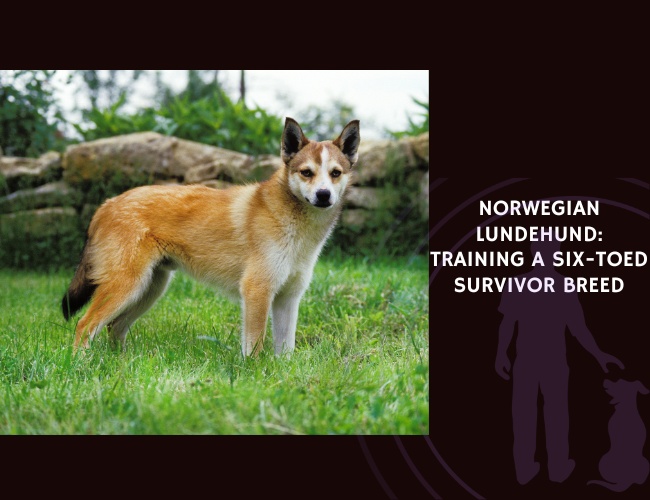
There are dogs bred for companionship, dogs bred for work, and dogs bred for speed. And then there is the Norwegian Lundehund—a living relic of Viking-era ingenuity, shaped by sheer cliffs, narrow rock crevices, and the relentless pursuit of Atlantic puffins. This remarkable breed carries within its DNA thousands of years of survival wisdom, and training one requires something most dog owners have never been asked to provide: patience that borders on reverence.
If you’ve found yourself drawn to this rare and extraordinary breed, you’re likely someone who appreciates the road less traveled. The Lundehund won’t greet you with eager-to-please obedience or perform tricks for applause. Instead, they offer something far more valuable—a partnership built on mutual respect, quiet understanding, and the kind of trust that develops only when you learn to see the world through their ancient, careful eyes.
Let us guide you through everything you need to know about living with, understanding, and training this six-toed survivor. 🧡
Evolutionary Origins: Where Cliffs Met Cunning
To truly understand the Norwegian Lundehund, you must first travel back in time to the rugged coastlines of northern Norway, where vertical rock faces plunge into icy seas and puffin colonies nest in impossibly narrow crevices. For centuries, these seabirds and their eggs were essential food sources for isolated coastal communities, and the Lundehund was the specialized tool that made harvesting them possible.
The demands of puffin hunting shaped every aspect of this breed’s physical and mental architecture. Imagine a dog required to scale near-vertical cliffs, squeeze through openings barely wider than their own skull, and retrieve live birds from twisting, pitch-dark tunnels—all without human guidance or assistance. This was not work for an obedient follower. This was work for an independent thinker, a careful planner, and a supremely confident athlete.
The result is a dog whose body defies normal canine limitations. These unique physical adaptations set the Lundehund apart from every other breed:
- Six fully functional toes on each foot providing exceptional grip on slippery, uneven surfaces
- Shoulder joints that rotate outward to a remarkable 90-degree angle
- The ability to flatten themselves completely and navigate impossibly tight spaces
- Necks that bend backward until the head touches the spine—for turning in narrow tunnels
- Ears that fold completely shut, protecting delicate structures from debris and moisture
- An extremely flexible spine allowing contortions no other breed can achieve
But perhaps more significant than these physical marvels is what evolution crafted inside the Lundehund’s mind. Their historical independence explains their low tolerance for repetitive, high-pressure obedience tasks. These were never dogs bred to wait for commands. They were bred to assess, decide, and act—often in life-or-death situations where hesitation meant falling or human intervention was simply impossible.
This means the Lundehund you bring into your home carries within them the cognitive architecture of an independent hunter. Their evolutionary heritage shaped specific mental characteristics:
- Wired for micro-environmental scanning and constant risk assessment
- Preference for self-directed problem-solving over following commands
- High sensitivity to environmental changes and potential threats
- Strong evaluation instincts before committing to any action
- Low tolerance for arbitrary or repetitive tasks
- Deep need for autonomy in decision-making
When your Lundehund pauses at a doorway, studies a new piece of furniture, or refuses to walk across an unfamiliar surface, they aren’t being stubborn. They’re doing exactly what their ancestors did for survival—evaluating the terrain, calculating the risks, and making their own informed decision.
Understanding this fundamental truth transforms everything about how you approach life with a Lundehund.
Anatomical Specializations: A Body Built for the Impossible
The Lundehund’s extraordinary physical attributes are not mere curiosities or quirky breed characteristics. They are functional adaptations that directly influence how your dog moves through the world, what activities they naturally gravitate toward, and what training approaches will feel comfortable and engaging.
Those famous six toes are just the beginning. Each foot features extra digits that provide a broader base of support and enhanced grip, allowing Lundehunds to climb and descend steep, slippery surfaces with remarkable dexterity. You might notice your Lundehund naturally seeking out uneven terrain during walks, preferring rocky paths to smooth sidewalks, or showing unusual confidence on surfaces that make other dogs hesitate.
The hypermobile joints throughout their body—particularly in the shoulders, neck, and hips—create movement possibilities that seem almost impossible in other breeds. A Lundehund can extend their front legs straight out to the sides, press their chest flat to the ground while their legs splay outward, and contort their flexible spine in ways that initially alarm owners unfamiliar with the breed’s capabilities.
These adaptations directly influence training preferences and activities. Your Lundehund will naturally gravitate toward exercises that utilize their unique physical strengths:
- Balance work on varied surfaces and elevations
- Climbing activities on safe, appropriate structures
- Agility courses featuring diverse obstacles
- Scent work that encourages exploration of complex environments
- Any activity involving navigation of varied terrain
Conversely, activities that restrict these natural movements or force unnatural postures may cause discomfort or disengagement. Activities that typically don’t suit Lundehunds include:
- Repetitive obedience drilling on flat surfaces
- Long-duration stationary exercises (prolonged sits or downs)
- High-pressure competition environments
- Training methods relying on physical manipulation
- Activities requiring sustained focus without movement breaks
- Exercises that restrict their natural range of motion
Traditional obedience work performed on flat, smooth surfaces rarely showcases what a Lundehund can do—and may feel pointless or even uncomfortable to a dog designed for three-dimensional navigation.
Self-preservation instincts run deep in this breed. Given their extreme flexibility, Lundehunds often exhibit heightened awareness of their body’s position in space and may be more cautious about activities that could strain their specialized anatomy. What might look like hesitation or reluctance is often sophisticated physical self-assessment. They’re not refusing because they can’t—they’re pausing because they’re calculating whether they should.
Their confidence is directly tied to their ability to utilize their physical strengths effectively and safely. On natural, uneven, and challenging terrains where their adaptations excel, Lundehunds often display surprising boldness. On flat, smooth, or artificial surfaces, they might appear less confident simply because these environments don’t leverage their specialized capabilities.
The Genetic Bottleneck: Understanding Emotional Fragility
Here is where we must have an honest conversation about one of the more challenging aspects of Lundehund ownership. This breed’s history includes a severe genetic bottleneck that has had profound implications for their health and temperament—implications that every prospective and current owner must understand.
The Lundehund population dwindled to approximately five dogs after World War II. The decline of traditional puffin hunting, combined with distemper outbreaks, brought this ancient breed to the very edge of extinction. The modern Lundehund population descends almost entirely from this tiny founding group, resulting in extreme inbreeding and significantly reduced genetic diversity.
This bottleneck has tangible effects on the dogs living in your home today. The genetic uniformity manifests in specific temperament patterns:
- Heightened overall sensitivity to environmental stimuli
- Increased baseline anxiety levels
- Lower stress thresholds compared to genetically diverse breeds
- Predisposition to shyness with unfamiliar people
- Nervousness in novel situations
- Tendency to startle more easily and recover more slowly
- Greater vulnerability to stress-related health issues
Many Lundehunds display these traits to varying degrees—they can be prone to shyness, nervousness, and a tendency to be easily startled.
Neophobia—the fear of new things—is particularly common in this breed. Your Lundehund may display exaggerated startle responses, withdrawal behaviors when faced with unfamiliar people, animals, or environments, and a general wariness that requires patient, understanding management. This isn’t a training failure or a reflection of your care. It’s the legacy of genetic circumstances beyond anyone’s control.
Early and careful socialization is crucial, but it must be approached with deep understanding of their inherent sensitivities. Flooding a Lundehund with overwhelming experiences in an attempt to “socialize” them quickly will likely backfire, creating more fear rather than confidence. The goal is gentle, positive exposure at a pace the individual dog can handle.
Physical health issues compound these emotional challenges. Lundehund Syndrome (Intestinal Lymphangiectasia) is a severe gastrointestinal disorder prevalent in the breed, characterized by protein-losing enteropathy that causes chronic digestive discomfort and nutrient malabsorption. Chronic pain from digestive issues can significantly impact your dog’s overall well-being, leading to changes in mood, increased irritability, lethargy, and a reduced capacity for learning and engagement.
A dog experiencing ongoing physical discomfort will be less receptive to training, more easily frustrated, and may exhibit avoidance behaviors that have nothing to do with their willingness to cooperate. Before addressing any behavioral challenges, ensure your Lundehund’s physical health—particularly their digestive system—is being properly managed by a veterinarian familiar with breed-specific issues. 🧠
Lundehund Syndrome: Understanding the Breed’s Defining Health Challenge
No discussion of the Norwegian Lundehund is complete without a thorough understanding of Lundehund Syndrome—a complex gastrointestinal condition that affects a significant portion of the breed and profoundly influences their quality of life, behavior, and the care they require.
Lundehund Syndrome is not a single disease but a collection of related intestinal disorders. The umbrella term encompasses Intestinal Lymphangiectasia (IL), Protein-Losing Enteropathy (PLE), and Inflammatory Bowel Disease (IBD). These conditions involve the abnormal dilation of lymphatic vessels in the intestinal wall, chronic inflammation of the digestive tract, and the subsequent loss of proteins and other essential nutrients through the gut.
The prevalence in the breed is strikingly high—estimates suggest that the majority of Lundehunds will experience some degree of intestinal dysfunction during their lifetime, with many developing clinically significant disease. This is a direct consequence of the genetic bottleneck; the limited founding population carried genes predisposing to these conditions, and the lack of genetic diversity has made escape from this legacy nearly impossible.
Recognizing the symptoms early can significantly improve outcomes. The condition often develops gradually, and early signs may be subtle:
- Intermittent diarrhea that comes and goes without obvious cause
- Soft stools or increased frequency of bowel movements
- Weight loss despite normal or increased appetite
- Decreased energy or subtle lethargy
- Vomiting, particularly after meals
- Reduced coat quality or dry, flaky skin
- Fluid accumulation in the abdomen or limbs (edema) in advanced cases
- Muscle wasting, particularly noticeable along the spine and hindquarters
As the disease progresses, symptoms typically become more severe and persistent. Dogs may experience chronic watery diarrhea, significant weight loss, pronounced muscle wasting, and visible fluid retention. Behavioral changes often accompany physical decline—increased irritability, withdrawal from interaction, and reduced tolerance for activity or training.
Diagnosis requires veterinary expertise and multiple approaches. Because symptoms can mimic other conditions, thorough diagnostic workup is essential:
- Blood tests reveal low protein levels (hypoproteinemia), particularly albumin, along with possible lymphopenia (low lymphocyte count) and various nutritional deficiencies
- Fecal examinations rule out parasites and assess digestive function
- Ultrasound imaging can reveal thickened intestinal walls and enlarged lymph nodes
- Endoscopy with biopsy provides definitive diagnosis by visualizing the intestinal lining and obtaining tissue samples for microscopic examination
- Food trials help identify dietary triggers and intolerances
Finding a veterinarian familiar with the breed and its specific health challenges is invaluable. The Norwegian Lundehund Club and breed-specific health organizations can often provide referrals to experienced practitioners.
Treatment focuses on management rather than cure. While Lundehund Syndrome cannot be cured, many dogs can be managed successfully for years with appropriate intervention:
- Dietary modification forms the cornerstone of treatment (detailed in the nutrition section below)
- Corticosteroids like prednisone reduce intestinal inflammation
- Immunosuppressive medications may be added for dogs not responding adequately to steroids alone
- Vitamin B12 supplementation addresses the malabsorption common in affected dogs
- Cobalamin injections are often necessary since oral supplementation may not be adequately absorbed
- Antibiotics like metronidazole or tylosin can help manage bacterial overgrowth
- Albumin transfusions may be required in severe cases with dangerously low protein levels
Prognosis varies widely depending on severity and response to treatment. Some Lundehunds experience mild, easily managed symptoms and live full lifespans with good quality of life. Others develop severe, treatment-resistant disease that significantly shortens their lives. Early detection, aggressive management, and close monitoring improve outcomes substantially.
Quality-of-life indicators to monitor regularly:
- Appetite and enthusiasm for meals
- Energy levels and willingness to engage in normal activities
- Stool consistency, frequency, and any visible abnormalities
- Body condition score and muscle mass maintenance
- Comfort level—watch for hunching, reluctance to move, or pressing abdomen against cool surfaces
- Overall demeanor and interaction with family members
- Sleep quality and patterns
- Response to medications and treatments
Regular veterinary check-ups—more frequent than for healthy dogs—allow early detection of flare-ups and treatment adjustments.
Living with a Lundehund affected by this syndrome requires commitment. You’ll become intimately familiar with your dog’s normal patterns, vigilant for subtle changes, and proactive about veterinary care. Many owners find that this intensive attention actually deepens their bond—you learn to read your dog with extraordinary precision, and your Lundehund learns that you respond to their needs. 🧡
Nutritional Management: Feeding the Sensitive Lundehund
Given the prevalence of gastrointestinal issues in this breed, nutrition isn’t just about providing adequate calories—it’s a cornerstone of health management that can mean the difference between a thriving dog and one struggling with chronic illness.
The fundamental principle is reducing intestinal workload while maximizing nutrient absorption. This requires attention to fat content, protein sources, meal frequency, and supplementation strategies that most dog owners never need to consider.
Fat restriction is typically essential. Dietary fat is difficult for compromised intestines to process, and excess fat can worsen lymphatic vessel dilation and protein loss. Most Lundehunds with GI involvement do best on diets containing less than 10-15% fat on a dry matter basis—significantly lower than typical commercial dog foods. Some severely affected dogs require even stricter restriction, below 10%.
Reading labels carefully becomes second nature. Remember that the guaranteed analysis on pet food labels shows minimums for protein and fat, meaning the actual content may be higher. Contacting manufacturers for precise nutritional information is worthwhile when managing a sensitive dog.
Protein quality matters as much as quantity. Lundehunds need adequate protein to maintain muscle mass and support healing, but the protein sources must be highly digestible and unlikely to trigger inflammatory responses:
- Novel proteins (those your dog hasn’t been exposed to previously) may reduce immune reactions—options include venison, rabbit, duck, or kangaroo
- Hydrolyzed proteins have been broken into small fragments that are less likely to trigger immune responses
- Easily digestible sources like cottage cheese, egg whites, or lean chicken breast are often well-tolerated
- Avoid high-fat protein sources like lamb, salmon, or pork, which combine protein with significant fat content
MCT oil supplementation can be remarkably beneficial. Medium-chain triglycerides are absorbed differently than regular dietary fats—they bypass the lymphatic system entirely, going directly to the liver for processing. This allows affected dogs to obtain necessary calories and fat-soluble nutrients without stressing compromised intestinal lymphatics.
MCT oil introduction protocol:
- Start with 1/4 teaspoon for small dogs
- Increase gradually over 1-2 weeks
- Watch for any digestive upset and adjust accordingly
- Target dose: 1-2 teaspoons per 10 pounds of body weight daily
- Divide across all meals rather than giving at once
- Pure MCT oil is more effective than coconut oil for lymphatic issues
- Store properly to prevent rancidity
- Consult your vet before starting supplementation
Many owners work up to 1-2 teaspoons per 10 pounds of body weight daily, divided across meals. Pure MCT oil or coconut oil (which contains MCTs along with longer-chain fats) can be used, though pure MCT oil is more effective for dogs with significant lymphatic involvement.
Feeding frequency often needs adjustment. Rather than one or two large meals, many Lundehunds do better with smaller, more frequent feedings:
- Three to four meals daily reduces the digestive burden at any single time
- Smaller portions are easier for compromised intestines to process
- More frequent feeding can help maintain stable blood protein levels
- Some severely affected dogs benefit from even more frequent feeding
Signs that dietary adjustment is needed include:
- Diarrhea or soft stools that persist more than a day or two
- Visible undigested food or fat in stools
- Weight loss or failure to maintain condition
- Decreased energy or engagement
- Vomiting, especially after meals
- Increased gas or abdominal discomfort
- Worsening coat condition
Practical dietary approaches that work for many Lundehund owners:
- Commercial prescription diets designed for GI issues or lymphangiectasia (Royal Canin Gastrointestinal Low Fat, Hill’s i/d Low Fat, Purina EN Gastroenteric) provide convenience and consistent nutrition
- Home-prepared diets allow precise control over ingredients but require careful balancing—work with a veterinary nutritionist to ensure completeness
- Combination approaches using a commercial base supplemented with specific additions can offer both convenience and customization
Keep a food diary, especially when making changes or troubleshooting problems.
Elements to track in your food diary:
- Exact foods and amounts at each meal
- Time of each feeding
- Stool quality (use a consistent rating scale)
- Stool frequency and timing
- Energy levels throughout the day
- Any vomiting episodes
- Appetite and eating behavior
- Gas or apparent discomfort
- Any treats given and their ingredients
- Environmental factors that might affect stress
Recording what your dog eats, stool quality, energy levels, and any symptoms helps identify patterns and triggers that might otherwise go unnoticed.
Treats require the same careful consideration as meals. Many commercial treats are high in fat and can trigger flare-ups in sensitive dogs. Safe options include:
- Small pieces of lean cooked chicken breast
- Commercial low-fat treats specifically designed for GI-sensitive dogs
- Dehydrated lean meats with no added fats
- Small amounts of acceptable vegetables (green beans, carrots)
- Training treats broken into tiny pieces to minimize volume
Avoid rawhides, bully sticks, pig ears, and similar high-fat chews that can overwhelm a sensitive digestive system.
Foods and treats to strictly avoid:
- Fatty table scraps or trimmings
- High-fat commercial treats
- Rawhides and bully sticks
- Pig ears and similar animal parts
- Cheese (except small amounts of low-fat cottage cheese if tolerated)
- Peanut butter (high fat content)
- Salmon or fish oil supplements (unless specifically recommended by your vet)
- Any food with more than 15% fat content on dry matter basis
Grooming and Coat Care: Maintaining the Double Coat
The Norwegian Lundehund sports a dense double coat that protected their ancestors from the harsh Norwegian climate and the cold, damp conditions of cliff-side hunting. Understanding and properly caring for this coat keeps your dog comfortable and allows you to monitor their overall health through coat condition.
The double coat consists of two distinct layers. The outer coat features longer, coarser guard hairs that repel water and provide protection from the elements. Beneath lies a dense, soft undercoat that provides insulation. This combination allowed Lundehunds to work in cold, wet conditions while maintaining body temperature—but it also means significant grooming needs for modern companion dogs.
Shedding patterns follow a seasonal rhythm with year-round maintenance needs. Lundehunds typically experience two major shedding periods annually—usually in spring and fall—when they “blow” their undercoat. During these periods, the undercoat comes out in impressive quantities, sometimes in visible clumps. Between these major sheds, moderate shedding continues throughout the year.
Regular brushing serves multiple purposes:
- Removes loose undercoat before it mats or ends up on your furniture
- Distributes natural skin oils throughout the coat
- Stimulates circulation to the skin
- Provides opportunity to check for skin issues, parasites, or lumps
- Becomes a bonding ritual that many Lundehunds learn to enjoy
During normal periods, brushing two to three times weekly keeps the coat healthy. During heavy shedding seasons, daily brushing may be necessary to manage the volume of loose fur and prevent matting.
Recommended grooming tools for the Lundehund coat:
- Undercoat rake for removing loose undercoat, particularly during shedding seasons
- Slicker brush for general maintenance and removing tangles
- Pin brush for finishing and fluffing the outer coat
- Metal comb for checking for remaining tangles and working through problem areas
- De-shedding tool (used carefully) can help during heavy shed periods
Bathing should be infrequent but thorough when needed. The natural oils in a Lundehund’s coat provide protection and water resistance. Over-bathing strips these oils, leading to dry skin and coat problems. Most Lundehunds need bathing only every few months unless they get into something messy or develop odor.
Bathing best practices:
- Use lukewarm water (not hot or cold)
- Choose gentle, dog-appropriate shampoo—fragrance-free for sensitive dogs
- Rinse thoroughly—residual shampoo causes irritation and dulls coat
- Pay special attention to rinsing the dense undercoat
- Plan bathing for warm days or have a low-heat blow dryer ready
- Never leave your dog damp for extended periods
- Brush out the coat before bathing to remove loose fur
- Consider a conditioner designed for double coats if needed
The dense undercoat takes significant time to dry completely, so plan bathing for warm days or use a low-heat blow dryer to prevent your dog from remaining damp for extended periods.
Coat condition reflects overall health. Changes in coat quality often signal underlying issues:
- Dull, dry coat may indicate nutritional deficiencies or malabsorption
- Excessive shedding outside normal seasonal patterns warrants veterinary attention
- Flaky skin or dandruff can signal allergies, dietary issues, or skin conditions
- Thinning coat, particularly along the flanks or tail, may indicate hormonal imbalances
- Greasy or odorous coat despite regular grooming suggests skin issues requiring attention
For Lundehunds with gastrointestinal conditions, coat quality often serves as an early warning system. Declining coat condition frequently appears before other symptoms become obvious, providing opportunity for early intervention.
Skin sensitivities appear in some Lundehunds. While not universal, some dogs in the breed show increased sensitivity to environmental allergens, certain grooming products, or contact irritants.
Signs of skin sensitivity to watch for:
- Excessive scratching or rubbing against furniture
- Redness, particularly on belly, paws, or ear flaps
- Hot spots or localized areas of irritation
- Recurring ear infections or head shaking
- Chewing or licking at paws
- Hair loss in patches
- Flaky, dry skin that doesn’t improve with diet changes
- Bumps or hives after exposure to certain products
If your Lundehund shows skin sensitivity, use fragrance-free, hypoallergenic grooming products and work with your veterinarian to identify and manage triggers.
Don’t forget the other grooming basics:
- Nail trimming every 2-4 weeks keeps those six-toed feet comfortable—remember, more toes mean more nails to maintain
- Ear cleaning as needed, watching for signs of infection given their unique ear structure
- Dental care through brushing or dental chews supports overall health
- Paw pad checks for cracks, injuries, or debris caught between those extra toes
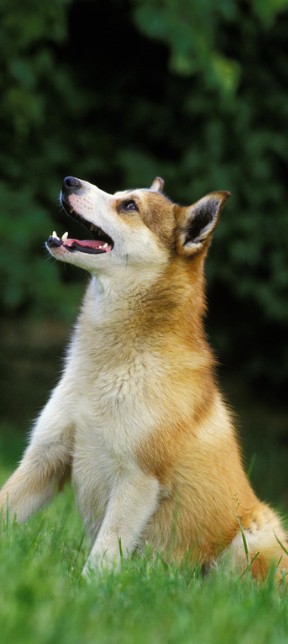
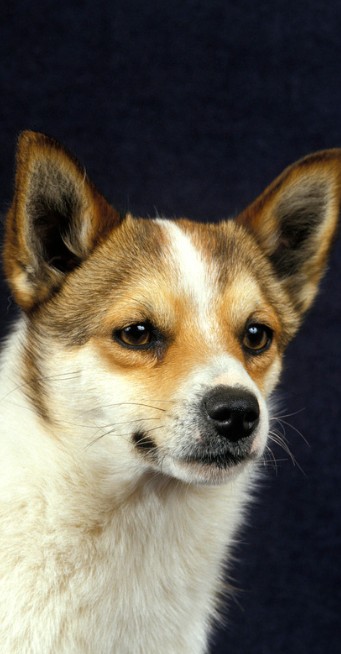
Agile. Ancient. Attuned.
Survival shapes their caution.
Your Lundehund isn’t hesitating out of stubbornness—they’re running cliff-born evaluation patterns, scanning micro-terrain the way their ancestors did before committing to a single step.
Flexibility fuels autonomy.
Six toes, hypermobile joints, sealed ears, and a spine built for tunnels create a body — and mind — designed for self-directed problem-solving, not repetitive obedience.
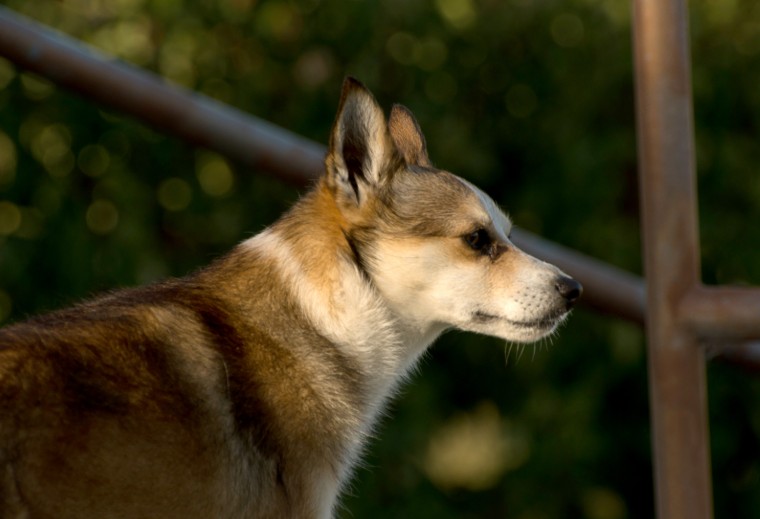
Cooperation unlocks trust.
When you honour their pace, their terrain-reading, and their need for autonomous decisions, the Lundehund becomes not just trainable — but extraordinary.
Puppy Development: Critical Windows for a Sensitive Breed
Raising a Lundehund puppy requires understanding that their heightened sensitivity and genetic predisposition to caution means early experiences carry exceptional weight. What happens during the first months of life shapes the adult dog you’ll live with for years to come.
The critical socialization period (approximately 3-12 weeks) is your most important window. During this time, puppies are neurologically primed to accept new experiences as “normal.” Positive exposure during this period creates lasting impressions that build the foundation for adult confidence. Negative experiences—or the absence of any experiences—can create fears that persist throughout life.
For Lundehund puppies, this window must be approached with particular thoughtfulness. Their genetic tendency toward neophobia means they may show caution earlier than puppies of more robust breeds. Pushing too hard creates the very fears you’re trying to prevent; moving too slowly misses critical learning opportunities.
Prioritize quality over quantity in early experiences. Rather than flooding your puppy with maximum exposure, focus on creating positive associations with the types of experiences they’ll encounter throughout life:
- Various floor surfaces (carpet, tile, wood, grass, gravel, grates)
- Different environments (quiet rooms, busier spaces, outdoor areas)
- Varied sounds (household appliances, traffic, voices at different volumes)
- Different people (varying ages, appearances, movement styles)
- Other animals (calm, appropriate dogs; possibly cats if relevant to your home)
- Handling of all body parts (crucial for veterinary care and grooming)
- Novel objects and mild environmental challenges
Watch your puppy’s response and adjust accordingly.
Signs of comfortable exploration:
- Loose, wiggly body language
- Curious sniffing with relaxed posture
- Willingness to approach new things voluntarily
- Quick recovery from momentary startle
- Play bows or invitation to engage
- Soft eyes and relaxed facial expression
- Tail at neutral or slightly elevated position
Signs of overwhelm requiring immediate intervention:
- Freezing or becoming statue-still
- Hiding behind you or seeking escape routes
- Excessive panting unrelated to temperature
- Whale eye (showing whites of eyes)
- Tucked tail pressed against belly
- Attempts to escape or flee
- Trembling or shaking
- Refusing treats they normally love
If you see signs of overwhelm, you’ve pushed too far—create distance, allow recovery, and next time start at a lower intensity.
The first fear period typically occurs around 8-10 weeks. During this developmental stage, puppies become more aware of potential threats and may show sudden fearfulness toward things they previously accepted. This is normal brain development, not a training failure. During fear periods:
- Avoid forcing exposure to frightening stimuli
- Provide calm reassurance without excessive coddling
- Maintain normal routines to provide security
- Don’t introduce highly challenging new experiences
- Let your puppy set the pace for engagement
A second fear period often emerges during adolescence (roughly 6-14 months). This coincides with significant brain reorganization and can manifest as sudden fearfulness toward previously accepted things. Your once-confident puppy may suddenly react to garbage cans, strangers, or other dogs. Again, this is developmental—patience and calm support help your puppy work through this stage.
Adolescence brings additional challenges for Lundehund owners. Between roughly 6-18 months, your dog undergoes significant physical and mental maturation. You may observe:
- Increased independence and testing of boundaries
- Apparent “forgetting” of previously learned behaviors
- Heightened reactivity or distractibility
- Changes in social behavior toward other dogs
- Fluctuating confidence levels
This is the period when many owners become frustrated and relationships become strained. Understanding that adolescent behavior is temporary and developmentally normal helps you maintain patience. Continue gentle, positive training. Maintain consistent expectations without increasing pressure. Provide appropriate outlets for energy and mental stimulation. And remember—the thoughtful, bonded adult dog you’re working toward is still developing inside that challenging teenager.
Early health monitoring sets patterns for life. Establish a relationship with a veterinarian familiar with the breed early. Baseline blood work before symptoms appear provides comparison points for later. Discuss appropriate vaccination schedules, given that some breed enthusiasts prefer modified protocols for this sensitive breed. Watch for any early signs of GI issues and address them promptly.
Building the bond starts from day one. Every positive interaction deposits trust into your relationship account.
Essential bond-building activities:
- Hand-feeding meals to associate you with good things
- Gentle handling of ears, paws, and body for future grooming and vet visits
- Calm presence during new experiences without forcing interaction
- Respecting your puppy’s pace and allowing retreat when needed
- Quiet time together without demands or expectations
- Play sessions that let your puppy initiate and end the game
- Consistent daily routines that create predictability
- Soft verbal praise that doesn’t overwhelm
Through the NeuroBond approach, trust becomes the foundation of learning—and that foundation is built brick by brick during puppyhood. 🐾
🐕 Norwegian Lundehund Training Guide 🏔️
Your Complete Journey to Understanding & Training the Six-Toed Survivor Breed
Phase 1: Understand Their Origins
The Evolutionary Foundation🔬 Scientific Background
Lundehunds evolved as puffin hunters on Norway’s vertical cliffs. Their unique adaptations include six functional toes, 90-degree rotating shoulders, and ears that fold shut. This history created dogs wired for independent decision-making, not obedience.
📋 What to Expect
• Constant environmental scanning behavior
• Hesitation before engaging with new things
• Strong preference for self-directed activities
• Low tolerance for repetitive, arbitrary tasks
Phase 2: Address Health First
Managing Lundehund Syndrome⚠️ Critical Health Alert
Most Lundehunds experience GI dysfunction during their lifetime. Watch for: intermittent diarrhea, weight loss despite eating, lethargy, and coat quality decline. Address physical health before behavioral training.
✅ Nutritional Strategy
• Low-fat diet (under 10-15% fat content)
• Highly digestible protein sources
• MCT oil supplementation for calories
• 3-4 smaller meals daily instead of 1-2 large ones
Phase 3: Build the Foundation
Trust Before Training🧠 The NeuroBond Approach
Lundehunds form deep, selective attachments to very few people. Your training window opens only after trust is established. This takes weeks to months—not days. Patience isn’t optional; it’s the prerequisite.
✅ Trust-Building Actions
• Hand-feed meals to create positive associations
• Allow them to initiate interaction
• Respect boundaries without emotional reaction
• Maintain calm, predictable presence daily
Phase 4: Decode Their Cognition
How Lundehunds Think📋 Cautious Cognition Style
They observe before engaging—always. Expect slower warm-up periods. What looks like “stubborn” is actually sophisticated risk assessment. They calculate risk vs. reward before every action.
⚠️ Common Misinterpretation
Caution is NOT stubbornness. Misreading hesitation as defiance leads to pressure, which damages trust and creates the very behavior you’re trying to prevent. Their pause is communication—listen to it.
Phase 5: Apply the Right Methods
Structure With Freedom✅ What Works
• Short sessions (5-10 minutes max)
• Exploratory rewards over food/praise
• Puzzle-based and terrain-based activities
• Autonomy-supportive choices (opt-in/opt-out)
• Novelty to maintain engagement
❌ What Fails
• Pressure, urgency, or time constraints
• Repetitive drilling on flat surfaces
• High-energy enthusiastic praise (feels like pressure)
• Physical manipulation or force
• Expecting immediate compliance
Phase 6: Optimize the Environment
Setting Up for Success🔬 Environmental Enrichment
Flat floors create chronic low-level stress. These dogs are designed for complex terrain. Provide varied surfaces, safe climbing opportunities, different levels (beds at various heights), and terrain variety during walks.
📋 Fencing Considerations
Standard fencing may not contain a dog capable of scaling near-vertical surfaces. Require 6+ feet height, no horizontal climbing bars, inward-angled top, and secure ground level. Evaluate from their perspective.
Phase 7: Master Emotional Neutrality
The Invisible Leash Principle🧠 Handler Energy
Lundehunds are highly attuned to human emotions. Frustration, disappointment, or even excessive excitement can be perceived as threatening. Quiet guidance outperforms verbal pressure. Your calm energy does most of the work.
✅ Emotional Neutrality Looks Like
• Quiet satisfaction rather than enthusiastic celebration
• Calm adjustment rather than frustration when things don’t work
• Same demeanor whether session is going well or poorly
• Accepting “no” without emotional response
Phase 8: Cultivate the Partnership
The Lifelong Journey🔬 Soul Recall Bonding
When learning happens through positive, trust-based experience, it becomes deeply embedded—connected to positive emotions and reliable even under stress. This is training that lasts a lifetime.
📋 Senior Adaptations
As they age, expect decreased joint flexibility and increased emotional sensitivity. Shift to lower obstacles, gentler terrain, more scent work, and increased predictability. The bond deepens as they rely more fully on the safety you provide.
📊 Lundehund vs. Other Nordic & Primitive Breeds
🐕 Norwegian Elkhound
More confident with strangers and novel situations. Higher prey drive but more biddable in training. Lundehunds require significantly more patience.
🦊 Shiba Inu
Similar independence but generally more robust genetically. Shibas can be aloof but less prone to neophobia. Lundehunds have more health management needs.
🐺 Finnish Spitz
More vocal and socially outgoing. Higher energy requirements. Lundehunds are quieter but require more specialized environmental enrichment.
🐕🦺 Basenji
Comparable intelligence and independence. Both primitive breeds with unique vocalizations. Basenjis are more athletic; Lundehunds more physically specialized.
🏔️ Icelandic Sheepdog
Much more eager to please and socially confident. Better choice for families wanting a friendly companion. Lundehunds offer deeper, more exclusive bonds.
🐕 Swedish Vallhund
More trainable in traditional sense and more socially adaptable. Herding instinct vs. hunting instinct creates different challenges. Vallhunds suit active owners better.
⚡ Quick Reference: Lundehund Training Rules
The Trust Equation: Patience + Consistency + Respect = Cooperation
Session Formula: 5-10 minutes max | Observation time first | End before overwhelm
Reward Priority: Exploration > Sniffing > Climbing > Food > Praise
Health Check: GI symptoms → Vet first → Then behavior work
The Golden Rule: Hesitation is communication, not defiance—listen to it
🧡 The Zoeta Dogsoul Philosophy for Lundehunds
The Norwegian Lundehund teaches us what the NeuroBond approach is truly about—that trust cannot be demanded, only earned through countless moments of respect. The Invisible Leash reminds us that awareness, not tension, guides the path with these ancient survivors. And through Soul Recall, we understand that when learning happens through positive experience, it becomes embedded in memory and emotion forever.
These dogs cannot be forced into cooperation, only invited. They don’t follow blindly but offer their partnership to those who earn it. That balance between science and soul—that’s the essence of truly understanding a Lundehund.
© Zoeta Dogsoul – Where neuroscience meets soul in dog training
Separation Anxiety: Managing the Selective Bonder’s Challenge
Given their tendency to form intense, focused attachments to select individuals, Lundehunds can be particularly vulnerable to separation distress. Understanding this vulnerability and implementing preventive strategies from the beginning helps avoid one of the most challenging behavioral issues in dog ownership.
Separation anxiety exists on a spectrum. Mild forms may manifest as restlessness, occasional barking, or quiet distress that resolves fairly quickly after you leave. Moderate cases involve persistent vocalization, destructive behavior, or house soiling during absences. Severe separation anxiety can include extreme panic, self-injury, destruction of doors or windows in escape attempts, and profound distress that doesn’t diminish over time.
For Lundehunds, their selective bonding style means that anxiety often focuses specifically on their primary attachment figure. They may tolerate the absence of other family members while falling apart when their chosen person leaves. This can create challenges in households where caregiving responsibilities are shared or when the primary person must travel.
Prevention begins in puppyhood—but it’s never too late to start. The goal is helping your Lundehund develop confidence in their own ability to cope and trust that separations are temporary and safe.
Core prevention strategies:
- Practice brief separations from the beginning. Even puppies need moments alone. Step out of sight for seconds, then return calmly. Gradually extend duration as your puppy demonstrates comfort.
- Make departures and returns boring. Emotional goodbyes and enthusiastic greetings teach your dog that your comings and goings are significant events. Instead, keep departures matter-of-fact and wait until your dog is calm before greeting upon return.
- Create positive associations with alone time. Special treats, puzzle toys, or chews that only appear when you leave help your dog view departures as the beginning of something good rather than something to dread.
- Build independence during togetherness. A dog who can’t settle unless touching you will struggle when you’re gone. Practice calm separation within the home—baby gates, different rooms, you busy with tasks while they rest nearby.
- Establish a predictable routine. Knowing what to expect reduces anxiety. Consistent departure cues, reliable return times, and regular daily structure provide security.
Additional environmental supports:
- Background noise (radio, TV, or white noise) to mask outside sounds
- Comfortable, secure resting area that feels like a safe den
- Clothing item with your scent for comfort
- Food-dispensing toys that occupy time after you leave
- Camera monitoring so you can assess their actual behavior when alone
Recognize early warning signs before full anxiety develops:
- Following you from room to room constantly
- Distress when you prepare to leave (picking up keys, putting on shoes)
- Shadowing behavior that increases over time
- Inability to settle when you’re home but in a different room
- Excessive excitement upon your return, even after brief absences
- Reports from neighbors of barking or howling when you’re gone
If separation anxiety has already developed, systematic treatment helps. The approach involves gradually desensitizing your dog to departures while building their confidence:
- Identify triggers in your departure routine and practice them without actually leaving until they no longer cause distress
- Practice very brief absences—seconds at first—returning before anxiety escalates
- Gradually extend duration only when your dog demonstrates consistent comfort at the current level
- Consider environmental modifications like background noise, comfortable confinement areas, or calming aids
- Consult professionals when needed—veterinary behaviorists and certified behavior consultants can provide invaluable guidance for severe cases
Avoid approaches that worsen anxiety:
- Punishment for anxiety-related behavior (destruction, soiling, vocalization)
- Forcing prolonged separations hoping your dog will “get used to it”
- Dramatic departures or returns that heighten emotional intensity
- Inconsistent approaches that create unpredictability
Medication can be appropriate for moderate to severe cases. Anti-anxiety medications prescribed by a veterinarian can reduce the intensity of distress enough to allow behavior modification to work. Medication alone rarely solves the problem, but combined with systematic training, it can make recovery possible for dogs who couldn’t otherwise cope.
For the Lundehund specifically, remember that their cautious cognition applies here too. They need to build confidence in their own assessment that being alone is safe. Rushing this process triggers their innate wariness; respecting their pace builds the trust that eventually allows them to relax. The Invisible Leash reminds us that awareness, not tension, guides the path—and this applies to building separation confidence just as much as to heel work.
Multi-Dog Households: Navigating Social Complexity
Whether you’re considering adding a Lundehund to a home with existing dogs or wondering about adding another dog to your Lundehund household, understanding how this breed typically navigates multi-dog dynamics helps set everyone up for success.
Lundehunds often have complex relationships with other dogs. Their selective social style doesn’t apply only to humans—many Lundehunds form preferences about canine companions as well. Some integrate beautifully into multi-dog households, developing close bonds with housemates. Others remain more independent, coexisting peacefully but not seeking active companionship from other dogs. And some Lundehunds clearly prefer being only dogs, finding the presence of other canines stressful rather than enriching.
Their cautious nature influences canine social interactions. When meeting new dogs, Lundehunds often display their characteristic observation-before-engagement style. They may hang back, watch carefully, and take considerable time before choosing to interact. This can be misread by more socially forward dogs—and by owners expecting immediate play. Rushing introductions or forcing interaction typically backfires, creating negative associations that can persist.
If you have a Lundehund and are considering adding another dog:
- Assess your current dog’s preferences honestly. Does your Lundehund enjoy canine company during walks and outings, or do they seem relieved when other dogs leave? Do they seek out dog interaction or avoid it? Their existing preferences are the best predictor of how they’ll respond to a permanent housemate.
- Consider the other dog’s temperament carefully. Pushy, high-energy, or socially demanding dogs can overwhelm a cautious Lundehund. The best matches are typically dogs who are socially confident but not overbearing—dogs who can read and respect signals, who don’t require constant play, and who can coexist peacefully without requiring intense interaction.
Ideal companion dog characteristics:
- Calm, confident demeanor without being pushy
- Good at reading and respecting other dogs’ body language
- Independent enough to not demand constant interaction
- Similar or lower energy level
- Not resource-guardy around food, toys, or people
- Respectful of personal space
- Mature (typically 3+ years) and past adolescent intensity
Dogs that typically don’t pair well with Lundehunds:
- Highly social breeds that demand interaction (many retrievers, spaniels)
- High-energy herding breeds that may try to control movement
- Pushy adolescent dogs still learning boundaries
- Dogs with poor social skills or history of bullying
- Extremely playful dogs that won’t take “no” for an answer
- Introduce gradually and on neutral territory. Initial meetings should occur away from your home, ideally in a neutral outdoor space. Allow both dogs to observe each other from a distance, gradually decreasing distance as both remain comfortable. Watch for stress signals and be prepared to increase distance if needed.
- Manage the home environment during integration. Feed separately to prevent resource guarding. Provide multiple resting spots so neither dog is forced into proximity. Supervise interactions until you’re confident in the relationship. Allow your Lundehund escape routes and safe spaces where they can retreat when needed.
If you’re adding a Lundehund to a home with existing dogs:
- Prepare your existing dogs for a housemate who needs space. Dogs accustomed to immediately engaging with newcomers may need management to allow the Lundehund time to observe and adjust.
- Create separate spaces initially. Baby gates, crates, or separate rooms allow visual and olfactory acquaintance before direct interaction. This gradual introduction suits the Lundehund’s cognitive style.
- Watch for signs of stress in the new Lundehund. Moving to a new home is already overwhelming; adding unfamiliar dogs to the equation increases stress. Signs of excessive stress indicate you’re moving too fast.
- Don’t expect immediate friendship. Some multi-dog households develop close bonds between dogs. Others settle into peaceful coexistence without particularly close relationships. Both outcomes can be perfectly acceptable—the goal is harmony, not necessarily best friendship.
Long-term dynamics require ongoing attention:
- Resource guarding can emerge even in previously harmonious households. Monitor interactions around food, treats, toys, resting spots, and human attention.
- Relationships may shift as dogs age. A Lundehund who tolerated a pushy housemate in youth may become less tolerant with age. Senior dogs deserve protection from younger dogs who don’t respect their needs.
- Individual attention matters. Lundehunds who form intense human bonds need one-on-one time with their person, separate from other dogs in the household. Don’t let the easier-going dogs monopolize your attention because your Lundehund doesn’t compete for it as obviously.
- When relationships aren’t working, accept reality. Some dogs simply don’t get along, and forcing cohabitation creates chronic stress for everyone. If careful introduction and ongoing management don’t result in peaceful coexistence, rehoming one dog may be the kindest option for all.
Consider carefully whether your Lundehund actually wants canine company. Many owners assume all dogs benefit from dog friends, but this isn’t universally true. A Lundehund who thrives as an only dog, receiving their human’s full attention and living without the stress of navigating canine relationships, may be happier than one forced to share their home with dogs they wouldn’t choose as companions. 🧠
Cautious Cognition: The Thinking Dog’s Approach
If there’s one concept that transforms how owners understand and work with their Lundehunds, it’s this: these dogs think before they act. Always. This cognitive style, rooted in survival necessity, shapes every aspect of their behavior and determines what training approaches will succeed or fail.
Lundehunds prefer to observe before engaging. This results in slower warm-up periods during training that can frustrate owners accustomed to more immediately responsive breeds. Your Lundehund may appear hesitant, disengaged, or even uninterested when first presented with a new task or environment. This is not disinterest—it’s active assessment.
Rushing them or forcing interaction during this observation phase is counterproductive. Pressure increases anxiety and reduces willingness to participate. Patience and allowing them time to process are not just helpful—they’re essential. The dog that seems “stubborn” in the first five minutes of a training session may become surprisingly engaged once they’ve completed their internal evaluation and decided the situation is safe.
Sensory overload poses particular challenges for this breed. Given their genetic predisposition to sensitivity and lower stress thresholds, Lundehunds are often more susceptible to overwhelming stimulation than other Nordic breeds.
Common sensory overload triggers:
- Sudden, unexpected movements nearby
- Loud noises, especially sharp or startling sounds
- Crowded spaces with multiple people or dogs moving unpredictably
- Chaotic environments with competing stimuli
- Strong or unfamiliar odors
- Being touched unexpectedly or by unfamiliar people
- Visual clutter or rapidly changing visual scenes
- Echoing spaces that amplify sounds
These situations can quickly exceed their coping capacity, leading to stress, anxiety, and a strong desire to withdraw.
This sensitivity requires thoughtful management of their environment.
Keys to successful training sessions:
- Calm, controlled settings with minimal distractions
- Gradual introduction of new experiences
- Short sessions (5-10 minutes) rather than lengthy drilling
- Frequent breaks for sniffing and processing
- Ending on a positive note, even if goals weren’t fully met
- Reading subtle threshold signals and adjusting accordingly
- Handler emotional neutrality throughout
- Allowing observation time before expecting engagement
And you must learn to read the subtle signals that indicate your Lundehund is approaching their threshold—because once that threshold is crossed, learning stops.
Risk-reward calculation drives their decision-making. Lundehunds employ sophisticated assessment when choosing whether to participate in any task. They are less likely to engage if the perceived risk—whether physical discomfort, perceived lack of safety, or feeling pressured—outweighs the reward, especially if that reward isn’t intrinsically motivating.
They value safety and autonomy highly. Tasks that feel arbitrary, rewards that don’t align with their natural drives, or training approaches that create pressure will consistently fail. Understanding this cognitive framework allows you to design training that works with their nature rather than against it.
Motivation and Reinforcement: What Actually Works
Understanding what truly motivates a Lundehund is the key that unlocks successful training. Their drives differ significantly from many other breeds, and approaches that work brilliantly with eager-to-please retrievers or food-obsessed beagles may fall completely flat with this independent-minded survivor.
Exploratory rewards often outperform food or praise. While treats and verbal encouragement have their place, Lundehunds frequently show stronger intrinsic motivation for activities that engage their natural instincts.
Activities that tap into natural Lundehund drives:
- Sniffing out hidden treasures or treats
- Climbing on safe, varied structures
- Navigating interesting terrain
- Searching for toys in novel locations
- Solving environmental puzzles
- Exploring new spaces at their own pace
- Following scent trails
- Balancing on varied surfaces
- Investigating novel objects
Consider structuring training rewards around exploration opportunities:
- A successful recall earns the chance to investigate an interesting scent
- Calm leash walking leads to a few minutes of free sniffing
- Completing a task unlocks access to a climbing structure or balance obstacle
- Good behavior in a challenging situation results in a terrain-based game
These rewards feel meaningful to a Lundehund in ways that another treat from your pocket simply cannot.
High predictability kills engagement; novelty sparks cooperation. Repetitive, highly predictable training routines quickly lead to boredom and disengagement. The Lundehund’s intelligent, problem-solving mind thrives on challenge and variety. Introducing variations in tasks, locations, and rewards—incorporating new puzzles or exploration opportunities—significantly increases enthusiasm and willing participation.
This doesn’t mean training should be chaotic or unpredictable. Structure and consistency in your expectations and communication remain important. But within that framework, keep the actual activities fresh and interesting.
Ways to maintain novelty in training:
- Rotate between different types of challenges each session
- Change training locations regularly—different rooms, outdoor spaces, new environments
- Introduce novel elements that engage curiosity
- Vary the rewards—sometimes treats, sometimes exploration, sometimes play
- Modify familiar exercises slightly to keep them interesting
- Add new puzzle toys or enrichment activities regularly
- Train in different weather conditions and times of day
- Incorporate unexpected elements into familiar routines
Introduce novel elements that engage their curiosity and problem-solving drive.
Pressure and urgency shut down learning immediately. Any perceived conflict, time pressure, or sense of demand triggers their natural cautiousness and can completely shut down their capacity to learn. They do not respond to force or intimidation—these approaches activate fear systems that suppress engagement entirely.
A calm, patient, and understanding approach isn’t just preferred—it’s required. When your Lundehund feels safe and unpressured, they become capable of surprising cooperation and engagement. The Invisible Leash reminds us that awareness, not tension, guides the path. Quiet guidance and predictable rhythm accomplish what force never could.
Social Logic: The Selective Heart
Lundehunds exhibit a distinctive social style that can initially puzzle owners accustomed to more universally friendly breeds. Understanding their selective approach to relationships is crucial for building the deep bond that makes training possible.
These dogs form profound attachments to very few people. While many breeds distribute their affection broadly, Lundehunds often develop intense, focused bonds with a select few individuals—typically one or two primary people in their household. This isn’t aloofness or unfriendliness. It’s a different model of attachment, one that prioritizes depth over breadth.
This selective bonding translates directly into “handler-specific learning windows.” Your Lundehund’s receptiveness to training is significantly higher with their trusted primary person than with strangers, trainers, or even other family members. They’re far more likely to engage, take risks, and push through their natural caution with someone they’ve learned to trust completely.
What this means practically:
- The person who has built the strongest bond should handle most training
- New people should be introduced slowly and without pressure to interact
- Professional trainers may need to work through the primary handler initially
- Family members should build their own individual relationships over time
Expecting a Lundehund to perform equally well for anyone is unrealistic. Their cooperation is earned through relationship, and that relationship develops on their timeline, not yours.
Building relationship with a Lundehund takes:
- Time—weeks and months, not days
- Consistency in your behavior and expectations
- Respect for their boundaries and pace
- Positive shared experiences without pressure
- Calm, predictable presence
- Allowing them to initiate interaction
- Never forcing physical contact or engagement
- Proving yourself trustworthy through repeated reliable responses
Early socialization shapes adult confidence profoundly. Without careful, positive exposure to varied experiences during the critical developmental period, their inherent neophobia and sensitivity can solidify into significant fear, anxiety, and reactivity toward unfamiliar dogs and environments in adulthood.
However, socialization for a Lundehund must be approached differently than for more robust breeds. The goal isn’t maximum exposure—it’s positive exposure at a pace the individual puppy can handle without becoming overwhelmed. Quality over quantity. Positive associations rather than forced interactions. Building confidence through success rather than pushing through fear.
Perhaps most importantly: caution is not stubbornness. This misinterpretation is one of the most common pitfalls in Lundehund ownership. When your dog hesitates, refuses to engage, or pulls back from a situation, they’re not being defiant. They’re expressing their innate survival-based caution.
Misreading this as stubbornness often leads to frustration, which then leads to increased pressure, which damages trust and makes the dog more cautious—a destructive cycle that undermines the entire relationship. Understanding that their hesitation is communication, not defiance, transforms how you respond and preserves the trust that makes everything else possible. 🐾
Training Compatibility: Structure With Freedom
Effective training for Lundehunds requires a framework that respects their unique nature, blending consistent structure with genuine autonomy. Finding this balance is the art of Lundehund training.
The best training approaches for this breed share common characteristics:
- Slow pacing that allows time for observation and decision-making
- Frequent micro-breaks that prevent stress accumulation
- Environmental exploration opportunities woven throughout sessions
- Force-free, positive reinforcement methods exclusively
- Short, engaging sessions rather than extended drilling
- Permission to disengage and then re-engage on their terms
A training session with a Lundehund looks nothing like traditional obedience work. You might spend the first several minutes simply allowing your dog to explore the training space, sniffing and observing, before making any requests. When you do begin active training, you’ll pause frequently, allowing your dog to process, look around, and settle before continuing.
Puzzle-based and terrain-based activities build confidence brilliantly. Tasks that tap into their natural problem-solving abilities, physical agility, and exploratory drives provide mental and physical enrichment in ways that align with their evolutionary heritage:
- Snuffle mats and food puzzles engage their searching instincts
- Interactive toys requiring manipulation to access rewards
- Safe climbing structures or rock gardens for terrain navigation
- Balance work on varied surfaces and elevations
- Scent trails and tracking games that reward their nose work
- Novel obstacle courses that change regularly
These activities improve focus and build confidence because they allow your Lundehund to do what they were designed to do. Success in these tasks reinforces their sense of competence and gradually expands their comfort zone.
Autonomy-supportive choices dramatically reduce avoidance behavior. This might be the single most powerful training concept for Lundehund owners. Providing genuine choices—the option to opt-in or opt-out of tasks, choosing direction during walks, pausing to observe without pressure—fundamentally changes your dog’s willingness to engage.
When Lundehunds feel they have agency and their boundaries are respected, they become more confident and cooperative. The pressure that triggers avoidance simply disappears when the dog knows they can say “not right now” and have that choice honored. Paradoxically, offering the freedom to disengage often results in more engagement, because trust is being built with every respected boundary.
Behavioral Health and Stress Management
The interplay between physical health, environmental factors, and stress is particularly pronounced in Lundehunds. Managing their overall well-being requires attention to factors that might seem minor for other breeds but can significantly impact your Lundehund’s quality of life.
Chronic gastrointestinal issues affect far more than digestion. Lundehund syndrome and related digestive problems cause persistent discomfort, pain, and nutrient malabsorption that directly impacts behavioral health. A dog dealing with ongoing GI distress often displays increased irritability, lethargy, withdrawal from social interaction, and highly selective engagement in activities.
Managing their digestive health is a foundational step for behavioral improvement. Work closely with a veterinarian experienced with the breed to develop an appropriate diet and monitoring protocol. Don’t assume that behavioral challenges are purely “training issues” when physical discomfort may be the underlying cause.
Environmental mismatch creates chronic low-level stress. Lundehunds are adapted to complex, varied terrain. Living in environments dominated by flat floors, lacking terrain variation, and offering limited opportunities for vertical movement can lead to persistent, background-level stress that undermines their well-being and behavioral stability.
This doesn’t mean you need to live on a cliff. But thoughtfully enriching your Lundehund’s environment makes a meaningful difference:
- Create varied surfaces within your home using rugs, mats, and platforms
- Provide safe climbing opportunities appropriate to their size
- Offer different levels—dog beds at various heights, access to furniture
- During walks, seek out varied terrain whenever possible
- Consider indoor obstacle setups that engage their climbing abilities
Learn to recognize stress stacking before it escalates. Due to their sensitivity, Lundehunds can accumulate multiple minor stressors until reaching an exaggerated response that seems to come from nowhere. Recognizing subtle stress signals allows intervention before the stack grows too high:
- Freezing or becoming unusually still
- Repetitive circling
- Subtle avoidance (turning head away, moving away slowly)
- Lip licking and yawning outside normal contexts
- Excessive sniffing when not exploring
- Whale eye (showing whites of eyes)
- Tucked tail or lowered body posture
When you notice these signals, reduce demands, provide space, and allow your dog to decompress. Preventing escalation is far easier than managing a full stress response.
The NeuroBond Framework: Training for Trust
Through the NeuroBond approach, trust becomes the foundation of learning—and this philosophy aligns remarkably well with what Lundehunds need to thrive. The emphasis on calm, cooperative interaction respects their sensitivity while building the genuine partnership that makes reliable behavior possible.
Core principles of the NeuroBond approach for Lundehunds:
- Trust as the foundation—not commands, not treats, not pressure
- Calm, cooperative interaction rather than demanding engagement
- Respecting the dog’s pace and readiness
- Environmental awareness and management
- Emotional neutrality from the handler
- Pressure-free structure that feels safe
- Building reliability through voluntary participation
- Deep understanding of the individual dog’s needs
Quiet guidance outperforms verbal pressure. The “Invisible Leash” concept relies on predictable rhythms, clear spatial communication, and calm energy rather than physical force or loud commands. For Lundehunds, this approach minimizes perceived pressure while providing the security and predictability they need to feel safe.
Traditional training often involves lots of verbal cues, enthusiastic praise, and active engagement from the handler. For a Lundehund, this can feel like pressure, even when the intention is positive. Quieter, calmer communication—where your energy and body language do most of the work—often achieves better results.
Emotional neutrality creates safety for learning. Lundehunds are highly attuned to human emotions. Any hint of frustration, anger, disappointment, or even excessive excitement can be perceived as threatening or pressuring. When you remain calm, composed, and emotionally neutral, you create a stable learning environment where your Lundehund can engage without fear.
This doesn’t mean being cold or distant. It means cultivating genuine equanimity—accepting whatever your dog offers without strong emotional reactions.
What emotional neutrality looks like in practice:
- Quiet satisfaction rather than enthusiastic celebration when something goes well
- Calm adjustment rather than frustration when something doesn’t work
- Steady breathing and relaxed body posture throughout training
- Neutral facial expression without intense eye contact
- Soft, even tone of voice
- Accepting “no” from your dog without emotional response
- Patience during slow warm-up periods
- Same demeanor whether the session is going well or poorly
This emotional consistency builds tremendous trust over time.
Slow, cooperative pacing produces stronger reliability than traditional cue-based training. This approach allows your Lundehund to process information at their own speed, make choices, and engage willingly. It builds understanding and trust, leading to cooperation because the dog is choosing to participate rather than being compelled.
The result might be slower initially. Traditional training can produce faster surface-level compliance in many breeds. But with Lundehunds, that forced compliance is often unreliable and damages the relationship. Slow, cooperative training builds genuine partnership—and a Lundehund who trusts you will follow you places a commanded dog never would.
Moments of Soul Recall reveal how memory and emotion intertwine in behavior. When your Lundehund learns through positive, trust-based experience, that learning becomes deeply embedded—connected to positive emotions and reliable even under stress. This is the kind of training that lasts. 🧠
Understanding the Theoretical Foundations
For those who appreciate the science behind the recommendations, several theoretical frameworks help explain why Lundehunds are the way they are—and why certain approaches work while others fail.
Evolutionary Ethology studies animal behavior in its natural context, emphasizing evolutionary origins. For Lundehunds, this perspective highlights how their puffin-hunting past selected for extreme agility, independent decision-making, and highly developed risk-sensitivity. They’re “thinkers” who assess before acting, fundamentally different from dogs bred for immediate obedience.
Cognitive Ecology Theory proposes that an animal’s cognitive abilities are shaped by their ecological niche. The Lundehund’s niche demanded prioritizing safety, spatial reasoning, and terrain logic over human-centric task focus. Their intelligence is optimized for navigating complex physical environments and assessing potential threats—which influences how they perceive and respond to training.
Genetic Bottleneck Stress Models explore how reduced genetic diversity impacts resilience. The severe post-WWII bottleneck likely contributed to the heightened physiological and psychological sensitivity seen in modern Lundehunds, including increased fear responses and predisposition to stress-related health issues.
Affective Neuroscience identifies core emotional systems in the brain. Understanding the balance between the SEEKING system (exploration, curiosity, engagement) and the FEAR system (caution, anxiety, withdrawal) is crucial for Lundehund training. High-pressure or unpredictable environments amplify FEAR and suppress SEEKING, inhibiting learning. Safe, predictable environments allow SEEKING to flourish.
Pain and Behavior Research investigates how chronic physical discomfort alters mood, reactivity, and resilience. Given the prevalence of GI disorders in Lundehunds, managing physical health is prerequisite to addressing behavioral challenges.
Attachment Research in Rare Breeds examines how bonding styles influence learning. Lundehunds’ selective, deep attachments mean that trust-based learning is paramount, and their responsiveness is highly specific to trusted handlers.
Living With a Lundehund: Practical Considerations
Beyond training, daily life with a Lundehund requires some practical adjustments that honor their unique nature while meeting their needs.
Exercise should engage their minds as much as their bodies. A long walk on flat pavement may provide physical exercise but does little for a Lundehund’s mental needs.
Ideal exercise characteristics for Lundehunds:
- Terrain variety—hills, uneven surfaces, natural areas
- Sniffing opportunities throughout
- Novel experiences and new locations
- Shorter sessions with high engagement over long monotonous outings
- Climbing or scrambling opportunities when safely available
- Freedom to explore at their own pace when possible
- Mental challenges incorporated into physical activity
- Allowing them to set some of the direction and pace
Secure fencing is essential—but consider their climbing abilities. Standard fencing may not contain a dog capable of scaling near-vertical surfaces.
Fencing considerations for Lundehunds:
- Height of at least 6 feet, preferably with inward-angled top
- No horizontal bars that create climbing footholds
- Secure at ground level to prevent digging
- Gates that latch securely and can’t be manipulated
- Regular inspection for weak points or gaps
- Consider coyote rollers or similar deterrents at the top
- Supervised outdoor time until you know your individual dog’s escape potential
Evaluate your containment from a Lundehund’s perspective, considering their unique physical capabilities.
Veterinary care requires breed knowledge. Finding a veterinarian familiar with Lundehund syndrome and the breed’s unique anatomy ensures appropriate preventive care and early intervention for common health issues.
Be realistic about your lifestyle fit. Lundehunds thrive with patient, calm owners who appreciate their unique qualities and don’t expect traditional dog behavior. They’re not ideal for:
- Owners wanting off-leash reliability in open areas
- Families expecting a universally social “everyone’s friend”
- Those who measure training success by quick obedience
- Households with chaotic, unpredictable environments
- People who interpret caution as disrespect or defiance
They are wonderful for:
- Patient individuals who enjoy the journey of building trust
- Those fascinated by canine intelligence and problem-solving
- Owners who appreciate a dog that thinks for themselves
- People committed to understanding rather than demanding
- Anyone seeking a deep, meaningful bond with one special dog
Senior Lundehund Care: The Gentle Years
As your Lundehund ages, their needs shift in predictable ways that deserve thoughtful attention.
Physical changes to expect and accommodate:
- Decreased joint flexibility despite their naturally hypermobile anatomy
- Slower recovery from physical exertion
- Potential increase in digestive sensitivity
- Changes in vision or hearing that may increase startle responses
- Less tolerance for temperature extremes
- Longer sleep periods and deeper rest needs
- Possible increase in emotional sensitivity
Joint flexibility may decrease while sensitivity often increases. The hypermobile joints that served them so well in youth may become more prone to stiffness or discomfort with age. Simultaneously, their emotional sensitivity may increase, requiring even more patience and gentleness.
Familiar routines become increasingly important. Senior Lundehunds often find comfort in predictability. While you maintained novelty in training during their active years, now consistency and familiarity provide security.
Health monitoring becomes more critical. Given their predisposition to digestive issues, regular veterinary check-ups and close attention to any changes in appetite, weight, or elimination patterns help catch problems early.
Adjust activities to their current capabilities. The climbing and agility work they loved may need modification.
Senior-appropriate activity modifications:
- Lower obstacles that don’t strain aging joints
- Gentler terrain with fewer steep grades
- More frequent rest breaks during outings
- Shorter but still enriching walks
- Increased emphasis on scent work (low physical demand, high mental engagement)
- Comfortable surfaces for any training or play
- Indoor enrichment for days when outdoor conditions are challenging
- Massage or gentle stretching if they enjoy it
Keep them engaged without straining aging bodies.
Cherish the depth of your bond. A Lundehund who has trusted you through their life offers a connection unlike anything else in the dog world. These gentle years often deepen that relationship as your dog relies more fully on the safety you provide.
Conclusion: Is This Remarkable Breed Right for You?
The Norwegian Lundehund is not a dog for everyone. They challenge expectations, require patience that many owners never develop, and offer rewards that aren’t immediately obvious to those seeking conventional canine companionship.
Before committing to a Lundehund, honestly ask yourself:
- Can I accept a dog who may never be reliably obedient in the traditional sense?
- Am I prepared for potential lifelong management of digestive health issues?
- Do I have the patience for extremely gradual trust-building?
- Can I provide appropriate environmental enrichment for their unique needs?
- Am I comfortable with a dog who may never warm up to strangers?
- Can I handle the financial commitment of potential ongoing veterinary care?
- Do I understand that their caution is not stubbornness to be overcome?
- Am I willing to learn an entirely different approach to training?
But for the right person, there is no substitute.
Living with a Lundehund means:
- Accepting that training is a conversation, not a command
- Learning to see hesitation as wisdom rather than defiance
- Building trust through countless small moments of respect
- Appreciating a dog that thinks, evaluates, and decides
- Feeling honored when they decide to trust you
- Celebrating small victories that others might not notice
- Understanding that your bond is earned, not given
- Experiencing a depth of connection that comes from being truly chosen
That balance between science and soul—that’s the essence of Zoeta Dogsoul. The Lundehund embodies this philosophy naturally. They cannot be forced into cooperation, only invited. They don’t follow blindly but offer their partnership to those who earn it.
If you’re ready to meet a dog where they are, to learn their language, to provide what this ancient survivor needs to feel safe in our modern world—then perhaps the Norwegian Lundehund is waiting for you.
Did you know that every moment of patience you offer teaches your Lundehund that you understand them? Every boundary you respect builds trust. Every quiet training session, every accepted refusal, every calm response to their caution adds another thread to the bond between you.
That bond, once fully formed, is unlike anything else in the canine world. 🐾
Next, you might explore specific activities suited to the Lundehund’s unique abilities, or learn more about managing Lundehund syndrome through nutrition and veterinary partnership. Your journey with this extraordinary breed is just beginning.