
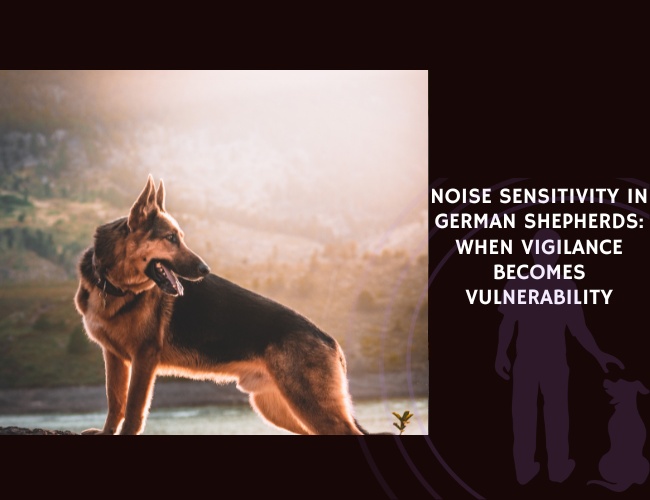
You hear it before you see it. The distant rumble of thunder, the sharp crack of fireworks, or even the metallic clang of a dropped pan. Your German Shepherd’s ears prick forward, body tensing, eyes widening. Within moments, what was a calm, confident companion transforms into a trembling, pacing, desperately seeking creature. If this sounds familiar, you’re not alone. Noise sensitivity in German Shepherds represents one of the most misunderstood aspects of this noble breed’s psychology, sitting at the intersection of genetics, neuroscience, and lived experience.
German Shepherds were bred for vigilance. Their keen senses, rapid response times, and environmental awareness made them invaluable as guardians, military companions, and search-and-rescue heroes. But what happens when the very traits that define excellence in their working roles become sources of distress in everyday life? When does healthy alertness cross into debilitating anxiety? And perhaps most importantly, how much of this sensitivity is written into their DNA, and how much is shaped by the world they experience?
This journey into the auditory world of your German Shepherd will reveal the intricate dance between nature and nurture, between genetic predisposition and environmental conditioning. We’ll explore the neurological pathways that light up when your dog hears a startling sound, the critical windows of development that shape lifelong responses, and the evidence-based strategies that can help recalibrate a hyper-vigilant nervous system. Whether you’re living with a noise-sensitive Shepherd or hoping to prevent these challenges in a young puppy, understanding the why behind the behavior is the first step toward meaningful change.
The Genetics of Listening: Are German Shepherds Hardwired for Sound Sensitivity?
When we ask whether German Shepherds are genetically predisposed to noise sensitivity, we’re really asking a more nuanced question: Can breeding for exceptional awareness create a nervous system too finely tuned for the modern world?
Selective Breeding and Sensory Processing
The German Shepherd’s lineage tells a story of intentional selection. For over a century, breeders have prioritized dogs with heightened environmental monitoring capabilities, rapid threat detection, and unwavering focus. These traits required dogs with lower sensory thresholds, meaning they could detect subtle stimuli that other breeds might miss entirely. A rustle in distant brush, the nearly imperceptible shift in air pressure before a storm, the faint sound of approaching footsteps. This sensory acuity made them exceptional working partners.
Research into sensory processing sensitivity reveals that individuals with naturally lower detection thresholds process environmental inputs more deeply. While these studies initially focused on human populations, the principle translates remarkably well to working breeds. When you select for dogs who notice everything, you’re simultaneously selecting for nervous systems that are more responsive to environmental stimulation. In controlled, predictable working environments, this trait shines. In the chaotic, unpredictable soundscape of modern suburban life, it can become overwhelming.
The working-line German Shepherd, bred specifically for police, military, and protection work, may show even more pronounced sensitivity compared to show-line counterparts. These dogs were selected not just for physical capability but for an almost obsessive environmental scanning behavior. Every sound represents potential information, every auditory input demands processing and evaluation. Through generations of selection, the baseline sensory “volume” has been turned up.
Signs Your German Shepherd May Have Genetic Sound Sensitivity:
- Heightened startle responses to everyday household sounds that other dogs ignore
- Constant environmental scanning behavior, with ears rotating frequently to track distant sounds
- Difficulty settling in moderately noisy environments like cafes or parks
- Alert body posture maintained even during rest periods, rarely achieving full relaxation
- Strong orienting responses to sounds occurring at considerable distances
- Siblings or parents with documented noise sensitivity or anxiety disorders
- Working-line heritage with emphasis on detection and alertness traits
Heritable Factors and Neural Architecture
The question of heritability extends beyond simple sensory thresholds to encompass the entire stress response system. Research examining subcortical sensory-emotional circuitry reveals that the architecture connecting our sensory systems to our emotional processing centers can vary significantly between individuals. Some of this variation appears to have a genetic component.
In German Shepherds, heritable factors likely influence multiple interconnected systems. First, baseline sensory thresholds determine how intense a stimulus must be before it registers as significant. Second, stress reactivity governs how quickly and intensely the body’s alarm systems activate in response to perceived threats. Third, acoustic vigilance reflects the degree to which the animal actively monitors and prioritizes auditory information over other sensory channels.
Key Heritable Factors That Shape Sound Responses:
- Sensory threshold levels: How quiet a sound can be and still trigger detection and processing
- Amygdala reactivity patterns: The speed and intensity of fear circuit activation
- GABAergic system efficiency: How effectively the brain filters and inhibits irrelevant sensory input
- Stress hormone regulation: Baseline cortisol levels and recovery speed after arousal
- Neurotransmitter receptor density: Particularly glutamate and GABA receptors in emotional processing regions
- Hippocampal function: Memory consolidation patterns that influence how sound experiences are stored
Studies of neurotransmitter systems provide additional insight. GABAergic dysfunction, which affects the brain’s primary inhibitory system, contributes to sensory hyper-reactivity in various animal models. If similar genetic variations exist in dogs, they could explain why some German Shepherds seem unable to “filter out” irrelevant sounds. Their neural brake system may not engage as effectively, allowing more sensory information to reach emotional processing centers without adequate regulation. 🧠
The Amygdala Connection
At the heart of noise sensitivity lies a small, almond-shaped structure deep within the brain: the amygdala. This region serves as an emotional sentinel, evaluating incoming sensory information for potential threats and triggering appropriate defensive responses. Research consistently demonstrates increased amygdala activation in response to noxious or unexpected sounds, particularly in individuals predisposed to anxiety.
For German Shepherds, the amygdala’s role may be amplified by breeding history. A more reactive amygdala would support rapid threat detection, allowing military and police dogs to identify danger with minimal delay. However, this same heightened reactivity can lead to false alarms, where neutral sounds trigger defensive responses because the amygdala interprets them as potentially threatening.
The interplay between genetics and the amygdala becomes even more complex when we consider stress-induced changes. Studies show that animals experiencing heightened stress or trauma demonstrate altered amygdala function, with increased expression of certain receptor proteins that enhance fear learning and generalization. If a German Shepherd inherits a predisposition toward amygdala reactivity, then experiences early-life stress or traumatic sound exposure, the cumulative effect can create profound noise sensitivity.
Inside the Noise-Sensitive Brain: Neurobiology of Auditory Processing
Understanding what happens inside your German Shepherd’s brain when they hear a startling sound reveals why simple reassurance often falls short and why evidence-based intervention requires patience and precision.
Sensory Gating and the Filter Problem
Imagine trying to have a conversation in a crowded restaurant while simultaneously hearing every dish clatter, every nearby conversation, every chair scrape with equal intensity. This scenario describes what happens when sensory gating, the brain’s ability to filter irrelevant stimuli, becomes impaired.
Healthy auditory processing involves a sophisticated filtering system. As sounds enter the ear and travel through ascending pathways to the auditory cortex, multiple checkpoints evaluate their relevance and emotional significance. Sounds deemed irrelevant are dampened before reaching conscious awareness, allowing the brain to focus on what matters. When sensory gating functions properly, your German Shepherd can hear a car pass on the street without feeling compelled to investigate every instance.
In noise-sensitive dogs, this filtering system appears compromised. Research into altered sensory processing after traumatic experiences suggests that neutral stimuli can adopt aversive properties when the gating mechanism fails. Your Shepherd might react to the refrigerator compressor cycling on, the distant sound of children playing, or the neighbor’s garage door with the same intensity as a genuinely threatening stimulus because their brain cannot effectively distinguish between relevant and irrelevant auditory information.
Signs of Impaired Sensory Gating in Your German Shepherd:
- Reacting to background sounds that should be filtered out (appliance hums, distant traffic)
- Inability to focus during training when any environmental noise is present
- Constantly interrupted sleep, waking to investigate minor sounds
- Equal intensity reactions to both significant and trivial auditory stimuli
- Difficulty distinguishing between approaching footsteps of family versus strangers
- Chronic hypervigilance even in familiar, safe environments
- Apparent exhaustion from processing every auditory input without rest
This difficulty filtering creates a state of chronic sensory overload. Every sound demands processing, every auditory input triggers evaluation, and the nervous system remains in a constant state of elevated readiness. Over time, this ongoing activation can lead to generalized anxiety, where the dog anticipates threatening sounds even in quiet environments.
Emotional Tuning of Sensory Systems
One of the most fascinating discoveries in auditory neuroscience involves the bidirectional relationship between emotional state and sensory processing. Emotion doesn’t simply respond to what we hear; it actively tunes how sensitive our hearing becomes.
Research using functional brain imaging reveals that emotional states directly modulate sensory cortex activity. When an individual feels anxious or threatened, the gain on their sensory systems increases across multiple modalities simultaneously. This adaptive response ensures maximal awareness in potentially dangerous situations. For your German Shepherd, this means that anxiety about sounds can actually make them hear more acutely, creating a feedback loop where worry about noise increases noise sensitivity, which in turn amplifies worry.
The auditory cortex in noise-sensitive dogs may show heightened baseline activation, meaning the initial processing of sound occurs at higher intensity even before emotional evaluation. When this elevated processing combines with an anxiety state, the result is profound hyper-reactivity. Sounds that might register as mildly noteworthy to a typical dog become impossible to ignore for your sensitive Shepherd.
This emotional tuning occurs automatically and largely outside conscious control. Your dog isn’t choosing to be hyper-vigilant; their nervous system has calibrated itself for threat detection based on past experiences and current emotional state. Through the lens of the NeuroBond approach, this understanding shifts our intervention strategy from suppressing reactions to gently recalibrating the emotional context in which sounds are processed.

Fear Systems and Sound: When the FEAR Network Overdominates
Neuroscience identifies distinct emotional systems that govern different aspects of behavior and response. The FEAR system, centered on the amygdala and its connected circuitry, specializes in detecting threats and coordinating defensive responses. In balanced functioning, this system activates appropriately to genuine dangers and quiets when threats pass.
In noise-sensitive German Shepherds, research suggests the FEAR system may experience chronic overactivation. Studies examining animals with auditory hypersensitivity demonstrate robust enhancement of fear responses when sounds are paired with mildly aversive experiences. Even more concerning, the fear response can generalize to similar sounds that were never directly associated with anything negative.
This generalization occurs through a process called stimulus generalization, where the brain begins categorizing increasingly broad ranges of sounds as potentially threatening. Your Shepherd who initially feared only thunderstorms might gradually develop anxiety about heavy rain, strong winds, or even cloudy skies because the brain has broadened its definition of “storm-related threat.”
Neurobiologically, this generalization involves increased activity in amygdala projection neurons, the cells that send alarm signals to other brain regions. Research shows that animals with chronic fear sensitization exhibit not only increased activity in these neurons but also altered synaptic transmission, with higher concentrations of receptors that strengthen fear memories. The result is a neural landscape increasingly biased toward perceiving threat in ambiguous situations.
The SEEKING system, which motivates exploration and approach behavior, may simultaneously become compromised. When the FEAR system dominates, the drive to investigate novel stimuli gives way to avoidance. Your German Shepherd, bred for curious investigation of their environment, may instead scan anxiously for threats, transforming healthy vigilance into hypervigilant scanning that never achieves resolution. 🧠
Behavioral Indicators of FEAR System Overdominance:
- Generalized anxiety extending well beyond the original trigger sound
- Avoidance of locations where frightening sounds previously occurred
- Anticipatory anxiety hours before predictable noise events
- Escape attempts including destructive behavior directed at doors or windows
- Loss of appetite or inability to accept treats during or after noise exposure
- Displacement behaviors like excessive licking, yawning, or panting
- Decreased exploratory drive and reluctance to investigate novel environments
- Hypervigilant body posture with muscles tensed, ready for flight response
The Role of Experience: How Conditioning Shapes Sound Responses
Genetics and neurobiology provide the foundation, but experience writes the story. Even German Shepherds with genetic predispositions toward sensitivity require specific experiences to develop clinical noise phobia.
Classical Conditioning and Emotional Tagging
The fundamental mechanism underlying noise sensitivity involves classical conditioning, the same process that taught Pavlov’s dogs to salivate at the sound of a bell. In its most straightforward form, a neutral sound (the conditioned stimulus) becomes associated with an unpleasant experience (the unconditioned stimulus), and through repeated pairing, the sound alone begins to trigger fear or anxiety.
For German Shepherds, this conditioning can occur with surprising efficiency. A single traumatic experience during a thunderstorm might be sufficient to create lasting storm phobia. The sound of thunder becomes emotionally tagged as dangerous, and this tag persists even when subsequent storms cause no actual harm. Research confirms that the brain can learn fear associations remarkably quickly, sometimes requiring only one pairing of sound and aversive experience.
Common Sounds That Become Conditioned Fear Triggers:
- Thunderstorms: Thunder, wind, rain, and associated atmospheric changes
- Fireworks: Sharp explosions, whistling rockets, and crackling finale sequences
- Gunshots: Hunting rifles, range practice, or backfiring vehicles
- Construction noise: Jackhammers, power tools, heavy machinery, backup beepers
- Emergency sirens: Ambulances, fire trucks, tornado warnings
- Household appliances: Vacuum cleaners, smoke detectors, garbage disposals
- Vehicle sounds: Motorcycles, trucks, car alarms, garage doors
- Urban noise: Trains, airplanes, industrial equipment, crowd sounds
However, the conditioning story becomes more complex when we consider secondary associations. Your Shepherd might initially fear only the crack of thunder but gradually develop anxiety about the environmental cues that precede storms: darkening skies, dropping barometric pressure, the particular quality of wind that signals approaching weather systems. The fear network expands through associative learning, encompassing an increasingly broad range of stimuli.
Discriminative fear conditioning research demonstrates that dogs can learn to differentiate between safe and threatening sounds when given clear, consistent information. A dog can learn that one tone predicts nothing concerning while a different tone requires attention. This capacity for discrimination offers hope for intervention, suggesting that with careful training, noise-sensitive dogs can learn to distinguish genuinely threatening sounds from benign ones.
Sensitization and the Problem of Repetition
While single-event learning can create fear associations, repeated exposure to frightening sounds through a process called sensitization can actually worsen responses over time. Unlike habituation, where repeated exposure without consequence leads to decreased responding, sensitization occurs when the animal’s defensive responses become stronger with each exposure.
In noise-sensitive German Shepherds, sensitization often develops because the sounds themselves trigger physiological stress responses. Each episode of fireworks, each thunderstorm, each unexpected loud noise activates the stress response system. Rather than learning the sound is harmless through repeated safe exposure, your dog experiences repeated activation of their fear circuitry without resolution. The amygdala strengthens its response pattern, the body’s alarm system becomes increasingly hair-trigger, and the dog becomes progressively more reactive.
This sensitization effect explains why some German Shepherds who initially tolerated July 4th fireworks with mild concern develop profound distress after years of exposure. Each summer’s fireworks season sensitizes them further, and without intervention, the response intensifies annually. The nervous system essentially “practices” the fear response, making the neural pathways involved increasingly efficient and automatic.
Quiet. Raw. Overloaded.
Sensitivity is not weakness.
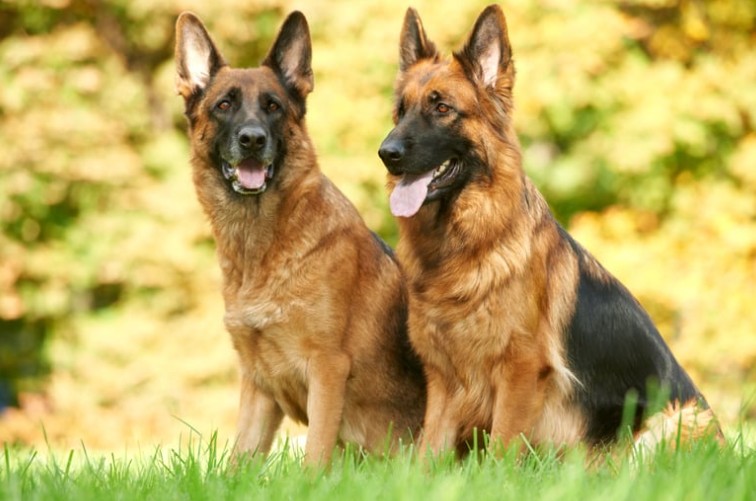
When a German Shepherd flinches at distant thunder or paces restlessly during fireworks, they’re not being dramatic—they’re processing more. Their sensory threshold is lower, their vigilance system more active, and their emotional wiring more intense.
Their vigilance has no “off” switch.
Generations of selective breeding sharpened their ability to scan, detect, and respond before danger arrived. But in today’s busy world, that finely tuned radar has nowhere to rest. Each unexpected sound becomes data their brain feels responsible to act on.


Calm is not just comfort—it is guidance.
Noise-sensitive Shepherds don’t need more protection—they need permission to stand down. Your steady presence teaches their nervous system what their environment cannot: not every sound holds meaning.
The Human Factor: Inadvertent Reinforcement and Co-Regulation
Your response to your German Shepherd’s noise anxiety plays a crucial role in shaping how the condition evolves. Research into emotional contagion demonstrates that dogs detect and respond to human emotional states with remarkable sensitivity. When you become anxious about an approaching storm because you know your dog will panic, your Shepherd picks up on your tension before the first rumble of thunder.
This creates a challenging dynamic. Your natural instinct to comfort your frightened dog seems compassionate, but certain comforting behaviors can inadvertently reinforce anxiety. If you respond to your dog’s fear with high-pitched soothing, physical restraint, or your own visible distress, you may inadvertently communicate that there is indeed something to fear. The dog reads your reaction as confirmation of threat.
Human Responses That May Inadvertently Reinforce Noise Anxiety:
- High-pitched, anxious-sounding verbal reassurance during noise events
- Physical restraint or tight holding that restricts movement and increases arousal
- Visible handler distress, tension, or worry that communicates threat confirmation
- Excessive attention or fussing that highlights the significance of the sound
- Attempting to force the dog toward or away from the sound source
- Punishing fear responses, which adds distress without addressing the underlying emotion
Helpful Handler Responses That Support Resilience:
- Maintaining calm, neutral body language and steady breathing
- Using matter-of-fact tone rather than soothing or excited voice
- Providing optional safe space access without forcing retreat
- Continuing normal activities to demonstrate the sound doesn’t disrupt routine
- Offering engaging distractions like training games or puzzle toys
- Respecting the dog’s need for distance while remaining emotionally available
Conversely, calm, confident handling can provide powerful co-regulation. When you remain emotionally neutral during noise events, you offer your dog valuable information: this sound does not require a defensive response. Through the Invisible Leash philosophy, your grounded presence becomes a reference point that helps your Shepherd recalibrate their own response. You’re not dismissing their fear but rather modeling the emotional state appropriate to the situation.
The concept of the handler as a secure base, drawn from attachment theory, proves particularly relevant here. Dogs with strong, secure attachments to calm handlers show enhanced resilience to environmental stressors. Your emotional regulation becomes a resource your dog can borrow, helping them navigate frightening experiences with less overwhelm. This co-regulatory approach doesn’t happen overnight but builds through consistent, patient, emotionally congruent responses. 🧡
🔊 Understanding Noise Sensitivity in German Shepherds
From Genetic Vigilance to Acoustic Resilience: A Comprehensive Journey Through the Neuroscience of Sound Sensitivity
Phase 1: Genetic Predisposition
Understanding the Hardwired Foundation
German Shepherds were selectively bred for heightened alertness and environmental monitoring. This created lower sensory thresholds, meaning they detect sounds other breeds miss entirely. Working-line dogs show even more pronounced sensitivity due to generations of selection for detection capabilities.
Your Shepherd may show constant ear rotation tracking distant sounds, heightened startle responses to household noises, difficulty settling in moderately noisy environments, and alert body posture even during rest. These aren’t behavioral problems but genetic traits requiring understanding and management.
Dogs with working-line heritage, siblings or parents with documented anxiety disorders, or GABAergic dysfunction may show significantly higher baseline reactivity. Early identification allows for proactive intervention before patterns become entrenched.
Phase 2: Neural Processing Patterns
Inside the Noise-Sensitive Brain
Healthy brains filter irrelevant sounds before they reach conscious awareness. In noise-sensitive Shepherds, this filtering system fails. The refrigerator hum, distant traffic, neighbor’s garage door—every sound demands full processing. The result is chronic sensory overload and exhaustion from processing stimuli that should be automatically ignored.
This almond-shaped brain structure serves as your dog’s threat detector. Research shows increased amygdala activation in noise-sensitive dogs, with heightened neural activity in projection neurons that send alarm signals throughout the brain. The amygdala essentially becomes hyper-responsive, interpreting neutral sounds as potential threats.
Watch for: • Reactions to background sounds others ignore • Inability to focus during any environmental noise • Constantly interrupted sleep • Equal intensity reactions to trivial and significant sounds • Chronic hypervigilance even in familiar spaces
Phase 3: Critical Socialization Window (8-16 Weeks)
Building Lifelong Acoustic Resilience
During this critical period, your puppy’s brain displays remarkable plasticity, rapidly forming neural connections that shape lifelong responses. Positive, controlled sound exposure now builds robust tolerance. However, this window cuts both ways—traumatic experiences during socialization create lasting sensitization precisely because the brain is so receptive.
Expose puppies to: • Household appliances at gradually increasing proximity • Urban environments and moderate traffic sounds • Children playing and varied human vocalizations • Light rain and various weather conditions • Low-volume recordings of fireworks and thunder paired with treats • Different music genres during positive activities
Some puppies within a litter naturally show higher baseline reactivity. These sensitive individuals require more gradual, gentle introduction to novel sounds. Recognizing temperament differences and adapting protocols accordingly prevents problems before they start rather than attempting correction later.
Phase 4: Adolescent Fear Period (6-18 Months)
The Second Critical Window
Between 6-18 months, German Shepherds undergo significant neurological remodeling and hormonal changes. The brain prunes unused connections and strengthens frequently used pathways. This developmental phase serves evolutionary functions but creates vulnerability. Dogs confident as puppies suddenly develop new fears, including noise sensitivity.
Watch for: • Sudden reluctance to approach previously comfortable locations • Increased startle responses to familiar sounds • New avoidance behaviors around household activities • Regressive behaviors like house soiling during storms • Seeking excessive proximity during moderate noise • Loss of training confidence when novel sounds occur
Maintain calm leadership, avoid forcing exposure to overwhelming stimuli, and continue positive associations with sounds. This period is temporary, but your response influences whether temporary sensitivity becomes permanent phobia. Patience and understanding during adolescence prevent long-term problems.
Phase 5: Classical Conditioning & Fear Learning
How Experience Writes the Story
A neutral sound becomes emotionally tagged when paired with unpleasant experiences. Thunder + scary experience = lasting storm phobia. The brain can learn fear associations remarkably quickly—sometimes requiring only one pairing. Secondary associations then expand the fear network: darkening skies, dropping pressure, wind quality all become triggers.
Your response matters profoundly. High-pitched soothing, visible distress, or physical restraint can inadvertently confirm threat perception. When you become anxious about approaching storms because you anticipate your dog’s panic, your Shepherd detects your tension before the first thunder rumble, creating a self-fulfilling prophecy.
Through NeuroBond emotional regulation, your calm presence becomes a reference point. You’re not dismissing fear but modeling appropriate response. Your grounded energy offers valuable information: this sound doesn’t require defense. Co-regulation allows your Shepherd to borrow your calm while building their own resilience.
Phase 6: Systematic Desensitization Protocol
Building New Neural Pathways
Desensitization leverages the brain’s capacity to learn new associations. Begin with sounds at volumes so low your dog notices but doesn’t react fearfully. Each successful sub-threshold exposure strengthens neural pathways associating the sound with safety. The progression must be gradual—rushing triggers sensitization rather than resilience.
• Obtain high-quality recordings of trigger sounds • Test at various volumes to find fear threshold • Begin at 10-20% of threshold volume during positive activities • Maintain each level for 3-7 days with multiple exposures • Increase volume by only 5-10% when dog remains calm • Pair every exposure with high-value rewards • Practice in multiple locations for generalization
Pairing sounds with genuinely positive experiences creates competing associations. Thunder becomes the predictor of special treats or favorite games. This emotional retagging gradually displaces fear responses. The amygdala learns a new pattern: this sound signals opportunity rather than threat.
Phase 7: Environmental Design & Support
Creating Context for Success
Create an interior sanctuary with: • Sound-dampening materials (curtains, rugs, acoustic panels) • White noise to mask external sounds • Comfortable den-like structure • Familiar scents and special enrichment items • Temperature control and low lighting • Easy voluntary access
Dogs thrive on knowing what comes next. Consistent schedules reduce ambient anxiety, creating enhanced capacity for adaptive sound processing. Establish predictable routines for meals, walks, training sessions, and noise event protocols. Through the Invisible Leash philosophy, this predictability becomes the guidance system that helps your dog navigate uncertainty.
Regular decompression walks in quiet natural environments activate parasympathetic recovery. Allow extensive sniffing, self-directed movement, and natural behaviors. This isn’t training or exercise—it’s nervous system recalibration. Reducing baseline stress improves sensory processing accuracy across all contexts.
Phase 8: Integration & Lifelong Resilience
The Path Forward
Some German Shepherds achieve complete resolution, eventually tolerating previously frightening sounds with calm assessment. Others maintain heightened awareness but learn to manage responses and recover quickly. A subset may require ongoing environmental management and potentially medication support. Each outcome represents success when distress is minimized and quality of life improves.
Continue periodic desensitization practice even after success. Maintain predictable routines and safe space availability. Monitor for regression during high-stress periods. Early intervention at first signs of backsliding prevents full relapse. The neural pathways you’ve built require occasional reinforcement to remain strong.
Through Soul Recall, we recognize that emotional memories run deep. Transformation occurs not by erasing the past but by building new, more adaptive patterns that gradually become the default response. Your Shepherd’s journey reflects the remarkable capacity for learning and adaptation that defines the canine-human partnership.
🔍 Noise Sensitivity Comparison Matrix
Working-Line: Higher baseline vigilance, more pronounced environmental scanning, bred for detection capabilities. Increased susceptibility to sensory overload in unstructured environments.
Show-Line: Moderate alertness levels, better adaptation to variable environments, less intense startle responses, though individual variation remains significant.
Healthy: Brief attention, proportional response, quick return to activity, habituation with exposure, maintains normal functioning.
Pathological: Prolonged distress, disproportionate intensity, inability to self-soothe, progressive worsening, anticipatory anxiety, significant quality of life impact.
Genetic: Present from early puppyhood, consistent across contexts, family history of sensitivity, responds slowly to intervention, requires ongoing management.
Learned: Develops after specific experiences, context-specific triggers, faster response to desensitization, potential for complete resolution.
Puppy (8-16 weeks): Critical window for prevention, highly responsive to enrichment.
Adolescent (6-18 months): Sudden onset common, developmental vulnerability, requires patience.
Adult: Often learned, may indicate underlying anxiety disorder, intervention still effective.
Mild: Startle response, quick recovery, manageable with environmental adjustment.
Moderate: Extended distress, some generalization, requires structured intervention.
Severe: Panic responses, escape attempts, anticipatory anxiety, may require medication support alongside behavioral work.
Sensitization: Responses worsen with repeated exposure, fear network expands, increased recovery time, progressive generalization to related stimuli.
Habituation: Responses decrease with exposure, discrimination improves, faster recovery, narrowing of trigger range—the goal of intervention.
5 seconds: Maximum appropriate startle duration for healthy vigilance
3 components: Genetics + Early Experience + Current Environment = Noise Response
1 principle: Stay below fear threshold—exposure that triggers panic reinforces sensitivity rather than building resilience
Threshold Formula: Start at 10-20% of fear threshold volume → Increase by only 5-10% when calm → Maintain each level 3-7 days → Always pair with positive experiences
Recovery Time Indicator: If your dog needs >30 minutes to return to baseline after a sound event, intervention is warranted.
Noise sensitivity in German Shepherds teaches us that vigilance—their greatest gift—can become their greatest challenge when not properly understood and supported. Through the NeuroBond approach, we recognize that emotional connection and trust form the foundation for all learning. Your calm presence doesn’t dismiss your dog’s fear; it provides the secure base from which they can gradually expand their comfort zone.
The Invisible Leash reminds us that awareness, not tension, guides the path forward. Your grounded energy becomes the leash that gently supports your Shepherd’s journey from hypersensitivity toward resilience, allowing them to navigate frightening acoustic experiences while staying connected to your calm.
Through Soul Recall, we understand that emotional memories run deep—transformation happens not by erasing the past but by patiently building new neural pathways that gradually become the default response. The dog who once trembled at distant thunder can learn to rest calmly as storms pass, trusting in the bond that holds them steady.
That balance between honoring their vigilant nature while teaching discrimination and emotional regulation—that’s the essence of turning sensitivity from vulnerability into informed awareness. That’s where neuroscience meets soul in understanding the complex, beautiful mind of your German Shepherd.
© Zoeta Dogsoul – Where neuroscience meets soul in dog training
Critical Windows: When Development Shapes Lifelong Sensitivity
The timing of experiences matters profoundly. A German Shepherd puppy’s brain undergoes remarkable developmental changes during specific windows, and their acoustic environment during these periods can influence noise sensitivity throughout life.
The Socialization Period: 8 to 16 Weeks
Between roughly 8 and 16 weeks of age, puppies enter a critical socialization period characterized by heightened learning capacity and relatively low fear responses. During this window, the brain displays remarkable plasticity, rapidly forming neural connections that will shape lifelong behavioral patterns. Positive, controlled exposure to various sounds during this period builds acoustic resilience.
German Shepherd puppies experiencing rich, varied, but not overwhelming auditory environments during socialization develop robust sound tolerance. Exposure to household appliances, traffic noise, children playing, and various environmental sounds at moderate volumes helps the developing brain categorize these stimuli as normal and non-threatening. Research into early neural development confirms that sensory experiences during critical periods establish baseline processing patterns that persist into adulthood.
Optimal Acoustic Enrichment During 8-16 Week Socialization Window:
- Household appliances: Vacuum, blender, dishwasher, washing machine at gradually increasing proximity
- Urban environments: Brief car rides, parking lot visits, exposure to moderate traffic sounds
- Social sounds: Children playing, adults conversing, laughter, varied human vocalizations
- Weather conditions: Light rain, wind, various atmospheric conditions during walks
- Recorded soundtracks: Low-volume fireworks, thunder, construction sounds paired with positive experiences
- Musical variety: Different genres of music at moderate volume during meals and play
- Outdoor activities: Parks with distant playground sounds, gentle introduction to dog-friendly spaces
- Positive pairings: Always coupling novel sounds with treats, play, or other genuinely enjoyable experiences
However, this period of heightened learning cuts both ways. Traumatic or overwhelming sound experiences during socialization can create lasting sensitization precisely because the brain is so plastic and receptive to environmental input. A puppy frightened by fireworks at 10 weeks may develop profound noise phobia that proves remarkably resistant to later intervention. The emotional tag assigned to loud sounds during this critical window becomes deeply embedded in neural circuitry.
The challenge for German Shepherd breeders and early puppy raisers involves providing adequate exposure without overwhelming sensitive individuals. Some puppies within a litter will naturally show higher baseline reactivity, requiring more gradual, gentle introduction to novel sounds. Recognizing individual differences and adapting socialization protocols accordingly can prevent problems before they start.
Adolescence: The Second Critical Window
While the early socialization period receives substantial attention, adolescence represents a second critical window for developing noise sensitivity. Between roughly 6 and 18 months of age, German Shepherds undergo significant neurological and hormonal changes. The brain essentially remodels itself, pruning unused connections and strengthening frequently used pathways.
During adolescence, many German Shepherds who seemed confident as puppies suddenly develop new fears, including noise sensitivity. This developmental fear period serves an evolutionary function, helping young animals become appropriately cautious as they gain independence. However, in predisposed individuals, this period can trigger the onset of clinical noise phobia.
Warning Signs of Emerging Noise Sensitivity During Adolescence:
- Sudden reluctance to approach previously comfortable locations after noise exposure
- Increased startle responses to sounds that didn’t bother them as puppies
- New avoidance behaviors around household appliances or outdoor activities
- Generalized anxiety appearing alongside specific sound fears
- Changes in sleep patterns with increased nighttime alertness
- Regressive behaviors like house soiling during storm events
- Seeking excessive proximity to handlers during moderate environmental noise
- Loss of confidence in training contexts when novel sounds occur
The hormonal changes accompanying adolescence, particularly increases in stress hormones, may lower the threshold for fear learning. An adolescent German Shepherd might experience a moderately startling sound event that wouldn’t have created lasting fear at 4 months or 24 months but does create sensitization at 10 months because their brain is in a particularly vulnerable developmental state.
Understanding this second critical window helps explain why some noise-sensitive German Shepherds seemed fine until around a year of age, then suddenly developed profound reactivity. Their owners often report that “nothing traumatic happened,” but the developmental state of the brain itself created vulnerability to ordinary sound exposures. Through this lens, patience and developmentally appropriate intervention become essential.
Prenatal and Early Postnatal Influences
The story of noise sensitivity may actually begin before birth. Research into maternal stress effects demonstrates that prenatal experiences influence offspring temperament and stress reactivity. A pregnant German Shepherd experiencing chronic stress or anxiety may epigenetically program her puppies toward higher baseline stress reactivity.
Epigenetic mechanisms involve chemical modifications to DNA that don’t change the genetic sequence but do alter how genes are expressed. Early-life stressors, including prenatal maternal stress, can modify the expression of genes involved in stress response regulation, sensory processing, and emotional reactivity. These modifications can persist throughout life, creating individuals with heightened vulnerability to anxiety and sensory sensitivity.
Early postnatal care also matters significantly. Puppies raised in chaotic, noisy kennel environments during the first weeks of life may experience acoustic imprinting that elevates their baseline arousal. Conversely, puppies raised in controlled, relatively quiet environments might lack sufficient exposure to develop acoustic resilience. The optimal approach involves moderate, varied exposure that stimulates without overwhelming the developing nervous system.
Risk Factors and Protective Factors in Early Development:
Risk factors that may increase noise sensitivity:
- Maternal stress, anxiety, or trauma during pregnancy
- Chaotic, unpredictable kennel acoustics during first 8 weeks
- Isolation from varied environmental sounds in early puppyhood
- Traumatic noise exposure before 16 weeks of age
- Early weaning or maternal separation stress
- Lack of positive human handling and socialization
Protective factors that build acoustic resilience:
- Calm, secure maternal environment during pregnancy and nursing
- Moderate, varied sound exposure from birth through socialization period
- Consistent positive associations with household and environmental sounds
- Secure attachment to calm, confident human caregivers
- Structured socialization protocols that respect individual temperament
- Breeder practices emphasizing acoustic enrichment and stress reduction
Studies examining GABAergic system development highlight the importance of intervening during early neural development to prevent sensory-processing disruptions from becoming entrenched. This underscores the critical importance of breeder selection, early environment, and the first few months of life in setting the stage for lifelong acoustic resilience or vulnerability. The echoes of these early experiences reverberate through a dog’s entire life, shaping their capacity to navigate the auditory world with confidence or anxiety.
Management and Recalibration: Building Acoustic Resilience
Understanding the origins of noise sensitivity creates the foundation for effective intervention. While genetics and early experience matter profoundly, the plasticity of the nervous system offers hope for recalibration at any age.
Exposure-Based Acoustic Enrichment: The Science of Gradual Exposure
The gold standard intervention for noise sensitivity involves systematic desensitization combined with counter-conditioning. This approach leverages the brain’s capacity to learn new associations, gradually teaching your German Shepherd that previously frightening sounds predict safety or even positive experiences.
Systematic desensitization begins with identifying your dog’s fear threshold, the volume or intensity at which they begin showing anxiety. You then present the sound at levels well below this threshold, so low that your dog notices but doesn’t react fearfully. Research into discriminative fear conditioning confirms that animals can learn to distinguish safe from threatening stimuli when given clear, consistent information.
The gradual progression requires patience and precision. You might begin with recorded thunder played at barely audible volume during pleasant activities like feeding or play. Over days and weeks, you incrementally increase volume, always staying below the threshold that triggers fear. Each successful exposure at one level strengthens the neural pathway associating that sound with safety before progressing to slightly higher intensity.
Systematic Desensitization Protocol Steps:
- Identify specific trigger sounds and obtain high-quality recordings
- Determine your dog’s fear threshold by testing at various volumes
- Begin exposure at 10-20% of threshold volume during positive activities
- Maintain each volume level for 3-7 days with multiple daily exposures
- Watch for subtle stress signals: lip licking, yawning, scanning, tension
- Increase volume by small increments (5-10%) only when dog remains completely calm
- Pair each exposure with high-value rewards: special treats, favorite games, enrichment activities
- Practice in multiple locations to promote generalization
- Continue protocol even after apparent success to strengthen new associations
- Prepare for real-world exposures by maintaining higher volume practice periodically
Counter-conditioning adds a crucial element by pairing the sound with genuinely positive experiences. The sound of thunder becomes the predictor of something wonderful, like high-value treats or favorite games. This creates a competing emotional association that gradually displaces the fear response. The amygdala learns a new pattern: this sound signals opportunity rather than threat.
The timeline for successful acoustic enrichment varies dramatically between individuals. Some German Shepherds show meaningful improvement within weeks, while others require months of consistent, patient work. The severity of initial sensitivity, the presence of concurrent anxiety disorders, and the consistency of implementation all influence outcomes. What remains constant is the need for operating below fear threshold throughout the process; exposure that triggers fear responses reinforces sensitization rather than building resilience.
The NeuroBond Approach: Emotional Regulation as Foundation
While exposure-based protocols address the specific fear associations, broader emotional regulation creates the foundation for success. The NeuroBond framework emphasizes that trust and emotional connection transform learning capacity. A German Shepherd operating in a state of chronic anxiety cannot effectively engage with desensitization protocols because their nervous system remains locked in defensive mode.
Calm, confident leadership involves maintaining your own emotional regulation during noise events. When you remain grounded and present without becoming either dismissive of your dog’s distress or caught up in it, you provide a stable reference point. Your Shepherd can “borrow” your calm, using your emotional state to inform their own response.
Practical Calm Leadership Techniques During Noise Events:
- Maintain steady, relaxed breathing with conscious attention to your own body state
- Use neutral, matter-of-fact vocal tone rather than anxious soothing or excited redirection
- Keep body language open and loose rather than rigid, tense, or hovering
- Continue routine activities to demonstrate the sound doesn’t warrant behavior changes
- Offer engagement opportunities through simple training cues or enrichment without forcing participation
- Respect your dog’s choices about proximity and positioning while remaining available
- Avoid checking on your dog repeatedly, which can communicate concern
- Model the energy you want your dog to reflect: present, aware, but fundamentally relaxed
This co-regulatory process doesn’t mean ignoring your dog’s fear but rather acknowledging it without amplifying it. You might use a matter-of-fact tone to say “I hear that too” before redirecting to a training behavior or calm activity. Your body language remains loose and confident rather than rigid with tension or anxiously hovering. You’re communicating through your presence that this situation doesn’t require defense or escape.
The Invisible Leash concept applies powerfully to noise sensitivity work. Rather than physically restraining your anxious dog or trying to force them through exposure, you create an energetic and emotional connection that provides guidance without coercion. Your grounded presence becomes the leash that gently guides them toward resilience, allowing them to navigate frightening experiences while staying connected to your calm.
Environmental Design and Predictability
Physical environment plays a crucial yet often overlooked role in managing noise sensitivity. Creating spaces where your German Shepherd can retreat from overwhelming acoustic input reduces overall nervous system load and provides essential decompression opportunities.
A designated safe space might be an interior room with sound-dampening features, heavy curtains, soft furnishings, and white noise machines to mask external sounds. During storm season or fireworks events, this space becomes your dog’s sanctuary. You’re not forcing them there but rather making it available as an option, often making it attractive by feeding meals there or providing special enrichment toys that only appear in that space.
Elements of an Effective Safe Space for Noise-Sensitive Dogs:
- Interior room location away from windows and exterior walls to minimize sound transmission
- Sound-dampening materials: Thick curtains, rugs, upholstered furniture, acoustic panels
- White noise source: Fan, air purifier, or white noise machine to mask external sounds
- Comfortable den-like structure: Covered crate, under-bed space, or enclosed corner area
- Familiar scents: Your worn clothing, favorite bedding with established positive associations
- Calming aids: Anxiety wrap, calming music designed for dogs, pheromone diffuser
- Special enrichment items: Frozen Kongs, puzzle toys, long-lasting chews available only in this space
- Low lighting: Dim environment that promotes rest and reduces visual stimulation
- Temperature control: Comfortably cool space since panting increases with anxiety
- Easy access: Door left open or baby gate allowing voluntary entry and exit
The principle of structured predictability extends beyond physical environment to daily routines. Dogs thrive on predictable schedules because knowing what comes next reduces ambient anxiety. When your German Shepherd knows that morning walks happen at 7 AM, meals at specific times, and training sessions follow consistent patterns, their baseline stress decreases. A less anxious nervous system shows enhanced capacity for processing sounds adaptively rather than defensively.
Daily Predictability Structures That Support Acoustic Resilience:
- Consistent wake-up, meal, walk, and bedtime schedules within 30-minute windows
- Pre-established routines for predictable noise events: construction hours, garbage collection days
- Regular training sessions at the same time and location to create anchoring rituals
- Structured decompression time after higher-stress activities or outings
- Predictable sequence for storm protocols: safe space preparation, enrichment items, handler location
- Weekly schedule patterns: quieter weekends versus weekday activity levels
- Seasonal adjustments communicated through consistent preparation: fireworks season protocols
- Clear signals that precede routine changes: harness for walks, specific toy for training time
Routine becomes especially important around predictable noise events. If you live in an area with regular construction noise, establishing a consistent response protocol helps your dog know what to expect. Perhaps construction hours mean time in the safe space with a frozen Kong, followed by a decompression walk once work stops. The predictability itself reduces distress even before addressing the sound directly.
Decompression Walks and Parasympathetic Activation
The nervous system operates through two primary branches: the sympathetic system that activates stress responses and the parasympathetic system that promotes rest, digestion, and recovery. Noise-sensitive German Shepherds often show chronic sympathetic dominance, their systems stuck in elevated arousal even between noise events.
Decompression walks serve a specific purpose distinct from training or exercise. These outings occur in quiet, natural environments where your Shepherd can engage in species-typical behaviors like sniffing, exploring, and moving at their own pace. The activity naturally activates the parasympathetic system, helping shift the nervous system out of chronic stress mode.
Best Practices for Decompression Walks:
- Choose quiet, natural locations: Nature trails, empty fields, quiet parks during off-hours
- Use long lines (15-30 feet) to allow freedom of movement and exploration
- Follow your dog’s pace and interests rather than directing the route
- Minimize verbal communication; this is the dog’s time for sensory processing
- Allow extensive sniffing time, which activates calming neurological processes
- Avoid high-stimulation environments with multiple dogs, people, or urban noise
- Practice 2-4 times weekly for 20-45 minutes per session
- Time walks during quieter periods: early morning or evening rather than midday
- Permit digging, rolling, and other natural behaviors in appropriate locations
- Return home calmly without transitioning immediately to high-energy activities
Research demonstrates that reducing baseline stress improves sensory processing accuracy. When your dog operates in a calmer state, their auditory system can more accurately categorize sounds rather than defaulting to threat interpretation. Regular decompression opportunities don’t directly address noise sensitivity but create the physiological foundation for other interventions to succeed.
The cumulative effect of environmental design, structured predictability, and parasympathetic activation creates a context where your German Shepherd’s nervous system can recalibrate. You’re not just addressing the noise phobia in isolation but rather supporting overall emotional regulation and stress resilience. This holistic approach recognizes that noise sensitivity exists within a broader context of how your dog experiences and navigates their world. 🧡
When Vigilance Serves: Distinguishing Healthy Alertness from Pathological Fear
Not every noise reaction represents problematic sensitivity. German Shepherds were bred to notice and respond to environmental changes, and distinguishing healthy vigilance from clinical noise phobia requires careful observation and context assessment.
Functional Alertness vs. Dysfunctional Anxiety
Healthy vigilance involves noticing a sound, orienting toward it, assessing the situation, and then either investigating or returning to previous activity. The response is proportional to the stimulus, contextually appropriate, and self-limiting. Your German Shepherd hears a car door slam, lifts their head, glances toward the sound, determines it’s irrelevant, and goes back to napping. This represents functional sensory processing.
Dysfunctional anxiety, in contrast, shows several characteristic patterns. The response intensity exceeds what the stimulus warrants. The duration extends well beyond the sound itself, sometimes continuing hours after the trigger ends. The dog shows inability to self-soothe or return to baseline without extensive human intervention. Recovery time between noise events progressively lengthens, and the range of triggering sounds expands rather than narrows.
Distinguishing Healthy Alertness from Problematic Noise Sensitivity:
Healthy vigilance characteristics:
- Brief attention toward novel sound with quick assessment and resolution
- Response intensity proportional to stimulus (louder sounds receive more attention)
- Rapid return to previous activity once sound is identified as irrelevant
- Ability to habituate to repeated exposure of the same sound
- Maintains appetite, play drive, and training focus during moderate noise
- Shows curiosity or investigation rather than pure fear or avoidance
- Recovery within minutes, not hours, after sound ceases
Dysfunctional anxiety characteristics:
- Prolonged distress extending hours beyond the triggering sound
- Response intensity disproportionate to actual stimulus level
- Inability to settle or focus on other activities during or after noise
- Progressive worsening rather than habituation with repeated exposure
- Physical symptoms: excessive panting, drooling, trembling, pacing, escape attempts
- Anticipatory anxiety before predictable noise events
- Generalization to increasingly broad range of sounds and contexts
- Significant impact on daily functioning and quality of life
Additional red flags include anticipatory anxiety, where your Shepherd shows distress before predictable noise events like weekly garbage collection. Generalization to similar sounds or contexts suggests the fear response has become pathological. Physical symptoms like panting, drooling, pacing, destructive behavior, or escape attempts during noise events indicate suffering that extends beyond normal startle responses.
The impact on quality of life provides perhaps the clearest distinction. If noise sensitivity prevents your German Shepherd from enjoying walks, makes storms traumatic events requiring medication, or creates chronic background anxiety that affects their overall wellbeing, the behavior has crossed from functional alertness into clinical noise phobia requiring intervention.
Working Dogs and Role Clarity
An additional dimension for German Shepherds involves the relationship between noise reactivity and working drive. Some dogs show heightened noise awareness as part of their working mindset, essentially screening the environment for relevant information. In controlled working contexts where this behavior serves a function, it may not represent problematic sensitivity.
However, role confusion can emerge when working-bred German Shepherds live as family companions without clear job parameters. The dog bred for environmental screening continues this behavior in home environments where constant vigilance isn’t needed. They may interpret their role as protecting the home from all potential threats, leading to chronic hyper-vigilance and reactivity to neighborhood sounds.
Providing structured outlets for working drive can actually reduce noise reactivity by giving the dog’s vigilance a focused, controllable channel. Dogs engaged in nose work, tracking, obedience, or other activities that harness their natural drives often show decreased generalized anxiety because their purpose becomes clearly defined. The nervous system can “relax” into working during training sessions and genuinely rest during downtime, rather than maintaining constant alert status.
Structured Activities That Channel Working Drive and Reduce Generalized Vigilance:
- Nose work and scent detection: Focused olfactory tasks that engage natural detection abilities
- Tracking exercises: Following scent trails that provide purposeful environmental monitoring
- Obedience training: Clear task structure that defines when vigilance is and isn’t required
- Protection sports (with qualified instruction): Appropriate outlet for guarding instincts
- Search and rescue training: Channels alertness into specific, rewarding search behaviors
- Agility training: Physical and mental engagement that exhausts nervous energy productively
- Herding activities: For dogs with strong motion sensitivity and control drives
- Rally obedience: Structured heeling and task-switching that builds focus and impulse control
- Problem-solving enrichment: Puzzle feeders and novel challenges that satisfy investigative drives
Through this lens, some noise reactivity in German Shepherds reflects unclear role expectations rather than primary anxiety disorders. Addressing the underlying drive fulfillment need may resolve reactivity more effectively than treating it solely as a fear problem. This perspective doesn’t diminish the validity of the dog’s distress but rather suggests a broader intervention approach that honors their bred purpose while teaching appropriate contexts for vigilance.
The Path Forward: Integration and Hope
Noise sensitivity in German Shepherds emerges from a complex interplay of genetic predisposition, neurobiological processing patterns, developmental experiences, and learned associations. No single factor determines outcome; rather, these elements interact dynamically across an individual dog’s lifetime, creating unique presentations that require individualized approaches.
The research landscape reveals several encouraging insights. First, the nervous system retains plasticity throughout life, meaning intervention can succeed at any age even though earlier intervention typically produces faster results. Second, the brain can learn to discriminate between threatening and safe sounds when provided with clear, consistent information through exposure-based protocols. Third, emotional regulation and stress management create foundational support that enhances specific intervention effectiveness.
For German Shepherds living with noise sensitivity, the path toward resilience involves patience, consistency, and informed intervention. Systematic desensitization builds new neural pathways gradually, while counter-conditioning creates positive emotional associations that compete with fear responses. Environmental modifications reduce sensory overwhelm, providing opportunities for the nervous system to downregulate. Structured routines and predictability decrease ambient anxiety, and decompression activities activate restorative parasympathetic processes.
The handler’s role proves crucial throughout this journey. Calm, confident emotional presence creates the secure base from which your German Shepherd can gradually expand their comfort zone. Recognizing that your dog’s reactivity reflects genuine neurological and emotional processes rather than defiance or weakness allows you to approach intervention with compassion and appropriate expectations.
Some German Shepherds will achieve complete resolution of noise sensitivity, eventually tolerating previously frightening sounds with calm assessment. Others may always show some degree of heightened awareness but learn to manage their responses and recover quickly. A subset may require ongoing environmental management and potentially medication support to maintain acceptable quality of life. Each outcome represents success when the dog’s distress is minimized and their ability to navigate the acoustic world improves.
The concept of Soul Recall reminds us that emotional memories run deep, and transformation occurs not by erasing the past but by building new, more adaptive patterns that gradually become the default response. Your German Shepherd’s journey from noise sensitivity toward acoustic resilience reflects the remarkable capacity for learning and adaptation that defines the canine-human partnership. With understanding, patience, and evidence-based intervention, the dog who once trembled at distant thunder can learn to rest calmly as storms pass overhead, trusting in the secure bond that holds them steady.
That balance between honoring their vigilant nature while teaching discrimination and emotional regulation, between respecting genetic predispositions while fostering resilience through experience, that’s the essence of Zoeta Dogsoul. It’s the recognition that your German Shepherd’s sensitivity isn’t weakness but rather a trait that can be understood, supported, and gently recalibrated to serve wellbeing rather than undermine it.
Practical Takeaways for German Shepherd Guardians
You’ve journeyed through genetics, neuroscience, developmental windows, and intervention strategies. Now, let’s distill this understanding into actionable guidance for living with and supporting a noise-sensitive German Shepherd.
If You’re Considering a German Shepherd Puppy:
- Research breeders carefully, asking about noise sensitivity in breeding lines and how they provide acoustic enrichment during the critical early weeks
- Prioritize puppies raised in home environments with varied but controlled sound exposure rather than isolated kennel settings
- Begin your own acoustic enrichment protocol immediately, exposing your puppy to household sounds, traffic, and environmental noise at moderate levels during the 8-16 week socialization window
- Maintain detailed notes about your puppy’s reactions to sounds, identifying early signs of sensitivity that warrant additional support
- Establish yourself as a calm, confident presence from day one, modeling the emotional regulation you want your dog to develop
If You’re Living with a Noise-Sensitive German Shepherd:
- Create a designated safe space with sound-dampening features where your dog can retreat during overwhelming noise events
- Implement systematic desensitization protocols, working with recordings of trigger sounds at volumes below your dog’s fear threshold
- Pair sound exposure with genuinely positive experiences, building new associations that compete with fear responses
- Maintain your own emotional regulation during noise events, avoiding both dismissive responses and anxious hovering
- Establish predictable daily routines that reduce baseline anxiety and create context for your dog to feel secure
- Incorporate regular decompression walks in quiet environments to activate parasympathetic recovery
- Consider working with a veterinary behaviorist for severe cases, as appropriate medication can provide the foundation for behavioral intervention to succeed
- Track progress over weeks and months rather than days, recognizing that nervous system recalibration requires patient, consistent work
If You’re a Trainer or Behavior Professional:
- Assess for the full context including genetics, development history, current environment, and handler emotional regulation rather than treating noise sensitivity in isolation
- Screen for concurrent anxiety disorders that may require addressing before noise-specific intervention can succeed
- Educate clients about the neurobiology underlying their dog’s responses, building compassion and appropriate expectations
- Design exposure hierarchies carefully, ensuring every step remains below fear threshold to avoid inadvertent sensitization
- Address working drive fulfillment needs in working-line German Shepherds, recognizing that some reactivity reflects unclear role expectations
- Collaborate with veterinarians for comprehensive treatment plans that may include both behavioral and pharmacological support
The journey from noise sensitivity toward acoustic resilience isn’t always linear. You’ll encounter setbacks when unexpected fireworks or severe storms trigger regression. Progress may feel impossibly slow during certain phases, then suddenly accelerate. Through it all, remember that your German Shepherd’s heightened awareness represents the same trait that made their ancestors exceptional working partners. Your task isn’t to eliminate their sensitive nature but rather to help them develop the skills to navigate an acoustically complex world without chronic distress.
Every moment of calm you provide during a storm, every patient desensitization session, every decompression walk contributes to building the neural pathways that support resilience. You’re not just addressing a behavior problem but rather participating in your dog’s neurological development, creating new possibilities for how they experience and respond to their auditory environment. That’s the power of informed, compassionate intervention grounded in understanding the intricate dance between genes, experience, and the remarkable plasticity of the canine brain.










