
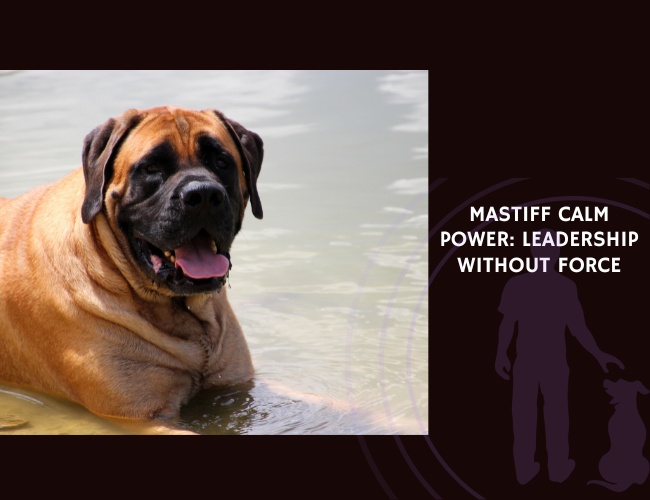
Introduction: The Silent Guardian’s Ancient Wisdom
Picture this: a massive Bullmastiff standing perfectly still, eyes calm yet alert, presence commanding yet gentle. No raised voice, no force, no tension—just a profound sense of authority that seems to radiate from stillness itself. This is Calm Power, and it represents a complete reimagining of how we understand leadership with guardian breeds.
For centuries, traditional dog training has relied on dominance, correction, and force to achieve obedience. We’ve been taught that big dogs—especially protective breeds like the Bullmastiff—need firm handling and clear displays of physical authority. But what if everything we thought we knew about leadership was backwards? What if true authority doesn’t come from what we do to a dog, but from who we are in their presence?
The Bullmastiff’s history offers us a clue. Bred as silent estate guardians in 19th-century England, these dogs were selected not for aggression or reactivity, but for discernment, patience, and controlled power. They needed to distinguish between threats and innocent passersby, hold intruders without mauling them, and make split-second decisions without handler instruction. This required something far more sophisticated than simple obedience—it demanded emotional intelligence, impulse control, and an ability to read subtle social cues.
What emerges from their heritage is a breed uniquely equipped to respond to leadership that speaks through energy rather than force. When we understand this, we begin to see that effective guidance for guardian breeds isn’t about dominating their will—it’s about regulating their nervous system through our own emotional coherence. 🧠
Next, we’ll explore the profound science behind why calm leadership creates such powerful behavioral outcomes.
The Neurobiology of Presence: How Calm Changes Everything
Your emotional state isn’t invisible to your Bullmastiff—it’s the loudest communication happening between you. While you might think you’re successfully hiding stress or anxiety behind a firm voice and commanding posture, your dog’s nervous system is reading the truth written in your heart rate variability, breath rhythm, and micro-expressions.
The Polyvagal Connection
At the center of this communication sits the vagal nerve system, specifically what Stephen Porges calls the “social engagement system.” When you’re genuinely calm—not just outwardly controlled, but internally settled—your ventral vagal system activates. This physiological state broadcasts safety through dozens of subtle signals: softer eye muscles, warmer vocal tones, slower breathing, and relaxed facial expressions.
Your Bullmastiff’s nervous system picks up on these cues and mirrors them through a process called autonomic synchrony. Their heart rate begins to match your calm rhythm. Their cortisol levels drop as yours do. This isn’t training—it’s co-regulation, where two nervous systems create a shared state of balanced alertness without stress.
Signs Your Calm Is Creating Co-Regulation:
- Your dog’s breathing slows to match your relaxed rhythm
- Eye contact becomes soft rather than hard or avoidant
- Body posture loosens—shoulders drop, jaw relaxes
- Your Bullmastiff chooses to stay near you rather than scanning constantly
- They settle more quickly in new environments when you’re present
- Response to cues becomes more fluid and less hesitant
Beyond the Amygdala: The Prefrontal Advantage
When a Bullmastiff encounters something uncertain—a stranger at the door, an unusual sound, an unfamiliar dog—their brain faces a choice. The amygdala screams for immediate defensive action. But the prefrontal cortex offers a different path: assessment, delayed response, measured reaction.
Through the NeuroBond approach, your calm presence strengthens the neural pathway between your dog’s prefrontal cortex and their amygdala. Think of it as building a highway that allows rational evaluation to reach emotional centers before they trigger reactive behavior. Every time your Bullmastiff encounters uncertainty while you remain emotionally grounded, this neural pathway strengthens.
Force-based methods do the opposite. They flood the system with cortisol and adrenaline, strengthening the amygdala’s dominance and weakening prefrontal regulation. The dog may appear obedient in the moment, but you’re actually building a nervous system that’s increasingly reactive and less capable of self-regulation.
What Force-Based Training Does to the Nervous System:
- Elevates chronic cortisol levels, impairing memory and learning
- Strengthens amygdala pathways, increasing reactivity over time
- Weakens prefrontal cortex control, reducing impulse regulation
- Creates association between learning contexts and threat/stress
- Reduces behavioral flexibility—dog can only perform under pressure
- Damages trust bond, making dog less likely to seek guidance
The Oxytocin Bridge
Perhaps most remarkably, calm leadership creates a neurochemical bond that transcends species. Research shows that when you gaze calmly into your Bullmastiff’s eyes—not with the hard stare of dominance, but with the soft eyes of connection—both your oxytocin levels rise. This creates what we might call a “trust loop,” where connection breeds more connection.
Guardian breeds like the Bullmastiff were selected for their ability to work independently, making decisions in your absence. This means their bond with you must be built on something deeper than fear of consequences. Oxytocin-mediated attachment gives them an internal compass that continues to guide behavior even when you’re not present—because they’ve internalized your calm authority as their emotional baseline. 🧡
Next, we’ll explore how Bullmastiffs communicate their receptivity to this kind of leadership through their unique behavioral language.
Character & Behavior: Reading the Guardian’s Heart
The Bullmastiff’s behavioral profile tells a story of restraint, assessment, and purposeful action. Unlike high-drive working breeds that thrive on intensity and momentum, these guardian dogs operate from a fundamentally different emotional architecture—one that makes them uniquely responsive to calm, presence-based leadership.
The Architecture of Inhibition
One of the most striking characteristics of a well-bred Bullmastiff is their natural inhibition. You might notice that while other breeds react immediately to stimuli, your Bullmastiff observes first. There’s a moment of assessment, a pause where they’re reading both the situation and your response before determining their own.
This isn’t hesitation or fear—it’s sophisticated social cognition. Their low prey drive means they’re not wired for the explosive chase response that dominates many working breeds. Instead, they’re built for sustained alertness without agitation, presence without harassment, and the ability to escalate force only when genuinely necessary.
Energy Reading and Social Scanning
Watch a Bullmastiff entering a new environment, and you’ll see something remarkable. Their eyes move constantly, but not frantically. They’re conducting what might be called an “energy audit,” assessing not just who is present but the emotional temperature of each individual and the space itself.
This scanning behavior reveals something crucial: Bullmastiffs are emotional context specialists. They need to understand the social landscape before determining their role within it. When you provide calm, clear emotional signals, you’re giving them the foundational data they need to relax into appropriate behavior.
Conversely, if your energy is anxious, scattered, or incongruent—if your body says “calm” but your nervous system broadcasts “threat”—your Bullmastiff receives conflicting information. Unable to determine the true context, they may default to heightened vigilance or suppressed anxiety.
The Guardian’s Paradox: Confidence Through Connection
Here’s something that surprises many first-time guardian breed owners: these powerful dogs are often socially sensitive. They read disapproval keenly, carry stress from conflict, and can become anxious when family harmony is disrupted.
This sensitivity isn’t weakness—it’s the very trait that makes them such discerning guardians. A dog that reads emotional nuance can distinguish between a guest who belongs and an intruder who doesn’t, between rough play and genuine aggression, between confidence and threat.
Through the lens of Soul Recall, we understand that your Bullmastiff is building an emotional memory bank of experiences. Each interaction where you remained calm during uncertainty teaches them that uncertainty doesn’t equal danger. Each moment where your presence steadied them becomes a reference point they can access when facing similar situations alone.
Stress Signals and Social Barometers
Learning to read your Bullmastiff’s subtle stress signals gives you insight into their emotional state before it escalates into obvious reactive behavior. You might notice a slight tension in their jaw, a change in ear position, or what ethologists call “displacement behaviors”—yawning, lip licking, or scratching when not actually itchy.
Subtle Stress Signals to Watch For:
- Whale eye (showing the whites of their eyes)
- Lip licking or nose licking when no food is present
- Yawning in contexts where they’re not tired
- Panting when temperature doesn’t explain it
- Tense jaw or pulled-back whisker pads
- Ears pinned back or held in unusual positions
- Body weight shifted backward or away from stimulus
- Refusing treats they normally love
- Excessive shedding during stressful situations
- Scratching or grooming when it seems out of context
These signals aren’t defiance or stubbornness. They’re requests for co-regulation. Your dog is essentially asking, “How should I feel about this?” This is your opportunity to answer not with words, but with the calm authority of your nervous system. 🐾
Next, we’ll explore the specific training approaches that honor this behavioral framework while building reliable responsiveness.
Training & Education: Building Trust Through Emotional Authority
Traditional training often treats the dog as an opponent to be controlled. But what if we approached training as a conversation between nervous systems, where your calm clarity becomes the foundation for your Bullmastiff’s behavioral stability?
The Foundation: Presence Before Commands
Before teaching a single command, establish what we might call “emotional baseline training.” This means your Bullmastiff first learns to regulate their arousal in your presence. You become their safe base from which they can observe the world without reactivity.
Start with stillness practice. Simply sit with your dog in various environments—your home, your yard, a quiet park—without demanding anything. Your only job is to maintain internal calm. Notice your breath, soften your gaze, let your shoulders drop. You might be surprised at how challenging this is, and that challenge reveals why your dog may struggle with regulation.
Stillness Practice Guidelines:
- Choose 5-10 minutes daily in a low-distraction environment initially
- Sit on the ground or in a chair—whatever feels sustainable
- Focus on your own breath: inhale for 4 counts, exhale for 6
- Allow your dog to move, sniff, or settle without correction
- Notice tension in your body and consciously release it
- If your mind wanders to tasks or worries, gently return to breath
- Don’t force interaction—let your dog choose proximity
- Gradually increase duration and environmental challenge
- Track changes in how quickly your dog settles over weeks
As you practice genuine calm, you’ll notice your Bullmastiff’s behavior shifting. They may initially be restless or attention-seeking, but gradually they settle. This settling isn’t obedience—it’s nervous system synchronization. You’re teaching them that arousal can flow back down, that alert doesn’t mean anxious, and that safety comes from your emotional coherence.
Spatial Pressure and the Invisible Leash
One of the most powerful tools in calm leadership is the use of spatial awareness. The Invisible Leash concept recognizes that your energy creates invisible boundaries that a connected dog respects without physical correction.
Try this: stand still and simply intend for your dog to move in a particular direction. Don’t point, don’t command, just hold a clear mental picture and allow your body to subtly orient toward that space. A Bullmastiff attuned to your energy will often move as if guided by an unseen force.
This isn’t magic—it’s social cognition responding to micro-cues in your posture, weight distribution, and focus. Wild canids use this kind of spatial communication constantly, and domestic dogs retain this capacity. When you communicate through space and energy rather than force, you’re speaking their native language.
The Power of Non-Verbal Authority
Verbal commands have their place, but over-reliance on them can actually weaken your authority. Why? Because words can be disconnected from emotional coherence. You can shout “down” while broadcasting anxiety, creating a mixed message that confuses rather than guides.
Instead, develop a repertoire of non-verbal cues: body orientation for direction, stillness for calm, soft eyes for reassurance, a raised hand for pause, a slight weight shift for subtle redirection. Your Bullmastiff will learn to read these cues with remarkable precision because they align with how dogs naturally communicate.
Non-Verbal Communication Repertoire:
- Body orientation: Turn your shoulders toward desired direction
- Stillness: Stand motionless to request calm or attention
- Soft eyes: Relaxed gaze signals safety and approval
- Raised palm: Open hand at chest height means “pause” or “wait”
- Weight shift forward: Slight lean creates gentle spatial pressure
- Weight shift backward: Step back to invite approach or release pressure
- Shoulder drop: Visible relaxation signals “all is well”
- Slow blink: Communicates trust and non-threat
- Turning away: De-escalates tension or redirects fixation
Delayed Reward and Impulse Building
Guardian breeds need strong impulse control, but this doesn’t come from suppression—it comes from building the neural capacity for delayed gratification. Practice exercises where your Bullmastiff must wait in the presence of something they want, not because they fear correction, but because they trust that patience is rewarded.
Place their food bowl on the ground and simply stand calmly between them and the bowl. Don’t give a “wait” command. Don’t block them physically. Just hold the space with calm certainty. When they choose to wait—and they will, sometimes after several attempts to move around you—release them with a calm gesture.
This teaches something profound: restraint from choice rather than compulsion. Over time, this builds the prefrontal strength they need to handle real-world triggers—another dog, a running child, a strange noise—without reactive response.
Impulse Control Exercises to Practice:
- Food bowl patience: Stand between dog and bowl, release when they choose to wait
- Door threshold calm: Dog must settle before door opens for walks
- Greeting control: Guests acknowledged only after dog offers calm state
- Toy release: Dog drops toy on calm gesture, not command, before play resumes
- Walking courtesy: Stop walking when leash tightens; resume when slack returns
- Treat taking gentleness: Offer treat, withdraw if snapped at, offer again when calm
- Distraction passing: Walk past interesting stimulus, reward choice to maintain focus
- Stay with temptation: Remain in position while toy/treat placed nearby
Correction Without Cortisol
Sometimes your Bullmastiff makes choices that need redirection. Calm Power doesn’t mean permissive—it means correcting without flooding their nervous system with stress hormones.
When your dog makes an undesirable choice, your response should be immediate but emotionally neutral. A simple spatial interrupt—stepping into their space with calm certainty—is often enough. You’re not punishing; you’re providing clear information: “That path is closed. Choose again.”
The key is maintaining your own regulation. If correction makes your heart race or your jaw clench, your dog feels your dysregulation and experiences the correction as emotional threat rather than clear guidance. This is why your own nervous system regulation is the foundation of effective training. 😊
Next, we’ll explore how daily activities and environmental structure support this training philosophy.

Performance & Activities: Channeling Power Through Purpose
A Bullmastiff without purpose is a dog at risk for anxiety, displacement behaviors, or problematic guarding. But purpose doesn’t mean intense physical exercise—it means giving their sophisticated brain and protective instincts appropriate outlets.
Mental Engagement Over Physical Exhaustion
Many people assume large guardian breeds need hours of running or intense physical activity. While Bullmastiffs certainly need movement, what they truly require is mental engagement. Their brain was built for assessment, discrimination, and decision-making—functions that demand cognitive work.
Scent work offers ideal mental stimulation. Hide treats or toys around your property and encourage your Bullmastiff to search using their nose. This satisfies their investigative drive, provides problem-solving challenges, and tires their brain far more effectively than simple physical exercise.
Mental Engagement Activities:
- Scent trails: Drag treat-filled sock across yard, let dog track it
- Container search: Place treats in boxes, let dog investigate which contain rewards
- Name recognition: Teach names of specific toys, ask for retrieval by name
- Food puzzles: Use puzzle feeders or snuffle mats for meals
- New route walks: Vary walking routes to provide novel environmental input
- Object discrimination: Teach dog to select specific item from multiple options
- Boundary patrol: Walk property perimeter together, allowing investigation
- “Find it” games: Hide treats in increasingly challenging locations
- Observational outings: Sit in new locations, simply watching world together
You might also try boundary work, where your dog learns to patrol a specific area with calm alertness. Walk the perimeter of your yard together, pausing at corners, allowing them to investigate and mark the boundaries. This satisfies their territorial awareness while giving structure to their protective instincts.
Structured Socialization: Quality Over Quantity
Socialization for guardian breeds isn’t about making them love everyone—it’s about teaching them to remain calm and discerning in the presence of novelty. Your goal isn’t a Bullmastiff who greets strangers with enthusiastic friendliness, but one who can assess new people and situations without anxiety or reactivity.
Practice calm observation exercises. Take your dog to various environments—parks, downtown areas, outdoor cafes—and simply sit together. Don’t encourage interaction with others. Your job is to be the calm anchor while your dog observes the world. If they show interest in someone, allow brief, polite acknowledgment, but then redirect their attention back to you.
This teaches them that the world is full of people and dogs who exist but don’t require their intervention. You’re building the neural pathway between “novel stimulus” and “calm assessment” rather than the more common pathway between “novel stimulus” and “reactive response.”
Cooperative Activities That Honor Their Nature
Bullmastiffs often excel at activities that allow them to use their natural abilities in controlled contexts. Nose work and tracking tap into their investigative nature. Therapy work—where appropriate temperaments serve in calm, supportive roles—can be deeply satisfying for dogs who enjoy measured social interaction.
Some Bullmastiffs enjoy dock diving, which might seem surprising for a breed not known for water enthusiasm. But the structured nature of the activity, the clear beginning and end, and the opportunity for focused effort appeal to their preference for purposeful action.
Weight pull can also be appropriate for dogs who enjoy physical challenge, as long as it’s approached with proper conditioning and technique. The key is matching activities to your individual dog’s temperament and interests rather than forcing them into roles that conflict with their natural inclinations.
Rest as a Legitimate Activity
Perhaps most importantly, teach your Bullmastiff that rest is not just acceptable—it’s expected. One challenge with guardian breeds is their tendency toward hypervigilance, where they feel responsible for monitoring everything constantly.
Create designated rest periods where you model calm relaxation. This might mean lying on the floor together, both of you simply breathing and releasing tension. It might mean structured “downtime” where your dog learns to settle on a mat while family life continues around them.
This isn’t laziness—it’s teaching nervous system recovery. A dog who knows how to truly rest is a dog who can return to alertness when needed without operating from chronic stress. 🧠
Next, we’ll explore the nutritional foundation that supports calm, balanced behavior.
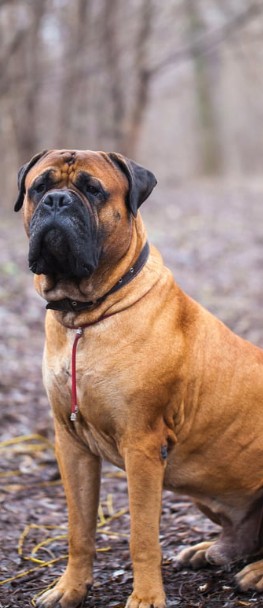
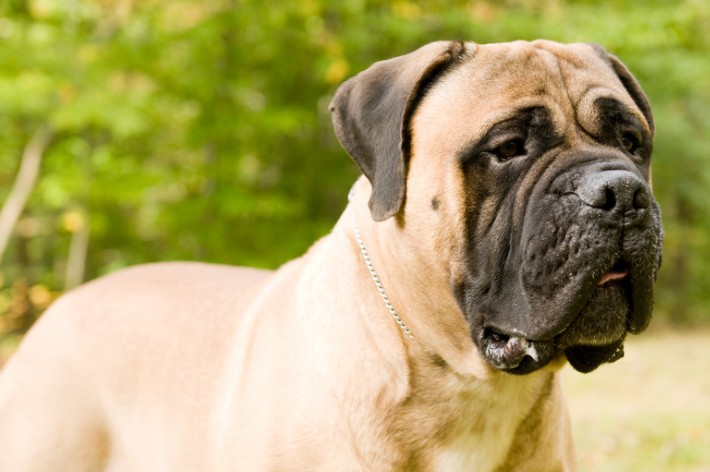
Grounded. Balanced. Commanding.
Presence outweighs pressure.
Your Bullmastiff responds not to volume or dominance, but to the steadiness of your nervous system—true authority radiates through coherence, not control.
Calm governs chemistry.
When your body moves with slow breath and relaxed tone, your dog’s vagal system mirrors safety, shifting from guarding tension to peaceful readiness.

Leadership becomes harmony.
By mastering your own energy, you lead without force, guiding power through trust—proof that stillness is the strongest signal a guardian can read.
Nutritional Recommendations: Feeding the Calm Brain
What you feed your Bullmastiff doesn’t just fuel their body—it directly impacts their nervous system function, inflammatory response, and capacity for emotional regulation. Nutrition is a powerful, often overlooked component of behavioral stability.
The Gut-Brain Axis: Where Behavior Begins
Recent research has revolutionized our understanding of how digestive health affects behavior. The gut microbiome produces neurotransmitters, regulates inflammation, and communicates directly with the brain through the vagus nerve—the same nerve system involved in calm social engagement.
When gut health is compromised—through poor diet, food sensitivities, or microbial imbalance—the resulting inflammation can increase anxiety, reactivity, and stress sensitivity. You might notice that your Bullmastiff seems more on edge, more easily triggered, or less able to settle even when nothing obvious has changed. Often, the root cause is digestive.
Protein Quality and Amino Acid Balance
Guardian breeds need high-quality protein not just for muscle maintenance, but for neurotransmitter production. Tryptophan converts to serotonin, affecting mood and impulse control. Tyrosine supports dopamine and norepinephrine, influencing motivation and focus.
Look for whole food protein sources: muscle meat, organ meat, and bone broth. Each provides different amino acid profiles and micronutrients. Rotating protein sources—beef, lamb, fish, poultry—ensures your Bullmastiff receives a broad spectrum of nutrients while reducing the risk of developing sensitivities.
Optimal Protein Sources for Guardian Breeds:
- Beef: Rich in zinc, B vitamins, and complete amino acid profile
- Lamb: High in omega-3s when grass-fed, excellent for sensitive digestions
- Fish (salmon, sardines, mackerel): Outstanding omega-3 content for brain health
- Turkey: Naturally high in tryptophan, supports serotonin production
- Organ meats (liver, kidney, heart): Nutrient-dense, excellent mineral content
- Eggs: Complete protein with bioavailable nutrients, includes choline
- Bone broth: Provides collagen, glucosamine, easy-to-absorb minerals
- Duck: Novel protein, often well-tolerated by dogs with sensitivities
Fat for Brain Health
Your Bullmastiff’s brain is approximately 60% fat, making dietary fat crucial for cognitive function and emotional regulation. Omega-3 fatty acids from fish oil or whole fish reduce inflammation, support neural membrane integrity, and have been shown to decrease anxiety and aggression in multiple studies.
However, balance matters. Too much omega-6 (from many plant oils and grain-fed meat) relative to omega-3 creates pro-inflammatory conditions. Aim for a ratio closer to 5:1 or even 3:1 omega-6 to omega-3, far lower than the 20:1 or higher ratio in many commercial diets.
Minerals for Nervous System Function
Magnesium deserves special attention for its role in nervous system regulation. Often called “nature’s relaxation mineral,” magnesium is involved in over 300 biochemical reactions, including those that regulate stress response and muscle relaxation.
Many dogs are functionally deficient in magnesium, especially those fed primarily processed foods. Supplementing with magnesium glycinate or providing food sources like pumpkin seeds, spinach, and bone broth can make a noticeable difference in your Bullmastiff’s ability to settle and manage stress.
Zinc and B-vitamins also play crucial roles in neurotransmitter production and stress hormone regulation. These nutrients are abundant in organ meats, particularly liver, making weekly organ meat inclusion a valuable practice.
Calming Nutrients and Natural Sources:
- Magnesium: Pumpkin seeds, spinach, bone broth, dark leafy greens
- Omega-3 fatty acids: Wild-caught fish, fish oil, grass-fed meat, chia seeds
- Tryptophan: Turkey, eggs, pumpkin, sweet potato
- B-complex vitamins: Liver, nutritional yeast, eggs, grass-fed beef
- Zinc: Red meat, liver, pumpkin seeds, oysters
- L-theanine: Green tea (small amounts), certain mushrooms
- Glycine: Bone broth, collagen, gelatin
- Taurine: Heart meat, dark poultry meat, fish
Avoiding Hidden Stressors
Many commercial dog foods contain ingredients that can increase reactivity or anxiety. Artificial colors, preservatives like BHA and BHT, and high levels of simple carbohydrates can all affect behavior through various mechanisms—blood sugar spikes and crashes, inflammatory responses, or direct neurotoxic effects.
Common food sensitivities—wheat, corn, soy, and even chicken in some lines—can trigger low-grade inflammation that manifests as behavioral changes before obvious physical symptoms appear. If your Bullmastiff seems increasingly reactive or anxious without environmental cause, consider an elimination diet to identify potential triggers.
Dietary Stressors That May Affect Behavior:
- Artificial colors (Red 40, Yellow 5, Blue 2): Linked to hyperactivity
- Chemical preservatives (BHA, BHT, ethoxyquin): Potential neurotoxic effects
- High glycemic carbohydrates: Create blood sugar spikes and crashes
- Common allergens: Wheat, corn, soy, conventional chicken
- Excessive omega-6 oils: Canola, soybean, sunflower oil in large amounts
- Artificial flavors: May trigger inflammatory responses
- Rendered by-products: Variable quality, potential contamination
- Excessive calcium: Particularly problematic in growing large breeds
Feeding Patterns and Meal Timing
When you feed can be as important as what you feed. Large meals followed by activity increase bloat risk in deep-chested breeds. But beyond physical safety, meal timing affects energy patterns throughout the day.
Consider splitting daily food into two or three smaller meals rather than one large feeding. This maintains more stable blood sugar and energy levels, reducing the anxiety or hyperactivity that can follow hunger or rapid blood sugar changes. Some owners notice their Bullmastiff is calmer in the evening when dinner is served earlier, allowing digestion to complete before bedtime.
Hydration and Behavior
Even mild dehydration affects cognitive function and stress tolerance. Ensure fresh water is always available, and consider adding bone broth to meals for dogs who don’t drink enthusiastically. Proper hydration supports every cellular function, including those governing emotional regulation and impulse control. 🧡
Next, we’ll examine the health considerations that can impact behavioral stability.
🐕 The 8 Phases of Calm Power Leadership 🧠
From Force-Based Control to Neurobiological Authority with Your Bullmastiff
Phase 1: Understanding Your Own Nervous System
The Foundation Before Leadership Begins
The Science: Your Dog Reads Your Biology
Your Bullmastiff’s nervous system constantly monitors your heart rate variability, breath rhythm, and micro-expressions. When you’re internally stressed but externally “calm,” your dog feels the incongruence. This creates confusion and anxiety because their ancient brain is receiving mixed signals about safety.
What You’ll Notice
• Your body holds tension in shoulders, jaw, or chest even when you think you’re relaxed
• Your breath becomes shallow during challenging moments with your dog
• Your heart races when your Bullmastiff encounters triggers
• You realize performed calm differs dramatically from felt calm
Practice: Self-Regulation Training
Spend 5-10 minutes daily practicing conscious breath regulation: inhale for 4 counts, exhale for 6 counts. Notice where tension lives in your body. Practice releasing it consciously. This isn’t preparation for working with your dog—this IS the work. Your regulated nervous system becomes the teaching tool.
Phase 2: Building the Stillness Practice
Teaching Nervous System Synchronization
The Science: Autonomic Co-Regulation
When you sit in genuine stillness—not rigidity, but relaxed presence—your ventral vagal system activates. Your Bullmastiff’s nervous system begins to entrain to your calm rhythm through autonomic synchrony. This creates a shared physiological state where arousal can flow down naturally without commands or corrections.
What You’ll Notice
• Initial restlessness from your dog—they’re testing if you really mean it
• Gradual settling as they match your energy
• Deeper breathing and softer eye contact emerging
• Your dog choosing to stay near you without being told
• Challenges in maintaining YOUR stillness (this reveals your baseline)
Practice: The 10-Minute Sit
Sit with your Bullmastiff daily in various environments without agenda. Don’t demand anything. Simply maintain internal calm—breath flowing, body relaxed, mind present. Allow them to be restless, curious, or eventually settled. You’re teaching that arousal can decrease, that alert doesn’t mean anxious, that safety comes from your presence.
Phase 3: Developing Non-Verbal Communication
Speaking Your Bullmastiff’s Native Language
The Science: Spatial Cognition and Energy Reading
Dogs communicate primarily through body orientation, spatial pressure, and energy shifts—not words. Through the Invisible Leash concept, your Bullmastiff learns to respond to your intention, posture, and subtle weight shifts. This mirrors how wild canids coordinate movement and establish hierarchy through spatial dynamics rather than vocal commands.
What You’ll Notice
• Your dog responding to your body orientation before verbal cues
• Movement guided by where you look or lean
• Increased sensitivity to your spatial presence
• Reduced need for repeated commands
• Smoother, more intuitive cooperation between you
Practice: Spatial Influence Exercises
Stand still and simply intend for your dog to move in a direction—don’t point or command, just hold clear intention and orient your body subtly. Practice using raised palm for “pause,” weight shift forward for gentle pressure, turning away to de-escalate. Build a silent vocabulary your Bullmastiff reads with remarkable precision.
Phase 4: Strengthening Prefrontal Control
Building Neural Pathways for Impulse Regulation
The Science: Prefrontal-Amygdala Balance
Every time your Bullmastiff chooses to wait in the presence of something they want, they’re strengthening the neural highway between prefrontal cortex (rational assessment) and amygdala (emotional reactivity). This builds the capacity for delayed gratification and measured response—essential for guardian breeds who must discriminate between actual threats and normal stimuli.
What You’ll Notice
• Initial frustration or attempts to go around you to desired object
• Moment of pause before acting—this is prefrontal engagement
• Increasingly longer waits without correction needed
• Transferred impulse control to new situations
• Calmer responses to triggers like other dogs or running children
Practice: Choice-Based Waiting
Place food bowl down, stand calmly between dog and bowl—no “wait” command, no physical blocking. Simply hold the space with calm certainty. When your dog chooses to wait, release them with a calm gesture. This teaches restraint from choice rather than compulsion, building genuine self-regulation capacity.
⚠️ Critical Warning
Never use force or intimidation during impulse exercises. If you’re tense, frustrated, or using physical blocking, you’re building suppression through fear—not genuine impulse control. Your dog should choose to wait because they trust your leadership, not because they fear consequences.
Phase 5: Creating Positive Emotional Memory
Building Reference Points Through Soul Recall
The Science: Emotional Memory Banks
Through Soul Recall, your Bullmastiff builds an emotional memory library where uncertainty paired with your calm presence equals safety. Each experience where you remained grounded during something novel creates a reference point they can access when facing similar situations alone. This is how guardian breeds learn to make independent decisions aligned with your values.
What You’ll Notice
• Your dog checks in with you during uncertain situations
• Faster recovery from startling events
• Appropriate responses to familiar trigger contexts
• Reduced reliance on your physical presence—they’ve internalized your calm
• Ability to self-regulate in situations you’ve practiced together
Practice: Graduated Exposure with Calm Anchoring
Expose your Bullmastiff to various novel situations—new environments, sounds, people—while you maintain unshakeable calm. Don’t force interaction; simply be the steady presence while they observe. Each positive experience where novelty + your calm = safety strengthens their confident, measured approach to the unknown.
Phase 6: Reading Subtle Stress Signals
Intervening Before Escalation
The Science: Early Intervention Windows
Your Bullmastiff displays subtle stress signals long before obvious reactivity appears. Whale eye, lip licking, yawning, and body weight shifts are requests for co-regulation—your dog asking “How should I feel about this?” Responding with calm presence during these early signals prevents escalation and teaches emotional recovery patterns.
What You’ll Notice
• Micro-signals you previously missed—tension in jaw, ear position shifts
• Your dog’s stress signature (their unique pattern of early signals)
• Opportunity to intervene before reactive threshold
• Faster return to baseline when you respond to early signals
• Growing trust as your dog realizes you notice their discomfort
Practice: Signal Response Training
Watch for your dog’s earliest stress signals in various contexts. When you notice lip licking, whale eye, or body tension, offer calm presence—slow your breath, soften your posture, create space from the stressor if needed. You’re teaching them that discomfort signals bring help, not dismissal or punishment.
Phase 7: Creating the Container for Calm
Environmental Support for Regulation
The Science: Reducing Cognitive Load
A Bullmastiff managing unclear territory boundaries or constant visual stimulation operates in chronic low-grade stress. Environmental structure—solid fencing, limited window access during peak times, predictable routines—reduces the need for constant vigilance. This frees neural resources for emotional regulation and appropriate responsiveness rather than exhausting hypervigilance.
What You’ll Notice
• Reduced pacing or window watching
• Easier settling during rest periods
• Less reactivity to external stimuli
• More relaxed body language throughout the day
• Better sleep quality and recovery
Practice: Territory Definition
Limit visual access to high-traffic areas using window film or curtains during peak times. Create designated observation posts rather than allowing monitoring from everywhere. Establish consistent routines for meals, walks, and rest. Walk property boundaries together, defining “your” territory versus “monitoring zones.” Give structure that supports calm rather than demanding it.
Phase 8: Sustaining Calm Power Through Life Stages
From Puppyhood Through Senior Years
The Science: Lifelong Neuroplasticity
Through the NeuroBond framework, we understand that nervous systems remain plastic throughout life. Your adolescent Bullmastiff can rebuild emotional regulation after hormonal surges. Your senior can adapt to cognitive changes while maintaining trust in your leadership. The principles don’t change—only the application adjusts to developmental stage and physical capacity.
What You’ll Notice
• Adolescent regression isn’t failure—it’s neurodevelopmental restructuring
• Senior anxiety decreases when your calm remains constant through their changes
• Health challenges become manageable when emotional foundation is strong
• Your consistency through life stages deepens trust exponentially
• The relationship evolves while core dynamics remain stable
Practice: Adaptive Leadership
Adjust expectations to developmental stage while maintaining core principles. Adolescent? Expect testing while staying calm. Senior with cognitive decline? Provide more structure and reassurance while honoring their dignity. Injured or ill? Offer calm support through vulnerability. Your emotional coherence adapts to context without abandoning foundation.
🔄 Calm Power vs. Traditional Training: Key Differences
Authority Source
Calm Power: Emotional coherence and nervous system regulation create natural authority
Traditional: Physical dominance, corrections, and fear of consequences establish control
Learning Mechanism
Calm Power: Co-regulation teaches dogs to choose appropriate behavior from internal stability
Traditional: External pressure forces compliance without building genuine self-regulation capacity
Stress Hormones
Calm Power: Maintains cortisol in adaptive range, preserves brain function and learning capacity
Traditional: Chronically elevates cortisol, impairs memory, increases amygdala dominance over time
Neural Development
Calm Power: Strengthens prefrontal-amygdala pathways, builds impulse control and emotional regulation
Traditional: Reinforces amygdala dominance, creating reactive patterns and suppressed behavior
Handler Requirements
Calm Power: Demands personal emotional work, nervous system awareness, consistent internal state
Traditional: Requires physical strength, timing of corrections, willingness to use force
Long-Term Outcomes
Calm Power: Trust-based partnership, behavioral flexibility, confident independent decision-making
Traditional: Compliance under pressure, reduced confidence, potential for suppressed reactivity
⚡ Quick Reference: The Calm Power Formula
Your Calm Nervous System + Consistent Presence + Clear Boundaries = Regulated Bullmastiff
• Daily Practice: 10 minutes stillness + breath regulation before any training
• Non-Verbal Focus: 80% body language, 20% verbal commands
• Impulse Building: 3-5 choice-based waiting exercises daily
• Environmental Structure: Clear territory boundaries + predictable routines
• Early Intervention: Respond to subtle stress signals before escalation
• Core Principle: Who you ARE matters more than what you DO
🧡 The Essence of Calm Power
Calm Power isn’t a training method—it’s a relationship paradigm where leadership flows from being rather than doing. Through the NeuroBond framework, we recognize that your emotional coherence becomes the teaching tool, your regulated nervous system the guide, and your consistent presence the foundation for your Bullmastiff’s behavioral stability.
The Invisible Leash reminds us that true authority doesn’t require force—it emanates from genuine calm that your dog’s ancient brain recognizes as safety. Each moment of Soul Recall, where your Bullmastiff accesses emotional memories of your steady presence during uncertainty, strengthens their capacity for independent, confident decision-making aligned with your values.
This is leadership without dominance, authority without coercion, and power expressed through presence. This is the guardian breed partnership that honors both the magnificent capability of the Bullmastiff and the profound responsibility of the human who guides them. That balance between neuroscience and soul, between structure and connection—that’s the essence of Zoeta Dogsoul.
© Zoeta Dogsoul – Where neuroscience meets soul in dog training
Health Concerns: The Body-Behavior Connection
Physical discomfort, hormonal imbalances, and underlying health conditions can dramatically alter your Bullmastiff’s behavior and their capacity to benefit from calm leadership. Understanding these connections helps you distinguish between training issues and health concerns requiring veterinary attention.
Orthopedic Pain and Reactive Behavior
Large guardian breeds are prone to hip dysplasia, elbow dysplasia, and arthritis—conditions that cause chronic pain. A Bullmastiff in pain may become more reactive, less tolerant of approach, or resistant to activities they previously enjoyed.
You might notice subtle signs before obvious lameness appears: reluctance to climb stairs, difficulty rising from rest, shortened stride, or what looks like “stubborn” refusal to obey commands that require physical effort. Dogs in chronic pain also show increased cortisol levels, making them more stress-reactive and less able to regulate emotions.
Behavioral Signs of Orthopedic Pain:
- Reluctance or slowness when rising from lying position
- Hesitation before jumping into car or onto furniture
- Taking stairs one step at a time or avoiding stairs entirely
- Shortened stride or altered gait patterns
- Reduced play behavior or early withdrawal from activity
- Increased irritability when touched in specific areas
- Changes in sleeping position or difficulty finding comfort
- “Grumpy” responses to familiar handling or grooming
- Stiffness after rest that improves with movement
- Decreased tail wagging or rigid tail carriage
Regular veterinary assessment, appropriate pain management, and supportive therapies like physical rehabilitation can restore not just physical function but emotional stability. Many dogs whose behavior problems seemed training-related show dramatic improvement once pain is properly addressed.
Thyroid Function and Emotional Regulation
Hypothyroidism—underactive thyroid function—is common in many large breeds and can profoundly affect behavior. Low thyroid hormone levels are associated with increased anxiety, reactivity, aggression, and reduced stress tolerance.
The connection makes sense when you understand that thyroid hormones regulate metabolism at the cellular level, including brain cells. Insufficient thyroid function means reduced neural efficiency, affecting everything from impulse control to emotional processing.
Behavioral Signs of Possible Hypothyroidism:
- Unexplained increase in fearfulness or anxiety
- New-onset aggression or reactivity without obvious trigger
- Mental dullness or reduced engagement with environment
- Increased sleep or lethargy beyond normal breed baseline
- Weight gain despite unchanged diet and exercise
- Reduced tolerance for stress or frustration
- Apparent “regression” in previously solid training
- Increased cold sensitivity or heat-seeking behavior
- Changes in coat quality (dull, thinning, or brittle)
- Mood changes—depressive or anxious patterns
If your Bullmastiff shows unexplained behavioral changes—increased anxiety, reactivity, or what seems like “regression” in training—request a full thyroid panel, not just the basic screening test many vets perform. Treatment can produce remarkable behavioral improvement alongside physical benefits.
Hormonal Influences: The Intact Dog Consideration
Intact males and females experience hormonal fluctuations that affect behavior and stress tolerance. Testosterone increases confidence but can also increase territorial behavior and challenge-seeking. Estrus cycles in females create periods of heightened sensitivity, distraction, or anxiety.
The decision to spay or neuter should consider both behavioral and health factors, ideally delaying surgery until skeletal maturity in large breeds. Early spaying/neutering has been linked to increased anxiety and reactivity in some studies, possibly because these hormones play important roles in brain development.
Work with a veterinarian familiar with current research on timing of reproductive surgery in large breeds to make an informed decision for your individual dog.
Sensory Changes and Behavioral Impact
As Bullmastiffs age, declining vision or hearing can create anxiety or reactivity. A dog who can’t hear your approach may startle more easily, appearing “aggressive” when actually just frightened. Reduced vision can make unfamiliar environments more stressful, as they can’t assess contexts as clearly.
Regular sensory assessment helps you understand your dog’s changing experience of the world and adjust your handling accordingly. A dog with declining hearing needs more visual cues. A dog with vision loss benefits from consistent environments and auditory signals.
Digestive Issues and Stress Behavior
We discussed the gut-brain connection in nutrition, but acute digestive problems—from parasites to inflammatory bowel disease—can also affect behavior. The vagus nerve carries signals from the gut to the brain, meaning digestive discomfort translates to emotional distress.
A dog with chronic digestive upset may be more anxious, less able to settle, or more reactive to stress. They may also be uncomfortable lying down, leading to restlessness that looks like hyperactivity or inability to relax. Addressing digestive health often resolves behavioral symptoms that appeared unrelated. 🐾
Next, we’ll explore how environment and lifestyle choices support your Bullmastiff’s behavioral balance.
Lifestyle & Environment: Creating the Container for Calm
Your Bullmastiff’s physical and social environment either supports or undermines their capacity for emotional regulation. Understanding how to structure their world sets the foundation for successful calm leadership.
The Power of Predictable Routine
Guardian breeds thrive on consistency. A predictable daily rhythm—regular meal times, walks at similar hours, expected rest periods—reduces the cognitive load of constantly assessing “what happens next?” This mental efficiency leaves more resources for emotional regulation and appropriate responsiveness.
You might create a morning routine that includes a calm wake-up, bathroom break, brief sniffing time in the yard, breakfast, and then a settling period. Evening might involve a neighborhood walk, dinner, family time, and designated rest. The specifics matter less than the consistency.
Territory Management and Stress Reduction
Many behavioral problems in guardian breeds stem from unclear territorial boundaries. When a Bullmastiff feels responsible for monitoring everything within sight and sound, chronic stress follows. You can reduce this burden through environmental management.
Consider limiting visual access to high-traffic areas from inside your home. Window film, strategic furniture placement, or simply closing curtains during peak activity times can dramatically reduce vigilance-related stress. You’re not creating a bubble—you’re defining a manageable territory your dog can monitor without constant arousal.
Environmental Modifications for Reduced Vigilance:
- Frosted window film: Allows light while obscuring visual detail
- Strategic furniture placement: Block direct sight lines to busy streets
- White noise machines: Buffer startling sounds from environment
- Curtains during peak hours: Close during mail delivery, school bus times
- Solid fencing: Prevents fence-line reactivity, clearer boundary definition
- Designated observation posts: Create specific spots for watching, not everywhere
- Covered outdoor spaces: Provide shelter that limits overwhelming visual input
- Interior safe spaces: Quiet rooms away from front door, street-facing windows
- Consistent territory: Keep furniture, bowls, beds in same locations
Outdoor spaces benefit from similar structure. A solid fence creates clear boundaries. Designated patrol routes give purposeful outlet to guardian instincts while preventing fence-line pacing or barrier frustration.
Social Structure Within the Home
In multi-dog households, clear social structure reduces anxiety for everyone. Your Bullmastiff needs to know their role and your expectations for interactions with other dogs. If you expect them to share resources peacefully, provide multiple feeding stations, water bowls, and resting spots to prevent competition.
If you have both guardian breeds and high-energy working breeds, create separate spaces where each can behave according to their nature without constant negotiation. This isn’t segregation—it’s respecting different behavioral needs and energy levels.
The Challenge of Over-Stimulation
Modern life presents challenges guardian breeds weren’t designed for. Constant activity, multiple family members coming and going at different times, delivery drivers, neighborhood children, and the general chaos of contemporary households can overload your Bullmastiff’s capacity for regulation.
Build in “decompression time” where your dog has access to a quiet space away from household activity. This might be a crate they view as a sanctuary, a quiet bedroom, or a covered outdoor space. Teach family members that when your dog retreats to this space, they’re left undisturbed.
Exercise Balance: Not Too Much, Not Too Little
While Bullmastiffs don’t need marathon exercise sessions, they do need appropriate movement. A healthy adult might enjoy two 30-minute walks daily, with opportunities for sniffing, marking, and environmental assessment.
Avoid the trap of thinking that more exercise solves behavioral problems. An over-exercised guardian breed can become chronically aroused, making emotional regulation harder rather than easier. The goal is satisfied tiredness, not exhaustion—a dog who is pleasantly fatigued but still capable of calm alertness.
Climate Considerations
Brachycephalic features common in Mastiff breeds create heat sensitivity. Exercise during cool parts of the day, provide shaded rest areas, and recognize that heat stress increases irritability and reduces stress tolerance. A hot, uncomfortable dog cannot access their prefrontal cortex effectively—they’re operating from survival brain.
Similarly, very cold weather can be uncomfortable for short-coated dogs. Provide warm resting areas and consider protective gear for extended outdoor time in winter. Physical comfort supports emotional regulation. 😊
Next, we’ll explore how to maintain this approach as your Bullmastiff ages.
Senior Care: Calm Power Through the Later Years
As your Bullmastiff ages, the principles of calm leadership become even more crucial. Physical changes, cognitive shifts, and changing energy levels all require adjustments to maintain your dog’s emotional stability and quality of life.
Recognizing Cognitive Changes
Canine cognitive dysfunction—similar to dementia in humans—affects many senior dogs. You might notice confusion about familiar routines, altered sleep patterns, increased anxiety, or changes in social interaction. These aren’t behavioral problems requiring correction—they’re neurological changes requiring compassion and adjustment.
Signs of Cognitive Decline in Senior Bullmastiffs:
- Disorientation: Getting “lost” in familiar spaces, staring at walls
- Altered interactions: Less interest in family members, reduced greeting behavior
- Sleep-wake cycle changes: Restless nights, sleeping more during day
- House training lapses: Accidents in house despite previous reliability
- Activity changes: Reduced interest in favorite activities or toys
- Anxiety increase: Separation distress, nervousness in familiar settings
- Learning difficulties: Struggle to learn new things or remember old cues
- Altered response patterns: Decreased response to name or familiar commands
- Repetitive behaviors: Pacing, circling, or fixating on objects
- Reduced awareness: Not noticing family members approaching
Maintain consistent routines even more rigidly than before, as your aging dog relies on predictability to navigate cognitive decline. Keep furniture and food bowls in familiar locations. Use night lights to reduce confusion during nighttime waking.
Your calm presence becomes even more important as cognitive capacity declines. Your senior Bullmastiff may become anxious about separation, need more reassurance, or startle more easily. Meeting these needs with patient, calm support honors your years together and maintains their dignity.
Pain Management and Behavioral Health
Age-related pain from arthritis, dental disease, or other conditions can transform your dog’s behavior and capacity for emotional regulation. A senior who snaps when touched may be protecting a painful joint. Reluctance to interact with family might stem from dental pain making facial contact uncomfortable.
Work closely with your veterinarian to manage pain proactively rather than waiting until obvious suffering. Options include pain medication, anti-inflammatory supplements, physical therapy, acupuncture, laser therapy, and environmental modifications like orthopedic beds and ramps.
Sensory Decline and Security Needs
Vision and hearing loss are common in aging dogs. Through the NeuroBond framework, we recognize that sensory decline can create profound anxiety—your dog’s ability to assess their environment and feel secure is compromised.
Adapt your communication style. Use more touch-based cues for deaf dogs. Create tactile pathways (textured mats, runners) to help visually impaired dogs navigate. Approach from within their sensory range rather than startling them. Most importantly, remain their calm anchor as their world becomes less predictable.
Adjusted Exercise and Mental Stimulation
Physical capacity declines with age, but mental needs remain. Shift from long walks to shorter, more frequent outings. Emphasize sniffing activities over physical distance. Consider age-appropriate mental enrichment like simple puzzle feeders or calm training games that don’t require physical intensity.
Swimming or underwater treadmill work can provide low-impact exercise for arthritic dogs who still enjoy movement. The key is matching activities to current capacity while maintaining engagement and purpose.
End-of-Life Considerations
Eventually, you’ll face difficult decisions about your Bullmastiff’s quality of life. The calm authority you’ve built throughout your relationship serves you both in these final weeks or months. Your senior dog will look to you for guidance about how to feel—if your energy broadcasts panic or grief, they’ll experience anxiety despite their own declining state.
This doesn’t mean suppressing your emotions—it means processing them separately so you can offer your dog calm reassurance in their final journey. Many dogs seem to wait for permission from their person to let go, reading your energy for signals about whether it’s safe to stop fighting.
The same principles that guided your relationship from the beginning—calm presence, emotional coherence, regulated nervous system—become your final gift to the partner who trusted your leadership throughout their life. 🧡
The Science of Emotional Authority: Why This Approach Works
Let’s bring together the neurobiological foundations that make calm leadership not just philosophically appealing, but scientifically sound. Understanding these mechanisms helps you trust the approach even when traditional training voices insist on force and correction.
Limbic Resonance and Nervous System Synchrony
The limbic system—often called the “emotional brain”—operates below conscious awareness but governs much of behavior. Research shows that limbic systems synchronize between emotionally connected individuals, a phenomenon called limbic resonance.
When you maintain genuine calm—not just surface control—your limbic system broadcasts patterns of safety and regulation. Your Bullmastiff’s limbic system entrains to these patterns through mirror neurons and autonomic synchrony. This happens automatically, beneath conscious awareness for both of you.
This is why authentic emotional state matters more than performed authority. Your dog’s ancient brain is reading your ancient brain, and it cannot be fooled by surface presentation disconnected from internal reality.
The Prefrontal-Amygdala Balance
Effective behavior requires balance between the amygdala (threat detection, emotional reactivity) and the prefrontal cortex (assessment, impulse control, delayed response). Force-based training strengthens amygdala dominance because it pairs learning with stress and threat.
Calm Power approaches strengthen prefrontal regulation by creating learning contexts marked by safety rather than threat. Each time your Bullmastiff encounters uncertainty while you remain emotionally grounded, you’re literally building the neural pathways that support thoughtful response over reactive response.
This explains why dogs trained with calm leadership often show better behavioral stability in novel situations—they’ve developed stronger prefrontal control, allowing them to assess rather than simply react.
Cortisol Patterns and Long-Term Behavior
Chronic elevation of cortisol—the primary stress hormone—has profound effects on brain structure and function. It impairs hippocampal function (memory and context assessment), enhances amygdala reactivity, and reduces prefrontal control.
Traditional training often creates chronic stress through unpredictable corrections, alpha rolls, harsh verbal reprimands, or physical intimidation. Even if the dog appears “obedient,” their neurobiological state is one of chronic stress, with all the attendant consequences for long-term behavioral stability.
Calm Power maintains cortisol in the adaptive range—present for alert awareness but not chronically elevated. This preserves brain function, maintains the capacity for learning and discrimination, and supports genuine behavioral flexibility rather than suppressed reactivity.
Oxytocin and the Trust Hormone
Perhaps most beautifully, calm leadership leverages oxytocin—often called the “love hormone” or “trust hormone.” Oxytocin increases during positive social interactions, mutual gaze, and calm physical contact. It reduces fear and stress reactivity while enhancing social bonding and trust.
When you lead through calm presence rather than force, every interaction has the potential to increase oxytocin in both you and your dog. This creates an upward spiral where connection breeds more connection, trust enables more trust, and calm becomes your shared baseline.
That balance between science and soul—that’s the essence of Zoeta Dogsoul. 🧠
Conclusion: Is Calm Power Right for You and Your Bullmastiff?
Leadership through calm presence rather than force isn’t just a different method—it’s a different relationship. It requires something traditional training doesn’t ask of you: genuine emotional work on your own nervous system regulation, consistency in your internal state, and willingness to become the kind of presence your dog can trust completely.
What This Approach Demands
Calm Power asks you to do your own inner work. You cannot project calm you don’t feel. You cannot regulate your dog’s nervous system if your own is chronically dysregulated. This means addressing your own stress, anxiety, impatience, or frustration—not just managing their external expression.
Personal Work Required for Calm Leadership:
- Nervous system awareness: Learn to notice your own arousal states
- Breath regulation: Develop capacity for conscious breath control
- Emotional honesty: Recognize when you’re performing calm vs. feeling calm
- Patience cultivation: Accept that neural pathway building takes time
- Consistency maintenance: Show up emotionally stable across contexts
- Trigger awareness: Know what situations dysregulate your own system
- Recovery practices: Develop tools for returning to calm after stress
- Ego release: Let go of need for immediate compliance or control
- Presence over perfection: Focus on being rather than doing correctly
It requires patience with a different timeline. Force-based methods often produce rapid compliance because they leverage fear. Calm Power builds deeper behavioral foundations, but that building takes time. You’re developing neural pathways, not just suppressing behavior.
It demands consistency. Your Bullmastiff needs you to be the same calm authority in your home, on walks, during vet visits, and when unexpected situations arise. Inconsistency in your emotional state creates anxiety about what to expect from you.
What This Approach Offers
In return, you receive a guardian who makes decisions from confidence rather than fear, who can assess situations with a clear head rather than defaulting to reactivity, and who sees you as a source of safety rather than a source of stress.
You build a relationship founded on trust that deepens throughout your lives together. Your senior Bullmastiff won’t cringe away from your approach or live in fear of your moods. They’ll continue to look to you for guidance, secure in the knowledge that your presence has always meant safety.
You participate in something that transcends training—a genuine interspecies partnership where two nervous systems work together, where leadership flows from being rather than doing, and where power is defined by presence rather than force.
Who Should Choose This Path
Calm Power is ideal for those who want more than obedience—who seek genuine partnership with their guardian breed. It serves people willing to do inner work, to examine their own emotional patterns, and to become more regulated humans in the process of raising regulated dogs.
It’s perfect for families who want children to learn that true authority comes from calm confidence, not aggression or intimidation. It’s appropriate for anyone who recognizes that a dog as sensitive and sophisticated as the Bullmastiff deserves leadership that honors their capacity for discrimination, assessment, and choice.
Taking the First Step
Begin with yourself. Before working with your Bullmastiff, practice your own nervous system regulation. Learn to notice your breath, soften your body, and drop into genuine calm rather than performed control. This internal work is the foundation everything else builds upon.
Then, simply be present with your dog without agenda. Sit together. Breathe together. Notice what happens when you’re genuinely calm versus when you’re trying to appear calm. Your Bullmastiff will teach you the difference through their response.
Trust that your calm presence is enough. Trust that your emotional coherence communicates more powerfully than any command. Trust that leadership through being rather than forcing honors both of you. 🐾
This is the path of Calm Power—where guardian and guide exist in mutual trust, where boundaries are held through presence rather than force, and where the profound bond between human and dog is honored as the teaching relationship it truly is.










