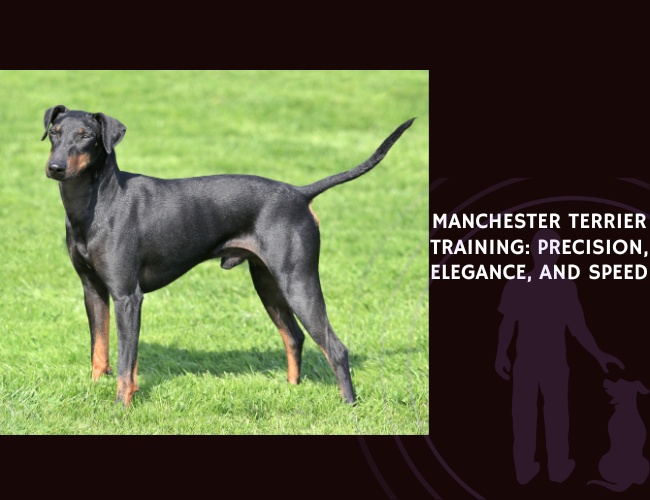
When you watch a Manchester Terrier move, something remarkable happens. The fluid acceleration, the razor-sharp focus, the split-second decision-making—these aren’t just impressive traits. They’re the living legacy of a breed engineered for precision work in Victorian England’s bustling industrial cities. Training a Manchester Terrier isn’t about forcing compliance or breaking spirit. It’s about understanding a mind that processes information at remarkable speed, a body built for elegant efficiency, and an emotional system wired for immediate, decisive action.
Let us guide you through the fascinating world of Manchester Terrier training, where neuroscience meets practical application, and where your understanding of breed-specific cognition directly determines your success.
The Speed-Based Mind: Understanding Manchester Terrier Cognition
Your Manchester Terrier’s brain didn’t develop in a vacuum. Every neural pathway, every processing speed advantage, every pattern recognition capability emerged from generations of selective breeding for a specific purpose: ratting. In 19th-century Manchester, these sleek terriers earned their keep by eliminating vermin in warehouses, factories, and homes with breathtaking efficiency.
This working heritage created something extraordinary—a dog whose perception-action loops operate at exceptional speed. When your Manchester Terrier spots movement, the time between detection and response measures in milliseconds, not seconds. This isn’t hyperactivity or poor impulse control. It’s neurological architecture optimized for rapid target acquisition and instant execution.
Key neurological adaptations in Manchester Terriers:
- Fast perception-action loops with exceptionally short stimulus-response latency
- Enhanced visual processing for micro-movement detection
- Instant execution bias rather than deliberative processing
- Accelerated visual-motor integration pathways
- Rapid pattern recognition and association formation
Did you know that your Manchester Terrier likely detects and processes micro-movements faster than most other breeds? That squirrel darting across the yard, that leaf tumbling in the wind, that child’s hand reaching toward a toy—your dog’s visual system registers these stimuli and prepares motor responses before you’ve even noticed what captured their attention. Through the NeuroBond approach, you’ll learn to work with this lightning-fast processing rather than against it.
This cognitive speed creates both opportunities and challenges. On one hand, you have a dog capable of learning new behaviors in remarkably few repetitions—often just two or three exposures compared to five to ten for average breeds. On the other hand, you have a dog who forms associations with equal speed, including associations you didn’t intend to teach.
The Pattern Recognition Advantage
Your Manchester Terrier excels at detecting patterns, sometimes frustratingly so. After just a few training repetitions, your dog begins anticipating what comes next. You reach for the treat pouch, and they’re already sitting. You walk toward the door, and they’re racing for their leash. You pick up your keys, and they know you’re leaving.
This rapid pattern recognition stems from accelerated learning systems that served ratting dogs well—predicting rodent behavior, anticipating escape routes, reading environmental cues for hunting success. In modern training contexts, this same capability means your Manchester Terrier notices everything: the slight shift in your posture before you give a command, the environmental context where certain behaviors typically occur, even the time of day when specific activities usually happen.
What your Manchester Terrier’s pattern recognition detects:
- Subtle postural shifts before you give commands
- Environmental contexts where behaviors typically occur
- Time-of-day patterns for specific activities
- Your emotional state through micro-expressions
- Equipment-handling sequences that predict activities
- Sound patterns associated with routines
The key to successful training lies in understanding this pattern sensitivity and designing your approach accordingly.
Essential training strategies for pattern-sensitive dogs:
- Variable reinforcement schedules to prevent rigid expectancies
- Precise cue discrimination training for signal clarity
- Release protocols distinguishing knowledge from permission
- Randomized training sequences to break automatic patterns
- Environmental variation to build true generalization You’ll need variable reinforcement schedules to prevent rigid expectancies. You’ll need precise cue discrimination training so your dog responds to your signals, not to environmental predictions. You’ll need release protocols that teach your Manchester Terrier the difference between “I know what comes next” and “I have permission to act.”
Building Foundation Skills: Precision From Day One
Training a Manchester Terrier requires rethinking conventional approaches. The methods that work beautifully for methodical, deliberative breeds often create chaos with these quick-thinking terriers. You need a foundation built on precision, clarity, and respect for neurological speed.
The Calm-Alert Balance
Before any formal training begins, you need to establish what we call the calm-alert state—that sweet spot where your Manchester Terrier maintains focus without tipping into over-arousal. This isn’t about suppressing energy or dampening enthusiasm. It’s about teaching your dog that calm focus yields rewards, while frantic excitement leads nowhere.
Start with settle training in low-distraction environments. Your Manchester Terrier needs to learn that lying calmly on a mat brings rewards just as surely as performing flashy tricks. This foundational skill becomes the reset button you’ll use throughout training—the way to bring arousal levels down when excitement starts building toward chaos.
Settle training protocol:
- Place a mat or bed in a quiet, low-distraction area
- Wait for your dog to voluntarily lie on the mat
- Quietly deliver a small treat without verbal praise
- Repeat multiple times daily, reinforcing calm behavior
- Add verbal cue (“settle” or “place”) once behavior is consistent
- Practice using the cue when arousal starts building
- Gradually increase environmental distractions
Practice this daily. Your dog’s rapid learning system will quickly connect the dots: choosing calm equals good things happening.
As this behavior strengthens, add a verbal cue—”settle” or “place”—just before your dog naturally chooses the mat. Within days, you’ll have a reliable tool for managing arousal states. When training sessions become too exciting, when environmental triggers appear, when you need your dog to simply be calm, this cue becomes invaluable. 🧡
Release Cues: The Foundation of Impulse Control
Manchester Terriers need explicit permission systems. Without clear release cues, your dog’s default setting becomes “if I know what’s next, I’ll do it now.” This creates anticipation problems, premature responding, and frustration for both of you.
Teach a release cue—”okay” or “free” or “break”—as a fundamental skill. Every behavior, from sitting to staying to waiting at doors, requires explicit release. Your Manchester Terrier learns that knowing what comes next isn’t permission to act. Only your release cue grants that permission.
This single skill prevents countless training problems. It stops the dog who launches off the start line before you’ve finished the cue. It prevents the dog who breaks their stay because they predicted you were about to release them anyway. It creates a mental pause button in a brain designed for instant action.
Where to apply release cues consistently:
- Dinner time: sit and wait for “okay” before eating
- Door exits: wait for permission before going outside
- Stay commands: hold position until explicit release
- Car entry/exit: wait for cue before jumping in or out
- Greeting people: remain calm until released to interact
- Start-line stays: launch only after release signal
- Toy interactions: wait for permission before taking toys
Practice this everywhere. The Invisible Leash reminds us that true control comes from internalized understanding, not physical restriction.
Training Mechanics: Working With Speed
Conventional training timing works for many breeds. For Manchester Terriers, conventional timing creates confusion. Your dog processes information so quickly that delays you wouldn’t think twice about create meaningful gaps in their learning.
Reinforcement Timing Precision
Research shows that reinforcement delivered within 0.5 seconds of behavior creates optimal learning. For most breeds, you have a window of 1-2 seconds before learning efficiency drops significantly. For your Manchester Terrier, that window shrinks to 0.5 seconds or less.
This means your marker systems—verbal markers like “yes” or clicker signals—become essential tools. You need precise, instant marking of correct behavior, followed by reinforcement delivery. The marker bridges the time gap between behavior and reward, preserving learning efficiency even when you need a second to deliver the treat or toy.
Marker timing practice exercises (without your dog):
- Mark the exact moment a ball bounces
- Mark when someone blinks their eyes
- Mark when a specific sound occurs (timer beep, door click)
- Mark when a dropped object hits the floor
- Mark precise moments in video footage
- Practice with a partner calling out random moments
Practice your marking timing without your dog first. Get your timing sharp before asking your Manchester Terrier to learn from it. Your dog’s rapid learning deserves equally rapid, precise feedback.
Minimalist Cue Systems
Your Manchester Terrier doesn’t need elaborate commands or multiple repetitions. In fact, excessive verbal communication creates noise that obscures the actual signal. Design cue systems with surgical precision: one word, one gesture, one clear signal per behavior.
Teach cue discrimination explicitly. If “sit” means sit immediately, then “sit” and “sit-stay” must be different cues, not variations of the same command. Your dog’s pattern recognition system will extract meaning from the tiniest differences, so ensure those differences are intentional, not accidental.
Practice behaviors in isolation before chaining them together. Your Manchester Terrier’s brain starts connecting sequences automatically, often before you want them connected. Master individual skills first. Only after each behavior responds reliably to its unique cue should you begin linking them into longer sequences.
Managing the Anticipation Challenge
Despite your best efforts, your Manchester Terrier will anticipate. It’s not defiance or poor training—it’s exceptional pattern recognition doing exactly what it evolved to do. You need management strategies, not punishment.
Anti-anticipation training strategies:
- Calm reset protocol: “oops, let’s try again” without drama
- Variable sequences: randomize behavior order constantly
- Location changes: train recalls from different spots
- Duration variation: sometimes short, sometimes long waits
- Explicit wait cues: “ready… wait… [behavior]”
- Reward the waiting itself, not just the final behavior
- Practice individual components in isolation before chaining
When anticipation occurs, use a calm reset protocol. Return your dog to the starting position. Wait an extra moment. Then deliver the actual cue. This teaches that premature responding delays reinforcement rather than accelerating it.
The Elegant Athlete: Body Awareness and Physical Training
Manchester Terriers move like precision instruments. Their proprioceptive awareness—their sense of where their body exists in space—exceeds that of many breeds. This creates extraordinary potential for precision sports while simultaneously creating vulnerability to physical and emotional pressure.
Understanding Proprioceptive Sensitivity
Your Manchester Terrier feels equipment pressure more intensely than bulkier breeds. A collar that seems comfortable to you might register as significant constraint to your dog. A harness that distributes pressure across the chest creates sensory input that affects movement quality and emotional state.
Signs of equipment sensitivity in your dog:
- Gait changes when equipment is put on
- Tail position shifts (lower or tucked)
- Scratching or pawing at collar/harness
- Resistance during equipment application
- Freezing or reluctance to move
- Changes in movement fluidity or confidence
- Excessive awareness of equipment presence
Watch your dog’s movement when equipment goes on. These aren’t necessarily signs of poor equipment fit—they may indicate heightened awareness of pressure that other breeds wouldn’t notice.
Choose equipment thoughtfully. For walking, consider well-fitted harnesses that distribute pressure. For training, consider going naked—training without collars or harnesses when safely possible—so your dog moves with complete freedom and you avoid unintended pressure cues.
This same proprioceptive sensitivity makes your Manchester Terrier exceptionally responsive to leash tension. The slight pressure you apply when you’re worried about something, the unconscious tightening when you see a distraction—your dog reads these pressure changes as communication. Often, leash reactivity stems from handler tension transmission rather than the dog’s independent reaction to environmental stimuli.
Movement-Based Training Advantages
Your Manchester Terrier’s elegant movement creates natural advantages for precision sports. Agility, Rally Obedience, Trick Training, Nosework—these activities align beautifully with breed characteristics when approached correctly.
Agility training priorities:
- Exceptional start-line control before speed work
- Contact zone precision at full velocity
- Weave pole accuracy without breaking rhythm
- Handler connection maintenance throughout sequences
- Arousal management between obstacles
Rally Obedience focus areas:
- Heeling rhythm consistency (steady pace vs. surging)
- Complete station control (full sits/downs, not hovering)
- Sign discrimination for quick transitions
- Attention maintenance through exercise changes
Nosework/Scent Detection essentials:
- Impulse control at source (calm indication)
- Systematic search pattern development
- Frustration tolerance when scent is elusive
- Problem-solving encouragement without over-arousal
For agility, your dog’s speed and body awareness create impressive performances. However, you need exceptional start-line control. Rally Obedience showcases quick position changes and handler attention.
Nosework and Scent Detection tap into natural hunting drive. Your Manchester Terrier’s persistence and problem-solving ability make these sports excellent choices. However, you’ll need strong impulse control at the source—teaching your dog to indicate calmly rather than grabbing or pawing frantically. Systematic search patterns prevent random rushing around, while frustration tolerance building ensures your dog can handle searches where scent proves elusive.
Building Confidence Through Progressive Challenge
Your Manchester Terrier’s sensitivity extends beyond physical awareness to emotional vulnerability. These elegant dogs need careful confidence building through success-based progression rather than sink-or-swim challenges.
Start every new skill in easy mode. Environmental complexity low, distractions minimal, criteria clear and achievable. Your Manchester Terrier’s rapid learning means you’ll progress quickly—but that progression must come from success breeding confidence, not from forcing through difficulty.
When introducing novel stimuli—new surfaces, unusual objects, unfamiliar sounds—give your dog choice and agency. Allow investigation at their own pace. Reward confident approach behavior. Never force interaction. The dog who learns that novel situations permit exploration without pressure develops environmental confidence that serves them throughout life.
Subtle stress signals in Manchester Terriers:
- Increased eye blinking or “whale eye” (showing whites)
- Lip licking when not near food
- Yawning in non-tired contexts
- Excessive sniffing as displacement behavior
- Sudden scratching or shaking off
- Averted gaze or head turning
- Stiffness or reduced movement fluidity
- Panting when not hot or exercised
Watch for stress signals carefully. Your Manchester Terrier may not show obvious anxiety through trembling or cowering. These indicate your dog is processing stress and needs support, not pushing.

Arousal Management: The Essential Skill
If you master only one aspect of Manchester Terrier training, make it arousal management. Your dog’s ability to shift rapidly from calm to highly aroused creates both their most impressive and most challenging characteristics. Learning to read, predict, and influence arousal states determines training success more than any other factor.
Reading Arousal States
Your Manchester Terrier operates across a spectrum of arousal states, each with distinct behavioral signatures. Learning to read these states in real-time allows you to adjust training approaches before problems emerge.
Low arousal indicators:
- Sluggish responses to cues
- Reduced accuracy in behavior execution
- Incomplete behaviors (partial sits, slow recalls)
- Disinterested demeanor and reduced eye contact
- Slow response times
Optimal arousal indicators:
- Focused attention on handler
- Quick but controlled responses
- Fluid, precise movement
- High accuracy in behavior execution
- Engaged and enthusiastic demeanor
Over-arousal indicators:
- Premature responding before cue completion
- Reduced fine-motor control (sloppy positions)
- Impulsive behavior chains
- Difficulty processing or hearing cues
- Frantic rather than focused energy
- Inability to settle or maintain stillness
Low arousal rarely occurs in Manchester Terriers during training—these aren’t low-energy dogs—but might appear first thing in the morning or during repetitive, boring exercises. Optimal arousal is the zone where learning happens most efficiently and performance peaks. Over-arousal actually impairs learning despite looking like high motivation.
Arousal State Transitions
Manchester Terriers transition arousal states rapidly. Baseline to high arousal might take only 2-5 seconds—you pull out a toy, and your dog explodes from calm to frantic almost instantly. High arousal to baseline without intervention takes significantly longer: 3-10 minutes for natural recovery.
This asymmetry creates training challenges. Getting your dog excited takes almost no effort. Bringing arousal back down requires deliberate technique and patience. Sessions that spike arousal repeatedly without sufficient recovery time create cumulative over-arousal that degrades all performance.
Design sessions with arousal management as primary structure. Begin in calm states. Gradually increase arousal through reinforcer selection and activity choice. Monitor constantly. When you detect early over-arousal signs—faster movement, reduced precision, premature responding—immediately implement arousal downshift protocols.
Arousal downshift protocol steps:
- Stop the high-energy activity immediately
- Cue your dog’s settle behavior on their mat
- Deliver several calm reinforcers (small treats, slow delivery)
- Add gentle, slow petting with calming pressure
- Use quiet verbal acknowledgment without excitement
- Wait for physiological calming signs (normal breathing, relaxed posture, soft eyes)
- Only then resume training with a less arousing activity
- Monitor closely for re-escalation
An arousal downshift protocol might take 2-5 minutes but prevents the cumulative over-arousal that destroys training sessions.
Strategic Reinforcer Selection
Reinforcer choice directly influences arousal states. Not all rewards are created equal for Manchester Terriers. You need a reinforcement toolkit that spans the arousal spectrum.
High-arousal reinforcers (use strategically at session end):
- Squeaky toys
- Fast-paced chase games
- High-pitched verbal praise
- Running games and sprinting
- Thrown toys requiring pursuit
- Frantic tug sessions
Moderate-arousal reinforcers (optimal for precision training):
- Small food treats (quickly consumed)
- Calm toy presentation (handed, not thrown)
- Brief controlled tug (5-10 seconds)
- Neutral-tone verbal markers
- Controlled movement games
- Food from hand delivery
Calming reinforcers (for arousal reduction):
- Slow feeding (lick mats, puzzle feeders)
- Gentle, rhythmic petting
- Quiet verbal acknowledgment
- Stationary rewards delivered calmly
- Massage-style touch
- Calm settling on mat with treats
Match reinforcer to training goal. Teaching start-line stays in agility? Moderate-arousal reinforcers maintain motivation while building control. Ending a successful training session? High-arousal play rewards the work done. Helping your dog decompress after exciting environmental exposure? Calming reinforcers facilitate recovery. Through Soul Recall, your Manchester Terrier learns to associate different emotional states with different contexts, building emotional intelligence alongside behavioral skills. 🧠
Quiet. Deliberate. Resolute.
Thought Before Action
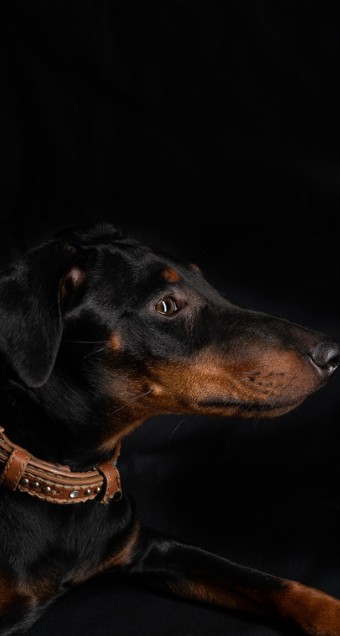
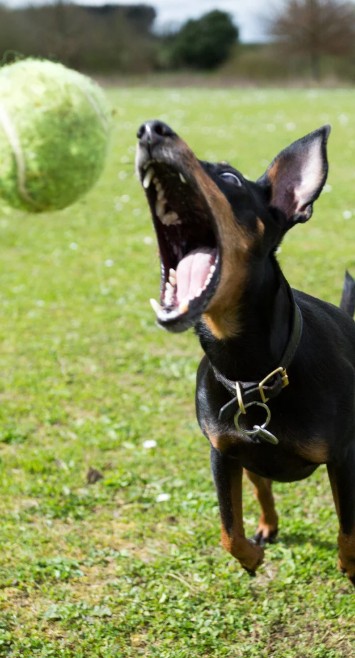
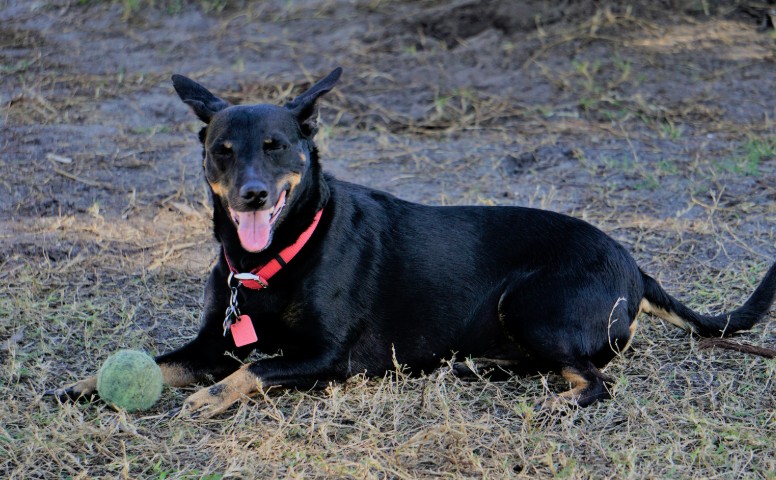
Glen of Imaal Terriers evaluate situations carefully before committing. Their calm reflects judgment, not lack of drive.
Purpose Shaped Temperament
Farm utility work rewarded persistence, silence, and steady effort over excitement. This heritage produced a terrier who acts only when something truly matters.
Trust Unlocks Cooperation
They offer effort through respect rather than enthusiasm. When their intelligence is acknowledged, cooperation becomes reliable and deeply grounded.
Navigating Adolescence: The Challenging Months
If you’re reading this section while your Manchester Terrier is between six and eighteen months old, take a deep breath. You’re not alone, you’re not failing, and yes—this phase will end. Adolescence represents one of the most challenging periods in Manchester Terrier development, and understanding what’s happening neurologically helps you maintain patience and perspective.
⚡ Manchester Terrier Training Journey 🎯
From Lightning-Fast Reactions to Precision Performance: A Neuroscience-Based Training Path
Phase 1: Understanding the Speed-Based Mind
Weeks 1-2 • Cognitive Foundation
Manchester Terriers possess perception-action loops that operate in milliseconds, not seconds. Their visual systems detect micro-movements faster than most breeds, creating both extraordinary responsiveness and potential anticipation challenges.
Your dog will learn behaviors in 2-3 repetitions versus the typical 5-10. Pattern recognition happens so rapidly that environmental cues (your posture, time of day, equipment sounds) become unintended training signals. This speed is your advantage—once you understand how to channel it.
Key Skills:
- Marker conditioning (0.5-second timing precision)
- Name recognition with instant response
- Calm-alert state establishment
- Handler attention over environmental stimuli
Phase 2: Building the Mental Pause Button
Weeks 3-6 • Impulse Control Foundation
A brain designed for instant execution must learn that knowledge doesn’t equal permission. Your Manchester Terrier’s default setting is “if I know what comes next, I’ll do it now.” Release protocols create the distinction between anticipation and authorized action.
Release Cue Applications:
- Meal times (sit-wait-release before eating)
- Door exits (prevent bolting through doorways)
- Start-line stays (launch only on permission)
- Toy interactions (builds frustration tolerance)
Settle training becomes your arousal management foundation. Practice 5-7 minute sessions twice daily, reinforcing calm mat time with quiet treat delivery. This skill transforms from simple behavior to emotional regulation tool.
Phase 3: Elegance Through Precision
Weeks 7-12 • Position & Movement Mastery
Your Manchester Terrier’s body awareness exceeds most breeds. This heightened proprioception enables precision sports excellence but creates sensitivity to equipment pressure and handler tension. Training must honor this delicate sensory architecture.
Exact Execution Standards:
- Sits: Haunches fully on ground, front paws steady
- Downs: Elbows and hips on ground (no hovering)
- Stands: Four paws planted, body completely still
- Heeling: Shoulder aligned with leg, consistent rhythm
Start with 1-2 seconds, progressing gradually. Use variable duration to prevent time anticipation—sometimes release after one second, sometimes after five. Your Manchester Terrier’s default is movement, not stillness.
Phase 4: Mastering the Arousal Spectrum
Weeks 10-16 • State Management Excellence
Manchester Terriers transition from baseline to high arousal in 2-5 seconds, but require 3-10 minutes for natural recovery. This asymmetry defines training success—getting excited is effortless, returning to calm demands deliberate technique.
Strategic Selection by State:
- High-Arousal: Squeaky toys, chase games (use at session end only)
- Moderate-Arousal: Food treats, calm toy presentation (precision work)
- Calming: Slow feeding, gentle petting (arousal reduction)
Over-arousal shows through premature responding, reduced fine-motor control, and difficulty processing cues. When you see these signs, implement immediate downshift—stop activity, cue settle, deliver calming reinforcers, wait for physiological calm.
Phase 5: Real-World Reliability
Weeks 13-16 • Environmental Generalization
Environmental prey triggers—squirrels, birds, fast-moving objects—can override training completely. Your Manchester Terrier’s genetics scream “CHASE!” with volume that makes your recall cue barely register. Management requires both training and realistic expectations.
Practice controlled exposure at distances where success is possible. Squirrel visible at 50 feet? Train at 60 feet. Gradually reduce distance as control strengthens. Build reinforcement history so strong that responding to you competes successfully with pursuing prey.
Generalize systematically: living room → backyard → front yard → quiet park → busier park → downtown sidewalk. Each environment is a new context. Your Manchester Terrier must learn that training cues mean the same thing regardless of location.
Phase 6: Surviving the Storm
Months 6-18 • Adolescent Developmental Period
Dopamine increases dramatically (rewards feel more rewarding, novelty more compelling). Prefrontal cortex develops slowly (impulse control lags behind reward-seeking). The precise, focused dog you had at five months may temporarily vanish, replaced by a reactive, impulsive adolescent.
Essential Daily Rituals:
- Decompression walks: 20-30 minutes daily, no training demands
- Structured play: 3-4 sessions with clear start/end cues
- Calm handling rituals: Evening grooming, massage, quiet bonding
- Predictable bedtime: Consistent sequence supporting sleep regulation
Marked improvement typically appears around 14-16 months, with full stability by 18-20 months. The skills you built before adolescence aren’t lost—they’re temporarily overshadowed by neurological development. Your patience during this chaos strengthens your relationship permanently.
Phase 7: Unleashing Natural Speed
Weeks 17-24 • Performance Integration
Your Manchester Terrier now possesses control. The final phase adds breed-natural speed while maintaining precision. Fast recalls where your dog sprints at full velocity but sits automatically upon arrival—no sliding, no jumping. This is the culmination: speed integrated with control.
Competition Preparation:
- Agility: Explosive acceleration with start-line control, contact precision at speed
- Rally Obedience: Quick transitions maintaining heeling rhythm consistency
- Nosework: Systematic search patterns with calm indication behavior
Teach discrimination: sometimes you cue for maximum speed (fast recall), sometimes for maximum precision (slow heeling). Your dog learns to read which criterion you’re emphasizing and adjust performance accordingly.
Phase 8: Respectful Boundaries
Ongoing • Choice-Based Socialization
Manchester Terriers are outwardly confident yet selective about social engagement. This isn’t anxiety or poor socialization—it’s breed-typical boundary awareness. The “must love everyone” expectation damages trust when you force interactions your dog clearly resists.
Respectful Handling:
- Begin gentle handling (ear check, paw touch) for 3-5 seconds
- Stop completely and move hand away
- Observe response: Lean in = comfortable, Move away = needs desensitization
- Respect communication and build tolerance gradually
Choice-based socialization creates genuinely confident dogs, not merely compliant ones who’ve learned resistance is futile. Allow approach rather than forcing interaction. Accept observation from distance as valid choice. Many Manchester Terriers warm up slowly, engaging more with each meeting.
🔍 Manchester Terrier vs. Other Training Profiles
Similar: Fast learning, high arousal potential
Different: Manchester Terriers have shorter impulse control windows and stronger prey drive. Border Collies deliberate before acting; Manchester Terriers execute instantly.
Similar: Prey drive, independence, energy
Different: Manchester Terriers possess greater elegance and precision capability. Less scrappy, more refined movement quality. Higher proprioceptive sensitivity.
Similar: Precision capability, handler focus
Different: Manchester Terriers require more arousal management and have stronger prey drive. Shelties are naturally methodical; Manchester Terriers must learn control.
Similar: High drive, speed, intensity
Different: Manchester Terriers are more sensitive to pressure and require gentler methods. Smaller size enables better proprioceptive awareness for precision sports.
Puppies (8-16 weeks): Shorter attention spans, higher reinforcement needs, baseline training
Adults (2+ years): Better impulse control, faster learning, established patterns (good or bad)
Show Lines: Reduced prey drive intensity, higher food motivation, calmer baseline
Working/Sport Lines: Intense prey drive, toy preference, elevated arousal, higher environmental reactivity
The 0.5-Second Rule: Reinforcement timing window is 0.5 seconds or less (versus 1-2 seconds for most breeds)
The 2-3 Repetition Threshold: Expect pattern recognition after 2-3 exposures (versus 5-10 for average breeds)
The Arousal Asymmetry: 2-5 seconds to high arousal, 3-10 minutes for natural recovery
The 5-7 Minute Sweet Spot: Optimal session length before arousal accumulation degrades precision
The Distance Formula: Start training at 120% of your dog’s trigger threshold distance
The Adolescent Timeline: Chaos peaks at 9-12 months, improvement at 14-16 months, stability by 18-20 months
Training a Manchester Terrier isn’t about forcing compliance or dampening their remarkable speed. It’s about understanding the neurological architecture that makes them extraordinary—then building skills that channel rather than suppress their nature.
Through the NeuroBond approach, you learn to work with lightning-fast processing rather than against it. The Invisible Leash reminds us that true control comes from internalized understanding, not physical restriction—your Manchester Terrier’s precision emerges from calm leadership and clear communication, not tension or force.
When you watch your Manchester Terrier execute a perfect recall—sprinting toward you at full speed before sliding into a precise sit—you witness Soul Recall in action. Emotional memory and behavioral training intertwine, creating partnerships where speed and control coexist beautifully.
That balance between science and soul—that’s the essence of Zoeta Dogsoul. Understanding perception-action loops while honoring emotional reality. Demanding precision while preserving enthusiasm. Building skills systematically while maintaining the joy that makes every training session an expression of your profound connection.
© Zoeta Dogsoul – Where neuroscience meets soul in dog training
The Adolescent Brain Under Construction
Your adolescent Manchester Terrier isn’t being deliberately difficult. Their brain is undergoing profound reorganization.
Neurological changes during adolescence (6-18 months):
- Increased dopaminergic activity (rewards feel more rewarding, novelty more compelling)
- Prefrontal cortex slow development (impulse control lags behind reward-seeking)
- Hormonal fluctuations (testosterone, estrogen affecting arousal regulation)
- Synaptic pruning (brain reorganizing neural connections)
- Myelination progression (nerve signal efficiency improving unevenly)
- Stress hormone sensitivity increases
This creates a perfect storm: your Manchester Terrier wants to chase, explore, and engage with everything more intensely than ever before, while simultaneously losing some of the impulse control you’ve carefully built. The precise, focused dog you had at five months may temporarily vanish, replaced by a reactive, impulsive, easily distracted adolescent.
The Manchester Terrier Adolescent Profile
Adolescence amplifies breed-specific characteristics, often to frustrating extremes.
Common adolescent challenges in Manchester Terriers:
- Heightened motion reactivity (every bird, leaf, bicycle triggers response)
- Persistent settling difficulties and restlessness
- Sleep disruption and irregular sleep patterns
- Vocal frustration (barking/whining when blocked from goals)
- Leash pulling with unprecedented intensity
- Lunging at environmental triggers
- Loose-leash walking deterioration
- Redirected frustration toward handler
- Inability to discriminate relevant vs. irrelevant stimuli
- Focus collapse in dynamic environments
Your Manchester Terrier’s natural motion sensitivity becomes heightened reactivity. The settling difficulties you occasionally saw become persistent restlessness. That beautiful loose-leash walking you achieved? It may temporarily disappear, replaced by constant tension and redirected frustration that sometimes targets you—not from aggression, but from sheer overwhelm.
Decompression Walks: The Essential Tool
During adolescence, decompression walks become non-negotiable. These aren’t training walks. They’re not exercise walks. They’re environmental exposure without performance demands—your Manchester Terrier’s chance to process the overwhelming sensory information their developing brain struggles to filter.
Decompression walk protocol:
- Choose low-stimulation environments (quiet neighborhoods, calm parks, nature trails)
- Use long line (15-30 feet) for safety while allowing freedom
- Let your dog lead and follow their nose
- Allow investigation at their own pace
- Make zero training demands (no heeling, no attention cues, no corrections)
- Duration: 20-30 minutes daily minimum
- Timing: ideally first thing in the morning
- Frequency: once daily as baseline, twice if particularly reactive day
A proper decompression walk provides significant benefit. You’ll notice the difference—adolescents who receive regular decompression walks show reduced baseline arousal, better settling behavior at home, and improved training responsiveness. Those who don’t receive this environmental processing time accumulate stress that manifests as increasingly reactive, unfocused behavior.

Structured Play: Controlled Outlet
Adolescent Manchester Terriers need physical outlet, but unstructured play often escalates arousal without providing satisfying resolution. Structured play protocols give your dog the movement and engagement they crave while maintaining behavioral control.
Structured play session guidelines:
- Schedule 3-4 sessions daily with clear start/end cues
- Session duration: 10-15 minutes each
- Use clear start signal (“let’s play!” or toy presentation)
- Incorporate training elements within play (recalls during chase, position changes between throws)
- Require wait cues before releasing toys
- Practice impulse control mid-session (brief pauses)
- Control intensity levels (some high-energy, some moderate)
- Match intensity to time of day (morning high-energy, evening calmer)
- Use clear end signal (“all done” plus toy removal)
- Follow with brief calm-down period
Schedule three to four play sessions daily, each with clear start and end cues. Your dog learns that play has boundaries—it begins when you indicate and ends when you indicate. This provides both physical outlet and continued skill maintenance.
Training Modifications: Adjusting Expectations
Your standards don’t disappear during adolescence, but your expectations must shift temporarily. The precision your Manchester Terrier demonstrated at five months may not be achievable at nine months. This isn’t permanent regression—it’s developmental reality.
Adolescent training adjustments:
- Reduce precision criteria temporarily (accept approximate positions vs. perfect alignment)
- Shorten session length (5 minutes instead of 10)
- Increase reinforcement rates (80-90% vs. 60-70%)
- Take more frequent breaks (after 2-3 behaviors vs. 5-7)
- Lower distraction levels in training environments
- Increase distance from triggers significantly
- Focus on maintaining skills, not perfecting them
- Celebrate small successes enthusiastically
- Reduce duration requirements for stays
- Simplify behavior chains temporarily
- Train in familiar environments more than novel ones
Your adolescent’s attention span has diminished. Sessions that worked at ten minutes now need to be five. Attention that held for three behaviors now holds for one. Adjust session length to match current capacity, not past performance.
Environmental Management: Strategic Retreat
Adolescent training often requires temporarily reducing environmental challenge. Those busy parks where you practiced distraction-proofing? Set them aside for now. Return to calmer settings where your adolescent can actually think and respond.
Training in your living room, quiet backyard, or empty parking lot becomes primary again. This isn’t permanent retreat—it’s strategic regression to skill acquisition environments where your adolescent brain can succeed. As maturity progresses, you’ll gradually reintroduce challenge.
Increase distance from triggers dramatically. Your adolescent needs more space between themselves and distractions to maintain control. Where your younger dog could train fifty feet from squirrels, your adolescent may need one hundred feet. Honor this need rather than fighting it.
Calm Handling Rituals: Building Relaxation Associations
Adolescent arousal challenges make calm handling rituals increasingly important. These daily routines create islands of peace in your dog’s over-stimulated world while building positive associations between human interaction and relaxation.
Daily calm handling ritual options:
- Evening grooming (brushing, nail inspection, ear checks) in low lighting
- Massage techniques (gentle pressure along spine, circular motions on shoulders, soft ear rubs)
- Quiet bonding time (sitting together, hand resting on dog’s side, no demands)
- Predictable bedtime sequence (decompression walk → calm dinner → grooming → settling → lights out)
- Gentle body awareness exercises (touching each paw, gentle stretches)
- Slow treats from hand while calmly petting
- Cooperative care training (teaching relaxation during handling)
- Calm music or white noise during ritual time
- Duration: 10-15 minutes before bedtime minimum
Evening grooming sessions provide physical contact, health checks, and bonding time. Ten minutes before bedtime can dramatically improve your adolescent’s ability to settle for the night. Sleep disruption worsens every other adolescent challenge, so protecting sleep quality becomes critical.
The Light at the End of the Tunnel
Here’s what you need to remember when your adolescent Manchester Terrier has just destroyed their third training session this week: this phase ends. Typically, you’ll see marked improvement around fourteen to sixteen months, with most dogs returning to pre-adolescent stability by eighteen to twenty months.
The skills you built before adolescence aren’t lost—they’re temporarily overshadowed by neurological development. As your dog’s prefrontal cortex matures, impulse control returns. As dopamine regulation stabilizes, arousal management improves. As hormones settle, baseline calmness re-emerges.
Your job during adolescence isn’t achieving perfection. It’s maintaining connection, preventing dangerous habits from forming, and supporting your dog through developmental chaos they didn’t choose and can’t control. The patience you demonstrate now strengthens your relationship permanently. Your adolescent will remember—not consciously, but emotionally—that you remained consistent, calm, and supportive when everything felt overwhelming.
Keep training. Keep structure. Keep expectations realistic. Keep celebrating small successes. And keep reminding yourself: this is temporary, this is normal, and you’re doing better than you think you are. 🧡
Motivation Systems: Understanding Drive
Manchester Terriers possess strong, specific motivational profiles. Understanding your individual dog’s drive hierarchy allows you to select reinforcers that maximize learning efficiency while preserving precision.
Prey Drive: Opportunity and Challenge
Most Manchester Terriers demonstrate intense prey drive—the motivation to chase, catch, and possess moving targets. This stems directly from working heritage. For ratting dogs, prey drive wasn’t optional. It was the fundamental characteristic that determined professional success.
In modern training, this creates both exceptional opportunities and significant challenges. On the opportunity side, you have access to powerful natural motivation. Movement-based sports like agility, flyball, or disc dog align perfectly with prey drive. Toy rewards create high-value reinforcement. Your Manchester Terrier will work with enthusiasm and energy that some breeds never display.
On the challenge side, environmental prey triggers create intense distraction. That squirrel in the distance, that bird overhead, that rabbit that just hopped across the trail—these stimuli can override training completely. Your dog’s brain screams “CHASE!” at such volume that your recall cue barely registers as whisper.
Common environmental prey triggers:
- Small animals (squirrels, birds, rodents, rabbits)
- Fast-moving objects (bicycles, running children, rolling balls)
- Sudden movements in peripheral vision
- High-pitched sounds (squeaking, chirping)
- Leaves or debris blowing in wind
- Cats (running or moving quickly)
- Other dogs moving at distance
- Wildlife (deer, raccoons, possums)
Managing prey drive requires both training and environmental control. For training, teach strong alternative behaviors—”look at me” when triggers appear, automatic eye contact in high-distraction settings, reliable recalls even with temptation present. Build reinforcement history so strong that responding to you competes successfully with pursuing prey.
For environmental control, practice realistic exposure. Train at distances where your dog can succeed—far enough from squirrels that they can still think, close enough that the challenge is real. Gradually reduce distance as control strengthens. Strategic positioning during walks minimizes trigger exposure during skill acquisition phases.
Food Drive Variability
Unlike breeds where food motivation is reliably strong, Manchester Terriers show significant individual variation in food drive. Some individuals work enthusiastically for food rewards. Others view food as pleasant but not particularly compelling. This variation relates partly to line differences—show lines may demonstrate higher food motivation than working lines—and partly to individual personality.
Assessing your Manchester Terrier’s food motivation:
- Does your dog work enthusiastically for food rewards?
- Do they show preference for specific food types (meat vs. cheese vs. commercial treats)?
- Does motivation maintain throughout 5-10 minute training sessions?
- Does food interest wane quickly or stay consistent?
- Will they work for kibble or only high-value treats?
- Do they refuse food when excited or distracted?
- Is food their first choice or do they prefer toys?
Assess your specific dog’s food motivation honestly. If food drive is moderate to low, don’t force it. Use the motivators your dog actually cares about—typically toys for most Manchester Terriers. Save food rewards for calm, precision work where toy reinforcement would spike arousal inappropriately. Use high-value food (chicken, cheese, freeze-dried liver) rather than regular treats when you do use food reinforcement.
Toy Drive: The Precision Advantage
Most Manchester Terriers demonstrate strong toy drive, but toy selection and presentation matter enormously for preserving precision. Not all toy interactions are created equal.
High-precision toy reinforcers include calm toy presentation (handing the toy directly rather than throwing), brief controlled tug (5-10 seconds of tug followed by calm release), and neutral-toned “take it” permission. These create motivation while maintaining body control.
Chaos-inducing toy reinforcers—thrown toys requiring chase, frantic play sessions, unpredictable toss-and-catch games—spike arousal and degrade precision. Save these for end-of-session celebrations or recreational play, not for precision training contexts.
Social Confidence and Boundary Sensitivity
Your Manchester Terrier presents an interesting paradox to many dog owners raised on the expectation that well-socialized dogs should love everyone. Your dog is confident—alert, engaged, willing to explore novel environments, socially appropriate with familiar individuals. Yet they’re also particular—preferring respectful interaction, uncomfortable with intrusive handling, selective about social engagement quality.
This creates what we call the “confident but particular” profile. Your Manchester Terrier isn’t socially anxious or poorly socialized when they don’t want a stranger’s enthusiastic petting or resist a rough child’s grabbing. They’re demonstrating appropriate boundary awareness and self-advocacy.
Understanding Selective Social Nature
Manchester Terriers evolved for focused work alongside trusted handlers, not for indiscriminate friendliness with every person they encountered. Ratting required partnership with specific humans while maintaining intense task focus despite environmental chaos. Modern Manchester Terriers retain this selective social orientation.
Your dog may be perfectly confident walking through crowds while showing zero interest in greeting strangers. They may engage enthusiastically with family members but resist interaction with visitors. They may enjoy dog sports that involve handler focus while showing limited interest in dog park free-for-alls. None of these preferences indicate problems—they reflect breed-typical social patterns.
The “must love everyone” expectation damages many Manchester Terriers. When owners force interaction their dogs clearly resist, they teach their dogs that their communication doesn’t matter, that boundaries won’t be respected, that saying “no” through body language changes nothing. This breaks trust and creates the very social anxiety that didn’t previously exist.
Impact of Social Pressure on Training Performance
Social pressure significantly affects Manchester Terrier training performance. Your dog’s sensitivity to social dynamics means that forced interactions, crowded chaotic environments, rough handling, and unpredictable social situations create stress that directly impairs learning and performance.
Behavioral consequences of excessive social pressure:
- Avoidance behaviors (hanging back, attempting to leave situations)
- Reduced training engagement in socially pressured environments
- Skills that worked at home fall apart in public
- Defensive responses (growling, snapping warnings)
- Generalized anxiety development
- Increased environmental reactivity overall
- Loss of confidence in handler’s judgment
- Stress behaviors (excessive panting, drooling, trembling)
- Refusal to eat treats in training environments
When your Manchester Terrier experiences excessive social pressure, you’ll see these behavioral consequences emerge. This creates a vicious cycle. Social pressure damages confidence. Reduced confidence makes training more difficult. Training struggles lead to more handler frustration. Handler frustration creates additional pressure. The confident, precise Manchester Terrier you started with becomes increasingly anxious and unpredictable.
Choice-Based Socialization Protocols
The solution lies in respecting your Manchester Terrier’s agency in social situations. Choice-based socialization creates genuinely confident dogs rather than merely compliant ones who’ve learned that resistance is futile.
Choice-based socialization practices:
- Allow dog to approach people rather than forcing interaction
- Ask visitors to ignore your dog initially
- Let dog investigate at their own pace
- Accept observation from distance as valid choice
- Respect slow warm-up periods (multiple meetings to build comfort)
- Let dog lead environmental exploration in new spaces
- Provide retreat options in all situations
- Offer toy/reinforcement choices during training
- Allow dog to choose resting locations
- Never force petting or handling from strangers
- Build confidence through agency, not exposure volume
Allow your dog to approach rather than forcing interaction. Many Manchester Terriers warm up to people slowly, engaging more with each subsequent meeting. Forcing premature interaction prevents this natural progression.
Consent Testing During Handling
Manchester Terriers’ sensitivity requires explicit consent protocols during handling. This doesn’t mean your dog dictates all interaction—it means you respect communication and work to build comfort rather than forcing tolerance.
Consent testing protocol for handling:
- Begin gentle handling (examine ear, touch paw, brush coat)
- After 3-5 seconds, stop and move hand completely away
- Observe dog’s response:
- Lean in/seek continued contact = comfortable, continue
- Move away/show relief = needs more desensitization
- If dog moves away, respect the communication and wait
- If dog returns voluntarily, resume with gentler technique
- If dog doesn’t return, postpone that particular handling
- Build positive associations (touch + immediate high-value treat)
- Keep initial handling very brief (1-2 seconds) before rewarding
- Gradually extend duration as comfort builds
Practice consent testing during grooming and health care. This tells you whether they’re comfortable or merely tolerating.
Respecting Spatial Boundaries
Manchester Terriers often demonstrate clear spatial preferences. Your dog may have a comfortable distance for interaction with strangers—perhaps six feet rather than immediate contact. They may prefer approach paths that give them visibility rather than being approached from behind. They may need personal space when eating, sleeping, or processing new information.
Honor these spatial needs rather than labeling them “problems” requiring fixing. If your Manchester Terrier is comfortable greeting strangers at six feet but uncomfortable at two feet, maintain six-foot greetings. This isn’t catering to anxiety—it’s respecting reasonable boundaries. As trust builds and experience proves these situations safe, many Manchester Terriers gradually reduce their required distance voluntarily.
Create retreat options in your home. Your Manchester Terrier should have spaces where they can rest undisturbed—crates with doors they can enter but humans don’t open, elevated beds in quiet corners, designated “leave the dog alone” zones. Children especially need to learn that when the dog retreats to these spaces, interaction stops.
During training in public spaces, manage spatial pressure proactively. Position yourself between your dog and approaching strangers when necessary. Advocate for your dog’s space—it’s acceptable to tell people “she’s training” or “he needs space” rather than allowing uncomfortable interactions because saying no feels impolite.
Building Training Trust Through Respectful Interaction
The quality of your daily interactions with your Manchester Terrier directly impacts training trust. Every forced interaction chips away at the foundation you’re trying to build. Every respected boundary strengthens it.
Predictable handling builds trust. Consistency in how you touch your dog, pick them up, move them, restrain them—this predictability creates safety. Your Manchester Terrier learns what to expect from your hands, reducing the vigilance they must maintain during interaction.
Gentle physical contact matters enormously. Manchester Terriers’ sensitivity means they register pressure that other breeds barely notice. Light touches, soft restraint, gradual movement—these create comfort rather than resistance. Rough handling or grabbing teaches your dog to evade your hands rather than trust them.
Calm, neutral emotional tone during handling prevents pressure escalation. When you need to do something your Manchester Terrier dislikes—nail trimming, administering medication, veterinary examination—your calm presence helps them regulate. Anxiety, frustration, or determination to “get it done” transmits through your handling, increasing their resistance.
The Manchester Terrier who learns that their communication is heard, that boundaries are respected, that interaction quality matters—this dog develops profound trust. Training built on this trust foundation reaches levels of precision and partnership that forced compliance never achieves. Your respect for their emotional reality creates the security from which true confidence emerges. Through the NeuroBond approach, this respectful relationship becomes the foundation for all learning.
Building the Foundation: Week by Week
Let’s create a systematic approach to Manchester Terrier training, structured across developmental phases that respect breed-specific learning characteristics.
Phase 1: Foundation and Impulse Control (Weeks 1-6)
These first weeks establish the fundamental skills every Manchester Terrier needs before advancing to complex training. Focus on building calm-alert states, teaching release protocols, and establishing clear communication systems.
Phase 1 essential skills:
- Settle/place behavior on mat with verbal cue
- Release cue for all containment behaviors
- Basic attention (eye contact on cue)
- Name recognition with immediate response
- Touch acceptance and gentle handling tolerance
- Marker conditioning (clicker or verbal “yes”)
- Calm reinforcement delivery acceptance
- Door waiting protocols
- Meal time impulse control
Phase 1 session structure:
- Duration: 5-7 minutes per session
- Frequency: 2-3 sessions daily
- Environment: Low-distraction, familiar spaces
- Success rate: Keep at 85-90%
- Goal: Establish calm, rewarding training pattern
Start with settle training as described earlier. Within a week, add the verbal cue. Within two weeks, your dog should reliably move to the mat on cue.
Phase 2: Precision Skills (Weeks 7-12)
With foundation established, progress to teaching precision behaviors that showcase Manchester Terrier strengths while building control.
Phase 2 essential skills:
- Formal positions with precision criteria (sit, down, stand—exact execution)
- Duration building (1 second progressing to 30+ seconds)
- Variable duration practice (prevents time anticipation)
- Heeling foundations (attention, position, rhythm)
- Distance work foundations (recalls, send-aways, distance positions)
- Cue discrimination (differentiating similar commands)
- Behavior chaining basics
- Focus maintenance with mild distractions
Phase 2 session structure:
- Duration: 5-10 minutes per session
- Frequency: 2-3 sessions daily
- Difficulty: Gradual increase with differential reinforcement
- Success rate: Maintain 80-85%
- Goal: Precise execution of individual behaviors
Introduce formal positions: sit, down, stand. Teach these with precision criteria—not approximate positions but exact execution. Sits mean haunches fully on ground, front paws steady. Downs mean elbows and hips on ground, not hovering.
Phase 3: Distraction Proofing (Weeks 13-16)
Your Manchester Terrier can perform beautifully in controlled environments. Now teach them to maintain that precision when distractions appear.
Phase 3 distraction progression:
- Mild static distractions (person sitting nearby, toys visible but unreachable)
- Food bowls present but not accessible
- Mild movement distractions (family members walking nearby)
- Progressive movement challenges (walking → jogging → running)
- Rolling balls past training area at distance
- Toys bouncing at increasing proximity
- Location generalization (backyard → front yard → quiet park → busier park)
- Prey trigger exposure (visible squirrels/birds at safe distance)
- Multiple environment types (indoor, outdoor, various surfaces)
Phase 3 session structure:
- Duration: 5-10 minutes per session
- Frequency: 2-3 sessions daily
- Challenge increase: Based on performance, not timeline
- Success rate: Maintain 80% minimum
- Goal: Reliable performance despite environmental complexity
Introduce environmental challenges systematically. Start with mild distractions. Practice all foundation behaviors in these contexts. Success rate should stay high—80% or better.
Phase 4: Speed Integration (Weeks 17-24)
Your Manchester Terrier has control. Now add the breed’s natural speed while maintaining precision.
Phase 4 speed integration skills:
- Fast recalls (full-speed sprint ending in automatic sit)
- Quick position changes (rapid sit-down-stand transitions)
- Speed-accuracy balance (cuing for speed vs. precision)
- Start-line stays under increasing temptation
- Ring confidence in novel competition environments
- Handler distance work (independent performance with connection)
- Speed variation on cue (fast heeling vs. slow heeling)
- Emergency stops at high speed
- Arousal state management during excitement
Phase 4 session structure:
- Duration: Variable (3-15 minutes based on activity)
- Frequency: 2-3 sessions daily
- Environment: Real-world practice locations
- Reinforcement: Performance-based (better execution = better rewards)
- Goal: Speed with control, enthusiasm with precision
Practice fast recalls. Your dog sprints to you at full speed but sits automatically upon arrival, no sliding, no jumping. This combines speed with control beautifully.
Common Training Challenges and Solutions
Even with systematic training, certain challenges appear frequently with Manchester Terriers. Understanding these patterns and having solutions ready prevents frustration.
Challenge: Premature Responding
Your Manchester Terrier knows the sequence. Sit-down-stand. They’ve practiced it three times. Now, when you cue “sit,” they rush through all three behaviors before you’ve given the other cues.
Solutions for premature responding:
- Calm reset protocol (no emotion, just “oops, let’s try again”)
- Return to starting position and wait longer than anticipation delay
- Jackpot reward for waiting correctly
- Add explicit wait cues before behaviors (“ready… wait… sit”)
- Practice behaviors in random order (break predictable patterns)
- Reward the waiting itself, not just final behavior
- Increase variable reinforcement unpredictability
- Practice individual components in complete isolation
- Introduce longer pause between cues
- Reset expectations that patterns don’t predict permission
Solution: Reset calmly without emotion. Return to starting position. Wait several seconds—longer than the premature response delay. Then give the cue again.
Challenge: Arousal-Induced Loss of Control
Your training session starts well. Sharp responses, clean execution, beautiful precision. Five minutes in, your Manchester Terrier starts getting sloppier. Movements become rushed. Positions become approximate. They start anticipating more.
Solution: You’ve crossed the arousal threshold. Implement immediate downshift. Stop the current activity. Cue settle on the mat. Deliver several calming reinforcers. Wait for physiological calm. Only then resume training—possibly with a different, less arousing activity.
Alternatively, end the session. If arousal has spiked significantly, trying to continue training produces negative learning. Better to end positively while you still can.
Prevent this pattern by monitoring arousal continuously. Watch for early warning signs: slightly faster movement, reduced precision, shorter attention spans. When you detect these, proactively downshift before full loss of control occurs.
Challenge: Environmental Reactivity
You’re walking down the street. A squirrel appears. Your Manchester Terrier transforms from calm walker to lunging, pulling, prey-driven hunter. All training seems forgotten.
Solution: This is prey drive management, requiring both training and realistic expectations. Your Manchester Terrier’s genetics scream “CHASE!” Training teaches “choose handler instead,” but it won’t eliminate the instinct.
For training, practice controlled exposure. Work at distances where your dog can succeed. Squirrel visible at 50 feet? Practice attention work at 60 feet. Gradually reduce distance as control strengthens.
Teach a strong alternative behavior. When trigger appears, cue “look at me” or “eyes” or “with me”—whatever cue you’ve established for handler attention. Reward immediately and generously when your dog complies. Build such strong reinforcement history that this behavior becomes automatic.
For management, strategic positioning helps. Walk when prey animals are less active. Choose routes with fewer triggers during skill acquisition. As control strengthens, gradually increase challenge level.
Challenge: Handler Tension Transmission
You’re concerned about something—maybe an approaching dog, maybe time pressure, maybe previous training struggles. Your Manchester Terrier immediately becomes tense, even though nothing has happened yet.
Solution: Your dog reads your physical and emotional state with remarkable accuracy. Leash pressure changes, postural tension, breathing shifts—all communicate your state to your sensitive terrier.
Practice handler self-awareness. Monitor your own emotional state during training. When you notice tension building, pause. Take several deep breaths. Consciously relax your shoulders, soften your grip, calm your mind.
Maintain neutral emotional tone. Reduce verbal excitement during training. Consistent energy levels help your Manchester Terrier stay regulated. Avoid frustration expression—when training goes poorly, stay calm and matter-of-fact.
Establish predictable routines. Consistent training structure, clear start and end rituals, reliable reinforcement patterns—these create safety that counteracts tension transmission.
Daily Life With Your Manchester Terrier
Training doesn’t exist in isolation. Your Manchester Terrier’s daily routine profoundly impacts training success. Structure matters.
Optimal Daily Structure
Morning represents your Manchester Terrier’s high-energy period. Begin with a decompression walk—20-30 minutes of environmental exploration without formal training demands. This allows your dog to sniff, investigate, and process environmental information, reducing baseline arousal.
Optimal daily schedule for Manchester Terriers:
Morning (High Energy Period):
- Decompression walk: 20-30 minutes
- Training session 1: High-energy skills (5-7 minutes)
- Breakfast: Slow feeding method (puzzle feeders, snuffle mats, frozen Kongs)
- Rest period: 1-2 hours (enforced downtime)
Midday (Moderate Energy):
- Training session 2: Precision skills (5-10 minutes)
- Interactive play: 10-15 minutes
- Rest period: 2-3 hours
Afternoon (Variable Energy):
- Environmental exposure: Walk in busier area, pet store, park
- Training session 3: Real-world generalization practice (5-7 minutes)
- Rest period: 1-2 hours
Evening (Winding Down):
- Calm handling ritual: Grooming, massage, quiet petting
- Optional light training: 3-5 minutes
- Dinner: Slow feeding method
- Settle practice before bed
This structure respects your Manchester Terrier’s energy patterns while building in the arousal management and rest periods the breed requires for optimal well-being and training performance.
The Neurological Reality: Working With Breed Nature
Everything we’ve discussed returns to fundamental neuroscience. Your Manchester Terrier’s brain operates differently than many breeds. Training succeeds when it respects these differences rather than fighting them.
The rapid perception-action loops that make your dog so responsive also create anticipation challenges. The pattern recognition that enables quick learning also creates unintended associations. The proprioceptive sensitivity that produces elegant movement also creates vulnerability to pressure and tension.
Successful training doesn’t require changing these characteristics. It requires understanding them, planning for them, working with them. Your Manchester Terrier’s speed becomes an asset when channeled appropriately. Their sensitivity becomes a training advantage when you learn to read subtle feedback. Their precision capability flourishes when you provide clear structure and patient development.
That balance between science and soul—that’s the essence of Zoeta Dogsoul. Understanding the neurological architecture while honoring the emotional reality. Building skills systematically while maintaining the joy that makes training worthwhile. Demanding precision while preserving enthusiasm.
Your Manchester Terrier came to you with specific cognitive and emotional equipment. They process information at remarkable speed. They detect patterns other dogs miss. They move with elegant precision. They feel pressure others wouldn’t notice. Training that honors these realities creates partnerships where both human and dog thrive.
When you watch your Manchester Terrier execute a perfect recall, sprinting toward you at full speed before sliding into a precise sit, you witness the culmination of everything we’ve discussed. Speed integrated with control. Natural drive channeled through training structure. Breed characteristics transformed into practical skills. That’s not just obedience—that’s the art of working in harmony with genetic heritage, creating something beautiful from understanding rather than force.
This journey requires patience, precision, and profound respect for the remarkable creature who shares your life. Your Manchester Terrier didn’t choose their neurological architecture any more than they chose their elegant black coat or their keen intelligence. They simply are what generations of careful selection created—a speed-based precision instrument wrapped in elegant form.
Your role isn’t to change them. It’s to understand them so completely that training feels less like teaching and more like unlocking potential that was always there, waiting for someone patient enough to listen to what this fascinating breed has been trying to tell us all along.