
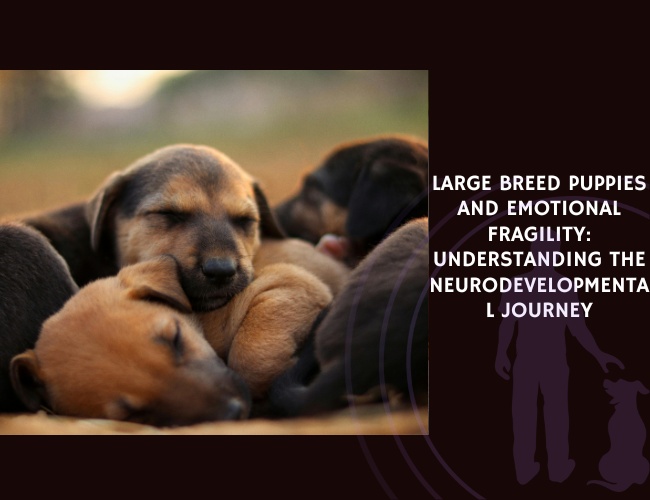
When you bring home a large breed puppy, you might notice something unexpected. That oversized, fluffy bundle of joy seems somehow more vulnerable than you imagined. Perhaps your eight-month-old Bernese Mountain Dog puppy suddenly freezes during a walk, overwhelmed by the bustling environment. Maybe your gangly Great Dane adolescent, who mastered sit-stays last week, now seems unable to focus for more than a few seconds. You watch your neighbor’s Chihuahua puppy bounce through crowded cafes while your Newfoundland pup needs quiet time after just fifteen minutes at the park.
This isn’t weakness. This isn’t poor breeding or inadequate training. What you’re witnessing is a profound neurodevelopmental reality: large breed puppies experience the world through a nervous system that matures on a dramatically different timeline than their rapidly growing bodies suggest. Their apparent emotional fragility reflects not a character flaw but a sophisticated biological process unfolding in real time.
Let us guide you through the science behind what your large breed puppy is experiencing, why traditional training approaches often miss the mark, and how understanding neurodevelopment transforms everything about raising these gentle giants. This isn’t just about managing behavior. It’s about honoring the intricate process of a brain learning to inhabit an ever-changing body.
The Extended Timeline: When Brains Lag Behind Bodies
Your large breed puppy’s brain is engaged in one of nature’s most complex construction projects. The medial prefrontal cortex, that crucial region responsible for emotional regulation, impulse control, and decision-making, undergoes an extended developmental process that stretches well into adolescence and early adulthood. While smaller breeds complete much of this maturation within the first year, your large breed companion may still be building these essential circuits at eighteen months or beyond.
Think of it this way: the prefrontal cortex acts as the brain’s executive center, the part that helps your puppy pause before lunging toward an exciting stimulus, recover from disappointment when the walk ends, or maintain focus despite distractions. In large breed puppies, this regulatory system develops more slowly, creating what neuroscientists call a mismatch between physical capability and emotional control. 🧠
The science reveals something remarkable. The organization of prefrontal networks relies on sophisticated inhibitory circuits, essentially internal brakes that help regulate responses across cognitive, emotional, and motor processes. These circuits don’t simply appear fully formed. They build gradually through a delicate balance of excitatory and inhibitory signals, a process modulated by specialized systems like the dynorphin-kappa opioid receptor pathway. During early development, this balance remains inherently unstable. Excitatory inputs frequently overwhelm immature inhibitory systems, and large breed puppies experience this imbalance for extended periods.
You see this manifesting in daily life:
- Difficulty recovering from excitement, with arousal remaining elevated long after the trigger passes
- Rapid transitions from calm to overstimulated states with minimal middle ground
- Poor impulse control despite apparent understanding of what you ask
- Emotional flooding in novel or stimulating environments where input exceeds processing capacity
- Inability to “shake off” minor stressors that wouldn’t affect a more mature dog
The Developmental Gap
Consider these timeline differences. While small and medium breed puppies typically develop sustained attention spans around eight to twelve weeks, large breed puppies may not reach this milestone until twelve to sixteen weeks or later. Frustration tolerance, that crucial ability to handle disappointment or delay, emerges around twelve to sixteen weeks in smaller breeds but may not solidify until sixteen to twenty-four weeks in large breeds.
The gap extends further. Emotional recovery time, how long it takes to return to baseline after an arousing event, averages three to five minutes for small breeds but stretches to eight to fifteen minutes or longer for large breed puppies. Impulse inhibition, the capacity to stop an initiated behavior, develops around sixteen to twenty weeks in smaller breeds but may not emerge reliably until twenty-four to thirty-two weeks in large breeds. Even stress threshold stability, the ability to maintain composure under pressure, takes six to nine months in small breeds but extends to twelve to eighteen months in their larger counterparts.
These delays aren’t deficits. They reflect the extended timeline required for complex neural systems to mature within larger nervous systems. Your puppy isn’t slow or difficult. Their brain is simply following its own careful construction schedule.
The Hidden Cost of Rapid Growth
Large breed puppies face a challenge that smaller dogs rarely encounter: their bodies grow at exponential rates that create significant physiological demands. During peak growth periods, your puppy may gain two to four pounds per week. Bones elongate faster than supporting musculature and connective tissue can adapt. Energy requirements for growth compete directly with energy needed for neural development.
This isn’t just about nutrition or exercise management. Rapid growth activates the hypothalamic-pituitary-adrenal axis, your puppy’s primary stress response system. Research on psychoendocrine responses demonstrates that physiological stressors directly influence stress hormone activity.
In growing puppies, this manifests as:
- Elevated baseline cortisol levels that reduce stress buffer capacity
- Increased sensitivity to additional stressors beyond the growth process itself
- Compromised emotional regulation due to chronically activated stress systems
- Reduced cognitive resources available for learning and behavioral control
- Heightened irritability and decreased frustration tolerance
Growing pains aren’t merely anecdotal. Rapid bone growth, joint stress, and muscle strain create genuine discomfort.
This physical discomfort doesn’t exist in isolation:
- Reduces frustration tolerance as your puppy already feels uncomfortable
- Increases irritability and reactivity to normal environmental stimuli
- Decreases willingness to engage in physical activity or exploration
- Creates negative associations with movement, training, and social interaction
- May manifest as avoidance of previously enjoyed activities
Your puppy may suddenly resist activities they previously enjoyed, not from stubbornness but from genuine physical discomfort.
The metabolic cost of growth creates profound fatigue.
Large breed puppies require:
- 18-20 hours of sleep daily (compared to 14-16 for small breeds)
- Longer recovery periods after any activity or stimulation
- More frequent rest breaks during training sessions
- Protected sleep environments free from interruption
- Recognition that overtired puppies cannot learn or regulate emotions effectively
When we fail to honor these needs, we’re not just dealing with a tired puppy. We’re asking a neurologically immature individual to function without the recovery time their developing brain desperately requires.
Growth Spurts and Emotional Volatility
Growth spurts create predictable windows of increased emotional fragility:
Phase 1 (8-12 weeks): Initial Rapid Growth
- Increased clumsiness as your puppy adjusts to their changing body
- Heightened startle responses to normal environmental stimuli
- Temporarily decreased exploratory confidence
- Difficulty with spatial awareness and coordination
Phase 2 (4-6 months): Peak Growth Velocity
- Maximum emotional volatility and sensitivity
- Increased withdrawal or shutdown behaviors
- Significantly reduced stress tolerance
- “Teenage” regression where previously learned behaviors seem to vanish overnight
- Greatest vulnerability to overwhelming experiences
Phase 3 (8-12 months): Sexual Maturation Intersection
- Hormonal influences compound developmental challenges
- Increased reactivity to social stimuli from other dogs
- Territorial or protective behaviors emerging prematurely
- Continued physical growth creating ongoing discomfort
- Heightened arousal levels affecting impulse control
The Arousal Regulation Challenge
The ability to self-regulate arousal, to modulate excitement and return to calm, depends on mature inhibitory circuits in the prefrontal cortex connecting effectively with limbic structures. Research demonstrates that both acute and chronic increases in excitability can result from developmental vulnerabilities. Large breed puppies experience precisely this form of developmental vulnerability.
Watch the arousal pattern carefully:
- Rapid Onset – Excitement builds quickly due to immature inhibitory control
- Sustained Elevation – Arousal remains high due to poor downregulation capacity
- Overshoot – Arousal exceeds optimal levels, triggering stress responses
- System Overwhelm – Eventually leads to withdrawal or “freezing” behavior
This pattern—excitement → overstimulation → shutdown—characterizes large breed puppy development and is frequently misinterpreted: What looks like fearfulness may actually be overwhelm. What seems like stubbornness might reflect cognitive overload. What appears as aggression often represents defensive arousal from a puppy who has exceeded their capacity to cope.
Recovery Time Realities
Large breed puppies require significantly longer recovery periods after arousing events. Following a play session, small breeds might need five to ten minutes to return to baseline, while large breeds require fifteen to thirty minutes or more. After exposure to novel environments, small breeds recover in ten to fifteen minutes, but large breed puppies may need thirty to sixty minutes. Following stressful events, recovery time extends from thirty to sixty minutes in small breeds to two to four hours in large breeds. Major disruptions, changes in routine or environment, may require twenty-four to forty-eight hours for complete recovery in large breed puppies.
The neurobiological basis for these extended recovery times includes:
- Slower cortisol clearance in larger bodies with more extensive circulatory systems
- More extensive neural networks requiring coordinated re-regulation
- Greater metabolic cost of mounting and recovering from stress responses
- Immature parasympathetic nervous system function that struggles to activate “rest and digest” mode
- Larger muscle mass holding tension longer after arousal episodes
Through the NeuroBond approach, understanding these biological realities transforms how we structure our puppies’ daily experiences.
The Danger of Stimulus Stacking
Large breed puppies are particularly vulnerable to stimulus stacking, the accumulation of arousing events without adequate recovery time between them. Imagine your puppy’s day: breakfast excitement, then a walk encountering three dogs, followed by a training session, then visitors arriving, and finally playing with children before dinner. Each event individually might seem manageable, but without recovery time between them, stress accumulates.
This creates:
- Progressive reduction in stress threshold as the day proceeds
- Increased likelihood of reactive behaviors that seem to come from nowhere
- Emotional “debt” that compounds over days if not addressed
- Apparent regression in training or behavior despite no single overwhelming event
- Difficulty settling or sleeping due to accumulated arousal
What appears as a sudden behavioral change often reflects accumulated stress reaching a tipping point, not a single triggering event. Your puppy who handled the morning walk beautifully may completely fall apart during the afternoon outing, not because something changed in that moment but because they never recovered from morning’s accumulated experiences.
The Expectation Trap
Large breed puppies face a unique challenge that profoundly impacts their emotional development: their physical size creates expectations that dramatically exceed their neurological maturity. Your six-month-old Great Dane puppy may weigh eighty pounds, but they possess the emotional regulation capacity of a three-month-old small breed puppy.
This size-driven expectation mismatch creates predictable consequences:
- Premature demands for obedience compliance that exceed impulse control capacity
- Frequent corrections and punishment for behaviors considered “cute” in small puppies
- Reduced opportunities for natural, age-appropriate play
- Suppression of normal exploratory and testing behaviors
- Confusion about what’s acceptable when expectations shift rapidly
- Accelerated training timelines before attention span and emotional stability develop
- Pressure to control a large body while the brain remains immature
Owners expect immediate compliance due to the puppy’s size and strength, but the puppy lacks the impulse control to consistently respond.
Large breed puppies are often pushed into formal obedience training before they have the attention span, impulse control, or emotional stability to succeed. The pressure to control a large body overshadows the need to support a developing brain.
The Confidence Spiral
Research on developmental psychology demonstrates that caregiver-child interactions significantly influence emotional adjustment. The handler-puppy relationship operates similarly. When expectations exceed developmental capacity, a negative spiral emerges:
The Negative Spiral Pattern:
- Owner has high expectations due to puppy’s physical size
- Puppy fails to meet expectations due to developmental immaturity
- Owner increases pressure through corrections, commands, or demands
- Puppy experiences stress and reduced confidence
- Stress impairs both learning capacity and emotional regulation
- Behavior worsens, seemingly confirming owner’s concerns about the puppy
- Cycle intensifies with each repetition, creating long-term issues
The Protective Alternative:
- Owner recognizes developmental stage regardless of physical size
- Expectations align with neurological maturity, not body size
- Training focuses on building emotional regulation before demanding obedience
- Puppy experiences success and builds genuine confidence
- Confidence supports enhanced learning and willing exploration
- Behavior improves naturally with maturation and positive experiences
- Positive cycle reinforces itself, creating foundation for lifelong learning
Environmental Demands and Sensory Overload
The modern world presents an unprecedented sensory environment. Consider what your large breed puppy processes during a typical walk through an urban or suburban neighborhood:
Visual Stimulation:
- Moving vehicles approaching and passing at various speeds
- Bicycles and pedestrians with unpredictable movements
- Other dogs of different sizes, breeds, and energy levels
- Sudden movements like opening doors or people emerging
- Changing light conditions from shadows, sun patches, and reflections
Auditory Input:
- Traffic noise ranging from quiet to suddenly loud
- Sirens and emergency vehicle sounds
- Construction sounds including jackhammers and machinery
- Barking dogs at various distances and intensities
- Human voices in conversation, shouting, or calling out
- Sudden loud sounds like car horns or dropped objects
Olfactory Information:
- Concentrated scents from restaurants and food sources
- Exhaust from vehicles and machinery
- Scent marks from countless other animals
- Chemical signatures from lawns, gardens, and cleaning products
- Human scents from people passing or living nearby
Tactile Experiences:
- Varied surface textures from concrete to grass to gravel
- Temperature changes in sun and shade
- Physical contact from people wanting to pet
- Collar or harness pressure during pulling or corrections
- Wind, rain, or other weather conditions
Social Demands:
- Encountering multiple dogs requiring navigation and response
- Strangers approaching to interact or pet
- Children’s unpredictable movements and high-pitched sounds
- Other owners with varying handling skills and awareness
For a large breed puppy with immature sensory filtering systems, this creates constant cognitive and emotional demand without natural recovery periods. The prefrontal cortex, still under construction, must attempt to process, filter, and respond to this overwhelming input. When we talk about the Invisible Leash, we’re acknowledging that true guidance comes not from physical restraint but from helping our puppies navigate sensory complexity with support rather than pressure. 🧠

The Cost of Chronic Overstimulation
Chronic overstimulation doesn’t simply create momentary stress. It establishes patterns that shape your puppy’s developing nervous system.
Observable consequences include:
- Hypervigilance and inability to relax, even in familiar safe environments
- Generalized anxiety about outdoor environments and novel situations
- Reactive behaviors toward triggers that emerge from overwhelm, not aggression
- Shutdown or avoidance behaviors becoming default coping strategies
- Impaired learning and memory consolidation as the brain cannot effectively process information
- Difficulty distinguishing between threatening and benign stimuli
- Elevated baseline arousal levels that never fully return to calm
Your puppy who seems distracted or unresponsive to training may not be stubborn or unmotivated. They may be drowning in sensory input their immature nervous system cannot adequately filter or manage.
Misreading the Messages
Large breed puppies’ stress signals are often misinterpreted or dismissed, creating a troubling disconnect between what the puppy communicates and what handlers perceive:
Common Misinterpretations:
- Stiffening/Freezing → Interpreted as stubbornness or defiance → Actually signals overwhelm and shutdown
- Mouthing/Jumping → Labeled as dominance or aggression → Actually indicates overstimulation and poor impulse control
- Pulling on Leash → Seen as lack of training → Actually reflects arousal dysregulation and immature control
- Avoidance Behaviors → Interpreted as fearfulness or weak nerves → Actually represents appropriate self-protection
- Slow Responses → Judged as disobedience → Actually indicates processing delays or cognitive overload
The gap between what your puppy is communicating and what you’re hearing can profoundly impact their emotional development.
Reading Your Puppy’s Stress Signals: A Comprehensive Guide
Learning to read stress signals accurately transforms your relationship with your large breed puppy. These signals form a ladder, progressing from subtle early warnings to critical indicators of overwhelm. The earlier you recognize and respond to stress, the less your puppy needs to escalate their communication.
Early Warning Signals: The Whispers
These subtle signals appear when your puppy first begins to feel uncomfortable or uncertain. Most handlers miss these entirely, which forces puppies to escalate to more obvious signals. Becoming fluent in these whispers prevents stress from building to problematic levels.
Whale eye describes when you can see the whites of your puppy’s eyes, typically because they’re looking at something concerning without turning their head. Your puppy’s gaze fixes on a stimulus while their head remains still or turns slightly away. This signal often appears when your puppy feels trapped or cannot escape what’s worrying them. You might notice this when a stranger approaches for petting, when your puppy is on leash and cannot create distance from a trigger, or when they’re uncertain about an environmental feature like an odd-looking object or strange sound.
Lip licking and nose licking happen rapidly, often so quickly you’ll miss them if you’re not watching carefully. Your puppy’s tongue flicks out, usually upward toward their nose, in a quick, almost nervous gesture. This differs completely from licking after eating or drinking. This signal frequently appears in training situations when your puppy feels pressured, during veterinary handling, when meeting new people or dogs, or when environmental stimulation begins to exceed their comfort level.
Yawning when not tired serves as a stress-relief behavior and a signal of discomfort. Your puppy yawns in situations that aren’t sleepy contexts—during training, when guests visit, in new environments. The yawn might appear exaggerated or tense compared to a genuine tired yawn. Watch for yawning during greeting situations, in puppy classes or training contexts, when approached by unfamiliar dogs or people, or during handling like grooming or nail trimming.
Slow blinking or squinting suggests your puppy is attempting to avoid visual stimulation. They might close their eyes briefly, squint, or blink slowly and deliberately. This signal often combines with head turning, where your puppy tries to avoid looking directly at something. You’ll see this when your puppy feels overwhelmed by visual information, when someone stares at them directly, during greeting approaches they find too intense, or in busy environments with excessive movement.
Head turning and gaze aversion mean your puppy is actively trying to disengage from something uncomfortable. They turn their head away from a person, dog, or environmental feature, often repeatedly if the stimulus persists. Your puppy might turn their entire body or just their head, and this movement might be subtle or dramatic depending on their distress level. This commonly appears when approached too directly or quickly, when greeting dogs exhibit intense social pressure, during unwanted petting or handling, or when trapped in situations they’d prefer to leave.
Mid-Level Stress Signals: The Clear Communication
When early warning signals go unnoticed or the situation continues despite them, your puppy escalates to more obvious signals. These indicate mounting stress and the need for immediate environmental modification or support.
Panting outside of physical exertion or heat management signals stress. Your large breed puppy pants in cool environments, after minimal activity, or in situations that shouldn’t create heat stress. The panting might seem rapid, shallow, or tense. Watch for stress panting in veterinary waiting rooms, during car rides, in crowded or noisy environments, or during social situations like meeting multiple new dogs.
Excessive pacing shows your puppy cannot settle due to internal arousal or anxiety. They move repeatedly along the same path, circling, or constantly changing positions. Unlike normal exploration or seeking something specific, this movement has a repetitive, driven quality. You’ll notice this in new environments when your puppy cannot relax, during thunderstorms or fireworks, when separated from familiar people, or after overwhelming social experiences when the arousal hasn’t downregulated.
Excessive sniffing differs from normal environmental investigation. Your puppy sniffs intensely and repeatedly, often in one area, seemingly unable to move on or focus on anything else. This sniffing serves as a displacement behavior, something your puppy does to cope with stress or conflict. This appears frequently during training when your puppy feels pressured and needs a mental break, when leashed and unable to avoid an approaching dog, in overstimulating environments where sniffing provides familiar, controllable stimulation, or when asked to do something they’re uncertain about.
Body freezing or stiffness indicates your puppy has shifted from active coping to more serious concern. Their entire body tenses, movement stops, and they might appear statue-like. This differs from focused attention—the quality is rigid and tense rather than alert and ready. The mouth typically closes, muscles throughout the body visibly tense, and breathing might become shallow. You’ll observe this when your puppy encounters something genuinely frightening, when trapped in a situation with no escape route, when approached in a way that feels threatening, or just before a reactive response if the trigger doesn’t retreat.
Critical Signals: The Emergency Broadcast
These signals indicate your puppy has exceeded their coping capacity. They represent urgent communication that the situation must change immediately. Ignoring these signals risks your puppy learning that their communication doesn’t work, which often leads to suppression of warning signals and escalation to reactive behaviors.
Complete freezing means your puppy has shutdown their behavioral responses. They stop moving entirely, won’t respond to cues they know well, and might appear “absent” or dissociated. This represents overwhelm of the nervous system, where fight-or-flight responses feel impossible and freeze becomes the only option. This occurs in severely overwhelming environments, during traumatic experiences like being attacked by another dog, when restraint prevents escape from frightening situations, or when multiple stressors stack beyond your puppy’s capacity to cope.
Active avoidance behaviors show your puppy attempting to create distance from the stressor. They pull away on leash, back up, hide behind you, attempt to leave the area, or refuse to move toward something. Unlike simple disinterest, avoidance includes clear body tension and direction—your puppy is actively trying to escape. Watch for this during veterinary visits when procedures begin, when approached by very assertive dogs, in loud or chaotic environments that exceed their threshold, or when asked to interact with something that frightens them.
Defensive behaviors emerge when your puppy feels they have no other option. These might include growling, snarling, snapping, or lunging. In large breed puppies with immature regulation systems, these behaviors rarely indicate aggression in the traditional sense. Instead, they represent a puppy whose stress has exceeded all other coping strategies, who has communicated through every earlier signal without response, and who now feels they must defend themselves. This progression typically follows ignored earlier signals in situations with trapped, no-escape conditions, intense social pressure from people or dogs, painful handling or procedures, or protection of resources when feeling vulnerable.
Context Changes Everything
Reading stress signals requires understanding context. A yawn after a nap differs entirely from a yawn during a training session. Panting after running differs from panting while standing still in a quiet room. Sniffing during a walk in a park differs from compulsive sniffing when approached by an unfamiliar dog.
Your puppy often combines multiple signals simultaneously. You might see whale eye plus lip licking plus body tension, creating a clear picture of mounting stress. Learning to recognize these combinations and their contexts allows you to respond before your puppy reaches critical stress levels.
Most importantly, when you notice stress signals, resist the urge to reassure with excessive affection or treats. Instead, modify the situation. Create distance from the trigger. Reduce intensity. Give your puppy time and space to recover. Allow them to remove themselves if possible. Your responsiveness to their communication builds trust and teaches them that signaling works, which prevents escalation to more problematic behaviors.
Recovery Patterns: The Signals of Return to Baseline
Recognizing when your puppy has recovered from stress proves equally important. Watch for soft, relaxed eyes and facial muscles, normal breathing patterns, loose, wiggly body language, ability to eat treats, and responsiveness to familiar cues. These recovery signals tell you your puppy can handle another short exposure or that they’re ready to continue their walk after a stressful encounter. Understanding both stress and recovery creates the rhythm of supported exploration that builds confidence over time.
The Impact of Inconsistent Handling
Research on trauma and resilience demonstrates that inconsistent support undermines coping capacity. Inconsistent handling creates emotional instability in developing puppies.
The destabilizing pattern looks like this:
- Harsh correction for unwanted behavior in one moment
- Followed by guilt-driven affection immediately after
- Alternating between permissiveness and strictness without clear criteria
- Unpredictable consequences for the same behavior in different contexts
- Emotional volatility from handler creating uncertainty
Your puppy cannot predict outcomes, leading to:
- Chronic anxiety and hypervigilance as they try to determine safe behaviors
- Reduced trust in you as their handler and guide
- Impaired learning and difficulty generalizing skills to new contexts
- Increased emotional fragility and lower stress thresholds
- Learned helplessness when nothing predicts safety
When the world feels unpredictable, your puppy cannot relax, explore, or learn effectively. They’re constantly monitoring for threats and trying to determine which version of you they’ll encounter in any given moment.
Developing. Sensitive. Expanding.
Brains Lag Bodies Large breed puppies experience delayed emotional regulation because neural systems mature more slowly than rapid physical growth creating vulnerability rather than weakness.
Arousal Overwhelms Control Immature inhibitory circuits struggle to balance intense sensory input leading to overstimulation slow recovery and inconsistent impulse control across environments.

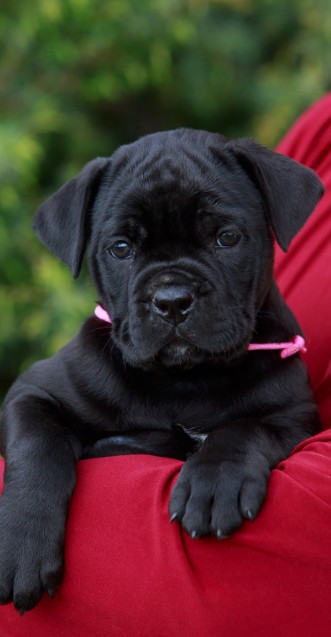
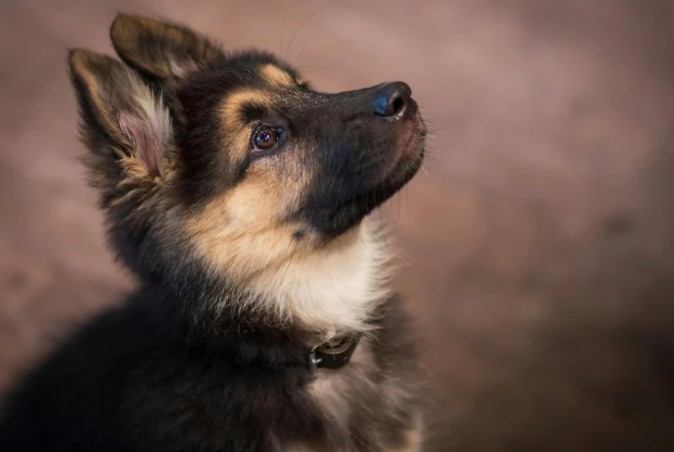
Time Enables Stability When expectations align with neurodevelopment and NeuroBond guided structure supports regulation emotional resilience emerges naturally as the nervous system completes its timeline.
Building Regulation Before Obedience
Rather than prioritizing obedience, a regulation-first approach focuses on building your puppy’s capacity for emotional control. This represents a fundamental shift in training philosophy, one that aligns with developmental neuroscience and honors your puppy’s actual capabilities.
The core principles are straightforward but require patience:
- Teach Calmness Before Commands – Help your puppy learn to settle, relax, and recover before expecting reliable obedience responses
- Build Frustration Tolerance Gradually – Use games and exercises that incrementally increase ability to wait, inhibit impulses, and tolerate mild frustration
- Prioritize Recovery – Schedule training sessions with adequate rest periods, recognizing that learning occurs during consolidation, not just active training
- Reward Self-Regulation – Reinforce moments when your puppy chooses calm behavior, not just when they comply with specific commands
- Match Demands to Capacity – Adjust difficulty based on your puppy’s current state, not what they “should” be able to do
This approach acknowledges a profound truth: a puppy who cannot regulate their emotional state cannot reliably learn or respond to training. Demanding obedience from an overwhelmed nervous system creates frustration for both of you and establishes patterns of stress around training interactions.
🐕 Large Breed Puppy Development Journey 🧠
Understanding the 8 Critical Phases of Neurodevelopmental Growth
Phase 1: Foundation Period
8-12 Weeks | Initial Rapid Growth
🧠 What’s Happening in the Brain
The medial prefrontal cortex begins its extended development journey. Inhibitory circuits are just starting to form, creating an inherently unstable excitation-inhibition balance. Your puppy’s brain is building foundational neural pathways while their body grows at 2-4 pounds per week.
👀 What You’ll Observe
• Increased clumsiness adjusting to changing body
• Heightened startle responses to normal stimuli
• Temporary decrease in exploratory confidence
• Requires 18-20 hours of sleep daily
• Difficulty with spatial awareness and coordination
✅ Optimal Support Strategy
Focus on short activity bursts (10-15 minutes) followed by substantial rest periods. Enforce nap schedules: 1-2 hours awake, 2-3 hours rest. Practice settlement protocols by capturing naturally calm moments. Avoid overwhelming socialization—observe from safe distances instead.
Phase 2: Attention Emergence
12-16 Weeks | Sustained Focus Begins
🧠 Neurological Development
Sustained attention spans finally begin emerging—4+ weeks later than small breeds. The prefrontal cortex starts developing basic focus capacity, but impulse control remains extremely limited. Neural pathways for emotional regulation are under active construction.
👀 Behavioral Patterns
• Brief training sessions become possible (5-10 minutes)
• Rapid transitions from calm to overstimulated states
• Difficulty recovering from excitement
• Beginning to respond to simple cues inconsistently
• Still requires extensive rest between activities
✅ Training Approach
Introduce simple pattern games for predictability. Practice engagement-disengagement cycles: 10-15 seconds of gentle play followed by settlement cues. Build the NeuroBond foundation through calm, consistent interactions. End all sessions before signs of fatigue appear.
Phase 3: The Volatile Window
4-6 Months | Maximum Growth & Minimum Regulation
🧠 Critical Developmental Challenge
Peak growth velocity meets maximum emotional volatility. The HPA axis remains chronically activated from growth demands, elevating baseline cortisol and reducing stress buffer capacity. Excitatory inputs consistently overwhelm immature inhibitory systems, creating the classic arousal escalation pattern.
⚠️ Warning Signs
• “Teenage” regression—skills vanish overnight
• Increased withdrawal or shutdown behaviors
• Significantly reduced stress tolerance
• Growing pains causing physical discomfort
• Previously mastered behaviors seem forgotten
• Heightened sensitivity to all stimuli
✅ Survival Strategy
This is about management, not advancement. Reduce expectations by 50% or more. Increase rest periods substantially. Protect your puppy from overwhelming situations. Focus exclusively on emotional regulation—forget formal obedience. Celebrate any moment of calmness. This phase passes, but pushing through it creates lasting damage.
Phase 4: Building Tolerance
16-24 Weeks | Impulse Control Emerges
🧠 Neural Capacity Building
Frustration tolerance circuits begin solidifying—8 weeks behind small breeds. The ability to handle disappointment or delay starts emerging, though inconsistently. Inhibitory control pathways are under construction but remain fragile and easily overwhelmed by arousal or stress.
👀 What Success Looks Like
• Brief moments of waiting without pulling
• Occasional recovery from excitement within 15 minutes
• Intermittent response to “wait” cues
• Short training sessions (10-15 minutes) becoming productive
• Growing ability to settle after stimulation
✅ Training Focus
Introduce frustration tolerance games: door threshold exercises, delayed gratification with treats, “wait” before meals. Build incrementally—start with 1-second waits, gradually extend. Practice arousal modulation through structured play-settle-play-settle cycles. The Invisible Leash concept becomes teachable now.
Phase 5: Impulse Control
24-32 Weeks | The Brakes Develop
🧠 Executive Function Emergence
Impulse inhibition—the capacity to stop an initiated behavior—finally begins emerging reliably. The prefrontal cortex develops sufficient inhibitory control to occasionally override arousal-driven impulses. This milestone arrives 8-12 weeks later than in smaller breeds, explaining so many training “failures.”
👀 Behavioral Milestones
• More consistent responses to known cues
• Ability to disengage from exciting stimuli when asked
• Recovery time decreasing to 10-15 minutes
• Training sessions extending to 15-20 minutes
• Beginning to generalize skills to new environments
• Less dramatic arousal escalation patterns
✅ Advancement Opportunities
Now you can carefully introduce mild distractions during training. Practice recall in semi-controlled environments. Build duration into known behaviors. Introduce simple sequences and chains. Continue prioritizing regulation over obedience—the foundation determines everything that follows.
Phase 6: Hormonal Complexity
8-12 Months | Growth Meets Sexual Maturation
🧠 Compounding Challenges
Sexual maturation hormones interact with an still-immature nervous system. Continued physical growth creates ongoing discomfort. Social reactivity increases dramatically. The prefrontal cortex continues developing but must now manage additional hormonal influences affecting arousal and impulse control.
⚠️ Common Challenges
• Territorial or protective behaviors emerging prematurely
• Increased reactivity to other dogs, especially same-sex
• Apparent regression in previously reliable behaviors
• Heightened arousal levels affecting all training
• Social confidence or fear periods alternating unpredictably
✅ Navigation Strategy
Increase structure and predictability. Reduce novelty and social intensity temporarily. Focus on maintaining previously learned regulation skills rather than advancing. Consider spay/neuter timing carefully with veterinary guidance. Protect your puppy from situations exceeding their current capacity—this phase tests everything you’ve built.
Phase 7: Integration & Stabilization
12-18 Months | Systems Coming Online
🧠 Stress Threshold Stabilization
Stress threshold stability finally develops—the ability to maintain composure under pressure. The prefrontal cortex achieves greater connectivity with limbic structures, enabling more consistent emotional regulation. Recovery times normalize. The excitation-inhibition balance becomes more stable, though still developing.
👀 Transformation Signs
• Consistent responses to cues across contexts
• Ability to handle moderate distractions
• Recovery time decreasing to 5-10 minutes
• Training sessions productive for 20-30 minutes
• Growing confidence in novel environments
• Social interactions becoming more appropriate
✅ Building Forward
Your puppy can now handle more complex training. Introduce challenging environments gradually. Build on the regulation foundation with advanced skills. Begin reliability training for real-world scenarios. The patience you’ve invested through earlier phases now pays enormous dividends—your dog’s mature capabilities are emerging.
Phase 8: Full Maturation
18-30 Months | The Mature Dog Emerges
🧠 Neural Architecture Complete
The prefrontal cortex reaches functional maturity. Inhibitory circuits operate reliably. The excitation-inhibition balance stabilizes. Emotional regulation becomes consistent and predictable. Your dog can now access their full cognitive and emotional capabilities—the foundation built over two years of patient development.
👀 Mature Capabilities
• Reliable responses across all contexts and distractions
• Rapid recovery from arousal (3-5 minutes)
• Sustained focus for extended periods
• Appropriate social responses across situations
• Emotional stability and resilience
• Full expression of breed-specific capabilities
✅ The Reward of Patience
The gangly, sensitive puppy who needed careful management has transformed into a confident, capable companion. Every moment of patience, every adjustment to match capacity rather than expectations, every protected rest period contributed to this outcome. This is the dog your puppy was always meant to become—given time and support.
📊 Developmental Timeline Comparison
Sustained Attention Span
Small/Medium Breeds: 8-12 weeks
Large Breeds: 12-16 weeks
Gap: 4+ weeks developmental delay
Frustration Tolerance
Small/Medium Breeds: 12-16 weeks
Large Breeds: 16-24 weeks
Gap: 4-8 weeks behind
Emotional Recovery Time
Small Breeds: 3-5 minutes
Large Breeds: 8-15 minutes
Gap: 2-3x longer recovery needed
Impulse Inhibition
Small/Medium Breeds: 16-20 weeks
Large Breeds: 24-32 weeks
Gap: 8-12 weeks developmental lag
Stress Threshold Stability
Small/Medium Breeds: 6-9 months
Large Breeds: 12-18 months
Gap: 6-9 months to achieve
Daily Sleep Requirements
Small Breeds: 14-16 hours
Large Breeds: 18-20 hours
Difference: 4+ hours more rest needed
⚡ Quick Reference: The Golden Rules
Sleep Formula: 1-2 hours awake → 2-3 hours rest (repeat throughout day)
Training Duration: Puppy’s age in weeks = maximum minutes per session (e.g., 12 weeks = 12 minute max)
Recovery Rule: After any arousing event, allow 2-3x the event duration for recovery
Expectation Guide: Large breed puppy’s neurological age = 1/3 their chronological age (e.g., 12-month-old = 4-month-old capacity)
Stress Signal Response: See early signals? Reduce intensity immediately. See critical signals? End session now.
🧡 The Zoeta Dogsoul Perspective
Understanding these eight developmental phases transforms everything about raising large breed puppies. Through the NeuroBond approach, we recognize that trust and connection build through honoring your puppy’s actual capacity, not society’s expectations. When you respond to stress signals instead of pushing through them, you create the foundation for lifelong emotional regulation.
The Invisible Leash concept reminds us that true guidance comes not from physical control but from supporting your puppy’s developing nervous system. Your calm presence during overwhelming moments teaches more than any correction ever could. You become the steady anchor that allows their prefrontal cortex to mature without the additional burden of chronic stress.
Through Soul Recall, we understand that emotional memory shapes behavior far more than training protocols. The patience you show during the volatile 4-6 month period, the rest you protect during rapid growth phases, the predictability you maintain through adolescence—these experiences become the emotional blueprint your dog carries forward. The sensitive puppy who needed careful management transforms into a confident adult not despite their sensitivity, but because you honored it.
This journey requires seeing beyond size to the developing brain within. It demands patience that extends beyond typical puppy timelines. But when you align your approach with neurodevelopmental reality rather than conventional expectations, you don’t just raise a well-behaved dog. You cultivate a partnership built on trust, understanding, and respect for the remarkable process of a brain learning to regulate emotion, control impulses, and navigate complexity—all while inhabiting a body that changes daily.
© Zoeta Dogsoul – Where neuroscience meets soul in dog training
Practical Regulation-Building Exercises
Understanding the philosophy matters, but you need concrete tools to build your puppy’s emotional regulation capacity. These exercises form the foundation of a regulation-first approach, each designed to work with your puppy’s developing nervous system rather than against it.
Settlement Protocols: Capturing Calmness
Settlement training teaches your puppy that calmness itself is rewarding and that relaxation is a learnable skill. Start by simply observing your puppy during quiet moments. When they naturally settle, even for a few seconds, mark that moment with a calm “yes” and deliver a treat directly to them where they’re lying. You’re not asking them to settle. You’re rewarding them for choosing it themselves.
As your puppy begins to understand that settling brings rewards, you can extend the duration gradually. Wait for three seconds of settling, then five, then ten. The key is catching them in the act of being calm, not commanding calmness. This builds what behaviorists call “default behaviors,” where your puppy learns that when they’re unsure what to do, settling is always a good choice.
Practice this on a mat or bed, creating a portable “calm space” your puppy associates with relaxation. Eventually, placing the mat signals to your puppy’s nervous system that this is a time for downregulation. This becomes invaluable during vet visits, in cafes, or anywhere you need your puppy to settle despite environmental stimulation.
Frustration Tolerance Games: Building Impulse Control
Frustration tolerance develops through repeated, successful experiences of waiting and being rewarded for that patience. Start with door threshold games. With your puppy on leash, approach a door they want to go through. The moment they pull or surge forward, you stop. Stand quietly, waiting. When they release tension on the leash or look back at you, even briefly, the door opens. You’re teaching that pulling creates delay, while self-control creates access.
Delayed gratification exercises work similarly. Place a treat on the floor and cover it with your hand. Your puppy will likely try to get it, pawing, nosing, or mouthing your hand. Wait. The moment they pull back, even slightly, uncover the treat and let them have it. Gradually increase the criteria, asking for a full step back, then two steps, then a sit. Each iteration teaches that controlling impulses leads to rewards, while giving in to impulses creates delay.
The “wait at threshold” game builds on this foundation. Before releasing your puppy from their crate, before putting down their food bowl, before opening the door for a walk, ask them to wait. Start with just one second, then gradually extend. You’re building the neural pathways that support impulse inhibition, that crucial ability to stop an initiated behavior. 🧠
Arousal Modulation: Teaching Up and Down
Your puppy needs to learn that arousal levels can go up and down on cue, that excitement isn’t a one-way escalation. Start with a simple pattern: engage your puppy in gentle play for ten to fifteen seconds, then cue a settlement behavior like “sit” or “down.” Reward the settlement, then reinitiate play. You’re teaching the rhythm of arousal and recovery.
As your puppy develops competence, you can use this pattern proactively. Before situations that typically trigger excitement, like greeting visitors, practice several up-down cycles. This pre-loads the neural pathway for downregulation, making it more accessible when arousal naturally builds.
The “find it” game offers another arousal modulation tool. Toss several treats into grass or across the floor and say “find it.” The search behavior engages your puppy’s brain without elevating arousal to unmanageable levels. When they’ve found all the treats, ask for a settlement behavior. This pattern, search followed by settle, teaches your puppy that engaging activities end in calmness, not escalation.
Pattern Games: Building Predictability
Pattern games create predictable sequences that reduce cognitive load while building focus and engagement. The “1-2-3 pattern” is elegantly simple: reward your puppy in position one, then position two, then position three, then return to position one. The spatial pattern becomes predictable, allowing your puppy to anticipate and participate without stress.
The “hand touch sequence” works similarly. Ask for a nose touch to your left hand, then right hand, then left hand again. The predictable pattern engages your puppy’s attention while building confidence through success. As they master simple patterns, you can create more complex sequences, always maintaining clear predictability.
These pattern games prove particularly valuable during high-arousal situations. The familiar sequence provides cognitive structure when the environment feels chaotic. Your puppy can focus on the known pattern rather than attempting to process overwhelming environmental complexity.
The Foundation of Rest
Given the metabolic demands of growth and the critical importance of sleep for neural development, protecting rest becomes non-negotiable.
Sleep hygiene essentials for puppies:
- Enforce nap schedules with 1-2 hours awake followed by 2-3 hours rest
- Provide quiet, dark, comfortable sleep spaces away from household traffic
- Protect sleep from interruptions, including well-meaning interactions
- Create consistent sleep routines that signal rest time
- Recognize that overtired puppies cannot learn or regulate emotions effectively
- Use crates or designated spaces to ensure undisturbed rest
Sleep isn’t passive time. During sleep, your puppy’s brain consolidates learning, processes emotional experiences, and continues the intricate work of neural development. Interrupting or shortchanging sleep doesn’t just create a cranky puppy. It actively interferes with the developmental processes that build emotional regulation capacity. This understanding reflects the essence of Soul Recall, recognizing that emotional memory and processing happen outside our conscious awareness, during those crucial hours of rest and consolidation.
Day-in-the-Life: Practical Schedules for Different Ages
Understanding the theory helps, but implementing it requires concrete schedules that honor your puppy’s developmental needs. These examples provide frameworks you can adapt to your specific situation, always remembering that individual puppies vary in their needs.
8-12 Week Old Large Breed Puppy: The Foundation Phase
This early period establishes patterns that shape lifelong regulation capacity. The schedule revolves entirely around short activity bursts followed by substantial rest periods.
6:00 AM – Wake and immediate outside for elimination. Keep this calm and businesslike, not a play session. Return inside for a small breakfast portion.
6:30 AM – Brief, gentle play or exploration inside the house for 10-15 minutes. Watch for early fatigue signals like decreased engagement or slowing movement. End before your puppy shows obvious tiredness.
6:45 AM – 9:00 AM – Nap time in crate or quiet space. Protect this sleep from interruptions.
9:00 AM – Wake, immediate outside for elimination. Brief training session focusing on one simple skill for 5 minutes maximum. Reward with breakfast portion number two.
9:15 AM – Quiet time with gentle petting or just being near you while you work. Your puppy might settle nearby or in their crate with door open. This teaches that calmness around you is valuable.
10:00 AM – 12:30 PM – Long nap. This extended rest period supports the intensive neural development happening during these early weeks.
12:30 PM – Wake, elimination, lunch feeding. Another 10-15 minute gentle activity period. This might include sniff exploration in the yard or gentle indoor play.
12:50 PM – 3:30 PM – Nap time.
3:30 PM – Wake, elimination, brief training (5 minutes), snack portion. Short socialization experience if appropriate, like sitting calmly while watching the world from your front porch for 5-10 minutes. End before signs of overstimulation.
3:50 PM – 6:00 PM – Nap.
6:00 PM – Wake, elimination, dinner feeding. Brief play session (15 minutes maximum). Begin settlement protocol practice.
6:30 PM – 8:30 PM – Quiet evening with family. Your puppy might settle in the room with you, practice short nap bursts, or rest in their crate. Avoid high-energy play or exciting activities during this wind-down period.
8:30 PM – Final elimination, small snack, settle for night.
Notice the pattern: one to one and a half hours awake, two to three hours sleeping. The awake periods include elimination, brief feeding, extremely short training or play, and then rest. Total active engagement each day totals perhaps one to two hours, with the remaining time dedicated to sleep and quiet rest.
4-6 Month Old During Peak Growth: The Volatile Phase
This period presents maximum challenge. Growth velocity peaks, emotional volatility increases, and your puppy’s needs for both activity and rest intensify. The schedule must balance emerging energy with crucial recovery time. 🐾
6:30 AM – Wake, elimination, breakfast. Your puppy has more capacity now but still requires careful management. Brief training session (10 minutes) focusing on regulation skills like settlement or frustration tolerance games.
7:00 AM – Mental enrichment activity like sniff games or gentle problem-solving. Keep duration short (15 minutes) and difficulty appropriate. End on success.
7:20 AM – 10:00 AM – Morning nap. Protect this carefully, as morning rest sets the tone for the entire day.
10:00 AM – Wake, elimination, snack. Short walk or outdoor exploration (15-20 minutes). Focus on low-pressure sniffing and environmental exposure at your puppy’s pace. Avoid on-leash greetings with other dogs during this developmental window unless your puppy initiates confidently.
10:30 AM – 1:00 PM – Midday rest period. Your puppy might not sleep the entire time but should remain in a calm, unstimulating environment.
1:00 PM – Wake, elimination, lunch. Another brief training session (10-15 minutes). This might include pattern games or arousal modulation exercises.
1:30 PM – Quiet time with you. Practice “being” rather than “doing.” Your puppy learns that companionship doesn’t always mean activity.
2:00 PM – 4:30 PM – Afternoon nap. This rest becomes crucial for processing the day’s experiences.
4:30 PM – Wake, elimination, snack. Slightly longer walk or outdoor time (20-25 minutes) if your puppy showed good regulation during the morning session. If morning was difficult, keep this shorter and lower-intensity.
5:00 PM – 6:00 PM – Quiet rest period, not necessarily sleep but low-stimulation time.
6:00 PM – Dinner, brief play session (15-20 minutes). This can include controlled arousal-up-and-down games.
6:30 PM – 8:00 PM – Family time with expectation of settlement. Practice calm behavior around household activity.
8:00 PM – Final walk for elimination, very brief and calm. Small snack if needed.
8:30 PM – Settle for night.
During this phase, total active engagement increases to perhaps three to four hours daily, but rest remains paramount. Watch carefully for signs of growth spurts, which require reducing activity and increasing rest beyond even this schedule.
8-12 Month Adolescent: The Integration Phase
Your puppy has more capacity now but remains neurologically immature. The schedule provides structure while allowing for increased complexity and duration of activities.
7:00 AM – Wake, elimination, breakfast. Morning training session (15-20 minutes) that might include working in slightly more challenging environments or introducing mild distractions.
7:30 AM – Morning walk (25-35 minutes). Structure this with pattern games, regular check-ins, and arousal management rather than allowing continuous pulling or high arousal.
8:15 AM – 10:30 AM – Morning rest period. Your adolescent still benefits enormously from this downtime.
10:30 AM – Wake, elimination, snack. Mental enrichment activity (20-25 minutes) like more complex problem-solving, continued training, or structured play.
11:00 AM – 1:30 PM – Midday quiet time. Your puppy might not sleep but should rest.
1:30 PM – Wake, elimination, lunch. Midday training or activity (20-30 minutes). This might include going to a new environment for brief, supported exploration.
2:15 PM – 4:30 PM – Afternoon rest.
4:30 PM – Wake, elimination. Afternoon walk (30-40 minutes) or more intensive activity like swimming or appropriate play. Monitor arousal carefully and practice arousal modulation throughout.
5:30 PM – 6:30 PM – Quiet rest before dinner chaos.
6:30 PM – Dinner, evening family time. Your adolescent can now participate more fully in household activities but still needs regular settlement breaks.
8:30 PM – Final walk, calm and brief (10-15 minutes).
9:00 PM – Settle for night.
Adolescents can handle perhaps four to six hours of total daily activity, but this includes all training, walks, play, and engagement. Rest periods remain essential for consolidating learning and managing the ongoing neural maturation process.
Critical Schedule Considerations
These schedules are frameworks, not rigid prescriptions. Your individual puppy might need more or less rest, shorter or longer activity periods. The key principles remain constant: prioritize rest over activity, end sessions before fatigue appears, protect sleep as sacred time for development, watch for stress signals indicating need for more downtime, and adjust based on your puppy’s individual recovery patterns.
During growth spurts, illness, or periods of unusual stress, increase rest and decrease activity significantly. During times of good regulation and confident behavior, you can cautiously experiment with modest increases in activity duration, always monitoring closely for signs of overwhelm.
Low-Pressure Exploration
Socialization doesn’t mean flooding your puppy with experiences. It means providing supported opportunities for your puppy to safely explore and form positive associations with the world around them. 🐾
Exploration guidelines:
- Follow your puppy’s pace and interest rather than following a schedule or checklist
- Allow investigation without forcing interaction or participation
- Provide escape routes and safe spaces so your puppy can retreat if overwhelmed
- Keep sessions brief – five to ten minutes for young puppies, gradually extending
- End before signs of stress or fatigue appear, not when they’re already overwhelmed
- Let your puppy initiate approach to novel stimuli when possible
- Respect hesitation as valuable communication, not something to overcome
Your puppy tells you what they need through their behavior. A puppy who moves forward confidently can handle more. A puppy who hesitates, seeks you out, or shows stress signals needs more time, more distance, or a break. Pushing through stress signals doesn’t build confidence. It teaches your puppy that their communication doesn’t matter and that the world contains threats they cannot escape.
The Power of Predictability
Predictable routines provide multiple benefits:
- Reduce cognitive load and decision fatigue in developing brains
- Provide a sense of safety and control over daily experiences
- Support circadian rhythm regulation for optimal sleep-wake cycles
- Facilitate learning through predictable cause-and-effect sequences
- Lower baseline stress by eliminating constant uncertainty
- Allow your puppy to anticipate and prepare for transitions
Your large breed puppy, already managing rapid physical growth and delayed neural maturation, benefits enormously from knowing what to expect.
Clear communication matters equally:
- Use consistent cues and signals across all family members
- Provide immediate, predictable consequences for behaviors
- Maintain a calm, neutral emotional tone rather than excitement or anger
- Ensure your body language matches your verbal communication
- Avoid changing rules based on your mood or convenience
- Teach one concept thoroughly before adding complexity
When your puppy can predict what will happen and what you expect, they can allocate mental resources to learning and exploration rather than constant vigilance and uncertainty management.

Calm Leadership Without Dominance
The concept of leadership without dominance proves crucial for large breed puppy development.
Effective leadership means:
- Providing structure and boundaries without force or intimidation
- Modeling calm behavior in arousing situations rather than escalating
- Protecting your puppy from overwhelming experiences they cannot handle
- Advocating for your puppy’s needs even when others don’t understand
- Maintaining consistency without rigidity, adapting to your puppy’s state
- Building trust through reliability and predictable responses
- Being the steady presence that allows exploration and risk-taking
You become the safe haven your puppy needs to navigate developmental challenges. When the world feels overwhelming, they look to you not for correction but for guidance and protection. This relationship foundation, built through calm, predictable support rather than dominance or control, creates the secure base from which confident exploration becomes possible.
Your puppy doesn’t need you to be the alpha or pack leader. They need you to be the steady, reliable presence who helps them navigate experiences that exceed their current capacity, who recognizes when they’re overwhelmed, and who adjusts expectations and environment accordingly. That balance between providing structure and honoring developmental limitations, that’s the essence of Zoeta Dogsoul.
Breed-Specific Sensitivities: Understanding Your Puppy’s Heritage
While all large breed puppies share extended neurodevelopmental timelines, breed purpose and genetics create distinct patterns of sensitivity and reactivity. Understanding your specific breed’s heritage helps you anticipate challenges and provide appropriately tailored support.
Guardian Breeds: The Vigilant Observers
Breeds developed for guardian work, including Mastiffs, Great Pyrenees, Anatolian Shepherds, and other Livestock Guardian Dogs, carry genetic programming for environmental vigilance and independent decision-making.
These puppies often display:
- Heightened sensitivity to environmental changes and novelty
- Territorial awareness emerging earlier than other breed types
- Longer observational periods before engaging with new experiences
- Strong preferences for familiar people and established places
- Natural wariness that serves their working purpose
- Independent decision-making tendencies rather than handler-focus
Your guardian breed puppy needs:
- Extensive time to observe new situations before being asked to participate
- Respect for their natural wariness rather than attempts to socialize it away
- Elevated observation points where they can watch the world safely
- Freedom to avoid forced interactions with strangers or unfamiliar dogs
- Understanding that standoffishness isn’t fearfulness but appropriate temperament
Their apparent standoffishness isn’t fearfulness but appropriate guardian temperament expressing itself in an immature nervous system.
These breeds particularly struggle with rushed socialization protocols. Their developmental trajectory includes a natural suspicion phase that serves their working purpose. Pushing against this creates conflict between genetic programming and environmental pressure, often resulting in either shutdown or defensive reactivity. Instead, allow supervised observation, provide choice in interactions, and build confidence through successful independent decision-making within safe parameters.
Sporting Breeds: The Eager Overwhelmers
Labrador Retrievers, Golden Retrievers, Irish Setters, and other sporting breeds were selected for enthusiasm, cooperation, and social engagement.
Their puppies often display:
- Rapid arousal escalation from sheer enthusiasm
- Difficulty disengaging from exciting stimuli once engaged
- Intense social drive toward all people and dogs indiscriminately
- Particular vulnerability to overstimulation from their own enthusiasm
- High energy that can mask underlying stress and overwhelm
- Friendly demeanor that may persist even when uncomfortable
Your sporting breed puppy needs:
- Regulation skills more urgently than obedience commands
- Heavy focus on arousal modulation games and exercises
- Frequent engagement-disengagement practice cycles
- Many opportunities for settlement between exciting activities
- Teaching that calmness creates access to desired experiences
- Structured pattern games that channel enthusiasm into predictability
Your sporting breed puppy’s challenge isn’t lack of confidence but too much undifferentiated enthusiasm.
These breeds benefit enormously from structured pattern games that channel their enthusiasm into predictable sequences. Their social nature makes them particularly vulnerable to over-greeting, where they become so excited meeting people or dogs that they cannot regulate. Teach default calm behaviors before allowing greetings, keep initial greetings very brief, and prioritize your puppy’s regulation over others’ desires to interact with your friendly dog.
Working Breeds: The Intense Processors
German Shepherds, Dobermans, Rottweilers, and similar working breeds combine intelligence, intensity, and strong handler focus.
Their puppies often show:
- Intense focus that can rapidly become overstimulation
- Heightened sensitivity to handler emotion and tension
- Faster learning but also faster stress sensitization
- Strong tendencies toward handler protection emerging prematurely
- Reading subtle cues that other breeds might miss
- Amplification of handler stress and anxiety
Your working breed puppy needs:
- You to model regulation more than any other breed type
- Calm breathing practices in arousing situations from you
- Loose leash and relaxed body posture from handler
- Avoidance of verbal corrections that increase tension
- Clarity and structure without pressure or intensity
- Recognition that apparent confidence may mask underlying stress
Your working breed puppy reads you constantly. Your tension becomes their tension. Your anxiety amplifies theirs.
These breeds often display apparent confidence that masks underlying stress. They might appear to handle challenging situations well while internally accumulating stress that later manifests as reactivity or handler-directed control behaviors. Watch carefully for subtle stress signals, provide substantial decompression time after any intensity, avoid protection or guard work encouragement during development, and focus on building confidence through problem-solving rather than compliance.
Herding Breeds: The Motion-Sensitive Reactors
Giant Schnauzers, Bernese Mountain Dogs, and other large herding breeds carry genetic programming for movement sensitivity and rapid response.
Their puppies frequently show:
- Heightened reactivity to motion and quick movements
- Arousal triggered by running children or dogs
- Difficulty remaining calm around action and activity
- Tendency toward space management behaviors like blocking or cutting off
- Intense awareness of environmental detail and changes
- Hard-wired chase and control responses to movement
Your herding breed puppy needs:
- Extensive exposure to motion at sub-threshold levels
- Practice remaining calm while watching movement from distance
- Games that teach disengagement from moving triggers
- Clear guidance that motion management is your job, not theirs
- Predictable routines and pattern games to reduce overwhelm
- Structure that reduces decision-making demands in chaos
Your herding breed puppy notices everything that moves. Fast movement triggers responses before their prefrontal cortex can engage regulation.
These breeds particularly benefit from predictable routines and pattern games. Their intense awareness of environmental detail creates cognitive overwhelm in chaotic situations. Provide structure that reduces decision-making demands, practice settlement near but not in motion-heavy environments, gradually decrease distance as regulation improves, and celebrate successful disengagement from moving triggers more than any other behavior.
Individual Variation Within Breeds
These breed tendencies represent general patterns, not absolute predictions. Your individual puppy’s temperament, early experiences, and specific genetic line create unique combinations. Some Mastiff puppies show sporting-breed enthusiasm. Some Labs display guardian wariness. Use breed tendencies as starting points for observation, not rigid expectations for your individual puppy.
Nutrition and Emotional Regulation: The Physical Foundation
Physical health and emotional regulation intertwine inseparably during development. While nutrition cannot fix neurodevelopmental immaturity, inappropriate feeding practices compound stress and impair your puppy’s capacity for regulation. 🧡
Growth-Appropriate Feeding: The Goldilocks Principle
Large breed puppies require carefully calibrated nutrition that supports steady, controlled growth rather than maximum growth rate. Overfeeding accelerates skeletal development beyond what supporting tissues can safely accommodate. This creates chronic discomfort, increased vulnerability to orthopedic injury, and elevated physiological stress.
Choose foods with:
- Specific formulation for large breed puppy growth
- Appropriate calcium and phosphorus ratios (around 1.2:1)
- Controlled energy density to prevent excessive growth rate
- Quality protein sources supporting both tissue development and neural maturation
- Digestible ingredients that minimize GI stress
Follow feeding guidelines conservatively:
- Adjust based on body condition rather than apparent hunger
- Monitor growth rate to ensure steady, not rapid, increases
- Resist overfeeding despite your puppy’s ravenous behavior
- Trust the growth curve more than begging behavior
Puppies who grow too quickly experience:
- More discomfort from skeletal stress and growing pains
- Increased irritability and lower frustration tolerance
- Higher risk for developmental orthopedic diseases
- Potential for food-related anxiety from metabolic stress
- Greater load on developing joints and connective tissue
Meal Timing and Blood Sugar Stability
Blood sugar fluctuations directly impact behavior and emotional regulation. Large breed puppies, with their intense metabolic demands, benefit from three to four smaller meals daily rather than one or two large meals. This prevents the blood sugar crashes that create irritability, difficulty focusing, and increased stress reactivity.
Optimal meal scheduling includes:
- Three to four smaller meals daily for stable blood sugar
- Consistent times that reduce cognitive load and support circadian rhythms
- Avoiding training or challenges immediately after eating (wait 1-2 hours)
- Optimal training window about 1-2 hours post-meal when blood sugar is stable
- Evening meals timed to support overnight rest without hunger disruption
Watch for behavioral changes associated with hunger or blood sugar drops:
- Increased reactivity to normal triggers
- Decreased impulse control and focus
- Difficulty settling or remaining calm
- Increased mouthy behavior or irritability
- These patterns signal meal timing needs adjustment, not behavior correction
Supplements and Stress Resilience
Several evidence-based supplements may support stress resilience and healthy nervous system development, though none substitute for appropriate training and environmental management. Omega-3 fatty acids, particularly EPA and DHA, support brain development and have documented anti-inflammatory effects that may help with growth-related discomfort. Most commercial large breed puppy foods include appropriate levels, but some puppies benefit from additional supplementation.
Probiotics support gut health, and emerging research on the gut-brain axis suggests gut microbiome composition influences behavior and stress response. While more research is needed, high-quality probiotics designed for dogs show promise for supporting overall stress resilience.
Consult your veterinarian before adding supplements. Some supplements interact with medications or create imbalances when combined with commercial diets. Your veterinarian can evaluate your specific puppy’s needs and recommend appropriate products and dosages.
Foods to Avoid: Preventing Additional Stress
Certain foods and feeding practices create unnecessary stress. High-glycemic carbohydrates like white rice and certain starches cause blood sugar spikes and crashes that impair regulation. Excessive treats during training, especially high-value, high-fat treats, can create GI upset and blood sugar instability. Feeding immediately before or after exercise increases bloat risk, creating anxiety around feeding times.
Human food from the table creates begging behavior and unrealistic expectations, adding to your puppy’s frustration when food isn’t continuously available. Maintain clear boundaries around food, use your puppy’s regular kibble for much of training, reserve high-value treats for particularly challenging situations, and keep feeding routines predictable and calm.
Enrichment vs. Stimulation: A Critical Distinction
Many puppy owners confuse enrichment with stimulation, inadvertently overwhelming their developing dogs while believing they’re providing beneficial experiences. Understanding this distinction transforms how you structure your puppy’s environment.
True Enrichment: Building Confidence
Enrichment provides opportunities for species-appropriate behaviors that build confidence and support development. These activities engage your puppy’s natural capacities without creating overwhelm.
Examples of true enrichment:
- Scent work and sniffing games – Tap into your puppy’s most developed sense, providing cognitive engagement without physical intensity
- Scatter feeding – Hiding food in grass or sniff mats allows extended, focused activity that naturally calms arousal
- Appropriate problem-solving – Puzzle feeders at your puppy’s skill level, cardboard boxes to destroy, simple obstacle courses they can navigate successfully
- Calm exploration – Quiet walks in empty areas where your puppy can sniff thoroughly without social pressure
- Observation time – Sitting calmly watching the world from your porch, giving environmental exposure without forced interaction
The key success criteria:
- Success rate remains around 80% or better
- Your puppy experiences accomplishment rather than frustration
- Activity engages natural behaviors (sniffing, foraging, investigating)
- Difficulty matches current capability
True enrichment leaves your puppy:
- Tired but settled, able to rest easily afterward
- Showing increased confidence in subsequent sessions
- Actively seeking similar activities
- Appearing satisfied and content, not wired
- Maintaining normal stress responses to triggers
Depleting Stimulation: The Hidden Trap
Stimulation, in contrast, elevates arousal without building skills or confidence. These activities might seem fun in the moment but leave your puppy more reactive, less able to settle, and increasingly sensitized to triggers.
Common sources of depleting stimulation:
- Dog parks during busy times – Excessive, uncontrolled social intensity with dogs of all sizes, play styles, and social skills
- High-energy playdates – Arousal feedback loops where excitement escalates without natural breaks or regulation
- Extended fetch or chase – Repeated arousal spikes without downregulation practice
- Busy novel environments – Street fairs, outdoor markets, shopping areas overwhelming sensory systems with unpredictable stimulation
- Over-scheduled days – Multiple activities without adequate recovery between them
Depleting stimulation leaves your puppy:
- Hyped and unable to settle despite obvious exhaustion
- More reactive to triggers in subsequent hours or days
- Showing increased stress behaviors like jumping, mouthing, or barking
- Appearing “tired but wired” – exhausted but arousal won’t decrease
- Requiring substantially longer recovery than the activity duration
Recovery from these experiences takes substantially longer than the activity duration itself.
The After-Effects Test
When uncertain whether an activity provides enrichment or stimulation, watch your puppy for several hours afterward.
True enrichment results in:
- Calm tiredness and easy settling
- Your puppy rests comfortably without restlessness
- No increase in reactivity or stress behaviors
- Normal responses to typical triggers
- Confidence displayed in subsequent activities
- Willingness to rest deeply
Depleting stimulation creates:
- Persistent elevation in arousal despite exhaustion
- Inability to settle even when obviously tired
- Delayed-onset reactivity (appearing hours later)
- Increased jumping, mouthing, barking, or other arousal behaviors
- Heightened reactivity to normal triggers for 24-48 hours afterward
- Difficulty with tasks or cues they normally handle well
This after-effects test reveals whether an activity supports or undermines development. Many activities we assume benefit puppies actually deplete them. Trust your puppy’s post-activity behavior more than conventional wisdom about what puppies need.
Recovery Protocols: Supporting Your Puppy After Overwhelm
Despite best intentions, your large breed puppy will sometimes experience overwhelming situations. Knowing how to support recovery prevents these incidents from creating lasting sensitization and helps your puppy return to baseline more quickly.
Immediate Decompression: The First Hour
In the immediate aftermath of an overwhelming experience, your puppy needs reduction in all stimulation.
Immediate decompression steps:
- Remove your puppy from the triggering environment immediately if possible
- Transport to a quiet, familiar space (home, car in calm area, any low-stimulation location)
- Avoid excessive talking, energetic petting, or frantic treat offering
- Provide calm, quiet presence without demanding interaction
- Sit nearby without forcing contact
- Offer water (stress creates dehydration)
- Allow settling at your puppy’s own pace
If your puppy seeks contact, provide:
- Calm, slow pressure rather than excited petting
- Long, slow strokes along the body supporting downregulation
- Deep pressure if your puppy prefers (some do, others prefer space)
- Quiet presence without verbal stimulation
Signs recovery has begun (typically 30 minutes to 2 hours):
- Softening of facial expression
- Normal breathing patterns returning
- Ability to settle into rest position
- Interest in food or water
- Decreased muscle tension
24-Hour Post-Stress Management
After significant overwhelm, your puppy needs reduced expectations and increased support for at least 24 hours. Lower activity levels substantially, perhaps by 50 percent or more depending on overwhelm severity. Skip training sessions entirely or keep them extremely brief and focused on known, easy skills. Avoid novel environments, new people, dog greetings, or any potentially arousing situations.
Increase rest opportunities, providing your puppy with quiet, undisturbed space even beyond their normal schedule. Maintain routines for feeding, elimination, and sleep times, as predictability supports recovery. Reduce household chaos if possible, asking family members to keep activity and noise levels lower than usual.
Your puppy might show increased clinginess, reluctance to engage in normally enjoyed activities, or minor regression in training during this recovery window. These responses are normal and temporary. Resist the urge to push your puppy to “get over it” or prove they’re fine. Trust that recovery requires time and support.
Recognizing Full Recovery
Your puppy has fully recovered when they display normal activity levels and engagement, show typical stress threshold rather than heightened reactivity, can eat, settle, and sleep normally, respond to known cues with usual reliability, and demonstrate interest in exploration and interaction. This complete recovery might take 24 to 48 hours after minor overwhelm or up to a week after severe stress or traumatic experiences.
Don’t rush back to normal scheduling. Gradually reintroduce activity over several days. Start with easy, familiar activities in low-stress environments. Monitor closely for any signs of continued elevated stress. If your puppy shows stress signals more easily than before the incident, extend the recovery period further.
Adjusting Future Exposures
Each overwhelming experience provides information for adjusting future exposures. Consider what specifically triggered the overwhelm. Was it intensity, duration, unpredictability, or a combination? How can you modify future similar situations? What warning signs did you miss that might have allowed earlier intervention?
Plan your next exposure to similar stimuli at significantly reduced intensity or duration. If your puppy was overwhelmed at a moderately busy park, your next park visit should be at the least busy time, for half the duration, with greater distance from activity. Rebuild gradually from this reduced baseline rather than attempting to return immediately to the intensity that created overwhelm.
Document concerning patterns. If your puppy shows repeated overwhelm in specific situations despite appropriate management, this might indicate genetic sensitivity requiring professional support or ongoing management. Some puppies remain sensitive to particular triggers throughout life, requiring permanent environmental modifications rather than training solutions.
Distinguishing Development from Pathology
Understanding normal developmental sensitivity versus clinical anxiety becomes essential for large breed puppy owners. Developmental sensitivity, which is expected and typical, shows context-dependent reactions. These improve with maturation and appropriate support, respond to environmental modifications, show resilience with adequate recovery time, and maintain curiosity and engagement when not overwhelmed.
Clinical anxiety, which warrants professional concern, manifests as pervasive reactions across contexts. These worsen or fail to improve with age, persist despite environmental modifications, show limited recovery even with extended rest, and demonstrate generalized avoidance and withdrawal.
Most large breed puppies who seem emotionally fragile are experiencing normal developmental sensitivity. Their reactions reflect appropriate responses to demands that exceed their current capacity. However, some puppies do experience clinical anxiety requiring professional intervention.
When to Seek Professional Support
Red flags requiring professional evaluation include persistent shutdown or freezing across multiple contexts, aggressive responses to mild stressors, complete inability to settle or relax even in familiar, quiet environments, regression in previously mastered skills without clear cause, self-injurious behaviors, extreme fear responses to normal stimuli, and failure to habituate to repeated, non-threatening exposures.
If you notice these patterns, seek evaluation from a veterinary behaviorist or qualified behavior consultant experienced with developmental issues in large breed dogs. Early intervention matters. Waiting to see if your puppy outgrows concerning patterns often allows those patterns to become more entrenched.
The Neurodevelopmental Framework: Synthesis
Emotional fragility in large breed puppies reflects the convergence of multiple developmental factors working simultaneously. Extended prefrontal maturation creates prolonged periods of poor impulse control and emotional regulation. Rapid physical growth imposes metabolic stress and reduces available resources for neural development. Immature excitation-inhibition balance leads to rapid arousal escalation and poor downregulation. Size-driven expectation mismatch creates pressure that exceeds developmental capacity. Environmental demands often exceed the puppy’s filtering and coping abilities. Inconsistent or harsh handling compounds stress and impairs emotional learning.
These factors don’t operate in isolation. They interact, creating complex developmental challenges that require sophisticated, informed responses from handlers. Understanding this integrated picture transforms how we approach large breed puppy development.
The Critical Insight
Large breed puppies are not soft, weak, or fearful. They are neurologically immature individuals in bodies that society treats as mature. Their apparent emotional fragility often represents a healthy response to developmentally inappropriate demands. When we adjust our expectations and approaches to match their actual neurodevelopmental stage rather than their physical size, we create the conditions for optimal development.
This reframe changes everything. Instead of viewing your puppy’s sensitivity as a problem to fix, you recognize it as information about their current capacity. Instead of pushing through stress responses, you honor them as communication. Instead of comparing your large breed puppy to the neighbor’s confident small breed, you appreciate the different developmental timeline your puppy is navigating.
Practical Guidance for the Journey
For those selecting large breed puppies, educate yourself about extended developmental timelines before bringing your puppy home. Recognize that temperament stability takes time to fully manifest. Early neurological stimulation supports development, but overwhelming immature systems causes harm. Choose breeders who model calm, confident behavior and understand developmental neuroscience.
As an owner, adjust your expectations to match neurological age, not physical size. Your eight-month-old puppy weighing seventy pounds may have the emotional regulation of a three-month-old small breed puppy. Prioritize emotional regulation over obedience performance. A puppy who can settle and recover will eventually learn reliable obedience. A puppy pushed into obedience before they can regulate will struggle throughout life.
Protect sleep and recovery time as non-negotiable. Provide predictable routines and clear communication. Advocate for your puppy in overwhelming situations. You are their voice when the environment exceeds their capacity. Seek professional support early if concerns arise. Waiting rarely improves concerning patterns, while early intervention often prevents long-term issues.
Living the Long View
Raising a large breed puppy requires patience that extends beyond typical puppy development timelines. The gangly adolescent who struggles with impulse control at fourteen months may become the steady, reliable companion at two and a half years. The sensitive youngster who needed careful environmental management blossoms into a confident adult who navigates complexity with ease. But this transformation happens on their timeline, not ours.
You’re not just training behaviors. You’re supporting the intricate process of a brain learning to regulate emotion, control impulses, and navigate social complexity, all while inhabiting a body that changes daily. This developmental journey deserves respect, patience, and informed support.
When you honor your large breed puppy’s neurodevelopmental reality, when you adjust expectations to match capacity rather than size, when you prioritize regulation before obedience and recovery before advancement, you create something profound. You build a foundation of trust, confidence, and emotional stability that will serve your dog throughout their life. You become the steady presence that allows their developing brain to mature without the additional burden of stress, pressure, and mismatched expectations.
This is not about lowering standards or accepting problematic behavior. It’s about understanding what your puppy is actually capable of at each developmental stage and providing the support they need to reach their full potential. It’s about recognizing that the quiet moments of rest, the patient waiting while they process new experiences, and the gentle guidance through overwhelming environments are not wasted time. They are the very foundation of healthy emotional development.
Your large breed puppy is not fragile. They are magnificently complex, navigating one of nature’s most intricate developmental processes. The apparent vulnerability you observe reflects the honest communication of a nervous system under construction, learning to inhabit an ever-changing body while building the neural architecture for lifelong emotional regulation. Your role is not to toughen them up or push them through, but to bear witness to this remarkable process and provide the conditions that allow optimal development to unfold.
When you understand the neuroscience behind what you’re observing, when you align your approach with developmental reality rather than societal expectations, everything changes. The frustration dissolves. The pressure lifts. You and your puppy can breathe, explore, and grow together at the pace that honors their biological truth. This is the journey, not a detour from it. And within this journey, within this respectful, informed partnership, both you and your developing companion discover something precious: the deep trust that emerges when communication is heard, needs are honored, and time is given the space to work its developmental magic. 🧡










