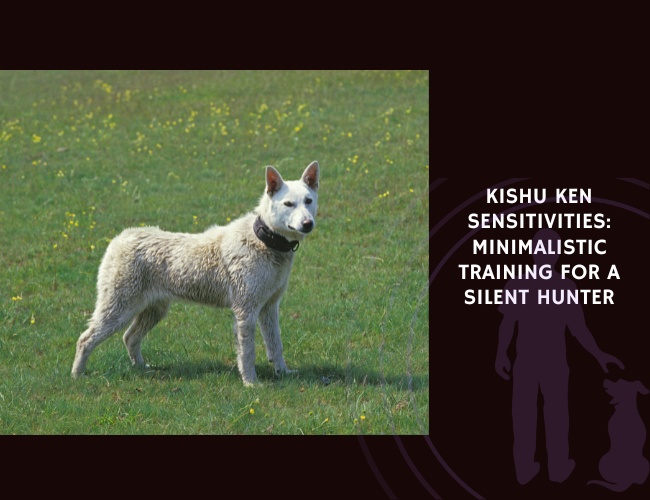
In the mist-shrouded mountains of Japan’s Kishu region, a remarkable breed evolved over three millennia—not through noise and flash, but through silence and restraint. The Kishu Ken stands as one of Japan’s most ancient hunting companions, a dog whose very essence contradicts everything modern training culture teaches us about canine communication. While most breeds signal their intentions through barks, whines, and exuberant body language, the Kishu developed something far more subtle: a silent language of precision, patience, and profound observation.
You might wonder what makes this breed so uniquely different. The answer lies in their legendary hunting expression: “One dog, one shot.” This isn’t just a testament to their physical capability—it reveals a cognitive architecture built on economy of action, environmental reading, and internal processing that happens almost entirely beneath the surface. Where other breeds wear their emotions openly, the Kishu processes the world internally, making decisions through careful assessment rather than immediate reaction.
This guide explores how the Kishu Ken’s evolutionary heritage as a silent mountain hunter creates specific sensitivities that most dog owners—and even experienced trainers—fundamentally misunderstand. Through the NeuroBond approach, we’ll discover why less truly becomes more with this remarkable breed, and how honoring their natural communication style builds deeper trust than any amount of verbal commands ever could.
What makes the Kishu Ken unique:
- Silent hunting methodology developed over 3,000 years
- Internal processing system with minimal external signaling
- Heightened sensitivity to human emotional states
- Preference for spatial communication over verbal commands
- Selective bonding that requires patience and consistency
- Cognitive architecture built on precision rather than repetition
The Silent Hunter’s Heritage: Understanding Evolutionary Design
How Three Thousand Years Shaped Modern Behavior
The mountainous terrain of Mie and Wakayama Prefecture presented unique challenges for hunting dogs. Steep volcanic slopes covered in dense vegetation demanded something different from the typical hunting breeds Europeans developed. While European hunting dogs relied on vocal baying to drive game or alert hunters, the Kishu evolved in an environment where sound meant failure.
Your Kishu’s ancestors stalked deer and wild boar through terrain where a single bark could send prey fleeing into territory no hunter could follow. Natural selection favored dogs who could move silently, assess situations independently, and hold game without the excited vocalizations that other breeds couldn’t suppress. The Matagi—traditional winter hunters of northern Japan—specifically documented how the Kishu’s courage and silent working style saved countless lives in dangerous mountain hunting situations.
Evolutionary selection pressures that shaped the breed:
- Acoustic stealth for approaching wary prey in dense vegetation
- Silent stalking to allow single-shot hunting range
- Quiet holding behavior preventing prey escape
- Independent decision-making in dangerous terrain
- Environmental reading without vocal confirmation
- Courage without excitement-based arousal
- Precision action after extended patience
This wasn’t just about being quiet during the hunt. The Kishu Ken developed an entire communication system based on visual cues, spatial positioning, and energy reading rather than vocal signals. Generation after generation, the dogs who could process environmental information internally, make independent decisions without auditory confirmation, and maintain intense focus without excitement-based arousal became the foundation of the breed.
What does this mean for you today? Every time your Kishu seems to “ignore” a command or appears stoic in a chaotic environment, you’re witnessing this ancient adaptation in action. Their neurology literally processes information differently than breeds developed for vocal communication.
The hunting heritage manifests in daily life as:
- Visual tracking of movement you don’t consciously notice
- Preference for observing before acting rather than immediate response
- Discomfort in acoustically chaotic environments
- Independent decision-making without seeking constant approval
- Ability to maintain focus for extended periods without excitement
- Stress accumulation that happens internally without obvious signals
The Neurological Reality of Silence
Modern canine neuroscience helps us understand what the Matagi observed empirically. The Kishu Ken’s brain developed enhanced visual and olfactory processing to compensate for reduced vocal communication. Their motion detection capabilities exceed most breeds, allowing them to spot the slightest movement in peripheral vision while maintaining focus on a primary task.
Your Kishu’s enhanced sensory capabilities include:
- Motion detection that picks up movement three houses away
- Peripheral awareness maintained even during focused tasks
- Olfactory mapping that creates detailed environmental “pictures”
- Micro-movement sensitivity to both human and animal body language
- Auditory system calibrated for meaningful sounds in silence
- Processing depth that distinguishes focused vs. distracted human attention
You’ll notice this when your Kishu seems to track things you can’t see—a bird moving three houses away, a person approaching from around a corner before they’re visible, or changes in household routines before you’ve consciously decided to alter them. This isn’t mysticism; it’s neurology shaped by survival pressure.
The same adaptation that made them exceptional hunters creates specific challenges in modern environments. Their auditory system, calibrated for forest silence punctuated by meaningful sounds, experiences what researchers call “acoustic fatigue” in typical human environments. The constant background noise of urban life—traffic, conversations, television, household appliances—creates a processing burden that most vocal breeds simply don’t experience.
Through the Invisible Leash perspective, we understand that awareness flows both ways. Just as your Kishu reads micro-signals in your behavior, they’re constantly processing environmental input at a depth most breeds don’t require. This creates both their remarkable observational capabilities and their specific sensitivities to overstimulation.
Modern environmental challenges for Kishu sensory systems:
- Constant background noise (traffic, appliances, media)
- Visual movement from cars, pedestrians, other dogs
- Olfactory contamination preventing clear scent mapping
- Unpredictable acoustic stimulation throughout the day
- Artificial lighting interfering with natural rhythms
- Crowded spaces limiting escape options
- Multiple simultaneous conversations creating acoustic chaos
- Electronic device sounds and notifications
Reading True Calm: The Critical Distinction Between Stoicism and Shutdown
When Silence Becomes Deceptive
Here’s where most Kishu owners encounter their first serious misunderstanding. Your dog appears perfectly composed in a chaotic situation—no barking, no obvious stress signals, no pulling or lunging. You feel proud of their “good behavior.” Then, weeks or months later, seemingly out of nowhere, your calm companion reacts with unexpected intensity to a situation that appears similar to ones they previously “handled well.”
The truth? Your Kishu wasn’t handling those situations well. They were enduring them through a mechanism called emotional suppression—and you missed the signals because they’re so subtle that even experienced trainers often overlook them.
Let me guide you through what genuine calm actually looks like in a Kishu Ken. When your dog is truly relaxed, their ears remain soft and mobile at the base, shifting naturally in response to sounds. Their mouth appears loose, slightly open, with the tongue visible and no tension in the lips. You’ll see fluid body movements with natural weight shifts as they adjust position. Most tellingly, a genuinely calm Kishu seeks voluntary proximity to trusted humans and maintains exploratory behavior even in novel environments.
Markers of true stoic calm:
- Soft, forward-facing ears with mobile base (not frozen)
- Relaxed mouth with slight opening, tongue visible
- Fluid body movements with natural weight shifts
- Voluntary proximity seeking to trusted humans
- Exploratory behavior maintained in novel environments
- Responsive to environmental changes without hypervigilance
- Soft eye contact that acknowledges without staring
- Willingness to accept food or engage with toys
Now contrast this with suppressed stress—the state most owners mistake for calmness. The ears flatten but become frozen in position, lacking that mobile responsiveness. The mouth forms a tight line with tensed lips. You might catch “whale eye”—when the whites of the eyes become visible as the dog monitors threats in peripheral vision. The body appears locked rather than relaxed, stillness without fluidity. Your Kishu may avoid eye contact while maintaining body rigidity, and critically, they stop engaging with their environment, no longer investigating surroundings or showing interest in typical reinforcers.
Indicators of suppressed stress (shutdown):
- Frozen ear position (flattened but immobile)
- Tight mouth line with tensed lips
- Whale eye (whites of eyes visible) indicating anxiety
- Stillness that lacks fluidity—body appears “locked”
- Avoidance of eye contact combined with body rigidity
- Reduced environmental engagement—stops investigating surroundings
- Stress yawning or lip licking without other relaxation signs
- Refusal of treats or toys they’d normally accept
- Decreased responsiveness to familiar cues
The Accumulation Pattern That Predicts Crisis
Understanding Soul Recall—how emotional memory creates behavioral patterns—becomes essential here. The Kishu’s stress accumulation follows a deceptive sequence: environmental stressor leads to internal processing with no external signal, which builds toward threshold accumulation, culminating in sudden decisive action.
This mirrors their hunting strategy perfectly. A Kishu stalking prey doesn’t signal its intentions. It assesses silently, waits patiently, then moves with explosive precision when the moment arrives. The same neurological pattern applies to stress management.
Many owners report an identical sequence: their dog appeared perfectly behaved in challenging situations, they observed no obvious stress signals, then sudden behavioral changes—reactivity, avoidance, or aggression—emerged seemingly from nowhere. The owner perceives this as unpredictable behavior, but the Kishu was communicating all along. The handler simply wasn’t fluent in the language.
You need to learn what I call micro-signals: those half-second freezes in movement that most people don’t notice, subtle head orientation shifts away from a stressor, weight redistribution toward the rear legs that indicates preparation for movement, breathing pattern changes from deep abdominal breathing to shallow chest breathing, and tension in the ear base that requires close observation to detect. 🧠
Critical micro-signals that precede behavioral changes:
- Micro-freezes (0.5-2 second pauses in movement)
- Head orientation shifts away from stressor
- Subtle weight redistribution toward rear legs
- Breathing pattern changes (shallow chest vs. deep abdominal)
- Ear base tension (requires close observation)
- Momentary loss of body fluidity during transitions
- Slight narrowing of eyes while maintaining forward gaze
- Tongue flicks that aren’t part of normal panting
Bonding on Kishu Terms: Patience and Predictability
The Timeline Your Kishu Actually Needs
If you’re coming from retrievers, herding breeds, or companion dogs selected for immediate human bonding, the Kishu Ken’s timeline will challenge your expectations. This breed doesn’t do instant attachment. They assess, observe, and gradually conclude whether you’re worthy of their trust.
Research on Japanese breeds consistently demonstrates they respond optimally to handlers who provide structural clarity without verbal excess, emotional neutrality as a calm baseline state, consistent spatial patterns with predictable movement rhythms, minimal physical intrusion respecting personal space, and patient observation before interaction.
Handler qualities that build Kishu trust:
- Structural clarity without verbal excess
- Emotional neutrality (calm baseline state)
- Consistent spatial patterns (predictable movement rhythms)
- Minimal physical intrusion (respecting personal space)
- Patient observation before interaction
- Reliability in daily routines and responses
- Calm energy regardless of circumstances
- Clear boundaries maintained consistently
You should expect three to six months for initial trust establishment and six to twelve months for deep bond formation. This isn’t a flaw in your training or your dog’s temperament—it’s the breed operating exactly as designed. Unlike demonstrative breeds that form attachments through intense sporadic engagement, the Kishu builds trust through consistent daily interaction that respects their autonomy throughout the bonding process.
The NeuroBond framework emphasizes that trust becomes the foundation of learning when we honor the dog’s natural pace rather than forcing our preferred timeline. Your Kishu is simultaneously testing your consistency, observing how you handle stress, evaluating whether your energy remains stable, and determining if you respect boundaries when they signal discomfort.
Communication Style That Actually Works
Let’s address the elephant in the room: your Kishu is never going to respond to training like a Border Collie or a Golden Retriever. Stop trying to make them. The verbal-command-based training that works beautifully for most breeds creates acoustic fatigue and cognitive overload in the Kishu Ken.
Here’s what your Kishu responds to naturally: spatial cues over verbal commands. This means body positioning that indicates direction, calm movement patterns they can follow, and clear boundaries established through consistent placement rather than constant correction. They read where you stand, how you move, and what spaces you make available or unavailable.
Examples of spatial communication that works:
- Body positioning that indicates direction changes
- Calm movement patterns the dog can follow
- Clear boundaries established through consistent placement
- Physical blocking of unwanted pathways
- Opening or closing access to spaces
- Your position relative to resources (food, toys, doors)
- Movement speed that signals activity transitions
- Distance management that communicates comfort zones
Minimal verbal interference becomes your guiding principle. Use single-word cues delivered calmly, then silence during your dog’s decision-making process. When they comply, verbal praise should be quiet and brief—not the excited, high-pitched enthusiasm that sends most dogs into happy overdrive. Remember, your Kishu’s ancestors worked in near-total silence except for critical communication moments.
Predictable routines matter more than you might expect. Consistent daily structure, ritualized transitions between activities, and advance warning through environmental setup rather than verbal announcement create the foundation for a confident, engaged Kishu. When your dog knows what comes next, their cognitive resources free up for actual learning and bonding rather than environmental scanning and anxiety management.
Avoid these counterproductive patterns: repetitive command delivery that creates acoustic fatigue, excited verbal praise that overstimulates rather than reinforces, constant narration of activities that produces cognitive overload, and inconsistent cue delivery that erodes trust in your clarity as a leader. 🐾
Communication patterns that damage trust:
- Repetitive command delivery (creates acoustic fatigue)
- Excited verbal praise (overstimulating)
- Constant narration of activities (cognitive overload)
- Inconsistent cue delivery (erodes trust)
- Multiple cue variations for same behavior
- Talking through your dog’s decision-making process
- High-pitched “dog voice” that creates arousal
- Background noise from devices during training
Emotional Sensitivity: Reading Your Energy Before You Realize It Yourself
The Third-Party Social Evaluation System
Fascinating research from Kyoto University demonstrates that dogs possess what scientists call “third-party social evaluation” capabilities. They observe human interactions and make character judgments based on cooperation, fairness, and intent—not just how humans treat them directly, but how humans behave toward others.
The Kishu Ken’s hunting heritage likely amplified this capacity beyond typical canine levels. Survival in dangerous mountain hunting situations depended on reading human hunting partners’ subtle signals—knowing when a hunter prepared to move, sensing stress that indicated environmental danger, and detecting the calm focus that preceded successful shots.
Your Kishu picks up on breathing pattern changes that signal stress before you’re consciously aware of feeling anxious. They detect micro-postural shifts in weight distribution and shoulder tension that telegraph your emotional state. Most critically, they immediately recognize emotional incongruence—when your verbal message contradicts your body language. This creates confusion and erodes trust faster than almost anything else you can do.
Human signals your Kishu reads constantly:
- Breathing pattern changes (stress indicator)
- Micro-postural shifts (weight distribution, shoulder tension)
- Emotional incongruence (verbal vs. body language)
- Attention quality (focused vs. distracted presence)
- Energetic consistency (calm baseline vs. erratic states)
- Facial micro-expressions you don’t know you’re making
- Hand tension when holding the leash
- Changes in walking pace or rhythm
You might think you’re hiding frustration, anxiety, or impatience, but you’re not. Not from your Kishu. They read attention quality, distinguishing focused presence from distracted interaction. They track energetic consistency, noting when your baseline calm state gives way to erratic emotional patterns.
How Your Dysregulation Becomes Their Destabilization
Here’s a critical finding: Kishu Kens show greater behavioral disruption from inconsistent human emotional states than from environmental stressors. Your anxiety about a situation affects them more than the situation itself. Frustrated handler responses during training create more setbacks than the actual training challenges. Rushed or pressured interactions produce more stress than time constraints would otherwise generate.
The Invisible Leash reminds us that the energy flowing between human and dog travels both directions. When you radiate calm, consistent leadership, your Kishu can focus on the environment and appropriate responses. When your energy becomes erratic, they must split attention between environmental monitoring and tracking your unpredictable emotional state.
Stabilization happens when you maintain emotional neutrality—a calm, non-reactive baseline regardless of circumstances. Consistent energy throughout interactions, even when you feel internally stressed, becomes essential. Predictable responses to dog behaviors create safety. The patience to allow processing time before expecting compliance respects their neurological design.
Human behaviors that create stability:
- Emotional neutrality (calm, non-reactive baseline)
- Consistent energy throughout interactions
- Predictable responses to dog behaviors
- Patience allowing processing time before expecting compliance
- Deep breathing that maintains your own regulation
- Pausing before reacting to unexpected situations
- Maintaining routine even when stressed
- Calm voice tone regardless of what your dog does
Think about it this way: your Kishu evolved to work with hunters whose lives depended on emotional regulation under extreme pressure. A panicked or angry hunter endangered the entire hunting party. The dogs who could still function effectively with such handlers didn’t survive to breed. Your Kishu’s sensitivity to human emotional dysregulation isn’t a flaw—it’s a feature that kept their ancestors alive. 😊
Training Philosophy: Why Less Truly Becomes More
The Minimalistic Approach to Cue Systems
Traditional dog training often operates on the assumption that more is better: more commands, more repetitions, more verbal praise, more corrections, more everything. The Kishu Ken thrives on the opposite approach. Their cognitive architecture processes economy of action, precision in communication, and clarity through simplicity.
You need to develop what I call a minimalistic cue system. This means selecting five to seven essential cues and making each one crystal clear through consistent delivery. Your markers should be distinct, brief, and delivered at consistent volume and tone. Every single time you use a cue, it should sound identical—not louder when you’re frustrated, not sweeter when you’re pleased, not faster when you’re rushed.
Building your minimalistic cue system:
- Select 5-7 essential cues maximum
- Make each cue acoustically distinct
- Deliver at consistent volume and tone every time
- Use single words rather than phrases
- Wait 3-5 seconds after cue delivery before repeating
- Never vary the cue word for the same behavior
- Practice cue delivery without your dog present first
- Record yourself to ensure consistency
Spatial positioning becomes your primary communication tool. Instead of verbal commands for direction changes during walks, shift your body position and allow your Kishu to read the change. Rather than repeatedly saying “off” when your dog approaches furniture, establish consistent boundaries through your own spatial relationship to those items. The Invisible Leash operates through this awareness—your dog reading your intention through position and movement rather than waiting for verbal instructions.
Timing matters differently for Kishus than for most breeds. Where a Border Collie might thrive on split-second timing and rapid-fire cue sequences, your Kishu needs pause points. After delivering a cue, create silence that allows for processing. This might feel uncomfortable initially—you’ll want to repeat the cue or add additional information. Resist that impulse. Trust the silence as communication space.
The Power of Environmental Management
Here’s a perspective shift that transforms Kishu training: instead of teaching your dog how to respond to chaos, eliminate the chaos. Environmental management isn’t cheating—it’s intelligent design that respects your dog’s sensory processing capabilities.
Create decompression zones in your home where your Kishu can retreat from household activity. These shouldn’t be punishment areas but designated rest spaces where interruption doesn’t occur. Consistent placement of resources—food bowls, water, resting beds—reduces cognitive load from environmental scanning. Your dog can relax when they know exactly where essentials exist.
Environmental management essentials:
- Designated decompression zones free from interruption
- Consistent placement of food, water, and rest areas
- Visual barriers (curtains, furniture) for privacy
- Quiet spaces away from household traffic patterns
- Predictable pathways through your home
- Clear furniture boundaries (on/off rules)
- White noise machines to buffer unpredictable sounds
- Dim lighting options for evening relaxation
Control exposure intensity through strategic management. Rather than flooding your Kishu with stimulation to “socialize” them, create carefully calibrated experiences at thresholds they can actually process. One calm interaction with a dog-savvy friend teaches more than ten chaotic encounters at a dog park.
During walks, prioritize decompression over exercise. Yes, your Kishu needs physical activity, but their deepest need is olfactory investigation in natural environments. Ten minutes of calm sniffing in a forest provides more authentic enrichment than thirty minutes of leash walking through urban chaos. Scent work isn’t just an activity—it’s how your dog decompresses from accumulated stress.
The NeuroBond approach recognizes that preventing stress accumulation proves far more effective than trying to train through chronic arousal. When you create environments that match your Kishu’s processing capabilities, training becomes almost effortless because you’re working with their neurology rather than against it.
Silent. Steady. Perceptive.
Quiet Shapes Behaviour
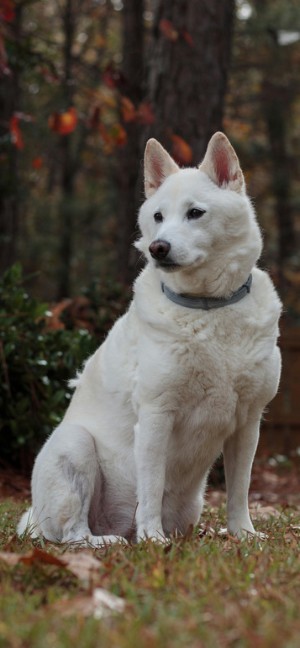
The Kishu Ken’s actions emerge from internal processing rather than outward display. Their silence reflects focus, not emotional absence.
Mountains Forged Restraint
Hunting steep, dense terrain selected for dogs who moved without sound and decided without prompting. This heritage creates precision that resists excessive cues.

Trust Grows Slowly
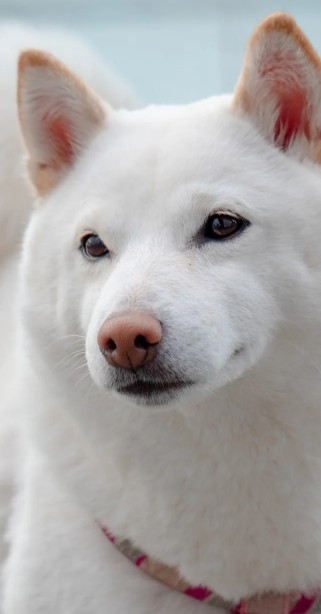
Their selective bonding and sensitivity to human states demand patience and minimalism. When respected, their loyalty becomes deep, stable, and quietly unwavering.
Socialization Realities: Respecting Selective Bonding
Breaking Free from Forced Friendliness Culture
Modern dog culture often insists that all dogs must enjoy interaction with all humans and all dogs in all situations. This expectation doesn’t just misunderstand the Kishu Ken—it actively harms them. Your Kishu evolved as a one-person or one-family hunting dog with strong territorial instincts and naturally selective social preferences.
Forcing a Kishu into situations requiring broad sociability creates the very problems owners fear they’re preventing. The dog who must tolerate unwanted interaction learns that their communication doesn’t matter, that boundaries will be violated regardless of their signals, and that humans cannot be trusted to respect their comfort zones. This teaching creates either shutdown behaviors or explosive reactions when thresholds finally overwhelm their restraint.
Appropriate socialization for a Kishu means something entirely different than for a Golden Retriever. You’re not creating a dog who wants to greet everyone. You’re developing a dog who can remain neutral and calm in the presence of strangers while maintaining their natural preference for selective interaction.
What proper Kishu socialization involves:
- Exposure to various environments without forced interaction
- Observation of humans and dogs from comfortable distances
- Positive associations through your calm presence
- Respect for your dog’s communication about comfort zones
- Gradual approach to novelty at the dog’s pace
- Choice in whether to investigate or avoid
- Protection from forced greetings by strangers
- Quality over quantity in social experiences
Here’s what proper Kishu socialization actually involves: exposure to various environments without forced interaction requirements, observation of humans and dogs from comfortable distances that allow your dog to habituate without pressure, positive associations with new experiences through your own calm presence rather than through forced engagement, and critical respect for your dog’s communication about comfort zones.
🗻 The Silent Hunter’s Path: Kishu Ken Training Journey
A Sequential Guide to Building Trust with Japan’s Ancient Mountain Guardian Through Minimalistic Communication
Phase 1: Understanding the Silent Hunter
Foundation Knowledge (Weeks 1-4)
🔬 Evolutionary Heritage
The Kishu Ken’s 3,000-year breeding for silent mountain hunting created unique neurological patterns. Their brain prioritizes visual and olfactory processing over vocal communication, making them exceptional observers who process information internally before acting.
👁️ What You’ll Notice
Your Kishu tracks movements you don’t see, seems to “ignore” verbal commands, and maintains stoic composure in chaos. This isn’t stubbornness—it’s their sensory system working exactly as designed for mountain terrain, not modern urban life.
⚠️ Critical Misunderstanding
Silence does NOT equal consent or comfort. The Kishu’s stoicism often masks stress accumulation that happens entirely internally. Learn to read micro-signals now—waiting for obvious stress signals means you’ve already missed months of communication.
Phase 2: Decoding Silent Communication
Learning the Language (Weeks 2-8)
✅ Genuine Calm Markers
• Soft, mobile ears that shift naturally
• Relaxed mouth with visible tongue
• Fluid body movements with weight shifts
• Voluntary proximity seeking
• Maintained exploratory behavior
🚨 Shutdown Warning Signs
• Frozen ear position (immobile)
• Tight mouth with tensed lips
• Whale eye (whites visible)
• Body appears “locked” without fluidity
• Stops environmental engagement
🔍 Micro-Signal Detection
Practice identifying 0.5-2 second freezes in movement, subtle head orientation shifts away from stressors, weight redistribution toward rear legs, and ear base tension. Video your dog at slow speed to catch what you miss in real-time.
Phase 3: Earning Trust Through Patience
The Bonding Timeline (Months 1-6)
⏱️ Realistic Timeline Expectations
Initial trust: 3-6 months of consistent interaction. Deep bond formation: 6-12 months minimum. Your Kishu is simultaneously testing your consistency, observing stress handling, evaluating energy stability, and determining boundary respect throughout this period.
🎯 Daily Trust-Building Actions
• Maintain consistent wake/sleep times
• Same morning routine daily
• Predictable meal and walk schedules
• Calm baseline regardless of circumstances
• Follow through on every promise made through actions
💫 NeuroBond in Action
Through the NeuroBond approach, trust becomes the foundation when we honor the dog’s natural pace. Your Kishu reads your emotional consistency, spatial predictability, and respect for autonomy—building connection through reliability rather than force.
Phase 4: Mastering Silent Leadership
Spatial Over Verbal (Months 2-8)
📍 Spatial Communication System
• Body positioning indicates direction
• Movement patterns they can follow
• Boundaries through consistent placement
• Distance management for comfort zones
• Your position relative to resources
🔤 Minimalistic Cue Protocol
Select 5-7 essential cues maximum. Use single words delivered at consistent volume and tone. Say each cue ONCE, then wait 3-5 seconds in silence. Never vary the word for the same behavior. Practice without your dog to ensure consistency.
🚫 Avoid Acoustic Fatigue
Stop: Repetitive commands, excited praise, constant narration, multiple cue variations, “dog voice,” and talking during decision-making. These create cognitive overload and teach your Kishu that your words lack meaning.
Phase 5: Human Emotional Mastery
Your Energy Shapes Their World (Ongoing)
📡 What Your Kishu Reads Constantly
• Your breathing pattern changes
• Micro-postural shifts in weight distribution
• Emotional incongruence (words vs. body language)
• Attention quality (focused vs. distracted)
• Hand tension on the leash
• Walking pace variations
🎯 Stabilizing Behaviors to Practice
Maintain emotional neutrality as your baseline. Practice deep breathing before interactions. Pause 3 seconds before reacting to unexpected situations. Keep your voice tone consistent regardless of what your dog does. Your calm becomes their anchor through the Invisible Leash.
💡 Critical Truth
Kishus experience greater destabilization from inconsistent human emotional states than from environmental stressors. Your anxiety affects them more than the situation itself. Your frustration during training creates more setbacks than the actual challenge.
Phase 6: Mental Satisfaction Through Scent
Hunter Fulfillment (Daily Practice)
👃 Scent Work as Primary Need
• Prioritize sniffing over distance during walks
• 20 minutes of scent investigation > 40 minutes marching
• Natural environments (forests, fields, beaches)
• Hide treats in increasing complexity
• Nosework or tracking training
🏠 Environmental Management
Create decompression zones free from interruption. Use consistent placement for resources. Provide visual barriers (curtains, furniture) for privacy. White noise machines buffer unpredictable sounds. Quiet spaces away from household traffic patterns.
🧩 Mental Over Physical
Five minutes of cognitive challenge provides more enrichment than 30 minutes of mindless physical activity. Your Kishu should spend more time thinking than doing. Puzzle feeders, variable routes, natural obstacles—all require decision-making that satisfies hunting drives.
Phase 7: Respecting Selective Bonding
Quality Over Quantity (Months 3-12)
🚫 Break Free from “Friendly Dog” Culture
Forcing broad sociability creates the problems you fear preventing. Your Kishu evolved as a selective one-person hunter. Respecting social preferences creates stability; forcing interaction creates reactivity when boundaries are repeatedly violated.
✅ Proper Kishu Socialization
• Exposure without forced interaction
• Observation from comfortable distances
• Positive associations through YOUR calm presence
• Respect communication about comfort zones
• Choice in whether to investigate or avoid
🔍 Social “No Thank You” Signals
Approach avoidance, head turning with slow blink, body stiffening when touched, leaning away, seeking position behind your legs, sudden ground sniffing during approach. Soul Recall reminds us: every forced interaction creates negative emotional memory.
Phase 8: Recognizing True Connection
Silent Expressions of Deep Trust (Year 1+)
💫 Subtle Trust Expressions
• Choosing to rest in same room without seeking attention
• Soft eye contact acknowledging without staring
• Spatial awareness check-ins during walks
• Relaxed body posture in your presence
• Sleeping with back toward you (ultimate trust)
🎯 Celebrate Quiet Connection
Don’t demand demonstrative affection. Honor their natural language—subtle, restrained, but profound. The Kishu who expresses connection in their own style develops deeper trust than one forced to perform enthusiasm they don’t feel.
🏆 Partnership Rewards
You’ll develop observational skills that enhance all relationships. Communication happens through silence. True leadership requires less control. Deep loyalty based on respect rather than dependence. A partner who reads you before you read yourself.
🔄 Kishu Ken vs. Other Training Approaches
Verbal Communication
Kishu Approach: Minimalistic—5-7 cues maximum, single-word delivery, silence as information
Traditional Approach: Verbal-heavy with repetitive commands, excited praise, constant narration
Bonding Timeline
Kishu Reality: 3-6 months initial trust, 6-12 months deep bond through consistent observation
Other Breeds: Immediate attachment common, especially in companion and retriever breeds
Socialization Goals
Kishu Standard: Neutral calmness with strangers, selective interaction by choice, quality over quantity
Modern Culture: Expects all dogs friendly with all people and dogs in all situations
Exercise Priorities
Kishu Need: Mental enrichment through scent work, 5 min cognitive > 30 min physical
Common Mistake: Focus on distance/duration physical exercise without mental satisfaction
Stress Communication
Kishu Pattern: Internal accumulation with micro-signals only—shutdown before escalation
Vocal Breeds: Obvious signals like whining, pacing, barking when uncomfortable
Training Philosophy
Kishu Success: Autonomy within structure, environmental management, spatial communication
Typical Methods: High repetition, constant direction, performance-based compliance
⚡ Quick Reference: The Silent Hunter Formula
Trust Timeline: Patience × Consistency × 6 months = Initial Bond
Communication Ratio: 1 Verbal Cue : 3 Seconds Silence : Spatial Positioning
Enrichment Balance: 20 min Scent Work > 40 min Physical Exercise
Stress Detection: Watch Ears + Mouth + Weight Distribution = True State
Handler Energy: Your Calm Baseline = Their Stability Foundation
Socialization Standard: Neutral Calmness ≠ Forced Friendliness
🧡 The Zoeta Dogsoul Perspective
The Kishu Ken embodies the essence of what we teach through the NeuroBond framework—that true connection emerges not from constant interaction but from reliable, respectful presence. Through the Invisible Leash, we understand that awareness flows silently between human and dog, requiring no words when energy and intention align. And Soul Recall reminds us that every interaction creates emotional memory, shaping whether trust deepens or erodes with each choice we make.
The silent hunter teaches us that powerful communication often happens in the spaces between words, that restraint reflects strength rather than weakness, and that the deepest bonds form through predictability rather than performance. In learning to work with the Kishu Ken, you develop not just dog training skills but a profound understanding of relationship itself—one built on observation, respect, and the recognition that less truly becomes more.
This ancient breed reminds us that excellence emerges from economy of action, that silence can be more eloquent than speech, and that trust earned through patient consistency creates partnerships that transcend species boundaries.
© Zoeta Dogsoul – Where neuroscience meets soul in dog training
Reading and Respecting Social Signals
Your Kishu will tell you clearly which interactions they want and which they’d prefer to avoid. The question is whether you’ll listen. Approach avoidance—when your dog moves away from an approaching person or dog—is clear communication. Respect it. Turning the head away, especially combined with a slow blink, indicates they’ve hit their social threshold. Body stiffening when touched by strangers signals discomfort regardless of lack of growling or snapping.
Social signals that mean “no thank you”:
- Approach avoidance (moving away from incoming person/dog)
- Head turning combined with slow blink
- Body stiffening when touched
- Leaning away from the interaction
- Lip licking or yawning during greetings
- Avoiding eye contact with the approaching individual
- Seeking position behind your legs
- Sudden interest in ground sniffing during approach
Soul Recall teaches us that emotional memory creates lasting behavioral patterns. Every time you force your Kishu into unwanted interaction, you create a negative emotional memory that makes future similar situations more stressful, not less. Conversely, respecting their boundaries and allowing them to approach novelty at their own pace builds confidence and trust.
The goal isn’t a dog who tolerates everything. The goal is a dog who trusts you to manage situations appropriately, who knows their communication will be heard and respected, and who can therefore remain calm in varied environments because they’re not in a constant state of boundary-violation anxiety. 🧡
Exercise and Enrichment: Mental Demands That Exceed Physical Needs
The Understimulated Hunter in Your Living Room
Here’s a mistake nearly every Kishu owner makes initially: assuming physical exercise addresses the breed’s primary needs. You walk your dog for an hour, play fetch in the yard, maybe even run alongside your bike. Your Kishu appears tired afterward, but behavioral problems persist or worsen. What’s happening?
The Kishu Ken was designed for specific cognitive work. They stalked prey through complex terrain, making constant micro-decisions about approach angles, reading subtle environmental cues, determining when to move and when to freeze, and maintaining focus over extended periods. This isn’t the repetitive physical work of herding or retrieving—it’s sophisticated problem-solving that engages entirely different neurological systems.
Physical exercise without mental engagement actually increases stress in many cases. Your dog’s body is tired but their mind remains unsatisfied, creating a state of restless exhaustion. They have energy for reactive behaviors but not enough physical reserve to engage in calm problem-solving. This creates a vicious cycle where tired dogs become more reactive, not less.

Scent Work as Primary Enrichment
Let me guide you toward the single most effective enrichment activity for Kishu Kens: scent work. This isn’t optional or supplementary—it’s foundational to your dog’s wellbeing. Their olfactory system processes information in ways human brains can barely comprehend. When you allow extensive scent investigation, you’re providing cognitive enrichment that nothing else can match.
Practical implementation looks like this: during walks, prioritize sniffing over distance covered. A twenty-minute walk where your Kishu investigates scents thoroughly satisfies them more than a forty-minute march through the neighborhood. Find natural environments—forests, fields, beaches—where olfactory complexity exists and urban contamination is minimal.
Implementing effective scent work:
- Prioritize sniffing over distance during walks
- Allow 5-10 minutes of uninterrupted ground investigation
- Seek natural environments (forests, fields, beaches)
- Hide treats in increasing complexity at home
- Create scent trails using treats or toys
- Use snuffle mats for indoor enrichment
- Practice nosework or tracking training
- Rotate scent work locations weekly for novelty
Create scent games at home by hiding treats or toys in increasingly complex arrangements. Start simple with visible hiding spots, gradually increasing difficulty as your dog’s engagement grows. The goal isn’t speed but sustained focus and problem-solving. Through the NeuroBond lens, these activities build the emotional connection between you as the facilitator of meaningful work and your dog as an autonomous problem-solver.
Nosework or tracking training provides structured scent activities that satisfy hunting drives in appropriate outlets. Many Kishus who appear uninterested in typical dog sports become intensely focused when scent work is introduced. You’re finally offering work that matches their evolutionary design.
Mental Enrichment Through Environmental Complexity
Beyond scent work, create environmental complexity that requires decision-making. Puzzle feeders that demand problem-solving rather than just persistence. Variable walking routes that present new olfactory and visual information. Natural obstacles like logs, rocks, or varied terrain that require body awareness and spatial reasoning.
Mental enrichment activities that satisfy hunting drives:
- Puzzle feeders requiring problem-solving
- Variable walking routes with new information
- Natural obstacles (logs, rocks, varied terrain)
- Hide-and-seek games with toys or treats
- Food-dispensing toys with adjustable difficulty
- Training sessions focused on precision over speed
- Exploration of new environments at dog’s pace
- Interactive toys that require strategy
The key principle: your Kishu should spend more time thinking than doing. Five minutes of cognitive challenge provides more enrichment than thirty minutes of mindless physical activity. When you honor their hunter ancestry through appropriate mental work, most behavioral problems diminish or disappear entirely without direct training. 🐾
Health Considerations: When Stoicism Masks Medical Issues
The Diagnostic Challenge of Low-Complaint Dogs
Here’s a veterinary reality that many Kishu owners discover too late: your dog’s stoicism makes early detection of health issues extraordinarily difficult. Breeds that vocalize discomfort, become clingy when feeling unwell, or show obvious behavioral changes alert their owners to problems early. The Kishu continues normal activities while silently managing significant pain or illness.
This creates specific monitoring responsibilities for you. You cannot rely on your dog to “tell” you something is wrong through obvious behavior changes. Instead, you need systematic assessment protocols that catch subtle shifts before they become crises.
Daily health monitoring protocols:
- Track appetite and eating speed changes
- Monitor elimination patterns (frequency and characteristics)
- Observe activity level shifts over time
- Watch for breathing pattern changes during rest
- Check for reluctance to lie on certain sides
- Note changes in sleep patterns or positions
- Assess coat quality and skin condition weekly
- Track interest levels in normal activities
Watch for changes in appetite or eating speed. A Kishu who suddenly takes longer to finish meals or shows slight hesitation around food may be experiencing dental pain, gastrointestinal discomfort, or systemic illness. Track elimination patterns—both frequency and characteristics. Changes in stool consistency, difficulty with urination, or altered elimination schedules can signal developing problems.
Subtle pain indicators in stoic dogs:
- Taking longer to finish meals or eating more slowly
- Slight hesitation before lying down or standing
- Choosing different sleeping positions than usual
- Taking longer routes to avoid stairs or jumping
- Decreased enthusiasm for previously enjoyed activities
- Subtle stiffness after rest periods
- Minor changes in gait or weight distribution
- Increased time spent in one position without moving
Monitor activity level changes that appear gradual. Your Kishu won’t suddenly limp or refuse walks. Instead, they might take slightly longer to stand after resting, choose to lie down more frequently during walks, or show decreased interest in activities they previously enjoyed. These subtle shifts often indicate pain management that’s been ongoing for extended periods before you notice.
Pay attention to breathing patterns during rest. Increased respiratory rate while relaxed, subtle changes in breathing depth, or reluctance to lie on certain sides may indicate cardiac or respiratory issues that haven’t yet produced obvious symptoms.
Stress-Related Health Complications
The Kishu’s stress accumulation pattern doesn’t just create behavioral problems—it produces physical health consequences. Chronic stress suppression without appropriate outlets leads to immune system dysregulation, increased inflammatory responses, gastrointestinal problems, and increased vulnerability to infectious diseases.
Physical manifestations of chronic stress:
- Immune system dysregulation
- Increased inflammatory responses
- Gastrointestinal problems (diarrhea, vomiting)
- Increased vulnerability to infections
- Skin conditions and excessive scratching
- Hot spots without clear environmental causes
- Generalized coat quality decline
- Changes in eating or drinking patterns
Skin conditions often manifest as stress indicators in Kishus before behavioral problems become obvious. Excessive scratching despite no flea presence, hot spots that develop without clear environmental causes, or generalized coat quality decline may reflect internal stress levels.
Preventive care means managing stress before it produces health consequences. Through the Invisible Leash perspective, we understand that calm leadership and predictable environments don’t just create better behavior—they literally support immune function and physiological wellbeing.
Regular veterinary examinations become more important for Kishus than for demonstrative breeds. Annual wellness checks should include thorough physical examination with attention to subtle changes, blood work to establish baseline values and track trends, and discussion of any minor behavioral shifts that might indicate developing problems.
Build a relationship with your veterinarian where you’re monitoring trends over time rather than only addressing acute problems. Your Kishu won’t tell you when something hurts until it hurts too much to hide. 🧠
Urban Living Challenges: Managing Modern Environments
The Sensory Overload Reality
Let’s be honest about something many breeders won’t tell prospective owners: the Kishu Ken was not designed for urban environments. Every aspect of their evolutionary development occurred in relatively quiet, natural settings with minimal human density and predictable daily patterns. Modern urban and suburban environments present challenges that contradict nearly everything their neurology expects.
Constant background noise from traffic, construction, neighbors, and household appliances creates acoustic fatigue that accumulates throughout the day. Visual stimulation from movement—cars, pedestrians, other dogs—requires constant processing. Olfactory contamination from countless sources prevents the kind of clear scent mapping your Kishu needs for environmental confidence.
This doesn’t mean Kishus cannot live in cities, but it does mean you must actively compensate for environmental stressors. Create quiet spaces within your home where acoustic intrusion is minimal. Use white noise machines or soft music to buffer external unpredictable sounds. Provide visual barriers—curtains, room dividers, strategic furniture placement—that allow your dog to rest without constant visual monitoring.
Urban environment compensations:
- Quiet spaces with minimal acoustic intrusion
- White noise machines to buffer unpredictable sounds
- Visual barriers (curtains, room dividers)
- Strategic furniture placement for privacy
- Scheduled escapes to natural environments
- Early morning or late evening walks when quieter
- Routes avoiding high-traffic areas when possible
- Indoor enrichment on particularly chaotic days
Schedule regular escapes to natural environments. This isn’t optional enrichment—it’s stress management. Weekend hikes, trips to beaches or forests, even drives to quieter suburban areas for walks provide essential decompression that urban environments cannot offer. Your Kishu needs regular immersion in the type of environment their neurology was designed to process.
Social Density Management
Urban environments create another challenge: constant proximity to unfamiliar humans and dogs. In their native mountain environment, your Kishu’s ancestors encountered few individuals outside their hunting party. Modern city living can mean dozens or hundreds of encounters daily during walks alone.
You need strategies for managing this social density without forcing constant interaction. Learn routes and times that minimize encounters during initial training periods. Use physical barriers—parked cars, trees, distance—to create comfortable space between your dog and approaching triggers. Practice calm observation from safe distances rather than forced close proximity.
Managing social density in urban areas:
- Routes and times that minimize encounters
- Physical barriers (parked cars, trees) for buffer space
- Calm observation from safe distances
- U-turn skills to avoid uncomfortable situations
- Early morning walks for fewer interactions
- Quiet side streets instead of main thoroughfares
- Distance work before attempting closer proximity
- Reward for neutral acknowledgment of strangers
The goal is habituation without flooding. Your Kishu should learn that strangers exist, pass by, and don’t require response. This comes through repeated exposure at appropriate thresholds, not through forced close interaction. Through the NeuroBond approach, you become the buffer between your dog and environmental overwhelm, building trust through your reliable management of situations. 😊
Life Stages: From Puppy Development to Senior Care
The Extended Adolescence Period
Kishus mature slowly compared to many breeds. While you might see behavioral stability in retrievers or herding dogs by twelve to eighteen months, your Kishu may not show full maturity until three years of age. This extended adolescence period requires particular patience and consistency.
During puppyhood—roughly eight weeks to six months—focus on building positive associations with handling, gentle exposure to varied environments without pressure, establishing household routines and boundaries, and most critically, respecting your puppy’s need for extensive sleep and processing time. Resist the urge to create an entertainment schedule for your puppy. Boredom is not their enemy; overstimulation is.
Puppyhood priorities (8 weeks to 6 months):
- Building positive associations with handling
- Gentle exposure without pressure or flooding
- Establishing household routines and boundaries
- Respecting need for 18-20 hours sleep daily
- Short training sessions (3-5 minutes maximum)
- Protected nap times without interruption
- Calm household energy during adjustment
- Foundation skills over performance behaviors
The adolescent period—roughly six months to three years—brings challenges. Increased independence, testing of boundaries, potential reactivity to triggers that didn’t previously bother them, and selective hearing all emerge. This isn’t defiance; it’s normal development for the breed. Maintain consistent boundaries, provide appropriate outlets for increasing energy, respect growing need for autonomy within structure, and above all, resist the impulse to increase pressure or force compliance through aversive methods.
Adolescent period challenges (6 months to 3 years):
- Increased independence and boundary testing
- Potential reactivity to previously neutral triggers
- Selective hearing during environmental distractions
- Reassessment of previously learned behaviors
- Increased physical energy requiring outlets
- Development of adult social preferences
- Maturation of territorial instincts
- Greater sensitivity to handler emotional states
Many Kishu owners report that dogs who seemed well-trained suddenly appear to forget everything during adolescence. Your dog didn’t forget—they’re reassessing everything through a maturing brain that now has capacity for more complex environmental evaluation. Stay consistent, maintain your calm presence, and trust the foundation you’ve built.
Senior Care Considerations
As your Kishu enters senior years—typically around eight years old—their sensory sensitivities may intensify rather than diminish. Hearing loss can make them more visually dependent and potentially more reactive to unexpected approaches. Vision changes may increase reliance on scent and routine for confidence. Joint stiffness or pain creates lower tolerance for forced interaction or manipulation.
Adapt your environment and expectations accordingly. Increase predictability in daily routines, provide easily accessible rest areas that don’t require jumping or climbing, maintain clear pathways free of obstacles, and respect increasing preference for quiet and solitude. Your senior Kishu may want even less social interaction than they did in their prime years. Honor this.
Senior care adaptations (8+ years):
- Increased predictability in daily routines
- Easily accessible rest areas (no jumping required)
- Clear pathways free of obstacles
- Respect for increasing preference for solitude
- Shorter, more frequent walks instead of long ones
- Softer bedding for joint support
- Ramps or steps for furniture/car access
- Patience with slower response times
Regular veterinary monitoring becomes critical. The stoicism that made early diagnosis challenging in adulthood becomes potentially dangerous in senior years when health issues accelerate. Work with your veterinarian to establish a geriatric care protocol appropriate for your individual dog.
Through Soul Recall, we understand that the bond you’ve built over years creates deep trust. Your senior Kishu relies on you to read their subtle signals and advocate for their needs as their own capacity to manage stress diminishes. This is when your investment in learning their language pays the most profound dividends. 🧡
Common Training Mistakes and Their Corrections
Mistake One: Treating Silence as Consent
The most common and dangerous mistake: assuming that because your Kishu isn’t reacting, they’re comfortable. Silence is communication, but not always the communication you think. Your dog’s stillness may indicate calm—or it may indicate they’ve shut down because signaling discomfort hasn’t worked in the past.
Correction: Develop sophisticated body language reading skills. Invest time studying canine stress signals specific to Japanese breeds. Video your dog in various situations and review footage at slow speed to catch micro-expressions you miss in real-time. Learn what your individual dog’s stress signals look like, because they vary between dogs.
Essential body language reading skills:
- Micro-freezes lasting less than two seconds
- Ear position changes and base tension
- Eye softness vs. hardness assessment
- Mouth tension and lip position
- Weight distribution and balance shifts
- Tail carriage and movement fluidity
- Breathing pattern variations
- Overall body rigidity vs. relaxation
Mistake Two: Verbal Overload During Training
Many owners, frustrated by their Kishu’s apparent lack of response, increase verbal input—repeating commands, adding explanations, using multiple cue variations. This creates acoustic fatigue and teaches your dog that your words lack meaning since they’re constant background noise.
Signs your dog is experiencing acoustic fatigue:
- Increasing lack of response to previously known cues
- Head turning away when you speak
- Leaving the room during verbal interactions
- Delayed responses even in low-distraction environments
- Stress signals appearing during training sessions
- Decreased enthusiasm for working with you
- Seeking distance from verbal handlers
- Better response to silent handlers or other dogs
Correction: Implement minimalistic cue protocol. Choose your final cue for each behavior and use only that cue, only once, then wait in silence. If your dog doesn’t respond, resist repeating. Instead, assess whether environmental distractions are too high, whether you’ve adequately taught the behavior in this context, or whether your dog is communicating that they need a break. Through the Invisible Leash approach, silence becomes information rather than absence of communication.
Questions to ask before repeating a cue:
- Are environmental distractions too high right now?
- Have I adequately taught this behavior in this context?
- Is my dog communicating they need a break?
- Is my own energy calm and clear?
- Did I give sufficient processing time (3-5 seconds)?
- Is this the right moment for this request?
- Am I positioned appropriately for this cue?
- Has enough time passed since the last training session?
Mistake Three: Forcing Sociability
Owners fear having an “antisocial” dog and push for interactions their Kishu clearly wants to avoid. This teaching creates precisely the reactivity they fear—dogs learn that their boundaries don’t matter and eventually enforce them through more intense means.
Correction: Respect your dog’s social preferences. Provide exposure without interaction requirements. Develop confidence through choice. Your Kishu who can opt out of interaction paradoxically becomes more stable in social situations because they trust you’ll respect their boundaries. The dog forced to tolerate everything eventually tolerates nothing.
Mistake Four: Substituting Physical Exercise for Mental Work
Owners recognize their dog seems restless and increase physical exercise, sometimes dramatically. The Kishu appears more tired but behavioral problems persist or intensify. Physical exhaustion without mental satisfaction creates a worse state than either moderate physical activity or moderate mental engagement alone.
Correction: Prioritize scent work, problem-solving activities, and environmental complexity. Reduce total exercise duration while increasing cognitive challenge. Track behavior changes—most owners find their Kishu becomes calmer with less physical exercise but more mental engagement.
Mistake Five: Inconsistent Boundary Enforcement
Owners correctly identify that Kishus need clear boundaries but enforce them inconsistently—allowing furniture access sometimes but not others, permitting behavior in some contexts but correcting it elsewhere, or changing rules based on their own mood or energy level.
Correction: Establish non-negotiable boundaries and maintain them regardless of circumstances. Your emotional state doesn’t change the rule. Your convenience doesn’t override consistency. Through the NeuroBond framework, we understand that predictability creates safety, and safety enables learning. Inconsistent boundaries create chronic anxiety because your dog never knows what’s acceptable. 🐾
Building the Bond: Trust Through Predictable Presence
The Foundation of Reliable Leadership
The deepest training principle for Kishu Kens comes down to this: trust is not given, it’s proven through consistent action over extended time. Your Kishu won’t believe your calm demeanor until they’ve observed it through varied circumstances. They won’t trust your leadership until you’ve demonstrated reliable decision-making across multiple contexts. They won’t bond deeply until they’ve confirmed through extensive observation that you’re worthy.
This isn’t personal. It’s evolutionary design. A hunting dog working in dangerous mountain terrain with an unreliable human faced life-threatening consequences. The dogs who bonded quickly with inconsistent handlers didn’t survive to breed. Your Kishu’s careful assessment isn’t standoffishness—it’s sophisticated risk management that kept their ancestors alive.
You build this trust through predictable presence. Show up consistently, not just physically but emotionally. Maintain your calm baseline regardless of circumstances—when your Kishu makes mistakes, when training doesn’t go as planned, when unexpected situations arise. Your dog is always observing how you handle stress, frustration, and surprise.
Ways to demonstrate predictable presence:
- Consistent wake-up and sleep times daily
- Same morning routine before work or activities
- Predictable return home patterns
- Reliable meal and walk schedules
- Calm emotional baseline regardless of circumstances
- Consistent responses to same behaviors
- Following through on all promises made through actions
- Showing up the same way every single day
Demonstrate clear decision-making. When you set a boundary, maintain it. When you give a cue, mean it. When you make a promise through your behavior—I will keep you safe, I will respect your communication, I will remain calm—fulfill that promise every single time. The Invisible Leash operates through this invisible thread of consistent, reliable energy between you and your dog.
Celebrating Quiet Connection
Modern dog culture often emphasizes demonstrative affection—excited greetings, constant verbal praise, physical enthusiasm. The Kishu Ken experiences deep connection differently. Learn to recognize and honor their subtle expressions of trust.
Your Kishu choosing to rest in the same room with you, not seeking attention but simply sharing space, represents profound connection. The soft eye contact they offer when you catch their gaze—not a stare but a gentle acknowledgment—communicates trust. The way they position themselves during walks, checking in through spatial awareness rather than constant eye contact, shows their bond.
Subtle expressions of Kishu trust:
- Choosing to rest in the same room without seeking attention
- Soft eye contact that acknowledges without staring
- Spatial awareness check-ins during walks
- Relaxed body posture in your presence
- Voluntary approach when you enter a room
- Accepting handling without tension
- Bringing toys or objects near you
- Sleeping with back toward you (ultimate trust signal)
Celebrate these quiet moments. Don’t demand more demonstrative affection. Don’t require your Kishu to express connection in ways that don’t match their nature. Through Soul Recall, we understand that forcing a dog to communicate outside their natural style creates stress, not stronger bonding. The Kishu who can express connection in their own language—subtle, restrained, but profound—develops deeper trust than the dog forced to perform enthusiasm they don’t feel. 😊
The Kishu Ken in Your Life: Is This Breed Right for You?
Honest Assessment of Lifestyle Compatibility
You’ve read this guide and perhaps you’re captivated by the Kishu Ken’s dignified independence, their silent strength, their deep but selective bonds. Before you proceed, let’s honestly assess whether this breed matches your actual lifestyle—not the lifestyle you imagine having, but the one you live right now.
The Kishu Ken thrives with handlers who genuinely prefer calm, quiet environments themselves. If you’re energized by chaos, constant activity, and high stimulation, your lifestyle will stress your dog regardless of how well you train. They need owners who can maintain emotional neutrality under pressure—your calm presence becomes their anchor. If you tend toward anxiety, emotional reactivity, or stress-based coping patterns, address these through your own development work before adding a Kishu to your life.
Lifestyle factors for Kishu compatibility:
- Preference for calm, quiet environments
- Ability to maintain emotional neutrality under pressure
- Time available for daily observation and interaction
- Willingness to learn subtle communication
- Acceptance of selective bonding (not for everyone)
- Capacity to provide consistent routines
- Access to natural environments for decompression
- Patience with extended bonding timelines (6-12 months)
This breed requires extensive time investment in observation. You cannot read a Kishu through occasional attention—you must develop sophisticated awareness of their subtle communication. If your lifestyle involves long work hours, extensive travel, or limited time for daily interaction, you’ll miss the micro-signals that prevent problems before they escalate.
Kishus need handlers who can respect autonomy within structure. If you want a dog who eagerly complies with every request, who seeks constant human direction, who thrives on being needed, this isn’t your breed. The Kishu expects you to provide clear boundaries then trust them to operate independently within those boundaries.
The Rewards of Getting It Right
When the match works—when you provide the environment and leadership style this breed needs—the rewards are profound. You’ll develop observational skills that enhance all your relationships, human and canine. You’ll learn that communication happens as much through silence as through words. You’ll discover that true leadership requires less control, not more.
Rewards of proper Kishu partnership:
- Observational skills that enhance all relationships
- Understanding that silence is communication
- Discovery that leadership requires less control
- Deep loyalty based on respect rather than dependence
- Partner who reads you before you read yourself
- Confidence in your ability to maintain calm
- Appreciation for subtle rather than obvious expression
- Bond that requires no words to convey depth
Your Kishu will become a partner who reads you more deeply than you read yourself, who anticipates your needs before you verbalize them, who offers loyalty not through desperate dependence but through confident choice. That balance between science and soul—between understanding their neurology and honoring their spirit—that’s the essence of Zoeta Dogsoul.
What the NeuroBond framework offers Kishu owners:
- Understanding of emotional connection over force
- Recognition that silence conveys information
- Emphasis on spatial communication patterns
- Respect for autonomy within clear structure
- Tools for reading subtle micro-signals
- Strategies for maintaining calm leadership
- Framework for building trust through consistency
- Integration of neuroscience with relationship depth
The silent hunter teaches patience, observation, and respect for boundaries. They remind us that strength doesn’t require demonstration, that connection doesn’t demand constant interaction, and that the deepest trust forms not through force but through reliable, consistent presence. If you’re ready to meet them where they are rather than forcing them to become what you expect, the Kishu Ken offers a relationship unlike any other in the canine world. 🧠
Final Reflection: Less Is More
The Kishu Ken challenges everything modern dog culture teaches. They don’t perform enthusiasm on cue. They don’t crave constant interaction. They won’t become your social media star displaying tricks and expressions designed for human entertainment. They offer something far more valuable: authenticity, dignity, and connection earned through respect rather than demanded through training.
Success with this breed requires that you slow down, observe carefully, and communicate with precision. You must learn to trust silence as information, to read micro-signals most people miss, and to find satisfaction in subtle expression rather than obvious demonstration. Through the NeuroBond approach—honoring emotional connection, reading energy, and building trust through consistency—you develop a partnership based on mutual respect.
The ancient silent hunter teaches us that powerful communication often happens in the spaces between words, that restraint reflects strength rather than weakness, and that the deepest bonds form not through constant interaction but through reliable, respectful presence. In learning to work with the Kishu Ken, you develop skills that enhance your relationships with all beings—and perhaps, discover something profound about yourself in the process.
Are you ready to embrace minimalism as a training philosophy? To honor silence as communication? To build trust through predictability rather than excitement? If so, the Kishu Ken awaits—not eager, not desperate, but calmly observing whether you’re worthy of their trust. And when you prove that you are, you’ll discover a bond that requires no words at all. 🧡