
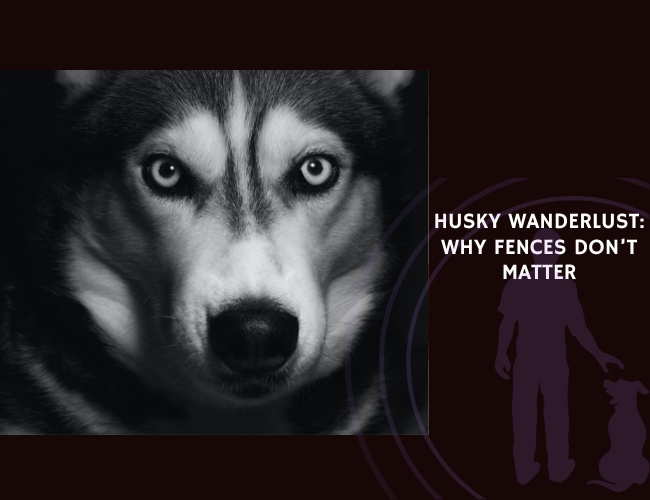
If you’ve ever watched your Siberian Husky gaze longingly at the horizon, or returned home to find an empty yard and a dog-shaped gap under the fence, you’re not alone. The Husky’s legendary wanderlust isn’t rebellion or disobedience. It’s written into their DNA, shaped by thousands of years pulling sleds across endless Arctic tundra. Understanding why your Husky sees fences as suggestions rather than boundaries begins with recognizing that their brain processes space, movement, and territory fundamentally differently than many other breeds.
This ancient drive creates one of the most misunderstood aspects of Husky ownership. You might invest in higher fences, reinforce gates, or feel frustrated when your furry friend finds yet another ingenious escape route. But here’s the truth: traditional containment strategies often fail because they’re built on human logic about territory and loyalty, while your Husky operates on an entirely different cognitive framework. Let us guide you through the neuroscience, ancestral coding, and emotional landscape that makes your Husky such a determined explorer.
The Ancient Blueprint: Understanding Ancestral Movement Coding
Your Husky’s urge to roam isn’t a behavioral problem. It’s a survival feature that kept their ancestors alive in one of Earth’s harshest environments. For thousands of years, Siberian Huskies worked alongside the Chukchi people, covering distances of forty to fifty miles daily across vast, unbounded landscapes. This wasn’t occasional travel but their everyday reality. Each day reinforced neural pathways that rewarded forward motion, environmental scanning, and autonomous decision-making.
What this means for your Husky’s brain: Their cognitive framework evolved to perceive expansive spaces as the default environment. A backyard, no matter how large by human standards, registers as unnaturally confined. The working history of these dogs created a mental model where leaving a location to cover ground, navigate terrain, and reach a destination became deeply rewarding at a neurochemical level.
Consider what a typical day meant for ancestral Huskies:
- Morning departure: Leaving camp at dawn to begin the day’s journey across open tundra
- Continuous forward motion: Four to six hours of steady travel without returning to a fixed location
- Autonomous navigation: Making split-second decisions about path selection, obstacle avoidance, and pace adjustment
- Environmental scanning: Constantly monitoring terrain, weather changes, and potential hazards across a 180-degree visual field
- Team coordination: Working alongside other dogs with minimal human direction for extended periods
- Distance coverage: Traveling forty to fifty miles before reaching evening camp in an entirely new location
Research on species distribution modeling shows how an animal’s natural habitat profoundly shapes its behavioral patterns and survival strategies. For Huskies, their historical “species range” was essentially limitless, creating an inherent drive to explore beyond any human-defined boundary.
The reward system at play: Every time your Husky’s ancestors successfully navigated new terrain or reached a destination, their brain released dopamine, strengthening the neural circuits associated with exploration. This created a self-reinforcing cycle where movement itself became intrinsically rewarding. Modern Huskies inherit this same neural architecture, which means that the act of wandering provides genuine pleasure and fulfillment, independent of any external goal.
Think of it this way: while many breeds were selectively developed to work within defined territories, guarding homes or herding livestock in bounded pastures, your Husky’s ancestors were chosen specifically for their ability to keep moving forward, hour after hour, day after day. This fundamental difference in evolutionary purpose explains why the same fence that contains a Golden Retriever feels like a temporary obstacle to a Husky. 🐾
Next, we’ll explore how Huskies cognitively process boundaries and why their brain may not categorize fences the way you expect.
How Huskies Perceive Boundaries: Cognitive Maps vs. Physical Barriers
Here’s where understanding gets interesting. Did you know that your Husky likely doesn’t process fences the way you assume they do? While you see a fence as an absolute boundary marking the edge of safe territory, your Husky’s brain may categorize it as simply another environmental feature to be assessed, analyzed, and potentially overcome.
Boundary indifference versus escape intent: A critical distinction in Husky behavior is recognizing that what you call “escaping” might not involve deliberate defiance at all. Instead, it’s often a by-product of following compelling environmental cues and an internal logic that prioritizes movement and exploration. Your Husky’s predictive-processing brain constantly evaluates its surroundings, assessing gaps, heights, weak points, and potential pathways. This isn’t scheming or misbehavior. It’s sophisticated environmental problem-solving, similar to how algorithms calculate feasible paths around obstacles.
You might notice your Husky demonstrating boundary assessment through:
- Systematic fence walking: Slowly pacing the entire perimeter while sniffing and visually scanning for variations in structure
- Focused digging attempts: Testing soil consistency in multiple locations, particularly at corners or gate bases
- Height calculation behavior: Standing on hind legs against the fence to gauge jumpability or looking for elevated launch points
- Pattern observation: Watching you lock gates or noting times when supervision is minimal
- Persistent return visits: Repeatedly checking the same weak point across multiple days, waiting for opportunity
- Sound response testing: Noting whether fence rattling or scratching brings human intervention
The cognitive independence factor: Huskies demonstrate remarkable autonomy in weighing environmental information against human commands or familiar territory. Their decision-making hierarchy frequently places environmental predictions—their “open-world” mental model—above relational feedback from their owners. This cognitive architecture means that when your Husky sees a gap under the fence coinciding with the scent of a deer trail or the distant sound of other dogs, their brain processes this as an opportunity for fulfilling movement rather than as breaking a rule.
Predictive processing in action: Your Husky’s brain continuously forms predictions about their environment based on past experiences and ancestral coding. For a breed whose ancestors lived in boundless landscapes, a fence contradicts the “open terrain” model their cognitive system expects. When these predictions are violated by a barrier, their brain may interpret it as a puzzle to be solved rather than an absolute limit. This drives the impressive problem-solving behaviors Husky owners know all too well: the calculated leap, the strategic dig, the patient search for the weakest link.
Understanding this cognitive framework helps explain why punishment or frustration rarely changes the behavior. You’re not dealing with disobedience. You’re working with a brain that’s wired to view open space as the natural state and confinement as the anomaly requiring correction. 🧠
Environmental Triggers: What Activates the Roaming Circuit
Your Husky doesn’t wake up each morning planning to escape. Instead, specific environmental stimuli act as powerful activators for their roaming circuits. Understanding these triggers gives you insight into when and why your furry friend is most likely to test boundaries.
Sensory amplification: Huskies possess remarkably acute senses attuned to environmental changes. Wind direction becomes a carrier of information about wildlife, other dogs, or interesting developments miles away. The scent of a deer passing through your neighborhood three hours ago can activate your Husky’s SEEKING system, that primal neural circuit that drives exploration and investigation. These aren’t small temptations. For a breed with such heightened environmental awareness, these cues can be overwhelmingly compelling.
Common environmental triggers that intensify wanderlust include:
- Wildlife scent trails: Fresh deer, rabbit, squirrel, or fox tracks detected through fence gaps or carried on wind
- Distant dog vocalizations: Barking, howling, or playing sounds from neighboring properties or parks
- Weather shifts: Dropping temperatures, approaching storms, or the first snow creating energetic arousal
- Human activity patterns: School buses, mail carriers, or regular pedestrian traffic triggering investigative interest
- Seasonal breeding cycles: Spring and fall wildlife reproduction periods intensifying prey drive and curiosity
- Time-of-day cues: Dawn and dusk activity peaks aligning with ancestral hunting and travel patterns
- Novel sounds: Sirens, construction equipment, or unusual neighborhood disturbances activating alert systems
- Scent of running water: Nearby streams, rivers, or even sprinkler systems triggering exploration drive
Weather as a catalyst: You might notice that your Husky’s wanderlust intensifies when the temperature drops. This isn’t coincidence. Cold weather appears to energize the Husky’s innate drive systems, enhancing their physical readiness for exertion and aligning perfectly with their ancestral adaptation to harsh northern climates. The first snow of winter often brings a noticeable increase in escape attempts, as your Husky’s entire system comes alive in conditions their body was designed for.
The cascade effect of triggers: Environmental stimuli rarely occur in isolation. Consider this scenario: a cool morning brings frost, carrying the scent of rabbits from the nearby woods. A distant dog barks. These elements combine to create what researchers might call a “matching to the local signal environment” response, where multiple cues align to strongly suggest that something interesting exists beyond the fence. Your Husky’s brain integrates this sensory information rapidly, and the pull toward exploration can become nearly irresistible.
Seasonal patterns: Many Husky owners report increased roaming behavior during spring and fall, when wildlife activity peaks and environmental changes occur rapidly. Your dog isn’t just responding to a single scent or sound. They’re processing a complex information landscape that their ancestors relied upon for survival. The ability to detect, interpret, and respond to these environmental signals was crucial for sled dogs navigating unfamiliar terrain, and this capacity remains fully active in your backyard companion.
Recognizing these triggers doesn’t mean you can eliminate them. Nature will continue to provide compelling stimuli. However, understanding when your Husky is most vulnerable to wanderlust allows you to proactively manage their environment and provide alternative outlets for their exploratory drive. Next, we’ll explore how internal motivation differs significantly from the attachment patterns seen in many other breeds.
Internal Drive vs. Human Attachment: The Independence Factor
One of the most challenging aspects of Husky ownership involves accepting a truth that contradicts much of what we’re told about dog behavior: your Husky’s love for you doesn’t automatically translate into staying near you. This isn’t personal. It’s neurological.
Autonomy as a survival trait: Compared to breeds developed for constant human companionship or territorial guarding, Huskies exhibit notably lower dependence on immediate human proximity. Their ancestors worked in teams of dogs, making independent decisions about pace, path selection, and problem-solving while their human musher focused on navigation and direction. This created a cognitive independence where self-authored decision pathways became essential for survival. Your modern Husky inherits this same capacity for autonomous judgment.
Signs your Husky operates with high cognitive autonomy:
- Selective response to commands: Complying when it aligns with their assessment but ignoring direction that conflicts with their judgment
- Independent problem-solving: Figuring out puzzle toys, gates, or obstacles without seeking human help or direction
- Self-directed activity: Choosing their own entertainment in the yard rather than constantly seeking human interaction
- Environmental monitoring: Spending more time watching the surroundings than watching you during outdoor time
- Delayed recall response: Taking several seconds to “consider” whether to come when called before deciding
- Route preferences: Pulling toward specific paths during walks based on their assessment rather than following your lead
- Risk assessment: Making their own judgments about safety without deferring to your caution or encouragement
The attachment paradox: Your Husky absolutely forms deep bonds with you. They experience joy in your presence, seek comfort when stressed, and develop genuine affection. However, their wanderlust operates on a different neural circuit than attachment. While breeds like Labrador Retrievers or German Shepherds may have their exploratory drive modulated by proximity to their owner, your Husky’s SEEKING system functions more independently. The internal reward they experience from exploration often holds equal or greater weight than the comfort of staying near familiar humans or territory.
Decision hierarchy in action: When your Husky stands at the fence line, their brain is processing multiple inputs simultaneously. There’s the familiar comfort of home and your presence. There’s also the compelling scent of adventure, the call of open space, and the deep ancestral coding that says movement and exploration are inherently valuable. In these moments, many Huskies will choose the environmental engagement their brain craves over the relational security of staying put. This doesn’t indicate failed bonding. It reflects a different prioritization system in how they weigh competing motivations.
The role of environmental satisfaction: Interestingly, Huskies who receive abundant opportunities for controlled exploration, structured movement activities, and environmental engagement often show reduced escape behaviors. This suggests that their wanderlust isn’t about avoiding home or seeking freedom from you. It’s about fulfilling an intrinsic need for movement and environmental interaction that a typical household cannot fully satisfy. When this need goes unmet, the drive intensifies, making even a well-loved home feel restrictive.
Through the NeuroBond approach, understanding this independence becomes less threatening and more informative. Your relationship with your Husky can be incredibly strong while still respecting their need for environmental engagement and autonomous exploration. The goal isn’t to eliminate their independence but to channel it within a framework of trust and structured freedom. 🧡
Physical Prowess Meets Problem-Solving Intelligence
Your Husky isn’t just mentally inclined toward escape. They possess the physical capabilities and cognitive flexibility to execute their plans with impressive efficiency. Understanding this combination helps explain why standard fencing solutions often prove inadequate.
The athletic advantage: Siberian Huskies combine several physical traits that make them exceptional escape artists. They can clear six-foot fences with a running start, utilizing their powerful hindquarters and innate understanding of leverage and momentum. Their digging instinct, originally useful for creating snow shelters, allows them to excavate surprisingly deep tunnels under fence lines in remarkably short time. Some Huskies even demonstrate the ability to climb chain-link fencing, using the gaps as footholds with the agility of a much smaller dog.
Common escape techniques your Husky might employ:
- The running leap: Building momentum from across the yard to clear heights they cannot jump from standing position
- Corner climbing: Using fence corners where two sides meet to create climbing leverage with front and back paws
- Strategic tunneling: Digging under gates or fence sections where soil is softest or drainage creates natural gaps
- Chain-link scaling: Threading paws through gaps and climbing vertically, sometimes reaching the top in seconds
- Gate manipulation: Learning to lift latches, push weak points, or squeeze through inadequately secured openings
- Snow pile launching: Using accumulated snow against fences as elevated platforms during winter months
- Persistent scratching: Gradually weakening wood or creating gaps in vinyl fencing through daily focused effort
- Tandem escapes: Working cooperatively with another dog, where one creates distraction while the other escapes
Endurance as an escape enabler: Once free, your Husky’s legendary endurance becomes a significant factor. Their metabolism, optimized for sustained aerobic activity in cold environments, supports long-duration wandering. They can cover ten to fifteen miles without apparent fatigue, meaning that a Husky who escapes your yard at dawn might be several neighborhoods away before you realize they’re gone. This aerobic capacity, combined with their environmental resilience, means they can maintain exploration for hours, driven by that ever-active SEEKING system.
Pattern recognition and learning: Perhaps most challenging for owners is the Husky’s ability to learn from each escape attempt. They remember which fence sections have give, where the soil is softest for digging, and what time of day provides the best opportunity. This isn’t anthropomorphized scheming. It’s sophisticated spatial learning and environmental mapping. Each successful escape reinforces the neural pathways involved, making future attempts more efficient and harder to prevent.
Problem-solving flexibility: Huskies demonstrate remarkable cognitive flexibility when confronted with containment challenges. If their first strategy fails, they’ll try another. A fence too high to jump becomes a candidate for digging underneath. A gate that won’t budge gets tested for gaps or weak hinges. This adaptive problem-solving reflects the cognitive demands their ancestors faced navigating unpredictable Arctic terrain. The same intelligence that helped them avoid thin ice or find passage through snowdrifts now gets applied to defeating your carefully installed barriers.
The physical-cognitive feedback loop: What makes Huskies such persistent escape artists is how their physical capabilities and cognitive processing work together. They assess a fence visually, calculating height and structure. They test it physically, gathering tactile information about stability and weak points. They integrate this information to select the most promising escape route. This isn’t simple trial and error. It’s systematic environmental analysis, the kind of processing that computational research on obstacle avoidance and path planning finds remarkably efficient.
Recognizing these capabilities isn’t defeatist. It’s realistic. When you understand what you’re working with, you can develop more effective strategies that address both the physical and cognitive aspects of containment. Next, we’ll examine how human misinterpretation of these behaviors often inadvertently makes the situation worse.

Human Misinterpretation: When Good Intentions Create Problems
You love your Husky. You want to keep them safe. But well-meaning responses to escape behavior often reinforce exactly what you’re trying to prevent. Understanding how human reactions can accidentally strengthen wanderlust patterns helps you avoid common pitfalls.
The disobedience misdiagnosis: Perhaps the most damaging misinterpretation involves viewing escape attempts as willful disobedience or disrespect. When you frame the behavior this way, your emotional response typically includes frustration, anger, or punishment. However, your Husky isn’t defying you. They’re fulfilling an intrinsic drive that evolution spent thousands of years perfecting. Punishment for escaping creates confusion because, from your dog’s perspective, they followed a deeply compelling internal directive. This mismatch between your interpretation and their experience damages trust without addressing the underlying motivation.
The chase reinforcement trap: Picture this common scenario: you discover your Husky has escaped, and you immediately run after them, calling frantically. From your perspective, you’re trying to prevent danger. From your Husky’s perspective, you’ve just made the adventure even more stimulating. The excitement of the chase, your animated behavior, and the environmental engagement create a powerful reinforcement package. Many Huskies learn that escaping leads to an exciting game, inadvertently encouraged by their owner’s panicked pursuit.
Owner reactions that unintentionally reinforce escaping:
- Excited pursuit: Running after them with animated calls transforms escape into an engaging chase game
- Treat bribing during escape: Offering high-value rewards only when they’ve escaped teaches that leaving triggers rewards
- Dramatic reunions: Excessive excitement or relief when they return makes the entire escape-return cycle stimulating
- Inconsistent consequences: Sometimes ignoring escapes, sometimes reacting strongly creates unpredictable reinforcement
- Negative attention focus: Providing more interaction during escape recovery than during normal contained behavior
- Extended outdoor adventures: When escaped dogs receive longer, more interesting walks before being brought home
- Social media sharing: Your stress and storytelling (though they can’t understand it) often coincides with their achievement
Emotional reactivity as communication: When your Husky returns, either on their own or after being caught, your emotional state sends powerful signals. Shouting, scolding, or visible anger can teach them that being caught is unpleasant, not that leaving was wrong. This subtle but crucial difference shapes future behavior. Your Husky may become more evasive when spotted outside the yard, harder to recall, or increasingly anxious about returning home. The behavior you want to discourage remains neurologically rewarding, while the resolution becomes associated with negative experience.
The containment escalation cycle: Many owners respond to escape attempts by progressively strengthening physical barriers. Higher fences, buried wire, locked gates. While these modifications may be necessary, relying solely on physical containment without addressing the underlying drive creates an adversarial relationship with your environment. Your Husky perceives your territory as a prison requiring ever-more-sophisticated escape strategies, rather than as a secure base from which controlled exploration happens.
Projection of human territorial logic: We humans are deeply territorial. Our homes represent security, comfort, and our primary base of operations. We naturally assume our dogs share this perspective. However, your Husky’s ancestral experience involved temporary camps, constant movement, and minimal territorial attachment. When you design containment strategies based on the assumption that your Husky values “home territory” the way you do, the approaches often miss the mark entirely.
The attention paradox: Some escape behaviors do become reinforced by attention patterns, though not in the way often assumed. If your Husky receives limited engagement, exercise, or environmental stimulation during normal routines but gets intense interaction when they escape, the contrast creates unintentional learning. It’s not that they’re “acting out for attention.” It’s that escape coincides with increased environmental richness, human animation, and novel experiences—all intrinsically rewarding elements.
Understanding these misinterpretations allows you to reframe your approach. Your Husky isn’t your adversary. They’re a highly specialized athlete whose needs don’t align with standard domestic expectations. When you shift from viewing escapes as behavioral problems to recognizing them as unmet neurological drives, solutions become clearer and more effective. 🐾
Distance. Drive. Destiny.
Movement is their default. A Husky doesn’t see confinement—only interruption. Their mind was shaped by miles, not margins, and still seeks the horizon as home.
Boundaries feel artificial. Fences don’t register as limits to a dog bred to travel forty miles before resting. Exploration isn’t escape—it’s inheritance.
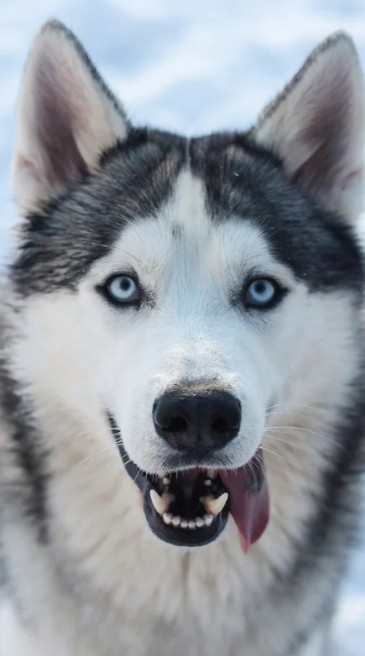
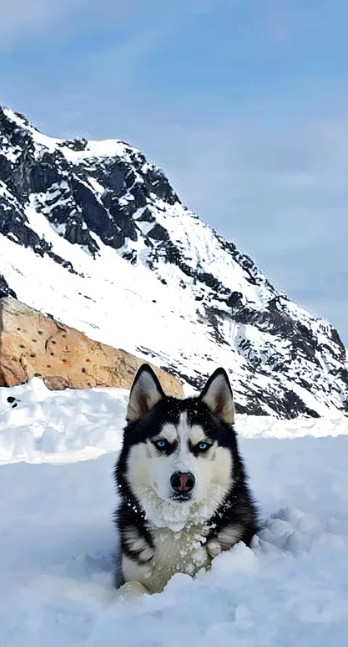
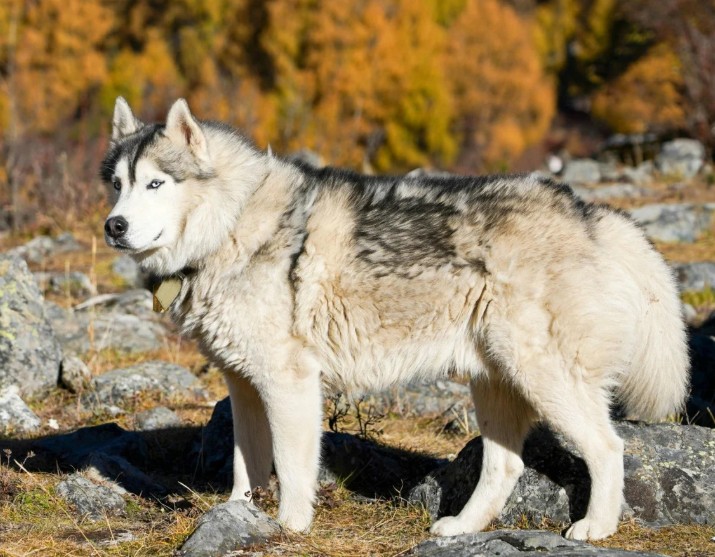
Structure channels the urge. When direction replaces restriction, the wanderlust softens. A Husky follows clarity, not containment.
Movement-Based Solutions: Fulfilling the Drive Before It Drives Behavior
The most effective containment strategy isn’t taller fences. It’s satisfying your Husky’s movement needs so thoroughly that staying put becomes the more appealing option. This requires understanding that mental and physical exhaustion in Huskies operates differently than in many breeds.
Structured distance work: Your Husky needs to cover ground. Not just run circles in a yard, but genuinely travel with purpose and direction. Activities like bikejoring, canicross, or long-distance hiking with a properly fitted harness engage both their physical endurance and their cognitive satisfaction in forward motion. These activities don’t just tire your dog physically. They satisfy the ancestral coding that says covering distance is inherently valuable and rewarding.
Movement activities that genuinely satisfy Husky drive systems:
- Bikejoring: Attached to your bicycle with proper equipment, allowing sustained running at their natural pace for 5-10 miles
- Canicross: Running cross-country trails with your Husky in harness, combining human exercise with canine fulfillment
- Urban mushing: Using a scooter or skateboard for controlled pulling work on paved paths
- Weighted backpack hiking: Long wilderness hikes where your Husky carries a properly fitted pack with 10-15% of their body weight
- Swimming sessions: Natural water retrieval and swimming providing full-body workout with joint protection
- Agility coursework: Structured obstacle courses engaging both physical athleticism and cognitive problem-solving
- Nose work trails: Extended scent tracking exercises across varied terrain combining mental and physical engagement
- Play date running: Supervised off-leash time with compatible dogs in secure areas allowing natural pack running
Environmental variation and novelty: The same three-mile walking route repeated daily provides diminishing returns for a Husky’s SEEKING system. Their brain craves environmental novelty, new scents, varied terrain, and unpredictable stimuli. Regularly changing your exploration routes, incorporating wilderness hikes, or visiting different dog-friendly environments feeds this need for novel sensory input. When your Husky’s exploratory drive is met through structured activities, the fence line becomes less compelling.
The Invisible Leash principle: Calm spatial leadership creates a different kind of boundary than physical barriers. When your Husky learns that structured movement happens regularly and that you facilitate access to the environmental engagement they crave, a form of emotional anchoring develops. This doesn’t eliminate their wanderlust, but it reframes your role from obstacle to opportunity. You become the portal through which satisfying exploration occurs, making staying near you more valuable.
Cognitive enrichment alongside physical exercise: Mental stimulation plays a crucial role in satisfying your Husky’s drive systems. Scent work, directional training, navigation games, and problem-solving activities engage the same neural circuits that drive wanderlust. When you provide regular opportunities for your Husky to use their intelligence for environmental challenges in controlled settings, some of the pressure driving escape behaviors dissipates.
Cognitive enrichment activities that complement physical exercise:
- Scent discrimination work: Teaching your Husky to identify and locate specific scents among distractors
- Directional cues training: “Left,” “right,” “straight” commands allowing your dog to navigate based on verbal guidance
- Hide and seek games: Having your Husky wait while you hide, then releasing them to find you using problem-solving
- Puzzle feeders and toys: Rotating challenging food puzzles that require manipulation, strategy, and persistence
- Novel object investigation: Regularly introducing new items for supervised exploration and interaction
- Trick training sequences: Teaching complex multi-step behaviors that require memory and sequential processing
- Obstacle problem-solving: Creating yard challenges where your Husky must figure out how to reach rewards through barriers
- Name learning for items: Teaching your Husky names of specific toys or objects for selective retrieval
Daily non-negotiable movement: For most Huskies, adequate exercise means one to two hours of vigorous activity daily, minimum. This isn’t optional or something to fit in when convenient. Think of it as medication for managing a neurological condition, because functionally, that’s what it is. Your Husky’s brain produces reward chemicals during sustained movement. Without this regular neurochemical satisfaction, restlessness and escape-seeking behaviors naturally intensify.
Seasonal adjustment and weather response: Remember that cold weather energizes your Husky. Winter months may require increased activity levels rather than decreased, counterintuitive as this might seem. Snow and cold temperatures are when your Husky feels most physically capable and mentally alive. Rather than fighting this seasonal surge, channeling it through appropriate activities prevents it from manifesting as escape behavior.
The satisfaction-security connection: When you consistently meet your Husky’s movement needs, something interesting happens neurologically. The constant drive toward unsanctioned exploration diminishes because the SEEKING system receives regular satisfaction. Your Husky begins to anticipate that their needs will be met, creating a form of trust that supports better impulse control around boundaries. This isn’t obedience training in the traditional sense. It’s establishing predictable patterns that align human provision with canine needs.
Signs your Husky’s core needs are being adequately met:
- Calm fence-line behavior: Spending less time pacing perimeters and more time resting or engaging with yard activities
- Reduced reactivity to triggers: Environmental stimuli that once caused intense focus now receive acknowledgment without obsession
- Voluntary proximity: Choosing to remain near you during outdoor time rather than constantly investigating boundaries
- Improved recall response: Coming when called more reliably, even with mild distractions present
- Settled indoor behavior: Demonstrating contentment inside rather than restless pacing or door fixation
- Quality rest periods: Taking genuine naps rather than maintaining constant alertness for escape opportunities
- Engagement with enrichment: Showing interest in provided toys, puzzles, and activities within the yard
- Decreased vocalization: Less howling, barking, or whining directed at the world beyond your property
Implementing movement-based solutions requires significant commitment. You’re essentially agreeing to become your Husky’s activity coordinator, responsible for ensuring their neurological needs are met daily regardless of weather, schedule, or personal convenience. This is demanding. It’s also the most reliable path to reducing escape behaviors while honoring your Husky’s fundamental nature. 🧠
🐺 Understanding Husky Wanderlust 🏔️
Why Your Husky Views Fences as Suggestions, Not Boundaries
Phase 1: Ancestral Blueprint
The Sled Dog Legacy
🧠 Neurological Coding
Siberian Huskies were bred to cover 40-50 miles daily across boundless Arctic tundra. This created neural pathways that reward forward motion, environmental scanning, and autonomous navigation. Their brain expects expansive terrain as the default environment, making confinement feel neurologically incorrect.
📍 What This Means Today
Your backyard, regardless of size, registers as unnaturally confined space. The working history rewarded leaving locations rather than staying in them. Every successful navigation released dopamine, creating self-reinforcing exploration circuits that remain active in modern Huskies.
Phase 2: Boundary Perception
How Huskies Process Fences
🔍 Cognitive Framework
Huskies don’t perceive fences as absolute boundaries but as environmental puzzles to solve. Their predictive-processing brain assesses gaps, heights, and weak points like algorithms calculating feasible paths. What you call escaping is often sophisticated problem-solving driven by environmental curiosity.
✅ Assessment Behaviors
Watch for systematic fence walking, focused digging at specific points, height calculation behaviors (standing against fence), and persistent return visits to weak spots. These aren’t defiance—they’re environmental analysis in action.
Phase 3: Activation Triggers
What Activates the Roaming Circuit
🎯 Primary Triggers
• Wildlife scent trails (deer, rabbits, foxes)
• Distant dog vocalizations or activity
• Weather changes (especially dropping temperatures)
• Dawn and dusk activity peaks
• Seasonal breeding cycles intensifying prey drive
⚠️ Weather Intensification
Cold weather acts as a powerful catalyst. Your Husky’s SEEKING system activates more intensely when temperatures drop, aligning with ancestral adaptation to harsh climates. First snow often brings the strongest escape attempts of the year.
Phase 4: Independence Factor
Understanding Husky Autonomy
🧭 The Attachment Paradox
Your Husky loves you deeply, but their wanderlust operates on a different neural circuit than attachment. While many breeds have exploratory drive modulated by human proximity, Huskies’ SEEKING system functions more independently. Their decision hierarchy often prioritizes environmental engagement equally to relational security.
💭 Decision Hierarchy
At the fence line, your Husky processes multiple inputs: familiar comfort of home versus compelling environmental cues. Their brain weighs these competing motivations differently than breeds selected for constant human companionship. This isn’t failed bonding—it’s specialized cognitive architecture.
Phase 5: Athletic Intelligence
Physical Prowess Meets Problem-Solving
🏃 Escape Toolkit
• Clear 6-foot fences with running starts
• Climb chain-link using gaps as footholds
• Excavate deep tunnels in remarkably short time
• Use corner leverage for vertical climbing
• Learn and remember successful escape routes
⏱️ Endurance Advantage
Once free, their legendary endurance becomes critical. They can cover 10-15 miles without fatigue, meaning an escaped Husky at dawn might be several neighborhoods away before you notice. Their aerobic capacity supports hours of exploration driven by an ever-active SEEKING system.
Phase 6: Common Mistakes
How Good Intentions Create Problems
❌ The Chase Trap
Running after your escaped Husky with animated calls transforms the experience into an exciting chase game. From your dog’s perspective, you’ve just made the adventure more stimulating. This inadvertently reinforces the behavior you’re trying to prevent.
🔄 Emotional Reactivity
Shouting or scolding when they return teaches them that being caught is unpleasant, not that leaving was wrong. Your Husky may become more evasive when spotted outside, harder to recall, and increasingly anxious about returning home—while the escape itself remains neurologically rewarding.
Phase 7: Fulfilling the Drive
Movement-Based Solutions
🎯 Essential Activities
• Bikejoring or canicross: 5-10 miles at natural pace
• Long-distance hiking with weighted backpack
• Regular route variation for environmental novelty
• Scent work and directional training
• Daily minimum: 1-2 hours vigorous activity
🧠 The Invisible Leash Principle
Calm spatial leadership creates emotional anchoring stronger than physical barriers. When your Husky learns that structured movement happens regularly and that you facilitate access to environmental engagement, a form of trust develops. You become the portal through which satisfying exploration occurs.
Phase 8: Internal Boundaries
Building Connection Through Trust
🤝 NeuroBond Foundation
When your relationship provides clarity, consistency, and reliable satisfaction of core needs, you become a “secure base.” Moments of Soul Recall—when your Husky chooses connection over independence—reveal how emotional memory creates motivational anchors stronger than any fence.
📅 Predictable Patterns
Establishing consistent daily routines for exercise, feeding, and interaction creates emotional security that reduces anxiety-driven escapes. When your Husky anticipates that their needs will be met, trust develops that supports impulse control around boundaries.
🔍 Containment Approaches Compared
Physical Barriers Only
Reality: Huskies view fences as solvable puzzles. Without addressing underlying drive, they persistently test and overcome barriers. Success Rate: Low to moderate, requires 8-foot fencing with underground barriers.
Punishment-Based Methods
Reality: Creates confusion because Huskies aren’t defying—they’re fulfilling ancestral drives. Damages trust without addressing neurological motivation. Success Rate: Very low, often worsens behavior.
Movement Satisfaction
Reality: Meeting their drive for distance and exploration reduces escape motivation. SEEKING system receives regular satisfaction, diminishing fence-line obsession. Success Rate: High when consistently applied.
Relational Anchoring
Reality: Building trust through consistent need satisfaction creates internal motivation to stay. Emotional clarity and predictable patterns develop cooperation. Success Rate: Highest long-term success.
Multi-Layer Strategy
Reality: Combining secure fencing, daily vigorous exercise, relational trust, and GPS tracking creates comprehensive system. No single element guarantees success alone. Success Rate: Highest overall protection.
Supervised Outdoor Time
Reality: Accepting that truly unsupervised yard time carries risk for determined Huskies. Accompanying during outdoor time or using long lines provides maximum safety. Success Rate: Highest safety, requires time investment.
⚡ Quick Reference: Husky Wanderlust Formula
Daily Exercise Minimum: 1-2 hours vigorous activity (distance work, not just yard running)
Fence Specifications: 6-8 feet height + 18-24 inches underground barrier
Environmental Novelty: Vary routes 3-4 times weekly to maintain SEEKING system satisfaction
Cognitive Enrichment: 15-20 minutes daily scent work or problem-solving activities
Recall Practice: Daily training in varied environments with high-value rewards
Safety Protocol: GPS collar + microchip + visible ID tags at all times
🧡 The Zoeta Dogsoul Perspective
Understanding Husky wanderlust isn’t about defeating their nature—it’s about honoring it within a framework of safety and connection. Through the NeuroBond approach, we recognize that trust becomes the foundation when needs are consistently met. The Invisible Leash reminds us that awareness and emotional clarity guide behavior more effectively than tension and restriction. And in those precious moments of Soul Recall—when your Husky chooses connection over the call of the horizon—we witness how deep relational anchoring can create boundaries stronger than any fence.
Your Husky’s wanderlust is a testament to thousands of years of magnificent specialization. Rather than viewing it as a problem to eliminate, we embrace it as an aspect to understand, respect, and thoughtfully channel. When we align our management with their neurological needs, provide movement that satisfies their ancestral drives, and build relationships rooted in trust rather than control, we create partnerships where both species thrive. That balance between science and soul, between honoring independence and maintaining safety—that’s the essence of living harmoniously with these remarkable beings.
© Zoeta Dogsoul – Where neuroscience meets soul in dog training
Relational Anchoring: Building Internal Boundaries Through Connection
Physical fences fail because they address the wrong problem. Your Husky doesn’t lack understanding that you want them to stay. They lack motivation to prioritize staying over the compelling drive to explore. Relational anchoring creates internal motivation that physical barriers cannot.
Trust as a containment mechanism: When your relationship provides clarity, consistency, and reliable satisfaction of your Husky’s core needs, you become what researchers might call a “secure base.” This doesn’t mean your Husky loses their independent nature or their love of exploration. It means they develop confidence that returning to you leads to positive outcomes. Moments of Soul Recall, those instances when your Husky chooses connection over independence, reveal how memory and emotion can create motivational anchors stronger than any fence.
Building trust that influences boundary behavior:
- Consistent daily routines: Establishing predictable patterns for exercise, feeding, and interaction creating security
- Following through on movement promises: Never canceling planned adventures unless absolutely necessary, building reliability
- Calm energy during containment: Maintaining steady emotional state rather than tension or anxiety about potential escapes
- Rewarding voluntary proximity: Acknowledging and reinforcing moments when your Husky chooses to stay near without being commanded
- Respecting their communication: Responding appropriately when they signal needs for water, shade, or indoor time
- Providing choice within structure: Allowing them to make decisions about play, rest, or exploration within safe parameters
- Protecting them from threats: Intervening when neighborhood dogs, wildlife, or people create genuine stress
- Quality engagement time: Focused interaction during activities rather than distracted or phone-focused participation
Emotional clarity in communication: Huskies are remarkably attuned to human emotional states, even if they don’t always comply with commands. When you maintain calm, clear energy during boundary training, recall practice, or even during those frustrating moments when they’re testing limits, you provide neurological clarity. Emotional volatility—whether excitement, anger, or anxiety—creates noise in the communication channel. Calm consistency creates signal.
The concept of earned freedom: Rather than viewing containment as permanent restriction, reframe it as a foundation from which freedom is earned through reliable recall and demonstrated judgment. This isn’t about dominance or control. It’s about recognizing that your Husky’s safety in exploring requires them to reliably respond to your guidance. Building this through positive reinforcement of recall, reward for choosing to stay near, and consistent practice creates a framework where your Husky can eventually enjoy supervised off-leash exploration.
Predictable patterns reduce anxiety-driven escape: Some wandering behavior emerges not from the joy of exploration but from anxiety, insecurity, or lack of structure. When daily routines become unpredictable, when your Husky doesn’t know when their next adventure will happen, they may preemptively take matters into their own paws. Establishing reliable patterns for exercise, feeding, and interaction creates a sense of security that reduces anxiety-driven escape attempts.
Daily patterns that create emotional security:
- Morning exercise routine: Same approximate time each day for major physical activity, building anticipation and trust
- Consistent meal scheduling: Feeding at predictable intervals reducing resource anxiety and creating time anchors
- Regular enrichment activities: Designated times for training, puzzle work, or cognitive games your Husky can anticipate
- Calm departure rituals: Establishing a consistent sequence before leaving home so your dog understands the pattern
- Reliable return timing: Minimizing variation in how long you’re gone when possible, building predictability
- Evening wind-down routine: Consistent pre-bedtime activities signaling the day’s adventures are complete
- Weekend adventure consistency: Regular longer outings on rest days your Husky learns to expect and wait for
- Seasonal activity adjustments: Gradually shifting exercise timing as weather changes rather than abrupt schedule disruptions
Recognition and validation of their nature: One often overlooked aspect of relational anchoring involves how you internally frame your Husky’s drives. If you view their wanderlust as a flaw to be corrected or a problem to be solved, that attitude subtly permeates your interactions. If instead you recognize it as a feature of what makes them magnificently specialized, your relationship shifts. This doesn’t mean accepting dangerous behavior. It means working with their nature rather than against it, which changes the entire dynamic of your training and containment approaches.
The role of choice in building trust: Interestingly, Huskies who experience controlled opportunities to make choices often demonstrate better boundaries. When your dog learns that staying near you or remaining in the yard leads to good outcomes and that you respect their agency in other contexts, cooperation increases. This might involve allowing them to choose which direction to walk, which toy to play with, or when to rest during activities. These small autonomy grants build general cooperation without requiring submission.
Communication beyond commands: Relational anchoring isn’t achieved through perfect obedience to commands. It’s built through consistent emotional availability, reliable provision of needs, and clear but fair expectations. Your Husky will probably never be as immediately compliant as a Border Collie or as eager-to-please as a Golden Retriever. But they can develop deep relational trust that influences their decision-making when competing motivations arise.
This approach requires patience and consistent effort over months or even years. The payoff isn’t a Husky who never considers escaping. It’s a Husky whose internal drive to maintain connection with you carries genuine weight in their decision-making process, sometimes enough to override even compelling environmental cues. That’s the essence of Zoeta Dogsoul—recognizing that true behavioral change emerges from emotional connection and satisfied needs, not from barriers and restrictions. 🧡

Practical Containment Strategies: What Actually Works
Understanding the neuroscience and ancestral drives behind Husky wanderlust provides context, but you still need practical solutions for keeping your furry friend safe. Let’s explore strategies that acknowledge your Husky’s nature while providing effective boundaries.
The multi-layer approach: Effective containment for Huskies rarely relies on a single method. Instead, combine physical barriers, environmental management, and behavioral foundations. A six-foot fence with buried wire mesh, regular exercise, reliable recall training, and environmental enrichment together create a comprehensive system. Any single element can fail, but multiple layers provide redundancy.
Fence specifications that actually challenge Huskies: Standard residential fencing is designed for keeping children and most dogs contained, not for determined Huskies. Effective barriers typically require six to eight-foot height with no horizontal supports that provide climbing footholds. The fence should extend eighteen to twenty-four inches underground or have buried wire mesh extending outward to prevent digging. Spacing between vertical slats should be narrow enough to prevent squeezing through. Yes, this is expensive and extensive. The question becomes whether it’s worth the investment for your situation.
Husky-resistant fencing features:
- Minimum height: Six feet for most Huskies, eight feet for particularly athletic individuals or those with launch advantages
- Underground barriers: L-footer wire mesh extending 18-24 inches underground and outward to prevent tunneling
- Smooth surfaces: Solid wood, vinyl, or smooth metal preventing paw-hold access for climbing
- No horizontal rails: Eliminating any crossbars or supports that could serve as climbing assists
- Narrow gap spacing: Maximum four-inch spacing between vertical elements preventing body squeezing
- Secure gates: Heavy-duty latches positioned high, possibly with carabiners or locks for particularly clever dogs
- Reinforced corners: Extra attention to junction points where dogs often find leverage for climbing
- Regular inspection points: Designed with owner access to check underground barrier integrity periodically
Visual barriers and reduced stimulation: Solid fences rather than chain-link or picket styles reduce environmental stimulation that triggers wanderlust. When your Husky can’t see, smell, and fixate on activities beyond the fence, some of the motivational pull diminishes. This doesn’t eliminate the drive but can reduce its moment-to-moment intensity, particularly for visually-oriented triggers.
Supervised outdoor time as the foundation: For many Husky owners, accepting that truly unsupervised outdoor time carries unacceptable risk becomes necessary. This means accompanying your dog during yard time, using long lines for outdoor relaxation, or creating smaller, highly secure containment areas for brief unsupervised periods. While this restricts your own freedom, it acknowledges the reality that even excellent fencing can fail when confronted with sufficient motivation and intelligence.
GPS tracking as safety backup: Technology provides a crucial safety layer. GPS collars designed for active dogs can alert you immediately if your Husky breaches containment and help you locate them quickly. This doesn’t prevent escapes but dramatically improves outcomes when they occur. Combined with visible identification and current microchip registration, tracking technology turns a potential tragedy into a manageable incident.
Routine inspection and maintenance: Huskies will identify and exploit any weakness in containment. Regular fence inspection, immediate repair of gaps or damage, and proactive reinforcement of vulnerable areas prevent opportunistic escapes. Pay particular attention to corners, gates, and areas where the ground naturally creates gaps under the fence line.
The exercise timing consideration: Strategic timing of vigorous exercise can influence escape likelihood. A Husky who has just completed a two-hour hiking adventure is less motivated to escape than one waiting for their daily activity. Scheduling major exercise sessions before periods when your dog will be in the yard alone reduces the window of peak wanderlust.
Environmental enrichment within boundaries: Making your yard more engaging reduces the relative appeal of what lies beyond. Rotating toys, creating scent games, setting up agility equipment, or even hiding treats for your Husky to find transforms your yard from a waiting room into an environment worth engaging with. This doesn’t replace the need for external exploration but adds value to time within boundaries.
Yard enrichment strategies that add engagement value:
- Rotating toy selection: Keeping only 3-4 toys available at a time, rotating weekly to maintain novelty
- Scattered feeding games: Hiding kibble or treats throughout the yard for foraging activity
- Elevated observation platforms: Sturdy benches or platforms allowing your Husky to survey their territory
- Digging pit creation: Designated sandy area where digging is encouraged, filled with buried toys
- Scent trails: Dragging high-value treats in patterns across the yard for your dog to track
- Shade and comfort zones: Multiple rest areas with different qualities (sunny spots, shade, elevated, ground-level)
- Water features: Kiddie pools or sprinklers during appropriate weather for play and cooling
- Temporary agility setups: PVC or portable equipment creating novel obstacle challenges rotated monthly
The realistic assessment: Sometimes, after implementing reasonable containment measures and addressing exercise needs, a Husky still demonstrates unacceptable escape risk. This might be due to particularly intense wanderlust, prey drive toward wildlife, or living in an environment where secure containment isn’t feasible. In these cases, honest assessment about whether you can provide what this particular Husky needs becomes necessary. This isn’t failure. It’s responsible recognition that some individual dogs have drives so intense that they require living situations most owners cannot provide.
These practical strategies work best when combined with the movement satisfaction and relational anchoring already discussed. Physical containment prevents immediate danger. Satisfied drives reduce motivation. Strong relationships provide internal motivation. Together, they create a framework that respects your Husky’s nature while keeping them safe. 🐾
The Theoretical Framework: Understanding the Science Behind the Behavior
For those interested in the deeper theoretical foundations of Husky wanderlust, let’s explore the neuroscience and ethological principles that explain why fences feel optional to your furry friend.
Affective neuroscience and the SEEKING system: Jaak Panksepp’s research on primary emotional systems in mammals identified the SEEKING system as one of the most fundamental circuits in the mammalian brain. This system drives exploration, investigation, and resource acquisition. For Huskies, this circuit appears particularly robust and easily activated. The act of searching, exploring, and navigating provides intrinsic neurochemical rewards through dopamine release. This means your Husky doesn’t wander to find something specific. The wandering itself is the reward.
Working-dog ethology and specialized selection: Unlike breeds developed for territorial guarding or close companionship, sled dogs underwent selection pressure for traits that supported long-distance travel, environmental navigation, and autonomous decision-making. These selection pressures created cognitive and motivational profiles distinctly different from most companion breeds. Understanding that your Husky’s brain architecture reflects these specialized demands helps explain why standard training approaches often prove less effective.
Predictive processing theory and environmental models: Current neuroscience suggests that brains constantly generate predictions about their environment, comparing these predictions to incoming sensory data. For Huskies, whose ancestral environment involved vast open spaces, the “predicted environment” their brain expects doesn’t match suburban containment. This prediction error may drive persistent attempts to reach the “correct” environment their neural models anticipate. It’s not stubbornness. It’s their brain attempting to resolve the mismatch between expectation and reality.
Cognitive autonomy and self-authored decisions: Research on canine cognition increasingly recognizes that different breeds demonstrate varying levels of cognitive autonomy—the tendency to make independent judgments rather than deferring to human direction. Breeds developed for work requiring autonomous problem-solving, like sled dogs, livestock guardians, or northern hunting breeds, show greater cognitive autonomy than breeds selected for close cooperation with handlers. This independence isn’t trainable away because it’s fundamental to how information processing and decision-making occur in their neural architecture.
The role of endurance physiology: Your Husky’s physical capacity for sustained aerobic activity isn’t just about muscles and cardiovascular fitness. It’s supported by metabolic adaptations that allow efficient energy utilization during long-duration exertion. This physiological specialization means that while a Labrador might explore until tired and then naturally return home, your Husky can maintain exploration for hours without fatigue becoming a limiting factor. Their body supports the behavior their brain drives.
Environmental information integration: The way Huskies process environmental stimuli appears particularly sophisticated. They integrate visual, olfactory, auditory, and even meteorological information to build complex environmental maps. This multi-modal sensory integration, similar to how navigational algorithms process multiple data streams, supports their remarkable ability to navigate new territory and find their way across considerable distances. It also explains why simple barriers that block vision or physical movement fail when your Husky’s other senses still detect compelling information beyond the fence.
Understanding these theoretical foundations doesn’t directly change your management approach, but it can shift your emotional relationship with the behavior. When you recognize that wanderlust emerges from deep neurological and physiological specialization rather than from defiance or insufficient training, frustration often transforms into problem-solving. Your Husky isn’t being difficult. They’re being exactly what thousands of years of selection created them to be. 🧠
Is a Husky Right for Your Lifestyle?
Before we close, let’s address the question that should precede Husky ownership: can you realistically meet their needs? Answering honestly protects both you and potential Husky companions from difficult situations.
The non-negotiable requirements: Huskies thrive with owners who can provide one to two hours of vigorous daily exercise, maintain secure containment, and remain committed even when weather is challenging or schedules are demanding. They need environments where their vocalizations won’t create neighbor conflicts, where escape doesn’t lead to immediate danger from traffic or wildlife, and where their shedding and energy can be accommodated without resentment.
Characteristics of successful Husky owners:
- Genuinely active lifestyle: Regular participation in hiking, running, biking, or other outdoor activities pre-existing dog ownership
- Problem-solving mindset: Viewing challenges as puzzles to solve rather than frustrations to endure
- Patience with independence: Appreciating autonomous thinking rather than expecting immediate compliance
- Weather resilience: Willingness to exercise outdoors in rain, snow, cold, or other challenging conditions
- Financial stability: Resources for quality nutrition, veterinary care, equipment, and unexpected expenses
- Flexible schedule: Ability to prioritize daily exercise regardless of work demands or social commitments
- Sense of humor: Finding entertainment in Husky antics rather than constant frustration with their cleverness
- Long-term commitment: Recognizing this is a 12-15 year relationship requiring consistent effort throughout
- Research-oriented: Invested in learning about canine behavior, training methods, and breed-specific needs
- Realistic expectations: Understanding that Huskies will never be Golden Retrievers and embracing what they actually are
The owner profile for success: People who successfully share their lives with Huskies often describe themselves as active, patient, and genuinely captivated by the breed’s independent spirit. They don’t view training as achieving perfect obedience but as building cooperative partnership. They appreciate intelligence even when it manifests as creative problem-solving around rules. They find the Husky’s vocalizations entertaining rather than annoying, and they possess the humor to laugh at escape attempts even while working to prevent them.
The scenarios where Huskies struggle: Small apartments without nearby exercise areas create daily challenges. Climates with sustained heat and humidity stress their cold-adapted physiology. Households expecting a trainable, compliant companion similar to popular family breeds experience disappointment. First-time dog owners often underestimate the commitment required and find themselves overwhelmed. Families without time for extensive daily exercise discover that unmet needs manifest as destructive behavior.
Living situations that challenge Husky wellbeing:
- Urban apartments: Limited space and lack of immediate outdoor access for spontaneous movement needs
- Hot climates: Regions with sustained temperatures above 75°F limiting safe exercise windows year-round
- Small yards: Properties under quarter-acre providing insufficient space for even basic containment structures
- High-density housing: Close neighbors who may complain about Husky vocalizations and activity levels
- Busy family schedules: Households where everyone works full-time with children’s activities dominating evenings and weekends
- First-time dog ownership: Lack of experience understanding canine communication and managing high-drive breeds
- Sedentary lifestyles: Owners whose preferred activities don’t naturally include vigorous outdoor exercise
- Frequent relocations: Moving often making investment in proper fencing impractical and disrupting routines
- Limited financial flexibility: Tight budgets unable to absorb unexpected veterinary costs, training needs, or containment failures
- Multi-pet households: Existing pets with low exercise needs or incompatible energy levels creating management conflicts
The honest questions to ask yourself: Can you commit to substantial daily exercise for ten to fifteen years? Can you maintain patience and humor when your intelligent dog outsmarts your containment efforts? Are you prepared for a relationship with a dog who loves you but might still choose exploration over proximity? Can you provide mental stimulation alongside physical exercise? Do you have the resources to invest in proper containment, GPS tracking, and potentially professional training support?
Essential questions before committing to Husky ownership:
- Time availability: Do you have 1-2 hours daily for exercise, regardless of weather or schedule demands?
- Physical capability: Can you maintain vigorous activity levels (running, biking, hiking) for the next decade?
- Financial resources: Can you invest in proper fencing ($3,000-$10,000), GPS collars, and potential training support?
- Housing security: Do you own your property or have landlord permission for extensive fencing modifications?
- Climate considerations: Do you live in a region where temperatures allow year-round vigorous exercise?
- Work schedule flexibility: Can you provide midday exercise or hire dog walkers for adequate daily activity?
- Backup support system: Do you have reliable help for times when illness, travel, or emergencies prevent you from meeting their needs?
- Patience for independence: Can you embrace a relationship based on cooperation rather than compliance?
- Long-term commitment: Are you prepared to maintain this intensive care level for 12-15 years?
- Emergency preparedness: Do you have resources to handle escape situations, including time to search and potential recovery costs?
The rewards when it works: When lifestyle and breed align, Huskies offer unique companionship. Their intelligence keeps you engaged. Their independence teaches you to earn cooperation rather than expect compliance. Their beauty and athleticism inspire outdoor adventures you might not otherwise pursue. The relationship you build with a Husky, based on mutual respect rather than dominance, can be profoundly satisfying precisely because it isn’t easy or automatic.
The unique rewards of successful Husky partnership:
- Adventure catalyst: Your Husky motivates you to explore trails, parks, and outdoor environments you’d otherwise skip
- Physical fitness partnership: Daily exercise requirements improve your own health, endurance, and outdoor time
- Problem-solving engagement: Their intelligence challenges you to think creatively about training, enrichment, and management
- Weather appreciation: Learning to enjoy all seasons because your Husky’s enthusiasm is contagious
- Community connections: Meeting other dedicated Husky owners who understand the unique joys and challenges
- Authentic relationship: Building trust through consistency rather than control creates genuine partnership
- Humility lessons: Regular reminders that intelligence and compliance aren’t the same thing
- Entertainment value: Daily amusement from their vocalizations, expressions, and creative problem-solving attempts
- Unconventional companionship: A relationship based on mutual respect rather than dependence or dominance
- Personal growth: Learning patience, consistency, and long-term commitment through meeting their complex needs
The responsibility factor: Remember that your Husky’s safety depends entirely on your management. Their strong prey drive, lack of traffic awareness, and ability to travel great distances mean that escape carries genuine danger. This breed requires owners who take containment seriously, maintain constant vigilance, and never become complacent about security. The freedom they seek can quickly become fatal without proper precautions.
Essential safety protocols for Husky ownership:
- Current identification: Collar tags with your phone number worn at all times, even indoors
- Microchip registration: Up-to-date microchip information with current contact details and backup contacts
- GPS tracking collar: Active GPS device allowing real-time location tracking if escape occurs
- Recent photos: Clear, current photos from multiple angles stored on your phone for immediate sharing if needed
- Neighborhood network: Relationships with nearby residents who can alert you to sightings or escapes
- Emergency contact list: Veterinarian, local animal control, nearby shelters, and Husky rescue organizations programmed in phone
- Recall practice: Daily training maintaining reliable emergency recall even with high distractions
- Double-door protocol: Never opening exterior doors without ensuring your Husky is secured or controlled
- Visitor management: Clear procedures for guests about not opening doors without checking dog location first
- Regular fence checks: Weekly inspection of containment systems identifying and repairing weaknesses immediately
If you’re considering adding a Husky to your family, spend time with the breed. Volunteer with a Husky rescue. Talk to owners who live with them daily. The gap between the stunning photos on social media and the reality of meeting their intense needs is vast. But for those whose lifestyle genuinely accommodates their requirements, Huskies offer a relationship unlike any other breed. 🧡
Moving Forward: Acceptance, Management, and Partnership
Understanding why fences don’t matter to your Husky transforms frustration into informed management. Your furry friend isn’t defective because they don’t naturally respect boundaries. They’re specialized for an entirely different purpose than most modern dogs, carrying ancestral drives that suburban life cannot fully satisfy.
The path forward involves three essential elements: acceptance of their fundamental nature, commitment to comprehensive management, and development of genuine partnership. You cannot train away thousands of years of selection for independence and endurance. You can learn to work with these traits rather than against them, creating a framework where your Husky’s needs are met and their safety is maintained.
Building a sustainable Husky partnership involves:
- Honest assessment: Evaluating whether your lifestyle genuinely accommodates their non-negotiable needs
- Infrastructure investment: Installing proper containment, GPS tracking, and safety systems before problems occur
- Daily commitment: Prioritizing exercise and enrichment regardless of weather, schedule, or personal convenience
- Education continuation: Ongoing learning about canine behavior, training methods, and breed-specific management
- Support network development: Connecting with experienced Husky owners, trainers, and potentially behavioral specialists
- Relationship building: Investing time in trust development through consistency, clarity, and need satisfaction
- Expectation adjustment: Releasing fantasies of perfect obedience and embracing cooperative partnership instead
- Flexibility practice: Adapting strategies as your Husky ages, seasons change, or life circumstances shift
- Patience cultivation: Accepting that progress happens gradually through accumulated consistency, not quick fixes
- Celebration of small wins: Recognizing and appreciating moments when your Husky chooses connection over exploration
This means accepting that you’ve chosen one of the most demanding breeds, not despite their challenges but because something about their spirit called to you. It means committing to daily exercise regardless of weather or convenience, to maintaining containment vigilance throughout their lifetime, and to building a relationship based on mutual respect and fulfilled needs rather than on commands and compliance.
The Husky-human bond, when built on understanding rather than expectation, becomes something remarkable. Your dog teaches you patience, humility, and the value of earning cooperation. They remind you that intelligence doesn’t always mean compliance, and that true partnership respects autonomy while maintaining necessary boundaries. They show you that love and wanderlust can coexist, that reliable recall matters more than permanent proximity, and that the most meaningful relationships often require the most work.
Your Husky will probably never lose their interest in what lies beyond the fence. But through consistent management, satisfied drives, and genuine connection, you can build a relationship where staying becomes a choice they make more often than not. Where trust outweighs wanderlust in critical moments. Where the bond you share provides its own form of anchoring.
That balance between honoring their nature and keeping them safe, between providing freedom and maintaining boundaries, between scientific understanding and emotional connection—that’s the essence of Zoeta Dogsoul. It’s recognizing that behavioral success emerges not from controlling your dog but from understanding them so deeply that you can meet their needs before those needs drive problematic behavior.
Your Husky’s wanderlust isn’t a problem to be solved. It’s an aspect of their magnificent specialization to be understood, respected, and thoughtfully managed. When you shift your perspective from fighting their nature to working with it, the relationship transforms. Fences may never matter to your Husky. But you can become something that matters more. 🐾










