
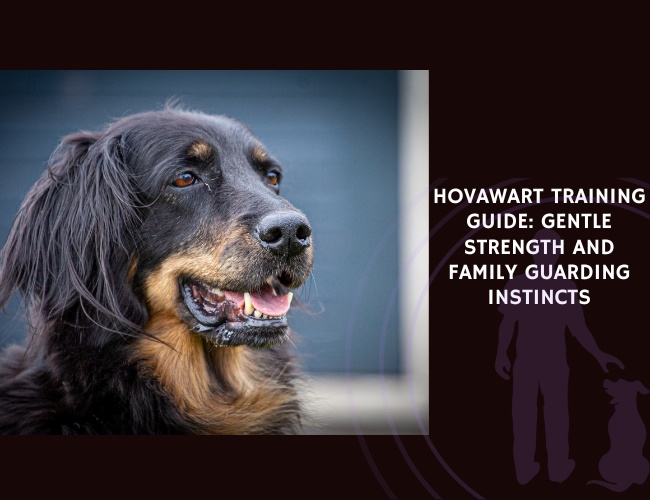
Picture a dog who combines the watchful presence of a medieval estate guardian with the tender devotion of a family companion. That’s the Hovawart—a breed whose very name translates to “yard watcher,” revealing centuries of purpose woven into their genetic fabric. Training a Hovawart isn’t about breaking their guardian spirit or forcing compliance. It’s about understanding the delicate balance between their protective instincts and their deep desire for human connection.
The Hovawart carries within them a unique heritage. Unlike many guardian breeds bred solely for livestock protection or property defense, these dogs were selected for a dual role: protecting the family estate while remaining closely integrated with the household. This means your Hovawart possesses both the independent decision-making abilities of a sentinel and the emotional sensitivity of a devoted companion. Through the NeuroBond approach, we can honor both aspects of their nature, creating a training foundation built on trust rather than dominance, on clarity rather than force.
In this guide, you’ll discover how to work with your Hovawart’s natural instincts rather than against them. We’ll explore their behavioral patterns, communication styles, and what makes this breed tick on a neurological and emotional level. Whether you’re considering bringing a Hovawart into your life or you’re already navigating the rewarding challenges of living with one, this comprehensive approach will help you build a relationship where your dog’s protective nature becomes an asset rather than a source of anxiety.
What You’ll Learn in This Guide:
- How to recognize healthy guardian behavior versus anxiety-driven overprotection
- Effective socialization strategies for developing balanced confidence
- Communication patterns that help you read your Hovawart’s emotional state
- Training methods that honor their intelligence and independent thinking
- Activities that fulfill their working heritage without creating over-arousal
- Environmental management techniques to reduce trigger stacking
- Nutritional strategies that support both physical health and behavioral stability
- Health monitoring specific to guardian breed needs
- Age-appropriate care from puppyhood through senior years
Character & Behavior: The Guardian’s Heart
Understanding the Hovawart Temperament
Your Hovawart watches the world with ancient eyes. When they pause at the window, scanning the street with quiet intensity, they’re not being paranoid—they’re fulfilling a genetic blueprint that stretches back to German farms and estates where their ancestors patrolled perimeters and protected families. This vigilance is not a flaw to be trained away; it’s a core feature of who they are.
The modern Hovawart strikes a remarkable balance that sets them apart from many traditional livestock guardian breeds. While a Great Pyrenees or Anatolian Shepherd was bred for extreme independence, making decisions far from human oversight, your Hovawart was selected for both protective competence and family integration. This dual heritage means they want to work with you, not just near you. They possess the confidence to assess threats independently, yet they’re emotionally wired to value your guidance and partnership.
Behavioral Markers of a Balanced Hovawart:
- Calm observation before reaction: A healthy Hovawart will notice a stimulus, pause to assess, and look to you for cues before escalating their response
- Warning bark rather than immediate confrontation: They use their deep, authoritative voice as a deterrent, not out of hysteria
- Ability to disengage: When you signal that a situation is under control, they can relax and return to a calm state
- Confident body language: Relaxed posture, steady gaze, and measured movements indicate secure emotional grounding
The neurological framework behind this behavior is fascinating. According to affective neuroscience research by Jaak Panksepp, a stable Hovawart operates primarily through their SEEKING system (investigation and exploration) and CARE system (social bonding and nurturing). When these systems dominate, your dog remains curious, engaged, and protective in a healthy way. However, when their FEAR or RAGE systems become chronically activated—through inconsistent boundaries, chaotic environments, or perceived threats—you’ll see problematic guarding behaviors emerge. 🧠
Common Misconceptions About Hovawart Behavior:
- Myth: Protective behavior means aggression → Reality: True guardian behavior is calm assessment, not reactive aggression
- Myth: They need to be “toughened up” for guarding → Reality: Confidence comes from security, not hardening
- Myth: Friendly equals weak guardian → Reality: The best guardians distinguish between friend and foe calmly
- Myth: Barking at everything shows good instincts → Reality: Excessive barking indicates insecurity or poor boundaries
- Myth: Early guarding behavior should be encouraged → Reality: Premature guarding in puppies often reflects fear, not confidence
The Protective Sensitivity Paradox
Here’s something many new Hovawart owners find surprising: the stronger your bond, the more intensely they may guard. Their loyalty doesn’t just deepen their affection—it amplifies their perceived responsibility for your safety. This is where understanding their emotional architecture becomes crucial.
Hovawarts are more likely to guard people than property. If a stranger approaches you on a walk, your Hovawart’s internal alarm system activates differently than if someone merely walks past your parked car. They’ve invested their emotional resources in you, which means perceived threats to family members trigger stronger protective responses. This isn’t aggression—it’s devotion expressing itself through their guardian heritage.
This influences training decisions in important ways:
- You must establish yourself as the social gatekeeper who manages human interactions
- Your dog needs clear signals that you’re handling a situation, not asking for their help
- Visitor protocols should be consistent, allowing your Hovawart to understand the script
- Children in the family require special consideration, as Hovawarts often feel particularly protective of young family members
The emotional environment you create shapes everything. In homes where there’s chaos, inconsistent rules, or anxious energy, Hovawarts often feel compelled to “step up” and take charge of protection. This isn’t the dog being dominant—it’s them responding to what feels like a leadership vacuum. When human leadership is calm, clear, and consistent, your Hovawart can relax into their supportive role rather than feeling solely responsible for family safety. That balance between science and soul—that’s the essence of Zoeta Dogsoul. 🧡
Signs Your Hovawart Feels Over-Responsible for Protection:
- Constantly positioning themselves between family members and doors or windows
- Unable to settle or relax even in quiet moments at home
- Excessive alerting to minor sounds or movements that shouldn’t warrant concern
- Following family members from room to room, unable to let them out of sight
- Heightened reactivity when family members show emotional distress
- Difficulty allowing guests to approach family without intervention
- Increased vigilance at night, pacing or repositioning frequently
- Stress signals (panting, drooling, pacing) during normal household activities
Vocalization & Communication: Understanding How Your Hovawart “Talks”
The Language of the Guardian Bark
Your Hovawart’s bark is not just noise—it’s a sophisticated communication system developed over centuries of protective work. Learning to distinguish between different vocalizations helps you respond appropriately and teaches your dog that you understand their messages.
The Deep Warning Bark: This is the sound of confidence. It’s authoritative, measured, and purposeful. When you hear this, your Hovawart has detected something they consider worthy of investigation. This is healthy guardian behavior and shouldn’t be punished. Instead, acknowledge their alert (“Thank you, I see it”), investigate if necessary, and then give a release cue once you’ve determined there’s no threat.
The Frantic, High-Pitched Bark: This signals insecurity or fear rather than confidence. You might hear this when your dog feels overwhelmed, cornered, or uncertain about how to handle a situation. This bark requires a different response—not reassurance (which can reinforce fear), but calm redirection and environmental management to reduce their stress.
The Alert Without Escalation: Many well-trained Hovawarts will give a single, short bark or a low “woof” to notify you of something unusual, then look to you for direction. This is the goal—a dog who communicates without becoming reactive.
Decoding Your Hovawart’s Vocal Vocabulary:
- Single deep bark: “I heard something worth noting” – appropriate alert behavior
- Series of deep barks with pauses: “Something is approaching and I’m monitoring” – confident surveillance
- Rapid, high-pitched barking: “I’m uncertain or anxious about this situation” – indicates stress
- Howling or extended vocalizations: Often loneliness, boredom, or response to environmental triggers (sirens, other dogs)
- Low rumbling growl: “I’m uncomfortable and giving a warning” – respect this communication
- Play barks (higher, with breaks): Excitement during appropriate play – different quality than guarding barks
- Whining or whimpering: Seeking attention, expressing discomfort, or anticipation
Reading Body Language in Context
Vocalization never happens in isolation. Your Hovawart’s body tells the fuller story. A confident guardian stands square and balanced, with a relaxed tail that may wag slowly. Their ears are forward and mobile, gathering information, and their mouth remains soft. Even when barking, you’ll see moments where they pause to reassess.
Compare this to the insecure guarder: stiff legs, a rigid tail held high or tucked, ears pinned back or rigidly forward, and a tight mouth. The entire body radiates tension. This dog isn’t making thoughtful decisions—they’re operating from their FEAR system, which means training needs to focus on building confidence rather than simply stopping the behavior.
Silent Communication You Can Trust:
- A dog who positions themselves between you and a stranger without aggression is showing protective awareness
- Looking back at you during a walk demonstrates checking in and respecting your leadership
- A soft body shake after a tense moment indicates self-regulation—they’re releasing stress and resetting
- Lowering their arousal naturally when you remain calm shows trust in your judgment
The Invisible Leash reminds us that awareness, not tension, guides the path. When you learn to read these subtle signals, you can intervene before situations escalate, maintaining the calm authority your Hovawart needs to feel secure. 🐾
Subtle Stress Signals Owners Often Miss:
- Lip licking or tongue flicks when no food is present
- Yawning in situations that aren’t about tiredness
- Whale eye (showing the whites of their eyes) when looking at something
- Turning head away or refusing eye contact in tense moments
- Scratching, sniffing the ground, or sneezing during stressful interactions
- Stiff, slow movements instead of fluid, natural motion
- Paw lifting or weight shifting between feet
- Excessive shedding during veterinary visits or new situations
Training & Education: Building Partnership Through Clarity
The Foundation: Leadership Without Force
Training a Hovawart requires a fundamental shift in mindset. This isn’t a breed that responds well to heavy-handed corrections or dominance-based methods. Their cognitive autonomy—their capacity for independent decision-making—is both their greatest asset and your biggest training challenge. Force a Hovawart, and you’ll create either a shut-down dog who performs mechanically or a resistant one who sees no reason to cooperate with an unfair leader.
Instead, effective training aligns with their internal logic. Remember, these dogs were bred to make decisions. On those medieval estates, a Hovawart couldn’t run back to the farmer for permission every time a wolf approached the livestock. They needed to assess, decide, and act. That intelligence remains, which means your training must make sense to them.
Training Mistakes That Backfire with Hovawarts:
- Harsh corrections for guardian behavior: Punishing natural instincts creates confusion and fear-based reactivity
- Inconsistent boundaries: Allowing behavior sometimes but not others breeds anxiety about what’s expected
- Over-reliance on food rewards: While useful, Hovawarts need to work for partnership, not just treats
- Drilling repetitive commands: Boredom leads to disengagement; they need variety and problem-solving
- Forcing socialization: Pushing them into uncomfortable interactions creates negative associations
- Competing for dominance: Alpha theory approaches damage trust and increase defensive behaviors
- Training only in one location: Hovawarts need to generalize behaviors across multiple environments
- Ignoring emotional state: Training an anxious or over-aroused dog is ineffective and counterproductive
Core Training Principles for Hovawarts:
Clarity Over Force: Use clear, consistent cues that make your expectations obvious. Hovawarts thrive when they understand what you want, not when you demand blind obedience
Calm Authority: Your emotional state matters more than your words. A calm, confident handler creates a secure Hovawart. An anxious or frustrated handler creates an anxious, overprotective dog
Purposeful Activities: Give them jobs that fulfill their guardian instincts under your direction. This prevents them from inventing their own jobs, like excessive window patrolling
Predictable Structure: Consistency in routines, boundaries, and responses helps your Hovawart predict outcomes and trust your leadership
Essential Commands for Guardian Breed Management:
- “Look” or “Watch me”: Redirects attention from triggers back to you, preventing fixation
- “Leave it”: Crucial for disengaging from stimuli they want to investigate or guard against
- “Wait” at thresholds: Controls impulse and establishes you as the one who grants access
- “Place” or “Go to your bed”: Gives them a specific location to settle during triggering events
- “Enough” or “Quiet”: Acknowledges their alert but signals the situation is handled
- “Let’s go”: Changes direction during walks, useful when avoiding potential triggers
- Reliable recall: Possibly the most important safety command for off-leash situations
- “Behind” or “Back”: Creates space when they’re crowding or positioning protectively
Early Socialization: The Critical Window
If you have a Hovawart puppy, you’re working within a crucial developmental period. Between 8 and 16 weeks, your puppy’s brain is remarkably plastic, forming neural pathways that will influence their behavior for life. During this window, exposure to diverse experiences—handled correctly—can prevent many future guarding issues.
However, socialization for a guardian breed is different from socializing a Golden Retriever. You’re not trying to create a dog who loves everyone indiscriminately. You’re building a dog who can calmly assess strangers, remain neutral in public spaces, and trust your judgment about who belongs in your life.
Effective Socialization Strategies:
- Expose your puppy to various people, but don’t force interaction. Let them observe from a safe distance and approach when ready
- Practice calm passing exercises where strangers walk by without engaging your puppy
- Visit different environments (parks, parking lots, cafes) during low-traffic times, rewarding calm observation
- Introduce novel sounds, surfaces, and situations gradually, always maintaining a relaxed atmosphere
- Allow positive interactions with friendly, stable adult dogs who teach appropriate social skills
The goal is building confidence through positive exposure while avoiding overwhelming experiences that could trigger lasting fear. One frightening encounter during this critical period can have disproportionate effects on a guardian breed’s future behavior.
Critical Socialization Experiences (8-16 Weeks):
- Different types of people: various ages, genders, ethnicities, body sizes, wearing hats/uniforms/sunglasses
- Handling exercises: gentle touching of paws, ears, mouth, tail to prepare for veterinary care and grooming
- Various surfaces: grass, concrete, gravel, metal grates, stairs, slippery floors
- Common sounds: vacuum cleaners, doorbells, traffic, construction noise, thunderstorms (recordings)
- Vehicle exposure: car rides, seeing trucks/buses/motorcycles, parking lot environments
- Household items: umbrellas, wheelchairs, strollers, bicycles, skateboards
- Other animals: calm adult dogs, cats (if applicable), seeing livestock from a distance
- Environmental novelty: automatic doors, elevators, different weather conditions, water exposure
Managing the Guardian Instinct: Practical Protocols
As your Hovawart matures (typically between 18 months and 3 years), you’ll notice their guardian instincts emerging more strongly. This is normal and expected. Your job isn’t to suppress these instincts but to channel them into cooperative partnership.
Healthy Guardian Development Signs:
- Alerts to unusual stimuli but looks to you for cues on how to respond
- Can be called off from barking or investigating with reasonable ease
- Shows interest in newcomers but allows you to manage interactions
- Relaxes when you indicate a situation is safe
- Maintains appetite, play drive, and normal social behaviors alongside protective awareness
- Distinguishes between routine occurrences and genuine anomalies
Problematic Guardian Development Signs:
- Cannot be redirected once fixated on a perceived threat
- Guards against routine, non-threatening stimuli (mail carrier, neighbors)
- Shows stress signals (panting, pacing, inability to settle) constantly
- Refuses to eat, play, or engage normally due to vigilance
- Displays aggression or intense fear toward normal social situations
- Seems anxious or on-edge even in familiar, safe environments
Visitor Protocol: Establish a clear routine for guests arriving at your home. Before someone enters, your Hovawart should be in a calm state—either on a mat, in a crate, or behind a barrier. You greet the guest first, establish that this person is welcome, and only then allow your dog to approach calmly. This prevents the frantic door-rushing behavior that can escalate into problematic guarding.
Threshold Training: Doors are high-value resources in your Hovawart’s mind—they’re potential entry points for threats. Teaching a solid “wait” at doorways accomplishes two things: it prevents door-charging, and it reinforces that you control access to and from the territory.
Structured Walks: Leash walks are where many guarding issues manifest. Your Hovawart sees someone approaching and feels compelled to assess the threat. Through structured, purposeful walking that emphasizes your direction and pacing, you communicate that you’re handling navigation and awareness. This allows them to relax and follow rather than constantly scanning for threats.
The shared responsibility framework works beautifully here: “I lead direction; you help monitor calmly.” You’re not asking your Hovawart to stop being a guardian—you’re defining their role as your calm, aware partner rather than the primary decision-maker. 🧠
Building Confidence vs. Creating Reactivity:
Confidence-Building Approaches:
- Gradual exposure to triggers at sub-threshold distances
- Rewarding calm observation rather than reactivity
- Allowing the dog to move away from uncomfortable situations
- Pairing novel experiences with positive outcomes
- Celebrating brave choices without forcing interaction
Reactivity-Creating Approaches:
- Flooding (overwhelming exposure to feared stimuli)
- Punishing fear-based behaviors without addressing root causes
- Forcing interaction when the dog shows avoidance signals
- Inconsistent responses to the same trigger
- Owner anxiety or tension during challenging situations
Training Through Life Stages
Adolescence (6-24 months): This challenging period brings increased independence testing, hormonal influences, and the emergence of mature guardian behaviors. Maintain consistency even when your teenager suddenly “forgets” their training. This isn’t defiance—it’s normal brain development with impulse control challenges.
Young Adult (2-4 years): Your Hovawart reaches social and mental maturity. Guardian instincts are now fully developed. This is when you’ll see their true temperament emerge. Continue reinforcing boundaries while appreciating their developing judgment.
Mature Adult (4-8 years): These are often the golden years. Your Hovawart has learned the household rules, understands their role, and functions as a confident, reliable guardian. Maintain mental stimulation and physical activity to prevent boredom-driven behavioral issues.
Age-Specific Training Challenges:
Puppy Stage (8 weeks – 6 months):
- Bite inhibition and mouthing control
- House training and crate conditioning
- Preventing fear periods from creating lasting impacts
- Building confidence without overwhelming
Adolescence (6-24 months):
- Increased independence testing and selective hearing
- Emerging guardian behaviors requiring management
- Hormonal influences affecting focus and impulse control
- Peer socialization becoming more complex
Young Adult (2-4 years):
- Solidifying mature guardian instincts appropriately
- Preventing over-guarding as confidence increases
- Maintaining engagement as novelty decreases
- Addressing any developed behavior problems
Mature Adult (5-8 years):
- Keeping mentally sharp as physical activity may decrease
- Managing decreased tolerance for chaos or change
- Maintaining social skills and preventing isolation
Senior (9+ years):
- Adapting to cognitive changes and reduced capabilities
- Managing pain-related behavioral changes
- Maintaining purpose and engagement at appropriate levels
Performance & Activities: Purposeful Engagement
Activities That Match Their Design
A Hovawart’s behavioral health depends significantly on appropriate outlets for their energy and intelligence. But here’s the crucial distinction: not all activities are created equal for this breed. High-arousal sports and chaotic play can actually destabilize a guardian breed, creating the very overreactivity you’re trying to avoid.
Ideal Activities for Hovawarts:
Perimeter Walks: Allow your Hovawart to patrol their territory under your guidance. Walk the property boundaries on leash, letting them sniff and observe while you set the pace and direction. This fulfills their patrolling instinct in a structured way that reinforces your leadership.
Scent Work and Nose Games: Engage their powerful sense of smell through structured scent detection, hide-and-seek games with treats or toys, or even formal nose work classes. These activities provide intense mental stimulation while promoting calm focus rather than frantic energy.
Controlled Tracking: Following scent trails engages their natural abilities while teaching them to work cooperatively with you. This can be as simple as dragging a treat-filled toy across your yard and letting them track it, or as complex as formal tracking training.
Slow-Power Exercises: Activities that build strength and endurance without excessive arousal are perfect. Long hikes, swimming, pulling a light cart or sled, or carrying a weighted backpack (once physically mature) all provide excellent outlets.
Problem-Solving Games: Interactive puzzles, novel training challenges, and learning new skills keep their intelligent minds engaged. A mentally tired Hovawart is far calmer than one who’s only physically exercised.
DIY Enrichment Activities for Hovawarts:
- Hide treats around the yard or house for scent-based searching
- Create obstacle courses using household items (boxes to navigate, tunnels to crawl through)
- Teach them to find specific family members on cue
- Practice “which hand” games to develop problem-solving
- Use cardboard boxes, paper bags, or towels to wrap treats for destruction and discovery
- Rotate toys weekly to maintain novelty and interest
- Teach new tricks or commands—”back up,” “spin,” “take a bow”
- Practice scent discrimination using different herbs or spices in containers
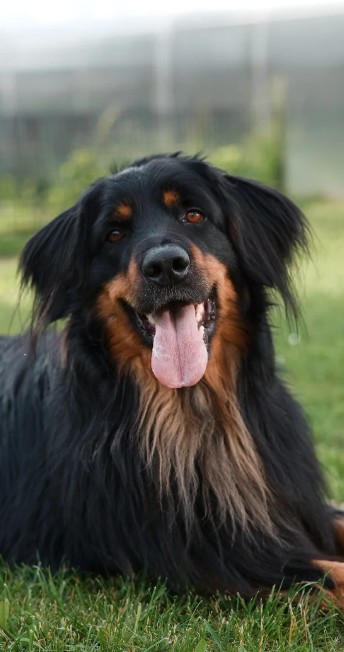
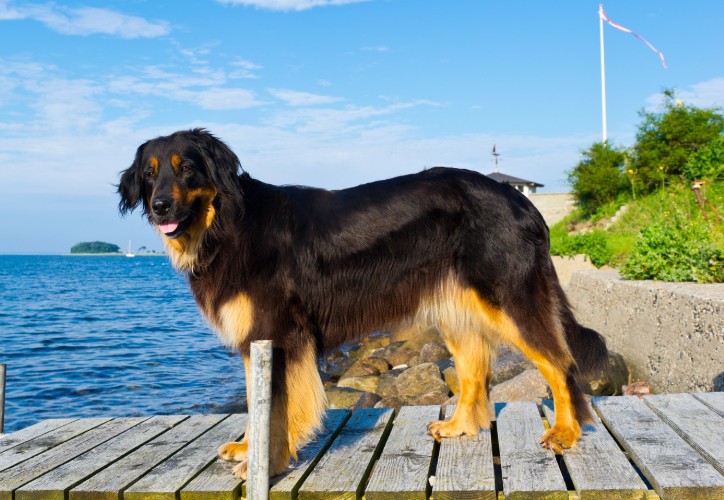
Steady. Loyal. Perceptive.
Guardian roots shape their judgement.
Your Hovawart isn’t reacting out of dominance or defiance—they’re fulfilling a dual heritage that blends independent assessment with deep family attachment.
Sensitivity drives their protection.
What looks like over-guarding often emerges from emotional investment, not aggression; their CARE and SEEKING systems guide calm vigilance when boundaries are clear.
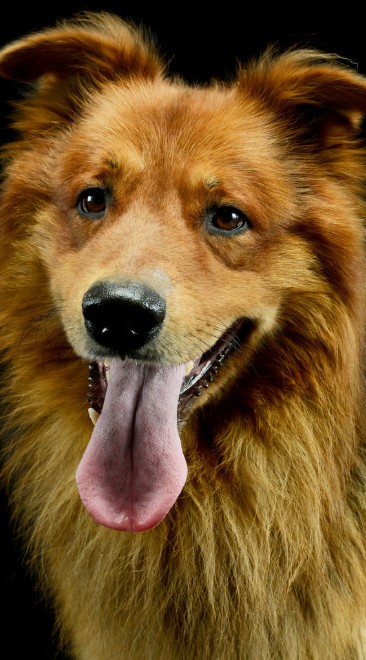
Partnership builds their balance.
When you lead with consistent cues, structured social exposure, and steady emotional energy, their protective instincts soften into reliable, thoughtful guardianship.
What to Avoid: The Over-Arousal Trap
Fast-paced fetch games, chaotic dog parks with poor supervision, rough play that escalates into overexcitement, and competitive sports that reward frenetic energy can all push your Hovawart into an over-aroused state. For a sensitive guardian breed, this increased arousal doesn’t just affect them during the activity—it can raise their baseline anxiety level, making them more reactive in daily life.
You might notice that after an overstimulating play session, your Hovawart seems more on edge, barks more readily at passersby, or struggles to settle. This is trigger stacking in action—the cumulative effect of stressors (even “fun” stress) pushing them closer to their threshold for reactive behavior.
Signs Your Hovawart Is Over-Aroused After Activities:
- Inability to settle or lie down calmly for 30+ minutes post-activity
- Increased reactivity to normal household sounds or movements
- Excessive panting beyond normal cooling-down period
- Pacing, whining, or restless behavior
- More intense responses to triggers they normally handle well
- Difficulty focusing on commands or redirections
- Mouthing, nipping, or rough play that seems less controlled
- Hypervigilance—constantly scanning environment instead of relaxing
Does this mean no play or fun? Absolutely not. It means choosing activities thoughtfully and watching your individual dog’s responses. Some Hovawarts enjoy calm, controlled fetch with clear start and stop cues. Others prefer interactive games that involve more thinking than running. Pay attention to how your dog behaves for several hours after an activity—that’s your real feedback on whether it was beneficial or destabilizing. 🐾
🐕 Hovawart Guardian Training Journey 🏰
From Ancient Estate Guardian to Modern Family Protector: A Neuroscience-Based Approach
Phase 1: Understanding Guardian Heritage
Building the Foundation of Trust
🧠 Neurological Framework
Hovawarts operate through dual neural systems: the SEEKING system (exploration and investigation) combined with the CARE system (family bonding). Understanding this balance prevents triggering their FEAR or RAGE systems through inconsistent training.
🎯 What to Expect
• Calm observation before reaction
• Deep, authoritative warning barks (not frantic)
• Natural patrolling instinct around property perimeters
• Strong people-guarding over property-guarding tendency
✅ Your First Steps
Establish calm, consistent leadership through the NeuroBond approach. Your emotional neutrality becomes their security blanket. Avoid punishment for natural guardian alerts—acknowledge instead with “Thank you, I see it.”
Phase 2: Critical Socialization Period
8-16 Weeks: Shaping Confident Assessment
🔬 The Science
During this neurologically plastic window, your puppy’s brain forms lasting pathways. Positive exposures build confident assessment abilities, while negative experiences can create lifelong reactive patterns in guardian breeds.
🎓 Training Protocol
• Expose to diverse people (ages, sizes, clothing) without forcing interaction
• Practice calm passing exercises—strangers walk by without engagement
• Visit varied environments during low-traffic times
• Allow observation from safe distances
⚠️ Critical Warning
Never force socialization. Pushing a fearful puppy into interactions creates the exact reactivity you’re trying to prevent. One frightening encounter has disproportionate effects on guardian breeds.
Phase 3: Decoding Guardian Communication
Learning Your Hovawart’s Vocal & Body Language
📖 Vocal Dictionary
Single deep bark: “I heard something worth noting”
Series with pauses: “Monitoring approaching stimulus”
High-pitched rapid: “I’m uncertain/anxious”
Low rumbling growl: “I’m uncomfortable—please listen”
👁️ Body Language Signals
Confidence: Relaxed posture, slow tail wag, soft mouth, mobile ears
Insecurity: Stiff legs, rigid tail, pinned ears, tight mouth, tension radiating through body
🔧 Your Response Strategy
For confident alerts: Acknowledge → Investigate → Release cue. For anxious signals: Calm redirection → Environmental management → Never punish fear-based communication. The Invisible Leash teaches awareness without tension.
Phase 4: Adolescent Guardian Emergence
18-36 Months: Managing Maturity
🔄 What Changes
Guardian instincts intensify naturally. Your Hovawart notices more, alerts more, and feels increased responsibility. This isn’t behavioral regression—it’s genetic programming activating. Hormonal influences affect focus and impulse control.
🎯 Management Strategies
• Visitor protocols: Dog settles before guest entry, you greet first
• Threshold training: “Wait” at doors prevents charging
• Structured walks: You control direction and pacing
• Consistent boundaries despite “selective hearing”
💡 The Partnership Framework
“I lead direction; you help monitor calmly.” This shared responsibility acknowledges their guardian nature while defining clear roles. You make decisions, they observe and alert appropriately.
Phase 5: Channeling Guardian Energy
Activities That Build Cooperation
✅ Ideal Activities
• Perimeter walks: Patrol territory under your guidance
• Scent work: Engages powerful nose in calm focus
• Controlled tracking: Problem-solving through scent trails
• Slow-power exercises: Hiking, weighted pack carrying
❌ Avoid Over-Arousal
Fast fetch, chaotic dog parks, and high-competition sports push guardian breeds into over-aroused states. This raises baseline anxiety and creates the reactivity you’re trying to prevent. Watch post-activity behavior—inability to settle signals too much stimulation.
🧩 The Benefit
Purposeful engagement reduces over-guarding by channeling natural drives constructively. Your Hovawart sees you as the source of meaningful work, strengthening bond and improving responsiveness while preventing “self-assigned jobs” like excessive window patrolling.
Phase 6: Creating Calm Living Conditions
Managing Trigger Stacking
🌊 Understanding Trigger Stacking
Environmental noise, visitor frequency, and household chaos accumulate as micro-stressors. Each trigger lowers their threshold until minor stimuli provoke major reactions. Calm, predictable environments prevent this sensory overload.
🛠️ Environmental Modifications
• Solid fencing (not chain-link) prevents barrier frustration
• Window film reduces constant visual monitoring
• White noise masks triggering outdoor sounds
• Designated quiet zones away from street-facing areas
• “On duty” vs “off duty” time distinctions
🌙 Nocturnal Management
Hovawarts naturally increase vigilance at dusk/night due to ancestral perimeter guarding. Evening routines signal “patrol duty is over”: structured walk → quiet activity → consistent bedtime location away from monitoring points.
Phase 7: Nutrition for Behavioral Stability
Fueling Body and Mind
🔬 Nutritional Foundations
Protein: 22-26% for adults (higher for active dogs)
Fat: 12-16% moderate activity, 16-20% high activity
Complex carbs: Sustained energy without spikes
Joint support: Glucosamine, chondroitin, omega-3s
🍽️ Feeding Protocols
Two structured meals daily (adults) prevents bloat and maintains routine. Require calm sit/down before food placement—reinforces that patience brings rewards. Use puzzle feeders occasionally for mental engagement while slowing eating speed.
⚖️ Body Condition Impact
Maintain lean, athletic build—excess weight stresses joints and affects behavior. Soul Recall applies to feeding: positive, calm experiences create positive associations. Stressful feeding situations can trigger resource guarding or food anxiety.
Phase 8: Senior Guardian Transition
Honoring Years of Service (8+ Years)
🌅 Natural Transitions
Guardian instinct rarely fades—your senior still watches over you, just from their comfortable bed. Physical changes include decreased stamina, joint stiffness, and graying. Some become less tolerant of chaos, preferring quiet routine.
💚 Adaptive Care
• Shorter, frequent walks replace longer expeditions
• Orthopedic bedding in multiple locations
• Ramps/steps for accessibility
• Raised food bowls reduce strain
• Cognitive engagement through gentle scent games
• Bi-annual veterinary wellness exams
🧡 Emotional Needs
Include them in family activities at their pace. Your senior’s continuing presence provides purpose—they’re still watching over you with wisdom earned through years. The emotional memory you’ve built together transcends physical activity.
📊 Hovawart vs Other Guardian Breeds
Hovawart vs Great Pyrenees
Hovawart: Higher family integration, more trainable, patrol-focused
Pyrenees: Extreme independence, livestock-focused, territorial barking
Hovawart vs German Shepherd
Hovawart: Slower maturity, calmer energy, family-first guarding
GSD: Earlier maturity, higher drive, handler-focused protection
Hovawart vs Rottweiler
Hovawart: Warning-first approach, lower exercise needs, environmental awareness
Rottweiler: Closer-range guarding, higher power/intensity, strong drive work
Hovawart vs Anatolian Shepherd
Hovawart: Family companion first, human-directed, moderate size
Anatolian: Livestock guardian first, extreme independence, larger size
Training Style Comparison
Best for Hovawarts: Calm authority, relationship-based, purposeful activities
Avoid: Force-based methods, excessive repetition, over-arousal activities
Ideal Living Situations
Thrives: Fenced property, stable routine, family integration
Struggles: Apartments, high visitor frequency, chaotic environments
⚡ Quick Reference: Guardian Training Formula
Calm Leadership + Clear Boundaries + Purposeful Engagement = Confident Guardian
Key Ratios:
• 70% mental stimulation : 30% physical exercise
• 2 structured meals daily (adults)
• 8-16 weeks = critical socialization window
• 18-36 months = guardian instinct emergence
• 1 visitor protocol = consistent family rule
Remember: Your emotional neutrality = Their security. Trigger stacking + over-arousal = reactivity. Purposeful work + calm authority = cooperative partnership.
🧡 The Zoeta Dogsoul Guardian Philosophy
Training a Hovawart isn’t about suppressing their ancient guardian wisdom—it’s about channeling it through the NeuroBond of trust and understanding. When you provide calm, consistent leadership, you create the emotional architecture where their protective instincts function beautifully rather than anxiously.
The Invisible Leash teaches us that true guidance flows through awareness and energy, not force and tension. Your Hovawart learns that your calm presence means safety, allowing them to monitor without overreacting, to assess without anxiety.
Through Soul Recall—those accumulated moments of trust, shared purpose, and emotional connection—you build a partnership that transcends simple obedience. Your Hovawart doesn’t just follow commands; they choose cooperation because the relationship itself has become their greatest reward.
This is guardian training as it should be: scientifically informed, emotionally intelligent, and deeply respectful of who these magnificent dogs truly are.
© Zoeta Dogsoul – Where neuroscience meets soul in dog training
The Under-Stimulation Problem
On the flip side, a bored Hovawart creates their own entertainment, and you probably won’t like their choices. Under-stimulation leads to “self-assigned jobs”—constant window patrolling, excessive barking at every passing dog or person, digging, destructive chewing, or obsessive behaviors.
Their SEEKING system needs outlets. This fundamental neural drive pushes them to investigate, explore, and engage with their environment. Without appropriate channels, this energy finds inappropriate ones. The window becomes their patrol route, visitors become threats requiring constant monitoring, and your home becomes a fortress they must defend against all comers.
Purposeful engagement reduces over-guarding and improves responsiveness precisely because it fulfills their natural drives in constructive ways. When your Hovawart gets meaningful mental and physical stimulation under your direction, they see you as the source of rewarding experiences. This strengthens your bond, reinforces your leadership, and reduces their felt need to create their own security protocols.
Nutritional Recommendations: Fueling the Guardian
Understanding the Hovawart’s Metabolic Needs
Your Hovawart’s nutrition directly impacts their behavior, energy levels, and long-term health. As a large breed with moderate to high activity levels, they require a carefully balanced diet that supports sustained energy without creating hyperactivity.
Key Nutritional Considerations:
Protein Quality: Look for named meat sources (chicken, beef, fish, lamb) as primary ingredients. Protein supports muscle maintenance and provides steady energy. For adult Hovawarts, aim for 22-26% protein in their diet, with higher percentages for active working dogs.
Fat Content: Moderate fat levels (12-16% for less active dogs, 16-20% for very active dogs) provide concentrated energy and support coat health. Too much fat can contribute to weight gain in sedentary dogs.
Complex Carbohydrates: Whole grains, sweet potatoes, and vegetables provide sustained energy release rather than the spikes and crashes associated with simple carbohydrates. Some Hovawarts do well on grain-free diets, but this should be an individual decision made with your veterinarian.
Joint Support: As a large breed, your Hovawart benefits from glucosamine, chondroitin, and omega-3 fatty acids for joint health. Starting these supplements early can help prevent degenerative joint issues later in life.
Foods to Avoid (Toxic to Dogs):
- Chocolate, coffee, and caffeine products
- Grapes, raisins, and currants
- Onions, garlic, chives, and leeks (in quantity)
- Xylitol (artificial sweetener found in many products)
- Alcohol and yeast dough
- Macadamia nuts and walnuts
- Avocado, especially the pit and skin
- Cooked bones (can splinter and cause internal damage)
Beneficial Supplements for Hovawarts:
- Glucosamine & Chondroitin: Joint support, especially important for large breeds
- Omega-3 fatty acids (fish oil): Reduces inflammation, supports coat and cognitive health
- Probiotics: Aids digestion and supports immune function
- Green-lipped mussel: Natural anti-inflammatory for joint health
- Vitamin E: Antioxidant support for cellular health
- MCT oil or coconut oil: May support cognitive function in senior dogs
Feeding Strategies for Behavioral Stability
Feeding isn’t just about nutrition—it’s an opportunity to reinforce structure and calm behavior. Many behavioral issues improve simply by implementing thoughtful feeding protocols.
Structured Meal Times: Feed at consistent times rather than free-feeding. This creates predictable routine, prevents food guarding issues, and allows you to monitor appetite (an important health indicator). For adult Hovawarts, two meals daily work well.
Calm Feeding Rituals: Require a calm sit or down before placing the food bowl. This prevents frantic, excited feeding and reinforces that good things come from patient behavior. If your Hovawart tends to guard resources, feed them in a secure, quiet location away from traffic.
Food-Enrichment Activities: Occasional use of puzzle feeders, snuffle mats, or frozen Kong toys makes meals mentally engaging while slowing eating speed. This is especially valuable for dogs who inhale their food or need additional cognitive stimulation.
Monitoring Body Condition: Hovawarts should maintain a lean, athletic build. You should easily feel (but not prominently see) their ribs, and they should have a visible waist when viewed from above. Excess weight stresses joints and can contribute to health problems, while underweight dogs may lack the physical stamina their guarding work requires.
Moments of Soul Recall reveal how memory and emotion intertwine in behavior—this applies to feeding too. Positive, calm feeding experiences create positive associations, while stressful or fearful feeding situations can lead to resource guarding or food anxiety. 🧡
Daily Feeding Guidelines by Life Stage:
Puppies (8 weeks – 6 months):
- 3-4 meals daily to maintain stable blood sugar
- Higher calorie and protein content for growth
- Avoid overfeeding—maintain lean body condition even during growth
- Approximately 3-4% of body weight daily
Adolescents (6-18 months):
- Transition to 2-3 meals daily
- Monitor growth rate to prevent too-rapid development (stresses joints)
- Adjust portions based on activity level and body condition
- Approximately 2-3% of body weight daily
Adults (18 months – 8 years):
- 2 meals daily for optimal digestion
- Maintenance level nutrition based on activity
- Approximately 2-2.5% of body weight daily
- Adjust for individual metabolism and exercise level
Seniors (8+ years):
- 2-3 smaller meals may aid digestion
- Reduced calories if activity decreases
- Higher quality protein to maintain muscle mass
- Consider softer foods if dental issues develop
Health Concerns: Preventive Care for Longevity
Breed-Specific Health Considerations
Hovawarts are generally a healthy, robust breed thanks to careful breeding practices and their moderate size compared to giant guardian breeds. However, like all purebred dogs, they have specific health concerns that responsible owners should monitor.
Hip and Elbow Dysplasia: Common in large breeds, these developmental conditions affect joint formation. Work with breeders who health-test their breeding stock (OFA or PennHIP evaluations). Maintain your dog’s lean body condition, provide appropriate exercise (avoiding excessive jumping and hard running before skeletal maturity at 18-24 months), and consider joint supplements.
Hypothyroidism: This endocrine disorder can affect Hovawarts, causing weight gain, lethargy, skin issues, and behavioral changes including increased reactivity or fear. Regular thyroid screening, especially if behavioral changes occur, helps catch this treatable condition early.
Bloat (Gastric Dilatation-Volvulus): Deep-chested breeds face higher risk of this life-threatening condition where the stomach fills with gas and potentially twists. Prevent bloat by feeding multiple smaller meals, avoiding exercise immediately before and after eating, using slow-feeder bowls, and managing stress (stressed dogs are at higher risk).
Eye Conditions: Progressive Retinal Atrophy (PRA) and cataracts can occur in the breed. Reputable breeders conduct eye examinations on breeding dogs to reduce these genetic conditions’ prevalence.
Behavioral Signs of Health Issues
Your Hovawart’s behavior often provides the first warning signs of health problems. Changes in behavior should never be dismissed as “just being difficult”—they may indicate pain or illness.
Increased Reactivity or Irritability: Sudden increases in guarding behavior, snappiness, or resistance to touch might indicate pain. Dogs in chronic pain often become more defensive and reactive as a self-protection mechanism.
Changes in Activity Level: Decreased interest in walks, reluctance to climb stairs, or stiffness after rest can signal joint problems, even in younger dogs. Conversely, restlessness and pacing might indicate discomfort or anxiety-related health issues.
Altered Appetite or Drinking: Sudden changes in eating or drinking habits warrant veterinary attention. Some health conditions alter metabolism, while others affect appetite directly.
Home Health Monitoring Routine:
Weekly Checks:
- Run hands over entire body feeling for lumps, bumps, or sensitive areas
- Check ears for odor, redness, or excessive wax
- Examine teeth and gums for discoloration or odor
- Look at eyes for clarity, discharge, or redness
- Monitor energy levels and enthusiasm for activities
Monthly Checks:
- Weigh your dog to track any gradual changes
- Examine paw pads for cracks, cuts, or overgrown nails
- Check skin and coat condition thoroughly
- Assess mobility—any stiffness, limping, or reluctance to move
- Review and refresh first aid supplies
Quarterly Reviews:
- Photograph your dog from multiple angles to track physical changes
- Assess training and behavioral patterns for any shifts
- Review diet and supplement effectiveness
- Consider any needed veterinary appointments or health screenings
Skin and Coat Changes: Dull coat, excessive shedding, skin irritation, or unusual odor can indicate thyroid problems, allergies, or nutritional deficiencies. Given that Hovawarts have a relatively easy-care double coat, significant changes are notable.
Preventive Care Schedule
Puppy Through First Year: Multiple veterinary visits for vaccinations, deworming, and health checks. Discuss spaying/neutering timing with your vet—for large guardian breeds, waiting until physical maturity may have health benefits.
Adult Dogs (1-7 years): Annual wellness exams including physical examination, bloodwork to screen for emerging issues, and discussions about nutrition, weight management, and preventive care. Consider thyroid screening if behavioral changes occur.
Senior Dogs (8+ years): Increase to bi-annual wellness exams. More comprehensive bloodwork, blood pressure checks, and screenings for common age-related conditions. Adjust activity and nutrition as needed.
Emergency Situations Requiring Immediate Veterinary Care:
- Bloat symptoms: distended abdomen, unsuccessful vomiting attempts, excessive drooling, restlessness
- Difficulty breathing or choking
- Seizures, especially first-time or lasting more than 3 minutes
- Trauma: hit by car, serious falls, dog fights with puncture wounds
- Suspected poisoning or ingestion of toxic substances
- Excessive bleeding that doesn’t stop with pressure
- Complete inability to urinate or defecate despite trying
- Collapse, loss of consciousness, or extreme weakness
- Heatstroke symptoms: excessive panting, bright red gums, vomiting, diarrhea, collapse
- Eye injuries or sudden blindness
Lifestyle & Environment: Creating Calm Conditions
The Ideal Living Situation
Hovawarts adapt better to some environments than others, and understanding their needs helps prevent behavioral issues before they start. While they can live in various settings, certain conditions support their natural temperament more effectively.
Space Considerations: Hovawarts do best with access to outdoor space they can patrol. A securely fenced yard allows them to survey their territory, get exercise, and fulfill patrolling instincts safely. Apartment living is possible but challenging—it requires extraordinary commitment to exercise, mental stimulation, and managing their guardian instincts in close proximity to neighbors.
Environmental Stability: Remember that trigger stacking affects guardian breeds significantly. Chaotic households with constant visitor traffic, loud unpredictable noise, or family conflict create chronic stress. Your Hovawart will respond to this instability with heightened vigilance and potentially overprotective behavior.
Secure Boundaries: Solid fencing is preferable to see-through chain link, which allows constant visual stimulation from passing people and dogs. This “barrier frustration” can create reactive behavior as your Hovawart patrols the fence line, barking at everything that passes. Six-foot fencing is recommended—Hovawarts can jump surprisingly high when motivated.
Environmental Modifications for Calmer Guardian Behavior:
- Window film or strategic furniture placement to reduce constant visual monitoring
- White noise machines to mask triggering outdoor sounds
- Solid fencing rather than chain-link to prevent barrier frustration
- Designated “patrol times” where you walk the perimeter together, then settle indoors
- Closing curtains during peak traffic or delivery times
- Creating quiet zones within the home away from street-facing windows
- Using baby gates to limit access to high-stimulation areas
- Establishing “on duty” versus “off duty” times with clear cues
Climate Considerations: With their thick double coat, Hovawarts tolerate cold weather beautifully but may struggle in extreme heat. Provide shade, fresh water, and indoor access during hot weather. Never leave them in cars, and schedule summer activities for cooler morning or evening hours.
Managing Environmental Triggers
Your Hovawart’s sensory experience matters more than you might think. Environmental noise, visitor frequency, and household chaos all increase their baseline arousal and lower their threshold for reactive behavior.
Noise Management: Constant environmental noise (busy streets, barking neighbors’ dogs, construction) keeps your Hovawart in a state of alertness. White noise machines, closing curtains during peak traffic times, and creating quiet zones within your home can help them settle.
Visual Stimulation Control: Window watching becomes addictive for many Hovawarts. They patrol from window to window, barking at everything that moves. While you don’t want to completely restrict their ability to survey their territory, managing their access to windows—especially during peak traffic hours—can prevent this from becoming an obsessive behavior.
Visitor Protocols: High visitor frequency without clear protocols creates stress. If you frequently have guests, your Hovawart needs explicit training on appropriate responses. Inconsistent rules (sometimes guests pet them immediately, sometimes they’re pushed away, sometimes you’re anxious about their behavior) create confusion and anxiety-driven guarding.
Nocturnal Vigilance: Hovawarts often become more reactive at dusk and night, a trait linked to their ancestral perimeter guardian role. Lower light conditions heighten their other senses and increase vigilance. Establish evening routines that help them settle—perhaps a structured walk followed by a quiet activity before bed, creating a pattern that signals the end of “patrol duty.”
Calming Evening Routines for Reduced Night Vigilance:
- Final bathroom break followed by low-energy activity (gentle massage, calm interaction)
- Closing curtains and reducing visual access to windows
- White noise or calming music to mask outdoor sounds
- Designated sleeping area away from doors and windows
- Gentle chew item (bully stick, frozen Kong) to aid settling
- Dim lighting to signal nighttime mode
- Consistent bedtime to establish circadian rhythm
- Brief scent work or problem-solving game to tire mind before sleep
The calm, structured environment you create isn’t about restricting your Hovawart—it’s about providing the emotional architecture they need to relax. When they know you’re managing the household and setting boundaries, they can release the responsibility they might otherwise feel compelled to carry. 🧠
Senior Care: Honoring the Aging Guardian
Recognizing the Transition
Hovawarts typically live 10-14 years, with many remaining active and engaged well into their senior years. You’ll notice the transition gradually—perhaps your dog sleeps more, moves more stiffly in the morning, or shows less interest in extended activities. This is natural aging, not a disease, though it does require adjustments to their care.
Physical Changes: Graying around the muzzle and eyes, decreased muscle mass, joint stiffness, and reduced stamina are normal. Some seniors develop lumps (often benign fatty tumors), thinner coat, or dental issues requiring attention.
Behavioral Changes: Senior Hovawarts may become less tolerant of disruption, preferring quiet routines to chaos. They might display increased anxiety about being left alone, or conversely, desire more alone time to rest undisturbed. These changes often reflect decreased energy and increased need for predictability rather than personality shifts.
Cognitive Changes: Some older dogs experience Canine Cognitive Dysfunction (similar to dementia in humans), showing confusion, altered sleep-wake cycles, house soiling, or changes in social interaction. Not all seniors experience this, but awareness helps you respond appropriately if it occurs.
Senior Quality of Life Indicators:
Good Quality of Life:
- Still shows interest in food, even if eating slower or less
- Enjoys gentle interaction and affection
- Can move around independently, even if more slowly
- Sleeps comfortably and peacefully
- Has more good days than bad days
- Maintains bathroom control most of the time
- Shows recognition of family members
- Demonstrates joy or contentment regularly
Declining Quality of Life (Veterinary Discussion Needed):
- Chronic, unmanaged pain despite medication
- Complete loss of interest in food or water
- Inability to stand or move without severe distress
- Incontinence causing distress or skin breakdown
- Severe cognitive decline with constant confusion or anxiety
- More bad days than good days
- Loss of recognition of family members
- No apparent joy or comfort in daily life
Adapting Care for Senior Needs
Your senior Hovawart still needs purpose and engagement, just at a modified pace. The guardian instinct rarely fades—they’ll still want to watch over you, just from their comfortable bed rather than during three-mile hikes.
Modified Exercise: Shorter, more frequent walks replace longer expeditions. Swimming becomes excellent low-impact exercise if joints are painful. Gentle, controlled movement keeps them mobile without overtaxing aging bodies. Watch for signs of fatigue and end activities before they’re exhausted.
Cognitive Engagement: Mental stimulation remains crucial. Scent games, gentle training sessions learning new tricks, and puzzle toys keep their minds sharp. Just as physical exercise needs modification, keep mental challenges achievable and rewarding rather than frustrating.
Comfort and Accessibility: Provide orthopedic bedding to cushion aging joints. Consider ramps or steps if stairs become challenging. Raised food bowls can ease neck and back strain. These accommodations honor their years of service and maintain their dignity and independence.
Senior-Friendly Home Modifications:
- Orthopedic memory foam beds in multiple locations
- Non-slip rugs on slippery floors for better traction
- Ramps or pet stairs for furniture or vehicle access
- Raised food and water bowls to reduce neck strain
- Night lights for dogs with declining vision
- Easy-access litter areas or more frequent outdoor breaks
- Warm bedding away from drafts
- Waterproof bedding covers for potential accidents
Dietary Adjustments: Senior diets often feature lower calories to prevent weight gain as metabolism slows, but higher quality protein to maintain muscle mass. Joint supplements become even more important. Some seniors benefit from increased meal frequency (3-4 smaller meals rather than 2 larger ones) to ease digestion.
Veterinary Vigilance: Senior wellness exams bi-annually allow early detection of age-related issues. Bloodwork screens for kidney function, liver health, and endocrine disorders. Dental cleanings prevent painful tooth decay that can affect appetite and quality of life.
The Emotional Needs of Senior Guardians
Never underestimate your senior Hovawart’s continuing need for purpose and connection. They may no longer patrol the property with youthful vigor, but their bond with you remains deep and their desire to contribute persists.
Include them in family activities in ways they can comfortably participate. Let them accompany you (at their pace) on errands or outdoor time. Their presence still provides them with purpose—they’re still watching over you, just with more wisdom and less urgency. This continuing inclusion maintains their mental health and prevents the depression that can occur when senior dogs feel useless or forgotten.
The emotional memory you’ve built together—those years of Soul Recall—means your relationship has depth that transcends physical activity. Quiet companionship, gentle touch, and patient understanding honor the guardian who has devoted their life to your family’s wellbeing. 🧡
Conclusion: Is the Hovawart Right for You?
The Hovawart’s Ideal Human
Not everyone should live with a Hovawart, and that’s perfectly fine. This breed thrives with specific types of households and individuals, and understanding whether you match this profile helps ensure success for both you and your potential dog.
You might be an ideal Hovawart owner if you:
- Value a dog who thinks independently and makes decisions, rather than one who performs mechanically
- Can provide calm, consistent leadership without resorting to force or intimidation
- Have adequate space (ideally a fenced yard) for their patrolling and exercise needs
- Understand that guardian instincts are features, not bugs, requiring management not suppression
- Commit to lifelong socialization, training, and mental engagement
- Can dedicate time to purposeful activities that fulfill their working heritage
- Appreciate a dog whose devotion to family runs soul-deep
- Maintain a relatively stable, predictable household environment
- Have experience with or willingness to learn about guardian breed behavior
The Hovawart may not suit you if you:
- Want a dog who loves everyone indiscriminately and seeks attention from all strangers
- Prefer a highly social, exuberant breed for dog parks and off-leash romping with unfamiliar dogs
- Live in a small apartment without ready access to outdoor exercise areas
- Have a chaotic household with frequent, unpredictable visitors and high noise levels
- Lack time for daily mental and physical engagement
- Prefer a dog who requires minimal training and instinctively defers to all human direction
- Become frustrated by a dog who questions commands that don’t make sense to them
- Want a breed that remains puppyish and playful throughout their life
The Commitment You’re Making
Bringing a Hovawart into your life means committing to 10-14 years of partnership with a deeply sensitive, intelligent guardian. You’re not just getting a pet—you’re welcoming a family member whose entire existence revolves around your wellbeing and the security of your household.
This is a breed that requires thoughtful, educated ownership. Their behavioral health depends on your understanding of their needs, your consistency in meeting those needs, and your willingness to work with their instincts rather than against them. The investment is significant: time, energy, education, and emotional presence.
But for those who make this commitment and do it well, the rewards are extraordinary. You’ll have a companion whose loyalty is unshakeable, whose intelligence challenges and delights you, and whose protective presence provides genuine security. You’ll watch them grow from gangly, awkward puppies into confident, dignified guardians who carry themselves with quiet authority. You’ll experience the profound satisfaction of a dog who truly partners with you, whose eyes seek yours in moments of uncertainty, and whose trust in your judgment allows them to relax into their role.
Through the NeuroBond approach—emphasizing calm authority, relational clarity, and purposeful engagement—you can cultivate a relationship where your Hovawart’s guardian instincts become a beautiful expression of their devotion rather than a source of stress or behavioral problems. The Invisible Leash teaches them that your awareness and leadership allow them to monitor calmly rather than react frantically. And in those quiet moments when your Hovawart settles at your feet after a day of shared activities, you’ll understand what it means to have earned the trust of a guardian breed.
Next Steps: Beginning Your Journey
If you’re considering a Hovawart, connect with reputable breeders who health-test their dogs and carefully match puppies to appropriate homes. Ask about the parents’ temperaments, especially regarding guardian behaviors and social confidence. Observe how puppies are raised—early neurological stimulation and purposeful socialization during the critical developmental window set the foundation for behavioral health.
Questions to Ask Hovawart Breeders:
- What health testing has been done on the parents (hips, elbows, eyes, thyroid)?
- Can I meet at least the mother and observe her temperament?
- How do you socialize puppies during their first 8 weeks?
- What guardian behaviors do the parents display, and how are they managed?
- Have any dogs from previous litters developed behavioral issues?
- What support do you provide after puppy placement?
- Can you provide references from previous puppy buyers?
- What is your return policy if the placement doesn’t work out?
- How do you match puppies to homes—what factors do you consider?
- What are the most common challenges new Hovawart owners face?
If you already share your life with a Hovawart and face behavioral challenges, don’t despair. These dogs are remarkably responsive to changes in handling and environment when those changes make sense to them. Seek trainers experienced with guardian breeds who use relationship-based methods rather than force. Remember that behavioral change takes time, especially with a breed whose neural pathways are deeply wired for protection.
Red Flags When Choosing a Hovawart:
Breeder Red Flags:
- No health testing documentation or refuses to provide results
- Won’t let you meet the mother or see where puppies are raised
- Has multiple litters available simultaneously or breeds frequently
- Puppies available year-round without waitlist
- Advertises rare colors or sizes as more valuable
- Pushy sales tactics or pressure to decide quickly
- Doesn’t ask you detailed questions about your lifestyle
- Willing to sell puppies before 8 weeks of age
Puppy Red Flags:
- Extreme fearfulness or cowering from people at 8+ weeks
- Aggression or intense resource guarding in young puppies
- Appears sickly, lethargic, or has poor coat condition
- Shows no curiosity or interest in environment
- Already displaying intense guarding behavior before 12 weeks (often fear-based)
- Poor socialization—terrified of normal sounds or movements
Whether you’re at the beginning of your Hovawart journey or many years in, the principles remain constant: calm leadership, purposeful engagement, clear communication, and deep respect for who they are. Your Hovawart doesn’t need to be “fixed”—they need to be understood. When you provide that understanding, paired with structure and appropriate outlets for their drives, you’ll discover that the challenges become manageable and the rewards become immeasurable.
The Hovawart stands at the crossroads of ancient purpose and modern companionship, of independent judgment and devoted partnership. In honoring both aspects of their nature, you create space for them to be fully themselves—gentle with their family, watchful of their territory, confident in their decisions, and deeply connected to you. That’s not just training. That’s the art of living well with a guardian breed. 🐾










