
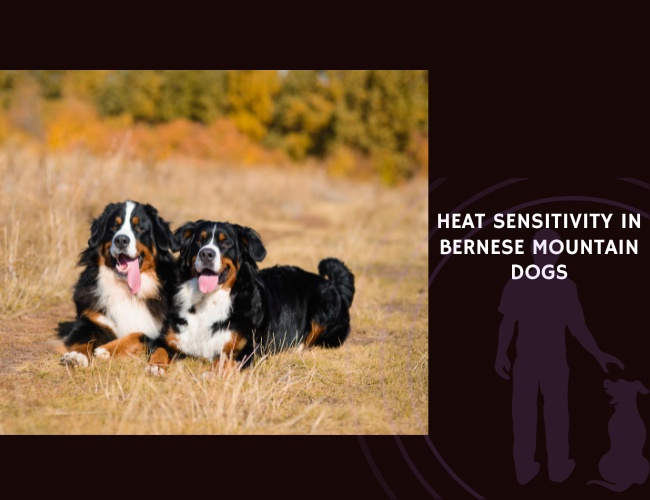
When you watch your Bernese Mountain Dog sprawled on the cool kitchen floor during summer, panting heavily after just a short walk, you’re witnessing more than simple discomfort. You’re seeing the profound challenge that comes with loving a breed designed for Alpine winters, not modern summers. This isn’t just about keeping your dog cool—it’s about understanding the deep physiological and emotional toll that heat places on these magnificent animals, and how you can become their most effective advocate and protector.
Let us guide you through the science and soul of heat sensitivity in Bernese Mountain Dogs, exploring not just what happens to their bodies, but how it shapes their behavior, their emotions, and ultimately, their relationship with you.
The Alpine Heritage: Why Your Berner Wasn’t Built for Heat
Historical Adaptation to Cold Mountain Environments
Your Bernese Mountain Dog carries within their genes the legacy of Swiss Alpine valleys, where temperatures rarely climbed and winters dominated the calendar. For centuries, these dogs worked alongside farmers and herders in the cold mountain regions of Bern, pulling carts, guarding livestock, and providing companionship through long, freezing nights. Their bodies evolved every adaptation necessary for thriving in those conditions—but none for the challenges of modern life in warmer climates.
This working heritage shaped everything about their physical form. The dense double coat that kept them warm at altitude now traps heat against their skin. The robust build that provided strength for pulling heavy loads now creates a thermal mass that struggles to cool efficiently. Understanding this history helps you recognize that your Berner’s heat sensitivity isn’t a flaw—it’s the natural consequence of perfect adaptation to an environment vastly different from the one they now inhabit.
The Double-Edged Sword of That Beautiful Coat
That luxurious coat you love to run your fingers through—the one that makes your Berner look so majestic—functions as a highly efficient insulation system designed to trap warm air close to the body. In winter, this creates a protective barrier against freezing temperatures. But in summer, that same insulation becomes a thermal prison, preventing body heat from escaping into the environment.
The outer guard hairs are coarse and long, designed to shed snow and rain. Beneath lies a soft, dense undercoat that can be several inches thick, creating an air-trapping layer that would keep a dog comfortable in subzero temperatures. When ambient temperatures rise, this double-layered system transforms from protection into burden. The body generates heat through normal metabolic processes, but that heat has nowhere to go—trapped beneath layers of fur that evolution designed for an entirely different purpose.
Body Mass and the Physics of Cooling
Large body mass presents a fundamental challenge in thermoregulation. Your Bernese Mountain Dog, weighing anywhere from 70 to 115 pounds, has a significantly smaller surface area-to-volume ratio compared to smaller breeds. This means there’s proportionally less skin surface available for heat dissipation relative to the volume of tissue that needs cooling.
Think of it this way: a small dog is like a cup of hot coffee, cooling quickly because there’s lots of surface area relative to volume. Your Berner is more like a large pot of soup—the sheer volume of hot liquid means it takes much longer to cool, even with stirring. When your dog’s core temperature rises, every organ, every muscle, every cell must be cooled, but the available “cooling surface” is limited. The body must work exponentially harder to achieve what comes naturally to smaller, lighter breeds.
Recognizing the Signs: When Heat Becomes Distress
Early Warning Signals Every Owner Should Know
Heat sensitivity doesn’t announce itself with a single dramatic moment—it builds gradually, offering subtle cues that many owners miss until distress becomes obvious. Learning to read these early signals can mean the difference between prevention and crisis.
Watch for these early indicators:
- Excessive panting disproportionate to activity – Not just breathing faster, but panting that seems intense after minimal exertion or doesn’t ease even after your dog has rested in a cooler space. The rhythm changes too—becoming shallower, more rapid, almost frantic.
- Obsessive seeking of cool surfaces – Your Berner might dig at the ground trying to reach cooler soil, press their entire body against tile floors, or refuse to move from air conditioning vents. This isn’t simple preference—it’s desperate self-preservation.
- Slowed movement and reluctance to engage – Activities they normally enjoy—a walk, playtime, even eating—suddenly hold no appeal. Energy reserves are being redirected entirely to cooling efforts, leaving nothing for daily life.
- Changes in gum and tongue color – Healthy gums should be pink and moist. When overheating, they might appear bright red (indicating increased blood flow to dissipate heat) or pale/grayish (suggesting circulation is compromised). The tongue may also appear dark red or purple, especially at the tip.
- Restlessness despite fatigue – Your dog seems exhausted but can’t settle, pacing between cool spots or repeatedly changing positions trying to find comfort.
- Increased water consumption or refusal to drink – Either extreme signals thermal stress—excessive drinking to compensate for fluid loss, or refusal due to nausea.
- Seeking isolation – A normally social Berner who withdraws from family interaction may be conserving energy and seeking relief from additional stimulation.
Behavioral Indicators of Rising Thermal Discomfort
As thermal discomfort intensifies, behavioral changes become more pronounced and specific. Recognizing these patterns helps you intervene before your dog reaches crisis.
Key behavioral changes to monitor:
- Irritability or snappish responses – Your typically patient and gentle Berner might respond to gentle touches or minor frustrations with uncharacteristic defensiveness. This isn’t a personality flaw—it’s a nervous system overwhelmed by physiological distress.
- Loss of attention and focus during familiar activities – Training sessions fall apart not because your dog forgot their commands, but because their cognitive resources are consumed by the physiological battle against heat. The prefrontal cortex, responsible for impulse control and attention, becomes impaired under thermal stress.
- Refusing to eat or drink despite obvious need – Severe thermal stress can trigger nausea and gastrointestinal distress, making the thought of food or even water unappealing. This creates a dangerous cycle, as dehydration further impairs cooling capacity.
- Excessive drooling beyond normal panting – Copious drooling suggests the body is attempting every possible cooling mechanism and the system is becoming overwhelmed.
- Glazed or unfocused eyes – A distant, disconnected expression signals cognitive fade-out and severe discomfort.
- Inability to settle or relax – Constant position changes, moving between spots, or restless pacing indicate your dog can’t find comfort despite fatigue.
- Withdrawal from social interaction – Avoiding eye contact, moving away from family members, or showing no interest in normally exciting activities like treats or toys.
From Discomfort to Emergency: Critical Warning Signs
Some signs demand immediate veterinary intervention. Recognizing these critical indicators can save your dog’s life.
Emergency symptoms requiring immediate veterinary care:
- Vomiting or diarrhea – When combined with heat exposure, this suggests the gastrointestinal system is compromised and dehydration is accelerating dangerously.
- Uncoordinated movement, stumbling, or collapse – Indicates neurological function is impaired, signaling that brain temperature has risen to dangerous levels.
- Seizures or tremors – Can occur when core body temperature rises high enough to affect brain function—this is a life-threatening emergency.
- Bright red, dark red, or blue-tinged gums and tongue – Signals severe circulatory compromise and inadequate oxygenation.
- Rapid, irregular, or very weak heartbeat – Cardiovascular system is failing under thermal stress.
- Thick, ropey saliva or dry gums – Extreme dehydration has occurred despite the body’s cooling efforts.
- Loss of consciousness or extreme lethargy – The body is shutting down non-essential functions to preserve core organ function.
- Body temperature above 104°F (40°C) – If you can safely take a rectal temperature, anything above this threshold requires emergency veterinary intervention.
Understanding the progression from mild discomfort to medical emergency empowers you to intervene early, before your dog reaches crisis. 🧡
The Hidden Burden: How Heat Affects Your Berner’s Brain and Behavior
Stress Hormones and Emotional Volatility
When your Berner overheats, their body doesn’t just get hot—it enters a state of systemic stress that cascades through every biological system. Through the NeuroBond approach, we recognize that what appears as “bad behavior” or “disobedience” is actually a dog struggling with neurobiological distress that overwhelms their capacity for self-regulation.
Key biochemical changes during heat stress:
- Elevated cortisol levels – The primary stress hormone surges, creating chronic anxiety and emotional dysregulation. While cortisol serves important functions in acute stress, prolonged elevation affects mood, cognition, and the ability to recover from stressors.
- Inflammatory cytokines released – Chemical messengers that affect brain function directly, contributing to feelings of malaise, fatigue, and irritability. These aren’t vague sensations; they’re measurable biochemical changes that alter neural signaling and emotional processing.
- Oxidative stress markers increase – Reactive oxygen species damage cellular structures including neurons, creating actual cellular damage that impairs brain function, particularly in the prefrontal cortex.
- Disrupted neurotransmitter balance – Heat stress can influence serotonin, dopamine, and other neurotransmitters involved in mood regulation and impulse control.
- Sympathetic nervous system activation – The fight-or-flight response remains chronically engaged, preventing the calm, socially engaged state needed for learning and positive interaction.
Imagine trying to maintain your composure and patience while suffering from fever, nausea, and the feeling that your skin is too tight. That’s the internal experience of a heat-stressed dog. Your dog isn’t choosing to be grumpy or uncooperative—their biochemistry is literally creating those emotional states.

Oxidative Stress and Cellular Damage
Heat stress generates reactive oxygen species—unstable molecules that damage cellular structures including neurons. This oxidative stress doesn’t just cause temporary discomfort; it creates actual cellular damage that can impair brain function. The prefrontal cortex, responsible for executive functions like attention, impulse control, and emotional regulation, is particularly vulnerable.
Research in other species shows that oxidative stress in the prefrontal cortex correlates directly with impaired attention and reduced impulse control. When your Berner can’t seem to focus during training or reacts impulsively to minor triggers during hot weather, you’re witnessing the cognitive impact of cellular-level damage caused by thermal stress.
This explains why heat-stressed dogs might display behaviors that seem out of character—snapping at family members they normally adore, ignoring commands they know perfectly well, or becoming fixated on escape behaviors. Their executive function—the neurological capacity for thoughtful, regulated responses—has been compromised by the physiological stress of overheating.
Cognitive Fade-Out and Processing Speed
Heat doesn’t just make dogs uncomfortable; it literally slows their cognitive processing. Think of your computer slowing down when it overheats, with programs taking longer to respond and simple tasks becoming laborious. Your Berner’s brain experiences something similar.
The energy demands of cooling the body compete with the energy demands of cognitive function. When resources are limited, the body prioritizes survival (cooling) over cognition (thinking). This manifests as what behaviorists call “cognitive fade-out”—a dog who seems mentally absent, unable to process information or respond to cues that would normally elicit immediate responses.
Observable signs of cognitive impairment from heat:
- Delayed response to name or familiar cues – You might call your dog’s name multiple times before getting acknowledgment, even when they’re looking in your direction.
- Slower execution of known commands – The response time between hearing a cue and executing a behavior stretches longer and longer, not from stubbornness but from genuine processing delays.
- Inability to focus or maintain attention – Eyes glazed, seeming to look through you rather than at you, unable to track movement or engage with stimuli.
- Forgetting mid-task – Starting to execute a command but losing track halfway through what they were doing.
- Reduced problem-solving ability – Puzzles or challenges they normally solve quickly become frustrating or impossible.
- Lack of response to high-value rewards – Even favorite treats or toys fail to motivate or excite, as the cognitive capacity to process reward value is diminished.
- Repetitive or stuck behaviors – Inability to disengage from a particular behavior or shift attention to something new.
This isn’t stubbornness or selective hearing—it’s genuine cognitive impairment caused by physiological stress.
The Emotional Memory Factor and Soul Recall
Heat-related distress doesn’t just affect your dog in the moment—it creates emotional memories that can shape future behavior. A dog who experiences severe thermal discomfort during a particular activity (a car ride, a walk in the park, greeting visitors on a hot day) may develop negative associations that persist even when conditions improve.
This is where understanding Soul Recall becomes essential. Your Berner doesn’t think in words like “it was hot that day, but it’s cooler now, so I should be fine.” They respond to emotional memory—the felt sense that this situation, this place, this activity is associated with profound discomfort or fear. Even on a cool day, the sight of a particular walking trail might trigger anxiety if they experienced heat distress there previously.
Breaking these negative associations requires patient, positive reconditioning that respects the power of emotional memory. You can’t logic your dog out of a feeling; you can only create new, positive experiences that gradually overlay the old negative ones.
The Human Factor: How Your Energy Affects Heat Reactivity
Reading and Responding to Owner Emotional State
Dogs are masters at reading human emotional states, and Bernese Mountain Dogs—bred for centuries to work in close partnership with humans—are particularly attuned to their owners’ emotions and energy. When you’re stressed about your dog overheating, your anxiety creates additional stress for your dog, potentially worsening their thermal reactivity.
How your stress manifests to your heat-stressed dog:
- Rapid, jerky movements – Rushing to grab cooling supplies, frantically adjusting fans, or hurried pacing signals danger and urgency, elevating your dog’s already activated stress response.
- Tense body language – Rigid shoulders, clenched jaw, tight facial expressions broadcast anxiety that your dog instantly registers and mirrors.
- Worried facial expressions – Furrowed brows, wide eyes, tense mouth communicate that something is wrong, reinforcing your dog’s sense of threat.
- Anxious or sharp vocal tone – Even if your words are soothing, a tight, high-pitched, or stressed voice quality contradicts the message and signals distress.
- Hovering or constant checking – Repeatedly approaching to assess your dog prevents them from settling and adds stimulation when they need calm.
- Uncertain or hesitant handling – Tentative touches or inconsistent interventions create confusion rather than reassurance.
Your Berner registers all these cues as signals of danger. The combination can push them from discomfort into panic, activating the sympathetic nervous system’s fight-or-flight response even more intensely.
This doesn’t mean you should suppress legitimate concern—it means you need awareness of how your emotional state transmits to your dog. Taking a deep breath, consciously relaxing your shoulders, and moving with calm deliberation can actually help regulate your dog’s nervous system even while addressing their physical needs.

The Invisible Leash: Calm Leadership During Heat Stress
The concept of the Invisible Leash reminds us that true guidance comes not from physical control but from emotional presence and calm confidence. When your Berner is suffering from heat stress, what they need most isn’t just physical cooling—they need your regulated nervous system to help co-regulate theirs.
Practical techniques for calm-state co-regulation:
- Move slowly and deliberately – Even when providing urgent cooling interventions, maintain smooth, purposeful movements rather than rushing frantically.
- Lower your center of gravity – Sit or kneel beside your dog rather than looming over them, which can feel threatening to a stressed animal.
- Breathe audibly and slowly – Your breath pattern influences your dog’s autonomic state. Deep, slow breathing signals safety and can help trigger their parasympathetic (calming) response.
- Use low, soothing vocal tones – Speak in a calm, measured voice with gentle cadence. Even instructions to other family members should maintain this tone.
- Maintain soft eye contact – Brief, gentle eye contact communicates connection without pressure or demand.
- Offer passive presence – Simply sitting nearby in a calm state provides co-regulation without requiring interaction from your dog.
- Use gentle, predictable touch – If your dog accepts touch, slow, rhythmic stroking (following hair growth direction) activates calming neurological pathways.
- Model the calm you want to create – Before approaching your overheated dog, take three deep breaths yourself. Feel your own shoulders drop, your jaw relax. Then bring that regulated state into your interactions.
Rushing to grab ice packs, frantically spraying water, speaking in anxious tones—all of this adds sympathetic arousal to an already elevated system. Through calm-state co-regulation, you provide a neurological template that helps your dog’s system begin to downregulate.
Structured Cooling Rituals as Emotional Anchors
Creating structured cooling rituals transforms heat management from stressful intervention into positive routine. When your Berner learns that certain sequences predict relief and comfort, they can begin to relax even before cooling fully occurs.
A cooling ritual might look like: leading your dog to a specific cool spot, offering fresh water in a familiar bowl, placing a cool mat under them while speaking in soothing tones, then sitting nearby providing calm presence. The predictability of the sequence creates psychological safety, helping your dog’s nervous system shift from distress toward relaxation.
Over time, these rituals become powerful behavioral anchors. The sight of the cool mat begins to trigger anticipatory relaxation. The sound of fresh water being poured signals relief is coming. Your consistent, calm presence throughout the ritual communicates safety and care, building trust that transforms cooling from something done to your dog into a collaborative care routine.
Practical Management: Building a Heat-Safe Life for Your Berner
Environmental Modifications That Make a Difference
Creating a heat-safe environment requires thinking beyond air conditioning, though climate control certainly helps. Strategic modifications to your home and yard can significantly reduce your Berner’s thermal burden.
Essential environmental adjustments:
- Cool flooring access – Tile, stone, or concrete floors provide natural cooling surfaces where your dog can dissipate body heat through direct contact. If your home is primarily carpeted, create designated cool zones with tile or stone surfaces.
- Elevated beds with cooling features – Allow air circulation underneath and around your dog’s body, preventing heat buildup from lying on solid surfaces. Many incorporate cooling gel inserts or breathable mesh.
- Strategic fan placement – Create comfortable air flow without directly blasting your dog with cold air. Position fans to circulate air throughout cool spaces rather than aiming directly at resting areas.
- Window management during peak heat – Keep blinds or curtains closed on south and west-facing windows during intense sun exposure. Open windows during cooler morning and evening hours for fresh air circulation.
- Relocate activity spaces to coolest areas – Move puzzle toys, training sessions, and play areas to air-conditioned or naturally cool spaces during warm weather.
- Create multiple retreat options – Dogs appreciate choice in where they seek relief. Provide several cool resting areas throughout the home.
- Outdoor shade structures – If your Berner must be outside, ensure deep shade from trees, awnings, or shade sails that block sun throughout the day.
- Ground surface temperature monitoring – Asphalt, concrete, and sand retain heat long after air temperature drops. Test surfaces with your bare hand before allowing paw contact.
Consider your home’s layout and your Berner’s access to naturally cool spaces. The goal is creating an environment where seeking comfort requires minimal effort and your dog has multiple cooling options available at all times.
Hydration Protocols That Work
Adequate hydration is non-negotiable for heat management, but it’s not as simple as keeping a bowl filled. Heat-stressed dogs may not drink appropriately, either refusing water due to nausea or drinking too much too quickly, which can cause bloating.
Effective hydration strategies:
- Multiple water stations throughout home and yard – Ensure access is never more than a few steps away. Place bowls in multiple cool locations so your dog doesn’t have to navigate warm spaces to reach water.
- Fresh, cool (not ice cold) water refreshed frequently – Dogs are more likely to drink water that’s cool and fresh rather than warm water that’s been sitting for hours. Refresh every 2-3 hours during hot days.
- Add flavor occasionally to encourage drinking – Low-sodium chicken or bone broth (cooled), added in small amounts to water, can make hydration more appealing to reluctant drinkers.
- Monitor consumption by tracking bowl levels – Use marked containers or note water levels to identify significant decreases in drinking or excessive consumption, both of which signal problems.
- Offer ice cubes as treats – Some dogs enjoy crunching ice cubes, providing both hydration and enrichment. Offer individual cubes rather than leaving a bowl of ice.
- Wet food or water-enriched meals – Add water to kibble or switch to wet food during warm weather to increase hydration through food sources.
- Create frozen hydration treats – Freeze low-sodium broth in ice cube trays or specialized dog treat molds for refreshing snacks.
- Provide electrolyte solutions when appropriate – After heavy panting or suspected dehydration, unflavored pediatric electrolyte solutions (diluted 50/50 with water) can aid recovery. Consult your veterinarian first.
Research shows that adequate hydration helps attenuate heat-induced systemic stress responses, making water management one of your most powerful protective tools.
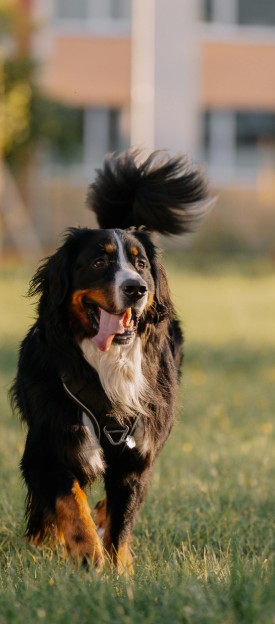
Hot. Heavy. Overwhelmed.
Heritage shapes heat tolerance.
Your Berner’s Alpine genetics and dense double coat make modern summers physiologically taxing, turning warmth into a genuine thermal burden rather than simple discomfort.
Physics amplifies strain.
Their large body mass and limited surface area slow heat dissipation dramatically, forcing the body to work harder while trapped warmth undermines comfort and stability.

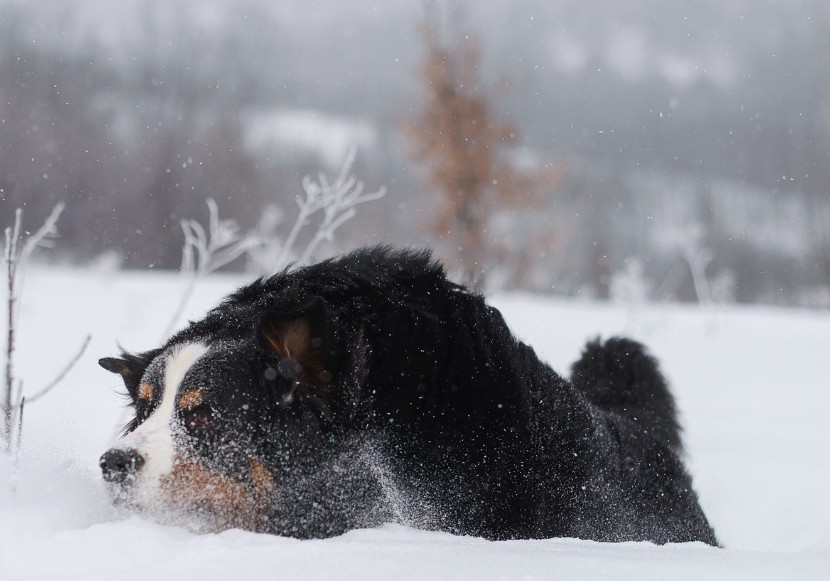
Awareness protects wellbeing.
When you recognize the early emotional and physical signs of overheating, you can adjust routines, environments, and expectations—becoming the calm advocate your gentle giant needs.
Coat Care: The Grooming Debate
There’s significant debate about whether shaving a double-coated breed helps with cooling. The general consensus among veterinarians and breed experts is that shaving typically does more harm than good, as the coat actually provides some protection against heat when properly maintained.
Proper coat maintenance for heat management:
- Regular brushing during warm months – Daily brushing during shedding season removes loose undercoat, improving air circulation to skin and reducing the insulating layer without removing protective outer coat.
- Use appropriate tools – Undercoat rakes, slicker brushes, and de-shedding tools designed for double-coated breeds remove dead undercoat efficiently.
- Professional grooming every 6-8 weeks – Groomers trained in double-coated breeds can thin the undercoat more effectively than home brushing, removing excess insulation while preserving coat structure.
- Never shave your Berner unless medically necessary – Shaving removes protection against sunburn, disrupts the coat’s natural temperature regulation, and may result in the coat not growing back properly.
- Keep the coat clean through regular bathing – A clean coat regulates temperature more effectively than one matted with dirt and debris. Bathe every 4-6 weeks during summer months using dog-safe shampoo.
- Avoid excessive bathing – Over-bathing strips natural oils that help maintain coat health and temperature regulation. Stick to recommended frequency unless your dog gets particularly dirty.
- Dry thoroughly after bathing or swimming – Trapped moisture against skin can create hot spots and discomfort. Use fans or blow dryers on cool settings to ensure complete drying.
- Trim carefully around paw pads – Removing excess hair between paw pads improves cooling through this naturally heat-releasing area while preventing matting.
- Address mats and tangles immediately – Matted fur traps heat and moisture against skin, creating localized hot spots that cause discomfort and skin problems.
Once shaved, the Berner’s coat may not grow back properly, and the dog loses important temperature regulation capability plus protection against sunburn.
🌡️ Managing Heat Sensitivity in Bernese Mountain Dogs 🐾
A comprehensive guide to protecting your Alpine-bred companion from thermal stress
Phase 1: Early Recognition
Identifying the first signs of thermal discomfort
Why Berners Are Vulnerable
Your Berner’s dense double coat and large body mass create a perfect storm for heat retention. Bred for Swiss Alpine winters, their bodies trap warm air efficiently—beneficial in cold, dangerous in heat. The smaller surface-to-volume ratio means proportionally less skin for cooling compared to the massive tissue volume requiring temperature regulation.
Watch for These Early Signals
• Excessive panting disproportionate to activity
• Obsessive seeking of cool surfaces (tile floors, digging for cool soil)
• Slowed movement and reluctance to engage in favorite activities
• Changes in gum color (bright red or pale/grayish)
• Restlessness despite obvious fatigue
⚠️ Emergency Warning
If you observe vomiting, uncoordinated movement, seizures, blue-tinged gums, or collapse—seek emergency veterinary care immediately. These signal heatstroke, a life-threatening condition requiring professional intervention.
Phase 2: Immediate Cooling Response
First aid when thermal stress is detected
Safe Cooling Protocol
• Move your Berner to the coolest available space immediately
• Offer fresh, cool (not ice cold) water in small amounts
• Apply cool (not cold) wet towels to neck, armpits, and groin areas
• Use fans to enhance air circulation around your dog
• Never use ice or extremely cold water—this can cause shock
The Invisible Leash in Crisis
Through the Invisible Leash approach, your calm energy becomes your most powerful tool. Move slowly and deliberately, breathe deeply, speak in low soothing tones. Your regulated nervous system helps co-regulate your dog’s distressed state, preventing panic from worsening the physiological crisis.
What to Expect During Recovery
Your Berner may seem lethargic, disoriented, or unusually clingy during the recovery period. This is normal as their body redirects all resources to restoring thermal balance. Provide quiet space, continue offering water, and monitor for any worsening symptoms requiring veterinary attention.
Phase 3: Environmental Optimization
Creating heat-safe living spaces
Essential Home Modifications
• Create designated cool zones with tile, stone, or concrete flooring
• Install elevated beds with cooling gel inserts in multiple locations
• Position fans for air circulation without direct blasting
• Close blinds on south/west-facing windows during peak sun
• Provide multiple water stations refreshed every 2-3 hours
Why Environment Matters
Your Berner can’t communicate “I need cooler space” in words. They rely on you to create an environment where thermal comfort is effortlessly accessible. When cool retreat options are abundant and easy to reach, your dog can self-regulate before reaching crisis—prevention rather than emergency response.
Seasonal Adjustments
As temperatures rise seasonally, progressively relocate primary activity areas to the coolest parts of your home. Training sessions, feeding stations, and play areas should all migrate to air-conditioned or naturally cool spaces during summer months.
Phase 4: Strategic Activity Scheduling
Timing exercise to minimize thermal stress
Optimal Activity Windows
• Early morning walks before 9 AM when temperatures are lowest
• Late evening activity only after thorough ground surface testing
• Indoor mental enrichment during peak heat hours (10 AM – 6 PM)
• Swimming opportunities for exercise with natural cooling
• Multiple short sessions rather than single long activities
Exercise Intensity Adjustments
A gentle 15-minute walk in cool conditions provides more benefit than a strenuous 30-minute walk in heat. During warm weather, reduce both duration and intensity proportionally to temperature increases. Your Berner’s physical needs don’t disappear, but how you meet them must adapt.
The 5-Second Pavement Test
Before every outdoor activity, place your bare hand on the pavement for 5 seconds. If it’s too hot for your hand, it’s too hot for your dog’s paws. Asphalt, concrete, and sand retain heat long after air temperature drops, creating invisible burn hazards.
Phase 5: Proper Coat Maintenance
Managing the double coat for optimal cooling
Essential Grooming Protocol
• Daily brushing during warm months to remove loose undercoat
• Use undercoat rakes and de-shedding tools designed for double coats
• Professional grooming every 6-8 weeks for deep undercoat thinning
• Regular bathing (every 4-6 weeks) to keep coat clean and functional
• Trim excess hair between paw pads for improved heat release
⚠️ Never Shave Your Berner
Despite good intentions, shaving destroys the coat’s natural temperature regulation, removes sun protection, and often results in permanent coat damage. The double coat, when properly maintained, actually helps regulate temperature more effectively than shaved skin.
Understanding Coat Function
The outer guard hairs protect against sun and create airflow space, while the undercoat provides insulation. During shedding season, removing the dead undercoat allows air circulation to reach skin, significantly improving cooling efficiency without compromising coat structure.
Phase 6: Advanced Hydration Strategy
Beyond just keeping the bowl filled
Comprehensive Hydration Protocol
• Multiple water stations in cool locations throughout home and yard
• Fresh, cool water refreshed every 2-3 hours during warm days
• Add low-sodium broth occasionally to encourage reluctant drinkers
• Wet food or water-enriched meals to increase fluid intake
• Frozen broth treats for combined hydration and enrichment
Why Hydration Is Critical
Research shows adequate hydration helps attenuate heat-induced systemic stress responses. Water isn’t just about quenching thirst—it’s essential for evaporative cooling through panting, maintaining blood circulation for heat dissipation, and supporting all cellular functions under thermal stress.
Monitoring Water Intake
Track water consumption by noting bowl levels or using marked containers. Both significant decreases (indicating possible nausea from heat stress) and excessive consumption (suggesting severe dehydration or other medical issues) require veterinary attention.
Phase 7: Understanding Cognitive Impact
How heat affects your Berner’s brain function
The Neuroscience of Heat Stress
Thermal stress triggers elevated cortisol, inflammatory cytokines, and oxidative stress that directly impair prefrontal cortex function. This manifests as reduced attention, slower processing, impaired impulse control, and what behaviorists call “cognitive fade-out”—your dog seems mentally absent, unable to respond to familiar cues.
What This Means for Training
Commands your Berner performs flawlessly in cool conditions become genuinely difficult during heat stress—not from stubbornness but from impaired cognitive processing. Shorten training sessions to 5-10 minutes, focus on maintenance rather than new learning, and end on success before cognitive overwhelm occurs.
NeuroBond During Thermal Stress
Through the NeuroBond framework, we recognize that what appears as “bad behavior” is actually neurobiological distress overwhelming self-regulation capacity. Your calm presence and emotional co-regulation provide the external stability your heat-stressed dog’s nervous system needs to begin downregulating.
Phase 8: Building Long-Term Resilience
Prevention and positive conditioning
Early Conditioning Strategies
• Introduce cooling mats and equipment as puppies with positive associations
• Build positive experiences with grooming through short, rewarding sessions
• Create structured cooling rituals that signal relief and comfort
• Allow choice in cooling methods to build agency and cooperation
• Celebrate seeking cool spaces rather than forcing compliance
Soul Recall and Heat Memory
Dogs don’t think “it was hot that day, but it’s cooler now.” They respond to emotional memory through Soul Recall—the felt sense that this situation is associated with profound discomfort. Breaking negative associations requires patient, positive reconditioning that respects the power of emotional memory.
Measurable Success Markers
Track improvements over weeks: decreased panting during rest, improved training responsiveness, enhanced social engagement, voluntary use of cooling areas, maintained healthy weight, and obvious comfort during warm months. These markers confirm your heat management strategy is working.
🔄 Heat Sensitivity Comparison Guide
Bernese vs. Heat-Tolerant Breeds
Berners: Dense double coat, large mass, Alpine heritage = extreme heat sensitivity requiring daily management.
Short-coated breeds: Single coat, efficient heat dissipation, naturally heat-adapted physiology.
Puppy vs. Adult vs. Senior
Puppies: Developing thermoregulation, highest vulnerability, need constant monitoring.
Adults: Best heat tolerance, but still breed-limited.
Seniors: Compromised cardiovascular function, medication effects, increased vulnerability.
Fit vs. Overweight Berners
Ideal weight: Moderate heat tolerance, efficient cooling, better recovery.
Overweight: Extra insulating tissue, increased metabolic heat, significantly impaired cooling capacity requiring stricter management.
Proactive vs. Reactive Management
Proactive: Prevention through environmental control, scheduled activities, early conditioning = comfortable dog.
Reactive: Emergency responses to crises, repeated stress, negative associations, chronic health impacts.
Proper vs. Improper Grooming
Proper: Regular undercoat removal, maintained coat structure, natural temperature regulation preserved.
Shaving: Destroyed coat function, sun exposure risk, permanent damage, worsened heat management.
Cool Climate vs. Warm Climate Living
Cool climates: Natural environment match, minimal heat stress, normal activity year-round.
Warm climates: Requires comprehensive management, climate control investment, seasonal activity modifications, daily vigilance.
⚡ Quick Reference: Temperature Thresholds
Below 60°F (16°C): Optimal comfort for Berners, normal activity levels safe
60-75°F (16-24°C): Monitor during activity, provide water access, watch for early signs
75-85°F (24-29°C): Reduce exercise intensity/duration, increase cooling measures, indoor activities preferred
Above 85°F (29°C): Extreme caution, minimal outdoor time, early morning/late evening only, continuous monitoring essential
Above 90°F (32°C): Emergency protocols, indoor-only except brief bathroom breaks, maximum cooling interventions
🧡 The Zoeta Dogsoul Perspective on Heat Sensitivity
Managing your Bernese Mountain Dog’s heat sensitivity transcends simple temperature control—it’s about honoring the profound trust they place in you. Through NeuroBond, we understand that their physiological distress creates neurobiological changes affecting emotion and cognition, requiring our compassionate awareness rather than frustration. The Invisible Leash reminds us that our calm presence during thermal stress provides the co-regulation their overwhelmed nervous system desperately needs. And Soul Recall teaches us that heat experiences create emotional memories that shape future behavior, making prevention and positive conditioning essential for long-term wellbeing.
Your Berner didn’t choose to live in a climate their alpine-adapted body wasn’t designed for. They chose you. Becoming an expert in their vulnerabilities, an architect of their comfort, and a calm anchor during their distress—that’s the deepest expression of the bond between human and dog. That balance between neuroscience and soul, between prevention and compassion—that’s the essence of Zoeta Dogsoul.
© Zoeta Dogsoul – Where neuroscience meets soul in dog training
Activity Scheduling and Exercise Modification
Bernese Mountain Dogs need exercise for physical and mental health, but timing and intensity must be modified during warm weather. This isn’t about eliminating activity—it’s about strategically scheduling to minimize heat exposure while maintaining quality of life.
Smart exercise timing and modifications:
- Early morning walks before temperatures rise – Complete outdoor activities before 9 AM when possible. This is the safest exercise window during warm months.
- Late evening walks after substantial cooling – Wait until temperatures drop significantly, but test ground surfaces first. Asphalt and concrete retain heat long after air cools.
- Shorten walk duration proportionally to temperature – A gentle 15-minute walk in cool conditions provides more benefit than a strenuous 30-minute walk that leaves your dog overheated and exhausted.
- Reduce intensity during all warm-weather activities – Slow, leisurely walks rather than brisk exercise. Save energetic play for climate-controlled indoor spaces.
- Monitor your dog continuously during activity – Watch for early warning signs like excessive panting or slowing pace. End the activity immediately when these appear.
- Bring water on all outdoor excursions – Offer frequent water breaks every 5-10 minutes during warm-weather walks, even if they’re brief.
- Choose shaded routes – Plan walking paths that maximize tree cover and minimize sun exposure throughout the route.
- Avoid hot surfaces entirely – If pavement is too hot for your bare hand (5-second test), it’s too hot for your dog’s paws. Walk on grass when possible.
- Indoor mental enrichment as primary activity – Puzzle toys, scent work, gentle training sessions in air-conditioned spaces, and interactive food toys provide mental stimulation without physical overexertion.
- Swimming if available and safe – Offers excellent exercise with natural cooling. Always supervise water activities closely and ensure water temperature is moderate (not ice cold or overly warm).
- Break exercise into multiple short sessions – Three 10-minute walks are safer than one 30-minute walk during warm weather.
The goal is maintaining your Berner’s physical and mental health while respecting their profound vulnerability to heat stress.
Cooling Aids and Equipment
Modern pet products offer numerous tools to help manage heat, though effectiveness varies by individual dog preference and environmental conditions. Strategic use of cooling equipment can significantly enhance your Berner’s comfort.
Effective cooling products and their applications:
- Cooling mats (gel or water-based) – Self-cooling gel mats activate through pressure when your dog lies down. Water-circulation mats connect to hoses for continuous cooling. Test different types to find your Berner’s preference.
- Elevated cooling beds – Combine air circulation benefits with cooling surfaces. Some include removable cooling gel inserts that can be refrigerated.
- Cooling vests or bandanas – Work through evaporative cooling when dampened with water. Most effective in dry climates; high humidity reduces effectiveness significantly.
- Misting fans – Combine air circulation with fine water mist, enhancing evaporative cooling. Work well for outdoor areas where your dog spends supervised time.
- Frozen treats (safe varieties) – Freeze dog-safe fruits like watermelon or blueberries, vegetables like carrots, or specialized dog treats in water or low-sodium broth for refreshing snacks.
- Kiddie pools for wading – Shallow pools allow dogs to stand or lie in cool water. Some Berners love water play, others merely tolerate it. Start with shallow water and allow your dog to choose participation.
- Cooling collars or neck wraps – Target the neck area where large blood vessels run close to the surface, providing systemic cooling through circulating blood.
- Portable battery-operated fans – Provide air circulation during outdoor activities or car travel when built-in cooling isn’t sufficient.
- Cooling tiles or stone slabs – Natural stone stays cool and provides thermal relief. Can be refrigerated for enhanced cooling (avoid freezer—too cold can damage skin).
- Shade structures for outdoor use – Portable canopies, shade sails, or pop-up shelters create cool retreat areas in yards or during outdoor events.
Effectiveness varies by individual dog, climate, and specific circumstances. Observe your Berner’s preferences and adjust cooling strategies accordingly.
Training Considerations During Warm Weather
Cognitive Capacity and Learning Windows
Heat stress profoundly impacts learning capacity. A dog in thermal discomfort has reduced cognitive resources available for processing new information, forming associations, or executing complex behaviors. Understanding this prevents frustration for both dog and handler.
Guidelines for training during warm weather:
- Recognize that heat fundamentally changes training capacity – Commands your Berner performs flawlessly in cool conditions might seem impossible during heat stress—not from stubbornness, but from genuine cognitive impairment.
- Shorten sessions to 5-10 minutes maximum – End while your dog is still successful and engaged rather than pushing toward cognitive fade-out or thermal distress.
- Focus on maintenance rather than new learning – Warm weather isn’t the time to introduce complex new behaviors. Practice simple, well-established commands that require minimal cognitive effort.
- Choose cooler locations and optimal timing – Early morning indoor sessions in air-conditioned spaces work best. Avoid any training when temperatures exceed your dog’s comfort threshold.
- Lower criteria temporarily – Accept slower responses, less precision, or fewer repetitions than you would in optimal conditions. Success during heat stress looks different.
- Watch for cognitive overwhelm signals – Slower response times, looking away repeatedly, lip licking, yawning, or simply not responding to familiar cues mean it’s time to end the session.
- Increase reward value and frequency – Use higher-value treats and reward more liberally to compensate for reduced natural motivation during discomfort.
- Eliminate all corrections or pressure – A heat-stressed dog cannot handle additional stress. Training should be purely positive and pressure-free.
- Provide frequent water and rest breaks – Interrupt training every 2-3 minutes for water access and brief rest, even if sessions are short.
- End on success, not exhaustion – Finish each session with an easy, known behavior your dog can execute successfully, building positive associations even during challenging conditions.
Training during inappropriate conditions doesn’t just fail to teach—it creates negative associations that undermine your overall training foundation.
Building Positive Associations with Cooling Interventions
If your Berner learns that cooling interventions predict discomfort or restriction, they may begin avoiding the very things designed to help them. Creating positive associations ensures cooperation with heat management.
Pair cooling mats with treats and affection. Don’t just place your dog on the mat—make choosing the mat the most rewarding option in the environment.
Make water breaks part of play routines. Instead of interrupting fun to force water, incorporate water stations into play patterns so drinking becomes integrated with enjoyment.
Use calm, pleasant tones during grooming. If brushing or bathing becomes associated with stress, your dog will resist, making coat maintenance difficult. Short, positive sessions with high-value rewards build cooperation.
Allow choice when possible. If you have multiple cooling options available, let your dog choose which they prefer. This sense of agency reduces stress and increases engagement with cooling strategies.
When to Pause Training Entirely
Sometimes the kindest choice is no training at all. During heat waves, during your dog’s recovery from heat stress, or when they’re showing signs of thermal discomfort, training should be suspended entirely.
This isn’t “lost time” or “falling behind”—it’s prioritizing your dog’s welfare and nervous system regulation. A dog in chronic stress or discomfort can’t learn effectively anyway, and pushing through creates negative associations that undermine training progress overall.
Trust that your relationship and your dog’s training foundation will remain solid through short breaks. The investment in your dog’s physical and emotional wellbeing always pays dividends in the long term. 😊
Long-Term Implications: The Hidden Cost of Chronic Heat Exposure
Behavioral Changes from Repeated Heat Stress
A Berner who experiences repeated episodes of heat stress doesn’t just recover and reset to baseline each time. Chronic exposure to physiological stress creates lasting changes in nervous system function, emotional regulation, and behavioral patterns that persist beyond individual heat events.
Long-term behavioral impacts of chronic heat stress:
- Chronic irritability and reduced frustration tolerance – The nervous system remains in a state of elevated baseline stress, making dogs quicker to react and slower to calm. Minor frustrations that once rolled off their back now trigger disproportionate responses.
- Behavioral withdrawal or shutdown – Some dogs respond to repeated stress by emotionally disconnecting, becoming less engaged with their environment, less interested in activities they once enjoyed, and less responsive to social interaction.
- Increased anxiety and hypervigilance – Dogs learn that certain environments, activities, or situations predict discomfort. They become constantly scanning for threat, unable to relax, anticipating the next episode of overwhelming stress.
- Generalized fearfulness – Fear responses may extend beyond heat-related situations to general environmental stimuli, creating a dog who is more easily startled or stressed by everyday occurrences.
- Changes in social behavior – Decreased interest in playing with other dogs, reduced tolerance for handling or petting, increased distance-seeking from family members, or defensive responses to approaches.
- Sleep disturbances – Difficulty settling, restless sleep, or changes in sleep patterns that persist even when temperatures are comfortable.
- Reduced resilience to other stressors – Dogs with chronic heat stress show less ability to cope with unrelated stressors like vet visits, loud noises, or changes in routine.
- Development of fear-based associations – Specific locations, activities, or even times of day become anxiety triggers if they previously coincided with heat distress.
- Decreased overall quality of life – Reduced enthusiasm for life, less playfulness, diminished curiosity, and general flattening of emotional range.
These aren’t personality changes—they’re protective strategies a chronically stressed nervous system employs to reduce additional demands and prevent future distress.
The Importance of Prevention Over Reaction
Many owners become vigilant about heat management only after witnessing their dog in serious distress. But the most effective approach is proactive prevention that avoids crisis entirely.
Early conditioning to cooling strategies starting in puppyhood creates dogs who cooperate with heat management because they’ve only ever experienced it as positive and relieving. Puppies introduced to cool mats, gentle grooming, strategic rest periods, and indoor enrichment as normal parts of life don’t develop resistance or fear.
Consistent environmental management means treating heat sensitivity as a constant consideration in daily life choices, not just an emergency response when your dog is already struggling. This might mean declining certain activities during warm months, adjusting your daily schedule around temperature patterns, or investing in climate control systems that maintain comfortable conditions.
Building resilience through positive experiences creates dogs who have many positive associations with summer activities despite the heat. Beach trips in cool morning hours, swimming sessions, indoor play dates with other dogs—these become the positive memories that balance the challenges of heat sensitivity.
Monitoring for cumulative stress requires paying attention to your dog’s baseline behavior and emotional state over weeks and months, not just during individual hot days. Are they generally more irritable during summer? Do they seem less enthusiastic about activities they love? These patterns signal that heat stress is taking a long-term toll.

Measurable Improvements from Committed Management
The good news is that committed, consistent heat management produces measurable improvements in behavior, health, and quality of life. These changes often appear gradually but become increasingly obvious over weeks and months of proper care.
Observable improvements from comprehensive heat management:
- Decreased stress-related behaviors – Less panting during rest periods, reduced pacing or restless movement, fewer incidents of irritability, snapping, or defensive responses to handling.
- Improved training responsiveness – Better attention and focus during sessions, faster response times to familiar cues, more enthusiasm for training activities when conducted in appropriate conditions.
- Enhanced social engagement – Increased interest in play with other dogs, greater tolerance for interaction with people, more affection-seeking behavior from family members, improved ability to settle in social situations.
- Better physical health markers – Maintained healthy weight (overheated dogs often won’t exercise adequately or may not eat well), healthier coat condition through consistent grooming, reduced veterinary emergencies.
- Obvious comfort and contentment – Dogs spend more time relaxed rather than restless, seek out their cooling areas voluntarily and settle there peacefully, show enthusiasm for appropriate activities.
- Faster recovery after heat exposure – When unavoidable warm-weather exposure occurs, well-managed dogs return to baseline faster with less residual stress.
- More consistent appetite – Regular eating patterns without the nausea or food refusal associated with chronic heat stress.
- Improved sleep quality – Dogs settle more easily, sleep more soundly, and wake more refreshed rather than starting each day already stressed.
- Greater resilience to other stressors – Better ability to handle routine stressors like vet visits, grooming, or household changes.
- Positive behavioral momentum – Success builds on success as the dog’s nervous system stabilizes and trust in their environment increases.
These improvements don’t happen overnight, but they do happen with consistency. That balance between science and soul—that’s the essence of Zoeta Dogsoul. 🧡
Recognizing Individual Variation: Your Berner’s Unique Experience
While general breed characteristics predict heat sensitivity, every Bernese Mountain Dog experiences temperature challenges differently. Some are dramatically affected by even mild warmth, while others show reasonable tolerance under moderate conditions. Learning your individual dog’s patterns is essential for providing personalized care.
Factors influencing individual heat tolerance:
- Age significantly impacts thermoregulation – Puppies haven’t fully developed efficient cooling mechanisms. Senior dogs may have cardiovascular or respiratory conditions that impair cooling efficiency. Middle-aged adults typically show the best heat tolerance, though still limited compared to heat-tolerant breeds.
- Overall health status – Dogs with heart conditions, respiratory issues, endocrine disorders (especially hypothyroidism), or kidney disease experience more severe heat stress. These conditions reduce the body’s cooling capacity or increase vulnerability to thermal stress.
- Body condition and weight – Obesity significantly impairs cooling ability by adding insulating tissue and increasing metabolic heat production. Even moderately overweight Berners show reduced heat tolerance compared to dogs at ideal weight.
- Individual coat density variations – Even within breed standard, some Berners have notably denser undercoats than others, affecting heat retention significantly. Coat color may also play a minor role, with darker coats absorbing more radiant heat.
- Fitness level – Well-conditioned dogs with good cardiovascular fitness handle heat stress better than deconditioned dogs, though all Berners remain vulnerable regardless of fitness.
- Individual temperament and stress reactivity – Anxious, easily aroused dogs experience stronger physiological stress responses to heat discomfort than naturally calm dogs. This doesn’t mean calm dogs aren’t suffering, but their behavioral expression may be more subtle.
- Previous heat-related experiences – Dogs who experienced severe heat distress in the past may develop anxiety around situations that previously caused problems, showing stress responses even when conditions improve.
- Acclimation to local climate – Berners raised in consistently cool climates show less heat tolerance when moved to warmer regions. Some degree of acclimation occurs over months to years, but never eliminates breed-based vulnerability.
- Gender and reproductive status – Intact females may show heat cycles affecting body temperature regulation. Pregnancy increases metabolic heat production and thermal stress vulnerability.
- Medication effects – Certain medications (diuretics, antihistamines, some heart medications) can impair thermoregulation or increase heat sensitivity.
Pay attention to your specific dog’s signals and patterns. Keep notes during warm weather about temperature thresholds that trigger discomfort, which cooling strategies they prefer, how long they need to recover after activity, and which situations cause the most stress. This information becomes your guide for personalized management that respects your individual Berner’s needs and preferences.
Creating a Summer Success Plan: Putting It All Together
Assessment and Baseline Establishment
Begin by honestly assessing your current situation and your dog’s starting point. How does your Berner typically respond to warm weather? What resources do you currently have available? What changes would make the biggest impact?
Temperature thresholds: At what outdoor temperature does your dog start showing discomfort? This varies by individual, but establishing your dog’s specific threshold helps you plan appropriately.
Home environment: Which areas of your home stay coolest? Where does your dog naturally seek refuge during warm weather? How can you enhance those spaces?
Current cooling resources: What do you already have (fans, air conditioning, cool floors, water access)? What’s missing that would significantly improve conditions?
Schedule flexibility: How much control do you have over daily routines? Can you shift walk times, adjust work schedules, or modify activities to accommodate your dog’s needs?
Implementation Strategy
With baseline assessment complete, create a specific, realistic plan that addresses your dog’s needs without overwhelming your own capacity. Breaking implementation into phases prevents overwhelm and allows you to build comprehensive heat management gradually.
Phase 1: Essential Foundations (implement immediately)
- Ensure multiple fresh water stations throughout home and yard, refreshed every 2-3 hours
- Establish early morning (before 9 AM) and late evening activity times as standard schedule
- Create at least one designated cool zone with appropriate tile, stone, or concrete flooring
- Begin daily undercoat brushing routine to remove loose fur and improve air circulation
- Test ground surfaces before all outdoor activities using 5-second hand test
- Relocate primary resting areas to coolest parts of your home
- Close blinds/curtains on south and west-facing windows during peak sun hours
Phase 2: Enhanced Comfort (implement within 2-4 weeks)
- Add cooling mats or elevated beds to primary rest areas throughout home
- Install or strategically place fans for improved air circulation in cool zones
- Establish structured cooling rituals with predictable sequences your dog learns to recognize
- Reduce exercise duration and intensity proportionally to temperature increases
- Introduce frozen treats and water-enriched meals to increase hydration
- Schedule professional grooming appointment for undercoat removal
- Create indoor enrichment station with puzzle toys and scent work activities
- Begin building positive associations with cooling equipment through treats and praise
Phase 3: Optimization and Refinement (ongoing process)
- Fine-tune training schedules based on your dog’s specific response patterns and temperature thresholds
- Experiment with different cooling products (mats, vests, pools) to discover individual preferences
- Develop engaging indoor enrichment activities that provide mental stimulation without physical exertion
- Monitor and adjust all strategies based on weather patterns, seasonal changes, and your dog’s responses
- Track patterns in detailed notes: temperature thresholds, recovery times, preferred cooling methods
- Identify and address any remaining gaps in your heat management system
- Build relationships with veterinarians and groomers who understand Bernese heat sensitivity
- Educate all family members and regular caregivers on protocols and warning signs
- Prepare emergency response plan including nearest emergency veterinary clinic location
The goal is creating sustainable systems that become routine rather than requiring constant conscious effort, allowing you to protect your Berner effectively throughout their life.
Building Team Support
Heat management works best when everyone in your household understands and participates in strategies. This might include:
Family education: Ensure all family members recognize early warning signs of heat stress and know appropriate interventions.
Consistent protocols: Everyone should follow the same rules about walk times, activity levels, and cooling interventions so your dog experiences predictable, consistent care.
Visitor guidelines: Have a plan for communicating with dog sitters, visitors, or anyone else who interacts with your Berner about their heat sensitivity and required accommodations.
Professional partnerships: Build relationships with veterinarians, groomers, and trainers who understand Bernese Mountain Dog heat sensitivity and can support your management efforts.
The Relationship Dimension: Heat Stress and Your Bond
Managing heat sensitivity isn’t just about preventing physical crisis—it’s about preserving and strengthening the trusting relationship between you and your Berner. How you respond to their vulnerability shapes their sense of safety and connection with you.
Being Your Dog’s Advocate
Your Berner can’t explain that they’re overheating, that they need rest, that they’re too uncomfortable to perform requested behaviors. You must be the voice that recognizes their needs and ensures those needs are met, even when others don’t understand.
This might mean declining invitations to outdoor events during summer, explaining to well-meaning friends why your dog can’t go for a mid-day hike, or insisting on frequent breaks during necessary warm-weather activities. Advocacy sometimes feels awkward or demanding, but it’s essential to your dog’s wellbeing.
Trust Through Consistent Care
Every time you recognize your Berner’s discomfort and respond with appropriate care, you deposit into the trust account of your relationship. Your dog learns that you notice when they’re struggling, that you take action to help, that their welfare matters to you.
This trust extends beyond heat management. A dog who trusts you to recognize and respond to their needs becomes more confident, more willing to try new things, more resilient through other challenges. The care you provide during heat stress builds a foundation of trust that strengthens every aspect of your relationship.
Finding Joy Despite Limitations
Heat sensitivity doesn’t mean your Berner can’t live a full, joyful life—it means that joy looks different during warm months. Finding activities that work within thermal limitations prevents resentment and frustration for both of you.
Indoor play sessions, early morning adventures, swimming opportunities, puzzle toys, scent work, gentle training in air-conditioned spaces—these alternatives provide enrichment and bonding without risking your dog’s health. Creativity and flexibility transform limitations into opportunities for discovering new forms of joy together.
Conclusion: Living Well with a Heat-Sensitive Breed
Choosing to share your life with a Bernese Mountain Dog means accepting responsibility for managing their significant heat sensitivity. This isn’t a minor inconvenience or occasional consideration—it’s a fundamental aspect of caring for this breed that requires daily attention, especially during warm months.
But this responsibility doesn’t diminish the incredible rewards of living with these gentle, devoted dogs. Your Berner’s heat sensitivity is simply one characteristic in the complex, beautiful whole that makes them who they are. The same heritage that makes them vulnerable to heat also gave them their calm temperament, their stable personality, their deep capacity for forming bonds with humans.
Understanding the neurobiology of heat stress, recognizing behavioral warning signs, implementing comprehensive management strategies, and respecting the profound impact of thermal discomfort on your dog’s emotional and cognitive state—these aren’t burdens. They’re the natural expression of informed, loving care for a being you’ve chosen to protect.
Through consistent attention to your Berner’s thermal needs, you provide not just physical comfort but emotional security. You demonstrate that you see them, understand them, and prioritize their wellbeing even when doing so requires sacrifice or inconvenience. That’s the foundation of the deepest form of trust and connection between species.
Your Bernese Mountain Dog didn’t choose to live in a climate their body wasn’t designed for. They didn’t choose their dense double coat or their large body mass. But they did choose you, placing their trust in your hands. Honoring that trust by becoming an expert in their vulnerabilities and an architect of their comfort is how you earn the devotion these magnificent dogs offer so freely.
Living well with a heat-sensitive breed requires knowledge, planning, consistency, and creativity. It requires recognizing that summer might mean fewer adventures and more indoor activities, earlier mornings and later evenings, constant awareness and proactive intervention. But it also deepens your understanding of your dog as a complex being with specific needs, strengthens your skills as an observer and caregiver, and reinforces the profound responsibility that comes with choosing to share life with another species.
When you watch your Berner sprawled contentedly on their cooling mat during a summer afternoon, comfortable and relaxed because you’ve created an environment that accommodates their needs, you’re witnessing more than successful heat management. You’re seeing the tangible results of educated, committed love—the kind that doesn’t just react to crisis but anticipates needs and builds systems of care that prevent suffering before it begins.
That’s the promise you make when you bring a Bernese Mountain Dog into your life. That’s the responsibility you embrace. And that, ultimately, is the deepest expression of the bond between human and dog—a relationship built not on convenience but on unwavering commitment to each other’s wellbeing, no matter what challenges breed characteristics might present. 🧡










