
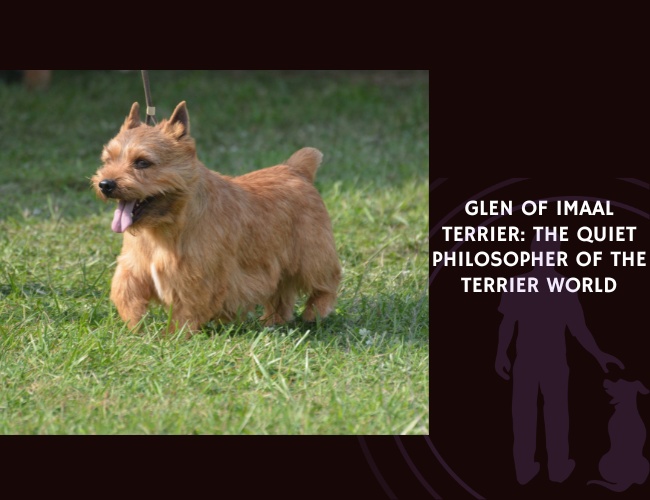
When you first encounter a Glen of Imaal Terrier, you might wonder if you’ve met a terrier at all. There’s no frantic bouncing, no immediate demand for your attention, no explosive burst of energy racing through your living room. Instead, you’ll find a sturdy, low-slung dog observing you with what can only be described as thoughtful consideration. This is a breed that thinks before it acts, evaluates before it commits, and reserves its considerable determination for tasks that actually matter.
Originating from the remote Glen of Imaal valley in County Wicklow, Ireland, this remarkable breed served as a multipurpose farm dog where quiet efficiency mattered more than flashy performance. They turned spits in kitchens, controlled vermin with methodical persistence, and guarded property without unnecessary noise. Through generations of working alongside Irish farmers, the Glen developed something rare in the terrier world: the ability to be calm, focused, and deeply purposeful without losing that essential terrier courage and independence.
If you’re seeking a dog that will hang on your every word, explode with joy at the sight of a treat, or perform tricks with boundless enthusiasm, the Glen of Imaal Terrier will likely disappoint you. But if you appreciate a thinking dog, one that evaluates the world with quiet intelligence and offers its cooperation when something genuinely matters, you may have found your perfect match. Through the NeuroBond approach, trust becomes the foundation of learning with this breed, and understanding their unique cognitive architecture transforms what looks like stubbornness into something far more sophisticated.
Understanding the Glen’s Unique Heritage
From Farm Work to Family Companion
The Glen of Imaal Terrier wasn’t bred for the sport of hunting or the showring’s flash. These dogs emerged from the harsh reality of small Irish farms where every animal needed to earn its keep through consistent, reliable work. Unlike their terrier cousins bred specifically for fox hunting or rat sports, Glens served as true utility dogs, adapting to whatever task the day required.
Historical Working Roles:
- Vermin Control: Methodical pursuit of rats, badgers, and foxes on farmland
- Turnspit Work: Operating treadmill devices for cooking requiring sustained effort
- Property Guardian: Protecting farms without excessive barking
- General Farm Utility: Adapting to various tasks as daily needs arose
You might notice their distinctive build immediately – they’re the longest of the Irish terriers relative to their height, standing just 14 to 16 inches tall but weighing a substantial 32 to 40 pounds. This low-slung, muscular frame wasn’t an accident of breeding fancy but a functional adaptation.
Physical Build Characteristics:
- Height: 14-16 inches at the shoulder
- Weight: 32-40 pounds of solid muscle
- Body Structure: Longest Irish terrier relative to height
- Legs: Short with substantial bone structure
- Chest: Deep with powerful lung capacity
- Hindquarters: Strong and muscular for sustained power
How Structure Influences Behavior:
- Reduced “Bounce”: Physical build doesn’t support constant high-energy movement
- Deliberate Movement: More economical gait than lighter terriers
- Sustained Power: Built for grinding persistence over explosive speed
- Lower Baseline Arousal: Body type correlates with calmer autonomic tone
Their powerful hindquarters provided the steady, grinding force needed to operate turnspits for hours, while their shorter legs and deep chest gave them the leverage and lung capacity for sustained work rather than explosive bursts.
This physical structure profoundly influences their behavioral tempo. You won’t see the constant “bounce” of a lighter terrier. Their movement is deliberate, economical, purposeful. Think of a draft horse compared to a racehorse – both are powerful, but they express that power differently. The Glen conserves energy, moves with intention, and approaches tasks with methodical determination rather than frenetic enthusiasm.
The Quiet Determination That Defines Them
Perhaps the most striking characteristic of the Glen is their silence. On traditional Irish farms, excessive barking was not just annoying but potentially problematic in close quarters with neighbors and livestock. Glens learned to work with minimal vocalization, saving their voice for situations that genuinely warranted alert.
This quietness extends beyond mere vocalization into their entire emotional presentation. They don’t telegraph their feelings with dramatic displays. A Glen experiencing joy might show a gentle tail wag and soft eyes rather than full-body wiggling. Discomfort might manifest as subtle weight shifts and slight mouth tension rather than obvious avoidance. This stoic presentation creates both their charm and their primary training challenge – you must learn to read whispers where other breeds shout. 🧡
Character and Behavioral Architecture
The Cost-Benefit Evaluator
If there’s one thing you need to understand about living with a Glen of Imaal Terrier, it’s this: they are constantly running cost-benefit analyses. Before committing to any behavior, they’re assessing whether the effort required justifies the outcome provided. This isn’t laziness or stubbornness – it’s sophisticated decision-making shaped by generations of energy-economy work.
You’ll see this evaluation process in action throughout your day. Ask your Glen to come when they’re investigating an interesting smell, and you’ll notice a pause – not defiance, but genuine consideration. Are they checking whether your recall is more valuable than continuing their investigation? The answer depends on your history of follow-through, the quality of what you typically offer, and how clearly you’ve communicated the urgency of this particular request.
This evaluative temperament means that what works brilliantly for eager-to-please breeds often falls flat with Glens. Repetitive drilling? They quickly decide the mental effort isn’t worth minimal rewards. Extensive training sessions with low-value treats? They’ll opt out entirely. Asking for behaviors without clear purpose? They’ll cooperate reluctantly if at all, filing away each meaningless request as evidence that your judgment might be questionable.
Deliberation Versus Resistance
When your Glen responds slowly to a cue, resist the immediate assumption of stubbornness. More often, you’re witnessing thoughtful deliberation – a cognitive process that deserves respect rather than pressure. The Invisible Leash reminds us that awareness, not tension, guides the path, and with Glens, this awareness includes their own internal evaluation system.
Signs of Thoughtful Deliberation:
- Maintains eye contact or glances between handler and environment
- Body oriented generally toward the task
- Eventually complies with correct execution
- Calm demeanor throughout the delay
- Processing time visible in their focused attention
Signs of True Resistance:
- Weight shifts away from handler
- Mouth tightening or tension
- Avoids eye contact or offers hard stare
- Multiple stress signals present
- Eventual compliance accompanied by distress
The distinction matters enormously for your response. Deliberation requires patience and clear communication. Resistance requires reducing pressure, examining your training approach, and rebuilding trust. Confuse the two, and you’ll create the very stubbornness you’re trying to overcome.
What Actually Motivates a Glen
Many owners report their Glen “isn’t food motivated,” but this typically reflects selectivity rather than disinterest. Glens will work enthusiastically for high-value foods like meat or cheese when genuinely hungry and when the task feels worthwhile. They won’t, however, perform endless repetitions for kibble or work when satiated. They’re discerning about both the quality and timing of food rewards.
More importantly, functional reinforcers often outperform food entirely. What moves a Glen? Access to interesting environments. Permission to investigate that fascinating smell. The satisfaction of completing a meaningful task. Release from a stay to continue their walk. These tangible outcomes align with their working heritage far better than arbitrary treats delivered for arbitrary tricks.
Functional Reinforcers That Work:
- Access/Permission: Door opening, leash removal, release to sniff
- Movement Opportunities: Chase games, tug, designated digging areas
- Environmental Exploration: Sniffing time, new locations, varied routes
- Social Interaction: Calm petting, parallel activity, quiet companionship
- Task Completion: Finishing a job, solving a puzzle, achieving a goal
Food Motivation Factors:
- Value Hierarchy: High-value treats (meat, cheese) work far better than kibble
- Context Dependency: More motivated when genuinely hungry, less when satiated
- Timing Sensitivity: Immediate reinforcement most effective
- Novel Factor: New foods more interesting than familiar options
Social praise presents its own challenge with this breed. That enthusiastic “Good boy!” that motivates many dogs often lands with a thud for Glens. They’re not seeking your approval in the same way social companion breeds do – their independent working history means internal satisfaction from task completion matters more than external validation.
Why Praise Often Fails:
- Low Social Arousal: Less dependent on human approval than companion breeds
- Independent Heritage: Working history reduces social reinforcement value
- Calm Temperament: Praise doesn’t create the excitement it does in other breeds
- Learned Irrelevance: Given too frequently, praise becomes background noise
Making Praise Effective:
- Pair with functional rewards (“Good” + door opens)
- Use sparingly – reserve for significant achievements
- Match energy level – calm, matter-of-fact tone
- Follow with action – praise predicts something good happens
When you do use praise, deliver it calmly to match their arousal level, and reserve it for genuine achievements rather than every small behavior. 🧠
Communication and Vocalization
The Strong, Silent Type
Unlike many terrier breeds that announce every thought and feeling, Glen of Imaal Terriers are remarkably quiet. Their bark is deep and impressive when produced, but they’re highly selective about when to use it. You’ll hear them for genuine alerts – an unexpected visitor, an actual threat – but rarely for attention-seeking or general excitement.
This vocal restraint extends to other sounds as well. Some dogs whine constantly when anticipating something pleasant. Glens might offer a single soft sound or simply wait with focused attention. Other dogs vocalize throughout play or training. Glens remain silent, their engagement shown through body language and intensity of focus rather than volume.
For owners, this quietness represents a significant advantage in urban environments or shared living situations. Your Glen won’t disturb neighbors or create noise complaints. However, it also means you need to become fluent in reading their more subtle communication methods.
Reading the Subtle Language
Because Glens don’t announce their emotional states loudly, you need to develop sharp observational skills.
Eye Communication:
- Soft, blinking eyes: Comfort and affection
- Hard stares: Stress or warning
- Whale eye (showing whites): Anxiety or discomfort
- Dilated pupils: Arousal or stress
Mouth and Face Signals:
- Relaxed, slightly open mouth: Ease and contentment
- Tight lips pulled back: Tension or stress
- Subtle lip licks: Quick stress signals
- Yawning: Can indicate stress in non-tired contexts
Tail Communication:
- Neutral with gentle movement: Calm interest
- Tucked or completely still: Concern or fear
- Slightly elevated with purpose: Confident engagement
- Lowered carriage: Uncertainty or submission
Body Language Indicators:
- Weight forward on front legs: Engaged and interested
- Weight shifted backward: Uncertainty or desire for distance
- Frozen stillness: Stress response, not calm
- Raised hackles: Arousal (positive or negative)
- Slight paw lift: Discomfort or uncertainty
Learn to notice the whisper of these signals – these dogs won’t scream their feelings at you, but they’re constantly communicating if you’re paying attention. That balance between science and soul – that’s the essence of Zoeta Dogsoul.
Understanding Stress and Arousal Patterns
The Critical “Sudden Switch” Phenomenon
One of the most important safety considerations with Glen of Imaal Terriers involves understanding their unique arousal pattern. Unlike many breeds that show gradual escalation through increasingly obvious warning signs, Glens often appear completely calm until a specific threshold is crossed – then they switch suddenly into intense response mode without the intermediate steps you might expect.
This “sudden switch” can manifest in several contexts, and recognizing this pattern is essential for both safety and relationship quality.
Sudden Prey Drive Activation
Your Glen might be walking calmly beside you, seemingly disinterested in their surroundings, when they suddenly spot a squirrel. The transformation is instant and dramatic – from relaxed companion to laser-focused predator in a fraction of a second. There’s no gradual build-up of interest, no progressive increase in attention. One moment they’re calm, the next they’re in full chase mode with tunnel vision and complete deafness to your cues.
This pattern reflects their working history. Farm terriers needed to conserve energy during routine activities but activate instantly and completely when prey appeared. That switch had to be immediate to be effective. Understanding this helps you manage situations proactively – if you know your Glen can go from zero to intense pursuit without warning, you maintain awareness of potential triggers and keep them on leash in areas with small animals.
Unexpected Defensive Responses
Perhaps more concerning is how this pattern can appear in defensive contexts. A Glen might tolerate something uncomfortable – a child pulling their ear, another dog being pushy, someone handling them roughly during grooming – with apparent calm. They might show minimal stress signals, giving you the impression they’re accepting the situation. Then suddenly, without the growling, snarling, or obvious warning displays other breeds provide, they snap or bite.
This doesn’t mean Glens are unpredictably aggressive. It means their warning signals are extremely subtle and their tolerance threshold, once crossed, produces immediate response rather than graduated escalation. They do warn – but in whispers. The mouth tightening you barely noticed, the slight weight shift backward, the brief hard stare – those were the warnings. When those subtle communications are ignored, the Glen moves directly to more emphatic boundary setting.
Explosive Frustration
The sudden switch also appears with frustration. A Glen might comply patiently with repeated demands, showing remarkable tolerance for training pressure or unclear communication. You might think everything is fine because they’re still responding. Then suddenly, after one request too many, they explode into violent protest – thrashing against the leash, vocalizing intensely, or refusing to move at all with immovable determination.
Again, this reflects high frustration tolerance followed by sudden release rather than gradual escalation. The Glen endures and endures and endures, storing up frustration internally, until the threshold is crossed and the pressure releases all at once.
Why This Differs From Other Breeds
Most dogs show clear escalation patterns. An annoyed Labrador might look away, then move away, then show teeth, then growl, then snap – giving multiple opportunities for intervention. A frustrated Border Collie might show increasing stress signals, heavier panting, more frantic behavior, building gradually toward a breaking point.
Glens skip the middle steps. They go from mild discomfort to severe response without passing through obvious moderate distress. This makes reading their early, subtle signals absolutely critical. You cannot wait for obvious distress because by the time it’s obvious to casual observation, you’re already in crisis.
Practical Management Strategies
Responding to Whisper-Level Signals:
- Learn your Glen’s subtle stress signals and respond immediately
- Respect their first “no” even when barely perceptible
- That slight weight shift means “I’m uncomfortable” – honor it now
- Don’t wait for louder communication – it likely won’t come
Avoiding Threshold Violations:
- Avoid pushing Glens through discomfort in desensitization work
- Stay well below threshold throughout training sessions
- True desensitization requires reading subtle signals constantly
- Gradual exposure that works for other breeds can backfire
Managing Variable Thresholds:
- Never assume past tolerance predicts current threshold
- Stress levels, health, environment, and frustration shift limits
- What they accepted yesterday might trigger today
- Stay attentive to current communication, not past patterns
Distinguishing True Calm From Stress Masking
The Glen’s stoic temperament creates a significant interpretation challenge – internal stress can be present without obvious external expression. Learning to distinguish genuine calm from masked stress protects both your Glen’s wellbeing and your relationship.
Indicators of True Calm
A genuinely relaxed Glen shows specific patterns that differ subtly but importantly from stress masking.
Facial Relaxation:
- Soft, loose facial muscles without rigidity
- Natural, spontaneous facial expressions
- Ear movements responding to sounds
- Soft eye blinks in appropriate contexts
- Mouth slightly open or closed without commissure tension
Body Comfort:
- Fluid, purposeful movement and position shifts
- Natural stretching and comfort adjustments
- Appropriate environmental engagement
- Casual interest in surroundings
- Responding to novel stimuli with curiosity
Behavioral Indicators:
- Initiates interaction when desired
- Approaches for affection voluntarily
- Positions near people by choice
- Maintains normal appetite patterns
- Sleeps soundly without hypervigilance
- Shows playful or exploratory behavior appropriately
Indicators of Stress Masking
Stress masking looks deceptively similar to calm but contains subtle differences.
Physical Tension:
- Rigid stillness rather than relaxed rest
- Unnaturally motionless body holding
- Slight furrow between eyes
- Commissures pulled back fractionally
- Hard quality to gaze rather than soft observation
- Muscle tension in neck and shoulders
Behavioral Changes:
- Mechanical compliance without engagement
- Flat, automatic quality to responses
- Reduced or absent initiative
- Stops offering behaviors spontaneously
- Stops approaching for interaction
- Stops showing environmental curiosity
Interaction Patterns:
- Avoidance of eye contact
- Head turning away when approached
- Positioning at distance from people
- Choosing isolated resting spots
- Allowing monitoring but discouraging interaction
Functional Disruptions:
- Changes in appetite (reduced enthusiasm or stress eating)
- Eating without enjoyment or leaving food
- Sleep pattern shifts (difficulty settling or excessive sleeping)
- Hypervigilance during rest periods
- Loss of playfulness and curiosity
- No interest in typically enjoyed activities
The Stress Progression in Glens
Understanding how stress builds in this breed helps you intervene before reaching crisis. The progression typically moves through these phases:
Comfortable and Calm: Soft body, appropriate engagement, voluntary interaction, normal patterns
Mild Stress: Subtle facial tension, slightly reduced initiative, minor changes in responsiveness – still functioning but beginning discomfort
Moderate Stress: Multiple subtle signals present simultaneously, reduced environmental engagement, slowed response times, avoidance of interaction
Severe Stress: Complete shutdown (frozen, unresponsive, withdrawn) OR explosive response (sudden aggression, intense vocalization, violent protest)
The critical danger with Glens is that they often jump from mild stress directly to severe stress without lingering in the moderate phase where most breeds show obvious distress signals. They might display subtle discomfort, then suddenly either shut down completely or explode into intense response.
Assessment Strategies
Establish Baseline:
- Know your Glen’s normal face in comfortable situations
- Understand their typical movement patterns
- Recognize usual engagement levels
- Track standard sleep and eating patterns
- Use this baseline as reference for deviation
Context Comparison:
- Compare behavior at home versus veterinary clinic
- Notice differences during training versus free time
- Observe around familiar people versus strangers
- Context-dependent differences reveal hidden stress
Recovery Monitoring:
- Track how quickly they return to baseline after stress
- Manageable stress: recovery within minutes to hours
- Overwhelming stress: may take days to fully recover
- Lingering subtle signs indicate meaningful impact
Signal Accumulation:
- Single subtle indicator might mean nothing
- Multiple subtle signals together indicate stress
- Slight mouth tension + reduced initiative + slower responses = meaningful stress
- Look for patterns, not isolated signals
Functional Assessment:
- Does your Glen seek activities they typically enjoy?
- Do they eat, sleep, play, and explore normally?
- Stress affects function – they stop choosing preferred activities
- Loss of voluntary engagement signals problems
Why This Matters
Misreading stress as calm leads to pushing Glens beyond their threshold, creating the very behavioral problems owners want to avoid. A Glen repeatedly forced past their comfort threshold while showing subtle stress signals learns that subtle communication doesn’t work – they may escalate to more obvious (and problematic) behaviors or shut down entirely into learned helplessness.
Conversely, correctly reading your Glen’s true emotional state allows you to maintain that crucial trust-based relationship. You respond to their whisper-level communication, honoring their boundaries before they need to shout. This creates a dog who feels heard and understood, who trusts that you’ll respect their limits, and who therefore cooperates more willingly when you genuinely need their compliance. 🧡
Training Philosophy and Practical Application
Why Traditional Methods Fall Short
If you approach training a Glen of Imaal Terrier with conventional techniques designed for eager, handler-focused breeds, you’ll quickly find yourself frustrated.
High-Repetition Drilling Problems:
- After 3-4 repetitions, Glens decide exercise has lost meaning
- They won’t perform simply because they can
- Mental effort doesn’t justify minimal, predictable rewards
- Works for retrievers and herding dogs, fails with Glens
Performance-Based Training Issues:
- Perfect execution for its own sake seems pointless to Glens
- Why sit perfectly straight seventeen times in a row?
- They already demonstrated understanding after first success
- Not interested in performing for performance’s sake
- Need to understand purpose behind requests
Pressure-Based Method Failures:
- Generations of independent decision-making in genetics
- Coercive pressure triggers resistance, not submission
- Terrier heritage means pushing back against force
- Results in overt resistance or passive non-compliance
- Destroys relationship entirely without gaining cooperation
Purpose-Driven Training That Works
The key to training a Glen lies in making every behavior functional rather than performative.
Functional Training Examples:
- Instead of: Teaching “down” in endless practice sessions
- Do this: Teach that mat during dinner prep means dinner happens
- Instead of: Drilling recalls in the backyard
- Do this: Teach coming on walks means returning to explore smells
- Instead of: Practicing stays with no context
- Do this: Teach wait at doors means access to interesting areas
Why Functional Approaches Work:
- Behavior has clear purpose (mat = calm = food arrives)
- Reward is tangible and immediate (cooperation allows pleasant continuation)
- Training happens in real context (actual moments when behavior matters)
- Aligns with cost-benefit evaluation system perfectly
- Creates intrinsic motivation beyond external reinforcement
You’ll discover that Glens trained this way become remarkably reliable. They’re not performing for treats or praise – they’re cooperating because the behavior genuinely benefits them. That intrinsic motivation produces consistency that external reinforcement alone can never achieve.
Building Through Autonomy and Choice
One of the most powerful shifts you can make with a Glen involves incorporating choice into training.
Offering Meaningful Choices:
- “Would you like to work for this toy or that one?”
- “Do you prefer sitting or lying down for this wait?”
- “Should we walk the left path or the right path?”
- Allow selection between equivalent options
- Builds sense of agency within structure
Implementing Opt-Out Options:
- Glen can choose not to participate in training session
- Consequence: session ends, no reward received
- No punishment or pressure for declining
- Paradox: knowing they can opt out increases opt-in frequency
- Creates voluntary cooperation
Respecting Individual Pace:
- Glen determines speed of progression
- Handler follows dog’s readiness signals
- No forcing through fear or resistance
- Allow time to observe, process, decide to engage
- Builds genuine confidence, not learned helplessness
Quiet. Deliberate. Resolute.
Thought Before Action
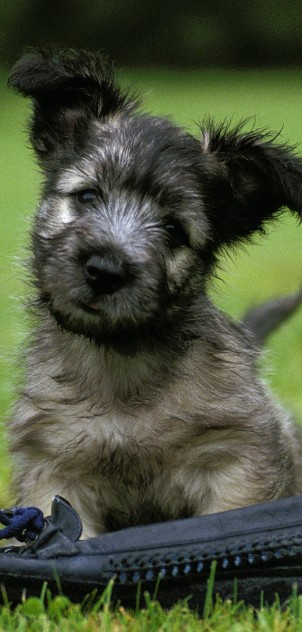
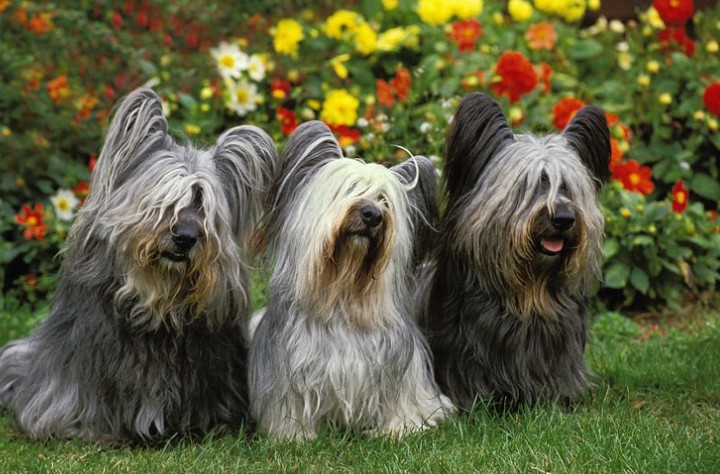
Glen of Imaal Terriers evaluate situations carefully before committing. Their calm reflects judgment, not lack of drive.
Purpose Shaped Temperament
Farm utility work rewarded persistence, silence, and steady effort over excitement. This heritage produced a terrier who acts only when something truly matters.
Trust Unlocks Cooperation
They offer effort through respect rather than enthusiasm. When their intelligence is acknowledged, cooperation becomes reliable and deeply grounded.
Exercise and Activity Requirements
The Moderate Energy Reality
Glen of Imaal Terriers often surprise people expecting typical terrier energy levels. While they’re certainly capable of sustained activity, their daily exercise needs are moderate rather than extreme.
Daily Exercise Requirements:
- Total Activity Time: 60-90 minutes daily
- Quality Over Quantity: Type and variety matter more than duration
- Mental Engagement: 45 minutes with variety beats 3 hours aimless walking
- Activity Style: Marathon runner approach, not sprinter mentality
Ideal Morning Walk Structure:
- 20-30 minutes of low-arousal exploration
- Let Glen sniff thoroughly at their chosen pace
- Investigate interesting areas without rushing
- Mental enrichment through environmental gathering
- May cover only half a mile – that’s perfect
Integrating Functional Training:
- Practice recalls from sniffing during walks
- Waits at curbs for safety
- Leave-it for real-world safety applications
- Real-world context feels purposeful to Glens
- Natural consequences provide reinforcement
Activities That Engage Their Working Brain
High-Value Activities for Glens:
Scent Work (Top Priority):
- Formal nose work classes
- Tracking exercises
- Find-it games with treats hidden at home
- Foraging activities outdoors
- Engages SEEKING system naturally
- Allows autonomy in approach
- Provides clear success markers
Problem-Solving Activities:
- Puzzle toys with appropriate difficulty
- Novel challenges that require thinking
- Watch their deliberate problem-solving approach
- Intrinsic satisfaction from solving puzzles
- Reward beyond treats inside
Physical Outlets:
- Designated digging pits or beach digging
- Satisfies terrier heritage naturally
- Motor pattern of digging remains rewarding
- Channel behavior into acceptable outlets
Moderate Hiking:
- Sturdy build suited for varied terrain
- Shorter legs mean they work harder than taller dogs
- Adjust distance expectations accordingly
- Let them set reasonable pace
- Offer frequent rest breaks
What Doesn’t Work
Activities That Typically Fail:
High-Intensity Repetitive Games:
- Extensive ball fetching appeals briefly then loses interest
- Energy-economy temperament not built for endless repetition
- After a few fetches, they’ll decide game is over
- Same action repeatedly violates their need for purpose
Dog Parks:
- Chaotic, unpredictable environment overwhelming
- Strange dogs with varied social styles create stress
- Many Glens find parks stressful rather than enriching
- Prefer structured playgroups with compatible dogs
- Individual temperament varies – some enjoy, many don’t
High-Speed Performance Sports:
- Agility faces uphill battle with this breed
- Repetitive drilling unmotivating
- Performance focus doesn’t align with temperament
- Some succeed with patient, purpose-driven training
- Better alternatives: barn hunt, tracking, scent work
- Choose sports emphasizing problem-solving over speed
Managing the Dormant Dragon: Understanding Prey Drive
One of the most striking contradictions in the Glen of Imaal Terrier involves their prey drive. These dogs can appear completely disinterested in training rewards, unmoved by treats or toys during practice sessions, seemingly lacking motivation for anything you’re offering. Then a squirrel darts across the path, and suddenly you’re holding the leash of a completely different dog – intensely focused, powerfully determined, deaf to all cues, and displaying energy levels you didn’t know they possessed.
This dramatic difference reflects the distinction between extrinsic motivation (training rewards provided by humans) and intrinsic drive (genetically programmed hunting instincts). Your Glen’s apparent “low drive” during training doesn’t mean they lack drive – it means their genuine drive is reserved for activities that resonate with their working heritage.
The Activation Pattern
Understanding how prey drive activates in Glens helps you manage it proactively. The pattern typically follows these distinct phases:
Phase 1: Dormant State
- Glen appears calm and disinterested in environment
- Walking peacefully, maybe sniffing casually
- No particular alertness or focus visible
- Default mode during routine activities
Phase 2: Alert State
- Something triggers predatory attention (movement, sound, scent)
- Sudden body tension becomes visible
- Intense focus locked in specific direction
- Stillness that differs from usual calm
- This is your warning moment – intervention window is brief
Phase 3: Chase State
- Trigger moves, Glen explodes into pursuit
- Transformation is instant and complete
- Tunnel vision focusing exclusively on prey
- Stretched forward body position
- Powerful driving from hindquarters
- Essentially deaf to verbal cues
- Executive function shuts down during predatory mode
Phase 4: Capture State
- If they catch target: intense gripping
- Vigorous shaking behavior
- Difficulty interrupting the sequence
- Most dangerous for prey, most challenging for handler
- Instinct to dispatch prey runs extraordinarily deep
Why Training Rewards Pale in Comparison
The disconnect between their apparent disinterest in training and their explosive prey focus makes perfect sense from an evolutionary perspective. Training rewards are artificial, provided by humans for behaviors that don’t connect to survival or instinctive fulfillment. Prey drive connects to millions of years of predatory evolution – it’s self-reinforcing, intrinsically rewarding, and doesn’t require external motivation.
For a Glen, catching a mouse provides deep satisfaction that no training treat can match. The entire sequence – spotting, stalking, chasing, capturing, dispatching – releases neurochemicals that create intense pleasure and reinforcement. This is why a dog who seems unmotivated by food will pursue prey with single-minded determination. The rewards are incomparable.
Practical Management Strategies
Realistic Expectations:
- Accept that prey drive cannot be fully eliminated
- You can manage, redirect, and establish controls
- Cannot remove this fundamental behavioral drive
- Prevents frustration for both handler and dog
Prevention as Primary Tool:
- Keep Glen on leash in areas with small animals
- Intervention window between alert and chase is brief
- Once chase begins, recall becomes nearly impossible
- Never allow full activation in uncontrolled contexts
Building Reliable Recall:
- Work on recall before prey drive activates
- Deeply established, highly reinforced response needed
- Can interrupt alert phase before chase begins
- Practice in progressively distracting environments
- Use functional rewards (continued sniffing, area access)
- Food treats hold less value than functional outcomes
Providing Appropriate Outlets:
- Flirt pole activities allow safe chase satisfaction
- Tug games satisfy grab-and-shake sequence
- Scent work engages seeking and tracking components
- Structured outlets reduce accumulated instinct pressure
- Don’t eliminate drive but provide healthy expression
Individual Variation Factors:
- Some Glen lines show more intense prey drive
- Early exposure to prey increases drive through reinforcement
- Successful catch histories strengthen drive significantly
- Know your individual Glen’s trigger level
- Manage according to their specific intensity
Safety Considerations
Small Pet Households:
- Never trust off-leash Glen around rabbits, guinea pigs, hamsters
- Movement patterns and vocalizations trigger prey drive
- Can activate even in dogs with years of peaceful coexistence
- Single high-pitched squeak at wrong moment overrides conditioning
- Risk tragedy even with best supervision and training
Cat Considerations:
- Variable but serious risk exists
- Some Glens coexist peacefully with resident cats
- Others never fully accept feline family members
- Success depends heavily on cat’s behavior
- Confident cat who doesn’t run fares better
- Cat who triggers chase creates constant management need
- Even successful households require ongoing vigilance
Managing High-Arousal Situations:
- Prey drive can increase during excited states
- Glen showing moderate interest normally might display intense drive when stimulated
- Frustrated dogs show heightened prey response
- Multiple arousal sources combine dangerously
- Managing overall arousal helps prevent escalation
Nutrition and Physical Health
Feeding the Energy-Economy Metabolism
Glen of Imaal Terriers require careful attention to nutrition because their moderate activity level and efficient metabolism make weight gain a real concern.
Caloric Requirements:
- Typical 35-pound Glen: 800-900 calories daily with moderate activity
- Individual variation: Significant differences exist between dogs
- Calculation basis: Actual activity level, not breed generalities
- Body condition monitoring: Feel ribs easily without visible prominence
- Visual check: Visible waist when viewed from above
Optimal Food Composition:
- Primary ingredient: Meat proteins (chicken, beef, lamb, fish)
- Fat content: Moderate levels around 12-15%
- Grain fillers: Avoid excessive amounts
- Nutritional density: Calories with optimal nutrition
- Quality focus: Support sustained energy without weight gain
Feeding Schedule Options:
- Two meals daily: Most common, allows better weight control
- Three smaller meals: Keeps metabolism steady for some individuals
- Free feeding: Generally avoid – prevents weight management
- Training value: Measured meals make food more valuable for work
Health Considerations Specific to the Breed
Progressive Retinal Atrophy (PRA):
- Inherited condition causing gradual vision loss to blindness
- Responsible breeders test for associated genes
- Verify both parents cleared through genetic testing
- Watch for vision decline signs in adults
- Early indicators: reluctance in dim light, bumping objects
Hip Dysplasia:
- Less common than in larger breeds but still occurs
- Low-slung build means moderate dysplasia impacts significantly
- Weight management crucial for reducing joint stress
- Appropriate exercise builds muscle support without excessive impact
- Consider joint supplements preventatively in middle age
Elbow Dysplasia:
- Affects some breeding lines
- Excess weight increases stress on joints dramatically
- Watch for front leg lameness
- Monitor stiffness after rest periods
- Notice reluctance to bear weight evenly
Cardiac Issues:
- Heart valve problems can develop in middle age
- Annual veterinary exams should include cardiac auscultation
- Report reduced exercise tolerance promptly
- Watch for coughing or labored breathing
- Early detection improves management outcomes
Skin Sensitivities:
- Some Glens experience allergies
- Potentially related to harsh coat
- Food allergies, environmental allergies, contact sensitivities
- Address issues early before becoming chronic
- Proper coat care supports skin health
The Importance of Body Condition
More than many breeds, Glens benefit enormously from maintaining ideal body weight throughout their lives. Their long backs and short legs create biomechanical stress similar to longer-backed breeds like Dachshunds.
Regular Body Condition Assessment:
Visual Evaluation:
- Stand over Glen looking down
- Should see clear waist behind ribs
- Abdominal tuck visible from side
- No “table-top” flat appearance
- Ribs shouldn’t be visibly protruding
Hands-On Evaluation:
- Run hands along sides – feel ribs easily without pressing
- Individual ribs palpable without sharp prominence
- Feel along spine – vertebrae should be palpable
- Not excessively prominent or completely buried
- Moderate fat coverage appropriate
Weight Management Strategies:
If Weight Gain Occurs:
- Address immediately, don’t wait until significant
- Reduce daily calories by 10-15%
- Increase activity gradually and sustainably
- Weigh regularly for objective tracking
- Visual assessment alone can be misleading
For Constantly Hungry Glens:
- Add low-calorie vegetables to meals
- Spread daily calories across three smaller meals
- Use puzzle feeders to slow consumption
- Provides satisfaction without excessive calories
- Helps them feel fuller longer

Grooming and Coat Care
The Glen of Imaal Terrier’s coat represents one of their most distinctive features – a harsh, weather-resistant double coat designed to protect working dogs in the harsh Irish climate. Understanding proper coat care significantly affects both your Glen’s appearance and their coat’s functional properties.
The Double Coat Structure
Glens possess two distinct coat layers, each serving specific purposes.
Outer Coat (Guard Hairs):
- Harsh, wiry texture throughout
- Sheds water effectively
- Provides protection from brambles and rough terrain
- Weather-resistant properties
- Should feel rough to touch
- Soft or silky texture indicates compromised coat
Undercoat:
- Softer, denser layer beneath
- Provides insulation for temperature regulation
- Keeps warm in cold weather
- Allows air circulation for cooling in heat
- Sheds seasonally (typically twice yearly)
- Outer coat grows continuously with minimal shedding
Hand-Stripping Versus Clipping Comparison:
Hand-Stripping Method:
- Pulls out dead outer coat hairs individually
- Maintains harsh texture properly
- Promotes healthy new growth with correct color and texture
- Preserves weather-resistant properties
- Keeps traditional wiry feel
- Time-consuming but creates beautiful result
- Ideal for show dogs or traditional appearance
- Professional service typically every 8-12 weeks
Clipping Method:
- Cuts hair rather than removing from follicle
- Significantly faster and easier
- Fundamentally changes coat texture over time
- Harsh coat becomes progressively softer with each clipping
- Colors may fade or change
- Weather-resistant properties diminish
- After several clippings, feels like soft teddy bear
- Reasonable compromise for pet dogs
- Prioritizes convenience over traditional appearance
Practical Considerations for Coat Maintenance
Hand-Stripping Approach (Traditional):
- Best for: Show dogs, traditional appearance maintenance
- Service provider: Professional groomers experienced with terriers
- Frequency: Every 8-12 weeks typically
- DIY option: Some dedicated owners learn technique
- Time commitment: Significant but creates beautiful result
- Outcome: Maintains proper texture, color, weather resistance
Clipping Approach (Convenience):
- Best for: Pet dogs, convenience-focused owners
- Result: Comfortable, neat appearance
- Trade-off: Coat softens over time
- Acceptance: Many pet owners find this reasonable
- Rationale: Not showing, weather resistance less critical
- Indoor living: Functional properties matter less
Hybrid Approach (Compromise):
- Clip body for time efficiency
- Hand-strip head and legs
- Maintains some harsh texture where most visible
- Reduces grooming time significantly
- Preserves elements of traditional appearance
- Best of both worlds for many owners
Regular Maintenance Tasks
Between professional grooming appointments, your Glen needs consistent care.
Weekly Brushing Routine:
- Use slicker brush or pin brush
- Removes loose undercoat effectively
- Prevents matting before it develops
- Focus on tangle-prone areas:
- Behind the ears
- Under the legs
- Around collar area
- Chest and belly region
Seasonal Shedding Management:
- Spring and fall: undercoat releases in clumps
- Increase brushing to several times weekly
- Use undercoat rake during heavy shedding
- Removes loose hair before spreading through home
- Reduces overall household shedding impact
Bathing Guidelines:
- Frequency: Only when necessary (every 2-3 months)
- Avoid: Frequent bathing softens coat
- Natural oils provide weather resistance
- Over-bathing strips protective oils
- Bathe after particularly dirty adventures
- Use mild dog shampoo only
- Ensure thorough rinsing prevents skin irritation
Nail Care Requirements:
- Monthly trimming or as needed
- Glens often resist due to independent temperament
- Powerful build makes restraint difficult if unwilling
- Start training early using cooperative care
- Teach paw placement in hand voluntarily
- Reward heavily for holding still
- Build gradually to actual trimming
- Consider grinding as alternative to clipping
- Gradual removal feels less threatening
Ear Care Protocol:
- Frequency: Monthly or as needed
- Signs needing attention: Head shaking, scratching, odor
- Check weekly for:
- Redness or inflammation
- Discharge or excessive wax
- Unusual odor
- Buildup requiring cleaning
- Cleaning method: Only visible portions of ear canal
- Never: Insert anything deep into ear canal
- Products: Use appropriate ear cleaner only
Dental Care Essentials:
- Ideal frequency: Daily brushing
- Minimum goal: Several times weekly
- Products: Dog-specific toothpaste only
- Long-term benefits: Enormous for overall health
- Introduction: Gradual through cooperative care
- Acceptance: Better than forced restraint
- Alternatives if brushing fails:
- Dental chews
- Water additives
- Professional cleanings
- Raw bones (with veterinary approval)
The Handling Cooperation Challenge
Many Glens resist grooming and handling, which reflects their independent temperament and preference for autonomy. Traditional “just hold them down and do it” approaches often backfire spectacularly, creating dogs who fight grooming with increasing intensity.
Cooperative care training transforms grooming from battle into partnership. You teach your Glen that they can control the process through clear communication. When they hold still, grooming continues. When they pull away or show discomfort, grooming pauses immediately. This gives them agency within clear boundaries – they can’t opt out of necessary care, but they can control its pace and intensity.
Start with brief sessions, heavily rewarding cooperation. Touch the brush to their coat and immediately reward. Gradually extend duration as your Glen gains confidence. Always stop before they become uncomfortable rather than pushing through resistance. Dogs trained this way often become cooperative participants who voluntarily offer body parts for grooming rather than patients who must be restrained.
Skin Health Considerations
Some Glen lines experience skin sensitivities or allergies. Watch for excessive scratching, redness, hair loss, or changes in coat quality. Food allergies, environmental allergies, or contact sensitivities can all affect skin health. Address issues early before they become chronic problems requiring extensive management.
Proper coat care supports skin health. Regular brushing distributes natural oils, removes debris, and allows you to notice any developing skin issues early. The harsh outer coat should lie relatively flat – if it stands up excessively or shows waves, this might indicate skin irritation or coat damage from improper grooming.
Understanding that grooming isn’t just about appearance but about maintaining the functional properties of a working coat helps frame its importance. Your Glen’s coat protected their ancestors during long hours working outdoors in harsh Irish weather. Proper care maintains both the historical integrity and the practical benefits of this remarkable coat type. 🧡
Behavioral Considerations and Management
Boundary Behaviors and Space Guarding
One behavioral pattern that surprises many Glen owners involves their tendency toward boundary-setting behaviors around resting spots and during handling. This isn’t aggression in the sense of offensive threat – rather, it reflects their independent temperament, strong sense of autonomy, and energy-conservation strategies coming into conflict with human expectations.
Understanding Space Guarding
Glens often claim comfortable resting spots and show reluctance to vacate them on demand.
Typical Behaviors:
- Remain motionless when asked to move
- Show slight body tension
- Offer low rumble or growl if pushed
- Stiffen and show teeth if physical removal attempted
- “Make me” attitude toward relocation requests
Underlying Motivations:
- Resource Value: Comfortable spots hold genuine worth
- Energy Conservation: Moving requires effort expenditure
- Autonomy Protection: Resist arbitrary control
- Independent Temperament: Being told to move feels coercive
- Energy-Economy Conflict: Doesn’t justify the expenditure
This behavior stems from multiple motivations working together. Most significantly, their independent temperament means they resist coercion – being told to move feels like arbitrary control over their autonomy.
This doesn’t mean you should accept your Glen claiming your furniture and refusing to move. It means understanding the motivation helps you address the behavior effectively. Dogs don’t guard space they don’t value, and they’re far more cooperative when asked rather than forced.
Handling Resistance Patterns
Grooming, veterinary examinations, nail trimming, and similar handling situations often trigger resistance.
Common Resistance Behaviors:
- Pulling Away: Lean back against restraint
- Body Language: Mouth tightening, tension visible
- Vocalizations: Low growling or grumbling sounds
- Escalation: Snapping or biting in extreme cases
- Avoidance: Moving away from handler approach
Why Glens Resist Handling:
- Loss of Control: Someone else manipulates body against preference
- Autonomy Values: Independent dogs feel deeply uncomfortable
- Pain History: Any previous rough handling or pain creates resistance
- Self-Protection: Forced restraint triggers defensive responses
- High Pain Tolerance + Stoic Nature: Show minimal distress until suddenly pushed too far
- Sudden Switch Pattern: Endure and endure, then explode into boundary enforcement
Prevention and Management Strategies:
Teaching Voluntary Cooperation:
- Never physically force Glen off furniture or out of resting spots
- Forcing teaches that holding ground works
- Escalates confrontation unnecessarily
- Instead, teach reliable “off” cue using high-value trades
High-Value Trade Method:
- Show something genuinely valuable (special treat, favorite toy)
- Call them off furniture toward reward
- When they comply: receive trade item plus praise
- Practice regularly when you don’t actually need them to move
- Builds strong positive association with vacating spots
Providing Secure Resting Areas:
- Quality orthopedic bed in quiet corner
- Create space they can claim without conflict
- Dogs with secure spots show less territorial behavior
- Reduces competition over human furniture
Establishing Clear Rules:
- Decide furniture access policy from puppyhood
- If never wanted on couch: prevent from start
- Easier than allowing then revoking privilege
- If comfortable with access: teach “off” cue early
- Make clear that access is permission-based, not a right
Cooperative Care for Handling
Handling resistance requires systematic desensitization using cooperative care principles.
Core Principles:
- Goal: Teach Glen they can participate in process
- Promise: Their communication will be honored
- Guarantee: Nothing will be forced upon them
- Outcome: Voluntary participation instead of restraint
Implementation Steps:
Step 1: Start Minimal
- Touch Glen briefly
- Immediately reward
- Stop completely
- Build foundation of trust
Step 2: Extend Gradually
- Increase duration slowly
- Multiple sessions over days or weeks
- Never rush progression
- Follow Glen’s pace signals
Step 3: Honor Discomfort
- Any discomfort signal: stop immediately
- Pulling away means stop
- Tension means stop
- Avoiding eye contact means stop
- Teaches communication controls interaction
Step 4: Paw Placement Training
- Teach Glen to place paw in your hand
- Don’t grab their paw
- Reward holding still heavily
- Build to touching brush/clippers
- Progress to brief grooming
- Always stop before uncomfortable
Step 5: Chin Rest Behavior
- For veterinary care and invasive handling
- Teach resting chin on hand or target
- While chin rest maintained: handling continues
- If chin lifts: all handling stops immediately
- Clear way to say “I need a break”
- You’ll honor it every single time
Step 6: Professional Collaboration:
- Work with veterinarians who understand cooperative care
- Explain Glen’s temperament and training
- Request they work at dog’s pace
- Don’t force through resistance
- Many modern practices embrace fear-free methods
- Aligns perfectly with Glen temperament
Why Traditional Approaches Fail
The “just hold them down and get it done” method that works adequately with many breeds often catastrophically fails with Glens. Their terrier determination means they’ll fight restraint with surprising strength. Their high pain tolerance and stoic nature mean they’ll endure forced handling up to a point, then suddenly escalate to serious resistance without the gradual warning escalation other breeds provide.
Repeated forced handling doesn’t create tolerance – it creates learned helplessness (dog shuts down and tolerates mechanically) or escalating resistance (dog fights harder each time). Neither outcome supports your relationship or makes future handling easier.
Understanding that boundary behaviors stem from autonomy needs rather than dominance or spite completely changes your approach. These aren’t dogs trying to control you – they’re dogs trying to maintain control over their own bodies and space. Honor that need within reasonable boundaries, and cooperation follows naturally. 🧠
Dog-Dog Social Dynamics
Glen of Imaal Terriers display distinctive patterns in their interactions with other dogs, patterns that reflect their independent temperament, low social arousal, and terrier heritage. Understanding these dynamics helps you manage social situations successfully and choose compatible companions for multi-dog households.
The Spectrum of Social Engagement
Most Glens fall somewhere on a spectrum from calm neutrality to selective friendship.
Calm Neutrality (Most Common):
- Polite disinterest in unfamiliar dogs
- Brief sniff during greetings, then disengage
- Tolerates other dogs sharing space
- Doesn’t seek interaction actively
- Passes dogs calmly on walks
- No intense interest or reactivity
- Extends to familiar dogs:
- Parallel activity more than interactive play
- Rest near another dog peacefully
- Walk together calmly
- Coexist in shared spaces
- Rarely initiate play or prolonged interaction
- This is normal, not problematic
Selective Friendships (Some Individuals):
- Genuine affection for one or two special friends
- Maintain neutrality toward others
- Develop slowly over time
- Require compatible temperaments
- May never include extensive play
- Friendship expressions:
- Choosing to rest near friend
- Tolerating closer proximity
- Engaging in brief, calm play sessions
- Showing preference for specific individuals
Status-Based Challenges (Context-Specific):
- Emerge in trigger contexts, not as default
- Not generalized dog-aggression
- Understanding triggers allows proactive management
- Prevention easier than conflict interruption
Trigger Contexts for Conflict
Resource Competition (Top Trigger):
- Food bowls and feeding areas
- High-value toys or chews
- Comfortable resting spots
- Handler attention and affection
- Pattern: Coexist peacefully in neutral contexts but conflict over valued items
- Independent temperament: don’t easily yield resources
Perceived Rudeness:
- Pushy greetings with space invasion
- Mounting attempts by other dogs
- Persistent face-sniffing behavior
- Crowding without respecting boundaries
- Glen perspective: Value personal space highly
- Expect other dogs to respect boundaries
- Dogs who don’t honor limits face correction
Same-Sex Dynamics:
- Two confident males together
- Two independent females together
- More frequent in terrier breeds generally
- Reflects same-sex competition for resources and status
- Intact vs. Neutered:
- Intact dogs show more intense intolerance
- Neutering doesn’t eliminate pattern entirely
- Still requires management
Confined Spaces:
- Limited escape routes increase risk
- Dogs who coexist in open yards may conflict in cars
- Small rooms create tension
- Situations preventing distance creation
- Glen need: Option to create space when desired
- Remove option: tension builds rapidly
Warning Signs and Escalation
Glens provide warning signals before conflict, but warnings are subtle and easily missed.
Early Warning Signs (Subtle):
- Body stiffening with visible muscle tension
- Particularly noticeable in shoulders and neck
- Direct hard stare focused on other dog
- Slow, deliberate approach (not casual movement)
- Raised hackles along shoulders or down back
- Meaning: Glen identified something problematic
- Action needed: Intervene now
Mid-Level Warnings (Clearer):
- Positioning between other dog and resource
- Low rumble or growl (often quiet, easily missed)
- Showing teeth with lips pulled back
- Direct contact: body check or shoulder bump
- Communication: “Back off” message delivered
- Last chance: Before final warnings
Final Warnings (Immediate):
- Snarl with full teeth display
- Snapping toward other dog without connecting
- Lunge with brief contact but no sustained attack
- Critical point: If these don’t produce backing down, fight may commence
- Handler response: Separate immediately
Escalation Pattern Summary:
- Subtle: Stiffening, stare, hackles
- Clearer: Positioning, rumble, teeth
- Final: Snarl, snap, lunge
- Attack: Bite, hold, shake
Key Insight:
- Each level is a warning
- Other dog should back down or move away
- Many dogs miss Glen’s subtle early signals
- Intervention at first warning prevents escalation
Management and Prevention
Preventing conflict proves far easier than interrupting fights.
Early Socialization Foundation:
- During puppyhood and adolescence
- Establishes positive associations with other dogs
- Teaches appropriate greeting behavior
- Critical: Careful, positive exposure required
- Not: Overwhelming with pushy, rude dogs
- Quality over quantity in social experiences
Choosing Compatible Playmates:
- Based on: Social style, not just size or age
- Ideal partners:
- Calm, balanced dogs
- Respect personal space
- Appropriate greeting behavior (brief sniff, then disengage)
- Avoid pairing with:
- Pushy, in-your-face styles
- High-arousal social dogs
- Persistent, intrusive personalities
- Personality match reduces constant friction
Multi-Dog Household Resource Management:
- Separate feeding areas prevent food competition
- Multiple resting spots allow retreat options
- Individual handler time if conflict around attention
- Resource management dramatically reduces triggers
- Provides each dog their own secure access
Supervision Protocol:
- Watch for subtle discomfort signs
- Body tension, hard stares, positioning
- Intervene at first subtle warning
- Don’t wait for obvious conflict
- Calmly separate dogs
- Redirect attention elsewhere
- End interaction session if needed
- Early intervention prevents escalation
Space Management Essentials:
- Ensure dogs can create distance when desired
- Multiple paths through home
- Dogs don’t pass very close in transitions
- Elevated resting spots allow observation with separation
- Physical separation options prevent forced proximity
Same-Sex Household Considerations
If you’re committed to a same-sex pair of Glens or a Glen with another same-sex terrier, success requires careful management from the start. Introduce dogs carefully and positively. Never force interaction. Allow relationships to develop gradually over weeks or months rather than expecting instant friendship.
Maintain vigilance for status challenges, especially during adolescence (6-18 months) and social maturity (2-3 years) when social relationships solidify. What worked in puppyhood might shift during these developmental stages. Be prepared to manage increased separation if needed.
Some same-sex pairs never fully relax together, requiring permanent management – separated feeding, supervision during all interaction, individual exercise time. Others establish stable relationships with careful early management and consistent resource control. Know that same-sex pairings carry higher risk and require more active management than opposite-sex combinations.
Social Arousal and Interactive Play
Understanding that Glens generally display low social arousal helps set realistic expectations. They’re unlikely to become the dogs at the dog park who play enthusiastically for an hour with multiple playmates. More typically, they observe calmly, perhaps sniff a few dogs, maybe engage in brief play with one compatible individual, then rest or signal readiness to leave.
This doesn’t indicate problems or poor socialization – it’s simply their natural temperament expressing itself. Forcing social interaction they don’t enjoy creates stress rather than enrichment. Respect your Glen’s preference for limited social engagement and don’t feel pressured to make them more “dog social” than they naturally are. 🧡
Living With a Glen: Home and Family Life
The Ideal Living Environment
Glen of Imaal Terriers adapt well to various living situations, from apartments to homes with large yards, as long as their moderate exercise needs are met. Their quiet nature makes them excellent apartment dogs – you won’t face noise complaints from neighbors. Their moderate size means they don’t require excessive space to move comfortably indoors.
If you have a yard, secure fencing is non-negotiable. Glens retain terrier prey drive and will pursue interesting critters with determination. A four to five foot fence should contain most individuals, though some athletic Glens can clear higher barriers if sufficiently motivated. Check regularly for potential digging escapes – if your Glen decides to go under, their persistent nature means they’ll keep working at it until successful.
Inside your home, Glens typically settle well once their needs are met. They’re not demanding of constant attention and can rest contentedly for hours. Provide comfortable resting spots in family areas – they enjoy proximity to their people even when not actively interacting. Many Glens appreciate elevated resting spots where they can observe household activities while remaining out of the action.
Integration With Family Members
Glens bond deeply with their families but express that attachment differently than more demonstrative breeds. Don’t expect effusive greetings or constant solicitation for attention. Instead, you’ll find your Glen choosing to rest near you, following you from room to room, and showing quiet contentment in your presence.
With children, Glens typically do well when kids understand and respect the dog’s need for space and autonomy. They’re sturdy enough to handle reasonable roughness but won’t tolerate being grabbed, chased, or bothered during rest. Teach children to recognize when the Glen wants interaction (approaching, making eye contact, remaining engaged) versus when they need space (moving away, looking away, settling in their resting spot).
Supervise interactions carefully with young children who might not yet read canine communication reliably. Glens generally won’t seek out child interaction the way some breeds do, preferring calm adult company. They form strong bonds with respectful children but aren’t ideal for families wanting a highly interactive playmate for kids.
Multi-Dog Households and Other Pets
Glen of Imaal Terriers can successfully live with other dogs when properly socialized, but compatibility depends heavily on personality matches. They typically prefer calm, balanced dogs who respect boundaries. Pushy, in-your-face social styles irritate them. High-energy dogs who want constant play may overwhelm their more moderate temperament.
Same-sex aggression appears in some individuals, particularly same-sex terrier pairings. Two confident males or two independent females may struggle to coexist peacefully. Opposite-sex pairs generally work better, and many Glens accept multiple household dogs when introduced properly and given individual space and resources.
Small prey animals present significant challenges. Glens retain strong prey drive toward small, fast-moving creatures. Households with rabbits, guinea pigs, hamsters, or similar pets risk tragedy even with the best supervision and training. The instinct to pursue and dispatch small prey runs deep in this breed’s working history.
Cats present variable results. Some Glens learn to coexist peacefully with resident cats, especially when raised together from puppyhood. Others never fully accept feline family members, maintaining predatory interest that requires constant management. Success depends on individual temperament, early socialization, and the cat’s personality – a confident cat who stands their ground fares better than one who runs.
Life Stages and Long-Term Care
Puppyhood and Adolescence
Glen puppies typically show their characteristic calm even from early age, though they’re certainly more energetic and exploratory than adults. Early socialization proves crucial for developing the balanced temperament this breed is known for. Expose your puppy to varied environments, people, surfaces, sounds, and experiences while they’re in the critical socialization window before 16 weeks.
However, respect their deliberate nature even in puppyhood. Don’t force interactions or push them into overwhelming situations. Allow your puppy time to observe and process before expecting engagement. This builds confidence rooted in genuine comfort rather than learned helplessness.
Adolescence, roughly from 6 to 18 months, may bring increased independence and testing of boundaries. Your previously cooperative puppy might suddenly evaluate whether rules really apply or if alternatives exist. Stay consistent and patient during this phase. Maintain clear boundaries while continuing to respect their autonomy. Adolescent Glens who feel excessively controlled often dig in their heels and become truly stubborn.
Training during these early stages should emphasize functional behaviors practiced in real contexts rather than performance-based drilling. Build positive associations with handling, grooming, veterinary care, and nail trimming – these cooperative behaviors matter more than fancy tricks.
The Mature Adult Glen
Adult Glens from roughly two to seven years typically represent this breed at its finest. They’ve settled into their characteristic calm determination, understand household routines and rules, and have formed deep bonds with their families. Daily life becomes predictable and peaceful when their moderate needs are met.
This is the life stage where you fully appreciate their low-maintenance companionship. They don’t require constant entertainment or interaction. They’re content accompanying you on daily activities, resting while you work, joining you for moderate exercise, and engaging meaningfully when purpose exists.
Maintain their physical and mental health through this stage with consistent, moderate exercise, regular veterinary care, proper nutrition, and environmental enrichment. Don’t allow their calm nature to enable a sedentary lifestyle – they still need daily activity to maintain fitness and prevent weight gain.
Continue training and learning throughout adulthood. Glens benefit from occasional novel challenges that engage their problem-solving abilities. Introduce new commands, environments, or activities periodically to keep their minds sharp and prevent life from becoming monotonously routine.
Senior Years and Special Considerations
Glens typically age gracefully, maintaining function and quality of life well into their senior years with proper care. Life expectancy ranges from 12 to 15 years, with many individuals remaining active and engaged throughout most of that time.
Watch for subtle signs of aging-related changes. Joint stiffness, particularly after rest, may indicate arthritis developing. Reduced vision or hearing might manifest as decreased environmental awareness or slower responses to cues. Cognitive changes could appear as confusion about familiar routines or reduced problem-solving ability.
Adapt their exercise and activity to changing abilities. Senior Glens still benefit from daily movement but may need shorter sessions, gentler pace, and more frequent rest breaks. Swimming or water treadmill work provides excellent low-impact exercise for dogs with joint issues.
Adjust nutrition for senior metabolic changes. Many older dogs need reduced calories as activity decreases, but protein requirements actually increase to maintain muscle mass. Choose senior-appropriate foods or work with your veterinarian to adjust portions and supplementation.
Provide softer, more accessible resting areas. Orthopedic beds help arthritic joints. Ramps or steps to furniture allow continued access to favorite spots without painful jumping. Heated beds can soothe stiff joints in cold weather.
Most importantly, recognize that senior Glens need continued mental engagement even as physical abilities decline. Gentle scent games, simple puzzle toys, and calm companionship remain valuable throughout their lives. Their thoughtful, evaluative nature doesn’t diminish with age – they simply need activities scaled to current capabilities. 🧠
Is the Glen of Imaal Terrier Right for You?
The Ideal Glen Owner
You’ll Thrive With a Glen If You:
- Appreciate dogs who think before acting
- Value evaluation over immediate compliance
- Understand cooperation isn’t eager obedience
- Comfortable with dogs maintaining own opinions
- Patient with deliberate, not explosive, responses
- Can read subtle communication effectively
- Appreciate quiet companionship as much as active engagement
- Value purpose over performance in training
- Willing to make training functional, not showy
Your Training Approach:
- Consistent without being rigid
- Maintain clear boundaries while respecting autonomy
- Give choices within structure
- Understand this increases cooperation
- More thoughtful and strategic than with handler-focused breeds
- Prepared to invest in relationship building
Your Lifestyle Preferences:
- Want moderate-energy dog for activities
- Don’t require constant entertainment from dog
- Appreciate quiet household
- Value dog who settles well
- Content with loyalty through proximity and presence
- Don’t need effusive displays of affection
- Comfortable with subtle expressions of devotion
The Wrong Match
Glens Aren’t Ideal If You Want:
- Dog hanging on every word constantly
- Performs eagerly for treats immediately
- Shows constant obvious enthusiasm
- Obedience competition star qualities
- Agility champion potential
- Dramatic displays of affection
- High-energy companion for extreme activities
Experience Level Considerations:
- First-time owners may struggle:
- Subtle communication requires experience
- Evaluative nature demands training sophistication
- Independence means handling mistakes have lasting consequences
- Best with some dog experience background
Family Dynamics:
- Not ideal for families wanting:
- Highly interactive playmate for children
- Constant kid-dog interaction
- Rough-and-tumble play partner
- Enthusiastic child companion
- Glens bond with respectful families
- Prefer calm adult company
- Are companions, not playmates
Activity Level Mismatch:
- Too moderate for extremely active households:
- Can’t be daily 10-mile running partner
- Won’t maintain constant high activity enthusiasm
- Higher-energy breeds suit better
- Need realistic energy expectations
Making the Decision
Spend time with adult Glens before committing to this breed. Puppies of any breed are appealing, but adult temperament better reveals what you’re truly getting. Visit breeders, meet their adult dogs, and observe how these dogs interact with their families and strangers.
Ask yourself honestly about your expectations. Are you drawn to this breed’s actual characteristics, or are you imagining a dog different from what Glens typically are? Many Glen owners struggle initially because they expected a different type of terrier – something more dramatic, more eager, more obviously affectionate.
Consider your living situation realistically. Can you provide the moderate exercise, mental enrichment, and purposeful training this breed needs? Are you prepared for their potential health issues and grooming requirements? Do other household members understand and accept this breed’s unique temperament?
If you can embrace a dog who evaluates before acting, cooperates when something matters but opts out when it doesn’t, and offers quiet loyalty rather than obvious devotion, the Glen of Imaal Terrier might be your perfect match. They’re not the right breed for everyone, but for the right person, they’re extraordinary companions – thoughtful, calm, capable, and endlessly interesting.
Through understanding their unique heritage, respecting their cognitive architecture, and working with rather than against their nature, you’ll discover that what appears as stubbornness actually represents sophisticated intelligence. These quiet philosophers of the terrier world offer something rare: genuine partnership based on mutual respect rather than blind obedience. For those who appreciate this distinction, few breeds prove more rewarding.
That balance between terrier determination and unusual calm, between independence and deep loyalty, between thinking and doing – that’s what makes the Glen of Imaal Terrier truly special. They remind us that not all dogs need to be exuberant to be exceptional, not all training needs to be performance-based to be effective, and not all bonds need to be demonstrative to be profound.










