
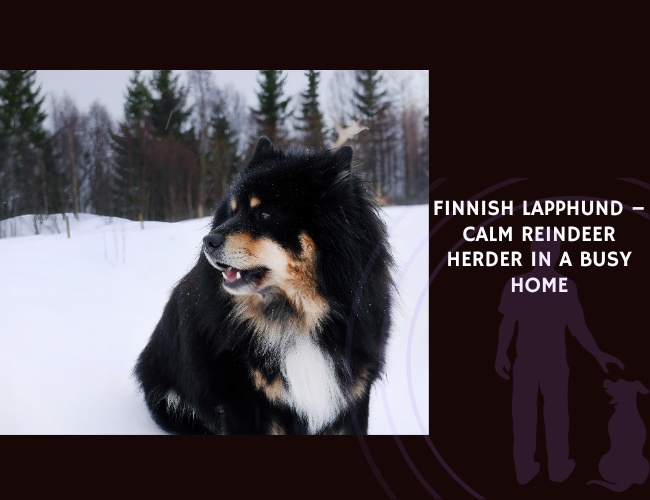
Introduction: The Nordic Companion with an Arctic Heart
Picture a dog that once navigated frozen landscapes alongside the Sami people, guiding reindeer through Arctic storms with nothing but presence, voice, and unwavering calm. The Finnish Lapphund carries this ancient heritage in every fiber of its being—a breed shaped not by dominance or intensity, but by cooperation, resilience, and a gentle steadiness that made them indispensable to Arctic life.
For centuries, reindeer herding defined survival in the far North. These semi-nomadic animals provided food, fur, and transportation, forming the economic and cultural foundation of indigenous communities. The Finnish Lapphund emerged as the perfect partner for this demanding work—not through aggressive control, but through patient guidance and vocal communication. They worked closely with their human families in village-like settings, becoming true companions rather than mere working tools.
Today’s Finnish Lapphund still carries this heritage. You might notice their watchful eyes scanning the room, their melodic bark announcing a visitor, or their gentle presence near children at play. But here’s what many don’t realize: that same sensitivity and awareness that made them brilliant herders can also make modern life unexpectedly challenging. Through the NeuroBond approach, we can understand how to support these remarkable dogs in environments vastly different from the open tundra where their ancestors thrived. 🧡
Character & Behavior: The Soft-Tempered Sentinel
The Arctic Balance: Softness Meets Courage
The Finnish Lapphund embodies a fascinating behavioral paradox. Their temperament is often described as “soft”—meaning they’re highly sensitive to correction, deeply attuned to human emotion, and conflict-avoidant by nature. Yet these same dogs worked independently in one of Earth’s harshest environments, managing large, semi-wild animals with courage and determination.
How does this work? The answer lies in how courage manifests in this breed. Unlike guardian breeds that display overt dominance or high-drive herding dogs with intense predatory sequences, the Lapphund’s courage is quiet. It’s the resilience to work through subzero temperatures, the problem-solving ability to navigate complex terrain, and the steady resolve to persist when managing unpredictable reindeer—all without resorting to aggression.
This soft courage means your Finnish Lapphund will likely:
Monitor their environment constantly – Their herding background created dogs wired for awareness. They track movement, notice changes, and process sensory information continuously.
Respond strongly to your emotional state – These dogs were bred to work cooperatively with humans, making them exquisitely sensitive to your tone, body language, and mood. When you’re stressed, they feel it.
Prefer de-escalation over confrontation – Rather than challenge or fight, most Lapphunds will use appeasement signals, avoidance, or distance-increasing behaviors when uncomfortable.
Exhibit “loose-eyed” herding instincts – Unlike Border Collies with their famous intense stare, Finnish Lapphunds use body position, movement, and especially vocalization to guide and gather.
The Vigilance Trap: When Calm Isn’t Really Calm
Here’s something crucial that many Finnish Lapphund owners discover too late: a still dog isn’t always a relaxed dog. Your Lapphund might be lying quietly on their bed, seemingly content, while internally they’re scanning every sound, tracking every movement, and processing every stimulus in your busy home. This is quiet hyper-vigilance, and it’s exhausting.
In their original environment, this vigilance served a purpose. They needed to monitor reindeer, watch for predators, and stay aware of changing weather. But in a modern home with children running, doors opening, visitors arriving, and constant sensory input, this same vigilance becomes a source of chronic stress.
You might notice these subtle signs that your “calm” Lapphund is actually struggling:
- Micro-tensions in facial muscles or a slightly stiff posture
- Frequent scanning with eyes or ears without obvious trigger
- Subtle lip licking, yawning when not tired, or ground sniffing
- A tail held slightly lower than usual or tucked slightly
- Choosing to rest in positions where they can see all entry points
- Difficulty truly settling even in familiar environments
The Invisible Leash principle teaches us that genuine calm comes from internal security, not just external stillness. Your Lapphund needs help transitioning from vigilant monitoring to authentic relaxation. 🧠
Vocalization & Communication: The Barking Herder’s Language
Why Finnish Lapphunds Talk So Much
If you’ve chosen a Finnish Lapphund, you’ve chosen a breed that communicates vocally—and this is by design, not defect. Their ancestors used a range of barks, yips, and howls to communicate with both reindeer and human herders across vast distances. This vocalization served critical functions: gathering scattered animals, signaling location in whiteout conditions, and warning of danger.
In your home, this instinct doesn’t disappear. Your Lapphund may bark to:
Announce arrivals – Anyone approaching your home is worth noting. This is information-sharing, not aggression.
Request attention or interaction – They were bred to communicate needs clearly with their human partners.
Express excitement or arousal – Running children, playing dogs, or stimulating activities can trigger vocal responses.
Signal uncertainty or discomfort – Lower-pitched growls or worried barks indicate they’re processing something challenging.
Release tension or self-soothe – Sometimes vocalization helps them manage internal stress.
Managing Vocal Behavior Without Breaking Their Spirit
The challenge is managing this vocal nature without dampening their communicative spirit or creating internal stress. Harsh punishment for barking can create a dog who internalizes anxiety rather than expressing it, leading to more serious behavioral issues later.
Instead, focus on teaching your Lapphund when and how to vocalize appropriately:
Create a “speak” and “quiet” cue – Give them permission to bark on command, then reward silence. This gives them control over their vocal behavior.
Address the underlying cause – If they’re barking at movement outside, management solutions like privacy film on windows can reduce triggers.
Provide alternative outlets – Mental stimulation through puzzle toys, sniff work, or training can reduce overall arousal that leads to excessive barking.
Reward spontaneous quiet – Notice and reinforce moments when they choose not to bark at triggers.
Never punish stress vocalizations – Low growls or worried barks are communication about their emotional state and should be addressed with support, not correction.
Through Soul Recall, we understand that vocal behavior is deeply connected to emotional memory. A Lapphund who was punished for barking as a puppy may become either persistently vocal due to increased anxiety or dangerously silent, hiding their distress until it erupts unexpectedly. 🗣️
Training & Education: The Cooperative Learning Style
Understanding the Sensitive Learner
Finnish Lapphunds are highly trainable, but they learn best through partnership rather than pressure. Their sensitivity means they can quickly become deflated by harsh corrections, shutdown by confusion, or anxious under strict training approaches. You might find they already know what you want but hesitate to offer the behavior due to uncertainty about expectations.
The most effective training approach respects their cooperative nature:
Clear Communication – Use distinct markers (clicker, verbal “yes”) to tell them exactly when they’ve done something right. Ambiguity creates internal stress for this sensitive breed.
Positive Reinforcement Focus – Food, play, praise—whatever motivates your individual dog should be the primary training tool. These dogs want to work with you, not for fear of consequences.
Gentle Redirection – When they make mistakes, calmly interrupt and guide them to the correct behavior. Your tone matters enormously.
Consistency Across Handlers – Everyone in the household should use the same cues and rules. Mixed messages are particularly difficult for Lapphunds to process.
Short, Engaging Sessions – Their mental energy can deplete quickly, especially in stimulating environments. Five minutes of focused training beats twenty minutes of distracted repetition.
Common Training Challenges
Heel Nipping – Their herding instinct may emerge with running children or joggers. Redirect this energy into appropriate outlets like fetch or flirt pole play, and manage the environment until impulse control develops.
Selective Listening – This often indicates environmental overwhelm rather than disobedience. Reduce distractions and rebuild focus gradually.
Shutdown in New Situations – Their caution in novel environments is normal. Let them observe from a distance, approach at their pace, and reward brave choices.
Excitement Barking – Teach them to contain arousal through structured games that build impulse control, like “wait” before meals or doors.
The NeuroBond philosophy recognizes that training is not about compliance—it’s about building a language of mutual understanding. When your Lapphund understands what you need and feels emotionally secure offering that behavior, cooperation flows naturally. 🎓
Socialization Window & Critical Periods: Building Confidence from the Start
The Sensitive Period: 8-16 Weeks
The window between 8 and 16 weeks of age is neurologically critical for Finnish Lapphund puppies. During this period, their brains are primed to form positive associations with new experiences, people, animals, and environments. What they encounter now—and how they encounter it—shapes their adult temperament more than almost anything else you’ll do.
For a sensitive breed like the Finnish Lapphund, this socialization must be carefully calibrated. Too little exposure creates fearful, anxious adults. Too much, too fast, or poorly managed experiences can overwhelm their soft temperament, creating the same result. The goal is gradual, positive exposure that builds confidence without flooding their system.
Priority Socialization Experiences (8-16 Weeks):
Different types of people – Men with beards, people in hats, children of various ages, people using mobility aids, people of different ethnicities. Let your puppy observe from a comfortable distance and approach at their pace.
Varied surfaces and environments – Grass, gravel, tile, carpet, metal grates, stairs, elevators. Novel surfaces build physical confidence and body awareness.
Sounds at controlled volumes – Traffic, vacuum cleaners, doorbells, thunder recordings (start very quietly), children playing. Never force exposure to scary sounds—create positive associations gradually.
Other friendly dogs – Well-socialized adult dogs who communicate clearly can teach your puppy appropriate canine social skills. Avoid dog parks with uncontrolled play.
Gentle handling – Touching paws, ears, mouth, tail. This prepares them for veterinary exams and grooming throughout life.
Brief separations – Short periods away from you help prevent separation anxiety. Start with seconds, build to minutes.
Car rides – Frequent, short, positive trips prevent motion sickness and car anxiety later.
Navigating Fear Periods
Finnish Lapphund puppies typically experience fear periods—developmental stages where they suddenly become wary of things that didn’t bother them before. The first notable fear period often occurs around 8-11 weeks, with another around 6-14 months, and sometimes a third during adolescence (12-18 months).
During these periods, your puppy might:
- Startle at familiar objects or sounds
- Become reluctant to approach new things
- Show increased vigilance or stress signals
- Regress in confidence or training
How to Navigate Fear Periods:
Don’t force exposure – If your puppy is frightened, don’t push them to “face their fears.” This can create lasting negative associations.
Stay calm and matter-of-fact – Your anxious reassurance (“It’s okay, it’s okay!”) often confirms that something is indeed scary. Instead, be casually confident.
Create positive associations from a distance – If they’re afraid of something, give space and pair the scary thing’s presence with treats or play.
Maintain routines – Predictability is especially important during uncertain developmental phases.
Don’t skip socialization, but adjust intensity – Continue exposure but at lower intensity levels. Think quality over quantity.
Be patient – Fear periods are temporary. Forced exposure during this time can create permanent fears.
Ongoing Socialization Needs into Adulthood
A common mistake is thinking socialization ends after puppyhood. For the sensitive Finnish Lapphund, ongoing exposure to varied experiences throughout life maintains their confidence and adaptability. Adult Lapphunds benefit from:
- Regular outings to different environments
- Continued positive interactions with new people and dogs
- Novel experiences that stretch their comfort zone slightly
- Refresher training in distracting environments
- Exposure to seasonal changes (Halloween decorations, snow, etc.)
The Invisible Leash approach teaches us that true confidence comes from knowing you can handle novelty—not from never encountering it. Each new experience your Lapphund navigates successfully builds their emotional resilience and trust in your guidance. 🌱
First Days/Weeks Home: Setting Up for Success
Before Your Lapphund Arrives: Home Preparation
The transition into your home begins before your Lapphund walks through the door. For this sensitive breed, the initial environment significantly impacts their adjustment and long-term confidence.
Essential Setup Checklist:
Establish a quiet zone – Set up a crate or bed in a low-traffic area where your new dog can retreat. This should be sacred space—especially important with children in the home.
Puppy-proof or dog-proof your space – Remove hazards, secure trash cans, tuck away electrical cords, and eliminate access to anything they could ingest or destroy during the uncertainty of transition.
Gather supplies before arrival – Food (preferably the same brand they’re eating), bowls, collar, leash, ID tag, crate, bedding, age-appropriate toys, enzymatic cleaner for accidents.
Plan your schedule – The first 48-72 hours are critical. Ideally, arrange time off work or bring your dog home at the start of a weekend when you can be constantly available.
Prepare family members – Everyone should understand the rules before the dog arrives: no rough play, respect quiet time, gentle voices, let the dog approach rather than forcing interaction.
Set up feeding and elimination areas – Decide where meals happen and, for puppies, where the potty area will be. Consistency from day one prevents confusion.
The First 48 Hours: Decompression Time
When your Finnish Lapphund first arrives, resist the temptation to introduce them to everything and everyone immediately. This breed needs time to observe, process, and acclimate. The first 48 hours should be deliberately understimulating.
First Day Priorities:
Quiet introduction to the home – Show them their quiet zone, water bowl, and potty area. Keep it simple.
Establish bathroom routine immediately – Take puppies out every 1-2 hours, after meals, after play, after waking. Adult dogs may need less frequency, but establish the routine.
Offer food at scheduled times – They may not eat much the first day due to stress. Don’t force it, but offer meals on schedule to establish routine.
Minimize visitors and excitement – Save the introductions to extended family and neighbors for later. Let them settle first.
Allow them to approach you – Sit quietly and let them investigate at their pace. Don’t force interaction.
Start crate conditioning if applicable – Feed meals in the crate, toss treats in randomly, but don’t close the door yet. Let it become a safe haven voluntarily.
Week One: Building Trust and Routine
Adjustment Expectations for This Sensitive Breed:
Finnish Lapphunds often show one of two initial patterns: they either attach quickly and become very clingy, or they remain cautiously reserved. Both are normal. The clingy puppy needs help building independence. The reserved dog needs patience to open up. Neither should be forced.
You might notice:
- Reduced appetite for 2-5 days
- Disturbed sleep patterns
- House training accidents even if they were reliable before
- Vocal uncertainty (whining, soft barks)
- Following you everywhere or preferring to watch from a distance
- Initial shyness followed by gradual confidence
Week One Priorities:
Establish predictable routines – Feed, walk, play, and sleep at consistent times. Write it down if necessary. Predictability reduces anxiety dramatically.
Begin name conditioning – Say their name followed by a treat. Make their name predict good things.
Start basic handling – Gently touch paws, ears, and body while offering treats. This builds trust and prepares for grooming and vet visits.
Short, positive training sessions – Simple behaviors like “sit” or “touch” help them learn that working with you is rewarding.
Gradual introductions – One new person every few days rather than a houseful of visitors at once.
Monitor stress signals – Watch for those subtle signs of overwhelm: excessive yawning, lip licking, avoidance, or reduced appetite.
Common Mistakes New Lapphund Owners Make
Mistake 1: Over-socialization – Thinking they need to meet everyone and go everywhere immediately. This overwhelms sensitive puppies. Quality matters more than quantity.
Mistake 2: Assuming calm means comfortable – Remember the vigilance trap. A still puppy might be shutting down or monitoring, not relaxing.
Mistake 3: Inconsistent rules – “Just this once” quickly becomes confusing. If they’re not allowed on furniture eventually, don’t allow it now.
Mistake 4: Harsh corrections – This breed crumbles under harsh handling. A stern tone is often correction enough.
Mistake 5: Skipping crate training – Thinking it’s “mean” to crate train. A properly introduced crate becomes a sanctuary for this breed.
Mistake 6: Forcing interaction – Letting children or visitors approach before the dog is ready creates fear and defensive behavior.
Mistake 7: Neglecting alone time training early – Keeping them with you constantly, then suddenly leaving them alone creates separation panic.
Managing Transitions for Rescue/Adult Dogs
If you’re adopting an adult Finnish Lapphund, the principles remain similar but the timeline may differ. Adult dogs come with established patterns—some helpful, some challenging. They may have experienced trauma, multiple homes, or inadequate socialization.
Expect:
- A 3-3-3 pattern: 3 days to decompress, 3 weeks to learn your routine, 3 months to truly settle
- Regression before progress (they might test boundaries or show behaviors not seen initially)
- Unknown triggers that emerge gradually
- Strong attachment once they bond, potentially including separation anxiety
Special Considerations for Adult Rescues:
Extend decompression time – Some adult dogs need a full week of quiet before introducing normal household activity.
Don’t rush training – Focus on relationship building first. Training comes easier once trust exists.
Watch for resource guarding – Adult dogs who’ve experienced scarcity may guard food, toys, or spaces.
Provide structure immediately – Clear rules and routines help insecure dogs understand expectations.
Consider their history – If known, adjust your approach. A dog from a chaotic home needs extra calm; a dog from a quiet home needs gradual introduction to normal household activity.
Manage interactions with existing pets carefully – Slow, controlled introductions prevent initial conflicts that can poison long-term relationships.
Through the NeuroBond lens, we understand that these first days and weeks create emotional memories that persist for life. A rushed, overwhelming introduction can create chronic anxiety. A thoughtful, patient transition builds the foundation for a confident, secure companion. 🏠
Separation Anxiety & Alone Time: Supporting the Bonded Companion
Understanding Lapphund Attachment Patterns
Finnish Lapphunds were bred to work closely alongside their human partners in village-like settings. This history created dogs with strong attachment drives—they’re emotionally wired to be near their people. In modern life, this creates a significant challenge: these dogs often struggle with alone time.
Not every Lapphund develops true separation anxiety, but many exist on a spectrum of separation-related distress. Understanding where your dog falls on this spectrum helps you provide appropriate support.
Normal Alone Time Tolerance – The dog may initially greet you enthusiastically when you return but settles quickly. They rest comfortably when alone, may engage with toys or enrichment, and show no signs of distress.
Mild Separation Distress – Some initial vocalization when you leave, which settles within 5-10 minutes. They may pace or wait by the door but eventually rest. House training remains reliable.
Moderate Separation Anxiety – Persistent vocalization, destructive behavior focused on exit points, inability to settle, possible house training regression, excessive salivation or panting. Distress begins during pre-departure cues.
Severe Separation Anxiety – Extreme panic behaviors including self-injury (broken teeth from crate biting, torn nails from scratching doors), vomiting, diarrhea, complete inability to eat or settle when alone. Distress is immediate and intense.
Building Independence Gradually: The Anti-Anxiety Protocol
For Finnish Lapphunds, preventing separation anxiety is far easier than treating it. Independence training should begin the moment your dog arrives and continue throughout life.
Foundational Independence Skills:
Teach “place” or “mat” training – Your dog learns to go to a specific spot and settle there while you move around. Start with 30 seconds and gradually increase duration.
Practice brief separations – While you’re home, go to another room for 30 seconds. Return calmly before any distress begins. Gradually extend time.
Create positive alone time associations – Reserve the best chews, puzzle toys, or frozen Kongs exclusively for when you’re gone or in another room.
Vary your routine – Don’t always put on shoes, grab keys, and leave. Sometimes do these actions and stay home, breaking the predictive chain that triggers anxiety.
Keep departures and arrivals low-key – Don’t make a big production of leaving or returning. Calm energy reduces emotional intensity.
Build settling skills – Practice the relaxation protocol, teaching your Lapphund to remain calm during various distractions and movements.
Crate Training Approach for This Sensitive Breed
Crate training can be either a powerful tool for security or a source of panic—the difference lies entirely in how it’s introduced. For the sensitive Lapphund, forced crating or negative associations can create deep-seated fears.
Positive Crate Conditioning Protocol:
Phase 1: Positive Association (Days 1-3)
- Feed all meals in the crate with door open
- Toss high-value treats randomly into the crate throughout the day
- Place favorite toys or a worn shirt with your scent inside
- Never close the door, never force entry
Phase 2: Voluntary Enclosure (Days 4-7)
- Toss treat into crate, let dog enter and exit freely
- Close door for 1 second while they eat, immediately open
- Gradually extend duration to 5-10 seconds
- Open door before any stress signals appear
Phase 3: Building Duration (Week 2)
- Feed meals with door closed, open immediately when finished
- Give long-lasting chews in closed crate while you sit nearby
- Extend to 5-10 minutes while you remain visible
- Focus on calm behavior—reward settling, not just being enclosed
Phase 4: Adding Distance (Week 3+)
- Step away briefly while they’re calmly in crate
- Return and release before distress begins
- Gradually increase distance and duration
- Practice departures: get ready to leave but stay home
Critical Rules for Crate Success:
- Never use the crate for punishment
- Never leave an anxious dog crated longer than they can handle—this can worsen anxiety
- Ensure the crate is sized correctly (can stand, turn, lie down comfortably)
- Cover the crate partially to create a den-like atmosphere if they prefer
- Place it in a quiet area during adjustment, gradually move to preferred location
Signs of Separation Distress
Early recognition allows intervention before separation anxiety becomes severe. Watch for these indicators that your Lapphund is struggling with alone time:
Pre-Departure Anxiety:
- Following you obsessively as you prepare to leave
- Panting, pacing, or whining when you pick up keys or put on shoes
- Decreased appetite before you leave
- Excessive clinginess or attention-seeking
During Absence:
- Vocalization (barking, howling, whining) that doesn’t decrease after 10-15 minutes
- Destructive behavior focused on exit points (doors, windows) or your belongings
- House training accidents despite being reliable when supervised
- Self-injury attempts (broken teeth, torn nails, bloody paws from crate)
- Excessive salivation or drooling
- Refusal to eat, even high-value treats
Upon Return:
- Excessive greeting that doesn’t settle within a few minutes
- Signs of distress (dilated pupils, panting, trembling)
- Evidence of panic behaviors
- Unusual clinginess for extended periods after return
Management Strategies for Separation Issues
If your Finnish Lapphund shows signs of separation distress, a multi-pronged approach works best.
Environmental Management:
Doggy daycare or pet sitter – For working owners, having someone present prevents the anxiety trigger entirely while you work on conditioning.
Dog walker mid-day – Breaking up long absences can prevent anxiety from escalating.
Safe confinement choices – Some dogs do better in a small room than a crate. Others prefer a crate. Let the dog’s response guide you.
Background noise – White noise, calming music, or TV can mask outside triggers and provide comfort.
Calming aids – Anxiety wraps, pheromone diffusers, or calming supplements may help (consult your vet).
Camera monitoring – Knowing when distress begins helps you time training appropriately and assess progress.
Behavioral Modification:
Systematic desensitization – Gradually increasing alone time at a pace your dog can handle, always staying below their anxiety threshold.
Counter-conditioning – Pairing alone time with positive experiences (high-value chews, puzzle toys, frozen treats).
Departure cue desensitization – Breaking the association between pre-departure behaviors and your leaving.
Relaxation training – Teaching active relaxation skills your dog can use when stressed.
Professional Help:
Moderate to severe separation anxiety often requires professional guidance. A certified separation anxiety trainer (CSAT) or veterinary behaviorist can create a customized protocol. Sometimes anti-anxiety medication is necessary to reduce distress to a level where behavioral modification can work.
The Soul Recall principle reminds us that separation anxiety is deeply rooted in emotional memory—often stemming from trauma, inconsistent early experiences, or over-bonding without independence training. Addressing it requires patience, consistency, and genuine empathy for your dog’s emotional experience. This isn’t misbehavior or spite—it’s genuine panic. 💙
Calm. Sensitive. Arctic-wired.
Your Finnish Lapphund carries quiet courage, not confrontation.
What looks like softness is actually an ancient working calm—steady enough to guide reindeer, sensitive enough to read human emotion, and aware enough to track a whole landscape at once.
Vigilance hides beneath stillness.
A Lapphund lying quietly may still be scanning entry points, processing movement, and managing invisible tension. Their watchfulness is ancestral, not anxious—until modern environments overload it.
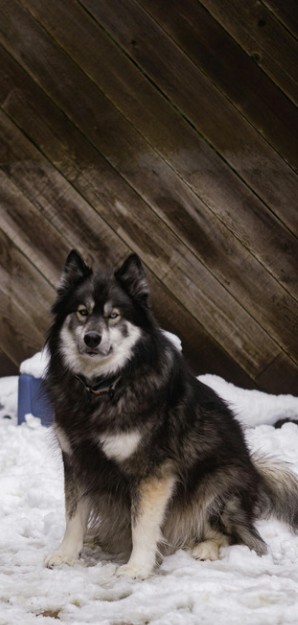
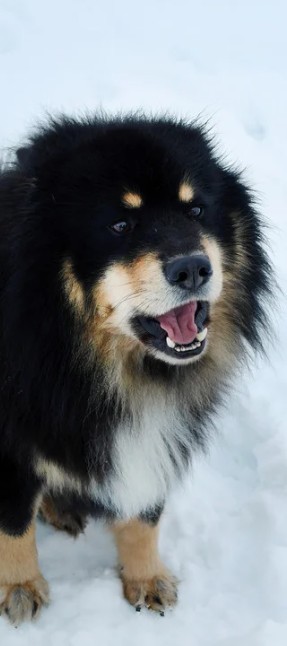
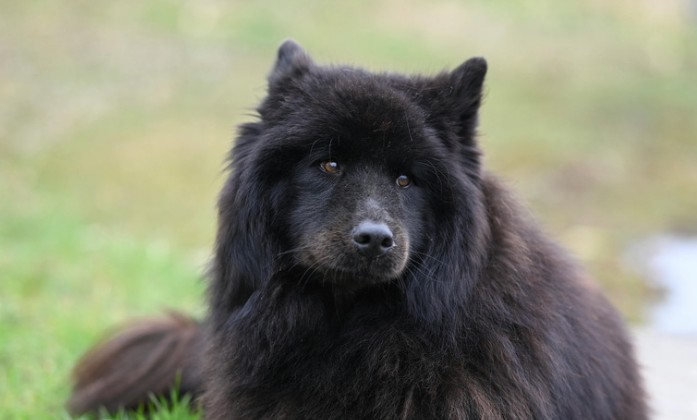
Partnership creates real calm.
When you provide predictable structure, emotional steadiness, and clear social cues, their vigilance softens into genuine relaxation, and the Arctic companion you live with finally exhales.
Performance & Activities: The Working Mind Needs Purpose
Finding the Right Outlets
Finnish Lapphunds were bred to work, and that need for purpose doesn’t vanish in a family home. However, their ideal activities look different from high-drive sporting breeds. Rather than intense physical exhaustion, they thrive with moderate exercise paired with rich mental engagement.
Excellent Activities for Lapphunds:
Herding Instinct Training – Many Lapphunds discover great joy in herding lessons with sheep or ducks. This taps into their genetic heritage and provides deeply satisfying mental work.
Nose Work and Scent Detection – Their excellent scenting ability makes them naturals for nose work sports, which provide mental challenge without physical intensity.
Rally Obedience – The varied tasks and cooperative nature of rally suit their temperament beautifully.
Long Exploratory Walks – Not high-speed runs, but meandering walks where they can sniff, investigate, and process their environment at their own pace.
Agility (with Caveats) – Can work well, but watch for stress from competition environments. Many Lapphunds do better with casual agility play than intense trials.
Trick Training – Their intelligence and desire to please makes them excellent trick learners, providing mental stimulation without pressure.
🐕 Finnish Lapphund Life Journey 🏔️
From Arctic Herder to Modern Companion – Understanding Your Sensitive Lapphund’s Development
Phase 1: Critical Socialization Window
8-16 Weeks: Building Confidence
Why This Window Matters
The Finnish Lapphund’s brain is neurologically primed during these weeks to form positive associations. For this sensitive breed, experiences now shape adult temperament more than anything else you’ll do. Too little exposure creates fearful adults; too much overwhelms their soft nature.
What to Expect
• Curiosity mixed with caution
• Rapid learning but easily overwhelmed
• Strong attachment to primary caregiver
• First fear period around 8-11 weeks
Socialization Priorities
• Different people types (beards, hats, mobility aids)
• Varied surfaces and environments
• Controlled sound exposure at low volumes
• Positive interactions with calm adult dogs
• Gentle handling of paws, ears, mouth
Phase 2: Homecoming & Decompression
First 48 Hours: Setting the Foundation
The Decompression Principle
Resist the urge to introduce everything at once. Your Lapphund needs to observe, process, and acclimate. The first 48 hours should be deliberately understimulating—think Arctic quiet, not suburban chaos. This sensitive breed needs time to download the massive sensory shift from breeder to your home.
Normal Adjustment Signs
• Reduced appetite for 2-5 days
• Disturbed sleep patterns
• House training accidents despite prior reliability
• Following you everywhere OR watching from distance
• Soft whining or vocal uncertainty
Critical Mistakes to Avoid
• Inviting everyone over to “meet the puppy”
• Assuming stillness means comfort (vigilance trap)
• Inconsistent rules (“just this once” becomes confusion)
• Forcing interaction before they’re ready
• Skipping crate conditioning early
Phase 3: Navigating Fear Periods
8-11 Weeks, 6-14 Months, 12-18 Months
Understanding Fear Periods
These are developmental stages where your Lapphund suddenly becomes wary of previously neutral things. It’s neurology, not regression. Their sensitive temperament means these periods can be particularly pronounced—what was fine yesterday might trigger startle today. This is temporary but requires careful navigation.
Signs You’re in a Fear Period
• Startle at familiar objects or sounds
• Reluctance to approach new things
• Increased vigilance and stress signals
• Regression in confidence or training
• Sudden wariness of specific locations
How to Navigate Successfully
• Never force exposure to scary things
• Stay calm and matter-of-fact, not anxiously reassuring
• Create positive associations from a comfortable distance
• Maintain predictable routines
• Continue socialization at reduced intensity
• Be patient—fear periods are temporary
Phase 4: Independence Training
3-6 Months: Preventing Separation Anxiety
The Attachment Challenge
Finnish Lapphunds were bred to work closely alongside humans in village settings. This created strong attachment drives—they’re wired to be near their people. Without deliberate independence training, many develop separation anxiety. Prevention is infinitely easier than treatment.
Attachment Pattern Spectrum
Normal: Enthusiastic greeting, settles quickly
Mild Distress: Brief vocalization, settles within 10 minutes
Moderate Anxiety: Persistent barking, destructive behavior
Severe Panic: Self-injury, house training regression, extreme distress
Building Independence Protocol
• Practice brief separations while home
• Positive crate conditioning (never forced)
• Reserved best chews for alone time
• Vary routine (break predictive chains)
• Low-key departures and arrivals
• Teach “place” behavior for settling
Phase 5: Adolescent Challenges
6-18 Months: The Teenage Phase
The Adolescent Brain
Your Lapphund reaches adult size but their brain is still developing. Impulse control weakens, previously learned behaviors seem forgotten, and that sweet puppy might test boundaries. Their sensitivity remains—harsh corrections during this phase can create lasting behavioral issues. Patience and consistency matter more than ever.
Common Adolescent Behaviors
• “Selective hearing” (especially recall)
• Increased reactivity to triggers
• Heel nipping with running children
• Counter-surfing and resource exploration
• Testing previously accepted boundaries
• Increased vocalization
Training Through Adolescence
• Maintain consistent rules (no regression)
• Increase exercise gradually to adult levels
• Redirect herding behaviors to appropriate outlets
• Practice training in distracting environments
• Use long lines for recall practice
• Stay calm and patient—this phase passes
Phase 6: Physical Maturity
12-24 Months: Full Exercise Capability
The Exercise Balance
Finnish Lapphunds need 60-90 minutes daily but quality matters more than quantity. They’re moderate energy—not marathon runners, not couch potatoes. Mental exhaustion from training, puzzle toys, or nose work often matters more than physical exercise. Over-exercise creates emotional fatigue and increased reactivity.
Over-Exercise Warning Signs
Physical: Excessive panting, limping, reluctance to continue, worn paw pads
Emotional: Increased reactivity, difficulty settling, reduced appetite, restless sleep, loss of enthusiasm
Ideal Daily Balance
• Morning: 20-min walk with training stops
• Midday: 15-min puzzle toy or food enrichment
• Afternoon: 10-min training session
• Evening: 25-min decompression sniff walk
Total: 70 minutes balanced physical/mental
Phase 7: Prime Adult Years
2-7 Years: Peak Performance & Companionship
The Mature Lapphund
These are your Lapphund’s golden years. Training has solidified, their personality is fully expressed, and the bond between you runs deep. They understand your household rhythms, read your emotions with precision, and offer steady companionship. Their herding awareness remains but is channeled appropriately through training and enrichment.
Maintaining Mental Health
Even confident adults need ongoing support:
• Quiet zones for decompression
• Predictable routines reduce hidden stress
• Novel experiences maintain cognitive sharpness
• Continued training prevents mental stagnation
• Watch for subtle stress accumulation in busy homes
Optimal Adult Activities
• Herding instinct training with livestock
• Nose work and scent detection
• Rally obedience and trick training
• Decompression walks in nature
• Moderate agility for fun (not intense competition)
• Weekly novel experiences or environments
Phase 8: Senior Years
8+ Years: Supporting Graceful Aging
The Aging Process
Your Lapphund’s vigilant awareness may soften, but new challenges emerge. Mobility decreases, sensory abilities change, and emotional sensitivity often increases. They may become less tolerant of chaos or young dogs. Hearing or vision loss can create anxiety as their world becomes less predictable. Your role shifts to providing extra support and comfort.
Physical & Behavioral Changes
• Reduced stamina, increased rest needs
• Joint stiffness (especially cold weather)
• Vision/hearing decline
• Stronger attachment behaviors
• Reduced tolerance for disruption
• Possible cognitive decline (CCD)
Senior Care Essentials
• Orthopedic bedding for joint support
• Shorter, more frequent gentle walks
• Veterinary check-ups every 6 months
• Joint supplements and pain management
• Even more predictable routines
• Extra patience with slower responses
• Protection from rough play with younger dogs
🔍 Finnish Lapphund vs. Similar Nordic Breeds
Temperament Sensitivity
Finnish Lapphund: Highly sensitive, soft-tempered, conflict-avoidant
Swedish Lapphund: Slightly bolder, more independent
Norwegian Buhund: More assertive, higher energy
Herding Style
Finnish Lapphund: Loose-eyed, vocal, steady presence
Border Collie: Strong-eyed, intense, predatory drive
Australian Shepherd: Moderate eye, high drive, athletic
Exercise Needs
Puppy (3-6 mo): 30-45 min (avoid over-exercise)
Adolescent (6-18 mo): 45-75 min gradually increasing
Adult (2-7 yr): 60-90 min balanced activity
Senior (8+ yr): 30-45 min gentle sessions
Separation Tolerance
Finnish Lapphund: Moderate to low (strong attachment)
Shiba Inu: High (independent nature)
Labrador: Moderate (social but adaptable)
Requires deliberate independence training
Busy Home Adaptation
Excellent with structure: Quiet zones, predictable routines, decompression time
Challenging without support: Constant chaos, unpredictable schedules, no rest spaces
Key: Environmental management
Training Approach
Best: Positive reinforcement, clear communication, patient guidance
Avoid: Harsh corrections, force-based methods, punishment
Response: Quick learning but easily deflated by pressure
⚡ Quick Reference: The 5-Minute Rule
Puppy Exercise Formula: 5 minutes of structured exercise per month of age, twice daily
• 3-month puppy = 15 min × 2 (30 min total)
• 6-month puppy = 30 min × 2 (60 min total)
• 9-month puppy = 45 min × 2 (90 min total)
Mental Exercise Equation: 15 minutes mental stimulation = 45 minutes physical exercise
Socialization Window: 8-16 weeks is THE critical period—quality over quantity
🧡 The Zoeta Dogsoul Perspective
The Finnish Lapphund’s journey from Arctic herder to modern companion asks us to create what we call the “digital Arctic village”—not harsh weather or reindeer, but the emotional equivalent: predictable routines, clear communication, purposeful work, and genuine decompression. Through the NeuroBond approach, we understand that their sensitivity isn’t a flaw to fix but a feature to support. The Invisible Leash teaches us that true leadership comes from creating internal security, not external control. And Soul Recall reminds us that every interaction creates emotional memory—the patient guidance you offer during fear periods, the quiet zones you provide in busy homes, the independence training that prevents separation anxiety. These moments compound into a dog who trusts deeply, regulates emotionally, and offers the steady companionship this breed was born to give. That’s the essence of Zoeta Dogsoul—honoring the true nature of our canine companions while helping them thrive in our modern world.
© Zoeta Dogsoul – Where neuroscience meets soul in dog training
The Decompression Walk: Essential for Emotional Balance
One of the most valuable activities for a Finnish Lapphund in a busy home is the decompression walk. This isn’t about exercise—it’s about mental processing and nervous system regulation. On these walks:
- Let them choose the pace (usually slower than you’d prefer)
- Allow extensive sniffing and investigation
- Minimize commands and interaction
- Choose quiet, low-distraction environments
- Let them process information on their own terms
These walks help your Lapphund download the accumulated sensory data from your busy home, process emotional experiences, and genuinely relax. Think of it as meditation for your dog—and it’s often more valuable than an hour of fetch. 🐾
Exercise Requirements: Finding the Right Balance
Daily Minimum and Maximum Recommendations
Finnish Lapphunds occupy an interesting exercise space—they’re not couch potatoes, but they’re also not marathon runners. Their moderate energy level stems from their herding heritage, where they needed stamina for long days but not explosive athleticism.
Adult Lapphunds (1-7 years):
Minimum daily requirement – 45-60 minutes of combined activity, broken into multiple sessions. This might be two 20-minute walks plus some training or play.
Optimal daily activity – 60-90 minutes including walks, mental stimulation, and training. The key is variety and engagement, not just distance covered.
Maximum safe exercise – 2 hours per day for a fully conditioned adult. More than this, especially in one session, risks physical and emotional exhaustion.
Important caveat: Exercise needs vary dramatically based on individual temperament, life stage, and whether they receive adequate mental stimulation. A Lapphund with rich mental engagement may need less physical exercise than one who’s under-stimulated mentally.
Age-Appropriate Exercise Guidelines
Puppies (8 weeks – 12 months):
The most critical rule for growing puppies: less is more. Overexercising developing joints and growth plates can cause permanent damage. Use the “5-minute rule”—5 minutes of structured exercise per month of age, twice daily.
- 3-month-old puppy: 15 minutes twice daily (30 minutes total)
- 6-month-old puppy: 30 minutes twice daily (60 minutes total)
- 9-month-old puppy: 45 minutes twice daily (90 minutes total)
This does not include:
- Self-directed play in the yard
- Training sessions
- Sniff walks where puppy sets the pace
- Gentle socialization outings
Avoid with puppies:
- Forced running or jogging
- Repetitive ball fetching
- Jumping on and off furniture or vehicles
- Agility equipment (except tunnels and low obstacles)
- Long hikes on rough terrain
- Stairs (limit use; carry when possible)
Adolescents (12-18 months):
Your Lapphund has reached adult size but is still maturing. Gradually increase exercise intensity and duration. This is an excellent time to introduce more challenging activities like agility foundations, herding instinct tests, or nose work.
Exercise can increase to adult levels, but watch for signs of fatigue and avoid extremely strenuous activities until fully mature around 18 months.
Adults (18 months – 7 years):
Prime physical years. Most activities are appropriate. Focus on variety:
- Daily walks (on-leash for mental engagement)
- Weekly decompression walks in nature
- 2-3 training sessions weekly
- Weekly novel activities (new trails, new sports)
- Play sessions that allow them to initiate and disengage
Seniors (8+ years):
Exercise needs don’t disappear but shift toward gentler, shorter sessions with more flexibility.
- Reduce to 30-45 minutes daily, broken into smaller chunks
- Prioritize low-impact activities like swimming or slow walks
- Increase rest days between more strenuous activities
- Watch for stiffness, reluctance, or signs of pain
- Adapt to individual health status (arthritis, heart conditions, etc.)
Exercise Modifications for Different Life Stages
Hot Weather Considerations:
Despite their Arctic heritage, that double coat insulates against heat too—meaning Finnish Lapphunds can overheat quickly in warm weather.
Summer adjustments:
- Exercise early morning or late evening
- Always provide water access
- Watch for excessive panting, drooling, or slowed pace
- Consider indoor activities during peak heat
- Trim foot pads to prevent heat absorption from pavement
- Never exercise in temperatures above 80°F (27°C) without extreme caution
Cold Weather Advantages:
Finnish Lapphunds genuinely enjoy cold weather and can handle significant cold better than heat. However, de-icing salts can irritate paws, and extreme cold still requires precautions.
Pregnancy and Nursing:
If breeding your Lapphund, exercise during pregnancy should continue but at reduced intensity. Avoid jumping, rough play, and strenuous activities in late pregnancy. Nursing mothers need shorter, gentler exercise while maintaining their strength.
Recovery from Illness or Surgery:
Always follow veterinary guidance, but generally:
- Week 1 post-surgery: Only bathroom breaks
- Weeks 2-3: Short, slow leash walks (5-10 minutes)
- Weeks 3-6: Gradually increase based on healing
- Full return to exercise only after veterinary clearance
Over-Exercise Warning Signs
One of the most dangerous mistakes owners make is pushing exercise because they believe more is always better. For Finnish Lapphunds, over-exercise creates both physical and emotional problems.
Physical Signs of Over-Exercise:
- Excessive panting that continues long after exercise stops
- Limping or unusual gait
- Reluctance to continue or move after exercise
- Lying down repeatedly during walks
- Stiffness the next day
- Worn, bleeding, or damaged paw pads
- Heat exhaustion signs: bright red tongue, excessive drooling, dazed expression
Emotional/Behavioral Signs of Over-Exercise:
- Increased reactivity or irritability
- Difficulty settling after exercise (should be calm, not wired)
- Reduced appetite
- Restless sleep or excessive sleeping
- Loss of enthusiasm for activities they normally enjoy
- Increased anxiety or stress signals
The Over-Tired Puppy Syndrome:
Puppies especially suffer from over-exercise, becoming hyperactive rather than tired—similar to an overtired toddler. If your puppy seems “wired” after exercise, you’ve likely pushed too far. The solution is enforced rest in a crate or quiet space.
The Mental Exercise Equation
Here’s the critical insight many Lapphund owners miss: 15 minutes of mental stimulation can equal 45 minutes of physical exercise in terms of tiring your dog.
For a breed as intelligent and sensitive as the Finnish Lapphund, mental fatigue often matters more than physical fatigue. A 20-minute training session, a puzzle feeder, or a sniff walk can leave them more satisfied than an hour of fetch.
High-Value Mental Exercise Activities:
- Nose work and scent games
- Training new behaviors or tricks
- Puzzle toys and food dispensers
- Novel environments (new walking routes)
- People/dog watching from a distance
- Calm observation exercises
- Problem-solving games (finding hidden treats, opening boxes)
Balanced Daily Exercise Example:
Morning: 20-minute leash walk with training stops Midday: 15-minute puzzle toy or food enrichment Afternoon: 10-minute training session (tricks or obedience) Evening: 25-minute decompression sniff walk Total: 70 minutes with balanced physical and mental engagement
This approach respects both their need for activity and their sensitivity to over-stimulation. The Invisible Leash philosophy reminds us that quality of movement matters more than quantity—purposeful, mindful activity serves this breed better than mindless repetition. 🏃
Problem Behaviors & Solutions: Troubleshooting Common Challenges
Understanding Problem Behaviors in Context
Before labeling any behavior as a “problem,” remember that Finnish Lapphunds rarely act out of spite or dominance. Their behaviors communicate unmet needs, stress, confusion, or natural instincts expressing themselves inappropriately. Addressing the root cause creates lasting solutions; punishing symptoms creates more problems.
Resource Guarding: Prevention and Management
Resource guarding—protecting food, toys, spaces, or people—can emerge in Finnish Lapphunds, particularly those who’ve experienced scarcity or inconsistent handling. Their sensitivity means punishment-based approaches often backfire, creating fear-based aggression.
Prevention (Start with Puppies):
Build positive associations with approach – While your puppy eats, periodically approach and drop something even better into their bowl (small piece of chicken while they eat kibble). They learn: humans approaching food means good things happen.
Practice “trade-up” from the start – Offer something more valuable in exchange for giving up items. Never just take things away.
Hand-feed occasionally – This builds trust around food and human hands.
Touch the bowl during meals – Add food while they’re eating, touch the bowl gently, help them see your presence near resources as positive.
Management (For Existing Guarding):
Create abundance – Multiple toys available, feed in quiet spaces without competition, ensure they have their own “stuff.”
Avoid triggers – Don’t approach their bowl during meals, give high-value chews in their crate or quiet space, prevent situations where they feel they must guard.
Counter-condition systematically – Using professional guidance, gradually change the emotional response to someone approaching their resources.
Trade, never take – Always offer something in exchange rather than simply removing items.
Manage children carefully – Children must never approach a guarding dog near resources. This is a safety issue requiring adult supervision.
Never punish guarding behavior – Punishment suppresses the warning signs without addressing the underlying fear, creating dogs who bite “without warning.”
When to Seek Help:
If your Lapphund shows stiff body language, freezing, growling, or snapping when someone approaches resources, work with a certified professional trainer or veterinary behaviorist immediately. Resource guarding can escalate and requires careful management.
Jumping on People: The Enthusiastic Greeter
Finnish Lapphunds are social and often greet people enthusiastically—which frequently includes jumping. For a 30-pound dog, this can be overwhelming, especially for children or elderly visitors.
Why They Jump:
- Seeking attention and social engagement
- Excitement and arousal
- Successful history (jumping has worked to get attention)
- Attempting to reach faces for greeting (natural canine behavior)
Teaching Polite Greetings:
Step 1: Remove reinforcement – Turn away completely when they jump. No eye contact, no talking, no pushing them down (which is attention). Fold your arms and become a statue.
Step 2: Mark and reward “four on the floor” – The instant all four paws touch ground, immediately mark (“yes!”) and reward with attention, treats, or whatever they want.
Step 3: Practice with setup situations – Have family members repeatedly enter the house, practicing calm greetings. Consistency is critical—everyone must follow the same rules.
Step 4: Teach an alternative behavior – Train “sit” for greeting. Ask for sit, then give permission to approach. This gives them something to do instead of jumping.
Step 5: Manage arousal – If they’re too excited to think, they can’t learn. Exercise and mental stimulation before anticipated visitors helps.
Management During Training:
- Use baby gates to prevent practicing jumping on guests
- Put them behind a gate or in another room when guests arrive
- Allow greeting only when calm
- Warn guests not to pet until all four paws are down
The Exercise Paradox:
Ironically, more physical exercise can sometimes increase jumping because it builds physical energy. Balance physical exercise with mental stimulation and impulse control training.
Door Darting: The Escape Artist
Finnish Lapphunds’ curiosity and herding instinct can make them prone to door darting—rushing out open doors. This dangerous behavior requires immediate management and training.
Why They Dart:
- High interest in environmental stimuli (squirrels, other dogs, moving objects)
- Herding instinct triggered by movement outside
- Lack of impulse control training
- Excitement about walks or outdoor time
- Anxiety about being left behind
Emergency Management (Immediately):
Install baby gates – Create barriers between living areas and exterior doors.
Use a “mud room” system – Dogs must go through two doors to reach outside, giving you control.
Leash before opening doors – Attach leash before opening any exterior door, even for bathroom breaks.
Train “wait” at all interior doorways – Practice having them wait for permission before passing through any doorway, building general impulse control.
Training Protocol:
Step 1: “Wait” at closed door – Stand at closed door with dog on leash. They must sit and stay sitting while you touch the doorknob. Mark and reward.
Step 2: Open door slightly – Increase the door opening inch by inch. If they move, door closes. They only earn continued door opening by remaining seated.
Step 3: Open fully with duration – Door opens completely, they must remain seated for 5 seconds before getting release word.
Step 4: Add real-life distractions – Practice with someone walking by outside, knocking, or other dogs present.
Step 5: Release to controlled exit – They exit only on your cue, on leash initially.
Safety First:
While training, never test this without a leash until completely reliable. One escape can reinforce darting more than 100 successful waits. Consider the behavior a safety issue requiring management until trained.
Counter-Surfing: The Opportunistic Forager
Medium-sized with excellent reach, Finnish Lapphunds can easily access countertops and tables. Their intelligence means they quickly learn that counters sometimes yield treasures.
Why They Counter-Surf:
- Food motivation and opportunistic nature
- Successful history (found food once, tries repeatedly)
- Boredom or insufficient enrichment
- Hunger or inadequate feeding
- Natural scavenging instincts
Management Solutions:
Environmental management – Simply don’t leave food on counters. This prevents rehearsal of the unwanted behavior and removes temptation.
Block access – Baby gates, closed kitchen doors, or tethering in another room while cooking prevents opportunities.
Booby traps (safe ones) – Some owners use motion-activated compressed air cans or ScatMats (with careful introduction) to create negative consequences that aren’t associated with you.
Training Approach:
Teach “off” or “leave it” – These cues tell your dog to move away from or ignore something. Practice with increasingly tempting items.
Reward incompatible behaviors – Notice and reward when they’re lying calmly while you cook, or when they stay out of the kitchen.
Train a “place” behavior – They go to their mat during meal preparation and stay there, receiving intermittent rewards.
Management During Training:
Set them up for success by making counter-surfing impossible while you build alternative behaviors. This might mean:
- Preparing food with dog in another room
- Never eating off the coffee table
- Clearing counters completely
- Having guests put plates out of reach
The Critical Point:
One successful counter-surf can undo weeks of training. The jackpot of finding a whole chicken can create persistent behavior that’s extremely difficult to eliminate. Prevention is significantly easier than correction.
Specific Troubleshooting Guide
Excessive Barking at Windows:
- Management: Privacy film, rearrange furniture away from windows
- Training: Teach “quiet” cue with high-value rewards
- Address cause: Increase mental stimulation and exercise
- Consider: Is this vigilance or boredom?
Pulling on Leash:
- Management: Use front-clip harness or head halter
- Training: Stop-and-wait method (no forward progress while pulling)
- Reinforce: Reward loose-leash walking every few steps initially
- Exercise: Tire them somewhat before training walks
Digging:
- Provide outlet: Designated digging area in yard
- Management: Supervise outdoor time
- Address boredom: Increase enrichment activities
- Consider: Too much unsupervised yard time?
Mouthing/Nipping:
- Redirect: Immediately offer appropriate chew toy
- Remove attention: Yelp and turn away if they mouth you
- Exercise: Ensure adequate physical and mental stimulation
- Never: Use your hands as play objects
Chasing/Herding Children:
- Management: Separate when children run/play
- Exercise: Tire dog before children’s active time
- Train: Strong “leave it” and recall
- Redirect: Provide appropriate outlets (flirt pole, herding lessons)
- Supervise: Never leave unsupervised with young children
Inappropriate Elimination:
- Vet check: Rule out medical causes first
- Management: Frequent potty breaks, especially after meals, play, sleep
- Clean thoroughly: Use enzymatic cleaner to remove scent markers
- Consider: Stress-related? Change in routine?
- Train: Reinforce appropriate elimination location
The NeuroBond framework reminds us that problem behaviors are almost always communication. Your Finnish Lapphund isn’t trying to be difficult—they’re expressing stress, confusion, unmet needs, or natural instincts. Our job is to understand what they’re communicating and address the root cause, not just suppress the symptom. 🔧

Nutritional Recommendations: Fueling the Nordic Constitution
Understanding the Lapphund’s Nutritional Needs
The Finnish Lapphund evolved on a diet suited to Arctic conditions—nutrient-dense, primarily animal-based proteins and fats that sustained them through cold weather and demanding work. While modern life doesn’t require the same caloric density, their basic nutritional needs remain rooted in this heritage.
Key Nutritional Considerations:
Quality Protein Sources – Look for foods with named meat proteins (chicken, salmon, beef, venison) as the first ingredients. These dogs do well with 25-30% protein in their diet.
Healthy Fats – Omega-3 and Omega-6 fatty acids support their thick double coat, skin health, and cognitive function. Look for fish oil, flaxseed, or other quality fat sources.
Moderate Carbohydrates – They don’t require high-grain diets. Many do well with moderate complex carbohydrates from sources like sweet potato, oats, or brown rice.
Joint Support – As a medium-sized breed with herding movement patterns, glucosamine and chondroitin can support long-term joint health.
Digestive Considerations – Some Lapphunds have sensitive digestion. Probiotics and digestible proteins can help maintain gut health.
The Stress-Diet Connection
Something many owners don’t realize: stress affects digestion and nutritional needs. A Lapphund living in a chronically stimulating environment may experience:
- Reduced appetite or stress-related grazing
- Digestive upset or irregular bowel movements
- Increased nutritional demands from elevated cortisol
- Changes in food motivation or treat response
If your Lapphund’s eating patterns change, consider whether environmental stress might be a factor before assuming it’s purely dietary. Creating calm feeding routines in quiet spaces, using puzzle feeders to slow eating, and avoiding high-arousal activities around meal times can all support better digestion.
Typical feeding guidelines suggest 1.5-2 cups of quality food daily for an adult Lapphund (25-35 pounds), split into two meals. However, individual needs vary based on activity level, metabolism, and life stage. 🍽️
Health Concerns: The Resilient Nordic with Modern Challenges
Common Health Issues in Finnish Lapphunds
Finnish Lapphunds are generally healthy dogs with a life expectancy of 12-15 years. However, like all breeds, they have predispositions to certain conditions that responsible owners should understand.
Progressive Retinal Atrophy (PRA) – A genetic condition causing gradual vision loss. Responsible breeders test for this. While not curable, dogs adapt remarkably well to vision loss when it progresses slowly.
Hip Dysplasia – A malformation of the hip joint that can lead to arthritis. Not as prevalent as in larger breeds, but screening is still recommended. Maintaining healthy weight reduces stress on joints.
Elbow Dysplasia – Less common than hip issues but worth awareness. Again, weight management and appropriate exercise help.
Diabetes Mellitus – Some genetic predisposition exists. Watch for increased thirst, urination, or appetite changes.
Epilepsy – Idiopathic epilepsy (seizures without identifiable cause) occurs in some lines. This can be managed with medication in many cases.
Pompe Disease – A rare metabolic disorder specific to Finnish Lapphunds where the body cannot break down glycogen properly. Genetic testing is available.
Dental Disease – Like many Nordic breeds, they benefit from regular dental care including brushing and dental chews.
The Hidden Health Impact of Chronic Stress
Beyond genetic conditions, we must consider the health implications of chronic stress in sensitive breeds. When a Finnish Lapphund lives in persistent low-grade stress due to environmental overwhelm, several health impacts can emerge:
- Weakened immune system function, leading to increased susceptibility to illness
- Digestive issues including diarrhea, constipation, or inflammatory bowel problems
- Skin conditions exacerbated by stress-related immune dysregulation
- Behavioral changes that seem like health issues (lethargy, irritability)
- Accelerated aging and decreased quality of life
This is why creating an emotionally supportive environment isn’t just about behavior—it’s fundamentally about health and longevity. 💊
Lifestyle & Environment: Building the Modern Arctic Village
What a Finnish Lapphund Really Needs
The question isn’t whether a Finnish Lapphund can live in a busy home—many do successfully. The question is: what does that home need to provide for them to thrive rather than merely survive?
Essential Environmental Elements:
Quiet Zones – Every Finnish Lapphund needs at least one space where they can retreat from stimulation. This might be a crate in a low-traffic room, a bed in a quiet corner, or even a bathroom with the door cracked. This space should be respected by all family members, especially children.
Predictable Routines – Breakfast at consistent times, walks at regular intervals, bedtime rituals. Predictability reduces the mental energy spent anticipating and processing changes.
Clear Spatial Rules – Rather than vague expectations like “be good,” define clear spaces and boundaries. “Place” means this bed, “off” means all four paws on the floor. Clarity reduces decision fatigue.
Decompression Opportunities – Built-in downtime after stimulating events. After a busy morning with kids, schedule quiet time with a stuffed Kong. After visitors leave, take a calm sniff walk.
Visual Barriers – If your Lapphund spends time monitoring windows, privacy film or rearranged furniture can reduce constant alert status.
Consistent Calm Energy – Your emotional state directly impacts your Lapphund. Rushed, chaotic energy in the household creates rushed, chaotic energy in your dog.
The Family Match Question
Finnish Lapphunds can be wonderful family dogs, but they’re not the right fit for every family. They do best in homes where:
- There’s awareness and respect for their emotional needs
- Children are old enough to follow rules about respecting the dog’s space (generally 6+)
- The activity level is moderate rather than constantly chaotic
- Someone is home regularly (they bond closely and can develop separation anxiety)
- The family values cooperation over dominance in training
- There’s acceptance of their vocal nature and herding instincts
They may struggle in homes with:
- Very young children (under 4) with unpredictable movements and high energy
- Constant hosting of large gatherings
- Owners expecting an “easy” dog who requires no emotional support
- Extremely sedentary lifestyles with no mental stimulation
- People who are away 10+ hours daily
Through the Invisible Leash framework, we recognize that the best matches happen when human lifestyle naturally aligns with canine needs—not through forcing adaptation, but through genuine compatibility. 🏡
Busy Homes: Managing the Sensory Overload Challenge
The Cumulative Stress Problem
In behavioral science, we talk about “trigger stacking”—the accumulation of multiple stressors that individually might be manageable but together become overwhelming. For a Finnish Lapphund in a busy home, a typical day might include:
- Morning chaos: kids getting ready for school, raised voices, rushing
- Doorbell rings: delivery person arriving
- Daytime activity: possibly alone, or kids home for summer running through house
- Dinner preparation: kitchen activity, food smells, anticipation
- Evening guests: friends visiting, more doorbell rings, new voices
- Bedtime routine: more activity as kids go to bed
Each of these events adds a layer of arousal or stress. For many Lapphunds, they never fully decompress from one event before the next begins. This cumulative load leads to:
- Diminished frustration tolerance (snapping at things they’d normally tolerate)
- Reduced trainability (unable to focus or learn)
- Physical symptoms (excessive shedding, digestive issues, stress-related behaviors)
- Sudden threshold crossings (seemingly “random” reactivity or shutdowns)
The Emotional Tire vs. Physical Tire
Here’s a critical insight: In busy homes, Finnish Lapphunds often become emotionally exhausted long before they’re physically tired. You might think, “I’ll take him for a long run to tire him out,” but after the run, he’s still monitoring the kids, tracking your movements, processing sounds. The mental processing never stops.
Emotional exhaustion looks like:
- A dog who seems wired and unable to settle despite physical exercise
- Increased reactivity to normal household stimuli
- Restless sleep or inability to sleep deeply
- Reduced interest in food or play
- Withdrawal from family interaction
The solution isn’t more physical exercise—it’s structured emotional rest. This means:
Enforced Nap Times – Young Lapphunds especially need help learning to settle. Use a crate or quiet space for scheduled rest periods, even if they don’t seem tired.
Calming Activities – Lick mats, frozen Kongs, snuffle mats—activities that are engaging but not arousing.
Massage and Touch – Gentle, slow touch can help release physical tension they’re holding.
Environmental Management – Reducing triggers is sometimes more effective than training the dog to tolerate them.
Family Activity Zones – Creating spaces where the dog can observe family life without being in the middle of it.
Teaching the On/Off Switch
One of the most valuable skills you can teach a Finnish Lapphund is emotional pacing—the ability to consciously shift between engaged activity and genuine rest. This doesn’t come naturally to many dogs, especially those wired for vigilance.
Building Emotional Pacing:
“Work” and “Done” Cues – Teach specific words that signal when engagement is expected versus when rest is appropriate.
Relaxation Protocol – Karen Overall’s relaxation protocol or similar exercises teach your dog to remain calm while activity happens around them.
Capture Calm – Throughout the day, whenever you notice your Lapphund voluntarily settling, quietly reward it. This reinforces that calm is valuable.
Transition Rituals – Create predictable sequences that signal state changes. After a walk, maybe the routine is: wipe paws, drink water, get a chew, settle on bed. This helps them mentally shift gears.
Body Awareness – Gentle handling exercises help them notice where they’re holding tension and learn to release it.
The principle of Soul Recall reminds us that emotional patterns become deeply embedded through repetition. When you consistently help your Lapphund navigate between arousal and calm, you’re building neural pathways that support self-regulation—a skill they’ll use throughout their life. 😌
Senior Care: Supporting the Aging Arctic Herder
The Graceful Transition
As Finnish Lapphunds move into their senior years (typically around 8-10 years old), their needs shift. That vigilant awareness may soften somewhat, but new challenges emerge. Their mobility decreases, sensory abilities change, and they may become even more emotionally sensitive to change.
Physical Changes to Expect:
- Reduced stamina and increased need for rest
- Joint stiffness, especially in cold weather (despite their Arctic heritage)
- Vision or hearing decline
- Dental issues if not maintained throughout life
- Possible weight gain as metabolism slows
- Graying around the muzzle and face
Emotional and Behavioral Changes:
- Increased sensitivity to disruption of routines
- Potential anxiety as senses decline (especially hearing loss)
- Reduced tolerance for chaos or young dogs
- Stronger bonding and attachment behaviors
- Possible cognitive decline (canine cognitive dysfunction)
Supporting Your Senior Lapphund
Environmental Modifications:
- Orthopaedic bedding to support aging joints
- Ramps or steps for furniture or car access if they still enjoy elevated spots
- Night lights if vision is declining
- Maintained routines with even more predictability
- Warmer sleeping areas despite their cold-weather heritage—older dogs regulate temperature less efficiently
- Non-slip flooring in areas they frequent
Health Management:
- More frequent veterinary check-ups (every 6 months)
- Joint supplements and possible pain management
- Dental cleanings and monitoring
- Adapted exercise—shorter, more frequent, gentler walks
- Weight management to reduce joint stress
- Cognitive support through continued gentle mental enrichment
Emotional Support:
Your senior Lapphund may need even more emotional support than in their younger years. Their world is changing in ways they don’t understand. Vision and hearing loss can create anxiety. Pain affects mood. Cognitive changes can cause confusion or distress.
Provide:
- Extra patience with slower responses or accidents
- Continued gentle touch and massage
- Predictable, quiet environments
- Protection from rough play with younger dogs
- Comfort and reassurance during confusion
- Quality time maintaining your bond
The NeuroBond philosophy recognizes that our responsibility to these sensitive companions extends through all life stages—adapting our support to their changing needs while maintaining the emotional connection that defines your relationship. 💙
Grooming & Coat Care: Maintaining the Arctic Double Coat
Understanding the Lapphund’s Coat
The Finnish Lapphund’s luxurious double coat served critical functions in Arctic conditions—insulation against extreme cold, protection from wind and moisture, and even sun protection during bright Arctic summers. This coat consists of a soft, dense undercoat and a longer, harsher outer coat.
Seasonal Changes:
Finnish Lapphunds typically “blow” their coat twice yearly—a massive shed where the undercoat releases in chunks. This typically happens in spring and fall. During these periods, daily brushing is essential to manage the flying fur and prevent matting.
Regular Grooming Routine:
- Brushing 2-3 times weekly during normal seasons
- Daily brushing during shedding seasons
- Use a slicker brush and undercoat rake
- Pay special attention to behind ears, under legs, and around the ruff
- Bathe only when necessary (over-bathing strips natural oils)
- Trim paw pads and sanitary areas as needed
- Never shave a double-coated breed—it destroys the coat’s insulating properties
Grooming as Bonding and Stress Assessment:
Grooming sessions provide excellent opportunities to check your Lapphund’s emotional state. Notice:
- Areas where they’re sensitive to touch (may indicate tension or discomfort)
- Quality of their coat (stress can affect coat health)
- Their ability to settle during grooming
- Any new lumps, bumps, or skin issues
Regular, gentle grooming can also be calming when done slowly and methodically, providing both physical care and emotional connection. 🛁
The Real Question: Is a Finnish Lapphund Right for Your Life?
After exploring the depth of this breed’s nature, you’re equipped to make an informed decision. A Finnish Lapphund might be perfect for you if:
You value emotional intelligence in a companion. These dogs offer deep connection and sensitivity—they’ll notice your mood before you speak and offer comfort when you’re down. This emotional awareness is part of their magic.
You’re prepared to meet their emotional needs. They need more than food, walks, and basic training. They need environmental management, emotional support, and understanding of their sensitivity.
You appreciate their vocal nature. Rather than fighting their communicative instincts, you’re willing to channel them appropriately and accept some barking as part of who they are.
Your household has moderate energy. Not sedentary, but not chaotic. Busy but with structure. Active but with downtime.
You’re committed to ongoing learning. Understanding a sensitive breed means continually observing, adjusting, and growing in your knowledge of their needs.
You want a true partnership. Finnish Lapphunds don’t do well with authoritarian training or being treated as subordinates. They thrive in collaborative relationships.
A Finnish Lapphund might not be ideal if:
You want an “easy” dog. While wonderful companions, their sensitivity means they require thoughtful management and emotional support.
Your home is constantly chaotic. Unpredictable high-energy environments with no quiet spaces or routines will stress this breed.
You expect instant obedience. Their cooperative nature means they’ll work with you beautifully, but harsh pressure causes shutdown or anxiety.
You’re away from home most days. These are companion dogs who bond deeply and can struggle with extended isolation.
You have no experience reading subtle canine body language. Missing their early stress signals can lead to accumulated stress and behavioral problems.
Conclusion: The Modern Arctic Village
The Finnish Lapphund teaches us something profound about the relationship between environment and wellbeing. These dogs weren’t designed for apartment living or busy suburban homes—they were designed for open tundra, clear purposes, and close human partnerships. Yet thousands live successfully in modern homes because their humans have learned to create what we might call a “digital Arctic village.”
This doesn’t mean recreating harsh weather or herding reindeer. It means understanding what their Arctic village provided: predictable routines, clear communication, purposeful work, close bonds with their human family, and crucially, the ability to decompress in a natural environment. When we translate these elements into modern life—through structured routines, clear training, appropriate outlets, quiet zones, and emotional support—we give them what their nervous system needs to thrive.
The Invisible Leash reminds us that true leadership is not about force, but about creating clarity, security, and trust. The Finnish Lapphund doesn’t need dominance—they need a human partner who understands their language, respects their sensitivity, and provides the calm structure within which their gentle, cooperative nature can flourish.
That’s the essence of Zoeta Dogsoul—recognizing that behavior is always communication, and our role is to listen, understand, and respond in ways that honor the true nature of our canine companions. The Finnish Lapphund, with their Arctic heritage and soft sensitivity, asks us to be more thoughtful, more aware, and more emotionally present. In return, they offer loyalty, companionship, and a depth of connection that makes every effort worthwhile.
If you’re willing to meet them where they are, understanding that beneath the calm exterior lies a vigilant, sensitive soul that needs your support navigating modern life, you’ll discover a companion unlike any other. The Finnish Lapphund won’t demand your attention with high-drive intensity or challenging dominance. Instead, they’ll quietly observe, communicate vocally, offer their presence, and trust you to understand their needs.
And in that mutual understanding, in that quiet partnership between a modern human and an Arctic herder finding their way in a busy world, something beautiful emerges—a relationship built not on control, but on genuine connection, respect, and shared trust. 🐾
Next steps: If you’re considering adding a Finnish Lapphund to your family, spend time with the breed, talk to experienced owners, meet reputable breeders who prioritize temperament testing, and honestly assess your lifestyle. These remarkable dogs deserve homes that can truly appreciate their unique blend of sensitivity, intelligence, and Nordic heritage.










