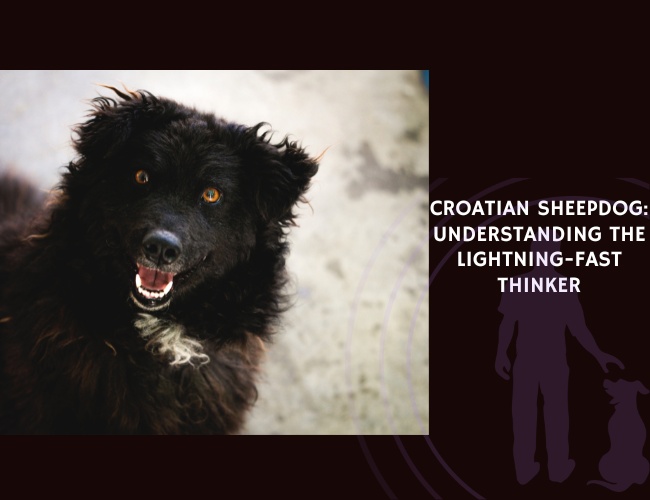
Picture a dog that moves like thought itself, anticipating the next moment before it arrives. The Croatian Sheepdog carries the legacy of centuries in its gaze, a breed forged in the rolling hills and valleys of Croatia where speed, precision, and unwavering focus meant the difference between scattered flocks and orderly herds. These remarkable dogs don’t just respond to their world—they read it, predict it, and act upon it with lightning-quick clarity that can leave even experienced handlers breathless.
But what happens when a mind designed for split-second decisions meets the modern world of city streets, crowded parks, and unpredictable human schedules? You might notice your Croatian Sheepdog processing everything at once, their dark eyes tracking movement you haven’t yet seen, their body coiling with readiness before the doorbell even rings. This isn’t nervousness—it’s cognitive architecture honed over generations. Yet understanding the difference between brilliant anticipation and anxious overdrive becomes your most important task as their guide.
Let us walk you through the inner world of this extraordinary thinker, where speed meets soul, and where learning to slow down might be the greatest gift you can offer.
Breed History & Origins
Forged in the Croatian Landscape
The Croatian Sheepdog, known locally as Hrvatski Ovčar, emerged from the rugged terrain of Croatia’s Slavonian plains and the Baranja region sometime in the 14th century, though written documentation first appeared in 1374. These dogs weren’t created in kennels or through deliberate breeding programs—they were shaped by necessity, geography, and the demanding work of managing livestock across challenging terrain.
Croatia’s landscape created specific selection pressures. The rolling hills, dense vegetation, and variable weather required dogs who could work independently when visual contact with shepherds was broken, yet remain responsive to distant cues when visibility allowed. Unlike the vast open spaces that produced eye-focused herding dogs, Croatian terrain demanded dogs who read motion, navigated obstacles, and made split-second decisions about flock movement in broken sightlines.
Traditional Croatian shepherds needed versatile dogs who could perform multiple roles beyond simple herding:
- Managing livestock movement across challenging terrain with broken sightlines
- Protecting flocks from predators including wolves and wild dogs
- Guarding homesteads and alerting to approaching strangers
- Controlling poultry and other small farm animals
- Serving as all-purpose farm dogs adapting to daily needs
This multi-functionality required intelligence, adaptability, and the kind of environmental awareness that allowed them to switch contexts rapidly—traits that remain embedded in the breed today.
The Croatian Sheepdog developed differently from other European herding breeds precisely because of isolation. While Border Collies were refined for specific trial work and German Shepherds were standardized for military and police roles, Croatian Sheepdogs remained working farm dogs with minimal outside influence until formal breed recognition in 1969. This preserved their original working style—fast, loose-eyed, vocal, and intensely motion-sensitive.
The relationship between Croatian shepherds and their dogs was deeply practical yet profoundly connected. These dogs lived alongside families, worked daily with livestock, and developed the handler-sensitivity that characterizes the breed. They learned to read human intention through necessity, creating the foundation for the extraordinary partnership potential you see today. This historical intimacy explains why Croatian Sheepdogs struggle without clear human guidance—they were never bred to work independently of human direction, but rather in close cooperation with it. 🧠
Physical Characteristics & Appearance
Built for Speed and Endurance
Your Croatian Sheepdog presents a distinctive appearance that immediately signals their working heritage. Medium-sized dogs, males typically stand 16-21 inches at the shoulder and weigh 29-44 pounds, while females measure slightly smaller at 16-19 inches and 26-40 pounds. This compact, athletic build provides the perfect balance between agility for quick directional changes and substance for endurance work.
The breed’s most recognizable feature is their dense, curly coat, almost exclusively black though occasional white markings on the chest or toes appear in some individuals. This isn’t the soft, fluffy curl of a Poodle—it’s a weather-resistant, moderately oily coat with waves and curls ranging from 2-5 inches in length. The texture feels slightly harsh to the touch, designed to shed water and resist burrs and vegetation during fieldwork.
Did you know this coat serves multiple functional purposes beyond appearance?
- Dark coloration absorbs heat in cool mornings, warming muscles for work
- Curl pattern creates air pockets providing insulation in cold and heat
- Moderate oil content makes the coat somewhat self-cleaning
- Weather-resistant texture sheds water and repels burrs
- Facial furnishings protect eyes and face from vegetation and weather
The Croatian Sheepdog’s coat isn’t just beautiful—it’s functional equipment designed for outdoor work in variable conditions.
Their physical structure reveals purpose in every detail. The body is slightly longer than tall, providing stability during rapid direction changes. The tail, medium length and carried in a slight curve, serves as a rudder during high-speed maneuvers. Their feet are compact with well-arched toes—essential for navigating uneven terrain without injury. The head is wedge-shaped with medium-sized triangular ears that stand erect or semi-erect, maximizing their ability to locate sounds across distance.
Seasonal coat changes occur, though less dramatically than double-coated breeds. You’ll notice increased shedding during spring and fall transitions, when the coat adjusts density for changing weather. The undercoat thickens in winter, providing additional insulation, then lightens in summer to improve heat dissipation. Understanding these seasonal shifts helps you adapt grooming routines and recognize when your dog might be more or less comfortable with temperature extremes.
The Croatian Sheepdog’s physical characteristics aren’t just aesthetic—they’re functional architecture that supports their cognitive and behavioral traits. Their compact size allows the quick acceleration and tight turns their herding style demands. Their weather-resistant coat meant they could work in variable conditions without becoming uncomfortable or distracted. When you look at your Croatian Sheepdog, you’re seeing form perfectly matched to function, every physical trait supporting the lightning-fast work they were born to perform. 🧡
Grooming & Coat Care
Maintaining the Working Coat
Your Croatian Sheepdog’s curly coat requires consistent maintenance to remain functional and comfortable. Weekly brushing forms the foundation of coat care, using proper tools to work through the curls gently.
Essential Grooming Tools:
- Slicker brush or pin brush for penetrating curls
- Metal comb for checking for hidden mats
- Detangling spray for stubborn tangles
- High-quality dog shampoo maintaining pH balance
- Absorbent towels or blow dryer for post-bath care
- Nail clippers or grinder for regular paw maintenance
- Dog-safe ear cleaning solution for routine ear care
Unlike smooth-coated breeds, you can’t simply run a brush over the surface—you need to work in sections, penetrating to the skin to prevent matting at the base where the curls are tightest.
Start grooming routines early in puppyhood, making brushing a positive, bonding experience rather than a battle. Your Croatian Sheepdog’s tolerance for grooming directly affects their comfort and your relationship. Dogs who learn to relax during grooming sessions are easier to maintain throughout life and accept necessary handling during veterinary visits or emergencies. Use high-value treats during initial grooming sessions, keeping sessions brief and ending before your puppy becomes restless.
Matting becomes problematic if neglected, particularly in high-friction areas:
- Behind the ears where collar and head movement create tangles
- Under the legs and in the armpits from movement friction
- Around the collar area from constant wear
- Under the tail and rear end from sitting
- Between the toes where moisture and debris accumulate
Mats pull on skin, creating discomfort that can affect behavior—an uncomfortable dog may become irritable, avoid being touched, or develop negative associations with grooming. In severe cases, matting can trap moisture against skin, creating conditions for bacterial or fungal infections. Prevention through regular brushing is far easier than dealing with established mats.
Bathing frequency depends on lifestyle and activity level. Working Croatian Sheepdogs engaged in outdoor activities may need bathing every 4-6 weeks, while companion dogs in cleaner environments can extend to 8-10 weeks between baths. Over-bathing strips the coat’s natural oils, potentially creating dry skin and paradoxically increasing oiliness as the skin overcompensates. Use a dog-specific shampoo that maintains pH balance—human products are too harsh for canine skin.
The grooming routine offers more than coat maintenance—it’s a structured decompression ritual and relationship-building opportunity. Your Croatian Sheepdog learns to accept handling, to settle during an activity that requires stillness, and to trust you with their physical care. This creates generalized trust that extends beyond grooming. Dogs who accept grooming readily often show better overall cooperation, having learned that sometimes being still and allowing human direction leads to positive outcomes.
Pay attention to coat condition as a behavioral indicator. A Croatian Sheepdog whose coat becomes matted or unkempt despite regular grooming attempts may be experiencing stress or health issues. Excessive scratching, skin irritation, or changes in coat texture warrant veterinary evaluation. The coat reflects overall health—nutritional deficiencies, hormonal imbalances, or chronic stress all manifest in coat quality before other symptoms become obvious. 🧠
Puppy Selection & Finding Responsible Breeders
Choosing Your Partner Wisely
Finding a Croatian Sheepdog puppy requires patience and diligence, particularly outside Croatia where the breed remains relatively rare. Responsible breeders prioritize health, temperament, and breed preservation over profit or convenience. They conduct health screenings, carefully match breeding pairs, socialize puppies extensively, and remain available as resources throughout the dog’s life.
What should you look for in a Croatian Sheepdog breeder? First, health clearances for breeding stock. Hip evaluations through OFA (Orthopedic Foundation for Animals) or equivalent European schemes identify dogs with good hip structure, reducing likelihood of hip dysplasia in offspring. Eye examinations by veterinary ophthalmologists screen for hereditary conditions like progressive retinal atrophy. Responsible breeders provide documentation of these clearances willingly—if a breeder becomes defensive or claims testing isn’t necessary, walk away.
The breeding environment tells you volumes about puppy quality. Visit the breeder’s facility if possible, observing where puppies are raised and how breeding dogs are maintained. Puppies raised in home environments with exposure to normal household sounds, various surfaces, and gentle handling develop better stress resilience than those raised in isolated kennel settings. The breeding dogs should appear healthy, well-socialized, and comfortable with human interaction—temperament is heritable, and anxious or aggressive parents often produce offspring with similar tendencies.
Ask breeders about their socialization protocols. Quality breeders expose puppies to varied experiences during the critical developmental period (3-14 weeks). This includes different surfaces, sounds, gentle handling by multiple people, and age-appropriate challenges that build confidence. Puppies who experience structured novelty during this window develop into more adaptable, resilient adults. Breeders using programs like Puppy Culture or similar evidence-based approaches demonstrate commitment to producing psychologically sound dogs.
Evaluate puppy temperament carefully, considering your lifestyle and experience level. Croatian Sheepdog puppies display varying drive levels, sensitivity, and confidence even within the same litter. A bold, high-drive puppy might thrive with an experienced handler pursuing competitive sports but overwhelm a first-time owner seeking a companion. A more moderate puppy could suit a family environment while still maintaining breed characteristics. Honest breeders help match puppies to homes based on observed temperament, not just buyer preference.
Import considerations become relevant if you’re obtaining a Croatian Sheepdog from Europe. Research import regulations, including vaccination requirements, health certificates, and quarantine laws. Understand the costs involved—transportation, veterinary preparation, and potential quarantine expenses add significantly to the puppy’s price. Consider whether you can visit the breeder in person or must rely on video calls and third-party evaluations. Reputable international breeders understand these challenges and work with buyers to facilitate responsible international placements.
Red flags in breeding programs include:
- Unwillingness to provide health clearances or documentation
- Inability to meet breeding dogs or see where puppies are raised
- Puppies available year-round suggesting overbreeding
- Multiple litters on the ground simultaneously
- More interest in payment than placement quality
- Won’t take dogs back if circumstances change
- Can’t articulate breeding goals beyond “producing puppies”
- Breeding solely for color or unusual traits rather than health
- Pressure to make immediate decisions without consideration time
- Lack of questions about your lifestyle or experience
Avoid breeders who won’t take dogs back if circumstances change—responsible breeders maintain lifetime commitment to dogs they produce. Be wary of breeders who can’t articulate their breeding goals beyond “producing puppies” or who breed solely for color or unusual traits rather than health and working ability.
Questions to ask potential breeders:
- What health clearances do you perform on breeding stock?
- Can I meet both parents or at least the mother?
- What socialization protocols do you use with puppies?
- What support do you provide after placement?
- Will you take the dog back if I can no longer keep them?
- What working titles or health certifications have your dogs earned?
- Why did you choose this particular breeding pair?
- What challenges should I expect with this breed?
- Can you provide references from previous puppy buyers?
- What is your policy on genetic health issues?
These questions reveal breeder knowledge, commitment, and ethical standards. Through the NeuroBond approach, we understand that your puppy’s earliest experiences shape their entire life—choosing a responsible breeder is choosing your dog’s foundation. 🧡
Children & Family Integration
Managing the Herding Instinct at Home
Croatian Sheepdogs and children can form wonderful relationships, but their herding instincts create specific challenges that require proactive management. Young children’s erratic movements, high-pitched vocalizations, and unpredictable behavior trigger the same motion-tracking systems that respond to livestock. You might notice your Croatian Sheepdog attempting to “gather” running children, nipping at heels or clothing, or barking insistently when children play energetically.
This isn’t aggression—it’s misdirected working behavior. But the distinction doesn’t matter to a frightened child or one who’s been nipped. Prevention requires teaching your Croatian Sheepdog appropriate boundaries around children while teaching children proper interaction with dogs. This dual education creates safety for both species and builds the foundation for positive relationships.
Age considerations matter significantly. Very young children (under 5) lack the impulse control and motor coordination to interact appropriately with a fast-processing, sensitive breed. Toddlers grab, poke, fall on dogs, and produce the exact chaotic energy that triggers Croatian Sheepdog reactivity. If you have very young children, wait until they’re older before adding a Croatian Sheepdog, or ensure you can provide extensive management preventing unsupervised interaction.
School-age children (6-12) can learn appropriate interaction protocols but require consistent adult supervision. Teach children specific rules:
- No running or screaming near the dog
- No bothering the dog during rest, eating, or in their safe space
- No rough play, wrestling, or pulling on the dog
- Always ask permission before approaching or petting
- Approach calmly from the side, not head-on
- Pet gently on the chest or side, not over the head
- If the dog walks away, let them go—never follow or corner
- “Leave it alone” means stop immediately, no negotiation
Children need to understand that “leave it alone” means immediately stopping interaction, not negotiating for five more minutes.
Teaching children proper interaction protocols includes demonstrating calm approaches, gentle petting on the dog’s side or chest rather than reaching over their head, and recognizing stress signals indicating the dog needs space. Children capable of following these rules can develop excellent relationships with Croatian Sheepdogs, participating in training activities and structured play that channel the dog’s drives appropriately.
Managing nipping and herding behaviors toward children requires immediate, consistent intervention. When your Croatian Sheepdog begins tracking or attempting to herd children, interrupt the behavior immediately and redirect to an appropriate outlet. This might mean calling your dog away and engaging them in a brief training session, providing a puzzle toy, or removing them from the environment temporarily. Never punish the dog for herding behavior—it’s genetically programmed. Instead, prevent opportunities for rehearsal and reward incompatible behaviors.
Create safe spaces for both your dog and your children. Your Croatian Sheepdog needs a retreat area where children cannot follow—a crate, bedroom, or gated space where they can decompress without child interaction. Children also need spaces where they can play without triggering the dog’s herding drives. Separate your dog during high-energy child activities like running games or bouncing on trampolines. This isn’t punishment—it’s preventing your dog from being placed in situations where their instincts override their training.
Supervise all dog-child interactions, particularly during the dog’s adolescent phase when drives intensify and impulse control weakens. Even dogs who previously tolerated child activity well may begin displaying herding behaviors during adolescence. Your presence allows immediate intervention before interactions escalate. Never assume your Croatian Sheepdog and children can safely interact unsupervised, regardless of their previous history.
Croatian Sheepdogs can become devoted family members who protect and bond with children, but this outcome requires intentional management, consistent training, and realistic expectations about the breed’s inherent drives. When managed well, children and Croatian Sheepdogs teach each other valuable lessons—children learn respect for animal boundaries and needs, while dogs learn to coexist peacefully with unpredictable small humans. 🧠
Weather & Climate Adaptability
Environmental Comfort and Performance
Your Croatian Sheepdog’s weather tolerance reflects their Croatian homeland—temperate climate with distinct seasons, neither extreme heat nor bitter cold. Their curly, medium-length coat provides reasonable insulation but doesn’t match the cold tolerance of heavy-coated breeds like Siberian Huskies or the heat tolerance of short-coated breeds adapted to hot climates.
Cold weather suits them well within reason. The coat’s curl pattern creates air pockets that trap warmth, while the undercoat provides additional insulation during winter. Croatian Sheepdogs typically remain comfortable and active in temperatures down to 20-30°F (-6 to -1°C) without additional protection. Below this range, consider protective gear for extended outdoor activity—boots to protect feet from ice and salt, and coats if your dog has been clipped short or is a senior with reduced ability to thermoregulate.
Heat presents greater challenges. Dark coat coloration absorbs solar radiation, and the curl pattern that insulates against cold also reduces heat dissipation. You’ll notice your Croatian Sheepdog becoming less enthusiastic about activity as temperatures rise above 75-80°F (24-27°C). Above 85°F (29°C), limit exercise to early morning or evening when temperatures moderate.
Signs of Heat Stress:
- Excessive panting with tongue hanging far out
- Drooling or thick, ropy saliva
- Reluctance to continue activity or slowing pace
- Seeking shade compulsively
- Bright red or dark purple gums
- Unsteady gait or confusion
- Vomiting or diarrhea
Watch for these signs and take immediate action if they appear—heat stress can rapidly progress to life-threatening heat stroke.
Weather affects arousal levels in ways many guardians don’t expect. Barometric pressure changes before storms can increase anxiety and reactivity in sensitive dogs. Your Croatian Sheepdog might become more vigilant, reactive to sounds, or restless before weather events. Wind amplifies this effect—sound carries differently, scents shift unpredictably, and movement triggers (leaves, branches, debris) increase. Expect higher arousal levels during windy conditions and adjust expectations accordingly.
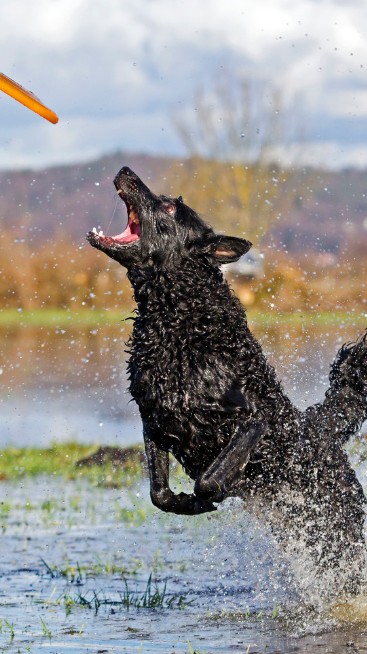
Exercise modifications during weather extremes prevent both physical harm and behavioral deterioration. On hot days, shift activities to climate-controlled environments—indoor training sessions, nose work, puzzle toys, or gentle indoor play. Swimming offers excellent exercise with built-in cooling. On extremely cold days, shorten outdoor exposure while increasing mental stimulation indoors. Your Croatian Sheepdog needs cognitive engagement regardless of weather—when you can’t provide physical activity, increase mental challenges.
Indoor activity alternatives maintain your dog’s well-being during weather extremes:
- “Find it” games hiding treats around the house
- Obedience practice in different rooms with duration and distraction
- Puzzle feeders extending meal times
- Indoor obstacle courses using household items
- Trick training sessions teaching new behaviors
- Scent work games with hidden toys or treats
- Tug and fetch in hallways or large rooms
- “Place” training teaching settling in various locations
These activities engage your Croatian Sheepdog’s problem-solving abilities without weather exposure.
The relationship between weather, comfort, and behavior cannot be overstated. A dog who is too hot, too cold, or uncomfortable due to wet coat becomes irritable, less trainable, and more reactive. Monitoring and managing weather-related comfort directly impacts behavioral stability. That balance between environmental challenge and support—that’s part of Zoeta Dogsoul’s understanding of the whole dog. 🧡
Comparison to Similar Breeds
Understanding Your Options
Choosing between herding breeds requires understanding not just what they share, but how they differ. Croatian Sheepdogs belong to the broader category of working herding dogs, but their specific traits create a distinct profile compared to more common breeds.
Quick Breed Comparison:
- Croatian Sheepdog: Loose-eyed, vocal, fast-moving, high arousal, medium-small size
- Border Collie: Strong-eyed, quiet, methodical, intense focus, medium size
- Australian Shepherd: Moderate drive, versatile, better off-switch, medium-large size
- Belgian Shepherd: Larger, protective instincts, independent, multi-purpose working dog
- Shetland Sheepdog: Smaller, more adaptable, sensitive, good family companion
Croatian Sheepdog vs. Border Collie represents the clearest contrast in herding styles. Border Collies are “strong-eyed” herders who use intense, sustained eye contact to control livestock through psychological pressure. They’re famous for their “stalk and stare” approach, often working at distance with minimal vocalizations. Croatian Sheepdogs, in contrast, are “loose-eyed” herders who read motion and body language rather than relying on intimidation through staring. They work closer to livestock, use more vocalization, and employ faster physical movements rather than slow, controlled stalking. Both breeds are highly intelligent and sensitive, but Croatian Sheepdogs generally display higher arousal levels and more reactive temperaments than the methodical Border Collie.
Croatian Sheepdog vs. Australian Shepherd highlights differences in drive levels and versatility. Australian Shepherds were developed as all-purpose farm dogs with strong herding instincts but generally more moderate drive than Croatian Sheepdogs. Aussies typically show more off-switch capability and adapt more easily to pure companion roles. Croatian Sheepdogs maintain more intense, focused drive that requires purposeful outlets—they struggle more with “just being pets.” Both breeds need significant mental and physical stimulation, but Croatian Sheepdogs generally require more structured engagement and show less tolerance for downtime.
Croatian Sheepdog vs. Belgian Shepherd varieties (Malinois, Tervuren, Groenendael, Laekenois) reveals similarities in intensity and speed but differences in size and primary function. Belgian Shepherds were refined for broader working roles including protection, police work, and military service alongside herding. They’re larger dogs with more pronounced guarding instincts and often higher aggression thresholds. Croatian Sheepdogs are smaller, more purely focused on herding work, and generally less inclined toward guarding or protection behaviors. Both breed groups are extremely intelligent, handler-focused, and require experienced ownership, but Belgian Shepherds often show more independence and territorial behavior.
Key decision factors for choosing Croatian Sheepdogs over similar breeds include: preference for a medium-small herding dog rather than larger breeds, desire for an authentic working herder with minimal adaptation toward companion roles, appreciation for vocal communication and high-arousal herding style, and willingness to work with an intense, fast-processing temperament. Croatian Sheepdogs suit handlers who want active partnership with a dog whose every instinct says “work” rather than “relax.”
If you’re drawn to Croatian Sheepdogs but unsure whether they’re right, consider: Border Collies if you want similar intelligence with potentially more methodical temperament, Australian Shepherds if you want herding heritage with better off-switch potential, or Shetland Sheepdogs if you want herding intelligence in a smaller, more adaptable package. Each breed offers unique strengths—honest assessment of your lifestyle, experience, and preferences helps identify the best match. Through the NeuroBond framework, we understand that the right breed choice creates the foundation for successful partnership, while the wrong choice creates chronic stress for both human and dog. 🧠
Common Behavioral Challenges
What to Expect and How to Respond
Understanding common Croatian Sheepdog behavioral challenges helps you recognize normal breed traits versus problems requiring professional intervention. Here are the most frequent challenges guardians encounter:
1. Motion Reactivity and Chasing Behaviors Croatian Sheepdogs often develop strong reactions to fast-moving triggers—bicycles, joggers, cars, skateboards, other animals. This stems from their motion-tracking heritage and herding drives. Prevention involves early, positive exposure to movement during puppyhood, teaching alternative focus behaviors, and maintaining distance from triggers until your dog can observe calmly. Seek professional help if your dog’s reactions include sustained lunging that pulls you off balance, redirected aggression toward you when frustrated, or complete inability to disengage from triggers even with high-value rewards.
2. Excessive Barking and Vocalization Alert barking, demand barking, and frustration barking are common challenges. Management includes teaching “speak” and “quiet” cues, reducing overall arousal through adequate physical and mental exercise, and identifying triggers that prompt barking. Professional intervention becomes necessary if barking occurs for hours daily, neighbors complain persistently, or your dog seems unable to settle even after exercise and engagement.
3. Nipping and Mouthing Herding breeds often use their mouths to control movement—appropriate for livestock, inappropriate for humans. Redirect mouthing to appropriate toys, immediately withdraw attention when nipping occurs, and provide adequate chew outlets. Seek professional help if nipping becomes harder over time, targets vulnerable areas like faces or hands aggressively, or occurs with growling or other aggressive displays.
4. Hypervigilance and Inability to Settle Croatian Sheepdogs can struggle with the “off-switch,” remaining alert and scanning even during rest periods. Address this through structured decompression routines, mat work training, and creating predictable rest times. Professional intervention is warranted if your dog never relaxes fully even in familiar environments, shows signs of sleep deprivation, or develops anxiety-related behaviors like pacing or destructive activity during supposedly calm periods.
5. Separation Anxiety Handler-focused breeds often struggle with alone time, developing distress when separated from their people. Prevention includes gradual alone-time training from puppyhood, creating positive associations with departure cues, and ensuring adequate exercise before absences. Seek help if your dog causes property destruction attempting to escape, injures themselves during your absence, or shows extreme distress (excessive vocalization, elimination) during separations under 30 minutes.
6. Herding Family Members Attempting to control household movement by circling, nipping, or barking at family members represents misdirected herding drive. Interrupt these behaviors immediately, redirect to appropriate activities, and prevent opportunities for rehearsal by managing the dog during high-activity periods. Professional help becomes necessary if herding behaviors escalate despite intervention, cause injury (even minor), or create fear in family members—particularly children.
7. Leash Pulling and Walk Frustration The drive to move forward, investigate, and engage with environment creates pulling behaviors. Address through loose-leash training, appropriate walking equipment (front-clip harness can help), and realistic expectations about mental stimulation needs during walks. Seek professional assistance if pulling causes physical injury to you or your dog, if walks become so stressful you avoid them, or if your dog shows aggression when restrained from moving forward.
When to Seek Professional Help Engage a qualified professional (veterinary behaviorist, certified behavior consultant, or trainer with extensive herding breed experience) when: behaviors worsen despite consistent training efforts, anyone feels unsafe around your dog, your dog seems persistently stressed or unhappy, or you feel overwhelmed managing your dog’s behavior. Early intervention prevents behavior patterns from becoming deeply ingrained. The Invisible Leash teaches us that asking for help isn’t failure—it’s wisdom, recognizing when additional expertise benefits the partnership. 🧡
Fast. Focused. Reactive.
Speed Drives Perception
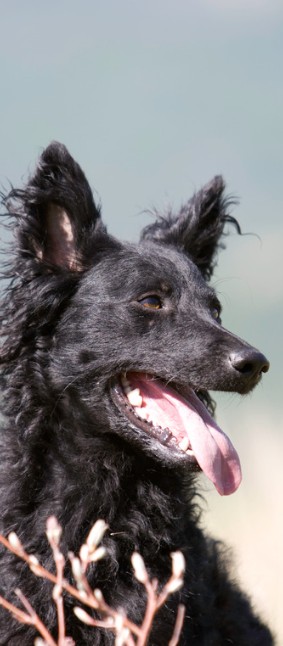
Croatian Sheepdogs process information at exceptional velocity. Their anticipation reflects cognitive speed, not nervousness.
Terrain Shaped Thinking
Broken sightlines and variable landscapes selected for rapid assessment and instant response. This heritage keeps their minds in constant predictive mode.
Guidance Regulates Energy
Without clear human direction, speed turns into overdrive. Structured leadership allows brilliance to settle into controlled precision.
Character & Behavioral Foundations
The Herding Mind: Born to Read Movement
Your Croatian Sheepdog carries an inheritance few breeds can match. For centuries, these dogs worked the Croatian countryside with a singular purpose: managing livestock with precision, speed, and an almost supernatural ability to predict where sheep would move before they moved there. This isn’t just about chasing—it’s about reading micro-movements, interpreting flock dynamics, and positioning themselves exactly where they need to be.
When you watch your Croatian Sheepdog track a bicycle across the park or freeze at the sight of children running, you’re witnessing this herding architecture in action. Their visual processing system operates at extraordinary speed, capturing and analyzing movement patterns faster than most breeds even notice them. Did you know that herding dogs can process visual information up to 30% faster than non-herding breeds? This heightened perception was essential for work that demanded instant response to scattered livestock.
But here’s where it gets fascinating: Croatian Sheepdogs don’t rely on the intense, sustained eye pressure that Border Collies use. They’re what we call “loose-eyed” herders, which means they read motion, body language, and spatial positioning rather than using psychological intimidation through staring. They’re motion-sensitive strategists, constantly calculating trajectories and timing their interventions with microscopic precision. 🧠
🏥 Croatian Sheepdog Complete Health & Wellness Guide 🏥
From Nutrition to Grooming: Supporting Your Lightning-Fast Companion
Nutritional Foundations
Feeding the Fast-Processing Mind
🧠 Key Nutrients for Cognitive Balance
- High-quality animal proteins: Complete amino acids for neurotransmitter production
- Omega-3 fatty acids (EPA/DHA): Brain health and inflammation reduction
- B vitamins (especially B1): Nervous system function and stress response
- Tryptophan: Supports serotonin production and emotional regulation
- Complex carbohydrates: Sustained glucose for cognitive function
- Magnesium: Supports calm nervous system function
⚡ The Blood Sugar Connection
Unstable blood sugar triggers stress hormones, amplifying hypervigilance and reactivity in fast-processing breeds. Feed multiple smaller meals rather than one or two large meals. Complex carbs (sweet potato, pumpkin, oats) provide sustained energy without spikes and crashes. This isn’t just feeding their body—it’s supporting nervous system stability.
💧 Hydration & Cognitive Function
Even mild dehydration reduces cognitive clarity, focus, and stress tolerance. Fast processing requires optimal brain function. Always provide fresh water. Consider bone broth additions for chronically under-hydrated dogs. Offer water during calm training sessions as both reward and hydration opportunity.
Grooming Protocols
Maintaining the Curly Working Coat
🧰 Essential Grooming Tools
- Slicker brush or pin brush for penetrating curls
- Metal comb for checking hidden mats
- Detangling spray for stubborn tangles
- High-quality pH-balanced dog shampoo
- Absorbent towels or blow dryer
- Nail clippers or grinder
- Dog-safe ear cleaning solution
⚠️ Mat-Prone Areas
- Behind the ears (collar + head movement)
- Under legs and armpits (movement friction)
- Around collar area (constant wear)
- Under tail and rear end (sitting)
- Between toes (moisture + debris)
Mats pull skin, creating discomfort that affects behavior. Uncomfortable dogs become irritable and avoid touch. Prevention beats remediation.
🛁 Bathing Schedule
Working dogs in outdoor activities: every 4-6 weeks. Companion dogs in cleaner environments: every 8-10 weeks. Over-bathing strips natural oils, potentially creating dry skin and paradoxical oiliness as skin overcompensates. Weekly brushing matters more than frequent bathing.
🧡 Grooming as Relationship Building
Grooming is decompression ritual and trust exercise combined. Dogs who relax during grooming show better overall cooperation. Start early in puppyhood. Make sessions brief and positive. High-value treats during initial grooming. This creates generalized trust extending beyond coat care.
Preventive Health Monitoring
Catching Problems Before They’re Severe
🔍 Breed-Specific Conditions to Watch
- Hip dysplasia: Difficulty rising, reluctance to climb stairs, decreased activity
- Progressive retinal atrophy (PRA): Gradual vision loss, caution in dim light
- Cruciate ligament injuries: Sudden lameness, reluctance to bear weight
- Dental disease: Common in all breeds, requires regular care
- Skin conditions: May indicate stress, allergies, or nutritional issues
- Digestive sensitivities: Can be stress-related or dietary
🧠 The Nervous System-Immune Connection
Chronic stress and hypervigilance don’t just affect behavior—they impact immune function and overall health. Elevated cortisol suppresses immune response, increases inflammation, and accelerates cellular aging. Managing behavioral/emotional health isn’t separate from physical health—they’re intimately connected.
⚠️ Stress-Related Health Manifestations
- Digestive issues without clear medical cause
- Skin problems resistant to traditional treatment
- Frequent minor infections (ears, urinary)
- Poor coat quality despite proper nutrition
- Weight fluctuations
- Sleep disturbances
- Chronic muscle tension
📅 Veterinary Visit Schedule
Puppies (up to 1 year): Monthly until 6 months, then every 3 months
Adults (1-7 years): Annual comprehensive exams
Seniors (7+ years): Every 6 months with blood work
All ages: Immediate vet visit for sudden behavior changes, lameness, or appetite loss
Exercise & Injury Prevention
Protecting the Athletic Body
🎯 Life Stage Exercise Guidelines
Puppies (8 weeks-18 months): Avoid repetitive jumping and long forced runs—growth plates developing. Mental stimulation exhausts more effectively. Short, structured play.
Adults (2-7 years): Can handle intense activity, but proper warm-up essential. Balance high-arousal with calming pursuits.
Seniors (7+ years): Shorter, gentler sessions. Swimming offers low-impact exercise. Adjust to individual capability.
⚠️ The Enthusiasm Problem
Croatian Sheepdogs will run until exhaustion without recognizing physical limits—especially during exciting activities. You must be the governor on their engine. Enforce rest breaks. Prevent overexertion. Young dogs are particularly vulnerable to growth-related injuries if over-exercised.
✅ Injury Prevention Strategies
- Proper warm-up before intense activity (5-10 minutes)
- Build core strength through targeted exercises
- Maintain optimal body condition (avoid excess weight)
- Gradual conditioning for new activities
- Cool-down periods after high-intensity work
- Regular joint health monitoring
- Non-slip surfaces for indoor activity
Weather & Climate Management
Environmental Comfort Zones
❄️ Cold Weather Tolerance
Curly coat with undercoat provides reasonable insulation. Comfortable in 20-30°F (-6 to -1°C) without protection. Below this, consider boots (ice/salt protection) and coats for extended outdoor time. Senior dogs and those with health issues need extra protection.
🔥 Heat Stress Warning
- Above 75-80°F: Less enthusiastic activity
- Above 85°F: Limit exercise to early/evening
- Watch for: Excessive panting, drooling, reluctance to continue, seeking shade compulsively, bright red or dark purple gums
- Action: Move to shade/AC, offer water, cool with damp towels (not ice)
Dark coat absorbs heat—heat stress can rapidly progress to life-threatening heat stroke.
🌪️ Weather-Behavior Connection
Barometric pressure changes before storms increase anxiety and reactivity. Wind amplifies this—sounds carry differently, scents shift unpredictably, movement triggers increase. Expect higher arousal during windy conditions and storms. Adjust expectations accordingly. Indoor activities become more important.
Senior Health Management
When Mind Stays Fast but Body Slows
💊 Joint Support Protocol
- Glucosamine and chondroitin supplementation
- Omega-3 fatty acids for inflammation
- Maintain optimal body condition (avoid excess weight)
- Orthopedic bedding for comfortable rest
- Ramps or steps for furniture/vehicle access
- Non-slip flooring to prevent falls
- Gentle massage and physical therapy
- Swimming for low-impact exercise
🧠 Cognitive Dysfunction Signs
- Disorientation in familiar spaces
- Sleep-wake cycle changes (awake at night)
- Decreased interest in social interaction
- House soiling in previously trained dogs
- Staring at walls or into space
- Difficulty recognizing familiar people/pets
- Increased anxiety in new situations
Early intervention slows progression: environmental management, dietary supplements supporting brain health, veterinary care.
💛 Quality of Life Indicators
Monitor: appetite consistency, interaction enthusiasm, mobility comfort, pain-free movement, sleep quality, cognitive alertness, interest in favorite activities. Regular veterinary quality-of-life assessments help make informed care decisions. The goal is dignity and comfort throughout their golden years.
🔍 Health Priorities by Life Stage
🐕 Puppy (0-12 Months)
Focus: Vaccination schedule, parasite prevention
Nutrition: Puppy-specific formula for growth
Exercise: Gentle, avoid overexertion
Vet visits: Monthly until 6 months
⚡ Adolescent (1-2 Years)
Focus: Spay/neuter timing, injury prevention
Nutrition: Transition to adult formula
Exercise: Build gradually, proper conditioning
Vet visits: Every 3-6 months
🎯 Adult (2-7 Years)
Focus: Weight management, dental care
Nutrition: High-quality maintenance diet
Exercise: Peak activity with injury prevention
Vet visits: Annual comprehensive exams
🌟 Mature (5-7 Years)
Focus: Early screening, joint support
Nutrition: Consider senior-transition formula
Exercise: Watch for subtle capability changes
Vet visits: Annual with baseline blood work
🧓 Senior (7-10 Years)
Focus: Pain management, cognitive health
Nutrition: Senior formula, supplements
Exercise: Modified activities, gentler approach
Vet visits: Every 6 months with blood work
💛 Geriatric (10+ Years)
Focus: Quality of life, comfort care
Nutrition: Easy-to-digest, palatable
Exercise: Gentle movement for mobility
Vet visits: Every 3-4 months, as needed
⚡ Health & Wellness Quick Reference
Nutrition: High-quality protein + omega-3s + B vitamins = cognitive balance
Grooming: Weekly brushing + 4-10 week bathing = coat health + bonding
Exercise: Age-appropriate intensity + proper warm-up = injury prevention
Weather: Cold tolerance good, heat sensitivity high—adjust accordingly
Monitoring: Behavior changes = earliest health indicators
Stress Connection: Nervous system health = immune system health
🧡 The Zoeta Dogsoul Holistic Health Philosophy
Through NeuroBond, we understand that physical health and emotional health aren’t separate domains—they’re intimately connected expressions of the whole being. The Croatian Sheepdog’s lightning-fast mind requires not just behavioral support but nutritional foundations, environmental adaptations, and preventive care that honors their unique architecture. The Invisible Leash extends to health management—guiding without forcing, supporting without overwhelming, allowing them to feel safe in their bodies as they learn to feel safe in their minds.
Those moments of Soul Recall—when your senior Croatian Sheepdog still gazes at you with that familiar intensity despite dimming vision, when proper nutrition brings clarity to their processing, when pain-free movement reignites their joy—remind us that caring for their physical vessel is caring for the soul it houses. Health isn’t just absence of disease. It’s the foundation from which partnership, joy, and connection can flourish.
© Zoeta Dogsoul – Where neuroscience meets soul in dog training
Fast Clarity vs. Fast Stress
Understanding your Croatian Sheepdog means recognizing when their lightning-fast processing is working for them—and when it’s working against them.
Fast Clarity Indicators:
- Quick assessment followed by calm decision-making
- Notices stimulus, glances at you for guidance, continues calmly
- Fluid body movement without tension
- Steady, rhythmic breathing
- Tail relaxed yet alert, carried naturally
- Responsive to your cues and redirection
- Can disengage from stimulus without escalation
Fast Stress Indicators:
- Wide, dilated eyes with visible whites (whale eye)
- Frantic scanning, head darting stimulus to stimulus
- Micro-freezes before explosive motion
- Shallow, rapid breathing or panting
- Tail tucked or held rigidly
- Lip-licking, yawning, or panting (not from exertion)
- Inability to settle focus or respond to familiar cues
This distinction matters because a Croatian Sheepdog in fast-stress mode isn’t misbehaving—they’re overwhelmed. Their cognitive processing has shifted from productive analysis to survival vigilance, and no amount of obedience training will help until you address the underlying nervous system state. Through the NeuroBond approach, we recognize that behavior modification begins with emotional regulation, not command compliance.
The Anticipation Engine
Here’s something that catches many Croatian Sheepdog guardians by surprise: your dog might perform behaviors before you’ve even cued them. You think about getting their leash, and they’re already at the door. You’re about to say “sit,” but they’ve beaten you to it. This isn’t psychic ability—it’s pattern recognition operating at extraordinary speed.
Croatian Sheepdogs excel at learning routines and predicting sequences. In their herding work, anticipation was invaluable—positioning themselves where the sheep would move rather than where they were. But in modern life, this can create what we call “cue hijacking.” Your dog learns that after breakfast comes a walk, and after a walk comes training time. Soon they’re pulling toward the training area before you’ve finished the walk, or performing the entire sequence of behaviors you usually request because they’ve predicted the pattern.
This anticipatory processing is a cognitive strength, not a flaw. But it requires thoughtful handling. You need to build unpredictability into your routines and reward your dog for waiting for actual cues rather than acting on their predictions. The Invisible Leash reminds us that true partnership means your dog can notice without needing to act, trusting you to provide clear direction when the moment arrives.
Vocalization & Communication
The Language of Speed
Croatian Sheepdogs are not silent workers. Their bark carries purpose—sharp, insistent, designed to move sheep and alert handlers across distances. You might notice your dog vocalizes more than breeds that herd through stare or physical presence. This is functional communication hardwired into their behavioral repertoire.
But here’s what’s important: excessive barking often signals cognitive overload. When your Croatian Sheepdog barks frantically at passing dogs, delivery people, or distant sounds, they’re not being “talkative”—they’re attempting to control stimuli they perceive as threats or targets. The barking escalates because the trigger doesn’t respond to their control attempts, creating frustration that drives more intense vocalization.
You can learn to read the quality of their bark. A working bark—sharp, confident, intermittent—indicates engagement and problem-solving. An anxious bark—high-pitched, rapid, sustained—indicates stress and loss of control. Training your Croatian Sheepdog to bark on cue, then teaching a “quiet” cue, gives them an off-switch for this natural behavior. But more importantly, reducing their overall arousal through structured decompression prevents the need to bark in the first place.
Body Language at Light Speed
Your Croatian Sheepdog communicates constantly through posture, movement, and micro-signals that flash by in milliseconds. Their body becomes a living language of intention and emotion.
Croatian Sheepdog Preparing to Herd:
- Weight shifts forward onto front legs
- Head lowers slightly, creating stalking posture
- Eyes lock onto target with laser focus
- Body coils with potential energy, muscles tensed
- Breathing becomes shallow and controlled
- Tail lifts and becomes still
- Ears prick forward in intense attention
Watch for the transition signals. When your dog shifts from relaxed observation to intense focus, you’ll see their ears prick forward, their tail lift and become still, and their breathing pattern change. These are your early warning signs—the moment when intervention is easiest and most effective. Wait until they’re fully locked onto a trigger, and you’ll need much stronger cues to break through their concentration.
Stress Signals to Watch For:
- Yawning in exciting contexts (stress yawning, not tiredness)
- Lip-licking when no food is present
- Shake-offs after stressful moments
- Frantic scanning where gaze won’t settle
- Avoiding eye contact or turning head away
- Lowered body posture with tucked tail
- Panting disproportionate to exertion level
These are your dog’s way of saying, “I need help managing this situation.” 🧡
Training & Education Approaches
Precision Over Pressure
Training a Croatian Sheepdog demands precision in your cues, timing, and expectations. These dogs process information so quickly that inconsistency becomes confusion, and confusion drives their tendency to self-direct. You need to become a master of micro-communication—clear body language, consistent verbal cues, and impeccable timing between the cue, the behavior, and the reward.
Essential Foundation Behaviors:
- Sit with duration until released
- Down with duration and distance
- Stay in various positions and contexts
- Wait at doors, thresholds, before meals
- Recall (come when called) with reliable response
- Leave it (disengage from stimulus on cue)
- Watch me/focus (attention on handler)
- Place/mat training for settling
Start with foundation behaviors trained to absolute clarity. When you say “sit,” your Croatian Sheepdog should understand this means “place your rear on the ground and remain there until released”—not “prepare to sit,” not “sit briefly before the next behavior,” but clear, complete compliance. This level of precision becomes your communication protocol for everything else you’ll teach them.
Distance work and impulse control form the backbone of Croatian Sheepdog training. Practice cues at varying distances, teaching them that your guidance remains relevant whether you’re beside them or across the field. Build duration into every behavior—sitting isn’t just dropping their rear for a second, but maintaining that position with focus and calm. This develops their ability to resist the urge to predict and act, waiting instead for your clear direction.
The Art of Slowing Down
Here’s a counterintuitive truth: the best training for a fast-thinking breed involves teaching them to slow down. Your Croatian Sheepdog’s default mode is rapid processing and quick action. But sustainable partnership requires an off-switch—the ability to shift from high drive to calm observation.
Daily “Wait” Training Applications:
- Wait before going through any doorway
- Wait before exiting the car or crate
- Wait before eating meals
- Wait before greeting people or dogs
- Wait at curbs before crossing streets
- Wait before retrieving thrown toys
- Wait before beginning any activity
- Wait for release cue before moving from stay
- Wait while you prepare their meal
Teach “wait” as a lifestyle, not just a command. These micro-moments of impulse control accumulate into a dog who understands that pausing and checking in with you is more rewarding than immediate action. The neural pathways for self-regulation strengthen with every repetition.
Incorporate decompression rituals into your daily routine. After high-arousal activities like walks or training sessions, guide your dog through a cooldown period.
Effective Decompression Activities:
- Mat work teaching settling on designated spot
- Slow sniffing walks at dog’s pace with no destination
- Quiet observation time watching world without pressure to interact
- Gentle massage or calm physical contact
- Puzzle toys or food-dispensing activities
- Controlled chewing on appropriate items
- “Place” training with calm music or white noise
- Gentle stretching or light physical therapy movements
These activities engage different cognitive circuits, helping your dog shift from sympathetic nervous system activation (action mode) to parasympathetic dominance (rest mode).
Managing the Anticipation Challenge
Your Croatian Sheepdog’s tendency to anticipate can be channeled productively or allowed to become problematic. The key is building unpredictability into your training sequences.
Strategies to Prevent Cue Hijacking:
- Don’t always ask for behaviors in the same order
- Practice “fake outs”—set up for one behavior, cue another
- Vary the duration between cues unpredictably
- Change your body position when giving familiar cues
- Practice cues in different locations and contexts
- Add random environmental variables during training
- Reward waiting for cues more than correct execution sometimes
- Use different treat values unpredictably
- Interrupt patterns before your dog anticipates the next step
Don’t always ask for the same behaviors in the same order. Practice “fake outs” where you set up for one behavior but cue something different. Reward your dog heavily for waiting for the actual cue rather than acting on their prediction.
Use variable reinforcement schedules. Don’t reward every correct response—instead, create unpredictability in when rewards arrive. This keeps your dog engaged and attentive to your cues rather than running on autopilot through learned sequences. But be thoughtful: variable reinforcement should be introduced only after behavior is well-established, not during initial learning.
Handler inconsistency is poison to a Croatian Sheepdog’s training. These dogs fill in gaps in your communication with their own decision-making. If your timing varies, if you sometimes enforce a rule and sometimes don’t, or if your body language contradicts your verbal cues, your dog will stop trusting your guidance and revert to self-direction. Consistency isn’t rigidity—it’s reliability, and reliability builds trust.
Through the NeuroBond framework, we understand that training isn’t about dominance or control—it’s about creating a communication system so clear and reliable that your dog can relax their need to manage everything themselves. When you become predictable in your clarity and consistent in your guidance, your Croatian Sheepdog can finally exhale. 🧠
Performance & Activities
Channeling the Drive
Your Croatian Sheepdog wasn’t bred to be a companion animal—they were built to work. That heritage lives in every fiber of their being, creating a need for purposeful activity that goes beyond simple exercise. A tired Croatian Sheepdog is better than a bored one, but a fulfilled Croatian Sheepdog is best of all.
Ideal Activities for Croatian Sheepdogs:
- Herding instinct tests and lessons with livestock
- Agility training for speed and handler teamwork
- Nose work and scent detection competitions
- Rally obedience for precision work
- Treibball (urban herding with large balls)
- Disc dog or frisbee (with proper conditioning)
- Barn hunt for prey drive outlet
- Trick training for cognitive engagement
- Long-line recall training in safe areas
Herding activities offer the most authentic outlet for their drives. Many areas offer herding instinct tests or lessons where your dog can engage with livestock under controlled conditions. Watching a Croatian Sheepdog work sheep for the first time often reveals capacities you didn’t know existed—the intense focus, the strategic positioning, the pure joy of doing what they were born to do.
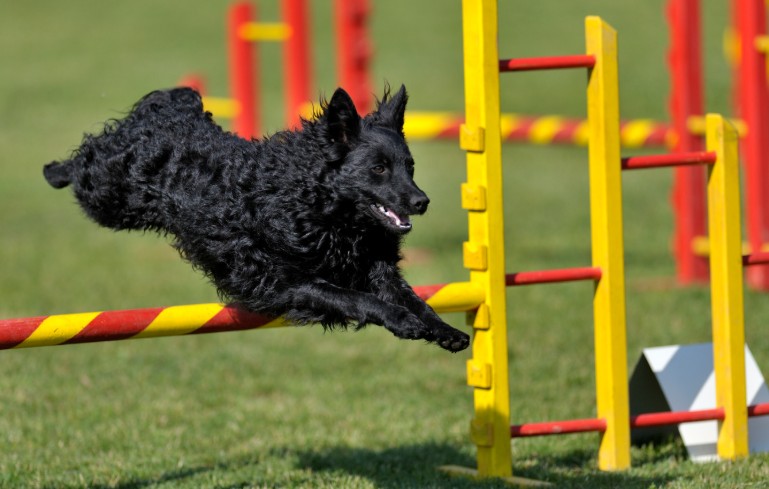
If herding isn’t accessible, agility training provides excellent cognitive and physical engagement. The combination of speed, precision, and handler teamwork appeals perfectly to the Croatian Sheepdog’s strengths. They excel at the rapid direction changes, the tight timing, and the problem-solving required for complex courses. Start slowly to build confidence and prevent injury, but don’t be surprised when your dog catches on frighteningly fast.
Benefits of Different Activity Types:
- Herding: Authentic drive outlet, builds handler partnership, satisfies genetic purpose
- Agility: Speed work, problem-solving, teamwork, confidence building
- Nose Work: Calming, sustained focus, natural behavior outlet, builds off-switch
- Rally Obedience: Precision training, impulse control, structured engagement
- Treibball: Urban herding alternative, strategic thinking, drive management
- Swimming: Low-impact exercise, cooling in hot weather, full-body workout
- Trick Training: Mental engagement, creativity, bonding without high arousal
Nose work and scent detection offer a different but equally valuable outlet. Unlike the high-speed demands of herding and agility, scent work requires sustained focus, methodical searching, and impulse control. These activities engage your dog’s brain without ramping up their arousal, making them perfect for building that crucial off-switch. The beauty of scent work is that it’s self-reinforcing—finding the scent is its own reward, requiring no toys or food to maintain motivation.
Structured vs. Free Activity
Here’s where many Croatian Sheepdog guardians go wrong: they assume their dog needs hours of free running to satisfy their exercise requirements. But unstructured activity can actually increase reactivity and hypervigilance in these dogs. When they’re “free,” they’re scanning, tracking movement, and remaining in a state of heightened alertness that exhausts their nervous system without providing cognitive satisfaction.
Structured activity—where you direct the engagement, set the pace, and determine when to start and stop—teaches your dog to work cooperatively rather than self-direct. This doesn’t mean every moment needs formal training, but even play should have structure. Teach your dog to bring the ball back to you and wait before you throw it again, rather than dropping it at their chosen distance and demanding another throw. You’re the initiator and the concluder of activities, not just the servant of their drives.
Balance high-arousal activities with calming pursuits. After an agility session, practice mat relaxation. After a training walk, offer a slow sniffing exploration where there’s no destination, just investigation. This rhythm of arousal and decompression helps your Croatian Sheepdog develop flexibility in their nervous system rather than being stuck in a single mode.
Nutritional Foundations for Cognitive Balance
Feeding the Fast Mind
Your Croatian Sheepdog’s nutrition directly impacts their cognitive function, emotional regulation, and behavioral stability. A brain that processes information at lightning speed requires specific nutritional support to maintain optimal function without sliding into hypervigilance or anxiety.
Key Nutrients for Cognitive Balance:
- High-quality animal proteins: Complete amino acid profiles for neurotransmitter production
- Omega-3 fatty acids (EPA/DHA): Brain health and inflammation reduction
- B vitamins (especially B1): Nervous system function and stress response
- Tryptophan: Supports serotonin production and emotional regulation
- Complex carbohydrates: Sustained glucose for consistent cognitive function
- Antioxidants: Protect brain cells from oxidative stress
- Magnesium: Supports calm nervous system function
- L-theanine: Promotes relaxation without sedation
Protein quality matters enormously. Your dog needs complete amino acid profiles to produce neurotransmitters that regulate mood, focus, and stress response. Look for animal-based proteins as primary ingredients—meat, fish, eggs—rather than plant-based proteins that lack the full amino acid spectrum dogs need. Tryptophan, found in turkey and some fish, supports serotonin production, helping with emotional regulation and the ability to settle.
Omega-3 fatty acids, particularly EPA and DHA from fish sources, support brain health and reduce inflammation that can affect mood and cognitive clarity. You might notice your Croatian Sheepdog thinks more clearly and recovers from stress more quickly when their diet includes quality fish oil or whole fish sources. The anti-inflammatory properties of omega-3s also support joint health, important for a breed with such high activity demands.
B vitamins play crucial roles in nervous system function and stress response. Thiamine (B1), in particular, affects anxiety levels and cognitive clarity. Nutritional deficiencies in B vitamins can manifest as increased reactivity, difficulty focusing, and heightened stress responses—exactly what you want to avoid in an already fast-processing breed.
The Blood Sugar Connection
Here’s something many people don’t realize: unstable blood sugar can create or exacerbate behavioral issues in Croatian Sheepdogs. When blood sugar drops, the body releases stress hormones to mobilize energy. In an already vigilant breed, these stress hormones can trigger increased scanning, reactivity, and impulsive behavior.
Feeding multiple smaller meals rather than one or two large meals helps maintain stable blood sugar throughout the day. Consider offering a small meal or substantial snack mid-day, especially if you notice your dog becoming more reactive or hyperactive in late morning or afternoon. You’re not just feeding their body—you’re supporting their nervous system stability.
Complex carbohydrates from whole food sources provide sustained energy release without the spikes and crashes of simple carbs. Sweet potato, pumpkin, and oats offer steady glucose availability that supports consistent cognitive function. Avoid diets heavy in simple carbohydrates or those with significant grain filler that can create blood sugar instability.
Hydration and Cognitive Function
Dehydration impacts cognitive clarity, focus, and stress tolerance. Your Croatian Sheepdog’s fast processing requires optimal brain function, and even mild dehydration can reduce their ability to regulate emotions and maintain impulse control. Always provide fresh water, and consider offering additional water during and after activities, particularly in warm weather.
Some dogs don’t drink enough because they’re too busy being vigilant or engaged in activity. If your Croatian Sheepdog seems chronically under-hydrated, try adding a small amount of bone broth to their water to increase palatability, or offer water during calm training sessions as both a reward and a hydration opportunity. 🧡
Health Considerations & Longevity
Breed-Specific Health Patterns
Croatian Sheepdogs are generally robust dogs with fewer genetic health issues than many purebred populations. However, understanding their specific vulnerabilities helps you provide proactive care throughout their life.
Health Conditions to Monitor:
- Hip dysplasia: Difficulty rising, reluctance to climb stairs, decreased activity
- Progressive retinal atrophy (PRA): Gradual vision loss, caution in dim light
- Cruciate ligament injuries: Sudden lameness, reluctance to bear weight
- Dental disease: Common in all breeds, requires regular dental care
- Skin conditions: May indicate stress, allergies, or nutritional issues
- Digestive sensitivities: Can be stress-related or dietary
- Obesity: Risk in inactive or overfed dogs
Hip dysplasia can occur in the breed, particularly in lines that haven’t been carefully screened. Responsible breeders perform hip evaluations on breeding stock, but you should remain aware of symptoms: difficulty rising, reluctance to climb stairs, or decreased activity in a previously energetic dog.
Eye conditions warrant attention in Croatian Sheepdogs. Progressive retinal atrophy (PRA) has been documented in some lines, causing gradual vision loss that can profoundly impact a breed that relies so heavily on visual processing. Regular veterinary eye examinations help catch early signs. You might notice your dog becoming more cautious in dim light or having difficulty tracking fast-moving objects if vision problems are developing.
The breed’s intense activity level and athletic build put strain on joints and connective tissues. Cruciate ligament injuries can occur, especially if your dog engages in sudden direction changes without adequate conditioning. Building core strength, maintaining optimal body condition, and ensuring proper warm-up before intense activity all help prevent these injuries.
The Nervous System-Immune System Connection
Here’s something fascinating: chronic stress and hypervigilance don’t just affect behavior—they impact immune function and overall health. A Croatian Sheepdog living in persistent fast-stress mode experiences elevated cortisol levels that suppress immune response, increase inflammation, and accelerate aging at the cellular level.
This means that managing your dog’s behavioral and emotional health isn’t separate from managing their physical health—they’re intimately connected. When you help your Croatian Sheepdog develop an off-switch, teach them to relax, and reduce chronic hypervigilance, you’re not just improving behavior. You’re supporting their immune system, reducing inflammation, and potentially extending both the length and quality of their life.
Stress-Related Health Manifestations:
- Digestive issues: Diarrhea, vomiting, or sensitive stomach without clear medical cause
- Skin problems: Excessive licking, hot spots, or conditions resistant to treatment
- Frequent minor infections: Recurring ear infections, urinary issues
- Poor coat quality: Dull, brittle, or excessive shedding
- Weight fluctuations: Difficulty maintaining healthy weight
- Sleep disturbances: Restless sleep, frequent waking
- Muscle tension: Chronic tightness, particularly in neck and shoulders
Watch for these signs as they may signal that your dog’s nervous system is stuck in overdrive, requiring intervention at the behavioral and emotional level, not just medical treatment.
Exercise-Related Injuries
The Croatian Sheepdog’s enthusiasm and speed can lead to self-inflicted injuries if not properly managed. They’ll run until exhaustion without recognizing their physical limits, particularly during exciting activities. You need to be the governor on their engine, enforcing rest breaks and preventing overexertion.
Young Croatian Sheepdogs are especially vulnerable to growth-related injuries if over-exercised. Their bones and joints are still developing until around 18-24 months, and excessive impact can cause lasting damage. Moderate their activity during this crucial growth period, focusing on controlled exercise rather than unlimited free running or repetitive high-impact activities like excessive jumping.
As your Croatian Sheepdog ages, their mind may remain as sharp as ever while their body begins to slow. This disconnect can be difficult for them—and for you. They want to move at their accustomed speed, but their joints and stamina may no longer support it. Adjust activities to shorter, gentler sessions while maintaining the cognitive engagement they need. Swimming offers excellent low-impact exercise for senior dogs, providing resistance training without joint stress. 🧠
Understanding Reactivity & Motion Sensitivity
The Herding Eye in Modern Context
Your Croatian Sheepdog’s herding heritage becomes particularly evident—and potentially problematic—around fast-moving triggers.
Common Motion Triggers:
- Bicycles and e-bikes
- Skateboards and roller skaters
- Scooters (both motorized and kick)
- Running children or jogging adults
- Cars, especially fast-moving vehicles
- Other dogs running or playing
- Cats or small animals
- Birds taking flight
- Leaves or debris blowing in wind
From their perspective, these are objects that need to be controlled, gathered, or managed. This isn’t aggression, though it can look alarming. It’s predatory motor patterns interrupted—the chase, gather, and nip sequences that would be appropriate for livestock but are deeply inappropriate for modern triggers. Understanding this distinction changes your training approach completely. You’re not addressing an aggression problem; you’re managing a drive redirection issue.
The leash adds a critical frustration component. When your Croatian Sheepdog sees a trigger that activates their herding drive, they want to move toward it, circle it, control it. The leash prevents this, creating what behaviorists call “barrier frustration.” The more they’re prevented from executing the natural sequence, the more frustrated and reactive they become. The barking, lunging, and apparent “aggression” is often frustration with restraint combined with the amplified arousal of a blocked drive.
Leash Reactivity: Prevention and Management
Prevention starts with proper socialization to movement during the critical developmental period. Your young Croatian Sheepdog needs extensive, positive exposure to bikes, joggers, skaters, and other fast-moving triggers while they’re still in the curiosity phase rather than the reaction phase. Create positive associations through distance work—keep your puppy far enough away that they notice but don’t react, then reward calm observation.
Leash Reactivity Prevention Strategies:
- Early, positive exposure to movement triggers (8-16 weeks)
- Maintain distance allowing dog to observe calmly
- Reward attention to you rather than fixation on triggers
- Practice focus/watch me cues in low-distraction environments first
- Use calm, consistent pacing during all walks
- Avoid tension in the leash signaling your own anxiety
- Create positive associations with trigger approach
- Never allow full-intensity reactions to be rehearsed
- Gradually decrease distance as dog shows success
Teach an alternative behavior before reactivity develops. “Watch me” or “focus” cues that redirect attention from triggers to you become invaluable. But here’s the crucial part: these cues only work if taught extensively in low-distraction environments first. Your dog needs hundreds of successful repetitions of “focus” in calm settings before you can expect it to work near a bicycle.
The Invisible Leash principles offer powerful tools for managing leash reactivity. Calm, consistent pacing communicates to your dog that you’re in control of the walk, reducing their perceived need to manage the environment. Clear spatial boundaries—keeping your dog in a specific position relative to you—help them understand their role is to follow, not to scan and control. Smooth transitions between walking and stopping prevent the jerkiness that can elevate arousal.
Creating Distance and Decompression
Distance is your friend when managing reactivity. Your Croatian Sheepdog has a threshold—a distance at which they notice a trigger but can still think clearly and respond to you. Inside that threshold, their reaction is involuntary, driven by nervous system arousal beyond conscious control. Your job is identifying that threshold for each type of trigger and keeping your dog outside it while gradually building their tolerance.
This might mean crossing the street when you see a jogger approaching, or turning around and walking the other direction when a bicycle appears. This isn’t avoiding the problem—it’s preventing rehearsal of reactive behavior while you build alternative responses. Every time your dog reacts, the neural pathways for that reaction strengthen. Every time they remain calm near a trigger, the pathways for calm observation strengthen. You’re sculpting their brain through repeated experience.
After encounters with triggers, even successful ones where your dog remained calm, implement decompression activities. Let them sniff freely for several minutes, allowing their nervous system to downregulate. Sniffing activates the parasympathetic nervous system, helping shift them from vigilance to processing. This recovery time is as important as the initial management of the trigger itself. 🧡
Lifestyle & Environmental Needs
The Ideal Croatian Sheepdog Home
Your Croatian Sheepdog thrives in environments that provide structure, purposeful activity, and clear routines. They struggle in chaotic households where schedules are unpredictable, activity levels swing wildly, and no one provides consistent guidance. This doesn’t mean you need a perfectly calm home, but you do need reliability in the fundamentals.
Space matters, but not in the way many people assume. A Croatian Sheepdog doesn’t need acres of land—they need purposeful activity and mental engagement. A small home with an owner who provides structured training, regular activities, and clear routines will produce a happier dog than a large property with inconsistent handling and no direction. That said, access to safe outdoor space where they can move freely is certainly beneficial.
These dogs form intense bonds with their primary handlers but can struggle with large, rotating groups of people. If your household includes many visitors, frequent changes in residents, or highly variable daily patterns, your Croatian Sheepdog may remain in a state of perpetual vigilance, unable to relax because they can never fully predict what’s coming next. Consider creating a quiet space where your dog can retreat during high-traffic times.
Managing Multi-Dog Households
Croatian Sheepdogs can live successfully with other dogs, but their herding drive and fast processing create specific challenges. They may attempt to herd other dogs, particularly during exciting moments or when play becomes chaotic. This can manifest as circling, nipping at legs or flanks, or intense staring that other dogs may find threatening.
Best Companion Dog Characteristics:
- Calm, confident temperament not easily flustered
- Similar or lower energy level
- Good social skills and clear communication
- Tolerant of intense play styles
- Not resource-aggressive or easily triggered
- Mature adult dogs rather than young puppies
- Non-reactive to herding behaviors
- Able to enforce boundaries appropriately
- Compatible size (similar or larger)
Choose companion dogs carefully. Calm, confident dogs who aren’t easily flustered by intense energy work best. Reactive or anxious dogs tend to amp each other up, creating a feedback loop of arousal and vigilance. Very high-energy dogs may engage in play that’s too intense, keeping your Croatian Sheepdog in a state of constant excitement without developing that crucial off-switch.
Separate feeding, resting, and high-value activities to prevent resource guarding and reduce competition. Your Croatian Sheepdog needs downtime away from other dogs to fully decompress. Even in the most harmonious multi-dog households, each dog should have their own space where they can retreat and truly relax without social pressure.
Environmental Enrichment Beyond Exercise
Mental stimulation is as important as physical exercise for Croatian Sheepdogs—perhaps more so.
Environmental Enrichment Options:
- Puzzle feeders and treat-dispensing toys
- Food-stuffed Kongs (frozen for extended engagement)
- Rotating toy selection for novelty
- Digging boxes filled with sand or dirt
- Tug toys for controlled predatory play
- Elevated resting spots for observation
- Snuffle mats for foraging behavior
- Cardboard boxes to shred (supervised)
- Interactive games like hide-and-seek
- Window perches for safe environmental monitoring
These engage problem-solving abilities and provide calm, focused activity. Rotate toys to maintain novelty, as these intelligent dogs can quickly lose interest in the same objects.
Create a dedicated training area in your home where specific activities happen. This spatial clarity helps your Croatian Sheepdog shift into “work mode” when in that space and “rest mode” when elsewhere. It’s environmental communication—using physical space to guide mental state.
Provide appropriate outlets for natural behaviors. Digging boxes filled with sand or dirt where your dog can excavate freely, tug toys for controlled predatory play, and elevated resting spots where they can observe their territory all satisfy innate needs in appropriate ways. When you provide outlets, you reduce the need for your dog to create their own—often inappropriate—outlets.
Through the NeuroBond approach, we recognize that environment isn’t just physical space—it’s the entire sensory, social, and routine context in which your dog lives. Optimizing this environment isn’t spoiling your dog; it’s setting them up for success by aligning their needs with their reality. 🧠
Adolescence: The Speed Amplifier Phase
When Fast Gets Faster
Croatian Sheepdog adolescence, typically occurring between 6-18 months, can feel like someone suddenly installed a turbocharger in your dog’s already fast processing system. Their physical capabilities are rapidly developing, their drive is intensifying, but their impulse control and emotional regulation haven’t caught up. You get a dog with adult physical abilities, puppy-level self-regulation, and herding drives turned up to maximum.
Common Adolescent Behavioral Changes:
- Sudden reactivity to previously tolerated triggers
- Increased herding attempts toward people and animals
- “Selective hearing” or ignoring familiar cues
- Boundary testing and rule-challenging
- Heightened arousal and difficulty settling
- Increased vocalization and barking
- Greater independence and environmental scanning
- Intensified chase and motion-tracking behaviors
- Fluctuating energy levels day to day
You might notice your previously manageable adolescent suddenly lunging at bicycles they used to ignore, attempting to herd children they previously tolerated, or developing leash reactivity seemingly overnight. This isn’t regression—it’s maturation of drives outpacing maturation of control systems. Their herding instincts are coming online with full force, but their prefrontal cortex (the brain region responsible for impulse control) is still developing.
Risk-taking and boundary-testing increase during this phase. Your adolescent Croatian Sheepdog may start testing whether rules still apply, whether you really mean what you say, and whether they can take environmental management into their own paws. This is normal developmental behavior, but it requires consistent, clear responses. Now is not the time to ease up on structure—it’s the time to reinforce it.
Maintaining Structure Through the Chaos
Double down on foundation training during adolescence. The behaviors you established in puppyhood need consistent reinforcement, even though your dog may suddenly “forget” them. They haven’t forgotten—they’re testing whether these behaviors still matter in their new developmental phase. Clear, consistent enforcement of existing rules prevents your adolescent from deciding they’re now in charge of environmental management.
Increase appropriate outlets for their intensifying drives. If your adolescent Croatian Sheepdog suddenly seems “extra,” they probably need more purposeful activity. This isn’t just more exercise—it’s more structured engagement that channels their herding drives, problem-solving needs, and physical energy into appropriate contexts. Adolescence is an excellent time to begin formal herding training or advance in agility work.
Expect and manage the energy fluctuations. Some days your adolescent will seem calm and focused; other days they’ll act like they’ve never learned anything in their life. Hormonal changes create this variability. Rather than getting frustrated, adjust your expectations and management for where your dog is on any given day. Higher-energy days might require more decompression work and fewer challenging environments.
The Critical Partnership Decision
Adolescence is when your Croatian Sheepdog decides what kind of partner you are. If you’re consistent, clear, and reliable, they’ll learn to trust your guidance and defer to your decision-making. If you’re inconsistent, emotionally variable, or unclear in your expectations, they’ll decide they need to manage things themselves because you’re not reliable.
This isn’t about dominance—it’s about trustworthiness. Your adolescent Croatian Sheepdog is asking, “Can I relax and follow your lead, or do I need to take charge myself?” Your answer comes through your actions, not your words. Every time you follow through on a cue, maintain consistent boundaries, and provide clear guidance, you’re answering “yes, you can trust me.” Every time you’re inconsistent or unclear, you’re answering “no, you’re on your own.”
Soul Recall moments during adolescence—those instances where your dog checks in with you despite distraction, returns when called despite temptation, or looks to you for guidance in novel situations—are precious indicators that your partnership is developing well. Acknowledge and reward these moments heavily. They’re your dog choosing connection over independence, and that choice becomes the foundation of your adult relationship. 🧡
Senior Care: When the Mind Stays Fast but the Body Slows
The Cognitive-Physical Disconnect
One of the most challenging aspects of aging Croatian Sheepdogs is that their mental processing often remains sharp even as physical capabilities decline. They still want to move at lightning speed, still process information rapidly, still feel those herding drives. But their joints may hurt, their stamina decreases, and their recovery from exertion takes longer.
This disconnect can create frustration for your senior dog. They might attempt their usual activities, only to tire quickly or experience pain afterward. Some dogs become anxious or depressed when they can’t perform at their accustomed level. Your role is helping them adapt to their changing capabilities while maintaining cognitive engagement and quality of life.
Modify activities rather than eliminating them. If your senior Croatian Sheepdog loved agility, transition to lower jumps and slower pacing, or shift to nose work that provides cognitive challenge without physical demand. If they loved long hikes, break them into shorter, more frequent walks. The goal is maintaining purposeful activity at a level their body can sustain.
Cognitive Stimulation for Aging Minds
Even if physical activity must decrease, mental stimulation remains crucial. Senior Croatian Sheepdogs need their brains engaged to maintain cognitive health and prevent decline. Food puzzles, scent games, and gentle training sessions all provide this engagement without physical stress.
Signs of Cognitive Dysfunction Syndrome (CDS):
- Disorientation in familiar spaces or getting “lost” at home
- Changes in sleep-wake cycles (sleeping during day, awake at night)
- Decreased interest in social interaction or family activities
- House soiling in previously trained dogs
- Staring at walls or into space
- Difficulty recognizing familiar people or pets
- Increased anxiety, especially in new situations
- Forgetting previously learned commands or routines
- Wandering aimlessly without purpose
Watch for these signs—early intervention with environmental management, dietary supplements (particularly those supporting brain health), and veterinary care can slow progression.
Maintain routines with your senior dog. The predictability that always benefited your Croatian Sheepdog becomes even more important as they age. Consistent meal times, regular gentle activities, and familiar patterns help aging dogs feel secure and reduce anxiety that can accompany cognitive changes.
Pain Management and Quality of Life
Chronic pain dramatically affects behavior and quality of life in senior dogs. Your aging Croatian Sheepdog may become irritable, withdraw from interaction, or show increased anxiety—all potential indicators of pain. Work with your veterinarian to develop a comprehensive pain management plan that might include medications, supplements, physical therapy, or alternative approaches like acupuncture.
Joint Support Strategies for Seniors:
- Glucosamine and chondroitin supplementation
- Omega-3 fatty acids for inflammation reduction
- Maintain optimal body condition (avoid excess weight)
- Orthopedic bedding for comfortable rest
- Ramps or steps for accessing furniture or vehicles
- Non-slip flooring to prevent falls
- Gentle massage and physical therapy
- Low-impact exercise like swimming
- Pain medication as prescribed by veterinarian
- Regular monitoring and veterinary assessment
Joint support becomes paramount. Maintain optimal body condition—excess weight accelerates joint deterioration and creates unnecessary strain. Provide orthopedic bedding and ensure your dog can access favorite resting spots without jumping or climbing if joints are compromised.
Regular veterinary monitoring increases in importance. Senior dogs should see their veterinarian at least twice yearly for comprehensive examinations. Early detection of age-related conditions allows for earlier intervention and better outcomes. Blood work, blood pressure monitoring, and other diagnostics help catch problems before they become severe.
The Emotional Needs of Aging
Your senior Croatian Sheepdog still needs emotional connection and purpose, even if their activity level has decreased. They’ve spent their life processing information rapidly and engaging purposefully with their environment. Simply being retired to gentle walks and sleeping isn’t emotionally satisfying for most.
Continue training in whatever capacity they can manage. Even brief sessions practicing basic cues provide mental engagement and maintain that working partnership. Your senior dog can still learn new things—it may just take longer or require more patience. The cognitive engagement benefits them regardless of the practical utility of what they’re learning.
Maintain social connections but respect increasing need for quiet. Some senior dogs become less tolerant of chaos, noise, or young dogs’ energy. Provide them with peaceful spaces where they can rest without disturbance, while still including them in family activities when they show interest.
As your Croatian Sheepdog enters their final years, the lightning-fast mind that defined their youth may dim, but the soul that connected with yours remains. The partnership you built through clarity, consistency, and trust continues, transformed by age but unbroken by it. That balance between science and soul—that’s the essence of Zoeta Dogsoul. 🧠
Living with Lightning: Is This Breed Right for You?
The Commitment You’re Making
Choosing a Croatian Sheepdog means committing to life with a mind that never truly rests. These dogs don’t do casual pet ownership well.
Ideal Croatian Sheepdog Owner Characteristics:
- Genuinely enjoys active daily partnership with their dog
- Appreciates and can manage high intelligence and anticipation
- Has experience with herding or working breeds
- Provides consistent structure and clear boundaries
- Engages in dog sports, training, or purposeful activities
- Maintains predictable routines and expectations
- Home most of the day or can provide adequate engagement
- Patient with behavioral management and training needs
- Financially prepared for training classes and activities
- Willing to learn specialized handling techniques
They need purpose, structure, clear guidance, and humans who understand that their speed is both their greatest gift and their primary challenge. If you’re looking for a dog who will be content with occasional walks and otherwise ignore you, this isn’t your breed.
You need to genuinely enjoy active partnership with your dog. Croatian Sheepdogs thrive with owners who participate in activities together—training, sports, work, or structured play. They want to do things with you, not just exist alongside you. This isn’t clingy neediness; it’s working partnership embedded in their nature.
You must provide consistent leadership. This doesn’t mean harsh discipline or dominance—it means clear communication, reliable boundaries, and follow-through on expectations. Your Croatian Sheepdog needs to trust that you’ll manage environmental challenges so they can relax rather than taking everything upon themselves.
The Rewards of Partnership
When you get it right with a Croatian Sheepdog, the rewards are extraordinary. These dogs offer loyalty that borders on telepathic understanding. They read you with the same intensity they read everything else, learning your routines, your emotions, your intentions before you’ve fully formed them. That intimacy creates a partnership unlike any other breed.
Their intelligence and speed make training deeply satisfying for owners who appreciate the challenge. You’re not dealing with a dog who needs hundreds of repetitions to learn something—you’re working with a mind that grasps concepts quickly and can perform at high levels with proper guidance. This creates opportunities for advanced training, competitive sports, or complex working roles.
The humor and personality of Croatian Sheepdogs often surprises people expecting a purely serious working dog. These dogs can be playful, quirky, and entertaining. Their intensity doesn’t preclude joy—it amplifies it. When a Croatian Sheepdog plays, they play with full commitment. When they bond, they bond completely. This wholehearted engagement with life is contagious.
When This Breed Isn’t the Right Choice
Situations Where Croatian Sheepdogs Struggle:
- Highly variable, unpredictable, or chaotic lifestyles
- Frequent changes in routine, housing, or household composition
- Away from home for long hours regularly (8+ hours daily)
- First-time dog owners with no working breed experience
- Households wanting a “low maintenance” pet
- Homes with very young children (under 5) as primary focus
- Apartment living without significant daily activity outlets
- Owners seeking a social “dog park regular
- Environments with constant high activity and no quiet space
- Guardians unable to commit to ongoing training and management
If your lifestyle is highly variable, unpredictable, or chaotic, a Croatian Sheepdog will struggle. They need consistency and structure to feel secure enough to relax. Frequent changes in routine, housing, or household composition create chronic stress for these dogs.
If you’re away from home for long hours regularly, this breed will likely develop behavioral issues. Croatian Sheepdogs don’t cope well with prolonged isolation and boredom. They need daily structured engagement, training, and activity. A dog walker providing a 30-minute midday walk isn’t sufficient for meeting their needs.
If you’re looking for a dog who naturally gets along with everyone and everything, consider other breeds. Croatian Sheepdogs can learn appropriate social behavior, but their herding drives and intensity around movement create challenges. They’re not typically the “best friend” to every dog at the park or the tolerant family pet who lets children crawl all over them.
Final Reflections
The Croatian Sheepdog represents centuries of selection for cognitive speed, physical agility, and intense working drive. In the right hands, these qualities create an exceptional partner. In the wrong context, they create a frustrated, anxious, reactive dog whose needs aren’t being met.
Before bringing a Croatian Sheepdog into your life, honestly assess whether you can provide what they need—not just what you want from a dog. These dogs don’t exist to fulfill your image of pet ownership; they have inherent needs that must be met for their wellbeing.
If you’re drawn to challenge, partnership, and active engagement with your dog, if you appreciate intelligence and speed, if you’re committed to learning and growing alongside your canine partner, then a Croatian Sheepdog might be your perfect match. Through the NeuroBond approach, you’ll learn to channel their lightning-fast mind into calm cooperation, their intense drives into purposeful activity, and their potential chaos into harmonious partnership.
The Invisible Leash teaches us that the strongest bond doesn’t constrain—it liberates. When your Croatian Sheepdog trusts your guidance completely, they’re freed from the burden of managing everything themselves. That freedom, built on clear communication and consistent leadership, transforms the lightning-fast thinker into the lightning-fast partner. And in those moments of Soul Recall, when your dog chooses you despite every distraction, when their intense gaze softens with trust, when their speed serves cooperation rather than control—that’s when you understand why this challenging breed inspires such devoted loyalty from those who love them.
The journey with a Croatian Sheepdog isn’t easy. But for those willing to walk it with intention, clarity, and respect for the extraordinary mind they’re partnering with, it’s a journey that transforms both dog and human. That’s the promise and the challenge of living with lightning. 🧡