
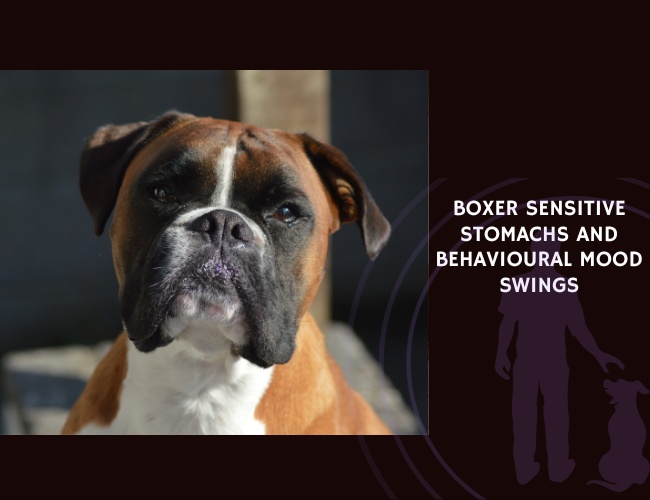
Have you noticed your Boxer shifting from joyful playfulness to restless agitation within hours? Do mood swings, unexplained irritability, or sudden clinginess leave you wondering if it’s temperament or something deeper? What if these emotional rollercoasters aren’t training issues at all—but signals from your furry friend’s sensitive stomach?
The connection between gut health and behaviour is one of the most overlooked yet powerful influences on your Boxer’s emotional world. For this breed, known for exuberant energy and deep sensitivity, understanding the gut-brain axis transforms how we interpret behaviour. This isn’t about questioning your training methods—it’s about recognizing that emotional expression and physical comfort are inseparably linked. 🧡
Understanding the Gut-Brain Connection
Your Boxer’s Second Brain
Did you know that approximately 90% of your dog’s serotonin—the neurotransmitter responsible for mood, impulse control, and emotional stability—is produced in the digestive tract, not the brain? This single fact changes everything about how we understand canine behaviour. When your Boxer’s gut is inflamed or irritated, their ability to regulate emotions and manage stress is directly compromised.
The gut-brain axis operates as a bidirectional communication highway. The vagus nerve serves as the primary messenger, transmitting signals between the digestive tract and the emotional centers of the brain. This means gut inflammation doesn’t stay local—it sends distress signals that affect mood, cognition, and stress tolerance throughout your Boxer’s entire nervous system.
Key Communication Pathways:
- Serotonin production in the gut directly influences mood regulation and emotional responses
- The vagus nerve transmits real-time distress signals from gut to brain
- Gut inflammation triggers neuroinflammation in emotional processing centers
- Microbiome composition determines stress hormone levels and neurotransmitter availability
- Chronic digestive discomfort creates conditioned behavioural responses to pain
Think about the last time your Boxer seemed inexplicably irritable. Did their stool consistency change that day? Was there gas or bloating you dismissed as normal? These physical symptoms often precede emotional shifts because the same internal systems are being disrupted. Through the NeuroBond approach, we understand that behaviour cannot be separated from biology—your Boxer isn’t choosing to be difficult, they’re expressing internal discomfort through the only language they have. 🐾
Next, we’ll explore why Boxers face unique digestive vulnerabilities that make them particularly susceptible to these gut-brain disruptions.
Why Boxers? Breed-Specific Digestive Vulnerability
The Boxer’s Sensitive System
Boxers carry a genetic predisposition that makes them particularly vulnerable to digestive challenges. While many breeds experience occasional stomach sensitivity, Boxers are overrepresented in cases of food intolerance, chronic colitis, irritable bowel syndrome (IBD), and inflammatory gut conditions. This isn’t coincidence—it’s written into their biology.
The Boxer’s anatomical profile creates what we might call a “perfect storm” for gut-related mood disruptions. Their sensitive gut lining, combined with faster stomach motility and a tendency toward higher inflammatory responses, means that minor dietary indiscretions can trigger significant digestive distress. What another breed might handle easily becomes a major challenge for your Boxer’s system.
Boxer-Specific Vulnerabilities Include:
- Sensitive gut lining more prone to irritation and inflammation
- Faster stomach motility leading to incomplete digestion and nutrient malabsorption
- Genetic predisposition to food sensitivities and allergic reactions
- Higher baseline inflammatory response throughout the body
- Increased susceptibility to stress-induced digestive upset
- Greater risk of developing chronic gastrointestinal conditions
The Conditioning Effect
When digestive discomfort becomes chronic, something profound happens in your Boxer’s nervous system. They begin to associate certain situations, environments, or emotional states with physical pain. This conditioning isn’t conscious—it’s neurological. A Boxer who repeatedly experiences gut pain during separation may develop what appears to be separation anxiety, when the real trigger is anticipation of physical discomfort. 🧠
This is where traditional behavioural training often falls short. You can’t train away inflammation or command a balanced microbiome. The Invisible Leash reminds us that true guidance comes from understanding and addressing the internal state that drives behaviour. When your Boxer’s gut is in distress, no amount of obedience work will resolve the underlying cause of their reactivity or restlessness.
Next, we’ll explore how specific gastrointestinal symptoms translate into recognizable behavioural changes.
Gastrointestinal Disturbances and Emotional Expression
When Physical Discomfort Becomes Behaviour
Gas, bloating, malabsorption, and gut pain aren’t just physically uncomfortable—they’re emotionally destabilizing. When your Boxer experiences these symptoms, their stress tolerance plummets, emotional regulation falters, and behaviour transforms in ways that can be baffling. The gut produces neurotransmitters and hormones that directly influence mood, so when digestive function is compromised, the entire emotional landscape shifts.
Low serotonin levels, influenced by poor gut health, are associated with depressed mood, poor memory, and reduced stress resilience. Meanwhile, gut hormones like peptide YY (PYY) and neuropeptide Y (NPY) play essential roles in regulating emotional responses. These chemical messengers can either support or undermine your Boxer’s ability to process emotions calmly.
Behavioural Signs of Gastrointestinal Distress:
- Increased reactivity to normal stimuli (sounds, movements, other dogs)
- Restlessness and inability to settle, even in familiar safe environments
- Exaggerated seeking of physical contact or reassurance
- Vocalization without apparent external trigger (whining, barking, groaning)
- Pacing, jumping, or other displacement behaviours
- Sudden irritability or unpredictable mood shifts
- Reduced tolerance for handling or physical interaction
- Heightened anxiety during previously routine activities
Recognizing the Pattern
Your Boxer might externalize gut-related tension through excessive vocalization that seems disproportionate to the situation. They might jump repeatedly, pace without purpose, or become desperately clingy, following you from room to room. These aren’t signs of poor training—these are your dog’s attempts to communicate internal physical discomfort that they cannot articulate any other way.
Consider the Boxer who becomes suddenly “reactive” on walks, lunging at other dogs or startling at unexpected sounds. Before labeling this as a behavioural problem requiring correction, ask whether underlying gut inflammation might be making their nervous system hypersensitive. When the body exists in internal distress, the threshold for external triggers drops dramatically. 🐾
Next, we’ll examine how chronic inflammation can mimic classic behavioural problems.
When Inflammation Mimics Behavioural Problems
The Hidden Biological Trigger
One of the most challenging aspects of the gut-brain connection is how effectively gut inflammation can mimic classic behavioural problems. Separation distress, noise sensitivity, reactivity toward other animals, and generalized anxiety can all have roots in chronic gut inflammation rather than purely psychological causes. This is why addressing behaviour without considering biology often leads to frustration for both you and your Boxer.
Low-grade systemic inflammation plays a key role in altering brain activity, behaviour, and emotional responses. Research on inflammatory bowel disease shows that inflammation-associated changes in gut microbiota can induce anxiety and depression-like behaviours, as well as visceral hypersensitivity—meaning your Boxer’s body becomes more sensitive to internal sensations and pain signals.
Inflammation-Driven Behaviours That Mirror Psychological Issues:
- Separation distress that seems disproportionate to the duration of absence
- Noise sensitivity and exaggerated startle responses to everyday sounds
- Reactivity toward other dogs or people during walks or social situations
- Generalized anxiety in previously confident dogs
- Reduced impulse control and difficulty maintaining focus
- Increased territoriality or protective behaviours around resources
- Withdrawal from social interaction or play
The Neurological Reality
When your Boxer’s immune system constantly responds to digestive irritation, their brain exists in a state of heightened alert. Neuroinflammation—inflammation that reaches the brain—affects regions responsible for emotional processing, threat assessment, and stress response. Your dog isn’t choosing to be difficult; their biology is sending false alarms that the world is more dangerous than it actually is.
This is why punishment-based training often backfires with Boxers experiencing gut-related behavioural changes. Adding stress to an already dysregulated nervous system compounds the problem. What these dogs need is comprehensive support that addresses both physical discomfort and emotional safety. Through moments of Soul Recall, we recognize how emotional memory and physical experience intertwine—how your dog remembers not just events, but the sensations and discomfort that accompanied them. 🧡
Next, we’ll explore the critical role of diet and nutrition in Boxer mood regulation.

Nutrition’s Direct Impact on Boxer Mood and Behaviour
Food as Medicine—or Trigger
The phrase “you are what you eat” applies profoundly to your Boxer’s emotional state. Diet doesn’t just affect physical health—it directly influences mood, stress tolerance, and behavioural stability through multiple pathways. When we examine the gut-brain axis, nutrition emerges as perhaps the most powerful tool for supporting emotional regulation.
Certain dietary components can trigger inflammatory responses that cascade through your Boxer’s entire system. Common allergens like wheat, corn, soy, and certain proteins can cause gut irritation that manifests as behavioural changes hours or even days after consumption. The inflammatory response doesn’t happen in isolation—it affects neurotransmitter production, stress hormone balance, and overall nervous system regulation.
Dietary Triggers for Boxer Mood Instability:
- Common allergens (wheat, corn, soy, dairy) causing inflammatory gut responses
- Low-quality proteins that are difficult to digest and absorb
- Artificial additives, preservatives, and colorings affecting neurotransmitter balance
- High-carbohydrate meals causing blood sugar spikes and crashes
- Insufficient fiber leading to poor gut motility and microbiome imbalance
- Omega-6 to omega-3 ratio imbalance promoting systemic inflammation
The Blood Sugar Connection
While research doesn’t directly link unstable glucose levels to canine mood swings, the broader understanding of metabolic stability and brain function suggests a strong connection. The brain requires stable energy supply to maintain emotional regulation. When your Boxer experiences blood sugar fluctuations from high-carbohydrate or poorly balanced meals, it can contribute to hyperactivity, sudden irritability, or energy crashes that look like mood swings.
You might notice your Boxer becoming hyperactive or reactive within 30-60 minutes of eating, then crashing into lethargy or irritability later. This pattern often indicates that diet is affecting not just digestion, but the entire nervous system’s ability to maintain equilibrium. 🧠
Next, we’ll examine how the microbiome acts as a control center for emotional stability.
Microbiome Disruption and Nervous System Sensitivity
The Ecosystem Within
Your Boxer’s gut contains trillions of microorganisms—bacteria, fungi, and other microbes—that form a complex ecosystem called the microbiome. This isn’t just about digestion; the microbiome is a powerful regulator of stress responses, neuroinflammation, and overall emotional health. When this ecosystem falls out of balance (a condition called dysbiosis), the consequences ripple through your dog’s entire nervous system.
The gut microbiota acts as a key regulator of stress and neuroinflammation. These microscopic residents produce neurotransmitters, influence immune function, and even communicate directly with the brain through the vagus nerve. When the microbiome is disrupted, your Boxer’s ability to process stress, regulate emotions, and maintain behavioural stability is fundamentally compromised.
Effects of Microbiome Imbalance on Boxer Behaviour:
- Increased susceptibility to anxiety and fear responses
- Over-excitement and difficulty calming down after stimulation
- Emotional hypersensitivity to environmental changes
- Skin irritation and chronic itching affecting comfort and focus
- Inconsistent stool quality indicating ongoing digestive stress
- Reduced stress tolerance in previously manageable situations
- Altered emotional expressiveness and mood volatility
Supporting Microbiome Health
Research provides strong support for dietary interventions that modulate the gut microbiota. Prebiotics (fiber that feeds beneficial bacteria), probiotics (beneficial bacteria themselves), and fermented foods have shown preliminary support for improving mood, stress responses, and anxiety levels. While specific studies on Boxer populations may be limited, the general mechanisms apply universally.
A diverse prebiotic fiber blend, combined with strain-specific probiotics, can help restore microbiome balance and subsequently improve emotional stability. Fermented foods like kefir or fermented vegetables (in appropriate amounts) introduce beneficial bacteria while also providing nutrients that support gut lining integrity. The goal is creating an internal environment where beneficial microbes thrive, supporting rather than undermining your Boxer’s emotional regulation. 🐾
Next, we’ll address how owners often misinterpret biology-driven behaviour as training problems.
Sensitive. Stressed. Signaling.
Mood mirrors digestion. In Boxers, gut discomfort doesn’t stay in the body—it travels through the nervous system, turning physical tension into emotional turbulence.
Inflammation feels like irritability. When serotonin drops and stress signals rise, joy gives way to clinginess, agitation, or restlessness—not misbehavior, but internal distress speaking out.



Behaviour is a messenger. When the stomach settles, so does the mind. Emotional balance begins where comfort does—in the gut.
Human Misinterpretation: Behaviour vs. Biology
The Attribution Error
How often do we mistake discomfort-driven behavioural changes for “bad attitude,” dominance issues, separation anxiety, or training failures? The biological underpinnings of behaviour—particularly those related to the gut-brain axis—create significant potential for misinterpretation. When your Boxer displays restlessness, irritability, or clinginess, the instinct is often to assume it’s a training problem or personality flaw rather than a physiological cry for help.
Strong evidence shows that gut disturbances lead to altered emotional behaviour, anxiety, and depression-like states. Yet veterinary visits and behavioural consultations frequently focus on behaviour modification without screening for chronic digestive sensitivity or inflammatory markers. This gap in holistic assessment means many Boxers receive training interventions for what are fundamentally biological problems.
Commonly Misinterpreted Behaviours:
- Restlessness and pacing labeled as “hyperactivity” or poor training
- Clinginess and following behaviour seen as “dominance” or “separation anxiety”
- Irritability and snapping dismissed as “attitude problems” or aggression
- Reduced obedience interpreted as “stubbornness” rather than discomfort
- Reactivity on walks viewed as “lack of socialization” rather than nervous system sensitivity
- Difficulty settling labeled as “attention-seeking” rather than internal distress
The Need for Holistic Screening
When your Boxer displays behavioural changes, comprehensive assessment should include screening for digestive sensitivity, inflammatory markers, and microbiome health alongside traditional behavioural evaluation. Inflammation and organ stress impact cognitive functioning and mood—these aren’t separate systems but interconnected aspects of your dog’s wellbeing.
Emotional support behaviours like being needy, over-affectionate, or restless can indicate somatic stress rather than temperament alone. Your Boxer may be attempting to communicate physical discomfort through the only means available—increased proximity-seeking, vocalization, or restless movement. Recognizing these signals as potential biological distress rather than training deficits transforms how we respond. 🧡
Next, we’ll explore integrated nutritional and behavioural support strategies.
NeuroBond-Based Nutritional Behaviour Support
Integrating Biology and Behaviour
Supporting your Boxer’s wellbeing requires recognizing that nutrition, inflammation control, and emotional regulation aren’t separate issues—they function as one interconnected system. The microbiota-gut-brain axis underscores that modulating gut health is a strategy for supporting nervous system function. When we address nutrition, we’re simultaneously addressing the biological foundation for stable behaviour.
Emotional pacing, clear routines, and calm feeding rituals work synergistically with nutritional interventions to reduce anxiety and digestive instability. The gut-brain axis highlights that emotional and cognitive centers are linked to digestive function. Strategies that reduce stress and promote emotional stability positively impact gut health, which in turn supports better emotional regulation—creating a beneficial feedback loop.
Creating Supportive Feeding Routines:
- Consistent meal times that establish predictable rhythm and reduce anticipatory stress
- Calm, quiet feeding locations free from competition or environmental stimulation
- Slow feeding methods (puzzle feeders, slow bowls) that promote thorough digestion
- Pre-meal calming rituals that signal safety and reduce cortisol levels
- Post-meal rest periods allowing optimal digestion without activity stress
- Separation of feeding from high-energy play or training sessions
The Power of Predictability
Predictable feeding rhythm—consistent timing, location, and calm energy—supports what we might call “emotional digestion.” The gut microbiota is a key regulator of stress, and stress is a known factor influencing microbiome health and neuroinflammation. Creating a predictable routine minimizes stress, which indirectly supports optimal digestive function and contributes to behavioural balance by fostering security and reducing physiological arousal.
You might notice that on days when feeding routines are disrupted—meals at irregular times, eating in chaotic environments, or rushing immediately into activity—your Boxer’s behaviour deteriorates. This isn’t coincidence; the nervous system and digestive system are responding to the lack of structural support and emotional safety. 🧠
The Holistic Approach
Can Boxer behaviour improve when nutrition, inflammation control, and emotional regulation are treated as one system? Absolutely. Research consistently shows that modulation of the gut microbiota can be a strategy for supporting nervous system function, that inflammation impacts mood and cognition, and that gut health influences emotional-affective behaviour. A holistic approach that integrates nutrition (prebiotics, probiotics, anti-inflammatory foods), inflammation control (elimination of triggers, omega-3 supplementation), and emotional regulation strategies (routine, calm energy, secure attachment) is essential for achieving significant and lasting behavioural improvements.
This integrated approach acknowledges that behavioural issues often have biological roots that must be addressed comprehensively. You can’t train your way out of inflammation, and you can’t supplement your way out of chronic stress—but when you address both simultaneously, you create conditions for genuine transformation. 🐾
Next, we’ll provide practical dietary recommendations for Boxer gut health.
Practical Dietary Recommendations for Boxer Gut Health
Building a Gut-Supportive Diet
Implementing dietary changes that support your Boxer’s gut-brain axis doesn’t require perfection—it requires consistent attention to quality, balance, and individual response. Every Boxer is unique, and what triggers inflammation in one may be well-tolerated by another. The key is systematic observation and adjustment based on your dog’s specific responses.
Start by identifying and eliminating common inflammatory triggers. Many Boxers show dramatic behavioural improvements simply by removing wheat, corn, soy, and conventional dairy from their diet. These ingredients frequently cause low-grade inflammation that accumulates over time, gradually degrading both gut health and emotional stability.
Core Dietary Principles for Boxer Gut Health:
- High-quality, easily digestible protein sources (novel proteins if allergies are suspected)
- Limited ingredient formulations reducing potential trigger exposure
- Adequate prebiotic fiber from sources like sweet potato, pumpkin, and leafy greens
- Anti-inflammatory omega-3 fatty acids from fish oil or algae-based sources
- Minimal processing and artificial additives
- Appropriate meal frequency (2-3 smaller meals rather than one large meal)
- Consistent protein and fat ratios preventing digestive adaptation stress
Probiotic and Prebiotic Integration
Consider incorporating strain-specific probiotics designed for canine gut health. Look for multi-strain formulations containing Lactobacillus and Bifidobacterium species, which have shown particular promise in supporting microbiome diversity and reducing inflammation. Prebiotics—the fiber that feeds beneficial bacteria—are equally important and can be provided through whole food sources like chicory root, Jerusalem artichoke, or supplemental inulin.
Fermented foods offer both probiotics and beneficial metabolites that support gut lining integrity. Small amounts of kefir (goat or coconut-based if dairy-sensitive), fermented vegetables, or specially formulated canine fermented foods can be gradually introduced. Start with tiny amounts and increase slowly, watching for any digestive upset or behavioural changes.
Monitoring and Adjustment
Keep a simple log tracking meals, stool quality, and behavioural observations. Note patterns like increased reactivity following specific ingredients, improved calmness after dietary changes, or correlations between digestive symptoms and mood shifts. This information becomes invaluable for identifying your Boxer’s specific triggers and tolerance thresholds. 🧡
Next, we’ll explore how to recognize the signs that gut health is improving.
Recognizing Improvement: Signs of Gut-Brain Healing
The Journey Toward Balance
When gut health improves, you’ll notice changes that extend far beyond digestive symptoms. The gut-brain connection means that healing happens simultaneously across physical, emotional, and behavioural dimensions. Understanding what to watch for helps you recognize progress and stay motivated through the gradual process of nervous system regulation.
Initial improvements often appear subtle. You might notice your Boxer settles more easily after meals, or that their reactivity on walks decreases slightly. These small shifts indicate that internal inflammation is reducing and nervous system sensitivity is beginning to normalize. Healing isn’t linear—there will be better days and setback days—but the overall trajectory should move toward greater stability.
Physical Signs of Improving Gut Health:
- More consistent stool quality with formed, well-shaped stools
- Reduced gas, bloating, and digestive sounds
- Decreased frequency of vomiting or regurgitation
- Improved skin condition with less itching or redness
- Better coat quality and reduced shedding
- More stable energy levels throughout the day
- Improved appetite regulation without food obsession
Behavioural and Emotional Improvements:
- Increased stress tolerance in previously triggering situations
- Ability to settle and relax more readily
- Reduced reactivity to environmental stimuli
- More consistent mood without dramatic swings
- Decreased clinginess or separation distress
- Better impulse control and focus during training
- Return of playful engagement and social confidence
- Reduced vocalization and displacement behaviours
The Timeline
Gut healing typically requires 4-8 weeks of consistent dietary and lifestyle modifications before significant improvements become apparent. The gut lining needs time to repair, the microbiome requires weeks to rebalance, and neuroinflammation reduces gradually as inflammatory triggers are eliminated. Patience during this period is essential—premature abandonment of interventions is common but prevents the full healing process from unfolding. 🐾
Some Boxers show rapid response within days, particularly if a specific allergen is eliminated. Others require months of comprehensive support before behaviour stabilizes. Your Boxer’s individual situation—the duration and severity of gut issues, the degree of microbiome disruption, and their overall inflammatory burden—influences the healing timeline.
Next, we’ll discuss when professional veterinary intervention becomes necessary.
When to Seek Veterinary Support
Knowing Your Limits
While dietary and lifestyle modifications support gut health powerfully, some situations require professional veterinary intervention. Recognizing when home management isn’t sufficient protects your Boxer from prolonged suffering and potential complications. The gut-brain connection means that unresolved digestive issues don’t just affect physical comfort—they progressively undermine nervous system function and behavioural stability.
If your Boxer shows persistent digestive symptoms despite dietary modifications, comprehensive veterinary assessment becomes essential. Chronic conditions like inflammatory bowel disease, exocrine pancreatic insufficiency, or significant food allergies require diagnosis and potentially medical management alongside nutritional support.
Red Flags Requiring Veterinary Attention:
- Bloody or black stools indicating potential bleeding
- Persistent vomiting or diarrhea lasting more than 24-48 hours
- Significant weight loss despite adequate food intake
- Extreme lethargy or withdrawal from normal activities
- Visible abdominal pain or distension
- Refusal to eat for extended periods
- Aggressive behavioural changes that seem sudden and severe
- Dehydration signs (dry gums, skin tenting, sunken eyes)
Diagnostic Approaches
Request comprehensive screening that includes complete blood count, chemistry panel, and thyroid function, as these provide baseline information about inflammation, organ function, and metabolic status. Consider asking about fecal testing for parasites, bacterial overgrowth, and microbiome analysis. In cases of suspected IBD or chronic colitis, endoscopy with biopsy may be necessary for definitive diagnosis.
Don’t hesitate to discuss the behavioural components with your veterinarian. Many vets are increasingly aware of the gut-brain connection and may recommend integrated approaches that address both digestive health and nervous system support. If your vet doesn’t consider this connection, seeking a veterinarian with integrative or holistic training may provide more comprehensive care. 🧠
Next, we’ll explore long-term lifestyle strategies for maintaining Boxer gut-brain health.
Long-Term Lifestyle Strategies for Gut-Brain Wellness
Building Sustainable Habits
Supporting your Boxer’s gut-brain health isn’t a temporary intervention—it’s a lifestyle commitment that becomes easier and more intuitive over time. Once you’ve identified triggers, established supportive routines, and witnessed the connection between physical comfort and behavioural stability, maintaining these practices becomes second nature.
Long-term success requires building systems that don’t depend on perfect execution every day. Life happens, routines occasionally get disrupted, and that’s okay. The goal is establishing strong enough baseline habits that temporary deviations don’t cause complete regression. Your Boxer’s system develops resilience when consistently supported over months and years.
Sustainable Daily Practices:
- Consistent meal times with minimal variation (within 30-60 minutes)
- High-quality, trigger-free diet maintained as the foundation
- Regular probiotic supplementation integrated into daily routine
- Stress management through adequate exercise, mental stimulation, and rest
- Environmental stability with predictable schedules and calm household energy
- Ongoing observation of stool quality, energy levels, and behavioural patterns
- Periodic “check-ins” to reassess diet effectiveness and adjust as needed
Seasonal and Life Stage Considerations
Your Boxer’s gut health needs may shift with seasons, life stages, and circumstances. Stress periods—holidays, moves, new family members—may temporarily require additional support through increased probiotics, more structured routines, or even brief return to simpler limited-ingredient diets. Senior Boxers often need adjusted fiber levels, more frequent smaller meals, and additional digestive enzyme support.
Remain flexible and responsive to your individual dog’s changing needs. What worked perfectly at age three may require modification at age seven. The principles remain constant—support the gut to support the brain—but the specific implementation evolves. 🐾
The Ripple Effect
As you consistently support your Boxer’s gut-brain health, you’ll likely notice benefits extending beyond behaviour. Improved immune function, better dental health, healthier skin and coat, and increased longevity are all connected to the fundamental wellbeing created by a healthy gut ecosystem. The investment you make in understanding and supporting this system pays dividends across your Boxer’s entire life.
Next, we’ll conclude with final thoughts on the integrated approach to Boxer wellbeing.
Conclusion: Is This Approach Right for Your Boxer?
Bringing It All Together
Understanding the gut-brain connection transforms how we interpret and address Boxer behaviour. When we recognize that mood swings, reactivity, clinginess, and irritability may have biological roots in digestive distress, we shift from blame and frustration to compassion and effective intervention. Your Boxer’s behaviour isn’t separate from their biology—it’s an expression of their internal state, a communication about comfort or discomfort that we must learn to interpret accurately.
The integrated approach we’ve explored—addressing nutrition, inflammation, microbiome health, and emotional regulation as one interconnected system—offers the most powerful path toward genuine behavioural improvement. This isn’t about quick fixes or surface-level symptom management. It’s about creating the biological foundation for stable, regulated behaviour through comprehensive support of the gut-brain axis.
Is this approach right for your Boxer?
Consider whether your dog shows multiple signs suggesting gut-brain dysregulation: unexplained mood swings, inconsistent stool quality, skin irritation, food sensitivities, stress-triggered digestive upset, or behavioural changes that don’t respond to training alone. If these patterns resonate, investigating and supporting gut health becomes not just beneficial but essential for your Boxer’s wellbeing.
The Path Forward Includes:
- Elimination of dietary triggers and inflammatory ingredients
- Integration of probiotics, prebiotics, and gut-supportive nutrients
- Establishment of calm, predictable feeding routines
- Comprehensive veterinary screening when symptoms persist
- Patience with the 4-8 week healing timeline
- Ongoing observation and adjustment based on individual response
- Recognition that behaviour reflects internal biological state
Final Thoughts
That balance between science and soul—between understanding the neurochemistry of the gut-brain axis and honoring the emotional experience of your Boxer—that’s the essence of Zoeta Dogsoul. When we approach behaviour with curiosity rather than judgment, with willingness to investigate biological factors rather than assuming training failures, we open pathways to genuine healing and deeper connection with our furry friends.
Your Boxer’s sensitive stomach and mood swings aren’t character flaws or training challenges alone—they’re invitations to look deeper, to understand the profound ways that physical comfort shapes emotional expression, and to provide the comprehensive support that allows your dog’s true, balanced nature to emerge. You’re not alone in this journey, and the improvements possible through integrated gut-brain support can be truly transformative. 🧡
Every small step toward better gut health is simultaneously a step toward better behavioural stability, emotional regulation, and quality of life. Your commitment to understanding this connection and implementing supportive changes demonstrates the kind of informed, compassionate care that every Boxer deserves. The path may require patience, but the destination—a calmer, more balanced, healthier furry friend—is absolutely worth the journey.










