
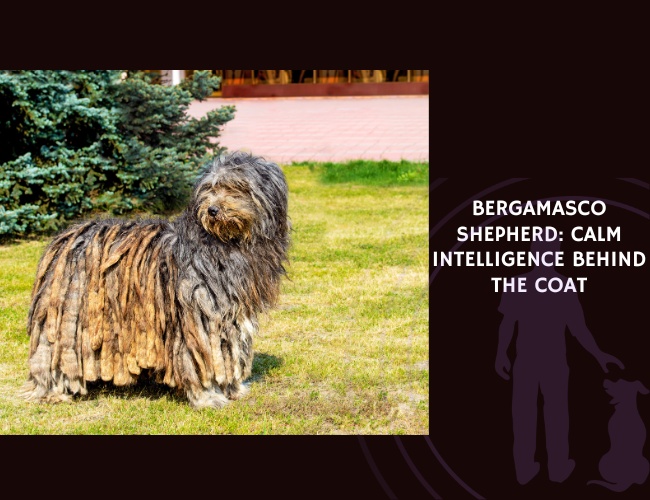
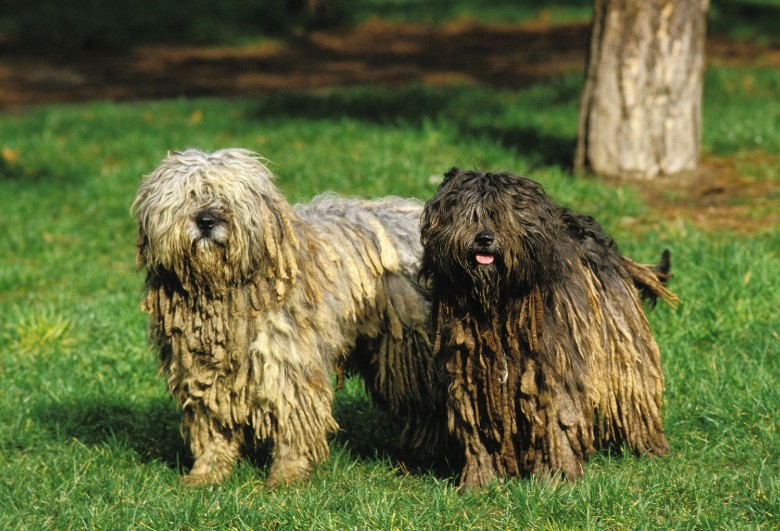
When you first encounter a Bergamasco Shepherd, your attention naturally gravitates toward that extraordinary coat. Those distinctive felted locks seem to belong more to folklore than to modern life. Yet beneath this remarkable exterior lives one of the most thoughtful, quietly intelligent breeds you might ever have the privilege to know. If you’ve ever wondered what it means when a dog truly thinks before acting, when stillness reflects depth rather than disengagement, you’re about to discover a companion whose mind works in ways that challenge our assumptions about canine intelligence itself.
The Bergamasco doesn’t rush to impress you. This ancient breed, forged in the harsh beauty of the Italian Alps, learned long ago that survival and effectiveness come not from dramatic displays but from careful observation, patient evaluation, and deliberate action. Where some dogs react, the Bergamasco considers. Where others perform, the Bergamasco collaborates. And in our modern world, filled with noise and urgency, this calm intelligence offers something increasingly rare: a partnership built on mutual respect and genuine understanding.
Mountain Heritage & Work Design
To understand the Bergamasco’s distinctive temperament, you need to imagine the landscape that shaped them. The Italian Alps present a world of vast valleys, steep slopes, sudden weather changes, and terrain where visibility shifts from open meadows to dense fog within minutes. Here, for centuries, the Bergamasco Shepherd worked alongside human shepherds managing mixed flocks across some of Europe’s most challenging pastoral environments.
But here’s what makes their work unique: they weren’t simply herding dogs in the traditional sense. Unlike breeds selected for high-pressure, rapid movement of livestock, the Bergamasco served a dual role that required something more nuanced. They were both herders and guardians, mediators between flock, environment, and shepherd. This role demanded a mind capable of independent assessment while remaining deeply cooperative with human partners.
Think about what this actually meant in practice. A shepherd might be on one side of a valley, the flock dispersed across difficult terrain, and the Bergamasco responsible for maintaining order without constant direction. The dog needed to evaluate threats from predators or environmental hazards, manage the flock’s movement without creating panic, and remain attuned to the shepherd’s broader intentions even when direct communication wasn’t possible. This wasn’t work for a dog that simply followed commands. It required genuine cognitive partnership.
This heritage explains so much about the Bergamasco you might meet today:
- Calm scanning over fast reactions – An adaptation to terrain where rushed decisions could send sheep tumbling down slopes or scatter them into dangerous areas.
- Pause before responding – Reflects centuries of breeding for dogs who assessed situations completely before committing to action.
- Quiet confidence – Born from knowing they were trusted to make life-or-death decisions independently.
- Preference for comprehensive understanding – Rather than immediate response, they needed complete situational awareness in complex mountain environments.
- Independent yet cooperative – They could work autonomously while remaining attuned to distant human partners.
The mountain environment didn’t just shape their work style. It fundamentally structured their cognitive architecture. When you’re navigating changing visibility, reading weather patterns, tracking multiple animals across varied terrain, and protecting against unseen threats, your brain develops differently. The Bergamasco learned to form complex internal representations of their environment, to think several steps ahead, and to prioritize comprehensive understanding over immediate response.
Character & Behavior: The Quiet Observer
When you spend time with a Bergamasco, one of the first things you’ll notice is their stillness. Not the frozen alertness of an anxious dog, but a quality of composed presence that feels almost meditative. They’re watching, yes—but they’re doing something more. They’re reading the entire situation, evaluating patterns, considering possibilities.
Core Character Traits:
- Composed presence – Meditative stillness that reflects depth, not disengagement
- Reserved assessment – Careful evaluation before engaging with strangers or new situations
- Deep loyalty – Profound devotion to family without effusive displays
- Pattern recognition – Notice and respond to household routines and social dynamics
- “Reading the room” – Adjusting presence based on situational needs
- Cooperative discernment – Thoughtful evaluation of requests rather than automatic compliance
- Guardian awareness – Protective instincts expressed through calm presence, not aggression
- Quiet confidence – Self-assured without arrogance or dramatics
- Deliberate processing – Time taken to fully understand before responding
- Enduring responses – Once they understand, compliance is reliable without constant reminders
This is where the Bergamasco often gets misunderstood. To someone expecting the eager responsiveness of a retriever or the animated expressiveness of a herding breed like a Border Collie, the Bergamasco can seem slow, stubborn, or even disengaged. But labeling this calm deliberation as stubbornness misses the profound intelligence at work.
Common Misunderstandings:
- “Stubborn” → Actually: Thoughtful processing and cooperative discernment
- “Slow” → Actually: Deliberate decision-making and complete situational assessment
- “Disengaged” → Actually: Deep internal processing and calm observation
- “Aloof” → Actually: Reserved assessment appropriate to guardian heritage
- “Needs more training” → Actually: Needs understanding of their learning style, not more drilling
- “Not smart” → Actually: Intelligence that evaluates rather than performing reflexively
- “Lazy” → Actually: Calm energy that conserves resources for meaningful work
- “Unfriendly” → Actually: Protective evaluation before accepting new people into social structure
What appears as hesitation is actually thorough processing. When you ask a Bergamasco to do something, they’re not just hearing your command. They’re contextualizing it within their understanding of the situation, their assessment of whether it makes sense, and their internal model of what their role should be. This isn’t defiance. It’s cooperative discernment—the same quality that allowed their ancestors to make sound decisions when human guidance wasn’t available.
Through the NeuroBond approach, we’ve learned that this processing style needs space to function. The Bergamasco thrives when given a moment to think, when rushed urgency is replaced with calm expectation. Their responses, when they come, are typically well-considered and enduring. They don’t need constant reminders or corrections because they’ve genuinely understood the request on a deeper level.
Their social style reflects this same thoughtful quality. With family members, Bergamascos form deep, loyal attachments. They’re not typically effusive or demanding of attention, but their devotion runs profound. They notice patterns in household routines and often position themselves to be helpful without being underfoot. Many owners describe a sense that their Bergamasco is “reading the room,” adjusting their presence based on what’s happening.
With strangers, expect reserved assessment rather than immediate friendliness. This isn’t fear or hostility—it’s their guardian heritage expressing itself through careful evaluation. They’re asking themselves: Is this person part of our social structure? Do they pose any concern? What’s the appropriate response? Once they’ve made their determination, they’re typically calm and accepting, though rarely overly effusive.
Other dogs often respond to Bergamascos with a certain respect. That impressive coat creates a substantial presence, but there’s something more at work. The Bergamasco’s calm, non-reactive energy and their tendency not to engage in unnecessary drama seems to communicate a quiet authority that even boisterous dogs recognize. 🐾
Children require special consideration. While Bergamascos are generally patient and protective, their size and that distinctive coat need management around very young children who might grab or pull. More importantly, children need to learn to respect the Bergamasco’s need for processing time and calm interaction. This isn’t a breed for chaotic, loud households where everyone’s always rushing—but for families who can appreciate thoughtfulness, they make remarkably adaptable companions.
Puppy Development & Early Life: Growing Into Calm
Understanding how that remarkable calm intelligence develops helps set realistic expectations and supports proper puppy raising. The Bergamasco puppy you bring home at 8 weeks looks and acts quite different from the composed adult you’ve been envisioning—and that’s exactly as it should be.
Developmental Timeline:
- 8-12 Weeks – Playful, curious, socially engaged; critical socialization window; soft puppy coat requires standard grooming.
- 4-6 Months – Adult coat texture begins emerging; first hints of adult personality show; slightly more reserve develops.
- 6-12 Months – Adolescence arrives; testing boundaries through selective hearing; characteristic processing pause becomes pronounced; coat looks shaggy and disheveled.
- 10-14 Months – Begin initial flocking process as three hair types felt together; final adolescent stages mentally.
- 12-18 Months – Active flock formation while navigating final adolescence; adult assessment style develops; social dynamics shift toward more reserve.
- 18-24 Months – Adult temperament solidifies; flocked coat established; household routine understanding deepens.
- 2-3 Years – Young adult demonstrating characteristic calm intelligence; still maturing but foundation is solid.
- 3-4 Years – Full maturity mentally and physically; profound partnership potential fully realized.
At 8-12 weeks, your Bergamasco puppy shows surprisingly little of their adult reserve. They’re typically playful, curious, and socially engaged. This is your critical socialization window, but with an important caveat: the goal isn’t creating an extroverted social butterfly. You’re building a foundation of confidence and appropriate assessment skills that will serve their adult temperament.
During this early phase, focus on calm, positive exposure to diverse environments, sounds, surfaces, and experiences. But watch for signs of overwhelm. Even as puppies, many Bergamascos show a thoughtful approach to novelty—they observe before engaging, assess before approaching. Honor this processing style rather than pushing them to interact immediately. A puppy who watches other dogs playing from a distance, then chooses to approach, is learning valuable self-regulation.
The coat during this period is soft and puppy-like, requiring standard puppy grooming—regular brushing, occasional baths, nail trims. Enjoy this phase because it doesn’t last. Around 4-6 months, you’ll notice texture changes as the adult coat begins emerging. This is also when you might see the first hints of their adult personality—slightly more reserve with strangers, longer observation periods before responding.
Between 6-12 months, adolescence arrives with its typical challenges, though often more subtle in Bergamascos than in some breeds. They’re testing boundaries, yes, but frequently through selective hearing rather than overt defiance. That characteristic pause before responding becomes more pronounced. They’re developing their independent assessment capabilities, which means sometimes they genuinely are evaluating whether your request makes sense.
This phase requires patience and consistency without rigid drilling. The adolescent Bergamasco needs clear structure and expectations, but cramming obedience training down their throat creates resistance. Instead, establish household routines, teach functional life skills, and build the pattern recognition abilities they’ll use throughout life. Think less about competition heeling, more about reliable recall and calm settling.
The coat transition becomes obvious during this period. Those three hair types—undercoat, outer coat, and guard hairs—are all growing, and the coat looks shaggy and somewhat disheveled. Around 10-14 months, depending on the individual, you’ll begin initial flocking. Some puppies’ coats felt more quickly than others. Don’t rush this process. The coat will tell you when it’s ready—when you can feel distinct sections beginning to mat together naturally.
Between 12-18 months, you’re actively working on flock formation while also navigating the final stages of adolescence. This can be an awkward phase physically—they’re approaching full size but not yet fully coordinated or mature. Mentally, they’re developing their adult assessment style. What looks like stubbornness is often genuine cognitive processing as they integrate their experiences and develop their internal decision-making frameworks.
Social dynamics shift during this period. The puppy who wanted to greet everyone may become notably more reserved. This isn’t a problem—it’s breed-appropriate maturity. But it requires continued socialization focused on calm, neutral exposure rather than forced friendliness. Walking through public spaces where they can observe without pressure to interact teaches more at this age than puppy playgroups.
Between 18 months and 2 years, the adult temperament solidifies. The flocked coat is established, though it will continue developing density and length for another year or two. Their calm, observant nature is now clearly evident. They’ve developed their household routine understanding and established their role in family structure. Training responses become more reliable as they’ve completed their internal framework for how their world operates.
By age 2-3, you have a young adult Bergamasco who demonstrates the breed’s characteristic traits: calm presence, thoughtful responses, deep observational skills, and reliable but not flashy cooperation. They’re still maturing mentally and physically—full maturity arrives closer to age 3-4—but the foundation is solid.
Throughout this developmental journey, remember that the Bergamasco’s path to maturity is gradual and internal. Unlike breeds that seem to wake up one day fully trained, the Bergamasco develops through accumulated experience and pattern integration. Pushing for fast results creates stress. Allowing natural developmental pacing while providing clear, consistent structure creates that remarkable calm intelligence the breed is known for. 🧠
The puppy phase requires more active management than you might expect from such a calm adult breed. But investing in proper development—respecting their processing style while providing rich, calm experiences—pays dividends in the profound partnership that emerges.
The Coat as Sensory Experience
You can’t discuss the Bergamasco without addressing that coat, but let’s look beyond aesthetics to function. Those unique felted locks aren’t just visual distinction. They’re a sophisticated sensory interface that fundamentally affects how the Bergamasco experiences their world.
Consider sound dampening first. That dense, layered coat doesn’t just protect against weather—it significantly reduces the intensity of auditory stimuli reaching the dog’s ears. Imagine wearing noise-canceling headphones that filter out background chaos while still allowing important sounds through. This acoustic insulation likely contributes to the Bergamasco’s calm demeanor by creating a more controlled auditory environment.
Coat as Sensory Interface:
- Sound dampening – Dense layers reduce auditory stimuli intensity while allowing important sounds through; protects from cumulative stress of constant noise.
- Tactile buffering – Continuous, even pressure provides calming deep pressure therapy effect; minor contacts filtered before reaching skin.
- Temperature regulation – Maintains stable body temperature across wide range of conditions; reduces physiological stress from weather extremes.
- Touch filtering – Light rain, brush against furniture, minor bumps all buffered; reduces micro-stress accumulations.
- Sensory consistency – Constant, predictable sensory input supports emotional regulation and calm baseline.
- Protection without isolation – Filters overwhelming stimuli while maintaining awareness of genuinely important environmental information.
In a world where many dogs struggle with sound sensitivity, the Bergamasco arrives naturally equipped with built-in sensory regulation. They can be present in moderately noisy environments without the stress overload that would affect more aurally sensitive breeds. This doesn’t mean they’re deaf to important sounds—their guardian instincts remain sharp—but they’re protected from the cumulative stress of constant auditory bombardment.
The tactile dimension is equally fascinating. That coat provides continuous, even pressure across their body. It’s similar to the deep pressure therapy used for anxiety management in both humans and animals—a constant, gentle sensory input that has inherently calming properties. Minor physical contacts, brush against furniture, even light rain—all of these are buffered before they reach the skin.
This sensory buffering means the Bergamasco can tolerate environmental stressors that might make other breeds uncomfortable or reactive. They’re physically insulated against many of the small irritations and surprises that create micro-stress accumulations. It’s not that they don’t notice these stimuli, but the coat filters them, allowing the dog’s cognitive resources to focus on genuinely important information.
Temperature regulation adds another layer. The Bergamasco’s coat system evolved for harsh mountain winters and variable alpine weather. It maintains stable body temperature across a surprisingly wide range of environmental conditions. This physiological comfort directly supports emotional regulation—a dog that’s not struggling with temperature stress has more capacity for calm, thoughtful responses to other stimuli.
For humans interacting with a Bergamasco, that coat creates a distinctive tactile experience. It’s not soft like a Golden Retriever’s fur or sleek like a Doberman’s coat. It has presence, texture, substance. This can actually be advantageous for teaching children proper dog interaction—that coat naturally encourages gentler, more mindful touch.
From other dogs’ perspective, the coat creates a substantial visual presence and likely makes body language slightly harder to read. The typical mammalian signals—raised hackles, subtle muscle tension, precise tail carriage—are partially obscured. This might contribute to why dog-dog interactions with Bergamascos tend toward cautiousness and respect rather than immediate, boisterous engagement. 🧡
Practical Coat Care: Understanding the Flocks
That extraordinary coat naturally raises the most practical question prospective owners ask: what does maintenance actually look like? The answer might surprise you—while the Bergamasco’s coat is unique, it’s not the grooming nightmare many assume. But it does require understanding, and the approach differs dramatically from conventional dog grooming.
The felted “flocks” that define the breed don’t happen overnight. Bergamasco puppies are born with soft, relatively conventional puppy coats. Around 9-12 months, as the adult coat begins growing in, three distinct hair types emerge: a fine, dense undercoat (the “greasy” wool), a harsher outer coat (the “goat hair”), and longer, softer guard hairs. These three textures naturally combine and begin forming the characteristic cords or flocks.
This is where human intervention becomes necessary—but only once. Between 12-18 months, you’ll need to help separate the coat into individual flocks. This process, called “ripping” or “flocking,” involves dividing the forming mats into sections roughly the width of your finger. You’re not brushing or combing—you’re creating intentional divisions that will mature into distinct, manageable cords.
Initial Flocking Process:
- Timing – Begin when you can feel distinct sections beginning to mat together naturally, usually 12-18 months.
- Width – Create flocks approximately finger-width in diameter, starting at the skin and working outward.
- Technique – Gently pull apart sections where the three hair types have begun felting together; don’t brush or comb.
- Sessions – Work in multiple sessions spread across several weeks rather than attempting complete flocking in one sitting.
- Goal – Establish flocks that extend from skin to tip as individual, distinct units.
- Patience – Some areas (shoulders, hindquarters) felt more quickly than others; follow the coat’s natural pattern.
- Help – Many owners recruit friends or family to assist with this one-time intensive process.
Once established, these flocks are remarkably self-maintaining.
After the initial flocking, your grooming requirements actually decrease. The mature coat needs surprisingly little intervention. You won’t be brushing or combing—attempting to do so would destroy the flock structure. Instead, maintenance focuses on inspection and occasional separation if adjacent flocks begin growing together at the skin level.
Ongoing Coat Maintenance:
- Weekly inspection – Run hands through flocks, feeling down to the skin for debris, mats forming at skin level, or any skin issues.
- Post-outdoor checks – After woods or field adventures, manually remove burrs, sticks, or plant matter before they work deeper.
- Separation as needed – Check monthly for adjacent flocks growing together at skin level; gently separate to maintain distinct cords.
- Bathing frequency – Typically 3-4 times yearly, adjusted for lifestyle and individual coat needs.
- Drying protocol – Use high-velocity forced-air dryers (not hot air); expect 2-4 hours drying time even with equipment.
- Seasonal awareness – Extra vigilance during wet seasons to prevent prolonged dampness; monitor for accumulated dust in dry weather.
- Professional bathing – Consider grooming facilities with proper drying equipment, especially during humid seasons.
- Avoid conventional grooming – No brushing, combing, or clipping; these destroy the coat structure.
Regular inspection matters more than grooming. Run your hands through the flocks, feeling down to the skin. You’re checking for debris caught in the coat, ensuring no mats are forming at skin level, monitoring for any skin issues beneath. After outdoor adventures, especially in woods or fields, check for burrs, sticks, or other plant matter. The coat’s structure naturally sheds some debris, but larger items need manual removal before they work deeper into the flocks.
Bathing requires thought but not avoidance. Many owners bathe their Bergamascos 3-4 times yearly, though frequency depends on lifestyle and individual coat. The challenge isn’t the washing—it’s the drying. Those dense, felted cords hold tremendous amounts of water. Natural air-drying can take literally days and risks mildew or skin problems from prolonged dampness.
Most experienced owners use a combination approach: initial towel removal of excess water, then forced-air drying. High-velocity dryers designed for professional grooming work well—not hot air that could damage skin, but powerful airflow that pushes water out from the skin level. Even with good equipment, expect drying to take 2-4 hours. Some owners prefer professional grooming facilities with proper drying equipment for baths, especially during humid seasons.
The coat naturally sheds dirt once fully dry—one of its remarkable properties. A muddy Bergamasco looks concerning, but once that mud dries and the dog shakes, much of it simply falls out. This self-cleaning quality was essential for mountain work but means you don’t need constant bathing to maintain coat health.
Seasonal considerations affect management. In wet weather, the coat picks up and holds moisture. Regular checks prevent prolonged dampness. In dry weather, some flocks may accumulate dust, but this typically isn’t problematic. Snow and cold? The Bergamasco excels here, and frozen precipitation tends to fall out naturally as the coat dries.
Professional grooming becomes relevant for specific needs rather than regular maintenance. Many groomers aren’t familiar with proper Bergamasco coat care and may want to brush or clip—approaches that would ruin the coat structure. If you do seek professional help, find someone experienced with corded breeds or willing to learn the specific requirements. Professional help makes sense primarily for bathing/drying rather than coat structure maintenance.
There’s an important mental shift required here: this isn’t a coat you’re controlling or styling. You’re facilitating its natural development and maintaining the health of the dog within it. The Bergamasco’s coat evolved to be functional in harsh conditions with minimal human intervention. Respect that design rather than fighting it. 🐾

Training & Education: Partnership Over Performance
If you approach training a Bergamasco with conventional obedience mindsets, you’re likely to find the experience frustrating. These are not dogs built for rapid-fire repetitions or flashy performances on command. But if you shift your perspective from training a performer to educating a partner, everything changes.
The Bergamasco’s learning style reflects their heritage as independent decision-makers. They need to understand not just what you want them to do, but why it matters. Commands that seem arbitrary or contextually illogical may be met with that characteristic pause—not defiance, but evaluation. They’re essentially asking: “Does this request make sense given what I understand about the situation?”
This means effective education starts with establishing clear, logical patterns. The Bergamasco excels when they can see the structure and purpose behind requests. Instead of drilling disconnected commands, think about teaching functional behaviors that have obvious utility. Place training, boundary awareness, calm settling—these make intuitive sense to a breed designed to maintain order.
Training Principles That Work:
- Clear, logical patterns – Establish structure and purpose; teach functional behaviors with obvious utility.
- Minimal verbal noise – Reduce constant chatter; allow focus on pattern recognition and body language.
- Calm pacing – Match their deliberate processing speed; give time to comprehend, not just memorize.
- Consistency – Provide predictability they value; reduce cognitive load of shifting expectations.
- Purposeful rewards – Use calm praise, well-timed food rewards, and especially the reward of fulfilling their guardian/helper role.
- Processing time – Allow that characteristic pause; never interpret it as refusal and escalate pressure.
- Context over repetition – Once they understand, don’t drill; teach through varied real-life applications.
- Partnership mindset – Frame training as collaborative problem-solving, not performance demands.
The Invisible Leash principles align perfectly with how Bergamascos naturally learn. Clear direction without excessive verbal noise allows them to focus on pattern recognition rather than getting overwhelmed by constant chatter. Calm pacing matches their deliberate processing speed, giving them time to genuinely comprehend rather than just memorize. Consistency provides the predictability they value, reducing the cognitive load of constantly trying to figure out shifting expectations.
Positive reinforcement absolutely works with Bergamascos, but it needs to be thoughtful rather than frantic. They respond beautifully to calm praise, food rewards delivered with clear timing, and especially to the reward of being allowed to fulfill their guardian or helper role. Many Bergamascos find having a job—watching the household perimeter, accompanying you during property checks, helping maintain calm during transitions—more reinforcing than any treat.
Training Pitfalls to Avoid:
- Interpreting processing pause as refusal – Don’t escalate pressure; allow thinking time.
- Repetitive drilling – Once they understand, excessive repetition creates frustration.
- Harsh corrections – Damage cooperative trust essential to their responsiveness.
- Rushing their learning process – Their development is gradual and internal; fast results create stress.
- Over-socialization – Constant exposure to chaotic environments accumulates stress; quality over quantity.
- Forced interactions – Pushing unwanted social engagement undermines confidence.
- Treating as performer – Performance mindset conflicts with their partnership orientation.
- Comparing to other breeds – Their intelligence manifests differently than rapid-response breeds.
Socialization requires particular attention. Because Bergamascos are naturally reserved and their calm demeanor means they might not signal stress as obviously as more reactive breeds, you need to be attentive to subtle signs. Over-socialization—constant exposure to new dogs, chaotic dog parks, overwhelming environments—can actually create problems. Quality matters more than quantity.
Instead, provide structured socialization experiences where the Bergamasco can observe and adjust at their own pace. Walking in public spaces where they can watch other dogs from a comfortable distance teaches far more than forced interactions. Meeting calm, well-mannered dogs in controlled settings builds better social skills than chaotic group play.
Mental Enrichment That Suits Them:
- Nose work – Methodical scent tracking that rewards thoughtful problem-solving over speed.
- Urban mushing/carting – Channels pastoral heritage through steady pulling work; provides sense of purpose.
- Environmental observation walks – Allow them to process new sights, sounds, and smells at their pace.
- Slow sniffing activities – Scent-based exploration that engages calm focus.
- Puzzle feeders – Problem-solving during meals that matches their deliberate cognitive style.
- Property patrols with you – Meaningful role fulfillment through monitoring household territory.
- Calm accompanying – Simply being present during your activities provides processing enrichment.
- Strategic positioning practice – Teaching them awareness of space and boundaries.
Mental enrichment is crucial, but again, think quality over intensity. Bergamascos benefit from problem-solving opportunities, but they prefer tasks that require thought rather than speed. Nose work, where they track scents methodically, suits them beautifully. Urban mushing or carting activities channel their pastoral heritage productively. Even just accompanying you through different environments and being allowed to observe and process new sights and smells provides meaningful enrichment. 🐾
Remember that the Bergamasco’s intelligence isn’t measured in how quickly they perform tricks. It’s measured in how effectively they read situations, how reliably they make sound decisions, and how deeply they understand the social and environmental patterns that structure their world.
Vocalization & Communication: The Language of Silence
If you’re expecting a chatty companion who vocalizes their every thought, the Bergamasco will surprise you with their restraint. This is fundamentally a quiet breed, and their silence speaks to both their work heritage and their communication philosophy.
Excessive barking would have been counterproductive in their mountain work. Unnecessary noise could panic flocks or mask important sounds—the approach of predators, changing weather conditions, the shepherd’s distant calls. Bergamascos learned to vocalize purposefully rather than reactively.
When a Bergamasco does bark, pay attention. It’s typically meaningful. They might alert to something genuinely unusual on their territory, warn off what they perceive as a threat, or occasionally vocalize during frustration or play. But you won’t get the constant commentary that characterizes more vocal breeds.
Their true communication happens through subtler channels. The Bergamasco’s body language, once you learn to read it beneath that coat, is surprisingly expressive. Watch their eyes—calm, soft gaze versus hard stare conveys completely different emotional states. Notice their overall posture—weight distribution, head carriage, the quality of their stillness.
Body Language Signals:
- Eyes – Soft, calm gaze indicates comfort; hard stare signals intensity or concern; whale eye (showing whites) suggests stress.
- Posture – Forward weight distribution shows engagement; backward shift creates distance; overall quality of stillness (composed vs. rigid).
- Tail carriage – Relaxed low position indicates calm; slight elevation with gentle movement suggests interest; tucked reveals stress.
- Head position – Level head shows assessment; lowered head might indicate avoidance; raised head signals alertness.
- Mouth – Closed and held shut indicates tension; relaxed open mouth shows comfort; lip licking signals stress.
- Weight shifts – Subtle backward movement creates distance even without stepping; leaning forward shows interest.
- Stillness quality – Composed presence differs from frozen tension; learn to distinguish calm from stress-induced immobility.
- Overall energy – Soft, present energy versus tight, vigilant energy tells different stories.
That tail, visible beneath the coat locks, tells stories. A relaxed, low carriage indicates calm comfort. Slight elevation and gentle movement suggests interest. A tucked tail reveals stress or uncertainty, though you might need to look carefully to notice it beneath the coat.
Energy matters profoundly with Bergamascos. They’re exquisitely attuned to human emotional states and household tension. Your anxiety tends to become their concern. Your calm becomes their foundation. This is where Soul Recall becomes relevant—these dogs seem to read and remember emotional patterns, adjusting their responses based on past experiences with similar energetic signatures.
This sensitivity means your communication with a Bergamasco needs to be intentional. Inconsistent energy—saying one thing verbally while your body language communicates something else—creates confusion and stress. They need alignment between your words, your physical presence, and your emotional state.
Physical touch communication works well but requires understanding. Most Bergamascos appreciate calm, purposeful touch but aren’t typically seeking constant petting. A hand resting on their side while you’re reading, calm stroking during grounding rituals, gentle contact that says “I’m here and everything’s fine”—these resonate. Excited, rapid petting or grabbing can feel overwhelming.
Spatial communication also matters. Bergamascos are large dogs with a sense of personal space and appropriate distance. They notice and respond to your spatial management—how you position yourself relative to them, whether you respect their resting space, how you guide them through environments. Clear, calm spatial guidance supports their understanding of roles and boundaries. 🧠
The most profound communication happens in stillness. When you and your Bergamasco are simply present together, both calm and observant, a kind of wordless understanding develops. This is the communication style their ancestors used with shepherds—a shared awareness and quiet coordination that transcends specific commands.

Recognizing Stress Signals & Silent Overloading
This is perhaps the most critical section for Bergamasco guardianship, because their calm exterior can mask accumulating stress until it reaches crisis levels. Understanding “silent overloading” and recognizing early warning signs isn’t just about behavior management—it’s about your dog’s wellbeing and the prevention of serious problems.
Unlike reactive breeds that show stress through obvious barking, pacing, or destructive behavior, the Bergamasco often internalizes stress. They continue appearing calm while cortisol builds, emotional resources deplete, and tolerance erodes. Then, seemingly without warning, they reach threshold and respond with intensity that shocks owners who thought everything was fine.
This pattern is what we call silent overloading—the accumulation of stress without external release or obvious behavioral indication. It’s particularly dangerous because it bypasses the early warning systems that allow intervention. You don’t get the typical escalation ladder. Instead, you get apparent calm, continued apparent calm, then sudden threshold breach.
Subtle Stress Signals (Micro-Avoidances):
- Head turn away – Slight avoidance from stimulus rather than facing it directly.
- Weight shift backward – Creating more distance even without moving feet.
- Closed mouth held shut – Tension signal invisible beneath facial hair.
- Rigid stillness – Different quality than their normal composed presence; frozen rather than calm.
- Lip licking – Increased frequency when not related to food; rapid, repeated licking.
- Yawning when not tired – Stress release behavior; multiple yawns in short period.
- Whale eye – Seeing whites of eyes as they track without turning head; monitoring while appearing calm.
- Brief breath holding – Holding breath then releasing with sigh; managing mounting tension.
- Quiet whining – Low, brief sounds easily dismissed but indicating stress.
- Avoiding eye contact – When they normally make it; social withdrawal signal.
So what are the subtle signals that stress is accumulating? They’re quiet, brief, and easy to miss if you’re not specifically watching.
The first category involves micro-avoidances. Your Bergamasco might turn their head slightly away from a stimulus rather than facing it directly. They might shift weight backward, creating slightly more distance, even if they don’t actually move their feet. They might close their mouth and hold it closed—a subtle sign of tension that’s invisible beneath the coat. Watch for a dog who becomes very still, but it’s a rigid stillness rather than their normal composed presence.
Lip licking increases under stress, though you might need to watch carefully to catch it beneath the facial hair. Yawning when not tired, especially rapid, repeated yawns, indicates mounting tension. Whale eye—where you can see the whites of their eyes as they track something without turning their head—suggests they’re monitoring something concerning while trying to appear calm.
Behavioral & Physical Stress Changes:
- Positioning shifts – Moving farther from family activity than usual; seeking more distance.
- Treat refusal – Declining normally accepted treats; significant red flag of elevated stress.
- Increased vigilance – Scanning constantly rather than calm observation; hypervigilance pattern.
- Sleep pattern changes – Wanting different sleep locations; seeming restless at night.
- Excessive shedding – Outside normal seasonal patterns; coat changes under stress.
- Digestive changes – Altered appetite, loose stools, or other GI signs.
- Increased water consumption – Beyond what activity or temperature would explain.
- Avoidance behaviors – Moving away from situations; refusing normally accepted activities.
- Social withdrawal – Less interaction with family; isolating more frequently.
- Breathing changes – Panting excessive for temperature/activity; altered respiratory patterns.
Changes in breathing pattern matter. Panting that seems excessive for the temperature or activity level indicates stress. Holding breath briefly, then releasing with a sigh, suggests they’re managing tension. Some Bergamascos develop quiet whining under stress—not loud, just low, brief sounds that are easy to dismiss.
Behavioral changes can be subtle. They might start avoiding eye contact when they normally make it. They might position themselves slightly farther from family activity than usual. They might refuse treats they normally accept—a significant red flag that stress has elevated beyond normal coping capacity. Some show increased vigilance—scanning constantly rather than their normal calm observation.
Physical stress signals include: excessive shedding outside normal seasonal patterns (yes, even with that coat), digestive changes, increased water consumption, or changes in sleep patterns. A Bergamasco who suddenly wants to sleep in different locations or seems restless at night may be managing stress.
The context pattern matters enormously. One or two of these signals in isolation, briefly, might be normal situational adjustment. But clustering—multiple signals appearing together—or persistence—signals continuing across time—indicate accumulating stress that needs addressing.
Silent Overloading Progression:
- Stage 1: Within Coping Capacity – Dog experiences stressors but appears to handle normally; stress response activates but manageable.
- Stage 2: Working Harder – Stressors continue or intensify; subtle signals begin appearing; still functioning but effort increases.
- Stage 3: Resource Depletion – Signals become more frequent or intense; avoidance behaviors emerge; coping resources depleting.
- Stage 4: Threshold Breach – Sudden intense reaction (growling, snapping, biting) that seems to come from nowhere but represents accumulated stress exceeding capacity.
Silent overloading follows a predictable progression, though the timeline varies by individual. Stage one: the dog experiences stressors but appears to handle them normally. Their stress response activates, but they’re within coping capacity. Stage two: stressors continue or intensify, and the dog begins showing those subtle signals listed above. They’re still functioning but working harder to maintain composure. Stage three: coping resources are depleting. Signals become more frequent or intense. The dog might start showing avoidance behaviors—moving away from situations, refusing participation in normally accepted activities.
Stage four is threshold breach. The dog who has appeared calm throughout suddenly reacts with intensity—growling, snapping, or in extreme cases, biting. To observers, it seems to come from nowhere. But for the dog, it’s the culmination of accumulated stress that finally exceeded their capacity to contain.
Common Causes of Silent Overloading:
- Chronic unpredictability – Inconsistent schedule or household routine creates ongoing low-level stress.
- Forced social interaction – Required greeting of strangers, interactions with unfamiliar dogs, chaotic environments.
- Inadequate decompression – Stress never fully resolves before new stressors arrive; no recovery time.
- Rushed processing – Being hurried through their deliberate decision-making needs.
- Inconsistent expectations – Shifting rules or unclear boundaries create constant cognitive load.
- Communication misalignment – Mismatch between human verbal and energetic communication.
- Lack of purpose – No clear role or function within household; existential stress.
- Unaddressed physical discomfort – Pain or health issues that don’t show obvious signs but create constant background stress.
- Environmental chaos – Constant noise, activity, or stimulation without adequate calm periods.
- Over-handling – Excessive physical interaction or training demands beyond their preference.
What creates silent overloading in Bergamascos specifically? Chronic unpredictability in schedule or household routine creates low-level stress that accumulates. Forced social interaction—being required to greet strangers, interact with unfamiliar dogs, or participate in chaotic environments—depletes their resources even if they appear calm during the events. Inadequate decompression time after stimulating experiences means stress never fully resolves before new stress arrives.
Mismatched communication creates ongoing tension. Being rushed through their processing time, receiving inconsistent expectations, or experiencing misalignment between human verbal and energetic communication all contribute. Lack of meaningful role or purpose can create existential stress—these dogs need to understand their function. Physical discomfort or pain that goes unaddressed because they don’t show obvious signs adds another layer.
Prevention & Intervention Strategies:
- Build decompression periods – Especially after any stimulating experience; allow processing and recovery time.
- Create predictable structure – Daily routines help them anticipate and prepare for events.
- Limit forced interaction – Allow engagement on their terms; respect their assessment process.
- Monitor early signals – Intervene before stress accumulates to problematic levels.
- Provide quiet safe spaces – Access to retreat areas away from household activity.
- Engage calming activities – Slow sniffing work, calm movement, or simply quiet presence together.
- Regulate your own state – Your calm supports their regulation; breathe and center yourself.
- Reduce overall stimulation – For dogs showing significant accumulation, decrease stimuli across all domains for weeks.
- Rule out pain/health issues – Work with veterinarian to address physical contributors.
- Assess environmental changes – Consider household dynamics, neighborhood construction, schedule shifts.
Prevention starts with respecting their need for processing time and calm environments. Build decompression periods into routines, especially after any stimulating experience. Create predictable daily structure so they can anticipate and prepare for events. Limit forced social interaction and allow them to engage on their terms. Monitor for those subtle early signals and intervene before stress accumulates to problematic levels.
When you do notice early stress signals, intervention might look like: removing them from the stressful situation if possible, providing access to a quiet, safe space, engaging in a calming activity they enjoy (perhaps slow sniffing work or calm movement), or simply sitting quietly with them and breathing calmly yourself—your regulated presence supports their regulation.
For dogs already showing significant stress accumulation, more intensive intervention might be necessary. Reduce overall stimulation across all domains for a period of weeks. Increase predictability in every aspect of their life. Work with a veterinarian to rule out pain or health issues contributing to their stress baseline. Consider whether environmental changes—household dynamics, neighborhood construction, changes in schedule—have created chronic stressors.
This isn’t about creating a stress-free life—that’s impossible and not even desirable. Appropriate, manageable stress builds resilience. This is about recognizing when stress is accumulating beyond their capacity to process and recover, and intervening before it creates crisis.
The Bergamasco’s calm exterior is one of their greatest gifts, but it carries responsibility. You must learn to read beneath that composure, to recognize the quiet signals that indicate your dog needs support. Through the NeuroBond framework, we understand that emotional clarity and attunement prevent silent overloading from developing in the first place. Your ability to perceive and respond to subtle stress signals determines whether your Bergamasco lives in genuine calm or controlled overwhelm. 🧡
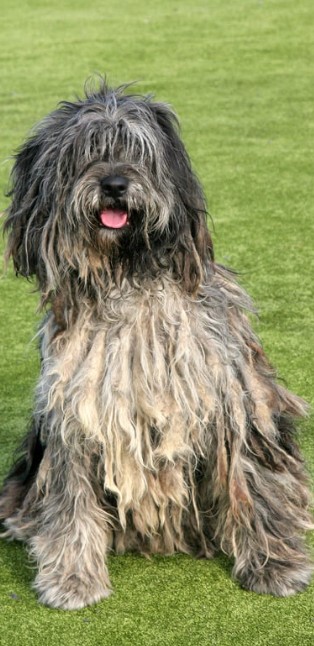
Still. Grounded. Intelligent.
Calm Before Action
Bergamascos do not rush because their intelligence is built on evaluation, not impulse. Their pauses signal thinking, not hesitation.
Mountains Shaped Minds
Alpine work demanded independent judgement combined with human cooperation. This heritage created dogs who assess situations fully before moving.
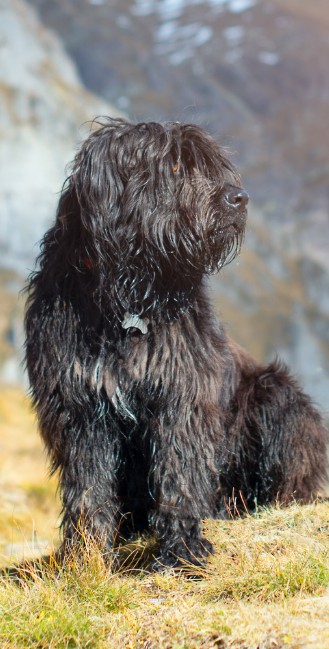
Quiet Holds Strength
Their confidence expresses itself through presence rather than display. When understanding is complete, their responses are steady, reliable, and deeply intentional.
Nutritional Considerations: Fueling Calm Intelligence
The Bergamasco’s distinctive physiology and temperament require thoughtful nutritional support. While they’re not prone to the extreme dietary sensitivities of some breeds, getting nutrition right supports everything from coat health to cognitive function to emotional regulation.
Nutritional Foundation:
- High-quality animal proteins – Chicken, beef, fish, lamb providing complete amino acid profiles for muscle maintenance and neurotransmitter production.
- Healthy fats – Support coat health, sustained energy, and cognitive function; omega-3 fatty acids contribute to brain health and emotional regulation.
- Appropriate portions – Based on individual activity level and metabolism, not just package guidelines; avoid overfeeding these calm dogs.
- Body condition over numbers – Can feel ribs without excessive pressure; visible waist from above matters more than target weight.
- Two meals daily – Smaller portions maintain steadier energy and reduce bloat risk in deep-chested breeds.
- Calm feeding environment – Quiet, consistent location allows focus without distraction.
- Adequate hydration – Especially important with dense coat; encourage regular water intake in warm weather.
- Individualized supplements – Joint support as they age; probiotics for digestive health; avoid unnecessary additions.
- Sensory-appropriate methods – Puzzle feeders or lick mats engage problem-solving while preventing rapid consumption.
Start with the basics: high-quality protein sources form the foundation. The Bergamasco benefits from animal-based proteins—chicken, beef, fish, lamb—that provide complete amino acid profiles. These proteins support not just muscle maintenance in these substantial dogs, but also neurotransmitter production that underlies their calm, focused mental state.
Fat content matters for multiple reasons. Healthy fats support coat health, which is particularly relevant given the Bergamasco’s unique coat system. But fats also provide sustained energy appropriate for their working heritage and support cognitive function. Omega-3 fatty acids from fish oil or other sources contribute to brain health and can support emotional regulation by reducing inflammatory processes.
Avoid the trap of overfeeding. Bergamascos, while substantial dogs, aren’t typically as active as some working breeds. Their calm demeanor means they’re not burning calories through constant movement. Obesity can develop surprisingly quickly, bringing all the associated health problems—joint stress, reduced mobility, metabolic issues.
Portion control becomes easier when you think about their activity level and individual metabolism rather than just following package guidelines. Some Bergamascos maintain healthy weight on less food than you might expect for their size. Body condition scoring—being able to feel ribs without excessive pressure, visible waist when viewed from above—matters more than hitting a specific number on a food bag recommendation.
Meal timing can support their natural rhythm. Many Bergamasco owners find that two smaller meals daily works better than one large feeding. This maintains steadier energy levels and reduces the risk of bloat, a concern in deep-chested breeds. Some dogs do well with a light breakfast and larger evening meal, mirroring the natural pattern of less activity during heat of day.
Consider the sensory experience of eating. Given the Bergamasco’s sensory processing style, mealtime should be calm and predictable. Feeding in a quiet, consistent location allows them to focus on eating without environmental distraction. Some Bergamascos benefit from slower feeding methods—puzzle feeders or lick mats—that engage their problem-solving abilities while preventing rapid consumption.
Hydration deserves attention, especially with that dense coat. In warmer weather or after activity, Bergamascos need ample fresh water access. Their coat can make overheating less obvious, so encouraging regular water intake becomes important preventive care.
Supplement considerations should be individualized. Many Bergamascos do well with joint support supplements as they age, given their size and the stress on skeletal systems. Probiotics may support digestive health. But avoid the temptation to add supplements without specific reason—more isn’t always better, and some supplements can create imbalances.
Special dietary needs might emerge. Some Bergamascos develop food sensitivities, though this isn’t as common as in some breeds. If you notice digestive upset, skin issues beneath the coat, or changes in energy or behavior, work with your veterinarian to identify potential dietary triggers. Elimination diets can help identify specific sensitivities.
The connection between nutrition and behavior shouldn’t be underestimated. A Bergamasco whose nutritional needs are well-met has better emotional regulation, more consistent energy, and optimal cognitive function. Poor nutrition can manifest not just in physical health issues but in increased reactivity, difficulty with stress management, and reduced ability to engage that calm intelligence. 🧡
🐕 Understanding the Bergamasco Shepherd 🧠
A Journey Through Calm Intelligence and Thoughtful Partnership
Phase 1: Mountain Heritage Foundation
Understanding Their Alpine Origins
🧠 Cognitive Architecture
The Italian Alps shaped more than their coat—it structured their entire thinking process. Working across valleys with changing visibility required calm scanning over fast reactions. They learned to form complex internal representations, think several steps ahead, and prioritize comprehensive understanding before acting.
🎯 What This Means Today
• That characteristic pause before responding? Adaptation to terrain where rushed decisions endangered flocks
• Their preference for observing before engaging? Centuries of breeding for complete situational assessment
• Their quiet confidence? Born from trusted independent decision-making in life-or-death situations
Phase 2: Puppy to Adult Development
Growing Into Calm Intelligence
📅 Critical Milestones
• 8-12 weeks: Playful and socially engaged—critical socialization window
• 12-18 months: Initial coat flocking begins; adult personality emerges
• 18-24 months: Calm intelligence solidifies; established coat structure
• 3-4 years: Full maturity—profound partnership potential realized
✅ Socialization Strategy
Honor their processing style from the start. A puppy who watches other dogs playing from a distance, then chooses to approach, is learning valuable self-regulation. Quality over quantity—structured exposure matters more than constant interaction. Build confidence through calm, positive experiences, not overwhelming chaos.
⚠️ Avoid These Mistakes
Don’t push for immediate friendliness or force interactions before they’re ready. Over-socialization in chaotic environments creates stress accumulation rather than confidence. Respect their thoughtful approach to novelty—it’s not fear, it’s intelligent assessment.
Phase 3: Understanding the Flocked Coat
More Than Aesthetics—A Sensory Interface
🔬 Sensory Buffering System
The felted coat provides natural sound dampening, tactile buffering, and temperature regulation. It’s like built-in noise-canceling headphones combined with deep pressure therapy. This physical insulation directly supports emotional regulation by reducing sensory overload—allowing their calm intelligence to function optimally.
🛠️ Practical Care Reality
Initial flocking at 12-18 months requires time investment—creating finger-width sections from skin to tip. After establishment, maintenance is surprisingly minimal: weekly inspection, 3-4 baths yearly, debris checks after outdoor time. The coat naturally sheds dirt when dry. Professional help makes sense for bathing/drying, not structure maintenance.
💡 Key Insight
This isn’t a coat you control or style—you’re facilitating its natural development. The Bergamasco’s coat evolved for harsh conditions with minimal intervention. Respect that design rather than fighting it. The self-cleaning properties and sensory benefits make the unique maintenance worthwhile.
Phase 4: Partnership Over Performance
Educating a Thinking Partner
✨ The Invisible Leash Approach
Clear direction without excessive verbal noise. Calm pacing that matches their processing speed. Consistency providing the predictability they value. These principles align perfectly with Bergamasco learning—allowing them to focus on pattern recognition rather than getting overwhelmed by constant chatter.
🧠 Their Learning Process
They need to understand WHY something matters, not just WHAT you want. Commands that seem arbitrary get met with that characteristic pause—not defiance, but evaluation. Teach functional behaviors with obvious utility: place training, boundary awareness, calm settling. These make intuitive sense to a breed designed to maintain order.
🚫 Training Pitfalls
• Never interpret processing pause as refusal and escalate pressure
• Don’t drill repetitively once they’ve understood
• Avoid harsh corrections that damage cooperative trust
• Never rush them through their deliberate learning process
Phase 5: Silent Overloading Recognition
Reading Beneath the Calm
⚠️ The Hidden Danger
Unlike reactive breeds showing stress through obvious behaviors, the Bergamasco internalizes stress. They continue appearing calm while cortisol builds and tolerance erodes. Then, seemingly without warning, threshold breach occurs. This pattern bypasses early warning systems that allow intervention.
👁️ Subtle Signals to Watch
• Slight head turns away from stimuli
• Weight shifts backward creating distance
• Mouth closed and held shut (tension)
• Whale eye—whites visible while tracking
• Increased lip licking or yawning when not tired
• Refusing normally accepted treats
🛡️ Prevention Strategy
Build decompression periods after any stimulation. Create predictable daily structure. Limit forced social interaction—allow engagement on their terms. Monitor for clustering signals (multiple appearing together) or persistence (continuing across time). Intervene before accumulation reaches problematic levels.
Phase 6: Creating the Right Space
Environmental Support for Calm Intelligence
🌆 Urban Adaptations
Corner units or top floors reduce auditory intrusion. White noise machines mask building sounds. Multiple shorter walks throughout the day. Early morning/late evening timing avoids crowds. Elevator socialization becomes essential—advocate for space needs without apology.
🏘️ Suburban Sweet Spot
Balance of indoor space and secure yard. Solid fencing (6 feet) prevents fence-line reactivity. Teach pattern recognition—what’s normal (delivery people) versus concerning. Walks remain important beyond yard time for purposeful engagement with broader environment.
🌾 Rural Considerations
Define clear boundaries even on large properties—fence immediate home area for manageable monitoring territory. Gradual livestock introductions leverage pastoral heritage. Wildlife triggers alert-and-monitor response. Intentional socialization remains essential despite isolation benefits.
Phase 7: The Calm Stabilizer Role
Multi-Dog Household Dynamics
🌟 Natural Pack Position
Bergamascos often naturally assume calm stabilizer roles. Their unflappable demeanor and reasonable boundaries create an environment where reactive dogs find comfort and exuberant youngsters learn impulse control. They teach by example rather than correction—remarkably effective for pack harmony.
✅ Integration Best Practices
Neutral territory parallel walks allow observation without forced interaction. Honor their assessment process—don’t rush. Opposite-sex pairings typically smoothest. Watch for silent stress accumulation even if they appear tolerant. Separate resources initially prevents competition.
⚡ Same-Sex Considerations
Two large guardian-oriented males may experience role confusion—both seeing themselves as primary household guardian. This isn’t traditional dominance but ongoing tension as both try fulfilling similar roles. Female-female can work beautifully or create similar dynamics depending on individual temperaments.
Phase 8: Honoring the Aging Mind
Senior Care and Quality of Life
💫 Deepening Intelligence
Senior Bergamascos often become even more attuned—observation more subtle, presence more grounding. Their calm intelligence deepens into something profound. Many owners describe transformative energy that grounds the entire household. This wisdom deserves protection and honor.
🏥 Physical Support Essentials
Joint supplements and orthopedic bedding. Shorter, more frequent walks instead of long hikes. Swimming for low-impact exercise. Watch behavioral changes (irritability, withdrawal) as pain indicators before obvious physical signs. Their stoic nature means you must observe carefully.
🧠 Cognitive & Emotional Care
Monitor for disorientation or sleep-wake changes. Cognitive supplements support brain health. Mental enrichment scaled to current abilities. Extra care with predictability—they become more routine-dependent. Provide additional reassurance during transitions. Allow even more processing time.
🔍 Bergamasco vs. Similar Guardian-Pastoral Breeds
🏔️ Great Pyrenees
Size: Larger (120-160 lbs)
Focus: Purely guardian, stronger territorial instincts
Bonding: Territory as much as people
Best for: Livestock protection on large acreage
🛡️ Komondor
Temperament: More intense, suspicious
Experience: Requires experienced handlers
Social: Challenging in multi-dog homes
Best for: Serious livestock protection with guardian breed experience
🐕 Polish Lowland Sheepdog
Size: Smaller (30-50 lbs)
Energy: More animated, reactive, vocal
Training: More biddable, trick-oriented
Best for: Active homes wanting smaller, interactive companion
🌾 Briard
Energy: More driven, handler-focused
Sensitivity: Emotionally reactive to changes
Grooming: Extensive brushing required
Best for: Animated, driven herding work enthusiasts
⭐ Bergamasco Balance
Size: 70-85 lbs—substantial not overwhelming
Energy: Calm, meditative presence
Guardian style: Awareness without aggression
Perfect for: Thoughtful partnership seekers
🎯 Choose Bergamasco If
You value deliberate intelligence over instant response, appreciate calm that grounds rather than demands, want guardian awareness without territorial intensity, prefer unique low-maintenance coat, and seek genuine thinking partnership.
⚡ Quick Reference Guide
Processing Time Formula: Give 3-5 seconds for response—if no compliance, calmly repeat once, then reassess request clarity
Decompression Rule: 10-15 minutes quiet time after ANY stimulating event (vet, training, guests, outings)
Socialization Quality: 1 calm, structured exposure > 10 chaotic, forced interactions
Coat Check Frequency: Weekly inspection, debris removal after outdoor adventures, 3-4 baths yearly
Training Success Ratio: 80% pattern recognition & context, 20% command drilling
Stress Signal Clustering: 3+ subtle signals appearing together = immediate intervention needed
🧡 The Zoeta Dogsoul Essence with Bergamascos
The Bergamasco embodies the deepest principles of the NeuroBond framework—where emotional clarity and calm presence create transformative partnerships. Their intelligence operates through the Invisible Leash, responding to energy and intention rather than constant verbal commands. Every interaction reveals Soul Recall in action, as they read and remember emotional patterns, adjusting their responses based on accumulated understanding of your shared history.
This breed teaches us that true intelligence isn’t measured in speed of compliance but in depth of understanding. They challenge us to slow down, to read subtlety, to honor processing time, to recognize that calm isn’t emptiness—it’s profound engagement. When you partner with a Bergamasco, you’re not training a dog. You’re entering a relationship that transforms how you understand awareness, patience, and the possibility of genuine cross-species partnership.
That distinctive felted coat isn’t just protection—it’s a physical manifestation of their entire philosophy: creating natural buffers that allow calm intelligence to flourish, building structure that becomes self-maintaining, and developing something extraordinary through patience and respect for natural processes.
© Zoeta Dogsoul – Where neuroscience meets soul in dog training
Health Considerations: Preventive Awareness
The Bergamasco enjoys relatively robust health compared to many purebred dogs, likely benefiting from their working heritage and the natural selection pressures of alpine life. However, responsible guardianship means understanding potential health considerations and implementing preventive strategies.
Health Screening & Preventive Care:
- Hip and elbow evaluations – OFA or PennHIP screening; maintain healthy weight throughout life; appropriate low-impact exercise.
- Eye health monitoring – Genetic testing for PRA where available; periodic veterinary ophthalmologic exams.
- Coat and skin inspection – Regular checks beneath flocks for hot spots, parasites, infections; ensure thorough drying after water exposure.
- Ear health – Regular checks of folded ears; gentle cleaning when needed; watch for head shaking, odor, redness.
- Bloat awareness – Avoid exercise immediately before/after meals; smaller meal portions; slower feeding methods.
- Thyroid function – Screen if unexplained weight gain, coat changes, or behavioral shifts occur.
- Stress impact monitoring – Recognize that accumulated stress affects immune function, digestion, and overall resilience.
- Annual wellness exams – Comprehensive veterinary care including appropriate vaccinations and parasite prevention.
- Dental care – Regular tooth care prevents systemic health issues.
- Baseline knowledge – Know your dog’s normal energy, appetite, movement patterns to notice subtle changes.
Hip and elbow dysplasia appear in Bergamascos, as in many medium-to-large breeds. These developmental orthopedic conditions can significantly impact quality of life. Reputable breeders screen breeding stock through OFA or PennHIP evaluations, but even with good breeding, individual dogs can develop joint issues. Maintaining healthy weight throughout life reduces stress on joints. Appropriate exercise—steady, low-impact activities rather than jumping or hard running on pavement—protects developing and aging joints.
Progressive retinal atrophy (PRA), an inherited eye disease, has been identified in the breed. This gradual degeneration of the retina eventually leads to blindness. Genetic testing exists for some PRA forms, allowing responsible breeders to make informed decisions. If you’re bringing a Bergamasco into your life, asking about eye health in the lineage and getting periodic veterinary ophthalmologic exams helps catch problems early.
The coat itself requires health monitoring. While the felted locks are naturally self-maintaining in many ways, they can trap moisture, dirt, or debris close to the skin. Regular inspection of the skin beneath the coat helps identify issues—hot spots, parasites, or skin infections—before they become serious problems. During wet seasons or after swimming, ensuring the coat dries thoroughly prevents moisture-related skin issues.
Ear health needs attention. Those folded ears beneath the coat can trap moisture and create environments conducive to infections. Regular ear checks and gentle cleaning when needed help prevent problems. Watch for signs like head shaking, odor, or redness.
Given their size and deep chest, bloat (gastric dilatation-volvulus) is a potential concern. This life-threatening condition where the stomach fills with gas and potentially twists requires immediate emergency veterinary care. Risk reduction strategies include avoiding exercise immediately before or after meals, feeding smaller meals rather than one large feeding, and using slower feeding methods to prevent rapid air consumption.
Thyroid function occasionally becomes an issue in Bergamascos. Hypothyroidism can affect metabolism, coat quality, and even behavior—potentially increasing reactivity or reducing the calm focus that characterizes the breed. If your Bergamasco seems “off”—unexplained weight gain, coat changes, behavioral shifts—thyroid screening should be part of the diagnostic process.
Stress-related health impacts deserve consideration in this quiet, thoughtful breed. The Bergamasco’s tendency toward “silent overloading” means they can accumulate stress internally without obvious behavioral signs. Chronic stress affects immune function, digestive health, and overall resilience. Creating a lifestyle that respects their need for calm, predictability, and processing time isn’t just about behavior—it’s foundational health care.
Preventive veterinary care matters profoundly. Annual wellness exams, appropriate vaccinations based on lifestyle risk, parasite prevention, and dental care form the foundation of maintaining health. As Bergamascos age, more frequent veterinary contact helps catch developing issues early.
Perhaps most importantly, knowing your individual dog’s baseline—their normal energy, appetite, movement patterns, and behavioral tendencies—allows you to notice subtle changes that might indicate health problems. The Bergamasco’s calm demeanor can mask discomfort or pain, making careful observation essential. 🐾
Performance & Activities: Purposeful Work
The Bergamasco’s working heritage means they generally need more than simple exercise—they benefit from purposeful activity that engages both body and mind. But here’s the key distinction: they don’t typically need the constant, high-intensity output that drives some working breeds.
Appropriate Performance Activities:
- Long walks and moderate hikes – Steady movement allowing environmental observation; matches their pastoral endurance.
- Herding instinct trials – Reveal natural abilities through calm presence and positional awareness with stock.
- Carting and draft work – Pulling carts/wagons provides purposeful work they understand instinctively.
- Nose work and scent detection – Methodical searching leverages problem-solving without requiring speed.
- Urban mushing – Skijoring, bikejoring in appropriate weather channels pastoral pulling heritage.
- Basic obedience and rally – When approached as cooperative problem-solving rather than rote drill.
- Stockwork – For dogs with strong instinct; calm authority rather than intense pressure style.
- Property patrols – Accompanying you during checks satisfies guardian awareness needs.
- Calm observation activities – Simply being present in different environments provides meaningful engagement.
Think moderate, sustained activity rather than explosive energy expenditure. A Bergamasco is built for steady work across varied terrain, not sprinting or extreme athleticism. Long walks, moderate hikes, activities that allow them to move consistently while observing their environment—these align with their natural inclinations.
Herding instinct trials and stockwork can be profoundly satisfying for Bergamascos, allowing them to express their pastoral heritage in structured ways. Unlike high-pressure herding breeds, they typically approach stock work with calm authority rather than intense eye contact and pressure. If you have access to appropriate facilities and instruction, exploring their herding abilities can reveal depths to their intelligence and working style.
Carting or drafting activities suit them beautifully. Pulling a cart with supplies on a walk, helping transport garden materials, or participating in organized draft work trials gives them a sense of purpose and utilizes their substantial size and steady temperament. This is the kind of functional work they understand instinctively.
Nose work and scent detection activities engage their cognitive abilities without requiring speed or intense arousal. The Bergamasco’s methodical approach makes them natural scent workers. Whether it’s formal nose work classes, hiding treats for them to find, or more advanced scent detection training, these activities provide mental enrichment that respects their processing style.
Urban mushing—skijoring, bikejoring, or scootering in appropriate weather—channels their pastoral endurance into modern contexts. The steady pulling work and the need to navigate environments while maintaining connection with their human partner resonates with their herding background.
Basic obedience and rally activities can work well, especially when approached as cooperative problem-solving rather than rote drill. The key is keeping expectations appropriate for their thoughtful response style and avoiding the constant urgency and speed demands of some competitive obedience environments.
Activities to Avoid:
- Explosive speed requirements – Fast sprinting, rapid direction changes beyond their deliberate movement style.
- Extreme agility courses – Tight turns at speed, jumping demands stress their substantial frame.
- Repetitive impact activities – Hard running on pavement, excessive jumping strains joints.
- Constant high-arousal environments – Competition venues with chaos, loud noises, pressure to perform rapidly.
- Chaotic dog parks – Uncontrolled interactions with unknown dogs create stress accumulation.
- Forced rapid responses – Any activity demanding instant reaction without processing time.
- Frantic play demands – Dogs insisting on intense physical roughhousing beyond their preference.
- Environments prioritizing flash over thoughtfulness – Settings that reward speed and animation over deliberate intelligence.
Avoid activities that require explosive speed, extreme agility, or constant high arousal. The Bergamasco’s substantial size and deliberate movement style aren’t built for tight turns at speed or jumping. Repetitive impact activities stress their joints. Environments with constant chaos, loud noises, and pressure to perform rapidly conflict with their natural temperament.
The most important principle: match activities to your individual dog’s interest and energy. Some Bergamascos are more active and engaged than others. Watch for signs of genuine enjoyment versus compliance. A Bergamasco participating in an activity they find meaningful shows calm focus and sustained interest. A Bergamasco being pushed into unsuitable activities shows subtle stress signals—avoidance, distraction, that characteristic shutdown quality.
Rest matters as much as activity. After engagement, Bergamascos benefit from calm downtime to process and recover. Their deep processing style means they’re integrating experience even during apparent rest. Respect that need for decompression rather than assuming they need constant stimulation. 🧠
Multi-Dog Household Dynamics: The Calm Stabilizer
If you’re considering adding a Bergamasco to a household with existing dogs, or adding another dog to a household with a Bergamasco, understanding their social dynamics prevents problems and maximizes the benefits they bring to pack structure.
Multi-Dog Integration Guidelines:
- Neutral territory introductions – Parallel walks allowing observation without forced interaction.
- Honor processing time – Let the Bergamasco complete their assessment before rushing interaction.
- Watch for calm stabilizer role – They often establish presence and boundaries that reactive dogs respect.
- Opposite-sex often easier – Male Bergamasco with female dog, or female Bergamasco with male, typically smoother.
- Same-sex requires care – Particularly two large guardian-oriented males may experience role confusion.
- Energy matching matters – Calm, socially skilled dogs work better than constantly demanding companions.
- Play style compatibility – Their calm, ritualized play differs from intense physical roughhousing.
- Separate resources initially – Prevent competition for food, sleeping spaces, human access.
- Provide retreat spaces – Ensure the Bergamasco has escape from pushy or rude packmates.
- Monitor subtle signals – Watch for stress accumulation even if they appear tolerant.
The Bergamasco often naturally assumes the role of calm stabilizer in multi-dog households. They’re not typically trying to dominate or control other dogs—that’s not their style. Instead, they establish calm presence and reasonable boundaries that more reactive dogs often respect. It’s as if their very energy communicates: “We don’t need drama here.”
This stabilizing influence works particularly well with anxious or overly energetic dogs. A nervous dog often finds comfort in the Bergamasco’s unflappable demeanor. An exuberant youngster might learn impulse control from observing the Bergamasco’s calm approach to situations. They teach by example rather than correction, which can be remarkably effective.
Integration with existing dogs requires thoughtful introduction. The Bergamasco’s reserved nature means they won’t typically initiate enthusiastic greeting. They prefer to observe and assess first. This can be misread by socially forward dogs as unfriendliness, potentially creating tension. Neutral territory introductions work well—parallel walks where dogs can observe each other without forced interaction allows the Bergamasco to complete their assessment process.
Don’t rush initial meetings. If the Bergamasco seems hesitant or standoffish, that’s normal. They’re gathering information, evaluating the new dog’s energy and social skills, determining appropriate relationship boundaries. Forcing interaction before they’re ready creates stress that can poison the relationship from the start. Allow them to approach in their own time.
The Bergamasco’s guardian instincts affect pack dynamics in interesting ways. They often position themselves as protector of more vulnerable pack members—the elderly dog, the small dog, or the dog recovering from illness. This isn’t overt aggression toward threats, but calm interference. They’ll place themselves between a vulnerable packmate and perceived concerns, use their substantial physical presence to create space, or subtly redirect other dogs’ attention.
Same-sex considerations deserve attention. While not universally true, some Bergamascos—particularly males—can be more reserved or even tense with same-sex dogs they perceive as competing for guardian roles. This isn’t about dominance in the traditional sense. It’s about role confusion. If two dogs both see themselves as the household’s primary guardian, friction can develop.
This dynamic is often more pronounced with other large, guardian-oriented breeds. Two male Bergamascos, or a male Bergamasco with a male Great Pyrenees or Anatolian, might need very careful management. The issue isn’t necessarily aggression but ongoing tension as both dogs try to fulfill similar roles. Female-female pairings can work beautifully or create similar tension, depending on individual temperaments.
Opposite-sex pairings typically work most smoothly, though there are always exceptions. A male Bergamasco often accepts a female dog of any size or temperament remarkably well. Female Bergamascos frequently integrate easily with male dogs, particularly if the males are socially skilled and not overly pushy.
Size matching matters less than energy and social style matching. A Bergamasco can live successfully with a small dog if the small dog isn’t constantly demanding interaction or creating chaos. They often develop protective relationships with smaller packmates. But a tiny dog with huge energy and constant barking could stress a Bergamasco more than a large, calm companion would.
Play styles require consideration. The Bergamasco’s play is typically calm and somewhat ritualized. They might engage in brief play bows, gentle mouthing, or slow-motion chase, but extended roughhousing isn’t typical. Pairing them with dogs who insist on intense, physical play can create problems. The Bergamasco may tolerate it initially but accumulate stress from repeated boundary violations.
Resource guarding needs assessment during integration. Some Bergamascos guard food, sleeping spaces, or access to preferred humans from other dogs. This isn’t typically intense aggression but rather firm communication: “This is mine.” Management strategies—separate feeding, ensuring everyone has their own space, preventing resource competition—usually resolve these issues.
The Bergamasco’s tendency toward silent stress accumulation applies to multi-dog dynamics. They might tolerate a pushy or rude dog for extended periods, appearing fine, then suddenly reach threshold and respond intensely. Watch for those subtle stress signals in multi-dog interactions. If your Bergamasco is avoiding another dog, positioning themselves away from pack activity, or showing tension around a particular packmate, intervention is needed before crisis develops.
Benefits of thoughtful multi-dog households include built-in companionship when humans are away, opportunities for appropriate canine social interaction, and often a calmer overall household energy as the Bergamasco’s presence moderates other dogs’ arousal. Many owners report that their more reactive dogs became calmer after a Bergamasco joined the household, as if the Bergamasco’s composure was contagious.
Adding a second dog to a Bergamasco’s established household requires equal care. Introduce puppies or young dogs gradually, ensuring the Bergamasco has retreat space when they need breaks from puppy energy. Adult dog introductions should follow the same careful, gradual approach. The Bergamasco will typically accept a new packmate once they’ve completed their assessment, but rushing the process creates preventable problems.
One often-overlooked aspect: the Bergamasco may form a closer bond with a fellow dog than with subsequent dogs added to the household. If they’ve bonded with one packmate, that relationship takes priority. New additions might be tolerated but never achieve the same depth of relationship. This isn’t rejection—it’s simply how they structure their social world.
Ideal Multi-Dog Household Elements:
- Calm, socially skilled packmates – Dogs who respect boundaries and communicate clearly.
- Human who reads subtle communication – Can intervene before tension escalates into conflict.
- Adequate space and resources – Minimizes competition for valued items or locations.
- Recognition of slow relationship development – Their bonds form gradually but become profoundly loyal.
- Tolerance for hierarchy – Accept that the Bergamasco may prioritize one dog relationship over others.
- Activity compatibility – Household dogs comfortable with moderate rather than intense energy.
- Social maturity in packmates – Dogs past adolescent chaos who’ve developed impulse control.
- Flexibility in pack structure – Allow the Bergamasco to establish their natural role rather than forcing positions.
The ideal multi-dog household for a Bergamasco includes calm, socially skilled dogs who respect boundaries, a human who can read subtle canine communication and intervene before tension escalates, adequate space and resources so competition is minimized, and recognition that the Bergamasco’s relationships develop slowly but can become profoundly loyal once established. 🐾

Lifestyle & Environment: Creating the Right Space
The Bergamasco’s success in your life depends significantly on environmental design. While they’re adaptable dogs, certain lifestyle factors support their calm intelligence while others create chronic stress.
Space considerations start with recognizing that these are substantial dogs. A tiny apartment can work if you’re committed to sufficient outdoor time, but they’re most comfortable with adequate living space. That said, they don’t need acres—a moderate home with a secure yard often suits them better than a large property where they might feel they need to maintain extensive perimeters.
The ideal environment provides both stimulation and retreat. Bergamascos benefit from being able to observe their territory—perhaps a window where they can watch street activity—while also having quiet spaces where they can decompress. That coat provides physical insulation, but they still need actual refuge zones where family activity doesn’t constantly demand their attention.
Climate flexibility is remarkable given their coat. The felted locks provide insulation against both cold and, surprisingly, heat when properly managed. In cold weather, they’re completely comfortable and seem to enjoy snow and cool temperatures. In heat, they need access to shade, cool surfaces, and plenty of water. Avoid exercising them during peak heat—early morning or evening works better.
That coat requires thought in extreme weather. In heavy rain, it takes considerable time to dry. In mud, it can collect debris. After outdoor time in challenging weather, many owners establish coat-check routines—toweling off, checking for burrs or sticks, ensuring they’re comfortable before settling.
Household activity level matters profoundly. The Bergamasco does best in relatively calm environments. Constant chaos—loud music, frequent parties, children running and screaming constantly, unpredictable schedules—creates cumulative stress. They need predictability, reasonable quiet, and household members who can respect their processing needs.
This doesn’t mean rigid silence or boring routine. Normal family life with its natural rhythms works beautifully. But homes where urgency, loudness, and constant stimulation are the baseline create environments where the Bergamasco struggles to maintain their calm intelligence.
Multi-pet households can work well if you’re thoughtful. The Bergamasco’s calm, non-reactive style often helps stabilize more excitable dogs. They rarely instigate conflicts and typically handle other pets with remarkable tolerance. However, they need space from dogs who are constantly demanding interaction or won’t respect boundaries.
Cats and Bergamascos can develop wonderful relationships. That herding heritage means strong prey drive isn’t typical—they’re more likely to monitor and manage than to chase aggressively. Proper introduction and ensuring the cat has escape routes and high spaces creates successful coexistence.
Garden and yard design should account for both their size and their guardian tendencies. Secure fencing prevents them from extending their territory beyond appropriate boundaries. Some Bergamascos are diggers, particularly if understimulated or if they detect interesting scents or small animals along fence lines. Providing appropriate outlets for digging instincts prevents garden destruction.
Neighborhood considerations are practical. The Bergamasco’s reserved nature with strangers means they’re unlikely to be everyone’s friend on walks. This isn’t aggression, but it can be misunderstood. Being prepared to manage encounters with people who don’t understand “my dog needs space” helps prevent uncomfortable situations.
The rhythm of daily life creates the structure Bergamascos value. Consistent meal times, regular walk schedules, predictable evening routines—these aren’t just convenience. They’re the framework within which the Bergamasco understands their role and can operate with confidence. Significant unpredictability creates low-level stress that accumulates over time. 🧡
Urban vs. Rural Living: Environmental Adaptations
The Bergamasco’s adaptability might surprise you, but success in different environments requires understanding how setting affects their guardian instincts and sensory experience.
Urban apartment living can work, though it requires commitment and specific strategies. The Bergamasco doesn’t need acres to be content, but apartment life presents challenges. Size matters—a tiny studio will feel cramped for this substantial breed. You need adequate space for them to move around comfortably and establish their resting areas away from constant household traffic.
Urban Living Strategies:
- Adequate space – Avoid tiny studios; provide room for movement and retreat areas away from traffic.
- Sound management – Corner units or top floors reduce auditory intrusion; white noise machines mask building sounds.
- Elevator socialization – Essential skill for confined spaces with strangers; advocate for space needs.
- Multiple shorter walks – Throughout the day rather than one or two long walks.
- Timing for calm – Early morning and late evening walks avoid peak pedestrian traffic.
- Route consistency – Familiar paths allow anticipation and pattern recognition.
- Quiet street selection – Seek calmer routes over main thoroughfares.
- Private play dates – With known dogs in quiet settings instead of chaotic dog parks.
- Door/hallway desensitization – Training calm responses to building sounds and activity.
- Territory redefinition – Teaching that the apartment, not the building, is their domain.
The biggest urban challenge is sensory management. Apartment buildings mean sounds from neighbors—footsteps above, conversations through walls, hallway activity. That coat provides some acoustic buffering, but constant environmental noise can still accumulate as stressor. Corner units or top-floor apartments reduce auditory intrusion. White noise machines can mask building sounds, helping create the calm environment they need.
Elevator socialization becomes essential in urban settings. The Bergamasco needs to tolerate confined spaces with strangers, which challenges their preference for assessing situations with adequate space and time. Start this socialization early if possible, and always advocate for your dog’s space needs. It’s perfectly acceptable to say “we’ll wait for the next elevator” if one is crowded.
Urban exercise requires creativity. Multiple shorter walks throughout the day often work better than one or two long walks. Early morning and late evening walks avoid peak pedestrian traffic, giving your Bergamasco the calmer environment they prefer. Seek out quieter streets rather than main thoroughfares. Many Bergamascos do better with consistent routes where they can develop familiarity and anticipate the environment.
Dog parks present particular challenges for urban Bergamascos. The chaos, noise, and forced social interaction with unknown dogs often create more stress than benefit. Private play dates with known, compatible dogs in quieter settings serve them better. Some cities have quiet hours at parks where thoughtful owners bring calm dogs—these can work well.
The guardian instinct in urban settings needs management. Your apartment door isn’t a property perimeter that requires defending, but the Bergamasco may initially see it that way. Training calm responses to hallway sounds and door knocks prevents nuisance barking. Their territorial awareness can actually be beneficial for security, but it needs channeling appropriately.
Suburban living often provides the sweet spot for Bergamascos. Adequate indoor space, a fenced yard for outdoor time, and neighborhood walks that offer stimulation without overwhelming chaos suit them well. The suburban environment allows them to establish a clear territory—their yard—while also experiencing broader environmental exposure.
Suburban Living Considerations:
- Adequate indoor/outdoor space – Balance of room to move and secure outdoor access.
- Solid fencing – Six-foot height minimum; prevents fence-line reactivity while allowing environmental awareness.
- Pattern recognition training – Teaching what’s normal (delivery people, lawn services) versus concerning.
- Perimeter definition – Clear yard boundaries so they understand their monitoring responsibility.
- Walks beyond yard time – Structured walks provide purposeful engagement beyond casual outdoor access.
- Neighbor awareness – Managing encounters with people who may not understand reserved nature.
- Routine desensitization – Consistent, calm handling of regular neighborhood activity.
- Balance of stimulation – Enough activity for interest without overwhelming sensory input.
Fence requirements in suburbs deserve attention. The Bergamasco isn’t typically an aggressive escape artist, but their guardian instincts mean they want to monitor their perimeter. Solid fencing prevents fence-line reactivity with passing dogs or people while still allowing them to hear and process environmental sounds. Six-foot height is usually adequate, though individual dogs vary.
Suburban neighborhoods bring their own challenges. Delivery people, lawn services, neighborhood children playing—all create minor but repeated stimuli. The Bergamasco needs to learn which of these represent normal environmental patterns versus actual concerns. Consistent, calm handling of routine events teaches them what requires response versus what they can observe and dismiss.
Backyard time shouldn’t replace walks entirely. Yes, having a yard is convenient, but the Bergamasco benefits from structured walks that provide new sensory input and allow them to work alongside you. Yard time is for casual outdoor access; walks are for purposeful engagement with the broader environment.
Rural living appeals to many Bergamasco owners, and the breed often thrives in these settings. Larger properties allow them to establish broader territories, though this creates its own considerations. The Bergamasco on acreage may feel responsible for monitoring the entire property—exhausting for both dog and owner if not managed thoughtfully.
Rural Living Considerations:
- Defined boundaries – Fence immediate home area to create manageable monitoring territory.
- Livestock introductions – Supervised, gradual exposure; understand their pastoral heritage creates calm awareness.
- Wildlife management – Secure fencing prevents property exit; alert-and-monitor is typical response.
- Intentional socialization – Regular exposure to people, dogs, novel environments despite isolation.
- Indoor climate access – No outdoor-only housing; provide climate-controlled indoor space.
- Emergency veterinary planning – Know nearest 24-hour facility; have transport plan for serious issues.
- Property patrol structure – Accompany you beyond fence during checks; defined home base as primary responsibility.
- Weather protection options – Despite excellent coat, extreme heat requires indoor access.
- Reduced encounter challenges – Their reserved nature benefits from less frequent forced interactions.
Define clear boundaries even on large properties. Fencing the immediate home area creates a manageable territory the Bergamasco can reasonably monitor. This prevents them from spending all their energy patrolling a ten-acre perimeter. They can accompany you during property checks beyond the fenced area, but they need a defined home base that’s their primary responsibility.
Rural settings often include livestock, wildlife, and other animals. The Bergamasco’s pastoral heritage means they typically show appropriate responses to livestock—calm awareness rather than chasing. However, introductions to farm animals should be supervised and gradual. Their guardian instincts might initially view livestock as something to protect, while the livestock might see a large, unusual-looking dog as threatening.
Wildlife presents different challenges. Deer, coyotes, raccoons, and other wild visitors can trigger the Bergamasco’s guardian response. Most won’t chase wildlife extensively—they’re more likely to alert and monitor—but individual dogs vary. Secure fencing prevents them from leaving the property in response to wildlife, which protects both the dog and local ecosystems.
The relative isolation of rural living suits the Bergamasco’s temperament beautifully. Less frequent human/dog encounters mean their reserved nature isn’t constantly challenged. However, this requires intentional socialization efforts. Rural Bergamascos still need regular exposure to people, dogs, and novel environments to maintain social skills and confidence.
Weather extremes affect rural dogs differently. That coat provides excellent protection, but housing options matter. Bergamascos can tolerate cold remarkably well, but they’re still companion dogs who belong with their family. Outdoor-only housing is inappropriate. They need indoor access with climate control, particularly during extreme heat. Many rural Bergamascos split time between indoor and outdoor based on weather and activity.
One often-overlooked rural consideration: large properties mean longer distances to veterinary care. Emergency response time matters for serious health issues. Know your nearest 24-hour emergency veterinary facility and have a plan for rapid transport if needed.
The Bergamasco’s adaptability across environments is real, but success requires honest assessment of whether you can provide what they need in your specific setting. Urban life demands more human effort to create calm, manage sensory input, and provide adequate exercise. Suburban life offers balance but requires attention to neighborhood dynamics. Rural life provides space and quiet but demands proper territorial management and intentional socialization.
What matters most isn’t the setting itself but whether you can create within that setting the predictability, calm, and purposeful structure the Bergamasco needs to express their best selves. 🧠

Emotional Grounding & Household Integration
Creating emotional grounding rituals transforms how a Bergamasco experiences your shared life. These aren’t add-ons or optional niceties—they’re essential tools for preserving the calm intelligence that defines the breed.
Essential Grounding Rituals:
- Departure routine – Consistent sequence before leaving; brief calm interaction, direct to resting space, verbal acknowledgment.
- Return protocol – Calm greeting without drama; let them settle before enthusiastic acknowledgment.
- Pre-guest preparation – Allow observation of arrivals; provide designated monitoring space; no forced interaction.
- Post-stimulation decompression – Quiet period after vet visits, training, outings; safe space with calm chew or rest time.
- Morning routine – Calm start with outdoor time and feeding before household activity intensifies.
- Evening closure – Final outdoor time, brief grooming or contact, guidance to sleeping space.
- Transition markers – Verbal or physical cues that signal routine changes; reduces unpredictability stress.
- Processing allowance – Space and time after any change or stimulation to integrate experience.
Start with transition rituals. When you’re leaving home, a consistent sequence helps the Bergamasco prepare rather than creating sudden absence anxiety. A brief calm interaction, perhaps directing them to their resting space, verbal acknowledgment that you’re leaving—this creates predictability. Upon return, resist the urge for dramatic reunions. Calm greeting, letting them settle, then acknowledgment respects their processing style better than excited chaos.
Guest arrival protocols prevent silent overloading. Before visitors arrive, giving the Bergamasco information helps—letting them observe arriving cars, providing a designated space where they can monitor but aren’t required to interact. During visits, allowing them to approach guests on their terms rather than forcing interaction honors their reserved assessment style.
After stimulating events—vet visits, group training, unusual outings—building in decompression time allows them to process. A quiet period in their safe space, perhaps with a calm chew or just time to rest, helps them integrate experience and return to baseline. Without this recovery time, stimulation can stack, gradually eroding their emotional regulation.
Household role clarity supports their sense of purpose. Bergamascos thrive when they understand their function within the family structure. This might be as simple as accompanying you during evening property checks, having a designated spot during family meals, or being included in calm ways during household activities. They’re not seeking jobs that require performance—they want meaningful inclusion.
Meaningful Household Roles:
- Evening property checks – Accompanying you during perimeter walks, monitoring as you assess
- Greeting monitoring – Designated spot to observe visitors without forced interaction
- Transition anchoring – Being present during family comings and goings, providing calm stability
- Quiet companionship – Simply being in the room during work or family activities
- Morning routine participation – Part of waking household sequence, establishing daily rhythm
- Threshold awareness – Natural positioning near doors or windows to monitor entry points
- Family activity witness – Observing household dynamics, adjusting presence based on needs
- Calm settling influence – Their presence helping moderate household energy, especially with children or other dogs
Morning routines that begin calmly set the tone for their day. Rushed, chaotic mornings create underlying tension. Starting with a brief outdoor time, calm feeding, and allowing them to settle while household activity happens around them provides the stable foundation they need.
Evening rituals signal rest and closure. A final outdoor time, perhaps a brief grooming session or calm physical contact, then guiding them to their sleeping space creates predictability. Bergamascos are often naturally clean and establish their own routines, but providing structure supports their preferences.
Treat the Bergamasco as a thinking partner in maintaining household order rather than a pet who needs constant direction. Notice when they position themselves to monitor entrances, when they track movement through the home, when they alert to unusual sounds. Acknowledging these behaviors—a calm “I see it too, thank you”—validates their role and strengthens your partnership.
This shifts the dynamic from hierarchical command to collaborative awareness. The Bergamasco isn’t performing for approval—they’re contributing to shared security and order. This recognition unlocks their deepest cooperative potential and creates the relational trust that defines their best selves. 🐾
Senior Care: Honoring the Aging Mind
As your Bergamasco ages, their calm intelligence deepens into something profound. Many owners report that senior Bergamascos become even more attuned, their observation even more subtle, their presence even more grounding. But this phase of life requires adjustments that honor both their aging bodies and their enduring minds.
Senior Care Physical Support:
- Joint health – Supplements, lean body weight maintenance, orthopedic bedding; watch for slower rising, stair reluctance, gait changes.
- Exercise adjustment – Shorter, more frequent walks; swimming or shallow water walking for low-impact conditioning.
- Coat monitoring – Note texture changes, graying, thinning that might indicate thyroid or nutritional issues.
- Sensory accommodation – Consistent home layouts for vision/hearing decline; scent or tactile markers; avoid surprising them.
- Pain assessment – Watch behavioral changes (irritability, withdrawal, appetite shifts) as early pain indicators.
- Veterinary frequency – More frequent check-ups to catch developing issues early.
- Dental care continuation – Maintain oral health to prevent systemic complications.
- Temperature sensitivity – May need more warmth or cooling support as regulation capacity changes.
Cognitive & Emotional Support:
- Mental sharpness monitoring – Watch for disorientation, sleep-wake changes, house soiling, interaction pattern shifts.
- Cognitive supplements – Support brain health through veterinarian-recommended protocols.
- Enrichment adjustment – Mental stimulation scaled to current abilities; avoid overwhelming.
- Routine maintenance – Extra care with predictability; they become more sensitive to changes.
- Reassurance provision – Additional emotional support during transitions or household shifts.
- Social patience – Allow more processing time; their deliberate style intensifies with age.
Physical changes emerge gradually. Joint stiffness affects many senior dogs, and the Bergamasco’s size means this can significantly impact mobility. Watch for subtle signs—slower rising from rest, reluctance to use stairs, changes in gait. Proactive joint support through supplements, maintaining lean body weight, and providing orthopedic bedding helps manage discomfort.
Exercise needs shift but don’t disappear. Senior Bergamascos still benefit from regular movement, but distance and intensity should adjust. Shorter, more frequent walks often work better than long hikes. Swimming or walking in shallow water provides low-impact exercise that maintains muscle without stressing joints.
The coat may change texture or show graying, particularly around the muzzle and face. Some senior Bergamascos experience thinning in their felted locks. While cosmetic changes don’t impact health directly, they can indicate underlying conditions—thyroid issues, nutritional deficiencies, or general aging processes worth monitoring.
Sensory changes are common. Vision may decline, though many dogs adapt remarkably well. Hearing loss affects some seniors. These changes can increase startle responses or create disorientation. Maintaining consistent home layouts, using scent or tactile markers for important locations, and being mindful not to surprise them helps aging dogs navigate confidently.
Cognitive function deserves attention. While Bergamascos often remain mentally sharp into their senior years, some experience cognitive decline. Signs include disorientation, changes in sleep-wake cycles, house soiling in previously clean dogs, or shifts in interaction patterns. Cognitive support supplements, mental enrichment adjusted to their abilities, and veterinary evaluation of any significant changes help manage this phase.
The Bergamasco’s capacity for silent suffering means pain assessment becomes crucial. Behavioral changes—increased irritability, withdrawal from family interaction, changes in appetite—may indicate pain before obvious physical signs appear. Regular veterinary evaluation, potentially including pain management protocols, ensures comfort in senior years.
Their emotional needs intensify in some ways. Senior Bergamascos often become more attached to routine and more sensitive to household changes. What they handled calmly in their prime might create stress as they age. Extra care with transitions, maintaining predictability, and providing reassurance supports their emotional stability.
End-of-life considerations require both honesty and compassion. The Bergamasco’s stoic nature means they may not show distress until quality of life has significantly declined. Having honest conversations with your veterinarian about quality-of-life assessment, understanding signs of suffering, and considering when comfort outweighs extension of life represents the final act of honoring your partnership.
Many Bergamasco owners describe their senior dog’s presence as transformative—a calm, wise energy that grounds the household. Protecting that presence while managing physical decline, ensuring comfort while respecting dignity, becomes the gift you give back to a dog who has given you years of thoughtful companionship. 🧠
Comparative Breed Perspective: Finding Your Match
If you’re drawn to the Bergamasco’s guardian-pastoral heritage and distinctive presence, you might also be considering similar breeds. Understanding the meaningful differences helps confirm whether the Bergamasco is truly your best match or whether another breed might suit you better.
The Great Pyrenees shares guardian-pastoral origins but differs significantly in temperament and function. Pyrs are more purely guardian-focused, often showing stronger territorial instincts and more independent decision-making than Bergamascos. Where the Bergamasco mediates and manages, the Great Pyrenees protects and patrols. Pyrs typically bond with their territory as much as their people, while Bergamascos bond more deeply with their human family.
Size-wise, Pyrs often exceed Bergamascos, with males reaching 120-160 pounds versus the Bergamasco’s 70-85 pounds. That white coat is beautiful but requires different maintenance—regular brushing to prevent matting versus the Bergamasco’s felted, largely self-maintaining coat. Pyrs are often more vocal, using barking as guardian communication, while Bergamascos are notably quieter.
If you need a dog for serious livestock guardian work on large acreage, the Great Pyrenees might serve you better. If you want a more biddable, family-integrated companion with guardian awareness but not constant patrolling, the Bergamasco fits better. The Pyr’s independence can read as aloofness even with family, while the Bergamasco’s reserve is typically warm toward their people once bonded.
The Komondor presents another corded-coat comparison, but these Hungarian livestock guardians are notably more intense than Bergamascos. Komondors were bred for serious guardian work against large predators, creating a more suspicious, territorial temperament. They’re typically more reactive to perceived threats and less socially tolerant than Bergamascos.
Komondors demand experienced handling—their power combined with strong guardian instincts creates significant liability if not properly managed. The Bergamasco’s cooperative discernment makes them more suitable for average dog owners. Coat maintenance differs too—while both have corded coats, the Komondor’s cords typically require more intensive management and take longer to dry after bathing.
In multi-dog households, Komondors can be more challenging than Bergamascos, particularly with same-sex dogs. Their territorial nature extends to household resources in ways that require careful management. If you need serious livestock protection and have experience with powerful guardian breeds, a Komondor might work. For most families seeking a thoughtful, guardian-aware companion, the Bergamasco’s moderation serves better.
The Polish Lowland Sheepdog (PON) offers another shaggy-coated herding breed comparison. PONs are smaller—30-50 pounds—and typically more animated and reactive than Bergamascos. They’re clever, sometimes manipulative, and often quite vocal. Where the Bergamasco observes and considers, the PON often reacts and engages.
PONs excel in active homes where their energy and cleverness find appropriate outlets. They’re often more biddable in formal training than Bergamascos, enjoying the mental stimulation of learning tricks and tasks. But they’re also more demanding of attention and interaction. The Bergamasco’s independence and calm presence contrast sharply with the PON’s involved, responsive nature.
Coat maintenance for PONs typically involves regular brushing to prevent matting—different from both the Bergamasco’s felted coat and requiring more frequent attention. PONs work better for someone wanting a smaller, more interactive dog who still has herding heritage. The Bergamasco suits someone wanting substantial size, calmer energy, and that distinctive thoughtful processing style.
The Briard presents another French/Italian herding breed comparison. Briards are typically more energetic and handler-focused than Bergamascos. They’re often described as more sensitive emotionally and sometimes more reactive to environmental changes. That long, flowing coat requires extensive grooming—regular brushing, frequent bathing, professional maintenance—unlike the Bergamasco’s low-intervention felted locks.
Briards often bond intensely with one person while being more reserved with others, whereas Bergamascos typically form strong family bonds more broadly. In working contexts, Briards show more drive and urgency, while Bergamascos maintain their characteristic calm approach. If you want a more animated, driven herding dog, the Briard might appeal. The Bergamasco suits someone wanting that calm, meditative presence.
The Bergamasco’s unique position in this landscape comes from their specific balance: substantial size without overwhelming power, guardian awareness without constant territorial intensity, pastoral heritage without high-drive herding pressure, and that remarkable cognitive style that prioritizes understanding over immediate response.
Quick Comparison Guide:
Great Pyrenees:
- Larger (120-160 lbs), more purely guardian-focused, stronger territorial instincts, more vocal, bonds with territory as much as people, needs large acreage for livestock work.
Komondor:
- More intense guardian temperament, suspicious and reactive, requires experienced handling, more challenging in multi-dog homes, serious livestock protection orientation.
Polish Lowland Sheepdog:
- Smaller (30-50 lbs), more animated and vocal, higher energy, more biddable in training, requires regular brushing, better for active homes wanting smaller size.
Briard:
- More energetic and driven, handler-focused bonding, emotionally sensitive, extensive grooming needs, more urgency in working style, animated presence.
Bergamasco Balance:
- 70-85 lbs, meditative calm, guardian-aware without aggression, family-bonded, moderate energy, low-maintenance felted coat, thoughtful processing style, cooperative partnership orientation.
Choose the Bergamasco if you value thoughtful deliberation over quick responsiveness, appreciate a dog who contributes to household calm rather than demanding constant engagement, want guardian awareness that manifests as presence rather than aggression, prefer a coat that’s unusual but relatively low-maintenance once established, and seek genuine partnership with a dog who thinks before acting.
Consider Other Breeds If:
- You need serious livestock guardian work with independent patrolling on large acreage → Great Pyrenees or Komondor
- You want a smaller, more interactive companion under 60 pounds → Polish Lowland Sheepdog
- You prefer a more animated, emotionally expressive dog → Briard
- You need immediate response without processing time → Traditional herding breeds (Border Collie, Australian Shepherd)
- You want conventional grooming routines → Breeds with standard coat care
- Your household energy is constantly high and chaotic → More resilient, adaptable breeds
- You lack patience for deliberate processing styles → Quick-response working breeds
- You’re seeking a competition obedience star → Breeds bred for rapid precision work
The Bergamasco occupies a specific niche: intelligent but not urgently driven, substantial but not overwhelming, guardian-aware but not aggressively territorial, distinctive but not high-maintenance, calm but deeply engaged. If this balance resonates with your lifestyle and temperament, the Bergamasco might be the breed you’ve been seeking. 🐾
Working Opportunities & Titles
While the Bergamasco isn’t typically seen in competitive dog sports, they can excel in specific activities that align with their heritage and temperament. Understanding available working opportunities helps you decide if formal participation interests you.
Available Titles & Certifications:
Herding:
- HIC (Herding Instinct Certificate) – Non-competitive assessment of natural ability
- HT/PT (Herding Tested/Pre-Trial Tested) – Started level trials
- HS/PS (Herding Started/Pre-Trial Started) – Intermediate level
- HX/PX (Herding Excellent/Pre-Trial Excellent) – Advanced level
Draft & Carting:
- DD (Draft Dog) – Basic draft work
- TDD (Team Draft Dog) – Working in pairs
- Advanced levels through various clubs
Therapy Work:
- Pet Partners certification
- Therapy Dogs International certification
- Alliance of Therapy Dogs certification
Obedience & Manners:
- CGC (Canine Good Citizen)
- CGCA (Community Canine)
- CGCU (Urban Canine Good Citizen)
Scent Work:
- NACSW titles (NW1, NW2, NW3)
- AKC Scent Work titles (SWN, SWA, SWE, SWM)
- Barn Hunt titles (RATN, RATI, RATS, RATM)
Rally:
- RN (Rally Novice)
- RA (Rally Advanced)
- RE (Rally Excellent)
- RM (Rally Master)
Herding Instinct Testing provides excellent initial assessment. The AKC Herding Instinct Certificate (HIC) tests whether your Bergamasco shows natural interest in and appropriate responses to livestock. This non-competitive evaluation happens in controlled settings with experienced handlers and stock. It’s less about formal training and more about revealing innate abilities.
Many Bergamascos show natural herding instinct during HIC testing, though their style differs from Border Collies or Australian Shepherds. They typically demonstrate calm presence and positional awareness rather than intense eye contact and rapid movement. Watching a Bergamasco work stock often reveals their mediator nature—managing movement through strategic positioning rather than aggressive pressure.
Herding trial progression becomes available for dogs showing strong instinct. Started level trials (HT/PT) introduce basic course work. Advanced (HS/PS) and Excellent (HX/PX) levels require more sophisticated skills. The Bergamasco’s processing style means they often excel at the strategic thinking required in advanced work but may never achieve the speed and intensity rewarded in some herding venues.
If herding work interests you, find instructors who appreciate the Bergamasco’s working style rather than trying to force them into Border Collie patterns. Their value lies in calm authority and thoughtful management, not rapid-fire obedience. Some Bergamascos develop into capable herding dogs; others show interest but prefer observing to intense engagement. Both responses are valid.
Draft work and carting align beautifully with Bergamasco temperament and heritage. These activities involve the dog pulling a cart or wagon, either in practical work (carrying garden supplies, parade participation) or in formal competition. The steady, purposeful nature of draft work suits the Bergamasco’s calm, cooperative style.
Several organizations offer draft dog titles. The Newfoundland Club of America has well-established draft programs despite being breed-specific—many clubs welcome all large breeds to participate. Testing includes basic control, maneuvering the cart, and freight hauling. Advanced titles require more complex courses and heavier loads.
Draft work provides that sense of purpose Bergamascos value. They’re contributing meaningfully to a task with clear utility. Many owners report their Bergamascos show more enthusiasm for pulling a loaded cart than for conventional obedience. The physical conditioning benefits are significant too—steady pulling builds muscle and provides cardiovascular conditioning appropriate for their structure.
Therapy dog work represents another excellent match for suitable Bergamascos. That calm presence and substantial size create comfort for many people. The unique coat provides sensory interest—different textures to touch, visual interest that draws engagement. Properly temperament-tested and trained Bergamascos can offer profound comfort in hospitals, nursing homes, schools, and crisis response settings.
Several organizations certify therapy dogs, including Pet Partners, Therapy Dogs International, and Alliance of Therapy Dogs. Requirements typically include basic obedience, temperament evaluation, and handler training. The Bergamasco needs to tolerate novel environments, accept handling from strangers (including awkward or uncomfortable touch), and remain calm amid medical equipment, wheelchairs, and unexpected sounds.
Not every Bergamasco suits therapy work. Their reserved nature means some never become comfortable with constant stranger interaction. But for those with appropriate temperament, therapy work channels their calm, observant nature into meaningful service. Many therapy Bergamascos seem to understand their role, showing patience and gentle response that surprises even their owners.
Canine Good Citizen (CGC) and Community Canine (CGCA) titles provide accessible goals for most Bergamascos. These AKC programs test basic manners and social skills. CGC happens in controlled environments; CGCA tests skills in public settings. Urban CGC adds city-specific challenges like navigating crowds and tolerating urban sounds.
These titles aren’t difficult for well-socialized Bergamascos, though that processing pause before responding sometimes confuses evaluators expecting immediate compliance. The titles provide structure for training, demonstrate your dog’s reliability, and can be prerequisites for therapy work or other activities.
Nosework and scent detection leverage the Bergamasco’s problem-solving abilities and methodical approach. These activities involve searching for specific scents—birch, anise, clove in competition nosework, or specific odors in detection work. The Bergamasco’s calm focus and persistent searching style suit this work beautifully.
Organizations like the National Association of Canine Scent Work (NACSW) and AKC offer scent work programs with progressive titles. Starting levels involve simple container searches; advanced work includes exterior searches, vehicle searches, and buried scent detection. The Bergamasco’s thoughtful approach means they often solve scent puzzles through systematic investigation rather than frantic searching.
Barn hunt provides another scent-based activity, though it’s more physically active than nosework. Dogs navigate hay bale mazes searching for caged rats. The Bergamasco’s size helps them manipulate bales, but their calm approach means they’re less frantic than some terrier breeds. Barn hunt combines problem-solving with mild physical challenge—often a good balance for the breed.
Rally obedience offers a less formal alternative to traditional obedience competition. Rally courses involve following directional signs that cue specific behaviors. The Bergamasco’s thinking style suits rally’s problem-solving aspect, and the sport’s encouraging, less rigid atmosphere often brings out better responses than formal obedience’s precision demands.
Important perspective: the Bergamasco doesn’t need titles or competitions to be fulfilled. Many live happily without formal working activities. But for owners who enjoy structure, goal-setting, and the social aspects of dog sports, these activities provide meaningful engagement while respecting the breed’s distinctive temperament. Choose activities that enhance rather than stress your partnership—never push participation for ego or external validation. 🧡
Is the Bergamasco Right for You?
After exploring the depth of this remarkable breed, you’re likely wondering if a Bergamasco belongs in your life. Let me offer some honest reflection points—not to discourage, but to ensure clear-eyed decision-making.
You Might Be a Great Bergamasco Guardian If:
- You value thoughtful deliberation over constant entertainment
- You appreciate depth and calm observation in a companion
- You seek a genuine thinking partner rather than a dependent pet
- You have patience for processing time and deliberate responses
- You’re curious about canine cognition and subtle communication
- You’re interested in partnership rather than dominance
- You can provide consistent presence without constant interaction
- Your household energy is relatively calm and predictable
- You embrace unique coat care as part of the relationship
- You’re willing to advocate for your dog’s processing needs in public
- You find beauty in quiet intelligence
- You can create structured routines and maintain them
- You’re prepared to learn a different communication style
The Bergamasco thrives with people who value thoughtfulness over constant entertainment. If you’re seeking a dog who performs tricks enthusiastically, greets everyone with effusive joy, or provides constant animated companionship, other breeds may suit you better. But if you appreciate depth, if you find beauty in calm observation, if you want a genuine thinking partner rather than a dependent pet—the Bergamasco offers something profound.
This Breed May Not Be Right If:
- You want immediate obedience without processing time
- You become frustrated with dogs who evaluate before acting
- Your household is constantly chaotic, loud, and unpredictable
- You expect a dog to greet everyone enthusiastically
- You want flashy performance and competition obedience precision
- You’re seeking a dog for intense agility or high-speed activities
- You lack patience for deliberate, thoughtful responses
- You work long, unpredictable hours with minimal home time
- You want conventional grooming and a wash-and-go coat
- You’re uncomfortable advocating for your dog’s space needs
- You prefer dogs who fit your worldview without requiring adaptation
- You want a dog who’s constantly seeking interaction and attention
- You’re unwilling to learn subtle communication cues
- Your lifestyle involves frequent major changes and unpredictability
You need patience. Their processing style requires time, and their learning curve differs from more instantly responsive breeds. If you become frustrated by dogs who don’t immediately comply, who need to understand before acting, who question requests that seem illogical—this breed will challenge you. But if you can appreciate intelligence that evaluates rather than simply obeying, you’ll find their thoughtfulness rewarding.
Essential Requirements Checklist:
Lifestyle:
- Relatively calm household environment with predictable routines
- Adequate space (not tiny studio apartments)
- Consistent presence and engagement time
- Patience for deliberate processing and learning style
Commitment:
- Financial capacity for quality food, veterinary care, potential health issues
- Coat commitment: regular inspection, occasional bathing (3-4x yearly), debris management
- Initial flocking process at 12-18 months (time-intensive but one-time)
- Learning to read subtle communication and stress signals
Temperament Match:
- Appreciation for thoughtful intelligence over immediate responses
- Comfort with reserved nature toward strangers
- Willingness to establish and maintain structured routines
- Partnership mindset rather than dominance approach
Practical Capacity:
- Access to appropriate exercise opportunities (walks, not just yard time)
- Ability to advocate for dog’s space needs in public
- Willingness to manage guardian instincts appropriately
- Capacity to provide decompression time after stimulation
Space and lifestyle matter. While adaptable, Bergamascos do best when they’re not constantly overwhelmed by chaos. Households where everyone’s always rushing, where noise and unpredictability are constant, where the dog will be shuttled between activities all day—these environments erode the Bergamasco’s calm intelligence. Calmer households where the dog can be genuinely included in daily life without constant stimulation suit them far better.
The coat is non-negotiable. Yes, it’s distinctive and fascinating, but it requires commitment. Not constant grooming—their felted locks are surprisingly low-maintenance in some ways—but regular inspection, occasional bathing, management of debris, and acceptance that your dog will always be a conversation starter. If you want a sleek, wash-and-go coat, look elsewhere.
Financial readiness matters. Quality food for a large dog, regular veterinary care, potential health issues common to their size—these create ongoing costs. The Bergamasco isn’t typically a high-medical-expense breed, but responsible care for any substantial dog requires financial capacity.
Time availability is essential. Not for constant interaction—Bergamascos don’t need or want that—but for consistent presence and engagement. A dog who spends most hours alone while you work long, unpredictable schedules will struggle. They need to be part of household rhythm, even if their part is calm observation.
Your learning willingness determines success. If you’re genuinely curious about canine cognition, willing to learn to read subtle communication, interested in partnership rather than dominance, and open to adjusting your assumptions about how dogs think—the Bergamasco will teach you profound lessons. But if you’re looking for a dog who simply fits into your existing worldview without requiring you to adapt, you’ll both struggle.
The Bergamasco offers something increasingly rare in our fragmented, hurried world: genuine partnership with a being who thinks deeply, feels profoundly, and operates from calm intelligence rather than reactive impulse. That essence of Zoeta Dogsoul—where awareness, patience, and emotional clarity create transformative bonds—finds full expression with this breed.
What Makes the Bergamasco Truly Unique:
- Cognitive style – Prioritizes comprehensive understanding over immediate response; thinks several steps ahead
- Sensory interface – Unique felted coat provides natural sensory buffering and emotional regulation support
- Guardian philosophy – Presence and awareness rather than aggression; mediator rather than enforcer
- Processing depth – Internal work happening beneath calm exterior; low-drama, high-depth working mind
- Partnership orientation – Cooperative discernment that treats humans as thinking partners, not commanders
- Pastoral heritage balance – Both herding and guardian qualities creating nuanced, adaptable temperament
- Silent communication mastery – Subtle energy reading and wordless coordination with attentive humans
- Emotional memory – Soul Recall capacity to read and remember emotional patterns across time
- Adaptability within structure – Thrives across environments when provided predictability and purpose
- Transformative presence – Their calm intelligence changes how humans understand canine partnership
They’re not for everyone. But for the right person, in the right environment, with the willingness to meet them as the thoughtful individuals they are—the Bergamasco becomes not just a companion, but a presence that changes how you understand relationship itself. 🧡
That calm exterior isn’t emptiness. It’s depth. And beneath that extraordinary coat lives a mind worth knowing.










