
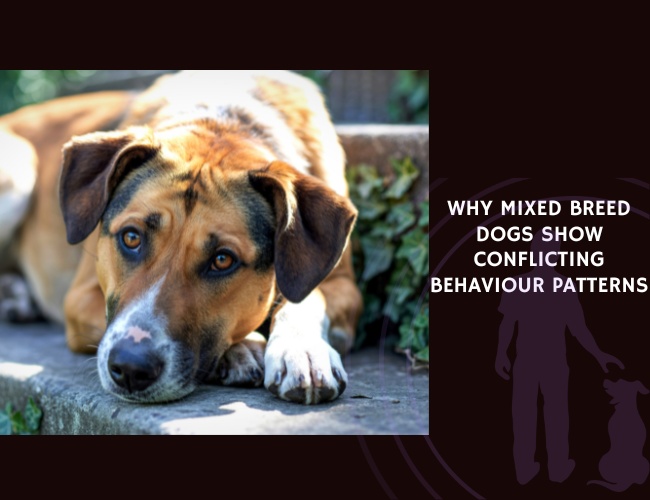
When you adopt a mixed-breed dog, you might notice something puzzling. At home, your furry friend is a gentle, affectionate companion who follows you from room to room, seeking closeness and comfort. But step outside, and suddenly you’re walking a different dog—vigilant, reactive, scanning the environment with intensity you’ve never seen indoors. This isn’t unpredictability or instability. What you’re witnessing is something far more fascinating: genetic mosaicism in action.
Mixed-breed dogs carry within them multiple complete genetic programs, each one a legacy from different ancestral lines. These programs don’t blend into a moderate middle ground. Instead, they coexist, compete, and activate based on context, arousal level, and environmental triggers. Understanding this phenomenon transforms how we approach training and behaviour management, shifting our focus from suppression to alignment—from fighting against nature to working harmoniously with it.
Let us guide you through the science behind these seemingly contradictory behaviours and discover how the NeuroBond approach helps align competing genetic programs into coherent, context-appropriate patterns.
Understanding Genetic Mosaicism in Mixed-Breed Dogs
The Architecture of Multiple Ancestries
Recent genomic research has revealed something remarkable about how dogs inherit and express behavioural traits. Studies examining ancestry-inclusive dog genomics found that breed explains only 9% of behavioural variation in individual dogs. This finding challenges everything we thought we knew about predictability in mixed-breed dogs.
Here’s what this means for you and your dog: when your mixed-breed companion inherits traits from, say, herding breeds, retrievers, and guardian dogs, they don’t receive a watered-down version of each trait. Instead, they inherit multiple complete genetic programs—full instruction sets that can activate independently depending on the situation.
Most behavioural traits show high heritability, meaning they’re strongly influenced by genetics. But these traits express through complex polygenic pathways—networks of genes working together rather than single genetic switches. Your dog isn’t inconsistent; they’re genetically sophisticated, carrying multiple valid behavioural programs that serve different purposes.
When Genetic Programs Compete
Imagine your dog inherited these three distinct drive systems:
Herding vigilance from their Border Collie ancestry tells them to maintain distance from moving objects, control movement patterns, and stay hyper-aware of environmental changes. This program says: scan, assess, create space, manage the situation.
Retriever sociability from their Labrador lineage pushes them toward contact, social engagement, and approach behaviours. This program says: connect, engage, seek proximity, make friends.
Guardian territoriality from their protective breed heritage activates threat assessment, boundary creation, and defensive positioning. This program says: evaluate, protect, create barriers, maintain vigilance.
You might notice how these programs demand opposite responses. The herding drive wants distance while the retriever drive seeks closeness. The guardian instinct creates barriers while the sporting drive closes distance through chase. This isn’t confusion—this is trait competition, where multiple valid genetic instructions coexist and compete for expression.
Common Trait Combinations That Create Conflict:
- Herding + Retriever: Distance control vs. social approach creates the classic “friendly but won’t let other dogs approach” pattern
- Guardian + Companion: Protective vigilance vs. indiscriminate friendliness leads to selective social responses that appear inconsistent
- Terrier + Sporting: Independent problem-solving vs. cooperative engagement creates training challenges where motivation fluctuates
- Herding + Guardian: Double vigilance systems create intense environmental awareness and rapid arousal escalation
- Companion + Independent breeds: Attachment seeking vs. autonomy creates approach-avoidance in human interactions
Context-Dependent Dominance: Different Dogs in Different Places
Your dog’s behaviour shifts systematically across contexts, and once you understand the pattern, you’ll recognize it everywhere. In low-arousal, indoor environments, companion attachment traits typically dominate. Your dog stays near you, seeks reassurance, engages socially without hesitation. Vigilance systems remain dormant because the environment doesn’t require them.
Step outside into high-stimulus contexts, and working drives activate. Herding vigilance emerges. Guardian assessment begins. Distance-maintaining behaviours that seemed absent indoors suddenly appear. Your dog scans the environment, creates space, and responds with an intensity that feels like a personality change.
This isn’t inconsistency—it’s adaptive trait switching based on environmental demands. Through the NeuroBond approach, we recognize that different genetic programs are contextually appropriate for different situations. The dog isn’t confused; they’re responding to which trait system the environment calls forward. 🧠
The Uneven Expression of Inherited Traits
Threshold-Dependent Activation
Some traits in your mixed-breed dog express strongly from puppyhood, while others remain latent until specific triggers activate them. This creates what appears as sudden behavioural shifts but is actually threshold-dependent expression.
Think of it like layers of software on a computer—some programs run automatically at startup, while others only launch when specific conditions are met. Your dog’s genetic programs work similarly. Each inherited drive has its own activation threshold:
Lower thresholds mean traits activate easily and frequently. Higher thresholds mean traits remain dormant until arousal, environmental complexity, or specific stimuli cross the activation point. When that threshold is finally crossed—perhaps during adolescence, after a hormonal shift, or in a novel environment—traits that seemed absent suddenly emerge fully formed.
Why Mixed-Breeds Show Wider Variance Than Purebreds
Purebred dogs, selectively bred for generations toward specific purposes, typically show relatively consistent arousal thresholds. A Border Collie’s herding drive activates predictably; a Golden Retriever’s social approach follows recognizable patterns.
Your mixed-breed dog demonstrates wider variance for several fascinating reasons. First, multiple threshold systems operate simultaneously, with each inherited drive having its own activation point. Second, competing inhibition means one active drive may suppress another until arousal increases further. Third, context sensitivity causes thresholds to shift based on environmental complexity—what activates a trait in one context might not trigger it in another. Finally, different drives have different recovery rates after activation, meaning one trait system might be ready to re-engage while another remains suppressed.
This creates the appearance of unpredictability when your dog is actually responding to multiple valid but competing threshold systems. The key insight? Your mixed-breed dog isn’t unpredictable—they’re context-specifically predictable.
Signs That Multiple Threshold Systems Are Operating:
- Your dog shows different reactions to the same stimulus depending on time of day, location, or handler
- Behaviour intensity varies dramatically: sometimes mild interest, sometimes intense reaction to identical triggers
- Recovery time after arousal varies unpredictably from minutes to hours
- “Good days” and “bad days” seem random but actually correlate with arousal stacking patterns
- Training performance fluctuates not due to motivation but due to which drives are active
- Social tolerance changes based on subtle environmental factors you’re still learning to identify
Mapping Your Dog’s Predictability Patterns
Once you map which traits activate in which contexts, clear patterns emerge. In the home environment, you’ll consistently see trait set A dominate—companion behaviours, relaxed proximity-seeking, and social tolerance. During neighbourhood walks, trait set B emerges—environmental scanning, vigilance, and selective social engagement.
At the dog park, trait set C activates—either social approach and play drive, or conversely, avoidance and space-creation depending on which genetic programs your dog inherited. In novel environments, trait competition intensifies as multiple drives become active simultaneously, each competing for behavioural expression.
You’re not dealing with randomness. You’re witnessing a sophisticated genetic orchestra where different instruments take the lead depending on the composition being played.
Context Collapse and State-Dependent Behavioural Profiles
Becoming Different Dogs: The Reality of Profile Switching
Your mixed-breed companion frequently demonstrates state-dependent behavioural profiles—essentially becoming “different dogs” based on location variables, handler variables, and task variables.
Location Variables That Trigger Different Trait Systems:
- Familiar vs. novel spaces (novelty elevates arousal, unlocking secondary drives)
- Enclosed vs. open areas (confinement activates different defensive strategies)
- Indoor vs. outdoor environments (outdoor contexts naturally elevate vigilance)
- Proximity to home territory (territorial instincts strengthen near home base)
- Environmental complexity (busy locations activate multiple scanning drives simultaneously)
Handler Variables That Modulate Expression:
- Primary caregiver vs. strangers (attachment affects which drives dominate)
- Calm vs. anxious handler state (your arousal directly modulates theirs)
- Predictable vs. inconsistent handling (consistency reduces decision conflict)
- Physical restraint via leash vs. freedom (restriction activates vigilance and control drives)
- Handler attention focus (whether you’re monitoring environment or distracted)
Task Variables That Shift Active Drives:
- Structured activity vs. free time (structure clarifies which drive is appropriate)
- Known routines vs. novel situations (novelty activates multiple competing systems)
- Solo vs. group contexts (social complexity intensifies trait competition)
- Low vs. high cognitive demand (mental load affects available processing for drive management)
Location matters profoundly. Familiar spaces allow companion traits to dominate while novel environments activate vigilance systems. Enclosed areas contain arousal while open spaces amplify scanning drives. Indoor environments suppress working drives while outdoor contexts unleash them. Proximity to home territory triggers different trait systems than distant locations.
Handler variables equally shape which genetic programs express. Your dog shows different behaviours with you, their primary caregiver, than with strangers. Your emotional state—calm versus anxious—modulates their arousal and consequently which drives activate. Predictable handling allows one trait system to dominate, while inconsistent handling intensifies trait competition. Physical restraint via leash creates different behavioural contexts than off-leash freedom.
Task variables add another layer. Structured activities suppress certain drives while channeling others appropriately. Known routines allow dominant traits to express cleanly, while novel situations activate multiple competing systems. Solo contexts differ dramatically from group environments, and cognitive demand influences which trait systems have resources to activate.
Arousal as the Key That Unlocks Hidden Traits
Here’s a critical insight that transforms how you understand your dog: arousal doesn’t just intensify existing behaviour—it unlocks secondary trait systems.
Your dog appears calm at home because low arousal allows companion traits to dominate. Vigilance systems, guardian instincts, and working drives remain below their activation thresholds. Everything flows smoothly because only one genetic program is running.
Outside, elevated arousal unlocks vigilance and guarding traits that seemed entirely absent indoors. This isn’t anxiety or fear—it’s arousal-dependent trait expression. The genetic programs for environmental scanning and threat assessment require elevated arousal to activate. Once arousal crosses that threshold, these “hidden” traits emerge fully formed, with all their associated behavioural sequences ready to execute.
The Invisible Leash approach recognizes this mechanism and uses calm, structured pacing to keep arousal below the threshold where competing drives unlock. When multiple trait systems activate simultaneously, decision conflict intensifies and behaviour appears chaotic. Maintaining arousal management prevents this cascade.
Early Warning Signs Your Dog Is Approaching Arousal Thresholds:
- Subtle postural changes: weight shifting forward, muscles tensing, tail position elevating
- Increased scanning: eyes moving more quickly, head swiveling to track movement
- Decreased responsiveness: slower response to familiar cues, attention harder to capture
- Changes in breathing: faster, shallower breaths or brief breath-holding
- Reduced interest in lower-value rewards: treats become less motivating
- Heightened startle response: reacting more intensely to sounds or movement
- Lip licking, yawning, or other stress signals appearing more frequently
State-Specific Patterns, Not Personality Flaws
What you perceive as “conflicting personality” is actually state-specific trait competition. In low arousal states, social approach dominates, body language relaxes, your dog tolerates novelty easily, and actively seeks contact. This is one valid expression of their genetic inheritance.
In elevated arousal states, distance-maintaining emerges, vigilant scanning activates, your dog becomes selective about approach, and actively creates space. This is an equally valid expression of different genetic programs.
Both states are genuine reflections of inherited behavioural systems. The “conflict” arises when we expect consistency across arousal states—when we demand the same dog in all contexts. That expectation fights against how genetic mosaicism actually works. 🧡
Developmental Timing: When Traits Emerge Over Time
The Misleading Nature of Early Puppyhood
If you adopted your mixed-breed dog as a puppy, you might have felt blindsided by behavioural changes that emerged later. The puppy who was socially confident with every dog suddenly becomes selectively social. The relaxed companion develops leash reactivity. The calm puppy shows environmental vigilance you never saw before.
This isn’t regression, trauma, or poor socialisation—it’s developmental trait emergence. The genetic programs were always present; they simply required maturation to express.
During the puppy period from birth to six months, companion and social traits typically dominate. Working drives remain largely dormant because the hormonal and neurological systems required to activate them haven’t fully developed yet. High neuroplasticity and low trait competition create a misleadingly simple behavioural picture.
Adolescence: When Trait Competition Intensifies
Adolescence, spanning roughly from six to eighteen months, brings dramatic shifts as working drives activate and hormonal changes amplify specific traits. Trait competition intensifies as multiple genetic programs come fully online simultaneously.
Owners frequently report “personality changes” during this period, but nothing about the dog’s fundamental nature has changed. What’s changed is which genetic programs now have the physiological capacity to express. The herding drive that was dormant suddenly activates. Guardian instincts that seemed absent emerge with surprising intensity. Independence drives compete with attachment behaviours that dominated during puppyhood.
By maturity, usually around eighteen months and beyond, full trait expression is achieved. Patterns stabilize—though they remain context-dependent—and individual variation in timing creates unique developmental trajectories. Through Soul Recall, we recognise how these developmental moments shape lasting behavioural patterns, creating emotional memories that influence future expression.
Hormonal Amplification of Existing Genetic Programs
Hormonal development doesn’t create new behaviours—it amplifies existing genetic programs that were written into your dog’s genome from conception. Testosterone enhances territorial, competitive, and independence drives. Estrogen cycles modulate social tolerance and shift reactivity thresholds. Stress hormones lower activation thresholds for vigilance and distance-maintaining behaviours.
In mixed-breed dogs carrying multiple competing drives, hormonal changes can shift the balance between trait systems, creating what appears as sudden behavioural change. The dog who was socially tolerant under lower testosterone levels may become more selective as hormonal development progresses. The companion-focused dog may show increased independence as stress hormones recalibrate their baseline arousal level.
Understanding this mechanism prevents mislabeling developmental changes as behavioural problems requiring correction. Instead, you can anticipate, prepare for, and align with genetic programs as they come online.
Developmental Timeline: What to Expect as Your Dog Matures
The Early Puppy Period (Birth to 6 Months): The Honeymoon Phase
During early puppyhood, you experience what many owners describe as the “perfect puppy” phase. Your mixed-breed companion appears confident, socially outgoing, relaxed in various contexts, and eager to please. This isn’t just puppy innocence—it’s a specific developmental phase where certain genetic programs dominate while others remain neurologically immature.
What you can expect during this period:
Companion and social traits dominate naturally. Puppies are wired for attachment and social bonding during this critical period. The neurological and hormonal systems required to activate working drives haven’t fully developed yet, so herding vigilance, guardian instincts, and independent drives remain largely dormant. Your puppy naturally seeks proximity, accepts handling easily, and shows minimal fear or reactivity.
High neuroplasticity creates rapid learning. This period offers the widest window for socialisation and habituation because your puppy’s brain is maximally plastic. New experiences integrate smoothly without triggering strong genetic responses. Use this time strategically—exposure to diverse environments, people, dogs, and situations creates positive associations before working drives emerge.
Low trait competition means consistent behaviour. Because only one primary genetic program is active (attachment and social bonding), you see relatively consistent behaviour across contexts. This consistency is temporary but valuable—it allows you to establish routines, build basic skills, and create positive associations that will serve as foundation when trait competition intensifies later.
Warning signs versus normal development. Even during this period, some puppies show early signs of specific genetic programs. A puppy who tracks movement obsessively may be showing early herding drive. A puppy who’s highly vocal about territory may be previewing guardian instincts. These aren’t problems—they’re information about which trait systems your dog carries. Note them rather than suppressing them.
Puppy Period: Red Flags vs. Normal Early Drive Expression:
Normal early signs of genetic programs:
- Intense focus on movement (early herding drive indicator)
- Selective social engagement even as young puppy (guardian or independent breed heritage)
- Strong retrieve or carry behaviours (sporting breed genetics)
- Vocal responses to boundary intrusions (guardian instincts previewing)
- Intense investigation of small animals or scents (terrier or hound heritage)
Genuine concern indicators:
- Fear or panic responses to normal stimuli (potential anxiety rather than drive expression)
- Complete lack of social interest in people or dogs (possible developmental issue)
- Extreme resource guarding with aggression toward caregivers (beyond normal genetic guarding)
- Compulsive behaviours that interfere with normal puppy activities
- Pain responses or physical symptoms affecting behaviour
Adolescence (6 to 18 Months): When Trait Competition Intensifies
Adolescence represents the most dramatic behavioural shift in your dog’s life, and it’s the period when most owners feel blindsided by “personality changes.” Understanding what’s happening neurologically and hormonally helps you navigate this phase with patience rather than panic.
What you can expect during this period:
Working drives come online progressively. The genetic programs that were dormant during puppyhood now have the neurological and hormonal support to activate. Herding drives that seemed absent suddenly emerge with surprising intensity. Guardian instincts that weren’t evident before begin shaping responses to strangers and novel situations. Independent problem-solving competes with the attachment-focused behaviour you grew accustomed to.
Hormonal changes amplify specific traits dramatically. Testosterone in male dogs enhances territorial behaviour, competitive drives, and independence. Females experiencing estrogen cycles may show fluctuating social tolerance and shifting reactivity thresholds. These hormonal influences don’t create new behaviours—they amplify existing genetic programs. The guarding instinct that was barely noticeable at six months becomes pronounced at twelve months not because your dog’s personality changed but because testosterone amplifies that genetic program.
Trait competition creates apparent inconsistency. For the first time, your dog experiences multiple strong genetic programs competing simultaneously. The resulting behaviour appears inconsistent because different situations activate different trait systems. Your dog might be confident one day and reactive the next—not because of inconsistency but because Monday’s walk didn’t trigger vigilance drives while Tuesday’s walk did.
Social tolerance often decreases. Many dogs who were friendly with all dogs during puppyhood become more selective during adolescence. This isn’t “socialisation failure”—it’s the emergence of inherited social strategies. Guardian breed heritage brings stranger wariness. Herding breed heritage brings selective bonding patterns. Terrier heritage brings decreased social tolerance. All of these are normal genetic expressions, not behavioural regression.
“Forgetting” training isn’t defiance. Adolescent dogs frequently appear to forget previously learned behaviours. This happens because the arousal levels and trait systems now active during training contexts differ from those present during initial learning. Your dog learned “sit” when companion drives dominated. Now vigilance and environmental scanning compete for attention. They haven’t forgotten—they’re managing competing genetic programs.
Fear periods may emerge. During adolescence, many dogs experience secondary fear periods where previously accepted stimuli suddenly trigger avoidance or reactivity. These periods reflect neurological reorganisation as adult brain structures mature. Respect these periods rather than flooding your dog with exposure—forced interaction during fear periods can entrench long-term sensitivity.
Adolescent Changes: What’s Normal vs. What Needs Professional Assessment:
Normal adolescent trait emergence:
- Increased selectivity with dogs (was friendly with all, now chooses carefully)
- Environmental vigilance that wasn’t present before (herding/guardian drives activating)
- Decreased immediate responsiveness to cues (competing drives creating distraction)
- More intense reactions to triggers (hormonal amplification of existing drives)
- Independence behaviours increasing (natural maturation, especially in certain breeds)
- Apparent “regression” in house training or other learned behaviours during growth spurts
Patterns requiring professional assessment:
- Progressive worsening despite consistent appropriate management
- Genuine panic or phobic responses to previously neutral stimuli
- Aggression that appears without clear trigger or pattern
- Compulsive behaviours intensifying to point of self-harm or life interference
- Complete shutdown or inability to function in normal environments
- Bite incidents or escalating aggression toward family members
Social Maturity (18 Months to 3 Years): Pattern Stabilisation
True behavioural maturity happens later than many owners expect, typically between eighteen months and three years depending on size, breed mix, and individual variation. This is when trait expression patterns stabilize, though they remain context-dependent.
What you can expect during this period:
Full trait expression is achieved. All genetic programs your dog carries now have full neurological and hormonal support to express. You can finally see the complete picture of your dog’s genetic mosaic. The herding drive operates at adult intensity. Guardian instincts function fully. Social strategies reflect mature patterns. This complete expression allows accurate assessment of which trait systems your dog carries and how intensely each expresses.
Patterns become predictable within contexts. While behaviour remains context-dependent, the patterns within contexts stabilize. You can reliably predict that Context A activates Trait Set A, Context B activates Trait Set B. This predictability allows precise management and training protocols that work with your dog’s specific trait combination.
Individual variation in timing is significant. Large dogs typically mature slower than small dogs, with some giant breeds not reaching full maturity until three or four years old. Mixed-breed dogs show even wider variation. Don’t compare your eighteen-month-old to someone else’s dog of the same age—developmental timelines vary dramatically.
When “personality changes” signal concern versus normality. Normal maturation involves behavioural patterns stabilising and becoming more predictable within contexts. Concerning patterns involve escalation despite consistent management, expanding trigger sets, deteriorating recovery ability, or genuine distress signals rather than drive activation. If your dog’s behaviour worsens progressively rather than stabilising, professional assessment is warranted.
Setting Realistic Expectations Across Development
Understanding developmental timing prevents common mistakes that damage the human-dog relationship:
Don’t judge adult behaviour by puppy behaviour. Your eight-month-old showing vigilance that wasn’t present at four months isn’t “damaged”—they’re developing normally. Plan for trait emergence rather than expecting permanent puppy behaviour.
Recognise adolescence as temporary but intense. The period between eight and eighteen months challenges even experienced owners. This phase passes, but it requires patience, consistent management, and realistic expectations about what your dog can handle.
Understand that some traits emerge late. A dog who showed no guarding behaviour until two years old isn’t suddenly “becoming aggressive”—the genetic program was always present but required full maturity to express. Late-emerging traits are normal, not pathological.
Through understanding developmental timing and trait emergence, you navigate your dog’s maturation with clarity rather than confusion, patience rather than panic, and alignment rather than suppression. 🧡
Common Developmental Mistakes That Damage the Human-Dog Bond:
- Expecting puppy behaviour to continue forever: Planning your life around a calm 4-month-old, then feeling betrayed when adolescent drives emerge
- Interpreting trait emergence as “bad training”: Believing you failed when actually genetics are developing normally
- Comparing to other dogs: Your dog’s developmental timeline is unique—other dogs’ timelines are irrelevant
- Punishing normal genetic expression: Correcting herding, guarding, or independence drives rather than channeling them appropriately
- Over-socializing during fear periods: Forcing exposure when your dog needs space and time to neurologically reorganize
- Ignoring early signs of specific drives: Missing opportunities to provide appropriate outlets before drives intensify
- Giving up during adolescence: Rehoming or drastically changing approach during the most challenging but temporary phase
Recognizing Normal Trait Competition: Common Mislabeling Patterns
When “Problems” Are Actually Genetic Sophistication
You’ve likely heard your dog described with labels that feel inaccurate or confusing. Perhaps a trainer called them “unpredictable,” a vet suggested “anxiety medication,” or well-meaning friends warned you about “dominance issues.” Understanding the difference between trait competition and actual behavioural pathology transforms how you perceive and respond to your dog’s behaviour.
What looks like “Unpredictability” is actually context-dependent trait expression. Your dog isn’t randomly switching between behaviours—they’re responding to which genetic program the current context activates. At home with low arousal, companion traits dominate and your dog appears calm and affectionate. Outside with elevated arousal, vigilance drives activate and your dog becomes environmentally focused and selective. The pattern is entirely predictable once you map which contexts trigger which trait systems.
Real-world example: Maya’s mixed-breed dog Cooper was labeled “unpredictable” because he greeted some dogs enthusiastically while reacting intensely to others. Once Maya mapped the pattern, she discovered Cooper approached calm, slow-moving dogs (retriever sociability dominating) but reacted to fast, aroused dogs (herding drive activating to control rapid movement). The behaviour was completely predictable—just context-dependent.
What looks like “Anxiety” is often arousal stacking from decision conflict. When multiple genetic programs compete for expression simultaneously, your dog experiences genuine internal conflict. This elevates arousal, which can manifest as panting, pacing, inability to settle, or hypervigilance—all symptoms that appear similar to anxiety. The critical difference? True anxiety persists regardless of context. Trait competition intensity varies systematically based on which contexts trigger multiple drives simultaneously.
Real-world example: James’ dog Luna panted, paced, and couldn’t settle on walks but was completely relaxed at home. A veterinary behaviourist diagnosed anxiety and prescribed medication. When James worked with a trainer who understood trait competition, they discovered Luna was experiencing decision conflict—her herding drive wanted to control movement, her retriever drive wanted to approach and investigate, and her guardian instinct wanted to assess threats. At home, only companion traits were active, so no conflict occurred. The issue wasn’t anxiety—it was multiple competing drives without clear resolution pathway.
What looks like “Dominance” is actually competing social strategies. Different ancestral lines were selected for fundamentally different approaches to social interaction. Companion breeds exhibit indiscriminate friendliness. Herding breeds show selective bonding with distance control preferences. Guardian breeds display territorial assessment and stranger wariness. When your mixed-breed dog inherits conflicting strategies, they appear simultaneously tolerant yet selective, confident yet avoidant, friendly yet reactive.
Real-world example: Sarah’s dog Bruno was labeled “dominant” because he greeted some people enthusiastically while creating distance from others. Trainers focused on “correcting” his “dominance,” but the behaviour worsened. When Sarah understood Bruno had inherited both companion breed friendliness and guardian breed selectivity, she stopped fighting his nature. She allowed him to choose distance with strangers (honoring guardian instincts) while encouraging engagement with familiar people (satisfying companion drives). The “dominance” disappeared—it was never dominance at all.
The Oscillation Pattern: Approach-Retreat-Approach
Perhaps the most commonly mislabeled pattern is oscillating approach and avoidance—your dog moves toward something, retreats, approaches again, retreats again. This appears as confusion, fear, or “neurotic” behaviour. In reality, it’s multiple drives active simultaneously, each demanding opposite responses.
The approach drive (typically from retriever or companion ancestry) says: “Move closer, investigate, engage.” The distance-maintenance drive (typically from herding or guardian ancestry) says: “Create space, assess from distance, maintain safety margin.” Both programs are active, both are valid, and both are competing for behavioural expression. The oscillation you observe is your dog literally caught between two genetic instructions.
This pattern intensifies in novel environments or with unfamiliar dogs because novelty elevates arousal, which unlocks secondary trait systems. Your dog isn’t “confused”—they’re experiencing genuine decision conflict between equally strong genetic programs.
Body Language Indicators Revealing Which Drive Is Active:
Herding/Vigilance Drive Active:
- Hard, intense stare with minimal blinking
- Stiff, frozen body or controlled, stalking movement
- Weight forward on front legs, ready to move quickly
- Ears pricked sharply forward, highly mobile
- Tail horizontal or slightly raised, may quiver with intensity
- Minimal body wagging—tail may wag but body stays rigid
Social/Companion Drive Active:
- Soft, relaxed eye contact with frequent blinking
- Loose, wiggly body movement
- Weight distributed evenly, relaxed stance
- Ears in neutral or slightly back (friendly position)
- Tail wagging in broad sweeps, whole rear end moving
- Play bows, approach curves, social greeting rituals
Guardian Drive Active:
- Sustained, assessing stare (different from herding—evaluating threat vs. controlling movement)
- Rigid body, may position between handler and perceived threat
- Weight slightly back (preparing to hold ground rather than advance)
- Ears forward or pinned back depending on confidence level
- Tail raised high (confident) or tucked (uncertain but still defensive)
- May include vocalisation preparation—lip curl, low growl
Chase/Play Drive Active:
- Intense focus on moving object with tracking head movements
- Crouch and stalk posture or bouncy, aroused movement
- Weight forward, muscles coiled for quick launch
- Ears forward, highly focused
- Tail position varies—may be up and excited or lowered in stalking mode
- Quick, jerky movements following prey-like motion
The Friendly-But-Reactive Paradox: Understanding the Most Common Confusion
“My dog loves other dogs at the park but lunges and barks at them on leash. I don’t understand—is he friendly or aggressive?”
This question represents perhaps the most universal confusion among mixed-breed dog owners, and it perfectly illustrates how trait competition creates seemingly contradictory behaviour. Let us walk through exactly what’s happening and why both behaviours are genuine expressions of your dog’s genetic makeup.
Off-Leash: When Social Drives Dominate
In off-leash environments like dog parks or a friend’s yard, several factors allow social approach drives to dominate:
Freedom of movement means your dog can control distance. If another dog’s energy feels overwhelming, your dog can create space, circle, or disengage. This autonomy keeps arousal moderate because your dog has agency over the interaction. When arousal remains moderate, companion and social traits typically dominate while vigilance and guardian systems remain dormant.
Natural greeting rituals become possible—the curve approach, the mutual sniffing, the play bow invitation. These species-typical behaviours allow dogs to communicate intent and negotiate interaction terms. When these rituals proceed uninterrupted, social drives operate smoothly without triggering competing genetic programs.
Handler separation reduces transmitted tension. When you’re not directly attached via leash, your dog doesn’t perceive your arousal, uncertainty, or tension. This keeps their baseline arousal lower, allowing social traits to remain dominant.
On-Leash: When Competing Drives Unlock
The same dog on leash encounters a completely different set of circumstances that activate competing trait systems:
Restricted movement activates vigilance systems. Your dog cannot control distance—the leash determines proximity. This restriction triggers herding and guardian drives that specifically evolved to activate when movement control is compromised. Suddenly, the same dog who was socially confident off-leash has vigilance and distance-maintenance programs competing with social approach.
Linear approach patterns feel threatening. On-leash encounters typically involve head-on, direct approaches—exactly the greeting pattern dogs naturally avoid. This frontal approach elevates arousal and signals potential conflict, activating guardian and defensive drives even when both dogs are actually friendly.
Handler tension transmits directly through the leash. You might notice another dog approaching and unconsciously tighten the leash, shift your posture, or hold your breath. Your dog perceives all of this through the physical connection and interprets it as threat signals. Your arousal elevates their arousal, which unlocks secondary trait systems that remained dormant in off-leash contexts.
Barrier frustration compounds the pattern. If your dog wants to greet but the leash prevents it, arousal intensifies. Higher arousal unlocks more trait systems. Now you have social approach, barrier frustration, herding instinct trying to control the other dog’s movement, and guardian assessment all active simultaneously. The result? Intense reactivity that appears aggressive but is actually multiple competing drives creating behavioural chaos.
Handler Proximity as a Tipping Point
Research on social behaviour reveals that handler proximity fundamentally shifts which trait systems express. When you’re present and close—as you are on leash—guardian instincts activate. Your dog may be guarding you as a valued resource, even if they don’t show resource guarding in other contexts. This guardian drive competes directly with social approach drives, creating the reactive behaviour you observe.
This explains the common pattern: “Perfect at daycare where I’m not present, reactive on walks when I’m attached via leash.” It’s not that your dog dislikes other dogs—it’s that your proximity activates a competing genetic program that doesn’t activate when you’re absent.
Practical Solutions for Leash Reactivity Through the Trait Competition Lens
Understanding this mechanism transforms your approach to leash reactivity:
Manage arousal proactively. Before your dog even sees another dog, ensure baseline arousal is moderate. Use calm, predictable pacing through the Invisible Leash approach. Avoid arousal stacking by creating adequate recovery time between encounters. When arousal stays below the threshold where secondary drives unlock, social traits can remain dominant even on leash.
Create distance that allows social drives to dominate. Rather than forcing close proximity that activates guardian and herding drives, maintain distance that keeps vigilance systems dormant. As your dog practices successful, calm observation from distance, you can gradually decrease spacing while monitoring for the moment vigilance starts unlocking.
Use parallel walking instead of head-on approaches. Walking alongside another dog-handler team in the same direction mimics natural canine greeting patterns far better than frontal approaches. This pattern keeps arousal lower and allows social interest without triggering defensive programs.
Address your own tension. Your emotional state actively modulates which trait systems activate in your dog. Practice conscious breathing, relaxed leash holding, and confident movement. Your settled nervous system helps keep your dog’s arousal below the threshold where competing drives unlock.
Teach “check-in and move on” rather than forced greetings. Not every dog encounter needs to result in interaction. Teaching your dog to observe, acknowledge, and continue allows vigilance drives to express appropriately (environmental scanning) without escalating into reactivity. This protocol honors both the vigilance instinct and the social interest without forcing them to compete. 🐾
Practical Solutions for Specific Leash Reactivity Scenarios:
Scenario: Dog approaches from distance
- Notice early, before your dog fixates
- Create diagonal path that increases distance while maintaining forward momentum
- Acknowledge calmly: “I see them, we’re good”
- Reward attention to you or calm observation with continued movement forward
- Allow brief check-back to other dog, reward reorientation to you
Scenario: Surprise encounter at close range
- Immediate distance creation (cross street, turn corner, create space)
- No verbal correction—silence allows your dog to process without added arousal
- Once at comfortable distance, allow brief observation
- Reward any calm behaviour, even if just momentary
- Continue away from trigger, allowing full recovery before next potential encounter
Scenario: Another dog is reactive toward yours
- Your calm becomes even more critical—you’re stabilizing for both dogs
- Create distance swiftly but smoothly (don’t jerk leash)
- Use your body to block your dog’s view if helpful
- Breathe deeply and maintain confident movement
- Resist urge to verbally reassure (can increase arousal)—silence and competent handling speak louder
Scenario: Your dog wants to greet but other dog is avoiding
- Honor the other dog’s need for space—this teaches your dog consent matters
- “Not this time” + continued walking
- Redirect to sniffing, environmental scanning, or brief check-in with you
- Find appropriate greeting opportunity later with willing participant
- This builds frustration tolerance while honoring social drive
Scenario: Both dogs are friendly but excitement is building
- Brief greeting only—30 seconds maximum
- Before arousal peaks, cheerfully end interaction: “Okay, let’s go!”
- Reward disengagement heavily (this is hardest skill)
- Walk separately, allowing arousal to decrease
- Can attempt longer interaction once both dogs prove they can disengage calmly
Learning History: The Tie-Breaker in Trait Competition
How Reinforcement Shapes Which Drive Wins
When multiple inherited drives compete in ambiguous situations, reinforcement history decides which trait “wins.” This is a critical mechanism for understanding behavioural patterns in mixed-breed dogs.
Consider this scenario: your dog encounters another dog on leash. Multiple genetic programs activate simultaneously—herding vigilance says create distance and control movement; retriever sociability says approach and engage socially. These competing drives create decision conflict. Which programme your dog expresses depends largely on which response has been reinforced historically.
If barrier frustration and leash tension repeatedly preceded social contact, the association becomes: arousal plus restraint predicts approach opportunity. Your dog’s arousal intensifies, pulling and reactivity increase, because this pattern has historically led to the desired social engagement. The herding drive loses this competition because the retriever drive has a stronger reinforcement history.
Conversely, if distance-creating behaviours have been reinforced—perhaps unintentionally through handlers creating space when the dog reacts—the herding/guardian drives win the competition. Distance-maintaining becomes the default response because it has reliably reduced arousal and created the outcome the dog sought.
Accidental Strengthening of Specific Trait Systems
You might unknowingly strengthen specific trait systems through inadvertent reinforcement patterns. Environmental scanning gets reinforced when vigilance behaviours successfully predict and prevent uncomfortable approaches. Independence drives strengthen when self-directed behaviours reliably meet needs better than handler-focused behaviours. Chase drives intensify when pursuing movement consistently produces arousal satisfaction.
This explains why two mixed-breed dogs with identical genetic backgrounds can show completely different behavioural profiles. It’s not just genetics—it’s genetics filtered through learning history. The trait systems that reliably produce reinforcing outcomes become dominant, while those that don’t achieve desired outcomes become suppressed.
The NeuroBond framework addresses this by intentionally reinforcing context-appropriate trait expression. Rather than accidentally strengthening whichever drive happens to activate first, structured alignment teaches the dog which genetic program is appropriate for each context.
Common Accidental Reinforcement Patterns That Entrench Problems:
Vigilance accidentally strengthened:
- Your dog alerts to stimulus → you create distance → vigilance rewarded
- Your dog stares intensely at trigger → you provide reassurance → scanning increases
- Your dog shows tension → you remove from situation → avoidance reinforced
- Pattern becomes: Alert harder = get what I want (distance/removal)
Barrier frustration accidentally strengthened:
- Your dog pulls intensely toward other dog → eventually gets to greet → intensity rewarded
- Your dog barks and lunges → other dog moves away → aggressive display “worked”
- Your dog escalates arousal at window → eventually sees trigger leave → vigilance-to-arousal cycle reinforced
- Pattern becomes: Intensity achieves goals
Independence accidentally strengthened over cooperation:
- Your dog ignores you and self-rewards (sniffing, chasing, investigating) → independence reinforced
- You call your dog, they don’t respond, you give up → ignoring cues has no consequence
- Your dog problem-solves without you successfully → learns they don’t need your input
- Pattern becomes: Handler is irrelevant to getting needs met
Context-specific trait dominance becomes entrenched:
- Home: Social approach rewarded with attention, treats, play
- Walks: Vigilance rewarded with distance creation, situation removal
- Result: Same dog, completely different trait dominant in each context
- Pattern becomes rigidly entrenched through consistent but unintentional reinforcement
Preventing Maladaptive Reinforcement Patterns
The most problematic behavioural patterns emerge when maladaptive reinforcement strengthens trait systems that create escalating cycles. Barrier frustration that’s reinforced by eventual access teaches the dog that intensity works. Vigilance behaviours reinforced by avoidance opportunities teach that escalation creates desired outcomes. Chase drives accidentally reinforced through reactive games teach that impulse expression relieves arousal.
Breaking these cycles requires understanding which trait system is driving the behaviour and ensuring that context-appropriate alternatives receive stronger reinforcement. You’re not suppressing the genetic program—you’re teaching when and how it appropriately expresses.
Fragmented. Contextual. Intelligent.
Safe Close Predictable In low arousal indoor environments attachment driven genetic programs dominate creating calm proximity seeking behaviour that feels emotionally stable and socially coherent
Alert Distant Evaluating In stimulus rich outdoor contexts working and vigilance based genetic systems activate shifting behaviour toward scanning spacing and environmental assessment rather than social engagement
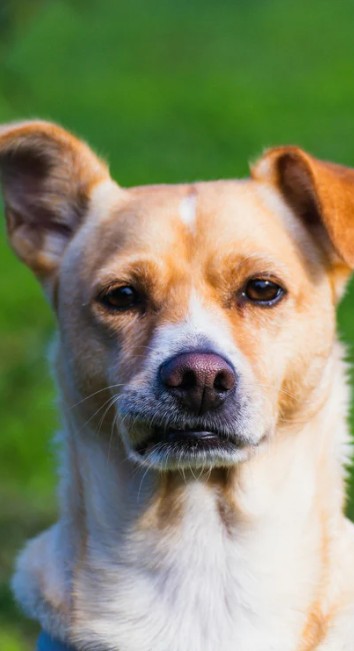
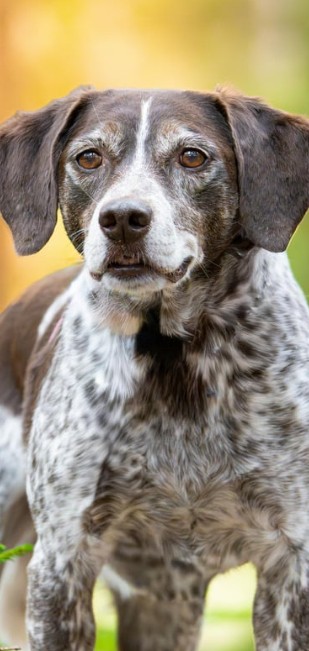
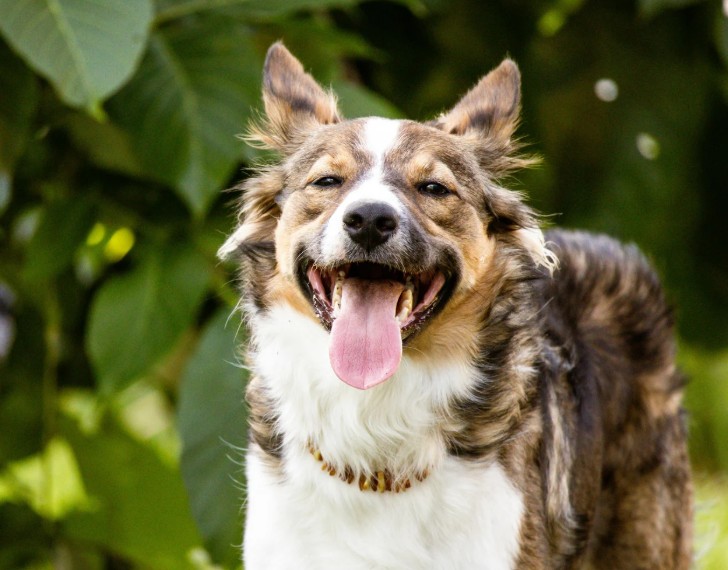
Multiple Parallel Programs These apparent contradictions reflect genetic mosaicism where complete ancestral behaviour programs activate contextually making alignment not suppression the path to coherent behaviour
Arousal Stacking: When Competing Drives Amplify Each Other
Understanding the Arousal Cascade
Arousal stacking occurs when multiple stimuli or situations raise arousal in quick succession without adequate recovery time between them. For mixed-breed dogs with competing trait systems, this creates a perfect storm where multiple genetic programs activate simultaneously.
A typical arousal stacking sequence might look like this: your dog wakes up to unexpected noise, elevating baseline arousal slightly. During the morning walk, they encounter a dog across the street, activating vigilance systems. At the park, rapid movement triggers chase drive. Without recovery time, each event adds arousal on top of existing elevation.
By midday, your dog operates at an arousal level where multiple trait systems are active simultaneously—herding vigilance scanning for movement, retriever sociability seeking engagement, guardian instincts assessing threats. Decision conflict intensifies because three genetic programs compete for behavioural expression.
Signs Arousal Is Stacking and Multiple Drives Are Activating:
- Behaviour becoming more intense with each stimulus even though individual stimuli aren’t particularly challenging
- Recovery time between reactions decreasing—your dog bounces from one trigger to the next faster
- Threshold for reaction lowering—stimuli that wouldn’t normally trigger response now create reaction
- Multiple body language signals appearing simultaneously (vigilance + social interest + guardian positioning)
- Your dog’s responses becoming less discriminate—reacting to everything rather than specific triggers
- Inability to settle or relax even in familiar, previously calm contexts
- Escalation seeming “out of proportion” to the trigger because it’s not about this trigger—it’s cumulative
🧬 Understanding Your Mixed-Breed Dog’s Genetic Mosaic 🐕
A Journey Through Trait Competition, Context-Dependent Behavior, and Alignment Strategies
Phase 1: Recognizing Genetic Mosaicism
Understanding Multiple Inherited Programs
What’s Really Happening
Your mixed-breed dog doesn’t inherit blended traits—they carry multiple complete genetic programs. Each ancestral line contributes full instruction sets that can activate independently based on context, arousal level, and environmental triggers.
Common Trait Combinations You’ll See
• Herding + Retriever: Distance control vs. social approach
• Guardian + Companion: Protective vigilance vs. indiscriminate friendliness
• Terrier + Sporting: Independence vs. cooperative engagement
First Step: Map Your Dog’s Traits
Observe your dog across 4-6 different contexts (home, walks, social situations, novel environments). Document which behaviors emerge where. This creates your dog’s unique genetic map.
Phase 2: Understanding Context Switching
Different Dogs in Different Places
Why Behavior Changes by Location
Indoor low-arousal environments allow companion traits to dominate. Outdoor high-stimulus contexts activate working drives. This isn’t inconsistency—it’s adaptive trait switching where different genetic programs are contextually appropriate.
Key Variables That Trigger Switching
• Location: Familiar vs. novel, enclosed vs. open, proximity to home
• Handler State: Your calm vs. anxiety modulates their arousal
• Task Demands: Structured activity vs. free time, solo vs. group contexts
Training Strategy: Role-Based Approach
Teach context-specific roles: Companion Role at home (rest mode), Scout Role on walks (controlled vigilance), Partner Role during play (cooperative engagement). Clear roles reduce decision conflict.
Phase 3: Managing Arousal Thresholds
When Hidden Traits Unlock
How Arousal Unlocks Secondary Drives
Arousal doesn’t just intensify existing behavior—it unlocks secondary trait systems. Your calm-at-home dog has vigilance and guardian drives that require elevated arousal to activate. Once arousal crosses threshold, “hidden” traits emerge fully formed.
Early Warning Signs to Watch For
• Weight shifting forward, muscles tensing
• Increased environmental scanning
• Decreased responsiveness to familiar cues
• Changes in breathing pattern
• Reduced interest in treats
Prevention Through Invisible Leash Principles
Use calm, predictable pacing to keep arousal below thresholds where competing drives unlock. Strategic recovery between arousing events prevents arousal stacking. Your settled nervous system helps maintain their baseline calm.
Warning: Arousal Stacking
Multiple stimuli without recovery time create a cascade where multiple trait systems activate simultaneously. This appears as loss of control but is actually decision conflict from competing genetic programs.
Phase 4: Navigating Developmental Changes
When Traits Emerge Over Time
The Misleading Puppy Period (0-6 Months)
Working drives remain dormant during puppyhood. The “perfect puppy” behavior you see isn’t permanent—it’s a developmental phase where only companion traits have neurological support to express. Plan for trait emergence rather than expecting puppy behavior forever.
Adolescence: The Challenge Period (6-18 Months)
• Working drives come online progressively
• Hormonal changes amplify specific traits dramatically
• Social tolerance often decreases (normal, not socialization failure)
• “Forgetting” training reflects competing drives, not defiance
• Fear periods emerge—respect them, don’t flood with exposure
Soul Recall in Development
Developmental moments shape lasting behavioral patterns through emotional memory. Positive experiences during trait emergence create foundations for healthy expression. Negative experiences during fear periods can entrench long-term sensitivity.
Phase 5: Solving Leash Reactivity
Understanding the Most Common Confusion
Why Off-Leash ≠ On-Leash Behavior
Off-leash: freedom of movement keeps arousal moderate, social drives dominate. On-leash: restricted movement activates vigilance systems, handler tension transmits directly, linear approaches feel threatening. Same dog, different trait systems activated.
Handler Proximity as Tipping Point
When you’re attached via leash, guardian instincts activate—your dog may be guarding you as a valued resource. This explains “perfect at daycare, reactive on walks.” Your proximity activates competing genetic programs.
Practical Solutions
• Manage arousal proactively before seeing triggers
• Create distance that allows social drives to dominate
• Use parallel walking instead of head-on approaches
• Address your own tension through conscious breathing
• Teach “check-in and move on” rather than forced greetings
Phase 6: Matching Rewards to Active Drives
What Motivates Which Genetic Program
Drive-Specific Motivation
Food treats work when companion drives dominate but are meaningless when vigilance systems are active. Each genetic program has its own reinforcement currency. Understanding which rewards work with which drives transforms training effectiveness.
What Works When
• Vigilance Active: Environmental access, movement forward, brief sniffing
• Social Drive Active: Calm praise, greeting opportunities, handler engagement
• Guardian Active: Distance creation, situation resolution, handler confidence
• Chase Active: Movement opportunities, toy access, play engagement
Reading Active Drive Systems
Before selecting reinforcement, identify which drive is active through body language: hard stare and stiff posture = vigilance; soft eyes and loose body = social; rigid positioning = guardian; intent focus on movement = chase.
Phase 7: Managing Your Own State
Your Role in Modulating Expression
How Your Tension Transmits
Your dog perceives your breathing pattern changes, muscle tension, leash grip changes, movement quality, and even stress hormones in your sweat. Your arousal elevates their arousal, unlocking the exact trait systems you want dormant.
Consistency Self-Audit Questions
• Do I respond to encounters based on my mood or consistent criteria?
• Does my schedule affect how I handle situations?
• Do I handle things differently when others are watching?
• Are rules the same every day or do they change based on my energy?
Breathing Techniques for Calm Leadership
Box breathing before walks (4-4-4-4 pattern). Rhythmic coordination during walks (inhale 4 steps, exhale 4 steps). Extended exhale when approaching triggers (inhale 4, exhale 8). Your breath directly influences their arousal state.
Phase 8: Creating Supporting Environments
External Scaffolding for Internal Harmony
Spatial Clarity Zones
Designate rest zones where all working drives are inhibited (away from windows/doors). Create activity zones for appropriate drive expression. Design transition spaces that help shift between drive states. The environment itself signals appropriate behavior.
Trigger Density Management
• Frosted window film on high-traffic facing windows
• White noise to mask outdoor sounds
• Strategic furniture placement blocking trigger visibility
• Predictable family traffic patterns
• Controlled viewing times vs. blocked access times
Weekly Structure for Recovery
Balance 1-2 high-arousal activities per week with recovery days between. Mixed-breed dogs managing trait competition need MORE rest than single-purpose purebreds. After social activities or novel environments, the next day should be recovery-focused.
🔍 Key Comparisons: Understanding the Differences
Trait Competition vs. Anxiety
Trait Competition: Varies by context, predictable patterns, recovers with appropriate management.
Anxiety: Consistent across contexts, genuine distress signals, requires professional intervention.
Mixed-Breed vs. Purebred
Mixed-Breed: Multiple threshold systems, wider variance, context-specific predictability.
Purebred: Single-drive focus, consistent thresholds, cross-context predictability.
Puppy vs. Adolescent vs. Adult
Puppy (0-6mo): Companion traits dominate, working drives dormant.
Adolescent (6-18mo): Working drives activate, trait competition intensifies.
Adult (18+mo): Full expression, patterns stabilize.
Off-Leash vs. On-Leash
Off-Leash: Freedom of movement, social drives dominant, natural greeting rituals.
On-Leash: Restricted movement activates vigilance, handler tension transmits, guardian drives engage.
Suppression vs. Alignment
Suppression: Eliminate drives, demand consistency, fight nature, creates conflict.
Alignment: Channel drives appropriately, accept context-dependent expression, work with nature, creates harmony.
Normal Development vs. Concern
Normal: Patterns stabilize, context-predictable, improves with management.
Concerning: Progressive worsening, expanding triggers, safety issues, genuine distress.
⚡ Quick Reference Formulas
Context + Arousal Level = Active Trait System
Low arousal + familiar context = Companion traits dominate
Elevated arousal + novel context = Multiple drives compete
Recovery Time Rule:
Vigilance/Guardian drives: 20-60 minutes
Social drives: 10-30 minutes
Multiple drives activated: 45 minutes – 2+ hours
Weekly Activity Balance:
1-2 high-arousal activities + recovery days between = Sustainable management
Daily intense stimulation = Chronic arousal elevation = Increased trait competition
🧡 The Zoeta Dogsoul Approach to Genetic Mosaicism
Your mixed-breed dog isn’t unpredictable—they’re sophisticated. They’re not conflicted—they’re genetically diverse. Through NeuroBond, we recognize that emotional connection and trust-based training honor the complete genetic mosaic rather than fighting against it. The Invisible Leash approach teaches that awareness, not tension, guides the path—keeping arousal below thresholds where competing drives unlock unnecessarily. Soul Recall reminds us that developmental moments and emotional memories shape how these genetic programs express throughout your dog’s life.
That understanding and alignment—that recognition of your dog as a genetic mosaic to be honored rather than a problem to be fixed—creates the foundation for a truly connected relationship. A relationship built not on suppression but on sophisticated collaboration. Not on demanded consistency but on context-appropriate coherence.
That’s where genuine partnership emerges. That’s where the balance between science and soul creates harmony. That’s the journey we take together, honoring the complexity that makes your mixed-breed dog uniquely, wonderfully themselves.
© Zoeta Dogsoul – Where neuroscience meets soul in dog training
The Compounding Effect in Multi-Drive Dogs
For dogs carrying numerous genetic programs, arousal stacking creates exponentially more complexity than it does for single-purpose purebreds. A Border Collie experiencing arousal stacking shows intensified herding behaviours. A Labrador shows amplified retrieval and social drives. But your mixed-breed dog? They show all of these simultaneously, creating behavioural chaos that appears as loss of control.
The trait system with the lowest activation threshold might express first, but as arousal continues climbing, secondary and tertiary drives unlock. Suddenly your dog is trying to herd, socially engage, and create protective distance simultaneously—an impossible task that manifests as reactive intensity, over-threshold behaviour, or shutdown.
Prevention requires recognising arousal stacking in progress and providing recovery time before the next arousing event. The Invisible Leash approach uses calm pacing between stimuli, allowing each trait system to deactivate before the next potentially activates. This prevents the cascade where multiple competing drives overwhelm your dog’s ability to respond coherently. 😄
Strategic Recovery: Preventing the Cascade
Implementing strategic recovery between arousing events might be the most important skill you develop. Watch for early signs that arousal is climbing—slightly taller posture, increased scanning, quicker responses, or reduced interest in lower-value reinforcement. These signals indicate a trait system is approaching its activation threshold.
Before that threshold is crossed and before a secondary drive unlocks, create recovery opportunity. This might mean slowing your pace, creating distance from stimuli, providing a structured waiting moment, or offering a predictable routine that signals to your dog which trait system should be active.
Recovery time required varies by dog and by which trait systems were activated. High-intensity vigilance or chase drives need longer recovery than mild social arousal. Multiple drives activated in quick succession need more time than a single drive briefly activated.
Recovery Strategies Matched to Active Drive Systems:
After Vigilance/Herding Drive Activation:
- Remove from visually complex environments (reduce scanning demands)
- Provide familiar, predictable context where vigilance isn’t needed
- Use slow, rhythmic activities (sniffing, gentle walking, calm massage)
- Recovery time needed: 15-45 minutes typically
- Sign recovery is complete: Soft body language returns, can settle in one position
After Social Drive Arousal:
- Provide calm, non-demanding social interaction or separation depending on dog’s preference
- Avoid high-energy play immediately after—this extends arousal rather than supporting recovery
- Allow self-directed decompression (lying down, calm chewing)
- Recovery time needed: 10-30 minutes typically
- Sign recovery is complete: Natural, spontaneous settling behaviour, gentle social engagement possible
After Guardian Drive Activation:
- Create physical and visual distance from perceived threat
- Provide handler confidence through calm, competent handling
- Allow dog to satisfy “checking” instinct by observing situation resolve safely
- Avoid verbal reassurance (can increase arousal)—silent confidence works better
- Recovery time needed: 20-60 minutes depending on intensity
- Sign recovery is complete: Relaxed guarding stance, attention can shift to other activities
After Chase Drive Activation:
- Provide appropriate, controlled outlet for residual arousal (brief tug, structured fetch)
- Then transition to calm, slow-paced activity
- Avoid immediately returning to environment with chase triggers
- Recovery time needed: 15-40 minutes typically
- Sign recovery is complete: Can observe moving stimuli without intense fixation, body language loose
After Multiple Drives Activated Simultaneously (Worst Case):
- Remove entirely from stimulating environment if possible
- Provide completely calm, familiar context
- May need structured rest (place training, crate rest)
- Avoid any additional arousing activities for remainder of session/day
- Recovery time needed: 45 minutes to 2+ hours
- Sign recovery is complete: Natural settling in rest zone, normal baseline behaviour returns
The Handler’s Role in Modulating Trait Expression
How Your Emotional State Shifts Your Dog’s Behaviour
Your emotional state functions as an arousal modifier for your dog, directly influencing which genetic programs activate. This is one of the most powerful—yet often overlooked—mechanisms in understanding mixed-breed behaviour patterns.
When you feel anxious, uncertain, or tense, several things happen physiologically that your dog perceives. Your breathing pattern changes, becoming shallower and more rapid. Your muscle tension increases, affecting how you hold the leash, move through space, and respond to environmental stimuli. Your gait pattern shifts, often becoming either hurried or frozen. Your scent changes as stress hormones release.
Your dog reads all of this information and interprets it as potential threat indicators. Their arousal elevates in response to your arousal. This elevation brings them closer to the activation thresholds for vigilance, guardian, and herding drives—exactly the trait systems you probably want to remain dormant during walks or social situations.
Handler Tension Transmission Checklist—What Your Dog Perceives:
Physical signals you’re transmitting:
- Leash tension changes (even subtle tightening before you’re consciously aware)
- Gait changes (stride shortening, pace quickening or freezing)
- Breathing pattern shifts (audible to your dog even if you don’t notice)
- Muscle tension (transmitted through leash, visible in posture)
- Grip strength changes (on leash handle, collar, or your dog directly)
- Body direction changes (turning toward or away from stimuli reveals your focus)
Behavioral signals your dog reads:
- Where you’re looking (what you pay attention to signals importance)
- How quickly you respond to stimuli (slow assessment vs. quick reaction)
- Verbal changes (tone, pitch, volume all shift with your arousal)
- Movement predictability (confident, steady vs. hesitant, reactive)
- Decision-making speed (confident choices vs. uncertain wavering)
Chemical signals you emit:
- Stress hormones in sweat (dogs detect cortisol and adrenaline)
- Pheromone changes (your body chemistry shifts with emotion)
- Scent intensity changes (stress causes increased perspiration)

Emotional Neutrality and the Invisible Leash
The Invisible Leash approach emphasises emotional neutrality from the handler for exactly this reason. When you maintain calm confidence—not forced positivity or anxious optimism, but genuine settled presence—you communicate that vigilance isn’t required.
Your steady breathing signals safety. Your relaxed muscle tone indicates there’s nothing to defend against. Your confident movement through space suggests environmental mastery. Your dog’s arousal remains lower, allowing context-appropriate companion traits to dominate rather than unleashing competing guardian or herding drives.
This explains why the same dog may show completely different behavioural patterns with different handlers. The handler’s emotional state isn’t just background noise—it’s active modulation of which trait systems activate. With an anxious handler, vigilance and guardian drives unlock. With a confident handler, companion and social traits remain dominant.
Consistency as Information Architecture
Predictable handling provides your dog with clear information about which trait system is appropriate for each context. When you respond to situations consistently, you’re building an information architecture that reduces decision conflict.
Consistent handling means your dog learns: “When we encounter dogs on this side of the street, companion mode is appropriate.” “When the leash tightens this way, vigilance mode activates.” “In this room, all working drives are inhibited.” “With this cue, play mode and appropriate chase outlet are available.”
Inconsistent handling—responding differently to the same situation based on your mood, energy level, or distraction—intensifies trait competition. Your dog can’t predict which response will be reinforced, so multiple drives activate as hedged bets. The resulting behaviour looks chaotic not because your dog is confused but because they’re preparing multiple genetic programs simultaneously since past patterns haven’t clarified which one to use.
Social Context and Trait Switching
How Dog-to-Dog Interactions Reveal Genetic Mosaicism
Dog-to-dog interactions create fascinating windows into your mixed-breed’s genetic mosaicism because social situations activate multiple trait systems simultaneously. The retriever sociability drive pushes toward engagement. The herding instinct assesses movement patterns and may trigger control behaviours. Guardian drives evaluate threat level. Prey drives respond to rapid movement.
You might notice your dog’s social behaviour shifts dramatically based on the other dog’s behaviour. With calm, slow-moving dogs, companion and social traits dominate—your dog appears confident and socially skilled. With fast, aroused dogs, herding or chase drives activate—your dog’s behaviour intensifies, they create distance or attempt movement control.
This isn’t social skill deficit—it’s different trait systems activating in response to different stimuli. The “inconsistency” in your dog’s social behaviour actually reveals which specific movement patterns, energy levels, and interaction styles trigger which genetic programs.
Group Dynamics Amplify Trait Competition
In group settings like dog parks, trait competition intensifies exponentially. Multiple dogs moving simultaneously create a perfect trigger environment where herding drives, chase drives, social approach, and vigilance systems all activate concurrently.
Your dog might appear to handle individual dog interactions well but become overwhelmed in groups. This happens because managing one set of trait competitions (do I approach this dog or maintain distance?) is cognitively manageable. Managing multiple simultaneous competitions (do I approach dog A while monitoring dog B’s movement while creating distance from dog C?) exceeds processing capacity.
The result might look like social overwhelm, reactivity, or disengagement—but it’s actually multiple genetic programs trying to execute simultaneously without clear hierarchy or decision-making framework. Through the NeuroBond approach, we recognise that alignment rather than exposure creates success. Teaching your dog which trait system to prioritise in group contexts reduces decision conflict and allows coherent behaviour patterns to emerge.
Lifestyle Factors That Influence Trait Expression
Exercise Type Matters: Outlets for Specific Drives
Not all exercise equally satisfies genetic drives. A retriever-mix running on a treadmill experiences physical exertion but gets no outlet for their retrieval and object-carrying drives. A herding-mix walking on leash experiences movement but no opportunity for environmental control or movement pattern management.
Providing appropriate outlets for specific genetic programs reduces their pressure for inappropriate expression. If your dog carries herding genetics, activities involving movement control—agility courses where they navigate complex patterns, treibball where they move objects, or structured scentwork where they methodically scan environments—satisfy those drives far better than repetitive fetch or long runs.
If retriever genetics dominate, carrying objects, retrieving games, and water activities provide genuine satisfaction. If guardian instincts run strong, perimeter walks where your dog checks boundaries, structured “watch” exercises where they scan and report back, or guarding games with appropriate outlets satisfy those drives constructively.
Environmental Enrichment and Cognitive Load
Cognitive enrichment—activities that require problem-solving, decision-making, or novel pattern recognition—can actually intensify trait competition in mixed-breed dogs. When cognitive load increases, arousal often elevates, potentially unlocking secondary trait systems.
A puzzle feeder might seem like ideal enrichment, but if solving it elevates arousal enough to activate competing drives, the enrichment creates stress rather than satisfaction. A complex scentwork game might trigger both retrieval instincts and herding drives simultaneously, creating decision conflict.
This doesn’t mean avoiding cognitive enrichment—it means carefully observing which activities increase coherent trait expression versus which intensify trait competition. Activities that channel one specific genetic program while keeping arousal moderate tend to be most successful.
Rest and Recovery: When All Drives Need Inhibition
Adequate rest is perhaps the most underestimated factor in managing trait competition. When dogs lack sufficient downtime where all working drives are inhibited, baseline arousal creeps upward. This means trait systems operate closer to their activation thresholds, making it easier for competing drives to unlock with minimal stimuli.
Structured rest protocols—designated times and spaces where all working drives are intentionally inhibited—allow your dog’s nervous system to recover. This isn’t just physical rest; it’s neurological recovery where genetic programs that have been active can fully deactivate.
Many behaviour problems attributed to genetics or training failures are actually chronic arousal elevation from insufficient recovery time. Your mixed-breed dog carrying multiple trait systems needs MORE rest than single-purpose purebreds, not less, because managing trait competition is cognitively and emotionally demanding. 🧡
When Professional Assessment Becomes Necessary
Distinguishing Normal Trait Competition from Pathology
Most behavioural variation in mixed-breed dogs reflects normal genetic mosaicism expressing through trait competition. However, certain patterns warrant professional assessment because they indicate pathology rather than normal genetic complexity.
Seek professional evaluation if behaviour escalates over time despite consistent management. Normal trait competition remains relatively stable in intensity once developmental maturity is reached. If your dog’s reactions intensify, trigger sets expand, or recovery time lengthens progressively, this suggests something beyond trait competition.
Similarly, if your dog shows genuine distress rather than drive activation—trembling, hiding, shutdown, or physiological stress signals like excessive panting, drooling, or digestive upset—this indicates fear or anxiety requiring intervention beyond trait management.
Compulsive behaviours that interfere with normal functioning suggest neurological factors rather than genetic drive expression. Aggression that appears genuinely unpredictable rather than context-dependent, particularly if it includes bite history, requires professional assessment to rule out pain, neurological issues, or pathological aggression patterns.
Complex Cases Requiring Specialised Intervention
Some mixed-breed dogs demonstrate trait competition so intense or learning histories so complex that standard alignment approaches prove insufficient. These cases typically involve multiple complicating factors: extensive history of reinforced maladaptive patterns, underlying anxiety or fear disorders complicating drive expression, potential genetic predispositions to impulsivity or compulsivity, medical factors affecting behaviour, or significant environmental instability preventing pattern establishment.
Professionals can conduct systematic assessment distinguishing normal trait competition from compounding factors, design individualised protocols addressing specific trait combinations, implement desensitisation or counter-conditioning where needed, coordinate medical evaluation and intervention, and provide ongoing support through developmental transitions.
Quality of life assessment becomes critical in complex cases. If your dog’s trait competition significantly impairs their daily life—creating chronic stress, preventing normal activities, or damaging the human-animal bond—professional intervention supports both dog and owner through systematic resolution.
Collaborative Approach to Complex Behaviours
The most effective intervention for complex mixed-breed behaviour patterns involves collaboration between you, a qualified behaviour professional, and potentially veterinary support. This team approach addresses genetic factors through trait alignment protocols, environmental factors through systematic management, learning history through strategic reinforcement, medical factors through appropriate intervention, and developmental factors through stage-appropriate support.
This collaborative framework acknowledges that your mixed-breed dog’s behaviour emerges from multiple interacting systems. Single-approach interventions—whether purely training-based, purely medical, or purely environmental—rarely succeed with genuinely complex patterns because they address only one dimension of multi-factorial expression.
Aligning the Mosaic: The NeuroBond Framework in Action
Active Waiting and Drive Clarification
Active Waiting teaches your dog when each trait system is appropriate for expression. Rather than all drives competing simultaneously, structured waiting provides clarity about which genetic program should be active.
In structured waiting, companion traits are appropriate—calm proximity-seeking, relaxed body language, attention to handler. Vigilance isn’t required because you’re handling environmental scanning. Social approach is inhibited because it’s not greeting time. Working drives remain dormant because no job has been assigned.
This framework transforms trait competition into adaptive flexibility. Your dog learns to express different genetic programs appropriately rather than having them compete chaotically. The herding drive activates during structured movement activities. The social drive expresses during designated greeting times. The guardian instinct engages during legitimate boundary situations. Each trait has its appropriate context.
Creating Context-Specific Rules Through the Invisible Leash
The Invisible Leash approach provides your dog with clear spatial and energetic information about appropriate behaviour in each context. “On this side of the threshold” signals companion mode—all working drives inhibited, proximity and calm expected. “On leash” indicates scout mode—controlled vigilance appropriate, herding instincts channeled through structured walking.
“In this room” means rest mode—all drives inhibited, complete relaxation expected. “With this cue” activates play mode—appropriate chase outlet, retrieval instincts satisfied, social engagement permitted.
These context-specific rules reduce decision conflict by clarifying which trait system to prioritise. Rather than multiple competing drives all attempting expression simultaneously, clear contextual information helps one appropriate genetic program dominate while others remain inhibited.
Building Coherence Through Calm Structure
Calm structure prevents arousal from unlocking competing drives. When you maintain predictable pacing, avoid arousal stacking, provide clear expectations, and demonstrate consistent leadership through your settled presence, you keep your dog’s arousal below the thresholds where secondary trait systems activate.
This doesn’t suppress genetic programs—it sequences their expression. Each drive gets appropriate outlet in appropriate context without competing drives interfering. The herding instinct satisfied through structured activities doesn’t then hijack the evening walk. The social drive met through designated play sessions doesn’t overwhelm focus during training. The guardian instinct acknowledged through boundary checks doesn’t create reactivity during neighbourhood strolls.
That balance between honouring multiple genetic programs while providing clarity about appropriate expression—that’s the essence of Zoeta Dogsoul.
Practical Implementation: Working with Your Dog’s Unique Mosaic
Mapping Your Individual Dog’s Trait Systems
Begin by observing and documenting your dog’s behaviour across different contexts. Notice which behaviours emerge at home versus during walks versus at the dog park versus in novel environments. Document what happens when arousal increases—which new behaviours appear that weren’t present at lower arousal?
Identify patterns in social interactions—does your dog’s behaviour change based on the other dog’s energy level, size, or movement style? Notice handler-dependent patterns—does your dog behave differently with you versus other family members, and what specific differences in handling might explain this?
Track developmental changes—has your dog’s behaviour shifted as they’ve matured, and do those shifts reflect trait emergence rather than problems? Recognise threshold patterns—at what arousal level do you see behavioural shifts, and which specific trait systems seem to unlock at those thresholds?
This mapping process reveals your dog’s unique genetic mosaic. You’re not dealing with generic “mixed-breed behaviour”—you’re discovering the specific combination of trait systems your individual dog carries and how they express across contexts.
Designing Context-Appropriate Management Protocols
Once you’ve mapped your dog’s trait systems, design management protocols that work with rather than against their genetic complexity. For each environment, establish clear rules about which trait is appropriate. In the home environment, companion attachment dominates—create routines that reinforce calm proximity and relaxation. During structured walks, controlled vigilance is appropriate—acknowledge environmental scanning while preventing it from escalating into reactivity.
At social venues, specify whether social engagement or observation is appropriate for that particular situation. During working activities, channel specific drives intentionally—use herding games for herding genetics, retrieval games for sporting breeds, guarding games for protective instincts.
Manage transitions between contexts carefully, recognising that context switches require mental adjustment as your dog shifts which genetic program is active. Provide clear signals about transitions—specific cues, location changes, or routine sequences that help your dog recognise which trait system should now be active.
The Long View: Patience with Genetic Complexity
Working with mixed-breed dogs’ genetic mosaicism requires patience and realistic expectations. Your dog isn’t going to show identical behaviour across all contexts—that would require suppressing legitimate genetic programs that serve specific purposes.
Instead, aim for context-appropriate coherence. Your dog can learn to be a calm companion at home, a controlled scout on walks, an appropriate social participant when engagement is suitable, and an enthusiastic worker during structured activities. Each context activates different trait systems, and that’s not just acceptable—it’s adaptive.
Celebrate the richness that genetic diversity provides. Your mixed-breed dog’s ability to shift between trait systems represents sophisticated behavioural flexibility. They can adapt to diverse situations in ways that single-purpose purebreds cannot. This adaptability is an advantage, not a problem—it simply requires understanding and alignment rather than suppression.
Embracing Adaptive Flexibility Over Demanded Consistency
The Adaptive Value of Genetic Mosaicism
Your mixed-breed dog’s genetic mosaicism provides genuine adaptive advantages that transform from liability to asset when properly understood and aligned. Behavioural flexibility means your dog can adapt behaviour to diverse contexts—they’re not locked into single-purpose expression but capable of multiple roles depending on what the situation requires.
This genetic complexity provides resilience. Your dog has multiple coping strategies available when challenges arise. If one approach fails, they can switch to an alternative drawn from a different genetic program. Their behavioural repertoire is broader than single-purpose breeds, allowing more creative problem-solving.
Perhaps most valuably, genetic mosaicism creates genuine individuality. Unique combinations of trait systems create distinct personalities that aren’t stereotyped by breed expectations. Your dog’s genuine behavioural diversity reflects their specific genetic heritage, making them truly one-of-a-kind.
The challenge isn’t the trait mosaic itself—it’s helping you and your dog navigate it effectively. When alignment succeeds, genetic complexity becomes a strength rather than a struggle.
From Suppression to Alignment: A Paradigm Shift
Traditional training approaches often focus on suppression—eliminating unwanted behaviours through correction, reducing drive expression, demanding consistency across contexts regardless of genetic pressures. This paradigm fights against your dog’s inherent nature, creating ongoing conflict between what training demands and what genetics drive.
The alignment paradigm shifts from elimination to channeling. Rather than suppressing the herding drive, provide appropriate outlets. Instead of punishing vigilance, teach when and where it’s appropriate. Rather than demanding social tolerance in all contexts, recognise when distance-maintenance is the contextually appropriate response.
This shift transforms your relationship with your dog from adversarial to collaborative. You’re not fighting against their nature—you’re working with their genetic complexity to build coherent, context-appropriate behaviour patterns that honour who they fundamentally are.
Working with Nature, Not Against It
Mixed-breed dogs don’t show “conflicting behaviour patterns” due to instability, unpredictability, or personality flaws. They demonstrate adaptive trait mosaicism—multiple inherited genetic programs expressing differentially based on context, arousal state, and learning history.
This understanding revolutionises how we approach training and behaviour management. Instead of viewing behavioural variation as problems to fix, we recognise trait competition as normal consequences of genetic diversity. Rather than demanding impossible consistency, we develop context-appropriate expectations that align with how genetic programs actually function.
The journey with a genetically complex dog requires more understanding, more nuance, and more individualized approaches than working with predictable purebreds. But that complexity also brings richness, adaptability, and genuine individuality that makes the relationship deeper and more rewarding.
Your mixed-breed dog isn’t unpredictable—they’re sophisticated. They’re not conflicted—they’re genetically diverse. They’re not flawed—they’re layered, carrying within them the legacy of multiple ancestries, each contributing valid genetic programs that serve specific purposes.
Through the NeuroBond framework, you learn to read which trait system is active, provide clarity about appropriate expression, prevent arousal from unlocking competing drives unnecessarily, and channel genetic programs into constructive outlets. You transform trait competition into adaptive flexibility, creating a dog who expresses different aspects of their heritage appropriately rather than chaotically.
That understanding and alignment—that recognition of your dog as a genetic mosaic to be honoured rather than a problem to be fixed—creates the foundation for a truly connected relationship. A relationship built not on suppression but on sophisticated collaboration. Not on demanded consistency but on context-appropriate coherence.
That’s where genuine partnership emerges. That’s where the Invisible Leash becomes real—not through control, but through mutual understanding. Not through force, but through aligned purpose. That’s the journey we take together, honouring the complexity that makes your mixed-breed dog uniquely, wonderfully themselves. 🧠
Practical Assessment Tools: Mapping Your Dog’s Unique Trait Systems
The Context-Mapping Protocol
Understanding your dog’s specific genetic mosaic requires systematic observation across contexts. This protocol gives you a structured approach to identify which trait systems your dog carries and when each activates.
Step 1: Identify Your Primary Observation Contexts
Select 4-6 distinct contexts where you regularly observe your dog:
- Home environment (specify whether alone, with family, during meals, etc.)
- Neighbourhood walks (specify time of day, typical route)
- Social situations (dog parks, play dates, training class)
- Novel environments (new locations, vet visits, pet stores)
- High-stimulus situations (busy streets, wildlife encounters)
Step 2: Document Behaviour Patterns in Each Context
For each context, observe and record for one week:
Behavioural indicators to track:
- Body language (tail position, ear position, muscle tension, eye focus)
- Movement patterns (pacing, stillness, approach, avoidance, circling)
- Vocalisation (barking, whining, growling, silence)
- Social behaviour (approach, avoidance, neutral observation)
- Response to stimuli (reaction speed, intensity, recovery time)
- Arousal indicators (panting, drooling, hypervigilance, inability to settle)
- Focus quality (Can maintain attention? Easily distracted? Fixated?)
- Recovery patterns (How quickly returns to baseline after stimulation?)
Environmental factors to note:
- Time of day (morning, afternoon, evening—affects baseline arousal)
- Weather conditions (temperature, rain, wind can influence behaviour)
- Proximity to home (territorial behaviours stronger near home base)
- Presence of specific triggers (other dogs, people, vehicles, wildlife)
- Handler state (your energy level, stress, confidence)
- Recent activities (what happened in hours before—arousal stacking?)
Step 3: Identify Trait System Signatures
Match observed behaviours to likely genetic programs:
Herding Drive Indicators: Environmental scanning, movement tracking, attempts to control/redirect other beings’ movement, circling behaviours, intense eye contact, distance-maintaining while monitoring.
Retriever/Sporting Drive Indicators: Enthusiastic approach to objects and beings, carrying behaviours, water attraction, cooperative engagement, sustained focus on handler.
Guardian Drive Indicators: Territorial responses, alert barking, stranger assessment, positioning between handler and perceived threats, increased vigilance with handler present.
Terrier Drive Indicators: Intense focus on small animals, digging behaviours, vocal communication, independent problem-solving, selective social tolerance, quick arousal escalation.
Companion Drive Indicators: Proximity-seeking, contact initiation, attention to handler emotion, social indiscrimination, comfort-seeking, separation sensitivity.
Step 4: Map Arousal Thresholds for Trait Switching
Note when behaviour shifts occur:
- What arousal level does it take for vigilance systems to activate?
- At what point do social drives become suppressed?
- How much stimulation triggers guardian behaviours?
- When does your dog shift from one trait system to another?
Step 5: Document Recovery Patterns
Track how your dog returns to baseline after activation:
- How long after arousing stimuli disappear does behaviour normalise?
- Which trait systems require longer recovery?
- Does recovery happen naturally or require intervention?
- Are there patterns in what helps recovery (distance, calm pacing, familiar routines)?
Drive-Specific Testing Methods
Once you’ve completed context mapping, targeted testing reveals how intensely each drive expresses and under what conditions.
Social Drive Assessment
Test in low-arousal conditions first, gradually increasing challenge:
- Off-leash greeting with calm, familiar dog: Note approach style, greeting ritual, play initiation
- Parallel walking with unfamiliar dog at distance: Observe interest level, vigilance, arousal changes
- On-leash encounter with unknown dog: Document reactivity, approach-avoidance, handler focus
Vigilance Drive Assessment
Introduce novel stimuli at varying distances:
- Stationary novel object: How close will your dog approach? How long until investigation versus vigilance dominates?
- Moving object: Does movement intensify interest or trigger control behaviours?
- Environmental changes: How does your dog respond when familiar environments shift?
Chase Drive Assessment
Present prey-like movement safely:
- Tossed ball or toy: Enthusiastic chase or moderate interest?
- Squirrel/bird at distance: Tracking only or intense arousal?
- Quick-moving dog: Play engagement or control attempt?
Guardian Drive Assessment
Observe territorial and protective responses:
- Stranger approaching home: Alert versus barrier frustration versus aggression?
- Resource presence during stranger approach: Tolerance versus guarding?
- Novel person with handler: Protective positioning versus friendly greeting?
Arousal Threshold Assessment Worksheet
Create a chart tracking stimuli and the arousal response:
Stimulus | Arousal Level Before | Arousal Response | Active Trait System | Recovery Time
Example entry: “Dog across street | 3/10 | Elevated to 7/10 | Vigilance/Herding | 5 minutes with distance”
Track 20-30 encounters across one week to identify patterns:
- Which stimuli consistently elevate arousal above baseline?
- At what arousal level do secondary drives unlock?
- Which combinations of stimuli create arousal stacking?
- What’s your dog’s typical baseline versus maximum arousal?
Recovery Pattern Tracking
Understanding recovery patterns prevents arousal stacking and helps you time activities appropriately.
Post-Arousal Recovery Protocol:
- Note the stimulus that elevated arousal
- Document peak arousal level (1-10 scale)
- Record active trait system during arousal
- Track time until return to baseline
- Note whether recovery was active (required intervention) or passive (happened naturally)
- Document what helped recovery (distance, familiar activity, rest, etc.)
Pattern Recognition: After two weeks of tracking, you’ll identify:
- Which trait systems require longest recovery
- Whether your dog naturally down-regulates or needs help
- Optimal timing between arousing activities
- Early signs that arousal is climbing
This systematic assessment creates a personalised map of your dog’s trait systems, activation patterns, and recovery needs—essential information for designing effective management protocols. 😊
Quick Professional Assessment Checklist:
Seek immediate professional support if you observe:
- Bite incidents or near-misses with humans or other dogs
- Aggression that appears without identifiable pattern or trigger
- Behaviour escalating despite consistent, appropriate management over 4+ weeks
- Your dog showing genuine distress signals: trembling, hiding, digestive upset, sustained physiological stress
- Safety concerns for family members, especially children
- Complete inability to function in normal daily environments (can’t walk, can’t be in home calmly)
- Compulsive behaviours causing self-harm (excessive licking to point of wounds, tail chasing causing injury)
- Sudden dramatic personality changes (possible medical cause)
- You feeling unsafe, overwhelmed, or unable to manage daily life with your dog
Consider professional guidance (less urgent but valuable) if:
- You’re uncertain whether behaviour is normal trait competition or pathology
- Multiple self-directed interventions haven’t created progress
- You want structured protocol development and expert guidance
- Behaviour is complex and you’d benefit from experienced assessment
- Training isn’t progressing as expected despite consistent effort
- You want confirmation of your assessment before committing to long-term management plan
- Quality of life is moderately impaired but not dangerous
Likely normal trait competition (self-management appropriate) if:
- Behaviour varies predictably by context
- You can identify which drives are competing
- Patterns are stable (not progressively worsening)
- With appropriate management, your dog shows improvement
- No safety concerns present
- Your dog recovers from arousal with reasonable recovery strategies
Role-Based Training Framework: Teaching Context-Appropriate Expression
Understanding Role Clarity
Traditional training assumes dogs should behave identically across all contexts. Role-based training recognises that different contexts appropriately activate different genetic programs. Your dog doesn’t need to perform identically at home and at the dog park—they need to perform appropriately for each context.
This framework assigns specific “roles” to different environments, providing your dog with clear information about which trait system should dominate. Rather than suppressing competing drives, you teach when each is appropriate.
Home Context: Companion Role
In home environments, companion attachment traits should dominate. Working drives, vigilance systems, and guarding instincts can be appropriately inhibited.
Protocols for Companion Role:
Relaxation Training: Teach your dog that home equals rest mode. Use mat training, place training, or designated rest zones where all working drives are intentionally inhibited. Start with short durations (30 seconds) and gradually extend. The goal isn’t inactivity—it’s teaching that this context doesn’t require vigilance, guarding, or working drive activation.
Proximity Tolerance: Practice calm co-existence in the same space without constant interaction. This teaches your dog that companion role doesn’t mean continuous attention-seeking but rather relaxed presence. Reward settling near you without demands, gradually increasing duration and decreasing reward frequency.
Social Engagement Practice: Since companion drives dominate at home, this is ideal context for teaching calm greeting behaviours, gentle touch tolerance, and appropriate social interaction. These skills learned in low-arousal home context can later be applied to higher-arousal situations.
Cues Specific to Companion Role:
- “Place” or “Mat” signals rest mode activation
- “Settle” indicates companion proximity without activity
- “Gentle” cues appropriate social interaction intensity
Walk Context: Scout Role
Neighbourhood walks appropriately activate controlled vigilance and environmental awareness. Rather than suppressing herding or guardian drives entirely, channel them into structured scouting.
Protocols for Scout Role:
Structured Environmental Scanning: Teach “check-in” behaviours where your dog scans environment, then returns attention to you. This honours vigilance drives while preventing them from escalating into reactivity. Every 10-20 steps, cue your dog to scan, then reward orientation back to you. This creates a pattern: assess, report back, continue.
Controlled Vigilance: Allow appropriate alert behaviours while teaching return to calm. When your dog notices something worthy of attention, acknowledge it (“I see it”), allow brief observation, then cue movement forward. This teaches that vigilance is appropriate but shouldn’t lock into sustained reactivity.
Leadership Through Pacing: Use calm, confident pacing through the Invisible Leash approach. Your movement pattern signals which areas require assessment versus which areas are safe to pass. Slow, deliberate pacing near novel stimuli says “we’re assessing.” Confident, continuous pacing past familiar areas says “no assessment needed.”
Cues Specific to Scout Role:
- “Check” signals appropriate environmental scanning
- “With me” recalls attention from environment to handler
- “Move on” indicates assessment complete, continue forward
Play Context: Partner Role
Play and training contexts activate sporting drives, chase programmes, and cooperative engagement while maintaining impulse control.
Protocols for Partner Role:
Cooperative Games: Focus on activities requiring teamwork—tug with give/take cues, fetch with delivery to hand, hide-and-seek requiring search cooperation. These satisfy sporting/retriever drives while building handler focus even during arousal.
Impulse Control Within Play: Teach that arousal doesn’t mean loss of control. Practice “ready/wait” before toy throws, “take it/leave it” during tug, and “check-in” during chase games. This builds the crucial skill of maintaining cognitive function even when drives are active.
Appropriate Chase Outlets: Provide structured opportunities for safe chase expression. Flirt poles, lure coursing, or controlled retrieve games channel chase drives into appropriate outlets, reducing the pressure for inappropriate expression during walks or social situations.
Cues Specific to Partner Role:
- “Ready” signals activity about to begin
- “Get it” releases for chase/retrieval
- “Bring” cues cooperative delivery
- “Enough” signals play session ending
Teaching Role Switching Between Contexts
The most valuable skill is teaching your dog to recognise context transitions and shift which trait system is appropriate.
Transition Rituals:
Create clear rituals marking context changes:
- Before entering home: “Pause” at threshold, deep breath, “okay” releases into companion role
- Before beginning walk: Sit-wait at door, leash attachment, “let’s go” signals scout role activation
- Before play: Toy appears, “ready” cue, enthusiastic voice shift signals partner role
Progressive Context Building:
Build role behaviours within easy contexts before generalising:
- Master companion role in quiet home
- Practice in home with mild distractions
- Extend to familiar low-stimulus locations
- Gradually increase environmental challenge
Context-Specific Reinforcement:
Match reinforcement to active role:
- Companion role: Calm praise, gentle touch, low-energy treats
- Scout role: Environmental rewards (brief sniff opportunities, continuing forward), acknowledgment rather than excitement
- Partner role: High-energy praise, play rewards, enthusiastic engagement
Through role-based training, your dog learns that each genetic program has appropriate expression contexts. Trait competition decreases because clarity about which drive should dominate replaces ambiguity that forces self-selection between competing programs. 🐾
Role-Based Training Quick Reference:
Companion Role (Home/Rest Contexts):
- Primary cues: “Place,” “Settle,” “Gentle,” “Rest”
- Dominant drives: Companion attachment, proximity-seeking
- Inhibited drives: Vigilance, guarding, working drives
- Reinforcement: Calm praise, gentle touch, low-energy treats
- Success indicator: Natural settling, relaxed body language, can rest in one position
Scout Role (Walk/Environmental Contexts):
- Primary cues: “Check,” “With me,” “Move on,” “Let’s go”
- Dominant drives: Controlled vigilance, environmental awareness
- Managed drives: Social approach (allowed but controlled), chase (redirected)
- Reinforcement: Forward movement, brief sniff opportunities, environmental access
- Success indicator: Can scan and reorient, maintains connection with handler
Partner Role (Play/Training Contexts):
- Primary cues: “Ready,” “Get it,” “Bring,” “Enough,” “Take it/Leave it”
- Dominant drives: Cooperative engagement, sporting/chase drives
- Managed drives: Impulse control maintained even during arousal
- Reinforcement: Play access, high-energy praise, toy rewards, chase opportunities
- Success indicator: Can engage intensely then disengage on cue
Transition Protocols Between Roles:
- Home entry: Pause → breathe → “Okay” → Companion role active
- Walk start: Sit-wait → leash on → “Let’s go” → Scout role active
- Play start: Toy appears → “Ready” → enthusiastic tone → Partner role active
- Always include clear marker that one role ends and another begins
Environmental Redesign: Creating Spaces That Reduce Trait Competition
Spatial Clarity Zones in the Home
Your home environment can either intensify trait competition or provide clear signals about appropriate behaviour. Strategic spatial design reduces decision conflict by providing context-specific zones.
Rest Zones: Companion Role Dominance
Designate specific areas where all working drives should be inhibited:
- Physical boundaries: Use rugs, mats, or dog beds to mark rest zones visually
- Location selection: Choose areas away from windows (reduces vigilance triggers), away from doors (reduces guardian activation), in family traffic patterns (reinforces companion proximity)
- Consistent expectations: In rest zones, no guarding, no vigilance, no play drive—only relaxation and calm proximity
- Family consistency: Everyone reinforces rest zone rules identically
Activity Zones: Controlled Drive Expression
Create designated areas for appropriate working drive activation:
- Play area: Specific room or yard section where chase, retrieve, and play drives express appropriately
- Training space: Area where focus and cooperation are practiced with minimal distractions
- Observation zones: Safe window spots where controlled vigilance is acceptable (if your dog carries strong vigilance drives)
Transition Spaces: Arousal Regulation
Design buffer zones that help your dog shift between different drive states:
- Entry area ritual: Before entering home, brief pause at threshold allows shift from scout mode to companion mode
- Pre-walk preparation: Designated area for leash attachment, creating mental shift into scout role
- Post-activity decompression: Quiet area for recovery after high-arousal activities before returning to rest zones
Stimulus Density Control
Managing how many trait-activating stimuli your dog encounters reduces arousal stacking and trait competition.
Window Management
Windows provide environmental access that constantly triggers vigilance and guardian drives:
- Visual barriers: Use frosted film, curtains, or strategic furniture placement on windows facing high-traffic areas
- Controlled viewing: Allow window access during calm times, block during high-stimulus periods (delivery times, neighbour dog walking times)
- Alternative satisfaction: Provide appropriate vigilance outlets (structured observation times, environmental enrichment) rather than constant window vigilance
Sound Management
Auditory triggers activate drives even when visual contact isn’t present:
- White noise or music: Mask outdoor sounds that trigger guardian and vigilance drives
- Sound tolerance training: Gradually build tolerance to common triggers during low-arousal periods
- Alert acknowledgment: When your dog alerts to sounds, acknowledge briefly (“I hear it”) then redirect to calm behaviour
Environmental Modifications Checklist:
Visual trigger reduction:
- Frosted window film on windows facing high-traffic areas (reduces constant vigilance activation)
- Strategic furniture placement blocking window access during peak trigger times
- Curtains or blinds closed during delivery hours, neighbourhood dog-walking times
- Elevated resting spots away from windows (reduces territorial monitoring)
- One-way visibility solutions (your dog can’t see out, but natural light enters)
Auditory trigger reduction:
- White noise machines near common resting areas
- Background music or TV to mask sudden outdoor sounds
- Doorbell replacement or training (doorbell activates guardian drives intensely)
- Weather stripping on doors to reduce sound transmission
- Strategic placement of dog’s resting areas away from shared walls (apartments)
Movement trigger reduction:
- Reduce visual access to areas where people/animals move quickly past
- Create “safe zones” where your dog can retreat from movement stimulation
- Use baby gates to limit access to areas with high movement visibility
- Frosted glass or privacy screens on lower window portions (where dog’s sight line is)
- Predictable family traffic patterns so movement doesn’t constantly trigger scanning
Territorial trigger reduction:
- Clear boundary markers your dog can understand (gates, thresholds, designated zones)
- Reduced access to front windows/doors where territory defense instincts strengthen
- Welcome mats, entry rituals that signal “this person is invited” vs. “intruder”
- Separation from entry areas during high-traffic times (mail delivery, guest arrivals)
Traffic Flow Control
How family members move through spaces affects trait activation:
- Predictable patterns: Establish consistent paths through home so your dog isn’t constantly triggered by movement
- Calm entry protocols: Family members enter quietly, allowing greetings only after dog settles rather than rewarding aroused greeting
- Separation during high-activity: During chaotic times (morning routine, dinner preparation), provide your dog with a calm zone rather than expecting them to manage multiple competing drives amid chaos
Daily Routine Templates That Reduce Trait Competition
Predictable routines signal which trait system should be active at each time, dramatically reducing decision conflict.
Morning Routine: Progressive Activation
6:00 AM – Wake in rest zone (companion role) 6:15 AM – Calm breakfast routine (companion role maintained) 6:30 AM – Transition ritual at door 6:35 AM – Morning walk (scout role activated) 7:15 AM – Return transition ritual 7:20 AM – Return to rest zone (companion role resumed)
This sequence teaches that scout role has specific timing and clearly defined beginning and ending.
Midday Routine: Drive Satisfaction
12:00 PM – Wake from rest 12:15 PM – Activity session: fetch, tug, or training (partner role) 12:45 PM – Decompression period: calm walk or sniffing activity 1:00 PM – Return to rest zone
This schedule provides appropriate outlet for working drives without creating constant arousal.
Evening Routine: Wind Down Protocol
6:00 PM – Family interaction time (companion role) 7:00 PM – Brief evening outing (limited scout role) 7:30 PM – Calm evening activities 8:30 PM – Transition to overnight rest
The consistent wind-down signals that working drives are inhibited for the night.
Weekly Structure
Balance high-arousal activities (dog park, play dates, training class) with recovery days. Mixed-breed dogs managing trait competition need more recovery time than single-drive purebreds. Consider 1-2 high-arousal activities per week with rest days between rather than daily intense stimulation.
Through environmental redesign and routine structure, you create external scaffolding that reduces your dog’s need to constantly negotiate competing drives. The environment itself signals appropriate behaviour, decreasing decision conflict and allowing coherent trait expression. 🧡
Handler Self-Assessment: Your Role in Trait Expression
Emotional State Inventory
Your emotional state directly modulates which trait systems activate in your dog. This inventory helps you recognise patterns in how your internal state affects your dog’s behaviour.
Before Your Next Walk, Notice:
Physical tension levels: Are your shoulders raised? Is your jaw clenched? Are you gripping the leash tightly? Tension transmits directly through leash contact and affects your movement quality. Your dog perceives this as potential threat signals, elevating their arousal and unlocking vigilance or guardian drives.
Breathing pattern: Is your breath shallow and high in your chest, or deep and diaphragmatic? Shallow breathing accompanies stress and transmits uncertainty. Deep, rhythmic breathing signals calm competence and helps maintain your dog’s arousal below thresholds where competing drives unlock.
Movement quality: Are you moving with confidence and purpose, or hesitantly and reactively? Your movement pattern tells your dog whether you’re competently navigating the environment or uncertain about how to proceed. Hesitant movement activates guardian drives as your dog perceives need to compensate for your uncertainty.
Mental state: Are you worried about encountering triggers, relaxed about the walk, or distracted by other thoughts? Your mental focus affects your movement, timing, and responses—all of which your dog reads constantly.
Consistency Self-Audit
Inconsistent handling intensifies trait competition by preventing your dog from learning which response patterns are appropriate.
Review Your Last Five Dog Encounters:
- Did you respond the same way each time, or did your response vary?
- If your response varied, what influenced the difference? (Your mood, time pressure, who was watching, how you felt about the specific dog?)
- Does your dog receive clear, consistent information about appropriate responses, or must they guess which response you’ll reinforce today?
Common Inconsistency Patterns:
Mood-dependent: You allow pulling toward dogs when you’re relaxed but correct it when you’re stressed. Your dog learns that context doesn’t determine appropriate behaviour—your emotional state does. This forces them to constantly assess your mood rather than learning consistent responses.
Time-dependent: You allow greetings when you have time but rush past when you’re late. Your dog experiences confusion because the same stimulus (another dog) sometimes predicts opportunity and sometimes predicts denial.
Dog-dependent: You encourage approach to dogs you perceive as friendly but create distance from dogs you perceive as threatening. Your dog learns to read your assessment rather than developing their own consistent response pattern. This increases vigilance as they monitor your reactions constantly.
Tension Transmission Awareness Exercise
Leash tension creates a direct communication channel that transmits your state to your dog instantly. This exercise builds awareness of this mechanism.
The Awareness Walk:
- During your next walk, notice every moment you tighten the leash
- Before the tension, what did you see, think, or feel?
- What was your dog doing at the moment you tightened?
- How did your dog’s behaviour change after the tension increase?
Most handlers discover they tighten the leash before the dog reacts—meaning they’re creating the very arousal they’re trying to prevent. Your anticipatory tension elevates your dog’s arousal, unlocks vigilance or guardian drives, and can trigger the reactivity you feared.
Practice Conscious Leash Management:
Neutral baseline: Maintain gentle, consistent contact that provides information without restriction Intentional changes: If you need to create distance or redirect, make deliberate choices rather than reactive tension Release immediately: After any necessary tension, release back to neutral immediately rather than maintaining restrictive pressure
Breathing and Grounding Techniques for Walks
Your breath directly influences your dog’s arousal state. These techniques help you maintain the calm confidence that keeps your dog’s arousal below thresholds where competing drives unlock.
The Foundation Breath: Box Breathing
Before walks and during any moment of tension:
- Inhale through nose for count of 4
- Hold for count of 4
- Exhale through nose or mouth for count of 4
- Hold empty for count of 4
- Repeat 3-5 cycles
This pattern activates parasympathetic nervous system, reducing your physiological stress response and creating genuine calm rather than performed calm. Your dog perceives the difference.
The Walking Breath: Rhythmic Coordination
Coordinate breath with footsteps during walks:
- Inhale for 4 steps
- Exhale for 4 steps
- Maintain consistent rhythm
This creates both physiological calm and movement rhythm that your dog can sync with, reducing need for constant vigilance about your changing state.
The Emergency Reset: Extended Exhale
When you notice tension rising (in you or your dog):
- Pause movement briefly
- Take one deep inhale
- Exhale for twice the length of inhale (inhale 4, exhale 8)
- This single breath activates calming response rapidly
Breathing Techniques Quick Reference for Different Situations:
Before walks (preparation breathing):
- Technique: Box breathing (4-4-4-4 pattern)
- Duration: 3-5 cycles (about 1-2 minutes)
- Purpose: Establish calm baseline before exposure to triggers
- When: Before leashing your dog, while putting on shoes
During walks (maintenance breathing):
- Technique: Rhythmic coordination (inhale 4 steps, exhale 4 steps)
- Duration: Continuous throughout walk
- Purpose: Maintain steady calm, provide rhythm your dog can sync with
- When: Default breathing pattern for entire walk
Approaching triggers (preventive breathing):
- Technique: Extended exhale (inhale 4, exhale 8)
- Duration: 2-3 cycles as you approach potential trigger
- Purpose: Prevent anticipatory tension from transmitting to dog
- When: When you spot another dog, person, or potential trigger approaching
After reactive moments (recovery breathing):
- Technique: Box breathing with extended exhales (4 in, 4 hold, 8 out, 4 hold)
- Duration: 5-10 cycles until your heart rate normalizes
- Purpose: Return yourself to baseline so you can support your dog’s recovery
- When: Immediately after any incident or close call
At home during aroused moments (reset breathing):
- Technique: Extended exhales (inhale 4, exhale 8-12)
- Duration: Continue until you feel physical tension release
- Purpose: Model calm for your dog during household arousal
- When: Doorbell rings, guests arrive, unexpected noises occur
Before training or play (engagement breathing):
- Technique: Normal deep breathing with slight energy increase
- Duration: 3-4 deep breaths
- Purpose: Engaged presence without anxiety
- When: Before starting training session or play activity
Grounding: The Four Corners
When you feel overwhelmed by environmental complexity:
- Notice four things you can see
- Notice three things you can hear
- Notice two things you can physically feel
- Notice one thing you can smell
This pulls attention from anxious thoughts into present moment awareness, shifting you from reactive to observant state. Your dog perceives this shift and often calms in response.
Recognising Your Contribution: A Mindset Shift
Perhaps the most valuable aspect of handler self-assessment is recognising that your dog’s behaviour doesn’t exist in isolation—it’s part of a dynamic system that includes your state, responses, and patterns.
This isn’t about blame or guilt. It’s about power and agency. If your state affects your dog’s behaviour, then you have far more influence than you thought. Rather than feeling helpless about your dog’s “unpredictability,” you can make changes in yourself that shift the entire system.
Many “dog behaviour problems” dramatically improve when handlers address their own tension, inconsistency, and transmitted anxiety. Your dog isn’t difficult—the system you’re both operating in needs adjustment. 😊
Reinforcement Strategy: Matching Rewards to Active Drive Systems
Understanding Drive-Specific Motivation
One of the most common training mistakes is attempting to use the same reinforcer regardless of which genetic program is active. Food treats are valuable when companion drives dominate, but often meaningless when vigilance or guardian systems are active. Understanding which reinforcers work with which drives transforms training effectiveness.
Vigilance Drive Active: Environmental Reinforcement
When herding vigilance or environmental scanning systems are active, your dog’s motivation is information access, not food or praise.
Effective Reinforcers:
- Brief sniff opportunities: Allow 3-5 seconds of focused sniffing after check-in behaviour
- Movement forward: Continuing the walk becomes the reward for disengaging from stimuli
- Environmental access: Brief observation of interesting stimulus followed by movement away
- Distance: Creating space from arousing stimulus reinforces appropriate alert behaviour
Why Food Often Fails: When vigilance drives are active, your dog’s arousal is elevated and focus is external. Food appears irrelevant compared to environmental information. Forcing food-focus can increase conflict rather than reinforcing desired behaviour.
Application Example: Your dog alerts to a person across the street. Rather than demanding focus on you for treat, you acknowledge (“I see them”), allow 2-3 seconds of observation, then reward the check-in by moving forward confidently. Movement forward satisfied the vigilance need (information accessed) while reinforcing the check-back behaviour.
Social Drive Active: Engagement Reinforcement
When retriever sociability or companion attachment drives dominate, social interaction becomes the highest value reinforcer.
Effective Reinforcers:
- Calm praise and physical contact
- Opportunity to greet (when appropriate)
- Handler engagement and attention
- Cooperative activities like brief training sequences
- Food treats (now effective because arousal is moderate and focus is on social partner)
Why Distance Fails: When social drives dominate, creating distance from social opportunities punishes rather than reinforces. If your dog wants to greet and you create distance every time they look at another dog, you’re punishing the exact awareness you want to reinforce.
Application Example: Your dog notices another dog but maintains calm body language and checks in with you. You reward with praise and offer choice: “Do you want to say hello?” If yes and appropriate, brief calm greeting becomes reinforcer. If no or inappropriate, praise and continued walk together satisfies social drive through handler connection.
Guardian Drive Active: Control and Resolution Reinforcement
When protective or territorial instincts activate, your dog’s motivation is control over potential threats and resolution of ambiguous situations.
Effective Reinforcers:
- Distance creation (removing “threat”)
- Situation resolution (person passes, concern dissolves)
- Handler confidence (your calm signals no threat exists)
- Physical positioning (moving between dog and stimulus acknowledges their concern)
Why Forced Proximity Fails: When guardian drives activate, forcing your dog closer to perceived threats intensifies arousal and conflicts with their genetic programme’s entire purpose. You’re essentially punishing them for doing exactly what guardian genetics demand.
Application Example: Your dog stiffens as stranger approaches. Rather than forcing greeting or pulling dog away reactively, you calmly create appropriate distance, acknowledge your dog (“I see them, we’re good”), and allow the situation to resolve as person passes. Resolution reinforces that guardian assessment was appropriate but escalation wasn’t necessary.
Chase/Play Drive Active: Movement and Capture Reinforcement
When sporting/chase drives activate, moving objects and physical activity become primary reinforcers.
Effective Reinforcers:
- Brief chase opportunity (controlled)
- Toy access
- Play engagement
- Fast-paced movement
- Object carrying or retrieval
Why Stillness Fails: When chase drives are active, demanding stationary attention fights the genetic programme. The reward structure needs to satisfy movement drive while teaching control.
Application Example: Your dog fixates on squirrel. Rather than demanding they ignore entirely, teach “look” (acknowledge squirrel), “good” (reward awareness), then offer alternative outlet: “Get your ball!” redirects chase drive into appropriate object. Chase satisfied, handler focus reinforced.
Reading Which Drive Is Currently Active
Before selecting reinforcement, identify the active drive system through body language:
Vigilance/Herding Active:
- Hard stare, intense focus on environment
- Stiff body posture, weight forward
- Ears pricked forward, tail horizontal or raised
- Quick scanning movements
Social Drive Active:
- Soft body language, loose movement
- Tail wagging in broad, loose motion
- Play bow or social approach postures
- Attention split between stimulus and handler
Guardian Drive Active:
- Rigid body, positioning between handler and stimulus
- Sustained stare, often with slight head lowering
- Tail raised or tucked (depending on confidence level)
- Vocalisation or preparation for vocalisation
Chase Drive Active:
- Intent focus on moving object
- Crouch and stalk posture
- Quick, jerky movements following prey-like motion
- High arousal with forward momentum
Matching reinforcement to the active drive system works with your dog’s genetics rather than against them, dramatically improving training efficiency and reducing frustration for both of you. 🐾
Quick Reference Decision Tree: Is This Trait Competition or Something Else?
Question 1: Does the behaviour vary predictably by context?
YES → This suggests trait competition
- Same dog, different behaviour in different contexts indicates context-dependent genetic expression
- Example: Friendly at dog park, reactive on leash = typical trait competition pattern
- Action: Map contexts, identify which drives activate where, implement role-based protocols
NO → Consider alternative explanations
- If behaviour is consistent across all contexts, trait competition is less likely
- Move to Question 2
Question 2: Does arousal level predict behaviour changes?
YES → This suggests arousal-dependent drive activation
- If your dog is one way at low arousal and dramatically different at elevated arousal, competing drives are likely unlocking at arousal thresholds
- Example: Calm at home, vigilant outside = arousal-dependent trait expression
- Action: Focus on arousal management, implement strategic recovery, practice Invisible Leash pacing
NO → Consider medical or fear-based causes
- If arousal level doesn’t correlate with behaviour changes, investigate other factors
- Move to Question 3
Question 3: Is there genuine distress evident?
YES → This may indicate anxiety, fear, or pain
- Distress signals: trembling, hiding, digestive upset, sustained physiological stress, shutdown
- These differ from drive activation: alert posture, scanning, arousal with recovery ability
- Action: Seek professional assessment, rule out medical causes, consider behaviour veterinarian consultation
NO → Return to trait competition assessment
- If no distress present, likely trait competition creating behavioural variation
- Move to Question 4
Question 4: Does behaviour worsen progressively despite consistent management?
YES → This suggests something beyond normal trait competition
- Normal trait competition stabilizes with appropriate management
- Progressive worsening indicates compounding factors: medical issues, reinforcement of maladaptive patterns, increasing sensitivity, neurological factors
- Action: Professional assessment warranted, don’t delay seeking specialized support
NO → This supports trait competition diagnosis
- Stable intensity that varies by context = normal genetic mosaicism
- Action: Continue with alignment-based approaches, focus on context-appropriate management
Question 5: Can you identify which specific trait systems are competing?
YES → You have clarity for targeted intervention
- When you can name the competing drives, you can design specific protocols
- Example: “My dog’s herding drive competes with their retriever sociability” enables targeted role-based training
- Action: Implement drive-specific outlets, teach role switching, use appropriate reinforcement for each drive
NO → More assessment needed
- Return to Context-Mapping Protocol
- Complete Drive-Specific Testing
- Track patterns for 2-3 weeks before designing intervention
Question 6: Are there safety concerns present?
YES → Professional support is priority
- Aggression with bite history
- Behaviour that genuinely endangers dog or others
- Situations where owner feels unsafe or unable to manage
- Action: Seek qualified professional immediately, prioritize safety while assessment occurs
NO → Continue with alignment approaches
- Focus on prevention of escalation
- Build skills systematically
- Monitor for any emerging safety concerns
When to Seek Professional Help: Clear Indicators
Seek immediate professional support if:
- Bite history or genuinely dangerous aggression
- Behaviour worsening despite consistent appropriate management
- Multiple interventions have failed
- Quality of life significantly impaired for dog or family
- You feel unsafe or overwhelmed
- Medical concerns can’t be ruled out
Professional assessment is valuable (but not urgent) if:
- Behaviour is complex and you want expert guidance
- You’re uncertain about diagnosis (trait competition vs. pathology)
- You want structured protocol development
- Training isn’t progressing as expected
- You want confirmation of your assessment
Remember: Most mixed-breed behavioural variation reflects normal genetic complexity. Professional support is valuable for complex cases, but understanding trait competition, implementing context-appropriate management, and working with your dog’s genetics rather than against them resolves the majority of concerning patterns. 🧠
Embracing Adaptive Flexibility Over Demanded Consistency
The Adaptive Value of Genetic Mosaicism
Your mixed-breed dog’s genetic mosaicism provides genuine adaptive advantages that transform from liability to asset when properly understood and aligned. Behavioural flexibility means your dog can adapt behaviour to diverse contexts—they’re not locked into single-purpose expression but capable of multiple roles depending on what the situation requires.
This genetic complexity provides resilience. Your dog has multiple coping strategies available when challenges arise. If one approach fails, they can switch to an alternative drawn from a different genetic program. Their behavioural repertoire is broader than single-purpose breeds, allowing more creative problem-solving.
Perhaps most valuably, genetic mosaicism creates genuine individuality. Unique combinations of trait systems create distinct personalities that aren’t stereotyped by breed expectations. Your dog’s genuine behavioural diversity reflects their specific genetic heritage, making them truly one-of-a-kind.
The challenge isn’t the trait mosaic itself—it’s helping you and your dog navigate it effectively. When alignment succeeds, genetic complexity becomes a strength rather than a struggle.
From Suppression to Alignment: A Paradigm Shift
Traditional training approaches often focus on suppression—eliminating unwanted behaviours through correction, reducing drive expression, demanding consistency across contexts regardless of genetic pressures. This paradigm fights against your dog’s inherent nature, creating ongoing conflict between what training demands and what genetics drive.
The alignment paradigm shifts from elimination to channeling. Rather than suppressing the herding drive, provide appropriate outlets. Instead of punishing vigilance, teach when and where it’s appropriate. Rather than demanding social tolerance in all contexts, recognise when distance-maintenance is the contextually appropriate response.
This shift transforms your relationship with your dog from adversarial to collaborative. You’re not fighting against their nature—you’re working with their genetic complexity to build coherent, context-appropriate behaviour patterns that honour who they fundamentally are.
Working with Nature, Not Against It
Mixed-breed dogs don’t show “conflicting behaviour patterns” due to instability, unpredictability, or personality flaws. They demonstrate adaptive trait mosaicism—multiple inherited genetic programs expressing differentially based on context, arousal state, and learning history.
This understanding revolutionises how we approach training and behaviour management. Instead of viewing behavioural variation as problems to fix, we recognise trait competition as normal consequences of genetic diversity. Rather than demanding impossible consistency, we develop context-appropriate expectations that align with how genetic programs actually function.
The journey with a genetically complex dog requires more understanding, more nuance, and more individualized approaches than working with predictable purebreds. But that complexity also brings richness, adaptability, and genuine individuality that makes the relationship deeper and more rewarding.
Your mixed-breed dog isn’t unpredictable—they’re sophisticated. They’re not conflicted—they’re genetically diverse. They’re not flawed—they’re layered, carrying within them the legacy of multiple ancestries, each contributing valid genetic programs that serve specific purposes.
Through the NeuroBond framework, you learn to read which trait system is active, provide clarity about appropriate expression, prevent arousal from unlocking competing drives unnecessarily, and channel genetic programs into constructive outlets. You transform trait competition into adaptive flexibility, creating a dog who expresses different aspects of their heritage appropriately rather than chaotically.
That understanding and alignment—that recognition of your dog as a genetic mosaic to be honoured rather than a problem to be fixed—creates the foundation for a truly connected relationship. A relationship built not on suppression but on sophisticated collaboration. Not on demanded consistency but on context-appropriate coherence.
That’s where genuine partnership emerges. That’s where the Invisible Leash becomes real—not through control, but through mutual understanding. Not through force, but through aligned purpose. That’s the journey we take together, honouring the complexity that makes your mixed-breed dog uniquely, wonderfully themselves. 🧠










