
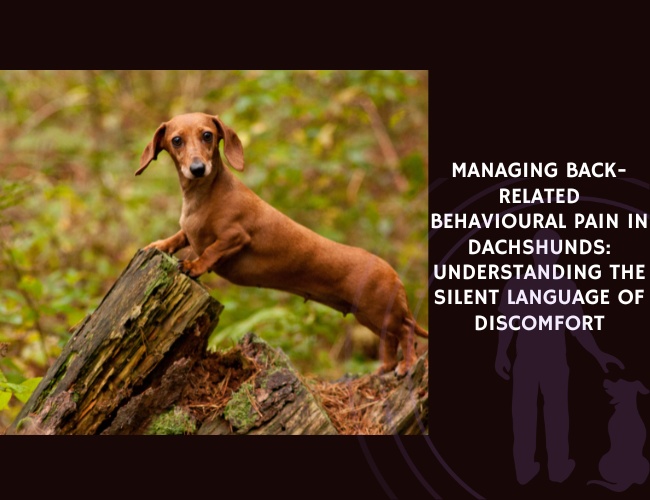
When your Dachshund hesitates at the bottom of the stairs, eyes searching yours for reassurance, something profound is happening beneath the surface. That moment of uncertainty might not be stubbornness or sudden disobedience—it could be your dog’s quiet way of telling you that their body hurts. For Dachshunds, those beloved long-bodied companions with hearts far bigger than their stature, back pain is not just a physical challenge. It becomes a communication barrier, an emotional burden, and a test of the trust you’ve built together.
The journey through spinal discomfort is complex for these remarkable dogs. Their unique genetics—the very traits that make them Dachshunds—create vulnerability in their spines. But what makes this challenge even more intricate is how pain changes not just their movement, but their emotional world, their behavior, and the way they relate to you. Understanding this silent language of discomfort requires us to look beyond obvious limping or yelping. We must learn to read the subtle shifts in posture, the micro-expressions of anxiety, and the behavioral adaptations that your Dachshund develops to cope with chronic or acute spinal pain.
This exploration takes us deep into the intersection of veterinary science, behavioral understanding, and emotional intelligence. Through the lens of the NeuroBond approach, we’ll discover how pain reshapes the canine experience and how you can become fluent in recognizing, responding to, and managing back-related behavioral pain in your Dachshund. 🧡
Genetic Architecture: Why Dachshunds Carry This Burden
The Chondrodystrophic Blueprint
Your Dachshund’s distinctive silhouette—that elongated body supported by short, sturdy legs—is the result of intentional selective breeding for chondrodystrophy. This genetic condition affects cartilage formation during skeletal development, creating the characteristic dwarf-like proportions that define the breed. While this body structure enabled Dachshunds to excel at their original purpose of pursuing badgers through underground tunnels, it creates significant biomechanical stress on the spine.
Chondrodystrophy doesn’t just shape external appearance. It fundamentally alters how intervertebral discs develop and age throughout your dog’s life. In chondrodystrophic breeds, the nucleus pulposus—the gel-like center of each disc—begins calcifying much earlier than in other breeds. By the time your Dachshund reaches one year of age, these discs have already started losing their shock-absorbing properties. This premature degeneration transforms what should be flexible cushions into brittle structures vulnerable to herniation.
The mathematics of physics works against them. A longer spinal column experiences greater torque forces during everyday movements like jumping, running, or even turning quickly. Each vertebral segment must work harder to maintain stability, and the intervertebral discs bear increased compressive and shearing forces. When you watch your Dachshund leap from the couch, that single movement creates force loads that their spinal architecture struggles to safely distribute.
The IVDD Timeline: When Vulnerability Becomes Reality
Intervertebral Disc Disease (IVDD) in Dachshunds doesn’t appear suddenly—it unfolds across a timeline that begins long before you notice any symptoms. Understanding this progression helps you recognize the earliest behavioral indicators.
Stage One: Silent Degeneration (Ages 1-3)
During this period, disc calcification accelerates while your Dachshund appears perfectly healthy. Their behavior remains normal, their movement fluid and confident. Yet beneath the surface, structural changes are accumulating. The discs lose water content and flexibility. The fibrous outer ring begins developing microscopic tears. Your dog compensates unconsciously, making tiny postural adjustments you wouldn’t detect without specialized imaging.
Stage Two: Subclinical Discomfort (Ages 3-5)
This is where behavioral observation becomes crucial. Your Dachshund might begin showing subtle preference changes—choosing to avoid certain movements while maintaining overall mobility. They might hesitate momentarily before jumping, opt for the floor instead of the couch, or change their sleeping position. These aren’t obvious pain signals. They’re adaptive behaviors that indicate your dog is starting to experience intermittent discomfort.
Stage Three: Emerging Pain Behaviors (Ages 5-7)
Now the signs become clearer, though still easily misinterpreted. Your Dachshund might show irritability when handled in specific ways, demonstrate reluctance for activities they once loved, or display anxiety in situations involving spinal stress. This is the critical intervention window—the point where recognition and response can significantly alter their quality of life trajectory.
Early Warning Signs to Watch For
As your Dachshund moves through these vulnerability stages, watch for these subtle indicators that suggest developing spinal discomfort:
- Movement hesitation – Brief pauses before jumping or climbing, suggesting internal cost-benefit calculations
- Position preference changes – Switching from curled sleeping positions to fully stretched out postures
- Selective activity avoidance – Declining previously enjoyed activities like fetch or stair climbing
- Postural shifts – Arched back appearance, weight shifted forward, or altered tail carriage
- Handling sensitivity – Flinching, tensing, or moving away when touched along the spine
- Intermittent lameness – Brief limping episodes that resolve quickly but recur
- Reduced greeting enthusiasm – Less vigorous door greetings to avoid rapid movement and potential jostling
Breed-Specific Pain Expression
Research suggests that Dachshunds may demonstrate breed-specific patterns in how they express and respond to pain. Their breeding history emphasized determination, courage, and persistence—traits that served them well in hunting but may influence how they communicate discomfort. Unlike breeds selected for visible distress signals, Dachshunds often exhibit stoic pain responses, masking discomfort through behavioral compensation rather than obvious vocalization.
This tendency creates unique challenges for owners. The absence of dramatic pain signals doesn’t mean the absence of pain. Your Dachshund’s emotional architecture may actually predispose them to suffer silently, making your role as observer and interpreter even more essential. Through the Invisible Leash principle, you learn that true awareness comes not from waiting for obvious signals, but from maintaining such close emotional attunement that you notice the whispers before they become shouts. 🧠
Red Flag Behaviors Requiring Pain Reassessment:
- Sudden appetite loss – Refusing food they normally enjoy enthusiastically
- Increased vocalization – Whining, whimpering, or crying without obvious trigger
- Aggression escalation – More frequent or intense defensive responses to handling
- Mobility deterioration – Noticeable decline in walking ability or willingness to move
- Incontinence episodes – Loss of bowel/bladder control suggesting nerve compression
- Excessive panting – Rapid breathing unrelated to temperature or exertion
- Trembling or shaking – Body tremors indicating pain or neurological involvement
- Postural rigidity – Locked, tense body position or hunched appearance
- Social withdrawal intensification – Complete avoidance of family interaction
- Sleep disruption increase – Frequent waking, restlessness, inability to settle
- Rear leg weakness progression – Dragging, knuckling, or collapsing of hind limbs
- Self-harm behaviors – Excessive licking, biting, or attention to painful areas
The Behavioral Vocabulary of Spinal Pain
Recognizing the Subtle Language
Pain speaks through behavior long before it manifests in dramatic symptoms. Your Dachshund develops a complex vocabulary of discomfort—a set of adaptive behaviors designed to minimize pain while maintaining function. Learning to read this vocabulary requires shifting your perspective from looking for obvious limping or yelping to noticing changes in preference, timing, and emotional response.
Movement Hesitation Patterns
Watch for that fraction-of-a-second pause before action. Your Dachshund approaches the couch, then stops. Their weight shifts back slightly. Their eyes might flick toward you, seeking something—permission, reassurance, or perhaps sharing the internal calculation of whether this movement is worth the potential discomfort. This hesitation reveals cognitive processing of pain prediction. Your dog is learning which movements hurt and making conscious choices about whether to perform them.
Similarly, notice changes in how they navigate stairs. Do they take them more slowly? Do they pause mid-staircase, particularly when descending? Descending stairs creates intense compressive forces on the anterior spine, and dogs experiencing disc pressure often show marked reluctance or altered gait patterns when going downward.
Positional Preferences and Avoidance
Your Dachshund’s choice of resting positions offers valuable insight into their comfort level. Dogs with spinal pain often adopt unusual sleeping postures that minimize pressure on affected areas. They might stretch out completely flat rather than curling up, or they might avoid lying on one particular side. Some develop a preference for elevated surfaces that allow their legs to dangle, reducing spinal compression.
Behavioral avoidance extends beyond obvious activities. Your dog might stop coming to greet you at the door with their former enthusiasm—not from lack of affection, but because the rapid movement and potential jostling causes discomfort. They might avoid rougher play with other dogs or show reduced interest in toys that require twisting, jumping, or quick directional changes.
The Emotional Overlay: When Pain Becomes Fear
Spinal pain doesn’t exist in isolation from your Dachshund’s emotional experience. The PANIC and FEAR systems, fundamental circuits in mammalian brain architecture, become activated when pain persists or intensifies. This creates a layered response where physical discomfort merges with emotional distress.
Pain-Triggered Anxiety Cycles
Consider what happens neurologically when your Dachshund experiences a sudden sharp pain—perhaps from a minor disc herniation or muscle spasm. The amygdala processes this as a threat signal, activating the sympathetic nervous system. Heart rate increases, cortisol floods the bloodstream, and the entire body enters a state of hypervigilance. But unlike external threats that can be fled from or resolved, internal pain persists.
This creates a unique form of anxiety. Your dog cannot escape the source of their distress. They cannot fight it effectively. The pain becomes an unpredictable presence in their life, sometimes absent, sometimes mild, occasionally sharp and frightening. This unpredictability itself generates anxiety, as your Dachshund loses confidence in their body’s reliability.
You might notice this anxiety manifesting as generalized nervousness, increased startle responses, or clinginess. Your once-independent dog might follow you from room to room, seeking the emotional security of your presence as a buffer against the vulnerability they feel. This isn’t attention-seeking behavior—it’s a profound expression of their need for safety when their own body feels threatening.
Frustration and Irritability
The RAGE system, another of Panksepp’s fundamental emotional circuits, can become chronically activated in dogs experiencing ongoing pain. This doesn’t mean your Dachshund becomes aggressive, but rather that their threshold for frustration decreases significantly. Activities that once required patience might trigger disproportionate responses. Handling that was previously tolerated might elicit growling or snapping.
This irritability often appears inconsistent from the owner’s perspective. One day your dog allows you to pick them up without issue; the next day they growl when you reach for them. This variability reflects the fluctuating nature of spinal pain—some days the disc pressure is minimal, other days inflammation or position creates acute discomfort. Your Dachshund isn’t being unpredictable; their pain level is.

Compensation and Masking Behaviors
Dogs are masters of behavioral compensation, and Dachshunds demonstrate remarkable adaptability when coping with spinal discomfort. Understanding these compensation patterns helps you recognize pain even when your dog seems functional.
Postural Adaptations
A Dachshund experiencing thoracolumbar disc pressure often adopts a “roached” or arched back posture. This position reduces pressure on the affected disc by opening the vertebral spaces slightly. They might carry their head lower than usual, or shift their weight toward their front legs to unload the rear spine. These postural changes become so habitual that they might persist even when acute pain subsides, representing learned protective behaviors.
Watch how your dog rises from a resting position. Do they rock forward several times before standing, rather than rising in one smooth motion? Do they stretch extensively after standing, particularly extending their rear legs? These behaviors often indicate stiffness and discomfort that your dog is working through before attempting normal movement.
Activity Modification
Your Dachshund might develop elaborate behavioral strategies to avoid painful movements while maintaining their normal routines. Rather than jumping directly onto the couch, they might use a stepwise approach—jumping to a lower intermediate surface first. They might change how they position themselves during meals, standing rather than sitting if hip flexion causes discomfort.
Common Compensation Behaviors Include:
- Stepwise climbing – Using intermediate surfaces (ottoman, cushion, lower chair) before reaching final destination
- Modified meal postures – Standing to eat rather than sitting, or straddling the bowl instead of positioning normally
- Strategic rest positioning – Choosing locations near walls for support or against furniture for stability
- Altered play patterns – Preferring stationary games over chase, or only engaging when on soft surfaces
- Route modifications – Taking longer paths that avoid stairs or uneven terrain they previously navigated directly
- Ritualistic preparation – Extensive circling, stretching, or position testing before lying down
- Behavioral superstitions – Avoiding specific locations where they’ve previously experienced sharp pain episodes
Some dogs develop what appears to be superstitious behavior around certain activities. They might circle multiple times before attempting to lie down, not from anxiety but from the need to find the precise position that minimizes pain. They might refuse to walk past certain locations where they’ve previously experienced sharp pain, associating that space with the frightening sensation.
The Silent Sufferers: When Pain Creates Withdrawal
Not all pain expression is active. Some Dachshunds respond to chronic discomfort by withdrawing—emotionally, socially, and behaviorally. This response pattern is particularly challenging to recognize because it masquerades as calm acceptance or aging.
Signs Your Dachshund May Be Withdrawing Due to Pain:
- Reduced household participation – Staying in bed rather than following family members between rooms
- Decreased social initiative – No longer approaching visitors or seeking interaction with other pets
- Diminished treat motivation – Less interest in food rewards that previously excited them
- Quieter overall demeanor – Reduced barking, whining, or other vocalizations
- Shortened greeting behaviors – Brief acknowledgment of your arrival rather than sustained enthusiasm
- Passive observation – Watching activities from a distance rather than participating
- Increased sleep or rest time – Spending more hours lying down, appearing tired or lethargic
- Reduced exploratory behavior – Less interest in investigating new sounds, objects, or environmental changes
Your dog might simply become quieter. They participate less in household activities, choosing to remain in their bed rather than following family members. They might show reduced interest in play, treats, or social interaction—not from depression per se, but from the cognitive load of managing constant discomfort. Pain requires significant mental energy to process and cope with, leaving less capacity for engagement with their environment.
This withdrawal can also manifest as reduced vocalization. Your normally talkative Dachshund might stop barking at the doorbell, stop greeting you with excited sounds, or generally become quieter. This isn’t necessarily progress toward a calmer temperament—it might indicate that the energy required for vocalization, which involves spinal movement and muscle engagement, has become uncomfortable.
Through Soul Recall principles, we recognize that these quiet behavioral shifts often represent the deepest emotional impacts of pain. Your Dachshund remembers comfort, remembers joy in movement, and experiences loss when pain makes those experiences inaccessible. 😊
The Human Dachshund Communication Gap: Misreading Pain Signals
Common Misinterpretations That Delay Recognition
The tragedy of pain-related behavioral changes often lies not in their absence, but in their misinterpretation. Owners miss critical signals not from lack of attention or care, but from viewing behaviors through an incorrect interpretive lens. Understanding these common misinterpretations helps you reframe what you’re observing.
“Stubborn” or “Disobedient” Behavior
Your Dachshund has reliably come when called for years. Suddenly, they ignore your recall cue when you’re ready to leave the dog park. You repeat the command. They look at you but don’t move. Your frustration builds as you interpret this as willful disobedience or selective hearing.
Consider an alternative explanation: the distance between your dog and you requires them to travel across uneven terrain, navigate around obstacles, and potentially jump over or through things. If they’re experiencing spinal pain, they’re performing a cost-benefit analysis. The value of responding to your call versus the anticipated physical discomfort of the journey. Their hesitation isn’t defiance—it’s pain-based decision making.
This pattern appears across many training contexts. The Dachshund who suddenly refuses to perform a previously reliable “spin” trick might be avoiding the spinal rotation that trick requires. The dog who won’t hold a “down-stay” might be experiencing discomfort in that position. When training behaviors deteriorate suddenly or your dog shows selective response to familiar cues, consider whether the behavior itself has become physically uncomfortable.
“Behavioral Regression” or Anxiety Issues
You’ve noticed your Dachshund has become clingy, following you everywhere and showing distress when you leave the room. Perhaps they’ve started having accidents in the house despite being housetrained for years, or they wake you multiple times during the night seeking attention. These changes appear behavioral or emotional, suggesting separation anxiety or cognitive decline.
But pain creates all these symptoms. The dog following you constantly might be seeking emotional security because pain has made their world feel threatening. The house-training regression might occur because the physical act of going outside, navigating stairs or doors, or posturing to eliminate causes discomfort. The nighttime waking might happen because pain intensifies when they try to sleep, as certain positions become untenable.
Before addressing these issues as behavioral problems, rule out pain as the primary driver. The intervention required for pain-based behaviors differs fundamentally from approaches used for purely behavioral or anxiety-related concerns.
“Just Getting Older”
This phrase dismisses countless pain signals under the assumption that reduced activity, stiffness, and behavioral changes represent normal aging. While aging does bring changes, pain isn’t an inevitable component of growing older. A seven-year-old Dachshund showing reduced enthusiasm for walks, difficulty with stairs, or increased rest time might indeed be aging—or they might be coping with progressive disc disease that requires intervention.
The challenge lies in the gradual onset of many pain-related changes. You adapt to small shifts in your dog’s behavior, not recognizing the cumulative significance until the contrast with their younger self becomes undeniable. Regularly recording your observations—perhaps monthly notes about your dog’s activity level, movement quality, and behavioral patterns—can help you detect gradual changes that daily exposure might obscure.
How Owners Inadvertently Worsen Pain
Your intentions are loving and protective, yet without understanding your Dachshund’s vulnerability, normal interactions can exacerbate spinal stress. Recognizing these patterns allows you to modify your behavior before it contributes to pain escalation.
Common Activities That Increase Spinal Stress:
- Ball throwing and fetching – High-speed chasing with launching, twisting, and sudden stops
- Furniture access without ramps – Allowing repetitive jumping on and off couches or beds
- Free stair access – Permitting rapid up-and-down stair navigation without supervision
- Rough play with larger dogs – Body slams, wrestling, and jumping on your Dachshund
- Encouraging jumping behaviors – Teaching tricks like “jump up” or “high five” that require rear leg launching
- Unsupported lifting – Creating U-shaped spine bending during handling
- Vigorous tug-of-war games – Neck and spine twisting during pulling games
- Running alongside bicycles – Extended periods of trotting at forced pace on hard surfaces
- Dock diving or agility – High-impact sports with jumping, twisting, and landing forces
Encouraging High-Impact Activities
You throw a ball, and your Dachshund launches into enthusiastic pursuit, leaping to catch it mid-air. This moment of joy seems harmless—play is important for dogs, after all. But each launching leap, each sudden stop and pivot, each midair twist creates enormous force loads on your dog’s spine. The combination of acceleration, deceleration, and directional changes during ball chase can generate forces exceeding several times your dog’s body weight, concentrated through their vulnerable spine.
Similarly, allowing or encouraging your Dachshund to jump on and off furniture, navigate stairs freely, or play roughly with larger dogs creates cumulative stress that accelerates disc degeneration. You might not see immediate consequences, but these repeated impacts contribute to the microscopic tearing and inflammation that progresses toward clinical IVDD.
Ineffective Lifting and Handling Techniques
Most people instinctively lift dogs by reaching under their chest and hindquarters, creating a U-shaped bend in the spine. For Dachshunds, this unsupported midsection position places maximal stress on the thoracolumbar junction—precisely where IVDD most commonly occurs. Repeated lifting in this manner, especially if your dog tenses or resists, can contribute to acute disc herniation in dogs with pre-existing degeneration.
Proper Dachshund Lifting Technique:
- Support the entire length – One arm under chest, other arm under pelvis, supporting full spine
- Keep spine horizontal – Maintain neutral spinal alignment without sagging or bending
- Lift smoothly – No jerking or sudden movements during pickup or set-down
- Hold close to body – Keep dog against your torso for stability and security
- Controlled descent – Lower gently to surface rather than dropping final inches
- Front feet first – When setting down, front feet touch surface before releasing rear support
- Anticipate resistance – If dog tenses, pause and reassure before proceeding
- Two-person lift for large Dachshunds – One person supports front, other supports rear for heavier dogs
- Avoid prolonged carrying – Use ramps instead of repeatedly lifting when possible
- Strategic positioning – Teach dog to approach your lap or arms at optimal lifting height
Even more concerning is lifting your Dachshund when they’ve shown resistance or tension. If your dog stiffens, tucks their tail, or attempts to pull away when you reach for them, they’re signaling anticipated discomfort. Proceeding with the lift anyway not only risks physical injury but also damages the trust foundation of your relationship. Your dog learns that their communication is ignored, that their attempts to protect themselves are overridden. This creates learned helplessness where they stop trying to communicate discomfort, simply enduring whatever handling occurs.
Misinterpreting Play Signals
Your Dachshund’s canine companion initiates play—perhaps jumping on them or body-slamming in typical dog play fashion. Your Dachshund might try to engage despite discomfort, their social drive temporarily overriding pain awareness. You interpret their participation as evidence that they’re feeling fine, not recognizing the potential for injury in these interactions.
Dogs experiencing spinal pain need protection from well-meaning but physically overwhelming play partners. Your role involves reading your Dachshund’s stress signals during these interactions—the tight body posture, the attempts to extract themselves, the cessation of play bows or reciprocal engagement. These signals indicate that social pressure is overriding physical comfort, and intervention is needed. 🧡

The Power of Micro-Signals in Early Detection
The most valuable pain indicators often appear in the smallest behavioral details—micro-signals that flash briefly before your dog compensates or adapts. Training yourself to notice these fleeting expressions can enable intervention before pain becomes severe.
Critical Micro-Signals That Indicate Discomfort:
- Whale eye – Showing whites of eyes when approached for handling
- Rapid lip licking – Quick tongue flicks in non-food contexts
- Tension lines – Visible creasing around muzzle and forehead
- Ear positioning – Ears pinned back or held tightly against head
- Brief gaze aversion – Looking away when you reach toward them
- Nostril flaring – Widened nostrils during anticipated handling
- Subtle weight shifts – Leaning away or repositioning before touch
- Throat swallowing – Dry swallows unrelated to eating or drinking
- Paw lifts – Raising front paw slightly off ground during standing
- Tail tucking flickers – Momentary tail tuck followed by forced normal carriage
- Whisker tension – Forward-pushed whiskers indicating facial muscle tension
- Stillness breaks – Sudden freezing mid-movement, then continuation
Facial Expression and Eye Contact Patterns
Your Dachshund’s eyes communicate volumes about their internal state. Dogs in pain often show what researchers call a “pain face”—slight squinting, tension around the eyes and muzzle, ears held slightly back or tight to the head. The overall expression appears worried or tense rather than relaxed and soft.
Watch for changes in eye contact patterns. A dog anticipating pain often shows brief gaze aversion when you reach toward them, or they might lock eyes with you in a more intense, almost pleading expression. They’re trying to communicate their vulnerability, seeking indication of whether you recognize their distress.
Lip Licking, Yawning, and Stress Displacement
These calming signals, well-documented in canine body language, intensify when dogs experience pain-related stress. Your Dachshund might lick their lips repeatedly when you approach them for handling, or yawn several times when preparing for an activity that typically causes discomfort. These aren’t signs of hunger or tiredness—they’re stress releases, ways of self-soothing in anticipation of pain.
Some dogs develop ritualistic behaviors around potentially painful activities. They might shake off (the same body shake they do when wet) immediately after being set down from being lifted, or circle and stretch elaborately before attempting stairs. These behaviors represent transition rituals, ways of processing and releasing the stress associated with these activities.
Freezing and Stillness
When you reach toward your Dachshund, they become absolutely motionless. This freeze response is often misinterpreted as cooperation or calm acceptance, but it frequently indicates the opposite—your dog has learned that movement during handling increases pain, so they’ve developed a strategy of complete stillness to minimize discomfort.
Similarly, watch for stillness in contexts where your dog would typically show animation. Do they remain motionless when another dog approaches, rather than displaying their usual greeting behaviors? Do they freeze when you pick up their leash, rather than dancing with excitement? This absence of expected behavior often signals more clearly than active behavioral changes.
Through the principles of the NeuroBond framework, you learn that true communication happens in these subtle moments—in the space between action and reaction, in the micro-expressions that reveal your dog’s authentic emotional and physical state. Your sensitivity to these signals transforms your relationship from one where pain escalates unnoticed to one where discomfort is recognized and addressed at the earliest possible stage. 🧠
Sensory Experience: When Touch Becomes Threatening
The Transformation of Tactile Perception
Touch represents one of the most fundamental ways you connect with your Dachshund. From puppyhood, gentle handling, petting, and physical contact build trust and affection. But when spinal pain develops, the sensory experience of touch transforms. What was once pleasurable becomes unpredictable, and unpredictability breeds anxiety.
Neuropathic Sensitization
Disc herniation doesn’t just cause localized pain—it can create neuropathic sensitization where nerve pathways become hyperresponsive. Your Dachshund might experience allodynia, a condition where normally non-painful stimuli produce pain sensations. A gentle pat on the back that should feel neutral or pleasant instead triggers discomfort or even sharp pain.
This sensitization often extends beyond the immediate injury site. Dogs with thoracolumbar disc issues might show hypersensitivity across their entire back, flanks, and even into their hindquarters. The nervous system, attempting to protect the injured area, establishes a broader “danger zone” where touch triggers defensive responses.
You might notice this as inconsistent tolerance for handling. Some days your Dachshund accepts petting without issue; other days they flinch, move away, or even growl at the same gentle touch. This variability reflects fluctuations in inflammation, nerve sensitivity, and your dog’s cumulative stress level. Pain is not constant—it ebbs and flows—and your dog’s tolerance ebbs and flows with it.
Regional Sensitivity Patterns
Certain areas become particularly reactive in Dachshunds with back pain. Understanding these patterns helps you modify your handling to avoid triggering defensive responses.
High-Sensitivity Zones in Dachshunds With IVDD:
- Thoracolumbar junction (T12-L2) – The “waist” area where rib cage ends, most common IVDD location
- Lower lumbar spine (L3-L5) – Just forward of hip bones, vulnerable to herniation
- Lumbosacral junction – Where lower back meets pelvis, prone to instability
- Tail base – Sacral nerve emergence point, often painful with lower disc disease
- Paravertebral muscles – Muscles running alongside spine, frequently in spasm
- Abdomen and flank – Compensatory tension from altered movement patterns
- Neck and shoulders – Secondary strain from weight redistribution
- Hip and thigh muscles – Protective guarding affecting rear limb movement
The lower back region, particularly the area just forward of the hips, corresponds to the L1-L4 vertebral segments where IVDD frequently occurs. Pressure here, even light pressure, can cause significant discomfort. Your Dachshund might whip their head around when you touch this area, not from aggression but from sharp pain response.
The neck and upper back also become sensitive, particularly if your dog has been compensating for rear spinal issues by shifting weight forward. This compensation creates secondary muscle tension and strain through the cervical and thoracic spine, leaving these areas tender to touch.
The tail base represents another highly sensitive zone. The nerves controlling the tail emerge from the lumbar and sacral spine, and compression here can create both pain and neurological symptoms. Your Dachshund might show strong aversion to tail handling, or their tail position might change—holding it lower, tucked, or rigidly straight rather than in their typical relaxed curve.
Defensive Behaviors as Communication
When touch has become associated with pain, your Dachshund develops defensive behaviors designed to prevent or limit handling. These responses aren’t aggression in the traditional sense—they’re protective communication, desperate attempts to avoid anticipated discomfort.
The Escalation Ladder
Defensive responses typically follow a predictable escalation pattern, progressing from subtle warnings to more dramatic actions:
Level One: Avoidance and Withdrawal – Your Dachshund moves away when you reach toward them, turns their head away, or positions themselves where handling is difficult. They might tuck themselves into corners, under furniture, or behind objects. This represents their preferred conflict resolution—simply removing themselves from the situation.
Level Two: Stiffening and Tension – If they cannot avoid handling, they become rigid. Every muscle tightens in anticipation of pain. You can feel this tension when you touch them—they’re not relaxed into your hands but braced against them. This tension itself can worsen pain by increasing pressure on affected areas, creating a self-reinforcing cycle.
Level Three: Warning Signals – These include lip lifting, showing teeth, growling, or snapping toward your hand without contact. Many owners interpret these as aggressive behaviors requiring correction, when they actually represent remarkable communication restraint. Your dog is using their voice and facial expressions to say “please stop” before resorting to physical defense.
Level Four: Active Defense – Only when all previous communication has failed do most dogs resort to physical defense—snapping with contact, biting, or attempting to escape forcefully. By this stage, your dog has learned that subtle communication doesn’t prevent painful handling, leaving them with limited options to protect themselves.
Rebuilding Touch Trust Through Cooperative Care
When touch has become threatening, rebuilding positive associations requires patience, systematic desensitization, and genuine respect for your Dachshund’s boundaries. The cooperative care framework provides structured approaches to this rehabilitation.
Consent-Based Handling
This approach gives your dog genuine choice about whether handling proceeds. You present your open hand as a cue that handling might occur. Your dog indicates consent by moving toward your hand, remaining still in position, or showing other agreed-upon signals. If they move away, turn their head, or show tension, you immediately withdraw your hand and end the interaction.
Initially, you might only achieve consent for touching less sensitive areas—perhaps their chest or shoulders. You gradually build duration and expand to more sensitive regions, always working within your dog’s comfort threshold. This process can’t be rushed. Some dogs need weeks or months to rebuild trust around handling, particularly if previous interactions have repeatedly overridden their communication.
The “Chin Rest” Protocol
This elegant training technique allows your dog to control handling duration. You teach them to rest their chin on a designated surface—your hand, a small platform, or cushion. While their chin remains in position, handling proceeds. When they lift their chin, handling immediately stops. This gives your dog a clear, non-confrontational way to say “I need a break.”
You might use this for activities like harness application, medication administration, or veterinary examination. Your Dachshund learns that they have control—that their communication will be respected—which dramatically reduces anticipatory anxiety. The parasympathetic nervous system can engage when they feel safe, actually reducing pain perception during necessary handling.
Environmental Modifications That Support Gentle Handling
Create handling contexts that minimize pain risk. Always handle your Dachshund at their level when possible, rather than repeatedly lifting them. Sit on the floor for grooming or health checks. Use stable, non-slip surfaces so they don’t need to tense against sliding during handling.
Develop consistent handling routines so your dog can anticipate what will happen. Predictability reduces anxiety. If you always check their paws before harness application, this sequence becomes familiar. Your Dachshund can mentally prepare rather than being surprised by unpredictable touching.
Consider pain medication timing around necessary handling. If your dog requires regular therapeutic exercises or veterinary visits, coordinate these with peak medication effectiveness. This isn’t masking pain—it’s compassionate management that allows necessary care to proceed with minimal distress.
Through the Invisible Leash principle, you learn that the most profound control comes not from physical restraint but from emotional connection and mutual respect. When your Dachshund trusts that you’ll honor their pain signals, when they know their communication matters, they become willing partners in their own care rather than defensive patients requiring management.
Silent. Fragile. Speaking.
Pain hides behind behavior.
What looks like hesitation, stubbornness, or sudden withdrawal is often your Dachshund’s quiet cry for help. Back pain doesn’t always scream—it whispers through avoidance, stillness, and subtle changes in posture long before it becomes obvious.
The body carries the burden.
Chondrodystrophy reshapes not only their spine, but their emotional world—turning movement into uncertainty and touch into tension.

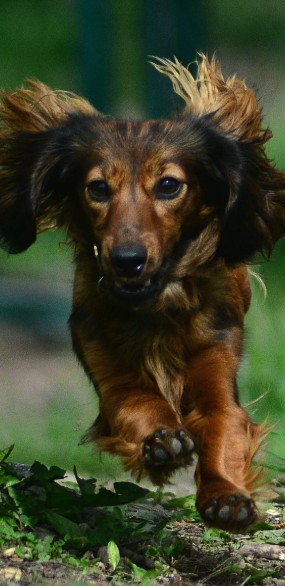

Connection becomes communication.
When you learn to read the micro-expressions of discomfort, you become more than a caregiver—you become their translator.
Emotional Architecture: The Psychology of Chronic Pain
Affective Systems and Pain Processing
To truly understand your Dachshund’s experience of back pain, we must explore how pain interacts with fundamental emotional systems. Jaak Panksepp’s affective neuroscience framework identifies core emotional circuits present in all mammals, and pain profoundly influences several of these systems.
The PANIC System: Separation and Vulnerability
The PANIC system governs separation distress, attachment, and the need for social connection. When activated, it produces feelings of loneliness, abandonment anxiety, and desperate seeking of caregiver proximity. Pain triggers this system because physical suffering creates vulnerability—your Dachshund needs protection and support when their body isn’t functioning reliably.
You might observe this as increased clinginess, distress when you leave the room, or anxious following behavior. Your dog isn’t being “needy” in a negative sense—they’re experiencing genuine emotional distress driven by the intersection of pain and the ancient mammalian need for social support during illness or injury. Responding to this with patience and reassurance rather than frustration or attempts to force independence honors your dog’s legitimate emotional needs.
The RAGE System: Frustration and Irritability
Chronic pain activates the RAGE system, which governs responses to restraint, frustration, and blocked goals. Your Dachshund experiences constant physical limitation—they cannot move as freely, cannot engage in activities they enjoy, cannot escape the source of their discomfort. This ongoing frustration manifests as irritability, short temper, and reduced tolerance for minor annoyances.
A dog who previously tolerated household chaos might now growl when children run past. A dog who shared space peacefully with other pets might snap over proximity. These aren’t personality changes—they’re pain-mediated shifts in emotional threshold. The cognitive and emotional resources required to maintain patience and social tolerance are consumed by pain management, leaving little buffer for normal stressors.
The FEAR System: Anticipatory Anxiety
Perhaps most insidiously, chronic pain activates and sensitizes the FEAR system. Your Dachshund begins anticipating pain in contexts where it has previously occurred. They develop conditioned fear responses to handling, to certain movements, to situations that have been associated with pain episodes.
This anticipatory anxiety creates suffering beyond the physical pain itself. Your dog might show fear responses when you approach them—not because you’ve hurt them intentionally, but because approaching often precedes handling, and handling has become associated with pain. They might refuse to move through doorways where they once experienced sudden sharp pain, having formed a powerful fear association with that location.
🐕 Managing Back-Related Pain in Dachshunds 🧠
A Complete Journey Through Recognition, Prevention, and Compassionate Care
Phase 1: Understanding Genetic Vulnerability
The Foundation of Spinal Risk
Why Dachshunds Are Vulnerable
Chondrodystrophic genetics create the iconic long body and short legs, but this unique architecture places extraordinary stress on the spine. By age one, disc calcification begins—transforming flexible cushions into brittle structures prone to herniation.
The IVDD Timeline
• Ages 1-3: Silent degeneration begins
• Ages 3-5: Subclinical discomfort emerges
• Ages 5-7: Behavioral pain signals become clear
• Critical insight: Intervention during early stages dramatically alters quality of life trajectory
⚠️ Early Warning Signs
Watch for: movement hesitation before jumping, position preference changes during sleep, selective activity avoidance, subtle postural shifts, and handling sensitivity along the spine. These whispers appear long before obvious limping.
Phase 2: Recognizing the Silent Language
Learning Your Dog’s Pain Vocabulary
The Compensation Strategy
Dachshunds are masters of behavioral adaptation. They develop elaborate routines to avoid painful movements—stepwise climbing using intermediate surfaces, modified meal postures, strategic rest positioning, and ritualistic preparation before lying down. These aren’t quirks; they’re pain management.
Critical Micro-Signals
• Whale eye showing whites during approach
• Rapid lip licking in non-food contexts
• Brief gaze aversion when reaching toward them
• Subtle weight shifts leaning away from touch
• Stillness breaks—sudden freezing mid-movement
These fleeting expressions reveal discomfort before compensatory behaviors mask it.
Building Observation Skills
Document monthly: photograph your dog’s posture, record movement patterns, note behavioral changes. Daily exposure can obscure gradual decline. The NeuroBond approach teaches us that attunement requires systematic observation, not just casual noticing.
Phase 3: Avoiding Common Misinterpretations
When Behavior Isn’t What It Seems
Not Stubbornness—Pain-Based Decision Making
Your dog ignores recall at the park. Before labeling this disobedience, consider: returning requires navigating uneven terrain and potential obstacles. They’re performing a cost-benefit analysis—is responding worth the physical discomfort? Sudden training deterioration often signals that behaviors have become painful.
Not Anxiety—Pain-Triggered Emotional Response
Sudden clinginess, house-training regression, and nighttime waking appear behavioral. But pain creates these symptoms. The dog following you constantly seeks security because pain makes their world threatening. House accidents occur because going outside causes discomfort. Always rule out pain before treating as behavioral issues.
Not Just Aging—Treatable Pain
The phrase “just getting older” dismisses countless pain signals. A seven-year-old Dachshund showing reduced activity might be aging—or coping with progressive disc disease requiring intervention. Pain isn’t an inevitable component of growing older; it deserves investigation and management.
Phase 4: Environmental Protection
Design Your Home for Spinal Safety
Essential Modifications
• Ramps everywhere: Wide (16″+), gentle incline (18-20° max) for all furniture
• Non-slip surfaces: Yoga mats, carpet runners on hardwood and tile
• Elevated feeding stations: Bowls at shoulder height reduce neck flexion
• Strategic barriers: Baby gates prevent unsupervised jumping
• Orthopedic bedding: Memory foam support in multiple rest locations
Proper Lifting Technique
Support the entire spine length—one arm under chest, other under pelvis. Keep spine horizontal without sagging. Lift smoothly, hold close to your body, lower gently with front feet touching first. Never create U-shaped bending at the midsection. This single technique prevents countless injuries.
Activities to Eliminate
Stop ball fetching with aerial catches, furniture jumping, free stair access, rough play with larger dogs, and vigorous tug-of-war. Each launching leap creates force loads exceeding several times body weight, concentrated through vulnerable vertebrae. Replace with low-impact alternatives.
Phase 5: Weight Management & Safe Exercise
Reducing Spinal Load Through Body Condition
The Weight-Pain Connection
Every excess pound translates directly to spinal compression. A 16-pound Dachshund who should weigh 14 pounds carries 14% excess weight—equivalent to a 150-pound human weighing 171 pounds. Even mild overweight status significantly increases force loads with every step. Weight management isn’t cosmetic; it’s primary pain prevention.
Nutritional Strategy
• Use digital scales for precise portions (not volume scoops)
• Reduce intake 20-25% below maintenance for gradual loss
• Distribute calories across 3-4 smaller daily meals
• Replace treats with vegetables (carrots, green beans, cucumber)
• Track weight monthly at same time on same scale
Accuracy prevents caloric creep that sabotages progress.
Low-Impact Exercise Options
Multiple short leashed walks (10-15 min) on flat surfaces, swimming or hydrotherapy where water supports body weight, controlled stair work during pain-free periods, balance disc exercises for core strength, and scent work for mental stimulation. Avoid vigorous play—erratic movement creates exactly the spinal stress you’re preventing.
Phase 6: Pain Management Protocols
Multimodal Approaches to Comfort
Pharmaceutical Options
NSAIDs (carprofen, meloxicam) reduce inflammation—give with food, monitor for GI side effects, requires periodic bloodwork. Gabapentin targets neuropathic pain from nerve compression. Muscle relaxants reduce protective spasms. Multimodal combinations allow lower individual doses while maintaining control.
Alternative Therapies
• Veterinary acupuncture: Reduces pain scores and medication needs
• Class IV laser therapy: Photobiomodulation promotes healing
• Hydrotherapy: Underwater treadmill for strengthening
• Physical rehabilitation: Professional therapeutic exercise programs
Studies demonstrate measurable efficacy when combined with conventional treatment.
Core Strengthening Exercises
Cavaletti walking over low poles (2-3″ height), sit-to-stand transitions (5-8 slow repetitions), balance disc work on inflatable surfaces, three-legged standing (5-10 seconds per limb). These build muscular spine support with minimal stress. Perform daily during non-acute phases.
Phase 7: Cooperative Care & Trust Building
Partnership Rather Than Compliance
The Consent-Based Philosophy
When touch has become threatening, rebuilding requires genuine choice. Present your open hand as a handling cue. Your dog indicates consent by moving toward your hand or remaining in position. If they move away or show tension, immediately withdraw. This gives them control—their communication matters—which reduces anticipatory anxiety dramatically.
The Chin Rest Protocol
Teach your dog to rest their chin on a designated surface. While chin remains in position, handling proceeds. When they lift their chin, handling immediately stops. This gives them a clear, non-confrontational way to say “I need a break.” Use for harness application, medication administration, and veterinary examination. Control transforms fearful patients into willing partners.
Progressive Desensitization
Start with hand proximity without touching, reward calm acceptance. Progress to brief contact on neutral areas (shoulder, chest), then gradually extend duration, expand to new areas, introduce pressure variation. Work at the edges of sensitive zones, slowly approaching painful areas. This rebuilds positive associations where touch predicts good things, not discomfort.
Phase 8: Senior Care & Quality of Life
Navigating the Long View with Compassion
Redefining Quality
Quality of life doesn’t mean absence of limitations—it means meaningful existence within them. Can they eat with appetite? Do they engage when not resting? Is pain well-controlled most of the time? Do they show interest in activities within capability? These questions provide better assessment than comparing to their younger self.
Senior-Specific Adaptations
Additional ramps as jumping becomes impossible, orthopedic memory foam beds in multiple locations, night lighting for safe movement, closer potty areas, mobility harnesses for walking assistance, wheel carts for dogs with rear weakness. Adapt environment to changing needs rather than forcing them to adapt to static spaces.
Maintaining Connection
Your relationship doesn’t depend on physical activity. Find connection through nose work and scent games, food puzzles, stationary trick training, gentle grooming, massage, cooperative care practice, parallel relaxation, hand-feeding meals, car rides to scenic locations. Soul Recall reminds us that emotional bonds transcend physical capability.
🔄 Pain Expression Across Different Contexts
Age-Related Differences
Young Adults (1-4 years): Compensate through activity modification, maintain enthusiasm despite subtle discomfort.
Middle Age (5-8 years): More obvious behavioral changes, increased irritability, selective engagement.
Seniors (9+ years): May withdraw socially, show passive pain responses, require comprehensive support.
Acute vs. Chronic Pain
Acute Episodes: Sudden onset, dramatic symptoms (crying, freezing, inability to move), visible distress, immediate veterinary attention required.
Chronic Conditions: Gradual behavior changes, subtle compensations, emotional impacts (anxiety, frustration), requires long-term management strategies.
Temperament Influence
Stoic Personalities: Mask pain effectively, require careful observation of micro-signals, may show sudden severe symptoms after long silent suffering.
Expressive Personalities: Vocalize discomfort, show clear avoidance behaviors, may appear dramatic but communicate effectively.
Pain Location Effects
Cervical (Neck): Head carriage changes, reluctance to look up/down, front leg lameness, neck muscle tension.
Thoracolumbar (Mid-back): Most common site, affects jumping ability, posture changes, hindquarter sensitivity.
Lumbosacral (Lower back): Tail carriage changes, difficulty posturing to eliminate, rear leg weakness.
Owner Response Patterns
Aware & Proactive: Recognize early signals, implement prevention strategies, build cooperative care relationships, achieve better long-term outcomes.
Reactive & Uninformed: Miss subtle cues, inadvertently worsen pain through normal activities, face more severe episodes requiring emergency intervention.
Management Approaches
Conservative Management: Environmental modification, weight control, medication, physical therapy—appropriate for mild to moderate cases.
Surgical Intervention: Necessary for severe disc herniation with neurological deficits, followed by extensive rehabilitation and long-term care modifications.
⚡ Quick Reference: Red Flag Checklist
Seek immediate veterinary attention if you observe:
• Sudden inability to walk or support rear legs
• Loss of bladder or bowel control (incontinence)
• Crying or whimpering with normal movements
• Rigid, hunched posture with trembling
• Complete refusal to move from one position
• Knuckling of rear paws (dragging toes under)
• Aggressive reactions to gentle spine touching
Time matters: Early intervention within 24 hours of acute symptoms significantly improves recovery outcomes.
🧡 The Zoeta Dogsoul Perspective on Pain Management
Managing back-related pain in Dachshunds transcends medical protocols—it becomes a practice in profound attunement. Through the NeuroBond framework, we recognize that pain doesn’t just live in the spine; it reshapes emotional experience, relationship dynamics, and trust foundations. When we respond to the earliest whispers of discomfort rather than waiting for obvious symptoms, we honor our dog’s vulnerability and strengthen the connection between us.
The Invisible Leash reminds us that control comes not from physical restraint during painful handling, but from building such deep trust that our dogs willingly participate in their own care. When your Dachshund chooses to rest their chin for medication, when they move toward your hand for examination rather than away, you’ve achieved something more valuable than compliance—you’ve created partnership.
Soul Recall teaches us that every pain episode, every handling interaction, every moment of discomfort or relief becomes part of your dog’s emotional memory. They remember not just the physical sensation but the quality of your response—whether you noticed, whether you cared, whether you honored their communication. In managing their pain, you’re not just treating a medical condition; you’re writing the story of your relationship, creating memories of safety, trust, and compassionate care that echo through all the years you share together.
© Zoeta Dogsoul – Where neuroscience meets soul in dog training
Cognitive Bias and the Pain Lens
Research in cognitive bias demonstrates that pain shapes how animals interpret ambiguous situations. Dogs experiencing chronic pain develop a pessimistic cognitive bias—they’re more likely to interpret neutral events as potentially threatening, more likely to anticipate negative outcomes, and less likely to engage optimistically with their environment.
Practically, this means your Dachshund might approach novel situations with wariness rather than curiosity, interpret neutral social signals from other dogs as threatening, or show reduced enthusiasm for activities despite physical capability. They’re viewing their world through a pain-tinted lens where experience has taught them that engagement often leads to discomfort.
Breaking this cognitive pattern requires not just pain management but positive experiences that rebuild optimistic expectations. Gentle, successful interactions where feared activities occur without pain gradually reshape their predictive models. But this takes time and consistency—cognitive bias built through repeated pain experiences cannot be erased quickly.
Learned Helplessness and Behavioral Shutdown
When your Dachshund’s communication about pain has been repeatedly ignored or overridden, when they’ve learned that expressing discomfort doesn’t change outcomes, they may develop learned helplessness. This psychological state is characterized by passive acceptance, reduced attempts to communicate or escape uncomfortable situations, and apparent resignation.
You might mistake this for “getting used to” handling or procedures, when actually your dog has stopped trying to influence outcomes. They no longer avoid your approach because avoidance hasn’t worked. They no longer growl or show tension because those signals haven’t prevented painful handling. They simply endure, psychologically withdrawn from the situation.
This state is heartbreaking and profound. It represents the breakdown of agency—your dog’s belief in their ability to influence their world. Rebuilding from learned helplessness requires consistent demonstration that their communication does matter, that their signals will be respected, that they do have control over what happens to their body.
The Soul Recall concept reminds us that dogs remember not just specific experiences but the emotional qualities of relationships and interactions. A Dachshund who has learned helplessness around handling carries that emotional memory forward, approaching future handling situations with the expectation of powerlessness. Healing this requires patience, consistency, and unwavering respect for their communication. 😊
Management Strategies: Creating a Pain-Reduced Life
Environmental Design for Spinal Protection
Your home environment either supports your Dachshund’s spinal health or contributes to progressive degeneration. Thoughtful environmental design dramatically reduces pain-triggering events while maintaining your dog’s quality of life.
Essential Environmental Modifications for Spinal Protection:
- Furniture ramps or pet stairs – Wide, gentle-incline ramps (16″+ width, 18-20° maximum slope)
- Non-slip flooring – Yoga mats, carpet runners, or veterinary traction mats on smooth surfaces
- Blocked high-risk access – Baby gates preventing unsupervised furniture or stair access
- Elevated food and water bowls – Raised to shoulder height to reduce neck flexion
- Orthopedic bedding – Memory foam or supportive beds for comfortable rest
- Strategic rest stations – Multiple comfortable lying areas throughout main living spaces
- Improved lighting – Adequate illumination to prevent missteps and navigational stress
- Clutter management – Clear pathways free from obstacles requiring navigation
- Temperature control – Warm environments to reduce muscle tension and stiffness
- Low-threshold transitions – Ramps or gradual transitions at doorways and room changes
Ramps, Steps, and Surface Transitions
Every elevation change in your home presents a decision point for your Dachshund—jump and risk pain, or be excluded from spaces they value. Eliminating these forced choices protects their spine while preserving their autonomy.
Install ramps or pet stairs at all furniture your dog typically accesses. For couches and beds, gentle-incline ramps with non-slip surfaces allow your dog to walk up and down rather than jumping. These should be wide enough that your dog doesn’t feel precarious (typically 16 inches minimum for Dachshunds) and have inclines no steeper than 18-20 degrees.
Block access to high-risk furniture if your dog refuses to use provided alternatives. This isn’t punishment—it’s protection. A baby gate across the couch prevents impulsive jumping when you’re not monitoring. Closing bedroom doors temporarily while you establish ramp habits breaks old patterns.
For stairs between floors, teaching your Dachshund to take them slowly and deliberately reduces impact forces. You might use target training to encourage stop-and-sit behaviors at landing points, breaking long staircase descents into controlled segments. Some owners find that carrying their Dachshund on stairs becomes easiest, accepting this as a routine part of life with a long-backed breed.
Flooring and Traction Management
Slippery floors force your Dachshund to engage stabilizer muscles intensely to maintain balance. This constant tension increases spinal stress and contributes to muscle pain. Moreover, the fear of slipping creates anticipatory tension that further increases muscle rigidity.
Add traction where your dog walks frequently. Yoga mats, carpet runners, or specialized veterinary traction mats create safe pathways through hardwood or tile areas. Some owners install wall-to-wall carpeting in main living areas, recognizing this as an investment in their dog’s long-term comfort.
For dogs who tolerate them, grip socks or paw wax products increase traction on smooth surfaces. These require gradual acclimation—some dogs initially find the sensation strange—but provide mobile traction solutions when visiting other homes or veterinary offices.
Elevated Feeding and Water Stations
Feeding from floor level requires your Dachshund to flex their neck and upper spine significantly downward. Elevated feeding stations bring food and water to a more neutral head position, reducing cervical and thoracic spine stress during meals.
The ideal height positions the bottom of the bowl roughly at your dog’s shoulder level. This allows them to eat and drink with minimal neck flexion. Adjustable-height stands accommodate growing puppies or allow you to modify as your dog’s needs change.
Weight Management as Pain Prevention
Body weight directly influences spinal loading forces. Every excess pound your Dachshund carries translates to additional stress distributed through their vulnerable spine. Weight management isn’t about aesthetics—it’s primary pain prevention and treatment.
Understanding Dachshund Body Condition
Dachshunds should have clearly defined waists when viewed from above, and you should be able to feel (not see) individual ribs with light pressure. Their underline should show clear abdominal tuck when viewed from the side. Many Dachshund owners struggle to recognize appropriate body condition, having become acclimated to seeing overweight dogs as normal.
Take objective measurements. Track your dog’s weight monthly using the same scale at the same time of day. A veterinary visit provides professional body condition scoring. Digital photography helps—compare photos from different angles over time to observe changes that daily contact might obscure.
Even mild overweight status matters significantly for Dachshunds. A 16-pound Dachshund who should weigh 14 pounds carries 14% excess body weight—equivalent to a 150-pound human weighing 171 pounds. That seemingly modest difference substantially increases spinal compression forces with every step.
Nutritional Strategies for Weight Control
Reduce caloric intake by 20-25% below maintenance levels to achieve gradual, healthy weight loss. Maintain protein levels to preserve lean muscle mass while reducing fat. This typically means feeding smaller portions of regular food or transitioning to reduced-calorie formulations designed for weight management.
Effective Weight Management Tactics:
- Digital food scale measurement – Weigh food portions rather than using volume scoops for accuracy
- Smaller, frequent meals – Distribute daily calories across 3-4 meals instead of 1-2 large ones
- Vegetable treat substitutes – Replace high-calorie treats with carrots, green beans, cucumber, or bell pepper
- Portion-controlled training rewards – Use tiny pieces (pea-sized) of high-value treats during training
- Slow-feeder bowls – Extend meal duration to increase satiety without adding calories
- Food puzzles for enrichment – Mental stimulation from working for food increases satisfaction
- Eliminate table scraps – Strictly avoid human food additions that add untracked calories
- Scheduled feeding only – Remove free-feeding and establish fixed meal times
- Family member coordination – Ensure everyone understands feeding rules to prevent duplicate feeding
- Monthly weight tracking – Regular weigh-ins using same scale at same time to monitor progress
Measure food precisely using a digital scale rather than using volume measurements with cups or scoops. Food volume varies significantly with kibble density and settling, making volume measurements unreliable. Digital scales provide accuracy that prevents caloric creep.
Distribute daily calories across 3-4 smaller meals rather than one or two larger ones. This maintains more stable blood sugar, reduces hunger perception, and can slightly increase total daily caloric expenditure through increased thermic effect of feeding.
Replace high-calorie treats with low-calorie alternatives. Many dogs find vegetables like carrots, green beans, or cucumber just as rewarding as commercial treats. These add volume and satisfaction without significant calories.
Activity Balance During Weight Loss
Exercise paradox complicates weight management in Dachshunds with back pain. They need caloric expenditure to support weight loss but cannot engage in high-impact activities that worsen spinal stress. The solution lies in controlled, low-impact movement.
Safe, Low-Impact Exercise Options:
- Short, leashed walks – Multiple 10-15 minute sessions throughout the day on flat surfaces
- Controlled leash pace – Slow, steady walking without pulling, lunging, or rapid direction changes
- Swimming or hydrotherapy – Water buoyancy supports weight while providing resistance exercise
- Underwater treadmill – Controlled walking in water at rehabilitation facilities
- Indoor walking patterns – Structured walking routes through your home during inclement weather
- Gentle leash circles – Slow figure-8 or circle patterns that encourage weight shifting
- Terrain variety – Grass, sand, or soft surfaces that reduce joint impact
- Mental enrichment activities – Scent work, food puzzles, stationary training that burns mental energy
- Controlled stair work – Supervised, slow stair climbing as strength allows (not during acute pain)
- Balance exercises – Standing activities that engage muscles without movement
Multiple short, leashed walks throughout the day provide exercise without the acceleration/deceleration forces of running or playing. Swim therapy, where available, offers excellent caloric burn with minimal spinal stress—water buoyancy supports body weight while resistance provides muscular work.
Avoid vigorous play during weight loss phases. The excitement and erratic movement patterns of play create exactly the spinal stress you’re trying to prevent. Structure your dog’s activity around calm, controlled movement until they reach appropriate body condition.
Core Strengthening and Therapeutic Exercise
Strategic exercise builds muscular support for the spine while improving proprioception and body awareness. Done correctly, therapeutic exercise substantially reduces pain and injury risk.
Effective Core Strengthening Exercises for Dachshunds:
- Cavaletti walking – Stepping over low poles (2-3″ height) spaced 6-8″ apart
- Sit-to-stand transitions – Slow, controlled position changes with 5-8 repetitions
- Balance disc work – Standing on inflatable discs to engage stabilizer muscles
- Three-legged standing – Lifting one paw for 5-10 seconds to challenge balance
- Cookie stretches – Controlled turning to follow treat, encouraging spinal flexibility
- Figure-8 leash walking – Slow walking in figure-8 patterns for coordination
- Platform work – Standing with front or rear feet elevated on low platforms
- Targeted weight shifts – Using treat lures to encourage lateral weight transfer
- Controlled backing – Teaching backward walking for hindquarter engagement
- “Touch” targeting – Reaching to touch nose to hand targets in various positions
Foundational Core Exercises
Core strength comes from muscles that stabilize the spine during movement—abdominals, obliques, and deep back muscles. The following exercises target these areas with minimal spinal stress:
Cavaletti Walking – Set up a series of low poles (PVC pipe, broomsticks, or specialized cavaletti) at 6-8 inch spacing and 2-3 inches off the ground. Walking your Dachshund slowly through these requires controlled limb movement and trunk stabilization. The cognitive focus needed to place feet precisely also reduces impulsive lunging or sudden movements.
Start with 3-4 poles and gradually increase to 8-10 as your dog develops competence. Perform 3-5 passes through the cavaletti twice daily. This exercise is gentle enough for dogs with existing pain while being effective for building control and strength.
Sit-to-Stand Transitions – The movement from sitting to standing position requires significant core engagement in controlled manner. Ask your dog to sit, then use a lure or target to bring them to standing position slowly and deliberately. Hold standing position for 3-5 seconds, then return to sit.
Perform 5-8 repetitions 2-3 times daily. Focus on slow, controlled transitions rather than speed. The goal is building eccentric and concentric control through the movement, strengthening muscles that stabilize the lumbosacral junction.
Balance Disc Work – Inflatable balance discs (slightly deflated for stability) create unstable surfaces that require constant micro-adjustments for stability. Place your Dachshund’s front feet on a balance disc while rear feet remain on solid ground. Simply maintaining this position for 10-20 seconds activates core stabilizers.
Alternate with rear feet on the disc, front feet on ground. As your dog builds competence, progress to all four feet on discs. This exercise dramatically improves proprioceptive awareness—your dog’s sense of where their body is in space—which translates to better movement control and reduced injury risk during daily activities.
Three-Legged Standing – Gently lift one paw slightly off the ground while your dog stands. This forces weight redistribution and core engagement to maintain balance. Hold for 5-10 seconds, then lower the paw. Rotate through all four limbs.
This exercise particularly benefits dogs beginning to show proprioceptive deficits—those who seem less aware of rear limb position or show mild ataxia. The neurological challenge of maintaining balance on three legs stimulates neural pathways controlling coordination and stability.
Pain Medication and Multimodal Management
Pharmaceutical intervention plays a crucial role in pain management, but medication alone rarely provides optimal results. Multimodal approaches combining medication with environmental modification, weight management, and behavioral support produce superior outcomes.
NSAID Therapy Considerations
Non-steroidal anti-inflammatory drugs reduce inflammation and provide analgesia but carry risks requiring veterinary oversight. Your veterinarian might prescribe carprofen, meloxicam, or other NSAIDs for daily management of chronic pain or for short-term relief during acute episodes.
Critical NSAID Monitoring Points:
- Gastrointestinal signs – Vomiting, diarrhea, decreased appetite, or black/tarry stools
- Medication timing – Always give with food to minimize stomach irritation
- Consistent scheduling – Administer at same time daily for stable blood levels
- Adequate hydration – Ensure fresh water access to support kidney function
- Regular bloodwork – Liver and kidney function tests every 6-12 months on long-term therapy
- Drug interactions – Avoid combining with other NSAIDs or corticosteroids without veterinary guidance
- Lowest effective dose – Use minimum dose that provides adequate pain control
- Periodic drug holidays – Consider breaks during pain-free periods under veterinary supervision
- Emergency protocols – Know signs requiring immediate veterinary attention
Monitor for gastrointestinal side effects—decreased appetite, vomiting, diarrhea, or black/tarry stools. These indicate potential GI irritation or ulceration requiring immediate veterinary consultation. Long-term NSAID use also requires periodic bloodwork to monitor liver and kidney function.
Give NSAIDs with food to minimize GI irritation. Maintain consistency in timing—giving medication at the same time daily relative to meals produces more stable blood levels and better pain control.
Gabapentin for Neuropathic Pain
When disc herniation causes nerve compression, neuropathic pain develops—a burning, tingling, or electrical sensation resulting from damaged nerves. Traditional analgesics provide limited relief for neuropathic pain, but gabapentin specifically targets these nerve-related pain signals.
Gabapentin requires gradual dose titration to therapeutic levels and produces sedation in many dogs during initial treatment. This sedation typically diminishes over 1-2 weeks as tolerance develops, while analgesic effects remain. The calming effect can actually benefit anxious dogs whose anxiety is partly pain-driven.
Muscle Relaxants and Adjunctive Medications
Muscle spasm often accompanies disc disease as paravertebral muscles contract protectively around injured areas. These spasms themselves become painful, creating secondary discomfort beyond the primary disc pathology. Muscle relaxants like methocarbamol reduce spasm and provide significant comfort improvement.
Some veterinarians incorporate medications like tramadol, amantadine, or even tricyclic antidepressants into pain management protocols. These work through different mechanisms than NSAIDs, providing additive pain relief. Multimodal pharmaceutical approaches often allow lower doses of individual medications, reducing side effect risks while maintaining pain control.
Alternative Therapies Worth Considering
Acupuncture demonstrates measurable efficacy for chronic pain management in dogs. Studies show reduced pain scores, improved mobility, and decreased medication requirements in dogs receiving regular acupuncture alongside conventional treatment. Many veterinary practices now offer acupuncture, or referral to certified veterinary acupuncturists provides access to this modality.
Complementary Pain Management Modalities:
- Veterinary acupuncture – Reduces inflammation and pain through neural pathway stimulation
- Class IV laser therapy – Photobiomodulation promotes tissue healing and reduces inflammation
- Cold laser (LLLT) – Low-level laser for superficial tissue treatment
- Therapeutic ultrasound – Deep tissue heating for muscle relaxation and healing
- Electrical stimulation (TENS/NMES) – Pain relief and muscle strengthening through electrical current
- Massage therapy – Reduces muscle tension and improves circulation when performed by trained practitioners
- Chiropractic adjustment – Vertebral alignment by certified veterinary chiropractors
- Hydrotherapy sessions – Underwater treadmill or swimming for low-impact strengthening
- CBD oil – May provide pain relief and anti-inflammatory effects (veterinary-formulated products only)
- Adequan injections – Polysulfated glycosaminoglycan for joint health support
Laser therapy (Class IV therapeutic laser) reduces inflammation and promotes tissue healing through photobiomodulation. Treatment protocols typically involve 2-3 sessions weekly during acute phases, tapering to maintenance sessions every 2-4 weeks. Many owners report visible improvement in their dog’s comfort and mobility with consistent laser therapy.
Physical rehabilitation through certified canine rehabilitation practitioners provides sophisticated therapeutic exercise programs, manual therapy, and modalities like therapeutic ultrasound or electrical stimulation. This professional guidance optimizes healing and functional recovery beyond what home exercise alone can achieve.
The NeuroBond model emphasizes that pain management succeeds most completely when it addresses physical, emotional, and relational dimensions simultaneously. Medication manages physical pain, but emotional security, predictable routines, and trusting relationships modulate pain perception and support your dog’s overall wellbeing during chronic pain challenges. 🧡
Cooperative Care: Building Partnership in Pain Management
The Philosophy of Choice and Agency
Traditional veterinary care and home health management often operate on a compliance model—the dog must accept handling and procedures because they’re necessary. But this approach, particularly with dogs experiencing pain, creates conflict between necessary care and your dog’s legitimate need to protect themselves from discomfort.
Cooperative care reimagines this relationship. Rather than asking “How do I make my dog accept this?”, you ask “How do I help my dog feel safe enough to participate willingly?” This shift transforms your role from enforcer to advocate, and transforms your Dachshund’s role from patient to partner.
Training for Medical Cooperation
Desensitization to Handling
Begin with body mapping—systematically touching every part of your dog’s body in non-threatening contexts, paired with high-value rewards. Touch a paw briefly, immediately reward. Touch shoulder, reward. Touch flank, reward. Build a positive association where touch predicts good things.
Progressive Desensitization Training Protocol:
- Step 1: Hand proximity – Extend hand toward dog without touching, reward calm acceptance
- Step 2: Brief contact – Touch neutral areas (shoulder, chest) for 1 second, reward immediately
- Step 3: Duration building – Gradually extend touch duration to 3-5 seconds on accepted areas
- Step 4: Area expansion – Add new body areas, starting with those adjacent to comfortable zones
- Step 5: Pressure variation – Introduce gentle pressure changes while maintaining positive response
- Step 6: Movement during touch – Touch while dog is standing, sitting, or in different positions
- Step 7: Context changes – Practice in different locations and times of day
- Step 8: Two-hand handling – Progress to using both hands for handling simulations
- Step 9: Lifting simulation – Place hands in lifting positions without actually lifting
- Step 10: Actual functional handling – Apply learned tolerance to necessary care activities
For sensitive areas, work at the edges first. If direct back touching triggers defensive responses, touch adjacent areas—sides of the ribs, top of the hips—gradually working closer to the painful zone as comfort builds. You might never achieve completely relaxed acceptance of painful area handling, but you can reduce anxiety and build greater tolerance.
Use two-person handling for necessary care. One person provides continuous high-value food rewards (soft cheese, meat paste, anything your dog finds irresistible) while the second person performs the handling task. The food person isn’t bribing—they’re creating a positive emotional state that enables cooperation. Your dog focuses on consuming delicious food while necessary handling occurs with minimal stress.
Medication Administration Protocols
Many dogs require daily medication, and resistance to pilling creates daily conflict. Transform this through systematic training:
Train “take it” with treats first. Present a small treat in your fingertips, say “take it,” and allow your dog to take it gently. Reward calm taking with additional treats. Practice until “take it” reliably produces gentle taking behavior.
Transition to pill pockets or food pieces that contain medication, using the same “take it” cue. Your dog learns that accepting this particular food delivery style produces rewards, building cooperation around the medication routine itself.
For dogs requiring extensive medication regimens, create a medication station with positive associations. Bring your dog to a specific location (mat, specific room), provide high-value rewards during medication administration, and release them to favorite activities afterward. The entire sequence becomes ritualized and predictable, reducing anxiety.
Veterinary Visit Management
Veterinary visits present profound challenges for Dachshunds with back pain. The transportation, unfamiliar environment, handling by strangers, and often painful examination or treatment creates a perfect storm of stressors. Strategic preparation dramatically improves these experiences.
Pre-Visit Preparation
Schedule appointments during lower-traffic times when clinic environments are calmer. Request the first appointment of the day or immediately after lunch breaks, when waiting rooms are less crowded and examination rooms have been recently cleaned of other animal scents.
Essential Pre-Veterinary Visit Checklist:
- Timing coordination – Schedule during peak pain medication effectiveness
- Appetite management – Light meal 2-3 hours before to prevent nausea but allow treat motivation
- Bathroom break – Eliminate before entering clinic to reduce stress
- Special treats – Pack extremely high-value rewards (real meat, cheese, squeeze tubes)
- Familiar items – Bring favorite blanket or toy for comfort
- Current symptom notes – Written list of recent pain behaviors and changes
- Medication schedule – Documentation of current pain management protocol
- Video documentation – Short clips of concerning behaviors at home
- Question list – Written questions to ensure you don’t forget important topics
- Carrier/transport prep – Comfortable, supportive travel setup to minimize movement stress
- Arrival buffer time – Plan to arrive slightly early to settle before appointment
- Support person – Bring family member to help with handling if possible
Discuss pain management timing with your veterinarian. If your dog receives regular pain medication, coordinate the visit to occur during peak medication effectiveness. For anticipated painful procedures, some veterinarians prescribe pre-visit anxiolytic medication or additional analgesia to improve your dog’s comfort.
Bring extremely high-value treats your dog rarely receives otherwise. These should be irresistible—real meat, cheese, commercial squeeze tubes of meat or peanut butter paste. The goal is finding something so valuable that it can compete with fear and pain for your dog’s attention.
During the Visit
Use the examination table strategically. Many dogs feel vulnerable on elevated examination surfaces. Ask if you can sit on the floor with your dog during the examination, or request the veterinarian work with your dog on your lap. Some examinations can be performed with your dog on a non-slip mat on the floor, significantly reducing stress.
In-Clinic Stress Reduction Strategies:
- Floor-level examination – Request exam on non-slip mat rather than elevated table
- Lap examination – Hold your dog on your lap during assessment when possible
- Break implementation – Ask for pauses if your dog shows escalating stress
- Outside resets – Take brief walks outside clinic between procedures
- Continuous treats – Stream high-value food throughout examination
- Body blocking – Position yourself between dog and door/strangers for security
- Soft verbal reassurance – Calm talking without excessive anxious energy
- Advocate for gentleness – Request slower, gentler handling approaches
- Informed consent – Ask for explanation before each procedure or touch
- Position preference – Let your dog orient themselves naturally rather than forcing position
- Minimal restraint – Use only necessary restraint, with you as primary holder when safe
- Respect withdrawal signals – Honor when your dog indicates they need space
Advocate for breaks during examination. If your dog shows stress escalation, request a brief pause. Take them outside for a short walk, allow them to settle, then resume. Pushing through escalating stress creates traumatic experiences that make future visits more difficult.
Be honest about your dog’s pain responses. Inform the veterinarian if your dog has shown defensive behaviors during home handling. This isn’t reporting bad behavior—it’s providing critical safety information that allows the veterinary team to modify their approach appropriately.
Request collaborative positioning for necessary restraint. Rather than technicians holding your dog down while you stand aside, ask if you can be the primary restraint person with technician support. Your familiar presence and handling often keeps your dog calmer than stranger restraint.
Post-Visit Recovery
Recognize that veterinary visits are exhausting and often pain-triggering events. Plan for a quiet day following appointments. Reduce activity expectations, provide extra rest time, and avoid additional stressors. Your Dachshund needs recovery time both physically and emotionally.
Pair post-visit experiences with positive activities they love. After arriving home, offer favorite activities, special food, or dedicated quiet time with you. This creates a positive endpoint to the veterinary visit experience, slightly countering the negative associations.
Through the cooperative care framework, you honor your Dachshund’s emotional experience as equally important as their physical treatment needs. This approach recognizes that a dog who trusts their human and feels emotionally safe during care experiences less pain, recovers more completely, and maintains better quality of life than a dog who endures care through physical restraint and fear.
Living Well With Spinal Vulnerability
Accepting the Reality While Maximizing Quality
Dachshund ownership includes accepting that spinal vulnerability is inherent to the breed. This isn’t defeat or pessimism—it’s realistic acknowledgment that allows you to make choices maximizing your dog’s wellbeing within this reality.
Some Dachshunds never experience significant back problems. Others develop mild intermittent pain requiring minimal management. Still others face severe IVDD requiring surgical intervention. You cannot completely control which path your dog follows, but your awareness, preparation, and response dramatically influence their experience of that journey.
Release guilt about genetics. You didn’t create your Dachshund’s chondrodystrophic architecture. Whether you purchased from a breeder, adopted from rescue, or received your dog as a gift, their genetic vulnerability existed before you entered their life. Your responsibility lies not in preventing their genetic reality but in managing it with knowledge and compassion.
The Relational Dimension: Trust Through Difficult Experiences
Chronic pain tests relationships. When your Dachshund experiences ongoing discomfort, when daily care includes potentially painful treatments, when normal affectionate interactions become fraught with the risk of triggering pain, the trust foundation you’ve built faces challenges.
Maintain consistency in your emotional presence. Dogs read human emotional states with extraordinary accuracy, and your anxiety about causing pain creates tension they perceive and respond to. Approach all handling with calm confidence, even when you’re internally uncertain. This doesn’t mean ignoring your dog’s pain signals—it means maintaining emotional regulation that helps them feel safe.
Recognize that pain changes your dog’s social needs. Your normally independent Dachshund might become clingy, or your typically affectionate dog might seek more space. Neither response indicates relationship damage—both reflect adaptation to discomfort. Honor these changing needs without taking them personally.
Find ways to maintain positive connection that don’t depend on physical activity. Training new stationary behaviors, food puzzles, scent games, or simply calm co-existence while you read builds connection without requiring movement. Your relationship doesn’t depend on hiking, playing fetch, or roughhousing. It exists in shared presence, mutual awareness, and emotional attunement.
Low-Mobility Connection Activities:
- Nose work and scent games – Hide treats for stationary sniffing enrichment
- Food puzzle toys – Mental stimulation through problem-solving without movement
- Stationary trick training – Teach “speak,” “quiet,” “look,” or other non-physical behaviors
- Gentle grooming sessions – Brushing, nail care as bonding activities (when tolerated)
- Massage and TTouch – Therapeutic touch that provides connection and comfort
- Cooperative care practice – Low-pressure handling exercises building trust
- Audio enrichment – Music, audiobooks, or nature sounds during together time
- Parallel relaxation – Simply being in same space while you read or work quietly
- Hand-feeding meals – Individual kibble feeding as extended interaction
- Photo/video sessions – Gentle portrait sessions with minimal positioning
- Car rides to scenic locations – Visual stimulation without physical exertion
- Indoor picnics – Special treats enjoyed together in comfortable positions
The Long View: Senior Years With Spinal Issues
If your Dachshund develops significant back problems in middle age, you face years of management ahead. This journey requires perspective shifts that honor both your dog’s limitations and their continued capacity for joy.
Redefining Quality of Life
Quality of life doesn’t mean absence of limitations—it means meaningful existence within those limitations. Your Dachshund with mobility restrictions can still experience rich sensory engagement, social connection, mental stimulation, and comfort. They can still feel joy at your arrival home, pleasure in favorite foods, and contentment in secure rest.
Key Quality of Life Assessment Criteria:
- Appetite maintenance – Eating with normal enthusiasm and interest in food
- Pain control – Comfortable most of the time with manageable pain episodes
- Mobility capacity – Able to move for elimination and basic position changes
- Environmental engagement – Shows interest in surroundings and activities within capability
- Social responsiveness – Acknowledges and responds to family members positively
- Sleep quality – Rests comfortably without excessive restlessness or waking
- Expression of joy – Demonstrates happiness in some daily activities or interactions
- Dignity maintenance – Can eliminate without distress and keep reasonably clean
- More good days than bad – Balance tips toward comfort and contentment over pain and distress
- Emotional presence – Still “there” mentally and emotionally, not withdrawn or disconnected
Monitor quality honestly using objective metrics. Can they eat with appetite and enjoyment? Do they engage with you and their environment when not resting? Are they pain-free or experiencing well-controlled pain most of the time? Do they show interest in activities within their physical capacity? These questions provide more useful quality assessment than comparing current state to their younger self.
Adapting the Home for Senior Mobility
As your Dachshund ages with back issues, adapt the environment to their changing needs. Orthopedic beds with memory foam provide joint support and comfort. Raised beds with cooling properties help dogs with mobility issues rise more easily while maintaining temperature comfort.
Senior-Specific Environmental Adaptations:
- Orthopedic memory foam beds – Multiple supportive rest stations throughout home
- Raised cooling beds – Elevated mesh beds for easier standing while managing heat
- Additional ramps – Increased ramp access as jumping becomes completely unsafe
- Potty area proximity – Move elimination area closer to main living space
- Night lighting – Motion-activated lights for safe nighttime movement
- Water station multiplication – Multiple water bowls to reduce travel distance
- Lower food bowls – Further elevation as neck flexibility decreases
- Mobility harnesses – Help ‘Em Up style harnesses for walking assistance
- Wheel carts – For dogs with severe rear weakness but continued interest in movement
- Sling support – Towel or commercial sling under abdomen for stability support
- Padded flooring – Extra cushioning on frequently traveled paths
- Furniture rearrangement – Create easier navigation paths with wider clearances
Consider mobility aids if walking becomes difficult but your dog still shows interest in movement. Help ‘Em Up harnesses provide support under the chest and hindquarters, allowing you to assist with balance and weight-bearing during walks. Wheels carts give dogs with severe rear weakness ability to move independently while protecting their spine.
Palliative Care and Quality Conversations
Eventually, progressive IVDD might reach a point where pain cannot be adequately controlled, or where your Dachshund’s neurological function deteriorates beyond quality management. These realities require honest conversations with your veterinarian about palliative care options and humane endpoints.
Palliative care focuses on comfort and quality rather than cure. Your veterinarian might recommend medication combinations specifically targeting pain control even if those medications have side effects you would normally avoid. The goal shifts from longevity to comfort—ensuring your dog’s remaining time includes minimal suffering.
Trust your knowledge of your dog. You live with them daily, see their subtle shifts, understand their normal patterns. When veterinarians ask “How is their quality of life?”, your answer carries weight. If you recognize that your dog is suffering more than they’re experiencing joy, that information guides decisions.
The most loving gift you can offer a Dachshund with severe, unmanageable spinal pain is relief from suffering. This doesn’t mean giving up at first diagnosis—many dogs live years with well-managed back issues. But it does mean recognizing when management is no longer providing acceptable quality, and making the hardest decision from a place of love rather than allowing prolonged suffering because the choice is difficult for you.
That balance between science and soul, between medical intervention and emotional wisdom, between hope and realistic assessment—that’s the essence of Zoeta Dogsoul. You honor your Dachshund’s experience by seeing them clearly, responding to their authentic needs, and making choices that center their wellbeing above your own wishes for their continued presence. 😊
Conclusion: The Path Forward
Your Dachshund’s vulnerability to back-related pain need not define their life negatively. With understanding, preparation, and responsive management, most Dachshunds live comfortable, joyful lives despite their genetic architecture. The key lies in shifting from reactive treatment to proactive prevention, from force-based handling to cooperative partnership, and from viewing pain as solely physical to recognizing its profound behavioral and emotional dimensions.
You’ve learned to read the subtle vocabulary of discomfort—the hesitation before jumping, the shifting sleep positions, the micro-expressions of anticipatory anxiety. You understand how pain activates fundamental emotional systems, creating not just physical suffering but fear, frustration, and vulnerability. You recognize how environmental design, weight management, and strategic exercise protect your dog’s spine while maintaining quality of life.
Most importantly, you’ve embraced the relational foundation of pain management. Through the NeuroBond approach, you build trust that allows your Dachshund to communicate discomfort knowing you’ll respond with understanding rather than frustration. Through the Invisible Leash principle, you guide gently without force, recognizing that true control comes from emotional connection and mutual respect. Through Soul Recall awareness, you honor how pain shapes your dog’s emotional memory and relationship with their own body.
This journey isn’t about achieving perfection—it’s about achieving presence. Being present to notice early warning signs. Present to adapt your environment and expectations. Present to your dog’s authentic emotional experience during difficult treatments. Present in the small moments of connection that remind both you and your Dachshund that relationship transcends physical limitation.
Your Dachshund’s back may be vulnerable, but their spirit is resilient. With your partnership, understanding, and commitment to their wellbeing, they can navigate this challenge with dignity, comfort, and continued joy in the relationship you share. That’s the promise of truly understanding back-related behavioral pain—not that you can eliminate all discomfort, but that you can minimize suffering while maximizing the connection that makes life meaningful for both of you. 🧡
Key Takeaways: Your Action Plan for Back Pain Management
Immediate Steps You Can Take Today:
- Assess your home environment – Identify all elevation changes requiring jumping and plan ramp installations
- Evaluate your Dachshund’s body condition – Honestly assess weight and commit to management if needed
- Review current activities – Eliminate high-impact play like ball chasing and furniture jumping
- Learn proper lifting technique – Practice full-spine support before pain episodes occur
- Document baseline behavior – Take notes and photos of current mobility and behavior patterns
- Schedule veterinary consultation – Discuss preventive strategies even before symptoms appear
- Research pain management options – Familiarize yourself with available medications and therapies
- Start cooperative care training – Begin desensitization to handling in positive contexts
- Create pain emergency plan – Know which veterinary services are available for urgent care
- Build support network – Connect with other Dachshund owners managing IVDD
- Invest in quality supplies – Purchase supportive bedding, appropriate harnesses, and safety equipment
- Educate family members – Ensure everyone understands spinal protection principles
Long-Term Commitment Areas:
- Consistent environmental management – Maintain ramp access and non-slip surfaces throughout their life
- Regular body condition monitoring – Monthly weight checks and quarterly veterinary body condition scoring
- Ongoing physical therapy – Daily core exercises and controlled movement activities
- Pain assessment vigilance – Continuous observation for emerging discomfort signals
- Relationship investment – Building trust that allows your dog to communicate freely about pain
- Proactive veterinary partnership – Regular check-ups and early intervention when changes occur
- Adaptive problem-solving – Adjusting strategies as your dog’s needs evolve with age
- Emotional regulation – Managing your own anxiety to provide calm leadership during pain episodes










