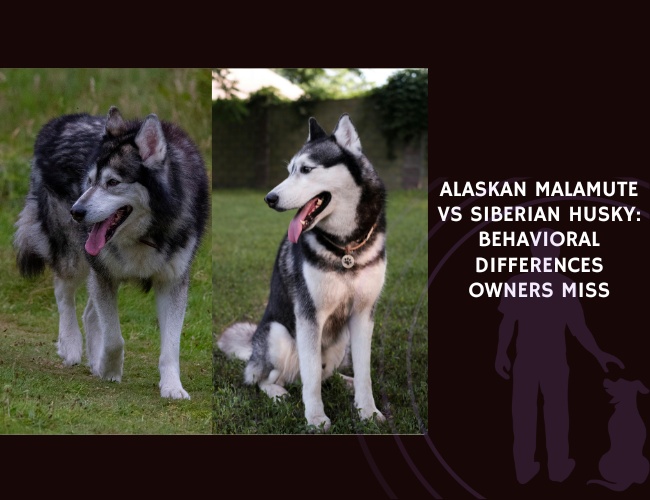
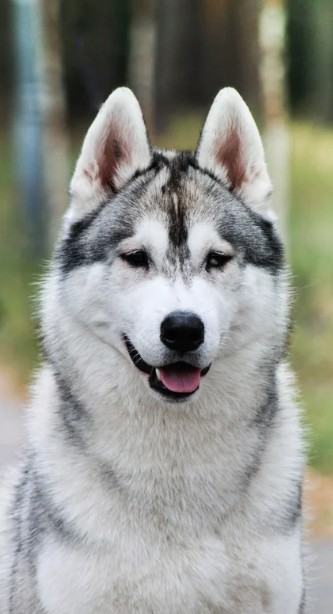
When you spot those striking wolf-like features, that magnificent thick coat, and those piercing eyes, it’s easy to assume all Arctic breeds are cut from the same cloth. You might even hear experienced dog owners say, “They’re basically the same dog.” But here’s the truth that will transform how you understand these remarkable breeds: Alaskan Malamutes and Siberian Huskies are as different in temperament and behavior as a marathon runner is from a powerlifter.
The confusion is understandable. Both breeds share an Arctic heritage, both were bred to work in unforgiving cold, and both possess that undeniable beauty that stops people in their tracks. Yet beneath those surface similarities lies a profound divergence in motivation, communication, social dynamics, and emotional processing that shapes every aspect of their behavior.
If you’re considering welcoming one of these magnificent breeds into your life, or if you’re already navigating the joys and challenges of Arctic breed ownership, understanding these distinctions isn’t just helpful—it’s essential. The right training approach for a Malamute might frustrate a Husky. The exercise routine that satisfies a Husky might leave a Malamute feeling unfulfilled. Through the lens of behavioral science and the NeuroBond approach, let us guide you through the nuanced differences that make each breed uniquely extraordinary.
Understanding Their Arctic Origins: Different Paths, Different Purposes
Before we dive into behavior, you need to understand where these differences began. The Arctic isn’t just one environment—it’s a vast tapestry of cultures, climates, and challenges that shaped these breeds in profoundly different ways.
The Malamute’s Story: Power and Persistence
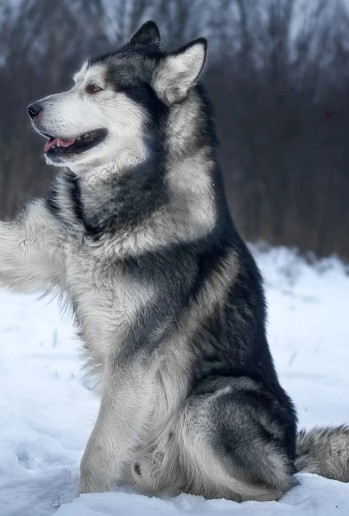
The Alaskan Malamute emerged from the Mahlemut people of Alaska, and their role was nothing short of heroic. Imagine hauling supplies weighing hundreds of pounds across frozen tundra, through deep snow, in temperatures that could drop to -40°F or lower. This wasn’t about speed—it was about raw power, unwavering endurance, and the intelligence to navigate treacherous terrain.
Your Malamute’s ancestors needed to think independently. When a trail disappeared under fresh snow, they had to find the way. When their human couldn’t see the danger of thin ice ahead, they had to make the call. This heritage created a dog with profound problem-solving abilities and a strong-willed nature that demands respect rather than blind obedience.
These dogs often lived in village settings, sometimes semi-wild, where resources could be scarce. Social hierarchies mattered. Territory mattered. The ability to protect the home and resources from predators and rivals shaped their territorial awareness and their more exclusive approach to social bonding.
The Husky’s Story: Speed and Cooperation
Now picture the vast, featureless expanses of Siberia, where the Chukchi people needed to cover enormous distances quickly. The Siberian Husky wasn’t bred to haul heavy freight—they were bred to fly across the snow like arrows, pulling lighter loads at remarkable speeds for hundreds of miles.
Success in this role demanded something different: cooperation in large teams of 10-12 dogs or more, the stamina to run for hours without faltering, and an insatiable desire for movement and exploration. Your Husky’s ancestors thrived in social fluidity, where rigid hierarchies would have disrupted team harmony. They needed to work together seamlessly, responding to the musher’s commands while maintaining group cohesion.
This heritage created a dog with an exploratory drive that borders on obsession, a love of novelty, and a social nature that embraces rather than controls. Where the Malamute asks “Why should I?” the Husky asks “Where are we going?” 🐾
Working Heritage & Motivation: The Foundation of Behavior
Let’s explore how these different origins translate into the dogs you live with today. Understanding their motivational profiles is the key to unlocking successful training and a harmonious relationship.
The Malamute’s Persistence Drive
When you work with an Alaskan Malamute, you’re partnering with a dog whose motivation centers on purposeful completion and the satisfaction of using their considerable strength. They possess what behavioral scientists call a strong persistence drive—the ability to work methodically through demanding tasks without losing focus or commitment.
What this means for you:
- Selective compliance: Your Malamute evaluates commands based on perceived utility. They’re not being stubborn for the sake of it—they’re thinking. If they don’t understand why a command matters, or if they genuinely believe they have a better solution, they might choose their own path.
- Task-oriented satisfaction: These dogs find joy in work that has clear purpose. Pulling a cart loaded with supplies gives them deep satisfaction in a way that repeatedly fetching a ball might not. They want to contribute meaningfully.
- Independent decision-making: You might notice your Malamute pausing to assess a situation before acting. This isn’t hesitation—it’s intelligence. They’re problem-solving, just as their ancestors did when navigating uncertain terrain.
- Relationship-based engagement: Through the NeuroBond perspective, Malamutes respond exceptionally well to handlers they respect as fair, consistent, and intelligent leaders. They need to understand not just what you want, but why it matters. This emotional clarity creates the foundation for cooperation.
The Husky’s Exploratory Drive
Your Siberian Husky operates on an entirely different motivational frequency. Their drive centers on movement, exploration, and novelty-seeking behaviors. They possess what researchers identify as a high SEEKING profile—that dopamine-fueled urge to discover, chase, and cover ground.
What this means for you:
- Motion as motivation: The act of running is its own reward for a Husky. They’re not running to get somewhere necessarily—they’re running because movement itself brings joy and satisfaction.
- Environmental distractibility: You’ll notice your Husky’s attention constantly pulled by external stimuli—a bird taking flight, a leaf skittering across the path, a scent carried on the wind. This isn’t disobedience; it’s their exploratory nature constantly scanning for the next exciting thing.
- Novelty-seeking behavior: Huskies thrive on new experiences, new routes, new environments. The same walk every day can feel unfulfilling to them, while discovering a new trail lights up their neural pathways.
- Team-oriented cooperation: Unlike the Malamute’s more exclusive bonding style, Huskies often embrace social interaction broadly. They’re generally eager to engage with activities that align with their natural drives, especially if those activities involve running or chasing.
The difference in training implication is profound. Try to force a Malamute into repetitive, purposeless exercises and you’ll face resistance. Try to train a Husky in a high-distraction environment without first channeling their motion drive, and you’ll lose their focus entirely. Understanding these motivational differences is where the Invisible Leash begins—not with physical control, but with emotional awareness and drive satisfaction.
Social Dynamics & Group Behavior: Reading the Room
Watch these two breeds interact with other dogs, and you’ll witness one of the most striking behavioral differences. Their approaches to canine social structure reveal the deep imprint of their historical roles.
The Malamute’s Hierarchical Awareness
Your Alaskan Malamute comes from a lineage where clear social structures prevented conflict over scarce resources. This heritage manifests in several observable ways:
Social hierarchy consciousness:
- Malamutes tend to display stronger awareness of rank and status within dog groups. They communicate boundaries clearly and expect other dogs to respect those boundaries.
- When greeting new dogs, you might notice your Malamute taking a more measured, assessing approach. They’re reading social signals and determining where this new dog fits in their understanding of order.
- They can be selective about their canine companions, preferring relationships with dogs who demonstrate appropriate social awareness and respect. Dogs who are overly pushy or socially inappropriate may be firmly corrected.
Conflict interpretation:
- Their play style can be robust and physical, but they have lower tolerance for what they perceive as rudeness or disrespect. Where another breed might let an infraction slide, a Malamute may choose to set clear boundaries.
- When conflict arises, Malamutes often communicate intensely. Their corrections can seem dramatic to owners unfamiliar with the breed, but within their social framework, they’re establishing necessary clarity.
- They may be less forgiving in social encounters, as their ancestral environment required quick, clear resolution of disputes to maintain village harmony.
Possessive tendencies:
- Resource guarding can be more pronounced in Malamutes. Food, toys, sleeping spots, and even favorite humans may be defended with clear communication. This isn’t pathological—it’s ancestral memory of protecting valuable resources.

The Husky’s Cooperative Fluidity
Now contrast this with the Siberian Husky’s approach, shaped by the necessity of team-based cooperation where dozens of dogs worked together seamlessly:
Social adaptability:
- Huskies generally display more fluid social structures. They’re often comfortable with a variety of dogs and can adapt their play style to different personalities.
- You might notice your Husky enthusiastically greeting nearly every dog they encounter. This openness stems from generations of working in large, diverse teams where rigid hierarchies would have hindered performance.
- They’re typically less concerned with establishing dominance or maintaining strict social rank, preferring engagement and play over status displays.
Play and conflict patterns:
- Husky play tends to be high-energy, vocal, and extended. They enjoy dramatic, theatrical interactions with other dogs—lots of play bows, chase sequences, and vocalization.
- When conflict does arise, Huskies often diffuse tension more quickly. Their social goal is maintaining group harmony for the sake of continued interaction and play, rather than establishing permanent hierarchy.
- They may be more forgiving of social mistakes from other dogs, interpreting exuberant or clumsy behavior as invitation to play rather than disrespect.
Sharing vs. guarding:
- While individual personalities vary, Huskies as a breed tend to be less possessive of resources. In their team-based heritage, cooperation around food and space was essential for survival during long journeys.
Understanding this distinction helps you navigate dog park dynamics and household introductions. Your Malamute might thrive with one or two carefully chosen canine companions with whom they’ve established clear understanding. Your Husky might flourish in more varied social situations, benefiting from the stimulation of multiple playmates. Neither approach is wrong—they’re simply different expressions of their evolutionary heritage. 🧡
Communication Styles: What They’re Really Telling You
If you’ve ever felt like these breeds speak completely different languages, you’re not far off. Their vocalization patterns, body language, and communication intentions differ in ways that profoundly impact how you interpret their needs and emotions.
The Malamute’s Purposeful Communication
Alaskan Malamutes are communicators, but they tend toward purposeful, contextual vocalization rather than constant chatter:
Vocal patterns:
- The “woo-woo”: You’ve probably heard this distinctive sound—a talking, conversational vocalization that Malamutes use to express opinions, greeting, or mild protest. It’s their way of engaging in dialogue with you.
- Selective barking: Unlike some vocal breeds, Malamutes typically bark when they have specific reason—alerting to territorial concerns, expressing frustration, or communicating genuine alarm. When your Malamute barks, pay attention; they’re telling you something important.
- Lower frequency vocalizations: Their sounds tend toward deeper, more resonant tones that carry weight and intention.
Body language specifics:
- Malamutes often hold tension in their bodies longer when stressed or uncertain. You might notice stiffness in their posture, a fixed stare, or a high, rigid tail when they’re evaluating a situation.
- Their emotional shifts can be more gradual. Where a Husky might bounce from anxious to playful in seconds, a Malamute processes and holds emotional states for longer periods.
- Watch for subtle signals: a slight lip curl, eyes hardening, or weight shifting forward often precedes more obvious communication. They give fair warning before escalating.
Communication goals:
- Malamutes communicate to establish clarity and boundaries. They want you (and other dogs) to understand their position and respect their space and resources.
- Through moments of Soul Recall, you can recognize that their communication style reflects emotional memory and past experiences. A Malamute who’s learned that clear boundary-setting prevents conflict will communicate assertively early.
The Husky’s Dramatic Expression
If Malamutes are purposeful communicators, Siberian Huskies are theatrical performers. Their vocal and physical expression is legendary:
Vocal patterns:
- The Husky song: Howling, whining, “talking,” and making sounds you didn’t know dogs could make—Huskies vocalize frequently and expressively. They’re not always communicating specific needs; sometimes they’re simply expressing their feelings about existence itself.
- High-frequency range: Their vocalizations span from soprano whines to dramatic howls, often in rapid succession. The variety is impressive and occasionally exhausting for owners.
- Protest and excitement: Huskies vocalize during excitement (we’re going for a walk!), protest (I don’t want to come inside!), boredom (where is everyone?), and just about any other emotional state you can imagine.
Body language specifics:
- Huskies often display more dramatic body language shifts. They can go from intensely focused on a stimulus (prey drive activated) to bouncy play bow in moments.
- Their arousal levels fluctuate more rapidly. You might observe quick transitions between different emotional states, making them seem more reactive than the Malamute’s steadier emotional processing.
- Watch for helicopter tail, play bows directed at everything, and exaggerated movements that invite interaction and engagement.
Communication goals:
- Huskies communicate for social connection and expression. They’re sharing their experience with you, inviting engagement, and processing their environment aloud.
- Their vocalizations often serve to maintain group cohesion—checking in with pack members, expressing location, and reinforcing social bonds through shared noise-making.
For you as an owner, understanding these differences prevents misinterpretation. Your Malamute’s silence isn’t necessarily contentment; they might be processing stress. Your Husky’s constant chatter isn’t necessarily anxiety; they might simply be narrating their experience. Learning to read each breed’s specific communication dialect strengthens your bond and helps you respond appropriately to their genuine needs.
Power. Purpose. Divergence.
Heritage shapes motivation.
Malamutes carry the legacy of hauling heavy loads with independent judgment, while Huskies reflect a history of high-speed teamwork driven by exploration and movement.
Instinct defines temperament.
Where Malamutes show territorial awareness, problem-solving, and selective bonding, Huskies offer social fluidity, novelty-seeking, and a relentless desire to run.
Understanding drives connection.
When you align training and lifestyle with each breed’s ancestral purpose, their unique strengths emerge naturally, transforming daily life into a partnership that honours their origins.
Arousal, Reactivity & Impulse Control: Managing the Arctic Engine
Both breeds possess tremendous drive and energy, but how that energy manifests and how quickly they can regulate it differs significantly. This impacts everything from leash walking to household behavior.
The Malamute’s Slow-Burning Intensity
Think of the Alaskan Malamute’s arousal like a heavy freight train—slow to accelerate, but once moving, it requires significant distance to stop:
Arousal patterns:
- Malamutes often display a steadier baseline arousal level. They’re not constantly bouncing off the walls, but when something triggers their interest or concern, their focus becomes intense.
- Their arousal builds more gradually but can reach high intensity, particularly around territorial triggers, resource protection, or perceived challenges to their position.
- You might notice that once your Malamute locks onto something—whether it’s a squirrel, another dog they’ve decided is a threat, or a task they’re determined to complete—redirecting them requires significant effort and clear communication.
Impulse control capacity:
- With proper training and maturity, Malamutes can develop strong impulse control. Their methodical nature supports this when properly channeled.
- However, their independent thinking means they might override trained responses if they decide the situation warrants it. They’re less likely to mindlessly follow a command when their instincts are screaming something different.
- Decompression after stimulation is crucial for Malamutes. They need time to process experiences and regulate their nervous system, particularly after situations that triggered their protective or territorial instincts.
Reactivity considerations:
- Malamutes can develop leash reactivity, often rooted in frustration, territorial response, or social dominance displays rather than fear.
- Their reactivity tends to have clear triggers and predictable patterns. Understanding these patterns allows you to work proactively with your dog.
🐺 Malamute vs Husky: Arctic Cousins, Different Souls 🐺
They look similar, they share Arctic heritage, yet their behavioral and emotional worlds are profoundly different. Understanding these distinctions is the foundation of successful ownership and deep connection.
🧠 Working Heritage: The Root of All Differences
Alaskan Malamute: The Freight Hauler
Bred to haul heavy loads over long distances, Malamutes developed a persistence drive and independent decision-making. They’re methodical, strong-willed thinkers who evaluate commands based on purpose. Their motivation comes from completing meaningful work, not speed or novelty.
Siberian Husky: The Speed Runner
Bred for rapid, long-distance travel in large teams, Huskies developed a high exploratory drive and novelty-seeking behavior. They’re motion-obsessed, easily distracted, and socially fluid. Their motivation is the thrill of running and discovering new territory.
🎯 Social Dynamics: How They See Other Dogs
Malamute: Hierarchical & Selective
Village-dog heritage created stronger dominance hierarchies and territorial awareness. They form deep, exclusive bonds and can be selective about canine companions.
- • Communicate boundaries clearly and expect respect
- • Lower tolerance for perceived rudeness from other dogs
- • Conflict can be intense and less forgiving
- • More prone to resource guarding and possessiveness
Husky: Cooperative & Social
Team-based sled work created fluid social structures and adaptability. They generally enjoy broad social connections with both dogs and people.
- • More cooperative in group settings
- • Theatrical, high-energy play style
- • Quicker to diffuse tension and forgive social mistakes
- • Generally less possessive of resources
✨ Training Approaches: What Actually Works
Malamute: Relationship-Based Partnership
Malamutes respond to emotional clarity and purposeful work, not repetitive cue-based drills. They need to understand why they should comply and respect you as a fair, consistent leader.
- • Provide meaningful work: pulling carts, carrying backpacks, scent work
- • Integrate commands into purposeful activities
- • Respect their thinking process—allow processing time
- • Maintain clear boundaries with absolute consistency
- • Offer structured decompression after stimulation
Husky: Motion-Channeling Protocols
Huskies need their motion drive satisfied before you can expect focus or impulse control. Fight their nature and you create frustration; channel it and they flourish.
- • High-intensity exercise first: running, bikejoring, sledding
- • Pattern walking for structured movement outlets
- • Short, engaging training sessions in low-distraction environments
- • Fortress-level secure containment—never off-leash in unsecured areas
- • Accept their vocal nature with humor and patience
⚠️ Critical Lifestyle Considerations
Heat Tolerance: A Serious Welfare Issue
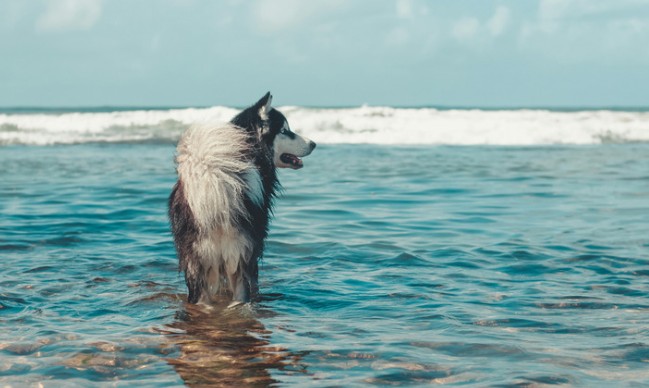
Both breeds have extremely low heat tolerance due to their dense Arctic coats. Malamutes are especially vulnerable with their heavier coat structure. Exercise timing, climate control, and constant monitoring become non-negotiable welfare requirements in anything above cool temperatures.
Malamute Challenge: Selective Compliance
Don’t expect instant obedience or blind following. Malamutes evaluate commands and may choose their own solution if yours seems illogical. This requires experienced handlers comfortable with negotiation rather than dominance.
Husky Challenge: Legendary Escape Artists
Huskies will climb, dig, squeeze, and bolt through any opening to satisfy their wanderlust. 6-8 foot fencing with dig guards, constant vigilance about doors and gates, and accepting that off-leash freedom is essentially impossible become your reality.
⚡ Quick Distinction Guide
Malamute asks: “Why should I do this?” → Needs purpose, respect, relationship foundation
Husky asks: “Where are we running?” → Needs motion satisfaction, secure containment
Malamute forms: Deep, exclusive bonds with selective companionship
Husky forms: Broad, enthusiastic connections with everyone
Both need: Cool climates, extensive exercise, experienced handlers, lifetime commitment
🧡 The Zoeta Dogsoul Perspective
Understanding these breeds through the NeuroBond approach reveals that successful training isn’t about forcing compliance—it’s about honoring their evolutionary design. The Malamute thrives when you build relationship-based partnership through emotional clarity. The Husky flourishes when you channel their motion drive rather than suppress it. The Invisible Leash emerges not from physical control but from understanding their unique motivational profiles and meeting them where they are. These aren’t behavior problems to fix—they’re magnificent expressions of canine excellence asking to be seen clearly and loved fully.
© Zoeta Dogsoul – Where neuroscience meets soul in dog training
The Husky’s Quick-Fire Energy
In contrast, the Siberian Husky’s arousal system is more like a sports car—it accelerates rapidly, peaks high, but can also downshift quickly when the stimulus passes:
Arousal patterns:
- Huskies often maintain a higher baseline arousal level. They’re alert, scanning, ready to engage with whatever interesting thing appears next.
- Their arousal spikes rapidly in response to movement, novel stimuli, or opportunities to run. The sight of a squirrel, a jogger, or an open gate can trigger immediate, intense arousal.
- The good news? Their arousal can also dissipate relatively quickly once the stimulus is removed or they’ve had opportunity to express their drive through appropriate movement.
Impulse control challenges:
- Impulse control is one of the Husky’s greatest training challenges. Their high prey drive, combined with rapid arousal to motion cues, means they can react before their prefrontal cortex catches up.
- You might experience your perfectly trained Husky completely ignoring a recall command when they spot something worth chasing. Their dopamine-driven SEEKING system overwhelms their learned responses.
- Pattern walking and motion-channeling protocols work exceptionally well for Huskies because they satisfy the drive rather than trying to suppress it entirely.
Reactivity considerations:
- Husky reactivity often stems from frustrated greeting behavior (they want to meet every dog and person) or prey drive activation (they want to chase that cat, bike, or running child).
- Their reactivity can seem more scattered or less predictable because it’s triggered by a wider range of environmental stimuli rather than specific territorial or social challenges.
Training implications are significant. Managing a Malamute’s arousal requires building that relationship-based foundation where they trust your judgment and see you as a capable leader worth following. The Invisible Leash concept becomes literal here—guidance through emotional connection rather than physical force. For Huskies, creating structured outlets for their motion drive before asking for impulse control makes all the difference. Expecting a Husky to maintain calm focus after being cooped up all day is setting both of you up for failure. 🐾
Environmental Needs: Adapting to Modern Life
These Arctic breeds weren’t designed for apartment living or temperate climates, yet many of us try to make it work. Understanding their specific environmental needs—and challenges—is essential for their welfare.
Heat Tolerance: A Critical Consideration
Alaskan Malamute heat sensitivity:
- With their extremely dense double coat designed for surviving -40°F and below, Malamutes have very low heat tolerance. This isn’t just about comfort—it’s a serious welfare issue.
- You might notice your Malamute becomes lethargic, reluctant to exercise, or seeks out cool surfaces even in moderately warm weather (above 60-65°F).
- Their risk of heatstroke is significant. Activities that would barely warm up other breeds can quickly become dangerous for a Malamute in warm weather.
- Behavioral changes in heat include reduced appetite, increased irritability, and unwillingness to engage in activities they normally enjoy.
Siberian Husky heat sensitivity:
- While also an Arctic breed with a double coat, Huskies have a slightly lighter coat structure than Malamutes and are built for speed, which generates heat that they learned to dissipate through running.
- They still have low heat tolerance compared to most breeds, but might manage slightly warmer conditions for short periods better than Malamutes.
- However, never underestimate their heat risk. Huskies still require careful management in anything above cool temperatures, particularly given their high energy levels and tendency to overexert.
Practical management for both:
- Early morning or late evening exercise during warm months becomes non-negotiable.
- Air-conditioned indoor spaces, cooling mats, frozen treats, and paddling pools help manage their comfort.
- Watch for heat stress signs: excessive panting, drooling, lethargy, or reluctance to move.
Boundary Awareness & Escape Behavior
This is where these breeds diverge dramatically in ways that impact your daily management:
Alaskan Malamute boundary behavior:
- Malamutes are more inclined toward boundary-guarding due to their territorial predispositions. They may patrol property lines, alert-bark at perceived intruders, or position themselves to monitor their territory.
- When Malamutes escape, it’s often through methodical problem-solving: testing fence weak points, strategic digging in corners, or brute-force approaches like pushing through or climbing.
- Their escapes are typically purposeful rather than impulsive—they’ve identified a goal (interesting scent, potential threat to investigate, desire to patrol a larger territory) and devised a plan.
- Your fencing needs to be secure, but their motivation to escape is often lower than a Husky’s unless they have specific reason to leave their territory.
Siberian Husky escape artistry:
- Here’s the truth: Huskies are legendary escape artists, and the reputation is well-earned. Their exploratory drive, combined with their athletic ability and problem-solving skills, makes secure containment a serious challenge.
- They will climb fences with surprising agility, dig under them with determination, squeeze through impossibly small gaps, and bolt through doors faster than you can register what happened.
- Their motivation is pure wanderlust—the desire to run, explore, and satisfy that insatiable curiosity about what’s beyond the boundary. They’re not trying to escape you; they’re trying to discover everything.
- You need fortress-level security: 6-8 foot fencing minimum, often with dig guards or concrete aprons, no gaps or weak points, and gates that latch securely. Many Husky owners also use secondary containment systems or only allow outdoor time under direct supervision.
- Off-leash time in unsecured areas is essentially impossible for most Huskies. Their prey drive and exploratory nature override even the strongest recall training when something captures their attention.
This isn’t a minor lifestyle consideration—it’s a fundamental difference in daily management. Malamute owners focus on providing purpose within their territory and managing territorial behaviors. Husky owners become expert security consultants, constantly assessing and reinforcing containment while providing structured outlets for that drive to roam. 🧡
Training Approaches: What Actually Works
Understanding breed differences reaches its practical peak when we discuss training. What works brilliantly for one breed can create frustration and resistance in the other.
Training the Malamute: Relationship-Based Partnership
If you’ve tried traditional obedience training with your Malamute and hit walls of stubbornness, you’re not alone. These dogs don’t respond well to mechanical, repetitive cue-based training that lacks purpose or context.
The NeuroBond approach for Malamutes:
- Emotional clarity first: Before teaching any command, establish yourself as a fair, consistent leader worth following. This isn’t about dominance in the outdated sense—it’s about earning respect through competent guidance and clear communication.
- Purpose-driven training: Every exercise should have visible purpose. Instead of endless “sit” repetitions, integrate commands into meaningful activities. “Wait” before going through doors teaches impulse control that prevents doorway rushing. “Stay” before crossing streets teaches safety awareness.
- Problem-solving opportunities: Give your Malamute work that engages their intelligence. Scent work, where they use their nose to locate hidden objects, satisfies their need to contribute meaningfully. Cart or sled pulling (even pulling you on rollerblades) channels their strength purposefully.
- Respect their thinking process: When you give a command and your Malamute pauses, they’re not being defiant—they’re processing. Allow that moment. If they choose not to comply, don’t repeat the command endlessly. Instead, ask yourself if the command was clear, if they understood the purpose, and if there’s a competing motivation you need to address.
Daily routines that support Malamute welfare:
- Morning purposeful work: A 30-minute session pulling a weighted cart or wearing a backpack on a hike gives them satisfaction that hours of aimless walking never will.
- Mental enrichment: Puzzle feeders, hide-and-seek games with toys or treats, and training sessions that challenge them cognitively prevent boredom-driven destruction.
- Clear boundaries with consistency: Malamutes need to know the rules and see them enforced fairly every single time. Inconsistency creates confusion and testing behaviors.
- Structured decompression: After stimulating activities or stressful situations, give them quiet time in a calm space to process and regulate their nervous system.
- Selective socialization: Rather than overwhelming them with constant dog park visits, facilitate positive interactions with compatible dogs they can build relationships with.
Training the Husky: Motion-Channeling and Pattern Building
Your Husky’s brain is wired for movement, and fighting that fundamental drive creates frustration for both of you. Successful training works with their nature, not against it.
Motion-channeling protocols for Huskies:
- Satisfy the drive first: Before asking for impulse control or focused training, give your Husky opportunity to run. This isn’t optional. A Husky with pent-up motion drive cannot and will not focus effectively.
- Pattern walking: Establish predictable routes and routines that channel their movement productively. Many Huskies do better with structured walking patterns than constant novelty because it allows them to settle into a rhythm.
- High-speed activities: Biking with your Husky (bikejoring), skijoring in winter, canicross running, or supervised running in secure areas satisfy their need for speed in ways that regular walking simply cannot match.
- Short, engaging training sessions: Instead of 30-minute training blocks, use multiple 5-10 minute sessions throughout the day. Keep them fast-paced, varied, and heavily reward-based to maintain their attention.
- Low-distraction initial training: Start teaching new behaviors in boring, quiet environments where there’s nothing interesting to compete with your training. Gradually increase environmental complexity only after the behavior is solid.
Daily routines that support Husky welfare:
- High-intensity morning exercise: An hour of running, pulling, or high-energy activity before you leave for work prevents destructive boredom behaviors.
- Secure containment checks: Regular assessment of your fencing, gates, and yard security. Assume your Husky is constantly looking for escape opportunities because they probably are.
- Mental challenges: Training sessions, puzzle toys, frozen Kongs, and scent games engage their minds when physical exercise isn’t possible.
- Social interaction time: If your Husky enjoys other dogs, regular play sessions with compatible canine friends help channel their social energy positively.
- Consistent training reinforcement: Brief, daily practice of key commands in various environments helps combat their distractibility and maintains learned behaviors.
The crucial insight: Malamutes ask “Why should I follow you?” and need you to prove your leadership through consistency, fairness, and purpose. Huskies ask “What exciting thing can we do?” and need you to provide structure around their motion drive. Neither approach is easier—they’re simply different paths to the same destination: a well-adjusted, fulfilled dog who trusts and responds to you. Through understanding these distinctions, the Invisible Leash becomes possible—guidance through connection rather than force.
Health & Longevity: Breed-Specific Considerations
Beyond behavior, understanding the health profiles of these breeds helps you provide appropriate care and recognize potential issues early.
Alaskan Malamute Health Considerations
Common health concerns:
- Hip and elbow dysplasia: Their large size and heavy build make joint issues more common. You might notice stiffness after rest, reluctance to jump or climb stairs, or altered gait.
- Hypothyroidism: This condition can affect metabolism, energy levels, coat quality, and weight. Behavioral changes like increased lethargy or unexplained aggression can sometimes trace back to thyroid dysfunction.
- Polyneuropathy: A neurological condition affecting nerve function that can cause weakness, exercise intolerance, and altered gait.
- Heat-related illness: As discussed, their extreme cold-weather adaptation makes them highly susceptible to heatstroke and heat exhaustion.
Longevity and aging:
- Malamutes typically live 10-14 years with proper care.
- As they age, their need for purposeful activity remains, but intensity should adjust to their physical capacity. Senior Malamutes still benefit from pulling light carts or carrying light backpacks—work that provides purpose without strain.
- Joint support through weight management, appropriate supplementation, and modified exercise becomes increasingly important in their later years.
Siberian Husky Health Considerations
Common health concerns:
- Hip dysplasia: While generally less severe than in Malamutes due to their lighter build, hip issues still occur and should be monitored.
- Eye conditions: Progressive retinal atrophy (PRA), cataracts, and corneal dystrophy appear more frequently in Huskies. Regular eye exams help catch issues early.
- Zinc-responsive dermatosis: A skin condition where the dog cannot properly absorb zinc, leading to crusty, scaly skin particularly around the face and pressure points.
- Hypothyroidism: Similar to Malamutes, thyroid issues can affect overall health and behavior.
Longevity and aging:
- Huskies typically live 12-15 years with proper care, often enjoying relatively good health into their senior years.
- Their exercise needs remain high even as they age, though you might notice them naturally self-regulating better than in their youth. Arthritis can develop but often doesn’t slow them significantly if managed properly.
- Mental stimulation becomes even more critical for senior Huskies who may have physical limitations—keep their brains engaged to prevent cognitive decline.
For both breeds, maintaining ideal body condition is crucial. Excess weight compounds joint issues, reduces heat tolerance, and shortens lifespan. Regular veterinary care, appropriate nutrition, and monitoring for breed-specific issues helps you catch problems early and maintain quality of life throughout their years with you.
Matching Breed to Lifestyle: The Honest Assessment
Let’s have a frank conversation about whether these breeds fit your life. Both are magnificent, but neither is right for every home or every person.
Consider the Alaskan Malamute if:
You have:
- A cooler climate or ability to manage exercise timing around heat
- Experience with strong-willed, independent dogs
- Patience to build relationship-based partnership rather than expect instant obedience
- Space for large dog with territorial awareness
- Interest in purposeful dog sports like weight pulling, carting, or hiking with packs
- Willingness to manage selective dog socialization carefully
- Understanding that training is ongoing negotiation, not one-time programming
You might struggle if:
- You live in hot climates without extensive air conditioning
- You prefer dogs who eagerly please without questioning
- You want a dog who instantly befriends all dogs and people
- You lack time for mental stimulation and purposeful activities
- You expect quick, easy training results from repetitive drills
Your Malamute will thrive when you: Provide clear leadership through fairness and consistency, offer work that engages their strength and intelligence, respect their need to think and problem-solve, and build a deep, trusting partnership where they see you as worthy of their loyalty. That emotional bond—that Soul Recall connection where they respond to you not from submission but from relationship—becomes the foundation of everything.
Consider the Siberian Husky if:
You have:
- Very high energy lifestyle with commitment to daily vigorous exercise
- Secure property with fortress-level fencing
- Acceptance of high vocalization (your neighbors must accept this too)
- Interest in running, biking, or sledding sports
- Patient, persistent approach to training with realistic expectations
- Tolerance for independent, easily distracted personality
- Climate management capability (cool temperatures or AC)
- Sense of humor about escape artistry and general Husky chaos
You might struggle if:
- You want off-leash freedom and reliable recall
- You prefer quiet, calm household environments
- You lack time for intensive daily exercise
- You live in hot climates without extensive AC
- You want a highly obedient, handler-focused dog
- You have unfenced property or weak containment
- You cannot commit to constant vigilance about escape opportunities
Your Husky will thrive when you: Channel their motion drive through appropriate activities, provide high-intensity exercise daily, create secure containment systems, train with patience in low-distraction environments, embrace their vocal nature with humor, and accept that their desire to run and explore is fundamental to who they are—not a behavior problem to eliminate.
Living With Your Arctic Breed: Daily Reality
Let’s talk about what daily life actually looks like with each breed, beyond the training theory and behavioral science.
A Day With Your Malamute
Morning: Your Malamute greets you with that distinctive “woo-woo” conversation, expecting acknowledgment and interaction. Breakfast happens after they’ve settled from morning excitement. You harness them up with a backpack or pulling harness for your morning walk—not just a bathroom break, but purposeful exercise where they carry water bottles or pull you on rollerblades for 30-45 minutes. They focus intently on the work, occasionally stopping to assess interesting scents but returning to task when reminded of purpose.
Midday: While you’re at work, your Malamute settles into rest mode relatively well, especially if properly exercised. They might patrol the yard briefly, monitoring their territory, then find a cool spot (preferably tile floor or shaded area) to nap. A puzzle feeder with lunch keeps their mind engaged briefly.
Evening: More purposeful activity—perhaps scent work games where they locate hidden treats, or training session working on new skills that challenge their problem-solving. Dinner is earned through several commands or tricks. Evening walk is shorter but includes training elements: practicing wait at curbs, loose-leash walking past distractions, and controlled greeting with familiar neighbor dogs.
Night: Decompression time. Your Malamute settles on their favorite spot, often near you but not necessarily cuddled close, processing the day’s activities. They might engage in some self-play with a favorite toy before settling for the night.
Challenges you’ll navigate: Selective listening when distracted by something they consider important. Firm boundary-setting when they decide your bed is actually their bed. Managing their food possessiveness around other pets. Dealing with their opinions about whether coming inside is a good idea right now.
A Day With Your Husky
Morning: Your Husky erupts with energy, likely including a concert of howls, whines, and dramatic vocalizations about how breakfast is late (even if it’s not). After eating, they need immediate high-energy outlet or they’ll create their own entertainment (probably destructive). You head out for bikejoring or running—fast-paced, covering several miles while they pull and express their joy through movement. They settle somewhat after this, though “settled” for a Husky means “not actively vibrating with suppressed energy.”
Midday: If left alone, your Husky might howl to check if anyone’s listening, rearrange anything moveable, and constantly patrol the fence line looking for escape opportunities. Without adequate morning exercise, expect creativity: redecorated with couch stuffing, modified door frames, or escape attempts. With proper exercise, they’re more likely to actually rest, though they’ll periodically patrol and vocalize.
Evening: More exercise is necessary—they’re recharged and ready. Another run, visit to the dog park for social play, or training session with lots of movement keeps them engaged. Dinner involves puzzle feeders or scatter feeding to slow them down and provide mental stimulation. Evening walk includes constant monitoring for prey animals, moving stimuli, and escape opportunities.
Night: Your Husky finally settles, often sleeping soundly after adequate exercise. They might sleep near you, possibly very near you, enjoying physical closeness more than the Malamute typically does.
Challenges you’ll navigate: Constant vigilance about open doors and gates. Managing their vocal expressions without suppressing their communication entirely. Exercising them adequately in hot weather while preventing heatstroke. Accepting that recall will forever be unreliable off-leash. Dealing with their theatrical dramatics about minor inconveniences. 🐾
The Deeper Connection: Understanding Their Emotional Worlds
Beyond the practical differences in training and management, these breeds process emotions differently, form attachments differently, and experience their relationships with you through different emotional frameworks.
The Malamute’s Emotional Depth
Malamutes form deep, exclusive bonds characterized by loyalty and protective devotion. Once you’ve earned a Malamute’s trust and respect, their commitment to you is profound. They’re not aloof—they’re selective and intentional about their attachments.
Emotional processing:
- They hold onto emotional experiences longer. A negative experience might color their response to similar situations for extended periods. This is where Soul Recall becomes evident—they remember not just what happened, but how it felt.
- Transitions and changes in routine can be more challenging for them. They appreciate predictability and may show stress through subtle behavioral changes when their world shifts unexpectedly.
- They experience social slights and perceived unfairness deeply. If you’re inconsistent with rules or you favor another pet obviously, your Malamute notices and may become withdrawn or testing.
Their love language:
- Proximity without intrusion: wanting to be in the same room as you but not necessarily touching
- Working alongside you, contributing to shared goals
- Protecting your property and alerting you to potential threats
- Engaging in that distinctive “conversation” where they share opinions about daily events
The Husky’s Emotional Expressiveness
Huskies wear their hearts on their sleeves (or would, if they wore sleeves). Their emotions are immediate, expressive, and often dramatic. They form bonds widely, enjoying relationships with multiple people and dogs rather than exclusive devotion.
Emotional processing:
- They move through emotions quickly. An experience that seemed traumatic five minutes ago might be forgotten after a good run or engaging play session.
- They’re more resilient to routine changes and transitions, adapting relatively quickly to new situations as long as their core needs (exercise, stimulation, social interaction) continue being met.
- They don’t typically hold grudges. If you need to correct them or they have a negative experience, they bounce back relatively quickly.
Their love language:
- Physical proximity and touch: they often want to be on you, near you, or touching you
- Shared activities, especially anything involving running or movement
- Vocal sharing of every thought and feeling they experience
- Including you in their social world with enthusiasm and exuberance
Understanding these emotional differences helps you interpret their behavior accurately. When your Malamute withdraws, they might need time to process and reassurance of consistency. When your Husky throws a tantrum, they might simply need an outlet for their energy. Neither emotional style is better—they’re expressions of different evolutionary pathways that shaped how these breeds experience and express their inner worlds. 🧡
Final Reflections: Honoring Their Differences
We began this journey with a simple question: Are Alaskan Malamutes and Siberian Huskies really that different? You now have your answer, rooted not in superficial observations but in deep behavioral, motivational, and emotional understanding.
The Malamute is the thoughtful strategist, the loyal guardian, the dog who asks “why” and expects answers. They are strength personified, independence made manifest, and partnership earned through mutual respect. Through the NeuroBond approach—that emotional clarity and relationship-based connection—they become extraordinary companions who will move mountains for handlers they respect.
The Husky is the enthusiastic explorer, the vocal comedian, the dog who asks “where next” and rarely waits for the answer. They are motion given form, curiosity unleashed, and joy expressed through every dramatic vocalization. Through motion-channeling and acceptance of their fundamental nature, they become tireless adventure partners who share every moment with unfiltered enthusiasm.
Neither breed is “better.” Neither is “easier.” They’re simply different expressions of canine excellence, each requiring owners who understand and honor their unique needs.
The critical mistakes to avoid:
- Expecting a Malamute to blindly obey without question or purpose
- Expecting a Husky to be reliably off-leash or quietly content without adequate exercise
- Keeping either breed in hot climates without extensive climate management
- Choosing either breed because you like their appearance without understanding their needs
- Using training methods designed for biddable, handler-focused breeds on these independent Arctic dogs
The pathways to success:
- For Malamutes: Build that relationship foundation, provide purposeful work, respect their intelligence, maintain consistency, and understand that training is an ongoing dialogue rather than one-time programming
- For Huskies: Satisfy the motion drive first, create secure containment, train with patience and realistic expectations, embrace their vocal nature, and accept their independent spirit
- For both: Commit fully to their extensive needs, educate yourself continuously, adjust your lifestyle to accommodate their requirements, and celebrate the unique gifts they bring
The Invisible Leash—that concept of guidance through awareness rather than force—becomes possible with either breed, but the path to get there looks different. With Malamutes, it develops through earned respect and clear communication. With Huskies, it emerges through drive satisfaction and persistent, patient boundary-setting.
These magnificent Arctic breeds aren’t for everyone. They demand more time, more education, more physical commitment, and more behavioral sophistication than many popular breeds. But for those willing to meet them where they are, to honor their evolutionary heritage, and to build relationships based on understanding rather than dominance, they offer companionship that transforms lives.
That balance between strength and gentleness, independence and loyalty, wild heritage and domestic partnership—that’s the essence of Zoeta Dogsoul. It’s understanding that these dogs aren’t projects to perfect or problems to solve. They’re sentient beings with rich inner lives, shaped by thousands of years of evolutionary pressure, asking us to see them clearly and love them fully for exactly who they are.
Is One of These Arctic Breeds Right for You?
You’ve read thousands of words exploring the nuanced differences between these magnificent breeds. Now comes the most important question: Should you share your life with one?
Ask yourself honestly:
- Can you provide the climate control they need for welfare?
- Do you have the time for extensive daily exercise and mental stimulation?
- Are you prepared for an independent thinker who won’t offer instant obedience?
- Can you commit to ongoing training and behavioral management?
- Will your lifestyle accommodate their specific needs for the next 10-15 years?
- Are you willing to educate yourself continuously about their behavior and needs?
If you answered yes to all these questions, you might be ready for the profound joy and occasional frustration of Arctic breed ownership. If you hesitated on any, perhaps a different breed would better suit your current life situation. There’s wisdom in honest self-assessment.
These breeds will challenge you, teach you, occasionally frustrate you, and ultimately enrich your life in ways you cannot imagine until you experience it. They’re not starter dogs. They’re not casual companions. They’re intensive, complex, fascinating beings who demand everything from you and return that investment with extraordinary loyalty, whether expressed through the Malamute’s quiet devotion or the Husky’s boisterous enthusiasm.
Choose wisely. Choose honestly. And if you choose one of these remarkable Arctic breeds, choose to see them clearly, honor their differences, and build the relationship they deserve.
The journey awaits. 🐾