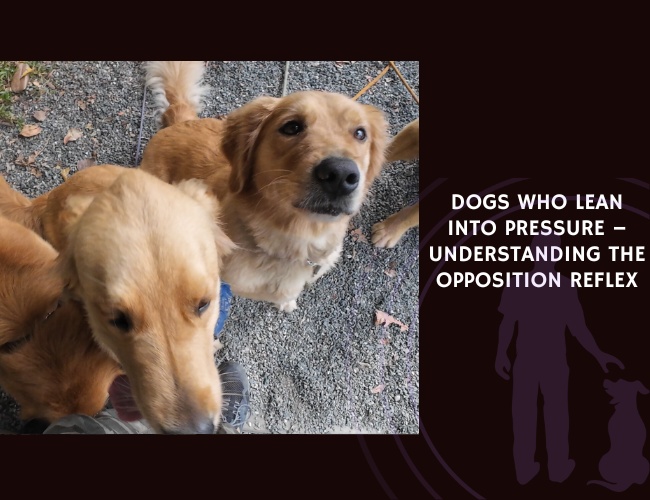
Have you ever noticed your dog pulling harder when you tighten the leash? Or perhaps you’ve felt your furry friend lean into your hand when you gently push against their shoulder? This isn’t stubbornness or disobedience—it’s a fascinating neurological phenomenon called the opposition reflex. Understanding this involuntary response can transform the way you approach training, deepen your connection with your dog, and create a foundation of trust that goes far beyond simple obedience. Let us guide you through the science, emotion, and practical wisdom behind this natural canine behavior.
The Neuroscience Behind the Push-Back Response
What Happens in Your Dog’s Nervous System
When your dog feels pressure against their body, something remarkable happens beneath the surface. The opposition reflex is mediated by spinal reflex arcs—ancient neural pathways that existed long before conscious thought evolved. These circuits involve sensory input from mechanoreceptors embedded in your dog’s skin, muscles, and tendons, which immediately trigger motor responses to counteract the pressure they detect.
Think of it like this: your dog’s body is constantly monitoring itself through thousands of tiny sensors. When pressure is applied, these sensors send rapid-fire messages through the spinal cord, bypassing the brain entirely for the quickest possible response. This is why the opposition reflex feels so automatic and immediate—because it truly is.
The Role of Proprioception in Resistance
Proprioceptive feedback plays a crucial role in how intensely your dog resists leash tension. Muscle spindles and Golgi tendon organs—specialized sensory receptors deep within your dog’s muscles and tendons—constantly inform the central nervous system about limb position, movement, and the forces acting upon the body.
When you apply tension to a leash, these proprioceptors activate a cascade of neural signals. The intensity of your dog’s resistance directly correlates with the strength of these proprioceptive signals and how the nervous system interprets them. Research on human balancing suggests that intrinsic muscle stiffness acts as an energy-efficient buffer, providing stability against external forces. Your dog’s body employs similar mechanisms, using muscle tone and neural feedback loops to maintain balance when pressure is applied.
This means that every pull on the leash isn’t just felt—it’s processed, calculated, and responded to by a complex biological system designed to maintain stability and protect against potential threats.
Signs Your Dog’s Opposition Reflex Is Activated:
- Leaning backward or planting feet when forward leash pressure is applied
- Increasing pulling force proportionally to the tension you create
- Stiffening the neck and shoulder muscles during leash corrections
- Digging in with front paws and lowering the center of gravity
- Pushing into your hand or leg when you apply gentle body pressure
- Resisting directional guidance even when they were previously moving willingly 🧠
Can Neural Pathways Adapt Over Time?
Here’s where things get fascinating: chronic exposure to leash pressure may actually alter neural plasticity and sensitivity thresholds in the spinal reflex arc. While direct research on dogs and leash pressure remains limited, studies on spinal cord injury reveal that subcortical circuits can operate independently of higher cortical input and adapt over time.
Prolonged, consistent leash pressure could potentially lead to two different adaptations. In some cases, sensitivity might increase, making your dog more reactive to pressure. Alternatively, with appropriate conditioning and positive associations, the reflex could become desensitized. This neuroplasticity—the brain and nervous system’s ability to reorganize itself—is why training approaches matter so deeply. You’re not just teaching behavior; you’re potentially reshaping neural pathways.
The Emotional Landscape of Pressure and Resistance
How Fear and Excitement Amplify the Reflex
Emotional arousal doesn’t just influence your dog’s mood—it fundamentally changes their physiological responses. When your dog experiences fear, frustration, or even excitement during leash walking, these emotional states activate subcortical defensive systems that can dramatically amplify the opposition reflex.
Research shows that intolerance of uncertainty heightens negative emotional states like fear, anxiety, and anger while dampening positive ones. When your dog encounters something unpredictable on a walk, this emotional escalation can override any learned inhibition of the opposition reflex. The autonomic nervous system, which regulates involuntary body functions, can distinguish among different emotions and respond accordingly.
According to Polyvagal Theory, when your dog perceives a threat, their sympathetic nervous system mobilizes, triggering fight-or-flight responses. In this state, resistance to leash pressure intensifies as part of a survival mechanism. Your dog isn’t being difficult—their body is trying to protect them from perceived danger.
Emotional States That Amplify Opposition Reflex Intensity:
- Fear or anxiety: Triggers defensive mobilization and increases muscle tension throughout the body
- Frustration: Creates agitation that translates to physical resistance and oppositional movement
- Excitement or overstimulation: Floods the system with arousal that overrides impulse control
- Uncertainty: Activates vigilance systems that prime the body for quick defensive responses
- Past trauma activation: Brings historical threat responses into present moment experiences
- Handler stress or tension: Dogs mirror and amplify the nervous system state of their human
Can Dogs Learn to Override This Reflex?
The beautiful answer is yes—to a degree. While the opposition reflex itself remains involuntary, higher cognitive functions and emotional regulation can modulate its expression. This is where the magic of conscious training meets unconscious biology.
Research on mindful movement programs demonstrates that practices enhancing body awareness and emotional regulation can help individuals learn to modulate reflexive responses. The same principles apply to our canine companions. Through the NeuroBond approach, trust becomes the foundation of learning, allowing dogs to develop awareness of their own physical responses and, gradually, gain some influence over them.
This doesn’t mean eliminating the reflex—that would be impossible and perhaps undesirable, as it serves important protective functions. Instead, it means teaching your dog to recognize the sensation of pressure, associate it with safety rather than threat, and respond with flexibility rather than automatic resistance. 🧡
The Hormone Dance: Oxytocin and Stress
Oxytocin and corticotrophin-releasing hormone play starring roles in whether your dog complies with or resists leash pressure. Oxytocin, often called the “bonding hormone,” is associated with social connection and reduced stress. When you interact with your dog in positive, trust-based ways, oxytocin levels increase, promoting a sense of calm and cooperative behavior.
Conversely, stressful leash handling elevates stress hormones like cortisol, triggering defensive responses and heightened resistance. Research on craniosacral therapy has shown significant increases in oxytocin levels following gentle, intentional touch, suggesting that how we handle our dogs directly influences their hormonal landscape.
This hormonal interplay explains why two dogs might respond completely differently to the same leash technique. One dog, feeling safe and connected, may move cooperatively. Another, experiencing stress or uncertainty, may pull harder despite identical handling. The difference often lies in the emotional and chemical context surrounding the physical interaction.
How Equipment Shapes the Physical Experience
Collars, Harnesses, and Halters: A Biomechanical Comparison
The equipment you choose doesn’t just affect where pressure is applied—it fundamentally influences how the opposition reflex activates throughout your dog’s body. Each tool creates a unique pressure distribution pattern with distinct neurological consequences.
Flat collars apply concentrated pressure directly to the neck, activating neck reflexes and potentially causing discomfort or injury to delicate structures like the trachea and thyroid gland. This concentrated pressure point often triggers a strong opposition response as the dog’s body perceives a direct threat to a vulnerable area.
Harnesses distribute pressure across the chest and shoulders, engaging larger muscle groups and spreading force over a wider area. This broader distribution typically reduces reflex intensity while providing better biomechanical support for the dog’s natural movement patterns.
Head halters apply pressure to the muzzle and behind the ears, working on different sensory receptors entirely. While some dogs adapt well to this tool, others find the facial pressure highly aversive, potentially increasing emotional stress and, paradoxically, resistance.
Understanding how mechanical forces distribute across biological systems—similar to how pressure dynamics work in cardiovascular structures—helps us make more informed equipment choices that support rather than fight against our dog’s natural physiology.
Equipment Comparison: Impact on Opposition Reflex Activation
- Flat Collar: Concentrates pressure on neck structures; highest reflex activation due to threat perception in vulnerable area; risk of physical injury to trachea and thyroid
- Martingale Collar: Slightly better pressure distribution than flat collar; still focuses force on neck; moderate to high reflex activation
- Back-Clip Harness: Distributes pressure across chest and shoulders; encourages forward pulling due to opposition against broad surface; moderate reflex activation
- Front-Clip Harness: Redirects pulling force; reduces mechanical advantage of opposition; lower reflex activation when fitted properly
- Y-Shaped Harness: Avoids shoulder restriction; best freedom of movement; lowest reflex activation among harness types
- Head Halter: Applies pressure to muzzle and poll; can dramatically reduce pulling but may increase emotional stress; variable reflex response depending on conditioning
- Slip Leads/Choke Chains: Maximum pressure concentration; highest pain potential; dramatically amplifies opposition reflex and fear responses; not recommended
When Handler Tension Creates Postural Stress
Misaligned leash pressure or inconsistent handler tension can create unpredictable forces that cascade through your dog’s entire body. When a dog perceives pressure as unpredictable or threatening, the nervous system responds with defensive reactions, including heightened resistance and reactive behaviors.
Think about trying to balance on an unstable surface—your muscles constantly adjust, creating tension and fatigue. Your dog experiences something similar with inconsistent leash handling. The concept of intrinsic stiffness as a buffer suggests that consistent, predictable pressure allows the body to adapt effectively, whereas misaligned forces overwhelm these natural buffering mechanisms.
This is why you might notice your dog pulling more when you’re stressed, distracted, or emotionally unsettled. Dogs are remarkably attuned to the subtle tensions in the leash—not just the physical force, but the quality of energy transmitted through it. The Invisible Leash reminds us that awareness, not tension, guides the path forward.
How Leash Tension Affects Movement and Balance
Continuous leash tension provides constant feedback to your dog’s proprioceptive system, but excessive or abrupt tension disrupts natural gait patterns, causes neck strain, and forces unnatural balance corrections. This disruption leads to discomfort and a heightened opposition reflex as your dog attempts to restabilize.
When dogs walk naturally, their bodies orchestrate a complex ballet of muscle activation, joint movement, and balance adjustments. Constant leash interference disrupts this natural coordination, leading to compensatory movements that increase physical stress. Over time, these compensations can contribute to musculoskeletal issues, particularly in the neck, shoulders, and spine.
Your dog’s natural balance mechanisms rely on predictable environmental feedback. When the leash introduces constant unpredictability, it’s like trying to walk while someone randomly pushes you—exhausting, frustrating, and ultimately unsuccessful. 🐾

Training Approaches That Work With Biology, Not Against It
Desensitization Through Gradual Exposure
Can dogs learn to tolerate and even respond positively to leash pressure? Absolutely—through graded counterconditioning and proprioceptive engagement. Desensitization and counterconditioning are established behavioral modification techniques that leverage the nervous system’s capacity for learning and adaptation.
The process begins with introducing minimal pressure in a completely controlled environment, well below the threshold that triggers the opposition reflex. As your dog remains calm and relaxed, you gradually increase pressure intensity while maintaining positive associations through rewards, play, or other reinforcers your dog values.
Gradual Desensitization Protocol for Leash Pressure:
- Week 1-2: Equipment introduction – Allow dog to investigate leash and harness/collar through sniffing and play; pair with high-value treats; no pressure applied
- Week 2-3: Static wearing – Dog wears equipment indoors for short periods during positive activities (feeding, play, gentle petting); still no leash pressure
- Week 3-4: Ultra-light contact – Hold leash with complete slack; reward dog for moving naturally while wearing equipment; pressure threshold: barely perceptible
- Week 4-5: Minimal directional pressure – Apply 1-2 ounces of gentle pressure for 1-2 seconds, immediately release when dog yields even slightly; reward all yielding
- Week 5-6: Brief sustained pressure – Gradually increase duration of light pressure to 3-5 seconds; continue immediate reward for yielding
- Week 6-8: Variable direction and intensity – Practice pressure from different angles; slowly increase to normal walking tension; always stay below opposition threshold
- Week 8-10: Environmental progression – Practice in gradually more stimulating environments; start indoors, progress to quiet outdoor spaces, build to normal walking routes
- Week 10-12: Duration and distraction – Extend practice sessions; introduce mild distractions; reinforce calm responses to pressure in various contexts
- Week 12+: Maintenance and generalization – Continue rewarding good responses; practice in all relevant environments; occasionally return to easier steps to reinforce foundation
Proprioceptive engagement exercises—activities that enhance body awareness and control—further support this learning process. Teaching your dog to consciously notice where their body is in space, how it feels, and how to move with intention rather than reflex creates a foundation for cooperative leash walking.
Research on mindful movement programs demonstrates improvements in interoceptive awareness and self-regulation, suggesting that similar principles help dogs better recognize and manage their physical sensations and responses to pressure. This isn’t about suppressing the reflex—it’s about expanding your dog’s capacity to choose their response.
The Power of Calm, Directional Touch
Here’s a critical distinction that transforms training outcomes: calm, consistent, directional touch provides clear information to your dog’s sensory system, promoting predictable responses and potential relaxation. Abrupt tension, by contrast, registers as a sudden, unpredictable threat, triggering defensive reflexes and intensifying resistance.
Think about how you respond when someone gently guides you by the elbow versus when someone grabs your arm unexpectedly. The physical sensation differs, but more importantly, the emotional interpretation differs dramatically. Your dog experiences the same distinction.
Skin vibration stimulation synchronized with specific breathing patterns has been shown to activate the parasympathetic nervous system—the “rest and digest” system that promotes relaxation. While we can’t synchronize leash tension with our dog’s breathing cycle, the principle holds: specific, calm sensory inputs can promote relaxation and potentially inhibit reflexive tension.
Anticipatory intermittent bias in human balancing suggests that predictable cues allow for more controlled responses. When your dog learns to anticipate the quality and direction of leash pressure, their nervous system can prepare and respond adaptively rather than defensively.
Building Safety Through NeuroBond Principles
The NeuroBond method, anchored in co-regulation and emotional synchrony, offers a powerful framework for reducing opposition reflex activation by fundamentally increasing perceived safety. This approach aligns beautifully with Polyvagal Theory, which explains how safety cues promote parasympathetic engagement, leading to relaxation and reduced defensive responses.
Co-regulation—the process by which one individual’s regulated nervous system helps another individual regulate theirs—forms the cornerstone of this approach. When you maintain calm, predictable emotional and physical presence, your dog’s nervous system can literally borrow your regulation to find its own balance.
Research on mindful movement programs shows significant improvements in positive mental health, interoceptive awareness, recognition and management of physiological sensations, and enhanced confidence in one’s body. By fostering secure emotional connection and predictable physical interactions, similar benefits emerge in handler-dog relationships.
Moments of Soul Recall reveal how memory and emotion intertwine in behavior. When your dog experiences repeated instances of pressure paired with safety, calm, and positive outcomes, new neural pathways form. These pathways compete with and can eventually override the automatic defensive response, not by suppressing it, but by offering an alternative pattern rooted in trust. 🧡
Pressure. Balance. Resistance.
Those wild puppy sprints have a purpose.
Zoomies—technically called FRAPs—aren’t random chaos. They help puppies release energy, build coordination, and regulate emotions.
It’s play, but it’s primal.
From brain development to stress relief, these bursts are rooted in biology. Even your living room becomes a training ground for growth.
This guide breaks it down.
Learn what zoomies mean, when they’re normal, and how to support your pup—safely, calmly, and with expert-backed strategies.
Practical Applications for Better Leash Manners
Moving Beyond Force-Based Methods
Understanding the opposition reflex illuminates exactly why traditional “corrections” often fail or backfire. Pulling harder on a leash doesn’t overcome resistance—it activates the very reflex that creates resistance. You’re essentially telling your dog’s nervous system, “This is a threat. Push back harder.”
Knowledge of the opposition reflex encourages techniques that work with natural canine responses rather than against them. This involves using graded pressure, predictable cues, and positive reinforcement to shape desired behaviors. You’re not suppressing an involuntary reaction—you’re teaching your dog’s body that cooperation feels better than opposition.
This approach aligns with research on participant retention in rehabilitation studies, which shows that less stressful, more consistent approaches prove more effective than interventions that demand too much too quickly or create adverse experiences.
Instead of asking, “How do I make my dog stop pulling?” the question becomes, “How do I help my dog’s body feel safe enough not to activate the opposition reflex?”
Common Mistakes That Amplify the Opposition Reflex:
- Pulling harder when the dog pulls – Directly triggers stronger opposition; creates escalating tension cycle
- Using inconsistent pressure patterns – Unpredictability increases stress and defensive responses
- Correcting with leash “pops” or jerks – Activates threat perception; intensifies both reflex and emotional resistance
- Training while handler is stressed or frustrated – Dogs detect and mirror human tension through the leash
- Starting training in high-distraction environments – Overwhelms the dog’s ability to focus on learning new responses
- Expecting immediate results – Pressure desensitization requires time for neural pathway changes
- Ignoring emotional state – Addressing mechanics without addressing fear/anxiety treats symptom not cause
- Using equipment that causes pain or discomfort – Associates pressure with pain, intensifying defensive opposition
- Practicing only during “real” walks – High stakes situations aren’t ideal learning environments
- Forgetting to reward yielding – Dogs need feedback that cooperation is more rewarding than opposition
🐕 Understanding the Opposition Reflex 🐕
Why your dog leans into pressure—and how neuroscience explains the push-back response that transforms training
🧠 The Neuroscience Behind the Reflex
What Happens in Your Dog’s Body:
The opposition reflex is an involuntary spinal reflex arc—an ancient neural pathway that responds to pressure before the brain even processes it. When your dog feels leash tension, mechanoreceptors in skin, muscles, and tendons instantly trigger motor responses to counteract that pressure.
Key insight: This isn’t stubbornness—it’s biology. The reflex bypasses conscious thought entirely, which is why traditional corrections often backfire.
Signs the Reflex Is Activated:
- • Leaning backward or planting feet when pressure is applied
- • Increasing pulling force proportionally to tension
- • Stiffening neck and shoulder muscles
- • Pushing into your hand during body pressure
- • Digging in with front paws and lowering center of gravity
🎯 Emotional Amplifiers You Need to Know
States That Intensify the Reflex:
Emotional arousal doesn’t just affect mood—it fundamentally changes physiology. When your dog experiences fear, frustration, or excitement, subcortical defensive systems activate, dramatically amplifying the opposition reflex.
- • Fear/Anxiety: Triggers defensive mobilization and increased muscle tension
- • Frustration: Creates agitation that translates to physical resistance
- • Excitement: Floods the system, overriding impulse control
- • Handler Stress: Dogs mirror and amplify your nervous system state
The Oxytocin Connection:
Positive, trust-based interactions increase oxytocin (the bonding hormone), promoting compliance and reducing stress-driven resistance. Conversely, stressful handling elevates cortisol, intensifying the push-back response. Your relationship chemistry literally shapes your dog’s physical responses.
✨ Training Strategies That Work With Biology
The Power of Calm, Directional Touch:
Calm, consistent touch provides clear sensory information, promoting relaxation and predictable responses. Abrupt tension registers as threat, triggering defensive reflexes. Through the NeuroBond approach, trust becomes the foundation of learning—allowing dogs to develop awareness of their physical responses and gradually gain influence over them.
Body Awareness Exercises:
- • Touch targeting: Develops conscious awareness of body parts
- • Platform work: Enhances balance and postural control
- • Slow-motion walking: Helps dogs notice movement sensations
- • Cavaletti work: Improves proprioception and coordination
- • Backward walking: Builds awareness through unfamiliar patterns
Gradual Desensitization Protocol:
Begin with minimal pressure well below reflex threshold. As your dog remains calm, gradually increase intensity while maintaining positive associations. This isn’t suppressing the reflex—it’s expanding your dog’s capacity to choose their response through neural pathway development.
⚠️ Common Mistakes That Amplify the Reflex
What NOT to Do:
- • Pulling harder when your dog pulls: Directly triggers stronger opposition in an escalating cycle
- • Leash “pops” or jerks: Activates threat perception and intensifies both reflex and emotional resistance
- • Training while stressed: Dogs detect and mirror human tension through the leash
- • Using equipment that causes pain: Associates pressure with discomfort, intensifying defensive responses
- • Expecting immediate results: Neural pathway changes require time and consistency
Health Risks of Chronic Tension:
Repeated opposition reflex activation can lead to tracheal damage, thyroid dysfunction, cervical spine injuries, and chronic muscle tension. Equipment choice matters—flat collars concentrate dangerous pressure on vulnerable neck structures.
⚡ The Golden Rule of Leash Training
More pressure = More resistance
The opposition reflex is involuntary and immediate. When you pull, your dog’s spinal reflex arc automatically engages to counteract that pressure—it’s neurobiology, not disobedience.
Solution: Work with the reflex by using minimal pressure, predictable cues, and emotional safety. The Invisible Leash reminds us that awareness, not tension, guides the path.
🧡 The Zoeta Dogsoul Perspective
Understanding the opposition reflex transforms training from a battle of wills into a dance of connection. When we honor the neuroscience while nurturing the emotional bond, we create space for genuine cooperation rather than forced compliance.
Through the NeuroBond approach, trust becomes the foundation of learning. The Invisible Leash teaches us that the strongest connection isn’t built on tension, but on mutual understanding and co-regulation. In moments of Soul Recall, when your dog chooses to yield not from fear but from trust, you witness the beautiful intersection of science and relationship.
That balance between understanding physiology and honoring emotion—that’s the essence of Zoeta Dogsoul.
© Zoeta Dogsoul – Where neuroscience meets soul in dog training
Body Awareness Over Verbal Correction
Should leash training focus more on body awareness, handler-dog synchrony, and energy coherence than verbal correction? The evidence overwhelmingly suggests yes. Verbal corrections typically address symptoms—the pulling—rather than underlying causes like the opposition reflex, emotional state, or lack of body awareness.
When you enhance your dog’s proprioceptive awareness and foster synchronized movement patterns, your dog learns to move cooperatively without engaging the automatic push-back response. This is fundamentally different from teaching your dog to override their instincts through verbal commands.
Consider teaching these body awareness exercises:
Body Awareness Exercises to Reduce Opposition Reflex:
- Touch targeting: Teaching your dog to deliberately touch their nose, paw, or shoulder to your hand develops conscious awareness of body parts and movement control
- Platform work: Having your dog place all four paws on a small platform enhances balance awareness and postural control
- Slow-motion walking: Practicing extremely slow, deliberate walking helps your dog notice each step and the sensations of movement
- Position changes: Smoothly transitioning between sit, stand, and down without verbal cues, using only body language and gentle touch
- Cavaletti work: Walking over low obstacles or ground poles improves proprioception and coordination
- Balance disc exercises: Standing on unstable surfaces activates stabilizing muscles and enhances body awareness
- Backward walking: Requires conscious attention to movement and builds coordination in an unfamiliar pattern
- Side-stepping: Lateral movement increases awareness of hind end and improves overall body control
- Gentle massage: Helps dogs become comfortable with touch and increases interoceptive awareness
- “Find your feet” games: Encouraging dogs to consciously place specific paws on targets or surfaces
These exercises build interoceptive awareness—the ability to perceive internal bodily states—which directly translates to better leash manners because your dog becomes conscious of their body’s automatic reactions and learns they have some influence over them.
Integrating Emotional and Mechanical Awareness
Trainers who integrate both emotional and mechanical awareness foster adaptive movement and deeper trust. This holistic approach considers the whole dog—nervous system, emotional state, physical body, and relational context—rather than treating leash walking as a simple mechanical problem.
Here’s how to integrate these dimensions practically:
Signs Your Dog Feels Safe During Leash Work:
- Soft, relaxed body posture with natural muscle tone
- Loose, waggling tail movement at neutral or slightly raised position
- Soft eyes with relaxed brow and normal pupil size
- Mouth slightly open with visible relaxed tongue
- Checking in with you voluntarily through eye contact or proximity
- Exploring environment with curiosity rather than vigilance
- Breathing normally without excessive panting
- Moving fluidly with natural gait patterns
Signs Your Dog Is Stressed or Feels Threatened:
- Stiff, rigid body with raised muscle tension
- Tail tucked, held rigidly high, or moving in tight, fast wags
- Whale eye (showing whites of eyes), dilated pupils, or hard staring
- Closed mouth with tight facial muscles or excessive lip licking
- Avoiding eye contact or scanning environment frantically
- Hypervigilance with inability to focus or settle
- Panting heavily despite moderate temperature and low activity
- Shortened stride, limping, or reluctance to move forward
Observe emotional cues: Before addressing pulling, notice signs of stress (panting, whale eye, lip licking, stiff body), fear (cowering, trembling, avoidance), or arousal (fixed staring, raised hackles, rapid movement). Adjust your approach based on what you observe, because the same technique works differently depending on emotional context.
Use predictable mechanics: Apply leash pressure in clear, consistent, directional patterns. Avoid sudden jerks, random tension changes, or mixed signals. Your dog’s proprioceptive system learns best through consistency.
Build trust through positive reinforcement: Systematically associate leash pressure with positive outcomes. This might mean releasing pressure the instant your dog yields, offering treats when they walk calmly beside you, or playing their favorite game after successful leash practice.
Practice co-regulation: Your emotional state directly influences your dog’s. Before addressing leash pulling, regulate your own nervous system. Breathe deeply, soften your shoulders, and cultivate genuine calm. This isn’t metaphorical—your dog perceives these shifts through your scent, body language, and the quality of touch transmitted through the leash.
Create safety anchors: Develop specific signals that consistently communicate safety to your dog. This might be a particular verbal cue, a specific type of touch, or even a breathing pattern you consciously employ. When your dog learns to associate these anchors with genuine safety, you can use them to help regulate their nervous system during challenging moments.
The benefits of exercise training on cardiovascular reflex regulatory mechanisms and the positive impact of mindful movement on psychological well-being underscore the importance of approaches that honor both physical and emotional dimensions of experience. 🐾
Health and Welfare Implications
When Chronic Pressure Becomes Physical Harm
Beyond behavioral concerns, chronic leash pressure and the resulting opposition reflex can contribute to physical health issues. The repeated cycle of pressure-resistance-pressure creates ongoing stress on your dog’s musculoskeletal system, particularly affecting the neck, shoulders, spine, and forelimbs.
Dogs who consistently pull against flat collars may develop tracheal damage, thyroid dysfunction, or cervical spine issues. Even with harnesses, constant tension forces unnatural postural compensations that can lead to muscle imbalances, joint stress, and chronic pain conditions.
Physical Health Issues Linked to Chronic Leash Tension:
- Tracheal collapse or damage – Repeated pressure on windpipe weakens cartilage rings
- Thyroid dysfunction – Direct pressure on thyroid gland can disrupt hormone production
- Cervical spine injuries – Chronic pulling stresses vertebrae, discs, and spinal ligaments
- Shoulder and forelimb strain – Compensatory movements create muscle imbalances and joint stress
- Eye pressure problems – Collar pressure increases intraocular pressure, risking glaucoma
- Laryngeal damage – Voice box structures can be injured by repeated pulling force
- Reduced blood flow to brain – Collar constriction temporarily impairs cerebral circulation
- Chronic muscle tension and myofascial pain – Constant bracing creates trigger points and soreness
- Temporomandibular joint (TMJ) issues – Neck tension often radiates to jaw muscles
- Neurological symptoms – Nerve compression can cause front limb weakness or pain
The stress response itself, when chronically activated, has systemic effects beyond the immediate physical pressure. Elevated cortisol levels suppress immune function, disrupt digestion, and contribute to inflammation throughout the body. What begins as a mechanical issue can cascade into broader health challenges.
The Emotional Toll of Constant Conflict
Perhaps less obvious but equally important is the emotional and relational toll of leash walks dominated by the opposition reflex. When every walk becomes a battle of opposing forces, the human-canine bond suffers. Trust erodes when dogs perceive their humans as sources of uncomfortable pressure rather than partners in exploration.
Dogs who experience chronic stress during walks may develop negative associations with the equipment, the environment, or even the person holding the leash. This emotional conditioning can generalize, affecting the dog’s overall sense of security and their willingness to engage cooperatively in other contexts.
Research on intolerance of uncertainty shows that unpredictable stressors have particularly damaging effects on emotional wellbeing. When dogs never know whether a walk will be pleasant or stressful, this uncertainty itself becomes a stressor, potentially contributing to anxiety and behavioral challenges that extend far beyond leash pulling.
Training as Healthcare
Viewing leash training through a welfare lens reframes it as healthcare rather than mere behavior management. Effective, humane leash training protects your dog’s physical body from injury, preserves their emotional wellbeing, and nurtures the relationship that is itself a primary source of their quality of life.
This perspective elevates the importance of choosing methods carefully. Force-free, understanding-based approaches aren’t just more humane—they’re more effective at protecting long-term health and emotional balance. That balance between science and soul—that’s the essence of Zoeta Dogsoul. 🧡
Special Considerations for Different Dogs
Young Puppies and the Developing Nervous System
Puppies present unique considerations because their nervous systems are still developing. The opposition reflex is present from an early age, but puppies also possess greater neuroplasticity, making early experiences particularly influential in shaping long-term responses to pressure.
Early positive exposure to gentle leash pressure, paired with play, exploration, and positive reinforcement, can help puppies develop flexible responses to handling. The goal isn’t to eliminate the reflex but to ensure it develops in a context of safety and trust rather than fear or conflict.
Because puppies have less impulse control and body awareness than adult dogs, expecting perfect leash manners is developmentally inappropriate. Instead, focus on building positive associations with the leash, developing body awareness through age-appropriate exercises, and fostering a secure attachment that will support learning as the puppy matures.
Rescue Dogs and Trauma History
Dogs with unknown or traumatic histories may exhibit intensified opposition reflexes due to previous negative experiences with restraint, handling, or pressure. The reflex itself may not be stronger, but the emotional context surrounding it creates amplified responses.
These dogs benefit particularly from approaches that prioritize emotional safety and gradual desensitization. Rushing the process or applying significant pressure too quickly can trigger trauma responses that set back progress and damage trust.
For dogs with trauma histories, Soul Recall moments—when past emotional memories surface in response to current stimuli—require patience and understanding. The goal is to help the dog develop new, positive associations that compete with and eventually override trauma-based responses.
Senior Dogs and Physical Limitations
As dogs age, their bodies change in ways that can intensify the opposition reflex or make it more challenging to modulate. Arthritis, reduced proprioceptive acuity, decreased muscle mass, and cognitive changes all influence how senior dogs experience and respond to leash pressure.
Equipment choices become particularly important for senior dogs. Tools that provide support without creating pressure points, that accommodate reduced flexibility, and that work with rather than against age-related physical changes show greater respect for the aging body.
Training approaches for senior dogs should emphasize comfort, support, and adaptation rather than expecting the same responses you might from a younger dog. These wise companions have already given us so much—adjusting our expectations and methods to honor their aging bodies is the least we can do in return. 🐾
The Path Forward: Education and Empathy
Shifting the Training Paradigm
Understanding the opposition reflex fundamentally challenges traditional leash training paradigms that relied on corrections, dominance theory, or simple behavioral conditioning without awareness of underlying neurobiology. The reflex isn’t disobedience—it’s physiology.
This understanding invites a paradigm shift toward training methods that respect canine neurobiology, honor emotional experience, and prioritize the relationship over mere compliance. It means acknowledging that the most effective path isn’t always the fastest one, and that true cooperation requires a foundation of trust and safety.
Trainers, veterinarians, and dog guardians who embrace this understanding can transform outcomes for individual dogs while contributing to broader cultural shifts in how we approach human-canine relationships.
Building Handler Skills and Self-Awareness
Handler education becomes as important as dog training when we understand how profoundly our own states influence our dogs. Your tension, frustration, or impatience transmits directly through the leash and affects your dog’s nervous system in real time.
Developing handler skills means cultivating self-awareness, emotional regulation, and mindful movement. It means learning to notice your own body’s tension patterns, to recognize when your emotional state might be compromising your dog’s ability to succeed, and to develop the capacity to regulate yourself before attempting to influence your dog.
Handler Self-Regulation Practices Before and During Walks:
- Pre-walk breathing exercise – Three minutes of slow, deep belly breathing to activate parasympathetic nervous system
- Body scan practice – Consciously relax shoulders, jaw, hands, and core before picking up leash
- Intention setting – Clearly define what success looks like for this particular walk
- Grip awareness – Notice and soften death-grip on leash; practice holding with relaxed, open hand
- Posture check – Stand tall but relaxed; avoid leaning forward or pulling body backward
- Emotional acknowledgment – Name what you’re feeling (frustrated, anxious, impatient) without judgment
- Reset points during walk – Pause periodically to check your breathing and release accumulated tension
- Positive self-talk – Replace “My dog is being difficult” with “My dog’s nervous system is activated”
- Micro-celebrations – Notice and internally celebrate small moments of cooperation
- Walking meditation – Focus on your own footsteps, breath, and present-moment awareness
Mindful movement programs have demonstrated significant benefits for psychological wellbeing and interoceptive awareness in humans. These same principles—conscious attention to bodily sensation, breath, movement quality, and emotional state—directly translate to more effective, empathetic dog handling.
Research Directions and Evidence Gaps
While we’ve made significant progress in understanding the opposition reflex, important questions remain. Targeted research could illuminate optimal desensitization protocols, the long-term effects of various equipment types on spinal reflex sensitivity, the relationship between handler stress and canine reflex activation, and how individual differences in temperament influence reflex intensity and modifiability.
The field would benefit from studies that combine behavioral observation with physiological measurement—heart rate variability, cortisol levels, muscle tension, and neural imaging—to develop comprehensive understanding of how the opposition reflex functions within the whole dog, not just as an isolated phenomenon.
As our understanding deepens, training practices can evolve to become ever more effective, humane, and aligned with canine wellbeing.
Conclusion: Is This Approach Right for You and Your Dog?
Understanding the opposition reflex isn’t just an interesting piece of neuroscience—it’s a practical tool that can transform your daily walks and deepen your relationship with your dog. If you’ve struggled with leash pulling, felt frustrated by traditional training methods, or sensed that there must be a better way to help your dog, this knowledge offers a path forward.
This approach is right for you if you value understanding over control, if you’re willing to invest time in building genuine cooperation rather than forcing compliance, and if you believe that your dog’s emotional wellbeing matters as much as their behavior.
It’s right for your dog if they’ve shown sensitivity to pressure, if they pull harder when corrected, if they seem stressed or anxious during walks, or if they have a history of trauma or negative leash experiences. But honestly, it’s right for all dogs, because every dog possesses this reflex and benefits from handling that works with their biology rather than against it.
The journey of understanding the opposition reflex is ultimately about seeing your dog more completely—not as a machine to be programmed or a problem to be solved, but as a sentient being with a complex nervous system, rich emotional life, and deep capacity for connection. When we bring this awareness to our daily interactions, something shifts. Walks become conversations. Resistance transforms into cooperation. And the leash between you becomes not a tool of control but a channel of communication and trust.
Through the NeuroBond approach, trust becomes the foundation of learning. The Invisible Leash reminds us that awareness, not tension, guides the path. And in those quiet moments when understanding clicks—when your dog glances back at you with soft eyes, when their body relaxes into synchronized movement beside you—you experience what we call Soul Recall: the recognition of a connection that goes deeper than commands or compliance.
That balance between science and soul, between understanding physiology and honoring emotion, between effective training and genuine relationship—that’s the essence of Zoeta Dogsoul. 🧡
Next Steps:
If you’re ready to transform your leash walks using these principles, start with these simple practices:
Quick-Start Action Plan: Your First Two Weeks
- Days 1-3: Observation only – Watch your dog’s body language during walks without trying to change anything; notice when opposition reflex activates
- Days 4-7: Equipment assessment – Evaluate current equipment; consider switching to properly fitted Y-shaped or front-clip harness if using collar
- Week 2, Day 1-2: Handler regulation practice – Spend 5 minutes before each walk doing breathing exercises and body scan
- Week 2, Day 3-4: Pressure awareness – Pay attention to how much tension you create in the leash; practice keeping it slack
- Week 2, Day 5-6: Reward yielding – Carry high-value treats; reward every moment your dog walks calmly or yields to gentle pressure
- Week 2, Day 7: Assessment – Notice any changes in your dog’s pulling behavior and your own stress levels
- Beyond Week 2: Gradual progression – Begin formal desensitization protocol or work with force-free trainer who understands neurobiology
Questions to Ask When Choosing a Trainer:
- Do you understand the opposition reflex and how it functions neurologically?
- What equipment do you recommend and why?
- How do you address the emotional component of leash reactivity?
- Can you explain how your methods work with rather than against canine physiology?
- What does success look like beyond mere compliance?
Your dog’s body has been trying to communicate with you through the opposition reflex all along. Now that you understand the language, you can finally have the conversation. 🐾