
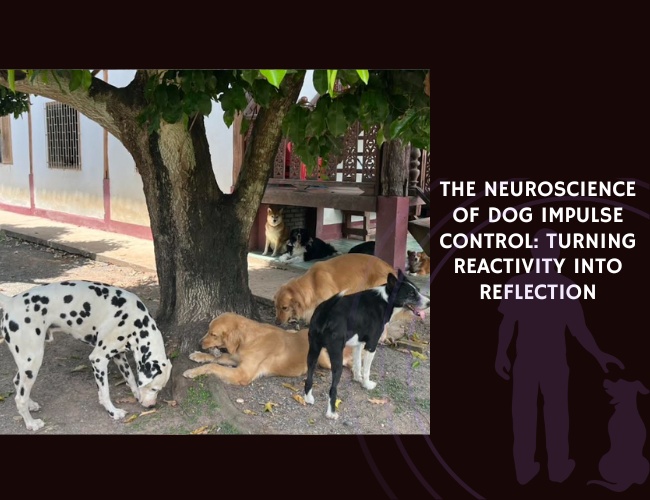
Introduction: Understanding Your Dog’s Inner Battle
Have you ever watched your furry friend struggle between lunging at that squirrel and staying by your side? That internal tug-of-war happening in your dog’s brain is more complex and fascinating than you might imagine. Behind those soulful eyes lies an intricate dance between ancient survival instincts and modern self-control mechanisms—a neurological ballet that determines whether your pup will wait patiently for their dinner or dive headfirst into the bowl before it hits the floor.
The journey from reactivity to reflection isn’t just about teaching commands or establishing dominance. It’s about understanding the remarkable neural architecture that governs your dog’s decisions and learning how to strengthen the pathways that lead to thoughtful, measured responses. Just as we humans battle between grabbing that second slice of cake and remembering our health goals, our canine companions navigate similar internal conflicts—though their brain processes these decisions in uniquely canine ways.
What makes this topic particularly compelling is that impulse control isn’t fixed at birth. Your dog’s brain is remarkably plastic, capable of forming new neural connections throughout their lifetime. This means that whether you’re raising a bouncy puppy or helping an older rescue dog adjust to home life, there’s always potential for growth and improvement in self-regulation skills. Let’s explore how understanding your dog’s neuroscience can transform not just their behavior, but the entire dynamic of your relationship together. 🧠
Neural and Hormonal Foundations: What’s Happening Inside Your Dog’s Brain
The Prefrontal Cortex: Your Dog’s Executive Decision Maker
Think of your dog’s prefrontal cortex as their internal CEO—the brain region responsible for making thoughtful, executive decisions rather than knee-jerk reactions. Located at the very front of the brain, this sophisticated neural structure helps your pup weigh options, plan ahead, and importantly, put the brakes on impulsive behaviors. When your dog pauses before chasing that cat or waits patiently while you prepare their meal, you’re witnessing their prefrontal cortex in action.
During calm moments, this brain region functions beautifully, allowing dogs to engage in what neuroscientists call “reflective processing.” Your dog can assess situations, remember past experiences, and make choices that align with their training. The dorsolateral prefrontal cortex, specifically, acts like a behavioral filter, helping your dog decide “Should I grab that sandwich off the counter, or will waiting earn me something better?”
Under stress, however, everything changes. When anxiety or excitement floods your dog’s system, the prefrontal cortex essentially goes offline. Research shows that stress hormones can temporarily impair this region’s function, making it nearly impossible for your dog to access their trained behaviors. It’s why even the most well-trained dog might forget everything they know when confronted with their triggers—their executive brain simply can’t compete with the stress response.
The Amygdala’s Override: When Emotions Take the Wheel
Deep within your dog’s brain lies the amygdala, part of the limbic system that processes emotions, particularly fear and excitement. This almond-shaped structure acts as your dog’s alarm system, constantly scanning for threats and opportunities. When the amygdala detects something significant—whether it’s a potential danger or an exciting stimulus—it can hijack the entire nervous system faster than you can say “leave it.”
The limbic takeover happens in milliseconds. Before your dog’s thinking brain can even register what’s happening, the amygdala has already triggered a cascade of responses: muscles tense, heart rate spikes, and stress hormones flood the bloodstream. This ancient survival mechanism served dogs’ wolf ancestors well in the wild, where split-second reactions meant the difference between catching prey and becoming it.
In modern life, this same system can work against our pets. The amygdala doesn’t distinguish between a real threat and a harmless skateboard rolling by—it simply reacts. When arousal levels are high, the communication between the amygdala and the prefrontal cortex becomes disrupted. Instead of a balanced conversation between emotion and logic, you get a one-way shout from the emotional centers that drowns out any attempt at rational thought.
The Chemical Cocktail: Neurotransmitters and Hormones at Play
Your dog’s impulse control is influenced by an intricate cocktail of brain chemicals, each playing a crucial role in either promoting or inhibiting self-regulation. Understanding these can help you appreciate why some days your dog seems more reactive than others.
Cortisol, the primary stress hormone, surges during challenging situations. While a little cortisol helps your dog stay alert and focused, chronic elevation—from ongoing stress or anxiety—can permanently alter brain function. Dogs with consistently high cortisol levels often struggle with impulse control because their brains remain in a state of high alert, ready to react rather than reflect.
Serotonin acts as nature’s mood stabilizer, promoting feelings of calm and well-being. Dogs with healthy serotonin levels typically show better impulse control and emotional regulation. This is why veterinarians sometimes prescribe SSRIs (selective serotonin reuptake inhibitors) like fluoxetine for dogs with severe reactivity issues—these medications help boost available serotonin, creating a neurochemical environment more conducive to learning and self-control.
Dopamine and norepinephrine work together in the reward and alertness systems. Dopamine motivates your dog to seek rewards and fuels their drive to work for treats or praise. Norepinephrine helps them stay focused and alert. When these systems are balanced, your dog can maintain attention on tasks and resist distractions. But when they’re dysregulated—often due to genetics, stress, or lack of mental stimulation—impulse control suffers. 🐾
Behavioral Manifestations: How Poor Impulse Control Shows Up
From Brain to Behavior: Understanding Reactivity
When we see a dog barking frantically at the window, lunging on leash, or snapping at approaching hands, we’re witnessing the external expression of internal neurological storms. These reactive behaviors aren’t choices in the traditional sense—they’re automatic responses triggered when impulse control mechanisms fail. Your dog isn’t trying to be difficult; their brain is simply defaulting to its most primitive programming.
Barking and vocalization often represent the first line of reactive defense. When a dog lacks the neural capacity to pause and assess, they default to making noise—an evolutionary tool for warning, threatening, or calling for backup. The more overwhelmed the prefrontal cortex becomes, the more repetitive and frantic the barking typically gets. You might notice your dog’s bark changes pitch and intensity as their arousal increases, reflecting the escalating neurological chaos within.
Lunging and snapping emerge when the flight-or-fight response completely overrides rational thought. These behaviors originate from the brainstem and limbic system—ancient structures that prioritize survival over social niceties. A dog who lunges at other dogs on walks isn’t necessarily aggressive; they may simply lack the neurological tools to process their excitement or fear in a more controlled manner. The physical tension you feel through the leash directly mirrors the neural tension happening in their brain.
Measuring Self-Control: Tasks That Reveal Your Dog’s Capacity
Scientists have developed fascinating ways to assess impulse control in dogs, and these same exercises can help you understand your own pup’s capabilities. These aren’t just party tricks—they’re windows into your dog’s neurological development and areas where you can focus training efforts.
The waiting game is perhaps the most revealing test. Can your dog wait calmly while you prepare their food? Research shows that dogs can wait an average of 66 seconds for a better reward, significantly outperforming their wolf ancestors who manage only 24 seconds. This ability to delay gratification directly correlates with prefrontal cortex development and the strength of inhibitory neural pathways. Dogs who struggle to wait even a few seconds may need more foundational impulse control work.
Structured play offers another lens into self-regulation abilities. Can your dog play tug-of-war and actually “drop it” when asked? Can they fetch a ball but wait for your release cue before chasing it? These activities require rapid switching between high arousal (play) and inhibition (stopping), challenging the neural circuits that govern impulse control. Dogs who can navigate these transitions smoothly have typically developed stronger prefrontal-limbic communication.
The “leave it” challenge tests your dog’s ability to resist immediate temptation. Placing a treat on the floor and asking your dog to ignore it engages multiple brain regions simultaneously: the visual cortex processes the treat’s presence, the limbic system generates desire, and the prefrontal cortex must override that desire. How long your dog can maintain this cognitive conflict reveals much about their neural development and training potential.
Breed Tendencies: Nature Meets Nurture in Impulse Control
While every dog is an individual, certain breed characteristics can influence impulse control tendencies. Understanding these genetic predispositions helps set realistic expectations and tailor training approaches to your dog’s inherent wiring.
Working breeds like Border Collies, German Shepherds, and Belgian Malinois often display a fascinating paradox. Their intense drive and focus can manifest as either exceptional self-control or overwhelming reactivity, depending on how their energy is channeled. These dogs possess highly active neural networks designed for sustained attention and task completion. When given appropriate outlets and clear structure, they often excel at impulse control exercises. However, without adequate mental and physical stimulation, their high-drive nervous systems can spiral into hyperarousal and reactivity.
Terriers and hunting breeds were selectively bred for quick reactions and independent decision-making. Their neural pathways often favor rapid response over reflection, making impulse control particularly challenging. This doesn’t mean they can’t learn self-regulation—it simply means their training may need to account for stronger instinctive responses that require more consistent reinforcement to override.
Companion breeds like Cavalier King Charles Spaniels or Pugs often show moderate impulse control abilities. Bred primarily for human companionship rather than specific working tasks, their neural development typically balances reactivity with sociability. However, their strong attachment to humans can sometimes lead to anxiety-driven impulsivity when separated from their people or when protecting their families. 😄
Breed-Specific Impulse Control Profiles: Working with Your Dog’s Genetic Blueprint
Herding Breeds: The Motion-Sensitive Specialists
Border Collies, Australian Shepherds, and other herding breeds possess unique neural wiring that makes them exquisitely sensitive to movement. Their brains are literally designed to detect, track, and respond to motion—a trait that served them well managing livestock but can create challenges in modern life.
The herding brain features enhanced visual processing centers that can detect movement other dogs might miss. The superior colliculus, a brain region involved in visual attention and eye movements, shows heightened activity in these breeds. This means a fluttering leaf, a running child, or a passing cyclist triggers stronger neural responses than in other breeds. Their motion detection is so refined that they often react to visual stimuli before their conscious brain even processes what they’re seeing.
Training modifications for herding breeds must account for this motion sensitivity. Traditional impulse control exercises may need adjustment—instead of just teaching “leave it” with stationary objects, practice with moving targets at increasing speeds. Start with slow-rolling balls, progress to faster movements, and eventually work with real-world triggers like joggers. The key is teaching these dogs that not every movement requires a response, essentially training their superior colliculus to filter rather than react.
Channel the chase productively by providing appropriate outlets for their motion-tracking instincts. Herding balls, flirt poles with strict rules, and structured treibball can satisfy their neural need for motion interaction while reinforcing impulse control. These activities teach the crucial skill of engaging with movement in a controlled, thoughtful way rather than reactive chasing.
Guardian Breeds: Independent Thinkers with Different Priorities
Great Pyrenees, Anatolian Shepherds, Livestock Guardian Dogs (LGDs), and similar breeds present a unique impulse control challenge. These dogs weren’t bred to take directions—they were bred to make independent decisions about threats to their flock, often in the absence of human guidance.
The guardian’s neural architecture prioritizes environmental scanning and threat assessment over human-directed impulse control. Their prefrontal cortex is wired for independent decision-making rather than seeking permission. This isn’t defiance—it’s literally how their brains are structured. The neural pathways between environmental awareness and action are more direct, with less filtering through human-focused attention centers.
Reframing impulse control for guardians means working with their natural decision-making process rather than against it. Instead of expecting immediate compliance, give them time to process and decide. A guardian breed might need 3-5 seconds to evaluate whether your “come” command makes sense given their assessment of the environment. Building in this processing time actually strengthens their impulse control by allowing their evaluative neural circuits to engage.
Environmental management becomes crucial for guardian breeds. Since their brains constantly assess for threats, reducing the number of decisions they need to make helps preserve cognitive resources for impulse control. Create clear boundaries about what they need to guard versus what they can ignore. Use visual barriers to limit their patrol territory, reducing the cognitive load of constant vigilance and freeing up neural capacity for trained behaviors.
Sighthounds: When Prey Drive Overrides Everything
Greyhounds, Whippets, and other sighthounds possess neural wiring that can make impulse control particularly challenging when prey drive activates. Understanding their unique neurology helps explain why your perfectly trained Whippet might suddenly become deaf to all commands when a squirrel appears.
The prey drive circuit in sighthounds involves an incredibly fast, direct pathway from visual stimulus to motor response. When movement triggers their prey drive, the signal bypasses most higher processing centers, going almost directly from eye to muscle. This neural superhighway evolved for survival—hesitation meant losing prey. The pathway is so efficient that conscious thought literally cannot keep pace with the reactive response.
Predatory motor patterns are hardwired sequences in the sighthound brain: orient → eye-stalk → chase → grab-bite. Once this sequence initiates, interrupting it requires enormous neural effort. The key to impulse control in sighthounds is preventing the sequence from starting, not trying to stop it mid-chase. This means training focuses on the “orient” phase—teaching your sighthound to check in with you the moment they notice potential prey, before the motor pattern engages.
Speed-specific training acknowledges that sighthound brains process differently at different speeds. Walking pace allows for prefrontal cortex engagement, but running pace shifts to more primitive brain centers. Practice impulse control at gradually increasing speeds, understanding that what your dog can do at a walk may be neurologically impossible at a run. Build success through incremental speed increases rather than expecting consistent impulse control across all movement speeds.
Brachycephalic Breeds: When Breathing Affects the Brain
French Bulldogs, Pugs, Boston Terriers, and other flat-faced breeds face unique impulse control challenges related to their anatomy. The connection between breathing and neural function profoundly impacts their ability to self-regulate.
Oxygen and impulse control are intimately connected. The prefrontal cortex requires substantial oxygen to function properly. When brachycephalic dogs struggle to breathe—whether from exertion, heat, or stress—their brain automatically prioritizes vital functions over executive control. This means impulse control becomes neurologically impossible when breathing is compromised. What looks like stubborness might actually be oxygen deprivation affecting brain function.
Stress response amplification occurs because breathing difficulties trigger panic responses. When a brachy breed can’t breathe easily, their amygdala interprets this as life-threatening, triggering intense stress responses that further compromise impulse control. This creates a vicious cycle: stress makes breathing harder, which increases stress, which further impairs breathing and cognitive function.
Modified training approaches must account for respiratory limitations. Keep training sessions shorter but more frequent—five 2-minute sessions are better than one 10-minute session. Work in cool environments and avoid any exercise that causes panting. Build in regular breathing breaks where your dog can fully recover before continuing. Consider that impulse control training for brachycephalic breeds is as much about managing their physical limitations as training their brain.

The Human Factor: Managing Your Own Nervous System
Your Stress Becomes Their Stress
The interconnection between human and canine nervous systems is more profound than most people realize. When you hold your reactive dog’s leash, you’re not just physically connected—your nervous systems are in constant communication, each influencing the other in ways that can either support or sabotage impulse control training.
Emotional contagion is a real neurobiological phenomenon. Dogs possess specialized neurons that mirror the emotional states they observe in their humans. When you tense up seeing another dog approach, your dog’s mirror neurons activate the same tension patterns in their own nervous system. Your anxiety literally becomes their anxiety through this neural mirroring process. This happens faster than conscious thought—before either of you realizes it, you’re locked in an escalating feedback loop of mutual stress.
Leash tension telegraph acts as a direct line of communication between your nervous systems. The moment you tighten the leash, mechanoreceptors in your dog’s neck send signals to their brain that danger is present. Your muscle tension translates directly into their neural activation. Studies show that dogs walked on tight leashes show increased cortisol levels and decreased impulse control compared to those on loose leashes—even in the absence of actual threats.
Anticipatory anxiety creates problematic neural patterns before triggers even appear. If you constantly scan for other dogs, your vigilance trains your dog’s nervous system to maintain a state of hyperalert. Your dog learns that walks are dangerous because your behavior signals constant threat. This chronic state of anticipation depletes the neural resources needed for impulse control, making reactions more likely when triggers do appear.
Breathing Techniques for Co-Regulation
Your breath is one of the most powerful tools for regulating both your nervous system and your dog’s. These techniques work by activating your parasympathetic nervous system, which then influences your dog through emotional contagion and physical calming cues.
The 4-7-8 breath provides immediate nervous system regulation. Breathe in for 4 counts, hold for 7, and exhale for 8. This extended exhale activates your vagus nerve, triggering a relaxation response that your dog will sense and mirror. Practice this before entering potentially triggering situations and during calm moments in training. Your regulated breathing actually helps your dog’s prefrontal cortex stay online when challenges arise.
Synchronized breathing creates a powerful co-regulation opportunity. During calm moments, sit with your dog and consciously slow your breathing. Many dogs will naturally begin to match your respiratory rate. This synchronization aligns your nervous systems, creating a shared state of calm that strengthens your bond and improves their impulse control capacity. Practice this daily when your dog is already relaxed, building a foundation for co-regulation during more challenging times.
Reset breaths help both of you recover after reactive incidents. After your dog has reacted, find a quiet space and take ten slow, deep breaths while gently stroking your dog if they’ll accept touch. This isn’t about training—it’s about helping both nervous systems return to baseline. Your calm breathing signals safety to your dog’s nervous system, accelerating their recovery and preparing them for learning once their prefrontal cortex comes back online.
Recognizing Unconscious Reinforcement
Many well-meaning owners inadvertently reinforce the very reactivity they’re trying to reduce. Understanding these patterns helps you become a more effective partner in your dog’s impulse control journey.
Comfort during reactivity often backfires neurologically. When your dog reacts and you immediately offer soothing words or petting, you may unintentionally reinforce the reactive behavior. The dog’s brain learns that reactive displays result in attention and comfort. Instead, wait for even a tiny moment of calm before offering comfort, reinforcing the calm state rather than the reactive one.
Tensing before triggers creates expectation of problems. If you automatically shorten the leash and tense up when seeing another dog, you’re essentially announcing “danger incoming!” to your dog’s nervous system. This preparatory tension increases the likelihood of reaction. Practice maintaining loose leash and relaxed breathing even when you notice triggers, allowing your dog to potentially notice the trigger without immediately assuming threat.
Reactive habits you might not notice:
- Holding your breath when triggers appear
- Speeding up or slowing down your walking pace
- Changing your voice tone to high-pitched or tense
- Unconsciously pulling your dog closer or further from triggers
- Repeatedly checking behind you for approaching dogs
- Gripping the leash tighter even when it’s already short
Self-Care for Reactive Dog Owners
Living with a reactive dog takes a genuine toll on human nervous systems. Acknowledging and addressing this impact isn’t selfish—it’s essential for your dog’s progress.
Compassion fatigue is real and affects your ability to support your dog. When you’re emotionally depleted from managing reactivity, your patience decreases and stress increases, creating conditions that worsen your dog’s impulse control. Schedule regular breaks where someone else walks your dog or where you engage in activities that restore your emotional reserves. Your dog needs you to be neurologically resourced to help them improve.
Building your own resilience directly benefits your dog’s training. Activities that strengthen your vagus nerve—like yoga, singing, or cold water swimming—improve your ability to remain calm during your dog’s reactive moments. The stronger your own neural regulation, the better anchor you provide for your dog’s nervous system. Consider this self-care as part of your dog’s training program, not separate from it.
Support networks matter more than most people realize. Connecting with others who understand the challenges of reactive dogs reduces your isolation and stress. Online communities, local reactive dog classes, or working with a supportive trainer provide emotional relief that translates to better outcomes. When you feel supported, your nervous system relaxes, and that relaxation directly benefits your dog through improved co-regulation. 🧠
Troubleshooting Guide: When Progress Stalls
Understanding Regression: Why Dogs Go Backward
Just when you think you’ve made breakthrough progress, your dog suddenly seems to forget everything they’ve learned. This regression feels devastating but is actually a normal part of neural development. Understanding why it happens helps you navigate these challenging periods without losing hope.
Neural pruning periods occur naturally as the brain consolidates learning. During these phases, the brain literally removes neural connections it deems unnecessary while strengthening others. This process can temporarily disrupt established behaviors as the brain reorganizes. What looks like regression is actually your dog’s brain becoming more efficient. These periods typically last 1-2 weeks and are often followed by sudden improvements in impulse control.
Stress accumulation can trigger seemingly sudden regression. Even small stressors compound over time—a new neighbor dog, changes in routine, seasonal shifts, or subtle health issues. When cumulative stress exceeds your dog’s coping capacity, impulse control is the first thing to fail. The regression isn’t really sudden; it’s the visible result of invisible stress accumulation reaching a tipping point.
Adolescent brain reorganization causes predictable regression between 6-18 months. During this period, the teenage dog brain undergoes massive restructuring. Connections between the prefrontal cortex and limbic system temporarily weaken while adult neural patterns develop. This means your perfectly trained puppy might suddenly act like they’ve never heard the word “stay” in their life. This is temporary—maintain consistent training and the skills will return stronger than before.
Hidden Stressors Sabotaging Success
Sometimes the obstacle to impulse control improvement isn’t obvious. These hidden stressors can silently undermine all your training efforts until identified and addressed.
Environmental stressors often overlooked:
- Construction or renovation sounds, even from neighboring properties
- New electronic devices emitting high-frequency sounds humans can’t hear
- Changes in household cleaning products or air fresheners affecting sensitive noses
- Neighbor’s new dog barking at frequencies that carry through walls
- Seasonal allergies causing physical discomfort and irritability
- Changes in water source or quality affecting hydration and comfort
- Light pollution or changes in natural light patterns disrupting sleep
Social dynamics within the household can profoundly impact impulse control. Tension between human family members, even when subtle, creates an atmosphere of uncertainty that depletes your dog’s regulatory resources. Dogs are incredibly sensitive to human emotional states and relationship dynamics. Address human stress and conflict as part of your dog’s behavioral treatment plan.
Pain and discomfort dramatically reduce impulse control capacity. Dogs are masters at hiding pain, so subtle signs might be your only clue: reluctance to sit or lie down quickly, shifting weight while standing, changes in gait, or resistance to certain movements. Even mild discomfort from things like dental disease or arthritis can make emotional regulation nearly impossible. Regular veterinary check-ups specifically looking for pain indicators are crucial for dogs with impulse control challenges.
Medical Conditions Masquerading as Behavioral Issues
Several medical conditions can present as poor impulse control, making accurate diagnosis crucial for appropriate treatment. If training isn’t producing expected results, medical evaluation becomes essential.
Thyroid dysfunction significantly impacts behavior and impulse control. Both hypothyroidism and hyperthyroidism affect neurotransmitter production and neural function. Hypothyroid dogs often show increased anxiety and reactivity, while hyperthyroid dogs may display hyperactivity and inability to settle. Complete thyroid panels, not just basic screening, can reveal subtle dysfunctions affecting behavior. Treatment often produces dramatic behavioral improvements within weeks.
Neurological conditions can manifest as impulse control problems before other symptoms appear. Conditions like epilepsy, brain inflammation, or even certain brain tumors can initially present as increased reactivity or decreased impulse control. Sudden behavior changes in adult dogs, particularly those over 5 years old, warrant neurological evaluation. Video recordings of episodes can help veterinarians identify subtle neurological signs.
Gastrointestinal issues create a gut-brain axis disruption that affects behavior. Chronic GI inflammation, food sensitivities, or dysbiosis can alter neurotransmitter production since much serotonin is produced in the gut. Dogs with intermittent diarrhea, excessive gas, or irregular eating patterns may have underlying GI issues compromising their impulse control. Addressing gut health through diet modification or probiotics can improve both physical and behavioral symptoms.
When to seek veterinary behavioral consultation:
- No improvement after 6-8 weeks of consistent, appropriate training
- Sudden behavior changes in previously stable dogs
- Regression that doesn’t resolve within 2-3 weeks
- Impulse control issues accompanied by any physical symptoms
- Aggressive behaviors that escalate despite training
- Self-injurious behaviors or compulsive patterns emerging
- Any behavior that seems disconnected from environmental triggers
Adjusting Protocols for Learning Plateaus
Learning plateaus are normal in impulse control development, but knowing how to adjust your approach keeps progress moving forward even when it seems stalled.
Micro-progressions break through apparent plateaus by finding smaller increments of difficulty. If your dog has mastered 30-second waits but can’t reach 45 seconds, work in 5-second increments instead of 15. The brain needs achievable challenges to maintain neuroplasticity. Too large a jump creates failure, while too little challenge causes stagnation. Finding the sweet spot keeps neural development progressing.
Context shifting can restart stalled progress by engaging different neural pathways. If your dog has plateaued with indoor impulse control, move training outside. If they’ve mastered calm greetings with familiar people, practice with strangers. New contexts require the brain to generalize learning, strengthening neural networks and often breaking through plateaus. Start with easier versions of known behaviors in new contexts before increasing difficulty.
Reverse engineering approaches the skill from a different angle when forward progress stalls. Instead of building duration forward (1 second, 2 seconds, 3 seconds), work backward from success. If your dog can’t progress past a 10-second stay, start with a 10-second stay and reward at 9 seconds for several sessions. This builds confidence and creates positive associations with longer durations while still strengthening neural pathways.
React. Resist. Reflect.
The neural battlefield. Inside your dog’s brain, the prefrontal cortex (control) and amygdala (instinct) wage a constant tug-of-war. One urges patience, the other pushes action. Which wins depends on stress, environment, and practice.
Hormones tip the scale. Cortisol and adrenaline flood during arousal, shutting down executive control and fueling reactivity. In contrast, balanced serotonin and dopamine strengthen restraint, reinforcing calm decision-making over impulsive leaps.

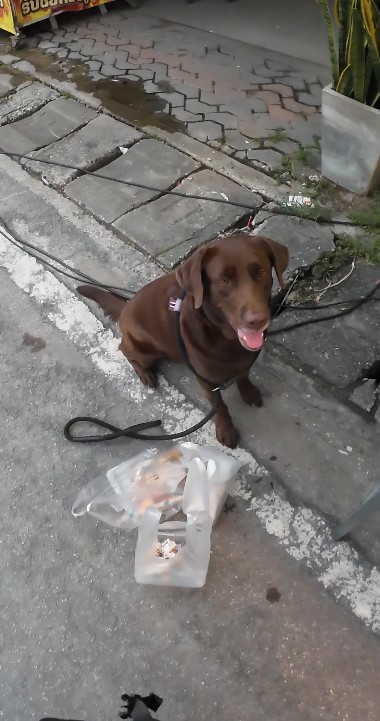
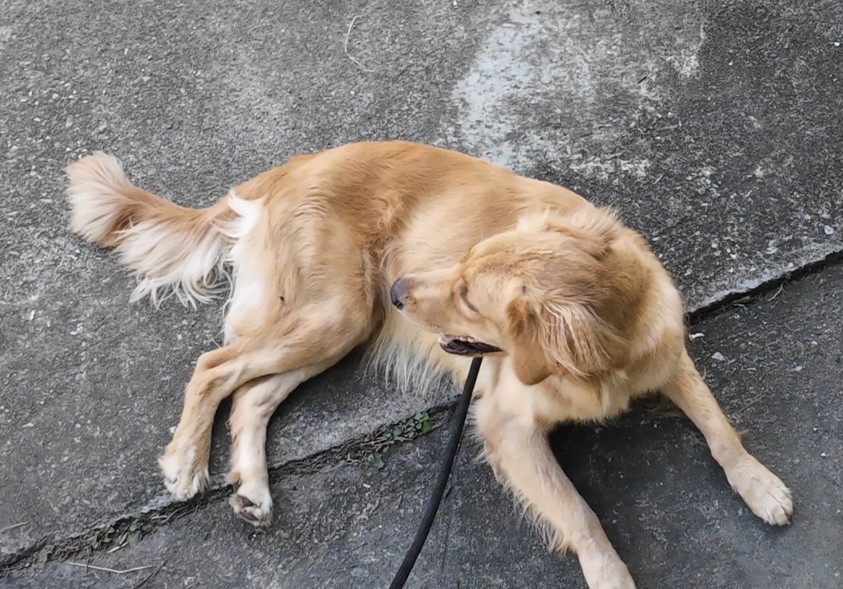
Plasticity unlocks growth. Impulse control is not fixed—it’s trainable. Every pause before a meal, every delayed chase, every rewarded moment of calmness builds new neural pathways. Over time, reactivity gives way to reflection. 🧠
Multi-Dog Household Dynamics: The Complexity of Pack Impulse Control
Arousal Contagion Between Dogs
Living with multiple dogs creates a complex web of neural interactions where each dog’s emotional state influences the others. This social contagion can either support or severely compromise impulse control training, depending on how you manage the dynamics.
Mirror neuron activation happens constantly between dogs in the same household. When one dog becomes aroused or reactive, their housemates’ mirror neurons fire as if they were experiencing the same stimulus. This creates an almost instantaneous spread of emotional states through the pack. A single dog’s excitement about the doorbell can trigger a household-wide frenzy in seconds, each dog’s arousal feeding the others in an escalating loop.
Competitive arousal adds another layer of complexity. The presence of other dogs can trigger resource competition instincts even in normally calm situations. The brain shifts into a different mode when potential competitors are present—what was easy impulse control alone becomes nearly impossible with pack dynamics. This isn’t about dominance; it’s about evolutionary neural patterns that prioritize resource acquisition in group settings.
Stress stacking occurs more rapidly in multi-dog households. Each dog’s individual stressors contribute to a collective stress load that affects everyone. One dog’s anxiety about thunderstorms, another’s reactivity to delivery trucks, and a third’s separation anxiety create a cumulative environment of stress that depletes everyone’s impulse control reserves. The household nervous system becomes chronically activated, making self-regulation increasingly difficult for all dogs involved.
Strategic Training for Multiple Dogs
Successfully building impulse control in a multi-dog household requires thoughtful management and individualized approaches that account for pack dynamics.
Individual before group training is absolutely essential. Each dog needs to master impulse control skills alone before attempting them together. This builds strong neural pathways without the added complexity of social dynamics. Dedicate separate training time for each dog, working in areas where the others can’t see or hear. This prevents competitive arousal and allows each dog to learn at their own pace without social pressure.
Graduated group work introduces pack dynamics slowly and strategically. Start with your calmest dog present but at a distance during another dog’s training. Reward the observer for calm behavior while the working dog practices. Gradually decrease distance as both dogs show success. This builds the neural capacity to maintain impulse control despite social distractions. Only combine dogs who have individually mastered a skill before attempting it together.
Station training creates structure that supports impulse control for everyone. Teach each dog a specific “place” or “station” where they go on cue. Practice sending dogs to stations before exciting events like meals or walks. This gives each dog a clear job that engages their prefrontal cortex rather than letting them feed off each other’s excitement. Stations create physical and neural boundaries that prevent arousal contagion while building individual self-control.
Management strategies for group success:
- Feed dogs in separate rooms to prevent meal-time arousal stacking
- Use visual barriers during high-excitement times to reduce mirror neuron activation
- Rotate which dogs participate in exciting activities rather than always including everyone
- Create calm zones where reactive dogs can decompress away from the group
- Schedule individual walks before group walks to reduce initial excitement
- Use white noise machines to prevent one dog’s alert barking from triggering others
Using Calm Dogs as Models
A well-regulated dog can be your secret weapon for helping other dogs develop impulse control. This social learning approach leverages natural canine learning patterns to accelerate progress.
Social facilitation occurs when dogs learn by observing other dogs succeed. The watching dog’s mirror neurons encode the observed behavior, creating neural templates for impulse control. This is particularly powerful because dogs often learn more efficiently from other dogs than from humans. Watching a calm dog wait patiently for meals or settle during exciting times provides a behavioral model that the reactive dog’s brain can imitate.
Emotional borrowing allows reactive dogs to literally borrow the calm dog’s nervous system state. When a trusted, calm companion remains relaxed during previously triggering situations, it signals safety to the reactive dog’s amygdala. This can dampen the fear response enough for the prefrontal cortex to stay online, allowing for learning that would be impossible alone. The calm dog acts as an emotional anchor, preventing the reactive dog from spiraling into full arousal.
Strategic pairing guidelines maximize the benefits while preventing problems. The calm dog must be genuinely relaxed, not just obedient—suppressed stress won’t help the reactive dog. There should be no resource competition between the dogs; they need a secure, positive relationship. Start with parallel activities at a distance, like side-by-side mat work with a barrier between them. Gradually work toward closer proximity and shared activities as the reactive dog shows improvement.
Managing Resource-Related Impulse Control
Resource guarding and competitive dynamics can severely compromise impulse control in multi-dog households. Addressing these issues requires understanding the neural mechanisms involved and implementing appropriate strategies.
Resource anxiety triggers primitive survival circuits that override trained behaviors. When multiple dogs are present, the brain’s resource evaluation system becomes hyperactive. Even dogs who share well individually might show guarding behaviors in group settings. This isn’t greed—it’s an evolutionary neural pattern designed to ensure survival in competitive environments. The presence of other dogs fundamentally changes how the brain processes resource availability.
Abundance mindset training helps rewire scarcity-based neural patterns. Consistently demonstrating that resources are plentiful and sharing leads to gains rather than losses gradually shifts the brain’s default assumptions. Practice group recalls where everyone who comes gets treats. Do “cookie parties” where all dogs get showered with treats simultaneously. This builds neural associations between other dogs’ presence and resource abundance rather than scarcity.
Preventive protocols stop resource-related impulse control issues before they develop:
- Always supervise meal times, even with seemingly compatible dogs
- Provide multiple water stations to prevent competition
- Rotate high-value toys rather than leaving them always available
- Create separate spaces for each dog to enjoy special chews
- Teach “trade” games individually before attempting with the group
- Monitor body language for early signs of resource tension
- Intervene at the first sign of stillness or stiffening around resources
The complexity of multi-dog dynamics requires patience, management, and often professional guidance. However, successfully building impulse control in a pack creates a harmonious household where each dog’s improved self-regulation supports the others, creating an upward spiral of collective calm. 🐾
Stress and Environmental Factors: The Hidden Saboteurs
Acute Stress: The Immediate Impulse Control Killer
Picture this: your normally well-behaved dog suddenly can’t follow a single command at the vet’s office, or they completely lose it when a thunderstorm rolls in. What you’re witnessing is acute stress dismantling their impulse control in real-time. Understanding this process helps explain why your dog might seem like a completely different animal in stressful situations.
The stress cascade begins the moment your dog perceives a threat. Within seconds, their hypothalamic-pituitary-adrenal (HPA) axis springs into action, flooding their system with stress hormones. This isn’t a gradual process—it’s a neurological avalanche that temporarily rewires how their brain functions. The sympathetic nervous system takes charge, redirecting blood flow away from the prefrontal cortex and toward the muscles needed for survival responses.
During acute stress, the communication highways between the reflective and reactive brain centers essentially shut down. The amygdala-prefrontal cortex circuits that normally allow for thoughtful decision-making become disrupted. Your dog isn’t choosing to ignore you—their brain literally cannot access the neural pathways needed for trained behaviors. It’s as if stress builds a temporary wall between their emotional responses and their learned skills, leaving them with only their most primitive reactions.
Common acute stress triggers that impair impulse control:
- Veterinary visits – The combination of strange smells, unfamiliar handling, and past associations can trigger intense stress responses that completely override trained behaviors
- Thunderstorms and fireworks – Loud, unpredictable noises activate primitive fear circuits faster than the thinking brain can intervene
- Novel environments – New places flood the sensory system with information, overwhelming processing capacity and defaulting to reactive responses
- Sudden changes in routine – Unexpected disruptions create uncertainty that the brain interprets as potential danger
- Encounters with triggers – Meeting their specific reactive triggers (other dogs, strangers, vehicles) causes immediate amygdala hijacking
Recovery time matters more than most people realize. After an acute stress event, it can take anywhere from 30 minutes to several hours for your dog’s neurochemistry to return to baseline. During this recovery period, impulse control remains compromised. This is why trainers often recommend ending sessions if a dog becomes too stressed—attempting to train during this neurologically compromised state is not only ineffective but can actually create negative associations with training.
Chronic Stress: The Silent Erosion of Self-Control
While acute stress is like a thunderstorm passing through your dog’s nervous system, chronic stress is more like climate change—a slow, persistent alteration that fundamentally changes how their brain operates. The concept of allostatic load, or the wear and tear from constant stress, helps explain why some dogs seem to gradually lose their ability to self-regulate over time.
Long-term cortisol elevation actually changes brain structure. Chronic stress can cause the hippocampus (important for memory and learning) to shrink while the amygdala grows larger and more reactive. These physical changes mean that chronically stressed dogs aren’t just having a hard time—their brains have literally been rewired to favor reactive responses over reflective ones. The neural pathways for impulse control weaken from disuse while the highways for reactivity become superhighways.
Autonomic nervous system dysregulation is another casualty of chronic stress. Dogs experiencing ongoing stress often show diminished heart rate variability, indicating their nervous system is stuck in a state of sympathetic arousal. They lose the ability to smoothly transition between states of activation and calm, making every situation feel like a potential crisis. This persistent state of readiness exhausts both body and brain, further depleting the resources needed for self-control.
Behavioral patterns become entrenched as chronic stress persists. What might have started as occasional reactivity gradually becomes the default response. The brain, always seeking efficiency, strengthens the neural pathways that get used most frequently. If your dog spends most of their time in a reactive state due to chronic stress, those reactive pathways become the neurological equivalent of a well-worn trail, while the paths to calm reflection become overgrown from disuse.
Environmental Enrichment: Building a Brain-Friendly World
The environment you create for your dog profoundly impacts their neurological development and impulse control abilities. Just as children need stimulating, predictable environments to develop executive function, dogs require thoughtfully designed spaces that support neural health and self-regulation.
Key environmental modifications for better impulse control:
- Visual barriers – Using baby gates, exercise pens, or furniture placement to create natural pause points that prevent impulsive rushing
- Designated calm zones – Specific areas with comfortable bedding away from high-traffic areas where your dog can decompress
- Snuffle opportunities – Hidden treats in snuffle mats, rolled towels, or scattered in grass to encourage slow, focused searching rather than gulping
- Puzzle feeders – Various difficulty levels rotated daily to maintain engagement without frustration
- Sound management – White noise machines or calming music to buffer sudden environmental sounds that trigger reactivity
- Strategic toy placement – Toys stored out of sight but easily accessible for you to initiate structured play sessions
- Window film – On lower windows to reduce visual triggers while still allowing natural light
Predictability reduces stress at a fundamental neurological level. When dogs know what to expect from their environment and routine, their brains don’t need to remain in a constant state of vigilance. This predictability allows the prefrontal cortex to remain online and functional, rather than being repeatedly hijacked by uncertainty-induced stress. Simple routines—consistent meal times, regular walk schedules, predictable play sessions—create a neurological foundation for better impulse control.
Choice and control are often overlooked but crucial environmental factors. Research shows that animals who have some control over their environment show better emotional regulation and reduced stress responses. This doesn’t mean letting your dog run wild, but rather providing appropriate choices: which toy to play with, which bed to sleep in, or which direction to sniff on walks. These small decisions engage the prefrontal cortex and strengthen decision-making neural pathways.
Sensory enrichment supports healthy brain development and maintenance. Different textures, sounds, smells, and visual stimuli help maintain neural plasticity—the brain’s ability to form new connections. A variety of puzzle toys, snuffle mats, and interactive feeders don’t just prevent boredom; they literally exercise the neural circuits involved in problem-solving and impulse control. Think of environmental enrichment as cross-training for your dog’s brain, building strength and flexibility in neural networks that support self-regulation. 🧡
Training and Behavioral Interventions: Rewiring for Reflection
Evidence-Based Protocols: What Really Works
Not all training methods are created equal when it comes to building impulse control. Recent neuroscience research has identified specific protocols that create lasting changes in the neural circuits governing self-regulation. Understanding why these methods work helps you implement them more effectively with your own dog.
Calm waiting exercises directly strengthen prefrontal cortex function. When you ask your dog to wait before eating, going through doors, or greeting people, you’re not just teaching manners—you’re literally building neural pathways. Each successful wait strengthens the inhibitory circuits that allow the thinking brain to override immediate impulses. Start with micro-waits of just one or two seconds, gradually building duration as your dog’s neural capacity grows. The key is keeping arousal levels low enough that the prefrontal cortex stays online throughout the exercise.
Counterconditioning works by rewiring emotional responses at the limbic level. Rather than just suppressing reactive behaviors, this approach changes how your dog’s amygdala responds to triggers. By pairing formerly scary or exciting stimuli with calm, positive experiences, you’re essentially teaching the emotional brain a new language. The neural pathways that once led directly from stimulus to reaction gradually develop detours through the prefrontal cortex, allowing for more thoughtful responses.
Impulse control games make neural development fun and engaging. Games like “It’s Your Choice” (where dogs learn to back away from treats to earn them) or “Ready, Set, Down” (where excitement immediately transitions to calm) create positive associations with self-control. These games work because they engage the reward circuits while simultaneously strengthening inhibitory pathways—your dog’s brain learns that controlling impulses leads to dopamine release, making self-control inherently reinforcing.
Progressive impulse control games to build neural strength:
- “Magic Hand” – Start with treats in your closed fist, opening only when your dog backs away or sits calmly. This teaches that disengagement brings rewards
- “Red Light, Green Light” – Practice movement and sudden stops during play, building the neural brakes needed for real-world situations
- “The Bucket Game” – Your dog learns to look away from a bucket of treats to give consent for handling, combining impulse control with cooperative care
- “Mat Relaxation” – Gradually increase duration and distractions while your dog remains calm on their mat, strengthening sustained inhibition
- “Toy Switch” – Trading between different toys on cue helps your dog practice releasing one good thing for another, building cognitive flexibility
- “Calm Greetings” – Practice increasingly exciting greetings that must include four paws on floor, teaching arousal regulation in social contexts
Relational Approaches: The Power of Connection
The relationship between you and your dog profoundly influences their capacity for impulse control. This isn’t just feel-good philosophy—it’s grounded in solid neuroscience showing how social bonds affect brain function and self-regulation abilities.
Attachment and trust create a neurological safety net that supports impulse control. When dogs feel secure in their relationship with their humans, their baseline stress levels decrease, leaving more cognitive resources available for self-regulation. The presence of a trusted human can actually dampen amygdala reactivity and strengthen prefrontal function. This is why dogs often show better impulse control with their owners than with strangers—the familiar relationship provides neurological scaffolding for self-control.
Synchronized activities strengthen the neural networks connecting you and your dog. When you engage in activities requiring coordination—like agility, dance, or even synchronized walking—your nervous systems begin to align. This interpersonal neurobiology creates a shared regulatory space where your calm nervous system can help regulate your dog’s arousal. Think of yourself as an external prefrontal cortex for your dog, providing the executive function support they need while their own neural circuits develop.
Emotional co-regulation teaches dogs to borrow your nervous system state. By maintaining your own calm during your dog’s moments of struggle, you provide a template for regulation. Mirror neurons in your dog’s brain observe and internalize your emotional state, gradually learning to match it. This is why your anxiety about your reactive dog often makes their reactivity worse—they’re mirroring your stressed nervous system. Conversely, genuine calm confidence can help guide them toward better self-control.
When Medication Helps: Supporting the Struggling Brain
Sometimes, despite our best training efforts, a dog’s neurobiology needs additional support to achieve impulse control. Understanding when and how psychiatric medications can help removes the stigma and helps you make informed decisions about your dog’s care.
SSRIs like fluoxetine work by increasing available serotonin in the brain, creating a neurochemical environment more conducive to learning and self-regulation. These medications don’t sedate your dog or change their personality—they simply give the prefrontal cortex a fighting chance against an overactive limbic system. Research shows that dogs with hypersensitivity-hyperactivity syndrome often respond well to these medications, especially when combined with behavior modification training.
Nutraceuticals offer gentler support for mild impulse control issues. Supplements like L-theanine (an amino acid found in green tea) promote alpha brain waves associated with calm alertness. Tryptophan, a precursor to serotonin, can help boost mood and reduce reactivity. While not as powerful as prescription medications, these supplements can provide enough neurological support to make training more effective, especially for dogs whose impulse control issues stem from mild anxiety rather than severe neurological dysregulation.
Medication as a bridge, not a crutch, is the key principle. The goal isn’t to keep your dog on medication forever, but to provide temporary neurochemical support while training builds new neural pathways. Think of it like using a cast while a broken bone heals—the medication holds things stable while the brain develops stronger impulse control circuits through training. Many dogs can eventually wean off medication once their new neural patterns are well-established. 🐾
Applications to Welfare and Daily Life: Real-World Impact
Safety and Harmony: The Practical Benefits
The journey from reactivity to reflection isn’t just about having a well-behaved dog—it’s about creating a safer, more harmonious life for everyone involved. When your dog develops strong impulse control, the ripple effects touch every aspect of your shared existence.
Accident prevention becomes remarkably more achievable when your dog can pause before acting. The ability to stop before darting into traffic, wait before greeting an elderly person, or resist chasing a child on a bike can literally save lives. Each moment of successful impulse control reinforces neural pathways that make future self-regulation easier. Your daily walks transform from anxiety-inducing ordeals to enjoyable bonding experiences, simply because your dog’s brain can now process “wait” even when excited.
Reduced aggression naturally follows improved impulse control. Most aggressive behaviors stem not from inherent meanness but from an inability to regulate emotional responses. When dogs develop the neural capacity to pause between trigger and response, they gain precious microseconds to choose a different reaction. The dog who once snapped at approaching hands learns to tolerate or even enjoy petting. The resource guarder discovers that humans approaching their food bowl might actually add something delicious rather than take something away.
Owner stress and frustration decrease dramatically as impulse control improves. The exhausting hypervigilance required to manage a reactive dog takes a toll on human nervous systems too. As your dog develops better self-regulation, you can finally relax, knowing they have the internal resources to handle everyday situations. This reduced stress creates a positive feedback loop—your calmer presence further supports your dog’s impulse control, creating an upward spiral of improvement.
Puppy Foundations: Setting Up for Success
Starting impulse control training in puppyhood is like teaching a child to read—it provides fundamental tools that support lifelong learning and adaptation. The plastic puppy brain is primed for developing these crucial neural pathways, making early intervention incredibly powerful.
Puppy class curriculum should prioritize impulse control alongside basic obedience. Teaching “wait” before teaching “sit” makes more sense from a neurodevelopmental perspective. Young puppies practicing brief moments of self-control—waiting for food, pausing before play, settling when excited—are building the neural architecture they’ll rely on throughout their lives. These exercises should be brief, positive, and frequent, taking advantage of the rapid neural development happening in those crucial early months.
Essential impulse control foundations for puppies (8-16 weeks):
- Mealtime waiting – Starting with 1-second waits before eating, gradually building to 5-10 seconds by 16 weeks
- Door manners – Teaching automatic sits at doorways before the jumping habit ever develops
- Gentle taking – Learning to take treats softly, controlling jaw pressure even when excited
- Play interruption – Brief pauses during play sessions to practice calming down from high arousal
- Frustration tolerance – Short periods of barrier frustration (seeing but not immediately accessing rewards) with quick success
- Handler focus – Choosing to look at you instead of distractions, building the foundation for attention under distraction
- Settle on cue – Learning to relax on a mat even when exciting things are happening nearby
Socialization with structure helps puppies learn emotional regulation in social contexts. Rather than chaotic free-for-alls at the dog park, controlled playdates with appropriate partners teach puppies to modulate their arousal. Learning to calm down after exciting play, waiting turns for toys, and responding to social cues from other dogs all strengthen impulse control in real-world contexts. This structured socialization creates neural patterns that prevent many adult behavioral issues.
Prevention over remediation saves enormous time, stress, and resources. Every moment invested in puppy impulse control training prevents hours of behavior modification later. The neural pathways established in puppyhood become the default routes for information processing throughout the dog’s life. By prioritizing impulse control early, you’re essentially installing a robust operating system that can handle whatever life throws at your dog.
Long-term Welfare: Beyond Basic Training
The ultimate goal of impulse control training extends far beyond having a dog who follows commands. We’re aiming for genuine psychological welfare—dogs who feel capable, confident, and emotionally balanced in their daily lives.
Quality of life improvements emerge as dogs develop better self-regulation. Dogs with strong impulse control can participate more fully in family life. They can join you at outdoor cafes, visit friends’ homes, and handle the unpredictability of daily life without constant stress. This increased inclusion strengthens the human-animal bond and provides the varied experiences that keep both brain and behavior flexible and adaptable.
Cognitive resilience develops through consistent impulse control practice. Just as humans who practice meditation show improved emotional regulation and stress resilience, dogs who regularly exercise impulse control develop more robust neural networks. These dogs bounce back faster from stressful events, adapt more easily to change, and maintain their training even in challenging situations. The brain that has learned to pause and reflect doesn’t easily default to reactive patterns.
Aging gracefully becomes more likely for dogs with well-developed impulse control. As dogs age, they naturally experience some cognitive decline. However, dogs who have spent their lives strengthening prefrontal cortex function and maintaining balanced neurochemistry show more resistance to age-related behavioral changes. The neural reserves built through years of impulse control practice provide a buffer against the frustration and anxiety that often accompany senior dog challenges. 🧠
Senior Care: Maintaining Impulse Control in Golden Years
Age-Related Changes in Neural Function
As our beloved companions enter their senior years, their brains undergo natural changes that can affect impulse control in surprising ways. Understanding these shifts helps us adapt our expectations and support strategies to maintain their quality of life.
Neurotransmitter decline occurs naturally with age, particularly affecting dopamine and serotonin production. This can make it harder for senior dogs to maintain the motivation for self-control or to feel the same satisfaction from successfully managing their impulses. You might notice your once-patient dog becoming more demanding at meal times or less willing to wait for walks. These aren’t signs of stubbornness—they’re reflections of genuine neurochemical changes that make impulse control more effortful.
Prefrontal cortex changes can alter executive function in aging dogs. The very brain region responsible for impulse control may show reduced efficiency, making it harder to override immediate desires. Some senior dogs experience a phenomenon similar to human “sundowning,” where impulse control deteriorates in the evening as cognitive resources become depleted throughout the day. Recognizing these patterns helps you provide additional support during vulnerable times.
Sensory changes indirectly affect impulse control by increasing anxiety and uncertainty. A dog who can’t hear or see well may react more impulsively because they’re constantly startled by “sudden” appearances of people or dogs they didn’t detect approaching. This heightened startle response keeps the nervous system in a more reactive state, making calm reflection more difficult to achieve.
Adapting Training for Senior Dogs
Senior dogs can absolutely maintain and even improve their impulse control with appropriately modified training approaches. The key is working with their changing neurobiology rather than against it.
Shorter, more frequent sessions respect the reduced cognitive stamina of older dogs. While a young dog might handle a 15-minute training session, a senior might do better with three 5-minute sessions spread throughout the day. This approach prevents cognitive fatigue while still maintaining neural pathways. Think of it as switching from marathon training to interval training—same benefits, different structure.
Environmental modifications can support impulse control without requiring intensive training. Using baby gates to create pause points in your home, raising food bowls to reduce physical strain during waiting exercises, or providing non-slip surfaces for stability during impulse control games all make self-regulation easier for senior dogs. These adaptations reduce the cognitive load required for impulse control, preserving mental energy for when it’s most needed.
Incorporating supplements and therapies becomes increasingly valuable for maintaining neural health. Omega-3 fatty acids support brain function, while supplements like SAM-e can help maintain cognitive flexibility. Some senior dogs benefit from medications that support cognitive function, helping preserve the neural circuits that govern impulse control. Regular veterinary consultations ensure you’re providing optimal support for your aging dog’s changing brain.
Lifestyle and Environment: Creating a Supportive Framework
Daily Routines That Build Control
The structure of your dog’s day profoundly influences their capacity for impulse control. By thoughtfully designing daily routines, you create countless opportunities for neural strengthening without formal training sessions.
Morning rituals set the neurological tone for the entire day. Starting with calm activities—gentle stretching, quiet sniffing time in the yard, or peaceful breakfast preparation—helps your dog’s nervous system boot up in a regulated state. Contrast this with chaotic mornings full of excitement and rushing, which prime the nervous system for reactivity throughout the day. The first 30 minutes after waking are particularly influential in establishing your dog’s baseline arousal level.
Transition management throughout the day provides regular impulse control practice. Every transition—from rest to activity, indoor to outdoor, calm to excited—requires your dog to modulate their arousal. By making these transitions mindful rather than abrupt, you help your dog practice the neural flexibility needed for good impulse control. Simple rituals like sitting before doors or taking three deep breaths together before walks become neurological exercises that strengthen regulatory circuits.
Evening wind-down routines are crucial for neural recovery and consolidation. Just as children need bedtime routines to transition to sleep, dogs benefit from predictable evening patterns that gradually decrease stimulation. Dimming lights, reducing activity, and engaging in calming activities like gentle brushing or massage help the nervous system shift from sympathetic (active) to parasympathetic (rest and digest) dominance. This neurological wind-down is when the brain consolidates the day’s learning and repairs neural tissue stressed by daily challenges.
Exercise and Mental Stimulation Balance
Finding the sweet spot between physical exercise and mental stimulation is crucial for optimal impulse control. Too much of either can actually undermine your dog’s self-regulation abilities.
Physical exercise should build stamina without creating arousal addiction. Many well-meaning owners inadvertently create “adrenaline junkies” by providing intense, high-arousal exercise like repeated ball throwing or extended running. While physical activity is essential, it should include varied intensities and plenty of low-arousal movement like sniffing walks or swimming. The goal is a tired, satisfied dog, not an exhausted, overstimulated one whose depleted nervous system can no longer support impulse control.
Mental enrichment exercises the prefrontal cortex directly. Puzzle feeders, scent work, and training games that require problem-solving strengthen the exact neural circuits needed for impulse control. Unlike physical exhaustion, mental fatigue from enrichment activities actually promotes better self-regulation by strengthening executive function networks. Rotating different types of mental challenges prevents habituation and maintains neural plasticity.
Weekly mental enrichment rotation for optimal neural development:
- Monday: Scent work – hiding treats or toys for structured searching sessions that require sustained focus
- Tuesday: Novel puzzle feeder requiring different problem-solving strategies than usual feeders
- Wednesday: Training new tricks that require multiple steps or chain behaviors together
- Thursday: DIY enrichment like frozen Kong toys or cardboard box puzzles that require patience
- Friday: Social learning opportunities with calm, well-regulated dogs who model good impulse control
- Weekend: Longer, integrated challenges combining physical and mental elements like agility or parkour basics
Rest and recovery are often overlooked but absolutely essential for maintaining impulse control. During sleep and quiet rest, the brain consolidates learning, clears metabolic waste, and repairs neural tissue. Dogs need 12-14 hours of sleep daily, and those with impulse control challenges often need even more. Creating a environment that supports quality rest—quiet, comfortable, and free from constant stimulation—is as important as providing exercise and enrichment.
Conclusion: Is Better Impulse Control Right for Your Dog?
Assessing Your Dog’s Needs
As we reach the end of our exploration into canine impulse control, it’s time to consider how this information applies to your unique situation. Every dog is an individual, with their own neurological makeup, life experiences, and capacity for change.
Recognizing signs that your dog could benefit from impulse control training goes beyond obvious reactivity. Does your dog struggle to settle even when tired? Do they seem constantly on edge, unable to fully relax? Do they have difficulty disengaging from stimuli, whether exciting or concerning? These subtle signs suggest an nervous system that could benefit from the neural strengthening that impulse control training provides. Remember, this isn’t about having a perfectly obedient robot—it’s about giving your dog the neurological tools to navigate life with less stress and more confidence.
Signs your dog needs impulse control support:
- Physical indicators: Inability to settle even when exhausted, constantly moving or pacing, excessive panting without physical exertion, dilated pupils in non-threatening situations
- Behavioral patterns: Demand barking for attention or resources, inability to wait for anything (food, walks, play), jumping on people despite repeated training, resource guarding mild items
- Emotional signs: Quick to frustration when things don’t go their way, difficulty recovering from exciting or stressful events, overreaction to minor environmental changes
- Social challenges: Unable to play appropriately with other dogs (too rough or intense), difficulty reading social cues from humans or dogs, inability to disengage from social interactions
- Cognitive signs: Difficulty learning new behaviors that require patience, inability to generalize trained behaviors to new contexts, forgetting known cues when even slightly aroused
Setting realistic expectations based on your dog’s age, breed tendencies, and history helps create a successful training journey. A young Border Collie might show dramatic improvements in weeks, while an older rescue with trauma history might need months of patient work for subtle changes. Both journeys are valuable. The goal isn’t to achieve some arbitrary standard of control, but to help your individual dog develop their maximum potential for self-regulation, whatever that might be.
Committing to the process means understanding that developing impulse control is a marathon, not a sprint. Neural change takes time, consistency, and patience. There will be setbacks when stress temporarily overwhelms your dog’s developing skills. There will be plateaus when progress seems to stall. These are normal parts of the neurological development process, not failures. Your commitment to supporting your dog through these challenges, celebrating small victories, and maintaining consistent practice is what ultimately creates lasting change.
The Bigger Picture: Strengthening Your Bond
The journey from reactivity to reflection transforms more than just your dog’s behavior—it revolutionizes your entire relationship. As you work together to build impulse control, you’re not just training your dog; you’re engaging in a deep, neurobiological dance that strengthens your interspecies bond.
Mutual trust develops through the consistent, patient work of impulse control training. Your dog learns that you’re a source of guidance and support, not just rules and restrictions. You learn to read your dog’s subtle signals, understanding when they’re struggling and need extra support versus when they’re ready for new challenges. This bidirectional communication creates a partnership based on genuine understanding rather than simple compliance.
Shared emotional regulation becomes possible as your nervous systems learn to sync. Through consistent practice, you and your dog develop a kind of neural compatibility—your calm presence helps regulate their arousal, while their improved self-control reduces your anxiety. This co-regulation creates a positive feedback loop that benefits both species, improving quality of life for everyone in the household.
Looking toward the future, imagine life with a dog who can pause, think, and choose their responses rather than being hijacked by every impulse. Picture peaceful walks where you both enjoy the environment rather than scanning for triggers. Envision social gatherings where your dog can participate calmly, enriching rather than stressing the experience. This isn’t an impossible dream—it’s the achievable result of understanding and working with your dog’s neurobiology rather than against it.
Next Steps on Your Journey
As we conclude this deep dive into the neuroscience of canine impulse control, you’re probably wondering where to begin. The beauty of this approach is that you can start immediately, with simple exercises that respect your dog’s current capabilities while gently stretching their neural capacity.
Start small with micro-moments of impulse control throughout your existing routine. Add a one-second wait before meals, a brief pause before throwing the ball, a moment of calm before opening the door. These tiny practices might seem insignificant, but they’re laying crucial neural foundations. As these micro-moments become easy, gradually extend them, always working at the edge of your dog’s capability without overwhelming their nervous system.
Remember that you’re not alone on this journey. Seek out qualified trainers who understand the neuroscience of behavior and can help you develop a personalized approach for your dog. Consider joining online communities focused on force-free, science-based training where you can share experiences and learn from others walking similar paths. The field of canine neuroscience is rapidly evolving, with new insights constantly emerging to inform better training approaches.
The transformation from reactivity to reflection isn’t just about creating a well-behaved dog—it’s about nurturing a neurologically healthy, emotionally balanced companion who can fully participate in your shared life. Every moment you invest in understanding and supporting your dog’s impulse control is an investment in their overall welfare and your mutual happiness.
Your dog’s brain is remarkably plastic, capable of growth and change throughout their lifetime. Whether you’re starting with a young puppy whose neural pathways are just forming, working with an adolescent dog navigating hormonal storms, supporting an adult dog through behavior modification, or helping a senior maintain cognitive function, there’s always potential for improvement. The key is meeting your dog where they are, understanding their unique neurological needs, and providing consistent, compassionate support as they develop these crucial life skills.
As you embark on this journey, remember that perfection isn’t the goal—progress is. Celebrate the small victories: the extra second of waiting, the slightly calmer reaction to a trigger, the moment of eye contact before an impulsive behavior. These seemingly minor improvements represent real neural changes, new pathways being forged in your dog’s remarkable brain. With patience, understanding, and the scientific insights we’ve explored together, you’re equipped to help your furry friend develop the impulse control that will enhance every aspect of their life.
The path from reactivity to reflection is ultimately a journey of love, one that deepens your understanding of the remarkable creature who shares your home and heart. Together, you’re not just training behaviors—you’re nurturing a brain, supporting a nervous system, and building a relationship that transcends species boundaries. And that, perhaps, is the most beautiful transformation of all. 🧡🐾










