
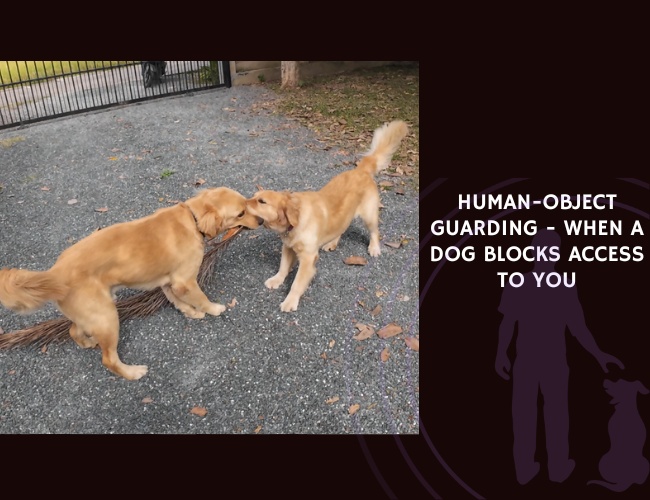
Have you ever noticed your dog stepping between you and a visitor, or blocking another pet from approaching you? This behavior, known as human-object guarding, reveals something profound about the emotional landscape your dog navigates daily. While it might feel flattering at first—after all, your furry friend is choosing you—this pattern can signal deeper insecurities that deserve our understanding and compassionate attention.
The bond between humans and dogs often transcends simple companionship. Yet when that bond becomes possessive rather than secure, we need to pause and listen to what our dogs are truly communicating. This guide explores the intricate emotional, neurobiological, and social factors behind human-object guarding, offering you a roadmap to transform possessive behaviors into a healthier, more trusting relationship.
Understanding the Emotional Foundation
How Attachment Shapes Guarding Behavior
Your dog’s attachment style—whether secure, anxious, or ambivalent—plays a fundamental role in whether they’ll guard you from others. Research shows that dogs form emotional bonds with humans that mirror infant-caregiver attachment systems, and these patterns persist well into adulthood.
Three attachment styles and their impact on guarding:
- Secure attachment: Your dog trusts that your love and attention remain consistent, even when you interact with others. They may observe social interactions with interest but without distress or defensive behavior.
- Anxious attachment: Every interaction you have with another person or animal feels like a potential threat to your dog’s most valuable resource—you. They become hypervigilant and may guard preemptively.
- Ambivalent attachment: Your dog struggles with conflicting emotions—wanting closeness but uncertain about your reliability. This can manifest as inconsistent guarding that seems unpredictable.
Interestingly, the attachment dynamic flows both ways. Owners who exhibit strong anxious attachment—particularly those who rely heavily on their dogs to compensate for insecure human relationships—may inadvertently foster over-reliance in their pets. Your dog senses your emotional patterns, and if you’re turning to them as your primary source of comfort and connection, they may feel an intense pressure to maintain exclusive access to you. This creates a feedback loop where both human and dog reinforce each other’s insecurities.
Studies have revealed that owners with avoidant attachment styles tend to have dogs that display aggression toward them, while dogs aggressive toward strangers often have owners with lower anxious attachment scores. These findings suggest that your relational patterns shape your dog’s behavior in ways you might not realize. Through the NeuroBond approach, we can begin to understand how emotional clarity between you and your dog creates the foundation for healthier interactions.
The Physiology of Possessive Behavior
When your dog positions themselves between you and another person, their body is responding to what they perceive as a threat. You might notice their heart rate increasing, their breathing becoming more shallow, or their muscles tensing in preparation for action. These aren’t conscious choices—they’re automatic physiological responses driven by stress hormones and neural activation.
Physical signs your dog is experiencing guarding-related stress:
- Elevated heart rate and rapid, shallow breathing
- Dilated pupils and heightened visual focus on the “intruder”
- Muscle tension, particularly in the shoulders, neck, and legs
- Increased cortisol levels (measurable through saliva or blood tests)
- Changes in body temperature, often with cold ears and warm paw pads
- Excessive panting even in cool environments
- Tight, closed mouth or subtle lip tension
Dogs exhibiting human-object guarding often show heightened physiological arousal when you engage with others. Their cortisol levels may spike, signaling a stress response similar to what they’d experience during a genuine threat. While we often think of guarding as a behavioral choice, it’s more accurate to understand it as an emotional state that overwhelms your dog’s capacity for calm social engagement. They’re not being stubborn or dominant—they’re experiencing genuine distress.
Research on separation anxiety demonstrates that dogs can experience significant stress even during brief absences from their owners. For a guarding dog, the “social intrusion” of another individual interacting with you might trigger similar distress, as if they’re losing you to a competitor. This perspective helps us approach the behavior with compassion rather than frustration. 🧡
Protective, Jealous, or Insecure?
Understanding the true motivation behind your dog’s guarding behavior requires us to look beyond surface explanations. Is your dog protecting you from perceived danger? Are they experiencing something like jealousy? Or is this fundamentally about fear of losing their social security?
The answer is likely more nuanced than any single explanation. Some dogs do possess strong protective instincts, particularly breeds developed for guardian roles. However, most human-object guarding stems from a deeper place—a fear that your attention and presence, which your dog values above almost everything else, might disappear. When we view this through the lens of attachment theory, we recognize that your dog isn’t simply being possessive; they’re expressing anxiety about the stability of their most important relationship.
Three Primary Motivations Behind Guarding:
- Protective instinct – Genuine concern for your safety when they perceive threat
- Jealousy-like emotion – Distress when your attention shifts to others
- Fear of losing social security – Anxiety about losing their primary attachment figure and the bond stability
The concept of “resource guarding” helps us here. In traditional resource guarding, dogs defend food, toys, or spaces they perceive as valuable and scarce. Human-object guarding follows similar logic: your attention becomes the resource, and when your dog perceives scarcity—perhaps because you’re directing affection toward someone else—they activate defensive control behaviors to maintain access.
This behavior taps into what affective neuroscience describes as the PANIC and FEAR systems. Your dog’s brain is signaling danger, triggering behaviors aimed at maintaining proximity and control. Understanding this helps you respond with empathy rather than correction. 🐾
The Neurobiological Landscape
Hormones and Social Bonding
The chemistry of your dog’s brain during guarding episodes tells a fascinating story. Three key hormones—oxytocin, vasopressin, and cortisol—fluctuate dramatically during what your dog perceives as a “social intrusion.”
The Three Key Hormones in Guarding Behavior:
- Oxytocin (the bonding hormone)
- Rises during positive interactions between you and your dog
- May drop during guarding episodes, signaling the bond feels threatened
- Lower levels indicate perceived danger to the attachment relationship
- Vasopressin (the territorial hormone)
- Linked to social recognition and territorial behavior
- Increases during guarding to heighten vigilance
- Can contribute to aggressive responses toward perceived competitors
- Cortisol (the stress hormone)
- Spikes when your dog experiences genuine distress during social situations
- Provides objective evidence of anxiety, not manipulation
- Elevated levels confirm the behavior stems from fear, not dominance
Oxytocin, often called the love hormone, typically rises during positive social interactions between you and your dog. When you make eye contact, speak softly, or engage in gentle touch, both your oxytocin levels and your dog’s increase in a beautiful feedback loop. However, during guarding episodes, this pattern disrupts.
Neural Circuits of Possession
Inside your dog’s brain, specific neural circuits light up during guarding behaviors. The amygdala, a small almond-shaped structure responsible for processing fear and threat, becomes highly active when your dog perceives someone approaching you as a potential competitor. This same region activates during traditional resource guarding over food or toys, suggesting that the brain treats your presence as a resource worth defending.
The nucleus accumbens, central to reward and motivation, also plays a crucial role. This region reinforces behaviors that lead to desirable outcomes. When your dog successfully maintains proximity to you—whether through positioning, blocking, or even subtle growls—and subsequently receives your touch, voice, or attention, the nucleus accumbens registers this as a win. Over time, this creates a powerful motivation loop that reinforces the guarding pattern.
These neural circuits reveal that human-object guarding isn’t fundamentally different from other forms of resource guarding at the brain level. Your dog’s nervous system processes your presence and attention as valuable, potentially scarce resources requiring protection. This understanding opens pathways for intervention that address the neurobiological roots rather than just the visible behavior.
The Power of Co-Regulation
Here’s where your role becomes transformative. Your ability to emotionally co-regulate with your dog can literally change their nervous system’s response during potentially triggering situations. Co-regulation means you’re helping your dog find calm by embodying it yourself—through your breath, your touch, your tone, and your presence.
Research on mindfulness in dog owners reveals that when you approach interactions with calm awareness, your dog’s behavior shifts toward more affiliative and synchronized patterns. This isn’t abstract—it’s measurable in your dog’s heart rate, cortisol levels, and behavioral choices. When you remain emotionally centered as someone approaches, you’re sending a powerful message through what I call the Invisible Leash: a connection of energy and awareness that guides without force.
Your calm touch during potentially stressful moments can reduce your dog’s autonomic arousal, preventing the escalation from alertness to defensive blocking. This process creates new neural pathways where social interactions with others become associated with your steady presence rather than threat. Over time, your dog learns that they don’t need to guard what cannot be taken away. 🧡
Recognizing the Behavioral Signals
Protective Vigilance Versus Possessive Blocking
Learning to read the subtle differences in your dog’s body language helps you understand what’s truly happening. Protective vigilance and possessive blocking might look similar at first glance—both involve your dog positioning between you and another individual—but the underlying motivations and expressions differ significantly.
Key differences in body language:
Protective Vigilance:
- Relatively loose, flexible body posture
- Ears oriented toward the potential threat, rotating to gather information
- Frequent check-ins with you, seeking your emotional cues
- Alert but not rigid stance
- Will relax when you signal everything is okay
- More assessment than control
Possessive Blocking:
- Rigid, fixed body positioning with weight firmly planted
- Leaning into you or physically pushing against your legs
- Fixated attention on the “intruder” with minimal check-ins
- Hard stares, subtle growls, or lip tension
- Continues even when you signal calm
- Clear intent to control access rather than assess threat
These distinctions matter because they guide your response. Protective vigilance can be acknowledged and then redirected with reassurance. Possessive blocking requires a different approach—one that addresses the underlying insecurity rather than validating the defensive posture.
Triggers and Contexts
Your dog doesn’t guard you randomly. Specific situations reliably trigger the behavior, and identifying these patterns helps you intervene proactively. Most dogs are significantly more likely to guard when you display affiliative behaviors toward others—hugging a friend, petting another dog, or engaging in close conversation with focused attention.
Common guarding triggers to watch for:
- Physical affection toward others (hugs, hand-holding, close proximity)
- Petting or interacting with other animals in your dog’s presence
- Extended eye contact or focused conversation with another person
- Greeting rituals at doorways (when partners or family members arrive)
- Bedtime routines when another person or pet approaches the bed
- Moments when you’re sitting on furniture your dog associates with bonding time
- Veterinary or grooming visits where strangers handle you or your dog
- Social gatherings where your attention is divided among many people
These moments directly challenge your dog’s perceived exclusive access to you. When your arms embrace someone else, your dog may interpret this as their “resource” being claimed by a competitor. When you lean down to pet another animal, showing the same gentle touch your dog treasures, the perceived scarcity of your affection becomes acute.
Context also includes who is approaching. Your dog might remain calm when certain familiar people interact with you but become vigilant or possessive with others. This selectivity offers important information about what your dog perceives as threatening. Sometimes it’s about the person’s energy, their approach speed, or past associations. Other times, your own subtle tension when certain individuals are present sends signals through the Invisible Leash that your dog reads as requiring their intervention.
Environmental factors matter too. Dogs often guard more intensely in specific locations—perhaps the couch where you typically cuddle, the doorway when you’re leaving, or the bed at night. These spaces carry emotional significance and heightened territorial associations that amplify the guarding instinct. 🐾
The Reinforcement Trap
Here’s a pattern many well-intentioned owners accidentally create: your dog positions between you and a visitor, showing early guarding signals. Wanting to soothe them, you reach down and offer reassuring touch, speaking softly to calm their anxiety. Your dog relaxes slightly, and you feel you’ve helped. But what actually happened?
From your dog’s perspective, the sequence was: guard → receive attention and comfort → conclusion that guarding works. This creates what behaviorists call an emotional reward loop. Your dog learns that positioning possessively leads to the very outcome they desire most—your focused attention and affection. Each repetition strengthens this neural pathway, making the behavior more automatic and harder to interrupt.
This isn’t your fault. The impulse to comfort a distressed dog is compassionate and natural. But understanding functional reinforcement helps you see how unwittingly you might be maintaining the very behavior you wish to change. The solution isn’t to withhold affection but to strategically time it so that calm, confident behavior in the presence of others receives your attention, while guarding receives redirection without emotional reward.
Through the principles of Soul Recall—where emotional memory shapes behavior—we recognize that your dog is drawing on past experiences where guarding led to positive outcomes. Interrupting this pattern requires creating new emotional memories that offer a better path. 🧡
Mine. Yours. Ours.
Attachment fuels protection. When love feels uncertain, possession becomes defense. Guarding you is not dominance—it’s fear of losing safety itself.
Bodies speak before minds. The heartbeat quickens, eyes fix, muscles brace. What looks like control is chemistry—a nervous system pleading for stability.
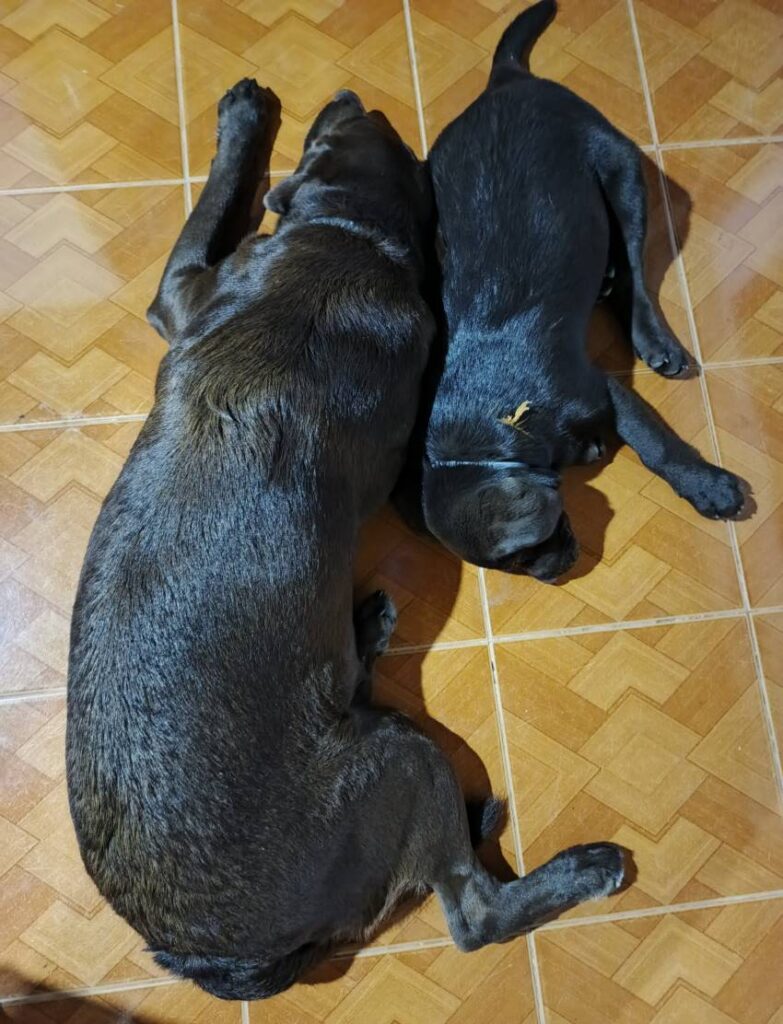
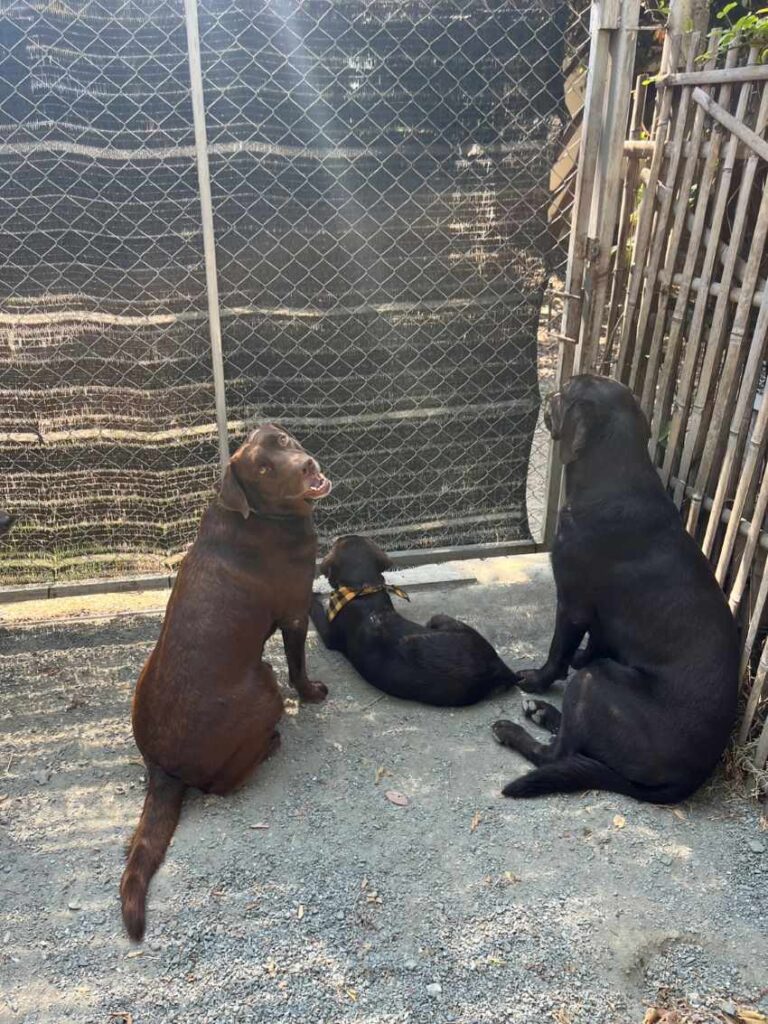
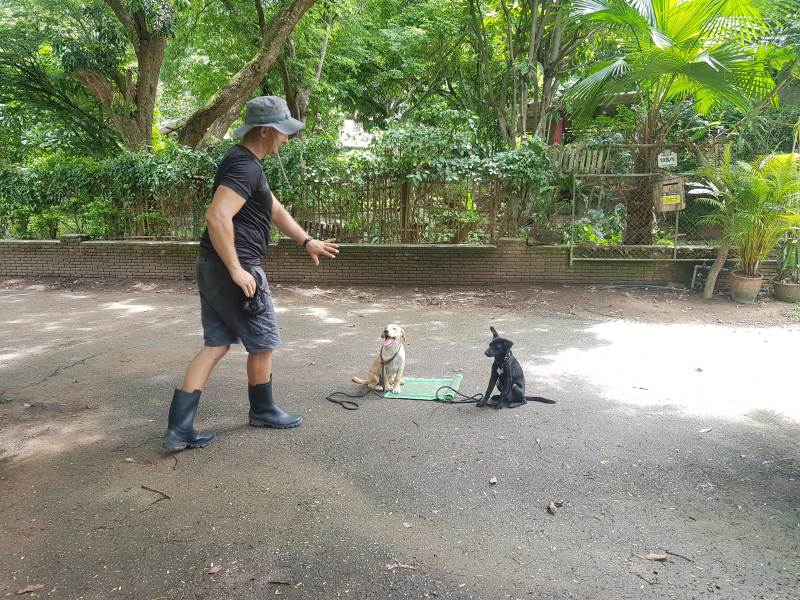
Security dissolves scarcity. Calm presence, consistent boundaries, and emotional clarity remind your dog: connection isn’t taken—it’s shared.
Environmental and Historical Influences
How Household Structure Shapes Behavior
The social architecture of your home profoundly influences whether your dog develops guarding tendencies. In single-owner households, the intensity and exclusivity of the human-dog bond often amplifies. Your dog has one primary attachment figure, one source of attention and affection. While this can create a beautifully close relationship, it also increases the perceived stakes of any social interaction you have with others.
How different household types influence guarding patterns:
- Single-owner households: Intensified bond creates higher perceived stakes; dog may guard against all visitors or other animals; lack of alternative social outlets increases possessiveness
- Multi-human households: Dog often guards one preferred person; may display selective guarding against specific household members; children approaching parents can trigger intense responses
- Multi-dog households: Competition for owner attention can increase guarding; alternatively, secure canine relationships may reduce possessiveness; dogs tend to reference humans more than other dogs
- Households with frequent visitors: Either habituates dogs to social interactions (reducing guarding) or creates chronic stress (increasing defensive behaviors)
- New partner or roommate situations: Major trigger for guarding behaviors as established bond feels threatened by newcomer
Your household structure isn’t something you need to change, but understanding how it influences your dog’s social security helps you anticipate and address guarding patterns with greater awareness.
The Shadow of Past Experiences
Dogs carry their histories in their bodies and behaviors. Prior experiences of neglect, abandonment, or inconsistent attention can dramatically increase possessive tendencies. If your dog came from a shelter, rescue situation, or previous home where care was unpredictable, they learned that resources—including human attention—can disappear without warning.
How past trauma manifests in guarding behavior:
- Shelter or rescue background: Hypervigilance about losing access to caregivers; intense competition reflexes from previous resource scarcity; difficulty trusting bond stability
- Previous abandonment: Fear-based guarding as protection against another loss; excessive monitoring of owner’s whereabouts; panic responses when attention shifts to others
- Inconsistent care history: Unpredictable attachment patterns; difficulty reading whether bond is secure; guarding as attempt to control chaotic emotional landscape
- Early separation from mother: Underdeveloped co-regulation skills; heightened separation anxiety that extends to social situations; over-attachment to primary caregiver
- Multi-home history: Each transition reinforces belief that bonds are temporary; guards current relationship intensely to prevent another loss
This creates what attachment researchers call an “anxious-preoccupied” attachment style. Your dog becomes hypervigilant about losing access to you, constantly monitoring for threats to the bond. Every time someone approaches, their nervous system remembers past losses and activates defensive responses to prevent another abandonment.
Inconsistent attention creates similar insecurity through a different mechanism. When your availability and affection follow unpredictable patterns—sometimes abundant, sometimes withdrawn—your dog struggles to develop confident expectations. They can’t trust that your attention will return after you give it to someone else, so guarding becomes an attempt to control an otherwise chaotic emotional landscape.
Dogs with trauma histories may also show guarding as a learned survival strategy. If resource competition was intense in their past environment—perhaps in a shelter with limited human interaction or in a home with many dogs—they developed the belief that failing to guard valuable resources means losing them permanently. Recognizing this helps you approach their behavior with compassion, understanding it as adaptive within their past context, even as you work to help them feel secure enough to let it go.
🐕 Understanding Human-Object Guarding 🧡
When Your Dog Guards You: A Science-Based Guide to Emotional Security
🧠 What Is Human-Object Guarding?
The Core Issue:
Human-object guarding occurs when your dog treats you as a valuable resource to defend. This isn’t dominance or spite—it’s insecurity about losing their most important relationship. Your dog positions between you and others, blocks access, or shows stress when you interact with people or pets.
Key Signs:
- • Physically blocking others from approaching you
- • Rigid body language when you show affection to others
- • Increased stress signals (panting, tension, fixation)
- • Growling or snapping when others come near you
- • Excessive vigilance during your social interactions
🔍 Why Does This Happen?
The Neurobiological Truth:
Your dog’s brain processes your attention as a scarce, valuable resource. When attachment is anxious rather than secure, their amygdala (fear center) activates during perceived “social intrusions.” This triggers stress hormones and defensive behaviors aimed at maintaining proximity to you.
Three Root Causes:
- • Insecure Attachment: Past abandonment or inconsistent care creates fear of loss
- • Resource Scarcity Perception: Your attention feels finite and must be defended
- • Owner Anxiety: Your own attachment insecurity mirrors in your dog’s behavior
- • Reinforcement Loop: Accidental rewards for guarding strengthen the pattern
✨ The Path to Secure Attachment
NeuroBond Framework in Action:
Transform possessive guarding into confident partnership through emotional clarity, synchrony, and trust. This approach reshapes your dog’s nervous system response from fear-based control to secure attachment.
Practical Steps:
- • Co-Regulation: Use calm touch and steady breathing to help your dog find their center
- • Desensitization: Gradually expose your dog to triggers below their stress threshold
- • Counterconditioning: Teach alternative behaviors (mat work, eye contact) that earn rewards
- • Consistent Social Exposure: Repeated positive experiences prove sharing you doesn’t mean losing you
- • Build Independent Confidence: Scent work, puzzles, and solo activities reduce over-attachment
⚠️ When to Seek Professional Help
Red Flags Requiring Expert Support:
Some guarding behaviors exceed self-help approaches and require professional intervention. Don’t wait if safety is compromised or your dog’s suffering is evident. Early intervention prevents escalation and protects everyone involved.
- • Biting, snapping, or aggressive physical contact has occurred
- • Guarding intensity escalates despite consistent management
- • Your dog cannot be redirected or interrupted during episodes
- • Anxiety generalizes beyond guarding into daily life
- • No progress after 4-6 weeks of training efforts
- • Anyone in the household feels unsafe
Contact a CPDT, DACVB, or CAAB for assessment and customized intervention.
⚡ Quick Reference Formula
Guarding = Insecurity + Perceived Scarcity + Reinforcement History
Solution = Secure Attachment + Consistent Availability + Alternative Behaviors
Remember: Your dog isn’t being possessive to control you—they’re anxious about losing their most valuable relationship. Through the Invisible Leash of emotional awareness and the principles of Soul Recall (reshaping emotional memory), you can help them understand that your bond is unshakeable, even when shared.
🧡 The Zoeta Dogsoul Perspective
Human-object guarding isn’t a training problem—it’s an invitation to deepen your relationship. Through the NeuroBond framework, you learn that true security comes not from controlling access, but from building trust so solid that sharing becomes effortless. Your dog discovers that love, when truly secure, doesn’t need defending.
The Invisible Leash teaches us that the strongest connection isn’t the one that restricts, but the one that allows freedom within trust. As emotional memories reshape through Soul Recall, possessive anxiety transforms into confident partnership.
© Zoeta Dogsoul – Where neuroscience meets soul in dog training
Building Security Through Social Exposure
The antidote to guarding often lies in consistent, positive social exposure and cooperative activities that expand your dog’s sense of security. When your dog experiences repeated situations where you interact with others and then still return attention to them, their nervous system gradually learns a new truth: sharing you doesn’t mean losing you.
Effective socialization strategies to reduce guarding:
- Parallel walking: Walk alongside another dog-human pair at comfortable distance; maintain your connection with your dog while they observe you near others without distress
- Controlled visitor interactions: Have guests offer treats while maintaining respectful distance from you; create positive associations between others approaching and good outcomes
- Gradual exposure protocol: Start with low-intensity scenarios (person across room); slowly increase proximity and interaction level as dog remains calm
- Cooperative activities: Training classes, dog sports, or structured games build your bond through shared purpose rather than exclusive possession
- Group training sessions: Your dog learns that working near other dogs doesn’t threaten their relationship with you
- Calm greeting rituals: Teach visitors to ignore your dog initially; once dog settles, allow brief, calm interaction on dog’s terms
For owners struggling with their own attachment insecurities, parallel work on human relationships can profoundly affect the dog-human dynamic. When you feel more secure in your human connections, you naturally rely less intensely on your dog for emotional needs, which paradoxically helps your dog feel less burdened by the weight of being your primary attachment figure. That balance between science and soul—that’s the essence of Zoeta Dogsoul. 🐾
Therapeutic Approaches and Behavior Modification
Desensitization and Counterconditioning Protocols
Effective behavior modification for human-object guarding combines two powerful techniques: desensitization and counterconditioning. These approaches work by gradually reshaping your dog’s emotional response to situations that typically trigger guarding.
Step-by-step desensitization process:
- Identify threshold distance: Determine how close someone can get before your dog shows guarding signals (this is your starting point)
- Begin below threshold: Start with person at a distance where dog notices but remains calm; reward calm observation
- Gradual progression: Over multiple sessions, decrease distance by small increments (even 6 inches counts as progress)
- Increase interaction intensity: Once distance improves, add brief conversation, then eye contact with you, then casual touch
- Watch for stress signals: If dog shows tension, you’ve moved too fast—return to previous successful level
- Practice in varied contexts: Repeat process in different locations and with different people
- Maintain consistency: Practice regularly (daily if possible) for best results
Counterconditioning pairs these exposure moments with incompatible, positive behaviors. When the trigger appears (someone approaching you), you immediately cue a well-practiced behavior your dog loves—perhaps going to their mat, performing a spin, or offering a paw. This gives your dog something productive to do instead of guarding, and the associated reward creates new positive associations with the previously threatening stimulus.
Effective Counterconditioning Alternatives to Guarding:
- “Go to mat” behavior – Teach your dog to settle on a designated bed when guests arrive
- Hand targeting – Have your dog touch your palm with their nose, redirecting focus to you
- Trick performance – Request a spin, bow, or other trained behavior they enjoy
- Settle command – Cue a relaxed down-stay position at your side
- Find it game – Scatter treats for your dog to sniff out, engaging their seeking system
- Eye contact on cue – Reward your dog for looking at you instead of the trigger
Research on traditional resource guarding demonstrates that functional analysis and operant treatment can reduce problem behaviors to zero levels with maintained effects over time. The same principles apply to human-object guarding. You identify what your dog gains from guarding (proximity, attention, perceived safety), then provide alternative pathways to achieve those outcomes that don’t involve possessive blocking.
Progress requires patience. You’re not just changing behavior—you’re restructuring emotional responses encoded in your dog’s nervous system. Some dogs show improvement within weeks; others need months of consistent practice. Trust the process. 🧡
The Role of Emotional Retraining
Beyond mechanical behavior modification lies something more profound: emotional retraining through co-regulation and calm touch. This approach, central to the NeuroBond framework, recognizes that lasting change happens when your dog’s emotional state shifts from insecure to secure.
Emotional retraining begins with your own nervous system regulation. Before you can help your dog find calm, you must embody it yourself. This means developing awareness of your own stress responses, breathing patterns, and emotional reactivity. When someone approaches and you feel your dog tense, your first move isn’t to manage their behavior—it’s to anchor yourself in calm presence.
From this grounded state, you can offer co-regulation through intentional touch. Place your hand gently on your dog’s shoulder or chest, maintaining steady, warm contact without gripping or restraining. Breathe slowly and deeply, allowing your calm to communicate through your palm. Speak in low, soothing tones—not to distract or redirect, but simply to offer emotional reassurance. Your dog’s nervous system, sensing your lack of alarm, begins to recalibrate its threat assessment.
This process works because of how deeply interconnected your emotional states are. Research on mindfulness in dog owners shows that increased affiliative and synchronization behaviors promote wellbeing in both species. You’re not just training behaviors; you’re creating a shared emotional field where security replaces anxiety, trust replaces control, and confident attachment replaces possessive bonding.
Over time, this consistent co-regulation rewrites the emotional memory of social interactions. Your dog begins to anticipate that when others approach, they’ll experience your grounding presence rather than threat. The moments of Soul Recall—those instances where emotional memory resurfaces—gradually shift from anxiety to calm confidence. 🐾
The NeuroBond Framework in Practice
The NeuroBond approach offers a comprehensive framework for restoring healthy relational balance by focusing on three interconnected elements: emotional clarity, synchrony, and trust.
The Three Pillars of the NeuroBond Approach:
- Emotional Clarity
- You learn to distinguish between protective vigilance and possessive anxiety
- Your dog learns to read your calmness as a signal of safety
- Both develop attunement to subtle shifts in body language and emotional states
- Consistent, clear emotional signals replace confusing mixed messages
- Synchrony
- You and your dog move through stressful moments with aligned emotional states
- Develop shared rhythm when navigating social situations together
- Both acknowledge others’ presence and make joint assessments
- Emerges through repeated experiences of mutual awareness, not commands
- Trust
- Your dog trusts the bond remains secure when your attention shifts
- You build reliability through consistent emotional availability
- Hundreds of small moments create unshakeable foundation
- Trust develops from absolute consistency in presence, not rigid rules
Emotional clarity means both you and your dog develop the capacity to read and respond appropriately to each other’s emotional signals. You learn to distinguish between your dog’s protective vigilance and possessive anxiety, responding to each differently. Your dog learns to read your calmness as a signal that no threat exists, even when others approach. This requires you to become more attuned to subtle shifts in your dog’s body language—the slight tension in their shoulders, the change in breathing pattern, the quality of their gaze. Simultaneously, you work to ensure your own emotional signals remain consistent and clear, so your dog can trust what they’re reading from you.
Synchrony emerges when both of you move through moments of potential stress with aligned emotional states. Instead of your dog spiraling into anxiety while you remain oblivious, or you becoming tense while trying to suppress your dog’s response, you develop a shared rhythm. When someone approaches, you both acknowledge their presence, check in with each other, and make a joint assessment. This doesn’t happen through commands or corrections—it develops through repeated experiences of moving through social situations together with mutual awareness.
Trust forms the foundation beneath everything else. Your dog needs to trust that your bond remains secure even when your attention momentarily shifts to others. They need to trust that you’ll return, that affection isn’t finite, and that sharing doesn’t mean losing. You build this trust through absolute consistency—not in rigid rules, but in emotional availability. When you leave, you return. When you engage with others, you still acknowledge your dog. When they’re anxious, you’re present. Over hundreds of small moments, this reliability becomes the bedrock of secure attachment.
The NeuroBond approach doesn’t simply suppress unwanted behaviors. It actively cultivates a deeper, more secure, and mutually respectful bond where guarding becomes unnecessary because your dog trusts in the unshakeable nature of your connection. 🧡
Medical and Supplementary Support
When to Consider Additional Interventions
Sometimes behavioral modification and emotional retraining need support from additional interventions. If your dog’s guarding behavior includes intense anxiety, aggression that has escalated to biting, or physiological stress that doesn’t respond to environmental management, it’s time to consider medical or supplementary approaches.
Signs that additional intervention may be needed:
- Guarding behavior has escalated to biting or aggressive physical contact
- Your dog’s stress level during triggers seems extreme (panting, trembling, inability to respond to any cues)
- Anxiety generalizes beyond guarding situations into daily life
- Progress has completely stalled despite consistent training efforts
- Your dog cannot calm down even hours after a guarding incident
- Aggressive displays are becoming more frequent or intense over time
- Your dog’s quality of life appears diminished by constant vigilance and stress
Supplementary treatment options:
- Anxiolytic medications: Prescribed by veterinary behaviorist; reduces baseline anxiety to create learning window
- Dietary supplements: L-theanine, omega-3 fatty acids, casein-based calming compounds support nervous system regulation
- Pheromonotherapy: Synthetic calming pheromones (diffusers or collars) create relaxed environmental backdrop
- Herbal remedies: Chamomile, valerian root, or passionflower under veterinary guidance
- Combination approach: Medication + supplements + behavioral modification often yields best results
Always work with qualified professionals when considering these interventions. A veterinary behaviorist can assess whether medical issues contribute to the guarding behavior and design an integrated treatment plan that addresses both physiological and psychological factors.
Measuring Progress and Adjusting Course
Progress in addressing human-object guarding rarely follows a straight line. You’ll see improvements, then setbacks, then breakthroughs. Learning to measure progress accurately helps you stay encouraged and adjust your approach when needed.
Measurable Signs of Progress:
- Increased trigger distance – Someone can get closer before your dog shows guarding signals
- Faster recovery time – Your dog returns to baseline calm more quickly after a challenging situation
- More check-ins – Your dog looks to you for reassurance instead of fixating on the “intruder”
- Softer body language – Looser posture, relaxed muscles, and lower overall tension during triggers
- Steady breathing – Respiratory rate remains relatively calm instead of shallow and rapid
- Reduced frequency – Guarding incidents happen less often overall
- Lower intensity – When guarding occurs, it’s milder (alert posture vs. aggressive blocking)
- Quicker response to redirection – Your dog more readily accepts alternative behaviors when cued
Track observable behaviors: how close can someone get before your dog shows guarding signals? How quickly does your dog relax after someone approaches? How often do they check in with you during social interactions instead of fixating on the other person? These metrics provide concrete evidence of change even when day-to-day fluctuations make progress feel uncertain.
Pay attention to physiological indicators too. Is your dog’s body softer during triggers? Does their breathing remain steady? Do they recover to baseline calm more quickly after a challenging situation? These signs of autonomic regulation often improve before behavioral changes become obvious.
Celebrate subtle victories: your dog glancing at you instead of blocking, choosing to sit calmly nearby while you hug someone, or showing loose body language when a visitor enters. These small shifts reveal significant internal changes in emotional processing and attachment security.
If progress stalls or regresses, resist the urge to increase pressure or intensity. Instead, return to an easier level where your dog consistently succeeds. Rebuild confidence, then advance again gradually. Remember that you’re working with emotional patterns often years in the making—meaningful change takes time. 🐾
Living with a Guarding Dog
Daily Management Strategies
While you work on long-term behavior modification, practical management strategies help maintain safety and reduce everyone’s stress. These aren’t permanent solutions but rather tools that prevent rehearsal of unwanted behaviors while you address underlying causes.
Practical management tools for immediate implementation:
- Physical barriers: Use baby gates to separate your dog during high-trigger moments (greetings, goodbyes, intimate conversations)
- Designated mat or bed: Teach your dog a “place” command where they settle when visitors arrive; make this spot incredibly rewarding
- Leash tethering: In social situations, tether your dog to furniture at comfortable distance; prevents rushing to guard while maintaining visual connection
- Predictable routines: Establish consistent patterns for greetings and social interactions; predictability reduces anxiety
- Pre-emptive redirection: Before triggering situations, engage your dog in an incompatible behavior (training, puzzle toy, enrichment activity)
- Calm greeting protocols: Reduce your own excitement level during hellos; calmer energy keeps everyone’s nervous system regulated
- Environmental setup: Arrange furniture to naturally create space between your dog and common guarding trigger zones
Setting Boundaries with Compassion
Effective management includes setting clear boundaries while maintaining emotional warmth. Your dog needs to understand that certain behaviors—snapping, lunging, persistent blocking—are unacceptable, even as you empathize with the insecurity driving them.
Interrupt guarding behavior calmly but firmly. A simple “no” or “ah-ah” delivered in a neutral tone provides information without adding stress. Immediately redirect to an alternative behavior, then reward compliance enthusiastically. This sequence communicates: the guarding behavior doesn’t work, but this other choice does.
Avoid punishment, which only increases anxiety and can strengthen the association between others approaching and negative experiences. Your dog isn’t guarding to manipulate or dominate—they’re responding to perceived threat. Punishment would confirm their fear that social interactions with others are dangerous, potentially escalating the very behavior you’re trying to reduce.
Instead, boundaries come through consistently interrupting unwanted behavior while generously rewarding desired responses. Your dog learns that guarding achieves nothing, while calm confidence in your presence earns everything they seek—attention, safety, and connection. This approach aligns with the trust-building principles of the NeuroBond framework, where clarity and consistency create security. 🧡
Building Confidence Beyond the Bond
One of the most powerful long-term strategies involves helping your dog develop confidence that exists independently of their attachment to you. Dogs with robust self-confidence and diverse sources of positive experience show less possessive guarding because their emotional wellbeing doesn’t rest entirely on maintaining exclusive access to one person.
Activities That Build Independent Confidence:
- Scent work and nose games – Engages your dog’s natural abilities and provides intrinsic satisfaction
- Puzzle toys and food dispensers – Teaches problem-solving skills and self-reliance
- Independent play with specific objects – Builds capacity for self-entertainment and reduced dependence
- Solo exploration time – Supervised freedom to investigate environments builds self-efficacy
- Training with other handlers – Learning that other people can be rewarding reduces exclusive attachment
- Dog sports or activities – Agility, rally, or other structured activities provide purpose beyond you
- Positive experiences with other dogs – Secure canine friendships diversify social portfolio
- Enrichment activities – Snuffle mats, lick mats, frozen Kongs create positive experiences during alone time
Encourage your dog to explore activities they find intrinsically rewarding—scent work, puzzle toys, independent play with specific objects. These experiences build self-efficacy, the sense that they can navigate their world successfully. This confidence becomes a buffer against the anxiety that drives guarding.
If appropriate, consider allowing your dog to develop relationships with other safe dogs or trusted humans. While this might seem counterintuitive when dealing with guarding, dogs with secure attachments to multiple individuals often show less desperate possessiveness toward any one relationship. They learn that affection and connection aren’t scarce resources requiring defensive protection.
Training and enrichment activities that challenge your dog mentally and physically also contribute to overall confidence. A dog tired from a good training session or mental enrichment puzzle has less anxious energy to pour into guarding behaviors. More importantly, mastering new skills builds the psychological resilience that makes insecurity-based guarding less compelling.
Understanding Your Role
The Owner’s Emotional Contribution
Your emotional state, attachment style, and relational patterns profoundly shape your dog’s behavior. This isn’t about blame—it’s about recognizing the power you hold to influence the dynamic. Research consistently shows that owners with anxious attachment to humans often have dogs that mirror this insecurity, creating a feedback loop where both species reinforce each other’s anxiety.
How Your Attachment Style Affects Your Dog:
- Anxious-preoccupied owners – May rely heavily on dogs for emotional support; dogs sense this intensity and feel pressure to maintain exclusive bond
- Avoidant owners – Inconsistent emotional availability can create insecurity in dogs who crave connection
- Secure owners – Model healthy attachment; dogs learn bonds remain stable even during social interactions
- Owner social anxiety – Dogs pick up on your discomfort around others and may guard protectively
- Enmeshed relationships – When you and your dog are each other’s primary emotional outlet, boundaries blur
- Grief or loss history – If you’ve experienced abandonment, your dog may sense and mirror this fear
If you find yourself relying heavily on your dog for emotional support, particularly if you struggle with human relationships, consider whether this intensity inadvertently creates pressure for your dog. They feel the weight of being your primary source of connection and may guard you partly because they sense how crucial the bond is to your wellbeing.
Working on your own attachment security—through therapy, meaningful relationships, or personal development—can dramatically impact your dog’s behavior. As you develop more secure human connections and emotional self-regulation, you naturally become less enmeshed with your dog. This paradoxically strengthens your bond by removing the anxious quality that fuels possessive guarding.
Your dog reads your emotional state through countless subtle cues: your breathing rate, muscle tension, vocal tone, even your scent. When you approach social situations with genuine calm rather than suppressed anxiety, your dog receives entirely different information through the Invisible Leash. Investing in your own emotional health becomes one of the most powerful interventions for your dog’s behavior. 🐾
Recognizing When Professional Help Is Needed
Some guarding behaviors exceed the scope of self-help approaches and require professional intervention. Recognizing these situations protects both you and your dog while ensuring you get appropriate support.
Warning Signs That Professional Help Is Necessary:
- Aggression has escalated – Biting, snapping, or aggressive physical contact toward people or animals
- Intensity is increasing – Guarding behavior becomes more frequent or severe over time despite your efforts
- Complete fixation – Your dog ignores all redirection attempts and cannot be interrupted
- Generalized anxiety – Guarding extends to multiple contexts, triggers, and situations throughout daily life
- Visible suffering – Your dog appears genuinely distressed, with chronic stress affecting their quality of life
- Safety concerns – Anyone in the household feels unsafe or has been injured
- Stalled progress – No improvement after 4-6 weeks of consistent management and training
Professional Resources to Consider:
- Certified Professional Dog Trainer (CPDT) – For behavior modification protocols and training techniques
- Veterinary Behaviorist (DACVB) – For medical assessment and integrated treatment plans including medication
- Certified Applied Animal Behaviorist (CAAB) – For complex behavioral analysis and advanced intervention strategies
- Your veterinarian – To rule out pain, illness, or medical conditions contributing to behavior
A certified professional dog trainer (CPDT), veterinary behaviorist (DACVB), or certified applied animal behaviorist (CAAB) can assess your specific situation and design a customized treatment plan. These professionals bring expertise in reading subtle behavioral signals, identifying underlying causes, and implementing advanced behavior modification protocols.
Don’t view seeking help as failure. Complex behavioral issues often require professional eyes to identify maintaining factors you might miss. A skilled professional can accelerate progress, prevent dangerous escalations, and support both you and your dog through the challenging work of emotional retraining. 🧡
Conclusion: From Possession to Partnership
Human-object guarding reveals the complexity and depth of the human-dog bond. Your dog isn’t being spiteful or dominant when they guard you—they’re expressing insecurity about their most valuable relationship. Understanding this shifts everything about how you respond.
The journey from possessive guarding to secure attachment isn’t quick or simple. It requires you to examine your own emotional patterns, develop new skills in reading your dog’s signals, and commit to consistent practice over weeks or months. But the destination—a relationship built on mutual trust rather than anxious control—makes every step worthwhile.
You’re not trying to eliminate your dog’s love or loyalty. You’re transforming the quality of that attachment from fearful possession to confident partnership. Through the NeuroBond principles of emotional clarity, synchrony, and trust, you help your dog understand that your bond isn’t fragile or finite. They learn that sharing you with others doesn’t diminish what you share together.
This transformation benefits everyone. Your dog experiences less anxiety and stress. Your relationships with other people and pets become easier. The weight of being someone’s only source of security lifts from your shoulders, replaced by the lighter joy of being their secure base—always there, always reliable, but allowing space for exploration and growth.
Every moment you choose calm presence over frustrated correction, every time you redirect with compassion rather than punishment, every instance of co-regulation that helps your dog find their center—these become the building blocks of a healthier bond. The work is real, but so is the reward.
Remember: behavior is communication. Your dog’s guarding speaks to their need for security, their fear of loss, their desire for connection. Listen with compassion, respond with wisdom, and trust that change is possible. You’re not just modifying behavior—you’re building a relationship where both of you can truly thrive. 🧡🐾
Through consistent practice, emotional attunement, and the patient work of helping your dog feel secure, you’ll discover that the possessive guarding transforms into something far more beautiful: a confident partnership built on trust, marked by the quiet assurance that your connection can weather any social situation, and strengthened by the shared knowledge that love, when truly secure, doesn’t need defending.










