
Introduction: The Hidden Architecture of Canine Experience
Every moment your dog experiences writes itself into the very fabric of their being. From the first tentative steps as a puppy to the confident stride of adulthood, experience doesn’t just teach your dog—it physically reshapes their brain, influences their emotional responses, and determines how they’ll navigate the world for years to come.
You might notice how some dogs approach new situations with curiosity and confidence, while others hesitate or retreat. This isn’t simply “personality”—it’s the cumulative result of thousands of experiences, each one leaving its neurological signature. The quality, timing, and nature of these experiences create a biological blueprint that influences everything from problem-solving abilities to emotional resilience.
Understanding how experience shapes your dog isn’t just fascinating science—it’s practical wisdom that can transform how you approach training, socialization, and daily life together. Through the NeuroBond approach, we recognize that every interaction becomes a building block in your dog’s cognitive and emotional architecture. Let us guide you through the remarkable ways life events sculpt your canine companion’s mind and behavior. 🧡
Early Life Experience and Development: The Foundation Years
Sensory Calibration and the Developing Brain
The first weeks and months of a puppy’s life represent a period of extraordinary neural plasticity. During this time, your dog’s brain is calibrating its sensory systems, learning to interpret the world through sight, sound, touch, smell, and taste. These aren’t passive processes—each experience actively shapes the neural pathways that will process information for life.
Research reveals that early caregiving environments can trigger permanent changes in DNA methylation within critical brain regions like the hippocampus and amygdala. This means that the consistency and quality of early social experiences literally program how your dog’s brain processes emotions and memories. A puppy raised in a nurturing, stable environment develops different neural architecture compared to one experiencing inconsistent care or isolation.
What this means for your dog:
- Puppies need consistent, positive interactions during their first 16 weeks
- The emotional tone of early experiences becomes embedded in neural circuitry
- Early sensory exposure helps calibrate appropriate responses to everyday stimuli
- Secure attachment to caregivers provides the foundation for future social competence
Critical Windows: When Timing Matters Most
Did you know that your puppy has specific developmental windows when their brain is extraordinarily receptive to certain types of learning? These sensitive periods represent times when exposure to novelty, various humans, and other dogs can have disproportionately powerful effects on adult behavior.
Between approximately 3 and 14 weeks of age, puppies experience their primary socialization window. During this time, positive exposure to diverse people, animals, environments, and experiences helps build a robust behavioral repertoire. Miss this window, and you may find your adult dog struggles with fear or anxiety around novel situations.
The sensitive period framework teaches us:
- Early positive exposure to humans during weeks 3-12 predicts lifelong social confidence
- Interaction with other puppies and appropriate adult dogs during this time shapes social communication skills
- Gentle exposure to various sounds, surfaces, and environments builds adaptability
- Each positive experience during these windows has amplified developmental impact
The Invisible Leash reminds us that these early experiences create an internal compass that guides your dog’s responses long after formal training begins. You’re not just exposing your puppy to new things—you’re building the neural scaffolding for how they’ll perceive and respond to the world.
The Goldilocks Principle: Finding the Right Amount of Stimulation
Both insufficient and excessive stimulation during puppyhood create lasting challenges. Think of it as the Goldilocks principle—your puppy needs “just right” levels of environmental input to develop optimally.
Chronic under-stimulation leads to:
- Reduced confidence and increased fearfulness in novel situations
- Limited problem-solving abilities and cognitive flexibility
- Heightened reactivity when finally encountering new stimuli
- Avoidance behaviors and difficulty coping with change
Excessive or overwhelming stimulation creates:
- Hyper-reactivity and difficulty settling
- Anxiety and stress-related behaviors
- Potentially altered neural circuits involved in fear regulation
- Reduced capacity to distinguish real threats from benign novelty
The key lies in graded exposure—introducing your puppy to new experiences in manageable doses that challenge without overwhelming. Watch your puppy’s body language carefully. A puppy who approaches with curiosity, engages briefly, then returns to play is processing experience healthily. One who freezes, trembles, or persistently attempts to escape needs a gentler approach.
Learning History and Behavioural Adaptation: The Cumulative Effect
How Past Experience Shapes Problem-Solving
Your dog’s learning history functions like an ever-expanding toolkit. Each problem successfully solved, each challenge navigated, adds new cognitive strategies and builds confidence in their own abilities. This cumulative learning profoundly influences three interconnected capacities: problem-solving ability, impulse control, and frustration tolerance.
When dogs learn that persistence and appropriate responses lead to rewards, these behaviors become neurologically reinforced. The brain literally strengthens the neural pathways associated with successful strategies while pruning less effective ones. Over time, this creates dogs who approach challenges with confidence rather than anxiety.
Building these capacities requires:
- Regular opportunities for your dog to solve problems independently
- Graduated difficulty in training and enrichment activities
- Consistent reinforcement for persistence and appropriate responses
- Patience when your dog struggles, allowing them time to work through challenges
You might notice that dogs with rich problem-solving histories approach new puzzles with enthusiasm and systematic trial-and-error. Those with limited experience may give up quickly or become frustrated. This isn’t stubbornness—it’s a reflection of their learned expectations about whether effort leads to success.
Environmental Adaptability and Cognitive Flexibility
Dogs with diverse life experiences develop remarkable adaptability. Exposure to various environments, people, animals, sounds, and situations during development creates a broad behavioral repertoire and enhanced cognitive flexibility. This means your dog can adjust their responses based on context rather than relying on rigid, inflexible patterns.
Think of cognitive flexibility as your dog’s ability to update their understanding based on new information. A dog who has only ever been walked on quiet suburban streets may struggle when suddenly confronted with urban crowds and traffic. But a dog exposed to gradually increasing environmental complexity learns that adaptation, not anxiety, is the appropriate response to novelty.
Promoting adaptability involves:
- Regularly introducing new (positive) experiences throughout your dog’s life
- Varying training locations and contexts
- Encouraging exploration in safe, novel environments
- Supporting your dog through transitions and changes with patience
Through moments of Soul Recall, you can recognize how your dog draws on previous experiences to navigate new ones. That confidence in a new park? It’s built on memories of successful explorations elsewhere.
Reinforcement History: Shaping Optimism and Emotional Tone
Perhaps nothing influences your dog’s outlook more profoundly than their reinforcement history. The pattern of what behaviors have been rewarded, punished, or ignored creates what researchers call “cognitive bias”—a tendency toward optimism or pessimism that colors how your dog interprets ambiguous situations.
Dogs with consistent positive reinforcement histories tend to exhibit:
- Optimistic bias: interpreting ambiguous signals as potentially positive
- Willingness to engage in new learning opportunities
- Resilience when facing challenges
- Generally positive emotional tone and enthusiasm
Conversely, inconsistent or predominantly aversive reinforcement can lead to:
- Pessimistic bias: interpreting ambiguous signals as threatening
- Learned helplessness and reluctance to try new behaviors
- Anxiety and stress-related behaviors
- Generally cautious or withdrawn emotional tone
This isn’t just about training methods—it’s about your dog’s fundamental expectations about the world. A dog who has learned that their actions can produce positive outcomes approaches life with confidence. One who has learned that outcomes are unpredictable or consistently negative may become passive or anxious.
The beautiful truth is that reinforcement history can be rewritten. Through patient, positive experiences, you can help reshape your dog’s expectations and gradually shift their cognitive bias toward optimism. It requires consistency, but the transformation in your dog’s confidence and willingness to engage can be remarkable.

Neurobiological and Cognitive Mechanisms: Inside Your Dog’s Brain
The Neural Trio: Hippocampus, Amygdala, and Prefrontal Cortex
Three interconnected brain regions form the neurological heart of learning, emotion, and behavior regulation in your dog. Understanding how experience sculpts these areas helps explain why early experiences and learning history matter so profoundly.
The Hippocampus: Memory and Spatial Navigation
This seahorse-shaped structure serves as your dog’s memory processing center, particularly for spatial information and contextual memories. When your dog remembers where they buried their favorite toy or navigates back to a location where they once found something interesting, their hippocampus is at work.
Experience directly shapes hippocampal function. Chronic stress can damage hippocampal structures, impairing spatial learning and memory. Conversely, enriched environments with opportunities for exploration and problem-solving strengthen hippocampal connections. This means the quality of your dog’s daily experiences literally alters their capacity to learn and remember.
The Amygdala: Emotional Processing and Fear
The amygdala serves as your dog’s emotional processing center, particularly for fear and threat detection. When your dog encounters something potentially dangerous, their amygdala rapidly evaluates the situation and triggers appropriate responses.
Early life experiences profoundly impact amygdala development and function. Puppies raised in stable, supportive environments develop amygdalae that respond appropriately to genuine threats while remaining calm in benign situations. Those experiencing chronic stress, unpredictability, or insufficient socialization may develop amygdalae that are hyperreactive, perceiving threats where none exist.
This explains why dogs with traumatic early experiences often struggle with fear and anxiety—their amygdalae have been shaped to err on the side of caution, sometimes to their detriment.
The Prefrontal Cortex: Executive Function and Emotional Regulation
Your dog’s prefrontal cortex handles executive functions: decision-making, impulse control, planning, and emotional regulation. It acts as a “brake” on the amygdala, helping your dog evaluate whether an emotional response is truly necessary.
The connectivity between the prefrontal cortex and amygdala develops throughout puppyhood and adolescence. Positive experiences and consistent training strengthen this connection, enhancing your dog’s ability to regulate their emotional responses. This is why well-socialized dogs can encounter surprising situations and quickly recover their composure—their prefrontal cortex effectively modulates their amygdala’s initial alarm response.
Cognitive Flexibility vs. Neural Rigidity
Varied, challenging experiences throughout life enhance cognitive flexibility—your dog’s ability to adapt their thinking and behavior to new situations. This flexibility represents the brain’s capacity to form new connections, try different strategies, and update understanding based on new information.
Chronic stress or insufficient stimulation creates the opposite: neural rigidity. A rigid brain relies on established patterns even when they’re no longer effective. You might see this in dogs who repeat the same ineffective behavior obsessively or who struggle to adapt when circumstances change.
Promoting cognitive flexibility:
- Provide novel experiences regularly throughout your dog’s life
- Encourage problem-solving and independent thinking
- Vary training approaches and contexts
- Ensure adequate rest and stress recovery time
The good news? The brain retains plasticity throughout life, though it’s most pronounced during development. You can help rebuild cognitive flexibility even in adult dogs through patient, enriching experiences.
Synaptic Plasticity: The Cellular Foundation of Learning
At the cellular level, learning occurs through synaptic plasticity—the strengthening or weakening of connections between neurons based on experience. When your dog learns something new, specific synapses strengthen. When they forget or unlearn something, those synapses weaken.
Both chronic under-stimulation and excessive stress disrupt synaptic plasticity. Under-stimulation provides insufficient input to drive neural change, while excessive stress can damage the cellular machinery required for healthy plasticity. This creates a learning sweet spot: enough challenge to drive neural adaptation without overwhelming the system.
Sleep plays a crucial role in consolidating these synaptic changes. During sleep, your dog’s brain processes the day’s experiences, strengthening important connections and pruning unnecessary ones. This is why adequate rest is essential for learning—it’s when the neurological work of encoding experience actually happens. 🧠
Shaped. Wired. Becoming.
Experience writes identity. Every sound, scent, and touch sculpts neural pathways that decide how confidence, caution, and curiosity take form.
Timing builds resilience. Early encounters teach the brain what safety feels like. Miss the window, and the world can seem louder, sharper, harder to trust.
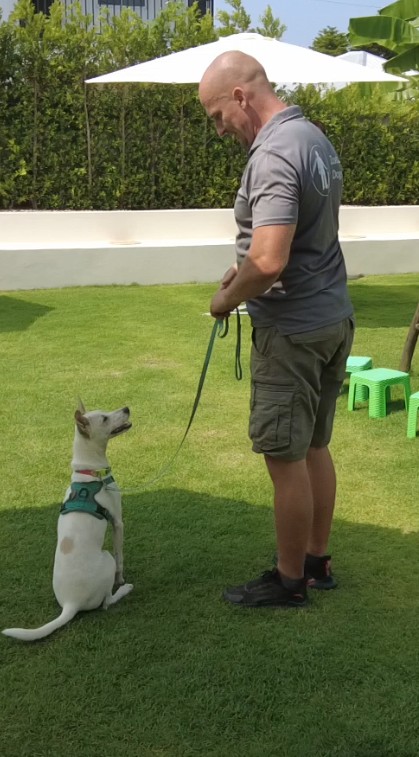

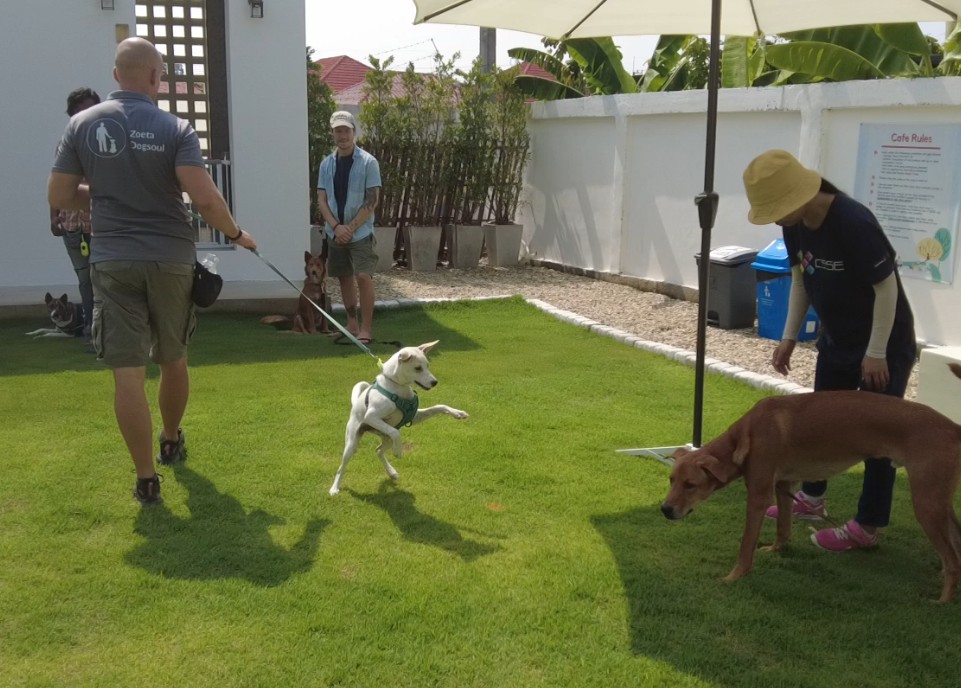
Balance grows brilliance. Growth needs just enough challenge to stretch, not shatter. The right experiences don’t train dogs—they awaken them. 🧡
Applications to Welfare, Training & Socialization: Putting Science Into Practice
Designing Experience-Based Enrichment Programs
Understanding how experience shapes the brain allows us to design enrichment that goes beyond simple entertainment. Effective enrichment programs foster curiosity, build confidence, and provide appropriate challenges that drive cognitive development.
Components of effective enrichment:
Novelty with Safety: Introduce new toys, foods, activities, or environments regularly, but always within a context where your dog feels secure. Novelty drives neural engagement and learning, but only when your dog feels safe enough to explore.
Problem-Solving Opportunities: Provide puzzles, food-dispensing toys, scent work activities, and other challenges that require your dog to think. Start with easy problems and gradually increase difficulty as your dog’s skills develop.
Social Interaction: Regular, positive interactions with both familiar and new dogs (when appropriate) support social cognitive development. These interactions teach communication skills, emotional regulation, and social problem-solving.
Sensory Variety: Expose your dog to different textures, sounds, sights, and smells in positive contexts. This builds sensory confidence and reduces the likelihood of fear responses to novel stimuli.
Long-lasting Activities: Research shows that long-lasting chews and similar activities can promote positive emotional states and lower arousal, particularly during times when your dog must be alone. These aren’t just time-killers—they’re enrichment tools that support emotional well-being.
The goal is to create an environment that encourages curiosity—that confidence-driven urge to actively seek out new information and experiences. When your dog approaches their world with curiosity rather than anxiety, learning becomes self-perpetuating.
Graded Exposure vs. Command-Based Learning in Puppy Programs
Traditional puppy training often emphasizes command-based learning: sit, stay, come, down. While these skills have value, they shouldn’t overshadow the more fundamental work of graded exposure to environmental variety.
Why graded exposure matters more:
Graded exposure allows puppies to explore and learn about their environment at their own pace, building positive associations and confidence organically. Rather than simply obeying commands, puppies learn to think, evaluate, and respond flexibly to novel situations.
Implementing graded exposure effectively:
Start Small: Begin with mild versions of stimuli and gradually increase intensity. For example, start with recordings of thunder at low volume before progressing to louder sounds.
Watch Your Puppy’s Response: Success is measured by your puppy’s comfort level, not by how much exposure you’ve provided. If your puppy shows signs of stress, you’ve moved too quickly.
Pair with Positive Experiences: Associate new stimuli with things your puppy loves—treats, play, affection. This creates positive neural associations that will last a lifetime.
Maintain Consistency: Regular, brief exposure sessions are more effective than occasional intense ones. Consistency helps consolidate learning and prevents fear from developing.
Preventative training using counterconditioning—creating positive associations with potentially scary stimuli—has been shown to be highly effective in preventing noise fears in puppies. This approach aligns perfectly with understanding how early experiences shape neural architecture. You’re not just training behaviors; you’re building a brain that perceives the world as interesting rather than threatening.
Targeted Experiential Interventions for Fearful or Reactive Dogs
For dogs who have developed fear or reactivity, targeted experiential interventions can help rebuild confidence and resilience. This work requires patience and understanding of how experience can reshape neural pathways, even in adulthood.
The Resilience Framework Approach:
Resilience isn’t the absence of stress—it’s the capacity to cope with and recover from challenging experiences. Positive challenge exposure, carefully calibrated to your dog’s current capabilities, can enhance coping capacity over time.
Intervention strategies include:
Controlled Exposure to Novel Situations: Reintroduce variety into your dog’s life, but at a pace they can handle. Start with environments or situations that are mildly novel and progressively increase challenge as confidence builds.
Structured Play Sessions: Play serves multiple functions—it promotes positive emotional states, provides opportunities for social learning, and helps dogs practice emotional regulation in a safe context.
Carefully Managed Social Interactions: For dogs with fear or reactivity toward other dogs, structured interactions with calm, appropriate canine partners can help rebuild social confidence. This requires careful management to ensure experiences remain positive.
Building Predictability: Fearful dogs often struggle with unpredictability. Creating consistent routines and clear communication helps them feel safer, providing a foundation from which confidence can grow.
Choice and Control: Whenever possible, allow your fearful dog to choose their level of engagement. Dogs who can control their exposure to challenging stimuli show better emotional regulation and faster progress.
The goal isn’t to eliminate all fear—fear serves an important protective function. Instead, you’re helping your dog distinguish genuine threats from benign novelty, and building their confidence that they can cope with life’s challenges. That balance between awareness and confidence—that’s the essence of Zoeta Dogsoul.
Character Development Through Experience: The Emerging Personality
How Consistent Experience Shapes Temperament
While genetics certainly influence temperament, experience plays an equally powerful role in shaping the personality traits that emerge. Your dog’s characteristic way of approaching the world—their confidence, sociability, reactivity, and resilience—all reflect the cumulative impact of their life experiences.
Confidence Building Through Mastery
Dogs develop confidence through repeated experiences of mastery—successfully navigating challenges and seeing that their actions produce positive outcomes. Each small success builds upon previous ones, creating a trajectory toward self-assurance.
You might notice how a dog who regularly solves problems approaches new challenges with enthusiasm, while one who rarely experiences success hesitates or gives up quickly. This learned confidence (or lack thereof) becomes a stable personality trait that influences behavior across contexts.
Social Competence Through Interaction
Your dog’s social skills with both humans and other dogs emerge from hundreds of interactions throughout their life. Each social encounter teaches communication skills, emotional regulation, and expectations about how social exchanges unfold.
Dogs with diverse, positive social experiences develop nuanced communication skills. They read body language accurately, respond appropriately to social signals, and regulate their own behavior to navigate social situations successfully. Those with limited or negative social experiences may struggle with these skills, appearing socially awkward or reactive.
Emotional Regulation Through Secure Attachment
Secure attachment to caregivers provides the foundation for emotional regulation. When your dog knows they can rely on you for support during challenging situations, they develop confidence to explore and face difficulties. This secure base effect supports the development of independence and resilience.
Dogs with secure attachments show:
- Greater willingness to explore novel environments
- Better recovery from stressful experiences
- More flexible problem-solving approaches
- Lower overall anxiety levels
Adolescence: A Second Critical Window
Just as human adolescence represents a period of significant brain reorganization, canine adolescence (roughly 6-18 months, depending on breed) represents a second critical window for experience-dependent development.
During adolescence, the connections between the prefrontal cortex and emotional centers undergo significant maturation. This is why adolescent dogs often seem more impulsive or emotionally reactive—their “brake system” is still developing.
Supporting healthy adolescent development:
Maintain Consistency: While your adolescent dog tests boundaries, consistent expectations help them develop impulse control and emotional regulation.
Provide Appropriate Challenges: Adolescent dogs need physical and mental challenges that match their developing capabilities. Under-stimulation can lead to problematic behaviors as they seek outlets for their energy.
Continue Socialization: Don’t let socialization lapse during adolescence. This period represents another window when social experiences have significant impact on adult social competence.
Practice Patience: The adolescent brain is under construction. Behaviors that frustrate you reflect neural development, not defiance. Your patient support during this period helps shape adult emotional regulation.
Senior Life: When Experience Becomes Wisdom
Cognitive Resilience Through a Lifetime of Learning
Dogs who have maintained active cognitive engagement throughout their lives tend to show greater cognitive resilience in their senior years. The concept of “cognitive reserve”—built through years of varied experiences and learning—can help protect against age-related cognitive decline.
Supporting cognitive health in senior dogs:
Continue Mental Stimulation: Senior dogs still benefit from problem-solving activities, novel experiences, and learning opportunities. Adjust the difficulty to match their current capabilities, but don’t assume they’re too old to learn.
Maintain Social Engagement: Social interactions remain important for cognitive health throughout life. Continue providing opportunities for appropriate social engagement with both humans and other dogs.
Adapt Physical Activity: While physical abilities may decline, adapted versions of favorite activities help maintain both physical and cognitive function. Swimming, gentle hiking, or modified play can keep your senior dog engaged.
Monitor for Changes: Understanding your dog’s learning history helps you recognize significant changes. A dog who has always loved problem-solving but suddenly shows disinterest may be experiencing cognitive changes that warrant veterinary attention.
The Wisdom of Experience
Senior dogs who have lived rich, varied lives carry a kind of wisdom—a calm confidence that comes from having successfully navigated countless situations. They’ve learned what matters and what doesn’t, when to worry and when to relax.
This accumulated experience manifests as:
- Appropriate response calibration: reacting proportionally to situations
- Social grace: navigating interactions with ease
- Emotional stability: recovering quickly from disruptions
- Selective engagement: choosing when and how to participate in activities
Honoring this wisdom means respecting your senior dog’s choices, recognizing that their preferences reflect decades of learning about what brings them comfort and joy. 🧡
Practical Guidelines for Experience-Rich Living
Daily Practices That Shape Positive Development
For Puppies (0-6 months):
- Daily exposure to 3-5 novel stimuli in positive contexts
- Regular interaction with diverse, friendly people (different ages, appearances, mobility)
- Supervised play with appropriate puppies and adult dogs
- Varied walking routes and environments
- Basic problem-solving activities (simple food puzzles, gentle obstacle navigation)
- Regular handling of paws, ears, mouth to build comfort with husbandry procedures
For Adolescents (6-18 months):
- Increased cognitive challenges as abilities develop
- Continued socialization despite potential reactivity increases
- Consistent expectations as boundaries are tested
- Appropriate outlets for energy (both physical and mental)
- Real-world experiences (car rides, different locations, various situations)
- Training sessions that build impulse control and frustration tolerance
For Adults (18 months – 7 years):
- Regular novelty to maintain cognitive flexibility
- Ongoing learning opportunities (new skills, tricks, activities)
- Maintenance of social connections
- Problem-solving activities matched to interest and ability
- Environmental variety in daily life
- Balance of challenge and rest
For Seniors (7+ years):
- Adapted mental stimulation
- Continued but modified physical activity
- Maintenance of social engagement
- Respect for changing preferences and capabilities
- Regular monitoring for cognitive changes
- Comfort and security in familiar routines
Warning Signs of Experiential Deficits
Understanding how experience shapes development helps you recognize when your dog may need additional support:
Indicators of insufficient early socialization:
- Persistent fear of novel people, dogs, or environments
- Difficulty recovering from startling events
- Generalized anxiety in new situations
- Limited behavioral repertoire (few problem-solving strategies)
Signs of inconsistent reinforcement history:
- Learned helplessness (giving up easily)
- Anxiety around humans or training contexts
- Difficulty predicting what behaviors will be successful
- Emotional volatility
Evidence of chronic stress impact:
- Heightened reactivity to minor stimuli
- Difficulty settling or relaxing
- Digestive issues or other stress-related health problems
- Cognitive inflexibility (inability to adapt to changes)
Recognizing these patterns isn’t about blame—many dogs enter our lives with challenging histories. It’s about understanding what your dog needs to build resilience and confidence moving forward.
Conclusion: Every Experience Matters
The remarkable truth is that your dog’s brain remains plastic throughout life. While certain windows of development carry special significance, every day offers opportunities to shape your dog’s cognitive and emotional landscape through thoughtful, positive experiences.
You are not simply training behaviors or managing problems—you are actively participating in the construction of your dog’s neural architecture, their emotional patterns, and their cognitive capabilities. Each walk, each training session, each social interaction, each puzzle solved contributes to who your dog is becoming.
The key principles to remember:
Experience shapes the physical structure of your dog’s brain, particularly during critical developmental windows. The quality and timing of early experiences have profound and lasting impacts on emotional regulation, social competence, and learning capacity.
Cumulative learning history influences how your dog approaches challenges, whether with confidence or anxiety, persistence or helplessness. Consistent positive reinforcement builds optimistic outlook and willingness to engage.
Both under-stimulation and over-stimulation harm development. The goal is appropriately challenging experiences that promote growth without overwhelming your dog’s capacity to cope.
Cognitive flexibility can be built throughout life through varied, enriching experiences. Even dogs with challenging histories can develop greater resilience and confidence through patient, targeted interventions.
The quality of your relationship with your dog—that NeuroBond built through consistent, positive interactions—provides the secure foundation from which all learning and exploration emerges.
As you move forward with your dog, remember that you’re not just teaching commands or managing behavior. You’re shaping a mind, building resilience, and fostering the cognitive and emotional capacities that will serve your dog throughout their life. Every moment of patient support, every novel experience offered with care, every problem solved together writes itself into your dog’s very being.
That recognition of how profoundly we influence our dogs through daily experience—that’s the essence of Zoeta Dogsoul. May your journey together be filled with experiences that build confidence, foster joy, and create the kind of deep, trusting relationship where both of you flourish.










