Have you ever brought home a new piece of furniture, only to watch your confident dog suddenly freeze at the doorway, refusing to enter their favorite room? Or perhaps you’ve placed a simple cardboard box in the hallway, and your furry friend circles it with suspicious caution, barking at what was once an empty space they walked through dozens of times each day?
This puzzling behavior reveals something profound about how our dogs process their world. When novelty appears in familiar territory, it creates a unique form of cognitive conflict—a mismatch between what the brain expects and what the eyes perceive. Let us guide you through the fascinating neurobiological and emotional mechanisms that drive this response, and more importantly, how you can help your dog navigate these moments with confidence rather than fear.
The Cognitive Architecture: How Your Dog’s Brain Processes Familiar Spaces
Spatial Memory Meets Novelty Detection
Your dog’s brain is an incredibly sophisticated mapping system. Through the hippocampus, your companion builds detailed mental maps of their environment—every corner, every scent, every usual placement of furniture becomes encoded as “safe” and “known.” These neural representations create a baseline of environmental predictability that allows your dog to move through their home with confidence.
But when a novel object suddenly appears in this well-mapped territory, something remarkable happens. The amygdala, your dog’s emotional alarm system, receives conflicting information. The spatial context screams “familiar and safe,” while the object detection system signals “unknown and potentially significant.” This creates what neuroscientists call a prediction error—a mismatch between expectation and reality.
The canine brain must now reconcile this contradiction. Is the environment still safe despite the change? Does this new object represent a threat? The integration of these competing signals involves complex interactions between the hippocampus (memory and context), the amygdala (emotional significance), and the prefrontal cortex (decision-making and threat assessment).
The Sensory Mismatch Phenomenon
Think of your dog’s mental map as a detailed photograph of their living space. When you introduce a new object, it’s as if someone has photoshopped an element into that image—the brain immediately detects the incongruity. This sensory mismatch triggers a cascade of questions in your dog’s mind:
- Visual disruption: “That shape wasn’t there yesterday”
- Spatial violation: “My walking path has been altered”
- Scent anomaly: “This smell doesn’t belong in this room”
- Movement potential: “Could this object be alive or pose danger?”
The intensity of your dog’s reaction often depends on the characteristics of the novel object. A large, dark item that obscures part of their usual pathway may trigger stronger alarm than a small, brightly colored toy. Objects with strong or unfamiliar scents intensify the sensory mismatch, as do items that move unexpectedly or make sounds.
This isn’t poor generalization or simple fear—it’s a sophisticated cognitive process where your dog attempts to update their environmental model while simultaneously assessing potential risk. Through the NeuroBond approach, we recognize that this moment of hesitation represents an opportunity for learning rather than a behavioral flaw.
Habituation and the Failure to Adapt
Some dogs quickly adjust to environmental changes, sniffing the new object once or twice before resuming normal behavior. Others remain hypervigilant, continuing to avoid or react to the object days or even weeks later. This difference often comes down to habituation capacity—the brain’s ability to reduce its response to repeated benign stimuli.
When habituation fails, your dog’s nervous system maintains its initial alert state. Each encounter with the object reinforces the perception of novelty rather than building familiarity. This creates a frustrating loop: the object remains threatening because the dog won’t approach it, and the dog won’t approach it because it remains threatening.
Impaired habituation can stem from several factors:
- Chronic stress or elevated cortisol: Creates a baseline state of hypervigilance that makes all novel stimuli feel threatening
- Previous negative experiences: If your dog was once startled or frightened in a similar context, they may generalize that fear to all unexpected environmental changes
- Genetic temperament: Some breeds and individual dogs are naturally more cautious or sensitive to environmental changes
- Age-related cognitive changes: Senior dogs may struggle more with processing novelty, as cognitive flexibility often declines with age
Emotional and Behavioral Signatures: Reading Your Dog’s Cognitive Conflict
Beyond Simple Fear: The Language of Hesitation
Not all reactions to novel objects indicate pure fear. Let’s explore the subtle behavioral differences that reveal what’s really happening in your dog’s mind:
Cognitive Conflict Behaviors (processing and uncertainty):
- Freezing mid-stride, one paw raised
- Tentative approach followed by quick retreat
- Investigative sniffing with body weight shifted backward, ready to flee
- Soft whining or questioning barks (different from aggressive or fearful barking)
- Looking repeatedly between the object and you, seeking social referencing
- Approaching from unusual angles or circling the object at a fixed distance
Pure Fear Responses (immediate threat perception):
- Explosive barking or aggressive vocalization
- Complete avoidance, refusing to enter the room entirely
- Trembling, cowering, or tucked tail
- Dilated pupils and visible whites of eyes
- Escape attempts or hiding
- Stress signals like excessive panting, drooling, or elimination
The cognitive conflict behaviors suggest your dog is actively trying to gather information and make sense of the situation. These moments are incredibly valuable—they represent windows where learning and confidence-building can occur. Your dog is asking questions, not simply running from danger. 🧡
The Neophobia-Anxiety Connection
Neophobia—the fear of novelty—rarely exists in isolation. If your dog shows strong reactions to new objects in familiar spaces, you might notice they also exhibit broader anxiety traits. These often cluster together because they share underlying neurobiological mechanisms:
Common Co-occurring Anxiety Behaviors:
- Noise sensitivity: Startling at sudden sounds, thunder phobia, or fear of household appliances
- Change resistance: Distress when furniture is rearranged, routines are altered, or new people visit
- Separation anxiety: Difficulty being alone, destructive behavior when owners leave
- Social uncertainty: Wariness of unfamiliar dogs or people, even in safe contexts
- Resource guarding: Heightened vigilance around food, toys, or resting spaces
This clustering makes sense when we consider the brain’s threat-detection systems. Dogs with an easily-activated amygdala or chronically elevated stress hormones tend to interpret ambiguous situations as potentially dangerous. Their prediction error system is essentially calibrated toward “better safe than sorry.”
The good news? Recognizing this pattern helps you understand that your dog isn’t being difficult or stubborn—they’re navigating their world with a more sensitive threat-detection system. The Invisible Leash principle reminds us that awareness and calm guidance, rather than force or frustration, create the pathway forward.

The Role of Repetition and Gradual Exposure
How does a feared object eventually become neutral or even ignored? Through repeated, non-threatening exposures that allow your dog’s brain to update its predictions. Each calm encounter provides new data: “This object has been here for three days, and nothing bad has happened. Perhaps it’s not a threat after all.”
This learning process involves fascinating neural plasticity. The connections between the hippocampus (recognizing the context) and amygdala (assessing threat) are strengthened or weakened based on outcomes. When your dog approaches the novel object and experiences safety—especially when paired with positive experiences like treats, play, or your calm presence—the amygdala’s alarm response gradually diminishes.
However, if your dog is forced into proximity with the feared object while in a heightened state of stress, the opposite can occur. The brain may encode the experience as confirmation of danger, strengthening rather than reducing the fear response. This is why gentle, gradual exposure at your dog’s own pace is crucial.
Environmental and Social Contexts: The Influence of Surroundings and Human Cues
Object Characteristics That Amplify Threat Perception
Not all novel objects are created equal in your dog’s perception. Several characteristics dramatically influence whether an item feels mildly curious or genuinely threatening:
Size and spatial dominance: Large objects that block pathways or alter room layout trigger stronger reactions than small items. A new couch repositioned in the living room creates more cognitive dissonance than a throw pillow placed on the existing couch.
Movement potential: Objects that move unexpectedly—a balloon floating near the ceiling, a fan with rotating blades, an automatic vacuum—activate predatory or defensive instincts. The movement suggests the object might be alive or capable of sudden action.
Scent signatures: Dogs experience their world primarily through scent. New objects carry unfamiliar chemical information—manufacturing smells, previous locations, other animals or people who handled them. A strongly scented item demands more investigative attention and can trigger uncertainty.
Sound generation: Objects that make noise, especially unpredictable sounds, combine visual novelty with auditory startle. A plastic bag that crinkles when air moves through the room or a toy with an electronic sound chip can maintain a dog’s wariness far longer than silent items.
Visual incongruity: Dark objects in light rooms (or vice versa), items with unusual textures or reflective surfaces, or things that don’t match the room’s usual aesthetic all stand out more dramatically to canine visual processing.
The Power of Human Emotional Signals
You are your dog’s primary source of environmental interpretation. Through thousands of years of co-evolution, dogs have become extraordinarily attuned to human emotional cues. Your voice tone, facial expressions, body posture, and even breathing patterns provide crucial information about whether a novel situation is safe or dangerous.
Calming influences that help your dog reappraise a new object:
- Relaxed body posture and soft eyes when near the object
- Calm, warm voice tone when acknowledging your dog’s concern
- Confident interaction with the object (touching it, moving it, sitting near it)
- Slow, deliberate movements that signal safety
- Steady breathing and low stress indicators
Intensifying signals that amplify your dog’s alarm:
- Tense body language or protective movements
- High-pitched, worried, or harsh voice tone
- Avoiding the object yourself or watching your dog with concern
- Rushed movements or sudden gestures
- Your own stress signals (elevated heart rate, shallow breathing)
This social referencing is so powerful that your emotional state can completely override your dog’s initial assessment. A dog who might naturally overcome their hesitation will remain fearful if their human shows anxiety. Conversely, a more reactive dog can be helped toward calm investigation when their person models confident ease.
This is where emotional synchrony becomes transformative. When you maintain a genuinely calm internal state—not performing calmness, but truly feeling it—your dog can sense this through multiple channels. This co-regulation helps their nervous system downshift from alert to exploratory mode.
Household Predictability and Past Experiences
Your dog’s confidence in exploring novelty doesn’t exist in a vacuum—it’s shaped by the broader context of their daily life and history.
Predictable households foster confidence:
- Consistent daily routines (feeding times, walks, play sessions)
- Stable furniture arrangements with infrequent changes
- Reliable responses from family members
- Clear, consistent boundaries and rules
- Predictable outcomes to actions
Unpredictable or punitive environments erode confidence:
- Frequent rearrangement of furniture or belongings
- Inconsistent responses to behaviors
- Previous punishment in familiar spaces
- Startling experiences without preparation
- Chaotic or high-stress household dynamics
If your dog has been scolded or frightened in the same room where a novel object now appears, they carry that emotional memory into their assessment of the new situation. The room itself may have become associated with unpredictability or danger, making any change within it feel doubly threatening.
Past trauma also shapes response patterns. A dog who was once trapped behind fallen furniture, startled by a collapsing stack of boxes, or frightened by a sudden loud noise from a household appliance may develop heightened sensitivity to any environmental changes. These experiences create what researchers call “traumascapes”—spaces where negative emotional memories are activated by contextual similarity.
Familiar. Changed. Uncertain.
Novelty disturbs safety. When something new appears in a known space, your dog’s mind collides with contradiction—what was safe now feels strange. Their hesitation isn’t stubbornness; it’s cognitive dissonance in motion.
Expectation meets alarm. The hippocampus recalls security, the amygdala senses anomaly, and together they spark doubt. One object out of place can rewrite the emotional map of an entire room.

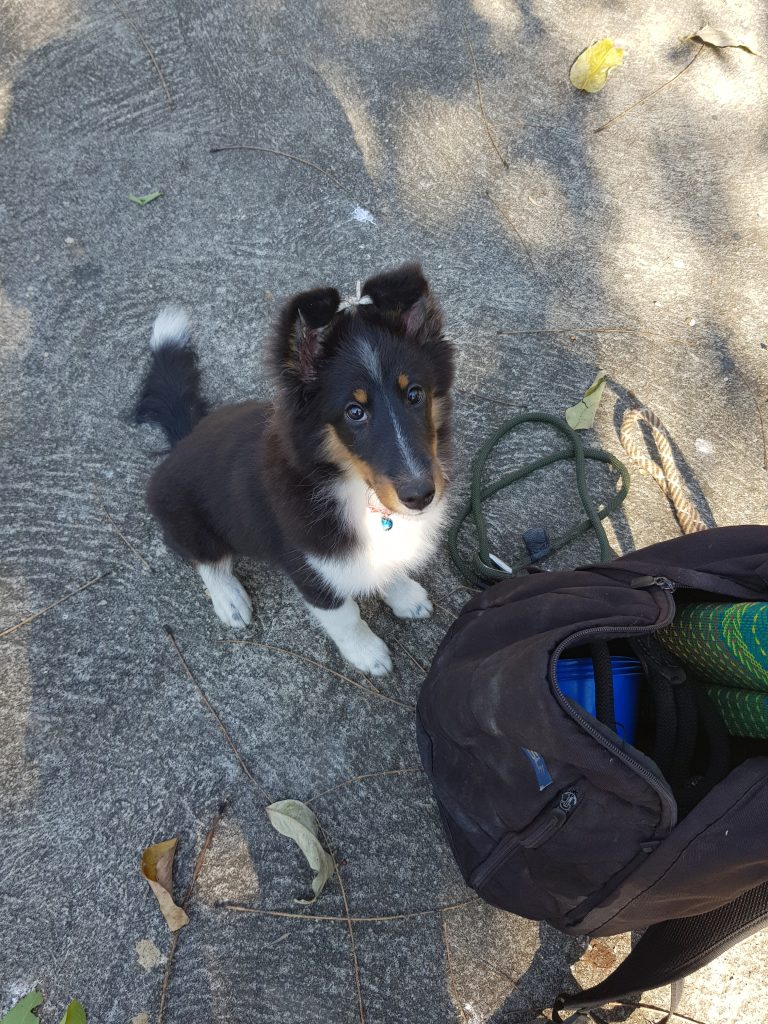
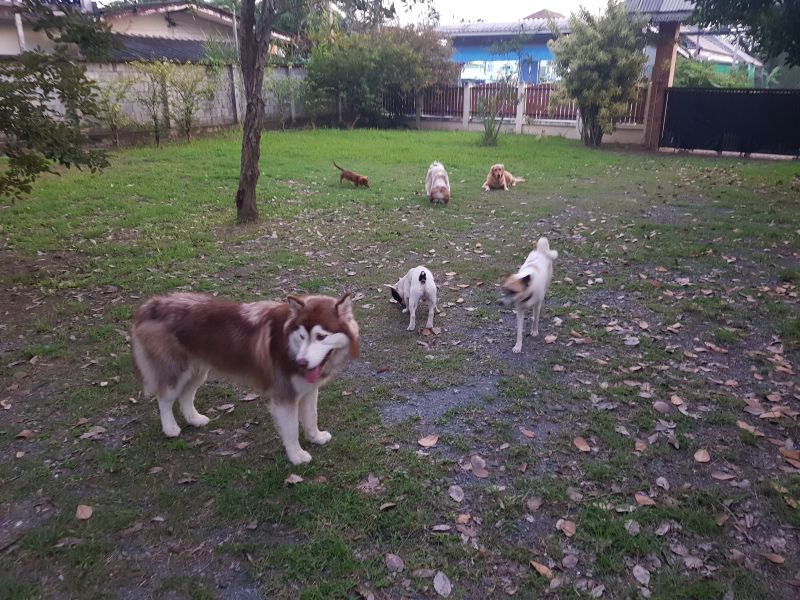
Gentle exposure rebuilds trust. By allowing time, distance, and curiosity, the nervous system recalibrates. Familiarity returns—not through force, but through reassurance that change doesn’t always mean danger.
Neurobiological Deep Dive: The Fear-Curiosity Balance
Amygdala Activation Versus the SEEKING System
Within your dog’s brain, two powerful systems compete for dominance when novelty appears: the FEAR system and the SEEKING system. This balance determines whether your dog approaches the new object with curious investigation or fearful avoidance.
The FEAR system (amygdala-centered):
- Activates when the brain detects potential threats
- Triggers stress hormone release (cortisol, adrenaline)
- Primes the body for fight, flight, or freeze responses
- Narrows attention to threat-relevant information
- Suppresses exploratory behaviors in favor of defensive ones
The SEEKING system (dopaminergic pathways):
- Drives curiosity, exploration, and investigation
- Motivates approach behaviors toward novel stimuli
- Generates positive anticipation and interest
- Broadens attention to gather environmental information
- Supports learning and environmental mastery
In a healthy, confident dog encountering a mildly novel object, the SEEKING system initially dominates. The dog feels curiosity—”What is this interesting new thing?”—and approaches to gather sensory information. The amygdala remains online, monitoring for genuine threats, but doesn’t override the exploratory drive unless actual danger presents itself.
In an anxious or fearful dog, or when the novel object has particularly threatening characteristics, the amygdala’s FEAR system activates more quickly and intensely. It suppresses the SEEKING system, shutting down curiosity in favor of defensive postures. The dog perceives threat rather than opportunity.
Chronic stress amplifies this imbalance. When cortisol levels remain elevated over time—due to ongoing household stress, separation anxiety, past trauma, or other factors—the amygdala becomes hypersensitive. It activates more easily and requires less provocation to trigger fear responses. Meanwhile, the SEEKING system becomes suppressed, reducing the dog’s natural curiosity and resilience.
🧠 When Familiarity Meets Fear: Understanding Your Dog’s Reaction to New Objects
Why does a cardboard box in the hallway suddenly make your confident dog freeze? Discover the fascinating neuroscience behind environmental incongruity and how to transform fear into curiosity 🐾
🧩 The Brain Science: What’s Really Happening
Prediction Error Processing
Your dog’s hippocampus has created a detailed mental map of your home. When a novel object appears, the brain generates a “prediction error” — a mismatch between expectation and reality. This activates the amygdala’s threat assessment system while the prefrontal cortex tries to determine: “Is this dangerous or just different?”
The Fear vs. Curiosity Balance
Two systems compete in your dog’s brain: the FEAR system (amygdala-driven) and the SEEKING system (dopamine-driven curiosity). Chronic stress, past trauma, or genetic temperament can tip the balance toward fear, suppressing natural curiosity and investigation.
Key Behavioral Signals
Cognitive conflict (processing) vs. pure fear:
- Conflict: Hesitation, tentative sniffing, looking between you and object, questioning whines
- Fear: Explosive barking, complete avoidance, trembling, escape attempts, stress signals
🛠️ Practical Support: Helping Your Dog Navigate Novelty
Environmental Design for Success
Create stability where it matters most:
- • Keep core territory stable (sleeping areas, feeding zones)
- • Introduce new objects gradually at comfortable distances
- • Reserve changes for secondary spaces when possible
- • Maintain predictable daily routines as an emotional anchor
The Power of Human Cues
Your dog reads your emotional state through voice tone, body posture, breathing, and even scent. Model calm confidence by interacting naturally with new objects. Your relaxed presence provides crucial social information that reframes “threatening” as “safe to investigate.” Never force approach — allow self-paced exploration.
Scent Pairing Strategy
For scent-oriented dogs, rub new objects with a cloth carrying your scent or place familiar items nearby. The olfactory system connects directly to the limbic brain, triggering emotional memories of safety that help modulate the amygdala’s threat response before it fully activates.
🌱 Building Adaptive Resilience: The 6-Step Protocol
Controlled Novelty Exposure Process
- Establish baseline safety — Begin when your dog is calm and relaxed
- Strategic placement — Position object at a distance where noticed but not threatening
- Model calm interaction — Touch and move around object with relaxed body language
- Create positive associations — Feed meals, offer treats, play near the object
- Allow self-paced investigation — Never force; let curiosity emerge naturally
- Gradual integration — Move object closer as comfort increases over days/weeks
Emotional Co-Regulation Through NeuroBond
Your nervous system and your dog’s nervous system influence each other through olfactory, visual, auditory, and energetic channels. Ground yourself first with slow breathing and conscious relaxation. When you embody genuine calm — not performed calm — your dog can entrain to your regulated state, helping their brain shift from threat detection to safe exploration.
⚠️ When to Seek Professional Help
Red Flag Indicators
Consult a veterinary behaviorist if you observe:
- • Fear preventing access to essential resources (food, water, outdoor access)
- • Panic-level responses (loss of bowel/bladder control, extreme escape attempts)
- • No improvement despite appropriate behavioral modification
- • Sudden onset in senior dogs (possible cognitive decline indicator)
- • Quality of life significantly impacted across multiple contexts
Underlying Health Considerations
Extreme neophobia can signal vision problems, hearing loss, chronic pain, thyroid imbalances, neurological changes, or cognitive dysfunction. Rule out physical causes through veterinary evaluation, especially if behavior changes suddenly or worsens despite environmental management.
⚡ The Neophobia Transformation Formula
Environmental Predictability (stable routines + core territory security) + Human Emotional Calm (regulated nervous system + confident modeling) + Self-Paced Exposure (gradual approach + positive associations) + Time (patience for neural rewiring) = Adaptive Curiosity
🧡 The Zoeta Dogsoul Perspective
Through the Invisible Leash principle, we understand that the most powerful guidance flows not from external control but from the calm awareness you carry within. Your dog’s fear of novel objects isn’t a training problem — it’s an invitation to practice emotional synchrony. As you model genuine curiosity and safety, their amygdala recalibrates, their SEEKING system reawakens, and prediction errors transform from threats into opportunities. This is the essence of Zoeta Dogsoul: meeting neuroscience with soul, honoring fear while nurturing courage, and recognizing that every moment of hesitation holds the potential for profound connection and growth.
© Zoeta Dogsoul – Where neuroscience meets soul in dog training
Prediction Error Processing and Environmental Trust
Your dog’s brain constantly generates predictions about their environment. Walking into the living room triggers expectations: “The couch will be in its usual spot, the coffee table to the right, the familiar scent of home, no unusual sounds.” These predictions allow efficient navigation and conserve cognitive resources.
When predictions prove accurate, the brain barely registers the confirmation—everything is as expected, so minimal processing is needed. But when a prediction fails—”Wait, there’s a large box where empty space should be”—the brain generates an error signal that demands attention and resources.
This prediction error activates multiple brain regions. The hippocampus compares current sensory input against stored spatial memories. The amygdala assesses the emotional significance of the mismatch. The prefrontal cortex evaluates whether this discrepancy represents danger or merely benign change.
In dogs with strong spatial trust—those who’ve experienced their environment as stable and safe—prediction errors generate curiosity more than fear. The brain essentially asks, “That’s unexpected; let me investigate and update my model.” In dogs with fragile spatial trust—those who’ve experienced their environment as unpredictable or occasionally dangerous—prediction errors more readily trigger defensive responses: “That’s unexpected; it might be a threat.”
Repeated violations of environmental predictability erode this trust. If furniture is constantly rearranged, new objects frequently appear without introduction, or the household is chaotic, your dog never develops confidence that their mental map will prove accurate. This creates chronic low-level stress, as the brain must constantly maintain high vigilance rather than being able to relax into predictability.
Through moments of Soul Recall, dogs draw upon their accumulated emotional memories of safety or danger when encountering new situations. A dog whose memories are predominantly of secure, predictable environments approaches novelty differently than one whose memories are marked by unpredictability or fear.
The Cognitive Bias Toward Threat
Anxiety doesn’t just make dogs more reactive—it fundamentally changes how they interpret ambiguous information. This is called cognitive bias, and it skews perception toward negative interpretations.
Imagine your dog encounters a neutral stimulus—a paper shopping bag lying on its side in the hallway. An optimistic, low-anxiety dog might think, “That’s interesting, maybe there’s something good inside!” A pessimistic, high-anxiety dog interprets the same stimulus as, “That doesn’t belong there, it might be dangerous.”
This bias operates automatically and unconsciously. Research shows that anxious dogs are more likely to:
- Interpret ambiguous cues as negative
- Expect negative outcomes in uncertain situations
- Maintain heightened vigilance even after confirming safety
- Show slower habituation to novel stimuli
- Generalize fear more broadly across similar situations
The cognitive bias model helps explain why some dogs remain fearful of benign objects despite repeated safe exposures. Their brain’s default interpretation of “unknown” is “potentially threatening,” requiring much more evidence to shift toward “probably safe” compared to dogs without this bias.
Early-Onset Cognitive Decline and Sensory Processing
In senior dogs, a sudden increase in neophobia or environmental wariness can signal more than simple behavioral change—it may indicate early cognitive decline or sensory processing challenges.
Canine cognitive dysfunction (similar to dementia in humans) affects memory, learning, spatial navigation, and emotional regulation. Dogs in early stages may:
- Become more easily startled or confused by familiar environments
- Show increased anxiety about previously tolerated changes
- Display disorientation in their own home
- Exhibit altered sleep-wake cycles
- Demonstrate reduced problem-solving abilities
Additionally, age-related sensory changes—declining vision, hearing loss, reduced olfactory sensitivity—can make the world feel more unpredictable and threatening. When a dog can’t see clearly or hear approaching sounds, they rely more heavily on environmental predictability. Novel objects disrupt this compensation strategy, triggering more intense fear responses.
If your senior dog suddenly develops strong neophobia or environmental anxiety, consult your veterinarian. Early intervention with appropriate management, environmental modifications, and potentially cognitive-supporting supplements can significantly improve their quality of life.
Training, Therapy, and Building Adaptive Resilience
The Foundation: Controlled Novelty Exposure
Helping your dog overcome fear of novel objects isn’t about forcing interaction or “flooding” them with the feared stimulus. Instead, effective intervention uses gradual desensitization combined with positive association and emotional regulation support.
Step 1: Establish Baseline Safety Before introducing any novel object intentionally, ensure your dog is in a calm, relaxed state. This might mean choosing a time after exercise when they’re naturally more settled, or creating a peaceful environment free from other stressors. The goal is to prevent the amygdala from being pre-activated by other concerns.
Step 2: Strategic Placement Place the novel object at a distance where your dog notices it but doesn’t feel immediately threatened. This might be across the room, around a corner, or in a space your dog can choose to avoid initially. The object should be visible but not directly in their path.
Step 3: Model Calm Interaction Without drawing attention to your dog’s reaction, interact with the object naturally and calmly. Touch it, sit near it, move around it with relaxed body language. Your confident interaction provides crucial social information that the object is safe.
Step 4: Create Positive Associations Pair the presence of the object with genuinely positive experiences:
- Feed meals at a comfortable distance from the object
- Engage in favorite play activities in the same space
- Offer high-value treats when your dog voluntarily approaches
- Conduct enjoyable training sessions near (but not forced-upon) the object
Step 5: Allow Self-Paced Investigation Never force approach or interaction. Instead, wait for your dog to show curiosity. When they choose to sniff, look at, or move near the object, mark that behavior with praise or treats. Let them retreat whenever they need to—this sense of control is crucial for building confidence.
Step 6: Gradual Integration As your dog’s comfort increases, you can move the object closer to high-traffic areas or incorporate it more naturally into the room’s layout. This gradual integration allows their mental map to update without triggering renewed alarm.
The NeuroBond Method: Emotional Synchrony and Co-Regulation
The NeuroBond approach recognizes that your dog’s emotional state is profoundly influenced by yours. Rather than simply managing behavior, this method focuses on creating genuine emotional safety through authentic calm and connection.
Emotional Synchrony means your nervous system and your dog’s nervous system influence each other. When you maintain a genuinely calm state—slow breathing, relaxed muscles, steady heart rate—your dog’s nervous system can entrain to yours. This biological co-regulation happens through multiple channels:
- Olfactory: Your dog detects changes in your hormonal state through scent
- Visual: They read your body posture and facial expressions
- Auditory: Your voice tone and breathing patterns convey emotional information
- Tactile: Physical contact allows nervous system synchronization
- Energetic: The overall quality of your presence affects their felt sense of safety
Calm-State Modeling involves demonstrating the emotional response you’d like your dog to develop. When a novel object appears, rather than anxiously hovering or worrying about your dog’s reaction, you embody curiosity and ease. This doesn’t mean ignoring their fear—it means showing them, through your lived example, that exploration and calm coexist.
Practical application for novel object fear:
- Ground yourself first: Before addressing your dog’s reaction, take three slow breaths and consciously relax your shoulders and jaw. Feel your feet on the ground. Arrive in genuine calm, not performed calm.
- Acknowledge without amplifying: If your dog shows concern, offer brief, matter-of-fact reassurance: “I see that. We’re okay.” Then return your attention to your own calm state, not to their fear.
- Invite curiosity through presence: Sit near the novel object while reading, working, or simply being peacefully present. Your relaxed proximity invites them to reconsider their assessment.
- Celebrate small movements toward confidence: When your dog takes one step closer or shows investigative interest, acknowledge it warmly but calmly: “Good choice to check that out.”
- Provide agency: Never block retreat or force approach. Confidence builds through repeated experiences of: “I chose to approach, nothing bad happened, I could leave whenever I wanted.”
This method helps dogs reinterpret novelty as opportunity rather than threat because it addresses the root cause—the emotional state that drives perception—rather than just the behavioral symptom.
Scent Pairing and Sensory Integration
For dogs who are particularly scent-oriented (most sporting breeds, hounds, and many terriers), pairing novel objects with familiar, comforting scents can dramatically reduce fear responses.
Scent Comfort Strategies:
- Rub the novel object with a cloth that carries your scent
- Place an item of your worn clothing near the object
- Use a calming pheromone diffuser in the room
- Transfer scent from your dog’s favorite toy or bed to the object
- Allow your dog to investigate the object through scent first, before visual focus
The olfactory system connects directly to the limbic brain, bypassing higher cognitive processing. Familiar scents trigger emotional memories of safety, helping to modulate the amygdala’s threat response before it fully activates. This “pre-loading” of positive emotional context makes visual novelty less alarming.
Building Environmental Trust Through Predictable Change
While it might seem counterintuitive, building resilience to novelty actually starts with creating deep environmental predictability in most areas of your dog’s life. This solid foundation of “things I can count on” creates the emotional security needed to handle occasional unexpected changes.
Create Predictable Anchors:
- Consistent daily routine (wake time, meal times, walk times, play times)
- Stable arrangement of core furniture and your dog’s resources (bed, bowls, toys)
- Predictable human responses to their behaviors
- Regular, ritualized activities that bookend their day with security
Introduce Controlled Novelty: Once predictability is established, intentionally introduce small, manageable novel elements:
- New toys introduced during play sessions (positive context)
- Different walking routes on occasion
- Visiting new places with you present for security
- Meeting new people or dogs in controlled circumstances
- Rearranging non-critical items in low-stakes rooms
This teaches your dog’s brain a crucial lesson: “Most things stay the same AND I can handle when some things change.” They develop what psychologists call “earned security”—confidence built through repeated experiences of successfully navigating mild challenges.
Health, Welfare, and Diagnostic Considerations
When Neophobia Signals Deeper Issues
While mild wariness of novel objects falls within normal canine behavior, extreme or suddenly emerging neophobia can indicate underlying health concerns that warrant veterinary evaluation.
Physical health issues to consider:
- Vision problems: Cataracts, glaucoma, progressive retinal atrophy, or sudden vision loss can make objects appear suddenly and confusingly, increasing startle responses
- Hearing loss: When dogs can’t hear an object being placed, they’re more startled by its visual appearance
- Pain conditions: Chronic pain can increase overall anxiety and defensiveness, lowering the threshold for fear responses
- Neurological changes: Brain tumors, vestibular disease, or other neurological conditions can alter perception and emotional regulation
- Thyroid imbalances: Hypothyroidism is linked to increased anxiety and behavioral changes in dogs
- Cognitive dysfunction: As discussed earlier, age-related cognitive decline can manifest as increased environmental anxiety
Behavioral health markers: If your dog’s fear of novel objects is part of a broader anxiety picture, comprehensive behavioral support may be needed:
- Fear or anxiety that interferes with daily activities
- Generalized anxiety across multiple contexts
- Panic-level responses (loss of bowel/bladder control, extreme escape attempts, aggression)
- Lack of improvement despite appropriate behavioral modification
- Concurrent compulsive behaviors (excessive licking, tail chasing, shadow chasing)
Sensory Processing and Perceptual Challenges
Some dogs appear to have sensory processing differences that make environmental changes particularly overwhelming. Similar to sensory processing disorders in humans, these dogs may:
- Overreact to mild sensory input (touch, sound, visual changes)
- Struggle to filter relevant from irrelevant environmental information
- Show delayed processing or unusually long startle recovery
- Display inconsistent reactions to the same stimulus
- Seem overwhelmed in complex environments even when familiar
While research in canine sensory processing is still emerging, recognition of these patterns helps us understand that some dogs genuinely experience their environment differently. They’re not being “stubborn” or “dramatic”—their sensory integration system processes information in a way that makes novelty genuinely overwhelming.
For these dogs, environmental management becomes particularly important:
- Minimize unnecessary changes in their primary living spaces
- Provide advance warning when changes are inevitable
- Create sensory retreat spaces (quiet, dim, soft bedding)
- Reduce overall environmental complexity
- Allow longer adjustment periods for any novelty
Quality of Life Assessment
Fear of novel objects rarely exists in isolation, and when it’s severe, it can significantly impact your dog’s quality of life. Consider these questions:
- Does your dog’s fear prevent them from accessing important resources (food, water, outdoor access)?
- Do environmental changes cause such prolonged stress that they affect appetite, sleep, or elimination patterns?
- Has your household’s ability to function normally been significantly compromised?
- Is your dog spending more time in anxiety states than in relaxed, content states?
- Are there escalating avoidance behaviors or withdrawal from previously enjoyed activities?
If you answer yes to multiple questions, it’s time to consult with a veterinary behaviorist or certified professional dog trainer specializing in anxiety. Sometimes, behavioral modification alone isn’t sufficient, and thoughtful use of anti-anxiety medication—combined with behavioral work—can dramatically improve outcomes. 🧡
Living with a Sensitive Soul: Lifestyle Adaptations for Neophobic Dogs
Environmental Design for Emotional Security
Creating a home that supports your neophobic dog doesn’t mean never changing anything—it means being thoughtful and intentional about how changes occur.
Core Territory Stability: Identify your dog’s primary living zones—where they sleep, eat, and spend most relaxed time—and commit to keeping these spaces highly stable. Reserve necessary changes for secondary spaces when possible.
Visual Consistency: Maintain consistent color schemes and general spatial arrangements. If you do need to introduce new furniture, choose styles and colors similar to existing items when possible.
Gradual Transitions: When changes are necessary, make them incrementally:
- Move furniture a few inches at a time over several days
- Introduce replacement items alongside old ones before removing the familiar object
- Bring new items into the home gradually, perhaps keeping them in less-trafficked areas initially
Retreat Availability: Ensure your dog always has access to a safe space that remains unchanged—their bed, crate, or favorite room where they can retreat when feeling overwhelmed.
Sensory Management: Use consistent lighting, minimize sudden sounds, maintain familiar scent profiles through regular cleaning with the same products.
Communication and Preparation Strategies
While dogs don’t understand verbal explanations of upcoming changes, they’re remarkably sensitive to preparation rituals and transitional cues.
Establish Change Rituals: Create a predictable sequence that signals “something new is coming, and it will be okay”:
- Show your dog the new item before bringing it inside
- Let them sniff it in a neutral location (like the garage or yard)
- Bring it inside together, with you carrying it calmly
- Place it initially in a non-critical space
- Engage in a familiar, positive activity afterward
Use Transitional Objects: Keep some elements constant when others change. If you’re replacing a dog bed, place their favorite blanket on the new bed. If introducing new furniture, position familiar objects nearby.
Maintain Routine Around Change: When environmental changes are occurring, keep all other aspects of your dog’s routine as consistent as possible—same meal times, same walk routes, same play activities.
Social Support and Companionship
Some neophobic dogs benefit significantly from the presence of a confident companion animal. A calm, curious dog or even a cat who readily investigates novel items provides powerful social learning opportunities. The fearful dog observes their companion’s lack of concern and can update their own threat assessment accordingly.
However, this works best when:
- The companion animal is genuinely calm, not just less fearful
- There’s no resource competition or social tension between them
- The fearful dog naturally looks to the companion for social referencing
- The companion’s presence doesn’t add social stress
If you’re considering a companion animal specifically to help a fearful dog, consult with a behaviorist first to ensure this strategy is appropriate for your individual dog’s temperament and circumstances.
The Path Forward: Building Confidence Beyond Objects
From Reactivity to Resilience
The ultimate goal isn’t simply reducing your dog’s fear of specific objects—it’s building broader emotional resilience that allows them to approach life’s inevitable changes with curiosity rather than alarm. This transformation happens through accumulated experiences of:
Successful prediction: “When my environment changes, I can investigate safely and nothing bad happens”
Emotional co-regulation: “When I feel uncertain, my human’s calm presence helps me feel safe”
Personal agency: “I can choose to approach or retreat, and both choices are respected”
Positive outcomes: “Novel things often lead to good experiences—treats, play, or interesting discoveries”
Recovered trust: “My world is mostly predictable, and when it’s not, I can handle it”
These experiences literally rewire the brain. The connections between hippocampal memory systems, amygdala threat assessment, and prefrontal decision-making strengthen in new patterns. The SEEKING system becomes more readily activated relative to the FEAR system. Cortisol baseline levels can decrease as chronic stress reduces. Your dog’s cognitive bias shifts from pessimistic to more balanced or even optimistic.
Celebrating Small Victories
Progress with neophobic dogs often comes in subtle increments rather than dramatic transformations. Celebrate these meaningful shifts:
- Investigating a new object within hours instead of days
- Approaching to within five feet instead of avoiding entirely
- Showing curiosity (ears forward, soft eyes) before showing alarm
- Recovering from initial startle more quickly
- Remaining in the same room with a novel object, even without investigating
- Looking to you for reassurance rather than immediately fleeing
- Eating meals or playing in a room with recent changes
Each of these represents genuine neurobiological change—your dog’s brain building new associations and updating old threat predictions. That’s the essence of Zoeta Dogsoul: recognizing that behavior change reflects internal transformation, and honoring the courage it takes for a fearful animal to choose investigation over escape. 😊
Integration with Broader Behavioral Support
Fear of novel objects rarely improves in isolation from other aspects of your dog’s emotional life. Consider how supporting your dog’s overall wellbeing creates the foundation for reduced neophobia:
Physical health: Ensure excellent nutrition, appropriate exercise, quality sleep, and management of any pain or discomfort. A body in homeostasis supports an emotionally regulated mind.
Cognitive enrichment: Regular mental stimulation through training, puzzle toys, scent work, and varied experiences builds cognitive flexibility and confidence. Dogs who regularly solve problems feel more capable of assessing new situations.
Social fulfillment: Appropriate social interaction with humans and (if your dog enjoys it) other animals meets core needs and reduces overall anxiety. A dog whose social needs are met is better equipped to handle environmental stressors.
Emotional security: Consistent, predictable, positive interactions with you build deep attachment security that serves as a buffer against anxiety in other contexts.
Conclusion: Transforming Fear Into Curiosity
Your dog’s fear of new objects in familiar rooms isn’t a character flaw, training failure, or permanent limitation—it’s a window into how their remarkable brain processes environmental information, assesses threat, and seeks safety. By understanding the cognitive dissonance created when novelty disrupts spatial predictability, you can respond with compassion rather than frustration.
The journey from fear to curiosity is built on:
- Respecting your dog’s perception rather than dismissing their concerns
- Creating genuine emotional safety through your own regulated presence
- Allowing self-paced investigation that honors their need for control
- Building trust through predictability in other areas of life
- Celebrating incremental progress toward resilience
- Addressing underlying health or anxiety issues that amplify reactions
Through patient application of gradual desensitization, positive association, emotional co-regulation, and the understanding that novelty processing involves sophisticated hippocampal-amygdala interactions, you can help your dog rewrite their relationship with environmental change.
Remember that the goal isn’t to eliminate all wariness—some caution serves valuable protective functions. Instead, you’re helping your dog develop balanced curiosity that allows them to approach novelty with interest rather than being paralyzed by fear.
The Invisible Leash teaches us that the most powerful guidance comes not from external control but from internal calm that flows between connected beings. As you model curiosity, patience, and emotional security, your dog learns to mirror these states, gradually updating their prediction errors from “unexpected = dangerous” to “unexpected = interesting.”
Is your dog’s fear of novel objects a concern in your home? Begin with observation: What exactly triggers their response? How intense is their reaction? How quickly do they recover? Then, armed with understanding of the neurobiological mechanisms at play, start with small steps—perhaps simply sitting peacefully near a new object while radiating calm confidence. Let your dog’s innate curiosity slowly emerge as their FEAR system recalibrates and their SEEKING system re-engages.
Your patient, informed support can transform environmental anxiety into adaptive confidence—not by forcing change, but by creating the emotional conditions where curiosity naturally blooms. That balance between honoring fear and nurturing courage, between respecting sensitivity and building resilience—that’s the essence of Zoeta Dogsoul, where science meets soul in service of the dogs we love. 🧡