
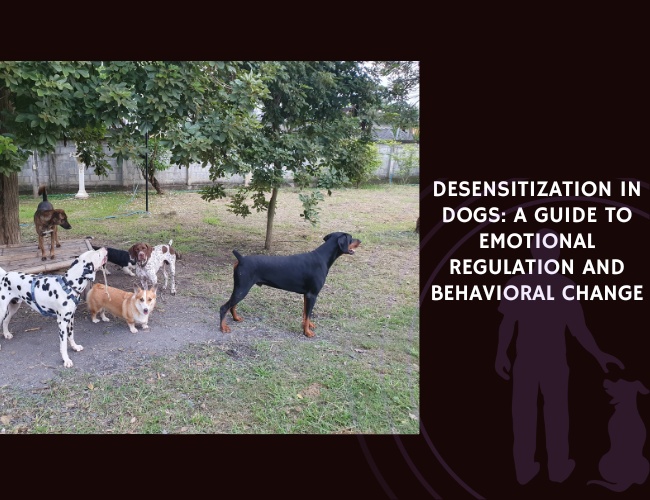
Does your dog tremble at the sound of thunder, lunge at passing cyclists, or freeze in unfamiliar environments? You’re not alone. Fear-based behaviors affect countless dogs, but there’s a scientifically grounded path forward. Desensitization offers a humane, effective approach to helping your dog navigate the world with confidence rather than fear.
This guide will walk you through the emotional, neurological, and behavioral mechanisms that make desensitization work. You’ll discover how gradual exposure reshapes your dog’s nervous system, how timing and intensity affect learning, and why your own calm presence matters more than you might imagine. Whether you’re addressing noise phobia, leash reactivity, or separation anxiety, understanding these principles will transform how you support your dog’s emotional wellbeing. 🧡
Understanding the Emotional Foundation of Fear
How Your Dog’s Nervous System Responds to Fear
When your dog encounters something frightening, their autonomic nervous system springs into action. Think of this system as having two branches: the sympathetic branch, which activates the fight-or-flight response, and the parasympathetic branch, which promotes calm and recovery. In a fearful dog, the sympathetic system often dominates, keeping them in a constant state of heightened alert.
Research on stress adaptation reveals something remarkable. When animals experience repeated, controlled exposure to a stressor, their nervous system learns to respond more efficiently. Studies with spontaneously hypertensive rats showed that repeated restraint stress initially triggered enhanced cardiovascular and sympathetic responses. However, with continued controlled exposure, these animals developed a more balanced autonomic response.
Key Nervous System Changes During Desensitization:
- Increased cardiac parasympathetic activity (the calming branch)
- Reduced vascular sympathetic activity (the stress response)
- More efficient adaptation to previously overwhelming stimuli
- Shift from constant alert to regulated, appropriate responses
This tells us something crucial about your dog’s potential for change. Gradual, carefully managed exposure doesn’t just teach your dog to tolerate a trigger. It actually rewires how their nervous system responds, shifting the balance from panic toward calm. This is where the NeuroBond approach becomes essential, recognizing that emotional safety and nervous system regulation form the foundation of all successful learning. 🧠
The Brain’s Role in Fear Processing
Your dog’s brain contains specialized structures for processing fear. The amygdala serves as an alarm system, rapidly detecting potential threats and triggering defensive responses. The prefrontal cortex, meanwhile, acts as a regulator, helping to assess whether something is truly dangerous and modulating the fear response accordingly.
In dogs prone to anxiety, the amygdala tends toward overactivity while the prefrontal cortex may struggle to exert its calming influence. Research examining repeated stress exposure found increased neuronal activity in the prelimbic prefrontal cortex and various amygdala nuclei. These regions are deeply involved in retrieving fear memories, and repeated exposure to stressors can actually intensify pre-existing traumatic memories if not managed carefully.
Understanding Your Dog’s Fear Brain:
- Amygdala: The alarm system that detects threats and triggers fear responses
- Prefrontal Cortex: The regulatory center that helps assess real danger and calm overreactions
- Neural Plasticity: The brain’s ability to create new, calmer pathways through proper desensitization
- Memory Consolidation: How experiences become stored as either threatening or safe
This neurological reality underscores why desensitization must proceed thoughtfully. The goal isn’t simply to repeatedly expose your dog to their fear trigger. Rather, it’s to provide experiences that allow the prefrontal cortex to strengthen its regulatory control while the amygdala learns that the trigger doesn’t predict danger. Done correctly, desensitization helps your dog’s brain build new, calmer neural pathways.
Recognizing Your Dog’s Stress Signals
Before beginning any desensitization work, you need to become fluent in your dog’s stress language. Dogs communicate discomfort through subtle body language long before they reach a breaking point.
Early Warning Signals:
- Lip licking or nose licking when no food is present
- Yawning in non-sleepy contexts
- Turning the head away or averting gaze
- Tense body posture or frozen stillness
- Whale eye (showing the whites of their eyes)
- Ears pinned back or held in unusual positions
Escalating Stress Indicators:
- Panting when not hot or exercised
- Trembling or shaking
- Excessive shedding
- Lowered body posture or tucked tail
- Dilated pupils
- Refusal of food or treats they’d normally accept
- Sweaty paw prints on smooth surfaces
Critical Threshold Signs:
- Intense staring or fixation on the trigger
- Raised hackles along the back
- Growling, barking, or lunging
- Attempts to escape or hide
- Snapping or biting behaviors
- Complete shutdown or learned helplessness
Your ability to recognize these signals determines your success in desensitization. When you notice even early warning signs, you know you’re working too close to the trigger or moving too quickly. The skill lies in keeping your dog just below their threshold, where they’re aware of the trigger but still able to think, learn, and remain emotionally regulated.
The Science of Gradual Exposure
Finding the Sweet Spot: Intensity and Duration
The art of desensitization lies in discovering the optimal balance between exposure intensity and duration. Push too hard, too fast, and you risk sensitizing your dog further, making the fear worse. Move too slowly, and progress stalls. The key principle is maintaining your dog’s relaxed state throughout the entire process.
Think of fear on a scale from zero to ten, where zero represents complete calm and ten represents full panic. Effective desensitization keeps your dog between zero and three. At this level, they notice the trigger but their stress response doesn’t activate. They can still take treats, respond to cues, and make positive associations.
Signs You’re Working at the Right Intensity:
- Your dog notices the trigger but remains relaxed
- They can still take treats and respond to familiar cues
- Body language stays soft and loose
- Tail position remains neutral or positive
- Breathing stays normal and unlabored
- They show curiosity rather than fear
Signs You’re Moving Too Fast:
- Your dog refuses treats they normally love
- Body stiffens or freezes
- Attempts to escape or hide
- Stress signals appear (panting, lip licking, whale eye)
- Progress seems to reverse rather than improve
A constructional fear treatment study demonstrated this principle beautifully. Using negative reinforcement shaping, researchers taught fearful dogs to voluntarily approach and interact with people. The dogs showed increasing positive behaviors like sniffing, tail wagging, and accepting petting because the training honored their emotional comfort zone. The humans waited for the dog to make choices, gradually building confidence through small, achievable steps.
For your own work, this means starting at a distance or intensity level that might seem almost absurdly easy. If your dog reacts to the doorbell, you might begin by playing a doorbell sound at barely audible volume from another room while your dog is relaxed and eating dinner. If your dog fears strangers, you might start by having a helper stand 50 feet away, not even looking at your dog. These seemingly small steps create the foundation for lasting change. 🧡
Combining Desensitization with Counterconditioning
While desensitization alone can reduce fear through habituation, combining it with counterconditioning accelerates and strengthens the process. Counterconditioning means pairing the fear trigger with something your dog loves, creating new, positive emotional associations.
In treating firework fears, counterconditioning emerged as the most successful training technique, showing over 70% effectiveness. Relaxation training also proved highly successful at 69%. This dual approach works because you’re not just reducing fear, you’re actively replacing negative emotions with positive ones.
Effective Counterconditioning Strategies:
- High-Value Rewards: Use your dog’s absolute favorite treats, not everyday kibble
- Predictable Pairing: The trigger must consistently predict the good thing
- Proper Timing: Reward appears immediately when the trigger appears
- Keep Distance: Maintain enough distance that your dog can still accept rewards
- Short Sessions: Multiple brief, positive experiences beat long, stressful ones
- End on Success: Always finish while your dog is still feeling good
Here’s how this looks in practice. Imagine your dog is afraid of bicycles. With desensitization alone, you’d gradually expose them to bicycles at increasing proximity until they habituate. With counterconditioning added, every time a bicycle appears (at a safe distance), something wonderful happens. Maybe it’s their favorite treats, maybe it’s a brief game with their beloved toy, maybe it’s enthusiastic praise and petting if they enjoy that.
A case study of a service dog with acute environmental fears and generalized anxiety beautifully illustrates this approach. The treatment employed multimodal protocols targeting specific triggers like shiny floors and elevators. For each trigger, the team combined gradual exposure with positive associations. The dog learned that approaching the shiny floor predicted delicious treats and warm encouragement. The elevator became associated with games and rewards.
This rewiring of emotional associations operates through the Invisible Leash principle. Your dog learns that your calm energy and the good things that follow guide them through challenging moments, not through force or pressure, but through positive expectation and trust.
The Power of Emotional Safety
Something remarkable happens when you prioritize your dog’s sense of safety. Research on safety training in dogs reveals that creating a sense of control over environmental stressors teaches prosocial coping responses. This may foster a canine equivalent of self-efficacy or courage.
Think about that for a moment. When your dog feels they have some control, when they experience predictability and safety, they don’t just tolerate the trigger better. They actually develop confidence and resilience that extends beyond the specific situation you’re training.
Creating Emotional Safety for Your Dog:
- Predictable Routines: Consistent daily schedules reduce baseline anxiety
- Choice and Control: Let your dog choose to engage rather than forcing interaction
- Safe Spaces: Provide retreat options where your dog can self-regulate
- Clear Communication: Use consistent cues and body language
- Calm Energy: Your relaxed demeanor signals safety to your dog’s nervous system
- No Punishment: Fear-based training methods undermine trust and safety
This is where your role becomes paramount. Your calmness, your predictable responses, your clear communication all contribute to your dog’s perception of safety. A treatment plan for dogs with impaired social functioning emphasizes increasing owner knowledge of dog body language, managing daily life through stress reduction, avoiding stressful situations, and implementing non-threatening, predictable exercises where the dog maintains control.
These strategies align perfectly with Polyvagal Theory, which explains that safe, calm co-regulation allows the nervous system to remain within the social engagement window rather than dropping into defensive states. Through the NeuroBond approach, emotional synchrony between you and your dog fosters neurobiological safety, stabilizing the learning process.
Your calm breathing, relaxed body language, and confident demeanor act as reinforcement cues themselves. They signal to your dog’s nervous system that this moment is safe, even with the trigger present. This emotional buffer makes desensitization not just more effective but fundamentally more humane.

Individual Differences: Why Every Dog is Unique
The Impact of Age and Life History
Not all dogs respond to desensitization at the same pace, and understanding why helps you set realistic expectations and tailor your approach. Age, temperament, and previous trauma significantly influence outcomes, requiring patience and flexibility from you as their guide.
How Age Affects Desensitization:
- Puppies: More neurologically plastic, often respond faster but need careful exposure to prevent sensitization
- Young Adults: Balance of resilience and learned patterns, typically good candidates for standard protocols
- Senior Dogs: May have ingrained patterns requiring slower pacing, but can absolutely learn new responses
- Lifetime Learning: Dogs of any age can change, though timelines vary
Early life stress, such as abuse or neglect, is associated with increased risk of cardiovascular disease and impaired emotion regulation in young adulthood. This suggests that dogs with a history of trauma may have compromised emotional regulation, making desensitization more challenging or requiring a modified approach.
Research on repeated stress exposure shows that it can actually exacerbate pre-existing traumatic memories. This means if your rescue dog experienced trauma before coming to you, you’ll need to proceed with extra care and possibly at a slower pace than you would with a dog without such history.
Temperament and Individual Personality
Just as humans have different personalities, dogs have distinct temperamental traits that influence how they experience and process fear. Some dogs bounce back quickly from stress, while others need more time and support to regulate their emotions.
Temperament Factors in Desensitization:
- Baseline Reactivity: How intensely your dog responds to stimuli in general
- Recovery Speed: How quickly they return to calm after arousal
- Novelty Seeking: Whether they approach or avoid new experiences
- Social Confidence: Their comfort level with people and other dogs
- Environmental Sensitivity: How much background stimuli affects them
- Frustration Tolerance: Their ability to persist when things are difficult
Children often struggle to accurately identify fearful dogs, indicating that fear behaviors can be subtle or misinterpreted. This reminds us that understanding your individual dog’s signals and temperament requires dedicated observation. What looks like stubbornness might actually be fear. What seems like aggression might be defensive anxiety.
The key is adjusting your protocol to match your dog’s unique emotional makeup. A bold, resilient dog might progress quickly through stages. A sensitive, cautious dog needs smaller increments and more time at each level. Neither approach is wrong, they’re simply different paths to the same destination.
Dogs with Insecure Attachment or Chronic Stress
Dogs with insecure attachment patterns or chronic stress require modified pacing and enhanced emotional support strategies. Early life stress is linked to impaired emotion regulation, suggesting that these dogs may have a lower stress tolerance and a greater need for a carefully managed, slower-paced desensitization process.
Signs Your Dog May Need Modified Support:
- Extreme separation distress even for brief absences
- Difficulty settling or relaxing, even in safe environments
- Hypervigilance to environmental changes
- Overreaction to minor stressors
- Slow recovery from arousal
- Difficulty accepting comfort or soothing
- Generalized anxiety across multiple contexts
A treatment plan for dogs with impaired social functioning towards their owners emphasizes general stress reduction and avoidance of stressful situations, along with engaging activities with the owner that the dog finds enjoyable. This highlights the importance of a supportive environment and positive owner-dog interactions, which can be particularly critical for dogs with attachment issues or chronic stress.
Supporting Dogs with Attachment Challenges:
- Build trust through consistent, positive interactions before tackling fears
- Work on secure base exercises (your dog learns you’re a safe haven)
- Implement relaxation protocols separate from desensitization work
- Consider professional support from a veterinary behaviorist
- Explore whether medication might support emotional regulation
- Celebrate tiny victories rather than rushing toward end goals
Through moments of Soul Recall, these dogs reveal how deeply emotional memory and current behavior intertwine. Past experiences shape their present responses, and honoring that history while gently building new associations becomes your path forward.
The Protective Power of Early Socialization
Early-life exposure and socialization can act as significant protective factors. Supportive parental emotion socialization in childhood is associated with enhanced emotion regulation and better stress management. While this research focuses on humans, the principle extrapolates beautifully to dogs, suggesting that early positive experiences and appropriate socialization can build resilience and improve a dog’s ability to cope with stress later in life.
Critical Socialization Periods:
- 3-12 Weeks: Primary socialization window for puppies
- 12-16 Weeks: Secondary socialization continues
- Throughout Life: Ongoing exposure maintains confidence and adaptability
Well-socialized puppies who experience diverse, positive encounters with people, animals, environments, and stimuli tend to develop into more emotionally resilient adults. They’re less likely to develop severe phobias and, when fear does emerge, often respond more quickly to desensitization protocols.
However, it’s important to note that supportive early experiences may not fully counteract severe early trauma. Some dogs will carry the emotional scars of neglect or abuse despite your best efforts at rehabilitation. This doesn’t mean they can’t improve, it simply means your expectations should account for their unique history. 🧡
Calm. Gradual. Growth.
Fear transforms through rhythm. When exposure is slow and safe, the nervous system learns new balance. Panic becomes curiosity as control replaces chaos.
The brain rewires with trust. Gentle repetition strengthens calm pathways while quieting alarm circuits. Each success teaches the body that safety can be relearned.

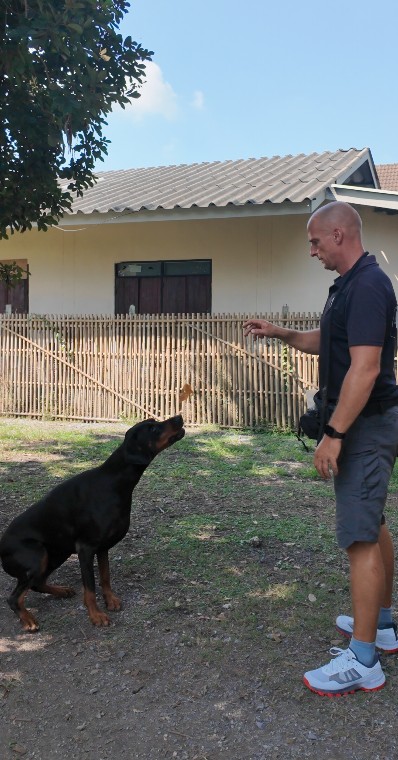

Awareness guides the pace. Reading subtle stress signals keeps learning below threshold. Progress measured in breaths, not leaps, creates lasting resilience.
Environmental and Contextual Factors
The Role of Predictability and Handler Communication
Environmental predictability and handler body language are critical for fear recovery and promoting approach behavior. Your dog constantly reads both the physical environment and your emotional state, using these inputs to determine whether a situation is safe.
Creating Predictable Training Environments:
- Consistent Location: Start desensitization work in familiar, comfortable spaces
- Controlled Variables: Minimize unexpected sounds, sights, or interruptions
- Scheduled Sessions: Train at similar times when your dog is typically calm
- Clear Start and End: Use specific cues to signal when training begins and ends
- Gradual Complexity: Add environmental variables slowly and deliberately
A treatment plan for dogs with impaired social functioning emphasizes increasing owner knowledge and awareness regarding dog body language and perception of owner actions, alongside managing the dog’s daily life through general stress reduction and avoidance of stressful situations. This suggests that a predictable, low-stress environment, combined with a handler who communicates calmness and understanding, can significantly aid a dog’s emotional recovery and encourage positive interactions.
Your Body Language Matters:
- Breathing: Slow, deep breaths signal calm to your dog
- Posture: Relaxed shoulders and soft movements feel safer than rigid tension
- Eye Contact: Soft eyes and indirect gazes reduce pressure
- Movement: Smooth, predictable actions rather than sudden jerks
- Voice: Calm, steady tones regardless of your dog’s reaction
- Spatial Pressure: Giving your dog space rather than crowding them
Safety training, which aims to create a sense of control over environmental stressors, also highlights the importance of a predictable and manageable environment. When your dog can predict what happens next, their nervous system relaxes, opening the window for learning and emotional growth.
Understanding Sensory Modalities and Triggers
Different dogs show varying levels of resistance to desensitization depending on the sensory modality involved. While research doesn’t definitively rank which senses are hardest to desensitize, clinical experience and treatment studies offer valuable insights.
Common Sensory Triggers:
- Auditory: Thunder, fireworks, doorbells, traffic noise, loud voices
- Visual: Fast-moving objects, unfamiliar people, other dogs, novel environments
- Tactile: Handling, grooming, veterinary examination, certain surfaces
- Olfactory: Specific scents associated with past trauma or medical procedures
- Motion: Car rides, elevators, moving crowds
Treatments for firework fears often involve addressing auditory stimuli using noise CDs, indicating that sound can be a particularly significant and persistent trigger for many dogs. The startle response to sudden, loud noises is deeply hardwired, making auditory desensitization sometimes more challenging than visual work.
Sensory-Specific Strategies:
- For Sound: Use recorded versions at controllable volumes, start at barely audible levels
- For Visual: Work at distances where the visual appears small, use barriers to partially block sight lines
- For Touch: Break handling into tiny components, pair each touch with rewards
- For Movement: Use slower versions (videos, distant observations) before live exposure
- For Scent: Introduce diluted versions or use barriers to control intensity
The general principles of desensitization apply across modalities, but resistance often depends more on the individual dog’s history and the intensity of the specific sensory trigger rather than the modality itself. Your fearful rescue might handle visual triggers well but struggle with sounds, while another dog shows the opposite pattern.
The Promise of Multisensory Integration
Multisensory integration training holds significant promise for improving generalization and long-term stability in desensitization. Research on multisensory virtual reality reminiscence therapy for older adults, which combined visual, auditory, tactile, and olfactory elements, resulted in better performance in task judgment and memory retrieval. This suggests that engaging multiple senses can enhance cognitive and emotional processing.
Why Multisensory Training Works:
- Richer Memory Formation: Multiple sensory inputs create stronger, more detailed memories
- Better Generalization: Dogs learn to recognize the trigger across varied contexts
- Comprehensive Association: The positive pairing becomes linked to all aspects of the experience
- Real-World Preparation: Most triggers involve multiple senses simultaneously
- Deeper Integration: Multisensory learning engages more brain regions
Furthermore, multisensory associative-pair learning involves unitization, where multisensory attributes are integrated into a single object or identity, indicating a specialized form of associative learning. Applying this to desensitization, training that integrates various sensory inputs associated with a fear trigger could create a more robust and generalized positive association, leading to more stable long-term behavioral changes.
Implementing Multisensory Desensitization:
- For stranger fear: Combine visual (person at distance), auditory (person talking softly), olfactory (person’s scent on cloth), and eventual tactile (gentle touch)
- For veterinary fear: Pair the smell of the clinic, sound of equipment, sight of the examination table, and feel of handling
- For car anxiety: Include the sound of the engine, sight of the vehicle, smell of the interior, and sensation of movement
This integrated approach mirrors how your dog experiences the world naturally, making the learning more relevant and transferable to real-life situations.
🧠 The 8-Phase Desensitization Journey 🐾
A step-by-step guide to transforming fear into confidence through systematic emotional regulation
Phase 1: Assessment & Baseline
Understanding Your Dog’s Current State
The amygdala processes fear triggers while the prefrontal cortex attempts regulation. In fearful dogs, the amygdala shows hyperactivity while prefrontal control remains weak. Assessment reveals this baseline imbalance.
• Distance at which your dog notices triggers
• Early warning signals (lip licking, yawning, head turns)
• Threshold distance where stress appears
• Recovery time after arousal
Document your baseline with video recordings. Measure exact distances and durations. Identify your dog’s stress signals. This creates your roadmap for progress tracking.
Phase 2: Creating Emotional Safety
Establishing the NeuroBond Foundation
Before exposure work begins, the nervous system needs stability. Co-regulation between handler and dog activates parasympathetic dominance, creating the neurobiological foundation for learning.
• Practice relaxation protocols (mat training, settle cues)
• Establish predictable routines
• Create safe spaces for self-regulation
• Develop your calm, regulated presence through the NeuroBond approach
Your emotional state directly influences your dog’s nervous system. Slow breathing, relaxed posture, and confident energy signal safety. This co-regulation is the Invisible Leash that guides without force.
Phase 3: Sub-Threshold Introduction
First Contact Below Fear Threshold
Exposure at sub-threshold intensity allows the prefrontal cortex to remain online and begin modulating amygdala responses. The dog notices the trigger but sympathetic activation stays minimal.
Begin at distances or intensities that seem “too easy.” For sound: barely audible volumes. For visual: 50+ feet away. Your dog should notice but remain completely relaxed, still accepting treats.
Never force proximity or intensity. Flooding (overwhelming exposure) can intensify pre-existing fear memories and cause regression. If your dog refuses treats or shows stress signals, you’re too close.
Phase 4: Counterconditioning Pairing
Creating Positive Emotional Associations
Pairing the trigger with high-value rewards creates new neural pathways. The amygdala begins associating the trigger with positive outcomes rather than threat, shown to be 70% effective in studies on noise phobia.
• Trigger appears → immediately deliver high-value treats
• Continue treating while trigger is present
• Stop when trigger disappears
• Perfect timing creates the strongest association
Use your dog’s absolute favorites: real chicken, cheese, hot dogs. Regular treats won’t create strong enough emotional shifts. The reward must be extraordinary to rewire the emotional response.
Phase 5: Gradual Intensity Increase
Building Tolerance Through Systematic Progression
Repeated sub-threshold exposures strengthen prefrontal cortex regulation while reducing amygdala hyperactivity. Research shows increased parasympathetic activity and decreased sympathetic response with proper pacing.
• Increase intensity only when dog shows 3-5 relaxed sessions
• Change ONE variable at a time (distance OR duration OR intensity)
• Progress in 10% increments
• If stress appears, return to previous level
Progress may take weeks or months. A dog might need 20 sessions at one distance before moving closer. This isn’t slow, it’s thorough. Rushing creates regression. Patience creates lasting change.
Phase 6: Multisensory Integration
Expanding Across Contexts and Modalities
Multisensory learning creates “unitization” where visual, auditory, and olfactory elements integrate into comprehensive memory. This produces stronger generalization and longer-lasting behavioral change.
• Practice in multiple locations
• Vary trigger characteristics (different people, dogs, objects)
• Change environmental conditions (time of day, weather)
• Combine sensory elements (sight + sound + movement)
Training environments are controlled. Real life is messy. Gradually introduce unpredictability while maintaining success. Brief, managed real-world exposures bridge training to daily life.
Phase 7: Confidence Building & Self-Efficacy
Developing Canine Courage
Safety training creates a sense of control over environmental stressors, teaching prosocial coping responses. This fosters what researchers call canine “self-efficacy” or courage that extends beyond specific triggers.
• Allow choice in approach (never force interaction)
• Teach “safety cues” for self-regulation
• Celebrate voluntary engagement
• Build success history through achievable challenges
Watch for those profound moments when your dog looks to you in uncertainty and finds reassurance. These Soul Recall instances reveal how emotional memory transforms through trust and positive experience.
Phase 8: Maintenance & Lifelong Support
Preserving Progress Through Continued Practice
Neural pathways require ongoing reinforcement to remain strong. Occasional maintenance sessions prevent gradual erosion of progress and keep positive associations active in long-term memory.
• Monthly “check-in” sessions with triggers at easy levels
• Continue pairing triggers with positive experiences
• Monitor for regression signs
• Adjust if life changes increase baseline stress
Keep records of threshold distances, intensity levels, and your dog’s responses. Celebrate how far you’ve come: a dog who once panicked at 50 feet now walks calmly at 5 feet. That’s transformation.
🔬 Desensitization Across Different Contexts
Timeline: 3-6 months
Success Rate: 70% with counterconditioning
Key Challenge: Unpredictability of real events
Best Tool: Recorded sounds at controlled volumes
Timeline: 2-8 months
Success Rate: High with gradual approach
Key Challenge: Generalizing across different people
Best Tool: Controlled helper introductions
Timeline: 3-12 months
Success Rate: Very high with consistency
Key Challenge: Managing real-world encounters
Best Tool: Distance work with high-value rewards
Timeline: 4-12 months
Success Rate: Moderate to high
Key Challenge: Attachment complexity
Best Tool: Micro-absences building confidence
Timeline: 1-3 months
Success Rate: Highest (neuroplasticity)
Key Challenge: Preventing sensitization
Best Tool: Positive exposure during critical periods
Timeline: 4-18 months
Success Rate: Good with patience
Key Challenge: Deeply ingrained patterns
Best Tool: Slower pacing, pain management
3 sessions: Successful repetitions needed at each level before advancing
1 variable: Change only ONE thing at a time (distance OR intensity OR duration)
Fear Scale Rule: Keep your dog between 0-3 on a scale of 0-10. If they reach 4+, you’re too close or too intense.
Practical Applications: Addressing Specific Behavioral Challenges
Noise Phobia and Sound Sensitivity
Noise phobia, particularly fear of fireworks and thunderstorms, affects countless dogs and can severely impact their quality of life. Desensitization offers a structured path to helping your sound-sensitive dog find peace.
Desensitization Protocol for Noise Phobia:
- Obtain Quality Recordings: Use recordings of the specific sounds your dog fears
- Start Below Threshold: Play at volumes so low you can barely hear them
- Pair with Positives: Every sound occurrence = high-value treats or play
- Gradual Volume Increase: Raise volume only when your dog shows complete relaxation
- Vary Context: Practice in different rooms and at different times
- Real-World Preparation: As progress allows, move toward sounds from outdoor speakers
For firework fears, counterconditioning has shown over 70% effectiveness, while relaxation training proved successful in 69% of cases. This suggests combining your desensitization work with specific relaxation protocols can significantly enhance outcomes.
Supporting Your Sound-Sensitive Dog:
- Create a safe den area with sound dampening where they can retreat
- Use white noise machines to mask triggering sounds
- Maintain calm energy yourself during noise events
- Consider calming supplements or medication in consultation with your veterinarian
- Never force your dog to confront overwhelming noise
- Practice relaxation exercises separate from exposure work
The multimodal approach combining environmental management, gradual exposure, positive associations, and possibly medication support offers the most comprehensive path for dogs with significant noise phobia.
Separation Anxiety and Departure Distress
Separation anxiety involves intense distress when left alone, and desensitization requires careful attention to your dog’s emotional state. This behavioral challenge benefits enormously from the NeuroBond framework, as it fundamentally involves the dog’s sense of security and attachment.
Desensitization Steps for Separation Anxiety:
- Pre-Departure Cues: Desensitize to cues like picking up keys or putting on shoes
- Micro-Absences: Step outside for 5 seconds, return before distress appears
- Gradual Duration Increase: Slowly extend time, adding only seconds at first
- Vary Departure Patterns: Mix up routines so your dog can’t predict exact absence length
- Create Positive Alone Time: Pair your absence with special treats or puzzle toys
- Independence Training: Practice having your dog in separate rooms while you’re home
Critical Considerations:
- Never punish anxiety-related behaviors like destructiveness or vocalization
- Ensure your dog’s physical and mental stimulation needs are met
- Consider whether true separation anxiety exists versus boredom or lack of training
- Work with a veterinary behaviorist if distress is severe
- Medication may be necessary to reduce anxiety enough for learning to occur
- Progress may be slower than with other fears due to attachment complexity
Dogs with attachment challenges need you to build their confidence that departures don’t mean abandonment, and returns are guaranteed. Each successful absence below their threshold builds this trust gradually. Through the Invisible Leash of emotional connection, your dog learns that your bond persists even when you’re physically absent.
Leash Reactivity and Environmental Fears
Leash reactivity, whether directed at people, dogs, or environmental triggers like bicycles or skateboards, responds well to systematic desensitization when properly executed. The constraint of the leash often intensifies a dog’s fear response, as they lack their natural flee option.
Desensitization Protocol for Leash Reactivity:
- Identify Threshold Distance: Determine how far away triggers can be while your dog stays calm
- Position Strategically: Practice in locations where you control the distance to triggers
- Work Below Threshold: Keep all triggers beyond your dog’s reaction distance
- Create Positive Associations: Trigger appears = treats and praise flow freely
- Gradual Distance Decrease: Move closer only when your dog shows consistent calmness
- Practice Alternative Behaviors: Teach “watch me” or “touch” as incompatible behaviors
Common Mistakes to Avoid:
- Working too close to triggers and repeatedly triggering reactive displays
- Using punishment or corrections, which increase fear and arousal
- Inconsistent management allowing surprise encounters
- Expecting too much progress too quickly
- Forgetting to reward calm observation of triggers
- Neglecting your own emotional state and tension on the leash
A constructional fear treatment approach that allowed dogs to make choices about approaching people resulted in increased positive behaviors. This same principle applies to leash work: giving your dog choice and control within the training context builds confidence and reduces reactivity.
Environmental fears, such as the service dog’s fear of shiny floors and elevators, benefit from the same gradual approach. The multimodal treatment combining desensitization and counterconditioning protocols targeting specific triggers proved effective, showing that breaking environmental fears into manageable components allows systematic progress.
Welfare-Focused Desensitization: Prioritizing Emotional Regulation
Why Emotional State Comes First
Welfare-focused desensitization should always prioritize emotional regulation over obedience milestones or exposure achievements. The emphasis on maintaining a relaxed state during desensitization and the success of relaxation training in fear reduction underscore the importance of your dog’s emotional state throughout the process.
Principles of Welfare-Focused Work:
- Emotional Comfort as Primary Goal: Success means your dog feels better, not just behaves differently
- No Force or Flooding: Never force exposure or overwhelm your dog with the trigger
- Respect for Individual Pace: Some dogs need weeks where others need months
- Quality of Life Focus: Ensure training enhances rather than diminishes daily wellbeing
- Body Language Over Compliance: What your dog feels matters more than what they do
- Voluntary Participation: Your dog should choose to engage in the process
A treatment plan for dogs with impaired social functioning highlights general stress reduction and avoidance of stressful situations as key components. This suggests that ensuring your dog’s emotional comfort and stability is paramount, as it creates a foundation for effective learning and prevents further traumatization.
Building Emotional Regulation Skills:
- Teach relaxation protocols like “settle” or “place” independent of triggers
- Practice calm behaviors in everyday situations
- Use mat training or crate games to create predictable calm spaces
- Incorporate massage or TTouch techniques to support nervous system regulation
- Ensure adequate rest and sleep for emotional recovery
- Monitor overall stress load and reduce unnecessary stressors
Prioritizing emotional regulation aligns with the goal of creating a sense of control and self-efficacy in dogs. When your dog learns they can influence their emotional state and environmental outcomes, they develop true resilience that extends far beyond the specific fear you’re addressing.
Integrating Co-Regulation and the NeuroBond Framework
Integrating co-regulation, as proposed by the NeuroBond framework, can significantly enhance the safety and success of desensitization programs. The NeuroBond Framework recognizes that emotional synchrony between dog and human fosters neurobiological safety and stabilizes learning.
Understanding Co-Regulation: Co-regulation occurs when one individual’s regulated nervous system helps another’s dysregulated nervous system return to balance. In the human-dog relationship, your calm, regulated state provides a template that helps your dog’s nervous system find equilibrium.
Practical Co-Regulation Strategies:
- Breathe Consciously: Your slow, deep breathing patterns influence your dog’s physiology
- Maintain Your Calm: Your regulated state offers an anchor during challenging moments
- Physical Proximity: Your presence as a secure base provides emotional safety
- Predictable Responses: Consistency in your behavior helps your dog feel safe
- Attuned Awareness: Notice and respond to subtle changes in your dog’s emotional state
- Shared Activities: Engaging in enjoyable activities together builds connection and trust
This is supported by Polyvagal Theory, which suggests that safe, calm co-regulation allows the nervous system to remain within the social engagement window. Practical applications include increasing owner knowledge and awareness of dog body language, managing daily life to reduce stress, and engaging in enjoyable activities with the dog.
A calm, predictable handler and a secure environment contribute to the dog’s sense of safety, which is crucial for the nervous system to shift from a defensive state to one receptive to learning and emotional recovery. This human-animal bond, when leveraged through co-regulation, provides a powerful emotional buffer, making desensitization more effective and less stressful for the dog.
Through Soul Recall, those moments when your dog looks to you in uncertainty and finds reassurance in your steady presence, the depth of your relationship becomes the foundation for their healing. That balance between science and soul, between structured protocol and emotional attunement, that’s the essence of Zoeta Dogsoul.
Long-Term Success and Maintenance
Recognizing Progress and Celebrating Milestones
Progress in desensitization often unfolds so gradually that you might not notice the changes day to day. Keeping records helps you recognize genuine improvement and stay motivated during the slower phases of training.
Signs of Successful Desensitization:
- Your dog notices triggers at closer distances without reacting
- Recovery time after slight arousal decreases
- Intensity of fear responses diminishes
- Your dog voluntarily chooses to investigate previously avoided triggers
- Generalization occurs (calm with similar but not identical triggers)
- Baseline anxiety in everyday life reduces
- Your dog seeks comfort from you when uncertain rather than panicking
Tracking Your Progress:
- Keep a training journal noting distances, durations, and your dog’s responses
- Use video to capture sessions for objective review
- Note triggers that no longer cause reactions
- Record any setbacks along with possible contributing factors
- Celebrate small victories like taking a treat 5 feet closer than last week
- Track changes in everyday behavior beyond structured training
Remember that progress isn’t always linear. You may see rapid improvement, then a plateau, then another leap forward. This is completely normal and reflects how the brain consolidates learning. 🧡
Preventing Regression and Managing Setbacks
Even with excellent progress, setbacks can occur. A particularly intense trigger event, changes in routine, illness, or simply a bad day can temporarily reverse some gains. Understanding this as a normal part of the process helps you respond productively rather than becoming discouraged.
Common Causes of Regression:
- Exposure to trigger at overwhelming intensity (accidental flooding)
- Changes in household routine or environment
- Physical illness or pain affecting emotional regulation
- Accumulation of multiple stressors even if individually minor
- Moving too quickly through desensitization stages
- Inconsistent handling or multiple family members using different approaches
Responding to Setbacks:
- Return to an earlier stage where your dog felt comfortable
- Assess whether external stressors need addressing
- Rule out medical issues that might affect behavior
- Review your protocol for possible adjustments needed
- Maintain consistency in your own responses
- Be patient with the process and with yourself
Maintenance Training: Even after successful desensitization, occasional maintenance sessions help preserve gains. Periodically reintroduce the trigger at easy levels, pairing with positive experiences. This prevents gradual erosion of progress and reinforces the new emotional associations your dog has learned.
Think of it like physical fitness: once you’re in shape, you still need regular exercise to maintain that condition. Your dog’s emotional fitness works similarly.
Generalization and Real-World Application
One challenge in desensitization work is ensuring that progress in controlled training environments transfers to unpredictable real-world situations. Generalization doesn’t happen automatically; it requires deliberate practice across varied contexts.
Promoting Generalization:
- Vary Training Locations: Practice in multiple environments, not just one familiar space
- Change Trigger Characteristics: If working with people, vary age, gender, clothing, movement patterns
- Alter Environmental Conditions: Train at different times of day, weather conditions, activity levels
- Introduce Novelty Gradually: Add new but related challenges as confidence builds
- Practice in Low-Stress Real Situations: Brief, managed real-world exposures bridge training and life
- Maintain Criteria: Continue pairing triggers with positive outcomes even after “graduation”
Real-World Preparation:
- Plan routes for walks that allow distance adjustment from triggers
- Identify “escape routes” if unexpected intense triggers appear
- Carry high-value rewards at all times
- Communicate with family members about protocol consistency
- Set realistic expectations about challenging situations
- Know when to retreat rather than push through
The multisensory integration training discussed earlier naturally promotes better generalization, as your dog learns to recognize the trigger across varied sensory presentations. This comprehensive learning creates more robust behavioral changes that persist across contexts.
Conclusion: Building Courage Through Compassion
Desensitization represents far more than a training technique. It’s a compassionate journey of helping your dog rewrite their emotional story about the world. Through systematic, patient exposure paired with emotional safety and positive associations, you help your dog’s nervous system discover that previously terrifying triggers can become neutral or even positive experiences.
The science reveals that successful desensitization creates measurable changes in autonomic nervous system balance, shifting from sympathetic dominance toward parasympathetic calm. Your dog’s brain literally rewires, with the prefrontal cortex gaining stronger regulatory control over the amygdala’s alarm responses. These aren’t just behavioral changes on the surface, they’re profound neurological transformations that enhance your dog’s overall wellbeing.
Key Takeaways for Your Desensitization Journey
Remember These Core Principles:
- Start below threshold: Your dog should remain relaxed throughout every session
- Progress gradually: Small, consistent steps create lasting change
- Pair with positives: Counterconditioning accelerates and strengthens the process
- Prioritize emotional state: How your dog feels matters more than what they do
- Be your dog’s safe haven: Your calm presence provides neurobiological safety
- Honor individual differences: Your dog’s history and temperament guide the pace
- Track progress objectively: Records reveal improvement you might otherwise miss
- Expect non-linear progress: Plateaus and occasional setbacks are normal
Your Role as Co-Regulator: You are not simply a trainer implementing a protocol. You are your dog’s emotional anchor, their guide through uncertain territory, their source of safety when the world feels threatening. Through the NeuroBond approach, your emotional synchrony with your dog creates the foundation for all learning and healing. Your regulated nervous system helps regulate theirs. Your calm confidence teaches them that challenges can be navigated successfully.
The Invisible Leash of your emotional connection guides your dog more powerfully than any physical restraint ever could. When you maintain awareness, patience, and compassion, you’re not controlling your dog, you’re showing them a path toward courage and resilience.
When to Seek Professional Support
While many fear-based behaviors respond well to dedicated owner-led desensitization, some situations benefit from or require professional guidance. Consider consulting with a certified veterinary behaviorist, certified applied animal behaviorist, or certified professional dog trainer specializing in fear and anxiety if:
Professional Help Indicators:
- Your dog’s fear involves aggression that poses safety risks
- Multiple desensitization attempts have failed to produce progress
- The fear is severe enough to significantly impair quality of life
- You feel overwhelmed or unsure how to proceed safely
- Your dog shows signs of generalized anxiety disorder
- Medication evaluation might support the training process
- The behavioral issue emerged suddenly without clear cause
- You need help distinguishing between fear, pain, or medical issues
There’s no shame in seeking expert guidance. In fact, recognizing when professional support would serve your dog best demonstrates wisdom and commitment to their welfare. A skilled professional can assess subtle factors you might miss, design protocols tailored to your specific situation, and provide the emotional support you need to stay consistent through challenging phases. 🐾
The Broader Impact on Your Dog’s Life
As you progress through desensitization work, you’ll likely notice benefits extending far beyond the specific fear you’re addressing. Dogs who learn they can influence their emotional state and successfully navigate challenges often show:
Positive Ripple Effects:
- Increased confidence in novel situations
- Better emotional regulation across contexts
- Stronger bond and trust with you
- Enhanced problem-solving abilities
- Reduced baseline anxiety in daily life
- Greater resilience when facing new challenges
- Improved social interactions with people and dogs
- Higher quality of life and more enjoyment of activities
These broader improvements reflect the development of what researchers call self-efficacy or courage in dogs. Through repeated experiences of facing manageable challenges and succeeding, your dog builds genuine confidence that they carry into all areas of life. This is the gift of thoughtful, welfare-focused desensitization.
Moving Forward with Hope and Patience
Fear-based behaviors can feel overwhelming, especially when they limit your dog’s ability to enjoy walks, social interactions, or simply relaxing in your home. But thousands of dogs have successfully overcome significant fears through dedicated desensitization work. Your dog can be one of them.
The journey requires patience, consistency, and compassion, but the destination, a dog who moves through the world with greater confidence and joy, makes every careful step worthwhile. You’re not erasing your dog’s past or expecting them to become fearless. You’re simply expanding their comfort zone, one small success at a time, until the world feels less threatening and more manageable.
As You Begin:
- Trust the process even when progress seems slow
- Celebrate every small victory along the way
- Be gentle with yourself when sessions don’t go as planned
- Remember that your dog is learning emotional regulation, not obedience
- Stay connected to the relationship that motivates this work
- Believe in your dog’s capacity for change and growth
Through moments of Soul Recall, when your dog looks to you in uncertainty and finds your steady presence reassuring, you witness the profound power of the bond you share. That connection, built on trust and emotional attunement, becomes the foundation not just for overcoming fear, but for a richer, more joyful life together.
This is the heart of desensitization work: helping your dog discover that with you beside them, they have the courage to face what once seemed impossible. That balance between scientific rigor and emotional wisdom, between structured protocol and intuitive understanding, creates transformation that touches both your lives. That’s the essence of Zoeta Dogsoul.
Next Steps: Creating Your Personalized Plan
Ready to begin? Start by identifying the specific fear or reactivity you want to address. Observe your dog carefully to understand their threshold, the precise distance or intensity at which they notice the trigger but remain calm. Gather high-value rewards, secure a suitable training environment, and commit to short, frequent sessions that keep your dog in their comfort zone.
Document your baseline: how close can your dog get to the trigger now? What signs of stress do they show? What distance allows them to remain completely relaxed? This information guides your starting point and helps you track the progress that will unfold.
Remember, you’re not alone in this journey. Countless dog guardians walk this same path, learning to read subtle body language, celebrating incremental progress, and discovering the deep satisfaction of helping their beloved companion find peace. Your dedication to understanding the science, honoring your dog’s emotions, and proceeding with patient compassion sets the stage for meaningful, lasting change.
Your fearful dog is already showing you their courage by trusting you to guide them through this process. Now it’s your turn to show them that their trust is well-placed, that together, you can transform fear into confidence, one gentle step at a time. 🐾
May your journey together be filled with small victories, growing confidence, and the deep joy of watching your dog discover their own resilience. The path of desensitization is not always easy, but the destination, a happier, more confident companion, is absolutely worth every mindful, compassionate step.










