
Evolution of Barking: How Domestication Shaped Dog Vocal Communication
Research suggests domestication transformed dog barking into a flexible communication tool, far beyond its ancestral wolf origins.

 Dogsoul
Research suggests domestication transformed dog barking into a flexible communication tool, far beyond its ancestral wolf origins.
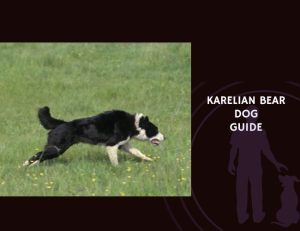
Did you know that in Japan, a small team of Karelian Bear Dogs reduced dangerous bear encounters from 255 incidents to just 4 in eleven years?

Research challenges domestication-only views, suggesting wolves’ innate social tolerance and cooperation laid the groundwork for dog–human bonds.

Dogs’ welfare depends on empathic human leadership, rooted in a shared social toolbox that evolved between wolves, dogs, and humans.

Born from necessity and refined through generations of selective breeding, these remarkable hounds carry a legacy of independence, intelligence, and unwavering loyalty.
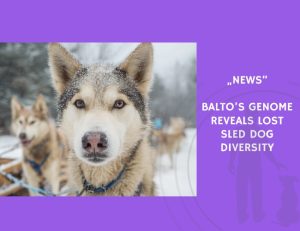
Genomic analysis of Balto, the famed sled dog of 1925, reveals lost genetic diversity and adaptations that helped his population thrive in Arctic conditions.

Research reveals that eye contact in dogs varies by breed group, with ancient breeds showing weaker human-directed gaze than modern breeds.

This remarkable breed represents the culmination of Soviet military scientists combining 17 different breeds to create the ultimate working companion.
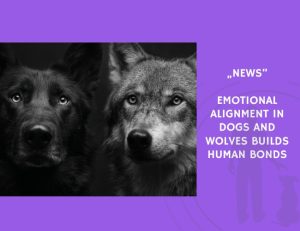
Research highlights how dogs and wolves use rapid mimicry and yawn contagion to socially align, providing the foundation for emotional bonds with humans.

Research comparing wolves and domestic dogs revealed anatomical differences in facial musculature, giving dogs greater potential for expressive movement.

Research comparing dogs and wolves revealed that dogs’ darker irises are linked to perceptions of friendliness and may have evolved through domestication.
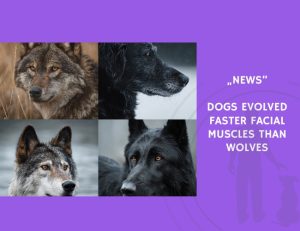
Research comparing dogs and wolves revealed that domestication led to faster-contracting facial muscles in dogs, supporting rapid expression and communication.
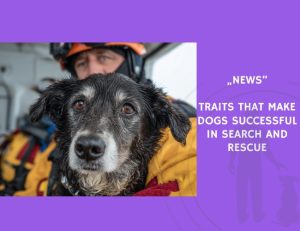
A 2004 review outlined the history of search-and-rescue dogs and identified temperament, drive, and scent-reliance as key traits for successful candidates.
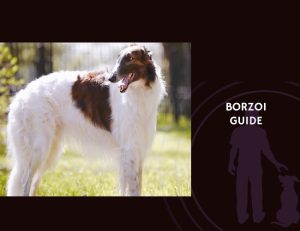
Once known as the Russian Wolfhound until 1936, these magnificent sighthounds carry centuries of selective breeding in their graceful silhouette and aristocratic bearing.
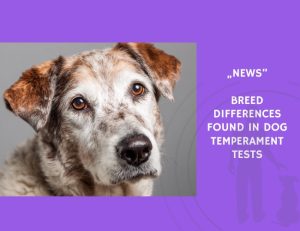
A temperament study revealed that toy-group Griffons outperformed working and herding breeds in the ATT, reflecting distinct breed-based behavioral traits.

Research comparing dog breeds revealed that working dogs like shepherds and huskies are more skilled at using human gestural cues than non-working breeds.

To attend to why dogs sniff rear ends, it is essential to recognize their sense of scent and their communication strategies.

When you first meet a deaf dog, you might notice something extraordinary—their eyes.

A 2015 study showed that dogs’ tendencies to seek human eye contact and interaction have a genetic basis, though age and experience also shape behavior.

A 2009 study found that cooperative-worker breeds and brachycephalic dogs outperformed others in using human pointing cues, revealing genetic influences on cognition.
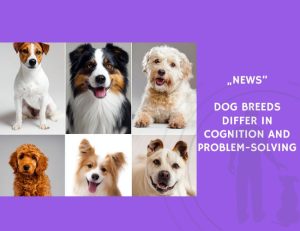
Research shows that dog breeds vary in social cognition, inhibitory control, and problem-solving skills, reflecting effects of selective breeding.

A 2023 review found that dog ownership increases maternal and fetal microbial diversity, improving immune health and reducing risks of allergic disease and preterm birth.

A 2021 study found that puppy training before six months lowered the odds of aggression, compulsive behavior, destructive acts, and excessive barking.

A 2019 survey revealed that most pet dogs in Japan displayed behavioral issues, with barking and pica among the most frequent, influenced by breed and household factors.
A study of 1,923 cases at a U.S. veterinary behavior clinic revealed aggression as the most common issue, with shelter adoptions and breed trends shaping caseloads.

The couch cushions are shredded, there’s an accident by the door despite perfect house-training, and your neighbors mention they heard howling all afternoon.

A 2015 review found that puppies exposed early to varied social experiences develop into better-adjusted adults with fewer behavioral problems.

A 2020 study found that neutering age influences risks of joint disorders and cancers across 35 dog breeds, with major differences between large and small breeds.
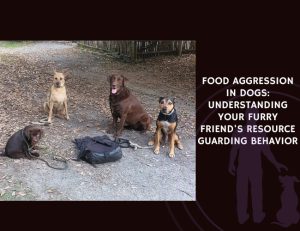
Food aggression, a form of resource guarding deeply rooted in canine evolution, affects countless households worldwide.

A 2020 study found that early neutering raises joint disorder risks in mixed-breed dogs over 20 kg, while smaller dogs show no significant effects.

A 2024 study found that early neutering affects health outcomes differently across large dog breeds, with risks of joint disorders and cancers varying by breed and sex.
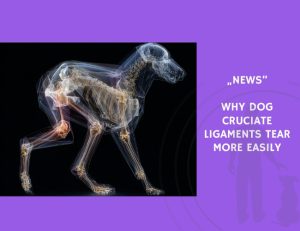
A 2006 study found that canine cranial cruciate ligaments contain smaller collagen fibrils and more chondroitin sulfate, reducing tensile strength and stability.
A review highlights how cranial cruciate ligament disease in dogs stems from abnormal biomechanics and biology, causing joint failure and impaired mobility.

A dog’s appetite serves as one of the most reliable indicators of their overall well-being, and any sudden change can signal that something needs your attention.
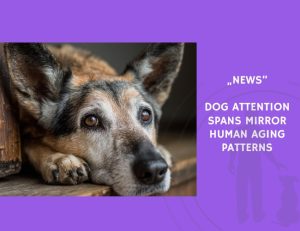
A study in Frontiers in Psychology shows that dogs’ attentiveness shifts across their lifespan, with middle age marking peak focus and parallels to human aging.

Compulsive behaviors in dogs mirror aspects of obsessive-compulsive disorder in humans, affecting not just their daily routines but their entire quality of life.
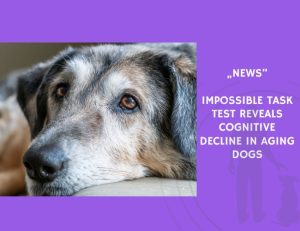
A study in Frontiers in Veterinary Science shows that aging dogs with cognitive impairment disengage faster from an impossible task, highlighting its use as a dementia test.

A review in Animal Welfare explores shifting dog breeding trends, highlighting the need for reforms that balance health, welfare, and breed predictability.

Zoeta Dogsoul’s “training is bonding” philosophy is transforming global dog training by replacing outdated dominance-based approaches with neuroscience-backed methods focused on connection, emotional resonance, and interspecies communication.
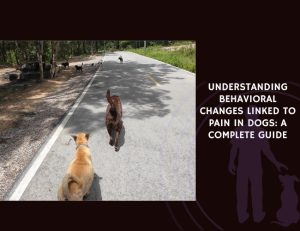
Did you know that dogs are masters at hiding their pain? This evolutionary trait, inherited from their wild ancestors who needed to appear strong to survive!

Using awake fMRI, researchers discovered that dogs process odor mixtures as entirely new scents, not just blends, with key roles for the amygdala and piriform cortex.

A study reveals that while protein needs are met, many homemade-style dog foods fall short on essential minerals and fatty acid ratios.

Did you know that nearly every dog in the developed world is struggling with at least one significant welfare challenge?

A study shows that fish-based diets enhance fatty acid profiles, reduce oxidative stress, and improve overall health in police dogs.

Research reveals domestic dogs regulate their diet to a stable protein, fat, and carbohydrate ratio, suggesting deep evolutionary influences.

New research evaluates protein quality in dog diets using amino acid digestibility scores, revealing ingredient differences and regulatory inconsistencies.
Have you ever wondered why your normally placid Labrador suddenly develops separation anxiety, or why your brilliant Border Collie seems to lose focus during training sessions that once came naturally?

Research challenges traditional views of dog aggression, suggesting that size, caretaker relationships, and culture are as important as genetics.
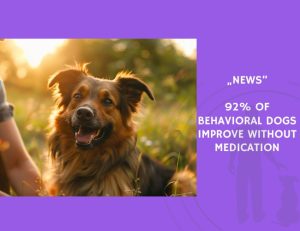
Groundbreaking data from Zoeta Dogsoul reveals that the vast majority of dogs with behavioural problems improve without medication, provided they receive 90–120 minutes of physical, mental, and emotional engagement daily.

A large-scale study challenges common perceptions of dog aggression, showing that mixed-breeds exhibit more aggression than so-called dangerous breeds.

Zoeta Dogsoul’s professional trainer programme in Chiang Mai is revolutionising global dog trainer education through immersive, emotionally intelligent, real-world training with street dogs, trauma cases, and high-drive breeds.
The traditional paradigm of dog training—built on commands, corrections, and control—is giving way to something far more sophisticated and meaningful.
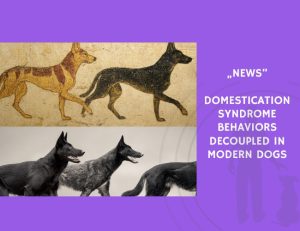
Researchers show that behavioral correlations tied to domestication are weaker in modern dog breeds than in ancient ones, reshaping our understanding of canine evolution.

Zoeta Dogsoul brings its NeuroBond-based dog training to major streaming platforms worldwide, highlighting trust over control and connection over correction.

Researchers reveal that human-driven selective breeding has significantly altered canine brain anatomy, shaping networks tied to behavioral specialization.

The Zoeta Dogsoul training app is transforming canine care across 175 countries with its NeuroBond method—focusing on connection over control.

In an era where artificial intelligence shapes how we access information, the gap between scattered dog training advice and truly scientific, accessible knowledge has never been wider.

Border collies use innate stalking postures while responding to shepherd whistles. Research highlights how acoustic structures shape effective interspecies teamwork.

A large-scale study published in Science reveals that breed is a poor predictor of dog behavior, with individual variation shaped by complex genetics and environment.
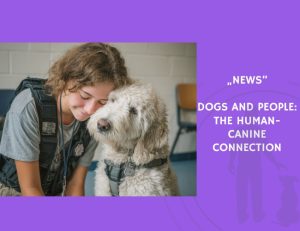
A 2020 ethnobiology study explores the human-canine bond, showing how selective breeding shaped dogs’ traits while affirming their agency as social beings.
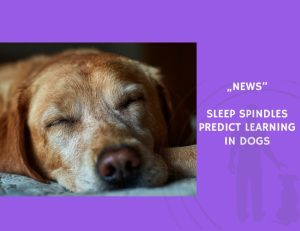
A 2017 study shows that sigma-range EEG transients in dogs during non-REM sleep support memory consolidation and mirror human-like patterns.
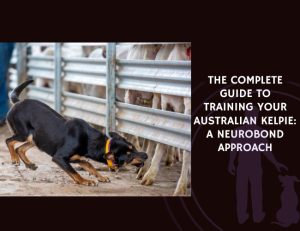
When you welcome an Australian Kelpie into your life, you’re not just bringing home a dog – you’re inviting a tireless worker with the heart of the outback and a mind that never stops calculating.

A 2017 study shows that dogs consolidate new learning during sleep, with EEG patterns predicting improved task performance.

In an age where we have unprecedented access to information about dog care, we’re paradoxically witnessing a crisis in canine welfare that’s hiding in plain sight.

A 2024 study reveals that cooperative dog breeds respond more effectively to human verbal communication than independent breeds.

A 2024 study reveals that cooperative dog breeds show greater human-directed gazing during unsolvable tasks than independent breeds.

A dog of remarkable intelligence who chooses when to demonstrate it, a devoted companion who maintains an aristocratic independence, and a gentle soul wrapped in the body of a tireless hunter.

A Ukrainian study outlines a scientifically grounded system for training service dogs and inspectors in explosives, weapons, and ammunition detection.

Did you know that archaeological evidence shows humans have been using sled dogs for over 9,000 years?

A review outlines the behavioral traits most critical for explosives detection dogs and emphasizes better selection methods to meet rising global demands.

A study of 283 shelter dogs found they reacted differently to male versus female strangers, but results do not call for changes to behavioral evaluations.

Research revealed that dogs and wolves responded more positively to friendly trainer voices, while reprehensive speech reduced cooperation and increased avoidance.

Research on Jindo dogs revealed that puppies socialized between 7 and 13 weeks displayed higher playful reactivity to novel stimuli than isolated pups.

When you first encounter a Norwegian Lundehund, you might notice something extraordinary about their paws – six fully functional toes 🙂

Research showed that dogs in unfamiliar spaces matched their location, movement, and activity timing with their owners, demonstrating interspecific synchrony.

Did you know that descriptions of white guardian dogs appear in ancient Roman texts by Columella, Varro, and Palladius? Your Maremma carries the genetic wisdom of centuries!

A large-scale survey showed most pet owners store food adequately, but gaps remain regarding temperature control and attitudes toward preservatives.

A young Weimaraner with hyperactivity and impulse-control issues improved through behavioral therapy, medical treatment, and careful management.

Italy’s treasured hunting companion whose roots stretch back over 2,500 years.

Reviewing canine and feline food allergies, researchers emphasized that elimination diets followed by test meals remain the most reliable diagnostic method.

Born from necessity in the harsh Australian landscape of the late 1800s, the Kelpie emerged when Scottish Collies met the demanding reality of managing massive sheep stations spanning thousands of acres.

Research found that probiotic supplementation in obese dogs reduced lipid accumulation, restored gut stability, and improved glucose and insulin tolerance.

A randomized, double-blind study showed that dogs receiving an indole-rich postbiotic had reduced itching, better skin quality, and greater gut diversity.

Research showed that fermentable dietary fibre lowered feeding motivation and activity in dogs, while tryptophan supplementation had no measurable effect.

Research comparing wolves and dogs found subtle context-specific arousal differences, with dogs showing greater relaxation near humans during rest.

A study found that intranasal oxytocin increased gazing behavior in Japanese dog breeds, enhancing bonding with owners through hormonal changes.

Did you know that your dog’s behavioral challenges might stem from something as simple as an inconsistent daily schedule?

Children completing a social stress test with their pet dogs reported greater positive emotions, highlighting dogs’ role in supporting child wellbeing.
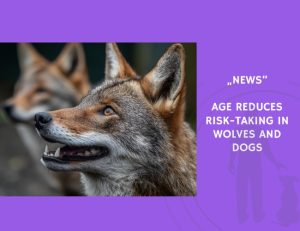
Research comparing equally raised wolves and dogs found that age, not species, shaped risk-taking, while a familiar human boosted food-seeking behavior.

Research reveals that nearly 80% of dogs show fearful behaviors during veterinary examinations, with many displaying signs of stress before even entering the building.

Dogs facing a threatening stranger had lower heart rate increases when accompanied by their owners, confirming a human analogue safe haven effect.

Every year, as seasons change and holidays approach, millions of dogs experience profound stress that can transform your normally confident companion into a trembling, anxious shadow of themselves.

A study found that shelter dogs experienced greater success and reduced stress when interactive games were introduced gradually rather than hastily.

Research shows that dogs’ heart activity during sleep is influenced by prior emotional experiences, with effects most pronounced in wake stages.

Motion sickness affects between 20% and 50% of our furry friends, turning what should be joyful adventures into stressful ordeals for both you and your pup.

Research revealed that women experienced reduced stress when accompanied by their dogs during challenging tasks, compared to being with a close friend.

A study found that domestic dogs showed more facial expressions, displacement behaviors, and avoidance when denied food in the presence of other dogs than humans.

A review of canine cortisol studies emphasizes non-invasive testing methods to improve accuracy and reduce stress, supporting better welfare standards.

A study found that dogs rescued from adverse early environments respond differently to social stress, showing altered cortisol patterns and behavioral traits.

Companion dogs represent something truly special in the animal kingdom – they’re the only species specifically evolved to read human emotions.
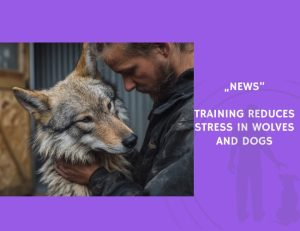
A comparative study found that familiar, structured training sessions reduced salivary cortisol levels in both dogs and human-socialised wolves.
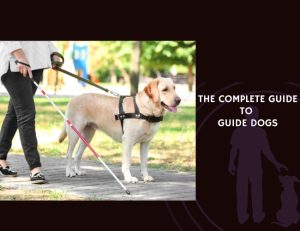
The bond between a guide dog and their handler transcends typical pet ownership, creating a working partnership built on mutual trust, communication, and an almost telepathic understanding.

A welfare study found that pair housing in kennelled dogs reduced some stress-related behaviors and lowered long-term cortisol measures.

Breeds that have evolved alongside humans for centuries, transforming from medieval hunting companions into today’s beloved family members and working partners.

A controlled study found that having a pet dog present reduced children’s self-reported stress during a lab stress task, highlighting socio-emotional benefits.

A behavioral study found that dogs rescued from poor early environments respond differently to social stress, showing altered cortisol patterns and fear behaviors.

A comparative study found that increased oxytocin release in dogs during owner contact is shaped by pet life experience rather than domestication alone.
A comparative study revealed that oxytocin levels in dogs and owners did not reliably increase after positive interactions, even with closely bonded partners.

Research comparing dogs and wolves shows that increased oxytocin during human interaction is linked to pet life experience rather than domestication history.

A veterinary study found that skin turgor measurement is a useful field method for detecting small hydration changes in working dogs after exercise.

Herding dogs represent one of humanity’s most remarkable achievements in selective breeding, creating partners that can think independently while maintaining deep bonds with their human companions.

A veterinary study showed salivary alpha-amylase levels closely match clinical pain scores in dogs, making it a promising non-invasive pain assessment tool.

When you watch a pointer freeze mid-stride in a meadow, you’re observing the result of thousands of years of co-evolution between humans and dogs.
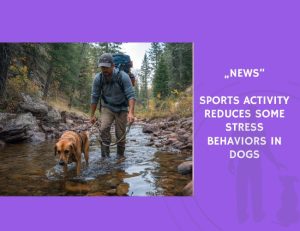
A behavioral survey found that dogs participating in sports, especially agility, displayed fewer stress indicators and reduced aggression toward other dogs.

A veterinary study found that serum cortisol levels measured via ECLIA do not reliably correspond with actual pain severity in dogs with locomotor issues.

In an age where you can instantly access expert advice about anything—from quantum physics to sourdough starters—we’re paradoxically witnessing an unprecedented crisis in canine welfare.

For over six thousand years, dogs have stood as sentinels between danger and those they protect.

Ogi et al. found that just five minutes of positive interaction with trainers significantly raised oxytocin in guide dogs without elevating stress hormones.

These elegant sighthounds, often called “living antiquities,” carry within their slender frames the stories of ancient civilizations, from the fertile valleys of Mesopotamia to the windswept deserts traveled by Bedouin nomads.

Packer et al. found that hair cortisol levels in Border Collies reflect both lifestyle and health, revealing complex chronic stress effects.

Awalt et al. reveal that early life adversity in dogs alters stress and bonding gene methylation, influencing attachment styles and HPA axis regulation.

Maxwell et al. show that hair cortisol levels in South Korean meat-farmed dogs are more than double those of pets, proving prolonged stress exposure.

Zakarevičiūtė et al. find that most Lithuanian dog owners are unaware of canine blood donation, with fear a key barrier to donor recruitment.

Herwijnen et al. identify nine ownership factors strongly associated with dogs confiscated after biting people or other animals.

Resource guarding touches nearly every dog owner’s life at some point, whether it’s a puppy protecting their first bone or a rescue dog carrying invisible scars from past scarcity.

Hitchcock et al. examined owner-reported cases of behavioral euthanasia, finding aggression toward household members and other dogs as primary factors.

Your dog’s jumping represents a constellation of motivations, with attention-seeking sitting at the very heart of the matter.

Bradshaw and Rooney reveal that domestic dog behavior is shaped by family-based wolf social structures, rendering the “alpha” concept obsolete.

Let us guide you through the complex world of canine nutrition and human food safety, where understanding the difference between a harmless treat and a potential emergency could save your dog’s life.

A study found English and French Bulldogs solved tasks less successfully but sought more human interaction than Mudi dogs, reflecting behavioural paedomorphism.

Brachycephalic dog breeds were found to have larger foreheads and eyes relative to face size, features linked to perceptions of cuteness.
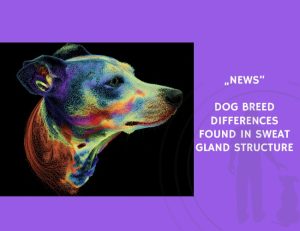
Histological analysis revealed that sweat gland number and size vary widely among dog breeds, affecting their ability to regulate body temperature.
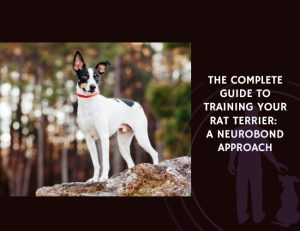
Originally bred to rid farms of vermin, these remarkable dogs bring that same tenacity, problem-solving ability, and independent spirit into your home.
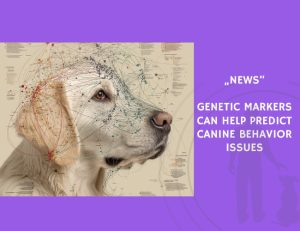
Genetic testing identified markers linked to canine behavioral diagnoses, with some loci predictive of traits like aggression, fear, and separation issues.

Every dog owner has experienced those moments when their beloved pet seems unable to settle, bouncing off walls with an energy that feels impossible to contain.
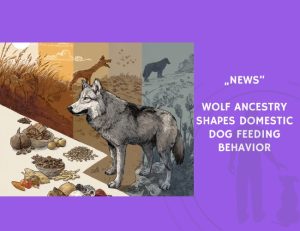
Review highlights how domestic dogs’ feeding behavior, dentition, and taste sensitivity are rooted in wolf ancestry, shaped further by domestication.

The moment you bring home that wiggling bundle of fur, you’re not just gaining a companion—you’re embarking on one of the most crucial periods in your dog’s entire life.

A rare case of dissociative syndrome in a dog was successfully treated with fluoxetine and aripiprazole, restoring normal behavior and quality of life.

When we think about car travel from your dog’s perspective, we’re looking at a complex sensory experience that can overwhelm their nervous system.

Enzyme supplementation in pulse-based vegan dog diets impacts stool moisture and gut metabolites without improving nutrient digestibility.

Have you ever wondered what it would be like to share your life with a dog that carries centuries of French heritage in their distinctive curly coat?

Research shows fish-based diets enhance lipid metabolism and reduce oxidative stress in police dogs under high physical demand.
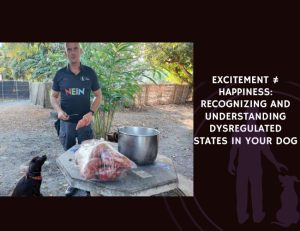
Understanding the crucial difference between genuine happiness and overwhelming excitement could transform your relationship with your dog and dramatically improve their quality of life.

Research shows that gut microbiota variations and serotonin levels in working dogs may serve as biomarkers for aggressive behavior.

A critical review finds only weak evidence that platelet-rich plasma injections reduce pain and lameness in dogs with osteoarthritis.

A multicenter study shows that fiber-supplemented diets quickly improve stool consistency and quality of life in dogs with chronic diarrhea.

Have you ever wondered why some dogs seem sharper, more focused, and better behaved than others?

A study finds chronic enteropathy in dogs negatively impacts their quality of life, behavior, and attachment with owners, improving after treatment.
Have you ever wondered why your usually calm companion suddenly develops anxiety, or why training sessions seem increasingly challenging despite your best efforts?

A 2024 study using the Animal Welfare Assessment Grid found that behavioral changes—such as increased fear, stress sensitivity, and reduced play—can be strong indicators of chronic pain in dogs, often appearing before physical symptoms like lameness.

The Tibetan Spaniel, a breed so revered that Buddhist monks believed these little sentinels could house the reincarnated souls of departed lamas.

A 2017 study of 72 puppies found that maternal care in the first three weeks shapes later social behaviors and coping strategies toward stress.

This invisible mental workspace shapes everything from your dog’s training success to their problem-solving abilities.
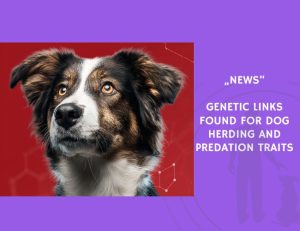
A 2021 genome-wide study in 130 dog breeds found neurological genes linked to herding, predation, temperament, and trainability traits.

These small but robust dogs (weighing just 12-18 pounds) combine fierce independence with unwavering loyalty, creating a unique personality that can surprise those expecting a typical lap dog.

A 2019 study found that shelter dogs spending more time awake but motionless may be exhibiting signs of boredom rather than clinical depression.

Frustration-induced aggression—a complex behavioral response that affects countless dogs and their families worldwide.

A PLoS ONE study of over 13,000 dogs in Lazio, Italy, identifies key factors influencing leishmaniasis infection rates.

A 2016 review explores how dogs have become key partners in assistance, emotional support, and therapy for people with disabilities.

A 2019 review details how herding and guarding dogs differ in behavior, with wolves’ return altering livestock reactions toward working dogs.

A comparative analysis of dog magazines from Japan and the UK shows cultural differences in how dogs are viewed—fashion accessories vs. valued companions.
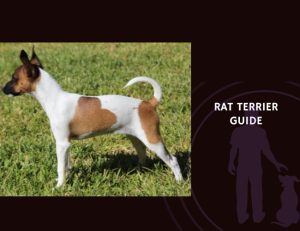
The 1920s, and across American farmlands, a small but mighty dog is earning its keep by protecting grain stores, hunting vermin, and warming the hearts of farming families. This is the Rat Terrier!

A 2021 study shows Australians view assistance dogs more positively than companion dogs, yet express growing concerns about canine welfare and ethics.

Research finds Mexican-Americans in Las Vegas display strong positive attitudes toward pet dogs, reflecting cultural shifts and attachment trends.

Imagine a dog so treasured that for over 2,000 years, they were considered sacred beings, never sold but only gifted as bearers of good fortune.

A study of Bangalore college students reveals how urban cultural shifts shape pet dog ownership, emotional connections, and gender-based attitudes toward dogs.

A 2020 review of psychiatric assistance dogs in Australia reveals how these dogs support people with mental illness, improving daily function and emotional wellbeing.

Understanding chronic stress isn’t just about recognizing when your dog is having a tough time. It’s about appreciating the intricate dance between their brain, hormones, and behavior.

A 2017 pilot study shows that individuals with multiple sclerosis walk significantly faster with service dog assistance, highlighting their value in mobility support.

Introduction: Your Dog’s Executive Brain at Work Have you ever
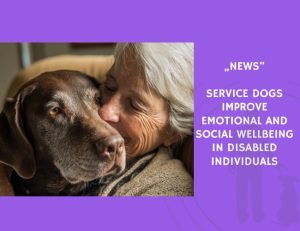
New evidence shows that service dogs significantly improve psychosocial wellbeing—especially emotional and social functioning—for individuals with disabilities.

New research shows that service dogs significantly enhance psychosocial health, especially emotional and social functioning, in people with physical disabilities.

Canada’s smallest retriever with perhaps the biggest personality.

A new analysis reveals that service dogs play a vital role in suicide prevention for Canadian Veterans with PTSD and substance use issues.

Let us guide you through this essential aspect of canine wellness, helping you understand how to support your companion’s health at the cellular level.
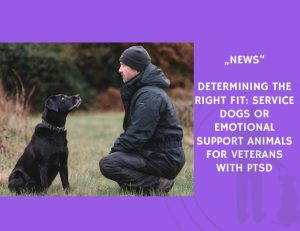
A 2021 study provides guidance to healthcare providers on determining whether a veteran with PTSD would benefit more from a service dog or an emotional support animal, based on functional needs and psychological factors.

Social buffering represents one of nature’s most elegant stress-management systems.

A pilot study found that training service dogs helped reduce stress and PTSD symptoms in veterans, offering a promising therapy adjunct.
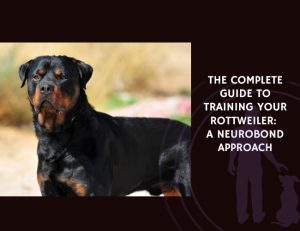
Beneath that impressive exterior lies a dog whose neural pathways are wired for deep bonding, complex problem-solving, and instinctive protection.

A structured Ukrainian program for training border guard dogs to detect explosives and weapons combines behavioral science with real-world readiness.
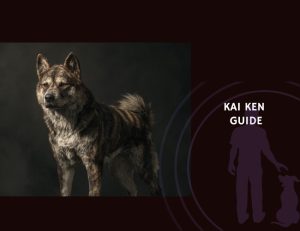
Hidden in the mountainous regions of Japan lives one of the world’s rarest and purest dog breeds – the Kai Ken.

Senior dogs showed measurable improvements in memory and communication after participating in Dognition®, a cognitive enhancement program.

While we often focus on nutrition, training, and exercise, hydration quietly orchestrates a symphony of physiological processes that directly influence how your furry friend thinks, feels, and behaves.
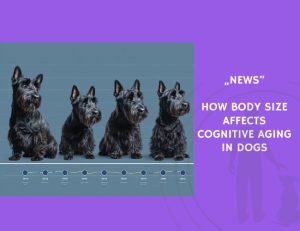
A new study shows that larger dogs experience earlier behavioral decline, but smaller dogs face higher risk of canine cognitive dysfunction.

While we humans rely heavily on vision, dogs experience reality through a rich tapestry of interconnected senses.
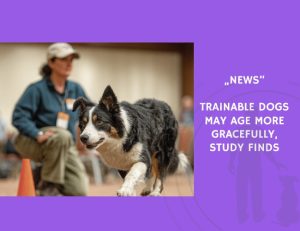
A study finds that aging dogs who are more trainable may experience slower biological aging, shedding light on how cognitive traits shape canine health.

A new study reveals that many dog owners turn to oils, vitamins, and other supplements to manage age-related behavioral changes in dogs with dementia.
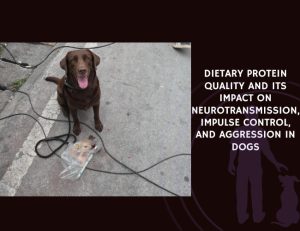
Today, let us guide you through the fascinating world of dietary protein quality and its profound impact on your dog’s mood, impulse control, and overall behavior.

A new study suggests that integrative nutritional therapy—including Chinese food therapy—may support dogs with cognitive dysfunction syndrome.

Cocker Spaniels are a brilliant, sensitive soul with centuries of hunting heritage flowing through their veins.

Researchers have found that the CADES questionnaire, combined with NFL and specific blood values, may help diagnose early canine cognitive dysfunction.

The independence of their wild ancestors, and the fierce loyalty that has made them legendary throughout Thailand.
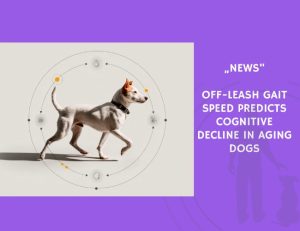
Aging dogs with slower off-leash gait speeds show weaker cognitive performance, suggesting an easy new tool for early dementia screening.

Perhaps you’ve noticed soft whimpers or tail wags while they’re deep in slumber. These moments make us wonder: do dogs dream?

Senior dogs showing signs of cognitive dysfunction often have musculoskeletal or neurological issues, according to a large survey-based study.

A study of puppies during the transitional period finds significant breed and seasonal influences on early sensory and motor development milestones.

A review identifies key behavioral traits that make dogs effective at explosives detection, emphasizing the need for specialized selection and training.

A study finds dogs use visual signals to get human help when someone nearby is crying—more so if the person previously offered affection.

A meta-analysis reveals that hypocaloric diets rich in protein and fiber help obese dogs reduce body fat while maintaining lean muscle mass.

Connect

📄 Published whitepaper: The Invisible Leash, Aggression in Multiple Dog Households, Instinct Interrupted & Boredom–Frustration–Aggression Pipeline, NeuroBond Method


Subscribe
Join our email list to receive the latest updates.