
Raw Feeding Review Highlights Benefits and Microbiota Shifts
Craig (2019) reviewed reasons for raw feeding in pets, noting ancestral alignment, nutrient richness, and significant microbiota differences from kibble-fed dogs.

 Dogsoul
Craig (2019) reviewed reasons for raw feeding in pets, noting ancestral alignment, nutrient richness, and significant microbiota differences from kibble-fed dogs.

Algya et al. (2018) compared extruded, cooked, and raw diets in adult dogs, finding higher digestibility and gut microbiota shifts in non-extruded diets.
Puurunen et al. (2016) identified plasma metabolites associated with ADHD-like behaviors in German Shepherds, highlighting parallels with human ADHD biology.

Anturaniemi et al. (2020) compared raw and dry diets in Staffordshire Bull Terriers, finding differences in blood counts and nutrients, but most values stayed normal.

Benítez‐Burraco et al. (2021) hypothesize that interactions with dogs promoted human self-domestication and prosociality, shaping language complexity.

Benítez‐Burraco et al. (2020) propose that dog domestication and human self-domestication reinforced each other, promoting structural language evolution.
Ren et al. (2024) reveal disrupted human–dog interbrain synchrony in autism-model dogs, with LSD restoring social neural coupling.

For decades, scientists believed that uncertainty monitoring—the ability to recognize and respond to one’s own doubt—was uniquely human, perhaps shared only with our closest primate relatives.

Sexton et al. (2023) show that facial markings influence how expressive dogs appear, with plainer faces linked to clearer human–dog communication.

Siniscalchi et al. (2018) review highlights the complexity of dog communication, from body language to vocalizations, and its role in human–dog bonds.
Range & Virányi (2013) compared wolves and dogs in social learning tasks, finding both benefit from demonstrations but interpret human cues differently.

Siniscalchi et al. (2018) reviewed the full range of dog communication, showing how body, vocal, and scent signals adapt between dog–dog and dog–human interactions.

Ramírez et al. (2017) found that both clickers and voice markers required the same number of reinforcers to shape new dog behaviors, showing equivalent effectiveness.

Castro et al. (2020) found that aversive training increases stress signals, cortisol, and pessimistic outlooks in dogs, while reward-based methods support welfare.

Väätäjä et al. (2018) studied dog activity tracker use, showing they help owners monitor health and rest, increase attentiveness, and boost owner–dog happiness.
For centuries, we’ve understood that proper nutrition keeps our dogs physically healthy, but only recently have we begun to uncover the profound connection between micronutrients and canine mental well-being.
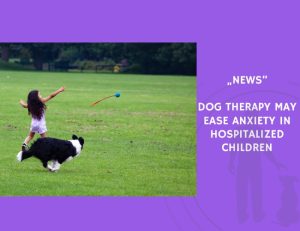
Mateos (2023) outlines a study on dog therapy for hospitalized children, predicting reduced anxiety and increased happiness after therapy dog sessions.

Merkouri et al. (2022) reveal that while close dog–owner bonds increase support and companionship, they may also coincide with poorer mental health outcomes.

The intersection of chaos theory and canine behavior might seem like an unlikely pairing, but it offers profound insights into why small actions—a subtle growl, a shifted posture, or even a prolonged stare—can cascade into dramatic changes in group dynamics.

Scott and Marston’s classic 1950 research identified critical periods in puppies’ social development, showing lasting effects on relationships with humans and dogs.
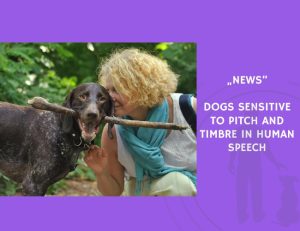
Sturdy et al. (2021) found that dogs obey commands less when pitch or timbre is altered alone, but respond normally to natural male or female voices.
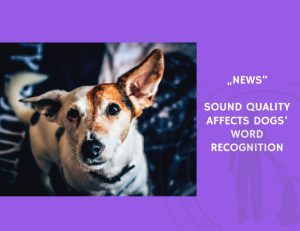
Higaki et al. (2025) reveal that dogs’ ability to recognize words is strongly influenced by sound quality, with AIC devices performing poorest.

Hawkins et al. (2021) show that dog owners and those who believe in animal sentience are better at identifying canine happiness, improving welfare outcomes.

Yong & Ruffman (2016) found dogs and 7-month-old infants look longer at happy and angry human faces than at sad ones, revealing shared biases.

Just like humans, our canine companions experience trauma differently, and their paths to recovery can vary dramatically.

Racca et al. (2012) found that dogs display lateral gaze bias when viewing emotional faces, differing from 4-year-old children in processing cues.

Kis et al. (2017) used eye-tracking to reveal that oxytocin shapes dogs’ gaze toward human faces, altering attention to eyes across emotions.

Every year, millions of dogs enter shelters across the world, each carrying their own story of resilience, hope, and the potential for transformation.
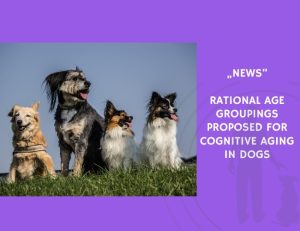
Harvey (2021) identified rational chronological categories to study aging in dogs, aiding research comparability and owner education.

“The Canine Singularity,” a technological revolution that’s fundamentally transforming how we understand, train, and care for our four-legged companions.
Bleuer-Elsner et al. (2019) found that dogs with ADHD-like behavior show distinct movement patterns detectable by computational video analysis.

Bray et al. (2021) reviewed best practices for selecting and enhancing working dogs, focusing on breeding, rearing, and training improvements.

Garrigues et al. (2022) reviewed how maternal, nutritional, and environmental influences shape gut microbiota in puppies, affecting health outcomes.
Dobos & Pongrácz (2023) found that cooperative working breeds improved detour task performance after human demonstration, unlike independent breeds.

This breed, originally forged in the working-class communities of 19th-century England, carries within its DNA a unique paradox.
Kolkmeyer et al. (2024) revealed that neutering male dogs correlates with increased stress and aggression, with intact dogs showing greater sociability and trainability.
Gerencsér et al. (2018) developed and validated the Canine Reward Responsiveness Scale, showing age- and breed-related differences in dogs’ motivation.
Azadian and Protopopova (2024) found that dog breed clades differ in learning and behavior, influenced by cooperativity and historical functions.
The emerging field of canine neuro-nutrition reveals that food isn’t just fuel—it’s a powerful tool that shapes your furry friend’s cognitive abilities, emotional stability, and training success.
Junttila et al. (2022) tested over 1,000 dogs and found breed differences in social cognition, inhibitory control, and problem-solving ability.

Mathis et al. (2024) systematically reviewed studies on compression wraps for canine anxiety and found them safe but only minimally supported by evidence.
For decades, we’ve focused on what we feed our dogs, but emerging research reveals that how and when we feed them might be equally crucial.
Grigg et al. (2021) reveal that dogs show clear stress signals to everyday household noises, but owners often misinterpret these reactions.

Raghy et al. (2023) review shows that sudden loud noises can trigger fear and phobic responses in dogs, affecting their welfare and behavior.

Donohue (2005) emphasizes that grieving pet owners often experience intense emotional and physical distress, requiring social work intervention.

Koskela et al. (2024) demonstrate that dogs and their owners share physiological and behavioral synchrony, deepening understanding of canine–human attachment.

McKenzie (2022) reviews molecular and cellular mechanisms of aging in dogs and cats, linking them to human and lab models to guide geroscience.
Topál et al. (2019) argue that dogs provide a promising translational model for autism spectrum disorder due to behavioral and neurobiological parallels.

Frustration in dogs isn’t simply a minor inconvenience or a training challenge to overcome. It’s a window into your dog’s emotional world, revealing how they process expectations, cope with disappointment.
Schütt et al. (2015) show that canine cognitive dysfunction is a progressive disorder with variable decline and that plasma Aβ42 may be a useful biomarker.

Nokay (2023) highlights that blending conventional dietary therapy with traditional Chinese food therapy may support cognition and quality of life in dogs with canine cognitive dysfunction.

Fan et al. (2023) review how antioxidants, anxiolytic compounds, and probiotics may reduce oxidative stress and improve well-being in stressed dogs and cats.

Olivindo et al. (2022) found that 7 of 8 canine obesity diets sold in Brazil lacked essential nutrients under energy restriction, urging careful veterinary oversight.

Reis et al. (2021) report that fermenting fava bean diets with Candida utilis improved glucose response and blood markers in dogs while avoiding cardiac risks.

The relationship between humans and dogs spans over 15,000 years, yet our modern understanding of canine behavior is increasingly filtered through cultural lenses rather than biological realities.

Lin et al. (2023) report that premium kibble improved gut microbiome and liver enzyme profiles in dogs compared to grocery kibble, despite similar digestibility.

For decades, we’ve approached dog behavior through linear thinking: more training equals better behavior, consistent rewards produce consistent results.

Geary et al. (2023) reveal that processing type significantly impacts nutrient digestibility, fecal quality, and metabolites in dogs fed raw, fresh, or extruded diets.

Gajanayake (2022) emphasizes that malnutrition in dogs and cats is under-recognized, calling for better assessment tools and nutritional interventions.
They’re not evaluating intelligence—they’re measuring willingness to perform repetitive tasks for human approval.

Durston (2022) highlights that dominance-driven views of dog behavior are flawed and risk welfare, stressing the importance of reward-based training.

Ly and Protopopova (2023) report that supported self-rehoming platforms can reduce shelter intake, with many owners ultimately keeping their pets.

Amaya et al. (2020) found that music, lavender, and dog appeasing pheromone reduced stress and increased rest in shelter dogs, improving welfare outcomes.

Brand et al. (2024) report nearly all UK “Pandemic Puppies” displayed problem behaviors by 21 months, with aversive training strongly linked to worse outcomes.

Jensen et al. (2020) found that 75% of dogs and 74% of cats were surrendered to shelters due to owner-related issues, not behavioral problems.

Did you know that every meal you serve your dog is actually a conversation with their genes?

Winkle et al. (2020) propose standards to ensure therapy dogs’ welfare in clinical contexts, emphasizing humane selection, preparation, and ongoing evaluation.
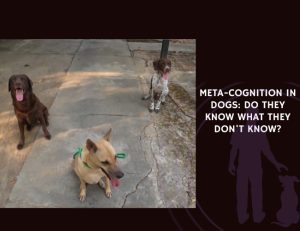
For centuries, we’ve wondered about the depth of our dogs’ mental lives. Today, cutting-edge research in comparative psychology and neuroscience is unveiling fascinating insights into whether dogs truly “know what they know”
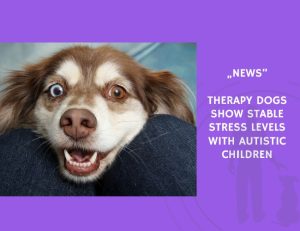
Hill et al. (2023) found that therapy dogs involved in occupational therapy with autistic children maintained stable stress biomarkers, indicating no added burden.

Williams et al. (2024) developed “Paws on Campus,” a dog-assisted, co-produced program helping students manage mental health difficulties.

Ophorst et al. (2023) analyzed Dutch media, revealing a strong positive image of dogs but limited awareness of welfare concerns.

Your dog’s internal state—a complex biofeedback system that’s been refined over thousands of years of evolution alongside humans.

Yalcin & Batmaz (2007) surveyed 80 dogs in Bursa, Turkey, and found aggression ranked highest among behavior problems.

Yotanyamaneewong et al. (2025) showed that 15-minute canine-assisted interventions reduced stress and cortisol in Thai university students.
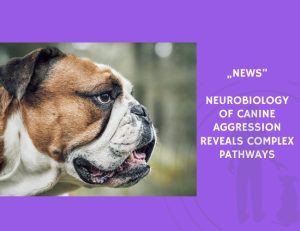
Bayram & Semen (2023) reviewed the neurobiology of canine aggression, linking hormones and neurotransmitters to behavior and treatment approaches.
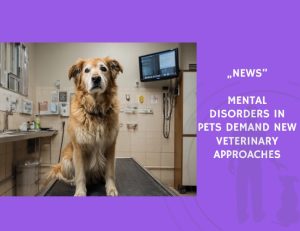
Cunico et al. (2025) reviewed research on anxiety, depression, OCD, and PTSD in pets, stressing the need for better diagnostics and therapies.
Sacoor et al. (2024) review shows canine gut microbiota disruptions contribute to anxiety disorders, paving the way for microbial-based therapies.

Bennett et al. (2019) found that conservation scent dog studies often lack consistency in reporting performance, limiting cross-study comparisons.
Bird et al. (2020) found that dogs have a smaller cribriform plate than wolves, indicating reduced smell ability not recovered by selective breeding.
The emerging field of nutritional psychiatry for dogs explores this fascinating intersection where kibble meets consciousness, where amino acids influence anxiety, and where the gut quite literally talks to the brain.

Cordoni & Palagi (2019) highlight how wolves’ cooperative skills, post-conflict strategies, and play provided the foundation for dog–human cooperation.

Berghänel et al. (2025) show that aggression by dominant dogs decreases as feeding group size grows, suggesting competition shifts from contest to scramble.
Stępniak et al. (2025) found that wolves react to domestic dog scent marks, suggesting dogs may disturb natural wolf communication systems.

Stępniak et al. (2023) reveal that dog scent marks inside wolf ranges provoke exploration and overmarking, suggesting dogs may disrupt wolf territorial signaling.
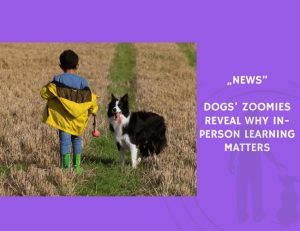
Coppin & Onofrio (2024) suggest dogs’ zoomies illustrate how sensory-rich, in-person interactions strengthen memory and learning compared to virtual meetings.

Introduction Have you ever wondered how your financial decisions directly
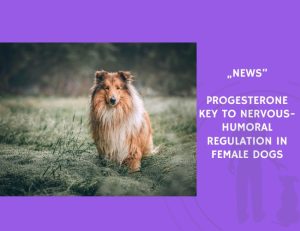
Bobrytska et al. (2024) describe how nervous and humoral systems regulate reproduction in female dogs, emphasizing progesterone’s role as a clinical biomarker.
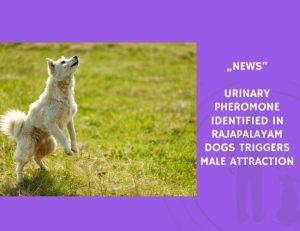
Rajagopal et al. (2022) identified (E)-9-methyl-7-undecenoic acid as the most potent urinary pheromone signaling estrus in female Rajapalayam dogs.

Janssenswillen et al. (2021) show that dogs’ anal sac secretions contain odorant-binding proteins, linking them to an ancient mammalian communication system.
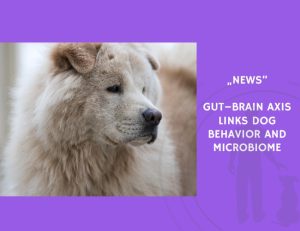
Kiełbik & Witkowska-Piłaszewicz (2024) highlight how gut dysbiosis may fuel canine behavioral issues and discuss microbiome-targeted therapies.
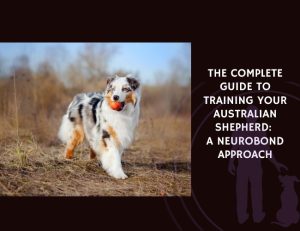
Australian Shepherds demonstrate the highest levels of human-directed behavior when facing challenges, spending more time seeking human assistance than any other breed studied.
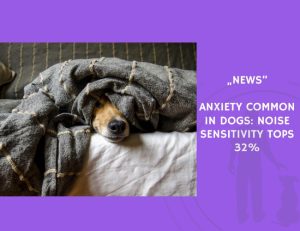
Salonen et al. (2020) found that nearly one-third of dogs show noise sensitivity, with clear breed-specific risks and comorbid anxiety traits.
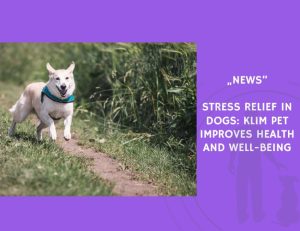
Kryachko et al. (2021) report that Klim Pet supplementation eased stress symptoms, optimized metabolism, and improved dogs’ immune and nervous systems.
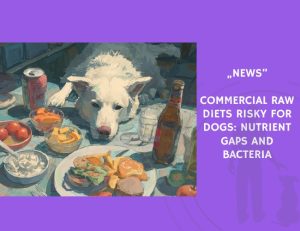
Vecchiato et al. (2022) reveal that raw meat-based diets for pets frequently lack essential nutrients and show high bacterial contamination.

Algya et al. (2018) show that lightly cooked and raw diets are highly palatable, improve nutrient digestibility, reduce triglycerides, and reshape dog gut microbiota.

For decades, dog owners have been told that their furry friends operate in rigid dominance hierarchies, with “alpha” dogs ruling through intimidation and force.
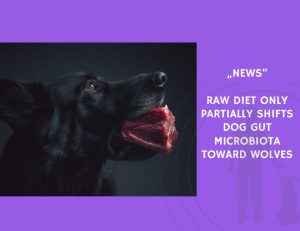
Xu et al. (2021) reveal that switching dogs from kibble to raw diets moves their gut microbiota closer to wolves, but full convergence does not occur.

Pellowe et al. (2025) show that canine gut microbiota composition, particularly the genus Blautia, is associated with anxiety and aggression behaviors in dogs.
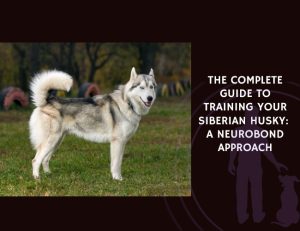
The moment you look into those striking blue eyes of a Siberian Husky, you’re not just meeting a dog—you’re encountering thousands of years of Arctic survival instinct wrapped in a stunning coat.

Mateos (2023) highlights that therapy dogs significantly lower anxiety and increase happiness in hospitalized children, suggesting global benefits for pediatric care.

Bibbo et al. (2019) found that service dogs not only support individuals with chronic conditions but also improve caregivers’ and family members’ emotional well-being.

The NeuroBond approach recognizes something fundamental that traditional training often misses: your Beagle’s “stubbornness” isn’t defiance—it’s actually their operating system working exactly as designed.
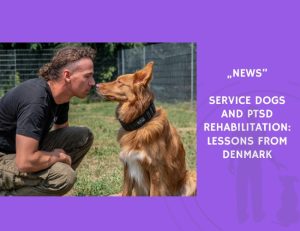
Glintborg & Hansen (2017) showed that service dogs offer support for PTSD patients but poor integration with rehabilitation services limits effectiveness.
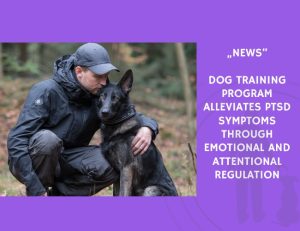
Maoz et al. (2021) demonstrated that a year-long dog-training program significantly reduced PTSD and depression symptoms in traumatized adolescents.
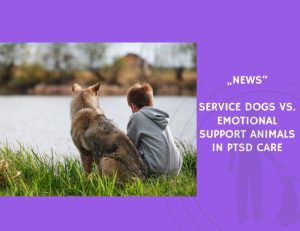
Porter et al. (2021) highlight the vital role of healthcare providers in determining whether veterans with PTSD may benefit from a service dog or an emotional support animal.

Sargisson & Mclean (2021) reviewed research on e-collar training, questioning methods and statistical analysis while highlighting welfare and policy implications.
Have you ever wondered why your furry friend seems to

Hasegawa et al. (2014) showed that dogs’ facial expressions and postures during training strongly relate to their learning success.
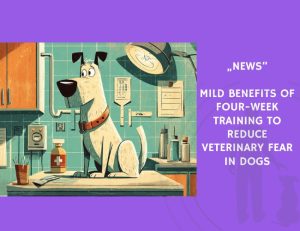
Stellato et al. (2019) found that a four-week desensitization and counter-conditioning program produced mild reductions in fear during veterinary visits.
For too long, we’ve approached dog behavior like a simple equation: command plus reward equals obedience.

McGrath et al. (2023) showed that small dogs require higher caloric intake per metabolic weight than medium and large dogs, regardless of age.

Zicker et al. (2012) found that DHA-rich fish oil in puppy diets enhances cognition, psychomotor skills, vision, and immunity.

Serpell & Duffy (2016) found that puppy-raising environments strongly shape aggression and fear in guide dogs at 12 months.
Introduction: Why Your Dog’s Mind Matters More Than You Think

Kutsumi et al. (2013) found that puppy training classes improve obedience and social behavior, helping prevent future problems.

Glenk & Foltin (2021) review emphasizes welfare-related factors influencing therapy dogs in animal-assisted interventions.
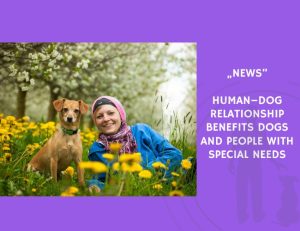
Menor-Campos et al. (2023) review shows that positive human–dog relationships enhance canine welfare and support humans with special needs.
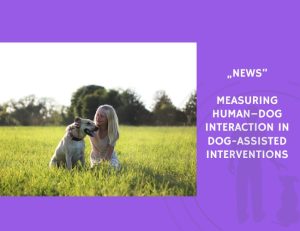
De Santis et al. (2024) review methods for assessing human–dog interaction in therapy contexts, highlighting structured tools and the dog’s perspective.

Diederich (2024) reviews how extreme breeding harms dog welfare and proposes reforms to curb excesses in modern breeding strategies.
The bond between humans and dogs stretches back thousands of years, built on mutual trust, communication, and an almost mystical understanding that transcends species boundaries.

Johnson & Wynne (2024) found U.S. dog owners mostly favor reward-based training but often revert to aversive methods for behavioral issues.

Polak-Passy et al. (2024) found that structured dog training interventions enhanced verbal and non-verbal social behaviors in autistic children.
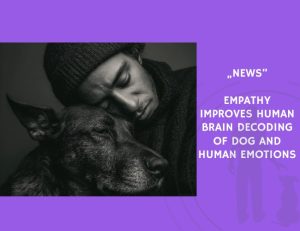
Kujala et al. (2024) reveal that empathy enhances neural decoding accuracy when distinguishing emotional expressions of humans and dogs.
Bhadury & Bhattacharjee (2024) review how dogs communicate stress and social cues through body language, vocalizations, and environmental responses.
Malkani et al. (2024) used the Animal Welfare Assessment Grid (AWAG) and found aggression, fears, and predictability strongly predict behaviour problems in dogs.
Boardman & Farnworth (2022) report that while lockdown improved bonding, many adult dogs showed increased fear and aggression after restrictions ended.

Ephraim et al. (2022) show that foods enriched with polyphenols and omega-3 fatty acids modulate the gut microbiota and lower metabolites linked with anxiety.
These aristocratic sighthounds, with their centuries-old heritage of independent hunting across vast Russian steppes.
Choi et al. (2017) show that cloned Beagle puppies display higher personality consistency in behavioral tests than non-cloned dogs, highlighting genetic influence.

O’Neill et al. (2022) reveal that Pugs face disproportionately high risks for breathing, eye, and skin disorders compared to other dogs, underscoring major welfare challenges.

Ayrosa et al. (2024) propose a paradigm shift in aggression research, reframing it as a complex social behavior shaped by environment, body, and human–dog relationships.

Ake & Kutsukake (2024) show that African painted dogs use appeasement-like signals to reduce aggression yet also monopolize food, blending cooperation with harassment.
McGuire et al. (2020) found that shelter evaluations and surrender reports often over-predict resource guarding, highlighting the adoptability of many flagged dogs.

Jacobs et al. (2018) found that canine behavior experts largely prefer “resource guarding” over “possessive aggression,” recommending consistent terminology for clarity.

Introduction: Understanding Your Coonhound’s Ancient Heritage When you watch your
Miller et al. (2019) found that underweight shelter dogs were not more likely to show food aggression, challenging assumptions about past starvation and aggression.

Walker (2022) found that therapy dogs reduced nursing student test anxiety, with measurable decreases in anxiety scores, heart rate, and salivary cortisol.
Riggio et al. (2022) found that insecurely attached dogs exhibited higher cortisol and stress reactivity in a Strange Situation Procedure, while chronic stress markers showed no difference.

Have you ever noticed how your dog seems to understand your emotions before you fully recognize them yourself?
Pierantoni et al. (2022) found that dogs with separation-related problems displayed higher stress behaviors, while copeptin levels showed distinct but inconclusive trends.

Sofyan (2024) reviewed two studies on dietary tryptophan in anxious dogs, finding limited and inconsistent effects on behavior and stress markers.

Born in the mining towns of Northumberland in the early 1800s, the Bedlington Terrier emerged from humble beginnings to become one of the most distinctive and versatile breeds in the canine world.

Rossi et al. (2021) found that dogs sleeping indoors, closer to their owners, displayed fewer signs of separation anxiety and aggressive threats.
Zapata et al. (2022) demonstrated that genetic testing can predict behavioral issues in dogs, linking loci to aggression, fear, and anxiety traits.
Schlehahn (2018) emphasized that canine separation anxiety, the most common anxiety disorder in dogs, requires early diagnosis and treatment.
Novais et al. (2010) reported that nearly 70% of dogs at a veterinary hospital in São Paulo showed separation anxiety behaviors.

The Briard, or Chien Berger de Brie as it’s known in its native France, carries within its genes over twelve centuries of European history.

Pankratz et al. (2021) found that a pulsed electromagnetic field device reduced separation anxiety behaviors in dogs, with no major adverse effects.

Ancken et al. (2022) found homeopathic treatments may reduce destructive behaviors and stress in dogs with separation anxiety compared to placebo.

Alaskan Klee Kai – a breed that captures all the striking beauty and intelligence of northern dogs in a perfectly compact package.

Ostojić & Clayton (2013) demonstrate that dogs attend to partners’ behavior and reward movement, revealing socio-cognitive skills for cooperation.
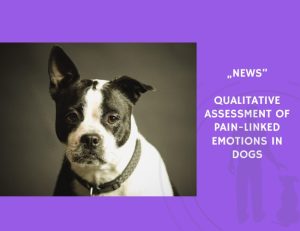
Zanusso et al. (2024) demonstrate that qualitative behavioral assessment reliably detects pain-related emotions in dogs, regardless of observers’ background.

Kwik et al. (2025) show that identifying red flags and applying a toolbox approach helps distinguish behavioral disorders from maladaptive pain in dogs.
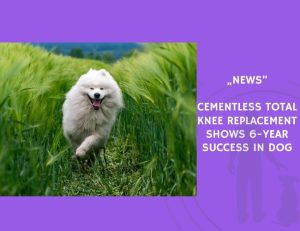
Fracka et al. (2024) reported a Labrador retriever maintained stable mobility and implant integration six years after cementless knee replacement.

Lazard et al. (2024) found that a 45-minute positive owner interaction significantly reduced dogs’ post-surgical pain and stress.
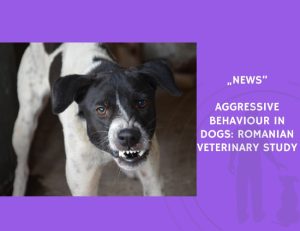
Grigoreanu et al. (2024) found that 94% of assessed dogs in Romania displayed aggression, highlighting the importance of early socialization.

Have you ever watched your furry friend struggle with a new trick, only to see that moment of clarity when they finally “get it”?
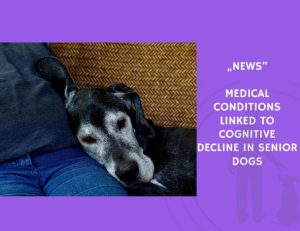
Wrightson et al. (2023) found that senior dogs with cognitive dysfunction also showed pain, sensory decline, and other medical conditions, highlighting screening needs.

Camps et al. (2019) reviewed how medical conditions—pain, endocrine, and neurological problems—can drive behavioral changes in dogs and cats.

Research Study Chiang Mai, Thailand, August 31, 2025 – A
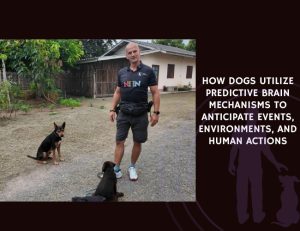
Your dog’s ability to anticipate your every move isn’t just adorable—it’s a sophisticated neurological process that shapes their entire world.
Tang et al. (2014) reveal 119 conserved genetic variants tied to canine obsessive-compulsive disorder in Dobermans, with parallels to human OCD.

Guardini et al. (2016) show that early maternal care strongly impacts Beagle puppies’ ability to cope with novel environments and social encounters at eight weeks of age.
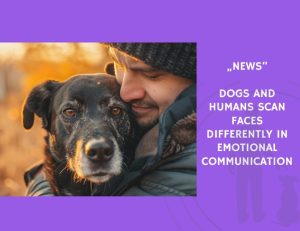
Correia-Caeiro et al. (2020) reveal that while humans adjust gaze based on emotion and species, dogs rely only on specific face areas, highlighting interspecies learning needs.
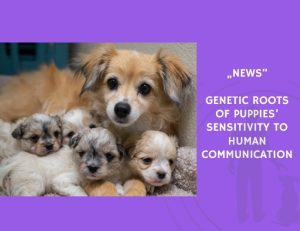
Emily E. Bray and colleagues reveal that dog puppies’ sensitivity to human communication emerges early and is strongly heritable.

Ralph Adolphs reviews growing behavioral and neuroimaging evidence, narrowing justifications for denying that dogs consciously feel emotions.

Understanding how social emotions were bred into dogs sheds light on the functions and mechanisms of human emotions such as jealousy and guilt.
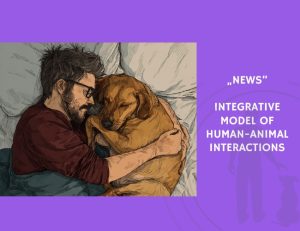
The Integrative Model of Human-Animal Interactions combines neuroscience, psychology, and ethology to explain emotional processes in interspecies bonds.

The relationship between what happens in your dog’s belly and what happens in their brain isn’t just correlation—it’s a sophisticated biological conversation that influences everything from anxiety levels to learning capacity.

Using fMRI, researchers found aggressive dogs showed stronger amygdala activation when owners fed a fake dog, suggesting jealousy-like responses.
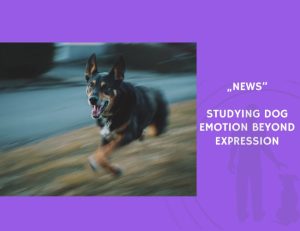
Peter F. Cook argues that dog emotion research should focus on physiology and affective neuroscience rather than relying only on human-like emotional expression.
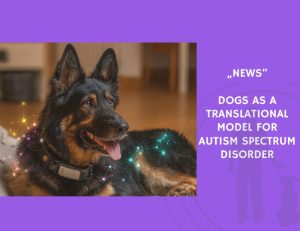
Researchers argue that dogs’ social cognition and behavioral diversity provide a strong foundation for modeling autism spectrum disorder.
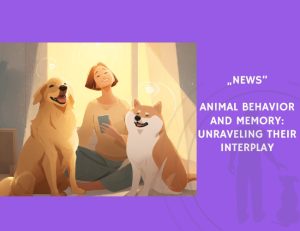
A 2024 study highlights the dynamic relationship between animal behavior and memory, revealing how behavior patterns shape learning and cognition.
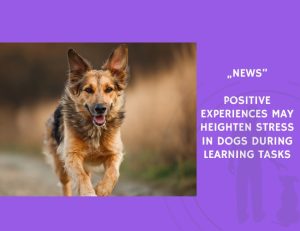
Contrary to expectations, dogs given a short positive session before training showed higher stress during disruption, suggesting complex emotional effects.

Juvenile and adult free-ranging dogs display distinct strategies when challenged with sour lemon juice, reflecting developmental and cognitive differences.
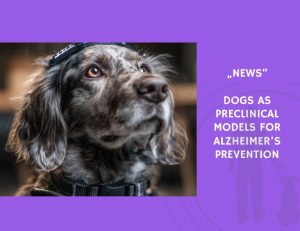
Aged dogs naturally develop Alzheimer’s-like decline, making them powerful models for testing preventive therapies before human trials.

This remarkable Belgian breed carries centuries of working heritage in their powerful frame.
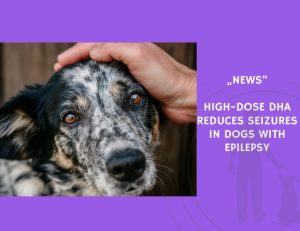
High-dose DHA supplementation reduced seizure frequency by over 50% in epileptic dogs, with some nearly seizure-free after 6 months.
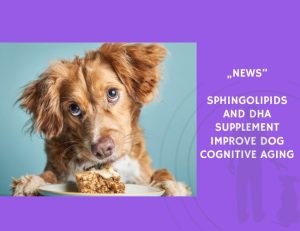
A novel lipid extract with sphingolipids and DHA helped aged Beagles maintain memory, attention, and executive function, supporting its role in CDS care.

Medium chain triglycerides and brain protection nutrients improved cognitive signs in dogs with CDS, supporting dietary strategies for brain aging.

Wearable sensors combined with deep learning enable highly accurate detection of dog activities, offering real-time insights into canine health and behavior.
Canine cognitive decline mirrors human dementia, and researchers propose biomarkers and wearable tracking to advance diagnosis and treatment for both species.

A Brazilian trial compared trazodone, psilocybin extracts, and fluoxetine in treating canine behavioral disorders, finding improvements across groups with minimal side effects.
A novel probiotic, LP815™, significantly reduced aggression and anxiety in dogs, showing promise as a safe alternative to pharmaceutical treatments.
Stroking reduces stress in dogs by lowering cortisol and increasing serotonin. Right-pawed dogs showed better stress adaptation than left-pawed dogs.
Dogs with ADHD-like behaviors show lower serotonin and dopamine levels. This study links these neurotransmitters to hyperactivity, impulsivity, and aggression.
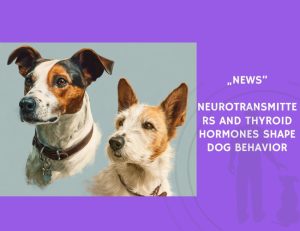
Dogs’ behavior reflects complex hormonal and neurotransmitter interactions. This 2023 study shows how serotonin, dopamine, and thyroid hormones shape temperament.

The American Hairless Terrier’s story began with a single extraordinary puppy named Josephine, born completely hairless in Louisiana in 1972.
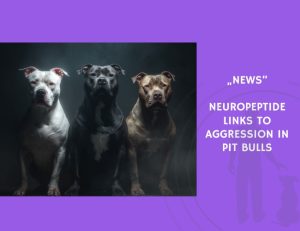
Pit Bull aggression is linked to decreased nesfatin-1, serotonin, and oxytocin with elevated dopamine. This 2024 study highlights neurobiological interactions.
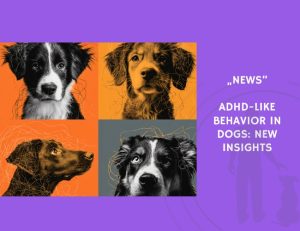
Dogs can exhibit ADHD-like symptoms including impulsivity, hyperactivity, and aggression. A 2024 review explores causes, comorbidities, and treatment strategies.

Research reveals that dogs often solve spatial working memory tasks using orientation and attention cues instead of true memory, raising questions on test design.

Dogs from working breeds and those with formal training outperform non-working breeds in following human pointing gestures, highlighting genetics and experience.

Research shows cannabidiol (CBD) treatment reduces stress signals like cortisol, whining, and lip licking in dogs during repeated car travel.

Research reveals that maternal care in early life significantly impacts puppies’ coping strategies and social behavior with humans at two months.

From the gentle Black and Tan to the spirited Treeing Walker, these dogs carry within them the independence of frontier life and the warmth of Southern hospitality.

A 2024 study shows humans are unable to detect stress in dogs through odor, highlighting asymmetry in dog–human olfactory communication.

A 2024 review highlights how yawning, tail wagging, ear posture, and other signals reflect dogs’ stress, affection, and social behavior.

A 2023 study reveals that dogs’ attachment to their owners predicts preference for helpful humans, highlighting the emotional depth of the dog–human bond.
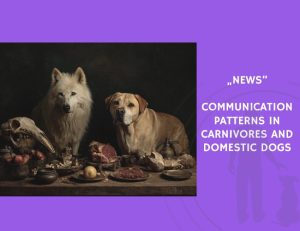
Research shows that olfactory signals remain central to canine communication, while vocal and visual cues also evolved uniquely in the human-dog relationship.

Research proposes that epigenetic shifts in stress and serotonin systems enabled wolves to form cooperative bonds with humans, paving the way for domestication.

Connect

📄 Published whitepaper: The Invisible Leash, Aggression in Multiple Dog Households, Instinct Interrupted & Boredom–Frustration–Aggression Pipeline, NeuroBond Method


Subscribe
Join our email list to receive the latest updates.
