
Guidelines for Research on Canine Emotions
Accurate interpretation of canine emotions is essential for welfare, science, and avoiding harmful under- or over-attribution of dogs’ emotional capacities.

 Dogsoul
Accurate interpretation of canine emotions is essential for welfare, science, and avoiding harmful under- or over-attribution of dogs’ emotional capacities.

Domestic dogs showed no evidence of remembering food locations without distinctive cues, suggesting limits in incidental spatial memory.

Topology-optimized design and metal 3D printing enabled a lightweight, porous, patient-specific canine mandibular implant with improved biomechanics.

Dimensional analysis of AKC breed standards shows that many behavioral descriptions lack alignment with measurable trait constructs relevant to pet ownership.

Wireless EEG and actigraphy can be successfully recorded in dogs at home, opening new paths for studying epilepsy and behavior in real-life settings.

Personality traits and husbandry choices in both humans and dogs can predict dysfunctional relationships, offering opportunities for prevention and targeted education.

Attachment patterns in shelter and foster dogs differ from pet dogs, revealing reduced secure attachment and signs of disinhibited social behavior.

Cognitive performance in puppies is shaped more by temperament and individual differences than by age alone, challenging assumptions from working-dog research.

Nervous system overdrive in Huskies looks like constant motion without purpose. Your dog might finish a three-hour hike and still pace the house, monitoring every sound, unable to truly settle even when physically exhausted.

Early microelectrode measurements reveal heterogeneous oxygen distribution in the canine myocardium and rapid PO2 responses to transient oxygen changes.

Preliminary evidence shows temperament and demographic factors influence executive-function task performance in puppies, challenging assumptions about age-related gains.

Microelectrode measurements reveal how oxygen is distributed in the canine myocardium and how myocardial PO2 responds dynamically to altered oxygen administration.
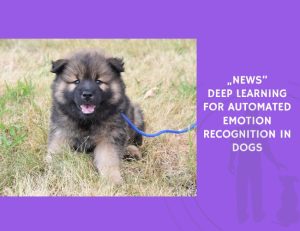
Advanced deep-learning models demonstrate strong potential for recognizing canine emotions from video data and detecting discomfort or danger in human–dog interactions.
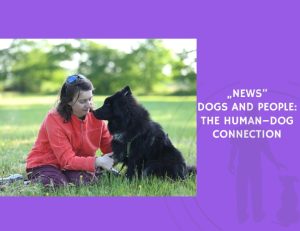
Dogs display unparalleled biological and behavioral diversity shaped by human culture, yet remain autonomous social actors within shared human worlds.

Research reveals that while spatial context shapes dogs’ showing strategies, owner behavior can unintentionally obstruct communicative accuracy.

What you’re witnessing is a profound neurodevelopmental reality: large breed puppies experience the world through a nervous system that matures on a dramatically different timeline than their rapidly growing bodies suggest.

Most cat and dog owners understand modern animal behavior science, yet outdated beliefs about dominance and feline care remain common.
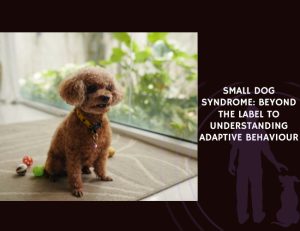
This isn’t about making excuses for challenging behaviours. It’s about understanding the real mechanisms at work so we can address them effectively, compassionately, and with the same standards we’d apply to any dog, regardless of size.

Canine aggression is a major public safety and welfare issue shaped by genetics, environment, and social context, with profound implications for shelters and policy.

This isn’t about blame or judgment. It’s about understanding why certain approaches consistently fail with dogs whose early experiences have shaped their nervous systems in profound ways.

Experimental analysis of excised canine rib cages reveals that respiratory muscles contribute substantially to chest wall elastance and hysteresis, mirroring dynamics seen in humans.

Canine behavior experts largely favor the term resource guarding and stress the need for consistent, clearly defined terminology to improve communication, treatment outcomes, and research quality.

Modern sequencing technologies have revealed extensive genetic variation across dog breeds, reshaping knowledge of disease risk, morphology, and behavior.

Ethnoarchaeological evidence suggests that canine digging behavior can significantly alter archaeological sites and may account for pit features often attributed solely to human activity.

Using wearable sensors and fuzzy logic, researchers translated canine tail movements into emotional states, supporting inclusive, real-time animal-assisted therapy for persons with disabilities.

A Gaussian–Trapezoidal fuzzy emotional behavior model translates canine tail language into emotional states, supporting real-time human–animal interaction in assistive therapy contexts.

Single-pan feeding tests and behavioral observation show that dogs experience temporary neophobia when introduced to new diets and display stronger post-consumption interest in animal-based foods.

With nearly 2,000 sequenced canids, the Dog10K consortium provides an unprecedented genomic dataset that illuminates domestication, breed structure, and functional variation.
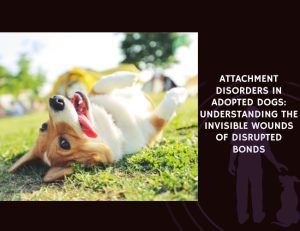
Understanding attachment disorders in adopted dogs means looking beyond surface behaviors to recognize the profound impact of early relational loss.

A pilot study of 48 Iranian domestic dogs found that supplementing omega-3 fatty acids, magnesium, and zinc significantly improved several common behavioral disorders.

By tracing registered and unregistered dog bite victims across Ethiopian districts, researchers reveal the substantial human health burden and economic costs of rabies.

Researchers developed an upgraded cyber-enhanced rescue canine suit engineered to reduce heat buildup, prevent slippage, and significantly lessen physical burden during search-and-rescue operations.
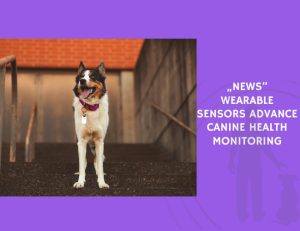
Researchers developed a wearable multi-sensor system capable of continuously recording dogs’ heart rate, variability, respiration, and behavior, overcoming challenges posed by fur and skin insulation to enable real-time emotional and health monitoring.

Researchers developed a computer vision method to classify dogs’ emotional states—aggression, anxiety, fear, and neutral—achieving promising accuracy and paving the way for future technology-assisted canine behavior assessment.

Genome-wide mapping across diverse dog breeds identified key haplotypes linked to fear, anxiety, and aggression, especially at GNAT3–CD36 and IGSF1, revealing deep genetic influences on behavioral variation.
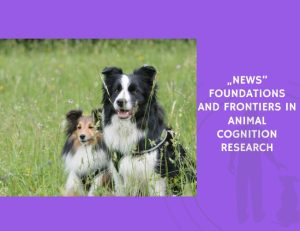
This encyclopedia review traces the evolution of animal cognition research, revisits Tinbergen’s foundational questions, and explores modern advances in concept learning, memory, and canine cognitive science.

Resource guarding in rescue dogs represents one of the most misunderstood behaviors in canine rehabilitation. While traditional perspectives frame this as a “problem to fix,” the reality reveals something far more nuanced.

Canine melanoma varies widely by body site, with distinct etiologies, behaviors, and therapeutic responses. This review summarizes epidemiology, molecular insights, and treatment approaches across oral, cutaneous, ocular, and digital melanomas.

Did you know that when you feel anxious, your dog’s brain activates similar neural pathways to those firing in your own mind? This isn’t metaphor or imagination—it’s neuroscience.
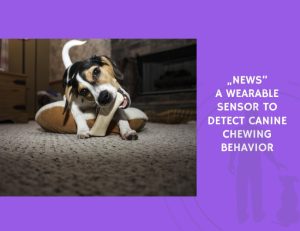
A wearable collar microphone accurately captured bite events during chewing, enabling future large-scale studies linking mastication patterns with stress, welfare, and cognitive states in dogs.

Analysis of commercial genotype data shows low-frequency alleles within breeds illuminate historical selection, explain unexpected phenotypes, and challenge rigid breed standards.

Genome scanning of 528 Labrador Retrievers in the TSA detection dog program revealed several significant genetic loci associated with behavioral elimination risk, highlighting genomic contributions to working dog success.

Comparisons of simulated intestinal fluids reveal that weak acids dissolve far more readily in canine environments than in human ones, affecting dose selection and bioavailability predictions in drug development.

Excised ventricular muscle shows a strong frequency–force relationship, but in-situ canine myocardium displays only slight sensitivity to pacing rate, revealing fundamental physiological differences between isolated and intact cardiac tissue.

A Labrador retriever developed a rare pleomorphic lymphangiosarcoma with histologic and immunohistochemical features resembling human composite hemangioendothelioma, highlighting diagnostic challenges and aggressive local behavior.

Your rescue dog isn’t ignoring you out of spite or confusion. They’re making rational decisions based on a learning history that taught them something most of us never consider.

Personality traits such as neuroticism, extraversion, openness, agreeableness, and conscientiousness predict how volunteers walk shelter dogs, affecting leash tension, communication style, and canine stress behaviors.

This Article is about understanding how your rescue dog’s brain works, what their behavior truly signals, and how predictability—not passion—becomes the foundation of genuine connection.

Hungarian survey data reveal that older age, food type, and reduced joint activity all increase obesity risk, while raw diets and dog sports reduce it—highlighting the owner’s central role in preventing obesity.

Understanding how trauma reshapes the autonomic nervous system changes everything about how we approach rescue dog rehabilitation.

Hare and Tomasello explore how dogs evolved specialized, heritable social-communicative abilities that resemble human skills, proposing convergent evolution shaped both species for interaction with humans.
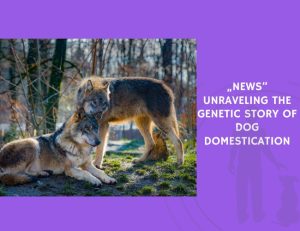
Recent genomic and multidisciplinary research sheds new light on the origins of domestic dogs, the genetics behind their adaptations and diversity, and how domestication shaped their communication with humans.
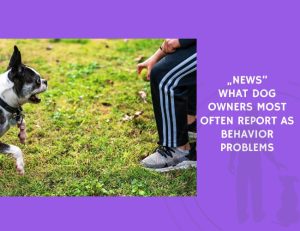
Surveyed dog owners frequently reported aggression, overprotective behavior, and excessive vocalization, while referral clinics saw more severe issues such as dominance aggression and house soiling.

Analysis of 24 canine cases reveals that mast cell tumors of the muzzle are biologically aggressive, with tumor grade and metastasis at diagnosis serving as the strongest predictors of survival and disease-free intervals.

From over 26,000 survey responses, researchers found that fear at veterinary visits is common among dogs, with demographic factors explaining little of the variance compared to environmental and human–animal interaction influences.

Mid-20th-century research illuminated how dogs develop isoantibodies through transfusion, helping model erythrocyte–antibody reactions and revealing early canine blood group systems.

Canine dental plaque exhibits coaggregation behaviors similar to human oral microbiota, with comparable interbacterial adhesion patterns and a higher prevalence of autoaggregation among dog-derived bacteria.

Prison dog programs cultivate reciprocal human–canine bonds, promote emotional growth, and encourage prosocial identity shifts, with neuroscience linking oxytocin to compassion and self-forgiveness.

A dog carrying powerful genetic programming for work, play, and food motivation, but without the complete behavioral blueprint that guides purebred working Labradors. It’s like having a high-performance engine without a steering system.

Observations and surveys in Boulder’s Open Space and Mountain Parks reveal that owners with leashed dogs are more compliant with waste disposal, and that improved infrastructure and clear messaging could further increase proper practices.

Cyber-enhanced rescue canine suits use robotics, sensors, and cloud visualization to strengthen real-time search-and-rescue capabilities by mapping dogs’ movements, behavior, and emotional states in disaster environments.

Research in canine knees shows that surgically reimplanted and tissue-culture–preserved allogenic menisci integrate well with joint tissues, while glutaraldehyde-preserved bioprostheses attach less reliably and trigger early effusions.

A comprehensive review of canine behavioral genetics reveals breed-linked traits, heritability estimates for behaviors like aggression and playfulness, and growing genomic insights driven by SNP analysis and fox domestication studies.

This authoritative text compiles veterinary, psychological, and behavioral science to address the causes, assessment, and treatment of problem behaviors in dogs and cats, emphasizing medical factors, enrichment, and humane intervention.

Based on two decades of controlled research at the Jackson Laboratory, Scott and Fuller’s seminal work demonstrates how genetics, breed differences, and early social experiences interact to shape the social behavior of dogs.

Research reveals that children report stronger attachment to dogs that provide emotional support and show responsiveness in behavioral tasks, highlighting a dynamic child–dog relationship shaped by mutual influence.

A clinical trial demonstrates that Reconcile (fluoxetine) paired with structured behavior management significantly reduces canine separation anxiety symptoms while remaining safe, well-tolerated, and easy to administer.

Imagine living in a space where noise erupts unpredictably throughout the day and night. Where strangers appear without pattern or warning.

The Coppingers argue that modern dogs arose through self-domestication at Mesolithic village dumps and that their diverse behaviors and forms reflect ecological pressures and developmental environments, not direct domestication from wolves.

Drawing on decades of biological and field experience, the Coppingers argue that dogs self-domesticated at human refuse sites and that modern breeds reflect ecological pressures and developmental shaping—not direct descent from wolves alone.

A canine rabies epidemic in Arequipa exposed major knowledge gaps, cultural practices, and healthcare obstacles that prevent people from receiving life-saving post-exposure prophylaxis.

A landmark handbook compiles developmental insights, diagnostic methods, and behavior-modification strategies to guide veterinary professionals in managing canine and feline behavior issues.

Researchers developed and pilot tested the FIDO tool, finding strong inter-rater reliability among experts and novice observers evaluating kenneled dogs’ responses to human approach.
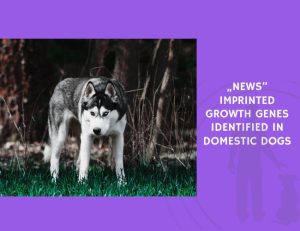
New findings show that canine IGF2 and H19 are imprinted, with monoallelic parent-of-origin expression and differential germline methylation.
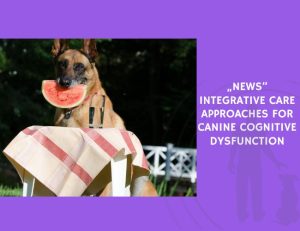
Canine cognitive dysfunction resembles Alzheimer’s disease, and early use of integrative treatments—dietary therapy, nutraceuticals, enrichment, acupuncture—slows decline.

When you bring a rescue dog into your home, you’re

Using CT-based digital endocasts from 24 dog breeds and 4 wild canids, researchers reveal how skull length and width correlate with brain surface regions.

Mixed-breed dogs carry within them multiple complete genetic programs, each one a legacy from different ancestral lines.

A new analysis shows that dogs with confirmed abuse histories display elevated aggression, fear, excitability, and attachment-seeking behaviors.

Research shows that children’s interactions with robotic pets—especially robotic dogs—shape their understanding of technology, relationships, and themselves.

A controlled study demonstrates that owner attention significantly boosts social play between familiar dogs, offering new insight into interspecific audience effects.

A case study with Guiding Eyes for the Blind introduces a behavior-annotation and sensor system designed to support more objective evaluation of guide dog candidates.

A new wearable device combining audio and motion sensors accurately detects sniffing behavior in nosework dogs, offering a promising step toward improved dog–handler communication.

A study comparing novice veterinary students and experts finds that a canine eye model offers a realistic, useful, and ethical tool for teaching fundic examination skills.

You’ve noticed it, haven’t you? That endless loop around the living room. The constant movement from window to door, door to hallway, hallway back to window.

Research reveals that therapy dogs welfare during animal-assisted interventions is understudied, with multiple factors potentially influencing stress and well-being.

Understanding these mechanisms will transform how you see your dog’s behavior—not as a problem to suppress, but as a sophisticated system designed for protection work that needs appropriate guidance in the modern world.

A quantitative tracer study of one pet dog reveals daily soil ingestion far exceeding that of children, highlighting potential environmental health risks.

German Shepherd’s behavior isn’t just about personality—it’s about how their remarkable brain interacts with the world you’ve created for them.
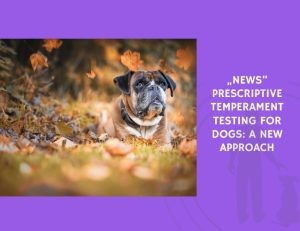
A shift from predictive to prescriptive temperament assessment offers owners actionable guidance. The AKC Temperament Test identifies modifiable behavior patterns.

A large C-BARQ survey comparing over 13,000 dogs found that ancient and spitz breeds consistently display lower attachment and attention-seeking behaviors than modern breed groups.

Early immunocytochemical work demonstrated that both homologous and heterologous antisera accurately distinguish prolactin and growth hormone cells in the canine pituitary.
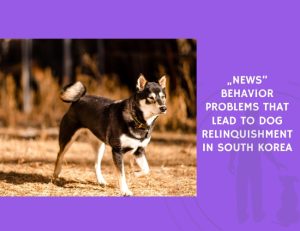
A South Korean study reveals that undesirable behaviors—especially house-soiling, destructiveness, and aggression—significantly increase the risk of dog relinquishment.

A comprehensive review finds that while children gain physical, emotional, and social benefits from living with dogs, dogs may face increased stress, injury risk, and welfare challenges.

A large survey from South Korea reveals that undesirable behaviors—especially house-soiling, destructiveness, and aggression—strongly increase the likelihood of dog relinquishment.
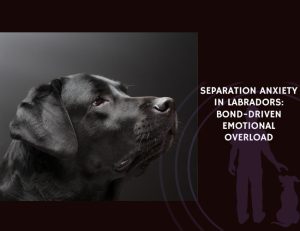
Did you know that your Labrador’s tendency to follow you from room to room isn’t just affection—it’s genetics?

A comprehensive scoping review of 393 publications finds that while children gain physical, emotional, and social benefits from interacting with dogs, the welfare risks to dogs are often overlooked.

What you’re experiencing isn’t a behavioral problem requiring correction—it’s a completely natural developmental phase rooted in your Lab’s breeding history, brain maturation, and sensory exploration needs.
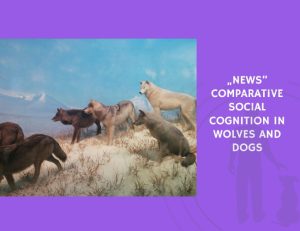
A landmark comparative study finds that domestication profoundly altered dogs’ social attraction and human-directed communication, offering rare insight into the evolution of social cognition across species.

Labradors consistently rank among the most trainable breeds, excelling as service dogs, search-and-rescue partners, and therapy companions. Yet ask any Lab owner about impulse control, and you’ll hear stories of stolen sandwiches, enthusiastic tackle-greetings, and leash-pulling that could rival a sled team.

A two-year study shows that data from instrumented dog toys can predict which dogs will succeed as service animals, achieving nearly 88% accuracy.

A qualitative analysis of 156 medical publications identifies widespread misinformation, rhetorical bias, and exaggerated portrayals of dog bite risks in clinical literature.

A detailed review of canine mammary neoplasms shows how hormones, age, tumor heterogeneity, and pathology inform prognosis and guide advancing treatment strategies.

A large KAP survey across Punjab and Khyber Pakhtunkhwa shows major gaps in rabies awareness, vaccination, and medical-seeking behavior, contributing to ongoing preventable deaths.

Researchers demonstrated that antisera to canine, ovine, and human hormones can accurately reveal distinct prolactin and growth hormone cell types in the dog pituitary gland.

Researchers outline a Detector Dog Center of Excellence to address the shortage of domestic-bred detection dogs using coordinated breeding, data-driven selection, and streamlined procurement.
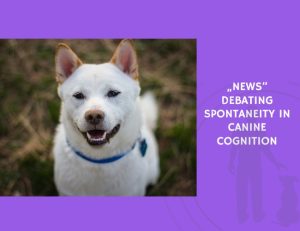
A commentary by Clive Wynne challenges how researchers define spontaneity in animal cognition after a study reporting spontaneous categorization in a dog.

This rare Dutch breed carries centuries of working heritage in its gentle gaze, yet remains virtually unknown outside its Frisian homeland.

A new study introduces DoggyVision, a dog-driven media activation device, showing that dogs do attend to screens but may not alter viewing behavior when given control.

A 2018 review argues that executive function in dogs is understudied and that methodological improvements are essential for advancing behavior science, welfare, and owner–dog relationships.

A 2019 commentary highlights the need for collaborative, bio-behavioral frameworks to predict detector dog success, emphasizing integration between scientific and professional working dog communities.

A new fuzzy emotional behavior model decodes canine tail movements with high accuracy, offering a technological pathway to enhance communication in animal-assisted therapy for individuals with severe disabilities.

A preliminary evaluation of dog–drone technological interfaces highlights both challenges and emerging opportunities for improving canine welfare and expanding computer-assisted working dog systems.

New research across four regions of Thailand reveals how socioeconomic status, knowledge, and attitudes influence dog owners’ willingness to vaccinate and prevent canine rabies.
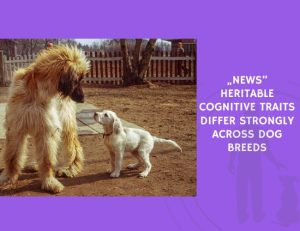
New research reveals that cognitive abilities such as inhibitory control and communication vary widely among dog breeds and are strongly shaped by genetic factors.

A new study reveals that estrous urine in female dogs supports close-range chemical communication rather than long-distance attraction, involving both volatile and nonvolatile cues.

New genomic research reveals how population structure, bottlenecks, and genetic diversity across dog breeds shape the success of trait-mapping studies.

You’re looking at a canine paradox—a small dog with the determination, intelligence, and drive of breeds twice their size.
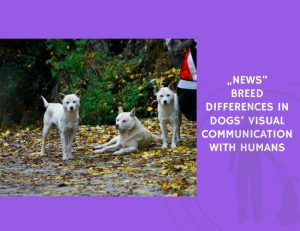
Dogs’ human-directed gaze varies across breed groups: ancient breeds show reduced and delayed eye contact, suggesting genetic roots in wolf ancestry.

A survey of Jindo dog owners reveals frequent behavioral problems—especially excitability and vocalization—yet these issues did not statistically predict relinquishment.

Distinct breed-based health patterns, shared environments with humans, and robust veterinary data systems make companion dogs uniquely suited for advancing longevity research.

A controlled sibling-style jealousy paradigm found that while dogs monitored their owners more when ignored, clear jealous behaviors did not consistently emerge, highlighting strong individual differences.
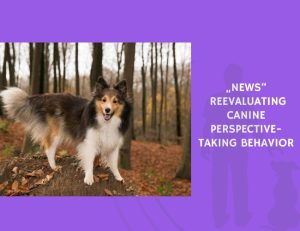
New reflections on canine perspective-taking suggest that wolves and dogs share foundational abilities, with performance shaped more by experience and testing conditions than by domestication alone.

A comprehensive guide for dog owners highlights natural nutrition, behavior awareness, fitness, and supplement-based strategies for promoting canine health.

Picture a medium-sized spitz with bright eyes, a curled tail

A new awake fMRI study identifies specific frontal brain regions responsible for canine response inhibition and shows individual differences in self-control linked to neural activity.

Understanding this heritage changes everything about how you interpret and respond to your Finnish Spitz’s vocalizations.

A comprehensive review highlights crucial methodological issues in detection dog research, emphasizing the need for standardized protocols to ensure scientifically valid, reliable measurements of canine olfactory performance.

The Norwich sports erect, pointed ears that stand at attention, while the Norfolk’s ears fold forward in a gentle drop. This seemingly minor morphological distinction marks one of the most fascinating case studies in canine behavior.

New comparative research reveals that while feline osteosarcomas show higher moesin expression, canine tumors contain more active phosphorylated ezrin and moesin, potentially explaining differences in tumor aggressiveness between species.

A controlled study shows that friendly human–dog interaction leads to measurable hormonal changes, including increased oxytocin and reduced vasopressin, with affiliative behavior predicting the strength of these effects.
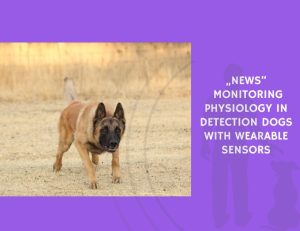
A new cyber-physical wearable system simultaneously records heart rate and respiratory behavior in detection dogs, offering insight into physiological patterns linked to odor identification.

A large-scale machine learning study of 628 detection dogs identified key behavioral traits, testing environments, and time points that best predict training program success.

A school-based dog training program significantly improved adaptive social and communication skills in young children with autism, with gains sustained after participation.

New cytogenetic profiling of histiocytic sarcoma in predisposed dog breeds uncovers recurrent DNA copy number aberrations, including loss of CDKN2A/B, RB1, and PTEN—mirroring patterns found in human histiocytic malignancies.

New research reveals how a dog’s activity level before sleep, whether they sleep at home or elsewhere, and whether sleep occurs during day or night all contribute to measurable differences in sleep electrophysiology.

Understanding your Welsh Terrier’s assertiveness is perhaps the most critical aspect of building a harmonious relationship with this remarkable breed.

A PLoS ONE study reveals that chronic Monocytic Ehrlichiosis induces arrhythmias, elevated cardiac biomarkers, and marked autonomic nervous system imbalance in affected dogs, with high mortality during treatment.

The Manchester Terrier a living legacy of a breed engineered for precision work in Victorian England’s bustling industrial cities.

New evidence reveals that brief, group-based interactions with therapy dogs significantly improve university students’ wellbeing, reducing stress and homesickness and enhancing their sense of belonging.

A study of over 100 dogs reveals that facial complexity affects how easily humans perceive canine expressions, with plainer-faced dogs showing higher expressivity and more accurate human interpretation.

New research demonstrates that certified therapy dogs can feasibly and safely reduce anticipatory anxiety and situational fear in children undergoing dental care, offering a model for broader medical use.
Cutting-edge neuroimaging work provides new insights into how dogs perceive the world, process social information, and experience mental health challenges, strengthening our understanding of the dog–human bond.

New scholarly work argues that Karen Russell’s fiction critiques human exceptionalism by portraying canine and hybrid protagonists whose thwarted instincts illuminate ethical questions about domestication and cross-species empathy.

New evidence demonstrates that topical adelmidrol significantly reduces antigen-induced wheal formation and mast cell numbers in hypersensitive dogs, highlighting its potential as a dermatologic therapy for allergic inflammation.

Originating from the remote Glen of Imaal valley in County Wicklow, Ireland, this remarkable breed served as a multipurpose farm dog where quiet efficiency mattered more than flashy performance.

New research synthesizes what is known about light sensitivity, visual acuity, form perception, and color vision in dogs, emphasizing why visual processing must be understood to interpret cognition results accurately.

These elegant, long-coated terriers from the Scottish Highlands carry within them the legacy of estate guardians and fearless vermin hunters.
New research shows that while pet and detection dogs follow human gestures equally well, they differ in how they seek help and respond to familiar vs. unfamiliar people.

The Miniature American Shepherd isn’t a “small Australian Shepherd”—it’s a distinct breed with its own behavioral profile, one that requires understanding beyond basic training commands.

A 2014 veterinary review highlights the complex biological pathways behind obesity in dogs and cats and outlines clinical approaches to address this increasingly common disease.
A 2018 Learning & Behavior study shows that dogs use separate but neighboring brain regions to process human and canine faces, illuminating how face perception evolved across species.

A 2019 review in Wiley Interdisciplinary Reviews: Cognitive Science outlines why domestic dogs may offer a more valid translational model for autism than rodents, highlighting behavioral and biological parallels.

A 2020 Journal of Applied Behavior Analysis study demonstrates that function-based operant treatments—guided by a modified functional analysis—can reliably reduce canine resource guarding to zero levels.

A 2021 clinical trial demonstrates that a pulsed electromagnetic field (PEMF) device significantly reduces negative behaviors in dogs with separation anxiety, supporting its efficacy and safety.

A 2019 Frontiers in Veterinary Science study introduces the Canine Frustration Questionnaire (CFQ), a validated tool that quantifies frustration tendencies across five components.

The Irish Terrier’s historical functions have profoundly shaped its unique temperament, characterized by a rare blend of courage, speed, and an immediate readiness to engage.

A 2022 Animals study introduces and validates the first tool designed to assess burnout in owners of dogs with behavioral disorders, identifying three levels of caregiver overload.

The Catalan Sheepdog emerged from the rugged Pyrenees, where sheep needed protection and guidance across terrain that would challenge even the most experienced shepherds.

A 2021 commentary highlights the challenges of studying canine emotions, stressing the need to distinguish emotional states from simpler behavioral mechanisms when interpreting research findings.

The Croatian Sheepdog carries the legacy of centuries in its gaze, a breed forged in the rolling hills and valleys of Croatia where speed, precision, and unwavering focus meant the difference between scattered flocks and orderly herds.

A 2022 Animal Cognition study shows that pet parenting styles—authoritative, authoritarian, and permissive—predict dogs’ social behavior, attachment patterns, and cognitive performance.

A 2021 Veterinary Ophthalmology study identifies size and coat color—particularly being large and black—as risk factors for canine ocular onchocerciasis, offering clinicians practical diagnostic guidance.

A Frontiers in Veterinary Science commentary critiques a major e-collar study, highlighting analytical issues, methodological inconsistencies, and concerns that its conclusions overreach the actual results.

Cognitive Canine II gathers evidence on cognitive impairments in dogs, cognitive dysfunction syndrome, behavioral evaluation challenges, and emerging therapeutic and management approaches.

A 2022 Animals study shows that owner satisfaction with adopted dogs is highest when adopters prioritize personality and behavior, seek companionship, and spend less than a week deciding.

A 2020 systematic review finds consistent evidence that canine-assisted therapy improves social engagement in children with autism, despite methodological limitations in existing studies.

The Polish Lowland Sheepdog represents a fascinating paradox in the canine world: a herding breed that was selected not for immediate responsiveness, but for independent judgment.

A 2021 Veterinary Pathology study reveals that Beclin-1 immunolabeling strongly predicts treatment response in canine mast cell tumors, suggesting autophagy inhibitors may improve outcomes for high-grade cases.
Their anxiety patterns aren’t flaws—they’re features of a sighthound nervous system operating in modern environments that rarely provide the predictability these sensitive sprinters need to feel truly safe.

A 2022 Early Childhood Education Journal study finds that short-term canine-assisted literacy sessions enhance children’s reading confidence, engagement, and emotional connection to reading.

What makes the Thai Bangkaew truly exceptional is not their protective instinct alone, but rather how they process their world through a lens of territorial sovereignty.

A 2022 Parasites & Vectors study of 774 dogs in Edmonton shows that coproantigen testing detects more intestinal parasite infections than flotation alone, identifying pre-patent and subclinical cases.

A 2022 Anthrozoös study finds meaningful associations between owner personality traits and owner-rated dog temperament, highlighting implications for dog placement, training, and behavior management.

A 2022 Animals study demonstrates that dogs interact more with specific scents—including berries, mint, and floral odors—offering insights for cosmetics, enrichment, and scent-based product design.

A 2021 Animal Behavior and Cognition study replicates earlier findings that humans can identify emotional contexts in dog barks, revealing cross-cultural similarities and effects of sex and dog ownership on accuracy.

A 2022 Anthrozoös study introduces and validates the Companion Dog Routine Inventory, demonstrating that structured daily routines reduce canine behavioral problems and improve the human–dog bond.

A 2013 Animal Cognition study reveals that dogs preferentially follow social signals from their owners—even when those signals lead to unrewarded choices—highlighting the power of human–dog familiarity.

A 2022 PLoS Neglected Tropical Diseases study reveals that dense urban layouts accelerate canine rabies transmission and that reducing dog populations alone is insufficient—movement restrictions and higher vaccination coverage are far more effective.
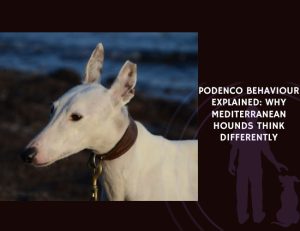
The Podenco carries a lineage that stretches back to ancient Egypt, brought to the Iberian Peninsula by Phoenician traders thousands of years ago.

A 2014 Cognitive Science Society study finds that children attribute greater sentience, desires, and moral standing to an autonomously moving robot dog and behave more prosocially toward it—especially children who own real dogs.

What makes the Ibizan truly fascinating is the contrast between what you see and what’s actually happening beneath the surface.

A 2021 study in Veterinary and Comparative Oncology shows that complete surgical excision, lower mitotic counts, and stronger c-KIT staining correlate with longer survival in dogs with gastrointestinal sarcomas.

A 2021 De Computis study introduces a semi-supervised ResNet-based system for recognizing dog poses from video frames, reducing dataset requirements and supporting real-world tracking applications.

A 2013 IEEE conference study presents a canine body-area network using inertial sensors and machine learning to classify dog postures and activities, supporting more objective and cost-effective training methods.

A 2013 study in the Journal of Veterinary Medical Science finds that participation in puppy training classes enhances obedience and promotes positive responses to strangers, helping prevent later behavioral problems.

A 2019 review in Animals synthesizes evidence on how prospective dog owners make acquisition decisions, revealing that motivations are shaped by appearance, behavior, health, social influence, demographics, and owner experience.
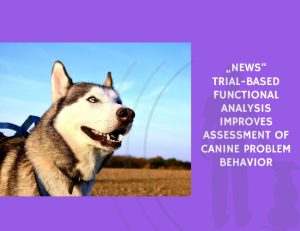
A 2024 study demonstrates that trial-based functional analysis, embedded into natural environments, reliably identifies the maintaining variables of canine problem behavior and supports individualized, effective treatments.

Their apparent aloofness tells a story of environmental adaptation, survival logic, and a deeply specialized approach to bonding that prioritizes quality over quantity.

A 2022 feature in the Journal of the American Veterinary Medical Association describes the physical and behavioral phenotype of canine aging and explains how age-related changes affect both dogs and their human caregivers.

Understanding the Siberian Laika means recognizing that their behaviors, often labeled as “problematic” in modern homes, are actually sophisticated hunting tools.

A 2023 experimental study demonstrates that when target odors become rare, detection dogs show reduced search behavior and performance, though specific behavioral cues can help handlers assess the dogs’ vigilance.

The Greenland Dog challenges everything you might think you know about dog training. Their “stubbornness” is actually situational intelligence. Their “disobedience” is contextual evaluation. Their “wildness” is authentic working integrity.
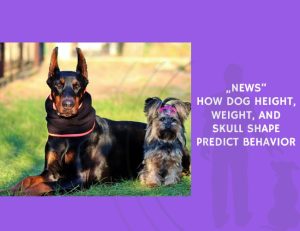
A 2013 PLoS ONE study reveals strong associations between canine morphology—height, bodyweight, and cephalic index—and 33 behavioral traits, showing that shorter dogs tend to exhibit more problematic behaviors across breeds.

A 2021 study in Frontiers in Veterinary Science reveals that many relinquishing owners do not recognize their dogs’ behavioral problems, despite standardized assessments showing significantly higher problem scores than those of pet dogs.

A 2021 multidisciplinary review in Animal Cognition explains how human–dog social bonds provide a template for developing emotional engagement, attachment, and communication between humans and robotic companions.

A 2017 commentary expands on Kujala’s review of canine emotions, emphasizing the complexity of dog–human emotional communication and calling for research methods that address dogs’ rich sensory abilities.

A 2003 study in the Journal of Veterinary Medical Education presents interactive software designed to help students learn diagnostic reasoning and treatment planning for canine and feline behavior problems through realistic case simulations.
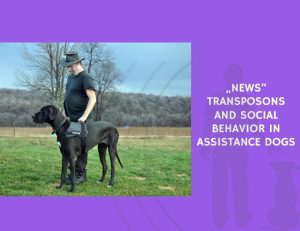
A new behavior genetics study on over 1,000 assistance dogs reveals that transposons in the Williams–Beuren Syndrome Critical Region—and especially variation in GTF2I—are associated with sociability, problem behaviors, and training success.

The story of Jindo independence begins nearly a thousand years ago on Jindo Island, where these remarkable dogs developed behavioral patterns that remain deeply embedded in their DNA today.

Connect

📄 Published whitepaper: The Invisible Leash, Aggression in Multiple Dog Households, Instinct Interrupted & Boredom–Frustration–Aggression Pipeline, NeuroBond Method


Subscribe
Join our email list to receive the latest updates.
