If you’ve ever watched your Labrador launch themselves at the door before you’ve even turned the handle, or witnessed them vibrate with barely contained energy at mealtime, you might have wondered whether this is simply “how Labradors are.” The truth runs deeper than breed stereotypes. What if the food in your dog’s bowl is quietly shaping their ability to wait, listen, and control their impulses?
Let us guide you through the fascinating science connecting diet, brain chemistry, and behaviour—and show you how adjusting what your Labrador eats might transform not just their energy levels, but their entire relationship with self-control. 🧠
The Misunderstood Labrador: Beyond “Hyperactive” Labels
You’ve probably heard it before: “Labradors are just high-energy dogs.” While it’s true that this breed was developed for physically demanding work, the label of “hyperactive” often masks something more nuanced. Many Labradors exhibiting impulsive behaviours—grabbing, jumping, poor waiting, food fixation—aren’t poorly trained or under-exercised. They’re experiencing something that most owners and even trainers overlook: diet-induced metabolic and neurobiological dysregulation.
Common behavioral red flags that suggest diet-induced impulsivity:
- Consistent arousal spikes 30-90 minutes after meals
- Inability to settle for more than an hour after eating
- Food-seeking behavior within 2 hours of a full meal
- Progressive worsening of impulsivity despite consistent training
- Excellent performance at home but complete breakdown in novel environments
- Training cues that work perfectly one hour but fail the next
- Extreme pre-meal excitement that builds an hour before feeding time
- Counter-surfing and scavenging despite adequate caloric intake
Your Labrador’s brain is remarkably sensitive to what they eat. The high-carbohydrate content in many commercial dog foods doesn’t just affect their waistline. It creates a cascade of metabolic events that directly influence their dopamine system, arousal levels, and capacity for impulse control. When we understand this connection, we stop seeing an “out of control” dog and start recognising a dog whose biology is working against their best behaviour.
Why Labradors Are Particularly Vulnerable
Not all breeds respond to dietary carbohydrates in the same way. Labradors carry specific genetic and metabolic characteristics that make them especially susceptible to diet-induced impulsivity:
Genetic reward sensitivity sits at the heart of the issue. Labradors demonstrate enhanced dopaminergic responsiveness to food-related stimuli—in simpler terms, their brains light up more intensely when food is involved. This wasn’t an accident of evolution. These dogs were bred to work tirelessly, often motivated by food rewards from their handlers. That same genetic wiring now makes them more vulnerable when faced with modern, high-carbohydrate diets.
Metabolic predisposition compounds the challenge. Labradors show higher rates of obesity and metabolic dysregulation compared to many other breeds. Their bodies process glucose differently, and they’re more prone to insulin sensitivity issues that create behavioural ripple effects.
The POMC gene deletion appears in approximately one quarter of all Labradors. This genetic variation affects satiety signalling—essentially, it disrupts the “I’m full” message between stomach and brain. Dogs with this deletion genuinely feel less satisfied after eating, driving increased food-seeking behaviour that overlaps with impulsivity.
Training history creates an additional layer of complexity. Most Labradors undergo predominantly food-reward based training, which intensifies food salience in their cognitive landscape. When you combine this learned hyper-attention to food with a diet that creates glucose volatility, you amplify the very behaviours you’re trying to reduce. That’s where the NeuroBond approach becomes essential—understanding that emotional connection and trust can provide training pathways that don’t rely solely on edible rewards.
The Glucose Rollercoaster: How Blood Sugar Drives Behavioural Chaos
Picture your Labrador’s day: they eat a high-carbohydrate meal, and within minutes, a complex metabolic cascade begins. Understanding this sequence helps you recognise that many “misbehaviours” aren’t defiance—they’re biology.
The Post-Meal Timeline of Arousal
In the first fifteen to forty-five minutes after consuming a high-glycaemic meal, your dog’s blood glucose begins its rapid ascent. You might notice increased alertness, more movement, a general restlessness. This isn’t excitement about the food itself anymore—this is the glucose spike triggering physiological arousal.
Between thirty and ninety minutes post-meal, glucose levels peak. This is when you’ll observe maximum arousal and impulsivity. Your Labrador may struggle to settle, ignore cues they normally respond to, or display what looks like selective hearing. Their body is flooded with energy, and their brain is processing this metabolic state as “time to act.”
The crash arrives between ninety and one hundred eighty minutes later. As insulin works to clear glucose from the bloodstream, levels can drop rapidly, sometimes dipping below baseline. During this window, you might observe irritability, renewed food-seeking behaviour, or what appears to be anxiety. Your dog isn’t being difficult—they’re experiencing the behavioural instability that follows glycaemic volatility.
Beyond three hours, the pattern either stabilises or triggers a hypoglycaemic rebound that restarts the cycle of seeking and restlessness. If your Labrador seems to never truly settle between meals, this may be why.
Observable signs during glucose peak (30-90 minutes post-meal):
- Restless pacing or inability to lie down calmly
- Increased panting without physical exertion
- Hyperfocus on environmental stimuli (birds, sounds, movement)
- Reduced responsiveness to familiar cues
- Jumping, mouthing, or other physical seeking behaviors
- Whining or vocalization without apparent cause
- Dilated pupils and heightened alertness
- Difficulty maintaining attention during training
Observable signs during glucose crash (90-180 minutes post-meal):
- Irritability or snapping at minor disturbances
- Renewed intense food-seeking (kitchen watching, bin checking)
- Anxious behaviors like lip-licking or yawning
- Restlessness alternating with attempted settling
- Increased sensitivity to touch or handling
- Seeking attention or comfort from humans
- Scavenging behaviors increasing in frequency
- Trembling or shaking in severe cases
Why High-GI Carbohydrates Create Behavioural Noise
Not all carbohydrates affect your dog’s behaviour equally. High-glycaemic index ingredients—white rice, wheat-based kibble, corn, potato—create rapid, pronounced glucose spikes followed by equally dramatic crashes. Low-glycaemic options like sweet potato, oats, and legumes produce gradual glucose elevation and sustained energy release, supporting behavioural stability rather than undermining it.
High-glycaemic ingredients to eliminate from your Labrador’s diet:
- White rice and rice flour
- Wheat, wheat flour, and wheat gluten
- Corn and corn meal
- White potato
- Tapioca and cassava
- Maltodextrin
- Cane molasses and sugar
- Rice bran
Low-glycaemic alternatives that support stable glucose:
- Sweet potato
- Steel-cut oats and oat groats
- Quinoa
- Lentils and chickpeas
- Pumpkin
- Green peas
- Barley
- Amaranth
When you increase the protein and healthy fat content of your Labrador’s diet while reducing simple carbohydrates, you’re not just changing nutrition—you’re changing neurobiology. Slower digestion means stable glucose, which translates directly to improved inhibitory control. The Invisible Leash concept applies here: true guidance comes from internal regulation, not constant external management.
Research on metabolic timing reveals that glucose-behaviour relationships vary throughout the day. Morning high-carb feeding may produce more pronounced arousal volatility than afternoon feeding, suggesting that when you feed matters almost as much as what you feed. 🐾
The Insulin-Dopamine Connection: When Reward Systems Amplify
Your Labrador’s impulsivity isn’t just about energy—it’s about reward. And here’s where the metabolic-neurobiological interface becomes fascinating.
How Insulin Speaks to the Brain
Insulin doesn’t simply regulate blood sugar. It crosses the blood-brain barrier and directly modulates dopamine signalling. When your dog consumes repeated high-carbohydrate meals, chronic insulin elevation creates enhanced insulin receptor sensitivity in the brain’s reward circuits. This means that dopamine—the neurotransmitter associated with motivation, anticipation, and reward—is released more readily and in greater quantities.
For Labradors, who already possess heightened dopaminergic reactivity to food cues, this creates a powerful amplification effect. The reward salience of food-related stimuli intensifies. Environmental triggers that might produce mild interest in another breed can generate overwhelming compulsion in a metabolically-sensitised Labrador.
The threshold for impulsive initiation lowers progressively. What began as manageable food interest becomes difficult-to-resist compulsion, not because training has failed, but because the neurobiological substrate has fundamentally changed.
The Breed-Specific Vulnerability Loop
Research on dopamine’s role in salience and memory provides critical context. Dopamine neurons signal the salience of environmental stimuli and influence how powerfully experiences are encoded in memory. For Labradors, this means:
Baseline dopaminergic reactivity is already elevated. Their dopamine response to food cues exceeds that of many other breeds—a feature, not a bug, of their genetic heritage.
Reward memory consolidation is enhanced. Food-related experiences are encoded more powerfully, creating stronger, more persistent memories that drive future behaviour.
Slower habituation to food rewards means that even after hundreds of repetitions, food stimuli remain highly salient. Where another dog might gradually lose interest, your Labrador maintains enthusiastic responsiveness.
Salience persistence ensures that food-related environmental cues—the rustle of a treat bag, the sound of the food bin opening, even the time of day associated with meals—remain powerful behaviour triggers.
When you layer high-carbohydrate diets onto this existing neurobiological sensitivity, you create a positive feedback loop: high-carb meal triggers insulin spike, which releases dopamine, which enhances reward encoding, which increases food-seeking, which leads to more frequent feeding, which creates greater insulin exposure, which further sensitises dopamine pathways, which lowers the threshold for impulsive behaviour. The cycle becomes self-reinforcing.
Understanding this mechanism is where Soul Recall becomes relevant—recognising that your dog’s behaviour reflects deep-seated neurobiological patterns shaped by both genetics and nutrition, not simple “stubbornness” or training gaps.
SEEKING Activation Versus Inhibitory Control: The Internal Tug-of-War
Every moment, your Labrador’s brain manages a delicate balance between two fundamental forces: the drive to seek, explore, and pursue (what neuroscientist Jaak Panksepp termed the SEEKING system), and the capacity to inhibit, wait, and exercise self-control.
The SEEKING System in a Metabolic Context
The dopamine-mediated SEEKING system drives exploratory behaviour, anticipation, and pursuit. It’s what makes your Labrador enthusiastic about life, eager to investigate new environments, and highly motivated during training. In optimal conditions, this system supports learning and adaptive behaviour.
But in the context of high-carbohydrate diets, SEEKING activation becomes dysregulated:
Glucose-dopamine coupling means that rapid glucose changes trigger dopamine release, activating SEEKING behaviour independent of environmental cues. Your dog becomes aroused not because something interesting is happening, but because their blood sugar is spiking.
Anticipatory activation intensifies. Pre-meal SEEKING activation, which naturally occurs in all dogs, becomes amplified with carb-heavy diets. The hour before feeding time may transform into a window of barely manageable arousal.
Generalised arousal replaces focused attention. SEEKING activation becomes less task-specific and more diffuse—everything becomes interesting, nothing holds sustained focus, and impulse control deteriorates across all contexts, not just food-related ones.
When Inhibitory Resources Run Empty
Inhibitory control—the capacity to suppress an impulse, delay gratification, or maintain focus despite distraction—requires neurobiological resources. Research on impulse control reveals that stable metabolic states support this executive function, while glucose volatility disrupts it.
Think of inhibitory control as a reservoir. Every time your dog successfully waits, recalls despite distraction, or settles instead of jumping, they’re drawing from this reservoir. In a metabolically stable dog fed a balanced diet, this reservoir refills efficiently. In a dog experiencing glycaemic volatility, the reservoir is constantly depleted and slow to refill.
The result? High SEEKING activation combines with metabolic volatility and depleted inhibitory resources. Impulsive behaviour isn’t a choice—it’s an inevitable breakthrough when the internal regulatory system is overwhelmed.
Why Your Training Cues Seem to Disappear
You’ve trained your Labrador’s recall. You’ve practiced waiting at doors. You’ve worked on impulse control exercises. Yet in certain moments, it’s as if none of that training exists. This isn’t selective memory—it’s metabolic interference.
Waiting failures occur when glucose spikes increase motor readiness, creating premature initiation before the release cue. Insulin fluctuations reduce temporal discrimination, making it genuinely difficult for your dog to estimate duration accurately. They’re not being stubborn—they’ve lost access to the internal clock that supports waiting.
Recall latency extends when elevated SEEKING creates competing motivational states. Your recall cue must compete with powerful internal drive states amplified by metabolic arousal. Additionally, metabolic arousal reduces auditory processing efficiency—your dog may genuinely not register the cue amidst the internal “noise.”
Cue persistence failures reflect attention instability driven by glucose volatility. Maintaining focus on handler cues requires sustained attention, which becomes nearly impossible when blood sugar is fluctuating. Meanwhile, dopamine amplification makes environmental stimuli more salient than trained cues. Your voice competes with a neurobiological state that makes everything else more interesting.

Satiety Signalling: Why Your Labrador Never Seems Full
If you’ve wondered why your Labrador acts perpetually hungry despite regular meals, you’re observing satiety signalling disruption—a direct consequence of high-carbohydrate feeding patterns.
How Carbohydrates Undermine Fullness
True satiety involves multiple, overlapping signals: gastric stretch, hormone release, nutrient sensing, and learned associations. High-carbohydrate meals disrupt this elegant system:
Rapid gastric emptying occurs because carbohydrates digest more quickly than proteins or fats. The mechanical satiety that comes from stomach fullness is brief, leaving your dog feeling empty sooner.
Insulin-leptin interaction becomes problematic with chronic insulin elevation. Leptin, the hormone that signals long-term energy sufficiency, may face resistance when insulin levels are consistently high—similar to insulin resistance itself. Your dog’s brain stops receiving accurate “you have enough stored energy” messages.
Ghrelin rebound happens during the post-insulin crash. This hunger hormone surges as blood glucose drops, triggering renewed appetite and food-seeking behaviour well before the next scheduled meal.
Insufficient CCK (cholecystokinin) production occurs because carbohydrate-heavy meals produce less of this satiety hormone compared to protein and fat-rich meals. One more signal indicating fullness is absent or weakened.
The Satiety Timeline Matters
Compare the normal satiety windows:
A protein and fat-rich meal provides four to six hours of genuine satiety. Your dog settles, relaxes, and shows minimal food interest during this period.
A balanced meal offers three to five hours—still adequate for typical feeding schedules.
A high-carbohydrate meal? One to three hours. Often closer to one. You might feed your Labrador breakfast at 7 AM and observe intense food-seeking by 9 AM, long before lunch makes biological sense. You’re not dealing with greed or poor training—you’re witnessing satiety system failure.
The behavioural manifestations become predictable: persistent food-seeking despite recent feeding, counter-surfing and scavenging, increased reactivity to any food-related cue (including sounds, smells, and visual triggers), and difficulty settling post-meal even when adequately exercised.
Specific behaviors indicating satiety signaling disruption:
- Staring at food storage areas between meals
- Following you to the kitchen every time you enter
- Excessive drooling when any food is visible
- Barking or whining when meals are being prepared
- Attempting to access garbage bins or compost
- Eating non-food items (grass, dirt, tissues)
- Begging from every family member sequentially
- Watching others eat with intense focus
- Immediately searching for crumbs after eating own meal
- Waking during the night seeking food
- Extreme excitement to food-related sounds (can opener, refrigerator door)
- Resource guarding of empty food bowls 🧡
Finding Balance Through Macronutrient Adjustment
The solution isn’t removing carbohydrates entirely—it’s optimising the balance. Evidence-based recommendations suggest:
Increasing protein to thirty to forty percent of calories, compared to the twenty to twenty-five percent typical in high-carb diets. Quality matters: chicken, fish, eggs, and lean beef provide essential amino acids that support both physical health and neurological function.
Increasing healthy fats to twenty to thirty percent of calories, up from the typical ten to fifteen percent. Fish oil, coconut oil, and flaxseed provide sustained energy and support satiety signalling.
Reducing simple carbohydrates to less than thirty percent of total calories, down from the forty to fifty percent common in many commercial foods. This single change can dramatically alter your dog’s metabolic and behavioural stability.
Emphasising low-GI carbohydrates when you do include them. Sweet potato, oats, and legumes replace white rice, wheat, and corn, providing gentler glucose curves and more sustained energy.
This macronutrient rebalancing doesn’t just improve satiety—it supports every other aspect of behavioural regulation we’ve discussed. Stable glucose means reduced arousal volatility. Better satiety means decreased food-seeking. Improved metabolic function means enhanced inhibitory control.
When Training and Diet Collide: The Compounding Effect
Most Labrador training relies heavily on food rewards. This isn’t wrong—food motivation is powerful and efficient. But when food-heavy training protocols meet high-carbohydrate base diets, the effects compound in ways that can undermine the very behaviours you’re trying to build.
The Synergy of Metabolic and Training-Induced Arousal
Consider what happens when you combine these factors:
Your dog’s base diet creates metabolic volatility and heightened dopaminergic reactivity. They’re already operating with elevated arousal and reduced inhibitory control.
Then you introduce training sessions with frequent food rewards. Each treat triggers additional dopamine release, layered onto an already-sensitised reward system.
The cumulative effect exceeds what either factor alone would produce. Baseline arousal elevation from diet meets training-induced dopamine spikes. The result? Behavioural “noise” that makes discrimination learning—the foundation of all training—significantly more difficult.
Your Labrador struggles to distinguish between correct and incorrect responses not because they’re not trying, but because the signal-to-noise ratio in their nervous system has degraded. They’re aroused, reactive, and struggling to access the inhibitory control necessary for thoughtful response selection.
Risk Factors in Treat-Heavy Training Approaches
Certain training patterns amplify vulnerability:
High training frequency with multiple daily sessions using food rewards creates repeated dopamine spikes throughout the day. Each session adds to cumulative metabolic stress.
High-value treats—especially palatable options like cheese, meat, and commercial treats—produce more powerful reward responses. While this can accelerate initial learning, it also intensifies the sensitisation process.
Variable reinforcement schedules (which are excellent for maintaining behaviour in other contexts) increase anticipatory arousal when combined with metabolic sensitivity. The unpredictability of reward timing keeps SEEKING activation elevated.
Training treats constituting a large proportion of daily calories—typically more than twenty percent—means that the metabolic impact of treat consumption rivals or exceeds that of meals themselves. You’re essentially maintaining chronic carbohydrate exposure throughout the day.
Specific training practices that compound metabolic arousal:
- 3+ formal training sessions daily using food rewards
- Treats given randomly throughout the day “just because”
- High-value treats (cheese, hot dogs, commercial training treats) as primary reinforcers
- Training immediately after high-carb meals during glucose peak
- Using treats to manage arousal or anxiety (creates dependency loop)
- Family members all carrying treats, creating constant food anticipation
- Training classes that require continuous treat delivery
- Treats comprising more than 20% of total daily caloric intake
- Unpredictable treat timing creating constant vigilance
- No distinction between meal-food and treat-food in the dog’s experience
Alternative Approaches: Meal-Based and Life Rewards
The solution isn’t abandoning food rewards—it’s restructuring how and when you use them. Through the principles of Zoeta Dogsoul, we recognise that motivation and learning can emerge from many sources beyond edible treats.
Meal-based reinforcement transforms feeding from a passive event into an active training opportunity. Use your dog’s daily ration as training rewards during pre-meal sessions. This approach offers multiple benefits:
Reduced daily feeding frequency—consolidating to two or three structured meals rather than continuous grazing stabilises glucose patterns.
The training occurs during a metabolically calm window before the glucose spike.
Food maintains its reward value without compounding metabolic arousal.
The practice strengthens impulse control through structured waiting and earning of meals.
Life rewards tap into your Labrador’s non-food motivations:
Play sessions can reinforce calm behaviour, successful recalls, or good waiting.
Access to preferred activities—going through a doorway, retrieving a ball, exploring a new area—becomes contingent on demonstrating self-control.
Social interaction, including affection, attention, and engagement, provides powerful reinforcement without metabolic disruption.
Environmental exploration, guided by the Invisible Leash principle, allows your dog’s natural curiosity to reward attentive behaviour.
Non-food rewards that support training without metabolic disruption:
- Tug games with a favorite toy
- Ball or frisbee retrieval sessions
- Permission to sniff specific areas during walks
- Access through doorways or gates
- Release to greet friendly people or dogs
- Swimming or water play opportunities
- Car rides to interesting destinations
- Verbal praise delivered with genuine enthusiasm
- Physical affection (chest rubs, ear scratches)
- Permission to jump on furniture (if normally restricted)
- Access to the yard or preferred outdoor areas
- Playing with other dogs
- Exploring new walking routes
- Chasing bubbles or laser points
- Digging in designated dig zones
Optimising training timing requires attention to metabolic windows:
Avoid training thirty to ninety minutes post-meal when glucose peaks and arousal is highest.
Schedule sessions during metabolic stability windows—mid-morning before lunch, or late afternoon between meals.
Consider morning training before the first meal, when inhibitory control is at its daily peak and food motivation remains strong.
Food. Focus. Frustration.
Nutrition writes behavior. What looks like stubbornness may be serotonin depleted, blood sugar swinging, or stress pathways starved of essential vitamins.
Deficits shape responses. Low protein, missing omega-3s, or unstable glucose don’t just weaken the body—they fog the mind and fray patience.


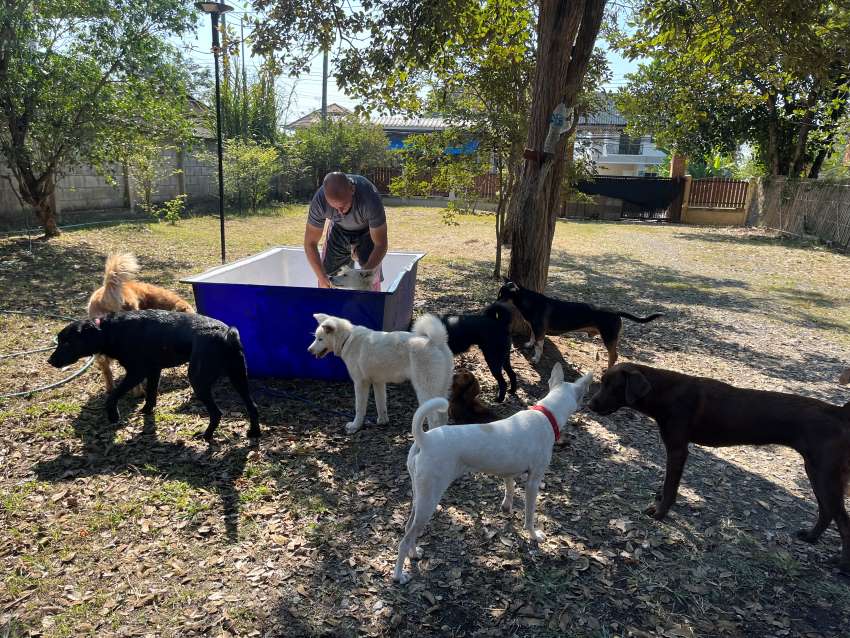
Balance builds clarity. When the brain is fed what it needs, recall sharpens, emotions steady, and the so-called “disobedient” dog becomes the partner they were meant to be. 🐾
The Environmental Context: When Stress Compounds Diet Effects
Your Labrador doesn’t exist in a vacuum. The metabolic effects of high-carbohydrate diets interact with environmental stressors in ways that can amplify behavioural dysregulation beyond what diet alone would produce.
How Cortisol and Glucose Create a Storm
Stress triggers cortisol release. Cortisol, in turn, promotes glucose release into the bloodstream—a survival mechanism that ensures energy availability during threat. When your dog already experiences glucose volatility from dietary carbohydrates, adding cortisol-driven glucose release creates extreme metabolic instability.
The behavioural consequences manifest most clearly in high-stimulus environments:
Dog parks during glucose peak windows become nearly impossible to navigate. The combination of social arousal, environmental stimulation, elevated glucose, and stress-related cortisol creates a perfect storm of impulsivity.
Training classes held shortly after meals may set your dog up for failure. The group context elevates arousal, the novelty triggers stress responses, and the timing coincides with metabolic instability—three factors that, individually manageable, become overwhelming in combination.
Multi-dog households experience heightened reactivity around feeding times. The social competition stress combines with individual glucose fluctuations, often resulting in resource guarding, aggressive displays, or chaotic arousal that seems disproportionate to the situation.
High-stimulus environments that amplify diet-induced arousal:
- Dog parks (especially during peak hours)
- Pet stores with food displays and samples
- Outdoor cafes where food is visible
- Busy urban sidewalks with multiple stimuli
- Training classes with 5+ dogs present
- Farmers markets or street festivals
- Beach areas with picnicking families
- Hiking trails with frequent dog encounters
- Veterinary clinic waiting rooms
- Multi-dog daycare environments
- Crowded walking paths during lunch hours
- Outdoor restaurant patios
- Children’s playgrounds (movement + food)
- Dog-friendly brewery or winery settings
Environmental Management Strategies
You can’t eliminate all stress from your dog’s life—nor should you try. But you can strategically manage environmental challenges during metabolically vulnerable windows:
Post-meal quiet periods of thirty to sixty minutes allow glucose to peak and begin its descent without compounding arousal from environmental stimulation. This isn’t confinement or punishment—it’s providing a calm, predictable settling routine.
Avoiding high-stimulus environments during the thirty to ninety minute post-meal window protects your dog from situations where they’re neurobiologically less capable of appropriate responses.
Scheduling activities strategically means planning dog park visits, training classes, or social interactions during periods of metabolic stability rather than volatility.
Practical environmental modifications to support metabolic stability:
- Feed meals 2+ hours before planned outings or training
- Create a designated post-meal settling area (crate, bed, quiet room)
- Use white noise or calming music during glucose peak window
- Close curtains or block visual stimulation during settling time
- Schedule dog park visits mid-morning (between breakfast and lunch)
- Time training classes for late afternoon (4+ hours after lunch)
- Feed dinner after evening activities rather than before
- Separate feeding areas in multi-dog households
- Keep food storage areas out of visual range
- Establish predictable pre-meal routines to reduce anticipatory arousal
- Use baby gates to limit access to high-stimulus areas post-meal
- Provide appropriate chew items during settling periods
- Maintain consistent meal timing (reduces anticipatory arousal)
- Plan shopping trips or errands during your dog’s post-meal settling window
This environmental awareness, combined with dietary management, creates conditions where your Labrador’s natural intelligence and trainability can emerge. That balance between awareness and action—that’s the essence of Zoeta Dogsoul. 😊
🍽️ The Labrador Diet-Behavior Transformation Guide 🧠
Your 8-Phase Journey from Glucose Chaos to Impulse Control Mastery
Phase 1: Recognition
Identifying Diet-Induced Impulsivity
Understanding the Pattern
Your Labrador’s impulsivity isn’t a training failure—it’s metabolic dysregulation. High-carb diets create glucose volatility that directly undermines inhibitory control. Notice if arousal spikes 30-90 minutes post-meal, if food-seeking emerges within 2 hours of eating, or if behavior progressively worsens despite consistent training.
Red Flag Behaviors
- Consistent arousal spikes 30-90 minutes after meals
- Counter-surfing despite adequate calories
- Training cues that work one hour but fail the next
- Excellent home performance, complete breakdown elsewhere
Common Misattribution
What looks like “hyperactive” or “poorly trained” is actually glucose spike arousal. What seems “stubborn” is metabolic arousal overriding trained responses. Reframing the problem is the first step toward solution.
Phase 2: Baseline Assessment
Documenting Current State (Week 1-2)
Measurement Protocol
Track daily metrics to establish objective baseline: waiting duration before meals (seconds), recall latency in standardized context, jumping frequency, settling time post-meal, and counter-surfing incidents. This data proves dietary causation and tracks improvement.
Medical Screening
- Complete blood count and metabolic panel
- Thyroid function testing (T4, free T4, TSH)
- POMC gene test for Labradors (satiety impact)
- Fasting and post-prandial glucose measurements
Phase 3: Macronutrient Optimization
Foundation Changes (Week 1-4)
Eliminate High-GI Carbohydrates
Remove white rice, wheat-based kibble, corn, potato, and tapioca. These create rapid glucose spikes followed by crashes that trigger behavioral chaos. Check ingredient lists—if these appear in the first 5 ingredients, your food is undermining behavior.
Optimal Macronutrient Ratios
- Protein: 30-40% of calories (chicken, fish, eggs, lean beef)
- Fat: 20-30% of calories (fish oil, coconut oil, flaxseed)
- Carbohydrates: <30% from low-GI sources (sweet potato, oats, legumes)
- Target: Stable glucose = improved inhibitory control
Week 1-4 Expectations
Week 1: Digestive adjustment, no behavioral changes. Week 2-3: Subtle settling improvements. Week 4: Noticeable impulse control gains, reduced pre-meal arousal, training responsiveness improving in calm environments.
Phase 4: Temporal Structuring
Meal & Training Timing Optimization (Week 3-6)
The Post-Meal Timeline
0-30 min: Initial glucose rise, seeking behavior starts. 30-90 min: Peak glucose = maximum arousal and impulsivity (AVOID training/outings). 90-180 min: Glucose crash = irritability. 180+ min: Metabolic stability = optimal training window.
Strategic Meal Scheduling
- 2-Meal Schedule: 7:00 AM & 5:00 PM (10 hours apart, simple)
- 3-Meal Schedule: 7 AM (25%), 12 PM (50%), 6 PM (25%) for high activity/POMC+ dogs
- Feed at exactly same times daily (within 15 minutes)
- Allow 30-60 min post-meal settling before any activity
Best Training Windows
BEST: Early morning before breakfast (6-7 AM), mid-morning 2.5-4.5 hours post-breakfast, late afternoon between meals. AVOID: 30-90 minutes post-meal, 90-180 minutes post-meal, within 30 minutes before feeding time.
Phase 5: Training Method Adaptation
Reducing Food-Reward Dependency (Week 3-8)
The NeuroBond Approach
Through the NeuroBond framework, we recognize that emotional connection and trust create training pathways that don’t rely solely on edible rewards. When metabolic volatility is reduced, emotional states become more discriminable—your dog can better distinguish hunger from arousal, creating clarity in communication.
Meal-Based Reinforcement Strategy
- Use daily ration as training rewards in pre-meal sessions
- Incorporate life rewards: play, access, exploration, social interaction
- Gradually reduce between-meal treats (especially high-carb options)
- Training during metabolic stability maximizes learning efficiency
Avoid Compounding Arousal
High training frequency with food rewards + high-carb diet = cumulative metabolic stress. If treats comprise >20% of daily calories, you’re maintaining chronic carb exposure that sensitizes dopamine pathways and lowers impulse thresholds.
Phase 6: Environmental Optimization
Context Management (Week 5-12)
The Invisible Leash Principle
True guidance comes from internal regulation, not constant external management. When you strategically manage environmental challenges during metabolically vulnerable windows, you’re not controlling your dog—you’re clearing obstacles so their natural capacity for self-control can emerge.
High-Stimulus Contexts to Avoid (30-90 min post-meal)
- Dog parks (especially peak hours)
- Training classes with multiple dogs
- Pet stores with food displays
- Busy urban sidewalks with food smells
- Multi-dog interactions (stress compounds glucose)
Post-Meal Settling Routine
Create a designated settling area with calming music or white noise. Provide appropriate chew items. Close curtains to reduce visual stimulation. This isn’t punishment—it’s supporting neurobiological regulation during the glucose peak.
Phase 7: Progress Tracking
Objective Measurement & Refinement (Ongoing)
Weekly Metrics to Track
- Waiting duration: Target 30+ seconds by week 4
- Recall latency: Target under 3 seconds
- Jumping events: Target 50% reduction by week 3
- Settling time: Target under 15 minutes post-meal
- Counter-surfing: Target zero by week 6
- Training responsiveness: Target 80%+ by week 4
Expected Timeline
Weeks 2-3: First behavioral shifts. Weeks 4-6: Notable impulse control improvements (40-60% reduction in impulsivity metrics). Months 3-6: Full neurobiological reregulation, consistent performance across environments.
When to Consult Professionals
If no behavioral change appears after 6 weeks of consistent dietary management, consult a veterinary nutritionist to verify macronutrient calculations. Consider underlying medical factors that may require concurrent treatment.
Phase 8: Sustained Excellence
Lifestyle Integration & Maintenance (Month 3+)
Soul Recall in Action
Soul Recall reminds us that your dog’s behavior reflects deep-seated neurobiological patterns shaped by both genetics and nutrition. As metabolic stability becomes your new baseline, you’ll witness moments where emotional memory and intuitive response create seamless cooperation—not from constant management, but from internal harmony.
Maintaining Results
- Consistency with macronutrient ratios (80/20 rule minimum)
- Preserve meal timing structure even on weekends
- Continue strategic activity scheduling around metabolic windows
- Monitor for regression during stressful life changes
- Adjust protein/fat ratios as dog ages or activity level changes
Deepening the Bond
With metabolic stability as your foundation, training shifts from managing symptoms to genuine communication. Your Labrador’s intelligence, trainability, and desire to cooperate emerge naturally. The relationship deepens as frustration transforms into understanding.
🔄 Comparative Analysis: Understanding Individual Variations
POMC+ vs POMC- Labradors
POMC+ (25% of Labradors): Impaired satiety signaling, require 3-meal schedule, need higher protein ratios (35-40%), slower response timeline (6-8 weeks).
POMC- (75% of Labradors): Normal satiety, 2-meal schedule sufficient, moderate protein (30-35%), faster response (3-4 weeks).
Age-Based Adaptations
Puppies (6-18 months): Higher protein needs for growth, 3-4 meals daily, shorter settling windows, adolescent impulsivity overlays dietary effects.
Seniors (8+ years): Lower metabolism, 2 meals optimal, cognitive support from stable glucose, joint health benefits from omega-3s.
Activity Level Variations
Working/Sport Dogs: Higher caloric needs, 3-meal schedule prevents energy dips, strategic timing around performance, increased fat ratio (25-30%).
Companion Dogs: Standard 2-meal schedule, moderate caloric intake, easier glucose management, faster behavioral improvement.
Training Method History
Treat-Heavy History: Stronger dopamine sensitization, longer transition to life rewards (8-12 weeks), may show initial increase in food-seeking during adjustment.
Balanced Training History: Less dopamine dysregulation, easier transition (4-6 weeks), quicker acceptance of non-food rewards.
Baseline Impulsivity Severity
Severe (8-10/10 scale): 6-8 week response time, may need 3-meal schedule regardless of age, benefits from environmental management during entire transition.
Mild-Moderate (3-6/10): 2-4 week response time, 2-meal schedule sufficient, environmental adjustments less critical.
Concurrent Health Conditions
Hypothyroid Dogs: Requires concurrent medication, slower metabolism affects timing, may need adjusted protein ratios, medical management essential.
Healthy Dogs: Straightforward dietary transition, predictable response timeline, standard protocol applies.
⚡ Quick Reference: The 30-30-30 Formula
30% minimum protein for neurotransmitter support • Under 30% carbohydrates for glucose stability • Avoid the 30-90 minute post-meal window for training and high-stimulus activities • Track for 30 days minimum before adjusting protocol • 30-second wait duration as week-4 target metric
🧡 The Zoeta Dogsoul Perspective
What we feed our Labradors shapes not just their physical health, but the very substrate of learning, emotional regulation, and behavioral expression. Through the NeuroBond framework, we recognize that emotional connection emerges most powerfully when metabolic chaos no longer obscures communication. The Invisible Leash becomes real when internal regulation replaces constant external management. And moments of Soul Recall—that intuitive, seamless cooperation—flourish when neurobiological harmony supports the relationship.
This isn’t just about diet. It’s about clearing the obstacles between your Labrador and their truest expression of intelligence, cooperation, and joy. When glucose stability creates the foundation, everything else becomes possible—deeper training, clearer communication, and a bond built on understanding rather than management.
© Zoeta Dogsoul – Where neuroscience meets soul in dog training
Reading the Signs: What Dietary Dysregulation Looks Like
Understanding the theory helps, but recognising these patterns in your own dog transforms knowledge into action. Let’s explore what diet-induced impulsivity actually looks like in daily life.
Temporal Patterns and Food-Related Behaviour
Pay attention to when behaviours occur relative to meals:
If your Labrador is most “difficult” thirty to ninety minutes after eating, you’re likely observing glucose peak arousal rather than training failures.
If food-seeking behaviour emerges within two hours of a meal, suspect satiety signalling disruption rather than inadequate portions.
If your dog settles beautifully for three hours after some meals but only one hour after others, examine the macronutrient composition of those different meals.
Time-based patterns that strongly suggest dietary causation:
- Consistent behavioral deterioration 30-90 minutes post-meal
- Excellent morning behavior (before breakfast) vs. poor afternoon performance
- Reliable performance 4+ hours after meals, unreliable within 2 hours
- Pre-meal arousal building systematically starting 60 minutes before feeding
- Nighttime restlessness correlating with dinner timing
- Weekend behavioral differences when meal timing changes
- Improved behavior on days when meals are accidentally delayed
- Worse performance in morning training classes (post-breakfast) vs. evening classes
- Cyclical patterns of hyperactivity followed by lethargy throughout the day
- Predictable counter-surfing attempts 90-120 minutes after meals
- Training responsiveness that varies by time of day rather than environment
- Consistent recall failures during the same time windows daily
The “Trained at Home, Chaos Everywhere Else” Pattern
Many owners report that their Labrador demonstrates excellent impulse control at home but falls apart in new environments. While novelty always introduces challenge, extreme discrepancies often reflect metabolic vulnerability:
At home, environmental predictability and lower overall arousal allow your dog to access inhibitory control despite metabolic challenges.
In novel environments, the stress response releases cortisol, which compounds glucose volatility, pushing total arousal beyond the threshold where inhibitory control is accessible.
This isn’t “knowing better” at home—it’s neurobiological resources being adequate in low-demand contexts but insufficient when demands increase.
Progressive Worsening Despite Consistent Training
Perhaps the most frustrating pattern: your training has been consistent, your approach hasn’t changed, yet impulsivity gradually worsens over weeks or months. This progressive deterioration strongly suggests metabolic sensitisation:
Frequent carbohydrate exposure creates ongoing dopamine pathway sensitisation.
The reward threshold lowers incrementally.
Inhibitory control capacity degrades gradually.
What worked three months ago no longer suffices because the underlying neurobiology has shifted.
If you recognise this pattern, dietary modification becomes essential—more training intensity won’t address a metabolic foundation problem.
Understanding the Misattribution: What Looks Like Training Problems May Be Metabolic Issues
One of the most damaging patterns in managing Labrador impulsivity is misattributing metabolically-driven behaviors to training failures or character flaws. This table helps you reframe what you’re observing:
Common behavior misattributions and their actual metabolic causes:
| Observed Behavior | Common Label | Actual Dietary Cause |
|---|---|---|
| Jumping, grabbing, mouthing | “Hyperactive” or “Poorly trained” | Glucose spike arousal (30-90 min post-meal) |
| Poor recall, ignoring cues | “Stubborn” or “Defiant” | Metabolic arousal overriding trained responses |
| Intense food fixation | “Greedy” or “Food-obsessed” | Impaired satiety signaling from carb-heavy diet |
| Inconsistent performance | “Unreliable” or “Needs more training” | Glucose volatility affecting cognitive function |
| Reactivity to dogs/people | “Aggressive” or “Under-socialized” | Carb-induced arousal amplification |
| Can’t settle after meals | “High-energy breed trait” | Post-prandial glucose spike preventing rest |
| Counter-surfing, scavenging | “Bad manners” | Genuine hunger from satiety system failure |
| Excessive pre-meal excitement | “Excited about food” | SEEKING system amplification from diet |
| Training regression over time | “Losing skills” | Progressive dopamine sensitization |
| Worse in novel environments | “Nervous” or “Lacking confidence” | Stress + glucose creating arousal overload |
What changes when you address the metabolic cause instead of the assumed training gap:
- Behavior improves without increasing training frequency
- Dog demonstrates skills they “forgot” once metabolism stabilizes
- Environmental challenges become manageable with same training level
- “Stubborn” dog becomes responsive and eager
- “Hyperactive” dog shows natural calm between activities
- “Food-obsessed” dog can focus on non-food rewards
- Training effectiveness increases dramatically despite same methods
Making the Change: Practical Implementation Strategies
Understanding the science matters, but transformation requires action. Let’s translate knowledge into concrete steps you can implement starting today.
What to Expect: The Dietary Transition Timeline
Before diving into implementation, understanding realistic timelines prevents disappointment and ensures you stay the course:
Week 1 (Digestive Adjustment):
- Gradual food transition to prevent GI upset
- Possible temporary increase in food-seeking as body adjusts
- No significant behavioral changes yet expected
- Focus on consistency and observation
Weeks 2-3 (First Behavioral Shifts):
- Subtle improvements in settling after meals
- Slight increase in waiting duration
- May notice reduced pre-meal arousal intensity
- Training responsiveness begins improving in low-distraction environments
Weeks 4-6 (Notable Changes):
- Clear improvement in impulse control measures
- Post-meal restlessness significantly reduced
- Food-seeking between meals decreases noticeably
- Training effectiveness improves in moderate-distraction environments
- Counter-surfing incidents drop by 50%+
Months 3-6 (Full Neurobiological Reregulation):
- Baseline arousal levels stabilize at lower set-point
- Dopamine sensitivity normalizes
- Training generalization improves across all environments
- Relationship quality deepens as communication becomes clearer
- Dog demonstrates consistent impulse control without constant management
Why the timeline varies between individuals:
- POMC gene status (dogs with deletion take longer to show satiety improvements)
- Severity of initial dysregulation (worse starting point = longer recovery)
- Consistency of dietary implementation (stricter adherence = faster results)
- Age (younger dogs respond faster than senior dogs)
- Concurrent stressors (calm household = faster improvement)
- Exercise and enrichment levels (adequate stimulation supports transition)
- Training history (heavily treat-dependent dogs need longer adjustment)
Phase One: Dietary Foundation (Weeks 1-4)
Immediate carbohydrate reduction forms the cornerstone:
Eliminate white rice, wheat-based kibble, corn, and potato from your dog’s diet.
Replace with sweet potato, oats, quinoa, or legumes if you’re maintaining some carbohydrate content.
Consider high-quality, protein-focused commercial foods or consulting with a veterinary nutritionist about home-prepared diets.
How to read dog food labels to identify high-carb, high-GI foods:
The ingredient list (ingredients listed by weight):
- First 5 ingredients determine the bulk of the food’s composition
- Multiple forms of same ingredient = manufacturer splitting to push protein higher (e.g., rice, rice flour, rice bran all = lots of rice)
- RED FLAGS: Rice, wheat, corn, potato, tapioca appearing in first 5 ingredients
- GREEN FLAGS: Named meat proteins (chicken, beef, fish) in first 3 positions
Calculating carbohydrate percentage (since not always listed):
- Find Guaranteed Analysis percentages: Protein, Fat, Fiber, Moisture, Ash
- Add these percentages together
- Subtract total from 100
- Result = approximate carbohydrate percentage
- TARGET: Under 30% for behavioral stability
Example calculation:
- Protein: 26%
- Fat: 15%
- Fiber: 4%
- Moisture: 10%
- Ash: 7%
- Total: 62%
- Carbohydrate estimate: 100 – 62 = 38% (TOO HIGH for optimal behavior)
Other label indicators of quality:
- Meal” proteins (chicken meal, fish meal) are concentrated protein sources
- Named fats (chicken fat, salmon oil) better than “animal fat”
- Whole food ingredients vs. processed derivatives
- Absence of artificial colors, flavors, preservatives
- AAFCO statement confirming nutritional adequacy
- Country of origin and manufacturing location
Protein quality and quantity require simultaneous attention:
Target thirty to forty percent of calories from animal protein sources.
Emphasise chicken, fish, eggs, and lean beef—whole food sources rather than protein meals or by-products when possible.
Ensure adequate amino acid diversity by rotating protein sources.
High-quality protein sources for optimal neurotransmitter support:
- Chicken (breast, thigh, organ meats)
- Turkey (ground, whole cuts)
- Fish (salmon, sardines, mackerel, whitefish)
- Eggs (whole, including yolk)
- Lean beef and bison
- Lamb
- Duck
- Rabbit
- Venison (for dogs with common protein sensitivities)
Protein sources to approach cautiously or avoid:
- Unspecified “meat meal” or “poultry meal”
- Meat by-products without specification
- Excessive plant-based proteins (pea protein isolate, soy protein)
- Rendered meat meals of unknown origin
- Generic “animal digest” or “animal fat”
Healthy fat integration supports satiety and provides sustained energy:
Aim for twenty to thirty percent of calories from fat.
Fish oil provides omega-3 fatty acids with anti-inflammatory properties.
Coconut oil and flaxseed offer additional options for fat-soluble vitamin absorption and energy.
Beneficial fat sources for metabolic stability and brain health:
- Wild-caught fish oil (omega-3 EPA and DHA)
- Salmon oil
- Sardine oil
- Coconut oil (medium-chain triglycerides)
- Flaxseed and flaxseed oil (plant-based omega-3)
- Chicken fat (when from quality sources)
- Duck fat
- Egg yolks
- Chia seeds
What healthy fats do for your Labrador’s brain and behavior:
- Slow gastric emptying, extending satiety windows from 1-3 hours to 4-6 hours
- Provide stable energy without glucose spikes
- Support dopamine receptor function and neurotransmitter synthesis
- Reduce inflammatory processes that can affect behavior
- Aid absorption of fat-soluble vitamins essential for neurological health
- Create a feeling of satisfaction that reduces food-seeking
Meal timing structure stabilises metabolic patterns:
Implement two or three meals daily at consistent times—consistency matters for metabolic regulation.
Maintain minimum four-hour intervals between meals to allow complete digestion cycles.
Eliminate free-feeding entirely, as continuous food access prevents metabolic stabilisation.
Optimal meal timing schedules for behavioral stability:
Two-meal schedule (adult dogs, minimal activity demands):
- Morning meal: 7:00 AM (after morning toileting, before activities)
- Evening meal: 5:00 PM (minimum 10 hours apart, 3+ hours before bedtime)
- Benefits: Longer satiety windows, simpler schedule, fewer glucose peaks daily
- Best for: Adult Labradors with moderate activity, office workers, predictable routines
Three-meal schedule (high activity, young adults, POMC+ dogs):
- Morning meal: 7:00 AM (small portion, 25% of daily)
- Midday meal: 12:00 PM (largest portion, 50% of daily)
- Evening meal: 6:00 PM (small portion, 25% of daily)
- Benefits: Smaller glucose spikes, extended satiety coverage, better for POMC deletion carriers
- Best for: Active working dogs, young adults (1-3 years), dogs with extreme food motivation
Strategic timing principles regardless of schedule:
- Feed at exactly the same times daily (within 15-minute window)
- Allow 30-60 minutes post-meal settling before any activity
- Avoid feeding immediately before training or outings
- Schedule largest meal when longest settling period available
- Feed dinner early enough to allow digestion before bedtime (3+ hours)
- On activity days, feed smaller morning meal or delay breakfast until post-activity
- Weekend schedules should match weekday schedules (prevents arousal disruption)
Phase Two: Training Integration (Weeks 3-8)
As dietary changes begin affecting baseline arousal, adjust training approaches:
Transition to meal-based reinforcement by using daily ration as training rewards. Structure brief training sessions immediately before meals, gradually reducing the frequency of between-meal treats.
Incorporate life rewards systematically. Identify your dog’s preferred activities and access points, then make these contingent on demonstrations of impulse control.
Optimise training timing by avoiding the thirty to ninety minute post-meal window. Schedule sessions during metabolic stability, potentially favouring morning work before the first meal when inhibitory resources are fullest.
Optimal training timing windows throughout the day:
BEST training windows (high inhibitory control, metabolic stability):
- Early morning before breakfast (6:00-7:00 AM): Peak executive function, strong food motivation
- Mid-morning (9:30-11:30 AM): 2.5-4.5 hours post-breakfast, stable glucose
- Late afternoon (3:00-5:00 PM): Between lunch and dinner, second-best window
- Pre-dinner session (4:30-5:30 PM): Use meal as reward, strong motivation
AVOID training windows (low inhibitory control, metabolic instability):
- 30-90 minutes post-meal (glucose peak, maximum arousal)
- 90-180 minutes post-meal (glucose crash, irritability)
- Within 30 minutes of anticipated feeding time (pre-meal arousal building)
- Immediately after high-stimulus activities (compounded arousal)
- During or immediately after environmental stressors
Training session structure for optimal metabolic support:
- Keep sessions brief during metabolic volatility windows (5-10 minutes max)
- Extend sessions during stable windows (15-30 minutes)
- Begin with easy, known behaviors to build success momentum
- Progress to challenging behaviors only during peak stability
- End sessions before frustration or fatigue appears
- Note performance variations by time of day to identify patterns
- Adjust training difficulty based on metabolic state, not just skill level
Phase Three: Environmental Optimisation (Weeks 5-12)
With dietary and training adjustments underway, refine environmental management:
Control post-meal stimulus exposure through structured quiet periods. This doesn’t mean isolation—just calm, predictable routines that don’t compound arousal.
Schedule high-arousal activities strategically. Plan dog park visits, training classes, and social interactions during windows of metabolic stability rather than glucose peaks.
Manage multi-dog interactions around feeding times with increased structure, potentially feeding separately if arousal competition becomes problematic.
Troubleshooting: Common Obstacles and Solutions
Even with perfect understanding and good intentions, obstacles arise. Here’s how to navigate the most common challenges:
“My dog seems hungrier on the new diet—why?”
- Likely experiencing temporary adjustment as gut microbiome adapts to higher protein/fat
- May indicate portion sizes need adjustment (calculate by weight, not volume)
- POMC+ dogs will always seem hungrier; this is genetic, not dietary failure
- Solution: Ensure adequate caloric intake for weight, add more low-GI vegetables for volume
- Timeline: Adjustment period typically 2-3 weeks
“My dog is gaining/losing weight during transition—what do I do?”
- Weight changes during first month are common as metabolism adjusts
- Monitor weekly; concerning only if >5% body weight change per month
- Gaining: Reduce portions slightly, increase exercise, check fat percentage isn’t too high
- Losing: Increase portions, ensure adequate fat content, rule out malabsorption issues
- Solution: Adjust portions in 10% increments weekly until stabilized
“How long before I see behavioral changes?”
- Subtle changes: 2-3 weeks in most dogs
- Noticeable improvement: 4-6 weeks typical
- Full reregulation: 3-6 months for complete neurobiological adaptation
- No change by week 6: Reassess macronutrient calculations, consult vet nutritionist
- Faster results: Younger dogs, milder initial dysregulation, stricter dietary consistency
“I can’t afford premium dog food—what are my options?”
- Home-prepared meals can be cost-effective (requires nutritional knowledge)
- Buy high-protein foods in bulk, supplement with whole foods
- Use fresh meat scraps, eggs, canned fish as protein sources
- Cook sweet potatoes, oats in bulk for low-cost low-GI carbs
- Rotate between affordable protein sources (chicken, eggs, fish)
- One quality meal + one budget meal daily can still improve outcomes
- Gradual improvement on imperfect diet beats no change on unaffordable “perfect” diet
“My dog has food allergies—how do I adapt this approach?”
- Work with veterinary dermatologist or nutritionist for appropriate proteins
- Novel protein sources: venison, rabbit, duck, fish alternatives
- Eliminate common allergens while maintaining macronutrient ratios
- Low-GI carbs rarely allergenic: sweet potato, quinoa, oats usually safe
- Limited ingredient commercial diets often high-carb; verify calculations
- Solution: Focus on macronutrient ratios using safe ingredients vs. ideal ingredients
“Training classes require constant treat use—how do I manage?”
- Use daily ration as treats during class; skip meal before class
- Choose lowest-GI treats available (freeze-dried meat, not biscuits)
- Request permission to use toy/play rewards for your dog specifically
- Attend classes during metabolic stability windows (late afternoon best)
- Reduce treat size to minimal (pea-sized pieces)
- Supplement with life rewards between food rewards
- Consider private training vs. group classes temporarily
Tracking Progress and Adjusting Course
Systematic monitoring reveals whether changes are working:
Weekly metrics provide granular feedback:
- Waiting duration before meals (measure in seconds)
- Recall latency in standardised contexts
- Frequency of jumping or grabbing behaviours
- Time required to settle after meals
- Counter-surfing incidents
Specific weekly tracking measurements for objective assessment:
- Waiting duration: Time from “wait” cue to release (target: 30+ seconds by week 4)
- Recall latency: Seconds between recall cue and dog reaching you (target: under 3 seconds)
- Jumping events: Total number of uninvited jumps per day (target: 50% reduction by week 3)
- Settling time: Minutes from meal completion to relaxed lying down (target: under 15 minutes)
- Counter-surfing: Number of attempts per week (target: zero by week 6)
- Pre-meal arousal: Minutes of excessive excitement before feeding (target: under 5 minutes)
- Training responsiveness: Percentage of cues successfully responded to (target: 80%+ by week 4)
- Food-seeking events: Times per day dog checks food areas between meals (target: minimal by week 3)
- Cue persistence: How many repetitions needed for compliance (target: one cue by week 4)
- Post-meal restlessness: Duration of pacing or inability to settle (target: under 10 minutes)
Monthly assessment captures broader patterns:
- Overall impulsivity rating on a one-to-ten scale
- Training responsiveness as percentage of successful cue responses
- Your stress level as handler
- Quality of life rating for both you and your dog
Meaningful change typically emerges within two to four weeks of dietary modification, with continued improvement over three to six months as neurobiological systems reregulate. If you observe no change after six weeks of consistent dietary management, consult with a veterinary nutritionist to ensure macronutrient targets are being met and consider potential underlying medical factors.
Beyond Diet: The Broader Perspective
While nutritional modification forms a powerful intervention, recognising diet as one element within a larger system ensures comprehensive support for your Labrador’s behavioural wellbeing.
Medical Screening and Baseline Assessment
Before attributing all impulsivity to diet, rule out medical contributors:
Thyroid function significantly influences energy regulation and behaviour. Hypothyroidism can create apparent hyperactivity and impaired learning.
Blood glucose patterns can be monitored directly through veterinary testing. Some dogs have underlying metabolic conditions requiring medical management alongside dietary modification.
POMC gene testing is available for Labradors. Knowing whether your dog carries the deletion affecting satiety helps contextualise their behaviour and adjust expectations appropriately.
General health screening ensures that factors like pain, allergies, or gastrointestinal issues aren’t compounding behavioural challenges.
Comprehensive medical screening checklist before implementing dietary changes:
- Complete blood count (CBC) to assess overall health
- Comprehensive metabolic panel including glucose regulation
- Thyroid panel (T4, free T4, TSH) to rule out hypothyroidism
- Fasting glucose and post-prandial glucose measurements
- Insulin sensitivity testing if diabetes risk is present
- POMC gene test (specifically for Labradors)
- Cortisol levels to assess stress hormone function
- Food allergy or sensitivity testing if GI symptoms present
- Joint and mobility assessment (pain affects behavior)
- Dental examination (oral pain influences eating patterns)
- Parasitology screening (intestinal parasites affect nutrition absorption)
- Kidney and liver function tests
- Complete physical examination including body condition scoring
- Behavioral health assessment by veterinary behaviorist if available
The Role of Physical Exercise
Exercise remains important, though not as a sole solution to impulsivity. Appropriate physical activity:
Supports metabolic health by improving insulin sensitivity and glucose regulation.
Provides cognitive stimulation that satisfies your Labrador’s working heritage.
Offers opportunity for training impulse control in gradually increasing levels of distraction.
However, exercise cannot compensate for fundamental metabolic dysregulation. The “tire them out” approach often fails with diet-induced impulsivity because you’re addressing a symptom rather than a cause.
Mental Enrichment and Cognitive Challenge
Labradors are intelligent dogs who benefit from activities that engage their problem-solving abilities:
Scent work taps into natural tracking instincts while building focus and persistence.
Puzzle feeders slow consumption while providing cognitive engagement, though watch total carbohydrate intake from puzzle toy contents.
Training novel behaviours regularly keeps your dog’s mind engaged and provides natural life rewards through the satisfaction of mastery.
These activities support overall wellbeing but work synergistically with dietary management rather than replacing it.
Mental enrichment activities that satisfy cognitive needs without metabolic disruption:
- Nosework and scent discrimination exercises
- Hide-and-seek games with toys (not food)
- Novel trick training (spin, weave, play dead)
- Problem-solving puzzles (non-food based when possible)
- Name recognition for multiple toys
- Shell game with objects under cups
- DIY snuffle mats using kibble from daily ration
- Treasure hunts following scent trails
- Learning to differentiate between similar objects
- Memory games (which hand, which cup)
- Agility or parkour-style obstacle courses
- Retrieving specific named items
- Platform training and body awareness exercises
- Relaxation protocols and “settle” training
- Cooperative care training (grooming, nail trims, handling)
Enrichment timing strategies for optimal benefit:
- Schedule cognitive activities during metabolic stability windows (mid-morning, late afternoon)
- Avoid challenging mental work during glucose peaks (creates frustration)
- Use enrichment during post-meal settling periods (low-intensity options)
- Rotate activities to maintain novelty and engagement
- Match difficulty to current metabolic state (easier tasks post-meal, harder tasks during stable periods)
Research Perspectives and Future Directions
The science connecting diet, metabolism, and behaviour in dogs continues evolving. Understanding current limitations helps you evaluate new information critically.
What We Know with Confidence
Controlled research demonstrates that:
Macronutrient composition affects glucose patterns in dogs, with high-carbohydrate diets producing greater volatility.
Insulin influences brain function beyond glucose regulation, including effects on neurotransmitter systems.
Genetic factors, including the POMC deletion, affect satiety and food motivation in Labradors specifically.
Training effectiveness varies based on metabolic state and arousal levels.
Testing the Diet-Behavior Connection: A Scientific Protocol
For skeptical owners or those wanting objective proof before committing fully, this evidence-based protocol demonstrates dietary causation without confounding variables:
Phase 1: Baseline Documentation (2 weeks)
Purpose: Establish current behavioral patterns and metrics
What to do:
- Maintain current diet exactly as-is
- Continue current training protocols without changes
- Record daily metrics using standardized measurement times
- Document food type, portions, and feeding times
- Note any environmental variables (visitors, schedule changes)
Metrics to track daily:
- Waiting duration before meals (seconds, measured with timer)
- Recall latency in standardized location (seconds)
- Jumping/grabbing frequency (count per day)
- Settling time post-meal (minutes until relaxed lying position)
- Counter-surfing incidents (count per week)
- Pre-meal arousal intensity (1-10 scale, 60 min before feeding)
- Training responsiveness (% successful on first cue)
- Food-seeking events between meals (count)
Phase 2: Dietary Modification Only (4 weeks)
Purpose: Isolate diet as the variable while holding training constant
What to do:
- Transition to optimized macronutrient diet (high protein, moderate fat, low-GI carbs)
- NO changes to training methods, frequency, or protocols
- NO changes to exercise routines
- Continue identical metric recording as Phase 1
- Maintain consistency in all other aspects of dog’s life
Critical rules for Phase 2:
- Family members must avoid unconsciously changing responses to dog
- Resist urge to increase training because “dog is doing better”
- Keep treat usage, type, and frequency identical to baseline
- Document any unavoidable life changes (visitors, travel, etc.)
Expected outcomes if diet is causative factor:
- 40-60% improvement in waiting duration by week 3-4
- Settling time reduced by 50%+ by week 4
- Counter-surfing incidents reduced by 60%+ by week 4
- Training responsiveness increased 20-30% by week 4
- Improvements appear without additional training effort
Phase 3: Reversal Test (Optional, 2 weeks)
Purpose: Confirm causation by returning to original diet
What to do:
- Return to exact original food and feeding schedule
- Maintain modified training protocols (or keep unchanged if following strict protocol)
- Continue metric tracking
- Observe behavioral changes
What to expect if diet was causal:
- Gradual return of impulsivity within 7-10 days
- Metrics decline toward baseline levels
- Training effectiveness decreases despite same methods
- Post-meal arousal patterns return
What this proves:
- Diet was primary driver of behavioral improvement
- Changes weren’t due to seasonal variation, maturation, or unconscious training shifts
- Intervention was effective and replicable
Important notes:
- Phase 3 is optional (many owners skip once convinced)
- Some veterinary nutritionists discourage reversal if results are clear
- Can do partial reversal (increase carbs moderately rather than fully)
- Reversal should be brief to minimize welfare impact
What Remains to Be Fully Established
Critical questions requiring additional research include:
Dose-response relationships: Exactly how much carbohydrate reduction is necessary to produce meaningful behavioural change in individual dogs?
Genetic interactions: How do specific dopamine receptor polymorphisms modify responses to dietary interventions?
Long-term outcomes: What happens to behaviour and metabolic health when dietary modifications are maintained over years?
Optimal formulations: Are there breed-specific dietary formulations that maximise behavioural benefits while ensuring complete nutrition?
Translational Applications
The integration of this knowledge into veterinary and training practice is underway but incomplete. Future developments may include:
Standardised dietary assessment as routine components of behaviour consultations.
Impulsivity-focused food formulations designed specifically for breeds with heightened reward sensitivity.
Professional training for veterinarians, trainers, and behaviour consultants in recognising and addressing metabolic contributions to behaviour problems.
Accessible owner education that translates complex science into actionable guidance.
As evidence accumulates, the paradigm is shifting from viewing impulsive Labradors as primarily training problems toward recognising them as dogs experiencing metabolic dysregulation requiring nutritional intervention.
Is This the Right Path for Your Labrador?
Not every Labrador struggling with impulse control is primarily experiencing diet-induced dysregulation. How do you know if nutritional modification is the right starting point for your dog?
Strong Indicators for Dietary Intervention
Consider dietary modification as a first-line approach if your Labrador demonstrates:
Post-meal arousal patterns with pronounced behaviour changes thirty to ninety minutes after eating.
Persistent food-seeking despite adequate caloric intake and appropriate body condition.
Progressive worsening of impulsivity despite consistent training over weeks or months.
Extreme food motivation that seems disproportionate to what you’d expect even in a food-motivated breed.
Difficulty settling after meals, with prolonged periods of restlessness regardless of exercise.
Training response inconsistency that follows temporal patterns related to feeding times.
Detailed assessment: Is dietary intervention right for your Labrador?
Answer YES to these questions to identify strong dietary causation:
- Does arousal spike predictably 30-90 minutes after meals?
- Does your dog seek food within 2 hours of eating a full meal?
- Has impulsivity gradually worsened over the past 3-6 months despite consistent training?
- Does your dog’s body condition remain appropriate despite seemingly constant hunger?
- Is settling after meals difficult even after 60+ minutes of exercise?
- Does training effectiveness vary dramatically by time of day?
- Does your dog perform well at home but fall apart in novel environments?
- Has your dog’s food motivation increased over time rather than decreased?
- Do you see behavioral improvement when meals are accidentally delayed?
- Does your current food have rice, wheat, corn, or potato in the first five ingredients?
- Is your dog more reactive to environmental stimuli at certain times related to feeding?
- Have multiple trainers or behaviorists struggled to create lasting improvement?
Scoring interpretation:
- 8-12 YES answers: Dietary modification is highly recommended as first-line intervention
- 5-7 YES answers: Dietary modification likely to produce significant improvement
- 2-4 YES answers: Consider dietary modification as supportive intervention
- 0-1 YES answers: Other factors may be more primary; consult veterinary behaviorist
When Other Factors Deserve Primary Attention
Dietary modification may play a supporting rather than primary role if:
Recent onset of impulsivity coincides with environmental changes, suggesting stress-related causes.
Specific triggers dominate, such as reactivity only toward other dogs or response only to specific sounds, pointing toward fear or anxiety issues.
Young age (under eighteen months) means normal adolescent impulsivity may be the primary factor, though diet still influences severity.
Medical symptoms accompany behavioural changes, requiring veterinary evaluation before dietary trials.
Situations where diet is supportive but not primary:
- Impulsivity began suddenly after a specific traumatic event
- Dog shows fear-based reactivity (tucked tail, whale eye, avoidance)
- Behavior is highly context-specific (only at vet, only around certain dogs)
- Separation anxiety is the dominant concern
- Compulsive behaviors are present (tail chasing, shadow chasing, repetitive licking)
- Dog is under 12 months old and showing typical puppy mouthing/jumping
- Recent rehoming or adoption (adjustment period expected)
- Noise phobias or sound sensitivities are primary issues
- Resource guarding predates current diet by years
- Dog has diagnosed anxiety disorder already under treatment
- Aggression toward humans is present (requires professional intervention)
- Pain-related behavior changes are evident
- Recent medication changes coincide with behavioral changes
- Dog is senior (8+ years) with new-onset cognitive decline symptoms
The Integration Approach
For most Labradors, the optimal path involves simultaneously addressing:
Nutritional foundation through macronutrient optimisation and meal timing.
Training methodology that reduces food-reward dependency and incorporates life rewards.
Environmental management that minimises stress compounding during vulnerable windows.
Physical and mental enrichment appropriate to your dog’s age and capabilities.
Relationship building through the NeuroBond principles of emotional connection and trust-based communication.
No single intervention solves complex behavioural challenges. But when diet-induced metabolic dysregulation is present, nutritional modification often unlocks responsiveness to other interventions that previously seemed ineffective. 🐾
Components of a comprehensive integration approach:
Nutritional (40% of total intervention):
- Macronutrient optimization (high protein, moderate fat, low-GI carbs)
- Meal timing standardization
- Treat reduction strategy
- Supplement assessment if needed
Training & Behavior (30% of total intervention):
- Transition to life rewards and meal-based reinforcement
- Impulse control exercises during metabolic stability
- Relationship-based training emphasizing NeuroBond principles
- Consistency across all family members
Environmental (15% of total intervention):
- Post-meal settling protocols
- Strategic activity scheduling
- Stimulus management during vulnerable windows
- Household routine optimization
Physical Health (10% of total intervention):
- Appropriate exercise matched to energy levels
- Joint and mobility support
- Regular veterinary monitoring
- Pain management if applicable
Mental Enrichment (5% of total intervention):
- Cognitive challenges during stable periods
- Novel learning opportunities
- Scent work and problem-solving
- Appropriate toy rotation
A Final Reflection: From Frustration to Understanding
If you’ve spent months or years feeling frustrated by your Labrador’s impulsivity, questioning your training skills, wondering if you’re somehow failing your dog—please hear this: you haven’t failed. You’ve been working within a paradigm that didn’t yet recognise how profoundly diet shapes behaviour.
The Labrador who launches themselves at the door, who vibrates with barely contained energy at mealtime, who seems unable to simply wait—that dog isn’t defective, poorly trained, or lacking in intelligence. They’re a dog whose remarkable genetic heritage of food motivation and reward sensitivity is being amplified by metabolic patterns that undermine their natural capacity for impulse control.
When you adjust what fills their bowl, you’re not just changing nutrition. You’re modifying the neurobiological foundation upon which all training, all learning, all relationship-building occurs. You’re creating conditions where your dog’s intelligence, trainability, and genuine desire to please can emerge without being constantly undermined by glucose volatility and dopamine dysregulation.
The path forward requires patience. Metabolic and neurobiological systems don’t reorganise overnight. You’ll need weeks of dietary consistency to observe meaningful change, months to achieve full reregulation. But the transformation, when it occurs, often exceeds what seemed possible through training alone.
Your relationship with your Labrador deepens when you recognise that behaviour reflects biology as much as learning. Compassion replaces frustration when you understand that their struggle with waiting isn’t defiance but depleted inhibitory resources. Training becomes more effective when it occurs during windows of metabolic stability rather than fighting against arousal peaks.
That balance between scientific understanding and emotional connection, between metabolic awareness and relationship-building—that’s where true transformation lives. That’s the essence of Zoeta Dogsoul.
Your Labrador possesses remarkable capacities for learning, connection, and cooperation. Sometimes, the most powerful thing you can do is clear the metabolic obstacles standing between them and their best self. Start with the bowl. Observe with curiosity rather than judgment. Trust the process. And watch as the dog you always knew lived inside begins to emerge more consistently, more reliably, more joyfully. 🧡
Quick Reference: Frequently Asked Questions
Won’t my dog lose training motivation without constant treats? No. Food motivation remains strong; you’re simply restructuring when and how food is used. Meal-based reinforcement often increases motivation because meals are more valuable than individual treats. Life rewards tap into other powerful motivators beyond food.
Is this just about weight loss for obese dogs? No. This approach targets behavioral regulation through metabolic stability, not weight loss. Many appropriately-weighted Labradors experience dramatic behavioral improvement from macronutrient changes without weight changes.
Can I still use treats in training? Yes, strategically. Use portion of daily ration as treats, choose low-GI options (freeze-dried meat vs. biscuits), time training during metabolic stability, and reduce frequency while increasing value of each reward.
How strict do I need to be about the diet? Consistency produces fastest results. An 80/20 approach (strict 80% of time) still yields improvement, but slower. Occasional high-carb treats are less problematic if base diet is optimized and timing is strategic.
What if I feed raw or home-cooked—does this still apply? Yes. Principles apply regardless of feeding method. Raw and home-cooked make it easier to control macronutrient ratios precisely, but you must ensure nutritional completeness. Consult veterinary nutritionist for balanced recipes.
Will this work for other breeds besides Labradors? Likely yes for other food-motivated, dopamine-sensitive breeds (Golden Retrievers, Beagles, Spaniels). Less dramatic effects in breeds with lower baseline food drive, but metabolic stability benefits all dogs.
My vet says commercial food is “complete and balanced”—isn’t that enough? Complete and balanced ensures nutritional adequacy, not behavioral optimization. Many “complete and balanced” foods are high-carb because carbs are cheap. Behavioral needs differ from basic nutritional needs.
How much will this cost compared to current food? Higher quality food costs 50-100% more than budget kibble, but often costs less than frequent trainer consultations, behavior medications, or property damage from impulsive behaviors. Home-prepared can be cost-neutral.
What if my dog is on prescription diet for medical condition? Consult veterinarian before changes. Some prescription diets allow macronutrient optimization within medical constraints. Never compromise medical needs for behavioral modification.
Can puppies eat this way? Yes, with appropriate adjustments for growth requirements. Puppies need higher protein anyway; focus on quality protein sources and moderate fat. Avoid excessive carbs even in growth phases.
My senior dog (10+ years) is impulsive—is it too late? No. Senior dogs respond well, though timeline may extend slightly. Metabolic stability also supports cognitive function in aging dogs. Benefits extend beyond just impulsivity.
Should I consult anyone before making dietary changes? Ideally consult veterinary nutritionist, especially for home-prepared diets, medical conditions, or complex situations. For simple commercial food switches, close monitoring may suffice.