
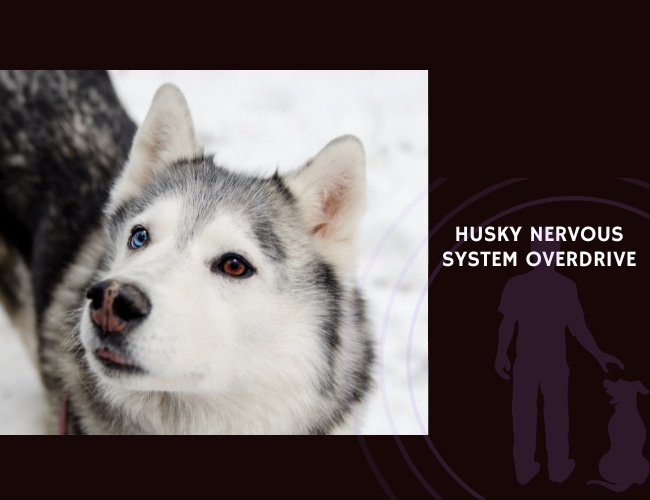
Have you ever watched your Husky after a long run, expecting them to settle, only to find them still pacing, panting, and searching for something more? You’re not alone. What looks like boundless energy or stubborn independence might actually be something deeper: nervous system overdrive. This isn’t about a dog who needs more exercise—it’s about a nervous system that can’t find the off switch.
In this guide, we’ll explore why Siberian Huskies often operate in a state of heightened activation that conventional training approaches struggle to address. You’ll discover the fascinating interplay between endurance breeding, brain chemistry, and modern living conditions that creates this persistent state of arousal. More importantly, you’ll learn how to recognize when your Husky’s drive has crossed from healthy expression into dysregulation, and what you can actually do about it.
Understanding What Nervous System Overdrive Really Means
The Signs You’re Seeing
Nervous system overdrive in Huskies looks like constant motion without purpose. Your dog might finish a three-hour hike and still pace the house, monitoring every sound, unable to truly settle even when physically exhausted. Common signs include:
- Constant pacing or movement even after substantial exercise
- Difficulty achieving genuine rest with frequent repositioning and restlessness
- Heightened reactivity to ordinary household sounds that other dogs ignore
- Almost frantic seeking behavior without clear purpose or satisfaction
- Inability to “switch off” even when physically exhausted
- Hypervigilance to environmental changes and stimuli
This differs fundamentally from normal working drive. A healthy Husky can run for hours and then downshift into calm contentedness. A Husky in overdrive continues seeking without satisfaction, scanning without rest, moving without clear purpose. The nervous system remains locked in activation mode, unable to access the parasympathetic recovery states essential for wellbeing.
The challenge? This condition is frequently misunderstood. Behaviors get attributed to insufficient exercise, poor training, or breed stubbornness when they actually reflect a nervous system struggling with dysregulation. Standard solutions—more exercise, more training, more stimulation—can amplify the very problem they’re meant to solve.
Why This Matters for Your Husky’s Wellbeing 🧠
Understanding overdrive changes everything about how you approach your dog’s behavior. When you recognize that constant seeking reflects arousal dysregulation rather than insufficient activity, your entire management strategy shifts. Instead of adding more stimulation, you begin prioritizing recovery. Instead of interpreting restlessness as energy, you recognize it as a nervous system unable to downregulate.
This matters because chronic arousal states carry real welfare implications:
- Elevated stress hormones affecting multiple body systems
- Disrupted sleep architecture preventing restorative rest
- Impaired immune function increasing susceptibility to illness
- Compromised quality of life with constant internal tension
- Increased reactivity to normal environmental stimuli
- Reduced learning capacity due to elevated arousal interfering with cognition
Your Husky isn’t being difficult—they’re experiencing physiological distress that conventional approaches often fail to address.
The Endurance Heritage: Why Huskies Are Wired Differently
Bred for Distance, Not Downtime
The Chukchi people of northeastern Siberia created something extraordinary when they developed the Siberian Husky. They didn’t breed for sprinting or herding or guarding—they bred for sustained output across brutal distances under extreme conditions. This selection shaped every aspect of Husky physiology, including nervous system function.
Consider what long-distance freight hauling demanded:
- Superior oxygen delivery and utilization for sustained aerobic work
- Efficient thermoregulation maintaining work output while managing heat
- Metabolic systems optimized for fat burning across extended periods
- Neuromuscular characteristics favoring endurance over explosive power
- Mental persistence to maintain effort across days without immediate reward
These dogs needed to maintain moderate-intensity work for extended periods without the rapid fatigue that stops other breeds.
But here’s what’s critical: this endurance phenotype created inherent biases in autonomic nervous system function. Selection for sustained work output likely favored individuals with:
- Lower thresholds for sympathetic activation making arousal easier to trigger
- Prolonged sympathetic engagement during activity periods
- Reduced parasympathetic tone during work, delaying recovery
- Delayed physiological downshift after work completion
- Nervous systems optimized for “on” states rather than rapid transitions
In essence, Huskies were bred for sustained activation rather than the ability to quickly switch between work and rest.
The Delayed Downshift Problem
Your Husky’s cardiovascular system, developed over generations for endurance performance, doesn’t shift gears quickly. Research on endurance athletes and working dogs reveals that individuals optimized for sustained output exhibit:
- Slower heart rate recovery following exertion
- Prolonged elevation of stress hormones after exercise cessation
- Extended metabolic activation beyond physical activity completion
- Delayed parasympathetic engagement preventing rapid downregulation
- Sustained vigilance patterns even during rest periods
Think about what this means practically: when your Husky finishes running, their physiology doesn’t immediately recognize “work complete.” The same systems that enabled extraordinary endurance performance continue signaling activation, maintaining elevated arousal long after the activity ends. What served them brilliantly during multi-day sledding expeditions becomes problematic when applied to modern suburban life. 🐾
Adaptive Excellence Becomes Maladaptive Struggle
In their original context, Husky nervous system function represented perfect adaptation. Sustained activation during long journeys made sense when matched with:
- Clear work-rest cycles alternating effort with genuine recovery
- Structured recovery periods built into daily routines
- Activation matched to genuine demands rather than continuous low-level stimulation
- Social structure providing behavioral regulation through pack dynamics
- Predictable patterns where dogs could anticipate work and rest transitions
The dog worked intensely, then recovered completely within a framework that supported downregulation.
Modern pet environments offer something entirely different:
- Chronic activation without clear work completion
- Insufficient structured recovery architecture
- Environmental stimulation exceeding functional demands
- Absence of pack structure and clear leadership
- Unpredictable patterns preventing anticipatory regulation
- Fragmented activities rather than sustained purposeful work
The same physiological systems that enabled extraordinary performance become dysregulatory when environmental context changes. Through the NeuroBond approach, we recognize that behavior always reflects the interaction between internal biology and external environment—and for Huskies, this interaction often creates sustained overdrive rather than healthy drive expression.
The SEEKING System: Your Husky’s Motivational Engine Running Too Hot
Understanding the Drive Behind the Drive
Inside your Husky’s brain operates a fundamental motivational circuit that neuroscientist Jaak Panksepp termed the SEEKING system. Driven by dopaminergic pathways, this system generates:
- Exploratory behavior driving investigation of environments
- Anticipatory excitement creating forward-focused motivation
- Goal-directed movement toward objectives and targets
- Persistence in task engagement maintaining effort over time
- Intrinsic drive independent of external reinforcement
It’s the neurobiological engine that powers curiosity, learning, and motivated action.
Huskies appear to exhibit constitutionally elevated SEEKING activation. You see this in:
- Constant motion and exploration even in familiar environments
- High task initiation rates with frequent attempts to engage new activities
- Reduced satiation with continued seeking despite reward availability
- Persistent environmental scanning monitoring surroundings for opportunities
- Difficulty disengaging from activated seeking states
- Lower satisfaction thresholds requiring more to feel “finished”
This heightened SEEKING likely reflects selection for sustained motivation during long-distance travel, environmental awareness for navigation and safety, and intrinsic drive independent of immediate external reinforcement.
In working contexts, this amplified SEEKING system served perfectly. During long pulls across tundra, sustained motivation independent of immediate reward kept dogs engaged when external reinforcement was sparse. The ability to maintain task focus across hours and days made the difference between completing a journey and stopping midway.
When SEEKING Never Stops: The Completion Problem
Here’s where modern environments create crisis: SEEKING activation without completion cycles. In working contexts, seeking naturally resolved through:
- Task completion when dogs reached destinations or finished pulls
- Physical exhaustion providing natural endpoints to activity
- Social signals when the pack settled or handlers cued rest
- Environmental cues like darkness, shelter, and feeding routines
- Clear work-rest transitions marking completion unambiguously
These natural completion signals allowed the nervous system to recognize “task finished” and begin recovery.
Modern pet life offers:
- Fragmented activities with short walks and interrupted play
- Unclear endpoints with no definitive task completion
- Constant low-level stimulation providing ongoing environmental novelty
- Inconsistent routines with variable schedules and expectations
- Abrupt transitions between activity and rest without graduated shifts
- No genuine exhaustion from activities that briefly activate without satisfying
Your Husky’s SEEKING system activates but never achieves the neurobiological closure that signals “task complete.” 🧡
The consequences are profound. Without completion, SEEKING systems remain chronically primed through:
- Dopaminergic sensitization where repeated activation without resolution increases system sensitivity
- Reduced reward thresholds where constant seeking lowers the bar for activation triggers
- Impaired satiation mechanisms where the brain fails to register task completion
- Arousal accumulation where each incomplete cycle adds to baseline activation
- Generalized seeking spreading beyond specific contexts
- Frustration buildup from drive activation without satisfaction
This creates a self-perpetuating trap. Seeking behavior generates more seeking behavior. The walk you took activates the system but doesn’t satisfy it, leaving your Husky more activated than before you left. The training session engages drive but provides no clear completion point, amplifying arousal rather than channeling it productively. You’re caught in what looks like insatiable energy when it’s actually a nervous system unable to signal “finished.”
The Independence Factor
Huskies show something fascinating in their motivational profiles: dominance of intrinsic over extrinsic motivation. Unlike breeds selected for tight handler focus and responsiveness to external rewards, Huskies often display:
- Lower food motivation in training contexts compared to environmental interests
- Reduced handler focus versus herding or retrieving breeds
- Greater independence in decision-making processes
- Preference for self-directed activity over handler-directed tasks
- Internal drive states outweighing external reward contingencies
- Environmental responsiveness exceeding social reinforcement value
This pattern creates significant implications for arousal management. Food-based training may be less effective at modulating arousal because the motivation isn’t food-driven in the first place. Handler engagement may not satisfy underlying motivational states when the drive originates internally rather than from desire for human approval. Traditional obedience work may increase frustration rather than provide fulfillment when it requires suppressing intrinsic drive without offering genuine completion.
The Invisible Leash philosophy recognizes this: effective guidance of independent breeds requires working with rather than against their motivational structure, providing completion-based satisfactions rather than repetition-based training, and establishing leadership that directs without demanding constant attentiveness.
Sensory Overload: When Everything Is Too Much
The Heightened Awareness Problem
Your Husky’s sensory processing adds another layer to the overdrive cycle. Bred for environmental awareness critical to navigation and safety during long-distance travel, Huskies often display:
- Heightened sensitivity to movement tracking even distant motion
- Acute awareness of changes in familiar environments
- Responsiveness to novel stimuli that other breeds filter out
- Monitoring of sounds at considerable distances
- Visual tracking of activity through windows and doors
- Difficulty habituating to repeated neutral stimuli
They notice everything—the neighbor walking past, the bird landing on the fence, the delivery truck three blocks away, the change in your breathing pattern.
Modern environments provide relentless sensory input. Urban and suburban settings generate continuous low-level stimulation that never truly stops:
- Traffic sounds from nearby roads and highways
- Neighbor activity including doors, voices, vehicles
- Visual movement through windows and glass doors
- Appliances cycling creating unpredictable acoustic patterns
- Changing light patterns throughout the day
- Household comings and goings generating variable stimulation
For a dog with heightened environmental monitoring, this becomes overwhelming.
You might notice your Husky:
- Startling to sounds you barely register
- Tracking visual movement obsessively through windows
- Difficulty ignoring environmental changes regardless of relevance
- Heightened alertness preventing genuine rest periods
- Reactive responses to stimuli other breeds completely ignore
- Constant scanning of surroundings even in familiar spaces
This isn’t poor socialization or fearfulness—it’s a sensory system operating without adequate filtering, where everything registers as potentially significant.
When the Brain Can’t Filter Out Background
Sensory habituation—the process by which nervous systems learn to filter out irrelevant stimuli—may function differently in Huskies. While most dogs gradually stop responding to repeated neutral stimuli, Huskies often maintain reactive attention to environmental changes. This could reflect selection for sustained environmental monitoring during travel, where filtering out “background” stimuli could mean missing critical navigation or safety information.
The modern implication? Your home environment, designed for human sensory tolerance, may provide continuous activation cues for your Husky’s nervous system:
- Visual access to outdoor activity through large windows
- Acoustic permeability to neighborhood sounds through walls and doors
- Irregular household routines creating unpredictable stimulation patterns
- Multiple family members generating variable interaction demands
- Electronic devices producing high-frequency sounds humans don’t detect
- Changing household activity levels without clear transitions
Each element contributes to sustained sensory load.
Each sensory input creates a micro-activation event. Accumulated across a day, these micro-activations maintain elevated baseline arousal, prevent genuine recovery periods, increase reactivity to subsequent stimuli, and create chronic vigilance states. Your Husky isn’t choosing to monitor constantly—their nervous system is responding to genuinely perceived significance in environmental changes that other dogs have learned to ignore.

The Stimulus Stacking Phenomenon: Why “Nothing Triggered It” Actually Means Everything Did
Understanding Arousal Accumulation
Have you ever had your Husky suddenly explode into reactivity seemingly out of nowhere? You might say “nothing even happened” or “they were fine a minute ago.” But here’s what’s actually occurring: stimulus stacking, where your dog’s nervous system accumulates arousal from multiple sub-threshold events until a seemingly minor trigger causes sudden escalation.
Think of arousal like water filling a bucket. Each sensory input adds a little more—the delivery truck that drove by, the dog barking three houses down, the squirrel that crossed the yard, the neighbor’s door closing, the change in your activity level. Individually, none of these events reaches the threshold for a reactive response. Your Husky might glance up, shift position, or show brief alertness, then appear to settle again.
But the bucket keeps filling. Each stimulus adds arousal that doesn’t fully dissipate before the next input arrives. The nervous system never returns to baseline between events. After thirty, fifty, or a hundred micro-activations, the bucket is nearly full. Then something minor happens—a leaf blows across the window—and suddenly your Husky is over threshold, reacting intensely to what seems like an insignificant trigger.
Why Huskies Are Especially Vulnerable
Stimulus stacking affects all dogs, but Huskies face particular vulnerability due to their heightened environmental monitoring, impaired sensory habituation, delayed arousal recovery, and elevated baseline activation from endurance physiology. Where another breed might experience five notable arousal events per day, your Husky might experience fifty. Where other dogs recover from micro-activations within minutes, your Husky may need thirty minutes or more for arousal to dissipate. 🧠
Consider a typical morning for a Husky in suburban environment:
7:00 AM – Neighborhood sounds begin (garbage trucks, commuters leaving) – Arousal level: 2/10
7:15 AM – Mail carrier approaches house – Arousal level: 4/10
7:30 AM – Family members preparing for day, increased household activity – Arousal level: 5/10
8:00 AM – Neighbor’s dog barks during morning walk – Arousal level: 6/10
8:30 AM – Children walking to school bus, visible through window – Arousal level: 7/10
9:00 AM – Delivery truck arrives next door – Arousal level: 8/10
9:30 AM – Landscaping crew starts work nearby – Arousal level: 9/10
10:00 AM – A single bird lands on the fence – REACTION – Arousal level: 10/10
To you, the bird seems insignificant. But your Husky has been accumulating arousal for three hours without adequate recovery periods. That bird isn’t the cause of the reaction—it’s the final drop that overflows the bucket.
The Hidden Accumulation Throughout the Day
Stimulus stacking explains many “unpredictable” behavior patterns. Your Husky might walk beautifully past dogs in the morning but lunge at dogs in the evening—not because they’re being difficult, but because morning arousal starts near baseline while evening arousal has been accumulating all day. They might settle easily on weekdays but struggle on weekends when household activity patterns change and arousal inputs increase.
You might also notice the “Monday effect” after a stimulating weekend where accumulated arousal from multiple days creates heightened reactivity that persists into the new week. Or the “holiday meltdown” when visitors, schedule changes, and increased household activity stack arousal to unsustainable levels. These aren’t behavior problems—they’re nervous system mathematics.
Through Soul Recall work with dogs experiencing chronic stimulus stacking, we recognize that the dog isn’t choosing to react unpredictably. They’re experiencing the predictable consequences of cumulative arousal load exceeding nervous system capacity. The behavior looks random because you’re seeing the overflow moment, not the hours of accumulation that preceded it.
Recovery Time Requirements
Here’s the critical insight: clearing accumulated arousal requires more time than preventing initial accumulation. If your Husky experiences a significant arousal event, returning to baseline might require 30-90 minutes of genuine low-stimulation recovery. But if you return to normal household activity after just 10-15 minutes because they “seem fine,” arousal hasn’t actually cleared—it’s just dropped below the visible threshold.
When arousal events stack without adequate inter-event recovery, baseline arousal gradually elevates across days or weeks. Your Husky might appear chronically “on edge” not because they’re anxious by nature, but because they never fully clear accumulated arousal. They’re operating at 6/10 baseline instead of 2/10, meaning it takes far fewer inputs to reach overflow.
Managing stimulus stacking requires recognizing the accumulation pattern, providing adequate recovery time between arousing events, creating low-stimulation rest periods throughout the day, and adjusting activity levels based on accumulated arousal load rather than clock time. Sometimes the most important thing you can do for your Husky is nothing—giving them genuinely boring, understimulating time where the arousal bucket can actually drain. 🐾
Temperature and Thermoregulation: The Hidden Arousal Amplifier
The Cold-Climate Heritage Problem
Here’s something many Husky owners discover too late: temperature profoundly impacts nervous system function. Your Husky was developed in one of Earth’s coldest inhabited regions, where winter temperatures routinely drop to -50°C (-58°F) or lower. Every aspect of their physiology—from double-coat insulation to metabolic efficiency—optimized for cold climate performance.
This cold-adaptation creates significant challenges in moderate and warm climates. That beautiful thick coat, perfect for Siberian winters, becomes a burden in environments above 15°C (60°F). The metabolic systems designed to generate and conserve heat must now work in reverse, creating additional physiological stress that directly impacts arousal regulation.
You might notice your Husky’s behavior deteriorates as temperature rises. They seem more reactive, less able to settle, increasingly restless, and quicker to reach arousal overflow. This isn’t coincidental—thermoregulatory stress actively impairs nervous system downregulation.
How Heat Amplifies Overdrive
Thermal stress impacts arousal through multiple pathways:
- Elevated core body temperature increasing metabolic rate and sympathetic activation
- Cardiovascular system working harder for temperature regulation rather than recovery
- Physical discomfort preventing deep restorative sleep
- Panting mechanics maintaining elevated arousal states and preventing complete relaxation
- Energy expenditure for thermoregulation competing with recovery processes
- Hormonal stress responses triggered by chronic thermal challenge
Think about your own experience with heat—difficulty concentrating, increased irritability, impaired sleep quality, and reduced stress tolerance all accompany thermal discomfort. Your Husky experiences similar effects, but with the added burden of wearing a permanent winter coat in conditions their physiology wasn’t designed to handle.
Research demonstrates that environmental factors directly modulate nervous system arousal. For Huskies, chronic thermal stress may maintain elevated baseline activation even during rest periods, preventing the parasympathetic engagement essential for recovery. Your dog isn’t just uncomfortable—their nervous system literally cannot downregulate effectively while managing thermal load. 🧡
Driven. Activated. Unsettled.
Those wild puppy sprints have a purpose.
Zoomies—technically called FRAPs—aren’t random chaos. They help puppies release energy, build coordination, and regulate emotions.
It’s play, but it’s primal.
From brain development to stress relief, these bursts are rooted in biology. Even your living room becomes a training ground for growth.
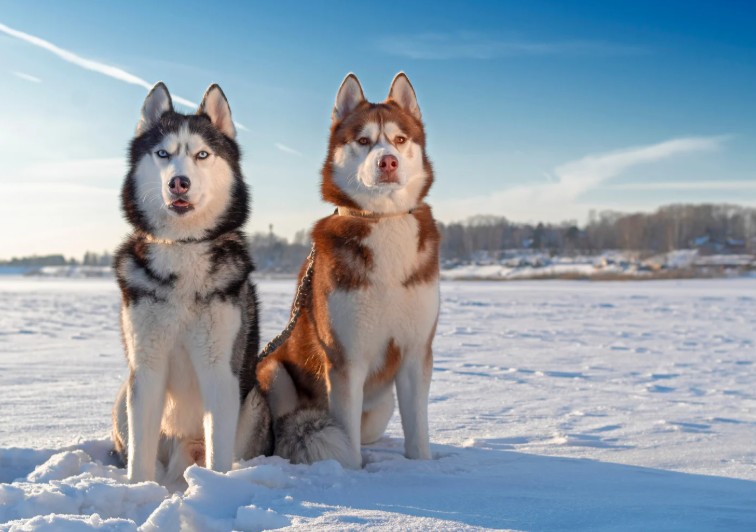
This guide breaks it down.
Learn what zoomies mean, when they’re normal, and how to support your pup—safely, calmly, and with expert-backed strategies.
Seasonal Variation in Overdrive Symptoms
Many Husky owners report dramatic seasonal differences in behavior. Winter brings calmer, more settled behavior with easier training and better impulse control. Summer brings increased reactivity, difficulty settling, more intense seeking behavior, and heightened sensitivity to stimuli. This pattern directly reflects thermoregulatory impact on nervous system function.
Consider how temperature affects your management strategy effectiveness. Training techniques that work beautifully in cool weather may fail in heat because thermal stress has elevated baseline arousal beyond your dog’s regulation capacity. Exercise that provides healthy stimulation in winter might amplify overdrive in summer because the thermoregulatory cost exceeds the regulation benefit.
You might also notice diurnal (within-day) patterns where morning behavior differs markedly from afternoon and evening. As temperature rises through the day, arousal regulation capacity decreases. Your Husky might walk calmly at 7 AM but struggle with the same route at 3 PM when ambient temperature has increased by 10-15°C (18-27°F).
🐺 Understanding Husky Nervous System Overdrive 🧠
A Complete Guide to Managing Arousal Dysregulation in Endurance Breeds
Phase 1: Recognition
Identifying Nervous System Overdrive
What You’re Actually Seeing
Nervous system overdrive differs from normal Husky energy. Your dog finishes a three-hour hike but still paces, monitors every sound, and cannot access genuine rest. The nervous system remains locked in activation mode, unable to downregulate even when physically exhausted.
Key Signs to Monitor
• Constant pacing or movement after substantial exercise
• Difficulty achieving genuine rest with frequent repositioning
• Heightened reactivity to ordinary household sounds
• Almost frantic seeking behavior without clear purpose
• Inability to “switch off” even when physically exhausted
Common Misdiagnosis Warning
This condition is frequently misunderstood as insufficient exercise, poor training, or breed stubbornness. Standard solutions—more exercise, more training, more stimulation—often amplify rather than resolve the underlying dysregulation.
Phase 2: Understanding the Physiology
Why Huskies Are Wired Differently
Endurance Heritage Impact
Siberian Huskies were bred for sustained output across brutal distances. This created nervous systems optimized for “on” states rather than rapid transitions between activation and rest. Their cardiovascular systems exhibit slower heart rate recovery, prolonged stress hormone elevation, and extended metabolic activation beyond physical activity completion.
The Delayed Downshift Problem
When your Husky finishes running, their physiology doesn’t immediately recognize “work complete.” The same systems that enabled extraordinary endurance performance continue signaling activation long after the activity ends. What served brilliantly during multi-day sledding expeditions becomes problematic in modern suburban life.
Adaptive vs. Maladaptive Overdrive
Historically: Clear work-rest cycles, structured recovery, activation matched to demands, social regulation through pack dynamics. Modern reality: Chronic activation without completion, insufficient recovery architecture, environmental stimulation exceeding functional demands, absence of pack structure.
Phase 3: The SEEKING System
When Motivation Never Finds Completion
Brain Chemistry Fundamentals
The SEEKING system, driven by dopaminergic pathways, generates exploratory behavior, anticipatory excitement, and goal-directed movement. Huskies exhibit constitutionally elevated SEEKING activation—constant motion, high task initiation rates, reduced satiation, and persistent environmental scanning even in familiar spaces.
The Completion Deficit Crisis
Modern pet life offers fragmented activities, unclear endpoints, constant low-level stimulation, and inconsistent routines. Your Husky’s SEEKING system activates but never achieves neurobiological closure. This creates dopaminergic sensitization, reduced reward thresholds, impaired satiation mechanisms, and arousal accumulation where each incomplete cycle adds to baseline activation.
The Independence Factor
Huskies show intrinsic motivation dominance—internal drive states outweigh external rewards. Food-based training may be less effective at modulating arousal because motivation isn’t food-driven. Traditional obedience work may increase frustration rather than provide fulfillment when it requires suppressing intrinsic drive without offering genuine completion.
Phase 4: Sensory Overload & Stimulus Stacking
The Bucket That Never Empties
Understanding Arousal Accumulation
Think of arousal like water filling a bucket. Each sensory input adds a little more—delivery trucks, barking dogs, squirrels, door closing, changing activity levels. Individually, none reach reaction threshold. But the bucket keeps filling. After thirty, fifty, or a hundred micro-activations, a leaf blowing across the window triggers overflow.
Why “Nothing Triggered It” Actually Means Everything Did
Your Husky walks beautifully past dogs in the morning but lunges at dogs in the evening—not because they’re difficult, but because morning arousal starts near baseline while evening arousal has been accumulating all day. The behavior looks random because you’re seeing the overflow moment, not the hours of accumulation that preceded it.
Recovery Time Requirements
Clearing accumulated arousal requires more time than preventing initial accumulation. A significant arousal event might require 30-90 minutes of genuine low-stimulation recovery. If you return to normal activity after 10-15 minutes because they “seem fine,” arousal hasn’t cleared—it’s just dropped below visible threshold.
Phase 5: Temperature Impact
The Hidden Arousal Amplifier
Cold-Climate Heritage Problem
Your Husky was developed for temperatures routinely dropping to -50°C (-58°F). That beautiful thick coat becomes a burden in environments above 15°C (60°F). Thermoregulatory stress directly impairs nervous system downregulation—their nervous system literally cannot regulate effectively while managing thermal load.
Practical Cooling Strategies
• Maintain indoor temperatures below 20°C (68°F)
• Provide access to cool surfaces (tile floors, cooling mats)
• Schedule exercise during coolest parts of day
• Offer frozen treats for internal cooling
• Use cooling vests during warm-weather activities
• Create genuinely cool rest spaces
Seasonal Behavior Patterns
Many owners report dramatic seasonal differences. Winter brings calmer, more settled behavior with easier training. Summer brings increased reactivity, difficulty settling, and heightened sensitivity. This pattern directly reflects thermoregulatory impact on nervous system function.
Phase 6: The Exercise Paradox
When More Makes It Worse
Beyond “Tired Dog Is Good Dog”
When overdrive is present, exercise without recovery structure amplifies rather than resolves the condition. Exercise activates sympathetic nervous system, elevates stress hormones, increases arousal, and engages SEEKING systems already in overdrive. Without adequate recovery, each session adds activation to already elevated baseline. You’re feeding the fire you’re trying to extinguish.
Completion-Based Activities That Work
• Long-distance walking: Sustained movement to clear destinations (60-120 min)
• Harness pulling work: Bikejoring, canicross, urban mushing with defined routes
• Scent tracking: Following trails to specific endpoints
• Structured hiking: Navigation with clear destination and completion
The Completion Requirement
Exercise must provide clear completion signals. Your Husky’s nervous system needs unambiguous indicators: reaching specific destination, completing defined circuit, achieving physical state signaling genuine exertion, following with structured recovery. The entire journey should feel like one cohesive task, not fragmented activity.
Phase 7: Regulation-First Training
Why Traditional Methods Fail
The Repetition Problem
High-frequency trial repetition activates SEEKING without completion, generates arousal faster than regulation develops, and creates frustration when intrinsic motivation dominates. Training sessions wind your Husky up rather than focus them. Attention deteriorates across repetitions instead of improving.
Regulation-First Strategies
• Assess arousal state before each session
• Postpone training when baseline arousal is elevated
• Prioritize recovery over skill acquisition
• Establish baseline calm before behavior modification
• Use completion-based tasks over repetition drills
• Monitor arousal throughout, adjusting as needed
The Invisible Leash Philosophy
Effective guidance works with intrinsic motivation rather than attempting to override it. Leadership provides external regulation supporting internal state management. Training architecture matches neurobiological needs rather than imposing human-centric expectations. Awareness, not tension, guides the path.
Phase 8: Environmental Management
Creating Recovery Architecture
Essential Environmental Modifications
• Designated rest areas with reduced sensory input
• Visual barriers limiting window access during rest
• Acoustic buffering using white noise or sound barriers
• Predictable household routines creating anticipatable patterns
• Protected rest times when household activity minimizes
• Temperature-controlled spaces for thermal comfort
Routine Predictability
When your Husky can anticipate what comes next, arousal systems don’t need constant vigilance. Establish consistent daily schedules, use clear pre-activity rituals, maintain regular feeding times, and create recognizable pre-rest routines. Predictability allows the nervous system to prepare appropriately rather than maintaining constant alertness.
Calm Leadership Components
Clear leadership provides external regulation supporting impaired internal regulation. Establish consistent boundaries, provide directive guidance, maintain emotional stability, create predictable interaction patterns, and model calm energy. This isn’t authoritarian control—it’s calm presence providing structure their nervous system needs.
⚖️ Comparative Understanding: Overdrive Across Contexts
Healthy Drive vs. Overdrive
Healthy: Can run for hours, then downshift to calm contentedness. Settles within 30 minutes of activity completion.
Overdrive: Continues seeking without satisfaction. Paces and scans even after substantial exertion. Takes 2+ hours to settle, if at all.
Historical vs. Modern Context
Historical: Clear work-rest cycles, genuine exhaustion, pack regulation, predictable patterns, natural completion signals.
Modern: Fragmented activities, unclear endpoints, constant low-level stimulation, inconsistent routines, no genuine completion.
Winter vs. Summer Behavior
Winter: Calmer, more settled behavior. Easier training and impulse control. Better sleep quality. Lower baseline arousal.
Summer: Increased reactivity, difficulty settling. Heightened sensitivity to stimuli. Impaired regulation capacity due to thermal stress.
Repetition vs. Completion Training
Repetition: Multiple trials, high frequency, continuous engagement. Amplifies arousal, increases frustration, prevents satiation.
Completion: Clear start/end points, sustained effort, natural satisfaction. Provides SEEKING resolution, supports downregulation.
Morning vs. Evening Reactivity
Morning: Arousal starts near baseline. Better impulse control. Can handle normal triggers without overflow.
Evening: Accumulated arousal from full day. Lower trigger threshold. “Sudden” reactions to minor stimuli due to stimulus stacking.
Extrinsic vs. Intrinsic Motivation
Extrinsic (other breeds): Food rewards highly effective. Handler focus strong. External reinforcement drives behavior.
Intrinsic (Huskies): Internal drive dominates. Environmental interests exceed food value. Independent decision-making preferred.
⚡ Quick Reference: Key Management Principles
Recovery Time Formula: 30-90 minutes genuine low-stimulation rest after significant arousal events
Exercise Structure Rule: Completion-based > Repetition-based | Sustained moderate intensity > Fragmented high intensity
Temperature Guideline: Indoor temps below 20°C (68°F) | Exercise during coolest hours | Monitor panting levels
Stimulus Stacking Principle: Arousal accumulates faster than it dissipates | Sub-threshold inputs reach overflow | “Nothing triggered it” means everything did
Training Arousal Check: If baseline arousal ≥ 6/10 → postpone training | Regulation first, behavior modification second
Seasonal Adjustment: Summer = reduce exercise intensity/duration | Winter = normal protocols work better
🧡 The Zoeta Dogsoul Perspective
Understanding Husky nervous system overdrive requires shifting from behavior-focused to regulation-focused frameworks. Through the NeuroBond model, we recognize that effective behavioral support requires addressing underlying physiological states—thermal management, completion-based activities, and recovery architecture aren’t optional luxuries, they’re neurobiological necessities.
The Invisible Leash philosophy reminds us that guidance works with intrinsic motivation rather than attempting to override it. We provide clear task structure within which natural drive can express healthily—channeling rather than suppressing, satisfying rather than simply exhausting.
Through Soul Recall work with dogs experiencing chronic overdrive, we recognize that the dog isn’t choosing to react unpredictably—they’re experiencing the predictable consequences of cumulative arousal load exceeding nervous system capacity. By honoring their endurance heritage while providing modern recovery structures, we support regulation rather than strain it.
That balance between science and soul, between honoring breed characteristics and meeting modern needs, between providing structure and respecting independence—that’s the essence of Zoeta Dogsoul.
© Zoeta Dogsoul – Where neuroscience meets soul in dog training
Practical Cooling Strategies for Warmer Climates
If you live in moderate or warm climates, managing your Husky’s thermal load becomes essential for managing overdrive. This isn’t about comfort—it’s about providing the physiological foundation for nervous system regulation. Consider these evidence-based cooling strategies:
Environmental Temperature Management:
- Maintain indoor temperatures below 20°C (68°F) when possible
- Provide access to cool surfaces like tile floors or cooling mats
- Create air circulation with fans strategically placed at dog level
- Block direct sunlight during peak heat hours using curtains or blinds
- Use air conditioning during extreme heat periods
- Create cool zones where your Husky can retreat when needed
Direct Cooling Interventions:
- Offer frozen treats providing both hydration and internal cooling
- Use cooling vests or bandanas during necessary warm-weather activities
- Provide shallow water access for paw cooling (major blood vessels run through footpads)
- Wet towels for lying on during rest periods
- Misting or gentle spray for coat dampening (never soak the undercoat)
- Consider professional coat management consulting experts (never shave double coats as this impairs thermoregulation)
Activity Timing and Modification:
- Schedule exercise during coolest parts of day (early morning or late evening)
- Reduce intensity and duration during warm weather rather than maintaining winter exercise levels
- Choose activities near water sources or in heavily shaded environments
- Monitor pavement temperature before walks (place hand on surface for 5 seconds—if too hot for you, too hot for paws)
- Recognize thermal management priority might require reducing exercise below what seems “enough” for the breed
- Consider water-based activities like swimming for exercise without heat buildup
Hydration and Recovery: Ensure constant access to fresh, cool water, monitor hydration status (check gum moisture, skin elasticity), extend recovery periods after warm-weather activity (thermal stress delays recovery beyond normal exercise recovery), and create genuinely cool rest spaces where thermoregulatory demand minimizes.
Recognizing Thermal Stress Signs
Learn to identify when temperature is impairing your Husky’s regulation capacity:
- Excessive panting beyond what exertion level would warrant
- Increased restlessness specifically in warm conditions
- Heightened reactivity during warmer parts of day
- Difficulty settling despite adequate exercise
- Seeking cool surfaces compulsively throughout the day
- Reduced appetite during heat periods
- Glazed or unfocused expression suggesting discomfort
- Drooling more than usual (not typical for Huskies)
When you see these signs, prioritize cooling over additional management interventions. More training won’t help if thermal load prevents regulation. More exercise will worsen the problem by generating additional metabolic heat. The most effective intervention might be air conditioning, shade, and genuinely boring time in cool conditions where arousal can finally dissipate.
The NeuroBond model recognizes that effective behavioral support requires addressing underlying physiological states. For Huskies in warm climates, thermal management isn’t optional luxury—it’s fundamental requirement for nervous system regulation. You’re not being overprotective by prioritizing cooling; you’re providing essential support for neurobiological function.
Sleep Architecture: When Rest Doesn’t Restore
The Recovery Deficit
Sleep quality represents perhaps the most critical yet overlooked element of nervous system overdrive. Dogs require specific sleep architecture for neurobiological recovery, including adequate slow-wave sleep for physical restoration and sufficient REM sleep for emotional processing and memory consolidation. When arousal remains elevated, sleep architecture deteriorates.
You might observe your Husky’s sleep disruptions:
- Difficulty initiating sleep despite apparent physical exhaustion
- Frequent waking and repositioning throughout rest periods
- Light sleep that responds to every household sound
- Reduced time in deep restorative sleep stages
- Premature wakening before genuine restoration completes
- Restless sleep behaviors including twitching and vocalization
These aren’t simply behavior problems—they’re symptoms of a nervous system unable to access the parasympathetic dominance required for genuine rest. 🐾
The consequences compound rapidly. Poor sleep quality elevates baseline cortisol, increased baseline arousal reduces subsequent sleep quality, accumulated sleep debt amplifies stress reactivity, and the nervous system operates in chronic partial recovery. You’re caught in a cycle where insufficient rest prevents the recovery needed to support better rest.
Creating Recovery Architecture
Addressing sleep quality requires intentional environmental management. Your Husky needs designated rest spaces with reduced sensory input, consistent rest periods that occur at predictable times, environmental cues that signal rest versus activity, and protection of sleep time from interruption. This means more than just providing a bed—it means creating genuine recovery architecture within your home.
Consider what supports parasympathetic activation:
- Dimmed lighting signaling non-activity periods
- Acoustic buffering reducing ambient noise levels
- Thermal comfort preventing disruptive temperature changes
- Social calm where household activity levels reduce during rest periods
- Consistent rest locations providing familiar, secure spaces
- Protected rest time free from interruptions or demands
These aren’t luxuries—they’re neurobiological necessities for a nervous system struggling with downregulation.
The Exercise Paradox: When More Makes It Worse
Beyond the “Tired Dog Is a Good Dog” Myth
Here’s where conventional wisdom fails spectacularly with Huskies in overdrive: the assumption that more exercise solves behavior problems. You’ve probably heard it repeatedly—your Husky needs more running, more hiking, more activity. But when overdrive is present, exercise without recovery structure amplifies rather than resolves the condition.
Consider the neurobiological reality. Exercise activates the sympathetic nervous system, elevates cortisol and catecholamines, increases arousal and vigilance, and engages the very SEEKING systems already operating in overdrive. Without adequate recovery, each exercise session adds activation to an already elevated baseline. You’re essentially feeding the fire you’re trying to extinguish.
This doesn’t mean Huskies don’t need exercise—they absolutely do. The endurance physiology demands regular sustained activity. But the type, structure, and context of exercise matter profoundly. Fragmented high-intensity intervals may worsen overdrive while sustained moderate-intensity work with clear completion might support regulation. Three thirty-minute walks might amplify arousal while one ninety-minute endurance session with structured cooldown might facilitate downregulation.
The Completion Requirement
Through Soul Recall work with arousal dysregulation, we recognize that exercise must provide clear completion signals. Your Husky’s nervous system needs unambiguous indicators that the task has finished: reaching a specific destination, completing a defined circuit, achieving a physical state that signals genuine exertion, and following exercise with structured recovery rather than immediate re-stimulation.
Think about traditional sledding work: dogs ran defined routes with clear endpoints, achieved genuine exertion levels, received clear handler signals for rest, and entered predictable recovery periods with the pack. Modern exercise rarely provides these elements. The walk has no clear destination, intensity remains moderate without genuine exertion, transitions between activity and rest are abrupt rather than graduated, and recovery time is unstructured or interrupted.
Creating completion-based exercise means defining clear endpoints before beginning, using sustained moderate-intensity work rather than interrupted high-intensity bursts, providing graduated cooldown periods, and following activity with protected recovery time. Your Husky needs to know when the work is done—not just when you’ve stopped moving.
Completion-Based Activities: What Actually Works for Huskies
Long-Distance Walking: The Foundation Activity
Long-distance walking represents perhaps the most accessible completion-based activity for most Husky owners. This isn’t your typical neighborhood loop—it’s sustained, purposeful movement toward a clear destination. The key elements that make long-distance walking effective include:
- Defined start and end points walking to a specific location and back
- Sustained moderate intensity maintained for 60-120 minutes
- Minimal interruptions or stops along the route
- Clear completion signals when you reach your destination and return home
- Forward momentum rather than wandering or exploring
- Purposeful pacing maintaining steady movement throughout
Think about structure: you’re not wandering, you’re traveling. Choose a destination 5-10 kilometers away—a park, a landmark, a friend’s house. Walk there with purpose and steady pace, allow brief environmental investigation but maintain forward momentum, reach your destination (this is the completion signal), then return home via the same or different route. The entire journey should feel like a cohesive task, not fragmented activity.
Your Husky experiences something profound during proper long-distance walking: their endurance systems engage at sustainable intensity, the SEEKING system activates with clear directional purpose, environmental exploration occurs within structured movement context, and physical exertion accumulates toward genuine fatigue rather than escalating arousal. Most importantly, reaching the destination and returning home provides unambiguous completion—the nervous system can recognize “task finished.” 🐾
Duration and Frequency Guidelines: Start with 60-minute walks if your Husky isn’t conditioned, gradually building to 90-120 minutes over several weeks. Frequency depends on individual regulation capacity—some Huskies thrive on daily long walks, others do better with three or four per week interspersed with rest days. Monitor recovery: if your dog seems more activated rather than satisfied after walks, reduce frequency or check other overdrive factors (temperature, accumulated arousal, insufficient recovery architecture).
Harness Pulling Work: Engaging the Heritage Drive
Harness pulling activities—bikejoring, canicross, urban mushing, scootering—directly engage the work your Husky was bred to perform. When structured appropriately, these activities provide exceptional completion-based satisfaction. The critical elements include:
- Proper equipment fitting with well-fitted harness and appropriate line length
- Clear commands for start, stop, and direction changes
- Sustained moderate-intensity pulling rather than sprinting
- Defined routes with clear endpoints
- Consistent rituals for beginning and ending work
- Graduated cooldown transitions from work to rest
These activities tap directly into breed heritage and provide profound satisfaction.
Bikejoring involves your Husky pulling you on a bicycle via a specialized line and harness system. This allows coverage of significant distances at sustainable pace, engages pulling drive at appropriate intensity, provides clear task structure (the route), and creates genuine fatigue matching exertion to nervous system needs. Start with flat terrain and 5-kilometer routes, building distance as conditioning improves. Maintain steady moderate pace—this isn’t racing, it’s sustained work.
Canicross means running with your Husky in harness pulling you forward. This provides intense physical engagement, direct handler connection during work, challenging terrain possibilities (trails, hills), and completion satisfaction when finishing defined routes. Canicross suits Huskies who need higher intensity work and handlers who enjoy running. Routes might be shorter (3-8 kilometers) due to intensity, but the sustained pulling effort provides deep SEEKING satisfaction.
Urban Mushing using a scooter or specialized cart allows harness work even without running ability. Your Husky pulls the wheeled device along sidewalks or paths, engaging pulling drive at controlled intensity, covering substantial distance with clear destinations, and experiencing traditional “work” context that resonates with breed heritage. Urban mushing works exceptionally well for older handlers or in areas where bikejoring isn’t practical. 🧠
Structure for Success: All harness work requires clear start rituals (harnessing, positioning, specific command), sustained work periods of 20-60 minutes depending on intensity, clear completion signals (specific stop command, unharnessing, transition to rest), and mandatory cooldown periods of 15-30 minutes of walking before returning to vehicle or home. Never end harness work abruptly—the graduated transition from work to rest supports nervous system downregulation.
Scent Tracking: Cognitive Completion
Scent work provides cognitive engagement with natural completion points. Unlike repetitive obedience training, tracking has definitive endpoints: the dog follows a scent trail to locate a specific target. This engages exploratory drive through sustained, purposeful seeking, provides cognitive challenge balancing physical activity, offers clear success moments when target is located, and respects independent working style (the dog leads, you follow).
Starting Scent Work: Begin with simple trails—walk a path dragging a high-value item, then have your Husky follow your scent to find it. Gradually increase complexity by adding length to trails (start with 50 meters, build to 500+ meters), introducing turns and direction changes, aging the trail (longer time between laying and tracking), and varying terrain and environmental conditions.
The beauty of tracking for Huskies lies in its structure: there’s one correct path to follow, a definite endpoint when the target is located, sustained moderate-intensity engagement throughout the track, and intrinsic reward (finding the target) rather than handler-delivered reinforcement. Your Husky experiences genuine task completion—they worked, they found it, task finished. This provides the SEEKING system resolution that repetitive training cannot offer.
Session Structure: Tracking sessions should include clear preparation (harnessing, moving to start location), the track itself (sustained engagement for 10-40 minutes), definite completion (finding target, celebration), and transition to rest (removal of gear, calm walking, return to vehicle). Frequency might be 2-4 times per week, recognizing that cognitive work creates different fatigue than pure physical exercise.
Structured Hiking: Environmental Engagement with Purpose
Structured hiking combines elements of long-distance walking with environmental complexity. You’re not just covering distance—you’re navigating terrain, managing elevation changes, and engaging your Husky’s environmental awareness within purposeful movement. Key elements include clear destination (summit, lake, specific landmark), sustained effort over varied terrain, environmental investigation within forward progress, and definite completion when reaching destination.
Choosing Appropriate Trails: Select routes matching your Husky’s conditioning and your regulation goals. Moderate trails of 8-15 kilometers with 200-500 meters elevation gain work well for most Huskies. The terrain provides natural intensity variation—steep sections create higher effort, flat sections allow recovery, descents engage different muscle groups. This variation maintains engagement while preventing excessive intensity that amplifies arousal.
Trail hiking satisfies multiple neurobiological needs: endurance systems engage across extended time, environmental monitoring serves functional purpose (navigation, footing, safety), the SEEKING system has clear directional focus, and physical exertion accumulates toward genuine fatigue. Reaching the destination—the viewpoint, the lake, the trail’s end—provides unambiguous completion signal. 🧡
Important Considerations: Monitor temperature carefully during hiking—elevation and air movement may feel cooler to you but your Husky may still experience heat stress. Bring adequate water for cooling and hydration. Choose morning or evening hours during warm seasons. Include gradual cooldown on the return journey—don’t rush back. The entire hike should feel like one cohesive task with clear beginning, middle, and end.
Integration and Variation
Effective activity management for Huskies requires variation within structure. You might establish a weekly pattern: two long-distance walks, one harness pulling session, one tracking session, one structured hike, and two rest days. This provides variety preventing boredom while maintaining predictable structure. Each activity offers clear completion, engages endurance systems appropriately, and respects your Husky’s need for purposeful rather than fragmented work.
Critical Success Factors across all activities: always define the endpoint before beginning (your dog should be able to recognize when the task completes), maintain sustained moderate intensity rather than fragmented high intensity, provide graduated transitions from activity to rest, protect recovery time after completion, and adjust frequency based on individual regulation capacity rather than breed stereotypes.
Through the Invisible Leash approach, we recognize that guidance doesn’t mean constant control—it means providing clear task structure within which your Husky’s natural drive can express healthily. These completion-based activities channel rather than suppress breed characteristics, satisfy rather than simply exhaust, and support rather than strain nervous system regulation.
Environmental Mismatch: Modern Life Wasn’t Built for Endurance Breeds
The Structural Problems
Your home environment, perfectly functional for many breeds, may fundamentally mismatch Husky nervous system needs. Modern housing typically offers continuous visual access to external stimulation through large windows, acoustic permeability to neighborhood activity, irregular household routines that create unpredictable patterns, and social structures that lack clear leadership and boundaries.
Consider what Huskies evolved within: predictable work-rest cycles that alternated sustained activity with genuine recovery, clear pack hierarchy that provided external regulation, structured social interactions rather than constant availability, and environments where stimulation matched functional demands rather than exceeding them. The contrast with modern pet life is stark.
Your Husky experiences continuous low-level activation from environmental monitoring, unpredictable stimulation that prevents anticipatory preparation, social ambiguity where boundaries and expectations remain unclear, and task absence where no genuine completion-based work occurs. Each element contributes to sustained arousal without providing the structure needed for downregulation. 🧡
The Human Leadership Gap
Modern dog ownership often emphasizes egalitarian relationships and constant positive interaction. For many breeds, this works beautifully. For Huskies in overdrive, it can worsen dysregulation. These dogs evolved to work within clear pack structures where leadership was directive, expectations were unambiguous, interaction patterns were predictable, and emotional stability from leaders provided external regulation.
When human leadership is ambiguous, emotionally reactive, inconsistently applied, or based on continuous engagement rather than clear structure, Huskies struggle. Without external regulation to support their impaired internal regulation, arousal escalates. The dog becomes responsible for managing situations their nervous system cannot handle, creating chronic stress states.
This doesn’t mean dominance-based training or authoritarian control. The NeuroBond model recognizes that calm, directive leadership provides the external structure needed when internal regulation is compromised. Clear expectations, consistent boundaries, predictable routines, and emotionally stable presence help the nervous system downregulate when it cannot do so independently.

Training Approaches That Work Differently
Why Traditional Methods Fail
Standard training approaches often assume that increasing precision through repetition improves behavior. For Huskies in overdrive, this assumption proves problematic:
- High-frequency trial repetition activates SEEKING without completion
- Arousal generation faster than regulation develops
- Frustration creation when intrinsic motivation dominates
- Insufficient recovery between training sessions
- Sensitization effects where training amplifies rather than channels drive
- Conflict generation between internal drive states and external demands
You might have experienced training sessions that seem to wind your Husky up rather than focus them, increased reactivity following practice rather than improved control, or attention that deteriorates across repetitions instead of improving. This isn’t poor training technique—it’s a mismatch between method and nervous system state.
Traditional obedience work often emphasizes handler focus and responsiveness to external cues. When a Husky’s internal drive states overpower external reinforcement, this approach generates conflict. The dog experiences simultaneous demands: suppress intrinsic seeking while attending to extrinsic cues, maintain calm in the face of internal arousal, and ignore motivational states in favor of handler direction. For a nervous system already in overdrive, this creates additional stress rather than providing regulation support.
Regulation-First Strategies
Effective training with Huskies in overdrive requires fundamental reorientation. Instead of behavior-first approaches that address specific actions, we need regulation-first strategies:
- Assess arousal state before each training session
- Postpone training when baseline arousal is too elevated
- Prioritize recovery and downregulation over skill acquisition
- Recognize regulation requirements for effective learning
- Establish baseline calm before attempting behavior modification
- Monitor arousal throughout sessions adjusting or ending as needed
This means recognizing that effective training requires a regulated nervous system foundation.
Completion-based training offers more appropriate structure. Rather than maximizing repetitions, you emphasize clear task beginnings and endpoints, sustained moderate-intensity work rather than fragmented high-intensity trials, graduated transitions between activation and rest, and longer inter-session recovery periods. Your Husky needs to experience “task complete” neurologically, not just hear you say “good” and offer a treat.
The Invisible Leash philosophy applies here: guidance that works with intrinsic motivation rather than attempting to override it, leadership that provides external regulation supporting internal state management, and training architecture that matches the dog’s neurobiological needs rather than imposing human-centric expectations. 🐾
Appropriate Reinforcement
Food rewards, highly effective for many breeds, may function differently with Huskies. When intrinsic motivation dominates and food drive is moderate, using food as primary reinforcement can create confusion rather than clarity. The dog works for internal satisfaction, not external reward—the treat becomes noise rather than meaningful information.
Consider alternative reinforcement approaches: completion itself as reward, where reaching the endpoint provides intrinsic satisfaction, activity-based reinforcement using movement opportunities rather than food, environmental access granting opportunities to engage natural behaviors, and social acknowledgment that confirms task completion without demanding engagement.
This doesn’t mean never using food rewards—it means recognizing that food effectiveness varies with motivational state and breed characteristics, completion signals may be more powerful than treat delivery, and reinforcement timing should match task completion rather than isolated action fragments.
Creating Recovery Architecture in Your Home
Environmental Management Strategies
Addressing overdrive requires intentional environmental modification. Your Husky needs space designed to support downregulation:
- Designated rest areas with reduced sensory input
- Visual barriers limiting window access during rest periods
- Acoustic buffering using white noise or physical sound barriers
- Predictable household routines creating anticipatable patterns
- Protected rest times when household activity minimizes
- Temperature-controlled spaces for thermal comfort
- Consistent rest locations providing security and familiarity
Each modification either supports or undermines nervous system recovery.
Think systematically about sensory load throughout your home. Can your dog see street activity through front windows? That’s continuous activation. Do household sounds travel unfiltered to rest areas? That’s impaired sleep quality. Are routines irregular, making it impossible to anticipate what comes next? That’s sustained vigilance. Each element either supports or undermines nervous system recovery.
Practical modifications include installing window film or strategic furniture placement blocking visual access, using white noise machines or fans creating acoustic barriers, establishing protected rest times when household activity minimizes, and creating predictable daily rhythms where the dog can anticipate transitions. These aren’t about restricting your Husky—they’re about providing the environmental structure their nervous system requires.
Routine Predictability
Nervous systems regulate more effectively within predictable structures. When your Husky can anticipate what comes next, arousal systems don’t need to maintain constant vigilance. This means establishing consistent daily schedules where activities occur at predictable times, using clear pre-activity rituals that signal transitions, maintaining regular feeding times, and creating recognizable pre-rest routines.
Your dog should be able to predict: when exercise happens and what form it takes, when rest periods occur and how long they last, when social interaction is available versus protected non-engagement time, and when environmental activity increases versus decreases. This predictability allows the nervous system to prepare for activation and recovery appropriately rather than maintaining constant alertness.
Social Structure and Leadership
Clear leadership provides external regulation supporting impaired internal regulation. Your Husky needs you to:
- Establish consistent boundaries where expectations remain stable across situations
- Provide directive guidance with clear, unambiguous instructions
- Maintain emotional stability where your arousal doesn’t amplify theirs
- Create predictable interaction patterns where engagement versus non-engagement is clear
- Make resource decisions about access, timing, and management
- Model calm energy demonstrating regulated states
- Follow through consistently on expectations and boundaries
This leadership isn’t authoritarian control—it’s calm, directive presence providing structure within which their nervous system can find regulation it cannot generate independently. You make decisions about resource access, activity timing, and space management. You provide unambiguous communication about expectations. You maintain emotional stability regardless of your dog’s state. You create structure within which their nervous system can find regulation it cannot generate independently. That balance between providing structure and honoring the dog’s intrinsic nature—that’s the essence of Zoeta Dogsoul.
Nutritional Influences on Nervous System Function
The Diet-Behavior Connection
While often overlooked, nutrition significantly impacts nervous system function. Your Husky’s diet influences neurotransmitter production, inflammatory processes affecting neural function, blood sugar stability impacting arousal patterns, and gut-brain axis function that shapes mood and behavior.
Certain dietary factors warrant particular attention for dogs in overdrive. Protein quality and quantity affect dopamine and serotonin precursor availability, fat composition influences neural membrane function and inflammatory response, carbohydrate types impact blood sugar stability, and micronutrient availability supports enzymatic processes in neurotransmitter synthesis and metabolism.
You might consider high-quality protein sources providing balanced amino acid profiles, omega-3 fatty acids from fish sources supporting neural function, complex carbohydrates maintaining stable energy rather than spikes and crashes, and adequate B-vitamins supporting neurotransmitter synthesis pathways.
Supplements and Arousal Modulation
Some supplements show promise for supporting nervous system regulation, though research specifically in dogs remains limited. L-theanine promotes alpha brain wave activity associated with calm alertness, magnesium supports GABA function and parasympathetic activity, B-complex vitamins support neurotransmitter synthesis and stress response, and specific herbal preparations may support nervous system regulation.
Always work with a veterinarian knowledgeable about both nutrition and nervous system function when considering supplementation. The goal isn’t to sedate your Husky but to provide nutritional support for optimal nervous system function. Supplements should complement rather than replace environmental management, training modifications, and recovery prioritization. 🧠
Medical Considerations and Veterinary Support
Distinguishing Overdrive from Pathology
Not all arousal dysregulation reflects the breed-specific overdrive pattern described here. Some Huskies experience genuine anxiety disorders requiring different intervention, hyperactivity with attentional deficits suggesting potential ADD-like conditions, compulsive disorders where behavior becomes ritualistic and inflexible, or medical conditions affecting nervous system function.
Your veterinarian can help distinguish breed-typical overdrive from pathological conditions requiring medical intervention. Key differentiators include whether the dog shows genuine fear versus high arousal without fear, if behavior is ritualistic and inflexible versus drive-directed and flexible, whether medication trials produce improvement suggesting underlying pathology, and if the onset was acute rather than gradual and persistent.
When Pharmacological Support Makes Sense
Some Huskies benefit from pharmacological intervention alongside environmental and behavioral modification. Medications may help when arousal levels prevent engagement with management strategies, sleep architecture is severely compromised, quality of life is significantly impaired, or other interventions have proven insufficient.
Appropriate pharmacological support doesn’t sedate your Husky—it helps establish a baseline from which training and environmental management can work effectively. Think of it as providing temporary scaffolding supporting regulation development rather than permanent behavior suppression. Always work with a veterinary behaviorist who understands both breed-specific patterns and individual variation in treatment response.
Working with Rescue Huskies: Special Considerations
Compounded Challenges
Rescue Huskies often arrive with overdrive compounded by additional factors. Unknown history may include previous trauma, insufficient socialization, previous homes that amplified rather than managed overdrive, or learned patterns that maintained arousal states. These dogs face the challenge of managing both inherent nervous system bias and acquired behavioral patterns.
You might encounter extreme difficulty settling even after months in your home, heightened reactivity suggesting previous sensitization, difficulty trusting structure and leadership due to inconsistent previous experiences, or health issues from chronic stress affecting recovery capacity. Patience and consistency become even more critical.
Building Trust While Providing Structure
Rescue Huskies need simultaneous trust-building and structure provision. This seems paradoxical—how do you establish boundaries while building trust? The answer lies in consistent, predictable leadership that never betrays. You provide clear expectations and follow through every time, maintain emotional stability regardless of the dog’s state, allow trust to develop gradually without forcing engagement, and recognize that trust emerges from predictability, not permissiveness.
Some rescue Huskies have learned that humans are unpredictable, environments are untrustworthy, and arousal provides protection from uncertainty. Your job is to demonstrate through consistent action that your home is different: predictable, stable, safe, and structured. This takes time—sometimes months or years—but the Soul Recall capacity of dogs means that new patterns can gradually override old learning. 🧡
Long-Term Management: This Is a Lifestyle, Not a Fix
Accepting the Journey
Managing Husky nervous system overdrive isn’t a problem you solve once—it’s a lifestyle you adopt. Your dog’s endurance physiology and elevated SEEKING systems won’t change. What changes is how you structure life to support rather than strain their regulation capacity.
This means accepting that your Husky will always require more conscious environmental management than many breeds, that social events and household changes will impact arousal states, that vigilance about recovery will remain ongoing, and that regression during stressful periods is normal and expected. You’re not failing when overdrive symptoms reappear—you’re working with a nervous system that requires continuous support.
Celebrating Small Victories
Progress with overdrive looks different than traditional training success. Celebrate when your Husky achieves genuine settled rest, even if only for fifteen minutes. Recognize improvement when arousal recovers more quickly following excitement. Acknowledge success when your dog can ignore environmental stimuli they previously couldn’t filter. These represent real nervous system change—far more significant than mastering a new obedience command.
Track patterns over weeks and months rather than days. Arousal regulation improves gradually, with setbacks and forward movement creating overall positive trajectory. What matters is trend, not daily fluctuation. Your Husky who needed three hours to settle after a walk six months ago now settles in forty-five minutes? That’s profound progress, even if it still seems long compared to other breeds.
Living Well with a Wired-for-Endurance Brain
Finding the Balance
Your Husky can live happily despite nervous system overdrive tendencies. Success comes from finding the balance between honoring their endurance heritage and providing the recovery structure modern life demands. They need substantial activity—but the right type, with clear completion and graduated transitions. They need environmental richness—but with sensory load management and predictable patterns. They need independence—but within clear leadership structure.
This balance looks different for each dog and household. Some Huskies thrive with long-distance bikejoring several times weekly, others do better with daily sustained hiking, some find fulfillment in dog sports providing clear task structure. The key is matching activity to your specific dog’s regulation capacity while ensuring adequate recovery supports continued engagement.
The Relationship That Emerges
Working effectively with a Husky in overdrive creates a unique relationship. You become deeply attuned to subtle arousal signals, skilled at environmental management, and sophisticated in understanding the interplay between physiology and behavior. Your Husky learns to trust your leadership for regulation support they cannot fully provide themselves.
This isn’t the effortless companionship some breeds offer—it requires consciousness and commitment. But it creates something profound: a relationship based on genuine understanding of your dog’s neurobiological reality, leadership that provides support rather than simply demanding compliance, and partnership that honors their endurance heritage while managing its modern expression. Through the NeuroBond that develops from this deep understanding, you and your Husky learn to navigate overdrive together—not eliminating it, but shaping it toward adaptive rather than dysregulatory expression. 🐾
Final Thoughts: Reframing Hyperactivity as Regulation Need
What we’ve called hyperactivity, excess energy, or stubbornness in Huskies often reflects something more fundamental: a nervous system struggling with regulation in an environment that fails to support its unique requirements. Your Husky isn’t being difficult—they’re experiencing the predictable consequences of endurance physiology meeting modern pet life.
This reframing changes everything. Instead of asking “how do I tire out my Husky,” you ask “how do I support their nervous system regulation.” Instead of increasing exercise, you examine recovery architecture. Instead of more training repetitions, you provide completion-based tasks. Instead of constant engagement, you establish predictable structure with clear boundaries.
The challenges remain real. Living with a Husky in overdrive demands more awareness, consistency, and environmental management than many dogs require. But understanding the neurobiological foundation transforms frustration into compassion, judgment into strategy, and struggle into systematic support. Your Husky’s endless seeking reflects brain chemistry, not character flaws. Their difficulty settling indicates physiological recovery deficits, not willful misbehavior. Their independence expresses intrinsic motivation dominance, not disrespect.
When you recognize nervous system overdrive for what it is—the complex interaction between breed-specific physiology, elevated affective systems, environmental mismatch, and impaired recovery mechanisms—you can build management approaches that actually work. Not by fighting your dog’s nature, but by providing the structure, completion cycles, and recovery architecture their nervous system needs to function adaptively in the modern world.
Your Husky’s spirit, drive, and endurance represent remarkable evolutionary achievement. With understanding, structure, and patience, these same characteristics can find healthy expression rather than becoming sources of chronic dysregulation. The journey requires commitment, but the destination—a Husky living comfortably within their own nervous system—is worth every step.










