
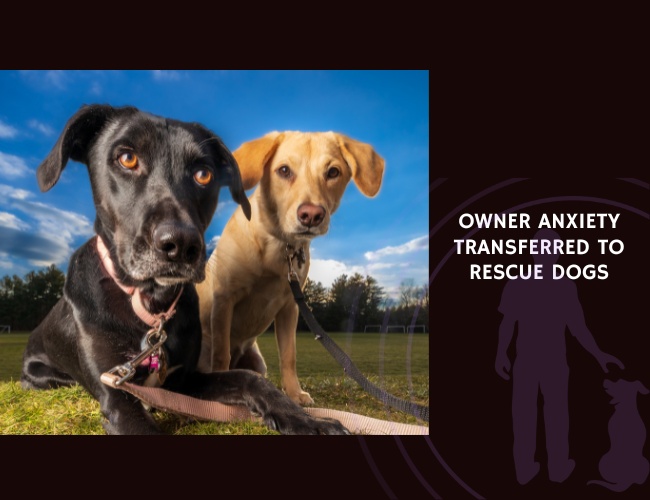
When you bring a rescue dog into your home, you might notice something unexpected. Your new companion watches you constantly, not with simple curiosity, but with an intensity that feels almost anxious. They track your movements, respond to your smallest emotional shifts, and seem unable to settle even when the environment appears calm. You might wonder if this vigilance stems from their past trauma, but there’s often another factor at play—one that’s harder to acknowledge but crucial to understand. Your own anxiety, however subtle or well-intentioned, may be transferring directly to your dog.
This isn’t about blame or judgment. It’s about understanding a profound truth: rescue dogs, with their histories of instability and uncertainty, are extraordinarily attuned to human emotional states. When you feel anxious, your dog doesn’t just observe it—they experience it, mirror it, and learn from it in ways that shape their behavior far more powerfully than you might imagine.
Let us guide you through the science and soul of this dynamic, exploring how emotional energy flows between species, why rescue dogs are particularly vulnerable, and most importantly, how awareness of this pattern can transform both your life and your dog’s.
The Invisible Connection: How Emotional Energy Moves Between You and Your Dog
Did you know that when you feel anxious, your dog’s brain activates similar neural pathways to those firing in your own mind? This isn’t metaphor or imagination—it’s neuroscience. The phenomenon of emotional contagion operates through multiple biological systems that enable cross-species affective attunement, creating what we might call the NeuroBond between you and your companion.
Your dog’s brain contains mirror mechanisms that respond not just to what you do, but to what you feel. When you experience anxiety—that tightness in your chest, the racing thoughts, the subtle shift in breathing pattern—your dog’s nervous system begins to internally simulate similar states. They don’t simply observe your distress from a distance; they experience physiological and emotional changes that echo your own experience.
Think about the last time you entered a room where two people had just been arguing. Even without knowing what happened, you could feel the tension, couldn’t you? Your rescue dog experiences this same atmospheric sensitivity, but amplified a hundredfold. Where you might notice and move on, your dog absorbs, processes, and responds to every micro-signal of emotional disturbance.
The Micro-Signals Your Dog Reads:
- Breathing pattern changes – Even slight acceleration or shallowing of your breath signals anxiety
- Muscle tension shifts – Tightness in your shoulders, jaw, or hands transmits through leash and body language
- Vocal quality alterations – Pitch elevation, tempo changes, or tightness in your voice communicate emotional state
- Movement dynamics – Hurried, hesitant, or jerky movements indicate internal distress
- Gaze patterns – Where you look and how quickly you scan reveals what you perceive as threatening
- Scent changes – Anxiety produces chemical changes in your sweat that your dog detects instantly
Research on emotional processing reveals something remarkable: the brain’s capacity to internally simulate emotional states forms the foundation for empathic responses. For your dog, this means that watching you hesitate before opening the door, hearing the slight tremor in your voice when you say “it’s okay,” or sensing the muscle tension in your body as you approach another dog creates internal experiences that mirror your anxiety. 🧠
Why Rescue Dogs Feel It More Intensely
Your rescue dog arrives with what we might call heightened sensory processing sensitivity. Their history of instability, unpredictability, and broken attachments has tuned their nervous system to detect the subtlest emotional fluctuations. Where a dog raised in stable conditions might register your anxiety and move on, your rescue dog notices, analyzes, and creates meaning from every shift.
This isn’t a flaw in their character—it’s an adaptation born from necessity. When their early environment taught them that safety could disappear without warning, they learned to monitor every variable that might predict the next upheaval. In you, they’ve found a new source of predictive information, and your emotional state becomes their primary weather vane for assessing environmental safety.
Signs Your Rescue Dog Has Heightened Sensory Processing:
- Reacting to sounds or movements you barely notice
- Tracking your location constantly, even in familiar environments
- Showing stress responses to subtle changes in routine
- Difficulty settling when you’re preoccupied or multitasking
- Intense focus on your facial expressions and body language
- Responding to your emotional shifts before you’re consciously aware of them
- Startle responses to minor environmental changes
Dogs with insecure attachment patterns show altered behavioral repertoires in response to caregiver emotional states. Your rescue dog, who likely experienced multiple caregiving disruptions, demonstrates this sensitivity powerfully. They’re not just watching you—they’re using you as their emotional compass, their guide for whether the world is safe or threatening in any given moment.
The Prediction Problem: When Your Anxiety Creates Uncertainty
Your brain works as a prediction machine, constantly generating expectations about what will happen next and comparing those predictions with reality. Your dog’s brain operates the same way. But here’s where anxiety creates a profound problem: anxious behavior is inherently unpredictable.
One day you approach another dog with confidence. The next day, you tense up, shorten the leash, and guide your dog away from a similar encounter. One morning you walk out the door with relaxed energy. The next morning, though nothing external has changed, your movements are hurried, your breathing shallow, your whole demeanor communicating urgency or concern.
Common Inconsistencies That Create Prediction Errors:
- Approaching the same trigger (other dogs, strangers, locations) differently based on your anxiety level that day
- Varying your response to your dog’s behaviors—sometimes correcting, sometimes ignoring identical actions
- Changing walking routes unpredictably to avoid potential triggers
- Inconsistent timing for daily routines (walks, meals, bedtime)
- Alternating between over-engagement and emotional unavailability
- Shifting energy levels dramatically throughout the day without external cause
From your dog’s perspective, this creates what neuroscientists call a high prediction error environment. They cannot learn stable associations between environmental cues and outcomes because your responses—the most important variable in their predictive model—keep changing.
The Dopamine Dilemma
Your dog’s brain uses dopamine to signal prediction errors, both for rewards and punishments. When you respond inconsistently to the same situations, your dog experiences elevated prediction errors for both positive and negative outcomes. Their brain essentially says: “I can’t reliably predict what will happen here, so I need to stay vigilant.”
This is particularly problematic because the uncertainty itself becomes more stressful than consistent negative outcomes would be. Research demonstrates that neural circuits governing fear responses to unpredictable threat differ from those processing predictable dangers. When your anxiety makes the environment unpredictable, your dog may shift from specific fear responses to generalized anxiety states characterized by persistent vigilance.
You might notice this as:
Constant monitoring behaviors where your dog watches you continuously rather than relaxing into their environment
Hypervigilance during transitions when moving between locations or encountering new situations
Inability to settle even in familiar, objectively safe contexts
Exaggerated startle responses to minor changes in routine or environment
The Invisible Leash connects you even when no physical tether exists—your emotional state guides their sense of safety far more powerfully than any verbal reassurance you might offer. When that invisible connection transmits inconsistency rather than calm confidence, your dog cannot find solid ground on which to stand.
The Two Layers of Emotional Experience
Understanding how your anxiety affects your dog requires recognizing that emotional states operate on two distinct levels: the emotional base and transient fluctuations. Your dog must navigate both layers simultaneously.
Your Emotional Base: The Underlying Tone
This represents your chronic emotional landscape—the general tenor of how you move through the world. If you carry baseline anxiety, your dog experiences this as a persistent emotional tone characterized by heightened vigilance, increased threat sensitivity, and reduced exploratory freedom.
Your rescue dog can potentially adapt to a stable emotional base, even if that baseline includes some anxiety. What they struggle with intensely is unpredictability within that baseline.
Transient Fluctuations: The Moment-to-Moment Shifts
These are the acute anxiety episodes that produce rapid emotional variations your dog must continuously track and respond to. Perhaps you generally feel calm at home, but walking outside triggers immediate anxiety. Or you’re relaxed most of the time, but specific triggers—certain people, particular locations, unexpected sounds—spike your stress levels dramatically.
These fluctuations disrupt your dog’s established behavioral patterns and force constant recalibration. Every time your emotional state shifts, your dog must reassess: Is this situation actually safe? What changed? What response is appropriate now?
The disentanglement of these components reveals why some dogs seem to cope better than others with anxious owners. A dog might successfully adapt to an owner’s steady, if somewhat anxious, baseline while struggling profoundly with unpredictable emotional swings that leave them perpetually uncertain about environmental safety.
The Chemistry of Shared Anxiety
The transfer of anxiety from you to your dog isn’t merely behavioral or psychological—it’s neurochemical. Chronic exposure to your stress signals may produce adaptations in your dog’s brain chemistry that alter their baseline emotional reactivity.
Glutamate and Emotional States
Glutamate, your brain’s primary excitatory neurotransmitter, plays a crucial role in emotional processing. Changes in glutamate levels correlate with conscious emotional experiences and mediate the translation of environmental stressors into affective states. For your dog experiencing your anxiety chronically, this suggests neurochemical adaptations that increase sensitivity to threat cues and reduce capacity for emotional regulation.
Think of it this way: your dog’s brain chemistry gradually adjusts to match the emotional environment you create. If that environment includes chronic stress signals, their nervous system may undergo changes in excitatory-inhibitory balance that leave them more reactive, more anxious, and less able to self-soothe.
Neurochemical Changes From Chronic Anxiety Exposure:
- Altered glutamate levels affecting emotional processing and regulation
- Dysregulated endocannabinoid system reducing fear response modulation
- Changes in cortisol baseline creating chronic stress adaptation
- Modified dopamine signaling affecting reward and prediction processing
- Shifted excitatory-inhibitory balance increasing reactivity thresholds
- Reduced capacity for neurochemical self-regulation and recovery
The Endocannabinoid System
Your dog’s endocannabinoid system plays a critical role in fear responsiveness and anxiety regulation. This system modulates how they respond to unpredictable threats—exactly what your anxiety creates. Chronic exposure to your emotional turbulence may dysregulate this system, reducing their capacity to downregulate fear responses and maintain emotional equilibrium.
This helps explain why some rescue dogs seem unable to “just relax” even after months or years in a stable home. Their neurochemistry has adapted to an anxious environment, making calm states physiologically difficult to access. 🧡
Attachment: The Foundation That Shapes Everything
Did you know that approximately 61% of dogs show secure attachment patterns while 39% exhibit insecure attachment characterized by excessive proximity-seeking, difficulty with separation, reduced exploratory behavior, and heightened stress responses? Your rescue dog, with their history of disrupted caregiving relationships, likely falls into that 39%.
The Strange Situation Applied to Dogs
Researchers have adapted classic attachment assessments to evaluate dog-owner bonds. What they’ve discovered is revealing: caregiver sensitivity significantly differentiates secure from insecure attachment patterns. Anxious owners, by definition, exhibit reduced emotional availability and inconsistent responsiveness—precisely the factors that promote insecure attachment.
Indicators of Insecure Attachment in Your Dog:
- Excessive proximity-seeking, unable to relax when you’re nearby
- Difficulty with separation, showing distress even at brief absences
- Reduced exploratory behavior in new environments
- Heightened stress responses to routine events
- Inability to use you as a secure base for exploration
- Mixed approach-avoidance behaviors toward you
- Persistent checking behaviors to monitor your location and emotional state
When you’re anxious, your attention fragments. Part of you monitors your dog, but part of you scans for threats, manages your own emotional state, or rehearses worst-case scenarios. This divided attention creates inconsistent responsiveness. Sometimes you notice and respond to your dog’s communication; sometimes you miss it entirely because your attention has been captured by your anxiety.
How Anxiety Fragments Your Attention:
- Scanning the environment for potential threats instead of focusing on your dog
- Mental rehearsal of worst-case scenarios that pulls you out of present moment
- Ruminating on past negative experiences rather than responding to current reality
- Planning avoidance strategies that preoccupy your cognitive resources
- Managing your own emotional regulation leaving less capacity for your dog
- Hypervigilance to external stimuli reducing awareness of your dog’s subtle communication
Your rescue dog, already carrying an attachment template shaped by instability, now encounters another unpredictable caregiver. Not because you don’t care—you care profoundly—but because anxiety disrupts the consistent emotional availability that secure attachment requires.
The Double Vulnerability
This creates what we might call a compounded risk scenario. Your dog faces two simultaneous challenges:
Their own regulatory difficulties stemming from their history of instability
An emotionally inconsistent caregiver whose anxiety prevents the reliable responsiveness that could help them heal
Research demonstrates that attachment style interacts with temperament traits to predict emotional regulation difficulties. Dogs with insecure attachment patterns show greater difficulty identifying and describing emotions (through their behavior), reduced access to effective regulation strategies, increased emotional reactivity, and higher risk for behavioral problems.
You might notice this manifesting as:
Separation distress that seems disproportionate to the actual length of your absence
Inability to use you as a secure base for exploration, even in safe environments
Constant checking behaviors to ensure you’re still present and attentive
Difficulty settling when you’re present but emotionally preoccupied
Through the NeuroBond approach, trust becomes the foundation of learning—but trust requires consistent emotional availability. When anxiety fragments your attention and makes your responses unpredictable, that foundation remains unstable, and your dog’s behavioral challenges persist.
How You Accidentally Teach Anxiety
Here’s a truth that might be difficult to hear: many well-intentioned responses to your dog’s anxiety actually reinforce the very patterns you hope to eliminate. This isn’t your fault—it’s a natural human response—but understanding these patterns is crucial for change.
Three Primary Ways You Accidentally Reinforce Anxiety:
1. Anticipatory Management
- Crossing the street before your dog even notices another dog
- Picking up your small dog when you see a potential trigger approaching
- Shortening the leash preemptively when you feel uncertain
- Changing routes to avoid situations that make you anxious
- Intervening before your dog has a chance to assess the situation themselves
2. Reassurance Behavior
- Petting and soothing when your dog shows stress signals
- Verbal comfort (“it’s okay, it’s okay”) that marks the situation as significant
- Extra attention during anxious moments that rewards vigilance
- Treats given during stress that create positive reinforcement for anxiety
- Physical comfort that prevents your dog from developing self-regulation
3. Avoidance Patterns
- Consistently avoiding locations, situations, or triggers
- Declining social opportunities that might challenge your dog
- Limiting experiences to only “safe” environments
- Reinforcing the message that many contexts are genuinely dangerous
- Preventing your dog from building confidence through successful navigation
Reassurance Behavior
Dopaminergic signaling during learning shows that your dog’s brain encodes correctness of behavioral choices even before these patterns become fully established. When vigilance reliably predicts your attention and intervention, vigilance becomes deeply ingrained as the correct behavioral strategy.
The Invisible Leash reminds us that awareness, not tension, guides the path forward. But when your awareness is clouded by anxiety, you guide your dog toward vigilance rather than confidence.

Where Anxiety Shows Up Most Strongly
Anxiety transfer doesn’t affect all situations equally. Certain contexts amplify the dynamic, creating particularly challenging moments for you and your dog.
Contexts Where Anxiety Transfer Is Most Intense:
Transitions and Thresholds
- Entering or exiting your home
- Getting in or out of the car
- Approaching or leaving buildings
- Crossing into new environments
- Doorways and physical boundaries where territory changes
Social Encounters
- Meeting unfamiliar people on walks
- Encountering other dogs, especially off-leash
- Veterinary visits and grooming appointments
- Visits from guests to your home
- Crowded public spaces with unpredictable movement
Waiting and Inactive Periods
- Sitting at outdoor cafés or restaurants
- Waiting rooms at vet clinics
- Pausing during walks for you to talk with someone
- Times when you’re home but preoccupied
- Any period where your dog has nothing to do except monitor you
Novel and Unpredictable Situations
- Visiting new locations for the first time
- Encountering unexpected stimuli (construction, sirens, unusual people)
- Disruptions to normal routines
- Situations lacking clear behavioral scripts
- Contexts where you yourself feel uncertain about how to proceed
If your dog shows stress responses to your emotional shifts before you encounter any actual triggers, the walk has become an anxious experience for both of you. Your dog pulls more, reacts more intensely to stimuli, and seems unable to enjoy the simple pleasure of exploration—all because they’re mirroring and responding to your underlying anxiety.
Research indicates that noise sensitivity affects 32% of dogs, with significant comorbidity between different anxiety-related traits. This suggests that anxiety in one context can generalize to others, particularly when your responses across situations are inconsistently anxious. Your dog learns: the world is unpredictable, vigilance is always appropriate, and relaxation is rarely safe.
The Communication Breakdown
Anxiety doesn’t just affect what you communicate to your dog—it affects how clearly that communication can be received. The quality of your signals degrades under stress, creating cognitive load that makes learning and responding more difficult for your dog.
How Anxiety Degrades Communication Quality:
Repetitive Cueing
- Giving commands multiple times (“Sit. Sit. Sit!”)
- Teaching your dog that first cues are optional
- Creating learned pattern of waiting for repetition
- Reducing meaning and effectiveness of verbal signals
- Indicating your own lack of confidence in the cue
Tonal Inconsistency
- Voice pitch elevation signaling stress rather than calm instruction
- Variable tone making the same word mean different things
- Tightness or sharpness that makes cues aversive
- Emotional packaging that contradicts verbal content
- Mixed messages between what you say and how you say it
Body Language Contradictions
- Saying “relax” while your body transmits tension
- Posture and muscle tension contradicting verbal cues
- Gait changes revealing anxiety during supposedly calm moments
- Breathing patterns signaling distress
- Subtle movements indicating threat scanning
Inconsistent Reinforcement Timing
- Delayed responses due to divided attention
- Missed communication from your dog because you’re preoccupied
- Variable reward timing that confuses learning
- Unpredictable feedback about behavioral correctness
- Attention captured by anxiety rather than your dog’s signals
These communication breakdowns create cognitive load, forcing your dog to process conflicting information streams simultaneously. Under this load, behavioral flexibility decreases, stress responses increase, and learning becomes significantly more difficult.
Perhaps the most profound communication problem occurs when your responses to the same environmental triggers vary based on your current anxiety level rather than actual changes in the situation. The neighbor’s dog is sometimes fine and sometimes threatening. The mailman is sometimes neutral and sometimes a source of concern. The park is sometimes enjoyable and sometimes anxiety-inducing.
Your dog cannot learn stable associations when your emotional responses provide inconsistent information about environmental risk. They default to the safest strategy: assume everything might be threatening and maintain constant vigilance to track your reactions in real-time.
Soul Recall reveals how memory and emotion intertwine in behavior—your dog’s past experiences of your anxiety responses create emotional memories that shape their current reactions, often more powerfully than the immediate situation warrants.
Absorbing. Predictive. Vigilant.
Anxiety Transmits Signals Rescue dogs mirror human emotional states through neural and physiological attunement absorbing tension uncertainty and arousal long before conscious interaction occurs.
Vigilance Learns Patterns Heightened sensitivity from past instability makes rescue dogs use owner emotion as a primary predictor of environmental safety reinforcing constant monitoring and alertness.
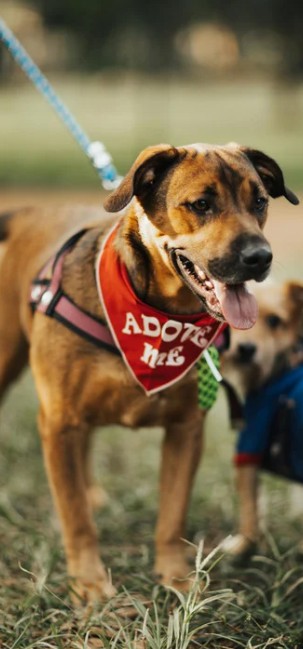
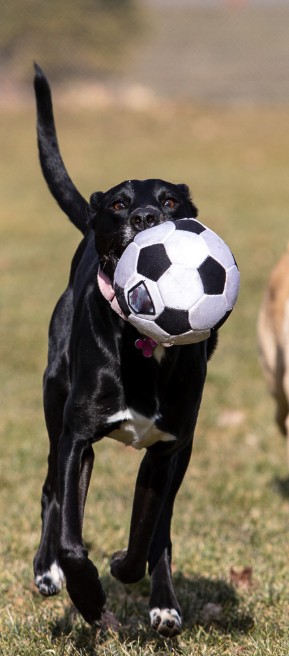
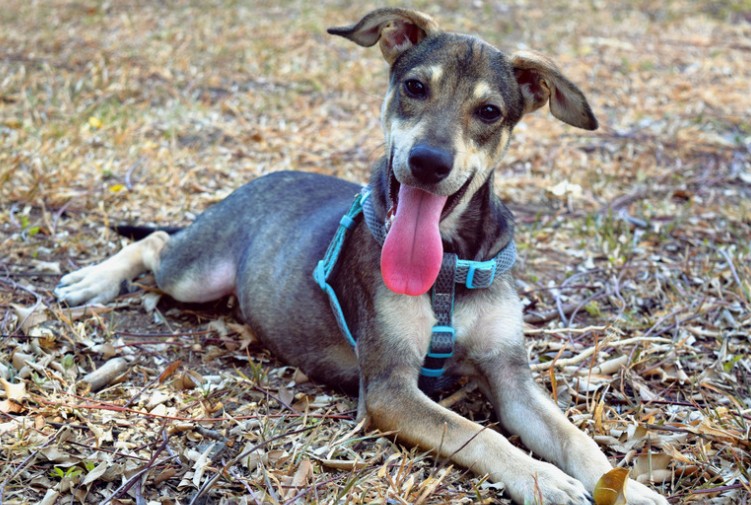
Awareness Breaks Loop When owners regulate their own presence predictability and emotional tone the NeuroBond stabilises reducing learned vigilance and restoring calm connection.
The Rescue Dog Difference: Why Vulnerability Runs Deeper
Your rescue dog doesn’t come to you as a blank slate. They arrive carrying attachment templates, learned patterns, and neurobiological adaptations shaped by their history. This background creates specific vulnerabilities that make them particularly susceptible to anxiety transfer.
Why Rescue Dogs Are More Vulnerable to Anxiety Transfer:
Prior Instability Creates Heightened Sensitivity
- Nervous system adapted to expect unpredictability
- Enhanced detection of signals that stability might be temporary
- Previous experiences of safety disappearing without warning
- Learned pattern that environments can change dramatically
- Primed to interpret current inconsistency as confirmation of past patterns
Insecure Attachment History
- Disrupted bonds reducing trust in caregiver reliability
- Learned patterns that attachment figures are unpredictable
- Difficulty using caregivers as secure base for exploration
- Attachment wounds activated by current caregiver anxiety
- Reduced capacity to rely on relationship for emotional regulation
Generalized Hypervigilance
- Learned that constant monitoring was essential for survival
- Tracking subtle environmental changes as adaptive strategy
- Maintained readiness for unpredictable events
- Difficulty downregulating vigilance even in safe contexts
- Current anxiety provides justification for maintaining old patterns
Reduced Behavioral Flexibility
- Chronic stress creating rigid behavioral repertoires
- Decreased ability to adopt new behavioral strategies
- Difficulty adapting to changing contexts or expectations
- Limited neurobiological flexibility for overriding learned patterns
- Challenge integrating new, safer responses into behavioral toolkit
This combination creates what researchers call compounded risk—your dog’s own regulatory challenges combined with an emotionally inconsistent caregiver whose anxiety prevents the reliable responsiveness that could help them heal. 😊
🧠 Owner Anxiety → Rescue Dog Behavior
Understanding the 8 Phases of Emotional Contagion and Breaking the Anxiety Transfer Cycle
Phase 1: Initial Emotional Mirroring
The Neural Connection Begins
Neural Substrates Activate
Your dog’s brain contains mirror mechanisms that don’t just observe your anxiety—they internally simulate it. When you feel anxious, similar neural pathways activate in your dog’s brain, creating genuine affective resonance through cross-species emotional contagion.
What Your Dog Experiences
• Changes in breathing pattern and heart rate mirroring yours
• Internal physiological shifts echoing your emotional state
• Heightened awareness to subtle micro-signals you’re not consciously aware of transmitting
• Neurochemical changes beginning in response to your stress signals
⚠️ Rescue Dog Amplification
Rescue dogs with histories of instability show heightened Sensory Processing Sensitivity (SPS). They detect emotional fluctuations at levels 5-10x more sensitively than dogs raised in stable environments, making them extraordinarily vulnerable to emotional mirroring.
Phase 2: Predictive Uncertainty Develops
The High Prediction Error Environment
How Anxiety Creates Unpredictability
Your brain operates as a predictive processing system, but anxiety makes your behavior inconsistent. One day you approach triggers confidently; the next day you avoid identical situations. Your dog’s brain generates prediction errors when your responses don’t match established patterns, creating chronic uncertainty about environmental safety.
Behavioral Manifestations
• Constant monitoring behaviors—watching you rather than relaxing
• Hypervigilance during transitions and threshold crossings
• Inability to settle even in familiar, safe environments
• Exaggerated startle responses to routine environmental changes
Breaking the Pattern
Establish predictable protocols for common situations. Respond to identical triggers the same way regardless of your internal anxiety level. When your dog can predict your behavior, their need for constant vigilance decreases dramatically.
Phase 3: Learned Vigilance Reinforcement
Accidentally Teaching Anxiety
Three Inadvertent Reinforcement Patterns
Anticipatory Management: Pre-emptively removing your dog from situations before problems occur teaches them that vigilance successfully predicts environmental changes.
Reassurance Behavior: Verbal comfort during stress marks the situation as threatening, increasing rather than decreasing anxiety.
Avoidance Patterns: Consistently avoiding triggers confirms your dog’s assessment that these contexts are genuinely dangerous.
Dopaminergic Learning Mechanism
Your dog’s dopamine neurons encode behavioral correctness during learning. When vigilance reliably predicts your intervention (crossing the street, picking them up, providing comfort), vigilance becomes deeply reinforced as the “correct” behavioral strategy for navigating uncertainty.
Alternative Approach
Allow your dog to assess situations themselves before intervening. Maintain calm presence without reassurance. Gradually expose both of you to triggers while managing your own emotional regulation—this teaches confidence rather than vigilance.
Phase 4: Attachment Insecurity Deepens
The Fragmented Caregiver
How Anxiety Fragments Attention
When you’re anxious, your attention divides between monitoring your dog, scanning for threats, managing your emotional state, and rehearsing worst-case scenarios. This divided attention creates inconsistent responsiveness—sometimes you notice your dog’s communication, sometimes anxiety captures your focus entirely.
Attachment Pattern Impact
Research shows 39% of dogs exhibit insecure attachment characterized by excessive proximity-seeking, separation distress, and reduced exploration. Anxious owners show reduced emotional availability—the primary factor differentiating secure from insecure attachment. Your rescue dog, already carrying attachment wounds, encounters another unpredictable caregiver.
⚠️ The Double Vulnerability
Your dog faces compounded risk: their own regulatory difficulties from their history combined with an emotionally inconsistent caregiver whose anxiety prevents the reliable responsiveness needed for healing. This creates the foundation for persistent behavioral challenges.
Phase 5: Communication Breakdown
Signal Quality Degradation
Four Communication Problems
Repetitive Cueing: “Sit. Sit. Sit!” teaches that first cues are optional
Tonal Inconsistency: Anxiety makes your voice tight, sharp, or variable—same word carries different emotional meaning
Body Language Contradictions: Saying “relax” while your entire body transmits tension
Mixed Environmental Signals: Same trigger treated differently based on your anxiety level that day
Cognitive Load Impact
Processing conflicting information streams simultaneously increases cognitive load. Under this load, your dog’s behavioral flexibility decreases, stress responses increase, and learning becomes significantly more difficult. They default to the safest strategy: constant vigilance.
Communication Clarity Protocol
Use single, clear cues in calm tone. Align body language with verbal communication. Practice cues when calm to establish tonal template. Wait patiently after giving cues rather than repeating. Your dog trusts nonverbal signals more than words.
Phase 6: Neurochemical Adaptation
Brain Chemistry Shifts
Glutamate & Endocannabinoid Changes
Chronic exposure to your stress signals produces neurochemical adaptations in your dog’s brain. Glutamate levels shift, affecting emotional processing. The endocannabinoid system—critical for fear regulation—becomes dysregulated. Excitatory-inhibitory balance changes, leaving them more reactive and less able to self-soothe.
Observable Consequences
• Increased baseline arousal and reactivity
• Reduced capacity for emotional regulation
• Difficulty accessing calm states physiologically
• Enhanced threat sensitivity
• Decreased behavioral flexibility
⚠️ Long-Term Impact
This explains why some rescue dogs can’t “just relax” even after years in stable homes. Their neurochemistry has adapted to an anxious environment, making calm states physiologically difficult to access without intervention addressing both owner anxiety and dog brain chemistry.
Phase 7: Feedback Loop Intensification
The Anxiety Amplification Cycle
The Five-Stage Loop
Stage 1: Your anxiety disrupts caregiving consistency
Stage 2: Insecure attachment develops in your dog
Stage 3: Monitoring behaviors increase anxiety exposure
Stage 4: Behavioral problems amplify your anxiety
Stage 5: Loop intensifies—higher anxiety, deeper insecurity, escalating challenges
System-Level Pattern Recognition
This isn’t about individual failure—it’s a self-reinforcing system where each element amplifies the others. Your stress activates your dog, whose activation increases your stress, which further activates your dog. The cycle becomes progressively harder to interrupt without addressing the root: your anxiety.
Intervention Point
Break the loop by addressing your anxiety first. As your emotional regulation improves, your caregiving becomes more consistent. As caregiving stabilizes, your dog’s attachment security increases. As attachment improves, behavioral challenges decrease. As challenges decrease, your anxiety reduces further—creating a positive feedback loop.
Phase 8: Transformation & Healing
The Path Forward
Your Personal Regulation Work
Breathing practices: Box breathing, extended exhale
Somatic regulation: Body scanning, progressive muscle relaxation
Cognitive strategies: Challenge catastrophic thinking, reality-test predictions
Professional support: Therapy, medication consultation if appropriate
Lifestyle foundations: Sleep, exercise, nutrition, social connection
Signs of Positive Transformation
• Your anxiety awareness and recovery time improve
• Your dog’s monitoring behaviors decrease
• Settling happens more quickly and deeply
• Reactivity to familiar triggers reduces
• More exploratory behavior emerges
• Genuine connection moments increase
• Mutual enjoyment returns to activities
The Gift of Mutual Healing
Your rescue dog’s sensitivity becomes a teacher. They mirror your emotional state with such accuracy that they invite you into deeper self-awareness. As you heal, they heal. As they settle, you settle. The relationship becomes a vehicle for mutual transformation rather than mutual anxiety.
📊 Anxiety Transfer: Context Variations
Transitions & Thresholds
Doorways, car entries, building approaches trigger peak anxiety transfer. Your energy shift signals potential threat, teaching threshold hypervigilance that generalizes to all boundary crossings.
Social Encounters
Meeting unfamiliar people or dogs represents maximum transfer intensity. Your leash tension, breathing changes, and body language communicate danger more powerfully than any verbal reassurance.
Waiting Periods
Inactivity at cafés, vet waiting rooms, or pause moments creates amplification space for anxiety. With no action to channel into, your dog focuses entirely on monitoring your emotional state.
Novel Situations
New locations and unexpected stimuli trigger behavioral template formation. Your response in these moments shapes how your dog approaches similar situations indefinitely.
Morning Routines
Hurried, preoccupied mornings create day-start activation. Your dog mirrors fragmented attention and rushed energy, beginning the day in stress rather than calm presence.
Veterinary Visits
Your anticipatory anxiety about the vet communicates before arrival. Car tension and waiting room worry prime stress response independently of actual medical procedures.
⚡ Quick Reference: Anxiety Transfer Mechanisms
Emotional Contagion: Direct affective resonance through neural mirror mechanisms
Predictive Uncertainty: Inconsistent behavior creates high prediction error environments
Learned Vigilance: Monitoring your state successfully predicts environmental changes
Attachment Insecurity: Anxiety fragments attention → inconsistent caregiving → insecure attachment
Communication Breakdown: Anxiety degrades signal clarity → cognitive load → reduced learning
Neurochemical Adaptation: Chronic exposure → brain chemistry shifts → physiological anxiety baseline
Primary Intervention Target: Your own anxiety regulation is the foundation for all other behavioral improvements in your dog.
🧡 The Zoeta Dogsoul Truth
Anxiety transfer reveals the profound truth of the NeuroBond—your emotional state and your dog’s nervous system exist in constant dialogue, shaping each other moment by moment. The Invisible Leash connects you far more powerfully than any physical tether; your internal calm guides their sense of safety more effectively than any management technique. When you engage in your own emotional regulation work, you create the conditions for Soul Recall—those moments when your dog’s nervous system remembers safety, when memory and emotion align toward trust rather than vigilance.
This is where neuroscience meets soul in the human-dog relationship. Your rescue dog’s sensitivity isn’t a flaw—it’s an invitation to mutual healing. As you develop the capacity to regulate your own anxiety, you don’t just change your dog’s behavior; you transform the entire relational field between you. The behavioral challenges that brought you to this understanding become the doorway to profound growth for both beings.
Your journey toward calm becomes their journey toward safety. Your practice of presence becomes their permission to rest. That balance between scientific understanding and compassionate action—that’s the essence of Zoeta Dogsoul.
© Zoeta Dogsoul – Where neuroscience meets soul in dog training
What This Looks Like in Daily Life
Understanding the theory is valuable, but recognizing how anxiety transfer manifests in everyday moments helps you identify and interrupt these patterns.
Observable Signs of Anxiety Transfer in Daily Life:
Morning Energy Mismatch
- Your rushed, preoccupied morning routine activates your dog
- They pace and follow you intensely when you’re hurried
- Stress signals appear even though environment is objectively safe
- Unable to settle during your morning preparation
- Mirroring your fragmented attention with fragmented behavior
Walking Dynamics Shift
- Tension transmits through the leash before any triggers appear
- Your environmental scanning prompts their vigilance
- Shoulder tension correlates with increased pulling
- Your anxiety makes the walk stressful before actual challenges
- Reactivity intensifies in proportion to your underlying tension
Homecoming Intensity
- Your post-work stress creates overwhelming greetings
- Reunion becomes activating rather than calming
- Energy mismatch prevents settling
- Creates feedback loop of mutual activation
- Missed opportunity for co-regulation toward calm
Veterinary Visit Anticipation
- Your anxiety about the visit communicates before arrival
- Tension in the car primes stress response
- Worried energy in waiting room confirms danger
- Dog’s fear partially reflects your anxiety about the experience
- Difficult to separate actual medical fear from transferred emotional state
Threshold Hypervigilance
- Doorways become moments of intense monitoring
- Your hesitation teaches wariness about transitions
- Physical boundaries trigger heightened attention
- Your energy shift signals potential threat
- Generalization to all threshold crossings
These patterns reveal the invisible ways your emotional state shapes your dog’s experience long before any external stressors enter the picture.
The Attachment-Anxiety Loop
The relationship between attachment security and anxiety creates a self-reinforcing loop that becomes progressively harder to break without intervention.
The Attachment-Anxiety Feedback Loop:
Stage 1: Anxiety Disrupts Caregiving
- Your anxiety fragments attention and reduces emotional availability
- Inconsistent responsiveness to your dog’s communication
- Unpredictable emotional states confuse attachment security
- Mixed signals about reliability and safety
- Your stress prevents consistent, sensitive caregiving
Stage 2: Insecure Attachment Develops
- Your dog learns they cannot rely on you as secure base
- Increased monitoring behaviors to track your emotional state
- Heightened proximity-seeking and separation distress
- Reduced exploratory confidence
- Attachment insecurity amplifies anxiety sensitivity
Stage 3: Monitoring Increases Anxiety Exposure
- Constant vigilance means constant exposure to your anxiety
- Enhanced sensitivity to your emotional fluctuations
- Behavioral challenges emerge or intensify
- Your dog’s reactivity increases your stress
- Relationship becomes source of mutual stress
Stage 4: Behavioral Problems Amplify Owner Anxiety
- Your dog’s challenges increase your worry and self-doubt
- Guilt about potentially causing problems
- Social embarrassment or isolation
- Financial stress from interventions
- Increased anxiety about your adequacy as caregiver
Stage 5: The Loop Intensifies
- Higher anxiety further degrades caregiving quality
- Deepening attachment insecurity
- Escalating behavioral challenges
- Growing emotional distance despite physical proximity
- System becomes increasingly rigid and difficult to change
Breaking this cycle requires intervention at multiple points, with primary focus on addressing your anxiety as the foundation for all other changes.
Research demonstrates that attachment style interacts with temperament traits to predict emotional regulation difficulties. Your rescue dog, combining insecure attachment history with current attachment insecurity, shows:
Greater difficulty regulating their emotional responses to even minor stressors
Reduced access to self-soothing behaviors because they’ve learned that internal regulation is unreliable
Increased emotional reactivity as their baseline arousal level remains elevated
Higher risk for behavioral problems that further strain the relationship and increase your anxiety
This isn’t about blaming you or suggesting that you’re inadequate. It’s about recognizing a system-level pattern where anxiety becomes self-perpetuating through the feedback dynamics between you and your dog.
The Relationship Quality Question
Research on dog-owner relationships reveals something crucial: simply owning a dog does not guarantee mental health benefits for either species. The quality of the relationship matters far more than ownership itself.
For anxious owners, the relationship with a behaviorally challenging rescue dog may become a source of additional stress rather than support. You might experience:
High Perceived Costs of Anxious Dog Ownership:
Emotional Costs
- Guilt about potentially causing or worsening your dog’s problems
- Shame when your dog reacts in public situations
- Frustration when interventions don’t produce expected results
- Worry about your adequacy as a caregiver
- Grief over the relationship you hoped to have
Social Costs
- Isolation from avoiding triggering situations
- Strained relationships with family members over dog management
- Embarrassment during reactive episodes
- Judgment from others about your dog’s behavior
- Reduced spontaneity in social activities
Practical Costs
- Financial stress from veterinary visits and specialists
- Time investment in training and behavior modification
- Sleep disruption from anxiety-driven behaviors
- Limitations on travel and activities
- Physical exhaustion from management demands
Relationship Costs
- Growing emotional distance despite physical proximity
- Resentment emerging in both directions
- Breakdown of trust and mutual enjoyment
- Reduced quality time and positive interactions
- The dog becoming a problem to manage rather than a companion to enjoy
These stressors can create what researchers call high perceived costs of ownership, which correlate negatively with relationship quality and wellbeing for both partners. The dog you adopted hoping to improve both your lives becomes, paradoxically, a source of increased distress for both of you.
This doesn’t mean the relationship is doomed or that you’ve failed. It means that addressing your anxiety—treating it as a legitimate and necessary intervention target—is essential for improving your dog’s behavior and your shared quality of life.
Breaking the Pattern: Where Change Begins
Here’s the truth that underlies everything: addressing anxiety transfer requires primarily addressing your anxiety. This isn’t a comfortable message because it shifts focus from your dog’s behavior to your internal state, but it’s also profoundly hopeful because it means you hold the key to transformation.
Recognizing Your Own Anxiety Patterns:
Physical Indicators to Notice
- Shoulder and jaw tension when encountering triggers
- Breathing becoming shallow or rapid
- Heart rate elevation in anticipation of challenges
- Muscle tightening when you see potential stressors
- Stomach clenching or digestive responses
- Leash hand gripping tighter unconsciously
Behavioral Patterns to Track
- Route changes to avoid certain areas or situations
- Pre-emptive interventions before problems occur
- Repetitive checking behaviors for potential threats
- Rushed movements when anxiety spikes
- Verbal reassurance patterns during stress
- Avoidance of specific contexts or activities
Cognitive Patterns to Identify
- Anticipating worst-case scenarios before they happen
- Ruminating on past negative experiences
- Catastrophizing minor incidents
- Difficulty staying present in the moment
- Mental rehearsal of potential problems
- Hypervigilance to environmental variables
Temporal Patterns to Map
- Times of day when anxiety is highest
- Specific locations that trigger concern
- Situations that consistently elevate stress
- Contexts where you feel most uncertain
- Predictable anxiety escalation sequences
- Recovery time after stressful encounters
Establishing Predictability
Your dog needs you to become predictable. This doesn’t mean perfect—it means consistent. Building this foundation requires deliberate structure.
Strategies for Creating Predictable Patterns:
Routine Consistency
- Maintain regular schedules for walks, meals, and rest periods
- Follow the same sequence for daily activities
- Keep morning and evening routines stable
- Use consistent timing even on weekends
- Create predictable transitions between activities
Response Protocols
- Decide in advance how you’ll handle common triggers
- Implement the same response pattern each time
- Don’t vary your approach based on your anxiety level
- Create clear decision rules for different situations
- Practice responses until they become automatic
Environmental Management
- Establish consistent walking routes and patterns
- Create predictable home environment structure
- Maintain stable sleeping and resting areas
- Minimize unnecessary environmental changes
- Introduce new elements gradually and systematically
Communication Consistency
- Use the same cues for the same behaviors always
- Maintain consistent tone and volume for commands
- Follow through on every cue given
- Establish clear markers for start and end of activities
- Create reliable patterns your dog can learn to trust
Improving Communication Clarity
Commit to single, clear cues given in a calm tone. If anxiety makes your voice tight, practice the cue when calm so you have a template for how it should sound. Wait patiently after giving the cue rather than repeating it.
Work on aligning your body language with your verbal communication. If you say “relax” while your entire body transmits tension, your dog receives confusion rather than guidance. Practice embodying the calm you want your dog to feel before asking them to feel it.
Building Your Own Emotional Regulation
This is perhaps the most challenging but most transformative work: developing your capacity to regulate your own emotional state. The work you do on your own emotional regulation directly benefits your dog.
Practical Emotional Regulation Tools:
Breath-Based Practices
- Box breathing (4-count in, hold, out, hold)
- Extended exhale breathing (inhale 4, exhale 6-8)
- Belly breathing to activate parasympathetic response
- Breath awareness during trigger anticipation
- Using breath as anchor to present moment
- Practice when calm to access when stressed
Somatic Regulation
- Progressive muscle relaxation sequences
- Body scanning for tension awareness
- Gentle movement to discharge anxious energy
- Grounding techniques (5-4-3-2-1 sensory awareness)
- Physical exercise for baseline regulation
- Yoga or stretching practices
Cognitive Strategies
- Challenging catastrophic thinking patterns
- Reality-testing anxious predictions
- Practicing balanced perspective-taking
- Identifying and reframing cognitive distortions
- Developing self-compassion practices
- Mindfulness meditation for present-focus
Professional Support
- Therapy with anxiety-specialized practitioner
- Cognitive-behavioral approaches for anxiety
- EMDR or somatic experiencing if trauma-based
- Medication consultation if appropriate
- Support groups for anxiety management
- Skill-building workshops or courses
Lifestyle Foundations
- Consistent sleep schedule and hygiene
- Regular physical activity
- Nutritional support for nervous system
- Limiting caffeine and stimulants
- Social connection and support
- Time in nature and calming environments
Creating Emotional Boundaries
Learning to maintain emotional boundaries—where you can be aware of your dog’s state without becoming overwhelmed by it—allows them to develop their own regulatory capacity. When you remain calm in the face of their anxiety, you provide modeling and permission for them to regulate down.
This doesn’t mean ignoring their distress. It means responding with calm competence rather than anxious reactivity, offering supportive presence without emotional flooding.
That balance between science and soul—that’s the essence of Zoeta Dogsoul. Understanding the neurobiological mechanisms while honoring the profound emotional connection that makes the human-dog bond so transformative.
The Professional Support Question
Sometimes the most courageous and loving action you can take is seeking professional support—both for yourself and for your dog.
When to Seek Professional Help:
Signs You Need Support for Your Anxiety
- Anxiety significantly impacts daily functioning or quality of life
- Physical symptoms (sleep disruption, appetite changes, chronic tension)
- Avoidance behaviors limiting your activities
- Relationship strain due to anxiety
- Difficulty managing emotional responses
- Anxiety interfering with dog caregiving
- Feeling overwhelmed or hopeless about the situation
Signs Your Dog Needs Behavioral Support
- Persistent behavioral challenges despite your best efforts
- Escalating reactivity or aggression
- Severe separation distress
- Self-harming behaviors
- Inability to settle or relax even in safe contexts
- Regression in previously learned behaviors
- Quality of life concerns for dog or household
What to Look for in Professionals
- Assess the entire dog-owner system, not just the dog
- Ask questions about your anxiety and emotional state
- Create intervention plans addressing both species
- Understand neurobiology and psychology of attachment
- Can refer you for mental health support when appropriate
- Evidence-based approaches without aversive methods
- Collaborative rather than prescriptive approach
The Integrated Approach
The most effective interventions address both partners in the relationship simultaneously. Your work on emotional regulation supports your dog’s behavioral improvement. Your dog’s reduced reactivity decreases your anxiety. This creates a positive feedback loop where each partner’s progress facilitates the other’s healing.
The Path Forward: Hope and Healing
Understanding anxiety transfer can feel overwhelming at first. You might experience guilt about how your anxiety has affected your dog, or frustration about the complexity of the situation. These feelings are natural, but they’re not where the story ends.
Signs of Positive Transformation:
Changes in Your Anxiety Management
- Increased awareness of your triggers and patterns
- Faster recovery time after stressful encounters
- More consistent emotional regulation
- Reduced catastrophic thinking
- Greater present-moment awareness
- Improved breathing and body awareness
Changes in Your Dog’s Behavior
- Decreased monitoring and checking behaviors
- Ability to settle more quickly
- Reduced reactivity to familiar triggers
- More exploratory behavior in safe contexts
- Improved response to your cues
- Longer periods of relaxed rest
Changes in Your Relationship
- More moments of genuine connection
- Increased mutual enjoyment of activities
- Easier communication both directions
- Greater trust and predictability
- Reduced tension during daily routines
- Positive feedback loop replacing negative one
Environmental Changes
- Expanding comfort zones for both of you
- Reintroducing previously avoided activities
- Greater social engagement
- More spontaneity and flexibility
- Reduced environmental management needs
- Increased confidence in various contexts
The profound truth is this: the same sensitivity that makes your rescue dog vulnerable to anxiety transfer also makes them extraordinarily responsive to your healing. When you begin to regulate your own emotional state, develop consistent patterns, and communicate with clarity, your dog responds with remarkable speed.
You’ve learned that your dog’s vigilance reflects, in part, their response to your anxiety. This means that as you change, they can change. As you become more predictable, they can relax. As you develop emotional regulation, they can borrow that regulation and eventually develop their own.
Your Journey Becomes Their Journey
The work you do on yourself isn’t selfish—it’s the most generous gift you can offer your dog. Every breath practice you develop, every moment of calm presence you cultivate, every time you respond to a trigger with grounded confidence rather than anxious reactivity, you’re creating the conditions for your dog’s healing.
Your rescue dog came to you carrying wounds from their past. You may have come to this relationship carrying your own wounds. The beautiful truth is that healing happens together, in relationship, through the daily practice of showing up with increasing awareness, consistency, and compassion.
The Invitation
This understanding invites you into a different relationship with your anxiety and your dog. Instead of seeing your anxiety as a shameful failing to hide, you can recognize it as information—as a signal that you need support, as a pattern that can be changed, as an opportunity for growth that benefits both you and your companion.
Instead of seeing your dog’s behavioral challenges as evidence of their brokenness or your inadequacy, you can recognize them as communication about the emotional environment, as opportunities to develop clearer leadership, and as invitations to deepen your own self-awareness and regulation capacity.
The Rescue Dog Gift
Your rescue dog, with their heightened sensitivity and vigilant attention, offers you something precious: honest feedback about your emotional state. They function as a mirror, reflecting back the anxiety you might not fully recognize in yourself. This isn’t comfortable, but it’s valuable.
What Your Rescue Dog Teaches You:
Self-Awareness Lessons
- Recognition of anxiety patterns you might otherwise miss
- Awareness of physical tension and stress manifestations
- Understanding of how your emotional state affects others
- Insight into your avoidance and management strategies
- Connection between thoughts, feelings, and behaviors
- Your capacity for change and growth
Regulation Skills Development
- Practice staying present in challenging moments
- Building emotional regulation capacity
- Learning to create calm from within
- Developing breath awareness and somatic tools
- Improving stress recovery abilities
- Cultivating patience with process
Relationship Wisdom
- Understanding that healing happens in relationship
- Learning that vulnerability enables connection
- Recognizing the power of consistency
- Appreciating the importance of emotional availability
- Discovering that your work benefits everyone around you
- Experiencing mutual transformation through shared growth
Life Philosophy Insights
- Awareness is more powerful than control
- Presence matters more than perfection
- Small consistent changes create profound shifts
- Both beings deserve compassion during struggle
- Growth requires facing discomfort
- The journey of healing enriches both partners
In this way, the rescue relationship becomes mutual. You rescue them from their uncertain past. They rescue you from unconscious patterns and invite you into deeper awareness. You heal together, grow together, and discover that the behavioral challenges that brought you to this understanding become the doorway to profound transformation.
The science reveals the mechanisms—emotional contagion, predictive uncertainty, learned vigilance, attachment dynamics, communication breakdown. But the soul of the matter is simpler: your dog feels what you feel, learns from what you do, and needs you to become the calm, consistent presence that allows both of you to rest.
This is the work. This is the path. And every step you take toward your own emotional regulation is a step toward the peaceful, trusting relationship you both deserve. 🧡










