
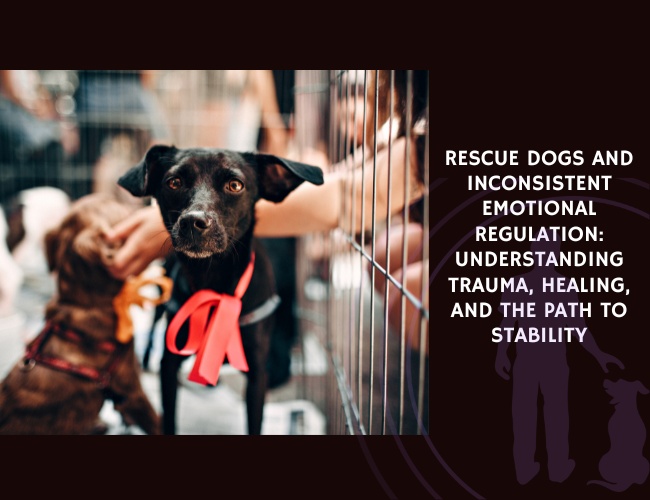
When you bring a rescue dog into your home, you’re not just welcoming a pet—you’re embracing a story. That story might include chapters of uncertainty, loss, or hardship that have shaped how your dog experiences the world. If you’ve noticed your rescue dog seems calm one moment and anxious the next, affectionate then suddenly withdrawn, you’re witnessing something profound: emotional regulation shaped by survival.
Understanding why rescue dogs display inconsistent emotional responses isn’t just about managing behavior—it’s about recognizing the neurobiological and developmental realities these remarkable animals carry with them. Through the NeuroBond approach, we can see that what appears as unpredictability often reflects deeply rational responses to a world that once felt unsafe.
Let us guide you through the science, the heart, and the practical pathways that can help your rescue dog find emotional stability and trust.
The Foundation: How Early Life Shapes Emotional Regulation
When Development Goes Awry
Your rescue dog’s emotional landscape was sculpted long before you met. During the critical socialization period—those pivotal weeks between three and fourteen weeks of age—a puppy’s brain is extraordinarily plastic, forming the neural pathways that will govern stress responses for life. When this developmental window is marked by deprivation, neglect, or abandonment, the impact reverberates through their entire emotional regulation system.
Research shows that early adversity doesn’t just create temporary difficulties. It fundamentally alters how the stress response system matures. Think of it as building a house during an earthquake—the foundation itself becomes structurally different. Dogs who experience chronic unpredictable stress during these formative weeks develop nervous systems calibrated for survival in uncertain environments.
What does this look like in practice? Common signs of early developmental trauma include:
- Difficulty accepting or enjoying treats and rewards, even high-value ones
- Generalized anxiety in situations other dogs navigate easily, like normal household sounds or routine activities
- A persistent emotional heaviness or flat affect that doesn’t lift even during play
- Delayed or absent joy responses when good things happen
- Difficulty settling into relaxation, maintaining constant low-level tension
- Exaggerated startle responses to minor environmental changes
These aren’t character flaws—they’re the neurobiological signatures of early adversity. 🧠
The Sensitization Effect
Here’s something you should understand about prolonged stress exposure: it doesn’t just accumulate—it transforms. When rescue dogs face ongoing threat or unpredictability, their stress response systems become sensitized, meaning they begin operating on a hair trigger. A neurobiological shift occurs where the threshold for activation drops dramatically lower.
Imagine a smoke alarm that’s been recalibrated to go off at the slightest hint of warmth. That’s similar to what happens in a sensitized stress system. Your dog’s brain and body remain in a state of heightened readiness, scanning for danger, prepared to escalate rapidly. This creates several observable patterns:
- Heightened baseline anxiety: Your dog appears “on edge” even when nothing is happening
- Rapid emotional escalation: Small triggers produce disproportionately large reactions
- Extended recovery periods: It takes hours or even days for your dog to return to calm after a stressful event
- Cognitive challenges: Difficulty learning or responding when aroused
This sensitization explains why your rescue dog might react intensely to situations that seem minor to you. Their nervous system is operating from a different baseline, one shaped by experiences where vigilance meant survival.
Critical Windows and Lasting Impact
The timing of trauma matters profoundly. Research reveals that adversity during specific developmental periods creates distinct outcomes. Understanding these windows helps you contextualize your rescue dog’s challenges:
Critical Developmental Windows:
- Neonatal period (0-2 weeks): Maternal stress and physical deprivation affect basic neurological development
- Transitional period (2-3 weeks): Sensory systems activate; overwhelming stimulation creates lasting sensitivity
- Primary socialization (3-14 weeks): The most critical window—shapes lifelong social and emotional capacities
- Secondary socialization (14 weeks-6 months): Continued plasticity but reduced compared to primary window
- Juvenile period (6-18 months): Trauma still impacts but with greater resilience than early windows
- Adult period (18+ months): Most resilient to trauma, though chronic stress still creates lasting effects
Second-trimester prenatal stress, for instance, shows particularly strong associations with working memory deficits and lasting epigenetic changes—alterations in how genes are expressed that can persist throughout life.
For your rescue dog, this means that early developmental trauma carries more profound and persistent effects than stress experienced in adulthood. The younger they were when adversity struck, the deeper the impact on emotional regulation capacity. But here’s the hopeful truth: those same critical periods that represent heightened vulnerability also represent potential plasticity—the ability to change and heal given the right conditions. 🧡
The Attachment Story: Broken Bonds and Healing Connection
How Attachment Shapes Emotional Co-Regulation
When you feel stressed, you might call a friend, seek a hug, or simply feel calmer in the presence of someone you trust. This is co-regulation—the fundamental human capacity to borrow calm from our attachment figures. Dogs possess this same capacity, and it’s equally crucial to their emotional wellbeing.
Rescue dogs with disrupted attachment histories face a unique challenge: they struggle to use human emotional presence as a regulating force. Their early experiences may have taught them that attachment figures are unreliable, absent, or even sources of threat themselves. This creates profound difficulties that manifest in specific ways:
Common Attachment Disruption Behaviors:
- Seeking proximity then immediately withdrawing when approached
- Freezing or becoming defensive when receiving affection
- Difficulty making or maintaining eye contact with trusted people
- Showing affection to strangers while avoiding bonded family members
- Extreme distress during separations, even brief ones
- Inability to settle when humans are present, only relaxing alone
- Panic responses to normal attachment gestures like petting or calling
Impaired social referencing: Your dog struggles to read your emotional cues and use them to guide their own responses. When you’re calm, they remain anxious. When you signal safety, they continue scanning for danger.
Reduced trust in co-regulation: Rather than seeking comfort during stress, your dog may isolate, freeze, or become defensive. They’ve learned that relying on others for emotional support doesn’t work—or worse, leads to disappointment or harm.
Fragmented internal working models: Your dog lacks a coherent template for how relationships work. Their expectations about whether you’ll be available, responsive, and safe shift moment to moment, creating behavioral inconsistency that mirrors internal uncertainty.
Through the principles of Zoeta Dogsoul, we recognize that rebuilding this capacity for co-regulation isn’t about training—it’s about relationship repair at the deepest level. It requires patience, consistency, and an understanding that trust is rebuilt slowly, one reliable interaction at a time.
The Push-Pull Dynamic
You’ve probably experienced this: your rescue dog approaches you seeking affection, then suddenly pulls away or even snaps. They curl up beside you on the couch, then moments later seem uncomfortable with your presence. This isn’t manipulative behavior or confusion—it’s attachment-driven proximity-avoidance conflict.
This conflict emerges when two powerful systems activate simultaneously:
The attachment system says: “Seek closeness for safety and comfort.”
The threat system says: “Closeness means vulnerability; maintain defensive distance.”
When previous attachment figures were sources of both comfort and threat—perhaps a person who sometimes fed them but also punished unpredictably—the dog develops no coherent strategy for managing attachment needs. They simultaneously crave connection and fear it.
What you’re witnessing isn’t emotional instability so much as two opposing impulses fighting for control. Your dog isn’t confused about what they want—they want both safety and connection but learned these can be mutually exclusive. This creates the characteristic “push-pull” that can feel so frustrating but is actually a comprehensible response to incompatible learned associations.
Vigilance and Emotional Oscillation
Rescue dogs often display heightened vigilance—that constant scanning, the inability to truly settle, the way small movements catch their attention. This vigilance serves a purpose: monitoring for signs that predict safety or danger. But when your dog struggles to form predictable social bonds, this vigilance extends into the social realm in ways that create emotional instability.
Your dog might show rapid shifts between approach and avoidance, oscillate between dependency and defensive independence, or appear to change their entire emotional state based on subtle cues you didn’t even realize you were giving. They’re hypervigilant to social signals that might indicate threat, abandonment, or safety—but their interpretive framework is fragmented by inconsistent past experiences.
Research on trauma reveals that individuals with insecure attachments show fragmented, incomplete, or contradictory narratives when discussing their experiences. Your rescue dog’s behavioral narrative may appear similarly inconsistent because it reflects unintegrated attachment experiences—different responses learned in different contexts, none fully overwriting the others.
The Neurobiology of Inconsistency: What’s Happening in Your Dog’s Brain
HPA Axis Dysregulation and Baseline Arousal
Let’s talk about the HPA axis—the hypothalamic-pituitary-adrenal axis—your dog’s central stress response system. When functioning optimally, this system activates during threat, releases stress hormones like cortisol, then returns to baseline when danger passes. It’s meant to be responsive but resilient.
Chronic stress exposure fundamentally alters this system. The repeated activation changes how glucocorticoid receptors function, how genes are expressed, and ultimately how efficiently the system can shut itself down after activation. For your rescue dog, this creates several observable realities:
Extended recovery periods: After a stressful event—a loud noise, an unfamiliar person, a trip to the vet—your dog doesn’t return to calm quickly. Hours or even days may pass before they seem fully settled again. This isn’t stubbornness; their biological capacity to downregulate stress has been compromised.
Elevated baseline arousal: Even in safe, comfortable environments, your dog seems to maintain a higher level of tension. They never fully relax. Their resting state resembles what most dogs show during mild stress.
Reduced stress threshold: Smaller triggers produce disproportionate responses because your dog is starting from an already elevated baseline. It’s not that they overreact—it’s that they’re already halfway to a stress response before anything happens.
Cumulative effects: Each stressor adds to an already elevated baseline rather than occurring against a neutral background. By the end of a day with multiple small stressors, your dog may appear overwhelmed by what seems like a minor final event.
Understanding this helps you recognize that your dog’s “inconsistent” responses often reflect varying positions on a stress accumulation curve you can’t fully see.
Sympathetic Dominance: Living in Fight-or-Flight
The autonomic nervous system has two main branches: the sympathetic system (activating, preparing for action) and the parasympathetic system (calming, supporting rest and digestion). In healthy individuals, these systems balance each other, allowing flexible responses to changing circumstances.
Rescue dogs frequently show sympathetic nervous system dominance—a state where the activating, fight-or-flight branch maintains primacy even when threats aren’t present. Research on chronic psycho-emotional stress demonstrates that prolonged activation of this system becomes maladaptive, creating harmful effects on both physical and mental health.
For your dog, sympathetic dominance manifests as:
Rapid arousal escalation: Your dog transitions from calm to highly activated states with minimal provocation. One moment they’re resting; the next they’re barking intensely at a passing bicycle.
Difficulty with impulse control: The prefrontal regulatory systems that normally inhibit impulsive behavior are overridden by sympathetic activation. Your dog struggles to “think before acting.”
Hyperreactivity: Environmental stimuli produce exaggerated responses. Normal sounds seem amplified, ordinary movements appear threatening, and novel situations trigger immediate defensive responses.
Physical manifestations: You might notice elevated heart rate even at rest, dilated pupils, muscle tension that never fully releases, and difficulty with behaviors requiring calm focus.
This isn’t your dog being “reactive” by choice—it’s their nervous system operating from a baseline of chronic activation, making truly calm states difficult to access and maintain.
Parasympathetic Impairment: The Shutdown Response
While sympathetic dominance explains rapid escalation, parasympathetic regulation impairment explains something else you might have observed: sudden emotional shutdowns. Your dog might go from anxious to completely unresponsive, appearing to “check out” entirely. Or they might show delayed reactions, taking several seconds to respond to your cues when they’re usually quick to engage.
The parasympathetic nervous system, particularly vagal tone, is crucial for emotional recovery, social engagement, flexible behavioral responses, and stress buffering. When this system’s function is compromised—as often occurs with chronic stress—your dog may display:
Sudden shutdowns: Abrupt transitions to immobility or dissociation when overwhelmed. Your dog might become unresponsive, refuse to move, or seem emotionally absent. This isn’t defiance—it’s a protective mechanism when the nervous system can’t maintain activation any longer.
Delayed responses: Slow processing of environmental changes because the flexible engagement system isn’t functioning optimally. Your dog seems “spaced out” or slow to react.
Difficulty with state transitions: Getting “stuck” in particular emotional states—whether anxious, shut down, or hypervigilant—because the regulatory system that supports smooth transitions isn’t working properly.
Reduced social engagement: Withdrawal from interactive behaviors because social engagement requires parasympathetic activation to support safe connection.
The Invisible Leash concept recognizes that true behavioral guidance doesn’t come from physical control but from the dog’s capacity to maintain regulated engagement—something that requires parasympathetic function. When this system is impaired, no amount of training can force engagement that the nervous system can’t support. 🧠
Environmental Predictability: The Foundation of Emotional Stability
How Instability Amplifies Dysregulation
Here’s something crucial to understand: unpredictability itself functions as a stressor, independent of the specific events occurring. Research demonstrates that chronic unpredictable stress produces more severe behavioral and neurobiological changes than predictable stress of equal intensity. For your rescue dog, environmental consistency isn’t just helpful—it’s foundational to emotional stability.
Consider the common trajectory of many rescue dogs: time in a shelter with constant noise and changing routines, movement to a foster home with one set of expectations, then adoption into a permanent home with entirely different patterns. Each transition, however positive the destination, represents a complete recalibration of expectations about how the world works.
Common sources of environmental instability include:
Living Situation Changes:
- Frequent changes in living situations and the people present
- Multiple shelter placements with different kennel environments
- Transitions between foster homes with varying household structures
- Changes in number of people, dogs, or other animals in the home
Daily Routine Inconsistencies:
- Inconsistent daily routines for feeding, walking, and rest
- Variable noise levels and activity patterns throughout the day
- Unpredictable human behavior and handling styles
- Changing rules and boundaries about what’s allowed
Environmental Factors:
- Inconsistent sleep locations or access to resting spaces
- Variable sensory stimulation (visual, auditory, olfactory)
- Frequent visitors or changing household dynamics
- Unpredictable schedule disruptions or special events
Your rescue dog’s brain is constantly attempting to predict what will happen next to maintain safety. When predictions consistently fail, the regulatory systems remain activated, unable to rest. Environmental stability allows those systems to finally downregulate, supporting recovery and the development of more flexible, less defensive responses.
Context-Dependent Behavior and Threat Assessment
You might have noticed your rescue dog behaves completely differently in different environments. Calm at home but reactive on walks. Confident in your yard but anxious in new spaces. Friendly with your family but defensive around strangers. This context sensitivity isn’t inconsistency—it’s heightened threat assessment.
Rescue dogs become more context-dependent in their behavior because they’ve learned that safety isn’t a stable condition—it’s situation-specific. Their brain maintains detailed maps of contextual safety and threat cues:
Location factors: Different environments carry different threat associations. The place where abandonment occurred may trigger intense anxiety; familiar spaces where positive experiences accumulated may allow relaxation.
Social context: Who’s present dramatically influences perceived safety. Your dog might be calm with you alone but anxious when strangers arrive, not because they’re unstable but because the social context has fundamentally changed.
Temporal patterns: Time of day, sequence of events, and routine predictability all influence threat assessment. Your dog may be calm during familiar morning routines but anxious during unusual afternoon activities.
Sensory environment: Noise levels, visual complexity, and olfactory information all contribute to context evaluation. Environments with high sensory unpredictability maintain elevated threat assessment.
This contextual sensitivity actually demonstrates sophisticated cognitive processing—your dog is tracking subtle environmental variables and adjusting their behavioral strategy accordingly. The challenge is that their threat assessment system is recalibrated toward detecting danger, so they perceive threat in contexts that seem safe to you.
Generalization Deficits
Rescue dogs often struggle with behavioral generalization—applying learning from one context to another. You might achieve beautiful calm behaviors at home only to find your dog acts like they’ve never been trained when you’re in a new environment. This isn’t forgetting; it’s an adaptive feature of a threat-sensitive system.
When survival depends on context-specific threat assessment, generalizing across contexts becomes risky. What’s safe at home might not be safe elsewhere. The behaviors that work in one context might be inappropriate or dangerous in another. Your dog’s brain is protecting them by maintaining context-specific behavioral strategies rather than broadly generalizing learned responses.
This has important implications for training: skills must be practiced in multiple contexts, safety must be established in each new environment, and patience is required as your dog slowly builds confidence that new contexts can also be predictable and safe. 🧡

Learning History and Reinforcement Patterns
Fragmented Learning and Prediction Errors
Your rescue dog’s learning history likely resembles a book with missing chapters and contradictory storylines. In stable environments, dogs learn clear contingencies: this behavior leads to that consequence. But rescue dogs often experience fragmented reinforcement histories where:
Inconsistent consequences: The same behavior produces different outcomes depending on who’s present, what’s happening, or factors the dog can’t predict. Approaching a person sometimes results in affection, sometimes in punishment, sometimes in being ignored.
Unclear contingencies: The relationship between behavior and outcome is opaque. Dogs learn best when “if I do X, then Y happens” is reliable. Rescue dogs often experienced environments where no clear contingencies existed.
Learned helplessness: When behavior doesn’t reliably influence outcomes, dogs may develop learned helplessness—a state where they stop attempting to control their environment because past attempts proved futile.
Reinforcement of defensive behaviors: Aggressive or avoidant behaviors may have been the only responses that successfully increased safety or decreased threat, becoming deeply reinforced even though they’re maladaptive in safe contexts.
This fragmented learning history means your dog approaches new learning opportunities with uncertainty. They’ve learned that patterns can be unreliable, that safety can evaporate without warning, and that their behavioral choices may not matter. Rebuilding trust in learning itself becomes a crucial therapeutic task.
Impulse Control and Prefrontal Function
Impulse control requires the prefrontal cortex—the brain’s executive control center—to successfully inhibit immediate reactive responses. This is the system that allows you to take a breath before responding when frustrated, to think before acting, to delay gratification for better outcomes.
Chronic stress and early adversity compromise prefrontal cortex development and function. For your rescue dog, this manifests in specific observable behaviors:
Impulse Control Challenges:
- Difficulty inhibiting immediate responses—reacting before thinking, struggling to pause between impulse and action
- Reduced capacity for delayed gratification—waiting is extremely challenging when regulatory systems supporting patience are underdeveloped
- Poor inhibitory control—once a behavior sequence begins (chasing, barking, jumping), your dog struggles to interrupt it even with cues
- Stress-dependent collapse—under stress, whatever impulse control capacity exists collapses entirely, and behavior becomes purely reactive
- Inability to disengage from stimuli—fixating on triggers without ability to redirect attention
- Grabbing, snatching, or lunging at food, toys, or opportunities
- Door dashing and inability to wait at thresholds
- Difficulty with “stay” or “wait” commands, even when previously mastered
Training impulse control in rescue dogs requires recognition that this isn’t a motivation problem—it’s a neurobiological capacity that needs to be built slowly through regulation-focused approaches rather than demanded through compliance-based methods.
The Role of Predictability in Learning
Here’s where the puzzle pieces come together: predictability isn’t just environmental—it’s central to learning itself. Dogs learn through prediction error—the difference between what they expect and what actually occurs. But this learning mechanism depends on having stable enough conditions to form reliable predictions in the first place.
Your rescue dog’s fragmented history created a world where forming stable predictions was impossible. Now, in your home, they need to relearn that predictions can be reliable, that patterns hold, that their behavior does influence outcomes consistently. This requires:
Highly consistent responses: You must respond to the same behavior the same way, every time, so your dog can form reliable associations.
Clear cause-effect relationships: Make the connection between behavior and consequence obvious and immediate.
Protected learning environments: Reduce environmental unpredictability during training so your dog can focus on the specific contingencies you’re teaching.
Patience with generalization: Recognize that learning in one context doesn’t automatically transfer and that building context-independent skills requires explicit practice.
Through Soul Recall, we understand that emotional memory plays a powerful role in learning. Your dog isn’t just learning behavioral sequences—they’re forming emotional associations. Creating positive, predictable emotional experiences becomes the foundation for stable learning.
Human Emotional Consistency: The Other Half of the Equation
How Human Volatility Affects Canine Regulation
Let’s talk about something that can be difficult to hear: your emotional state profoundly influences your dog’s emotional regulation. Dogs, particularly those with attachment trauma, are exquisitely attuned to human emotional signals. They use your emotional state to assess environmental safety and to co-regulate their own arousal.
When you display emotional volatility—stress, frustration, anxiety, anger—your rescue dog perceives a threat signal. Their already sensitized stress response system activates, creating a negative feedback loop. Your stress increases their stress, which increases your stress, which further amplifies their dysregulation.
Common Human Emotional Patterns That Dysregulate Dogs:
- Emotional volatility: Unpredictable mood states make it impossible for your dog to reliably predict your responses, recreating the unpredictability that originally shaped their dysregulation—happy one moment, irritable the next creates instability
- Inconsistent responses: Reacting differently to the same dog behavior depending on your mood teaches your dog that your responses are unreliable, undermining their ability to learn clear contingencies—sometimes allowing a behavior, sometimes correcting it
- Unclear communication: Mixed signals about expectations—saying one thing with words but communicating something different through body language or energy—creates confusion and maintains elevated threat assessment
- Stress transmission: Dogs are remarkably sensitive to human cortisol levels and stress signals. When you’re stressed, your dog experiences that stress as environmental threat even when nothing else is happening
- Impatience: Visible frustration with your dog’s progress, sighing, rushing through interactions, or showing annoyance signals that they’re failing to meet expectations
- Anticipatory tension: Bracing for problems before they occur—tensing when you see a trigger approaching—tells your dog that danger is present even before they’ve reacted
- Attention imbalance: Only noticing problems while ignoring calm behavior teaches your dog that dysregulation gets attention while regulation goes unnoticed
This isn’t about blaming yourself—caring for a rescue dog with emotional dysregulation is genuinely stressful, and your emotional responses are understandable. But recognizing this dynamic allows you to see regulation as a collaborative process where your emotional state matters tremendously.
Predictable Communication as Therapeutic Intervention
Here’s the hopeful counterpart to that challenge: calm, predictable communication actively reduces emotional volatility by restoring a sense of safety. Research on emotion regulation strategies demonstrates that consistent, clear communication increases prefrontal cortex activity while reducing negative emotional arousal.
Effective communication strategies include:
Verbal Communication:
- Consistent verbal cues—use the same words in the same tone for the same behaviors
- Calm, low-pitched voice tones that signal safety rather than threat
- Minimal unnecessary talking—reduce verbal clutter that creates cognitive load
- Positive phrasing rather than constant “no” or corrections
Body Language Consistency:
- Predictable postures and movements—avoid sudden gestures that startle
- Relaxed, open body positioning rather than tense or looming postures
- Consistent hand signals paired with verbal cues
- Smooth, deliberate movements rather than quick or erratic actions
Routine and Response Patterns:
- Predictable routines and responses—same sequence of events daily
- Consistent reactions to specific dog behaviors regardless of your mood
- Clear boundaries and expectations that don’t shift based on circumstances
- Patient repetition allowing for consolidation of learning
Emotional Regulation:
- Calm emotional tone avoiding emotional escalation even when frustrated
- Maintaining your own regulated state during your dog’s dysregulation
- Clear communication without emotional overwhelm or confusion
- Steady presence that provides predictability in all interactions
Through the NeuroBond framework, we recognize that you’re not just communicating information—you’re providing the relational consistency that allows your dog’s nervous system to finally rest into trust. This is regulation through relationship, and it’s one of the most powerful interventions available. 😊
Becoming Your Dog’s Secure Base
Attachment theory describes the concept of a “secure base”—a trusted figure from which one can explore the world, knowing safety is available when needed. Your rescue dog likely never developed this secure base relationship, creating ongoing challenges with exploration, confidence, and independent emotional regulation.
You have the opportunity to become that secure base, but it requires understanding what this role entails:
Core Secure Base Responsibilities:
- Reliability: You must be consistently present and responsive to your dog’s attachment signals, neither dismissing their needs nor becoming unpredictably unavailable—this means showing up emotionally even when inconvenient
- Safe haven: When your dog is stressed or frightened, you provide a reliable source of comfort and protection—this doesn’t mean reinforcing fear but rather offering stable presence during dysregulation without judgment
- Support for exploration: As your dog begins to trust that you’re reliable, you encourage gradual exploration while remaining available, building confidence through supported risk-taking—like a parent watching a child try something new
- Non-threatening presence: You avoid becoming a source of threat yourself through punishment, unpredictability, or emotional volatility—even when setting boundaries, you remain emotionally safe and predictable
- Consistent availability: Your dog learns they can count on you to be there, not just physically but emotionally—you don’t withdraw affection or presence when they struggle
- Emotional steadiness: You maintain calm even when your dog cannot, providing the stability they can’t yet generate internally—you become their external regulator until they develop internal capacity
- Responsiveness without overwhelm: You notice and respond to your dog’s needs without becoming intrusive or overwhelming—attuned presence that respects their autonomy
- Repair after ruptures: When you make mistakes (and you will), you return quickly to consistent, safe interaction—repair is what teaches that relationships can withstand imperfection
Building this secure base relationship takes time—often months or years for severely traumatized dogs. But this relational foundation is what ultimately allows your dog to develop more stable emotional regulation. They learn to use your calm as a regulating force, to trust that you’ll be available when needed, and to feel safe enough to explore new behaviors and environments. 🧡
Wounded. Adaptive. Recovering.
Early Survival Imprints Disrupted early development shapes emotional regulation systems calibrating the nervous system for uncertainty vigilance and rapid defensive shifts rather than safety and ease.
Sensitized Stress Systems Prolonged unpredictability lowers activation thresholds keeping the dog in a state of constant readiness where small triggers produce outsized emotional responses and slow recovery.

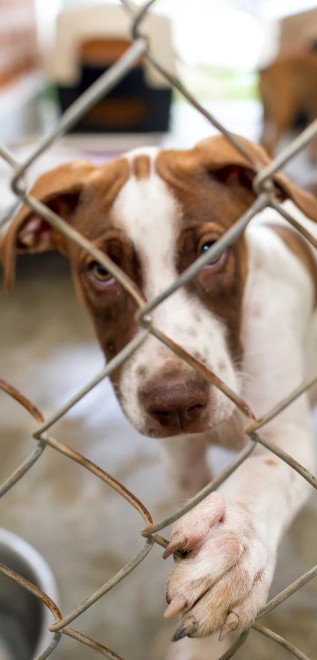
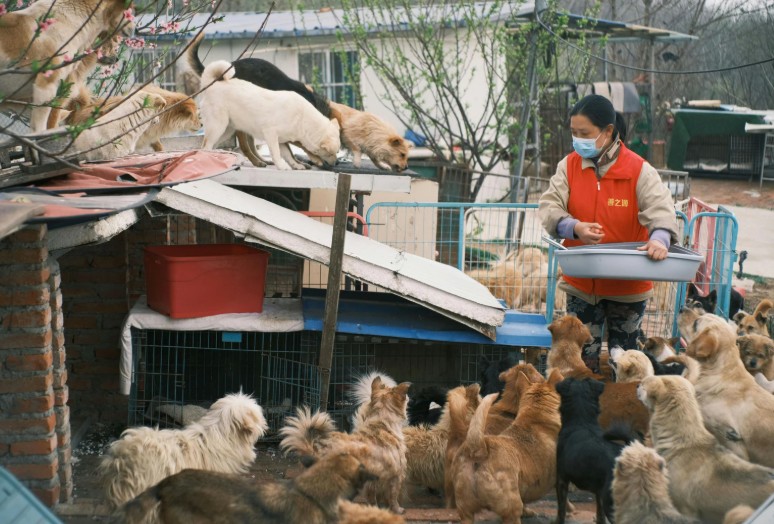
Alignment Builds Safety Through consistent structure relational presence and NeuroBond based regulation competing survival responses can settle allowing emotional stability trust and resilience to emerge over time.
Training for Emotional Stability: Regulation Over Performance
Why Traditional Obedience Methods Often Fail
Traditional dog training typically focuses on behavioral compliance: sit, stay, come, heel. Commands are given, behaviors are shaped through reinforcement or correction, and performance is evaluated based on whether the dog executes the requested behavior.
For rescue dogs with emotional dysregulation, this approach frequently fails—or worse, exacerbates underlying problems. Understanding why helps you avoid these pitfalls:
Why Obedience-First Methods Often Fail:
- Demand pressure increases stress: When you prioritize behavioral performance regardless of emotional state, you create pressure that activates already sensitized stress systems—your dog may comply through learned helplessness while becoming more dysregulated internally
- Suppression without resolution: You might successfully suppress the expression of anxiety, fear, or reactivity without addressing the underlying emotional state—the dysregulation continues beneath behavioral compliance, often emerging in different ways (displacement behaviors, physical symptoms, or explosive reactions)
- Capacity exceedance: Demanding behaviors your dog’s current regulatory capacity cannot support creates repeated failure experiences, eroding confidence and potentially creating learned helplessness—asking for “sit-stay” from a dog in sympathetic dominance sets them up to fail
- Performance focus obscures regulation needs: When you evaluate success based on behavioral performance, you miss critical information about your dog’s regulatory state, leading to training that pushes beyond their capacity—you might celebrate a “sit” while missing that your dog is shutting down
- Relationship damage: Punishment-based or pressure-heavy methods can damage the attachment relationship that is itself the primary healing mechanism—your dog needs you as secure base, not as source of additional stress
- Skill without foundation: Teaching complex behaviors without addressing underlying regulation is like building a house on sand—skills may work temporarily but collapse under stress because the neurobiological foundation isn’t present
- Misattribution of problems: Traditional methods interpret regulation failures as “disobedience,” “stubbornness,” or “dominance,” leading to interventions that intensify rather than support—the problem isn’t motivation; it’s capacity
- Short-term gains, long-term costs: You might see behavioral compliance quickly but create internal stress that manifests later in physical health issues, generalized anxiety, or eventual behavioral breakdown
Obedience-based methods assume a dog with intact emotional regulation who simply needs to learn specific behaviors. Rescue dogs need something different: they need to build regulatory capacity first, then layer behavioral learning onto that foundation.
The Regulation-First Approach
Regulation-first training flips the traditional paradigm. Instead of prioritizing what behavior your dog performs, you prioritize what emotional state they’re in. Behavioral complexity is added only when emotional stability can support it. This approach recognizes that sustainable behavioral change requires underlying neurobiological capacity.
Key principles include:
Assessment Before Action:
- Emotional state assessment before asking for any behavior—evaluate if your dog is calm enough to learn
- Arousal level monitoring—is their current state appropriate for the demands you’re about to place?
- Stress signal recognition—identify subtle signs of overwhelm before full dysregulation occurs
- Environmental evaluation—is the context supportive of learning right now?
Capacity-Based Training:
- Capacity-appropriate demands—adjust training complexity based on current regulatory capacity
- Success-oriented sessions—design training to ensure high success rates (80% or higher)
- Variable session length—end sessions based on dog’s state, not predetermined time
- Difficulty scaling—on high-stress days, practice simpler behaviors; as capacity increases, complexity follows
Regulation as Primary Goal:
- Explicit regulation skills teaching—settling, disengagement from triggers, recovery from arousal are primary training goals
- State over behavior—prioritize your dog’s emotional state over behavioral performance
- Stress monitoring—watch for stress signals and adjust or end sessions before dysregulation
- Recovery time—allow adequate rest between training sessions for nervous system consolidation
Relationship Protection:
- Trust preservation—never push past your dog’s capacity in ways that damage trust
- Positive associations—all training creates positive emotional experiences
- Choice provision—offer choices where possible to support autonomy and reduce pressure
Research on cognitive-emotional arousal interventions demonstrates that approaches targeting underlying arousal states produce more effective outcomes than purely behavioral methods. For your rescue dog, addressing emotional regulation directly creates the foundation for stable behavioral change.
Building Capacity Through Graduated Exposure
One of the most effective regulation-first techniques is graduated exposure—systematic, gradual introduction to triggers at intensities your dog can handle without becoming dysregulated. This is fundamentally different from flooding, where a dog is exposed to high-intensity triggers until they stop responding.
Graduated exposure respects your dog’s current capacity while building resilience through systematic steps:
Implementation Process:
- Identify threshold: Determine the intensity at which your dog begins showing stress signals (distance from trigger, duration of exposure, environmental complexity)
- Work sub-threshold: Practice at intensities below that threshold where your dog can remain calm and responsive—success means maintained regulation, not behavioral perfection
- Build positive associations: At manageable intensities, pair the trigger with high-value rewards, play, or calm interaction—gradually shifting emotional associations from threat to neutral or positive
- Progress incrementally: Only when your dog shows consistent calm at one intensity do you slightly increase challenge—progress is measured in weeks or months, not days
- Monitor continuously: Watch for subtle stress indicators that signal you’re approaching threshold—adjust immediately when detected
- Allow regression: When your dog regresses (showing stress at previously manageable intensities), immediately reduce intensity—regression isn’t failure; it’s information about current capacity
- Document progress: Keep records of distances, durations, and responses to identify patterns and celebrate incremental improvements
- Adjust for context: Recognize that threshold varies by time of day, recent stressors, and environmental factors—flexibility is essential
This methodical approach builds genuine stress tolerance rather than suppressing stress responses. Your dog develops actual capacity to remain regulated in challenging situations rather than merely learning to hide their dysregulation. 🧠
Creating Predictable Structure
Predictable structure isn’t just about routine—it’s about creating an environmental framework that reduces cognitive load and allows your dog’s nervous system to rest. When patterns are reliable, your dog can stop constant vigilance and begin building regulatory capacity.
Elements of effective structure include:
Daily Rhythm Structure:
- Consistent daily rhythms—feeding, walking, play, training, and rest occur in predictable patterns
- Morning routine consistency—same sequence of activities even if timing varies slightly
- Evening wind-down patterns—predictable pre-sleep routine signaling day’s end
- Weekend/weekday adjustment—maintain core routines even when schedules differ
Spatial Organization:
- Clear spatial boundaries—your dog understands which spaces are theirs, where they should settle, what areas are off-limits
- Designated rest zones—specific locations for different activities (eating area, play space, rest spots)
- Physical environment predictability—furniture arrangement and household layout remain stable
- Resource location consistency—food, water, toys in the same locations daily
Transition Management:
- Routine-based cues—daily activities follow recognizable sequences your dog can anticipate
- Transition preparation—you provide warning before changes, allowing mental adjustment time
- Pre-activity rituals—consistent sequences before walks, meals, or other activities
- Gradual state shifts—avoiding sudden transitions from rest to high activity
Rest Protection:
- Protected rest periods—your dog has times when they won’t be disturbed, allowing genuine parasympathetic activation
- Quiet hours—designated low-stimulation times for nervous system recovery
- Undisturbed safe spaces—areas where your dog can retreat without interruption
- Sleep schedule consistency—bedtime and wake time remain relatively stable
Through the Invisible Leash concept, we recognize that structure creates the environmental conditions where internal regulation becomes possible. Your dog isn’t controlled by external structure but rather supported by it, allowing their internal regulatory systems to develop strength.
Long-Term Integration: Patience and Realistic Expectations
The Timeline of Healing
If you’re expecting quick fixes, let’s recalibrate those expectations. Emotional regulation development in rescue dogs isn’t a weeks-long process—it’s a months-to-years journey. The timeline varies dramatically based on several factors:
Age at trauma exposure: Dogs traumatized during critical developmental periods may require longer healing processes than those traumatized as adults, as you’re supporting compensatory development of systems that didn’t mature properly initially.
Duration of adversity: A dog who spent weeks in difficult circumstances will generally recover faster than one who experienced years of chronic stress, as neurobiological changes deepen with prolonged exposure.
Number of transitions: Multiple disruptions in living situations create cumulative impacts, and each transition requires a new adaptation period.
Quality of current environment: The more consistently you provide predictability, appropriate challenge, and secure attachment, the faster progress occurs—but even optimal conditions require substantial time.
Individual temperament: Some dogs show remarkable resilience and adapt relatively quickly; others require more time to build trust and regulatory capacity.
Realistic expectations might look like: seeing small improvements in the first few months, more notable changes by six months to a year, and continued gradual development over two to three years. Some dogs show rapid initial progress then plateau; others improve slowly but steadily. There’s no single trajectory.
Recognizing Progress
Progress in emotional regulation often isn’t dramatic—it’s subtle, easy to miss if you’re looking for complete transformation. Learning to recognize incremental improvements helps you maintain perspective and patience during this long process.
Signs of developing regulation capacity include:
Recovery Pattern Improvements:
- Shorter recovery times—your dog still gets upset but returns to baseline faster than before (e.g., one hour instead of three)
- Reduced recovery intensity—the depth of dysregulation becomes less severe over time
- More consistent recovery—your dog’s bounce-back time becomes more predictable
- Fewer secondary triggers—during recovery, fewer things re-trigger dysregulation
Baseline Arousal Changes:
- Slightly lower baseline arousal—your dog appears marginally more relaxed overall
- Deeper rest breathing—you notice deeper sighs, slower breathing during rest
- Longer settled positions—your dog maintains relaxed positions for extended periods
- Reduced startle frequency—fewer jumpy responses to environmental stimuli
Threshold Improvements:
- Improved threshold tolerance—triggers that once caused immediate reactivity now elicit milder responses
- Increased trigger distance—your dog notices stimuli but doesn’t fully escalate
- Better context discrimination—your dog differentiates more accurately between genuine threats and neutral stimuli
- Delayed reaction time—slightly longer pause between noticing trigger and responding
Learning and Engagement:
- Better generalization—skills practiced at home begin showing up in new contexts
- Increased engagement—more eye contact, quicker response to cues, greater interest in interaction
- Improved focus duration—can maintain attention on tasks or training for slightly longer
- Enhanced social interaction—more initiation of play or affection
Behavioral Flexibility:
- Reduced hypervigilance—environmental scanning decreases; your dog settles more readily
- Better state transitions—moving between emotional states becomes smoother
- Increased exploratory behavior—willingness to investigate novel objects or situations
- More play behavior—spontaneous play emerges where previously absent
These incremental changes might seem minor day-to-day but represent profound neurobiological shifts over months. Keeping a journal helps you recognize progress that’s otherwise invisible in the daily grind.
When Professional Support Is Needed
While patient, consistent caregiving helps many rescue dogs develop improved regulation, some situations require professional intervention. Consider consulting a veterinary behaviorist or certified behavior consultant specializing in trauma when:
Safety Concerns:
- Aggression creates genuine safety risk—your dog’s reactive behavior poses real danger to people or other animals
- Bite history or escalating aggression—behavior is intensifying rather than stabilizing
- Unpredictable aggression—difficulty identifying triggers or predicting when aggression will occur
- Redirected aggression—your dog redirects onto safe targets (you, other pets) when unable to reach the actual trigger
Quality of Life Issues:
- Severe anxiety impairs normal function—despite your efforts, your dog shows extreme anxiety preventing normal activities, enjoyment, or rest
- Chronic stress indicators—persistent physical symptoms like GI issues, skin problems, or poor appetite related to stress
- Self-harm behaviors—compulsive licking, chewing, or other behaviors causing physical harm
- Complete inability to settle—your dog never achieves genuine rest or relaxation
Progress Indicators:
- No improvement after six months—you’ve provided consistent structure and support for half a year without seeing notable progress
- Regression without identifiable cause—your dog deteriorates despite stable, supportive conditions
- Plateau after initial improvement—progress stopped completely and hasn’t resumed for months
- Your interventions seem ineffective—nothing you try produces any positive change
Complex Needs:
- Medication assessment needed—severe dysregulation prevents learning entirely; pharmacological support may be necessary
- Complex trauma history—dogs with known severe abuse, multiple significant traumas, or extreme deprivation
- Multiple behavioral concerns—aggression, anxiety, compulsions, and other issues occurring simultaneously
- Medical complications—health problems complicate or contribute to behavioral challenges
Caregiver Wellbeing:
- Your own wellbeing suffers significantly—stress levels are compromising your health, relationships, or functioning
- Compassion fatigue or burnout—you’re emotionally depleted and struggling to maintain patience
- Household conflict—your dog’s needs are creating serious family stress or conflict
- Feeling overwhelmed—you don’t know what to do next or how to help your dog
Professional support isn’t failure—it’s recognition that some situations require expertise and resources beyond what most owners possess. The most effective interventions often combine professional assessment with your day-to-day relationship work. 😊
Accepting Individual Differences
Here’s a truth that can be difficult: not every rescue dog will achieve the same level of emotional regulation. Just as humans show varying recovery trajectories from trauma, dogs do too. Some develop near-complete emotional stability given time and support. Others show significant improvement but maintain some residual challenges. A few show limited progress despite optimal interventions.
Accepting these individual differences doesn’t mean giving up—it means developing realistic expectations based on your specific dog’s capacity and trajectory. This acceptance actually supports better outcomes by:
Reducing pressure: When you stop demanding complete transformation, your dog feels less performance pressure, paradoxically sometimes allowing better progress.
Celebrating individual wins: You recognize and value the specific improvements your dog shows rather than comparing them to an idealized standard.
Adjusting lifestyle: You modify your expectations and lifestyle to accommodate your dog’s actual capacity rather than forcing them into situations beyond their tolerance.
Maintaining compassion: You sustain patience and kindness even when progress is slower than hoped, protecting the relationship foundation.
Some rescue dogs will need lifelong environmental management, reduced trigger exposure, or ongoing medication. That’s not failure—it’s meeting your dog where they are and providing what they need to live the best life their neurobiology allows.
Through the wisdom of Zoeta Dogsoul, we recognize that each dog’s journey is unique, that healing isn’t linear, and that our role is to provide the conditions where growth becomes possible while accepting whatever growth actually occurs. 🧡
Practical Application: Daily Life with Your Rescue Dog
Morning Routines and Daily Structure
Let’s translate theory into practice. Your morning routine sets the tone for your dog’s entire day, making it a crucial opportunity for regulation support. Here’s how to structure mornings to support emotional stability:
Sample Morning Structure for Regulation Support:
- Predictable wake-up: Try to wake at consistent times. If your schedule varies, maintain the same sequence of events even if timing shifts.
- Calm transition from sleep: Avoid immediately exciting your dog upon waking. Allow 5-10 minutes for gradual arousal from rest to wake, supporting smooth parasympathetic-to-sympathetic transition.
- Physical needs first: Provide bathroom access before asking for anything else. Meeting biological needs reduces baseline arousal and cognitive load.
- Calm morning greeting: Keep initial interactions low-key—gentle petting, soft voice, minimal excitement to maintain regulated arousal.
- Structured feeding: Feed at the same time in the same location daily. Consider using puzzle feeders or slow-feed bowls to extend the calming activity of eating (15-20 minutes ideal).
- Protected quiet time: After breakfast, provide 30-60 minutes of low-key activity. This isn’t high-energy play but rather calm coexistence, allowing digestive processes and continued morning settling.
- Gentle arousal increase: Gradually increase activity level—perhaps gentle play with a favorite toy or some simple training exercises.
- Predictable exercise: Walk at roughly the same time daily, initially following familiar routes. As your dog shows improved regulation, you can add route variety, but consistency is the priority early on.
- Post-walk decompression: After the walk, allow 20-30 minutes of calm settling before introducing other activities or demands.
This structure doesn’t just fill time—it creates a neurobiological framework where your dog’s nervous system can operate efficiently, knowing what’s coming next and building regulatory capacity through predictable progression from rest to activity.
Managing Triggers and Environmental Control
You can’t eliminate all triggers from your dog’s life, but you can strategically manage exposure to support regulation development. Think of this as creating training conditions rather than testing constantly.
Systematic Trigger Management:
- Identify specific triggers: Make a detailed list of what causes stress responses:
- Specific sounds (doorbell, fireworks, traffic, appliances)
- Visual stimuli (other dogs, people, bicycles, cars)
- Situations (vet visits, car rides, grooming, being alone)
- People types (men, children, people in uniforms, delivery persons)
- Environmental factors (storms, wind, darkness, confined spaces)
- Create distance initially: Start with maximum comfortable distance from known triggers:
- If your dog reacts to other dogs at 30 feet, practice in environments where you can maintain 50+ foot distances
- Use parking lots, quiet parks, or less trafficked areas during low-activity times
- Position yourself to observe triggers from protected vantage points
- Control exposure timing: Schedule outings strategically:
- Early mornings (6-7am) or late evenings (8-9pm) typically have fewer dogs and people
- Weekday afternoons when most people are at work
- Avoid peak times (school dropoff/pickup, evening rush hour, weekend prime times)
- Use environmental barriers: Strategic positioning reduces reactivity:
- Park behind cars, fences, or buildings to block line of sight to triggers
- Use distance plus barriers together for maximum support
- Position yourself upwind if scent is a trigger factor
- Choose routes with natural barriers (hedges, walls, terrain features)
- Practice disengagement skills: Build active regulation rather than just avoidance:
- “Look at that” game—reward your dog for calmly noticing then disengaging from triggers
- Name the trigger calmly, then reward voluntary attention back to you
- Build this skill at distances where your dog can succeed easily
- Emergency exit strategy: Always know your escape route:
- Identify before starting any outing how you’ll quickly remove your dog if needed
- Have high-value emergency treats or toys that can help facilitate retreat
- Practice u-turns and quick exits before you need them in crisis
- Don’t worry about seeming rude—your dog’s regulation matters more
- Track patterns: Document what works and what doesn’t:
- Note successful distances, times, and environmental conditions
- Identify patterns in when your dog struggles most
- Recognize progress over time through concrete data
Environmental control isn’t avoidance—it’s thoughtful exposure management that keeps challenges within your dog’s current capacity while building toward expanded tolerance.
Reading Your Dog’s Stress Signals
Effective regulation support requires accurate stress assessment. Many owners miss subtle stress signals and only intervene when their dog is already significantly dysregulated. Learning to read early warning signs allows prevention rather than crisis management.
Effective regulation support requires accurate stress assessment. Learn to recognize these signals at different intensity levels:
Subtle Early Stress Signals (Mild Discomfort):
- Slight body tension—muscles appear a bit tighter than relaxed baseline
- Lip licking and nose licking—frequent tongue flicks not related to eating or drinking
- Yawning—stress yawning looks different from sleepy yawning, often more intense with eyes squinting
- Brief head turns—looking away from a stimulus momentarily
- Blinking—increased blink rate or slower, deliberate blinks
- Subtle weight shifts—transferring weight backward or preparing to move away
Moderate Stress Signals (Building Tension):
- Whale eye—eyes widen and you can see the whites, particularly with head turned away from stimulus
- Scanning behavior—constant environmental scanning, inability to maintain settled attention
- Panting—stress panting occurs even when your dog isn’t hot or exercising, often shallow and rapid
- Pacing—inability to settle in one position, moving restlessly
- Drooling—increased salivation not related to food
- Trembling—visible shaking or tremors
- Sweaty paws—dampness on paw pads leaving visible prints
Significant Stress Signals (High Arousal):
- Avoiding interaction—if your dog who normally seeks attention begins avoiding eye contact or physical contact
- Stiff body posture—entire body appears frozen or rigid
- Raised hackles—piloerection along spine from shoulders to tail
- Dilated pupils—pupils larger than normal for lighting conditions
- Rapid breathing—quick, shallow chest breathing
- Excessive vocalization—whining, barking, or howling
- Attempting to escape—pulling toward exits, hiding, or trying to leave
Critical Stress Signals (Approaching Threshold):
- Fixed stare—intense focus on trigger with body frozen
- Growling or snarling—clear warning signals
- Snapping or air biting—precursor to actual biting
- Complete shutdown—sudden stillness, unresponsiveness, apparent emotional absence
- Frantic behavior—wild, uncontrolled movement or attempts to escape
When you observe early or moderate signals, your immediate response should be to reduce demands, increase distance from triggers, or provide your dog with the opportunity to disengage. Prevention of escalation is always easier than managing full dysregulation. 🧠

Safe Spaces and Decompression
Your rescue dog needs protected spaces where they can genuinely decompress—not just physically rest but allow their nervous system to downregulate without vigilance demands. Creating and protecting these spaces is crucial for long-term regulation development.
Creating Optimal Safe Spaces:
Physical Setup:
- Den-like environments—provide crate, covered bed, or corner space where your dog feels physically protected on multiple sides
- Size appropriateness—large enough to stretch but cozy enough to feel enclosed
- Comfortable bedding—soft, washable materials that retain your scent
- Temperature control—positioning away from drafts, direct heat, or extreme temperatures
- Low-light option—ability to dim lighting or provide covered space for darkness
Location Considerations:
- Consistent location—keep safe spaces in the same place rather than moving them
- Away from high-traffic areas—positioned where household activity doesn’t constantly pass by
- Limited visual stimulation—not directly facing doors, windows, or busy areas
- Sound buffering—if possible, in quieter areas of the home with less noise penetration
- Multiple options—different safe spaces for different times (day resting spot, nighttime sleep area)
Protection Rules:
- Absolute protection—this space must be completely safe from interruption or disturbance
- No forced interaction—no one disturbs your dog in their safe space, even for positive interaction
- Child education—children must understand and respect that safe space is off-limits
- Guest awareness—visitors need clear instruction about not approaching the safe space
- Your restraint—even you avoid unnecessary interaction when your dog has chosen to retreat
Usage Guidelines:
- Voluntary use only—your dog chooses to use this space; you never force them into it
- Positive associations—never use safe space for punishment or time-outs
- Resource availability—water accessible nearby; comfortable temperature maintained
- Regular maintenance—keep space clean, bedding fresh, environment inviting
Enrichment Integration:
- Long-lasting chews—bully sticks, frozen Kongs, or other extended-duration items
- Lick mats with spreadable treats—promotes calming licking behavior and parasympathetic activation
- Calming aids—consider anxiety wraps, white noise, or calming pheromone diffusers
- Comfort items—your worn t-shirt or other items carrying familiar scents
After stressful events, actively encourage your dog to use their safe space rather than expecting them to immediately resume normal activity. This decompression time allows stress hormone metabolism and nervous system recovery—typically 20-90 minutes depending on the intensity of the stressor.
Balancing Challenge and Support
Growth requires challenge, but challenge must be appropriately dosed. Too little and your dog’s capacity doesn’t expand; too much and you create repeated overwhelm that reinforces dysregulation patterns. Finding this balance is more art than science, requiring constant adjustment based on observation.
The 80/20 principle: Aim for your dog to succeed about 80% of the time, with only 20% representing genuine challenge where outcomes are uncertain. This ratio builds confidence while preventing learned helplessness.
Challenge during stability: Introduce new challenges when your dog shows good baseline regulation, not when they’re already struggling. Build capacity during strong periods, then coast during difficult ones.
Single variable changes: When adding challenge, change only one variable at a time. If practicing loose-leash walking in a new environment, don’t also introduce new distractions. Isolate challenges so success is achievable.
Immediate support: When your dog struggles with a challenge, immediately provide support—reduce intensity, increase distance, or offer assistance. Don’t let them practice failure.
Celebrate effort: Reward trying, not just succeeding. When your dog attempts a difficult behavior, acknowledge that effort even if execution is imperfect.
This careful balance of challenge and support creates the conditions where learning feels safe enough to attempt but stimulating enough to promote growth. Through the NeuroBond lens, we recognize that challenge within a secure relationship promotes development, while challenge without support promotes fear.
The Deeper Why: Understanding Your Dog’s Experience
Adaptive Logic of Dysregulation
Let’s reframe something fundamental: your rescue dog’s inconsistent emotional regulation isn’t pathology—it’s adaptation. Every response pattern that seems dysfunctional in your safe home made perfect sense in the context where it developed. Understanding this adaptive logic helps you maintain compassion during challenging moments.
Survival Strategies That Became Patterns:
- Hypervigilance prevented danger: Constant scanning and heightened alertness helped your dog detect threats before they became unavoidable—this wasn’t paranoia; it was survival intelligence
- Rapid state changes allowed flexible responding: Quick emotional shifts enabled adaptation to rapidly changing threat levels—what appears as instability was actually adaptive flexibility in unpredictable environments
- Approach-avoidance conflict reflected ambiguous cues: When some people were safe and others dangerous with no clear distinguishing signals, simultaneously wanting and fearing contact was rational, not confused
- Emotional shutdown conserved resources: When situations became overwhelming and no behavioral response could improve them, dissociating preserved energy and reduced exposure to intolerable distress
- Resource guarding ensured survival: Protecting food, space, or items made sense when resources were scarce or unpredictably available
- Defensive aggression created distance: When unable to escape threat, aggressive displays successfully increased distance from danger
- Hyperreactivity provided early warning: Overresponding to potential threats was safer than underresponding when consequences of missing danger were severe
- Avoidance prevented harm: Staying away from people, situations, or stimuli that previously caused pain was logical risk management
Context Where These Made Sense:
- Environments where threat was real, frequent, and unpredictable
- Situations where no reliable protector or secure base existed
- Contexts where survival depended on individual vigilance and defensive capability
- Settings where resources were scarce or inconsistently available
- Circumstances where humans were sometimes helpful, sometimes harmful, with no reliable pattern
Recognizing these patterns as adaptive survival strategies rather than deficits or dysfunction fundamentally shifts how you relate to your dog’s behavior. You’re not fixing a broken dog—you’re supporting an admirably resilient dog in learning that old survival strategies are no longer necessary.
The Window of Tolerance Concept
Imagine your dog has a window of arousal within which they can function well—the window of tolerance. Within this window, they can learn, play, interact, and regulate effectively. Above this window is hyper-arousal: anxiety, reactivity, hypervigilance. Below this window is hypo-arousal: shutdown, dissociation, lethargy.
For rescue dogs, this window is often narrow. They spend much of their time above or below optimal arousal, rarely residing in the regulated middle zone. Your role isn’t to demand they stay in that window but to gradually widen it through consistent support.
Signs Your Dog Is Above Their Window (Hyper-Arousal):
- Pacing, inability to settle, or constant movement
- Reactivity to normal environmental stimuli
- Excessive vocalization (barking, whining, howling)
- Hypervigilance—constant scanning for threats
- Inability to focus on tasks or follow known cues
- Jumping, spinning, or other repetitive movements
- Panting, drooling, or dilated pupils
- Grabbing, mouthing, or difficulty controlling mouth
- Inability to take treats or loss of interest in rewards
Signs Your Dog Is Within Their Window (Optimal Arousal):
- Responsive to cues and able to engage in training
- Can settle and rest without constant vigilance
- Appropriate play behavior—able to start and stop
- Normal eating and drinking patterns
- Comfortable with routine physical contact
- Exploratory behavior balanced with checking in
- Appropriate alertness without hypervigilance
- Recovers quickly from mild startles
- Shows interest in environment without fixation
Signs Your Dog Is Below Their Window (Hypo-Arousal):
- Excessive sleeping beyond normal rest needs
- Lethargy and apparent lack of interest in activities
- Unresponsiveness or slow response to stimuli
- Avoidance of interaction or eye contact
- “Shut down” appearance—seems emotionally absent
- Stiff, frozen posture or complete immobility
- Refusing food or treats, even high-value ones
- Appearing “depressed” or flat in affect
- Physical withdrawal—hiding, staying in one spot
Effective intervention involves recognizing when your dog exits their window of tolerance and providing what’s needed to return them to optimal arousal—sometimes reducing stimulation to lower hyper-arousal, sometimes providing gentle engagement to lift from hypo-arousal.
Over time, with consistent regulation support, this window gradually widens. Your dog develops capacity to handle more stimulation without becoming hyper-aroused and can maintain engagement longer before dropping into hypo-arousal. This widening is the core goal of regulation-first approaches.
Your Dog’s Internal Experience
We’ve discussed neurobiology, behavioral patterns, and training approaches. But let’s take a moment to consider your dog’s subjective experience—what it might feel like to navigate the world with emotional dysregulation.
Imagine feeling constantly uncertain whether you’re safe. Small sounds, movements, or changes trigger instant alertness because your brain learned that failing to detect danger could be catastrophic. You want to relax but can’t—your body remains tense, ready, vigilant even when exhausted.
You crave connection but fear it. Past relationships brought pain, abandonment, or confusion. When someone offers affection, simultaneous systems activate: approach for the comfort you desperately need, withdrawal to protect yourself from potential harm. You’re not being difficult—you’re trying to simultaneously meet contradictory survival imperatives.
Learning feels dangerous. New situations could contain hidden threats. Being wrong might lead to punishment or loss. So you remain rigid in familiar patterns even when they don’t serve you well anymore, because the known—however unpleasant—feels safer than the unknown.
Recovery feels impossible. After stressful events, your body stays activated for hours or days. You can’t simply “calm down” because your stress response system doesn’t downregulate efficiently. The exhaustion is real, the inability to relax authentic, not stubbornness or spite.
Understanding that this is your dog’s lived reality—moment by moment, day by day—helps maintain compassion when progress is slow, when regression occurs, when their behavior doesn’t match your hopes. They’re doing the absolute best they can with the neurobiological tools trauma gave them. 😊
The Relationship as Foundation: What Your Dog Needs Most
Beyond Technique: The Power of Presence
Every technique, training method, and environmental management strategy we’ve discussed rests on a single foundation: your relationship with your dog. Without secure attachment, behavioral interventions address symptoms while missing the core healing mechanism.
What your rescue dog needs most isn’t perfect technique—it’s your consistent, regulated presence. They need to experience, day after day, that you’re predictable, safe, and reliable. This isn’t about what you do but who you are in relationship with them.
Being rather than doing: Sometimes the most powerful intervention is simply sitting quietly with your dog, not asking for anything, just being present. This calm coexistence teaches safety in a way no training can.
Emotional consistency: Your dog needs to experience you as emotionally stable. When you’re having a difficult day, they benefit from you managing your own regulation rather than projecting dysregulation onto them.
Non-contingent positive regard: Your dog needs to feel valued simply for existing, not just when they perform correctly. Affection, gentle touch, and soft words offered without behavioral demands build secure attachment.
Patience with process: Your dog needs to feel that your commitment isn’t contingent on their progress. Slow improvement, regression, and struggles don’t diminish your care or presence.
This relational foundation is what allows all other interventions to work. Techniques become effective only within the context of secure attachment where your dog trusts your guidance and uses your calm as a regulating resource.
Your Own Regulation Matters
We’ve touched on this earlier, but it deserves emphasis: your emotional regulation is inseparable from your dog’s. You cannot guide your dog to stability while remaining dysregulated yourself. This isn’t a burden but an invitation to grow alongside your dog.
Breathing and Body-Based Practices:
- Mindful breathing—when your dog becomes reactive, your immediate response can be three slow, deep breaths (4-count inhale, 6-count exhale)
- Box breathing—inhale for 4, hold for 4, exhale for 4, hold for 4, repeat 3-5 times when stressed
- Body awareness—notice when your muscles tense, jaw clenches, or shoulders rise
- Progressive muscle relaxation—systematically tensing and releasing muscle groups to release physical tension
- Grounding techniques—5-4-3-2-1 method (name 5 things you see, 4 you hear, 3 you feel, 2 you smell, 1 you taste)
Emotional Awareness and Management:
- Emotional awareness—recognize your frustration, anxiety, or disappointment without judgment
- Affect labeling—name your emotions aloud or in your mind (“I’m feeling frustrated right now”)
- Reappraisal—consciously reframe situations (“This is hard, but we’re making progress”)
- Compassionate self-talk—speak to yourself as you would to a friend facing similar challenges
- Permission for feelings—accept that difficult emotions are normal responses to challenging situations
Preventive Self-Care:
- Sleep prioritization—maintain consistent sleep schedule; exhaustion compounds emotional dysregulation
- Physical movement—regular exercise supports your own nervous system regulation
- Nutrition attention—blood sugar fluctuations affect emotional stability
- Stress reduction practices—meditation, yoga, walking, or whatever genuinely helps you
- Joy cultivation—maintain activities you enjoy; caregiving shouldn’t consume your entire life
Support Systems and Boundaries:
- Self-compassion practice—this journey is difficult; extend yourself patience and kindness
- Support systems—maintain human connections, seek support when needed, don’t isolate yourself
- Boundary setting—it’s okay to ask others not to approach your dog or to decline activities
- Professional support—therapy or counseling for yourself if caregiver stress becomes overwhelming
- Respite arrangements—scheduled breaks where someone else cares for your dog
In-the-Moment Tools:
- Pause before responding—count to 3 before reacting to your dog’s behavior
- Physical grounding—feel your feet on the floor, notice your body’s contact with surfaces
- Mantra or phrase—”This moment will pass,” “We’re both doing our best,” or personal affirmation
- Tactical retreat—if you feel yourself becoming dysregulated, briefly step away if safely possible
Through the Invisible Leash philosophy, we recognize that true guidance flows from regulated presence, not technique. When you develop your own capacity for remaining calm and present during challenges, you become the secure base your dog needs.
Trust as Gradual Accumulation
Trust isn’t built through grand gestures but through accumulated reliability in small moments. Every time your behavior matches your dog’s predictions, every time you respond consistently, every time you provide safety during stress—these moments compound, slowly shifting your dog’s internal working model from “relationships are unpredictable and often dangerous” toward “this relationship is reliable and safe.”
Daily Trust-Building Moments:
- Consistent meal delivery—feeding at the same time, same location, same way establishes predictability
- Predictable greetings—responding to your dog’s approach the same way creates reliable social expectations
- Reliable bathroom access—taking your dog out before they’re desperate shows responsiveness
- Consistent boundary enforcement—same rules about furniture, spaces, behaviors regardless of mood
- Protected rest time—never disturbing your dog when they’re in their safe space
- Calm departures and returns—same low-key sequence when leaving and coming home
- Gentle touch patterns—petting your dog in ways they enjoy, reading their comfort level
- Responsive to distress—noticing and responding when your dog shows stress signals
- Following through—if you promise a walk, meal, or activity, delivering on that promise
- Repair after missteps—when you react poorly, returning quickly to calm, consistent interaction
What These Moments Teach:
- Predictability—”I can anticipate what happens next”
- Reliability—”This person does what they indicate they’ll do”
- Responsiveness—”My signals are noticed and matter”
- Safety—”I’m not at risk in this relationship”
- Consistency—”The rules and responses don’t randomly change”
This accumulation process is slow, sometimes imperceptibly so. Days merge into weeks into months with no dramatic shifts. Then one day you notice: your dog seeks you out during stress instead of isolating. They recover from upset faster when you’re present. They maintain eye contact longer. They show soft, relaxed body language more frequently.
These changes didn’t happen because of any single intervention—they accumulated through thousands of small, consistent interactions where you proved reliable. This is Soul Recall in action: emotional memory slowly reorganizing around experiences of safety and predictability rather than threat and confusion.
Trust building has no shortcuts. It requires time, consistency, and patience extending far beyond what seems reasonable. But it’s the ultimate intervention, the foundation that allows everything else to work. When your dog trusts you—deeply, neurobiologically trusts you—their need for constant vigilance diminishes. Your presence becomes regulating rather than additional complexity to monitor. The relationship itself becomes therapeutic. 🧡
Moving Forward: Your Journey Together
The Long View
You’re not in a sprint—you’re in an ultra-marathon. The initial enthusiasm for helping your rescue dog will wax and wane. There will be periods of visible progress that energize you and periods of plateau or regression that discourage you. Understanding this rhythm helps you maintain perspective.
Real integration takes years. Understanding typical timelines helps manage expectations:
First 30 Days (Adjustment Period):
- Initial settling into new environment
- “Honeymoon period” often present—dog appears to adapt quickly
- Learning household routines and basic expectations
- Establishing initial relationship foundations
- May see minimal challenging behaviors as dog remains cautious
2-6 Months (Reality Emerges):
- Dog feels secure enough to show authentic struggles
- This ISN’T regression—it’s your dog revealing their true needs
- Most challenging period for many adopters
- Real training and relationship work begins
- Expect increased rather than decreased difficulty
6-12 Months (First Improvements):
- Notable improvement may begin appearing
- Regulation capacity slightly expanded
- Some generalization of learning to new contexts
- Trust foundation becoming more solid
- Recovery times may shorten measurably
12-24 Months (Significant Progress):
- Regulation capacity typically expands significantly
- Behavioral changes become more stable
- Improved ability to handle novel situations
- Trust in relationship more solidly established
- Threshold tolerance notably improved
24-36 Months (Long-Term Integration):
- Many rescue dogs achieve relatively stable emotional regulation
- Some residual vulnerability likely remains
- Strong attachment bond fully established
- Skills generalize well across contexts
- Individual differences in final outcomes become clear
Factors Affecting Timeline:
- Age at trauma exposure—earlier trauma typically requires longer healing
- Duration of adversity—months vs. years of difficult circumstances
- Number of transitions—each placement change adds time
- Quality of current environment—consistency accelerates progress
- Individual temperament—resilience varies significantly
Realistic expectations might look like: seeing small improvements in the first few months, more notable changes by six months to a year, and continued gradual development over two to three years. Some dogs show rapid initial progress then plateau; others improve slowly but steadily. There’s no single trajectory.
At one year, your dog may show notable improvement but remain sensitive. At two years, regulation capacity typically expands significantly. At three years, many rescue dogs achieve relatively stable emotional regulation, though some vulnerability remains.
Maintaining the long view means adopting specific practices:
Measurement Strategies:
- Measuring progress in months, not days—weekly fluctuations don’t indicate trend; monthly comparisons reveal actual trajectory
- Photo/video documentation—take monthly recordings of similar situations to see changes over time
- Journal keeping—brief daily notes about challenges and successes reveal patterns invisible day-to-day
- Stress tracking—note triggers, intensity, recovery time to identify improvement trends
- Skill assessment—monthly evaluation of specific learned behaviors in various contexts
Expectation Management:
- Expecting non-linearity—progress isn’t steady improvement but rather periods of growth, plateau, and occasional regression
- Accepting bad days/weeks—understanding that temporary setbacks don’t erase overall progress
- Recognizing context effects—your dog’s performance varies with stressors, environment, and time
- Adjusting standards—what counts as “success” should evolve as you understand your individual dog
- Celebrating appropriate milestones—acknowledging where your dog started vs. where they are now
Commitment Practices:
- Celebrating small wins—each incremental improvement represents profound neurobiological change, even when it doesn’t feel dramatic
- Recognizing effort over outcome—your consistency matters regardless of rate of progress
- Maintaining commitment—your dog needs to experience that your care doesn’t waver based on their progress; this security itself supports healing
- Protecting your relationship—prioritizing connection over behavioral perfection
- Revisiting your motivation—regularly remembering why you chose to help this specific dog
This perspective doesn’t mean accepting lack of progress—it means understanding that meaningful change in traumatized nervous systems requires time measured in years, not months. Your dog’s nervous system is reorganizing itself at a cellular level. This takes time.
When It Gets Hard
There will be difficult days, weeks, or months. Your dog will regress. You’ll feel frustrated, discouraged, or resentful. These feelings don’t make you a bad guardian—they make you human. Acknowledging the difficulty honestly serves both you and your dog better than maintaining unrealistic positivity.
During hard periods, implement these specific strategies:
Immediate Adjustments:
- Lower expectations temporarily—when life is stressful, reduce training goals to simple maintenance; this isn’t giving up, it’s appropriate adjustment
- Simplify routines—strip back to absolute essentials when either you or your dog is struggling
- Increase environmental management—more structure, less challenge, fewer trigger exposures
- Extend rest periods—both you and your dog need more decompression time during difficult phases
- Reduce social demands—limit visitors, skip optional outings, create more quiet time
Support Mobilization:
- Increase support for yourself—reach out to friends, family, or professional support; you can’t pour from an empty cup
- Connect with community—online or local groups of people managing similar challenges
- Professional consultation—even a single session with a behaviorist can provide new perspective
- Practical help—dog walker, pet sitter, or daycare for temporary relief
- Emotional support—talk to understanding people about the difficulty you’re experiencing
Perspective Restoration:
- Remind yourself of progress made—review photos or journal entries from months earlier; progress becomes visible in longer time frames
- Normalize the difficulty—every person working with traumatized dogs has hard periods
- Separate yourself from outcomes—your worth isn’t determined by your dog’s rate of progress
- Acknowledge your effort—you’re doing difficult work; that matters regardless of results
- Revisit your why—remember why you chose to welcome this dog; reconnecting with initial commitment can reignite motivation
Temporary Management:
- Consider temporary management—sometimes increased structure allows both of you to catch your breath
- Take a training break—focus only on maintenance of existing skills, not learning new ones
- Simplify exercise—shorter, easier walks in familiar areas rather than challenging outings
- Increase predictability—make everything as consistent as possible during difficult times
- Use supports—calming aids, enrichment, whatever tools help your dog regulate
Self-Care Essentials:
- Forgive imperfection—you won’t always respond optimally; repair happens through returning to consistency, not through never making mistakes
- Set boundaries—it’s okay to say no to activities or interactions that add stress
- Protect your sleep—exhaustion makes everything harder for both you and your dog
- Maintain small joys—keep at least one activity that brings you pleasure
- Give yourself grace—this is genuinely hard work; struggling doesn’t mean you’re failing
The hard periods are part of the journey, not signs of failure. Every person working with a traumatized rescue dog experiences them. What matters is persisting through them rather than expecting them not to occur. These difficulties are temporary phases in a long-term process.
The Profound Privilege
Let’s close with a reframe: working with a rescue dog who has emotional dysregulation is profoundly difficult. It’s also a remarkable privilege. You’re participating in a neurobiological healing process, supporting the reorganization of a nervous system shaped by survival. The trust your dog extends to you—despite everything they’ve experienced—represents a leap of extraordinary courage.
Every moment you provide predictability, you’re contributing to the gradual reconstruction of your dog’s capacity to feel safe. Every time you remain calm during their dysregulation, you’re offering a different experience than what taught them that connection is dangerous. Every day you show up consistently, you’re proving that this time, the relationship won’t disappear.
This work matters deeply. Not in dramatic, visible ways necessarily, but in the quiet, accumulating experiences that slowly shift a traumatized nervous system toward stability. You’re not just training behaviors—you’re supporting the reorganization of how your dog experiences existence.
The changes you create ripple through your dog’s entire life. The capacity for joy, play, rest, and connection that you’re helping develop fundamentally transforms their lived experience. This is meaningful work, even when it’s exhausting. Especially when it’s exhausting.
Through the principles that guide Zoeta Dogsoul—trust built through consistency, regulation supported through relationship, healing facilitated through patience—you’re offering your dog something irreplaceable: a secure base from which they can finally rest, recover, and become the version of themselves that trauma temporarily obscured.
That balance between science and soul, between understanding the neurobiology and honoring the relationship, between recognizing adaptation and supporting transformation—that’s the essence of this journey. That’s the essence of Zoeta Dogsoul. 🧡
Your rescue dog’s inconsistent emotional regulation tells a story of survival, adaptation, and remarkable resilience. With understanding, patience, and consistent presence, you’re helping them write a new chapter—one where safety is reliable, connection is trustworthy, and regulation becomes possible. This is the profound work of healing through relationship, and you’re doing it one day, one moment, one consistent interaction at a time.










