Presented at the International Conference on Animal-Computer Interaction, this study addresses an important but underexplored welfare topic: how chewing behavior relates to stress regulation and emotional well-being in kennel-housed dogs. Mastication is widely considered a coping mechanism, yet systematic analysis has been limited by the lack of reliable, scalable measurement tools.
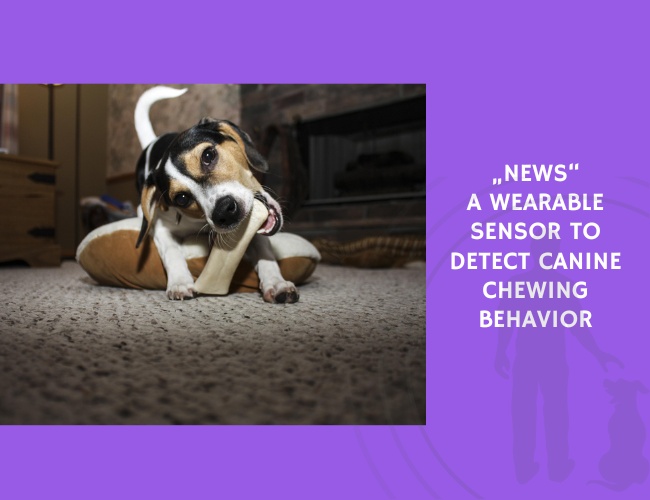
The researchers designed a collar-mounted microphone to detect canine bites on a standardized Nylabone chew toy. Audio recordings were collected from twelve dogs, each given five minutes of continuous access to the toy. Four human raters annotated bite events in the audio samples, producing an exceptionally high agreement level with an intraclass correlation coefficient of 0.994, confirming the clarity and consistency of bite signatures.
To automate bite detection, the team developed algorithms using random forest, logistic regression, and convolutional neural network (CNN) models. The CNN achieved the highest performance, with 88% accuracy and a 91% F1 score, demonstrating strong potential for real-world deployment.
This wearable system makes it possible to scale data collection dramatically, enabling researchers to explore how chewing style, frequency, and intensity relate to canine stress levels, cognitive processes, and broader welfare indicators. Such insights could inform shelter enrichment practices, training programs, or individualized behavioral support.
The study highlights a promising direction for integrating animal-computer interaction technologies into canine welfare research, bridging behavior monitoring with applications in stress reduction and emotional well-being.
Source: Ramey, C., Krichbaum, S., Mastali, A., Lin, J., Starner, T., & Jackson, M. (2022). Detecting Canine Mastication: A Wearable Approach. International Conference on Animal-Computer Interaction. Published December 5, 2022.