
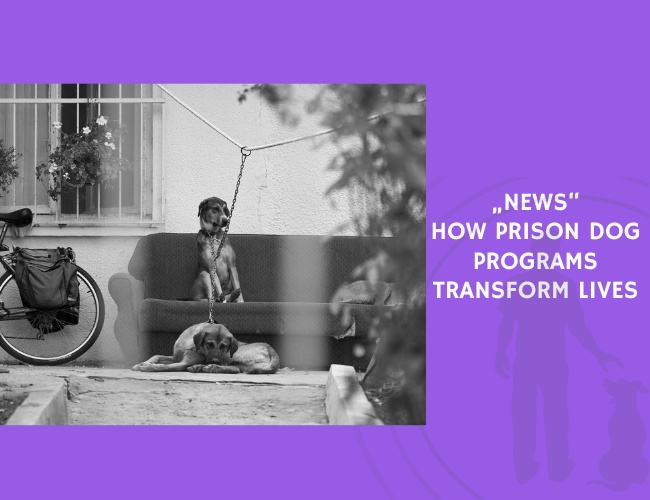
In the book chapter Celebrating the Achievements of Prison Dog Programs, authors Carmaleta Aufderheide and M. Jalongo examine the multidimensional impact of prison dog programs within correctional institutions. These programs bring together incarcerated individuals, staff, volunteers, and community partners to train and rehabilitate dogs, creating opportunities for meaningful human–animal interaction.
The chapter begins by comparing informal observations of dog behavior with empirical research, emphasizing the need to integrate experiential insights with scientific evidence. It then outlines the ongoing tension between retributive justice models—which focus on punishment—and restorative justice approaches, which prioritize rehabilitation, reconciliation, and successful re-entry into society.
Evidence from effective PDPs shows that inmate participants experience a wide range of positive outcomes. These include forming reciprocal bonds with dogs, developing new personal identities grounded in competence and care, and accessing healthy emotional expression. The programs also encourage behavioral change, enhance communication among stakeholders, and provide constructive opportunities for prosocial engagement.
The authors propose strategies for celebrating the contributions of PDPs, underscoring the importance of public recognition, collaborative partnerships, and continued investment in program development. The chapter concludes by drawing on neuroscience research linking the release of oxytocin—the “calm and connect” hormone—to increased empathy, compassion, and self-forgiveness. These findings reinforce that PDPs can catalyze measurable psychological and behavioral transformation.
Together, the evidence suggests that prison dog programs offer a powerful means of fostering personal growth and institutional change, blending restorative justice principles with the therapeutic potential of human–animal relationships.
Source: Aufderheide, C., & Jalongo, M. (2019). Celebrating the Achievements of Prison Dog Programs. In Prison Dog Programs. Published 2019.










