
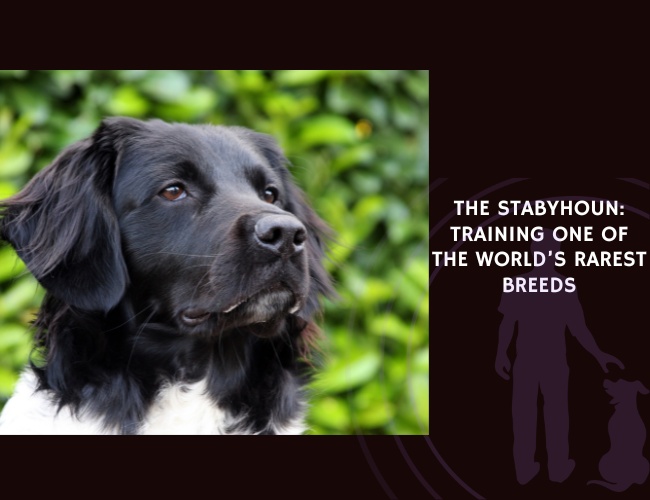
When you first meet a Stabyhoun, you might notice something remarkable: a quiet confidence paired with thoughtful observation. This rare Dutch breed carries centuries of working heritage in its gentle gaze, yet remains virtually unknown outside its Frisian homeland. With fewer than 4,000 individuals worldwide, the Stabyhoun represents not just rarity, but a unique cognitive profile shaped by versatile farm work, cooperative hunting, and deep handler partnership.
Let us guide you through understanding this exceptional breed, from its multi-purpose origins to the subtle sensitivities that make training both rewarding and nuanced.
A Heritage of Versatility: Understanding Stabyhoun Origins
The Stabyhoun’s story begins in the rural farmlands of Friesland, Netherlands, where farmers needed dogs capable of extraordinary versatility. Unlike specialized hunting breeds developed for singular tasks, your Stabyhoun ancestor worked as an all-purpose partner:
- Retrieving waterfowl at dawn – bringing downed birds from marshes and waterways
- Controlling farm vermin by midday – hunting moles, rats, and other pests independently
- Guarding livestock in the afternoon – protecting sheep and cattle with watchful presence
- Resting by the family hearth each evening – serving as gentle household companion
This multi-functional selection created what we might call “cognitive flexibility under cooperative constraint.” Your Stabyhoun wasn’t bred to excel at one job, but to switch seamlessly between roles while maintaining constant awareness of their human partner. They needed independent problem-solving to catch moles in barn corners, yet complete cooperation when retrieving downed game. They required gentle temperament for household integration, yet enough drive to work fields and marshes in harsh weather.
You might wonder how this affects your modern companion. The answer lies in behavioral balance:
- Moderate prey drive paired with strong handler orientation
- Independent thinking within a cooperative framework
- Calm household presence alongside working capability
- Thoughtful problem-solving combined with relationship focus
This isn’t a specialist bred for maximum performance in one domain, but a generalist selected for reliable partnership across diverse contexts.
The rarity factor adds another layer to consider. With such a small global population, genetic bottlenecks create greater variability between individual dogs than you’d find in numerically larger breeds. Two Stabyhouns from different breeding lines may show noticeably different temperament profiles, making it essential to understand your specific dog’s lineage and early experiences.
Understanding Breeding Line Differences
Modern Stabyhoun breeding has diverged into distinct selection emphases creating what we might call “functional temperament polymorphism”—the existence of different behavioral profiles within a single breed based on breeding goals. Understanding which type your dog represents shapes realistic expectations and appropriate training approaches throughout their life.
Working-Focused Lines
Breeders maintaining working Stabyhoun lines select for field performance and hunting ability. These dogs typically demonstrate:
- Maintained or enhanced prey drive and hunting instincts
- Strong natural retrieving reliability requiring minimal training
- Higher baseline arousal and environmental engagement
- Excellent scent-working ability and tracking drive
- Sustained work ethic allowing extended training sessions
You’ll recognize working-line individuals through their behavior patterns:
- Immediate orientation to birds and wildlife
- Intense focus during scent work
- Enthusiastic retrieving with minimal encouragement
- Higher exercise needs than companion lines
- Restlessness without adequate working outlets
These Stabyhouns excel in actual hunting, field trials and hunt tests, competitive scent work and tracking, and active outdoor lifestyles with engaged owners. They require structured outlets for natural behaviors—without appropriate channels, frustrated drive can manifest as problematic behaviors.
Companion-Focused Lines
Breeders selecting for household adaptability and temperament over working ability have created calmer, more urban-suitable Stabyhouns. These lines typically show:
- Reduced but not eliminated prey drive
- Greater natural calmness and lower arousal baseline
- Increased sensitivity and softer temperament
- Easier adaptation to urban/suburban environments
- Better tolerance for moderate rather than intense exercise
Companion-line dogs might notice wildlife without intense fixation, require more motivation-building for reliable retrieving, settle more easily in household environments, adapt readily to apartment or city living, and thrive on moderate exercise without needing extensive work.
These individuals suit:
- Families wanting versatile companions without intense working demands
- Urban or suburban owners without hunting access
- First-time dog owners (with proper guidance)
- Active but not intensely athletic households
Identifying Your Stabyhoun’s Line Type
Ask your breeder about their selection priorities and parent dogs’ activities. Working-line breeders typically title dogs in field events, hunt regularly with their dogs, emphasize prey drive and retrieve reliability, and may show less concern with extreme calmness.
Companion-line breeders often focus on temperament testing and household behavior, prioritize social confidence and environmental stability, may not hunt or trial their dogs, and seek calmer individuals for family placements.
Watch your individual dog’s behavior patterns. High prey drive, intense environmental engagement, strong natural retrieve, and restlessness without work suggest working lines. Lower prey interest, easier settling, calmer household presence, and moderate exercise satisfaction suggest companion lines.
Remember that individual variation exists even within lines—some working-line dogs show surprisingly calm temperaments while some companion-line dogs display strong working drive. Breeding emphasis creates tendencies, not absolutes. Observe your specific dog and adjust expectations accordingly rather than rigidly assuming all working-line or companion-line dogs behave identically.
Throughout this article, you’ll notice references to line differences in relevant sections—exercise needs, training approaches, prey drive management, and lifestyle compatibility all vary based on whether your Stabyhoun comes from working or companion breeding. This understanding prevents frustration from mismatched expectations and helps you honor your individual dog’s natural tendencies. 🐾
Character Profile: Sensitive Partnership vs. Problematic Insecurity
The term “soft temperament” appears frequently in Stabyhoun descriptions, but what does this actually mean for your daily life together? Let’s distinguish between desirable sensitivity and concerning insecurity, because the difference shapes everything from training approaches to lifestyle compatibility.
Healthy Sensitivity (What Makes Stabyhouns Special)
Your Stabyhoun with balanced sensitivity responds to your subtle cues without requiring raised voices or repeated commands. They read your body language, notice shifts in your emotional state, and adjust their behavior accordingly. This isn’t weakness—it’s emotional intelligence that makes training feel like conversation rather than drilling.
You’ll notice they approach novel situations with thoughtful caution rather than reckless enthusiasm:
- Pause and observe before engaging with new objects or situations
- Assess from a comfortable distance rather than rushing in
- Investigate when ready at their own pace
- Recover quickly from startling experiences
This measured approach reflects cognitive processing, not fear.
Most importantly, healthy sensitivity means your Stabyhoun recovers smoothly from startling experiences. A dropped pan creates momentary alertness, but they settle within seconds. Unexpected sounds prompt ear swivels and glances, not prolonged stress. Through the NeuroBond approach, this natural sensitivity becomes the foundation for deep partnership rather than a training obstacle.
Problematic Insecurity (Warning Signs to Address)
Sometimes sensitivity crosses into anxiety territory requiring intervention. You might observe:
- Persistent avoidance behaviors – hiding during thunderstorms, refusing to enter certain rooms
- Freezing when encountering unfamiliar people rather than simply being reserved
- Shutdown patterns during training where they stop offering behaviors entirely
- Startle responses that don’t improve with repeated exposure
- Prolonged separation distress beyond brief concern
These aren’t momentary caution but generalized fear responses requiring systematic intervention.
Did you know that early handling quality matters more than quantity for sensitive breeds? A single negative experience during critical developmental periods can create lasting behavioral effects that resilient breeds would shake off easily. This makes breeder selection and early socialization absolutely crucial for Stabyhoun puppies.
The Stabyhoun Learning Mind: Gun-Dog Cognition Meets Cooperative Intelligence
Understanding how your Stabyhoun processes information transforms training from mechanical repetition into collaborative problem-solving. Their cognitive profile reflects versatile working heritage combined with handler-oriented cooperation—a fascinating blend that requires specific training approaches.
Handler Orientation With Independent Thinking
Unlike retrievers bred for intense handler focus or spitz breeds selected for autonomous decision-making, Stabyhouns occupy a middle ground we might call “cooperative independence.” They work with you rather than simply for you. Your Stabyhoun maintains awareness of your location and emotional state while making independent choices within that cooperative framework.
You’ll notice this during off-leash activities: they range further than Labrador Retrievers checking back constantly, yet closer than independent breeds pursuing their own agenda. They problem-solve autonomously—how to retrieve a toy from under the couch, which route around an obstacle—but reference you for permission and direction. This distributed cognition means they coordinate with you while maintaining problem-solving capacity.
Training strategies must honor both aspects. Provide clear structure and expectations (feeding their cooperative nature) while allowing problem-solving opportunities (engaging their independence). Scent work becomes ideal: you set parameters, they execute solutions. Retrieve variations challenge their decision-making within your framework. Environmental exploration happens together, neither you dictating every step nor them ignoring your presence entirely.
Optimal Learning: Calm Repetition With Progressive Variation
Your Stabyhoun thrives on predictable structure gradually expanding into complexity. Start each new skill in a consistent, low-distraction environment:
- Use clear markers indicating session beginnings and endings
- Maintain calm emotional tone throughout training
- Practice in consistent locations initially
- Gradually generalize across environments once skill is solid
- Maintain success rates above 80% during sessions
Once they understand a behavior in the initial context, systematically generalize across environments. Practice recalls in the quiet backyard, then the slightly busier front yard, then calm park corners, gradually building toward challenging distractions. This progressive variation prevents both boredom (from excessive repetition) and overwhelm (from too-rapid advancement).
Maintain success rates above 80% during training sessions. If your Stabyhoun struggles with three consecutive attempts, the criteria became too difficult too quickly. Step back to the last successful level and build more gradually. The Invisible Leash reminds us that awareness, not pressure, creates reliable learning patterns.
Reinforcement Precision and Correction Sensitivity
Given their soft temperament, reinforcement timing becomes critical. Mark desired behaviors within half a second—this precision connects action to consequence clearly. Deliver rewards calmly; over-enthusiastic celebration can actually disrupt learning for sensitive dogs by creating arousal they must then process.
Variable reinforcement schedules work beautifully once behaviors solidify. Sometimes reward after one repetition, sometimes three, sometimes seven—this unpredictability maintains engagement while preventing dependency on constant treats. Reserve jackpot rewards (multiple treats, favorite toys, enthusiastic praise) for genuine breakthroughs: the first successful retrieve from water, perfect recall despite major distraction, or solving a complex problem.
Correction sensitivity deserves serious consideration. Harsh methods don’t just fail with Stabyhouns; they actively damage the relationship and create behavioral problems:
Avoid These High-Risk Approaches:
- Physical punishment or corrections
- Yelling or intimidation
- Flooding protocols (forced exposure to fears)
- Inconsistent expectations creating confusion
- High-pressure competitive environments
You might see immediate compliance through intimidation, but underneath develops generalized anxiety, loss of trust, and suppression of natural working behaviors that made the breed special.
Instead, use negative punishment (removing opportunity) for errors. If your Stabyhoun breaks a stay, the consequence is simply returning to start position—no scolding needed. If they pull on leash, forward progress stops until tension releases. This approach teaches without creating emotional fallout.
What Actually Motivates Your Stabyhoun: Understanding Reinforcement Hierarchy
Training effectiveness depends heavily on understanding what truly motivates your individual Stabyhoun. Unlike some breeds with simple food obsession or toy drive, Stabyhouns show nuanced motivation patterns reflecting their cooperative working heritage. Let’s explore what works and why.
The Hierarchy of Motivators
Your Stabyhoun likely responds differently to various reward types, with individual variation creating unique profiles. However, general patterns emerge across the breed:
Meaningful Work (Highest Value for Many)
Watch your Stabyhoun’s engagement during purposeful activities versus generic obedience drills. Retrieving tasks with clear objectives, scent work requiring problem-solving, tracking exercises engaging natural abilities, and cooperative activities strengthening partnership often produce deeper engagement than any food reward. This reflects their versatile working heritage—they were bred to perform varied, purposeful tasks alongside humans.
You’ll notice the difference in body language. During meaningful work, ears forward with focused attention, tail carriage showing confident engagement, voluntary check-ins maintaining partnership, and sustained effort despite difficulty all indicate intrinsic motivation beyond external rewards. This is what trainers call “working for the work itself” rather than working for treats.
Food Rewards (Highly Effective but Context-Dependent)
Most Stabyhouns show moderate to high food motivation, making treats useful training tools. However, effectiveness varies by context and individual. Use high-value treats (cheese, freeze-dried meat, fresh chicken) for new learning or challenging behaviors. Variable reinforcement schedules maintain engagement once behaviors solidify—sometimes one treat, sometimes three, keeping them engaged through unpredictability.
Consider meal-based training for food-motivated individuals. Use their daily kibble ration during training sessions rather than free-feeding from bowls. This transforms necessary nutrition into training opportunities while preventing weight gain from excessive treat consumption.
The caution: over-reliance on food creates dependency where your Stabyhoun only works when treats appear. Build behaviors using food initially, then gradually transition to variable schedules incorporating other reinforcement types. The goal is cooperation driven by partnership, not bribery.
Play and Toy Rewards (Individual Variation)
Some Stabyhouns show strong toy motivation, particularly for retrieve games leveraging natural instincts. Thrown bumpers, balls, or favorite toys become powerful reinforcers for these individuals. Others show minimal interest in toys, preferring food or social reinforcement instead.
Tug games can build engagement when used appropriately—brief sessions with clear start and stop cues, maintaining your control of the game, and avoiding over-arousal that destabilizes focus. However, some sensitive Stabyhouns find tug too intense, showing stress rather than enjoyment. Read your individual dog’s signals.
The risk with play rewards: high-arousal play can create emotional dysregulation in sensitive individuals. If your Stabyhoun struggles to calm down after play sessions, shows anticipatory anxiety before training, or loses impulse control during toy-based work, tone down play intensity or choose calmer reinforcement types.
Praise and Social Reinforcement (Foundation for All)
Never underestimate calm verbal approval, gentle physical affection (if your dog enjoys touch), handler attention and engagement, and relationship-based motivation. For sensitive Stabyhouns, your approval often matters more than any tangible reward.
You might notice your Stabyhoun working harder for a quiet “good dog” and soft eye contact than for treats—this reflects their cooperative nature and emotional attunement. Social reinforcement strengthens the partnership underlying all training rather than creating transactional relationships where dogs only respond when tangible rewards appear.
Matching Reinforcement to Arousal Tolerance
Here’s where sensitivity becomes crucial. Your Stabyhoun’s soft temperament means reinforcement intensity must match their emotional regulation capacity. Over-enthusiastic reward delivery can actually impair learning by creating arousal they must then process before continuing.
For calm, balanced individuals: moderate enthusiasm works well—happy voice tone without yelling, movement and animation showing pleasure, occasional excited celebration for breakthroughs, but maintaining overall composure.
For particularly sensitive individuals: minimize arousal during reinforcement—quiet verbal praise, calm treat delivery, gentle touch or eye contact, and save excitement for ending sessions rather than mid-training.
Watch your dog’s recovery time after reinforcement. If they settle immediately and re-engage with training, your delivery works well. If they need 30+ seconds to calm down, require multiple cues to refocus, or show displacement behaviors (shaking off, yawning, sniffing), you’re creating too much arousal. Dial it back.
Intrinsic Motivation Through Purpose-Driven Activities
The most sustainable training leverages your Stabyhoun’s natural desire for meaningful partnership work. Structure activities providing clear purpose, measurable success, cooperative elements, and appropriate challenge rather than drilling generic behaviors disconnected from their heritage.
Examples of purpose-driven training: retrieve sequences with increasing complexity (find the bumper, bring it back, deliver to hand, wait for next throw), scent discrimination tasks where they identify specific scents among distractors, environmental navigation requiring your communication to reach goals, and problem-solving scenarios with cooperative solutions.
Compare this to generic obedience drilling: endless sit-down-sit-down repetitions, recalls in empty fields with no context, heel work around parking lots without purpose, or position changes performed mechanically without engagement.
Your Stabyhoun will show you the difference. Purpose-driven work produces sustained engagement, voluntary effort, problem-solving initiative, and strengthened partnership. Generic drilling creates mechanical compliance, reduced enthusiasm, shorter attention spans, and eventually, active avoidance of training. Through the NeuroBond approach, trust becomes the foundation of learning—not treats, not commands, but genuine cooperative partnership. 🧡
Sensory Processing: Understanding Environmental Sensitivity
Many Stabyhouns demonstrate heightened sensory awareness that reflects their hunting heritage while sometimes creating challenges in modern environments. Understanding these patterns helps you build confidence rather than inadvertently reinforcing anxiety.
Noise Sensitivity Patterns
Your Stabyhoun’s auditory processing developed for detecting subtle sounds during hunting—rustling vegetation, splashing waterfowl, approaching game. This enhanced hearing sometimes translates to sensitivity toward sudden loud noises:
- Gunshots (despite gun-dog heritage)
- Fireworks and thunder
- Construction sounds and power tools
- Household noises like smoke alarms or vacuum cleaners
- Vehicle sounds – sirens, backfires, motorcycles
Not every Stabyhoun shows noise sensitivity, but genetic lines vary. Some individuals startle easily yet recover quickly—appropriate caution rather than problematic fear. Others develop genuine phobias requiring systematic desensitization. The difference lies in recovery time and generalization: does your dog settle within 30 seconds, or show prolonged distress? Does fear remain specific to triggering sounds, or generalize to associated contexts?
For noise-sensitive individuals, create positive associations before problems develop. When puppies or newly adopted adults first encounter concerning sounds at low volumes, pair them with favorite treats or play. Gradually increase volume over weeks while maintaining positive emotional state. This counterconditioning builds resilience proactively.
If phobias already exist, systematic desensitization becomes necessary. Start with recorded sounds at barely audible volumes, rewarding calm behavior, then incrementally increase intensity across many sessions. Never flood your Stabyhoun by forcing close proximity to frightening sounds—this creates learned helplessness rather than confidence. 🧡
Environmental Novelty and Confidence Building
Watch your Stabyhoun encounter something new—perhaps a bicycle lying on its side, an inflatable decoration, or rearranged furniture. Confident individuals pause, observe from moderate distance, then investigate when ready. They might approach and retreat several times, gathering information before full acceptance. This measured response reflects cognitive processing.
Support this natural pattern by allowing time for assessment. Don’t force interaction or use excessive encouragement that might inadvertently reward uncertainty. Instead, position yourself casually near the novel object, demonstrating through your relaxed presence that it poses no threat. When your Stabyhoun investigates, mark and reward the brave behavior.
Create systematic exposure opportunities during developmental periods and throughout life. Novel surfaces (metal grates, wobbly boards, different textures), unusual objects (umbrellas opening, wheeled carts, rustling bags), and varied environments (urban streets, rural trails, different buildings) all build experiential confidence. Quality matters more than quantity—ensure each experience remains positive rather than overwhelming.
The Stabyhoun’s versatile heritage means they should handle environmental variety comfortably, but individual temperament and early socialization create variation. Some dogs generalize confidence easily; one positive experience with a strange object helps them accept all unusual items. Others require more specific exposure to build comprehensive environmental resilience.
Strategic Exposure Framework: Building Confidence Without Flooding
Understanding how to introduce novelty prevents both under-socialization (creating fearful dogs) and flooding (overwhelming sensitive temperaments). This framework provides structured approaches honoring your Stabyhoun’s need for thoughtful processing.
Distance Observation Protocol
Rather than forcing immediate interaction with concerning stimuli, allow your Stabyhoun to observe from their comfort distance:
Distance Observation Protocol:
- Identify threshold distance where they show interest without stress
- Maintain observation position allowing natural habituation
- Reinforce calm behavior at distance with treats and praise
- Gradually decrease distance over multiple sessions (not minutes)
- Allow retreat if your dog shows discomfort signals
You might spend 5-10 minutes simply standing at distance while your dog processes the new information. Watch for signs of habituation: decreased orienting toward stimulus, relaxed body language, willingness to take treats, or voluntary movement closer.
Gradually decrease distance over multiple sessions—not multiple minutes. If your dog shows interest in a construction site from 50 feet today, perhaps approach to 40 feet tomorrow, 30 feet the next session, building slowly over days or weeks rather than forcing rapid progress. Always allow retreat if your dog shows discomfort; pushing past threshold creates flooding rather than confidence.
This protocol works beautifully for: urban environments with overwhelming stimuli, large machinery or vehicles, crowds of people, novel animals (horses, livestock, etc.), and any situation where your Stabyhoun shows caution without extreme fear.
Choice-Based Approaches
Research on early socialization demonstrates that allowing puppies to approach novel stimuli at their own pace builds confidence more effectively than forced exposure. Your Stabyhoun should always have choice in investigation timing and intensity:
Essential Choice-Based Principles:
- Provide escape routes in novel environments
- Allow investigation time without pressure or encouragement
- Reinforce approach behaviors rather than forcing contact
- Respect communication signals – whale eye, lip licking, freezing
- Never corner your dog or block retreat paths
Some Stabyhouns approach within seconds; others need minutes or hours of observation before investigation. Resist the urge to encourage excessively—your anxious energy about their caution actually increases their concern.
Reinforce approach behaviors rather than forcing contact. Mark and reward your dog for any voluntary movement toward novel stimuli: oriented attention, stepping closer, stretching to sniff from distance, or brief investigation. These incremental approaches build confidence through successful experiences.
Respect communication signals indicating discomfort: whale eye (showing sclera), lip licking or yawning, body freezing or tension, attempting to move away, or lowered body posture. These signs mean your dog needs more time, greater distance, or different approach strategies.
Controlled Novelty Framework
Introduce complexity gradually through systematic variable control. This prevents overwhelming your Stabyhoun while building broad confidence across contexts.
Single variable changes mean altering one element at a time. If teaching heeling, practice in the familiar backyard before trying new locations. Once reliable at home, change location but keep other variables constant—same time of day, same reinforcement, same distraction level. Master that, then add another variable. This systematic approach prevents the confusion created by changing multiple factors simultaneously.
Familiar context introduction presents new objects in known locations. Your dog handles novel items more confidently in their secure environment than in unfamiliar places. Introduce that unusual umbrella in your living room before encountering one on the street. Practice around novel surfaces in your driveway before expecting comfort on strange terrain during hikes.
Predictable patterns with minor variations build confidence through consistency. Walk the same route daily but occasionally cross to the opposite sidewalk. Practice recalls in the usual park but sometimes start from different positions. This balance between routine and variation creates adaptable confidence rather than rigid dependency on exact circumstances.
Success-based progression means advancing only after consistent confidence at current levels. If your Stabyhoun shows hesitation, you’ve progressed too quickly. Step back to the previous level, build more success there, then try advancing again with smaller increments. The Invisible Leash reminds us that awareness, not pressure, creates reliable learning patterns—rushing creates anxiety, while patient progression builds genuine confidence.
Socialization: Building Balanced Social Confidence
The social side of Stabyhoun temperament reflects their dual heritage as both working dogs and family companions. They typically show friendliness toward familiar people, appropriate reserve with strangers, and variable compatibility with other dogs depending on individual temperament and early experiences.
Human Social Development
Stabyhouns generally love their families deeply while showing polite aloofness with unfamiliar people—not fear, just lack of effusive greeting. This reserve reflects appropriate social discrimination rather than problematic shyness, though individual variation exists.
Understanding your Stabyhoun’s social profile helps set appropriate expectations and training approaches. The breed generally falls into three temperament categories:
Friendly Profile (Approximately 30-40% of Population)
Characteristics:
- Actively seeks interaction with strangers
- Enjoys petting and attention from new people
- Adapts quickly to unfamiliar individuals
- Shows tail wagging upon seeing strangers
- Approaches voluntarily for interaction
Without training, overly enthusiastic greetings can become problematic—jumping, mouthing, or excessive excitement when visitors arrive. These dogs need impulse control training channeling their friendliness into polite behavior rather than overwhelming greetings.
Neutral Profile (Approximately 40-50% of Population)
Characteristics:
- Polite but not seeking interaction with strangers
- Accepts handling from unfamiliar people without enthusiasm
- Clearly prefers familiar family members
- Shows relaxed body language around strangers
- Settles quickly after meeting new people
This profile requires minimal intervention—these dogs naturally exhibit appropriate social discrimination.
Reserved Profile (Approximately 20-30% of Population)
Characteristics:
- Cautious with strangers, requiring time to warm up
- May avoid unfamiliar people initially
- Shows stress signals during forced interaction
- Takes 10+ minutes to accept contact from new people
- Positions behind owner or furniture for safety
This profile isn’t problematic if managed appropriately but requires protective handling preventing forced interactions.
Protective Social Protocols
Research on stress responses demonstrates that forced social contact can create learned helplessness from inability to escape, generalized anxiety about social encounters, defensive behaviors as coping mechanisms, and loss of trust in handlers for not protecting them. This makes social pressure particularly damaging for reserved Stabyhouns.
Protective Social Protocol:
- Allow dog to initiate all interactions with strangers
- Instruct visitors to ignore your dog completely initially
- No direct eye contact until dog shows interest
- No reaching over head (predatory gesture from above)
- No restraining for petting (removes escape option)
- Only brief, calm interactions even when dog accepts contact
This removes social pressure, paradoxically making dogs more likely to approach out of curiosity rather than fear.
Build positive associations gradually. When your Stabyhoun shows interest in a visitor, that person can calmly toss treats without reaching toward your dog. Multiple positive experiences where strangers predict good things reshape emotional responses over time. Always provide escape options—your dog should never feel cornered or trapped during social interactions.
Curated Socialization Approach
For Stabyhouns, quality over quantity is critical. Rather than exposing them to maximum numbers of people, create carefully curated encounters optimizing for positive experiences.
Select appropriate people for socialization: calm, dog-savvy individuals who follow protocols, people willing to be patient and gentle, varied demographics (different ages, genders, appearances), and those with positive, encouraging demeanor rather than pushy enthusiasm.
Control the environment carefully: quiet, low-distraction settings initially, familiar locations for first encounters, ability to manage distance between dog and people, and escape routes always available.
Monitor your dog’s state continuously throughout social encounters. Watch for stress signals indicating overwhelm, end sessions before anxiety develops rather than pushing through, build duration gradually across multiple encounters, and celebrate small successes—accepting one gentle touch deserves celebration for reserved dogs.
Socialization red flags requiring professional help: persistent avoidance despite repeated positive exposure, stress signals that don’t diminish with familiarity, defensive behaviors emerging (growling, snapping, lunging), and generalization of fear to similar contexts (all men, all children, all people in hats).
Critical socialization happens between 3-14 weeks of age. During this window, positive experiences with diverse people shape lifelong social confidence. Puppies should meet calm, gentle individuals who respect their cautious approach rather than overwhelming them with forced interaction.
You’ll notice well-socialized Stabyhouns assess new people thoughtfully: observing from distance, approaching when ready, accepting gentle contact without fear or excessive excitement. Poor socialization creates either fear-based avoidance or, less commonly, inappropriate over-arousal during greetings.
For adult Stabyhouns showing social uncertainty, gradual counterconditioning builds confidence. Ask visitors to ignore your dog initially, allowing them to observe from their comfort distance. When they choose to approach, guests calmly offer treats without reaching toward them. Multiple positive experiences gradually reshape their emotional response to strangers.
Dog-Dog Interactions
Stabyhoun compatibility with other dogs varies considerably. Their hunting heritage doesn’t include pack hunting, so strong social drives toward other canines weren’t selected. Many individuals enjoy appropriate dog friendships, particularly with calm, well-mannered companions. Others prefer human company, tolerating other dogs politely but without enthusiasm.
Watch for play style compatibility. Stabyhouns typically engage in moderate-energy, turn-taking play rather than intense roughhousing. They often prefer chase games and gentle wrestling over body-slamming contact. Mismatched play styles create stress, particularly when exuberant dogs overwhelm the more measured Stabyhoun approach.
Early puppy socialization should include varied dog interactions: confident adults who teach appropriate social skills, age-matched puppies for play development, and calm elderly dogs demonstrating relaxed social presence. These diverse experiences build social fluency and communication skills.
For households considering multiple dogs, Stabyhouns often thrive with canine companionship if personalities align. Compatible pairings provide exercise through play, confidence through observation learning, and reduced separation anxiety. Incompatible pairings create ongoing stress requiring constant management—not all dogs need canine friends, and forced relationships benefit no one. 🐾

Prey Drive, Retrieving & Impulse Control: Managing Natural Instincts
Understanding your Stabyhoun’s prey drive and retrieve motivation shapes training approaches, exercise routines, and realistic expectations. Significant variation exists based on breeding emphasis, creating different management needs across individuals.
Prey Drive Variability: Working Lines vs. Companion Lines
The Stabyhoun’s hunting heritage means most individuals show some prey drive—interest in movement, desire to chase, or motivation to retrieve. However, intensity varies dramatically between breeding emphases creating distinct behavioral profiles.
Working Line Characteristics
Stabyhouns from active hunting lines typically demonstrate:
Working Line Prey Drive Profile:
- Moderate to high prey drive for game birds
- Controlled chase with reliable recall (when properly trained)
- Natural retrieve instinct requiring minimal formal training
- Intense scent fixation during tracking work
- Immediate orientation to birds and movement
You’ll notice these dogs orient immediately to birds, show stalking behaviors toward wildlife, retrieve thrown objects enthusiastically and reliably, and become absorbed in scent trails during walks.
These individuals need structured outlets for hunting instincts. Without appropriate channels—regular retrieving sessions, scent work, or actual hunting opportunities—frustrated prey drive can manifest as:
- Obsessive behaviors – excessive ball fixation, chasing lights/shadows
- Difficulty settling indoors despite adequate exercise
- Over-reactivity to movement – bicycles, joggers, cars
- Destructive behaviors from pent-up drive
- Barrier frustration at windows watching wildlife
Companion Line Characteristics
Stabyhouns from companion-focused breeding show:
Companion Line Prey Drive Profile:
- Lower prey drive overall
- Interest in movement without intense pursuit
- Variable retrieve reliability requiring more systematic training
- Easier impulse control in presence of distractions
- Calmer responses to wildlife and environmental stimuli
These dogs might notice birds but not obsess over them, show mild chase interest that’s easily interrupted, require motivation building for reliable retrieving, and remain calmer around wildlife and movement.
Companion-line individuals adapt more easily to urban/suburban life where hunting outlets don’t exist. They satisfy exercise needs through moderate walking and play without requiring intensive working activities, though many still enjoy retrieve games and scent work when introduced properly.
Natural Retrieve Reliability: Individual Assessment
Unlike some gun-dog breeds with remarkably consistent retrieve instincts across all individuals, Stabyhouns show notable variation. Some puppies retrieve naturally from 8 weeks old, requiring only refinement of delivery and control. Others show minimal natural retrieve interest, requiring systematic training building motivation and behavior from scratch.
Assess your individual Stabyhoun’s baseline retrieve interest early. Toss a soft toy or ball a few feet away and observe their response. Natural retrievers immediately chase the object, pick it up, and return toward you (though delivery to hand may need training). Dogs lacking natural retrieve drive might chase but not pick up, pick up but not return, or show minimal interest in chasing altogether.
Quality of retrieve varies even among interested dogs. Some deliver directly to hand, others drop the object nearby expecting you to collect it, and still others prefer keep-away games rather than cooperation. Environmental factors influence reliability—many Stabyhouns retrieve better in water than on land, or better outdoors than indoors.
Training implications depend entirely on baseline ability. Natural retrievers need minimal training beyond refining control: teaching “hold” for maintaining grip until release cue, “fetch” as the formal retrieve command, “give” for delivery to hand, and gradually increasing distance, difficulty, and distraction.
Dogs lacking natural retrieve require systematic motivation building: starting with high-interest objects that excite them, very short distances initially (2-3 feet), heavily reinforcing any interaction with objects, building chase drive through movement and excitement, and gradually shaping pickup, return, and delivery through successive approximation.
Maintain motivation carefully regardless of natural ability. Avoid over-drilling—retrieve training should remain fun, not mechanical repetition. Use variety in retrieve objects (different bumpers, balls, toys) keeping the activity interesting. Incorporate retrieving into meaningful work rather than endless repetition, and preserve enthusiasm through high success rates rather than pushing to failure.
Emergency Stop Cues and Directional Recalls
For Stabyhouns with significant prey drive, emergency control becomes essential for safety. Two critical skills prevent dangerous situations where prey drive might override basic training.
Stop Cues for Distance Control
An emergency stop allows you to halt your dog’s movement instantly regardless of distance or distraction. This differs from standard “stay” (which begins from stationary position) by interrupting motion toward prey, preventing roadway entry, or stopping approach toward dangerous situations.
Emergency Stop Training Protocol:
- Start in ultra-low distraction environments
- Practice during slow walking first, then running
- Use unique verbal cue or whistle blast
- Mark and reward instantly when movement stops
- Build duration gradually – pause to sustained hold
- Test during prey-drive activities like ball chasing
- Use long lines initially for safety backup
The ultimate goal: reliable stop despite high arousal. Test during prey-drive activities like chasing balls or running toward other dogs. Use long lines initially for safety, preventing rehearsal of non-compliance. When your Stabyhoun stops reliably despite intense distraction, you’ve built genuine emergency control.
Directional Recalls Under Distraction
Beyond basic recall (covered earlier), Stabyhouns with prey drive need the ability to disengage from active pursuit and return to you. This requires overcoming tremendous instinctual pull—the moving rabbit, flushing bird, or running squirrel triggers deep genetic programming.
Build this skill systematically using gradually intensifying distractions. Start with mild movement triggers—perhaps a leaf blowing across the yard. Call your dog away, heavily reinforcing their choice to disengage. Progress to moderate distractions like toys tossed nearby, then higher intensity stimuli like other dogs playing at distance.
Long-line training provides safety during this process. Your Stabyhoun cannot practice ignoring recalls when physically tethered, allowing you to build the behavior through successful repetitions only. Use 20-30 foot lines providing freedom while preventing total independence.
Reinforcement must be extraordinary for successful distraction recalls. Carry premium treats—fresh chicken, cheese, or whatever your dog values most. When they choose you over prey, deliver jackpot rewards (multiple treats, favorite toys, genuine enthusiasm) communicating this decision’s incredible value.
Build sustained focus during approach. Many dogs recall but then re-engage with distraction mid-return. Practice requiring eye contact during approach or having them touch your hand before release, ensuring they’re genuinely focusing on you rather than mechanically moving toward you while attention remains on distraction.
Long-Line Patterning for Spatial Awareness
Long-line work teaches Stabyhouns spatial awareness and check-in behaviors while providing freedom to explore. This technique bridges the gap between restrictive leash walking and full off-leash freedom, building skills and reliability before complete independence.
Use 20-30 foot lightweight lines attached to harnesses (never collars—injury risk if they hit end of line running). Allow your Stabyhoun to explore freely while line drags behind. Initially, let them learn the line’s range through natural experience—when they reach line end, resistance stops forward motion. Don’t jerk or correct; simple physical feedback teaches spatial boundaries.
Reward voluntary check-ins heavily. When your dog orients toward you, makes eye contact, or moves toward you without cueing, mark and reinforce immediately. This builds habit of maintaining handler awareness even during independent exploration—the foundation of off-leash reliability.
Practice recalls with the safety net of long-line backup. Call your dog from various distances and activities. If they respond, celebrate enthusiastically. If they ignore you, the line prevents rehearsal of non-compliance while you address why they didn’t respond (inadequate training, too much distraction, insufficient motivation).
Long-line work allows freedom while building patterns that transfer to off-leash contexts: checking handler location regularly, recalling reliably despite distractions, maintaining awareness of handler movement, and making good choices about appropriate ranging distance. Through moments of Soul Recall, your Stabyhoun learns that awareness of you enhances their freedom rather than restricts it—a profound shift in their understanding of partnership. 🧠
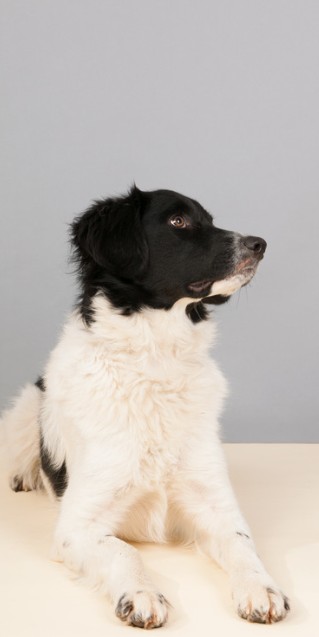
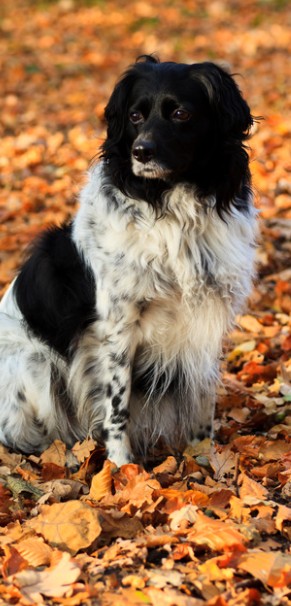
Gentle. Thoughtful. Cooperative.
Versatility Built Balance
Stabyhouns were shaped for multiple roles requiring both independence and partnership. This heritage created dogs who think flexibly while staying human-oriented.
Sensitivity Signals Intelligence
Their soft temperament reflects emotional awareness rather than fragility. Thoughtful pauses show processing, not hesitation.
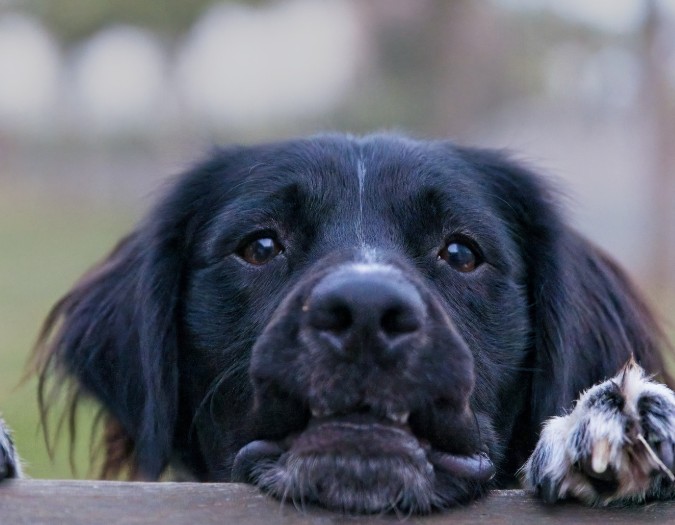
Trust Guides Training
They thrive under calm, respectful guidance instead of pressure. When emotional safety is present, learning becomes fluid and reliable.
Training Foundations: Building Reliable Behaviors Through Partnership
The cooperative intelligence that makes Stabyhouns such rewarding companions requires training approaches honoring both their sensitivity and their problem-solving nature. Let’s explore practical frameworks for teaching essential skills while strengthening your bond.
Recall Training: The Invisible Leash in Action
Reliable recall represents the pinnacle of cooperative training—your Stabyhoun choosing to return despite environmental distractions. This behavior requires exceptional trust and clear communication, both central to the Invisible Leash philosophy.
Start indoors with zero distractions. Say your recall word once, then immediately back away several steps while animated and inviting. When your Stabyhoun reaches you, mark enthusiastically and deliver several treats in succession. Repeat this foundation until they orient toward you instantly upon hearing the cue.
Gradually add distance and mild distractions: practice in different rooms, with family members present, near (but not overwhelming) environmental interest. Always ensure success by setting criteria appropriate to current skill level. If your Stabyhoun hesitates or ignores the cue, the environment became too challenging—simplify and rebuild.
Never use recall for anything your dog dislikes: ending play sessions, nail trimming, or confinement. These associations poison the cue’s emotional value. Instead, call them for good things—treats, play, exploration opportunities—building powerful positive predictions.
For off-leash reliability, use long lines initially. This safety tool allows freedom while preventing rehearsal of non-compliance. Practice recalls during walks when your Stabyhoun naturally moves toward you anyway, capturing and rewarding their choice to check in. These “free” repetitions build habits without formal training pressure.
Loose Leash Walking: Calm Clarity in Movement
Leash walking challenges many dogs, but Stabyhouns’ handler orientation makes this skill relatively accessible when approached correctly. The key lies in calm, consistent communication rather than constant corrections.
Begin with attention foundation. Before every walk, spend 30 seconds engaging your Stabyhoun’s focus through simple behaviors—sit, touch, eye contact. This mental connection prepares them for cooperative movement rather than independent exploration.
Walk with deliberate, predictable pacing. Sudden direction changes or variable speed create confusion, making it harder for your dog to maintain position. Instead, move smoothly and consistently, allowing them to predict your path and adjust accordingly.
When leash tension appears, simply stop. No verbal correction, no leash pop—just cessation of forward progress. The instant your Stabyhoun creates slack, whether by stepping back or turning toward you, mark and reward, then continue walking. This teaches that pulling prevents access to interesting environments while loose leash provides access.
Practice in low-distraction areas initially: quiet streets, empty parking lots, or calm park sections. As skill develops, gradually introduce more challenging environments. Remember that Stabyhouns benefit from predictable progression rather than dramatic difficulty jumps.
Consider that loose leash walking requires sustained focus, which drains mental energy for thoughtful, sensitive dogs. Balance structured walking segments with opportunities for relaxed sniffing and environmental investigation. This prevents the training from becoming relentlessly demanding.
Impulse Control and Settling Behaviors
A Stabyhoun’s moderate energy combined with emotional sensitivity makes impulse control teaching relatively straightforward compared to more driven breeds. However, their thoughtful nature means you must build duration gradually rather than expecting immediate mastery.
Start with simple stays in comfortable environments. Cue your dog into position (sit or down), give your stay signal, then immediately mark and reward before they can break. Gradually extend duration: one second, two seconds, five seconds, ten seconds, building slowly over many sessions.
Add distance incrementally. Once your Stabyhoun holds stationary position reliably for 30 seconds with you nearby, step back one pace while they maintain the stay. Return, reward, release. Gradually increase distance while ensuring consistent success.
Teach a “settle” or “place” behavior for everyday impulse control. This might mean going to a mat and lying down, or simply finding a calm position in designated areas. Practice during meal preparation, when visitors arrive, or while you work—scenarios requiring your dog to disengage from exciting stimuli and self-regulate.
The emotional regulation underlying impulse control develops through consistent practice in gradually challenging contexts. Your Stabyhoun learns they can handle stimulation without immediately acting on every impulse—a crucial life skill that prevents behavioral problems before they develop.
🐕 Understanding Stabyhoun Breeding Lines
Working vs. Companion Lines: Identifying Your Dog’s Heritage
Phase 1: Heritage Foundation
The Versatile Frisian Farm Dog
The Stabyhoun was developed in Friesland, Netherlands as a true all-purpose farm dog. Unlike specialized hunting breeds, these dogs performed multiple roles: retrieving waterfowl, controlling vermin, guarding livestock, and serving as household companions. This multi-functional selection created cognitive flexibility paired with cooperative constraint.
Modern Stabyhouns carry this versatile heritage but have diverged into distinct breeding emphases. Your dog’s lineage determines prey drive intensity, training needs, exercise requirements, and household adaptability. Understanding which line your dog comes from shapes realistic expectations.
Phase 2: Working Line Profile
High Drive, Natural Retrievers
Working-line Stabyhouns demonstrate moderate to high prey drive, strong natural retrieving reliability, higher baseline arousal, excellent scent-working ability, and sustained work ethic. These dogs orient immediately to birds, show intense focus during scent work, and may display restlessness without adequate outlets.
• Structured outlets for hunting instincts
• Regular retrieving sessions or scent work
• Extended exercise (90+ minutes daily)
• Meaningful work engaging natural abilities
• Prevention of frustrated drive behaviors
Active hunters, field trial participants, competitive scent work enthusiasts, and owners with rural property and time for intensive training. These dogs excel when given real jobs that engage their working heritage.
Phase 3: Companion Line Profile
Calmer, More Urban-Suitable
Companion-line Stabyhouns show reduced but not eliminated prey drive, greater natural calmness, increased sensitivity and softer temperament, easier urban adaptation, and better tolerance for moderate exercise. These dogs notice wildlife without intense fixation and settle more easily indoors.
• Moderate daily exercise (60-75 minutes)
• Gentle, positive reinforcement methods
• More motivation-building for retrieves
• Environmental confidence development
• Careful socialization protocols
Families seeking versatile companions, urban/suburban owners without hunting access, first-time dog owners with proper guidance, and active but not intensely athletic households. Perfect for balanced, moderate lifestyles.
Phase 4: Line Identification
Recognizing Your Stabyhoun’s Type
Working-line breeders typically title dogs in field events, hunt regularly, and emphasize prey drive. Companion-line breeders focus on temperament testing, household behavior, and social confidence. Understanding breeder priorities reveals selection emphasis.
High prey drive, intense environmental engagement, strong natural retrieve, and restlessness without work suggest working lines. Lower prey interest, easier settling, calmer household presence, and moderate exercise satisfaction suggest companion lines.
Individual variation exists even within lines. Some working-line dogs show calm temperaments while some companion-line dogs display strong drive. Breeding emphasis creates tendencies, not absolutes. Observe your specific dog rather than making rigid assumptions.
Phase 5: Exercise Needs by Line
Matching Activity to Lineage
• 90-120 minutes daily activity
• Include scent work or retrieving sessions
• Off-leash running in safe areas
• Swimming if dog enjoys water
• Mental stimulation through problem-solving
• 60-75 minutes daily activity
• Moderate walks with environmental variety
• Gentle play and exploration
• Mental enrichment through puzzle toys
• Calm household presence between activities
Phase 6: Training Adaptations
Line-Specific Methods
Higher tolerance for extended training sessions. Natural retrieve makes formal training easier. Require impulse control work due to prey drive. Benefit from structured work providing clear purpose. May need more management in distracting environments.
Greater sensitivity requires gentler methods. More motivation-building needed for retrieving. Shorter training sessions prevent overwhelm. Excel at household manners and calm behaviors. May need confidence-building for environmental challenges.
📊 Line-by-Line Comparison
Working: Moderate-high, requires management
Companion: Low-moderate, easier control
Working: Strong, minimal training needed
Companion: Variable, requires building
Working: Moderate sensitivity
Companion: High sensitivity, very soft
Working: Challenging without outlets
Companion: Excellent with proper exercise
Working: 90-120 minutes intensive
Companion: 60-75 minutes moderate
Working: Challenging, needs experience
Companion: Possible with guidance
Working Line Formula: High drive + Natural retrieve + Intensive exercise = Fulfilled working dog
Companion Line Formula: Moderate energy + Gentle training + Urban adaptability = Perfect family companion
Golden Rule: Observe your individual dog’s behavior patterns rather than making assumptions based solely on breeding line. Individual variation always exists!
Whether your Stabyhoun comes from working or companion lines, the NeuroBond approach honors their individual nature. The Invisible Leash guides both high-drive hunters and sensitive family companions through calm awareness rather than force. Understanding your dog’s lineage helps you create training that works with their natural tendencies, not against them. Through moments of Soul Recall, you’ll discover that the most profound partnership comes from accepting who your dog truly is—then building your relationship on that foundation of understanding.
© Zoeta Dogsoul – Where neuroscience meets soul in dog training
🌱 Stabyhoun Adolescence: The Complete Survival Guide
Navigating 6-18 Months with Your Sensitive Teenager
Phase 1: The Timeline (6-18 Months)
When Your Perfect Puppy Becomes a Teenager
Your adolescent’s prefrontal cortex is literally rewiring. This brain region manages impulse control, decision-making, and emotional regulation—and during adolescence, it temporarily malfunctions. Hormonal surges add complexity, creating mood swings and increased reactivity. Sleep patterns shift, sometimes disrupting rest quality.
That perfect recall at 5 months? Gone by 8 months. Loose-leash walking deteriorates. House-training wavers. Your dog who loved training suddenly shows disinterest. This isn’t defiance—it’s development. Their brain is upgrading its operating system, and temporary glitches are normal.
This phase is temporary. Around 18-24 months, your delightful companion returns—often with better focus and reliability than before because they now possess adult neurological maturity. Patience during these months builds deeper partnership than would develop without this challenge.
Phase 2: Second Fear Period (6-14 Months)
Sudden Environmental Sensitivity
Your previously confident puppy suddenly refuses to walk past a mailbox they’ve seen daily. Familiar household sounds now startle them. People or dogs they once greeted happily trigger avoidance. This neurological recalibration creates temporary over-sensitivity while the brain’s threat-detection systems find adult settings.
Never punish fear responses or force exposure during this period. What seems like stubbornness is genuine anxiety. Corrections during fear periods can create lasting phobias that would never develop with patient support. This is when Stabyhouns are most vulnerable to training mistakes.
• Allow distance from concerning stimuli
• Reinforce calm observation
• Avoid forcing interaction
• Maintain predictable routines
• Increase familiar, confidence-building activities
• Trust that this phase will pass
Phase 3: Behavioral Regression
When Training Seems to Vanish
• Recall becomes selective (they suddenly have “selective hearing”)
• Loose-leash walking deteriorates into pulling
• House-training reliability wavers
• Stay duration decreases dramatically
• Increased distractibility (squirrel! bird! leaf!)
• Boundary testing behaviors emerge
This isn’t defiance or forgetting. Their prefrontal cortex is restructuring, temporarily reducing impulse control and decision-making capability. The behaviors aren’t lost—they’re temporarily inaccessible due to neurological renovation. Behaviors that seemed solid at 5 months become unreliable at 8-10 months.
Lower criteria temporarily—accept that your adolescent won’t perform at previous levels. Return to easier versions: shorter recalls, less distraction, simpler sequences. Increase reinforcement rate dramatically. Your adolescent needs more rewards for lesser achievements than they did as puppies.
Phase 4: Shutdown Risk Management
Recognizing Excessive Pressure
• Avoidance of training areas or equipment
• Stress signals (excessive yawning, lip licking, whale eye)
• Decreased enthusiasm—going through motions
• Stops offering behaviors, becomes passive
• Increased general anxiety beyond training
• Physical withdrawal when you approach with gear
Their soft temperament makes them particularly sensitive to training pressure during this developmental period. Excessive demands create learned helplessness, generalized anxiety, permanent loss of working motivation, and long-term relationship damage that may never fully repair.
If you notice shutdown patterns, immediately stop formal training. Focus exclusively on fun, easy activities for several weeks. Play games, go on sniff walks, do simple tricks they enjoy. Rebuild confidence and trust before attempting to progress training. The relationship matters more than performance.
Phase 5: Routine & Predictability
External Stability During Internal Chaos
Adolescent brain development creates internal instability. External stability becomes even more crucial. Consistent daily schedules for feeding, exercise, training, and rest provide security during developmentally chaotic periods. Predictability reduces overall stress and supports better behavioral regulation.
• Feeding times and locations
• Exercise routines and duration
• Training locations (familiar places)
• Reinforcement patterns
• Social environment (avoid frequent changes)
• Sleep schedule and rest areas
• Handler expectations and responses
Phase 6: Confidence Over Perfection
Relationship-Focused Activities
• Activities your dog performs well and enjoys
• Swimming, casual retrieving, simple scent games
• Success-based experiences ending on high notes
• Meaningful work engaging natural abilities
• Positive social interactions with appropriate playmates
• Drilling precision obedience
• Competitive training environments
• New, challenging activities
• High-pressure situations
• Extended training sessions
• Performance-focused work
Emerge from adolescence with a confident, well-adjusted dog who still enjoys working with you. Relationship preservation matters more than performance refinement during these challenging months. Perfect obedience can wait—your bond cannot be rebuilt if damaged now.
Phase 7: Trust the Process
The Light at the End of the Tunnel
Most adolescent challenges peak around 8-12 months and gradually improve through 18-24 months. Your delightful dog returns—often with even better focus and reliability than before because they now possess adult neurological maturity. The challenging puppy you had becomes the exceptional adult you’d hoped for.
The recall that worked despite distraction. The moment of focus during chaos. The recovery from startle. These victories matter more during adolescence than easy puppy months. Each success rebuilds the foundation that will support your adult partnership.
Your consistent, patient support during this challenging period builds deeper partnership than would develop without these trials. The dog who emerges from adolescence with confidence and love of training intact becomes an exceptional adult partner. The wait is worth it.
📊 Age-by-Age Expectations
First regressions appear. Second fear period begins. Action: Lower criteria, increase support
Most difficult phase. Maximum regression. Action: Maintain patience, focus on relationship
Gradual improvement begins. Occasional setbacks. Action: Rebuild skills incrementally
Adult behaviors emerge. Reliability returns. Action: Progressive training advancement
Lower Criteria + Increase Reinforcement + Maintain Routine + Focus on Confidence = Successful Adolescence
Patience Required: Approximately 12-18 months of adjusted expectations
Remember: This too shall pass. The adult dog who emerges is worth every challenging moment!
Adolescence tests the NeuroBond you’ve built—and strengthens it through challenge. The Invisible Leash becomes most crucial when your teenager’s brain scrambles their training. Calm awareness rather than frustration preserves your partnership when behaviors regress. Through moments of Soul Recall, you’ll discover that the deepest trust develops not during easy puppy months, but during adolescent chaos when you chose patience over pressure, relationship over perfection. Your consistent support during this vulnerable period creates a foundation that will carry your partnership through a lifetime.
© Zoeta Dogsoul – Where neuroscience meets soul in dog training
💚 Sensitivity as Strength: The Stabyhoun Temperament Guide
Distinguishing Healthy Sensitivity from Problematic Anxiety
Phase 1: Defining “Soft”
Emotional Intelligence vs. Insecurity
Responsive to subtle handler cues without escalation. Emotionally attuned to handler state and environmental changes. Relationship-based motivation preferring cooperation. Calm recovery from novel or startling stimuli. Thoughtful approach to new situations rather than impulsive engagement. This is emotional intelligence, not weakness.
Avoidance behaviors including hiding, freezing, or escape attempts. Startle responses that don’t habituate with repeated exposure. Shutdown patterns showing learned helplessness or emotional flooding. Generalized anxiety affecting multiple contexts. Difficulty recovering from mild stressors.
Healthy sensitivity creates deeper partnership through emotional attunement. Problematic insecurity creates barriers to training and quality of life. The distinction lies in recovery speed, generalization patterns, and functional impact on daily living.
Phase 2: Noise Sensitivity
From Startle to Phobia Prevention
Gunshots (despite gun-dog heritage), fireworks and thunder, construction sounds and power tools, household noises like smoke alarms, and vehicle sounds including sirens. Enhanced auditory processing for hunting sometimes translates to sensitivity toward sudden loud noises.
Appropriate: Startle, brief alertness, settles within 30 seconds, returns to normal activity
Problematic: Prolonged distress beyond 2 minutes, hiding or escape attempts, generalized fear to associated contexts, progressive worsening with each exposure
Start with recorded sounds at barely audible volumes. Pair with favorite treats or play. Gradually increase volume over weeks while maintaining positive emotional state. Never flood by forcing close proximity to frightening sounds. Build resilience before problems develop.
Phase 3: Environmental Confidence Building
Choice-Based Exposure Strategies
Identify threshold distance where your dog shows interest without stress. Maintain observation position allowing natural habituation. Reinforce calm behavior at distance. Gradually decrease distance over multiple sessions (not minutes). Always allow retreat if discomfort signals appear.
• Provide escape routes in novel environments
• Allow investigation time without pressure
• Reinforce approach behaviors, never force contact
• Respect communication signals (whale eye, lip licking)
• Never corner your dog or block retreat paths
One positive experience builds more confidence than ten overwhelming exposures. For sensitive Stabyhouns, ensure each environmental encounter remains positive rather than pushing for maximum exposure numbers. A single negative experience can create lasting effects.
Phase 4: Social Temperament Spectrum
Understanding Individual Variation
Actively seeks interaction with strangers, enjoys petting and attention, adapts quickly to unfamiliar people. May need impulse control training to prevent overly enthusiastic greetings. This temperament requires minimal intervention beyond polite greeting protocols.
Polite but not seeking interaction, accepts handling without enthusiasm or fear, prefers familiar people. Most common and stable profile. These dogs naturally exhibit appropriate social discrimination requiring minimal intervention.
Cautious with strangers, requires extended time to warm up, may avoid unfamiliar people, shows stress signals during forced interaction. Requires protective social protocols preventing forced interactions that could create fear or defensiveness.
Phase 5: Correction Sensitivity
Why Harsh Methods Fail
• Physical punishment or corrections
• Yelling or intimidation
• Flooding protocols (forced exposure)
• Inconsistent expectations creating confusion
• High-pressure competitive environments
You might see immediate compliance through intimidation, but underneath develops generalized anxiety, loss of trust, suppression of natural working behaviors, learned helplessness, and behavioral shutdown. The soft Stabyhoun temperament makes these consequences particularly severe and potentially permanent.
Positive reinforcement as primary method. Negative punishment (removal of opportunity) for errors. Environmental management preventing rehearsal of unwanted behaviors. Relationship repair after training mistakes. These approaches honor sensitivity while building reliable behaviors.
Phase 6: Your Emotional State Matters
The Sensitivity Paradox
Opportunity: Deep bond, responsive to subtle cues, intuitive communication
Risk: Absorbs handler anxiety, affected by frustration, sensitive to emotional inconsistency, can develop learned helplessness
• Monitor your own emotional state
• Maintain calm regardless of dog’s behavior
• Avoid frustration-based corrections
• Model desired emotional state
• Separate performance from relationship
• Love your dog regardless of training outcomes
Research demonstrates that environmental stability and handler emotional predictability reduce anxiety and enhance learning. For sensitive Stabyhouns, your emotional neutrality provides the stability their nervous system requires to learn optimally.
📊 Sensitivity Assessment Matrix
Healthy: Cautious but curious, investigates within 30-60 seconds
Problematic: Avoids or requires extensive encouragement
Healthy: Mild concern, settles within 5 minutes
Problematic: Persistent distress, difficulty settling
Healthy: Quick return to baseline (< 30 seconds)
Problematic: Prolonged arousal (> 2 minutes)
Healthy: Engaged, offers behaviors, recovers from errors
Problematic: Shuts down, stops offering, shows stress
Healthy: Friendly or neutral, accepts handling
Problematic: Fearful, avoidant, or defensive
Healthy: Thoughtful caution with progression
Problematic: Generalized fear, no improvement
Choice-Based Exposure + Positive Reinforcement + Handler Emotional Neutrality + Quality Over Quantity = Confident Stabyhoun
Golden Rule: One positive experience builds more confidence than ten overwhelming exposures
Recovery Time: Healthy sensitivity shows recovery under 30 seconds; problematic anxiety shows prolonged distress beyond 2 minutes
Sensitivity isn’t weakness—it’s the foundation of profound partnership. Through NeuroBond, we recognize that emotional attunement creates deeper connection than any amount of mechanical obedience. The Invisible Leash guides sensitive souls through calm awareness, honoring their thoughtful nature rather than demanding immediate confidence. In moments of Soul Recall, you’ll discover that your Stabyhoun’s sensitivity—when properly supported—becomes their greatest gift. They feel your emotional state, notice subtle shifts, and respond to gentle guidance that forceful methods could never achieve. Their softness isn’t something to fix; it’s something to celebrate and protect.
© Zoeta Dogsoul – Where neuroscience meets soul in dog training
Physical Exercise: Matching Activity to Versatile Heritage
The Stabyhoun’s working background creates moderate exercise needs—more than companion breeds, less than intense sporting dogs. Understanding this balance prevents both understimulation and overstress, both problematic for sensitive temperaments.
Daily Movement Requirements
Most adult Stabyhouns thrive on 60-90 minutes of daily exercise divided across morning and evening sessions. This might include 30-45 minute walks, off-leash exploration in safe areas, retrieve games, swimming (if they enjoy water), or hiking on moderate terrain.
The quality of exercise matters tremendously. Repetitive activities like treadmill running or endless ball chasing provide physical outlet without mental engagement—your Stabyhoun becomes physically tired but mentally understimulated. Instead, vary activities and environments, providing both movement and cognitive enrichment.
Watch for individual variation. Working-line Stabyhouns with maintained prey drive may need more structured outlets—regular retrieving sessions, scent work, or similar activities engaging their hunting instincts. Companion-line individuals often satisfy exercise needs through moderate walking and play without requiring intensive work.
Environmental factors also influence requirements. Harsh weather, extreme heat, or challenging terrain all increase exercise demands even at shorter durations. A 30-minute forest hike over varied terrain provides more comprehensive exercise than an hour walking flat pavement.
Mental Stimulation and Problem-Solving
Never underestimate mental exercise importance for Stabyhoun wellbeing. Thirty minutes of focused scent work or training drains energy more effectively than an hour of repetitive walking. Their versatile heritage created brains that crave problem-solving challenges.
Scatter feeding transforms meals into enrichment. Rather than bowl feeding, distribute kibble across the yard or hide it throughout the house. Your Stabyhoun must use their excellent nose to locate each piece, engaging natural foraging behaviors while providing mental stimulation.
Food puzzle toys offer graduated challenges. Start with simple designs requiring minimal effort, then advance to complex puzzles demanding sustained problem-solving. Rotate toys weekly to maintain novelty and interest.
Retrieve variations build both physical and mental exercise. Hide items requiring your Stabyhoun to search, practice retrieves over varied terrain, or introduce concepts like directional casting where they must follow your guidance to locate hidden objects. These activities honor their gun-dog heritage while strengthening partnership.
Scent work deserves special mention as ideal Stabyhoun enrichment. Whether formal nosework training or simple hide-and-seek games with treats or toys, scent-based activities provide instinctual satisfaction while building confidence and focus. Many Stabyhouns show remarkable natural talent for tracking and detection work. 🧠
Navigating Adolescence: The Challenging Months Between Puppy and Adult
If your delightful Stabyhoun puppy suddenly becomes a challenging, seemingly forgetful teenager around 6-8 months old, you’re not imagining things. Adolescence represents a critical developmental period with unique challenges for sensitive breeds, requiring adjusted expectations and modified training approaches.
Timeline and Neurobiological Changes
Canine adolescence typically spans 6-18 months, though exact timing varies by individual, gender (males often show later onset), and breeding line. During this period, profound neurobiological changes create temporary behavioral disruptions:
Adolescent Changes:
- Prefrontal cortex restructuring – affects impulse control temporarily
- Hormonal fluctuations – influence emotional states and stress responses
- Sleep architecture changes – may affect rest quality and behavior
- Increased reactivity to previously neutral triggers
- Variable energy levels from day to day
- Social maturation – changes in dog-dog interactions
Your adolescent Stabyhoun’s prefrontal cortex undergoes significant restructuring, paradoxically causing temporary regression in impulse control and decision-making.
The Second Fear Period: Sensitivity Spikes
Many Stabyhouns experience a pronounced second fear period between 6-14 months (the first fear period occurs around 8-10 weeks). This developmental phase creates:
Second Fear Period Signs:
- Sudden wariness of previously accepted stimuli
- Startled responses to familiar household sounds
- Avoiding people or dogs they previously greeted happily
- General environmental hesitance in familiar contexts
- Refusing to walk past objects they’ve seen daily
You might observe your previously confident puppy suddenly refusing to walk past a mailbox they’ve seen daily for months.
This isn’t regression in training or emerging behavioral problems—it’s normal neurological development. The brain’s threat-detection systems recalibrate during adolescence, sometimes creating temporary over-sensitivity while finding appropriate adult settings. Understanding this prevents misguided correction-based responses that could create genuine long-term fears.
Behavioral Regression Patterns
Adolescent Stabyhouns commonly show temporary regression in previously reliable behaviors:
Common Adolescent Regressions:
- Recall deterioration – selective hearing at 8 months
- Loose-leash walking deteriorates into pulling
- House-training reliability wavers temporarily
- Stay duration decreases dramatically
- Increased distractibility during training (squirrel! bird! leaf!)
- Reduced attention span requiring shorter sessions
- Boundary testing – seeing what they can get away with
Your dog who had perfect recall at 4 months might suddenly develop selective hearing at 8 months.
Social maturation creates changes in dog-dog interactions. Your friendly puppy might become more selective about playmates, showing preference for familiar dogs over novel ones, altered play style toward more adult patterns, or even mild same-sex social tension in multi-dog households. These changes reflect normal social development rather than behavioral problems, though they require management preventing negative experiences.
Critical Training Adjustments During Adolescence
The worst approach during adolescence involves increasing pressure, corrections, or demands in response to regression. This sensitive period makes Stabyhouns particularly vulnerable to harsh handling creating lasting behavioral damage. Instead:
Critical Adolescent Adjustments:
- Lower criteria temporarily – accept lesser performance
- Increase reinforcement rate dramatically
- Reduce environmental challenges – quieter locations, fewer distractions
- Practice in familiar locations rather than new environments
- Maintain predictable routines – consistent daily schedules
- Focus on confidence-building activities they enjoy
- Prioritize relationship over performance perfection
Return to easier versions of exercises they’re struggling with—shorter recalls, less distraction, simpler sequences. Engage in activities your dog performs well and enjoys—perhaps swimming, casual retrieving, or simple scent games. Create success-based experiences ending sessions on high notes. Incorporate meaningful work engaging their natural abilities without excessive pressure. Maintain positive social interactions with appropriate dog playmates and friendly people.
The goal during adolescence isn’t achieving training perfection but rather emerging with a confident, well-adjusted dog who still enjoys working with you. Relationship preservation matters more than performance refinement during these challenging months.
Shutdown Risks From Pressure
Stabyhouns’ soft temperament makes them particularly vulnerable to training pressure during adolescence. Research on stress responses shows that excessive demands during sensitive developmental periods can create learned helplessness and behavioral shutdown, generalized anxiety affecting multiple contexts, permanent loss of working motivation and cooperative engagement, and long-term damage to the handler-dog relationship that may never fully repair.
Warning Signs of Excessive Pressure:
- Avoidance of training areas or equipment
- Stress signals (excessive yawning, lip licking, whale eye) during work
- Decreased enthusiasm – going through motions without engagement
- Offering fewer behaviors or becoming passive
- Increased general anxiety beyond training contexts
- Physical withdrawal when you approach with leash or gear
If you notice these patterns, immediately reduce training demands. Focus exclusively on fun, easy activities for several weeks. Rebuild your dog’s confidence and trust before progressing training. Consider consulting a force-free professional if shutdown patterns persist—early intervention prevents long-term behavioral damage.
Patience and Realistic Expectations
Above all, adolescence requires patience and perspective. This challenging period is temporary. The delightful dog you had at 4-5 months will return, typically around 18-24 months, often with even better focus and reliability than before because they now possess adult neurological maturity.
Maintain training throughout adolescence but adjust expectations appropriately. Celebrate small successes—the recall that worked despite distraction, the moment of focus during chaos, the recovery from startle. These victories matter more during adolescence than they did during the easier puppy months.
Trust the process of maturation. Your consistent, patient support during this challenging period builds deeper partnership than would develop if adolescence didn’t exist. The dog who emerges from adolescence with their confidence and love of training intact will become an exceptional adult partner—the wait is worth it. 🧡
Health and Nutrition: Supporting Sensitive Systems
While generally robust, the Stabyhoun’s small gene pool creates some health considerations worth understanding. Informed owners can make choices supporting longevity and quality of life through nutrition, preventive care, and early detection.
Genetic Health Considerations
Potential Breed Health Issues:
- Hip dysplasia – orthopedic concern affecting joint formation
- Elbow dysplasia – can affect working ability
- Epilepsy – neurological condition with variable severity
- Patellar luxation – kneecaps slip from normal position
- Patent ductus arteriosus – cardiac issue (rare)
Hip dysplasia appears in some Stabyhoun lines, though responsible breeders screen parent dogs to minimize transmission. This developmental condition affects hip joint formation, potentially causing pain and mobility limitation. Look for breeders providing OFA or PennHIP evaluations on breeding stock.
Epilepsy has been documented in the breed, though incidence rates remain unclear given the small population. Seizure disorders range from mild (infrequent episodes controlled by medication) to severe (frequent seizures poorly responsive to treatment). If your Stabyhoun experiences seizures, immediate veterinary evaluation determines appropriate management.
Patellar luxation, where kneecaps slip from normal position, affects some individuals. This orthopedic condition ranges from mild (occasional luxation causing temporary lameness) to severe (constant luxation requiring surgical correction). Regular veterinary examinations catch developing problems early.
The limited gene pool means purchasing from health-testing breeders becomes crucial. Ask about hip scores, elbow evaluations, eye examinations, and any other relevant screening. Responsible breeders openly discuss health issues in their lines rather than claiming perfect health records—transparency indicates integrity.
Nutritional Requirements for Moderate Activity
Stabyhouns require quality nutrition supporting their moderate activity level without promoting excessive weight gain. Their versatile heritage created efficient metabolisms—they maintain condition on less food than you might expect for their size.
Look for foods with animal protein as the primary ingredient. Real meat, poultry, or fish should appear first on ingredient lists, providing amino acids supporting muscle maintenance and overall health. Avoid foods where grains or by-products dominate formulation.
Fat content around 12-18% suits most adult Stabyhouns. Working-line individuals with higher activity may benefit from higher fat levels (18-22%), while companion-line dogs often thrive on moderate fat preventing weight gain. Adjust based on body condition and activity level.
Feeding amounts matter more than most owners realize. Package recommendations often exceed actual needs—use them as starting points, then adjust based on your individual dog’s condition. You should easily feel ribs beneath a thin fat layer and see a defined waist when viewing from above.
Consider splitting daily food into two meals rather than one large feeding. This reduces bloat risk (though less common in this breed than deep-chested giants) while preventing energy crashes from long gaps between meals. Consistent feeding times support digestive health and routine predictability.
Some Stabyhouns show food sensitivities requiring dietary adjustments. Common culprits include chicken, beef, wheat, or corn. If you notice digestive upset, skin issues, or ear infections, novel protein diets (duck, salmon, venison) might resolve symptoms. Consult your veterinarian before making major dietary changes.
Preventive Care and Health Monitoring
Annual veterinary examinations catch developing problems early when intervention proves most effective. Beyond basic wellness checks, discuss breed-specific screening: hip radiographs around 2 years old, regular eye examinations, and any other recommended evaluations based on current breed health data.
Dental care often gets overlooked but significantly impacts overall health. Brush your Stabyhoun’s teeth several times weekly using enzymatic toothpaste formulated for dogs. Start this habit during puppyhood making it routine rather than struggle. Annual professional cleanings prevent periodontal disease affecting not just oral health but also heart and kidney function.
Parasite prevention maintains health and prevents disease transmission. Use year-round heartworm preventive in endemic areas, along with flea and tick control appropriate to your region. These measures protect both your dog and human family members from zoonotic diseases.
Weight management becomes increasingly important as your Stabyhoun ages. Excess weight strains joints already potentially vulnerable to dysplasia while contributing to various health problems. Monitor body condition monthly, adjusting food or exercise as needed to maintain ideal weight throughout life.
The Pain-Behavior Connection: When Training Problems Are Really Health Issues
One of the most commonly overlooked aspects of behavioral challenges involves underlying physical discomfort. Your Stabyhoun’s cooperative nature means they often try to comply with requests despite pain, creating subtle behavioral changes that owners misinterpret as disobedience, stubbornness, or loss of training when they actually indicate medical problems requiring veterinary intervention.
Recognizing Pain-Related Behavioral Changes
Pain rarely manifests as obvious limping or crying in stoic dogs like Stabyhouns. Instead, watch for subtle behavioral shifts suggesting discomfort:
Subtle Pain Indicators:
- Withdrawal from previously enjoyed activities
- Irritability or uncharacteristic defensiveness
- Refusal behaviors in training – suddenly won’t sit or jump
- Changes in social interaction – avoiding play or other dogs
- Altered movement patterns – stiff rising after rest, slower pace
- Reluctance to run or play despite previous enthusiasm
- Sensitivity when touched in certain body areas
These changes often develop gradually, making them easy to miss. Keep training logs or videos allowing you to compare your dog’s movement and enthusiasm over time. If your previously reliable Stabyhoun starts declining cues they know well, consider pain before assuming training regression.
Orthopedic Discomfort and Retrieve Behavior
Given the Stabyhoun’s gun-dog heritage, retrieve work often represents a central training activity. Decreased retrieve enthusiasm can therefore signal orthopedic problems before other signs become obvious.
When your previously eager retriever shows changing patterns, conduct systematic assessment. Does retrieve reluctance vary by object? Heavy bumpers might create pain while light toys remain acceptable, suggesting shoulder or neck discomfort. Do they retrieve willingly from grass but refuse on concrete? Hard surfaces increase impact stress on already compromised joints.
Observe their willingness to retrieve at different distances. A dog comfortable retrieving 10 feet but avoiding 50-foot retrieves might be managing joint pain by limiting exertion. Similarly, watch how many retrieves they’ll perform—declining after 3-4 repetitions when they previously worked for 15-20 suggests fatigue from pain management rather than training regression.
Surface preferences reveal important information. Many dogs with arthritis retrieve more willingly in water (buoyancy reduces joint stress) than on land. Others show opposite patterns if water entry and exit creates pain. Notice performance on varied surfaces—sand, grass, dirt, concrete, gravel—each creating different joint demands.
Temperature effects on joints become obvious in uncomfortable dogs. You might notice your Stabyhoun retrieves enthusiastically in moderate weather but shows reluctance in cold (arthritis worsens with cold) or extreme heat (inflammation increases with heat). Seasonal pattern recognition helps identify pain-related changes versus training issues.
Veterinary Evaluation Framework
When behavioral changes suggest possible pain, veterinary examination should include comprehensive physical assessment checking for pain responses when joints are manipulated, muscle atrophy indicating reduced use of affected areas, and heat or swelling in joints suggesting inflammation.
Request gait analysis watching your dog move at different speeds. Subtle lameness often appears only at specific gaits—trotting might reveal issues invisible while walking. Video your dog moving at home and share with your veterinarian, as problems sometimes hide during the stress of clinic visits.
Consider diagnostic imaging if examination reveals concerns. Radiographs identify arthritis, dysplasia, and other skeletal issues. Advanced imaging (CT, MRI) might be warranted for complex cases or when radiographs don’t explain symptoms.
Discuss pain assessment scales with your veterinarian. These tools help objectively measure pain levels and track treatment effectiveness, preventing the subjective bias where we convince ourselves our dogs are fine because we want them to be.
Training Modifications for Discomfort
When pain is confirmed or suspected, adjust training and activities preventing exacerbation while maintaining quality of life. Reduce impact through shorter retrieves on softer surfaces, water work if your dog enjoys swimming (excellent low-impact exercise), eliminating jumping requirements from training, and limiting repetitions even of comfortable activities.
Implement warm-up protocols before work—gentle walking for 5-10 minutes increases blood flow to joints and reduces stiffness. Similarly, cool-down periods with slow walking prevent abrupt cessation of movement that can increase post-exercise soreness.
Substitute alternative activities when retrieve work becomes uncomfortable. Scent work provides mental stimulation without physical stress. Gentle training of stationary behaviors (stand, settle, position changes at dog’s pace) maintains engagement without joint strain. Short, slow walks in interesting environments offer exercise and enrichment without demanding athleticism.
Always work with your veterinarian on pain management. Modern veterinary medicine offers numerous options: NSAIDs (non-steroidal anti-inflammatory drugs), joint supplements (glucosamine, chondroitin, omega-3s), injectable joint protectants, physical therapy and rehabilitation, acupuncture and other complementary therapies, and weight management reducing joint stress.
Red Flag Behaviors Requiring Immediate Veterinary Attention:
- Sudden onset of avoidance or refusal behaviors
- Uncharacteristic aggression or defensiveness, especially when touched
- Vocalization during movement, handling, or position changes
- Significant changes in movement or posture
- Markedly altered sleep patterns or inability to find comfortable position
- Decreased appetite or energy lasting more than 24-48 hours
- Swelling, heat, or visible deformity in any body region
Remember that pain management improves not just your dog’s physical comfort but also their mental wellbeing and training responsiveness. A comfortable dog is a cooperative dog—addressing pain often resolves “behavioral problems” instantly by removing the underlying cause of reluctance or resistance. 🐾
Living With a Stabyhoun: Environmental and Lifestyle Needs
Beyond training and exercise, daily life with a Stabyhoun requires understanding their environmental preferences and social needs. These moderate, adaptable dogs fit many households, but thrive best when specific needs are met.
Ideal Home Environments
Stabyhouns adapt to various living situations more readily than specialized working breeds, but some environments suit them better than others. Their moderate size (40-55 pounds) makes them manageable in smaller spaces, though active nature benefits from yard access.
Homes with securely fenced yards allow safe off-leash time crucial for physical and mental health. Invisible fencing proves problematic—prey drive may override boundary training when chasing wildlife, while other dogs can enter the property unchallenged. Solid fencing at least 4-5 feet high prevents most jumping attempts while defining clear boundaries.
Urban living works if you commit to daily outings providing adequate exercise and environmental enrichment. Urban Stabyhouns need more structured activity than suburban counterparts with easy yard access. Plan for morning walks, lunchtime potty breaks (if possible), evening exercise, and weekend adventures to parks or trails.
Rural properties offer ideal Stabyhoun environments when properly managed. However, unlimited property access without training creates problems: chasing livestock, deer hunting, or wandering. Even rural Stabyhouns need contained space and structured training for safe off-leash reliability.
Climate considerations matter less than for extreme breeds. Stabyhouns handle moderate cold well with their weather-resistant coat, though extreme cold requires shelter and limited exposure. Heat tolerance varies individually, with most handling moderate warmth fine but struggling in extreme heat requiring activity limitation and cooling strategies.
Separation and Alone Time
While Stabyhouns bond deeply with their families, well-adjusted individuals tolerate reasonable alone time without distress. Their working heritage required some independence, making them less prone to severe separation anxiety than breeds selected purely for companionship.
Most adult Stabyhouns handle 4-6 hour absences comfortably with proper preparation. Provide mental enrichment before departures: morning walk, training session, or play ensuring they’re pleasantly tired rather than energetically anxious. Leave puzzle toys or frozen food puzzles providing calm entertainment during your absence.
Create positive departure associations rather than guilty farewells. Long goodbyes increase anxiety—instead, provide a special treat or toy appearing only when you leave, building positive prediction around departures. Keep arrivals equally low-key, avoiding over-the-top greetings that heighten emotional contrast.
Puppies and young adults require more attention than mature dogs. During house-training and early development, plan for midday bathroom breaks either through your own schedule, trusted neighbors, or professional dog walkers. This prevents accidents while supporting appropriate development.
If true separation anxiety develops—destructive behavior, excessive vocalization, house soiling, or escape attempts despite proper training—consult a veterinary behaviorist. Medication may temporarily reduce anxiety while you implement behavior modification protocols. Separation anxiety requires systematic treatment, not simple training fixes.
Grooming and Coat Maintenance
The Stabyhoun’s medium-length coat requires regular but not excessive grooming. Their weather-resistant double coat protects during outdoor activities while remaining relatively low-maintenance compared to heavily coated breeds.
Brush thoroughly 2-3 times weekly, increasing frequency during seasonal shedding periods (typically spring and fall). Use a slicker brush removing loose undercoat and preventing mat formation, particularly in feathering around legs, chest, and tail. Regular brushing distributes skin oils maintaining coat health and shine.
Bathing frequency depends on activity level and coat condition. Most Stabyhouns need bathing every 6-8 weeks, though individuals swimming frequently or romping through mud may require more frequent cleaning. Use gentle shampoo formulated for dogs—human products disrupt pH balance potentially causing skin problems.
Pay special attention to ears, particularly if your Stabyhoun swims regularly. Their moderate ear drop increases moisture retention creating environments where bacteria and yeast thrive. Check ears weekly for redness, odor, or discharge, cleaning with veterinary-approved solution as needed. Never insert cleaning tools into ear canals—wipe only visible portions.
Nail trimming every 2-3 weeks prevents overgrowth causing discomfort or gait problems. Many dogs dislike nail care, so introduce gradual desensitization during puppyhood. Alternatively, use nail grinders some dogs tolerate better than clippers. Regular walks on pavement provide some natural wear but rarely eliminate trimming need entirely.
Finding the Goldilocks Zone: Under-Stimulation vs. Over-Demand
One of the most challenging aspects of Stabyhoun ownership involves finding the perfect balance between adequate stimulation and excessive demands. Too little engagement creates boredom-driven problems; too much pressure creates stress-related issues. Understanding both ends of this spectrum helps you identify and maintain optimal balance for your individual dog.
Recognizing Under-Stimulation
When Stabyhouns lack adequate mental and physical engagement, behavioral issues emerge from simple boredom rather than serious problems. Unlike high-drive working breeds that might become destructive or aggressive when understimulated, Stabyhouns typically show milder manifestations:
Under-Stimulation Signs:
- Mild destructiveness – chewing furniture corners, digging small holes
- Attention-seeking behaviors – barking, pawing, bringing toys repeatedly
- Restlessness and difficulty settling
- Frequent position changes searching for comfort
- Increased reactivity to environmental stimuli
- Evening “zoomies” indicating pent-up energy
- Mild obsessive behaviors – tail chasing, shadow chasing
Critical distinction: Stabyhoun under-stimulation rarely creates the severe behavioral problems seen in truly high-drive breeds. Belgian Malinois without work might develop serious aggression or destruction; understimulated Stabyhouns typically show annoying but manageable mischief. This reflects their moderate drive levels and cooperative temperament—they want engagement but won’t destroy your house without it.
Recognizing Over-Demand
The opposite problem—excessive demands or pressure—creates different behavioral patterns reflecting stress rather than boredom. This proves particularly problematic for Stabyhouns given their soft temperament and sensitivity to handler expectations.
Over-Demand Signs:
- Shutdown behaviors – emotional withdrawal during training
- Stops offering behaviors – prefers passive waiting
- Learned helplessness patterns – “why try when I’ll fail?”
- Physical avoidance – hiding when training equipment appears
- Stress signals (yawning, lip licking, whale eye) at suggestion of training
- Excessive licking or pacing when not training
- Changes in appetite (often decreased)
- Disrupted sleep patterns
- Performance anxiety – extreme caution before offering behaviors
You might notice decreased engagement in previously enjoyed activities—your dog who loved retrieving now shows reluctance. They may show extreme caution before offering behaviors, over-checking in for approval (different from healthy cooperation), stress when criteria become slightly unclear, or shutdown when making errors rather than simply trying again.
Daily Structure Optimization
Finding balance requires thoughtful daily structure providing adequate stimulation without overwhelming pressure. Consider your individual Stabyhoun’s needs—working-line dogs typically need more, companion-line dogs less—while watching their responses guide fine-tuning.
Optimal Daily Structure Components:
Moderate Exercise (60-90 minutes total):
- Morning walk (30-45 minutes)
- Evening activity (30-45 minutes)
- Mix of on-leash and off-leash (if safe)
- Variable routes and environments
Mental Stimulation (30-45 minutes):
- Scent work or tracking exercises
- Retrieve training sessions
- Problem-solving games
- Novel object exploration
Formal Training (2-3 sessions):
- 10-15 minutes maximum each
- Mix practiced skills with new learning
- Always end on success
- Keep sessions positive and brief
True Rest (12-14 hours daily):
- Designated calm rest areas
- Minimal disturbance during rest
- Quality overnight sleep
- Daytime naps for recovery
Weekly variation prevents both boredom and burnout:
- Active days – longer hikes or extended training sessions
- Moderate days – following your standard routine
- Rest days – minimal demands focusing on recovery
- Novel experiences – introducing new locations or activities
Adjusting Based on Response
Watch your Stabyhoun’s feedback carefully. Well-balanced stimulation levels produce:
- Settles easily during downtime
- Shows enthusiasm for activities without anxiety
- Maintains steady appetite and sleep patterns
- Demonstrates consistent training progress
- Exhibits generally calm, content demeanor
If under-stimulated, gradually increase mental and physical engagement. Add one additional walk or training session weekly, introduce new enrichment activities, increase exercise intensity or duration moderately, or provide more problem-solving opportunities. Make changes incrementally watching for improvement.
If over-demanded, immediately reduce pressure and expectations. Eliminate formal training for 1-2 weeks focusing only on enjoyable activities, reduce exercise duration if your dog seems constantly tired, simplify criteria in any remaining training, and prioritize relationship-building over performance. Only resume normal structure once your dog shows restored enthusiasm.
The goal isn’t achieving some theoretical perfect balance but rather finding what works for your individual Stabyhoun in your specific circumstances. Some dogs thrive on more structure; others prefer less. Watch your dog, not generalized recommendations, and adjust accordingly. That balance between science and soul—that’s the essence of Zoeta Dogsoul. 🧡
Behavioral Challenges and Solutions
Despite generally wonderful temperament, some Stabyhouns develop behavioral challenges requiring systematic intervention. Understanding common issues and evidence-based solutions helps you address problems effectively.
Excessive Barking and Vocalization
Stabyhouns generally vocalize moderately—less than many gun-dog breeds but more than consistently silent types. However, some individuals develop excessive barking requiring management.
Identify triggering contexts first. Does your dog bark at passing wildlife, arriving visitors, during play, or when seeking attention? Different triggers require different interventions. Barking at wildlife reflects prey drive requiring management through training and environmental control. Attention-seeking barking needs extinction—you must stop reinforcing it through any response.
For alert barking (visitors, unusual sounds), teach a “thank you” protocol. When your Stabyhoun barks at legitimate triggers, acknowledge with a phrase like “thank you, I’ve got it,” then call them away from the stimulus. Reward quiet, redirected attention. This validates their alert instinct while teaching that continued barking isn’t necessary.
Environmental management prevents rehearsal of problematic barking. If your dog barks constantly at backyard wildlife, block visual access to frequent triggers. If doorbell barking becomes excessive, practice desensitization: ring doorbell at low volume, reward quiet behavior, gradually increase intensity over many sessions.
Never punish barking through yelling—your raised voice sounds like joining the chorus rather than correction. Instead, use positive reinforcement for quiet behavior and management preventing trigger exposure until training establishes better patterns.
Recall Challenges Despite Training
Some Stabyhouns show selective recall, responding reliably in some contexts but ignoring cues during high distraction. This usually reflects insufficient generalization rather than disobedience or dominance issues.
Return to foundation training in controlled environments. Practice recalls indoors, in the yard, on long lines in quiet parks—rebuilding reliability before expecting performance despite major distractions. Each successful repetition strengthens the behavior pattern.
Increase reinforcement value for challenging recalls. While basic recalls might earn single treats, coming away from playing with other dogs deserves jackpot rewards: multiple treats, favorite toys, enthusiastic praise. Make choosing you more rewarding than continuing the distracting activity.
Never poison recall by using it before unpleasant experiences. Don’t call your dog for nail trimming, departures, or ending play sessions. These associations make “come” predict bad outcomes, creating avoidance rather than eager response.
For persistent challenges, long-line training provides safety while preventing non-compliance rehearsal. Your Stabyhoun can’t practice ignoring you when physically tethered, allowing you to rebuild the behavior through successful repetitions only.
Resource Guarding Behaviors
Resource guarding—defensive behavior around food, toys, or locations—appears occasionally in Stabyhouns. This reflects anxiety about resource loss rather than dominance, requiring careful intervention avoiding confrontation.
Never punish guarding behavior. Taking items forcibly or correcting growls suppresses warning signals without addressing underlying emotion. Your dog may skip growling entirely, proceeding directly to snapping when concerned about resource loss.
Instead, build positive associations with your approach. Walk past your eating dog, dropping extremely high-value treats in their bowl without taking food away. Repeat until your presence near food predicts wonderful additions rather than loss. Gradually reach toward (but not initially taking) items while delivering treats.
Trade protocols teach your Stabyhoun that relinquishing items leads to something equally good. Offer a treat exchange for toys or chews rather than simply taking them. This prevents resource guarding development while establishing cooperative patterns.
For serious guarding—lunging, biting, or guarding unpredictably—consult a qualified behavior professional immediately. These cases require systematic modification beyond general training advice, often including management preventing access to guarded items until behavior improves.
Advanced Activities: Engaging Natural Abilities
The Stabyhoun’s versatile heritage creates natural talent for various dog sports and activities. Engaging these abilities provides mental stimulation while strengthening your partnership through shared challenges.
Hunting and Field Work
For Stabyhouns from working lines, maintaining hunting instincts through appropriate outlets prevents frustration while honoring breed heritage. Many North American owners participate in hunt tests, field trials, or practical hunting.
Retrieving represents the most accessible field activity. Start with simple thrown bumpers or training dummies, teaching “hold,” “fetch,” and “give” commands. Progress to longer distances, varied terrain, and water retrieves if your Stabyhoun enjoys swimming. Formal retrieving builds useful skills while providing instinctual satisfaction.
Pointing and flushing vary among individuals. Some Stabyhouns show natural pointing behavior when encountering birds, while others flush immediately. Work with whatever natural style your dog exhibits rather than forcing behaviors contrary to their instincts.
If actual hunting interests you, mentor with experienced Stabyhoun hunters learning appropriate techniques for this versatile breed. Their all-purpose heritage means they won’t excel at specialized tasks like dedicated pointing breeds or retrievers, but perform varied work reliably and cooperatively.
Scent Work and Tracking
Nearly all Stabyhouns show natural scent-working ability reflecting their hunting background. This makes nosework and tracking excellent activities providing instinctual engagement with minimal physical stress.
Nosework involves searching for specific scents (birch, anise, clove) hidden in various environments. Begin with simple container searches: place treats inside one of several boxes, rewarding your dog for indicating the correct box. Progress to room searches, exterior searches, and vehicle searches as skills develop.
Tracking follows scent trails laid by yourself or helpers. Start with short, fresh tracks in minimal distraction environments. Your Stabyhoun learns to follow human scent across varied terrain, engaging their natural tracking instincts. This activity requires minimal equipment (just a harness and long line) while providing tremendous mental stimulation.
Both activities allow senior Stabyhouns continued engagement as physical capabilities decline. An older dog unable to handle intense field work can still successfully search for hidden scents, maintaining purpose and mental sharpness throughout their senior years. Through moments of Soul Recall, these activities tap into deep breed memory—the satisfaction of using excellent noses for meaningful work.
Obedience and Rally
Cooperative Stabyhouns often excel at obedience and rally competitions when trained using positive reinforcement methods. These activities showcase partnership through precise heel work, recalls, and position changes.
However, competitive pressure can overwhelm sensitive individuals. Watch your dog’s stress signals during training: lip licking, yawning, avoidance, or shutdown all indicate emotional strain requiring training modifications. Competition suits dogs who find the work genuinely enjoyable, not those stressed by precision demands.
Rally offers a less formal alternative to traditional obedience. Courses include stations with specific exercises (turns, position changes, simple tricks) performed in continuous flow. The more relaxed atmosphere and handler communication allowed suits Stabyhoun temperament beautifully.
Focus on process over perfection. The Stabyhoun who performs exercises with tail wagging and eager engagement, even if slightly imprecise, embodies the breed better than one executing perfect movements through stress and pressure. That balance between science and soul—that’s the essence of Zoeta Dogsoul.
Senior Care: Supporting Your Aging Stabyhoun
As your Stabyhoun enters their senior years (typically around 8-10 years old), their needs shift requiring adjustments supporting comfort, health, and quality of life throughout their final chapter.
Recognizing Age-Related Changes
Physical changes appear gradually: graying muzzle and face, reduced activity enthusiasm, stiffness after rest, increased sleep duration, and possible weight changes. These normal aging signs require monitoring and management rather than alarm.
Cognitive changes may develop: disorientation in familiar places, altered sleep-wake cycles, decreased social interaction, or house-training lapses despite previous reliability. These signs might indicate canine cognitive dysfunction requiring veterinary evaluation and possible medication.
Sensory decline affects many seniors. Vision loss appears as increased clumsiness, reluctance to navigate stairs, or startle at unexpected approach. Hearing loss shows through reduced response to verbal cues or failure to wake when you arrive home. Both require environmental adjustments supporting safe navigation.
Modifying Exercise and Activities
Continue regular exercise throughout senior years, modifying intensity and duration as needed. Shorter, more frequent outings maintain fitness without overexertion. Swimming provides excellent low-impact exercise for arthritic seniors, supporting joint health while preventing muscle loss.
Monitor for exercise intolerance: excessive panting, reluctance to continue, or prolonged recovery time. These signs indicate you’ve exceeded current capacity requiring adjustment. Senior dogs benefit from consistent moderate activity rather than weekend warrior patterns alternating intense exercise with long rest.
Mental stimulation remains crucial even as physical capability declines. Scent work, puzzle toys, and gentle training maintain cognitive function while providing purpose. Regular mental engagement may slow cognitive decline while supporting overall quality of life.
Health Management and Comfort
Increase veterinary visit frequency to twice yearly allowing early detection of age-related conditions. Senior bloodwork screens for kidney disease, liver problems, thyroid dysfunction, and other issues better managed when caught early.
Pain management becomes paramount. Arthritis affects many aging dogs, causing chronic pain that reduces quality of life even when not obvious. Watch for subtle signs: reluctance to jump, slower rising, reduced play, or personality changes. Discuss pain management options with your veterinarian including medications, supplements, physical therapy, and environmental modifications.
Orthopedic beds supporting aging joints prevent pressure sores while easing arthritis pain. Place beds in quiet areas allowing undisturbed rest away from household traffic. Raised food and water bowls reduce neck strain for dogs with spinal arthritis.
Cognitive support supplements may slow mental decline. Ingredients like omega-3 fatty acids, antioxidants, and medium-chain triglycerides show promise for supporting brain health. Prescription diets formulated for cognitive function offer another option. Discuss appropriate choices with your veterinarian.
End-of-Life Considerations
Eventually, you’ll face the heartbreaking decision of when quality of life no longer justifies continued treatment. Consult quality-of-life scales helping assess pain levels, mobility, appetite, and engagement. When bad days consistently outnumber good ones, when pain cannot be adequately controlled, or when your dog has lost interest in previously enjoyed activities, it may be time.
Euthanasia provides peaceful passing preventing prolonged suffering. Arrange home euthanasia if possible, allowing your Stabyhoun to pass peacefully in familiar surroundings surrounded by loved ones. The final gift we give our companions is the mercy of gentle, dignified death when life no longer brings more joy than pain.
Grief following loss is normal and healthy. The depth of pain reflects the depth of love. Allow yourself to mourn while celebrating the years you shared. When ready, the memories of partnership, shared adventures, and quiet companionship will bring more comfort than pain—the legacy of a life well-lived together. 🧡
Is the Stabyhoun Right for You?
After exploring the depths of Stabyhoun temperament, training needs, and lifestyle requirements, you can assess whether this rare breed aligns with your circumstances, experience, and expectations.
Ideal Stabyhoun Owners
You’ll thrive with a Stabyhoun if you:
- Appreciate moderate energy combined with thoughtful sensitivity
- Value partnership over obedience – prefer collaboration to commands
- Provide stability and routine supporting sensitive temperament
- Commit to positive reinforcement methods requiring patience
- Accept rarity challenges – limited breeders, possibly long waitlists
- Enjoy daily outdoor activities – hiking, swimming, field exploration
- Have patience for thoughtful approaches to new situations
- Understand that harsh corrections damage rather than improve behavior
Your lifestyle includes regular outdoor activities—hiking, swimming, field exploration—providing both physical and mental stimulation.
Less Suitable Situations
Stabyhouns struggle in chaotic environments lacking routine and predictability. Households with constantly changing schedules, frequent visitors creating persistent stimulation, or high-stress atmospheres may overwhelm sensitive individuals.
First-time owners can succeed with Stabyhouns, but should invest in professional training guidance. The sensitivity requiring precise timing and appropriate methods creates pitfalls for inexperienced handlers potentially creating problems through well-meaning mistakes.
If you desire a dog for intense competitive sports requiring extreme precision or maximum drive, specialized breeds better suit your goals. While Stabyhouns participate successfully in various activities, they lack the extremes making specialist breeds excel at singular tasks.
Those seeking very low-maintenance dogs requiring minimal training and exercise should consider less active breeds. Stabyhouns need daily physical and mental engagement; neglecting these needs creates behavioral problems through frustration and boredom.
Finding Your Stabyhoun
Given extreme rarity, finding a Stabyhoun requires patience and research. Start with the breed club in your region—the Stabyhoun Association of North America serves U.S. and Canadian enthusiasts. Reputable breeders maintain waiting lists often extending months or years; plan accordingly.
Expect thorough breeder screening. Responsible breeders ask detailed questions about your lifestyle, experience, and expectations. They want appropriate matches benefiting both dogs and families. This interview process protects breed welfare rather than suggesting arrogance—embrace it as quality indicator.
Expect comprehensive health testing on parent dogs: hip and elbow evaluations, eye examinations, and any other relevant screening. Ask to see results rather than accepting verbal assurances. Genetic diversity matters in rare breeds, so inquire about coefficient of inbreeding and breeder strategies for maintaining genetic health.
Visit breeding facilities if possible, meeting parent dogs and observing temperament, health, and living conditions. Puppies raised in enriched home environments with extensive socialization show better outcomes than those from sterile kennel environments.
Consider that occasionally adult Stabyhouns need rehoming due to owner circumstances, divorces, or life changes. These dogs offer another path to ownership, though carefully assess any behavioral issues requiring management. Adult temperament is known, eliminating uncertainty around how puppies will develop.
The journey to Stabyhoun ownership rewards patience with a remarkable companion: thoughtful, versatile, deeply bonded, and carrying the heritage of centuries serving as a trusted human partner. If their unique blend of qualities aligns with your life and values, few breeds offer such satisfying partnership.
Welcome to the rare and rewarding world of loving a Stabyhoun—where cooperation, intelligence, and sensitivity combine in one exceptional package. The path ahead offers countless shared adventures, quiet companionship, and the profound satisfaction of partnership with a dog who truly works with you, not just for you. 🐾










