Study Chiang Mai, Thailand, December 24, 2025 – New insights highlight how early integrative intervention can slow the progression of canine cognitive dysfunction.
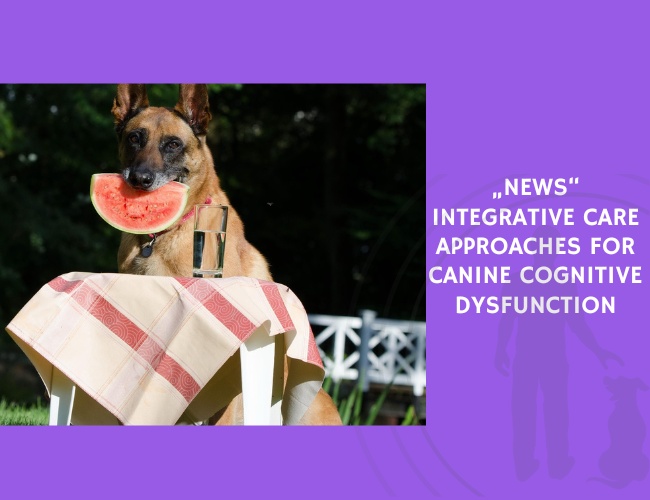
Canine cognitive dysfunction (CCD) is increasingly recognized as a common and clinically significant neurodegenerative syndrome affecting older dogs. Often described as the canine analogue of human Alzheimer’s disease, CCD affects approximately 14%–35% of pet dogs, with prevalence rising as high as 68% in dogs over 8 years of age. The disorder presents as a slowly progressive decline in cognitive abilities accompanied by changes in behavior, social interaction, sleep patterns, and emotional stability.
Underlying pathology includes cerebral inflammation, vascular changes, amyloid-β plaque deposition, oxidative brain injury, and mitochondrial dysfunction. Although CCD has no cure, early identification is key, and a widely adopted diagnostic tool—the acronym DISHAA (Disorientation; social Interactions; Sleep-wake cycles; House-soiling, learning, and memory; Activity; Anxiety)—helps guide both clinicians and caregivers in recognizing the earliest behavioral changes.
Because CCD begins earlier than previously appreciated, integrative therapies are most effective when implemented at the first signs of cognitive decline. Evidence-supported treatment modalities include dietary modification, nutraceutical support (such as antioxidants and mitochondrial cofactors), physical therapy, structured cognitive enrichment, acupuncture, and herbal therapies. These interventions target multiple aspects of the disease process, aiming to support neuronal function, reduce inflammation, improve sleep-wake rhythms, and maintain quality of life.
By combining early detection with multimodal integrative care, veterinarians and caregivers can meaningfully slow CCD progression and improve daily function for aging dogs. Ongoing monitoring using DISHAA ensures treatment adjustments remain responsive to each dog’s evolving needs.
Source: Huntingford, J. L. (2021). Integrative Treatment of Canine Cognitive Dysfunction. Author: Janice L. Huntingford, DVM, MS.