
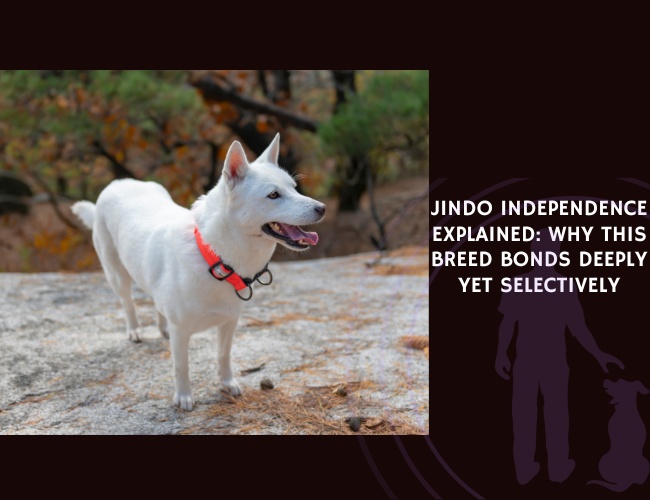
Have you ever wondered why some dogs seem to choose their person with unwavering devotion while maintaining an almost regal sense of autonomy? The Korean Jindo embodies this beautiful paradox perfectly. This remarkable breed offers profound loyalty to chosen individuals while preserving strong independence, thoughtful social selectivity, and a unique approach to partnership that challenges our conventional understanding of what it means to be a “good dog.”
Let us guide you through the fascinating world of Jindo independence, where loyalty and autonomy aren’t opposites but complementary aspects of a sophisticated behavioral system shaped by centuries of purposeful evolution.
Understanding the Ancient Heritage Behind Jindo Independence
The story of Jindo independence begins nearly a thousand years ago on Jindo Island, where these remarkable dogs developed behavioral patterns that remain deeply embedded in their DNA today. When you observe your Jindo’s thoughtful assessment of situations or their selective approach to relationships, you’re witnessing the result of ancient genetic heritage that positioned this breed as unique even among other independent Asian breeds.
Recent genomic analysis from 2025 reveals that Jindos share ancestry with Japanese Akitas and, fascinatingly, even show haplotype connections with West Eurasian breeds like German Shepherds through ancient migration patterns dating back approximately 3,600 years.
How ancient genetic heritage influences modern Jindo behavior:
- Primitive breed ethology: Independence, selective bonding, heightened environmental awareness
- Ancient decision-making patterns: Contextual evaluation systems refined over centuries
- Territorial intelligence: Multi-layered understanding of space and boundaries
- Selective attachment neurobiology: Brain wiring optimized for narrow, deep bonds
- Environmental scanning systems: Heightened sensory awareness and threat assessment
- Memory persistence patterns: Strong encoding of emotionally significant events
- Autonomous operation capacity: Ability to function independently during complex tasks
This isn’t just interesting trivia—it helps explain why your Jindo processes the world so differently from breeds developed for constant human direction.
What makes this ancient lineage matter for you today?
Your Jindo’s brain is wired differently from breeds like Golden Retrievers or Border Collies. Where those breeds were selected for generalized friendliness and continuous human guidance, Jindos evolved with what we call “handler-specific homing intelligence”—the remarkable ability to maintain deep attachment to chosen individuals while operating independently in complex environments.
Key breed differences that shape daily life:
- Herding breeds: Watch handler constantly for direction, bred for continuous guidance seeking
- Retrievers: Generalized friendliness, eager to please anyone with treats and praise
- Jindos: Autonomous decision-making, selective attachment, contextual evaluation before compliance
This means your Jindo isn’t being stubborn when they pause to assess your command; they’re engaging their evolutionary inheritance of contextual intelligence. Think of it this way: while a herding dog was bred to watch their handler’s every move for the next direction, your Jindo was bred to make autonomous decisions during hunting expeditions and return to their specific human when the task was complete. That fundamental difference shapes every interaction you’ll have with this breed. 🧡
The Multipurpose Hunter’s Mindset: Why Jindos Think Before They Obey
On Jindo Island, these dogs weren’t pampered companions waiting for treats and praise. They were essential partners in survival, expected to hunt independently, guard territory with discernment, and make split-second decisions about prey pursuit and threat assessment without constant human supervision. This historical role created what researchers call “attachment specialization”—the investment of bonding energy narrowly and deeply rather than broadly and flexibly.
Your Jindo’s traditional responsibilities included:
- Operating autonomously during hunting expeditions, navigating complex terrain and making independent decisions about strategy
- Returning to a specific human rather than requiring continuous direction or recall training
- Guarding territory and relationships with thoughtful discernment, distinguishing between legitimate threats and harmless strangers
- Self-regulating energy and resources in an island environment with limited human intervention
Understanding this heritage helps explain behaviors that frustrate owners expecting reflexive obedience. When your Jindo pauses before responding to a command, they’re not disrespecting you—they’re engaging the same contextual evaluation system that kept their ancestors alive during independent hunts. Through the NeuroBond approach, we recognize that this assessment process is actually a form of intelligent cooperation, not resistance.
You might notice your Jindo watching you intently before deciding whether to comply with a request. This quiet observation isn’t defiance; it’s your dog weighing critical factors:
Your Jindo’s internal assessment process includes:
- Does this command make sense given what I can sense in the environment?
- Do I trust this person’s judgment in this situation?
- Is there a legitimate purpose to this request?
- Are there threats or opportunities this person hasn’t noticed?
- What are the consequences of compliance versus autonomous action?
This sophisticated decision-making process deserves respect, not punishment. 🧠
Independence vs. Aloofness: What Your Jindo’s Behavior Really Means
One of the most common misunderstandings about Jindos centers on their selective social engagement. When your Jindo disengages from a social situation—perhaps moving away from an enthusiastic stranger or choosing to observe rather than participate in a dog park gathering—this behavior is frequently mislabeled as coldness, aloofness, or antisocial tendency.
Let’s reframe this entirely. Your Jindo’s social disengagement represents deliberate choice and contextual evaluation rather than avoidance or fear. This distinction matters enormously for training, socialization decisions, and your own expectations as a guardian.
How Jindo independence actually manifests:
- Quiet observation: Your Jindo monitors environments and social dynamics from a distance before deciding whether to engage
- Selective engagement: They choose when, how, and with whom to interact based on internal assessment of safety and worthiness
- Self-directed movement: They make autonomous decisions about spatial positioning rather than constantly seeking your direction
- Neutral coexistence: They’re perfectly comfortable being present without active interaction—a concept that confuses breeds programmed for constant social availability
Research on Jindo behavioral reactivity demonstrates that even well-socialized Jindos maintain their characteristic selectivity. Socialization programs affect certain reactive patterns, but they don’t—and shouldn’t—eliminate the breed’s fundamental preference for selective engagement. This is a feature, not a bug. 🐾
Why the “cold” label misses the mark entirely
The perception of Jindos as unaffectionate stems from anthropomorphic expectations that conflate love with constant social availability. Your Jindo demonstrates profound emotional depth, but expresses it differently than socially plastic breeds. Consider these alternative expressions of devotion:
- Reserved expression: Affection shown through proximity, sustained eye contact, and subtle body language rather than exuberant tail wagging and face licking
- Context-dependent warmth: Emotional openness reserved for trusted individuals in appropriate contexts, not broadcast indiscriminately
- Loyalty through action: Devotion demonstrated through protective vigilance, consistent return, and selective trust rather than friendliness to everyone
The Jindo is renowned for exceptional loyalty to their chosen people while simultaneously maintaining suspicion of strangers. This combination isn’t contradictory—it reflects the breed’s depth-over-breadth attachment architecture. When you understand this, you stop trying to force your Jindo into social situations that violate their nature and instead celebrate the profound bond they offer within their narrower attachment range.
Stranger Neutrality: Understanding the Jindo’s Social Filtering System
Let’s dive deeper into one of the most misunderstood aspects of Jindo behavior—their characteristic neutrality toward unfamiliar people. This isn’t rudeness, fear, or poor socialization. It’s a sophisticated social filtering process that serves multiple essential functions for this breed.
Why Jindos remain neutral toward strangers:
Your Jindo’s reserved behavior around unfamiliar people reflects deliberate evaluation rather than antisocial tendencies. This filtering serves critical purposes:
- Threat assessment: Your Jindo is distinguishing between benign and potentially dangerous individuals through careful observation rather than reflexive friendliness
- Energy conservation: They’re reserving social engagement for relationships that matter, avoiding the energetic cost of indiscriminate interaction
- Territorial protection: Maintaining vigilance over bonded individuals and spaces requires selective attention to who enters their sphere
- Attachment preservation: Protecting the integrity of their primary bonds by not distributing attachment energy broadly
Research indicates that even with repeated exposure, many Jindos maintain reserved distance from unfamiliar people. This persistence isn’t social fear or anxiety requiring treatment—it’s a preference for selective engagement that’s hardwired into the breed’s behavioral architecture.
The damaging impact of forced friendliness
Well-intentioned attempts to increase Jindo sociability through forced friendliness or excessive socialization programs frequently backfire, creating serious consequences:
- Trust erosion: When you force your Jindo to accept handling from strangers or push them into unwanted social interactions, you violate their autonomy and damage the trust foundation of your relationship
- Emotional dysregulation: Constant unwanted social demands create cumulative stress that overwhelms your Jindo’s capacity for emotional regulation
- Defensive behaviors: Forced socialization often triggers increased wariness, reactive responses, or even defensive aggression as your Jindo attempts to establish boundaries you’re not respecting
- Attachment disruption: Your Jindo becomes confused about relational priorities when you’re actively working against their natural selective bonding patterns
The NeuroBond framework recognizes that forcing dogs to remain calm when they notice triggers requires building trust where they learn you’ll keep them safe—including from their own reactive instincts. For Jindos, this principle extends to social interactions: they need handlers who will protect them from unwanted social demands rather than forcing engagement that violates their nature.
Calm coexistence versus interactive social engagement
Here’s where many Jindo owners experience an important revelation. Your Jindo demonstrates comfort with calm coexistence—peaceful presence without active interaction—which is fundamentally different from the interactive social engagement many owners expect based on experience with other breeds.
What calm coexistence looks like in practice:
You might notice your Jindo lying calmly in the same room where visitors are gathered, observing without participating. They’re not hiding or showing fear—they’re simply choosing a low-arousal form of social presence that allows them to monitor the situation without the stress of active engagement. This is your Jindo being socially successful by their own standards.
During walks, your Jindo may pass other dogs and people without showing interest in greeting or playing. They’re gathering information through observation rather than participation, managing their own spatial comfort by maintaining appropriate distance, and selectively choosing which interactions merit their active engagement.
This preference reflects sophisticated emotional intelligence, not social deficit. Your Jindo is demonstrating:
Signs of healthy calm coexistence:
- Low-arousal social comfort: Relaxed body language while observing social activity
- Autonomous space management: Choosing comfortable distances without handler direction
- Selective interaction patterns: Engaging only when internally motivated
- Observational learning: Gathering information through watching rather than participating
- Peaceful presence: Contributing to household harmony without demanding attention
Your Jindo is demonstrating sophisticated emotional intelligence that supports their overall emotional balance.
The practical implications for daily life:
Stop apologizing for your Jindo’s reserved behavior. When visitors come to your home, explain that your dog prefers to observe rather than interact, and enforce those boundaries firmly.
Boundary protection strategies that work:
- Educate guests before they enter: “My dog prefers to observe rather than interact”
- Block approach attempts: Position yourself between guests and your Jindo
- Never force interaction: Allow your Jindo to approach on their own timeline (or not at all)
- Decline petting requests: “She’s not comfortable with that, but thank you for understanding”
- Create safe observation zones: Provide elevated or separate spaces where your Jindo can monitor without participation
- Reward respect: Praise guests who honor your Jindo’s boundaries
Don’t allow guests to approach, stare at, or attempt to pet your Jindo without clear invitation from the dog. This boundary protection isn’t being antisocial—it’s respecting your dog’s needs and preventing the stress that accumulates from repeated boundary violations.
During walks, give your Jindo space to navigate social situations according to their comfort level. If someone approaches wanting to pet your “beautiful dog,” politely decline on your Jindo’s behalf. Your dog will appreciate this protection far more than they’ll ever appreciate being forced into unwanted social contact.
Recognizing and respecting this preference allows Jindos to maintain emotional balance while still participating meaningfully in family life. The goal is never to make Jindos socially indiscriminate—it’s to support their natural pattern of selective, meaningful engagement that preserves their psychological wellbeing. 🐾
Self-Governed Intelligence: The Cognitive Foundation of Jindo Autonomy
Here’s where we need to fundamentally shift our understanding of what “trainability” means. The Jindo’s independence is better conceptualized as self-governed intelligence rather than stubbornness or disobedience. This distinction becomes critical for training compatibility and relationship dynamics that actually work with this breed.
What self-governed intelligence looks like in practice:
- Contextual command evaluation: Your Jindo assesses whether commands make sense given environmental conditions, safety considerations, and relational trust before responding
- Environmental information weighting: They integrate sensory data, past experience, and current context before acting—which takes time
- Autonomous decision-making: They choose actions based on internal logic rather than reflexive compliance to verbal cues
- Purpose-driven cooperation: They engage enthusiastically with tasks that have clear purpose and relational meaning, while resisting arbitrary repetition
This cognitive profile aligns with what behaviorists call the Cognitive Autonomy Model. Self-governing dogs like Jindos rely on internal decision frameworks rather than external commands as their primary navigation system. When forced compliance is demanded—especially through coercive methods—these dogs experience genuine cognitive conflict that manifests as withdrawal, quiet refusal, or complete disengagement.
Did you know that this isn’t your Jindo being “dominant” or “testing” you? When trainers misinterpret self-governed intelligence as dominance challenges, they typically escalate pressure, which further damages the dog’s willingness to cooperate. The Invisible Leash principle reminds us that true guidance comes from awareness and trust, not from tension and force.
You’re not dealing with a disobedient dog—you’re partnering with an intelligent being who needs purpose and relationship before they engage with your requests. Once you adjust your expectations and methods accordingly, you’ll discover that Jindos can be remarkably cooperative partners. 😊
The Neurobiology of Singular Attachment: Why Jindos Choose One Person
If you’ve chosen to share your life with a Jindo, you’ve likely noticed their tendency to form a primary attachment to one person in the household, with other family members receiving significantly less devotion. This isn’t favoritism in the human sense—it’s neurobiological architecture.
Jindos demonstrate what we call “narrow CARE system activation,” a predisposition to invest attachment energy deeply in few relationships rather than distributing it across many. Drawing on affective neuroscience research, the Jindo’s brain shows distinctive patterns:
- Strong CARE activation toward chosen individuals, creating profound emotional bonds characterized by protective concern and emotional attunement
- Robust SEEKING system supporting independent exploration, problem-solving, and autonomous environmental investigation
- Heightened FEAR system providing protective vigilance and sophisticated threat assessment capabilities
- Selective PLAY system activation reserved specifically for trusted relationships rather than expressed indiscriminately
This neurobiological configuration directly supports the breed’s historical role: deep loyalty to specific handlers combined with autonomous operation and environmental awareness. Your Jindo’s brain appears optimized for quality over quantity in social bonds.
What this means for multi-person households:
If you’re the chosen person, you’ll experience devotion that feels almost overwhelming in its intensity.
Signs you’re your Jindo’s chosen person:
- Consistent tracking: Your Jindo monitors your movements throughout the house
- Preferential orientation: They position themselves to keep you in sight
- Protective concern: Heightened awareness when strangers approach you specifically
- Selective relaxation: Deep rest only occurs in your presence
- Priority greeting: You receive the warmest welcome, others get polite acknowledgment
- Emotional attunement: Your Jindo reads and responds to your emotional states
- Follow behavior: They accompany you from room to room more than other family members
Other household members may feel somewhat rejected, receiving polite tolerance rather than genuine warmth.
This is not a training failure. You cannot force a Jindo to distribute their attachment more evenly through socialization exercises or bonding activities. The attachment architecture is too fundamental to their neurobiological design. Instead, other family members need to develop their own independent relationships with the Jindo, understanding they’ll likely remain secondary attachments with different quality and depth. 🧡
When Bonds Break: Understanding Rehoming Trauma in Jindos
The depth and narrowness of Jindo attachment creates significant vulnerability to bond disruption. Where socially plastic breeds can form new attachments relatively easily after rehoming, Jindos invest so deeply in primary bonds that disruption creates lasting emotional consequences.
Research on Jindo relinquishment reveals troubling patterns. Studies found that 79.9% of Jindos showed behavioral problems, with the most common being excessive excitability, excessive vocalization, and inappropriate elimination. However—and this is critical—behavioral problems were not a significant risk factor for Jindo relinquishment.
What does this tell us?
Jindos aren’t being surrendered primarily because they’re misbehaving. They’re being relinquished because of fundamental incompatibility between owner expectations and breed reality. The driving factors typically include:
- Attachment incompatibility: Mismatch between expectations for social flexibility and Jindo selectivity
- Training frustration: Failure of conventional obedience methods with autonomous breeds
- Misunderstood independence: Interpretation of self-governance as disobedience or aloofness
- Social pressure: Embarrassment over a dog who doesn’t greet visitors enthusiastically or who fails basic obedience classes
Many Jindos available for adoption in the U.S. have been rescued from slaughterhouses or high-kill shelters, often arriving under-socialized and carrying trauma that can be passed from mother to litter. These dogs require adopters willing to invest months—not weeks—in trust-building, understanding they may never become socially flexible or conventionally obedient.
The concept of Soul Recall becomes particularly relevant here. When a Jindo experiences betrayal through rehoming, their emotional memory creates lasting patterns that influence future relationship formation. They don’t forget abandonment, and they don’t quickly trust new handlers even when those handlers are kind and patient.
Trust betrayal creates specific behavioral signatures in Jindos:
- Hypervigilance: Constant monitoring of the new handler for signs of impending abandonment
- Resistance to vulnerability: Refusal to relax fully or show emotional openness
- Attachment ambivalence: Simultaneous desire for connection and protective distancing
- Threshold sensitivity: Overreaction to minor changes in routine or handler behavior
- Learned helplessness: Shutdown and passive resistance when faced with training pressure
- Emotional flatness: Going through motions without genuine engagement or joy
- Scanning behavior: Continuously checking for exit routes or escape options
If you’re considering adopting a rescued Jindo, you must understand that you’re not getting a blank slate. You’re partnering with a dog whose entire attachment system has been disrupted, potentially multiple times. The work required to rebuild trust is substantial and may never result in the kind of secure attachment a well-raised Jindo puppy would offer. 🐾
Secure Base Theory: What Jindos Need from Their Primary Attachment
Attachment theory, originally developed for human parent-child relationships, provides valuable framework for understanding what Jindos require from their chosen person. Secure attachment isn’t just “being nice” to your dog—it involves specific, consistent provisions:
The four pillars of secure attachment for Jindos:
- Consistent availability – Being present and responsive in predictable patterns that allow your Jindo to internalize your reliability
- Responsive attunement – Reading and appropriately responding to your Jindo’s emotional states and needs, especially during stress
- Safe haven provision – Serving as a refuge during uncertainty, threat, or overwhelm without forcing interaction
- Secure base for exploration – Supporting autonomous behavior and independent decision-making while remaining available if needed
For Jindos, secure attachment is particularly critical because their narrow attachment range means bond rupture has disproportionate impact compared to breeds with more distributed social bonds. When you become the primary attachment figure for a Jindo, you’re accepting profound responsibility for their emotional stability and psychological wellbeing.
How secure attachment looks in daily life:
You might notice your Jindo positioning themselves where they can observe you, even when they’re not directly interacting. This monitoring behavior isn’t clinginess—it’s secure base checking. They’re confirming your availability while engaging in their own activities. When you leave and return, you’ll likely see subtle but genuine greeting behavior reserved only for you.
During stressful situations—veterinary visits, thunderstorms, unfamiliar environments—your securely attached Jindo will orient toward you for emotional regulation support. They’re not looking for you to fix the situation; they’re using your calm presence to regulate their own nervous system. This is attachment functioning exactly as evolution designed it. 🧠
Trust, Betrayal, and the Irreversibility Problem
Now we arrive at one of the most challenging aspects of Jindo psychology: their response to perceived betrayal and the difficulty of trust repair once damage has occurred. This isn’t melodrama—it’s neurobiological reality rooted in how Jindos process relational information.
Why Jindos struggle to reattach after betrayal:
When a Jindo perceives betrayal—through rehoming, harsh punishment, or broken trust in critical moments—their attachment system doesn’t simply pause. It fundamentally reorganizes. The brain structures involved in trust formation and relational bonding undergo changes that create lasting wariness about vulnerability.
This happens because Jindos have what we call “high relational memory persistence.” They remember emotional events with particular clarity, and those memories shape future relationship expectations. Where a more socially plastic breed might forgive and forget relatively quickly, Jindos encode betrayal deeply and use that information to protect themselves from future vulnerability.
Behavioral manifestations of trust damage include:
- Withdrawal from relational offers: Refusing eye contact, physical proximity, or emotional engagement with the person who betrayed trust
- Compliance without connection: Performing obedience behaviors mechanically without the relational quality that characterized pre-betrayal interaction
- Increased autonomy: Shifting even more strongly toward self-governance and reducing reliance on human guidance
- Selective amnesia for positive history: Acting as though previous positive experiences with the betraying person never occurred
The most heartbreaking aspect? Once significant trust damage occurs, conventional relationship repair strategies often fail with Jindos. You can’t simply spend more time, offer more treats, or engage in more training sessions to rebuild what was lost. The relationship may never return to its previous depth, and in some cases, the Jindo may permanently reclassify the person from “trusted attachment figure” to “household presence requiring monitoring.”
This is why training methods matter so profoundly with this breed. Harsh corrections, dominance-based handling, or flooding (forced exposure to overwhelming stimuli) don’t just create temporary setbacks—they can permanently damage the relational foundation that makes cooperation possible. The Invisible Leash approach recognizes that real guidance emerges from trust and awareness, never from force or intimidation. 🧡
Memory Systems: Why Jindos Never Forget Key Relationship Events
Your Jindo’s remarkable memory isn’t limited to obedience commands or house training. They possess sophisticated relational memory that tracks emotional significance, trust violations, and attachment-relevant events with extraordinary precision.
Research on canine cognition reveals that dogs have episodic-like memory—the ability to recall specific events in context—but Jindos appear to demonstrate particularly strong encoding for emotionally significant relational information.
What Jindos remember with particular clarity:
- Trust violations: Moments when you failed to protect them, forced them into overwhelming situations, or used harsh corrections
- Abandonment experiences: Previous rehoming, shelter surrender, or significant separations from bonded handlers
- Positive relationship milestones: First successful hunts together, moments of genuine partnership, situations where you proved trustworthy
- Territorial information: Boundaries, threat patterns, and safe versus unsafe zones within their environment
- Individual human assessment: Who can be trusted, who requires monitoring, who has proven themselves safe
- Training experiences: Whether learning felt safe and purposeful or stressful and coercive
- Critical emotional events: Traumas, breakthroughs, and defining moments in the relationship
This means your Jindo doesn’t just remember that you once took them to the vet; they remember how you handled their fear, whether you stayed calm and supportive, and whether you protected them from overwhelming stress.
This memory persistence explains why rehabilitation of traumatized Jindos takes so long and why early socialization and positive experiences are so critical. You’re not just teaching behaviors—you’re creating relational memories that will influence your Jindo’s worldview for their entire life.
The concept of Soul Recall acknowledges this deep integration of memory and emotion in attachment formation. When handlers understand that every interaction creates lasting emotional memory, they approach training and daily life with appropriate care and intentionality. 🐾
Reading the Signals: How Jindos Communicate Discomfort and Disengagement
Because Jindos express emotion differently than socially plastic breeds, many handlers miss the subtle signals indicating discomfort, stress, or declining trust. Learning to read these communications becomes essential for maintaining relational health.
Early warning signs that your Jindo is experiencing stress or trust erosion:
- Spatial distancing: Creating more physical space between themselves and the handler than previously typical
- Reduced eye contact: Decreasing the frequency and duration of direct gaze, especially the soft eye contact that indicates trust
- Stiffening during touch: Body tension when being petted or handled, even if they don’t actively move away
- Delayed command response: Taking longer to comply with familiar requests, introducing pause and evaluation where there wasn’t delay before
- Increased autonomy seeking: Choosing to be in different rooms, initiate less interaction, or handle stress independently
- Subtle avoidance: Turning the head slightly when approached, taking indirect paths to avoid proximity
- Decreased play initiation: Reduced invitation for games or interactive activities
- Sleep pattern changes: Choosing to rest away from you when they previously stayed close
- Stress signals during training: Yawning, lip licking, or tension during sessions that were previously relaxed
These signals are easy to miss if you’re expecting the dramatic stress signals that more socially engaged breeds display. Jindos rarely whine, paw at you, or show obvious distress. Instead, they quietly disengage and increase their self-governance.
Why this matters for daily management:
If you notice these subtle disengagement signals and respond appropriately—giving space, reducing pressure, rebuilding trust through respect—you can often prevent escalation into more serious relational damage. However, if you miss or ignore these early communications and continue applying pressure or force, you’ll likely trigger the trust damage patterns we discussed earlier. 🧠
Social Selectivity: Understanding the Jindo’s Approach to Other Dogs
Jindo independence extends beyond human relationships into their interactions with other dogs. Understanding their unique social approach prevents unrealistic expectations and inappropriate socialization attempts.
The Jindo social profile with other dogs:
- Selective friendships: Your Jindo may form deep bonds with specific individual dogs while showing complete disinterest in others
- Same-sex selectivity: Many Jindos show particular selectivity around same-sex dogs, especially intact males with other males
- Play style preferences: When they do engage in play, Jindos often prefer calm, mutual exploration over rough wrestling or chase games
- Neutral coexistence: Perfectly comfortable ignoring other dogs entirely, viewing them as environmental background rather than social opportunities
- Low tolerance for pushy behavior: Quick to correct or disengage from dogs who lack social awareness or respect boundaries
- Distance maintenance: Preference for parallel activities rather than direct interaction
- Brief greeting rituals: Quick sniff exchanges followed by disengagement rather than prolonged social play
- Context-dependent sociability: May tolerate certain dogs in structured walks but not in confined play areas
This social profile is adaptive and healthy for Jindos—it’s not antisocial behavior requiring correction. The breed evolved to work cooperatively with specific partners during hunts while maintaining territorial boundaries, not to play indiscriminately in large group settings.
What this means for dog parks and group activities:
Dog parks are generally poor environments for Jindos for specific reasons:
Why dog parks create stress for Jindos:
- Chaotic social pressure from multiple unfamiliar dogs
- Unpredictable dog behavior without quality screening
- Lack of clear boundaries or escape routes
- Forced interaction when they prefer observation
- Pushy dogs who don’t respect social signals
- Handler distance preventing secure base access
- Overstimulation from multiple competing stimuli
- Territorial ambiguity in shared neutral space
Your Jindo isn’t being “reactive” or “antisocial” when they growl at an overly pushy dog—they’re establishing appropriate boundaries that the other dog should have respected.
Instead of forcing group socialization, honor your Jindo’s preference for selective relationships.
Better socialization alternatives for Jindos:
- Controlled individual meetings: Arrange one-on-one introductions with specific, compatible dogs in neutral spaces
- Parallel walks: Walk alongside another dog-handler team with sufficient distance, allowing dogs to become familiar without forced interaction
- Gradual exposure: Multiple brief, positive encounters with the same dog over time rather than intense play sessions
- Respect refusal signals: Allow your Jindo to decline interaction when they’re not interested
- Quality over quantity: One compatible dog friend is more valuable than forced exposure to dozens of random dogs
- Structured activities: Parallel training sessions or calm hiking where dogs coexist without direct interaction
- Handler-mediated meetings: Stay close and engaged, reading your Jindo’s comfort level throughout
Allow long parallel walks where dogs can become familiar without forced interaction. Respect when your Jindo indicates they’ve had enough social contact.
Through the NeuroBond framework, we recognize that social flexibility varies dramatically across breeds and individual dogs. Forcing universal sociability creates stress and defensive behavior; honoring natural social preferences supports emotional stability and genuine wellbeing. 🐾
Selective. Loyal. Autonomous.
Deep Chooses Few
Jindos form narrow, profound bonds rather than broad social attachment. Their loyalty is intense because it is chosen, not distributed.
Autonomy Drives Decisions
Bred for independent judgement, they evaluate context before acting. Pauses signal thinking, not resistance.

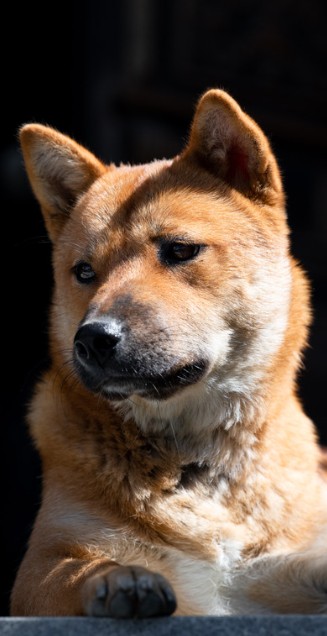

Respect Builds Partnership
Their selectivity requires mutual trust instead of constant control. When honoured, their independence strengthens devotion rather than weakening it.
Territoriality and Boundary Intelligence: How Jindos Understand Their World
Your Jindo’s relationship with territory is far more sophisticated than simple “guarding” behavior. Understanding how Jindos conceptualize and manage their territorial world is essential for preventing behavioral problems and supporting their emotional stability.
The four layers of Jindo territorial awareness:
Unlike breeds that guard specific objects or have simple location-based territoriality, Jindos operate with a multi-layered, relationship-based territorial framework:
- Handler-based territory: Spaces and contexts associated with bonded individuals become territorial by virtue of the relationship. Your Jindo may show protective behavior in unfamiliar locations simply because you’re present, treating your sphere as requiring vigilance regardless of where you are
- Home-based territory: Physical locations with established boundaries that your Jindo has internalized as “home space” requiring protection and monitoring
- Perimeter-based territory: Outer boundaries that require heightened vigilance—fences, property lines, doorways, windows where the outside world interfaces with protected space
- Relational territory: Protection of bonded individuals themselves, independent of location. Your Jindo guards the relationship, not just the space you occupy together
This sophisticated territorial understanding reflects the breed’s historical dual role as hunting dogs (requiring flexible territorial concepts during pursuit across varied terrain) and guarding dogs (requiring stable territorial defense of home base and handler).
Guarding relationships versus guarding objects
This distinction matters enormously for accurate behavioral assessment and appropriate intervention. Many handlers and even some trainers misdiagnose Jindo protective behavior as resource guarding when something entirely different is happening.
Resource guarding involves possessiveness over specific objects—food bowls, toys, beds, stolen items. Dogs who resource guard typically show predictable patterns around these objects and can often be successfully treated through desensitization and counter-conditioning protocols that change the dog’s emotional association with approach near valued resources.
Relational guarding is fundamentally different. Your Jindo isn’t guarding the couch—they’re guarding your presence on the couch. They’re not possessive of the doorway—they’re monitoring who approaches their bonded person through that doorway. The object or location is secondary to the relationship being protected.
Why this distinction matters for training:
If you treat relational guarding as resource guarding, your intervention will fail because you’re addressing the wrong underlying motivation. Standard resource guarding protocols won’t work because your Jindo isn’t worried about losing access to an object—they’re concerned about protecting the integrity of their attachment relationships and territorial boundaries.
Relational guarding is deeply embedded in the Jindo’s attachment architecture and requires approaches that respect this protective instinct rather than attempting to suppress it entirely. You work with the behavior by providing clear information about who is and isn’t a threat, managing access to protected spaces, and building your Jindo’s confidence in your own ability to assess and handle social situations.
Boundary management and stress reduction
Here’s where many Jindo behavioral problems actually originate. Clear, consistent boundary management is absolutely essential for Jindo emotional stability. When boundaries are unclear, ambiguous, or constantly changing, your Jindo experiences chronic stress that manifests in predictable ways.
What unclear boundaries create:
- Chronic vigilance: Your Jindo cannot relax because they don’t know the parameters of what requires monitoring. They’re constantly scanning for threats without clear information about what constitutes protected versus neutral space
- Over-responsibility: In the absence of clear boundaries, your Jindo may assume excessive protective duties, believing they must monitor and defend far more territory than is reasonable or necessary
- Stress accumulation: The inability to relax due to ambiguous territorial expectations creates cumulative stress that erodes emotional regulation capacity
- Behavioral manifestations: This stress emerges as specific, measurable behavioral problems
Research on Jindo behavioral issues reveals that the most common problems are excessive excitability (46.8%), excessive vocalization (30.2%), and inappropriate elimination (17.3%). While these are typically treated as separate behavioral pathologies requiring different interventions, they may actually reflect a common underlying cause: inadequate boundary clarity creating chronic territorial stress.
Practical boundary management strategies:
Your Jindo needs to know clearly what space is theirs to monitor, what level of vigilance is expected, and when they can relax.
Effective boundary management techniques:
- Physical boundary clarity: Use fenced yards over invisible fence boundaries—your Jindo needs visible perimeters they can reference
- Designated monitoring zones: Establish which spaces require vigilance (front door, property perimeter) versus relaxation zones (bedroom, back office)
- Visual access management: Block or limit views of high-traffic areas that trigger constant monitoring behavior
- Consistent entry protocols: Develop clear routines for how guests enter and who grants permission
- Decompression spaces: Create quiet zones where protective behavior is explicitly not required
- Window management: Use frosting, curtains, or furniture placement to reduce visual triggers
- Doorway definition: Make apartment entry points clear territorial boundaries through consistent management
- Handler communication: Use your calm demeanor to signal which presences are safe versus requiring attention
- Rotation strategies: Allow your Jindo access to monitoring positions during specific times, then redirect to relaxation spaces
When you establish clear, consistent boundaries and communicate them effectively to your Jindo, you’ll often see dramatic reduction in excitability, vocalization, and stress-related elimination problems. You’re not suppressing behavior—you’re providing the structure that allows your Jindo to relax because they understand their responsibilities clearly. 🧠
🏜️ The Canaan Dog Journey: From Desert Survivor to Modern Companion
Understanding the 8 essential phases of living with this ancient, intelligent breed
Phase 1: Recognizing Desert Intelligence
Week 1-2: Foundation Understanding
What Makes Canaans Different
These dogs carry 4,000 years of natural selection in the harshest desert conditions. Unlike manufactured breeds, they retained their survival intelligence—cautious assessment, independent thinking, and distance-based safety evaluation. This isn’t stubbornness; it’s sophistication.
What to Expect Initially
• Watchful observation before engagement
• Selective bonding with immediate family
• Territory awareness from day one
• Assessment behaviors that look like hesitation
Your First Actions
Create safe observation spaces where your Canaan can assess their new environment without pressure. Maintain calm, neutral energy. Establish predictable routines immediately—feeding times, bathroom breaks, quiet periods. Let them approach you rather than forcing interaction.
Phase 2: Establishing Trust Through NeuroBond
Week 2-6: Connection Foundation
Trust as Earned Currency
Canaan Dogs form asymmetric social bonds—deeply devoted to their trusted circle while remaining neutral to others. This selective bonding reflects their pack survival heritage. Through the NeuroBond approach, trust becomes the foundation of learning, built through consistency, not coercion.
Signs of Developing Trust
• Soft eye contact and voluntary approach
• Choosing to rest near you
• Checking in during walks
• Accepting gentle touch without tension
• Bringing toys or seeking interaction
Critical Mistakes to Avoid
Never force affection, overwhelming your Canaan with enthusiastic greetings, or allowing visitors to pressure the dog. Pushy socialization activates suspicion circuits and can permanently damage trust formation. Patience now prevents behavioral challenges later.
Phase 3: Defining Modern Boundaries
Week 4-8: Spatial Clarity
Territory in Canaan Cognition
Your Canaan conceptualizes territory broadly—windows, doors, balconies, even shared hallways become monitoring zones. Urban environments create boundary stress through constant perceived intrusions. Clear territorial management prevents chronic vigilance and stress accumulation.
Structured Observation Protocol
• Morning watch: 7:00-7:15 AM at designated window
• Evening perimeter check: 10-minute walk around property
• Walk monitoring stations: 2-3 specific spots on route
• Clear beginning and ending cues for each session
Managing Alert Behaviors
Acknowledge alerts with “thank you” or “I’ve got it” cues. Use window films to reduce visual triggers. Create safe zones away from entry points where monitoring isn’t required. Time-limited watch sessions satisfy instincts without chronic stress.
Phase 4: Training the Thinking Dog
Week 6-12: Building Partnership
Why Traditional Methods Fail
Canaans possess self-governing survival cognition—intelligence evolved for problem-solving, not rote compliance. They’re motivated by contextual meaning and functional purpose. The Invisible Leash reminds us that awareness, not tension, guides the path.
Autonomy-Supportive Techniques
• Offer choices within safe boundaries
• Make behavior purposes clear and relevant
• Keep sessions short and varied (5-10 minutes)
• Reward thoughtful compliance, not speed
• Use scent work and problem-solving activities
What Motivates Canaans
Access to monitoring positions, permission to investigate novel environments, functional tasks with purpose, and partnership moments matter more than treats alone. They need to understand the “why” behind every request.
Phase 5: Observation-Based Socialization
Ongoing: Building Social Tolerance
Exposure vs. Observation
High-volume exposure overwhelms natural caution and can create long-term suspicion. Effective Canaan socialization prioritizes controlled observation from safe distances, gradual approach at the dog’s pace, and building confidence through successful assessments rather than forced friendliness.
Age-Appropriate Timeline
• 8-12 weeks: Quiet observation sessions, minimal handling
• 12-16 weeks: Gradual environmental variety from distance
• 4-6 months: Choice-based approaches, confidence building
• 6+ months: Purposeful activities, expanding comfort zones
Warning Signs of Over-Socialization
Persistent fearful responses to normal stimuli, inability to settle even in familiar environments, regression in previously comfortable situations, or defensive responses appearing suddenly all indicate flooding rather than proper socialization.
Phase 6: Navigating Modern Environments
Month 3+: Environmental Adaptation
Urban Trigger Density
Cities present constant micro-triggers—dogs on leashes, scooters, sirens, crowds. Canaans accumulate stress silently from these encounters. Unlike companion breeds selected for urban tolerance, they need active stress management to prevent threshold breaches and reactive behaviors.
Apartment Modifications
• White noise machines near shared walls
• Window films reducing outside visibility
• Designated watch stations away from high-trigger zones
• Consistent exit/entry routines buffering transitions
• Safe zones in quiet corners away from doors
Decompression Strategies
After high-stimulation outings, provide 15-30 minutes of calm settling time. Practice scatter feeding or slow sniffing activities to regulate arousal. Walk during low-traffic hours when possible. Use longer leashes for freedom without tension.
Phase 7: Addressing Survival Behaviors
As Needed: Behavior Modification
Common Challenge Origins
Stranger wariness, leash reactivity, resource guarding, and door blocking aren’t aggression—they’re adaptive survival behaviors misfiring in modern contexts. Understanding the evolutionary purpose transforms your approach from punishment to environmental management and confidence building.
Leash Reactivity Protocol
• Identify threshold distances for various triggers
• Practice U-turns before reaching reaction point
• Teach reliable attention/check-in cues
• Gradually decrease distance over weeks/months
• Use high-value treats for emergency redirection
Visitor Management
Keep dog in observation area initially, allow 5-10 minutes for guests to settle, instruct visitors to ignore the dog completely, permit voluntary approach only, and accept that calm tolerance—not enthusiastic greeting—is the realistic goal.
Phase 8: Honoring the Aging Survivor
Years 8-15: Senior Care
The Veteran Mind
Senior Canaans may intensify survival instincts as physical capabilities decline. A dog feeling less able to defend or flee may become more reactive or withdrawn. Moments of Soul Recall reveal how decades of memory and emotion shape their final years—honor their lifetime of vigilance.
Physical Environment Adjustments
• Ramps for vehicle and furniture access
• Non-slip flooring in key areas
• Orthopedic beds in multiple locations
• Night lights for vision-impaired seniors
• Shorter, more frequent walks vs. long outings
Quality of Life Monitoring
Regularly assess pain management, mobility, appetite, social engagement, and dignity. Canaans mask discomfort until severe—watch for subtle changes in movement, interaction patterns, or elimination habits. Work closely with your veterinarian for appropriate senior support.
🔄 Canaan Dogs vs. Other Breeds: Understanding the Differences
Canaan vs. German Shepherd
Training: GSDs are eager-to-please and handler-focused. Canaans require contextual understanding and autonomy-supportive methods.
Socialization: GSDs thrive on volume exposure. Canaans need observation-based, gradual approaches.
Canaan vs. Labrador
Social Nature: Labs are universally friendly. Canaans form selective bonds and remain neutral to strangers.
Energy Type: Labs need physical exhaustion. Canaans need purposeful mental stimulation.
Canaan vs. Shiba Inu
Primitive Traits: Both are independent, but Canaans retain stronger territory instincts and sentinel behaviors.
Adaptability: Shibas are more flexible with urban life. Canaans require active stress management in cities.
Canaan vs. Border Collie
Intelligence Type: BCs excel at handler-directed tasks. Canaans solve problems independently without waiting for cues.
Work Drive: BCs need constant jobs. Canaans need time-limited, purposeful activities with rest periods.
Canaan vs. Malinois
Drive Level: Malinois have extreme, constant drive. Canaans show purpose-based, moderate intensity.
Handler Bond: Malinois form single-handler obsession. Canaans create family group bonds while remaining selective.
Canaan vs. Golden Retriever
Stranger Response: Goldens greet all enthusiastically. Canaans assess cautiously and may never warm to visitors.
Training Motivation: Goldens work for praise and treats readily. Canaans need functional purpose paired with rewards.
⚡ Quick Reference: Canaan Dog Success Formula
Time-Limited Monitoring = Satisfaction without chronic stress
Observation + Choice = Effective socialization
Contextual Purpose = Training motivation
Distance + Assessment = Natural safety strategy
Calm Consistency = Trust gateway
Remember: Suspicion is intelligence, caution is sophistication, independence is their survival gift to the modern world.
🧡 The Essence of Zoeta Dogsoul with Canaan Dogs
When you honor a Canaan Dog’s ancient intelligence rather than trying to reshape it, you discover something profound. The NeuroBond you build isn’t based on forced compliance—it emerges from understanding that their cautious assessment is sophisticated cognition at work. The Invisible Leash between you strengthens not through tension and control, but through their growing trust that you’ll protect their need for space and autonomy. Those moments of Soul Recall—when your Canaan chooses to rest beside you, having assessed that this space is safe and this human is trustworthy—represent the deepest form of connection: one that was earned, not given.
This is what it means to live with a desert survivor in the modern world. You become not their master, but their trusted partner in navigating a landscape they never evolved for. You learn to see watchfulness as wisdom, caution as intelligence, and selective bonding as the highest compliment they can offer. That balance between honoring ancient instincts and creating contemporary harmony—that’s the essence of Zoeta Dogsoul.
© Zoeta Dogsoul – Where neuroscience meets soul in dog training
Training Philosophy: Why Traditional Methods Fail with Jindos
If you’ve attended a traditional obedience class with your Jindo, you’ve probably experienced frustration, confusion, and maybe even embarrassment when your dog performed beautifully at home but refused to engage in the class environment. This isn’t failure—it’s predictable outcome when training philosophy clashes with breed architecture.
Why conventional obedience training fails Jindos:
- Repetition without purpose: Jindos resist repetitive drills that lack clear functional goals or relational meaning
- Public performance pressure: Group class environments create social stress that interferes with learning and cooperation
- Food as primary motivator: While Jindos will work for food, they’re more motivated by purpose, relationship, and autonomy than by treats
- Forced compliance model: Training that demands reflexive obedience regardless of context triggers cognitive conflict and disengagement
- Comparison to plastic breeds: When instructors expect Jindo performance to match Golden Retrievers or Border Collies, everyone feels frustrated
- Punishment-based corrections: Harsh responses to “disobedience” damage trust and cooperation permanently
- Lack of contextual allowance: No room for the dog’s environmental assessment or decision-making process
- Social overwhelm: Class settings with multiple dogs create stress that prevents learning
- Arbitrary exercises: Commands that make no practical sense in real-world contexts
The training approach that actually works with Jindos is fundamentally different. It prioritizes relationship before repetition, purpose before precision, and respect before results.
Effective training principles for Jindos:
- Relationship as foundation: Build genuine trust and secure attachment before expecting enthusiastic cooperation
- Contextual intelligence: Allow your Jindo to evaluate situations and make decisions within appropriate frameworks
- Purpose-driven tasks: Focus on activities with clear functional goals—recall for safety, boundaries for household harmony, walking for partnership
- Low-pressure environment: Train in quiet, familiar settings without social pressure or audience stress
- Respect autonomy: Offer choices within boundaries rather than demanding reflexive compliance
- Consistency over intensity: Calm, predictable routines matter more than intensive training sessions
When you shift from controlling your Jindo to partnering with them, cooperation emerges naturally from the relationship rather than being extracted through pressure. This is the essence of the Invisible Leash—guidance that comes from connection and awareness rather than tension and force. 😊
The Permanent Damage of Coercion: Why Force Destroys Jindo Cooperation
We need to have an uncomfortable but essential conversation about training methods that permanently damage Jindo relationships. This isn’t theoretical concern—it’s neurobiological reality that affects whether you’ll ever have a functional partnership with your Jindo.
How coercion permanently damages cooperation in Jindos:
When you use coercive training methods with a Jindo—and we’ll define specifically what qualifies as coercion in a moment—you’re not just creating temporary resistance or slowing training progress. You’re triggering neurobiological changes that fundamentally alter your dog’s capacity and willingness to cooperate with you.
The damage occurs through several interconnected mechanisms:
- Trust violation at the neurological level: Your Jindo’s brain processes coercive experiences through the amygdala, creating lasting fear memories associated with you and training contexts
- Cognitive conflict and learned helplessness: Forced compliance creates profound conflict between internal logic and external pressure, leading to shutdown
- Emotional withdrawal as self-protection: Your Jindo disengages from threatening relationships, stopping eye contact, interaction initiation, and check-ins
- Memory persistence preventing recovery: Strong relational memory means trust violations aren’t forgotten even with months of gentle handling
- Attachment system disruption: The neurobiological foundation for cooperation becomes permanently compromised
- Generalized fear associations: Coercion in one context can create wariness across all interactions with that handler
Once your Jindo’s brain has encoded you as a source of threat rather than safety, rebuilding trust becomes exponentially more difficult.
Specific coercive methods that cause irreversible damage:
You need to know exactly what constitutes coercion so you can avoid these methods entirely and recognize when trainers or training programs are using approaches that will destroy your relationship with your Jindo:
Alpha rolls and forced submission: Any method that physically forces your Jindo onto their back or into a submissive position. This is based on thoroughly debunked dominance theory and creates genuine fear and betrayal in your dog. Jindos never recover full trust after being subjected to alpha rolls.
Leash corrections and harsh physical punishment: Sharp leash jerks, hitting, kicking, or any form of physical intimidation. These methods rely on pain and fear to suppress behavior, directly violating the trust foundation essential for Jindo cooperation.
Flooding: Forcing your Jindo to remain in situations that overwhelm them until they “give up” and stop reacting. This might look like dragging them into situations they’re clearly avoiding, holding them in place while scary things happen, or preventing escape from social situations causing genuine distress. Flooding doesn’t create confidence—it creates learned helplessness and permanent wariness.
Electronic collar use for behavior suppression: Using shock collars, vibration collars, or citronella collars to punish unwanted behaviors. The unpredictable nature of these corrections and the inability for your Jindo to understand or control when punishment will occur creates pervasive anxiety and damages the sense of safety essential for secure attachment.
Dominance-based handling: Any approach framed around “being the alpha,” “showing your dog who’s boss,” or “not letting them get away with” autonomous behaviors. This entire framework is incompatible with Jindo psychology and will destroy cooperation while creating a relationship based on fear rather than respect.
Prolonged social exposure despite clear stress signals: Forcing your Jindo to remain in dog parks, daycare, or social situations when they’re showing clear signs of stress and desire to leave. This violation of their social filtering needs creates cumulative trauma around social contexts.
Why prevention matters more than repair with Jindos:
Here’s the critical message: once significant trust damage occurs through coercive methods, conventional relationship repair strategies often fail with Jindos. You cannot simply spend more time together, offer more treats, or engage in more positive training sessions to undo what’s been broken.
Some Jindos never recover their full capacity for trust and cooperation after experiencing coercion. The relationship may stabilize at a functional but limited level, but the depth of connection and quality of partnership that could have existed remains permanently out of reach.
This is why choosing appropriate training methods from the beginning matters so profoundly. Prevention through relationship-based, low-pressure, respect-focused training isn’t just the nice way to work with Jindos—it’s the only way that preserves the potential for genuine partnership.
If damage has already occurred:
If you’re reading this after having used coercive methods, feeling sick about the damage done, here’s what you need to know. Complete recovery may not be possible, but significant improvement often is.
The path forward requires:
- Immediate cessation: Stop all coercive methods without exception—no corrections, forcing, or dominance-based handling
- Realistic acceptance: Your Jindo may never fully trust you the way they could have without this history
- Patience without pressure: Allow your Jindo to initiate interactions rather than pushing for connection
- Positive association building: Slowly create new associations through calm presence and consistency
- Professional support: Work with qualified positive reinforcement trainers who understand independent breeds
- Extended timeline: Expect months of relationship rebuilding, not weeks
- Behavioral indicators focus: Watch for genuine engagement and emotional warmth, not just mechanical compliance
- Environmental management: Reduce all stressors to support recovery
- Handler emotional regulation: Maintain calm, predictable presence without desperation for quick fixes
Understanding that mechanical compliance without connection isn’t success. If your Jindo performs behaviors but shows no genuine engagement or emotional warmth, the relationship is still broken even if surface behaviors look acceptable.
The hardest truth is that some relationships cannot be fully repaired. If your Jindo experienced severe coercion, particularly during sensitive developmental periods, the limitations may be permanent. In some cases, rehoming to a handler without this negative history may actually be more ethical than keeping the dog in a relationship that will always carry fear and wariness.
This isn’t said to create despair—it’s said to emphasize how serious this issue is and why getting training approaches right from the beginning matters so profoundly for this breed. 🧡

Environmental Needs: Creating Spaces That Support Jindo Wellbeing
Your Jindo’s environmental needs differ significantly from breeds developed for constant human interaction and social flexibility. Creating appropriate living conditions directly impacts emotional stability and behavioral health.
What Jindos need in their physical environment:
- Clear boundaries: Well-defined territorial parameters that reduce the stress of constant vigilance over unlimited space
- Decompression zones: Spaces where your Jindo can retreat without social demands or interaction pressure
- Visual access: Positions that allow environmental monitoring without requiring participation
- Predictable routine: Consistent daily patterns that support secure attachment and reduce anticipatory stress
- Controlled access: Management of who enters the space and when, honoring your Jindo’s need to evaluate strangers
- Autonomous exploration: Opportunities for self-directed investigation and problem-solving within safe parameters
- Quiet spaces: Low-stimulation areas buffered from excessive noise and activity
- Multiple retreat options: Various locations your Jindo can choose based on current needs
- Temperature control: Comfortable climate zones since stress increases sensitivity to temperature
Urban environments can work well for Jindos if these elements are thoughtfully provided. The stereotype that Jindos require rural acreage reflects misunderstanding—they need appropriate environmental structure and respect for their autonomy, not just physical space.
Creating harmony in multi-dog households:
If you have other dogs, pay careful attention to your Jindo’s social tolerance limits. They may coexist peacefully with household dogs while never developing genuine friendship. This is acceptable and healthy.
Multi-dog household strategies:
- Separate feeding areas: Prevent resource competition and allow stress-free eating
- Individual attention time: Provide one-on-one sessions with your Jindo away from other dogs
- Escape routes: Ensure your Jindo can remove themselves from social pressure easily
- Monitor subtle stress: Watch for tension, stiffening, or avoidance before escalation occurs
- Respect social preferences: Don’t force interaction or shared activities
- Separate rest spaces: Each dog should have private areas for decompression
- Manage social demands: Prevent other dogs from pestering your Jindo during rest periods
- Equal but different: Provide appropriate attention to each dog based on their individual needs
- Intervention timing: Step in before your Jindo needs to correct pushy behavior themselves
Some Jindos thrive as only dogs, investing their full attachment capacity in their human rather than managing relationships with other animals. This isn’t loneliness—it’s their natural preference for narrow, deep attachment over broad social networks. 🧡
Urban Living with Jindos: Environmental Challenges and Solutions
Many Jindo owners live in cities, facing unique challenges when housing a breed designed for autonomy, territory, and distance. Understanding these environmental stressors helps you create successful urban living arrangements rather than assuming Jindos simply cannot adapt to city life.
Specific urban stressors that challenge Jindo wellbeing:
Urban environments create a constellation of pressures that directly conflict with Jindo behavioral architecture:
Elevator encounters: The forced proximity of elevator rides with strangers violates your Jindo’s preference for controlled social distance. Your dog cannot create comfortable spatial buffers or escape if they feel uncomfortable. Multiple daily elevator trips create cumulative stress as your Jindo is repeatedly placed in situations where their natural social filtering cannot function.
Sidewalk navigation: City sidewalks demand constant social negotiation in confined spaces. Your Jindo must pass dogs and people at close range with no option for the distance they’d naturally choose. They’re making dozens or hundreds of micro-decisions about each encounter—assessing threat level, choosing positioning, managing their own arousal—all while on leash and unable to exercise full autonomy.
Leash confinement restricting autonomy: Perhaps the most fundamental challenge is that urban Jindos spend virtually their entire outdoor time on leash, preventing the autonomous movement and decision-making that’s core to their behavioral architecture. Your Jindo cannot investigate interesting scents at their own pace, cannot choose their path based on environmental assessment, cannot exercise the self-governed intelligence that defines their breed.
Sensory overload: Traffic noise, car alarms, sirens, construction, crowds, and the general cacophony of urban environments create persistent sensory stress. Your Jindo’s heightened environmental awareness—adaptive in quieter contexts—becomes a liability when there’s simply too much stimulation to process comfortably.
Territorial ambiguity: In shared urban spaces like apartment buildings, defining clear territorial boundaries becomes nearly impossible. Your Jindo hears and smells dozens or hundreds of other humans and dogs through walls, in hallways, and in shared spaces, but has no clear information about whether these presences require vigilance or can be safely ignored.
Environmental mismatch versus behavioral pathology:
Here’s the reframe that prevents unnecessary interventions: many “behavioral problems” in urban Jindos aren’t pathology requiring medication or intensive behavior modification. They’re predictable responses to environmental conditions that fundamentally mismatch breed needs.
When your Jindo shows excessive excitability, heightened reactivity, or difficulty settling at home, this often reflects environmental stress rather than inherent behavioral disorder. The same dog in a suburban or rural setting with clear boundaries and less density might display none of these problems.
This distinction matters enormously because it changes your approach. Instead of treating your dog as broken and needing to be fixed, you recognize that the environment is creating stress and you need to mitigate that stress through thoughtful management.
Decompression protocols for urban-living Jindos:
Your urban Jindo needs intentional decompression—regular periods of low-stimulation rest that allow their nervous system to recover from the cumulative stress of city living. Think of this as essential maintenance, not optional enrichment.
What effective decompression looks like:
Decompression protocol essentials:
- Quiet dedicated space: Bedroom or office away from street noise and foot traffic
- Sound buffering: White noise machines or calming music to mask urban sounds
- Minimal activity: Reduce your own movement and social demands during decompression periods
- Post-outing recovery: 30-60 minutes of quiet downtime after stimulating walks or outings
- Low-stimulation days: Regular days with minimal outings and focus on calm home activities
- Predictable scheduling: Consistent decompression times that your Jindo can anticipate
- Visual barriers: Block windows or views that trigger monitoring behavior
- Comfortable retreat options: Multiple rest locations with varied characteristics
- Handler calm presence: Your relaxed energy signals that vigilance isn’t required
Schedule decompression time after high-stress outings. If you’ve just walked through busy streets, taken an elevator ride, or returned from any stimulating environment, provide at least 30-60 minutes of quiet downtime before expecting your Jindo to engage normally.
Consider the cumulative impact of daily stressors. Your Jindo might handle individual elevator rides or sidewalk encounters fine but become dysregulated when these happen repeatedly throughout each day. Factor in regular “low-stimulation days” where you minimize outings and focus on calm home activities.
Managing sensory overload:
You cannot eliminate urban noise and activity, but you can buffer its impact through strategic management:
Sensory overload management strategies:
- Strategic walk timing: Early morning (6 AM) or late evening when streets are quieter
- Route selection: Choose residential streets over commercial areas or major thoroughfares
- Visual barriers at home: Block window access to constant street activity and movement
- Sound masking: Use white noise machines, fans, or calming music to mask irregular urban sounds
- “Off-duty” protocols: Explicit communication about when monitoring isn’t required
- Back room retreat: Move your Jindo away from entry door monitoring during settled periods
- Engaging redirectors: Frozen food puzzles or long-lasting chews during high-traffic times
- Predictable quiet hours: Establish consistent low-stimulation periods your Jindo can anticipate
- Handler calm modeling: Your relaxed presence signals that vigilance is unnecessary
Time your walks thoughtfully. Early morning or late evening walks typically offer quieter streets with fewer encounters. Your Jindo will show dramatically less stress when walking at 6 AM versus 5 PM on busy urban sidewalks.
Choose routes strategically. Quiet residential streets create less stress than commercial areas or major thoroughfares. The extra distance to reach calmer routes is worth it for your Jindo’s emotional regulation.
Use visual barriers at home. If your Jindo can see street activity through windows and remains in constant vigilance mode, block that visual access. Your dog cannot relax while monitoring continuous movement outside. This isn’t limiting enrichment—it’s protecting emotional balance.
Create sound buffers. White noise machines, fans, or calming music help mask irregular urban sounds (sirens, car alarms, construction) that trigger vigilance responses. Consistent background sound actually supports relaxation better than variable city noise.
Establish clear “off-duty” expectations. Your Jindo needs explicit communication about when monitoring is and isn’t required. When you’re home and settled, convey through your own calm presence that vigilance isn’t necessary. This might include moving your Jindo to a back room away from entry door monitoring, using specific settling commands or routines, or providing highly engaging activities (frozen food puzzles, long-lasting chews) that redirect attention from environmental monitoring.
Practical strategies for specific urban challenges:
For elevator encounters:
- Train your Jindo to orient toward you during rides rather than monitoring passengers
- Bring high-value treats and maintain engagement throughout
- Take stairs when possible to reduce daily elevator frequency
- Request accommodation for off-peak elevator use if stress is significant
- Practice in empty elevators first before adding passenger complexity
For sidewalk navigation:
- Use body blocking to create space between your Jindo and approaching dogs or people
- Cross the street or change direction to maintain comfortable distance
- Communicate clearly: “My dog needs space, please give us room”
- Advocate for your dog’s needs over social politeness
- Choose wider sidewalks and less congested routes when possible
For leash confinement:
- Seek safely enclosed spaces for off-leash freedom (private yards, secure facilities)
- Schedule weekly off-leash sessions as essential autonomy outlets
- Use long lines (20-30 feet) in appropriate open spaces
- Allow maximum leash length during walks for autonomous exploration
- Provide decision-making opportunities even while leashed
For territorial ambiguity:
- Use strategic sound masking to reduce awareness of building activity
- Create clear “home territory” definition at your apartment door
- Establish explicit monitoring zones versus relaxation zones
- Develop consistent entry rituals that signal safe versus alert contexts
- Limit your Jindo’s awareness of shared spaces during high-traffic times
Urban living with Jindos is absolutely possible, but it requires conscious adaptation and management that honors breed needs within city constraints. When you reframe your Jindo’s stress responses as environmental mismatch rather than behavioral pathology, you approach solutions through environmental modification and stress management rather than attempting to fundamentally change your dog’s nature. 🐾
The Misunderstood Independent Thinker: Reframing Common Complaints
Let’s address some of the most common complaints about Jindos and reframe them through accurate understanding of breed architecture. These aren’t character flaws—they’re predictable expressions of Jindo nature that require different handling strategies.
“My Jindo ignores commands”
Reframe: Your Jindo evaluates commands contextually before responding. They’re not ignoring you; they’re assessing whether your request makes sense given current environmental information. Build trust, provide purpose, and allow processing time.
“My Jindo is cold and unfriendly”
Reframe: Your Jindo expresses affection through reserved, context-appropriate behavior rather than indiscriminate enthusiasm. They demonstrate devotion through protective vigilance, consistent proximity to chosen people, and selective trust. This is genuine love expressed differently.
“My Jindo won’t play with other dogs”
Reframe: Your Jindo has selective social preferences and may prefer neutral coexistence over active play. This is adaptive social filtering, not antisocial behavior. Honor their preference for controlled, selective interactions rather than forcing group socialization.
“My Jindo is stubborn and won’t listen”
Reframe: Your Jindo has self-governed intelligence that requires purpose and relationship before cooperation emerges. They’re not stubborn; they’re contextually intelligent. Shift from demanding compliance to building partnership.
“My Jindo is too dominant”
Reframe: Dominance theory has been thoroughly debunked in modern canine behavior science. Your Jindo is asserting reasonable boundaries and demonstrating autonomy, not trying to control you. Respect their self-governance rather than attempting to suppress it through force.
When you stop trying to make your Jindo conform to expectations designed for different breeds and instead honor their actual nature, the entire relationship transforms. What seemed like problems become understandable expressions of breed-typical behavior that can be worked with rather than against. 🐾
Normal Independence vs. Behavioral Problems: Critical Distinctions
One of the most important skills you can develop as a Jindo guardian is distinguishing between normal breed characteristics and genuine behavioral problems requiring intervention. Misdiagnosis in either direction creates problems—treating normal independence as pathology leads to unnecessary stress and intervention, while dismissing actual problems as “just how Jindos are” prevents dogs from getting help they need.
Normal Jindo Independence—These are features, not bugs:
Selective social engagement: Your Jindo chooses not to greet every person or dog encountered. They observe from a distance, decline interaction, and show clear preferences for specific individuals. This is adaptive social filtering, not antisocial behavior or poor socialization.
What this looks like: Your Jindo walks past dogs without interest in playing, ignores friendly strangers attempting to pet them, prefers to observe social situations rather than participate, forms deep bonds with selected individuals while remaining neutral toward others.
Contextual command evaluation: Your Jindo pauses to assess whether commands make sense before responding. They may delay compliance while gathering environmental information or may choose not to comply when their assessment differs from your command. This is self-governed intelligence, not stubbornness or disobedience.
What this looks like: Your Jindo watches and listens for a few seconds before executing a recall, checks the environment before sitting on command, continues investigating an interesting scent despite your call, shows reliable compliance in familiar contexts but increased evaluation time in novel situations.
Autonomous decision-making: Your Jindo makes independent choices about movement, investigation, and activity without constantly checking in with you. They operate with confidence in their own assessment while maintaining awareness of your presence. This is functional autonomy, not lack of training or bond weakness.
What this looks like: Your Jindo explores new environments confidently without staying glued to your side, makes decisions about which routes to take during walks, positions themselves strategically rather than always staying at heel, investigates interesting elements before returning to you.
Reserved stranger response: Your Jindo maintains neutral distance from unfamiliar people, shows subtle rather than exuberant greeting behaviors, and takes time to warm up to new individuals. This is protective discernment, not fear or aggression.
What this looks like: Your Jindo stays back when visitors arrive rather than rushing to greet, shows polite tolerance rather than enthusiasm with unfamiliar people, may never actively seek interaction with certain individuals even after repeated exposure, relaxes in proximity to strangers without engaging.
Calm coexistence preference: Your Jindo is comfortable being in the same space without constant interaction or attention-seeking. They rest quietly, observe without participating, and don’t demand constant engagement. This is secure independence, not aloofness or lack of affection.
What this looks like: Your Jindo lies in the same room while you work without seeking attention, observes household activity without inserting themselves into everything, doesn’t follow you from room to room constantly, shows affection through proximity and calm presence rather than constant physical contact.
Actual Behavioral Problems—These require professional assessment and intervention:
Fear-based avoidance: Your Jindo shows genuine fear responses—cowering, trembling, defensive aggression, or panic—in response to normal environmental stimuli or social interactions. This is anxiety requiring treatment, not normal breed selectivity.
What this looks like: Your Jindo shows whale eye, tucked tail, lowered body posture, or attempts to flee from routine situations like walking past trash cans, being in the kitchen, or hearing normal household sounds. They cannot relax even in familiar environments. The fear response is persistent and disproportionate to the trigger.
Aggressive reactivity: Your Jindo displays intense, explosive reactivity—lunging, snarling, sustained barking—toward dogs, people, or environmental triggers with minimal ability to recover or respond to your intervention. This is defensive overreaction requiring behavior modification, not normal territorial awareness.
What this looks like: Your Jindo immediately escalates to intense reactive displays when seeing triggers, shows sustained aggression that doesn’t decrease when triggers pass, cannot be redirected or calmed during episodes, has threshold distances that are increasing rather than decreasing over time, shows signs of preparing to bite rather than just displaying.
Chronic anxiety: Your Jindo shows persistent signs of stress even in safe, familiar environments—excessive panting, inability to settle, hypervigilance, stress-related elimination, or digestive issues. This is generalized anxiety disorder requiring veterinary and behavioral intervention, not normal vigilance.
What this looks like: Your Jindo cannot relax even at home in familiar routines, shows persistent stress signals throughout the day, has disrupted sleep patterns, develops stress-related health problems (digestive issues, skin problems, weight loss), responds to even minor changes with intense distress.
Compulsive behaviors: Your Jindo engages in repetitive, ritualistic behaviors that interfere with normal functioning—excessive licking, tail chasing, shadow chasing, or stereotypic pacing. This is obsessive-compulsive disorder requiring veterinary and behavioral treatment, not normal breed behavior.
What this looks like: Your Jindo performs repetitive behaviors that cannot be interrupted, spends hours engaged in ritualistic patterns, shows distress when prevented from performing the behavior, has behaviors that are increasing in frequency and intensity, develops physical damage from the behavior (hair loss from licking, tail injuries from chasing).
Inability to relax or settle: Your Jindo cannot achieve calm resting states even after exercise and in comfortable environments. They pace constantly, cannot sleep normally, and seem perpetually agitated. This is arousal dysregulation requiring intervention, not high energy or active temperament.
What this looks like: Your Jindo paces even when tired, cannot achieve deep sleep, startles easily even from resting states, shows signs of exhaustion but cannot settle, has escalating rather than diminishing activity levels throughout the day.
Why accurate diagnosis matters:
When normal Jindo independence is misdiagnosed as behavioral pathology, owners pursue interventions that damage the relationship and create actual problems. Excessive socialization attempts can trigger genuine anxiety. Medication for “aloofness” alters your Jindo’s personality without addressing any real dysfunction. Training focused on suppressing selective engagement creates stress and erodes trust.
Conversely, when genuine behavioral problems are dismissed as “just how Jindos are,” dogs suffer without getting necessary help. Fear-based avoidance doesn’t improve without intervention. Chronic anxiety creates cumulative health problems. Compulsive behaviors typically escalate if untreated.
The assessment framework:
When evaluating whether your Jindo’s behavior is normal independence or a genuine problem, ask these questions:
Critical assessment questions:
- Can your Jindo relax and enjoy life? Normal independence coexists with contentment, play, and restful sleep
- Is the behavior contextually appropriate? Normal independence shows situational variation, not universal shutdown
- Is your Jindo’s behavior stable or escalating? Breed characteristics remain consistent; problems typically intensify
- Can you redirect or interrupt the behavior? Normal independence involves conscious choice; problems involve compulsion
- Does your Jindo show capacity for trust and connection? Independence coexists with attachment; problems prevent bond formation
- Are basic needs being met? Problems often emerge from environmental stress or unmet needs
- Is quality of life maintained? Normal dogs still experience joy; behavioral problems erode wellbeing
- Can your Jindo recover from stressors? Resilience indicates health; inability to regulate suggests pathology
When in doubt, consult with a qualified veterinary behaviorist or certified applied animal behaviorist who has specific experience with independent breeds. Accurate diagnosis ensures your Jindo gets appropriate support—whether that’s accommodation of normal breed characteristics or treatment of genuine behavioral problems. 🧠
Health Considerations: The Mind-Body Connection in Jindos
Physical health and emotional wellbeing are deeply interconnected in all dogs, but Jindos show particular sensitivity to stress-related health impacts. Understanding this connection helps you provide comprehensive care.
Stress manifestations in Jindo health:
- Digestive sensitivity: Stress and anxiety often manifest as gastrointestinal upset, including diarrhea and decreased appetite
- Skin conditions: Chronic stress can contribute to hot spots, excessive shedding, and allergic responses
- Immune function: Sustained emotional stress suppresses immune response, increasing vulnerability to infections and illness
- Weight management: Some Jindos stress-eat while others become disinterested in food during emotional upset
- Sleep disruption: Hypervigilance from insecure attachment or environmental stress interferes with restorative sleep
- Stress colitis: Inflammation of the colon triggered by anxiety or disrupted routine
- Coat quality decline: Dull, brittle fur from stress-related nutritional absorption issues
- Muscle tension: Chronic guardedness leading to physical stiffness and discomfort
Veterinary care requires special consideration with Jindos. Their low trust threshold means that traumatic vet experiences can permanently damage their willingness to tolerate handling and medical procedures. Finding a veterinarian who understands low-stress handling techniques and respects your Jindo’s need for gradual trust-building becomes essential.
Cooperative care training for medical needs:
Rather than restraining and forcing procedures, invest time in cooperative care training that allows your Jindo to participate voluntarily in their own healthcare.
Cooperative care training components:
- Gradual desensitization: Slowly acclimate to handling and examination without pressure or force
- Voluntary stationing: Teach your Jindo to hold still voluntarily rather than being restrained
- Positive muzzle training: Introduce muzzles as safety tools using treats and positive associations
- Start button behaviors: Allow your Jindo to signal when they’re ready to begin a procedure
- Break signals: Let your Jindo communicate when they need pauses during procedures
- Choice opportunities: Offer decisions about positioning or which side to examine first
- Counter-conditioning: Build positive emotional associations with medical equipment and procedures
- Incremental progression: Break procedures into tiny steps, celebrating each success
- Handler partnership: Work as a team with your vet, advocating for your Jindo’s emotional needs
This approach takes more time initially but creates sustainable cooperation rather than traumatic experiences that compound over time. 🧠
Lifecycle Considerations: How Jindo Independence Evolves with Age
Your Jindo’s expression of independence and attachment will shift across their lifespan. Understanding these developmental patterns helps you provide appropriate support at each stage.
Puppyhood (0-12 months):
Jindo puppies show remarkable independence compared to many breeds, often exploring confidently rather than remaining glued to their handler. This isn’t lack of attachment—it’s their robust SEEKING system in action.
Puppy development priorities:
- Primary attachment formation: The handler relationship established now shapes lifelong attachment architecture
- Quality socialization: Positive varied experiences without overwhelming exposure
- Confident exploration: Support autonomous investigation with secure base availability
- Early boundary learning: Clear, consistent limits that build security rather than restriction
- Gentle handling protocols: Build positive associations with touch and grooming from the start
However, this is also the critical period for attachment formation. The primary handler relationship established during puppyhood shapes attachment architecture for life.
Early socialization matters, but quality trumps quantity. Don’t overwhelm your Jindo puppy with excessive social exposure. Focus instead on positive experiences with varied environments while maintaining secure base attachment to their primary person.
Adolescence (1-2 years):
Adolescence brings heightened independence and decreased impulse control, just as it does in human teenagers. Your Jindo may test boundaries more assertively and show increased selectivity about social engagement.
Adolescent management strategies:
- Maintain consistency: Keep rules and boundaries steady despite testing
- Avoid harsh corrections: Punishment damages trust during this sensitive developmental period
- Increase enrichment: Provide more outlets for their expanding SEEKING system
- Respect growing autonomy: Allow age-appropriate independence within safe parameters
- Patient boundary reinforcement: Redirect rather than suppress boundary testing
- Secure base maintenance: Continue providing attachment security despite their increased independence
This is normal developmental process, not permanent personality change. Maintain consistency and clear boundaries during this phase while avoiding harsh corrections that damage trust. The relationship foundation you’ve built will carry you through adolescent challenges if you remain steady and respectful.
Adulthood (2-8 years):
Mature Jindos settle into their characteristic pattern of devoted attachment to chosen people combined with confident autonomy. This is when the breed truly shines—reliable, thoughtful, protective, and deeply bonded within their narrow attachment range.
Senior years (8+ years):
Older Jindos often become even more selective about social engagement and may show decreased tolerance for environmental change. However, their attachment to their primary person typically deepens with age.
Senior Jindo care priorities:
- Increased predictability: Maintain even more consistent routines as cognitive flexibility decreases
- Gentle accommodation: Adapt to decreased mobility, sensory decline, and cognitive aging
- Enhanced proximity support: Your senior Jindo’s need for secure base presence increases
- Environmental stability: Minimize changes to home environment and daily patterns
- Comfortable retreat spaces: Provide easy-access rest areas with orthopedic support
- Patience with changes: Allow extra processing time for new situations or routines
- Health monitoring: Watch for pain signals that may manifest as behavioral changes
- Emotional regulation support: Increased dependency on your presence for calming
You’ll likely notice increased proximity-seeking and subtle dependence on your presence for emotional regulation. Physical changes—decreased mobility, sensory decline, cognitive aging—require gentle accommodation. Your Jindo’s need for predictability and secure base support increases during the senior years. 🧡
Is a Jindo Right for You? Honest Assessment of Compatibility
Before committing to life with a Jindo, you need brutally honest self-assessment about whether this breed matches your lifestyle, expectations, and personality. Jindos are not appropriate for everyone, and that’s perfectly okay.
You might be compatible with a Jindo if:
- You value depth over breadth in relationships and prefer quality connection to quantity
- You respect autonomy and don’t require constant affection or reflexive obedience
- You’re comfortable with a dog who chooses when and how to engage socially
- You can provide stable, long-term commitment without rehoming likelihood
- You appreciate intelligent partnership over compliant subordination
- You’re willing to invest substantial time in trust-building without guaranteed outcomes
- You understand that your Jindo may never be “good with everyone”
- You can accept that some behavioral goals may be unrealistic for this breed
- You have patience for contextual evaluation before command compliance
- You’re emotionally stable enough to provide consistent secure base support
- You enjoy dogs who think independently and make autonomous decisions
- You can advocate for your dog’s boundaries in social situations
Jindos are likely incompatible if:
- You want a socially flexible dog who welcomes all visitors enthusiastically
- You expect reflexive obedience and quick training progress
- You need a dog who can be easily rehomed or will adapt quickly to new handlers
- You prioritize performance in obedience competitions or public demonstrations
- You want a dog who loves everyone equally and distributes affection broadly
- You’re uncomfortable with a dog who makes independent decisions
- You need emotional support that involves constant physical affection
- You plan to use training methods involving force, dominance, or harsh corrections
- You expect your dog to enjoy dog parks and group play situations
- You need a dog who performs reliably in public settings with distractions
- You want immediate compliance regardless of context or situation
Be especially careful about choosing a Jindo if you have young children, frequent visitors, or a chaotic household. While individual Jindos can adapt to these situations, the breed generally thrives in calmer, more predictable environments with clear boundaries and limited social demands.
Rescue Jindos require additional consideration. You must be prepared for the possibility that trauma history may limit the relationship you can ultimately build, no matter how dedicated and patient you are. Some rescued Jindos never fully recover secure attachment capacity. 🐾
The Gift of Jindo Devotion: What Life with This Breed Offers
Despite the challenges and specialized needs, life with a Jindo offers rewards that resonate deeply for people who appreciate what this breed provides. When matched with compatible handlers in appropriate environments, Jindos demonstrate extraordinary depth of connection.
What Jindo guardians treasure most:
- Unwavering loyalty: Once your Jindo chooses you, that devotion is profound and enduring
- Intelligent partnership: The satisfaction of working with a thinking partner rather than commanding a subordinate
- Authentic relationship: Connection based on mutual respect and genuine choice rather than dependency or coercion
- Protective presence: The security of knowing your Jindo will defend you and assess threats thoughtfully
- Low-maintenance independence: A dog who doesn’t require constant entertainment or interaction
- Selective affection: The special quality of love that’s freely given rather than distributed indiscriminately
- Dignified companionship: A relationship that feels more like partnership than pet ownership
- Contextual intelligence: Appreciation for a dog who thinks before acting
- Voluntary cooperation: Commands followed because they make sense, not from fear or food obsession
- Depth of connection: Quality of relationship that transcends typical human-dog interactions
Your Jindo’s reserved nature means that moments of vulnerability and affection carry particular weight. When your Jindo chooses to rest their head on your lap, maintains eye contact in a moment of connection, or returns to you in an off-leash situation, these behaviors represent genuine choice rather than reflexive response. That voluntary nature makes the connection more meaningful, not less.
The relationship with a Jindo teaches patience, respect, and the value of earned trust over demanded compliance. These lessons extend beyond dog training into broader relationship skills and understanding. 😊
Living the Invisible Leash: Daily Life with Jindo Independence
Practical daily management with a Jindo requires thoughtful structure that supports their need for autonomy within clear boundaries. This isn’t permissive parenting—it’s appropriate accommodation of breed-specific needs.
Morning routine considerations:
Your Jindo likely prefers predictable morning patterns.
Morning management elements:
- Subtle greeting acknowledgment: They offer quiet recognition rather than exuberant enthusiasm
- Territorial checking priority: Early outdoor access for boundary assessment and elimination
- Location preferences: Strong opinions about appropriate elimination areas
- Independent investigation: Morning environmental assessment before engaging with you
- Predictable sequence: Consistent order of activities (wake, outside, food, rest)
- Low-pressure interaction: Morning isn’t typically prime bonding time for most Jindos
- Handler calm energy: Your relaxed morning energy sets the tone for the day
They may not greet you with exuberant enthusiasm when you wake, instead offering subtle acknowledgment before proceeding with their own morning investigation of territorial boundaries. This is normal and healthy.
Provide outdoor access early for territorial checking and elimination. Jindos often have strong preferences about elimination locations and may resist using areas they haven’t personally evaluated as appropriate.
Walking and exercise:
Leash walking with Jindos requires different expectations than with socially plastic breeds.
Successful walking strategies:
- Semi-autonomous positioning: Allow walking slightly ahead for environmental assessment rather than demanding heel
- Extended sniffing time: Environmental investigation provides mental stimulation beyond physical exercise
- Information gathering: Your Jindo is collecting territorial data that supports cognitive engagement
- Varied pace allowance: Let them slow for investigation or quicken for interesting stimuli
- Route familiarity: Regular routes allow deeper environmental learning
- Low social pressure: Don’t force greetings with every dog or person encountered
- Handler attentiveness: Be aware of your Jindo’s interest in environmental elements
- Flexible structure: Boundaries with autonomy rather than rigid control
- Mental fatigue recognition: Cognitive work can be more tiring than physical distance
Your Jindo may not walk in perfect heel position, instead preferring to move slightly ahead for environmental assessment. This isn’t disrespect—it’s their natural tendency to operate semi-autonomously even when partnered with you.
Allow time for sniffing and environmental investigation. Your Jindo gathers important information through scent that supports their territorial awareness and cognitive engagement. Rushed walks that focus only on physical exercise miss the mental stimulation component that Jindos need.
Consider whether your Jindo is a candidate for off-leash reliability. While the breed’s strong return instinct makes this possible with proper training, individual temperament and environment must be carefully assessed. Never assume all Jindos will have reliable recall—trust must be built and tested gradually.
Visitor management:
When visitors arrive, don’t force your Jindo to greet them or accept handling.
Visitor management protocols:
- Pre-arrival preparation: Inform guests about your dog’s preferences before entry
- Observation distance: Allow your Jindo to monitor from their chosen distance
- No approach enforcement: Guests must wait for your Jindo to initiate if interested
- Block pushy behavior: Physically prevent uninvited approaches or reaching
- Clear communication: “Please don’t approach my dog, let them come to you if interested”
- Respect retreat: If your Jindo leaves the area, don’t follow or encourage return
- Guest education: Explain that observation is your Jindo’s form of participation
- Duration awareness: Limit visit length based on your Jindo’s stress signals
- Decompression after: Provide quiet recovery time after guests leave
Instead, allow your dog to observe from their preferred distance. Many Jindos will eventually approach interesting visitors on their own timeline, while others prefer to simply monitor without interaction.
Educate visitors about not approaching, staring at, or attempting to pet your Jindo without clear invitation from the dog. This boundary protection prevents stress and preserves your Jindo’s sense of control over their social interactions.
Alone time:
Jindos generally tolerate alone time better than velcro breeds, provided they have secure attachment to their primary person.
Successful separation management:
- Gradual acclimation: Build alone time tolerance slowly from puppyhood
- Clear routines: Predictable departure and return patterns reduce anticipatory anxiety
- Calm transitions: Matter-of-fact departures without emotional heightening
- Low-key returns: Quiet greetings that don’t create departure/return drama
- Environmental enrichment: Safe activities that occupy attention (frozen puzzles, long-lasting chews)
- Comfort items: Access to items with your scent (worn shirts, blankets)
- Safe space access: Ability to choose favorite rest locations
- Gradual duration increase: Extend alone periods slowly based on success
- Monitor stress signals: Watch for signs that alone time exceeds current capacity
However, they still need gradual acclimation to separation and clear routines around departures and returns. Avoid dramatic departures and arrivals. Keep transitions calm and matter-of-fact rather than emotionally heightened. This supports your Jindo’s ability to self-regulate during your absence. 🧡
Advanced Partnership: Off-Leash Work and Recall Reliability
For handlers willing to invest substantial time and trust-building, Jindos can achieve remarkable off-leash reliability. However, this requires understanding that Jindo recall operates differently than in other breeds.
Why conventional recall training often fails:
Standard recall training focuses on conditioning a dog to immediately return when called, regardless of context or competing motivations. This approach works well with breeds bred for continuous handler focus, but creates cognitive conflict for Jindos.
Your Jindo’s contextual intelligence means they evaluate whether returning makes sense given current circumstances. Are they tracking something important? Is there a potential threat you haven’t noticed? Is the environmental investigation incomplete?
Building recall through relationship rather than conditioning:
Effective Jindo recall emerges from your dog’s intrinsic motivation to maintain connection with you rather than from reflexive response to a verbal cue.
Relationship-based recall foundations:
- Deep secure attachment: Makes your presence inherently valuable and worth returning to
- Trust in your judgment: Your Jindo believes you notice important environmental information
- History of rewarding returns: Coming back has always resulted in positive experiences, never punishment
- Autonomous assessment allowance: Understanding that return happens after their investigation is complete
- Context acceptance: Perfect immediate recall may not be achievable in all situations
- Gradual trust building: Start in low-distraction environments and slowly increase challenge
- No recall poisoning: Never call your Jindo for unpleasant experiences (nail trimming, baths, departures)
- Celebrate voluntary returns: Reward checking in without being called
- Handler interest maintenance: Be interesting enough that your Jindo wants to know what you’re doing
This requires tremendous trust both directions—your trust that they’ll return, their trust that you’re worth returning to. 🐾
The Zoeta Dogsoul Perspective: Celebrating Breed Diversity
Everything we’ve explored about Jindo independence illustrates a broader principle: there are many ways to be a dog, and profound loyalty can coexist with strong autonomy when we create relational frameworks that honor both.
The Jindo challenges anthropomorphic assumptions about what constitutes a “good dog.” They force us to recognize that reflexive obedience and indiscriminate friendliness aren’t universal canine virtues—they’re breed-specific traits that we’ve mistakenly elevated to standards all dogs should meet.
When we release these inappropriate expectations and instead engage with Jindos on their own terms, we discover a sophisticated social intelligence that prioritizes authentic relationship over performative compliance. We find devotion all the more meaningful because it’s chosen rather than coerced. We experience partnership grounded in mutual respect rather than hierarchical control.
That balance between science and soul, between understanding neurobiological architecture and honoring the individual relationship—that’s the essence of Zoeta Dogsoul. It’s recognizing that your Jindo’s independence isn’t a training problem to solve but a breed characteristic to celebrate and work with intelligently.
Final Reflections: The Profound Gift of Chosen Devotion
The Korean Jindo teaches us that loyalty and independence aren’t opposites but complementary aspects of a sophisticated relational system. Their devotion feels more profound precisely because it’s selectively offered rather than universally distributed. Their cooperation is more reliable because it emerges from internal motivation rather than external pressure.
If you’re fortunate enough to become the chosen person for a Jindo, you’ll experience a bond that transcends typical human-dog relationships. You’ll partner with an intelligent being who maintains their autonomy while choosing connection with you. You’ll learn patience, respect, and the value of trust earned rather than demanded.
The Jindo reminds us that different doesn’t mean deficient. Their selective nature, contextual intelligence, and autonomous decision-making aren’t flaws requiring correction but sophisticated adaptations that deserve respect and accommodation.
In understanding and honoring Jindo independence, we gain not just better relationship outcomes but deeper insight into the diversity of canine cognition, emotion, and social architecture. We remember that profound love can be quiet, that loyalty can be selective, and that the best partnerships honor both connection and autonomy.
Your Jindo’s independence is their gift to you—the opportunity to experience devotion that’s freely chosen, cooperation that’s voluntarily offered, and partnership grounded in mutual respect rather than dominance or control. When you stop trying to change their fundamental nature and instead create conditions that support it, you’ll discover that Jindos are not just capable of deep bonding—they’re masters of it, offering loyalty that endures precisely because it’s rooted in authentic choice and sustained trust.
What makes Jindo devotion truly meaningful:
- Freely chosen: Their love is given voluntarily, not coerced through dependency
- Deeply selective: The narrow focus intensifies the quality of connection
- Contextually intelligent: Cooperation emerges from understanding, not fear
- Authentically expressed: Reserved displays carry profound emotional weight
- Sustainably built: Founded on trust that withstands challenges
- Reciprocally respectful: Based on mutual dignity rather than dominance
- Purposefully engaged: Participation driven by internal motivation
- Autonomously maintained: Independence strengthens rather than weakens the bond
That’s the wisdom the Jindo offers, and the relationship they make possible for handlers patient and respectful enough to meet them where they are. 🧡










